ADULT IMMUNIZATION
• Immunity refers to protection against infections.
• Immune system is the collection of cells and molecules
that are responsible for defending us against the countless
pathogenic microbes in our environment.
• Deficiencies in immune defenses result in an increased
susceptibility to infections, which can be life-threatening if
the deficits are not corrected
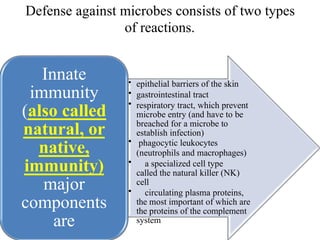
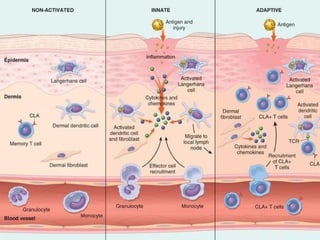
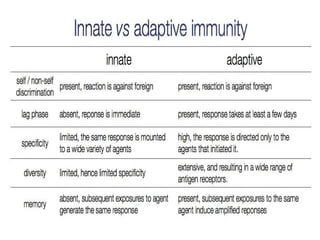
Defense against microbes consists of two types
of reactions.
• epithelial barriers of the skin
• gastrointestinal tract
• respiratory tract, which prevent
microbe entry (and have to be
breached for a microbe to
establish infection)
• phagocytic leukocytes
(neutrophils and macrophages)
• a specialized cell type
called the natural killer (NK)
cell
• circulating plasma proteins,
the most important of which are
the proteins of the complement
system
Innate
immunity
(also called
natural, or
native,
immunity)
major
components
are
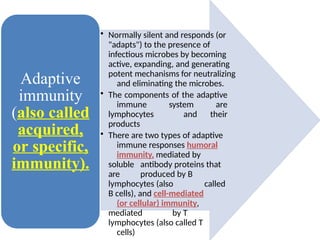
• Normally silent and responds (or
"adapts") to the presence of
infectious microbes by becoming
active, expanding, and generating
potent mechanisms for neutralizing
and eliminating the microbes.
• The components of the adaptive
immune system are
lymphocytes and their
products
• There are two types of adaptive
immune responses humoral
immunity, mediated by
soluble antibody proteins that
are produced by B
lymphocytes (also called
B cells), and cell-mediated
(or cellular) immunity,
mediated by T
lymphocytes (also called T
cells)
Adaptive
immunity
(also called
acquired,
or specific,
immunity).
• Immunization: a procedure designed to increase
concentrations of antibodies and/or effector T-cells which are
reactive against infection (or cancer).
• Immunization procedure called vaccination and the
immunizing agent called vaccine
Discovery of Vaccination
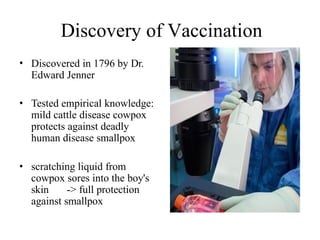
• Discovered in 1796 by Dr.
Edward Jenner
• Tested empirical knowledge:
mild cattle disease cowpox
protects against deadly
human disease smallpox
• scratching liquid from
cowpox sores into the boy's
skin -> full protection
against smallpox
Immunization
• When performed before exposure to an infectious agent (or
soon after exposure in certain cases), it is called
immunoprophylaxis,
– intended to prevent the infection.
• When performed during an active infection (or existing
cancer), it is called immunotherapy, intending to cure
the infection (or cancer)
• Two mechanisms by which immunization can be achieved
• Passive immunization:
– Transfer of active humoral immunity in the form of
ready- made antibodies, from one individual to another. ..
– Protective Abs --> non immune recipient
– No immunological memory
• Active immunization:
– Give host a foreign organism/protein in non-infectious
form
– Induction of adaptive immune response, with protection
and memory.
METHODS OF ADMINISTRATION
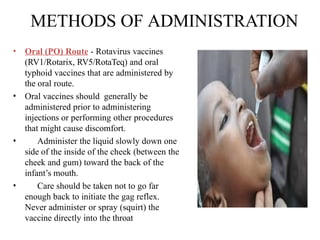
• Oral (PO) Route - Rotavirus vaccines
(RV1/Rotarix, RV5/RotaTeq) and oral
typhoid vaccines that are administered by
the oral route.
• Oral vaccines should generally be
administered prior to administering
injections or performing other procedures
that might cause discomfort.
• Administer the liquid slowly down one
side of the inside of the cheek (between the
cheek and gum) toward the back of the
infant’s mouth.
• Care should be taken not to go far
enough back to initiate the gag reflex.
Never administer or spray (squirt) the
vaccine directly into the throat
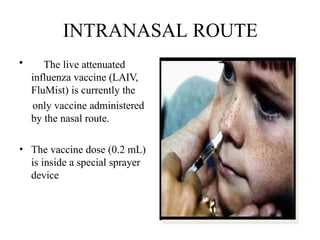
INTRANASAL ROUTE
• The live attenuated
influenza vaccine (LAIV,
FluMist) is currently the
only vaccine administered
by the nasal route.
• The vaccine dose (0.2 mL)
is inside a special sprayer
device
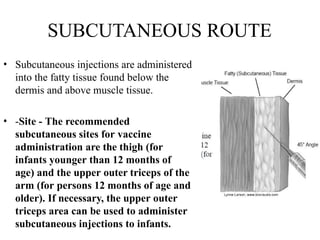
SUBCUTANEOUS ROUTE
• Subcutaneous injections are administered
into the fatty tissue found below the
dermis and above muscle tissue.
• -Site - The recommended
subcutaneous sites for vaccine
administration are the thigh (for
infants younger than 12 months of
age) and the upper outer triceps of the
arm (for persons 12 months of age and
older). If necessary, the upper outer
triceps area can be used to administer
subcutaneous injections to infants.
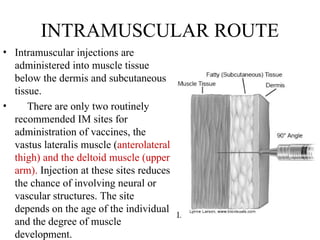
INTRAMUSCULAR ROUTE
• Intramuscular injections are
administered into muscle tissue
below the dermis and subcutaneous
tissue.
• There are only two routinely
recommended IM sites for
administration of vaccines, the
vastus lateralis muscle (anterolateral
thigh) and the deltoid muscle (upper
arm). Injection at these sites reduces
the chance of involving neural or
vascular structures. The site
depends on the age of the individual
and the degree of muscle
development.
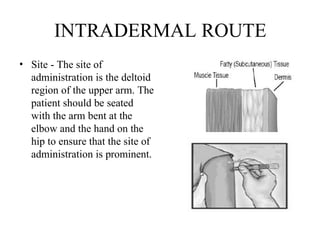
INTRADERMAL ROUTE
• Site - The site of
administration is the deltoid
region of the upper arm. The
patient should be seated
with the arm bent at the
elbow and the hand on the
hip to ensure that the site of
administration is prominent.
Live vaccines
• attenuated strains which replicate in host
• attenuation means the virus or bacterium has been weakened to
reduce virulence so it cannot cause disease in healthy people
• act like natural infection
• live vaccines are the closest to actual infection and therefore
elicit good, strong, long-lasting immune responses
Live vaccines
• Advantages
• Single dose often sufficient
to induce long-lasting
immunity
• Strong immune response
evoked
• Local and systemic
immunity produced
• Disadvantages
• Potential to revert to
virulence
• Contraindicated in
immunosuppressed patients
• Interference by viruses or
vaccines and passive
antibody
• Poor stability
• Potential for
contamination
Inactivated vaccines
Either:
• suspensions of whole intact killed organisms
– e.g. whole cell pertussis, influenza, rabies, HepA
• acellular and sub-unit vaccines
– contain one or a few components of organism important
in protection
– e.g. acellular pertussis vaccine contains between
2-5 components of the whole cell pertussis
bacteria
– e.g. diphtheria toxoid
– e.g. Hib polysaccharide
Inactivated vaccines
• Advantages
• Stable
• Constituents clearly defined
• Unable to cause the
infection
• Disadvantages
• Need several doses
• Local reactions common
• Adjuvant needed
– keeps vaccine at
injection site
– activates antigen
presenting
cells
• Shorter lasting
immunity
Conjugation
• Some bacteria (e.g. Haemophilus influenzae type b, Neisseria
meningitidis, Streptococcus pneumoniae) have an outer
coating of sugar molecules (called polysaccharides)
• Polysaccharide coatings make it difficult for a baby or
young child’s immature immune system to see and respond
to the bacterium inside
• Polysaccharide vaccines are poorly immunogenic in
children under 2 years old and do not stimulate long term
immunological memory
• Conjugate vaccines have enabled us to effectively protect
children against Hib, and pneumococcal diseases
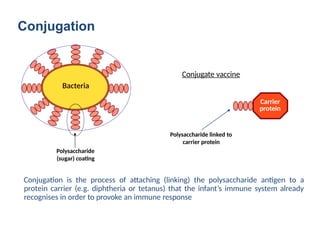
Carrier
protein
Polysaccharide linked to
carrier protein
Conjugate vaccine
Bacteria
Polysaccharide
(sugar) coating
Conjugation is the process of attaching (linking) the polysaccharide antigen to a
protein carrier (e.g. diphtheria or tetanus) that the infant’s immune system already
recognises in order to provoke an immune response
Conjugation
Combination Vaccines
• Many vaccines are combined to make it easier to give several
vaccines at one time
• Combination vaccines reduce both number of clinic visits and
number of injections needed
• Before combination vaccines are licensed, studies are carried
out to ensure that:
• the immune response to any of the combined antigens is
just as good as the response to the individual vaccines
• the rates of adverse reactions are the same as they would be
if the vaccines were administered separately
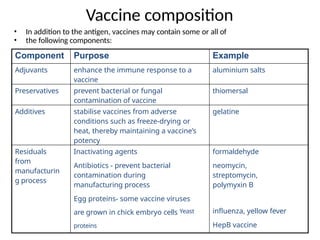
Component Purpose Example
Adjuvants enhance the immune response to a
vaccine
aluminium salts
Preservatives prevent bacterial or fungal
contamination of vaccine
thiomersal
Additives stabilise vaccines from adverse
conditions such as freeze-drying or
heat, thereby maintaining a vaccine’s
potency
gelatine
Residuals
from
manufacturin
g process
Inactivating agents
Antibiotics - prevent bacterial
contamination during
manufacturing process
Egg proteins- some vaccine viruses
are grown in chick embryo cells Yeast
proteins
formaldehyde
neomycin,
streptomycin,
polymyxin B
influenza, yellow fever
HepB vaccine
Vaccine composition
• In addition to the antigen, vaccines may contain some or all of
• the following components:
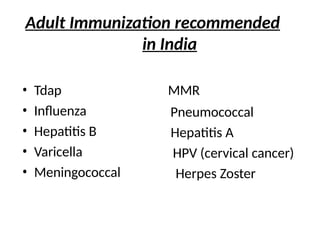
Adult Immunization recommended
in India
• Tdap
• Influenza
• Hepatitis B
• Varicella
• Meningococcal
MMR
Pneumococcal
Hepatitis A
HPV (cervical cancer)
Herpes Zoster
Diphtheria, Tetanus, Pertussis
Vaccines
• Two Tdap Vaccines are available for use in those
who are more than 10 years of age.
-Efficacy of Tdap vaccine - 92%
Recommendations
- for all adults who have not received Tdap or for
whom vaccine status is not known
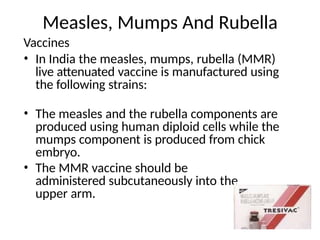
Measles, Mumps And Rubella
Vaccines
• In India the measles, mumps, rubella (MMR)
live attenuated vaccine is manufactured using
the following strains:
• The measles and the rubella components are
produced using human diploid cells while the
mumps component is produced from chick
embryo.
• The MMR vaccine should be
administered subcutaneously into the
upper arm.
Indications
• Adolesents and adults
• Women of childbearing age who is not
pregnant
FREQUENCY
• Two doses at interval of 4 weeks
• Subcutaneously in upper arm
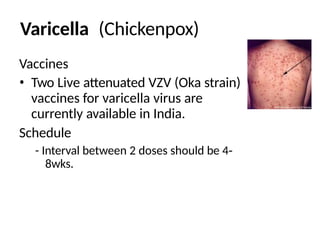
Varicella (Chickenpox)
Vaccines
• Two Live attenuated VZV (Oka strain)
vaccines for varicella virus are
currently available in India.
Schedule
- Interval between 2 doses should be 4-
8wks.
Recommendations
• All susceptible adults and adolescents should
be vaccinated.(18-49yrs)
• It is especially important to susceptible
persons
– Health care workers
– Family contacts of immunocompromised persons
– High risk of exposure (e.g., teachers, day care
employees, military personnel, and
international travelers).
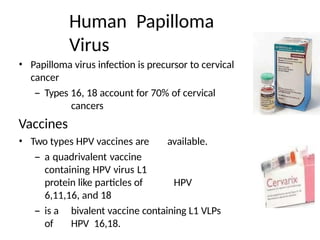
Human Papilloma
Virus
• Papilloma virus infection is precursor to cervical
cancer
– Types 16, 18 account for 70% of cervical
cancers
Vaccines
• Two types HPV vaccines are available.
– a quadrivalent vaccine
containing HPV virus L1
protein like particles of HPV
6,11,16, and 18
– is a bivalent vaccine containing L1 VLPs
of HPV 16,18.
Recommendations
• The
vaccine
exposure
to
has to be delivered
prior to the HPV
virus.Therefore, the
immunization must precede the sexual debut.
• Age for initiation for vaccination to be 10 - 12
years.
• Catch-up vaccination can be advised up to the
age of 26 years for Gardasil vaccine and
45 years for Cervarix vaccine.
• Schedule
– BHPV – 0,1,6 months
– QHPV – 0,2,6 months
For male HPV 4 is
recommanded
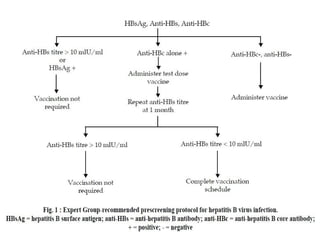
Hepatitis B
Vaccines
• For immunocompetent adults, 1ml (20
microgram) of recombinant vaccine is
administered at 0, 1, and 6 months as an
intramuscular.
• Protection (anti-HBs antibody titer of 10mIU/ml
or
higher) after recombinant vaccine
– After first dose - 20% to 30%
– After second dose - 75% to 80%
– After third doses - 90% to 95%
Recommendations
• All unvaccinated adult risk for HBV infection and
• All adults seeking protection from HBV
infection including post-exposure prophylaxis.
• Booster doses of HBV vaccine are not
indicated in persons with normal immune
status .
• For CKD patients, the need for booster
doses should be assessed by annual
anti- HBs antibody titre testing.
• A booster dose should be administered
when anti-HBs levels decline to less than 1
0 mIU/ml & <100 mIU/ml in patients on
dialysis.
Hepatitis A
• Vaccines
• Inactivated-single antigen (HAV antigen) vaccine
• Schedule
• Two doses of 1ml at 6 month interval.
• Immune status for hepatitis A should be
checked
Pneumococcal Infection
• The pneumococcal polysaccharide vaccine
(PPV23), contains 25microgram each of
purified capsular polysaccharide from 23
serotypes of Streptococcus pneumoniae.
• Pneumococcal conjugate vaccine (PCV 13)
– This vaccine can be co-administered with live
vaccines such as the influenza vaccine.
Schedule
– A single standard dose (0.5 ml) is
administered by the intramuscular or
subcutaneous route.
– Revaccination: 0.5ml IM or SC at least
after 5 years of 1st dose in case of
High risk people.
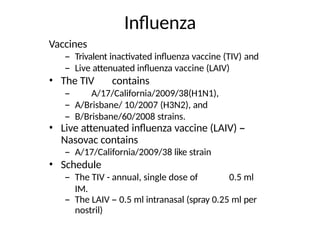
Influenza
Vaccines
– Trivalent inactivated influenza vaccine (TIV) and
– Live attenuated influenza vaccine (LAIV)
• The TIV contains
– A/17/California/2009/38(H1N1),
– A/Brisbane/ 10/2007 (H3N2), and
– B/Brisbane/60/2008 strains.
• Live attenuated influenza vaccine (LAIV) –
Nasovac contains
– A/17/California/2009/38 like strain
• Schedule
– The TIV - annual, single dose of 0.5 ml
IM.
– The LAIV – 0.5 ml intranasal (spray 0.25 ml per
nostril)
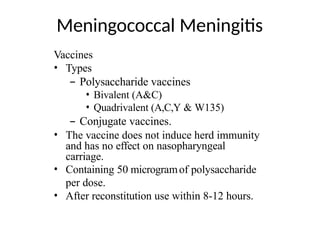
Meningococcal Meningitis
Vaccines
• Types
– Polysaccharide vaccines
• Bivalent (A&C)
• Quadrivalent (A,C,Y & W135)
– Conjugate vaccines.
• The vaccine does not induce herd immunity
and has no effect on nasopharyngeal
carriage.
• Containing 50 microgramof polysaccharide
per dose.
• After reconstitution use within 8-12 hours.
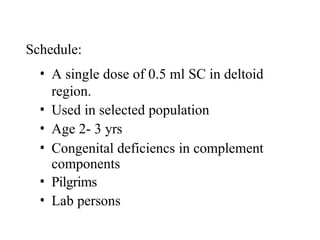
Schedule:
• A single dose of 0.5 ml SC in deltoid
region.
• Used in selected population
• Age 2- 3 yrs
• Congenital deficiencs in complement
components
• Pilgrims
• Lab persons
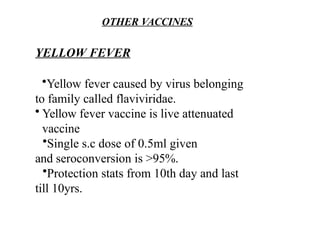
OTHER VACCINES
YELLOW FEVER
•Yellow fever caused by virus belonging
to family called flaviviridae.
• Yellow fever vaccine is live attenuated
vaccine
•Single s.c dose of 0.5ml given
and seroconversion is >95%.
•Protection stats from 10th day and last
till 10yrs.
• For Rabies Two regime available
- Intramuscular
- Intradermal
• Cholera vaccine
- Oral cholera – WC, WC-rBS, CVD-103HgR
- Injectable – not used
• Typhoid
-Vi polysaccharide vaccine
-ty21a vaccine
For Tuberculosis
- BCG vaccine currently available
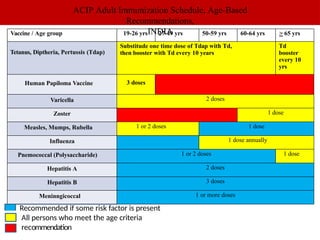
Vaccine / Age group 19-26 yrs 27-49 yrs 50-59 yrs 60-64 yrs > 65 yrs
Tetanus, Diptheria, Pertussis (Tdap)
Substitude one time dose of Tdap with Td,
then booster with Td every 10 years
Td
booster
every 10
yrs
Human Papiloma Vaccine 3 doses
Varicella 2 doses
Zoster 1 dose
Measles, Mumps, Rubella 1 or 2 doses 1 dose
Influenza 1 dose annually
Pnemococcal (Polysaccharide) 1 or 2 doses 1 dose
Hepatitis A 2 doses
Hepatitis B 3 doses
Meninngicoccal 1 or more doses
Recommended if some risk factor is present
All persons who meet the age criteria
recommendation
ACIP Adult Immunization Schedule, Age-Based
Recommendations,
INDIA
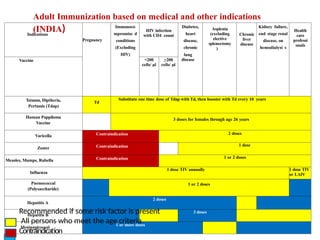
Indications
Pregnancy
Immunoco
mpromise d
conditions
(Excluding
HIV)
HIV infection
with CD4 count
Diabetes,
heart
disease,
chronic
lung
disease
Asplenia
(excluding
elective
splenectomy
)
Chronic
liver
disease
Kidney failure,
end stage renal
disease, on
hemodialysi s
Health
care
professi
onals
Vaccine <200
cells/ µl
>200
cells/ µl
Tetanus, Diptheria,
Pertussis (Tdap)
Td
Substitute one time dose of Tdap with Td, then booster with Td every 10 years
Human Pappiloma
Vaccine
3 doses for females through age 26 years
Varicella Contraindication 2 doses
Zoster Contraindication 1 dose
Measles, Mumps, Rubella Contraindication 1 or 2 doses
Influenza
1 dose TIV annually 1 dose TIV
or LAIV
Pnemococcal
(Polysaccharide)
1 or 2 doses
Hepatitis A
2 doses
Hepatitis B
3 doses
Meninngicoccal
1 or more doses
Recommended if some risk factor is present
All persons who meet the age criteria
Contraindication
Adult Immunization based on medical and other indications
(INDIA)
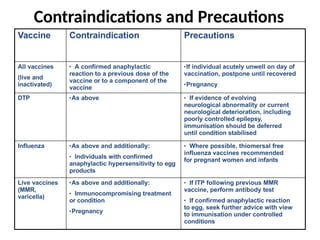
Contraindications and Precautions
Vaccine Contraindication Precautions
All vaccines
(live and
inactivated)
• A confirmed anaphylactic
reaction to a previous dose of the
vaccine or to a component of the
vaccine
•If individual acutely unwell on day of
vaccination, postpone until recovered
•Pregnancy
DTP •As above • If evidence of evolving
neurological abnormality or current
neurological deterioration, including
poorly controlled epilepsy,
immunisation should be deferred
until condition stabilised
Influenza •As above and additionally:
• Individuals with confirmed
anaphylactic hypersensitivity to egg
products
• Where possible, thiomersal free
influenza vaccines recommended
for pregnant women and infants
Live vaccines
(MMR,
varicella)
•As above and additionally:
• Immunocompromising treatment
or condition
•Pregnancy
• If ITP following previous MMR
vaccine, perform antibody test
• If confirmed anaphylactic reaction
to egg, seek further advice with view
to immunisation under controlled
conditions
Adult Immunization Challenges
•Inadequate funding for vaccines and
administration in public programs
•Lack of knowledge – both patients and
providers
•Poor public health and private
infrastructure for vaccine delivery.
• Lack of availability of vaccine.
• High cost of vaccine.
Adult Immunization in India.............

Adult Immunization in India.............

  • 1.
  • 2.
    • Immunity refersto protection against infections. • Immune system is the collection of cells and molecules that are responsible for defending us against the countless pathogenic microbes in our environment. • Deficiencies in immune defenses result in an increased susceptibility to infections, which can be life-threatening if the deficits are not corrected
  • 3.
    Defense against microbesconsists of two types of reactions. • epithelial barriers of the skin • gastrointestinal tract • respiratory tract, which prevent microbe entry (and have to be breached for a microbe to establish infection) • phagocytic leukocytes (neutrophils and macrophages) • a specialized cell type called the natural killer (NK) cell • circulating plasma proteins, the most important of which are the proteins of the complement system Innate immunity (also called natural, or native, immunity) major components are
  • 4.
    • Normally silentand responds (or "adapts") to the presence of infectious microbes by becoming active, expanding, and generating potent mechanisms for neutralizing and eliminating the microbes. • The components of the adaptive immune system are lymphocytes and their products • There are two types of adaptive immune responses humoral immunity, mediated by soluble antibody proteins that are produced by B lymphocytes (also called B cells), and cell-mediated (or cellular) immunity, mediated by T lymphocytes (also called T cells) Adaptive immunity (also called acquired, or specific, immunity).
  • 8.
    • Immunization: aprocedure designed to increase concentrations of antibodies and/or effector T-cells which are reactive against infection (or cancer). • Immunization procedure called vaccination and the immunizing agent called vaccine
  • 9.
    Discovery of Vaccination •Discovered in 1796 by Dr. Edward Jenner • Tested empirical knowledge: mild cattle disease cowpox protects against deadly human disease smallpox • scratching liquid from cowpox sores into the boy's skin -> full protection against smallpox
  • 10.
    Immunization • When performedbefore exposure to an infectious agent (or soon after exposure in certain cases), it is called immunoprophylaxis, – intended to prevent the infection. • When performed during an active infection (or existing cancer), it is called immunotherapy, intending to cure the infection (or cancer)
  • 11.
    • Two mechanismsby which immunization can be achieved • Passive immunization: – Transfer of active humoral immunity in the form of ready- made antibodies, from one individual to another. .. – Protective Abs --> non immune recipient – No immunological memory • Active immunization: – Give host a foreign organism/protein in non-infectious form – Induction of adaptive immune response, with protection and memory.
  • 12.
    METHODS OF ADMINISTRATION •Oral (PO) Route - Rotavirus vaccines (RV1/Rotarix, RV5/RotaTeq) and oral typhoid vaccines that are administered by the oral route. • Oral vaccines should generally be administered prior to administering injections or performing other procedures that might cause discomfort. • Administer the liquid slowly down one side of the inside of the cheek (between the cheek and gum) toward the back of the infant’s mouth. • Care should be taken not to go far enough back to initiate the gag reflex. Never administer or spray (squirt) the vaccine directly into the throat
  • 13.
    INTRANASAL ROUTE • Thelive attenuated influenza vaccine (LAIV, FluMist) is currently the only vaccine administered by the nasal route. • The vaccine dose (0.2 mL) is inside a special sprayer device
  • 14.
    SUBCUTANEOUS ROUTE • Subcutaneousinjections are administered into the fatty tissue found below the dermis and above muscle tissue. • -Site - The recommended subcutaneous sites for vaccine administration are the thigh (for infants younger than 12 months of age) and the upper outer triceps of the arm (for persons 12 months of age and older). If necessary, the upper outer triceps area can be used to administer subcutaneous injections to infants.
  • 15.
    INTRAMUSCULAR ROUTE • Intramuscularinjections are administered into muscle tissue below the dermis and subcutaneous tissue. • There are only two routinely recommended IM sites for administration of vaccines, the vastus lateralis muscle (anterolateral thigh) and the deltoid muscle (upper arm). Injection at these sites reduces the chance of involving neural or vascular structures. The site depends on the age of the individual and the degree of muscle development.
  • 16.
    INTRADERMAL ROUTE • Site- The site of administration is the deltoid region of the upper arm. The patient should be seated with the arm bent at the elbow and the hand on the hip to ensure that the site of administration is prominent.
  • 17.
    Live vaccines • attenuatedstrains which replicate in host • attenuation means the virus or bacterium has been weakened to reduce virulence so it cannot cause disease in healthy people • act like natural infection • live vaccines are the closest to actual infection and therefore elicit good, strong, long-lasting immune responses
  • 18.
    Live vaccines • Advantages •Single dose often sufficient to induce long-lasting immunity • Strong immune response evoked • Local and systemic immunity produced • Disadvantages • Potential to revert to virulence • Contraindicated in immunosuppressed patients • Interference by viruses or vaccines and passive antibody • Poor stability • Potential for contamination
  • 19.
    Inactivated vaccines Either: • suspensionsof whole intact killed organisms – e.g. whole cell pertussis, influenza, rabies, HepA • acellular and sub-unit vaccines – contain one or a few components of organism important in protection – e.g. acellular pertussis vaccine contains between 2-5 components of the whole cell pertussis bacteria – e.g. diphtheria toxoid – e.g. Hib polysaccharide
  • 20.
    Inactivated vaccines • Advantages •Stable • Constituents clearly defined • Unable to cause the infection • Disadvantages • Need several doses • Local reactions common • Adjuvant needed – keeps vaccine at injection site – activates antigen presenting cells • Shorter lasting immunity
  • 21.
    Conjugation • Some bacteria(e.g. Haemophilus influenzae type b, Neisseria meningitidis, Streptococcus pneumoniae) have an outer coating of sugar molecules (called polysaccharides) • Polysaccharide coatings make it difficult for a baby or young child’s immature immune system to see and respond to the bacterium inside • Polysaccharide vaccines are poorly immunogenic in children under 2 years old and do not stimulate long term immunological memory • Conjugate vaccines have enabled us to effectively protect children against Hib, and pneumococcal diseases
  • 22.
    Carrier protein Polysaccharide linked to carrierprotein Conjugate vaccine Bacteria Polysaccharide (sugar) coating Conjugation is the process of attaching (linking) the polysaccharide antigen to a protein carrier (e.g. diphtheria or tetanus) that the infant’s immune system already recognises in order to provoke an immune response Conjugation
  • 23.
    Combination Vaccines • Manyvaccines are combined to make it easier to give several vaccines at one time • Combination vaccines reduce both number of clinic visits and number of injections needed • Before combination vaccines are licensed, studies are carried out to ensure that: • the immune response to any of the combined antigens is just as good as the response to the individual vaccines • the rates of adverse reactions are the same as they would be if the vaccines were administered separately
  • 24.
    Component Purpose Example Adjuvantsenhance the immune response to a vaccine aluminium salts Preservatives prevent bacterial or fungal contamination of vaccine thiomersal Additives stabilise vaccines from adverse conditions such as freeze-drying or heat, thereby maintaining a vaccine’s potency gelatine Residuals from manufacturin g process Inactivating agents Antibiotics - prevent bacterial contamination during manufacturing process Egg proteins- some vaccine viruses are grown in chick embryo cells Yeast proteins formaldehyde neomycin, streptomycin, polymyxin B influenza, yellow fever HepB vaccine Vaccine composition • In addition to the antigen, vaccines may contain some or all of • the following components:
  • 25.
    Adult Immunization recommended inIndia • Tdap • Influenza • Hepatitis B • Varicella • Meningococcal MMR Pneumococcal Hepatitis A HPV (cervical cancer) Herpes Zoster
  • 26.
    Diphtheria, Tetanus, Pertussis Vaccines •Two Tdap Vaccines are available for use in those who are more than 10 years of age. -Efficacy of Tdap vaccine - 92% Recommendations - for all adults who have not received Tdap or for whom vaccine status is not known
  • 27.
    Measles, Mumps AndRubella Vaccines • In India the measles, mumps, rubella (MMR) live attenuated vaccine is manufactured using the following strains: • The measles and the rubella components are produced using human diploid cells while the mumps component is produced from chick embryo. • The MMR vaccine should be administered subcutaneously into the upper arm.
  • 28.
    Indications • Adolesents andadults • Women of childbearing age who is not pregnant FREQUENCY • Two doses at interval of 4 weeks • Subcutaneously in upper arm
  • 29.
    Varicella (Chickenpox) Vaccines • TwoLive attenuated VZV (Oka strain) vaccines for varicella virus are currently available in India. Schedule - Interval between 2 doses should be 4- 8wks.
  • 30.
    Recommendations • All susceptibleadults and adolescents should be vaccinated.(18-49yrs) • It is especially important to susceptible persons – Health care workers – Family contacts of immunocompromised persons – High risk of exposure (e.g., teachers, day care employees, military personnel, and international travelers).
  • 31.
    Human Papilloma Virus • Papillomavirus infection is precursor to cervical cancer – Types 16, 18 account for 70% of cervical cancers Vaccines • Two types HPV vaccines are available. – a quadrivalent vaccine containing HPV virus L1 protein like particles of HPV 6,11,16, and 18 – is a bivalent vaccine containing L1 VLPs of HPV 16,18.
  • 32.
    Recommendations • The vaccine exposure to has tobe delivered prior to the HPV virus.Therefore, the immunization must precede the sexual debut. • Age for initiation for vaccination to be 10 - 12 years. • Catch-up vaccination can be advised up to the age of 26 years for Gardasil vaccine and 45 years for Cervarix vaccine.
  • 33.
    • Schedule – BHPV– 0,1,6 months – QHPV – 0,2,6 months For male HPV 4 is recommanded
  • 34.
    Hepatitis B Vaccines • Forimmunocompetent adults, 1ml (20 microgram) of recombinant vaccine is administered at 0, 1, and 6 months as an intramuscular. • Protection (anti-HBs antibody titer of 10mIU/ml or higher) after recombinant vaccine – After first dose - 20% to 30% – After second dose - 75% to 80% – After third doses - 90% to 95% Recommendations • All unvaccinated adult risk for HBV infection and • All adults seeking protection from HBV infection including post-exposure prophylaxis.
  • 35.
    • Booster dosesof HBV vaccine are not indicated in persons with normal immune status . • For CKD patients, the need for booster doses should be assessed by annual anti- HBs antibody titre testing. • A booster dose should be administered when anti-HBs levels decline to less than 1 0 mIU/ml & <100 mIU/ml in patients on dialysis.
  • 37.
    Hepatitis A • Vaccines •Inactivated-single antigen (HAV antigen) vaccine • Schedule • Two doses of 1ml at 6 month interval. • Immune status for hepatitis A should be checked
  • 38.
    Pneumococcal Infection • Thepneumococcal polysaccharide vaccine (PPV23), contains 25microgram each of purified capsular polysaccharide from 23 serotypes of Streptococcus pneumoniae. • Pneumococcal conjugate vaccine (PCV 13) – This vaccine can be co-administered with live vaccines such as the influenza vaccine.
  • 39.
    Schedule – A singlestandard dose (0.5 ml) is administered by the intramuscular or subcutaneous route. – Revaccination: 0.5ml IM or SC at least after 5 years of 1st dose in case of High risk people.
  • 40.
    Influenza Vaccines – Trivalent inactivatedinfluenza vaccine (TIV) and – Live attenuated influenza vaccine (LAIV) • The TIV contains – A/17/California/2009/38(H1N1), – A/Brisbane/ 10/2007 (H3N2), and – B/Brisbane/60/2008 strains. • Live attenuated influenza vaccine (LAIV) – Nasovac contains – A/17/California/2009/38 like strain • Schedule – The TIV - annual, single dose of 0.5 ml IM. – The LAIV – 0.5 ml intranasal (spray 0.25 ml per nostril)
  • 41.
    Meningococcal Meningitis Vaccines • Types –Polysaccharide vaccines • Bivalent (A&C) • Quadrivalent (A,C,Y & W135) – Conjugate vaccines. • The vaccine does not induce herd immunity and has no effect on nasopharyngeal carriage. • Containing 50 microgramof polysaccharide per dose. • After reconstitution use within 8-12 hours.
  • 42.
    Schedule: • A singledose of 0.5 ml SC in deltoid region. • Used in selected population • Age 2- 3 yrs • Congenital deficiencs in complement components • Pilgrims • Lab persons
  • 43.
    OTHER VACCINES YELLOW FEVER •Yellowfever caused by virus belonging to family called flaviviridae. • Yellow fever vaccine is live attenuated vaccine •Single s.c dose of 0.5ml given and seroconversion is >95%. •Protection stats from 10th day and last till 10yrs.
  • 44.
    • For RabiesTwo regime available - Intramuscular - Intradermal • Cholera vaccine - Oral cholera – WC, WC-rBS, CVD-103HgR - Injectable – not used • Typhoid -Vi polysaccharide vaccine -ty21a vaccine For Tuberculosis - BCG vaccine currently available
  • 45.
    Vaccine / Agegroup 19-26 yrs 27-49 yrs 50-59 yrs 60-64 yrs > 65 yrs Tetanus, Diptheria, Pertussis (Tdap) Substitude one time dose of Tdap with Td, then booster with Td every 10 years Td booster every 10 yrs Human Papiloma Vaccine 3 doses Varicella 2 doses Zoster 1 dose Measles, Mumps, Rubella 1 or 2 doses 1 dose Influenza 1 dose annually Pnemococcal (Polysaccharide) 1 or 2 doses 1 dose Hepatitis A 2 doses Hepatitis B 3 doses Meninngicoccal 1 or more doses Recommended if some risk factor is present All persons who meet the age criteria recommendation ACIP Adult Immunization Schedule, Age-Based Recommendations, INDIA
  • 46.
    Indications Pregnancy Immunoco mpromise d conditions (Excluding HIV) HIV infection withCD4 count Diabetes, heart disease, chronic lung disease Asplenia (excluding elective splenectomy ) Chronic liver disease Kidney failure, end stage renal disease, on hemodialysi s Health care professi onals Vaccine <200 cells/ µl >200 cells/ µl Tetanus, Diptheria, Pertussis (Tdap) Td Substitute one time dose of Tdap with Td, then booster with Td every 10 years Human Pappiloma Vaccine 3 doses for females through age 26 years Varicella Contraindication 2 doses Zoster Contraindication 1 dose Measles, Mumps, Rubella Contraindication 1 or 2 doses Influenza 1 dose TIV annually 1 dose TIV or LAIV Pnemococcal (Polysaccharide) 1 or 2 doses Hepatitis A 2 doses Hepatitis B 3 doses Meninngicoccal 1 or more doses Recommended if some risk factor is present All persons who meet the age criteria Contraindication Adult Immunization based on medical and other indications (INDIA)
  • 47.
    Contraindications and Precautions VaccineContraindication Precautions All vaccines (live and inactivated) • A confirmed anaphylactic reaction to a previous dose of the vaccine or to a component of the vaccine •If individual acutely unwell on day of vaccination, postpone until recovered •Pregnancy DTP •As above • If evidence of evolving neurological abnormality or current neurological deterioration, including poorly controlled epilepsy, immunisation should be deferred until condition stabilised Influenza •As above and additionally: • Individuals with confirmed anaphylactic hypersensitivity to egg products • Where possible, thiomersal free influenza vaccines recommended for pregnant women and infants Live vaccines (MMR, varicella) •As above and additionally: • Immunocompromising treatment or condition •Pregnancy • If ITP following previous MMR vaccine, perform antibody test • If confirmed anaphylactic reaction to egg, seek further advice with view to immunisation under controlled conditions
  • 48.
    Adult Immunization Challenges •Inadequatefunding for vaccines and administration in public programs •Lack of knowledge – both patients and providers •Poor public health and private infrastructure for vaccine delivery. • Lack of availability of vaccine. • High cost of vaccine.