Adolescent Mental Health
Attention Deficit Disorder, Oppositional Defiant Disorder, and Conduct Disorder
Amanda Rostic
Grand Valley State University
rostica@mail.gvsu.edu
Contact References:
Symptoms:
Easily distracted, forgetful, difficulty focusing, difficulty
completing task, difficulty following instructions, talking
nonstop, and frequent fidgeting
Average Age of Onset: 7 years old
Boys are 4 times more likely than girls
More than 3 million US cases per year
Diagnosed: Most commonly via pediatrician or referral to a
mental health specialist with experience in childhood mental
disorders. School and medical records are reviewed as well as a
physical
Most common comorbidities: Oppositional defiant disorder,
Conduct disorder, Anxiety, Depression, Bipolar disorder, and
Tourette syndrome
Attention Deficit/Hyperactivity
Disorder
Oppositional Defiant Disorder and Conduct Disorder:
• Treatment varies based on severity, age of onset, and how well
the individual is able to participate/tolerate specific therapies
• There are currently no medications available
• Psychotherapy, Cognitive behavioral therapy, Family therapy,
and Parent Management Training
Attention Deficit /Hyperactivity Disorder :
• Behavioral therapy
• Pediatric Guidelines- recommend a combination of therapy and
medication (with the youngest patients receiving only therapy)
• Medications- the most common type used is a stimulant which
actual calms children with ADD/ADHD
• Different forms- pills, capsules, liquid, or skin patch
• Common- Adderall. Concerta, Ritalin
• Side effects- decreased appetite, sleep problems, tics,
personality changes such as “flat” (without emotion)
Causes: Actual & Hypothesized
Symptoms:
Repeated excessive temper tantrums, excessive arguing with adults,
refusal to comply with request and rules, being spiteful, seeking
revenge, and frequent outburst of anger and resentment
Average Age of Onset: 8 years old
More common in boys than girls
Estimated 2-16% of children and adolescents have ODD or CD
Diagnosed Via evaluation by a doctor, with a complete medical
history review, and physical examination (No lab test exist
currently)
Most common comorbidities: Bipolar disorder, Depression,
ADHD, Social phobia, Alcohol abuse, and drug abuse
Oppositional Defiant Disorder &
Conduct Disorder
The Issues:
• Stigmatism surrounding mental health conditions
• Lack of education about behavior disorders
• Lack of awareness about behavior disorders
• Pediatric recommended guidelines not being followed
What Can Public Health Professions Do:
• Advocacy- serve as the liaisons between medical professionals
and the general public
• Help organize and mobilize a national campaign designed to
generate education and awareness
• Help foster transparency in treatment
Remember generally speaking adolescents are not in charge of
their health care, they are a vulnerable population and it is our job
as a society to protect and ensure the best possible health
outcomes on their behalf
Public Health Call to Action
Oppositional Defiant Disorder and Conduct Disorder
• Biological: Brain injuries and abnormal functioning of
neurotransmitters
• Genetic: Family members with mental illnesses including
mood disorders, anxiety disorders, and personality disorders
•
• Environmental: Dysfunctional family life, substance abuse,
and inconsistent discipline by parents
Attention Deficit/ Hyperactivity Disorder
• Biological: Traumatic brain injury and delayed maturation of
brain structure(s)
• Genetic: Variant versions of genes that affect dopamine and
serotonin, twin studies, linkage studies, and genome wide
association studies have shown that ADHD can run in families
Genes of study interest: SLC6A3, DBH (609312),
DRD4(126452), DRD5 (126458), and SHTIB (182131)
• Environmental: A potential link between cigarette smoking
and alcohol use during pregnancy and a possible link in
preschoolers exposed to high levels of lead
Treatment
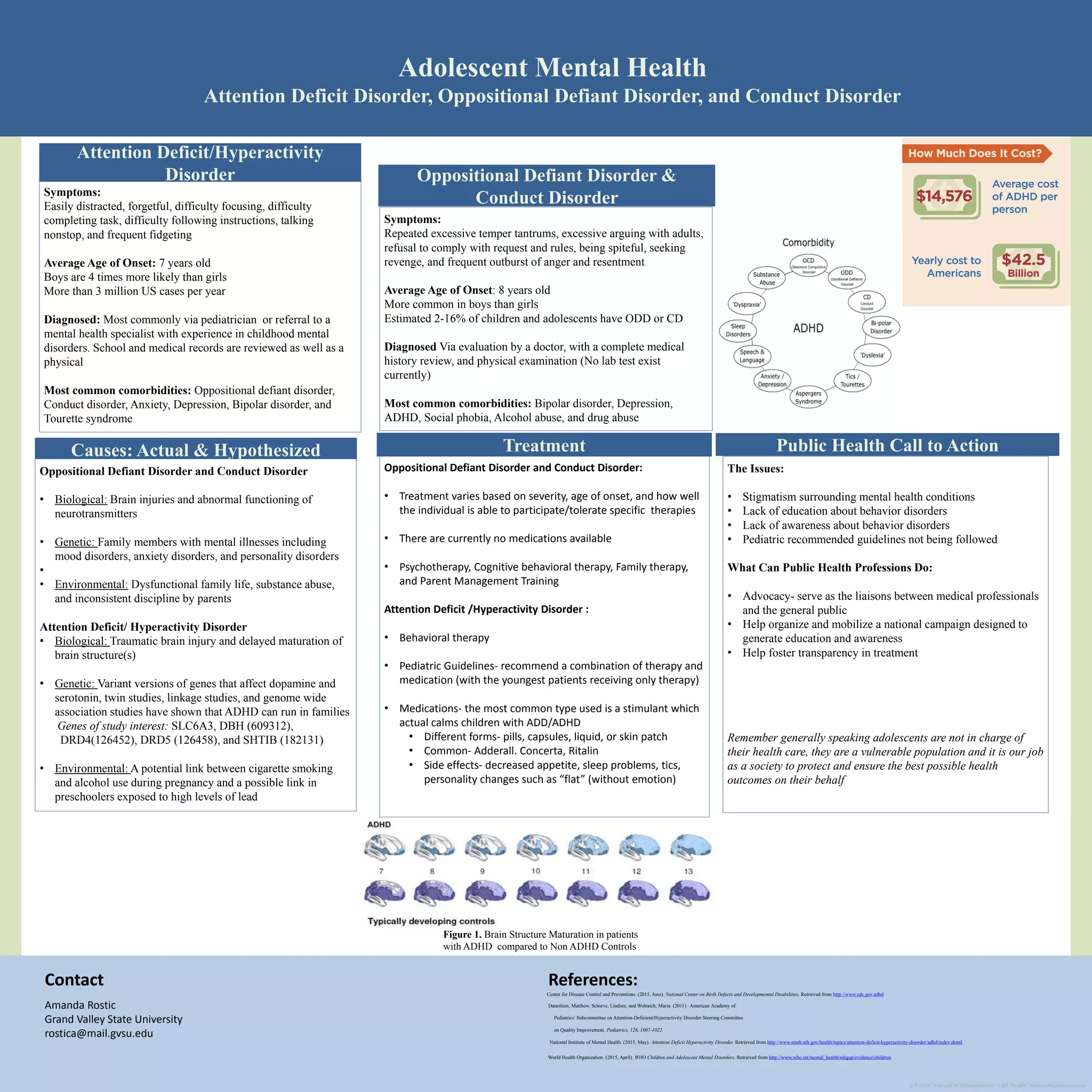
Figure 1. Brain Structure Maturation in patients
with ADHD compared to Non ADHD Controls
Daneilson, Matthew, Schieve, Lindsee, and Wolraich, Maria. (2011). American Academy of
Pediatrics’ Subcommittee on Attention-Deficient/Hyperactivity Disorder Steering Committee
on Quality Improvement. Pediatrics, 128, 1007-1022.
National Institute of Mental Health. (2015, May). Attention Deficit Hyperactivity Disorder. Retrieved from http://www.nimh.nih.gov/health/topics/attention-deficit-hyperactivity-disorder/adhd/indev.shmtl.
Center for Disease Control and Preventions. (2015, June). National Center on Birth Defects and Developmental Disabilities. Retrieved from http://www.cdc.gov.adhd
World Health Organization. (2015, April). WHO Children and Adolescent Mental Disorders. Retrieved from http://www.who.int/mental_health/mhgap/evidence/children

Adolescent Mental Health Presentation (2015)

  • 1.
    Adolescent Mental Health AttentionDeficit Disorder, Oppositional Defiant Disorder, and Conduct Disorder Amanda Rostic Grand Valley State University rostica@mail.gvsu.edu Contact References: Symptoms: Easily distracted, forgetful, difficulty focusing, difficulty completing task, difficulty following instructions, talking nonstop, and frequent fidgeting Average Age of Onset: 7 years old Boys are 4 times more likely than girls More than 3 million US cases per year Diagnosed: Most commonly via pediatrician or referral to a mental health specialist with experience in childhood mental disorders. School and medical records are reviewed as well as a physical Most common comorbidities: Oppositional defiant disorder, Conduct disorder, Anxiety, Depression, Bipolar disorder, and Tourette syndrome Attention Deficit/Hyperactivity Disorder Oppositional Defiant Disorder and Conduct Disorder: • Treatment varies based on severity, age of onset, and how well the individual is able to participate/tolerate specific therapies • There are currently no medications available • Psychotherapy, Cognitive behavioral therapy, Family therapy, and Parent Management Training Attention Deficit /Hyperactivity Disorder : • Behavioral therapy • Pediatric Guidelines- recommend a combination of therapy and medication (with the youngest patients receiving only therapy) • Medications- the most common type used is a stimulant which actual calms children with ADD/ADHD • Different forms- pills, capsules, liquid, or skin patch • Common- Adderall. Concerta, Ritalin • Side effects- decreased appetite, sleep problems, tics, personality changes such as “flat” (without emotion) Causes: Actual & Hypothesized Symptoms: Repeated excessive temper tantrums, excessive arguing with adults, refusal to comply with request and rules, being spiteful, seeking revenge, and frequent outburst of anger and resentment Average Age of Onset: 8 years old More common in boys than girls Estimated 2-16% of children and adolescents have ODD or CD Diagnosed Via evaluation by a doctor, with a complete medical history review, and physical examination (No lab test exist currently) Most common comorbidities: Bipolar disorder, Depression, ADHD, Social phobia, Alcohol abuse, and drug abuse Oppositional Defiant Disorder & Conduct Disorder The Issues: • Stigmatism surrounding mental health conditions • Lack of education about behavior disorders • Lack of awareness about behavior disorders • Pediatric recommended guidelines not being followed What Can Public Health Professions Do: • Advocacy- serve as the liaisons between medical professionals and the general public • Help organize and mobilize a national campaign designed to generate education and awareness • Help foster transparency in treatment Remember generally speaking adolescents are not in charge of their health care, they are a vulnerable population and it is our job as a society to protect and ensure the best possible health outcomes on their behalf Public Health Call to Action Oppositional Defiant Disorder and Conduct Disorder • Biological: Brain injuries and abnormal functioning of neurotransmitters • Genetic: Family members with mental illnesses including mood disorders, anxiety disorders, and personality disorders • • Environmental: Dysfunctional family life, substance abuse, and inconsistent discipline by parents Attention Deficit/ Hyperactivity Disorder • Biological: Traumatic brain injury and delayed maturation of brain structure(s) • Genetic: Variant versions of genes that affect dopamine and serotonin, twin studies, linkage studies, and genome wide association studies have shown that ADHD can run in families Genes of study interest: SLC6A3, DBH (609312), DRD4(126452), DRD5 (126458), and SHTIB (182131) • Environmental: A potential link between cigarette smoking and alcohol use during pregnancy and a possible link in preschoolers exposed to high levels of lead Treatment Figure 1. Brain Structure Maturation in patients with ADHD compared to Non ADHD Controls Daneilson, Matthew, Schieve, Lindsee, and Wolraich, Maria. (2011). American Academy of Pediatrics’ Subcommittee on Attention-Deficient/Hyperactivity Disorder Steering Committee on Quality Improvement. Pediatrics, 128, 1007-1022. National Institute of Mental Health. (2015, May). Attention Deficit Hyperactivity Disorder. Retrieved from http://www.nimh.nih.gov/health/topics/attention-deficit-hyperactivity-disorder/adhd/indev.shmtl. Center for Disease Control and Preventions. (2015, June). National Center on Birth Defects and Developmental Disabilities. Retrieved from http://www.cdc.gov.adhd World Health Organization. (2015, April). WHO Children and Adolescent Mental Disorders. Retrieved from http://www.who.int/mental_health/mhgap/evidence/children