Products Used
ANSYS® Maxwell® 15.0, ANSYS HFSS™ 14.0, ANSYS Simplorer® 10.0
Keywords
Wireless power transmission
A diverse variety of applications can benefit from wireless power transfer:
•	 Sensor networks
•	 Implanted medical devices
•	 Electric vehicle charging
The concept of available ambient power for electronic devices is a great
enabler of increasingly portable designs, especially since they eliminate the
tether required for charging.
The most common form of wireless power transmission uses direct induc-
tion; resonant magnetic induction applications are second. Both are related
to electromagnetic fields and can be modeled with ANSYS Maxwell or
ANSYS HFSS. In solving for electric and magnetic fields, you must drive
the coils with appropriate circuitry. ANSYS solutions offer this flexibility
through coupling between full-field solvers, such as Maxwell and HFSS, and
circuit design tools such as ANSYS Simplorer and ANSYS Designer™.
Inductive Type Coupling
Magnetic induction has been extensively used for wireless power transfer,
but its performance is directly linked with the mutual inductance between
transmitter and receiver coils, which decays as the inverse cube of separa-
tion distance. These types of designs rely on large numbers of coil turns or
bulky magnetic core materials to obtain higher coupling coefficients and,
therefore, higher efficiency. Using Maxwell, it is possible to automatically
Application Brief
Wireless Power Transfer
Wireless power transfer is the transmission of electrical energy from a power source to an
electrical load without interconnecting conductors. It was first studied by the Serbian-Amer-
ican physicist Nikola Tesla in late 1800s. The method uses two coils physically separated,
and when one of the coils is excited with a time-varying current, the resulting magnetic field
couples to the second coil and transfers power. The main issue with this method is that at
operating frequencies amenable to the transfer of large amounts of power, energy cannot
transferred through radiation; rather, it is stored in the near magnetic fields, making energy
transfer difficult over relatively large distances.
1
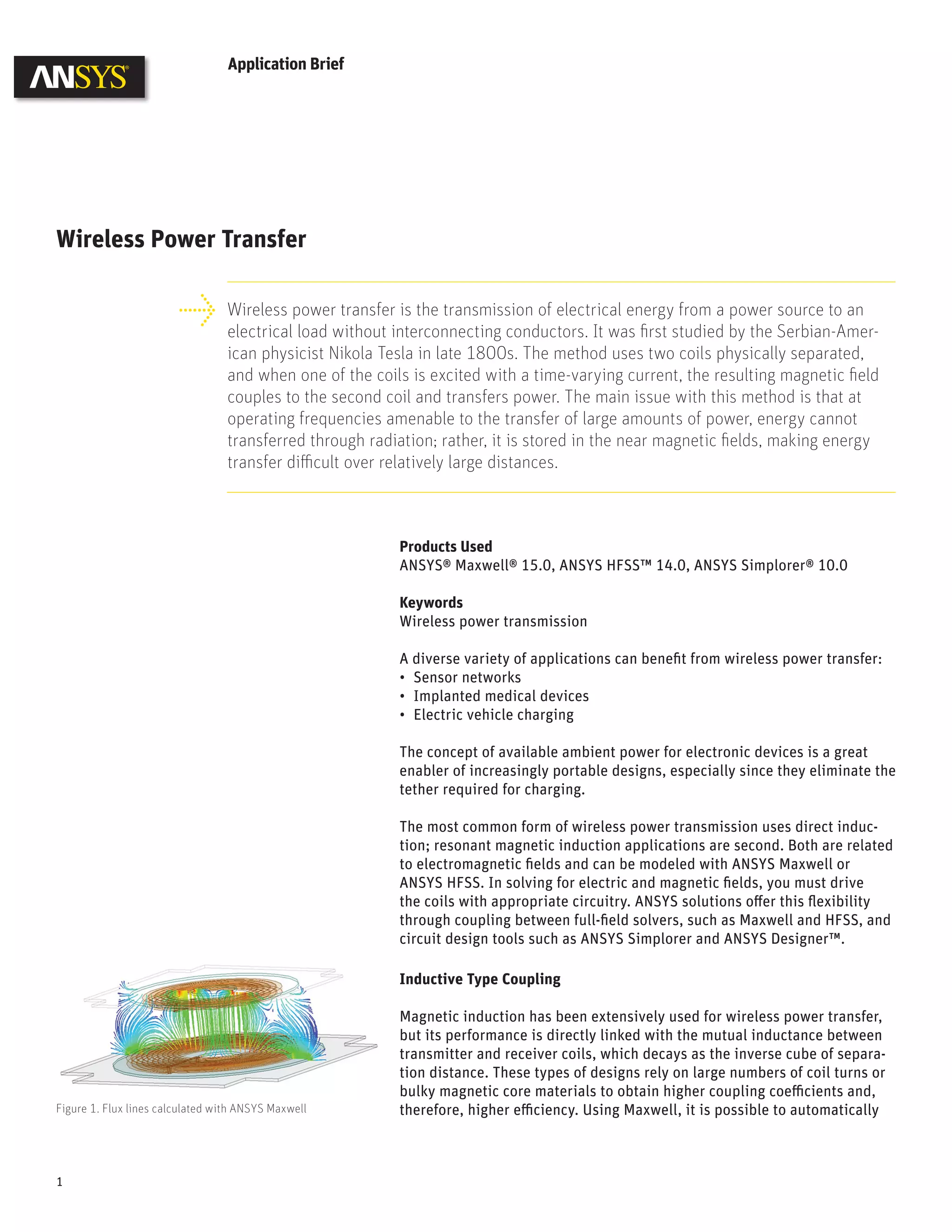
Figure 1. Flux lines calculated with ANSYS Maxwell
Wireless Power Transfer
calculate mutual and self inductances with the field solution, enabling a
variety of analyses, such as:
•	 Coupling efficiency
•	 Different coil topologies and separation distances
•	 Material properties and possible core saturation
Resonance Type Coupling
This type of power transfer depends on the electrical characteristics of the
source and the load — that is, both coils must be tuned to resonate at the
same frequency. This can be achieved through a combination of discrete
elements added to the excitation circuit and coil geometry. The ability to
solve for electric and magnetic fields at the same time allows the full-wave
field solver, HFSS, to directly account for capacitance in the coil geometry;
alternatively, with the possibility of adding discrete capacitors into the
coupled external circuits, Maxwell is suitable for this type of resonant
wireless coupling.
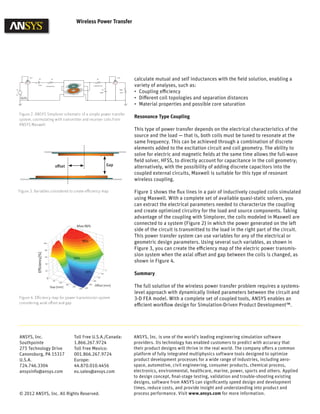
Figure 1 shows the flux lines in a pair of inductively coupled coils simulated
using Maxwell. With a complete set of available quasi-static solvers, you
can extract the electrical parameters needed to characterize the coupling
and create optimized circuitry for the load and source components. Taking
advantage of the coupling with Simplorer, the coils modeled in Maxwell are
connected to a system (Figure 2) in which the power generated on the left
side of the circuit is transmitted to the load in the right part of the circuit.
This power transfer system can use variables for any of the electrical or
geometric design parameters. Using several such variables, as shown in
Figure 3, you can create the efficiency map of the electric power transmis-
sion system when the axial offset and gap between the coils is changed, as
shown in Figure 4.
Summary
The full solution of the wireless power transfer problem requires a systems-
level approach with dynamically linked parameters between the circuit and
3-D FEA model. With a complete set of coupled tools, ANSYS enables an
efficient workflow design for Simulation-Driven Product Development™.
Figure 2. ANSYS Simplorer schematic of a simple power transfer
system, cosimulating with transmitter and receiver coils from
ANSYS Maxwell
Figure 3. Variables considered to create efficiency map
Figure 4. Efficiency map for power transmission system
considering axial offset and gap
Toll Free U.S.A./Canada:
1.866.267.9724
Toll Free Mexico:
001.866.267.9724
Europe:
44.870.010.4456
eu.sales@ansys.com
ANSYS, Inc.
Southpointe
275 Technology Drive
Canonsburg, PA 15317
U.S.A.
724.746.3304
ansysinfo@ansys.com
© 2012 ANSYS, Inc. All Rights Reserved.
ANSYS, Inc. is one of the world’s leading engineering simulation software
providers. Its technology has enabled customers to predict with accuracy that
their product designs will thrive in the real world. The company offers a common
platform of fully integrated multiphysics software tools designed to optimize
product development processes for a wide range of industries, including aero-
space, automotive, civil engineering, consumer products, chemical process,
electronics, environmental, healthcare, marine, power, sports and others. Applied
to design concept, final-stage testing, validation and trouble-shooting existing
designs, software from ANSYS can significantly speed design and development
times, reduce costs, and provide insight and understanding into product and
process performance. Visit www.ansys.com for more information.
offset Gap

Ab wireless-power-transfer

  • 1.
    Products Used ANSYS® Maxwell®15.0, ANSYS HFSS™ 14.0, ANSYS Simplorer® 10.0 Keywords Wireless power transmission A diverse variety of applications can benefit from wireless power transfer: • Sensor networks • Implanted medical devices • Electric vehicle charging The concept of available ambient power for electronic devices is a great enabler of increasingly portable designs, especially since they eliminate the tether required for charging. The most common form of wireless power transmission uses direct induc- tion; resonant magnetic induction applications are second. Both are related to electromagnetic fields and can be modeled with ANSYS Maxwell or ANSYS HFSS. In solving for electric and magnetic fields, you must drive the coils with appropriate circuitry. ANSYS solutions offer this flexibility through coupling between full-field solvers, such as Maxwell and HFSS, and circuit design tools such as ANSYS Simplorer and ANSYS Designer™. Inductive Type Coupling Magnetic induction has been extensively used for wireless power transfer, but its performance is directly linked with the mutual inductance between transmitter and receiver coils, which decays as the inverse cube of separa- tion distance. These types of designs rely on large numbers of coil turns or bulky magnetic core materials to obtain higher coupling coefficients and, therefore, higher efficiency. Using Maxwell, it is possible to automatically Application Brief Wireless Power Transfer Wireless power transfer is the transmission of electrical energy from a power source to an electrical load without interconnecting conductors. It was first studied by the Serbian-Amer- ican physicist Nikola Tesla in late 1800s. The method uses two coils physically separated, and when one of the coils is excited with a time-varying current, the resulting magnetic field couples to the second coil and transfers power. The main issue with this method is that at operating frequencies amenable to the transfer of large amounts of power, energy cannot transferred through radiation; rather, it is stored in the near magnetic fields, making energy transfer difficult over relatively large distances. 1 Figure 1. Flux lines calculated with ANSYS Maxwell
  • 2.
    Wireless Power Transfer calculatemutual and self inductances with the field solution, enabling a variety of analyses, such as: • Coupling efficiency • Different coil topologies and separation distances • Material properties and possible core saturation Resonance Type Coupling This type of power transfer depends on the electrical characteristics of the source and the load — that is, both coils must be tuned to resonate at the same frequency. This can be achieved through a combination of discrete elements added to the excitation circuit and coil geometry. The ability to solve for electric and magnetic fields at the same time allows the full-wave field solver, HFSS, to directly account for capacitance in the coil geometry; alternatively, with the possibility of adding discrete capacitors into the coupled external circuits, Maxwell is suitable for this type of resonant wireless coupling. Figure 1 shows the flux lines in a pair of inductively coupled coils simulated using Maxwell. With a complete set of available quasi-static solvers, you can extract the electrical parameters needed to characterize the coupling and create optimized circuitry for the load and source components. Taking advantage of the coupling with Simplorer, the coils modeled in Maxwell are connected to a system (Figure 2) in which the power generated on the left side of the circuit is transmitted to the load in the right part of the circuit. This power transfer system can use variables for any of the electrical or geometric design parameters. Using several such variables, as shown in Figure 3, you can create the efficiency map of the electric power transmis- sion system when the axial offset and gap between the coils is changed, as shown in Figure 4. Summary The full solution of the wireless power transfer problem requires a systems- level approach with dynamically linked parameters between the circuit and 3-D FEA model. With a complete set of coupled tools, ANSYS enables an efficient workflow design for Simulation-Driven Product Development™. Figure 2. ANSYS Simplorer schematic of a simple power transfer system, cosimulating with transmitter and receiver coils from ANSYS Maxwell Figure 3. Variables considered to create efficiency map Figure 4. Efficiency map for power transmission system considering axial offset and gap Toll Free U.S.A./Canada: 1.866.267.9724 Toll Free Mexico: 001.866.267.9724 Europe: 44.870.010.4456 eu.sales@ansys.com ANSYS, Inc. Southpointe 275 Technology Drive Canonsburg, PA 15317 U.S.A. 724.746.3304 ansysinfo@ansys.com © 2012 ANSYS, Inc. All Rights Reserved. ANSYS, Inc. is one of the world’s leading engineering simulation software providers. Its technology has enabled customers to predict with accuracy that their product designs will thrive in the real world. The company offers a common platform of fully integrated multiphysics software tools designed to optimize product development processes for a wide range of industries, including aero- space, automotive, civil engineering, consumer products, chemical process, electronics, environmental, healthcare, marine, power, sports and others. Applied to design concept, final-stage testing, validation and trouble-shooting existing designs, software from ANSYS can significantly speed design and development times, reduce costs, and provide insight and understanding into product and process performance. Visit www.ansys.com for more information. offset Gap