Group 05
Faculty of Management & Finance
University of Colombo
 It is a dimension of social responsibility that
involves principals and standards that define
acceptable conduct in marketing.
 It is the area of applied ethics which deals
with the moral principles behind the
operation and regulation of marketing.
 Some areas of marketing ethics overlap with
media ethics.
 Ethical marketing refers to the application of
marketing ethics into the marketing process.
 Study of ethical marketing should be included in
applied ethics and involves examination of
whether or not an honest and factual
representation.
 The increasing trend of fair trade is an example of
the impact of ethical marketing.
When an organization behave ethically, customers
develop more positive attitudes about the firm, its
products and its services.
To create value or trust with the company.
To build good image about the organization in the
minds of costumer, employee, companies and the
society.
Selling goods abroad which are banned at home
Omitting to provide information on side effects
Unsafe products
Built in obsolescence
 Wasteful and unnecessary packaging
 Deception on size and content
 Inaccurate and incomplete testing of products
 Treatment of animals in product testing
• Big rigging
• Dumping(pricing policy)
• Predatory pricing
• Price discrimination
• Price fixing
• Price skimming
• Price war
• Super competitive pricing
• Variable pricing
Place
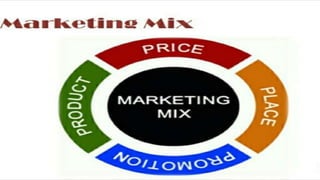
 Product distribution (or place) is one of the four
elements of the marketing mix.
 Distribution of product or service is transporting
them from manufacture to stockiest, wholesalers,
retailer and then to consumers.
 Ethical questions may also arise in the distribution
process.
 Because sales performance is the most common way in
which marketing representatives and sales personnel are
evaluated.
Performance pressures exits that may lead to ethical
dilemmas. For example: pressuring vendors to buy more
than they need and pushing items that will result in
higher commissions are temptations.
EXAMPLES:
• Many vendors sell products that have crossed expiry
date is unethical.
• Most drug stores would give too many drugs without
• Perception from a qualified doctor.
Promotion
 Promotion is the communication link between sellers and
buyers for the purpose of influencing or persuading a
potential buyer’s purchasing decision.
 To present information to consumers as well as others.
 To increase demand.
 To differentiate a product.
How promotion use in Unethical way
 Puffery
 Promoting unhealthy products
 Subliminal advertising
 Deceptive advertising
• Video
• https://youtu.be/c_jxNQUU4f0
Examples for unethical
advertising
• Video
• https://youtu.be/1kJUjR-r_og
• Video
• https://youtu.be/5rwIBIQNDdg
• Video
• https://youtu.be/PRJqSkT4HsQ
Ethical Norms and
Values for Marketers
ETHICAL NORMS
• Do not harm
• Foster trust in the marketing system
• Embrace ethical values
ETHICAL VALUES
 Honesty
To be forthright in dealings with customers and
stakeholders.
 Responsibility
To accept the consequences of our marketing decision
and strategies.
 Respect
To acknowledge the basic human dignity of all
stakeholders.
 Transparency
To create a spirit of openness in marketing operations.
 Citizenship
To fulfill the economic, legal, philanthropic and societal
responsibilities that serve stakeholders.
 Fairness
To balance justly the needs of the buyer with the
interests of the seller.
 What is marketing ethics
 Ethical marketing
 Importance of marketing ethics
 Ethical issues in marketing
 Ethical norms and values
5.MARKETING ETHICS - Copy5.pptx

5.MARKETING ETHICS - Copy5.pptx

  • 1.
    Group 05 Faculty ofManagement & Finance University of Colombo
  • 3.
     It isa dimension of social responsibility that involves principals and standards that define acceptable conduct in marketing.  It is the area of applied ethics which deals with the moral principles behind the operation and regulation of marketing.  Some areas of marketing ethics overlap with media ethics.
  • 5.
     Ethical marketingrefers to the application of marketing ethics into the marketing process.  Study of ethical marketing should be included in applied ethics and involves examination of whether or not an honest and factual representation.  The increasing trend of fair trade is an example of the impact of ethical marketing.
  • 7.
    When an organizationbehave ethically, customers develop more positive attitudes about the firm, its products and its services. To create value or trust with the company. To build good image about the organization in the minds of costumer, employee, companies and the society.
  • 10.
    Selling goods abroadwhich are banned at home Omitting to provide information on side effects Unsafe products Built in obsolescence
  • 11.
     Wasteful andunnecessary packaging  Deception on size and content  Inaccurate and incomplete testing of products  Treatment of animals in product testing
  • 12.
    • Big rigging •Dumping(pricing policy) • Predatory pricing • Price discrimination
  • 13.
    • Price fixing •Price skimming • Price war • Super competitive pricing • Variable pricing
  • 14.
    Place  Product distribution(or place) is one of the four elements of the marketing mix.  Distribution of product or service is transporting them from manufacture to stockiest, wholesalers, retailer and then to consumers.  Ethical questions may also arise in the distribution process.
  • 15.
     Because salesperformance is the most common way in which marketing representatives and sales personnel are evaluated. Performance pressures exits that may lead to ethical dilemmas. For example: pressuring vendors to buy more than they need and pushing items that will result in higher commissions are temptations.
  • 16.
    EXAMPLES: • Many vendorssell products that have crossed expiry date is unethical. • Most drug stores would give too many drugs without • Perception from a qualified doctor.
  • 17.
    Promotion  Promotion isthe communication link between sellers and buyers for the purpose of influencing or persuading a potential buyer’s purchasing decision.  To present information to consumers as well as others.  To increase demand.  To differentiate a product.
  • 18.
    How promotion usein Unethical way  Puffery  Promoting unhealthy products  Subliminal advertising  Deceptive advertising
  • 19.
  • 20.
  • 21.
  • 22.
  • 23.
  • 24.
  • 25.
    ETHICAL NORMS • Donot harm • Foster trust in the marketing system • Embrace ethical values
  • 26.
    ETHICAL VALUES  Honesty Tobe forthright in dealings with customers and stakeholders.  Responsibility To accept the consequences of our marketing decision and strategies.  Respect To acknowledge the basic human dignity of all stakeholders.
  • 27.
     Transparency To createa spirit of openness in marketing operations.  Citizenship To fulfill the economic, legal, philanthropic and societal responsibilities that serve stakeholders.  Fairness To balance justly the needs of the buyer with the interests of the seller.
  • 28.
     What ismarketing ethics  Ethical marketing  Importance of marketing ethics  Ethical issues in marketing  Ethical norms and values