The relationship between
occupational balance and health:
A pilot study
A.A. WILCOCK, University of South Australia, Adelaide, South Australia.
M. CHELIN, University of South Australia, Adelaide, South Australia.
M. HALL, University of South Australia, Adelaide, South Australia.
N. HAMLEY, University of South Australia, Adelaide, South Australia.
B. MORRISON, University of South Australia, Adelaide, South Australia.
L. SCRIVENER, University of South Australia, Adelaide, South Australia.
M. TOWNSEND, University of South Australia, Adelaide, South Australia.
K. TREEN, University of South Australia, Adelaide, South Australia.
ABSTRACT Occupational therapists, physicians and others evince an appreciation
of the relationship between balanced lifestyles and health, but there are few studies
that concentrate on balance as a key issue. This paper reports on a pilot study that
tested the effectiveness of a questionnaire to explore perceptions of occupational bal-
ance and its relationship to health. The ultimate aim is to provide information that
may assist clients, or the population in general, about potentially healthily balanced
configurations of occupation. Using a cluster sampling method and with 146 respon-
dents the results of a questionnaire indicated that, for many of these respondents,
perceived ideal occupational balance is approximately equal involvement in physical,
mental, social and rest occupations. A correlation between reported good health and
the closeness of current occupational patterns to the ideal was statistically significant.
These promising results warrant further investigation.
Key words: occupational balance, health.
INTRODUCTION
The notion of balance is central to the philosophical base of occupational
therapy provided by Adolf Meyer in 1922, and reaffirmed many times
throughout the profession’s history (Meyer, 1922). Rogers, for example, in
1984, held that ‘occupational therapy rests on the belief that a balance of self-
care, play, work and rest is essential for healthy living’, and that occupation is
Occupational Therapy International, 4(1), 17–30, 1997 © Whurr Publishers Ltd 17
OTI 4(1) 2nd Proof sc 4/1/06 1:05 pm Page 17
the means by which balance is achieved, and physical and mental well being
attained (Rogers, 1984, pp. 47–49). A more recent reaffirmation is provided
by the Canadian Occupational Performance Measure (1994) which has defined
the essence of an occupational performance approach as a client-centred,
integrated and balanced approach to self-care, productivity and leisure (Law,
Baptiste, Carswell, McColl, Polatajko & Pollock, 1994).
The idea of balance is also central to contemporary Western views of
health. It has taken root in both medical and popular consciousness through
important physiological notions such as ‘homeostasis’ (Cannon, 1932), and
growing interest in ‘natural health’, particularly from the time of the counter
cultural movements of the 1960s, and the Green revolution. We read in popu-
lar media of the necessity to achieve ‘balanced diets’ and ‘balanced lifestyles’
but, in the case of the latter, there is a dearth of material to enable us to
understand what these may be. In the main, though, such balance is sought
within the context of present day values and structures, which may have little
to do with ‘natural health’ or ‘true balance’.
This study aimed to trial a simple questionnaire as a tool for gathering
information about the relationship between occupational balance and health,
and to provide preliminary information which may assist in raising the aware-
ness of occupational therapy clients, or the population in general, about
potentially healthily balanced configurations of occupation.
Different insights into the notion of balance, particularly from an occu-
pational pespective, are gained when considering the behaviours of early
humans, which were largely unaffected by culturally acquired knowledge
and values, and how these may have influenced their health. Throughout
most of human history obligatory occupations, and many others of a cre-
ative, spiritual or playful kind, were carried out as an integral part of the
day-by-day business of wresting a living from nature (Bronowski, 1973;
Leakey, 1981; Burenhult, 1993). Early hunter-gatherers were constrained to
balance physical exertion with sedentary and rest occupations as, at least
until they learnt to create and control fire to their advantage at some time
between 100,000 to 10,000 years ago (Campbell, 1988; Gowlett, 1992;
Burenhult, 1993), they would have been mainly diurnal, so following basic
circadian patterns of sleeping and waking (Campbell, 1989). Their survival
demanded that all people engaged in a range of physical, mental and social
pursuits that were challenging and purposeful, yet which allowed for the
meeting of individual intrinsic needs, probably without undue rules and reg-
ulations to restrict choice.
There have been many speculations and comments about the health status
of early humans from a rich variety of sources, such as those of McNeill
(1979), who, in Plagues and People, supposes that ‘ancient hunters of the tem-
perate zone were most probably healthy folk’ despite short lifespans compared
with modern humans (p. 39). Views such as his are supported by reports from
explorers in their initial contacts with people of primitive cultures, which
18 Wilcock et al.
OTI 4(1) 2nd Proof sc 4/1/06 1:05 pm Page 18
suggest that they appeared both happy and healthy (Jenner, 1798/1978;
Beddoes, 1802–1803; Virey, 1828; Wharton, 1893).
Early Oriental writings highlight the place of balance in ‘natural health’
‘when the yin and the yang worked harmoniously . . . all creation was
unharmed, and the people did not die young’ (Chuang-tzu, c 300BC, cited in
Dubos,1959, p.10). Ancient Greeks, too, believed that a physician’s job was
to advise on due proportion, to ‘restore a healthy balance’ and to aid ‘the nat-
ural healing powers believed to exist in every human being’ (Risse, 1993,
p.11). This was recognised in Hippocratic writings (c 400BC cited in the
Encyclopaedia Britannica, 1952) and by Plato (c 370BC/1965) who espoused
balance of mind and body by avoiding ‘exercising either body or mind with-
out the other, and thus preserv[ing] an equal and healthy balance between
them’ (pp. 116–117). He advocated that those engaged in ‘strenuous intellec-
tual pursuit’ must also exercise the body, and those interested in physical fit-
ness should develop ‘cultural and intellectual interests’.
Despite such long-term interest most beliefs about occupational balance
remain conjecture, and even the relationship between activity and rest is
poorly understood. When the ‘natural’ balance between active and rest occu-
pations is considered from studies of more primitive cultures it would seem
that artificial constructs, such as the eight-hour day or five-day week, have lit-
tle to recommend them. Within these contemporary constructs people are
engaging in occupation for socially, economically or politically based ‘tempo-
ral’ reasons without due regard for how biologically based temporal rhythms
impact upon occupation, and on occupation’s relationship to health. Such
disregard continues despite studies which have found that shift work, which
disrupts sleep–wake patterns, can lead to irritability, malaise, fatigue, stomach
complaints, diminished concentration, diminished functional capabilities,
mood changes and increased susceptibility to accidents (Monk, 1988; Rosa &
Colligan, 1988; Dinges, Whitehouse, Orne & Orne, 1988).
This evidence suggests that imbalance can be viewed as a factor in disease
processes and this is supported by a number of other studies from different dis-
ciplines. In terms of the so-called lifestyle disorders of the present day, for
example, imbalance can be suggested as one cause of the production of ‘exces-
sive stress hormones — cortisol and catecholamines, which can lead to artery
damage, cholesterol buildup and heart disease’ (Justice, 1987, pp. 31–32); and
in terms of infectious diseases, when ‘our responses to problems in life are
excessive or deficient, . . . the balance is upset between us and our resident
pathogens’ because ‘the central nervous system and hormones act on our
immune defences in such a way that the microbes aid and abet disease’
(Justice, 1987, pp. 28–29).
A brief discussion of boredom and burnout as common responses to lack of
occupational balance also points to its impact on health. Boredom is the most
common emotional response to lack of stimulating occupation and burnout is
the widely reported emotional response to over-stimulation, and too much
Occupational balance and health 19
OTI 4(1) 2nd Proof sc 4/1/06 1:05 pm Page 19
occupation. Both boredom and burnout are forms of stress that have been
linked with ill health. Sigerist, the medical historian, for example, suggests
that although work is essential to health maintenance because ‘it determines
the chief rhythm of our life, balances it, and gives meaning and significance’, it
may also be harmful to health, may become a chief cause of disease, when there is too
much of it, when it is too hard, exceeding the capacity of an individual, when it is not
properly balanced by rest and recreation, or when it is performed under adverse circum-
stances (Sigerist, 1955, pp. 254–255).
Whilst overload has received more attention than insufficient occupation
as a cause of illness, if energy systems are not used they deteriorate. Both
‘highly conditioned endurance athletes who go through a period of detraining’
and people who are bedridden experience huge ‘decreases in the oxygen ener-
gy system in relatively short periods of time’ (Williams, 1990, p. 27). This
phenomenon can decrease immune responses, and increase susceptibility to
ill-health. Ardell claims that boredom is the chief adversary of wellness, argu-
ing that it can be held responsible for health-risk behaviours, such as, smok-
ing, drug and alcohol abuse, as well as neglect of positive action associated
with healthy lifestyles (Ardell, 1986).
Important questions about whether contemporary occupational structures,
and the social environment and political agendas that support these struc-
tures, provide people with opportunities for health enhancing, balanced yet
stimulating use of capacities need to be asked. This is particularly so because
occupational value in post-industrial cultures (and many other cultures striv-
ing to emulate post-industrialism) usually centres around paid employment.
Within paid employment there is little commonality in physical, mental,
social and obligatory requirements or opportunities for choice, so, for the
majority of people, engagement in other occupations is necessary, in most
instances, to ensure that a range of capacities are exercised and balanced to a
point equating to health and well-being. Despite affluent societies having an
abundance of occupational choices that offer opportunity for the exercise and
development of physical, mental and social skills, the structures, material costs
and values placed upon different aspects of occupation may well affect how
successfully individuals access these opportunities. People may also be restrict-
ed in their choice by factors as various as time, lack of resources, lack of
awareness or, perhaps, because the focus of their occupations appear irrelevant
to survival, health or well-being. However, a limited understanding of this
concept of balance suggests that it is chance, rather than design, which leads
to balanced engagement in occupation; to balanced lifestyles.
Defining what is balance is no easy task because what is considered work or
play is a social rather than a biological construct. The arbitrary dividing of
occupation impedes the conscious awareness of the need to balance mental,
physical, social, rest, chosen and obligatory occupations as integral aspects of
health. So, whilst most studies of occupational balance and health have
20 Wilcock et al.
OTI 4(1) 2nd Proof sc 4/1/06 1:05 pm Page 20
focused on the interplay of work, rest, self-care and leisure, it was decided by
this research group that because these terms are culturally defined, with no
clear physiological boundaries, they may not truly measure ‘occupational bal-
ance’. Instead, the researchers chose to consider occupational balance in
terms of physical, mental, social and rest occupations, more or less in line
with the World Health Organisation definition of health, but including rest,
because these categories embrace both biological and socio-cultural factors.
Additionally, because what people feel about, or do in, their work, self-
care, rest or leisure differs for everyone just as their capacities, interests and
responsibilities differ, so will balance, or concepts of what are mental, physi-
cal, social or rest occupations, differ for each individual. For this reason the
researchers sought individuals’ perceptions of their own occupational balance
and health status.
METHOD
Sample
Subjects were chosen using a cluster sampling method, involving seven clusters
of people in different living situations and of a broad age range. This was, in
part, to provide opportunity for the seven student researchers to gain experi-
ence in data collection. However, the researchers selected types of clusters in
order to ensure, as far as possible, a male/female and urban/rural mix that mir-
rored the population of South Australia, so that the results would be somewhat
representative. The sample included three family clusters, a school age group,
an elderly group, and two working age groups, one from the city and one from
the country. There were 146 respondents, some of whom were known to the
researchers and selected because of their particular circumstances, such as
belonging to a three generational family. Others were selected by door-knock-
ing or as they walked through a city shopping precinct, and yet others by ask-
ing for volunteers at school or office. Anonymity of subjects was ensured as
untreated data were handled only by the research group and kept confidential,
and the demographic data did not identify respondents in any way.
Note: The sample was restricted to Caucasians because of its size. Random
sampling was not possible within the constraints of this pilot study but would
ensure generalisability of results in a larger study and provide interesting com-
parisons of possible occupational balance variations between cultural groups.
Instrument
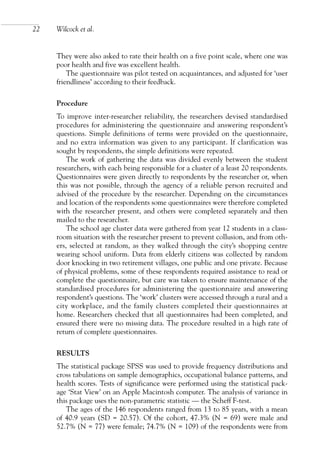
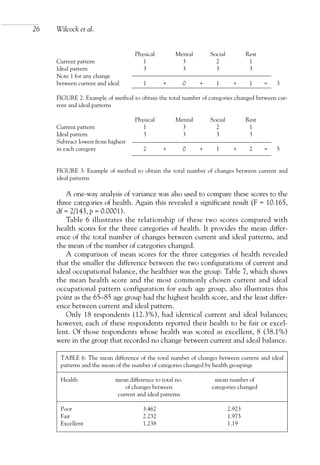
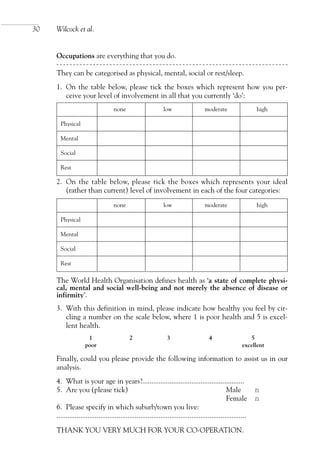
A simple two-page questionnaire was designed by the researchers (see Appendix
1). Respondents were asked to rate, on a table as shown in Figure 1, first, their
current, and second, their ideal involvement in physical, mental, social and rest
occupations according to a four point scale — none, low, moderate, and high.
Occupational balance and health 21
OTI 4(1) 2nd Proof sc 4/1/06 1:05 pm Page 21
They were also asked to rate their health on a five point scale, where one was
poor health and five was excellent health.
The questionnaire was pilot tested on acquaintances, and adjusted for ‘user
friendliness’ according to their feedback.
Procedure
To improve inter-researcher reliability, the researchers devised standardised
procedures for administering the questionnaire and answering respondent’s
questions. Simple definitions of terms were provided on the questionnaire,
and no extra information was given to any participant. If clarification was
sought by respondents, the simple definitions were repeated.
The work of gathering the data was divided evenly between the student
researchers, with each being responsible for a cluster of a least 20 respondents.
Questionnaires were given directly to respondents by the researcher or, when
this was not possible, through the agency of a reliable person recruited and
advised of the procedure by the researcher. Depending on the circumstances
and location of the respondents some questionnaires were therefore completed
with the researcher present, and others were completed separately and then
mailed to the researcher.
The school age cluster data were gathered from year 12 students in a class-
room situation with the researcher present to prevent collusion, and from oth-
ers, selected at random, as they walked through the city’s shopping centre
wearing school uniform. Data from elderly citizens was collected by random
door knocking in two retirement villages, one public and one private. Because
of physical problems, some of these respondents required assistance to read or
complete the questionnaire, but care was taken to ensure maintenance of the
standardised procedures for administering the questionnaire and answering
respondent’s questions. The ‘work’ clusters were accessed through a rural and a
city workplace, and the family clusters completed their questionnaires at
home. Researchers checked that all questionnaires had been completed, and
ensured there were no missing data. The procedure resulted in a high rate of
return of complete questionnaires.
RESULTS
The statistical package SPSS was used to provide frequency distributions and
cross tabulations on sample demographics, occupational balance patterns, and
health scores. Tests of significance were performed using the statistical pack-
age ‘Stat View’ on an Apple Macintosh computer. The analysis of variance in
this package uses the non-parametric statistic — the Scheff F-test.
The ages of the 146 respondents ranged from 13 to 85 years, with a mean
of 40.9 years (SD = 20.57). Of the cohort, 47.3% (N = 69) were male and
52.7% (N = 77) were female; 74.7% (N = 109) of the respondents were from
22 Wilcock et al.
OTI 4(1) 2nd Proof sc 4/1/06 1:05 pm Page 22
the Adelaide metropolitan area, and 25.3 % (N = 37) were from South Aus-
tralian country areas. The sampling closely mirrored gender and urban/rural
distributions in South Australia (see Table 1).
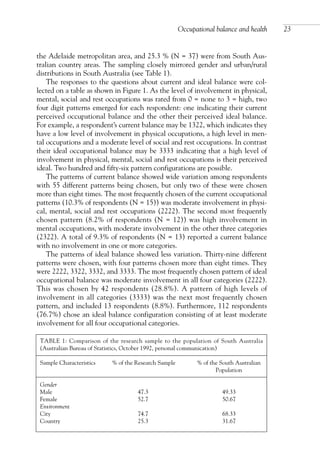
The responses to the questions about current and ideal balance were col-
lected on a table as shown in Figure 1. As the level of involvement in physical,
mental, social and rest occupations was rated from 0 = none to 3 = high, two
four digit patterns emerged for each respondent: one indicating their current
perceived occupational balance and the other their perceived ideal balance.
For example, a respondent’s current balance may be 1322, which indicates they
have a low level of involvement in physical occupations, a high level in men-
tal occupations and a moderate level of social and rest occupations. In contrast
their ideal occupational balance may be 3333 indicating that a high level of
involvement in physical, mental, social and rest occupations is their perceived
ideal. Two hundred and fifty-six pattern configurations are possible.
The patterns of current balance showed wide variation among respondents
with 55 different patterns being chosen, but only two of these were chosen
more than eight times. The most frequently chosen of the current occupational
patterns (10.3% of respondents (N = 15)) was moderate involvement in physi-
cal, mental, social and rest occupations (2222). The second most frequently
chosen pattern (8.2% of respondents (N = 12)) was high involvement in
mental occupations, with moderate involvement in the other three categories
(2322). A total of 9.3% of respondents (N = 13) reported a current balance
with no involvement in one or more categories.
The patterns of ideal balance showed less variation. Thirty-nine different
patterns were chosen, with four patterns chosen more than eight times. They
were 2222, 3322, 3332, and 3333. The most frequently chosen pattern of ideal
occupational balance was moderate involvement in all four categories (2222).
This was chosen by 42 respondents (28.8%). A pattern of high levels of
involvement in all categories (3333) was the next most frequently chosen
pattern, and included 13 respondents (8.8%). Furthermore, 112 respondents
(76.7%) chose an ideal balance configuration consisting of at least moderate
involvement for all four occupational categories.
Occupational balance and health 23
TABLE 1: Comparison of the research sample to the population of South Australia
(Australian Bureau of Statistics, October 1992, personal communication)
Sample Characteristics % of the Research Sample % of the South Australian
Population
Gender
Male 47.3 49.33
Female 52.7 50.67
Environment
City 74.7 68.33
Country 25.3 31.67
OTI 4(1) 2nd Proof sc 4/1/06 1:05 pm Page 23
24 Wilcock et al.
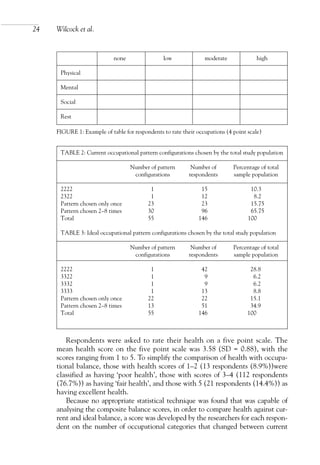
TABLE 2: Current occupational pattern configurations chosen by the total study population
Number of pattern Number of Percentage of total
configurations respondents sample population
2222 1 15 10.3
2322 1 12 8.2
Pattern chosen only once 23 23 15.75
Pattern chosen 2–8 times 30 96 65.75
Total 55 146 100
TABLE 3: Ideal occupational pattern configurations chosen by the total study population
Number of pattern Number of Percentage of total
configurations respondents sample population
2222 1 42 28.8
3322 1 9 6.2
3332 1 9 6.2
3333 1 13 8.8
Pattern chosen only once 22 22 15.1
Pattern chosen 2–8 times 13 51 34.9
Total 55 146 100
none low moderate high
Physical
Mental
Social
Rest
FIGURE 1: Example of table for respondents to rate their occupations (4 point scale)
Respondents were asked to rate their health on a five point scale. The
mean health score on the five point scale was 3.58 (SD = 0.88), with the
scores ranging from 1 to 5. To simplify the comparison of health with occupa-
tional balance, those with health scores of 1–2 (13 respondents (8.9%))were
classified as having ‘poor health’, those with scores of 3–4 (112 respondents
(76.7%)) as having ‘fair health’, and those with 5 (21 respondents (14.4%)) as
having excellent health.
Because no appropriate statistical technique was found that was capable of
analysing the composite balance scores, in order to compare health against cur-
rent and ideal balance, a score was developed by the researchers for each respon-
dent on the number of occupational categories that changed between current
OTI 4(1) 2nd Proof sc 4/1/06 1:05 pm Page 24
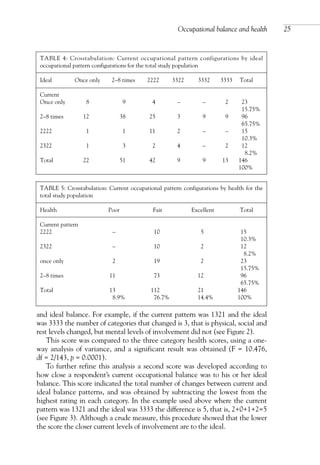
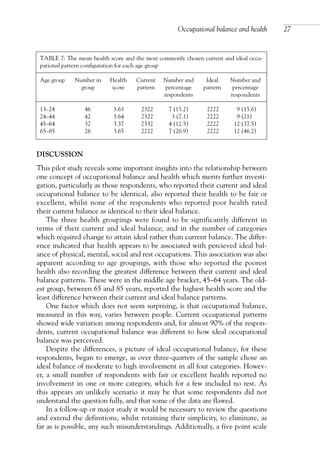
and ideal balance. For example, if the current pattern was 1321 and the ideal
was 3333 the number of categories that changed is 3, that is physical, social and
rest levels changed, but mental levels of involvement did not (see Figure 2).
This score was compared to the three category health scores, using a one-
way analysis of variance, and a significant result was obtained (F = 10.476,
df = 2/143, p = 0.0001).
To further refine this analysis a second score was developed according to
how close a respondent’s current occupational balance was to his or her ideal
balance. This score indicated the total number of changes between current and
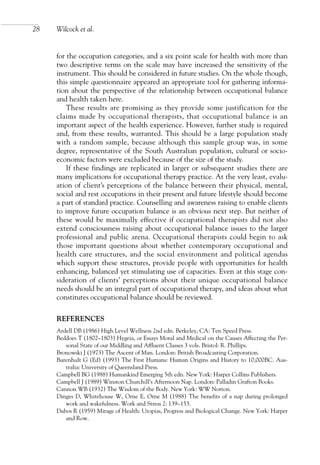
ideal balance patterns, and was obtained by subtracting the lowest from the
highest rating in each category. In the example used above where the current
pattern was 1321 and the ideal was 3333 the difference is 5, that is, 2+0+1+2=5
(see Figure 3). Although a crude measure, this procedure showed that the lower
the score the closer current levels of involvement are to the ideal.
Occupational balance and health 25
TABLE 4: Crosstabulation: Current occupational pattern configurations by ideal
occupational pattern configurations for the total study population
Ideal Once only 2–8 times 2222 3322 3332 3333 Total
Current
Once only 8 9 4 – – 2 23
15.75%
2–8 times 12 38 25 3 9 9 96
65.75%
2222 1 1 11 2 – – 15
10.3%
2322 1 3 2 4 – 2 12
8.2%
Total 22 51 42 9 9 13 146
100%
TABLE 5: Crosstabulation: Current occupational pattern configurations by health for the
total study population
Health Poor Fair Excellent Total
Current pattern
2222 – 10 5 15
10.3%
2322 – 10 2 12
8.2%
once only 2 19 2 23
15.75%
2–8 times 11 73 12 96
65.75%
Total 13 112 21 146
8.9% 76.7% 14.4% 100%
OTI 4(1) 2nd Proof sc 4/1/06 1:05 pm Page 25
A one-way analysis of variance was also used to compare these scores to the
three categories of health. Again this revealed a significant result (F = 10.165,
df = 2/143, p = 0.0001).
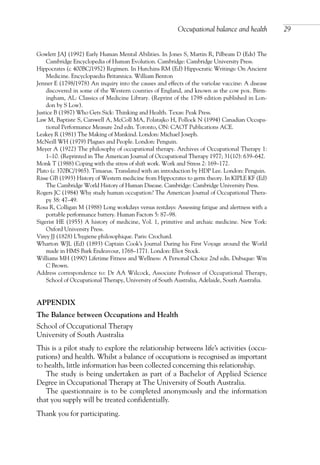
Table 6 illustrates the relationship of these two scores compared with
health scores for the three categories of health. It provides the mean differ-
ence of the total number of changes between current and ideal patterns, and
the mean of the number of categories changed.
A comparison of mean scores for the three categories of health revealed
that the smaller the difference between the two configurations of current and
ideal occupational balance, the healthier was the group. Table 7, which shows
the mean health score and the most commonly chosen current and ideal
occupational pattern configuration for each age group, also illustrates this
point as the 65–85 age group had the highest health score, and the least differ-
ence between current and ideal pattern.
Only 18 respondents (12.3%), had identical current and ideal balances;
however, each of these respondents reported their health to be fair or excel-
lent. Of those respondents whose health was scored as excellent, 8 (38.1%)
were in the group that recorded no change between current and ideal balance.
26 Wilcock et al.
Physical Mental Social Rest
Current pattern 1 3 2 1
Ideal pattern 3 3 3 3
Note 1 for any change
between current and ideal 1 + 0 + 1 + 1 = 3
FIGURE 2: Example of method to obtain the total number of categories changed between cur-
rent and ideal patterns
Physical Mental Social Rest
Current pattern 1 3 2 1
Ideal pattern 3 3 3 3
Subtract lowest from highest
in each category 2 + 0 + 1 + 2 = 5
FIGURE 3: Example of method to obtain the total number of changes between current and
ideal patterns
TABLE 6: The mean difference of the total number of changes between current and ideal
patterns and the mean of the number of categories changed by health groupings
Health mean difference to total no. mean number of
of changes between categories changed
current and ideal patterns
Poor 3.462 2.923
Fair 2.232 1.973
Excellent 1.238 1.19
OTI 4(1) 2nd Proof sc 4/1/06 1:05 pm Page 26
DISCUSSION
This pilot study reveals some important insights into the relationship between
one concept of occupational balance and health which merits further investi-
gation, particularly as those respondents, who reported their current and ideal
occupational balance to be identical, also reported their health to be fair or
excellent, whilst none of the respondents who reported poor health rated
their current balance as identical to their ideal balance.
The three health groupings were found to be significantly different in
terms of their current and ideal balance, and in the number of categories
which required change to attain ideal rather than current balance. The differ-
ence indicated that health appears to be associated with percieved ideal bal-
ance of physical, mental, social and rest occupations. This association was also
apparent according to age groupings, with those who reported the poorest
health also recording the greatest difference between their current and ideal
balance patterns. These were in the middle age bracket, 45–64 years. The old-
est group, between 65 and 85 years, reported the highest health score and the
least difference between their current and ideal balance patterns.
One factor which does not seem surprising, is that occupational balance,
measured in this way, varies between people. Current occupational patterns
showed wide variation among respondents and, for almost 90% of the respon-
dents, current occupational balance was different to how ideal occupational
balance was perceived.
Despite the differences, a picture of ideal occupational balance, for these
respondents, began to emerge, as over three-quarters of the sample chose an
ideal balance of moderate to high involvement in all four categories. Howev-
er, a small number of respondents with fair or excellent health reported no
involvement in one or more category, which for a few included no rest. As
this appears an unlikely scenario it may be that some respondents did not
understand the question fully, and that some of the data are flawed.
In a follow-up or major study it would be necessary to review the questions
and extend the definitions, whilst retaining their simplicity, to eliminate, as
far as is possible, any such misunderstandings. Additionally, a five point scale
Occupational balance and health 27
TABLE 7: The mean health score and the most commonly chosen current and ideal occu-
pational pattern configuration for each age group
Age group Number in Health Current Number and Ideal Number and
group score pattern percentage pattern percentage
respondents respondents
13–24 46 3.63 2322 7 (15.2) 2222 9 (15.6)
24–44 42 3.64 2322 3 (7.1) 2222 9 (21)
45–64 32 3.37 2332 4 (12.5) 2222 12 (37.5)
65–85 26 3.65 2222 7 (26.9) 2222 12 (46.2)
OTI 4(1) 2nd Proof sc 4/1/06 1:05 pm Page 27
for the occupation categories, and a six point scale for health with more than
two descriptive terms on the scale may have increased the sensitivity of the
instrument. This should be considered in future studies. On the whole though,
this simple questionnaire appeared an appropriate tool for gathering informa-
tion about the perspective of the relationship between occupational balance
and health taken here.
These results are promising as they provide some justification for the
claims made by occupational therapists, that occupational balance is an
important aspect of the health experience. However, further study is required
and, from these results, warranted. This should be a large population study
with a random sample, because although this sample group was, in some
degree, representative of the South Australian population, cultural or socio-
economic factors were excluded because of the size of the study.
If these findings are replicated in larger or subsequent studies there are
many implications for occupational therapy practice. At the very least, evalu-
ation of client’s perceptions of the balance between their physical, mental,
social and rest occupations in their present and future lifestyle should become
a part of standard practice. Counselling and awareness raising to enable clients
to improve future occupation balance is an obvious next step. But neither of
these would be maximally effective if occupational therapists did not also
extend consciousness raising about occupational balance issues to the larger
professional and public arena. Occupational therapists could begin to ask
those important questions about whether contemporary occupational and
health care structures, and the social environment and political agendas
which support these structures, provide people with opportunities for health
enhancing, balanced yet stimulating use of capacities. Even at this stage con-
sideration of clients’ perceptions about their unique occupational balance
needs should be an integral part of occupational therapy, and ideas about what
constitutes occupational balance should be reviewed.
REFERENCES
Ardell DB (1986) High Level Wellness 2nd edn. Berkeley, CA: Ten Speed Press.
Beddoes T (1802–1803) Hygeia, or Essays Moral and Medical on the Causes Affecting the Per-
sonal State of our Middling and Affluent Classes 3 vols. Bristol: R. Phillips.
Bronowski J (1973) The Ascent of Man. London: British Broadcasting Corporation.
Burenhult G (Ed) (1993) The First Humans: Human Origins and History to 10,000BC. Aus-
tralia: University of Queensland Press.
Campbell BG (1988) Humankind Emerging 5th edn. New York: Harper Collins Publishers.
Campbell J (1989) Winston Churchill’s Afternoon Nap. London: Palladin Grafton Books.
Cannon WB (1932) The Wisdom of the Body. New York: WW Norton.
Dinges D, Whitehouse W, Orne E, Orne M (1988) The benefits of a nap during prolonged
work and wakefulness. Work and Stress 2: 139–153.
Dubos R (1959) Mirage of Health: Utopias, Progress and Biological Change. New York: Harper
and Row.
28 Wilcock et al.
OTI 4(1) 2nd Proof sc 4/1/06 1:05 pm Page 28
Gowlett JAJ (1992) Early Human Mental Abilities. In Jones S, Martin R, Pilbeam D (Eds) The
Cambridge Encyclopedia of Human Evolution. Cambridge: Cambridge University Press.
Hippocrates (c 400BC/1952) Regimen. In Hutchins RM (Ed) Hippocratic Writings: On Ancient
Medicine. Encyclopaedia Britannica. William Benton
Jenner E (1798/1978) An inquiry into the causes and effects of the variolae vaccine: A disease
discovered in some of the Western counties of England, and known as the cow pox. Birm-
ingham, AL: Classics of Medicine Library. (Reprint of the 1798 edition published in Lon-
don by S Low).
Justice B (1987) Who Gets Sick: Thinking and Health. Texas: Peak Press.
Law M, Baptiste S, Carswell A, McColl MA, Polatajko H, Pollock N (1994) Canadian Occupa-
tional Performance Measure 2nd edn. Toronto, ON: CAOT Publications ACE.
Leakey R (1981) The Making of Mankind. London: Michael Joseph.
McNeill WH (1979) Plagues and People. London: Penguin.
Meyer A (1922) The philosophy of occupational therapy. Archives of Occupational Therapy 1:
1–10. (Reprinted in The American Journal of Occupational Therapy 1977; 31(10): 639–642.
Monk T (1988) Coping with the stress of shift work. Work and Stress 2: 169–172.
Plato (c 370BC/1965). Timaeus. Translated with an introduction by HDP Lee. London: Penguin.
Risse GB (1993) History of Western medicine from Hippocrates to germ theory. In KIPLE KF (Ed)
The Cambridge World History of Human Disease. Cambridge: Cambridge University Press.
Rogers JC (1984) Why study human occupation? The American Journal of Occupational Thera-
py 38: 47–49.
Rosa R, Colligan M (1988) Long workdays versus restdays: Assessing fatigue and alertness with a
portable performance battery. Human Factors 5: 87–98.
Sigerist HE (1955) A history of medicine, Vol. 1, primitive and archaic medicine. New York:
Oxford University Press.
Virey JJ (1828) L’hygiene philosophique. Paris: Crochard.
Wharton WJL (Ed) (1893) Captain Cook’s Journal During his First Voyage around the World
made in HMS Bark Endeavour, 1768–1771. London: Eliot Stock.
Williams MH (1990) Lifetime Fitness and Wellness: A Personal Choice 2nd edn. Dubuque: Wm
C Brown.
Address correspondence to: Dr AA Wilcock, Associate Professor of Occupational Therapy,
School of Occupational Therapy, University of South Australia, Adelaide, South Australia.
APPENDIX
The Balance between Occupations and Health
School of Occupational Therapy
University of South Australia
This is a pilot study to explore the relationship betweens life’s activities (occu-
pations) and health. Whilst a balance of occupations is recognised as important
to health, little information has been collected concerning this relationship.
The study is being undertaken as part of a Bachelor of Applied Science
Degree in Occupational Therapy at The University of South Australia.
The questionnaire is to be completed anonymously and the information
that you supply will be treated confidentially.
Thank you for participating.
Occupational balance and health 29
OTI 4(1) 2nd Proof sc 4/1/06 1:05 pm Page 29
Occupations are everything that you do.
They can be categorised as physical, mental, social or rest/sleep.
1. On the table below, please tick the boxes which represent how you per-
ceive your level of involvement in all that you currently ‘do’:
2. On the table below, please tick the boxes which represents your ideal
(rather than current) level of involvement in each of the four categories:
The World Health Organisation defines health as ‘a state of complete physi-
cal, mental and social well-being and not merely the absence of disease or
infirmity’.
3. With this definition in mind, please indicate how healthy you feel by cir-
cling a number on the scale below, where 1 is poor health and 5 is excel-
lent health.
1 2 3 4 5
poor excellent
Finally, could you please provide the following information to assist us in our
analysis.
4. What is your age in years?........................................................
5. Are you (please tick) Male nn
Female nn
6. Please specify in which suburb/town you live:
........................................................................................................
THANK YOU VERY MUCH FOR YOUR CO-OPERATION.
30 Wilcock et al.
none low moderate high
Physical
Mental
Social
Rest
none low moderate high
Physical
Mental
Social
Rest
OTI 4(1) 2nd Proof sc 4/1/06 1:05 pm Page 30

45 ftp

  • 1.
    The relationship between occupationalbalance and health: A pilot study A.A. WILCOCK, University of South Australia, Adelaide, South Australia. M. CHELIN, University of South Australia, Adelaide, South Australia. M. HALL, University of South Australia, Adelaide, South Australia. N. HAMLEY, University of South Australia, Adelaide, South Australia. B. MORRISON, University of South Australia, Adelaide, South Australia. L. SCRIVENER, University of South Australia, Adelaide, South Australia. M. TOWNSEND, University of South Australia, Adelaide, South Australia. K. TREEN, University of South Australia, Adelaide, South Australia. ABSTRACT Occupational therapists, physicians and others evince an appreciation of the relationship between balanced lifestyles and health, but there are few studies that concentrate on balance as a key issue. This paper reports on a pilot study that tested the effectiveness of a questionnaire to explore perceptions of occupational bal- ance and its relationship to health. The ultimate aim is to provide information that may assist clients, or the population in general, about potentially healthily balanced configurations of occupation. Using a cluster sampling method and with 146 respon- dents the results of a questionnaire indicated that, for many of these respondents, perceived ideal occupational balance is approximately equal involvement in physical, mental, social and rest occupations. A correlation between reported good health and the closeness of current occupational patterns to the ideal was statistically significant. These promising results warrant further investigation. Key words: occupational balance, health. INTRODUCTION The notion of balance is central to the philosophical base of occupational therapy provided by Adolf Meyer in 1922, and reaffirmed many times throughout the profession’s history (Meyer, 1922). Rogers, for example, in 1984, held that ‘occupational therapy rests on the belief that a balance of self- care, play, work and rest is essential for healthy living’, and that occupation is Occupational Therapy International, 4(1), 17–30, 1997 © Whurr Publishers Ltd 17 OTI 4(1) 2nd Proof sc 4/1/06 1:05 pm Page 17
  • 2.
    the means bywhich balance is achieved, and physical and mental well being attained (Rogers, 1984, pp. 47–49). A more recent reaffirmation is provided by the Canadian Occupational Performance Measure (1994) which has defined the essence of an occupational performance approach as a client-centred, integrated and balanced approach to self-care, productivity and leisure (Law, Baptiste, Carswell, McColl, Polatajko & Pollock, 1994). The idea of balance is also central to contemporary Western views of health. It has taken root in both medical and popular consciousness through important physiological notions such as ‘homeostasis’ (Cannon, 1932), and growing interest in ‘natural health’, particularly from the time of the counter cultural movements of the 1960s, and the Green revolution. We read in popu- lar media of the necessity to achieve ‘balanced diets’ and ‘balanced lifestyles’ but, in the case of the latter, there is a dearth of material to enable us to understand what these may be. In the main, though, such balance is sought within the context of present day values and structures, which may have little to do with ‘natural health’ or ‘true balance’. This study aimed to trial a simple questionnaire as a tool for gathering information about the relationship between occupational balance and health, and to provide preliminary information which may assist in raising the aware- ness of occupational therapy clients, or the population in general, about potentially healthily balanced configurations of occupation. Different insights into the notion of balance, particularly from an occu- pational pespective, are gained when considering the behaviours of early humans, which were largely unaffected by culturally acquired knowledge and values, and how these may have influenced their health. Throughout most of human history obligatory occupations, and many others of a cre- ative, spiritual or playful kind, were carried out as an integral part of the day-by-day business of wresting a living from nature (Bronowski, 1973; Leakey, 1981; Burenhult, 1993). Early hunter-gatherers were constrained to balance physical exertion with sedentary and rest occupations as, at least until they learnt to create and control fire to their advantage at some time between 100,000 to 10,000 years ago (Campbell, 1988; Gowlett, 1992; Burenhult, 1993), they would have been mainly diurnal, so following basic circadian patterns of sleeping and waking (Campbell, 1989). Their survival demanded that all people engaged in a range of physical, mental and social pursuits that were challenging and purposeful, yet which allowed for the meeting of individual intrinsic needs, probably without undue rules and reg- ulations to restrict choice. There have been many speculations and comments about the health status of early humans from a rich variety of sources, such as those of McNeill (1979), who, in Plagues and People, supposes that ‘ancient hunters of the tem- perate zone were most probably healthy folk’ despite short lifespans compared with modern humans (p. 39). Views such as his are supported by reports from explorers in their initial contacts with people of primitive cultures, which 18 Wilcock et al. OTI 4(1) 2nd Proof sc 4/1/06 1:05 pm Page 18
  • 3.
    suggest that theyappeared both happy and healthy (Jenner, 1798/1978; Beddoes, 1802–1803; Virey, 1828; Wharton, 1893). Early Oriental writings highlight the place of balance in ‘natural health’ ‘when the yin and the yang worked harmoniously . . . all creation was unharmed, and the people did not die young’ (Chuang-tzu, c 300BC, cited in Dubos,1959, p.10). Ancient Greeks, too, believed that a physician’s job was to advise on due proportion, to ‘restore a healthy balance’ and to aid ‘the nat- ural healing powers believed to exist in every human being’ (Risse, 1993, p.11). This was recognised in Hippocratic writings (c 400BC cited in the Encyclopaedia Britannica, 1952) and by Plato (c 370BC/1965) who espoused balance of mind and body by avoiding ‘exercising either body or mind with- out the other, and thus preserv[ing] an equal and healthy balance between them’ (pp. 116–117). He advocated that those engaged in ‘strenuous intellec- tual pursuit’ must also exercise the body, and those interested in physical fit- ness should develop ‘cultural and intellectual interests’. Despite such long-term interest most beliefs about occupational balance remain conjecture, and even the relationship between activity and rest is poorly understood. When the ‘natural’ balance between active and rest occu- pations is considered from studies of more primitive cultures it would seem that artificial constructs, such as the eight-hour day or five-day week, have lit- tle to recommend them. Within these contemporary constructs people are engaging in occupation for socially, economically or politically based ‘tempo- ral’ reasons without due regard for how biologically based temporal rhythms impact upon occupation, and on occupation’s relationship to health. Such disregard continues despite studies which have found that shift work, which disrupts sleep–wake patterns, can lead to irritability, malaise, fatigue, stomach complaints, diminished concentration, diminished functional capabilities, mood changes and increased susceptibility to accidents (Monk, 1988; Rosa & Colligan, 1988; Dinges, Whitehouse, Orne & Orne, 1988). This evidence suggests that imbalance can be viewed as a factor in disease processes and this is supported by a number of other studies from different dis- ciplines. In terms of the so-called lifestyle disorders of the present day, for example, imbalance can be suggested as one cause of the production of ‘exces- sive stress hormones — cortisol and catecholamines, which can lead to artery damage, cholesterol buildup and heart disease’ (Justice, 1987, pp. 31–32); and in terms of infectious diseases, when ‘our responses to problems in life are excessive or deficient, . . . the balance is upset between us and our resident pathogens’ because ‘the central nervous system and hormones act on our immune defences in such a way that the microbes aid and abet disease’ (Justice, 1987, pp. 28–29). A brief discussion of boredom and burnout as common responses to lack of occupational balance also points to its impact on health. Boredom is the most common emotional response to lack of stimulating occupation and burnout is the widely reported emotional response to over-stimulation, and too much Occupational balance and health 19 OTI 4(1) 2nd Proof sc 4/1/06 1:05 pm Page 19
  • 4.
    occupation. Both boredomand burnout are forms of stress that have been linked with ill health. Sigerist, the medical historian, for example, suggests that although work is essential to health maintenance because ‘it determines the chief rhythm of our life, balances it, and gives meaning and significance’, it may also be harmful to health, may become a chief cause of disease, when there is too much of it, when it is too hard, exceeding the capacity of an individual, when it is not properly balanced by rest and recreation, or when it is performed under adverse circum- stances (Sigerist, 1955, pp. 254–255). Whilst overload has received more attention than insufficient occupation as a cause of illness, if energy systems are not used they deteriorate. Both ‘highly conditioned endurance athletes who go through a period of detraining’ and people who are bedridden experience huge ‘decreases in the oxygen ener- gy system in relatively short periods of time’ (Williams, 1990, p. 27). This phenomenon can decrease immune responses, and increase susceptibility to ill-health. Ardell claims that boredom is the chief adversary of wellness, argu- ing that it can be held responsible for health-risk behaviours, such as, smok- ing, drug and alcohol abuse, as well as neglect of positive action associated with healthy lifestyles (Ardell, 1986). Important questions about whether contemporary occupational structures, and the social environment and political agendas that support these struc- tures, provide people with opportunities for health enhancing, balanced yet stimulating use of capacities need to be asked. This is particularly so because occupational value in post-industrial cultures (and many other cultures striv- ing to emulate post-industrialism) usually centres around paid employment. Within paid employment there is little commonality in physical, mental, social and obligatory requirements or opportunities for choice, so, for the majority of people, engagement in other occupations is necessary, in most instances, to ensure that a range of capacities are exercised and balanced to a point equating to health and well-being. Despite affluent societies having an abundance of occupational choices that offer opportunity for the exercise and development of physical, mental and social skills, the structures, material costs and values placed upon different aspects of occupation may well affect how successfully individuals access these opportunities. People may also be restrict- ed in their choice by factors as various as time, lack of resources, lack of awareness or, perhaps, because the focus of their occupations appear irrelevant to survival, health or well-being. However, a limited understanding of this concept of balance suggests that it is chance, rather than design, which leads to balanced engagement in occupation; to balanced lifestyles. Defining what is balance is no easy task because what is considered work or play is a social rather than a biological construct. The arbitrary dividing of occupation impedes the conscious awareness of the need to balance mental, physical, social, rest, chosen and obligatory occupations as integral aspects of health. So, whilst most studies of occupational balance and health have 20 Wilcock et al. OTI 4(1) 2nd Proof sc 4/1/06 1:05 pm Page 20
  • 5.
    focused on theinterplay of work, rest, self-care and leisure, it was decided by this research group that because these terms are culturally defined, with no clear physiological boundaries, they may not truly measure ‘occupational bal- ance’. Instead, the researchers chose to consider occupational balance in terms of physical, mental, social and rest occupations, more or less in line with the World Health Organisation definition of health, but including rest, because these categories embrace both biological and socio-cultural factors. Additionally, because what people feel about, or do in, their work, self- care, rest or leisure differs for everyone just as their capacities, interests and responsibilities differ, so will balance, or concepts of what are mental, physi- cal, social or rest occupations, differ for each individual. For this reason the researchers sought individuals’ perceptions of their own occupational balance and health status. METHOD Sample Subjects were chosen using a cluster sampling method, involving seven clusters of people in different living situations and of a broad age range. This was, in part, to provide opportunity for the seven student researchers to gain experi- ence in data collection. However, the researchers selected types of clusters in order to ensure, as far as possible, a male/female and urban/rural mix that mir- rored the population of South Australia, so that the results would be somewhat representative. The sample included three family clusters, a school age group, an elderly group, and two working age groups, one from the city and one from the country. There were 146 respondents, some of whom were known to the researchers and selected because of their particular circumstances, such as belonging to a three generational family. Others were selected by door-knock- ing or as they walked through a city shopping precinct, and yet others by ask- ing for volunteers at school or office. Anonymity of subjects was ensured as untreated data were handled only by the research group and kept confidential, and the demographic data did not identify respondents in any way. Note: The sample was restricted to Caucasians because of its size. Random sampling was not possible within the constraints of this pilot study but would ensure generalisability of results in a larger study and provide interesting com- parisons of possible occupational balance variations between cultural groups. Instrument A simple two-page questionnaire was designed by the researchers (see Appendix 1). Respondents were asked to rate, on a table as shown in Figure 1, first, their current, and second, their ideal involvement in physical, mental, social and rest occupations according to a four point scale — none, low, moderate, and high. Occupational balance and health 21 OTI 4(1) 2nd Proof sc 4/1/06 1:05 pm Page 21
  • 6.
    They were alsoasked to rate their health on a five point scale, where one was poor health and five was excellent health. The questionnaire was pilot tested on acquaintances, and adjusted for ‘user friendliness’ according to their feedback. Procedure To improve inter-researcher reliability, the researchers devised standardised procedures for administering the questionnaire and answering respondent’s questions. Simple definitions of terms were provided on the questionnaire, and no extra information was given to any participant. If clarification was sought by respondents, the simple definitions were repeated. The work of gathering the data was divided evenly between the student researchers, with each being responsible for a cluster of a least 20 respondents. Questionnaires were given directly to respondents by the researcher or, when this was not possible, through the agency of a reliable person recruited and advised of the procedure by the researcher. Depending on the circumstances and location of the respondents some questionnaires were therefore completed with the researcher present, and others were completed separately and then mailed to the researcher. The school age cluster data were gathered from year 12 students in a class- room situation with the researcher present to prevent collusion, and from oth- ers, selected at random, as they walked through the city’s shopping centre wearing school uniform. Data from elderly citizens was collected by random door knocking in two retirement villages, one public and one private. Because of physical problems, some of these respondents required assistance to read or complete the questionnaire, but care was taken to ensure maintenance of the standardised procedures for administering the questionnaire and answering respondent’s questions. The ‘work’ clusters were accessed through a rural and a city workplace, and the family clusters completed their questionnaires at home. Researchers checked that all questionnaires had been completed, and ensured there were no missing data. The procedure resulted in a high rate of return of complete questionnaires. RESULTS The statistical package SPSS was used to provide frequency distributions and cross tabulations on sample demographics, occupational balance patterns, and health scores. Tests of significance were performed using the statistical pack- age ‘Stat View’ on an Apple Macintosh computer. The analysis of variance in this package uses the non-parametric statistic — the Scheff F-test. The ages of the 146 respondents ranged from 13 to 85 years, with a mean of 40.9 years (SD = 20.57). Of the cohort, 47.3% (N = 69) were male and 52.7% (N = 77) were female; 74.7% (N = 109) of the respondents were from 22 Wilcock et al. OTI 4(1) 2nd Proof sc 4/1/06 1:05 pm Page 22
  • 7.
    the Adelaide metropolitanarea, and 25.3 % (N = 37) were from South Aus- tralian country areas. The sampling closely mirrored gender and urban/rural distributions in South Australia (see Table 1). The responses to the questions about current and ideal balance were col- lected on a table as shown in Figure 1. As the level of involvement in physical, mental, social and rest occupations was rated from 0 = none to 3 = high, two four digit patterns emerged for each respondent: one indicating their current perceived occupational balance and the other their perceived ideal balance. For example, a respondent’s current balance may be 1322, which indicates they have a low level of involvement in physical occupations, a high level in men- tal occupations and a moderate level of social and rest occupations. In contrast their ideal occupational balance may be 3333 indicating that a high level of involvement in physical, mental, social and rest occupations is their perceived ideal. Two hundred and fifty-six pattern configurations are possible. The patterns of current balance showed wide variation among respondents with 55 different patterns being chosen, but only two of these were chosen more than eight times. The most frequently chosen of the current occupational patterns (10.3% of respondents (N = 15)) was moderate involvement in physi- cal, mental, social and rest occupations (2222). The second most frequently chosen pattern (8.2% of respondents (N = 12)) was high involvement in mental occupations, with moderate involvement in the other three categories (2322). A total of 9.3% of respondents (N = 13) reported a current balance with no involvement in one or more categories. The patterns of ideal balance showed less variation. Thirty-nine different patterns were chosen, with four patterns chosen more than eight times. They were 2222, 3322, 3332, and 3333. The most frequently chosen pattern of ideal occupational balance was moderate involvement in all four categories (2222). This was chosen by 42 respondents (28.8%). A pattern of high levels of involvement in all categories (3333) was the next most frequently chosen pattern, and included 13 respondents (8.8%). Furthermore, 112 respondents (76.7%) chose an ideal balance configuration consisting of at least moderate involvement for all four occupational categories. Occupational balance and health 23 TABLE 1: Comparison of the research sample to the population of South Australia (Australian Bureau of Statistics, October 1992, personal communication) Sample Characteristics % of the Research Sample % of the South Australian Population Gender Male 47.3 49.33 Female 52.7 50.67 Environment City 74.7 68.33 Country 25.3 31.67 OTI 4(1) 2nd Proof sc 4/1/06 1:05 pm Page 23
  • 8.
    24 Wilcock etal. TABLE 2: Current occupational pattern configurations chosen by the total study population Number of pattern Number of Percentage of total configurations respondents sample population 2222 1 15 10.3 2322 1 12 8.2 Pattern chosen only once 23 23 15.75 Pattern chosen 2–8 times 30 96 65.75 Total 55 146 100 TABLE 3: Ideal occupational pattern configurations chosen by the total study population Number of pattern Number of Percentage of total configurations respondents sample population 2222 1 42 28.8 3322 1 9 6.2 3332 1 9 6.2 3333 1 13 8.8 Pattern chosen only once 22 22 15.1 Pattern chosen 2–8 times 13 51 34.9 Total 55 146 100 none low moderate high Physical Mental Social Rest FIGURE 1: Example of table for respondents to rate their occupations (4 point scale) Respondents were asked to rate their health on a five point scale. The mean health score on the five point scale was 3.58 (SD = 0.88), with the scores ranging from 1 to 5. To simplify the comparison of health with occupa- tional balance, those with health scores of 1–2 (13 respondents (8.9%))were classified as having ‘poor health’, those with scores of 3–4 (112 respondents (76.7%)) as having ‘fair health’, and those with 5 (21 respondents (14.4%)) as having excellent health. Because no appropriate statistical technique was found that was capable of analysing the composite balance scores, in order to compare health against cur- rent and ideal balance, a score was developed by the researchers for each respon- dent on the number of occupational categories that changed between current OTI 4(1) 2nd Proof sc 4/1/06 1:05 pm Page 24
  • 9.
    and ideal balance.For example, if the current pattern was 1321 and the ideal was 3333 the number of categories that changed is 3, that is physical, social and rest levels changed, but mental levels of involvement did not (see Figure 2). This score was compared to the three category health scores, using a one- way analysis of variance, and a significant result was obtained (F = 10.476, df = 2/143, p = 0.0001). To further refine this analysis a second score was developed according to how close a respondent’s current occupational balance was to his or her ideal balance. This score indicated the total number of changes between current and ideal balance patterns, and was obtained by subtracting the lowest from the highest rating in each category. In the example used above where the current pattern was 1321 and the ideal was 3333 the difference is 5, that is, 2+0+1+2=5 (see Figure 3). Although a crude measure, this procedure showed that the lower the score the closer current levels of involvement are to the ideal. Occupational balance and health 25 TABLE 4: Crosstabulation: Current occupational pattern configurations by ideal occupational pattern configurations for the total study population Ideal Once only 2–8 times 2222 3322 3332 3333 Total Current Once only 8 9 4 – – 2 23 15.75% 2–8 times 12 38 25 3 9 9 96 65.75% 2222 1 1 11 2 – – 15 10.3% 2322 1 3 2 4 – 2 12 8.2% Total 22 51 42 9 9 13 146 100% TABLE 5: Crosstabulation: Current occupational pattern configurations by health for the total study population Health Poor Fair Excellent Total Current pattern 2222 – 10 5 15 10.3% 2322 – 10 2 12 8.2% once only 2 19 2 23 15.75% 2–8 times 11 73 12 96 65.75% Total 13 112 21 146 8.9% 76.7% 14.4% 100% OTI 4(1) 2nd Proof sc 4/1/06 1:05 pm Page 25
  • 10.
    A one-way analysisof variance was also used to compare these scores to the three categories of health. Again this revealed a significant result (F = 10.165, df = 2/143, p = 0.0001). Table 6 illustrates the relationship of these two scores compared with health scores for the three categories of health. It provides the mean differ- ence of the total number of changes between current and ideal patterns, and the mean of the number of categories changed. A comparison of mean scores for the three categories of health revealed that the smaller the difference between the two configurations of current and ideal occupational balance, the healthier was the group. Table 7, which shows the mean health score and the most commonly chosen current and ideal occupational pattern configuration for each age group, also illustrates this point as the 65–85 age group had the highest health score, and the least differ- ence between current and ideal pattern. Only 18 respondents (12.3%), had identical current and ideal balances; however, each of these respondents reported their health to be fair or excel- lent. Of those respondents whose health was scored as excellent, 8 (38.1%) were in the group that recorded no change between current and ideal balance. 26 Wilcock et al. Physical Mental Social Rest Current pattern 1 3 2 1 Ideal pattern 3 3 3 3 Note 1 for any change between current and ideal 1 + 0 + 1 + 1 = 3 FIGURE 2: Example of method to obtain the total number of categories changed between cur- rent and ideal patterns Physical Mental Social Rest Current pattern 1 3 2 1 Ideal pattern 3 3 3 3 Subtract lowest from highest in each category 2 + 0 + 1 + 2 = 5 FIGURE 3: Example of method to obtain the total number of changes between current and ideal patterns TABLE 6: The mean difference of the total number of changes between current and ideal patterns and the mean of the number of categories changed by health groupings Health mean difference to total no. mean number of of changes between categories changed current and ideal patterns Poor 3.462 2.923 Fair 2.232 1.973 Excellent 1.238 1.19 OTI 4(1) 2nd Proof sc 4/1/06 1:05 pm Page 26
  • 11.
    DISCUSSION This pilot studyreveals some important insights into the relationship between one concept of occupational balance and health which merits further investi- gation, particularly as those respondents, who reported their current and ideal occupational balance to be identical, also reported their health to be fair or excellent, whilst none of the respondents who reported poor health rated their current balance as identical to their ideal balance. The three health groupings were found to be significantly different in terms of their current and ideal balance, and in the number of categories which required change to attain ideal rather than current balance. The differ- ence indicated that health appears to be associated with percieved ideal bal- ance of physical, mental, social and rest occupations. This association was also apparent according to age groupings, with those who reported the poorest health also recording the greatest difference between their current and ideal balance patterns. These were in the middle age bracket, 45–64 years. The old- est group, between 65 and 85 years, reported the highest health score and the least difference between their current and ideal balance patterns. One factor which does not seem surprising, is that occupational balance, measured in this way, varies between people. Current occupational patterns showed wide variation among respondents and, for almost 90% of the respon- dents, current occupational balance was different to how ideal occupational balance was perceived. Despite the differences, a picture of ideal occupational balance, for these respondents, began to emerge, as over three-quarters of the sample chose an ideal balance of moderate to high involvement in all four categories. Howev- er, a small number of respondents with fair or excellent health reported no involvement in one or more category, which for a few included no rest. As this appears an unlikely scenario it may be that some respondents did not understand the question fully, and that some of the data are flawed. In a follow-up or major study it would be necessary to review the questions and extend the definitions, whilst retaining their simplicity, to eliminate, as far as is possible, any such misunderstandings. Additionally, a five point scale Occupational balance and health 27 TABLE 7: The mean health score and the most commonly chosen current and ideal occu- pational pattern configuration for each age group Age group Number in Health Current Number and Ideal Number and group score pattern percentage pattern percentage respondents respondents 13–24 46 3.63 2322 7 (15.2) 2222 9 (15.6) 24–44 42 3.64 2322 3 (7.1) 2222 9 (21) 45–64 32 3.37 2332 4 (12.5) 2222 12 (37.5) 65–85 26 3.65 2222 7 (26.9) 2222 12 (46.2) OTI 4(1) 2nd Proof sc 4/1/06 1:05 pm Page 27
  • 12.
    for the occupationcategories, and a six point scale for health with more than two descriptive terms on the scale may have increased the sensitivity of the instrument. This should be considered in future studies. On the whole though, this simple questionnaire appeared an appropriate tool for gathering informa- tion about the perspective of the relationship between occupational balance and health taken here. These results are promising as they provide some justification for the claims made by occupational therapists, that occupational balance is an important aspect of the health experience. However, further study is required and, from these results, warranted. This should be a large population study with a random sample, because although this sample group was, in some degree, representative of the South Australian population, cultural or socio- economic factors were excluded because of the size of the study. If these findings are replicated in larger or subsequent studies there are many implications for occupational therapy practice. At the very least, evalu- ation of client’s perceptions of the balance between their physical, mental, social and rest occupations in their present and future lifestyle should become a part of standard practice. Counselling and awareness raising to enable clients to improve future occupation balance is an obvious next step. But neither of these would be maximally effective if occupational therapists did not also extend consciousness raising about occupational balance issues to the larger professional and public arena. Occupational therapists could begin to ask those important questions about whether contemporary occupational and health care structures, and the social environment and political agendas which support these structures, provide people with opportunities for health enhancing, balanced yet stimulating use of capacities. Even at this stage con- sideration of clients’ perceptions about their unique occupational balance needs should be an integral part of occupational therapy, and ideas about what constitutes occupational balance should be reviewed. REFERENCES Ardell DB (1986) High Level Wellness 2nd edn. Berkeley, CA: Ten Speed Press. Beddoes T (1802–1803) Hygeia, or Essays Moral and Medical on the Causes Affecting the Per- sonal State of our Middling and Affluent Classes 3 vols. Bristol: R. Phillips. Bronowski J (1973) The Ascent of Man. London: British Broadcasting Corporation. Burenhult G (Ed) (1993) The First Humans: Human Origins and History to 10,000BC. Aus- tralia: University of Queensland Press. Campbell BG (1988) Humankind Emerging 5th edn. New York: Harper Collins Publishers. Campbell J (1989) Winston Churchill’s Afternoon Nap. London: Palladin Grafton Books. Cannon WB (1932) The Wisdom of the Body. New York: WW Norton. Dinges D, Whitehouse W, Orne E, Orne M (1988) The benefits of a nap during prolonged work and wakefulness. Work and Stress 2: 139–153. Dubos R (1959) Mirage of Health: Utopias, Progress and Biological Change. New York: Harper and Row. 28 Wilcock et al. OTI 4(1) 2nd Proof sc 4/1/06 1:05 pm Page 28
  • 13.
    Gowlett JAJ (1992)Early Human Mental Abilities. In Jones S, Martin R, Pilbeam D (Eds) The Cambridge Encyclopedia of Human Evolution. Cambridge: Cambridge University Press. Hippocrates (c 400BC/1952) Regimen. In Hutchins RM (Ed) Hippocratic Writings: On Ancient Medicine. Encyclopaedia Britannica. William Benton Jenner E (1798/1978) An inquiry into the causes and effects of the variolae vaccine: A disease discovered in some of the Western counties of England, and known as the cow pox. Birm- ingham, AL: Classics of Medicine Library. (Reprint of the 1798 edition published in Lon- don by S Low). Justice B (1987) Who Gets Sick: Thinking and Health. Texas: Peak Press. Law M, Baptiste S, Carswell A, McColl MA, Polatajko H, Pollock N (1994) Canadian Occupa- tional Performance Measure 2nd edn. Toronto, ON: CAOT Publications ACE. Leakey R (1981) The Making of Mankind. London: Michael Joseph. McNeill WH (1979) Plagues and People. London: Penguin. Meyer A (1922) The philosophy of occupational therapy. Archives of Occupational Therapy 1: 1–10. (Reprinted in The American Journal of Occupational Therapy 1977; 31(10): 639–642. Monk T (1988) Coping with the stress of shift work. Work and Stress 2: 169–172. Plato (c 370BC/1965). Timaeus. Translated with an introduction by HDP Lee. London: Penguin. Risse GB (1993) History of Western medicine from Hippocrates to germ theory. In KIPLE KF (Ed) The Cambridge World History of Human Disease. Cambridge: Cambridge University Press. Rogers JC (1984) Why study human occupation? The American Journal of Occupational Thera- py 38: 47–49. Rosa R, Colligan M (1988) Long workdays versus restdays: Assessing fatigue and alertness with a portable performance battery. Human Factors 5: 87–98. Sigerist HE (1955) A history of medicine, Vol. 1, primitive and archaic medicine. New York: Oxford University Press. Virey JJ (1828) L’hygiene philosophique. Paris: Crochard. Wharton WJL (Ed) (1893) Captain Cook’s Journal During his First Voyage around the World made in HMS Bark Endeavour, 1768–1771. London: Eliot Stock. Williams MH (1990) Lifetime Fitness and Wellness: A Personal Choice 2nd edn. Dubuque: Wm C Brown. Address correspondence to: Dr AA Wilcock, Associate Professor of Occupational Therapy, School of Occupational Therapy, University of South Australia, Adelaide, South Australia. APPENDIX The Balance between Occupations and Health School of Occupational Therapy University of South Australia This is a pilot study to explore the relationship betweens life’s activities (occu- pations) and health. Whilst a balance of occupations is recognised as important to health, little information has been collected concerning this relationship. The study is being undertaken as part of a Bachelor of Applied Science Degree in Occupational Therapy at The University of South Australia. The questionnaire is to be completed anonymously and the information that you supply will be treated confidentially. Thank you for participating. Occupational balance and health 29 OTI 4(1) 2nd Proof sc 4/1/06 1:05 pm Page 29
  • 14.
    Occupations are everythingthat you do. They can be categorised as physical, mental, social or rest/sleep. 1. On the table below, please tick the boxes which represent how you per- ceive your level of involvement in all that you currently ‘do’: 2. On the table below, please tick the boxes which represents your ideal (rather than current) level of involvement in each of the four categories: The World Health Organisation defines health as ‘a state of complete physi- cal, mental and social well-being and not merely the absence of disease or infirmity’. 3. With this definition in mind, please indicate how healthy you feel by cir- cling a number on the scale below, where 1 is poor health and 5 is excel- lent health. 1 2 3 4 5 poor excellent Finally, could you please provide the following information to assist us in our analysis. 4. What is your age in years?........................................................ 5. Are you (please tick) Male nn Female nn 6. Please specify in which suburb/town you live: ........................................................................................................ THANK YOU VERY MUCH FOR YOUR CO-OPERATION. 30 Wilcock et al. none low moderate high Physical Mental Social Rest none low moderate high Physical Mental Social Rest OTI 4(1) 2nd Proof sc 4/1/06 1:05 pm Page 30