CONCEPTS
IN
ENGINEERING DESIGN
Basic
Models
In the
“Engineering Design Process”
Basic Models in the
“Engineering Design Process”
1. A Simplified Iteration Model
2. Design Method Vs Scientific Method
3. A Problem Solving Methodology
1. A Simplified Iteration Model
General
information
Specific
information
Design
operation
Outcome
Evaluation
Feedback loop
No
Yes
Go to the
next step
There is no single universally acclaimed sequence of steps
that leads to a workable design.
Figure 1. : Basic module in the design process (After Morris Asimow)
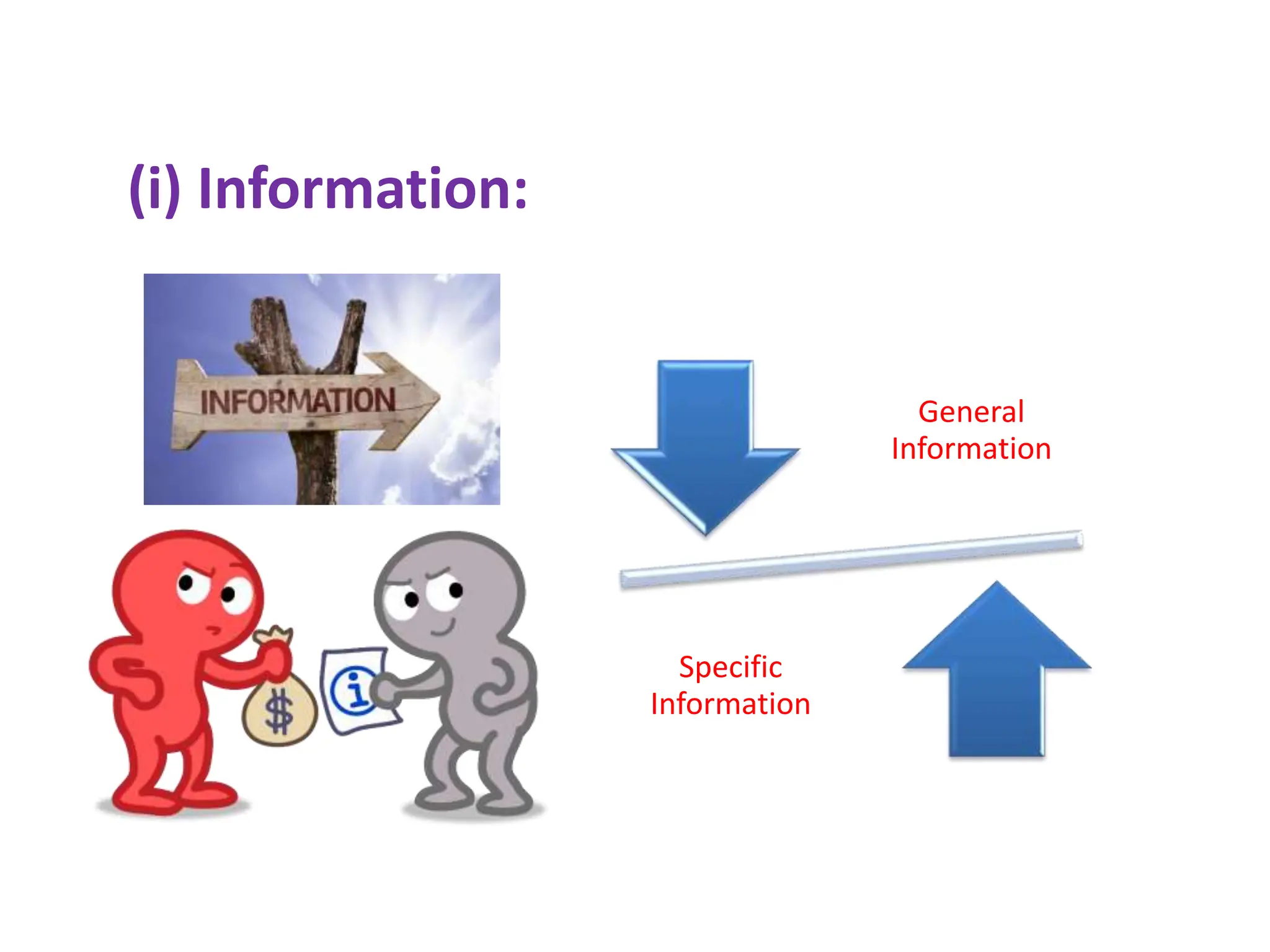
(i) Information:
General
Information
Specific
Information
Acquisition of information is a vital and often very
difficult step in the design process. But, it is a step
that usually becomes easier with experience.
For the successful operation, it requires
information such as:
(i) General, technical, and business information
that is expected of the trained professional.
(ii) Very specific information, a few examples of
the specific information are:
(1) A manufacturer’s catalogue on miniature
bearings,
(2) Handbook data on the properties of
polymer composites,
(3) Personal experience gained from a trip to
observe a new manufacturing process.
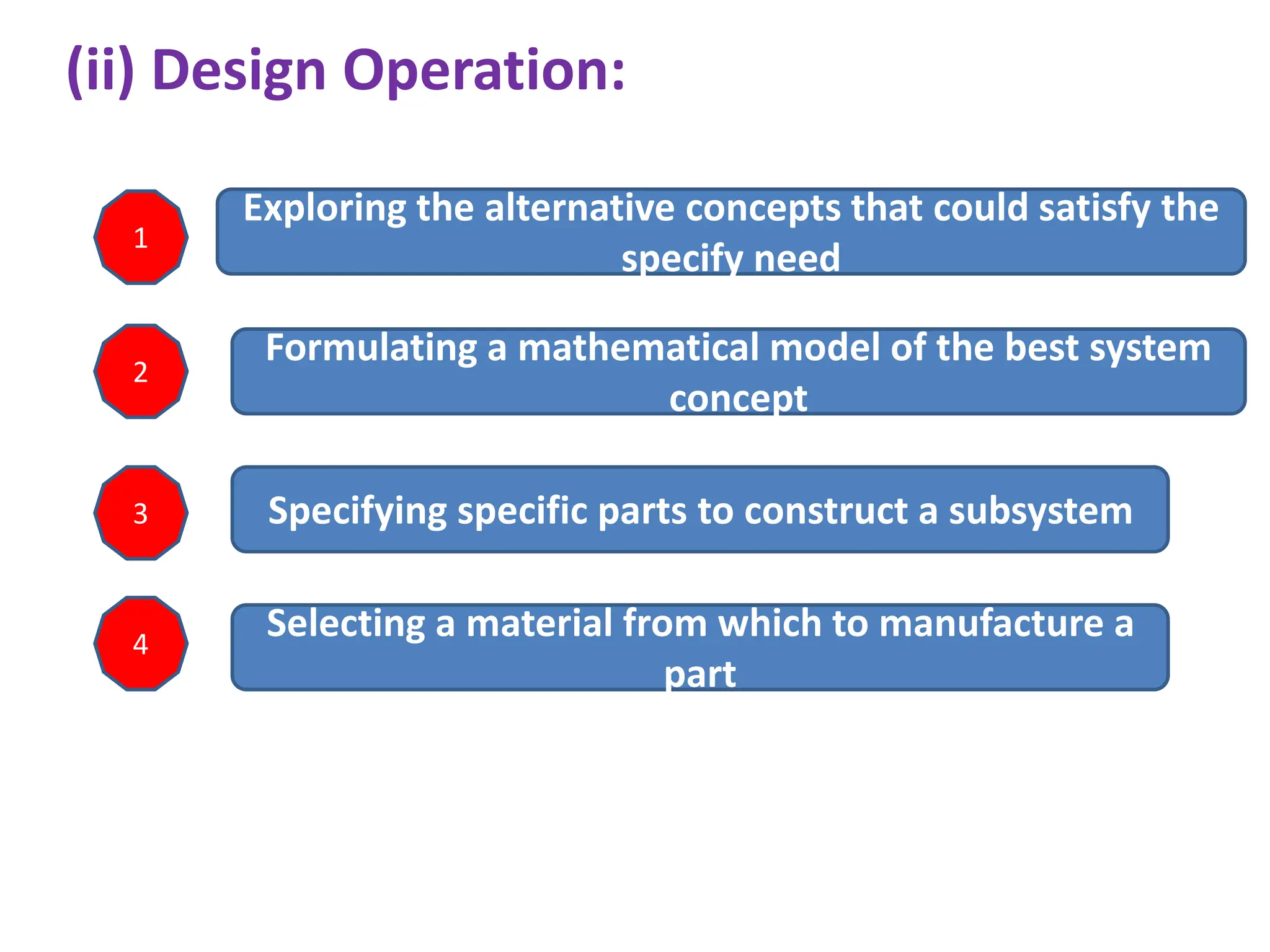
Exploring the alternative concepts that could satisfy the
specify need
Formulating a mathematical model of the best system
concept
Specifying specific parts to construct a subsystem
Selecting a material from which to manufacture a
part
1
2
3
4
(ii) Design Operation:
(iii) Evaluation:
Evaluation
Analyze
Design
Development
Implement
Revision
Revision
Revision
Revision
• The design outcome must be evaluated, often by a
team of impartial experts, to decide whether it is
adequate to meet the need. If it meets the
requirements, the designer may go on to the next
step.
• If the evaluation uncovers deficiencies, then the
design operation must be repeated. The information
from the first design is fed back as input together with
new information that has been developed as a result
of questions raised at the evaluation step. We call this
iteration.
• The need to go back and try again should not
be considered a personal failure or weakness.
Design is an intellectual process, and all new
creations of the mind are the result of trial
and error.
• The iterative nature of design provides an
opportunity to improve the design on the
basis of a preceding outcome. That in turn,
leads to the search for the best possible
technical condition.
• However, the goal of many design projects is
not the creation of new hardware or
systems. Instead, the goal may be the
development of new information that can
be used else where in the organization.
• It should be realized that few system designs are
carried through to completion; most designs are
stopped because it has become clear that the
objectives of the project are not technically and/or
economically feasible.
• Regardless, the system design process creates new
information which, if stored in retrievable form, has
future value, since it represents experience.
Thank
You
Thank
You

3_Models in the Design Process I.pptx

  • 1.
  • 2.
  • 3.
    Basic Models inthe “Engineering Design Process” 1. A Simplified Iteration Model 2. Design Method Vs Scientific Method 3. A Problem Solving Methodology
  • 4.
    1. A SimplifiedIteration Model General information Specific information Design operation Outcome Evaluation Feedback loop No Yes Go to the next step There is no single universally acclaimed sequence of steps that leads to a workable design. Figure 1. : Basic module in the design process (After Morris Asimow)
  • 5.
  • 6.
    Acquisition of informationis a vital and often very difficult step in the design process. But, it is a step that usually becomes easier with experience. For the successful operation, it requires information such as: (i) General, technical, and business information that is expected of the trained professional.
  • 7.
    (ii) Very specificinformation, a few examples of the specific information are: (1) A manufacturer’s catalogue on miniature bearings, (2) Handbook data on the properties of polymer composites, (3) Personal experience gained from a trip to observe a new manufacturing process.
  • 8.
    Exploring the alternativeconcepts that could satisfy the specify need Formulating a mathematical model of the best system concept Specifying specific parts to construct a subsystem Selecting a material from which to manufacture a part 1 2 3 4 (ii) Design Operation:
  • 10.
  • 11.
    • The designoutcome must be evaluated, often by a team of impartial experts, to decide whether it is adequate to meet the need. If it meets the requirements, the designer may go on to the next step. • If the evaluation uncovers deficiencies, then the design operation must be repeated. The information from the first design is fed back as input together with new information that has been developed as a result of questions raised at the evaluation step. We call this iteration.
  • 12.
    • The needto go back and try again should not be considered a personal failure or weakness. Design is an intellectual process, and all new creations of the mind are the result of trial and error.
  • 13.
    • The iterativenature of design provides an opportunity to improve the design on the basis of a preceding outcome. That in turn, leads to the search for the best possible technical condition. • However, the goal of many design projects is not the creation of new hardware or systems. Instead, the goal may be the development of new information that can be used else where in the organization.
  • 14.
    • It shouldbe realized that few system designs are carried through to completion; most designs are stopped because it has become clear that the objectives of the project are not technically and/or economically feasible. • Regardless, the system design process creates new information which, if stored in retrievable form, has future value, since it represents experience.
  • 15.