Carbohydrate Polymers 125 (2015) 255–264
Contents lists available at ScienceDirect
Carbohydrate Polymers
journal homepage: www.elsevier.com/locate/carbpol
Sodium carboxymethylcellulose-induced aggregation of
1-decyl-3-methylimidazolium chloride in aqueous solutions
Dhiman Raya
, Sourav Dasa
, Ranjit Deb
, Bijan Dasa,∗
a
Department of Chemistry, Presidency University, 86/1 College Street, Kolkata 700073, India
b
Advanced Photonics Research Institute (APRI), Gwangju Institute of Science and Technology (GIST), 123 Cheomdan-gwagiro (Oryng-dong), Buk-gu,
Gwangju 500-712, Republic of Korea
a r t i c l e i n f o
Article history:
Received 19 December 2014
Received in revised form 23 February 2015
Accepted 26 February 2015
Available online 5 March 2015
Keywords:
Sodium carboxymethylcellulose
1-Decyl-3-methylimidazolium chloride
Ion association and aggregation behavior
Vapor pressure osmometry
Pyrene fluorescence
a b s t r a c t
Aggregation behavior of a surface active ionic liquid 1-decyl-3-methylimidazolium chloride (C10MeImCl)
was studied in aqueous solutions in absence and in presence of sodium carboxymethylcellulose
(NaCMC) by electrical conductivity, surface tension, vapor pressure, and fluorescence measurements.
Ion-association behavior of C10MeImCl (aq) in the premicellar regime has also been investigated. Two
characteristic concentrations, namely the critical aggregation concentration and polymer saturation
concentration, before free C10MeImCl micelles appear in C10MeImCl–NaCMC solutions were identi-
fied. Effects of temperature, NaCMC concentration, and the bulk solution structural property on the
self-aggregation of C10MeImCl have been discussed to elucidate C10MeImCl–NaCMC interactions. Ther-
modynamics of the micellization processes provided important insight regarding the (a) release of water
molecules from the hydration layer around the hydrophilic domain, and from the water cage around
the hydrophobic moiety of the SAIL, and (b) transfer of the hydrocarbon chains into the micelle and
restoration of the H-bonding structure of the water around the micelle.
© 2015 Elsevier Ltd. All rights reserved.
1. Introduction
Solutions of ionic surfactants coupled with oppositely charged
polyelectrolytes (PEs) exhibit a complex aggregation behavior
(Goddard, 2001; Jönsson, Lindman, Holmberg, & Kronberg, 1998;
Kogez, 2010; Kurawaki & Hayakawa, 2002; Kwak, 1998; Lindman
& Thalberg, 1993, chap. 5); Nylander, Samoshina, & Lindman,
2006; Taylor, Thomas, & Penfold, 2007) originating from the strong
interactions between these species. These interactions have been
attributed to an interplay of Coulombic forces between the sur-
factant ions and the polyion, and hydrophobic forces between the
hydrocarbon tails of amphiphile ions. Recently, researchers found
that like ionic surfactants, some amphiphilic cationic drugs also
form micelles (Alam, Ghosh, & Kabir-ud-Din, 2008; Alam, Ghosh,
Mandal, & Kabir-ud-Din, 2011a; Alam, Mandal, & Mandal, 2011b;
Alam & Mandal, 2012; Alam, Naqvi, & Kabir-ud-Din, 2007; Alam,
Samanta, & Mandal, 2012).
Considerable attention has been paid to PE–surfactant mixtures
during the past decades (Jönsson et al., 1998; Kwak, 1998; Lindman
& Thalberg, 1993) because of their widespread applications in
∗ Corresponding author. Tel.: +91 33 2241 3893; fax: +91 33 2257 2444.
E-mail addresses: bijan.chem@presiuniv.ac.in, bijan dasus@yahoo.com (B. Das).
such areas as detergency, cosmetics, drug delivery, enhanced oil
recovery, paints, pharmaceuticals, biomedical application, food and
mineral processing.
In recent years ionic liquids capable of self-aggregation (known
as the surface active ionic liquids (SAILs)) have received much
attention (Ao, Huang, Xu, Yang, & Wang, 2009; Blesic et al., 2007;
Cornellas et al., 2011; Galgano & El Seoud, 2010; Inoue, Ebina, Dong,
& Zheng, 2007; Vanyúr, Biczók, & Miskolczy, 2007). The interest
in these species stems from the greater ease of fine-tuning of the
hydrophobicity of SAILs and hence their surface properties com-
pared to the conventional surfactants by varying the alkyl chain
lengths, the type of the head-group or the nature and size of the
counterions which might permit the modulation of the structure
and the delicate dynamics of their micellar aggregates for specific
purposes.
It is, however, worth noting that even though the PE-
conventional surfactant systems have been extensively studied
(Goddard, 2001; Jönsson et al., 1998; Kogez, 2010; Kurawaki &
Hayakawa, 2002; Kwak, 1998; Lindman & Thalberg, 1993; Nylander
et al., 2006; Taylor et al., 2007), the situation is far from satisfac-
tory for PE-SAIL systems. The presence of oppositely charged PEs
in SAIL solutions is expected to open up fascinating possibilities
for the exploitation of material properties of PE-SAIL systems on a
molecular scale. This might particularly be useful in assessing the
http://dx.doi.org/10.1016/j.carbpol.2015.02.047
0144-8617/© 2015 Elsevier Ltd. All rights reserved.
256 D. Ray et al. / Carbohydrate Polymers 125 (2015) 255–264
a b
dc
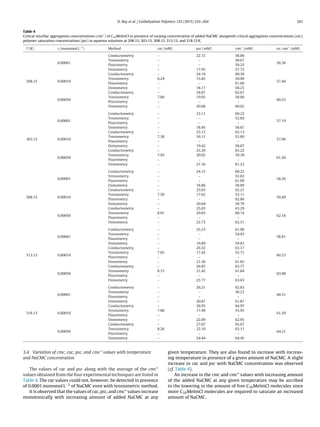
Fig. 1. (a) Surface tension ( ) vs. log[C10MeImCl] profiles in water, (b) surface tension ( ) vs. log[C10MeImCl] profiles in presence of 0.0005 monomol L−1
NaCMC (aq),
(c) specific conductance (Ä) vs. [C10MeImCl] profiles in water and (d) specific conductance (Ä) vs. [C10MeImCl] profiles in presence of 0.0005 monomol L−1
NaCMC (aq) at
298.15 K ( ), 303.15 K ( ), 308.15 K ( ), 313.15 K (᭹), and 318.15 ( ). The tensiograms have been shifted vertically by 10 mN m−1
from each other for clarity. Lines at selected
temperatures are used to guide the eye.
possible role of PEs in modulating the known antimicrobial activity
of SAILs (Łuczak, Jungnickel, Łacka, Stolte, & Hupka, 2010).
In the present contribution, we investigated the aggregation
phenomena and their thermodynamics of a cationic SAIL 1-decyl-
3-methylimidazolium chloride (C10MeImCl) in aqueous solutions
in absence as well as in presence of an ionic PE sodium car-
boxymethylcellulose (NaCMC) as a function of temperature as
probed by tensiometry, conductometry, vapor pressure osmom-
etry, and spectrofluorimetry.
NaCMC is a chemically modified cellulose derivative with high
water solubility, broadly used in food industry, cosmetics, pharma-
ceuticals, suspension agents, formulation agents in controlled
release of drugs and pesticides, papers and paper products, adhe-
sives, ceramics, etc. due to its low cost, lack of toxicity, and
biodegradability (Just & Majewicz, 1985). It would, therefore, be
interesting to study its interacting features with a SAIL.
2. Experimental
NaCMC with an average molecular weight (MW) of 90,000 a
degree of substitution (DS) of 0.7 was obtained from Aldrich Chem-
icals. The average molecular weight of the sample was estimated
from the intrinsic viscosity value (198 mL g−1 in 0.2 M NaCl aque-
ous solution at 25 ◦C) using the Mark–Houwink equation with the
constants obtained from the literature (Eremeeva & Bykova, 1998).
DS was determined by a conductometric procedure as described
by Eyler, Klug, and Diephuis (1947). These values (MW = 89,200
and DS = 0.71) agree well with those declared by the producer.
C10MeImCl (Acros Organics), was used as received.
Triply distilled water with a specific conductance of less than
10−6 S cm−1 at 298.15 K was used for the preparation of solutions.
The surface tension ( ) measurements were performed on a
Krüss (Germany) K9 tensiometer by the platinum ring detach-
ment method (uncertainty = ±0.01 mN m−1). The tensiometer was
connected to a water-flow cryostat in order to maintain the temper-
ature equilibration. Before each measurement, the ring was briefly
heated above a Bunsen burner until glowing. For relatively viscous
solutions in presence of 0.0005 monomol L−1 NaCMC particularly
at low SAIL concentrations, care was taken to ensure equilibra-
tion. The vs. log[C10MeImCl] profiles for NaCMC-free solution and
those for a NaCMC-containing solution are shown, respectively, in
Fig. 1(a) and (b).
The specific conductances (Ä) were measured on a Thermo Sci-
entific conductivity meter with a dip-type cell in a water thermostat
maintained within 0.01 K of the desired temperature. Corrections
were made for the specific conductance of solvents at all tem-
peratures. The Ä vs. [C10MeImCl] profiles for NaCMC-free solution
and that for a representative NaCMC-containing solution with a
concentration of 0.0005 monomol L−1 are depicted, respectively, in
Fig. 1(c) and (d).
The vapor pressure osmometery was performed on an Osmomat
K-7000 (Knauer Inc., Germany) vapor pressure osmometer. Here,
the vapor pressure is measured indirectly by using two thermistors
to measure voltage change caused by changes in temperature. The
measuring chamber contains a reservoir of solvent and paper wicks
to provide a saturated solvent atmosphere. At first, a drop of pure
solvent is attached to each thermistor with the help of a syringe
and after 5 min of equilibration, the reading is adjusted to zero.
Then the pure solvent on one thermistor is replaced by the experi-
mental solution and condensation of solvent from the vapor phase
onto the solution at the thermistor takes place. Due to the heat
of condensation, the thermistor will be warmed up and the vapor
pressure rises. Condensation continues until the vapor pressure of
the solution becomes equal that of the pure solvent. Generally, a
time of 5–10 min was found to be sufficient to reach this steady
state.
First the instrument was calibrated using NaCl (aq) solutions in
the concentration range 0.001–1.5 mol kg−1, yielding a calibration
D. Ray et al. / Carbohydrate Polymers 125 (2015) 255–264 257
curve which correlates the osmometer readings to the correspond-
ing concentrations of the NaCl solution. Then the measurements
for the different solutions were carried out. Special care was taken
to keep the drop size and shape as constant as possible and equal
on both thermistors. For each solution, at least five determinations
(zero point adjustment and new solution) were performed and the
mean value is reported. Generally, the deviations from the mean
value were less than 1%. For the surfactant solution with molality
m, the osmotic coefficient was obtained according to
= NaClmNaCl NaCl
m
(1)
where mNaCl is the molality of a NaCl solution showing the same
osmometer reading as the C10MeImCl or C10MeImCl–NaCMC solu-
tion, which means an equality of the vapor pressures in both
solutions. The stoichiometric numbers and NaCl in Eq. (1) are
set equal to 2. NaCl is the respective osmotic coefficient of NaCl
solution at mNaCl and has been calculated as:
The osmotic coefficients of NaCl solutions as a function of
molality at the experimental temperatures were obtained from
the literature (Clarke & Glew, 1985) in the concentration range
of 0.001–1.5 mol kg−1. These were then fitted to the Pitzer ion-
interaction equation (Pitzer & Mayorga, 1973) for the osmotic
coefficient of an electrolyte MX:
= 1 − |zMzX |A
√
I
1 + 1.2
√
I
+ m
2 M X
ˇ
(0)
MX
+ ˇ
(1)
MX
e−2
√
I
+ m
2( M X )3/2
CMX
(2)
where and M and M are the numbers of ions in the formula and
zM and zX give their respective charges in electronic units; also
= M + X, also m is the molality, I the ionic strength and A the
Debye–Hückel coefficient for the osmotic function (Archer & Wang,
1990). The Pitzer parameters, ˇ
(0)
MX
, ˇ
(0)
MX
, and C
( )
MX
, obtained by the
method of least-squares fit of the NaClvs. mNaCl data (Clarke & Glew,
1985) to Eq. (2) along with the literature A values at the experi-
mental temperatures are listed in Table 1. These parameters have
been used for the calculation of osmotic coefficients of NaCl (aq)
solutions. The m vs. m profiles for C10MeImCl (aq) solutions in the
absence and in presence of NaCMC at 313.15 K are shown in the
representative Fig. 2.
Steady-state fluorescence measurements were carried out on a
Hitachi Model F-7000 spectrofluorimeter equipped with a 150 W
xenon lamp at the desired temperatures within 1 K using a stop-
pered cell of 1 cm path length with pyrene as the fluorescence
probe. The excitation wavelength was selected at 335 nm using a
10 nm band pass, and, while the emission spectra were scanned
from 350 to 450 nm with a band pass of 1 nm.
Table 1
Pitzer ion-interaction parameters and Debye–Hückel coefficient for the osmotic
function of Eq. (1) for NaCl (aq) solutions at 298.15, 303.15, 308.15, 313.15, and
318.15 K.
T (K) A (kg mol−1/2
) ˇ
(0)
MX
(kg mol−1
) ˇ
(1)
MX
(kg mol−1
) 104
CMX
(kg mol−1
)
298.15 0.39148 0.0764 0.274 16.70
303.15 0.39492 0.0804 0.277 9.04
308.15 0.39852 0.0838 0.280 2.36
313.15 0.40228 0.0869 0.283 −3.21
318.15 0.40620 0.0895 0.286 −8.31
Fig. 2. Osmotic coefficient ( ) multiplied by molality (m) vs. m of C10MeImCl
(aq) at 313.15 K in water ( ), and in presence of 0.00001 ( ), 0.0001 ( ), and
0.0005 monomol L−1
(᭹) of NaCMC (aq). The osmograms have been shifted vertically
by 0.05 unit from each other for clarity.
3. Results and discussion
3.1. Ion-association behavior of pure aqueous C10MeImCl in the
pre-micellar regime
Conductometric study provided important information as to the
ion-association behavior of C10MeImCl below its critical micellar
concentration (cmc) where it behaves as a 1–1 electrolyte. Such a
knowledge would help understand its aggregation behavior past
cmc.
The molar conductance ( ) vs. concentration data below cmc
have been analyzed by the Fuoss conductance equation (Fuoss,
1978a, 1978b). For any given set of values (cj, j; j = 1, . . ., n),
three adjustable parameters, namely the limiting molar conductiv-
ity ( 0), association constant (KA), and the association diameter (R)
are derived from a solution of the following set of equations:
= [1 − ˛(1 − )][ 0
(1 + RX) + EL] (3)
KA = KR(1 + KS) =
(1 − )
c 2f 2
(4)
− ln f =
e2Ä
2εkBT(1 + kR)
(5)
where RX and EL are the relaxation and hydrodynamic terms
respectively, and the other symbols have their usual significance.
The initial 0 values for the iteration procedure were obtained from
Fuoss–Shedlovsky extrapolation (Fuoss & Shedlovsky, 1949) of the
data.
Calculations were made to find out 0 and ˛ values minimizing
the standard deviation, ,
=
[ j(calcd) − j(obsd)]
2
(n − 2)
1/2
(6)
for a sequence of R values and then plotting vs. R; the best-fit R
corresponds to the minimum of the curve. However, since a rough
scan using unit increment of R values from 4 to 20 gave no signif-
icant minima in the vs. R curves, the R values were preset at the
Bjerrum length.
Table 2 lists the 0, KA, and R values along with the limiting
equivalent conductances of Cl−
( 0
Cl− ) and Na+ ions ( 0
Na+ ) at the
experimental temperatures. The 0
Cl− and 0
Na+ values at 298.15,
308.15, and 318.15 K have been taken from the literature (Robinson
258 D. Ray et al. / Carbohydrate Polymers 125 (2015) 255–264
Table 2
Conductance parameters of C10MeImCl in the premicellar regime along with the 0
Cl− , 0
C10MeIm+ , and 0
Na+ values in water at 298.15, 303.15, 308.15, 313.15, and 318.15 K.
T (K) 0
(S cm2
equiv.−1
) KA (dm3
mol−1
) 108
R (cm) (%) 0
Cl− (S cm2
equiv.−1
) 0
C10MeIm+ (S cm2
equiv.−1
) 0
Na+ (S cm2
equiv.−1
)
298.15 98.47 6.97 7.16 0.14 76.35 22.12 50.10
303.15 109.58 3.66 7.20 0.02 84.38 25.20 55.80
308.15 119.56 3.49 7.25 0.02 92.21 27.35 61.54
313.15 128.20 3.46 7.30 0.07 100.42 27.78 67.61
318.15 137.08 3.11 7.35 0.04 108.92 28.16 73.73
& Stokes, 1959). Since the values at 303.15 and 313.15 K are not
available, these were obtained by regressing the available litera-
ture (Robinson & Stokes, 1959). 0
Cl− or 0
Na+ values as a function
of temperature. The very low KA values of C10MeImCl (aq) indicate
the existence of C10MeImCl essentially as free ions over the temper-
ature range investigated. A comparison of the 0
C10MeIm+ and 0
Na+
values reveals that the Na+ ions are approximately 2.2–2.6 times
more mobile that the C10MeIm+ ions within the investigated tem-
perature range. The 0
C10MeIm+ values are found to be greater than
the 0
C16MeIm+ values reported earlier (Das, Ray, & De, 2014), indi-
cating that the Stokes’ radius of the former is smaller than that of
the later. This demonstrated that these cations remain unsolvated
in aqueous solutions.
3.2. Aggregation processes in pure C10MeImCl and their
thermodynamics
Aggregation behavior of pure C10MeImCl (aq) was investigated
by four experimental techniques, viz., tensiometry, conductometry,
vapor pressure osmometry, and spectrofluorimetry.
Tensiometry records the threshold surfactant concentration
required to saturate the air/solution interface as the cmc, which
is obtained from a sharp break in the vs. log[surfactant] profiles
as shown in Fig. 1(a). This type of tensiometric behavior is also
reported earlier for other aqueous SAIL solutions (Garcia, Ribosa,
Perez, Manresa, & Comelles, 2014; Goodchild et al., 2007).
An inflection in the specific conductance (Ä) vs. [C10MeImCl]
isotherm corresponds to the onset of micellization in the bulk solu-
tion as shown in Fig. 1(c), the corresponding concentration being
the cmc of the surfactant.
Using the measured osmotic coefficients of C10MeImCl solutions
( ) as a function of molal concentration (m), we plotted the prod-
uct m vs. m (cf. Fig. 2). The intersection of the linear segments
below and above cmc provides a measure of the cmc of C10MeImCl
solutions.
Steady-state fluorescence measurements using pyrene as a
probe were performed to determine the cmc of C10MeImCl (aq)
solution. Pyrene is a strongly hydrophobic probe and its fluores-
cence emission spectrum exhibits five characteristic vibronic peaks
in region 370–400 nm (Fig. 3(a)). The first and the third vibronic
peaks of pyrene appear at 375 and 385 nm, respectively. The ratio
of the intensity of the first vibronic peak to that of the third (I1/I3) is
highly sensitive to the polarity of the environment. A representative
plot (Fig. 3(b)) displays the variation of the ratio of the intensities
of the first to third peaks (I1/I3) as a function of log[C10MeImCl]
in NaCMC-free and in NaCMC-containing solutions at 308.15 K.
The abrupt sigmoidal decrease in I1/I3 with increasing surfac-
tant concentration indicates the formation of surfactant aggregates
and preferential incorporation of the probe into the hydrophobic
microenvironment of the aggregates relative to water. The cmc can
be taken as the concentration corresponding to the intersection of
the rapidly varying portion of the curve and the relatively steady
portion at higher concentration.
The cmc values of C10MeImCl in aqueous solutions at differ-
ent temperatures obtained using these four different experimental
Table 3
Critical micellar concentrations (cmc) and related thermodynamic parameters
for pure C10MeImCl in aqueous solutions at 298.15, 303.15, 308.15, 313.15, and
318.15 K.
T (K) 298.15 303.15 308.15 313.15 318.15
cmc (mM)
Tensiometry 49.19 49.89 50.02 51.20 52.73
Conductometry 58.03 58.87 59.03 60.85 61.25
Fluorimetry 57.09 – 58.05 – –
Osmometry 54.27 55.69 56.06 57.87 58.89
Average 54.65 54.82 55.79 56.64 57.62
cmc (mN m−1
) 34.81 34.28 33.96 33.68 33.22
max × 106
(mol m−2
) 2.01 1.78 1.72 1.48 1.42
Amin × 1018
(m2
) 0.826 0.933 0.965 1.122 1.169
ˇ 0.52 0.51 0.50 0.48 0.47
G0
m (kJ mol−1
) −26.12 −26.27 −26.41 −26.39 −26.59
H0
m (kJ mol−1
) −1.70 −2.64 −3.62 −4.61 −5.69
T S0
m (kJ mol−1
) 24.41 23.64 22.80 21.78 20.91
methods are listed in Table 3 and there is a very good agreement
among these values. It is observed that the cmc of pure C10MeImCl
increases with increasing temperature within the investigated
temperature interval.
The values upon complete air/solution interfacial saturation
( cmc) of pure C10MeImCl are also listed in Table 3; cmc values are
found to decrease slightly with temperature elevation.
The values of Gibbs surface excess ( max), which provide a mea-
sure of the efficacy of adsorption of C10MeImCl molecules at the
interface as compared to the bulk phase, were calculated using the
following equation (Rosen, 1989):
max = −
1
nRT
Lt
[C10MeImCl]≈cmc
∂
∂ ln[C10MeImCl] T,p
(7)
where n is the number of species per surfactant monomer in solu-
tion, R the gas constant, and T the absolute temperature. The max
values thus obtained are reported in Table 3. A decrease in the max
values with the rise in the temperature manifests an enhancement
of the efficacy of the surfactant monomers to populate the inter-
face at lower temperatures. A comparison of the max values of
C10MeImCl solutions with those of C16MeImCl solutions reported
earlier (Das et al., 2014), demonstrates a greater efficiency of accu-
mulation of the interface for the later case.
The area of exclusion per surfactant monomer was calculated
assuming complete monolayer formation at cmc using the follow-
ing equation:
Amin =
1018
NA max
(8)
in m2 molecule−1, where NA is the Avogadro’s number. The values
of Amin are also listed in Table 3. The increase in the Amin values
with temperature may be ascribed to the greater kinetic motion
of the monomers populating the air/water interface. The Amin val-
ues for aqueous C10MeImCl are always found to be greater than
the corresponding literature values (Das et al., 2014), for aque-
ous C16MeImCl. This observation supports our earlier conclusion
concerning the unsolvation of the SAIL cations reached from con-
ductivity study. From Table 3 it may be noticed that the values of
D. Ray et al. / Carbohydrate Polymers 125 (2015) 255–264 259
a b
Fig. 3. Representative (a) pyrene fluorescence emission spectra in C10MeImCl (aq) solution at concentrations 0.0050, 0.0120, 0.0520, 0.0540, 0.0592, 0.0620, 0.0690 and
0.0750 mol L−1
(bottom to top) in presence of 0.00001 monomol L−1
NaCMC at 298.15 K. Excitation wavelength: 335 nm. The spectrum at cmc (0.0592 mol L−1
) is indicated,
and (b) I1/I3 ratio of pyrene vs. log[C10MeImCl] in aqueous solution ( ) and in 0.00001 ( ) and 0.0001 monomol L−1
( ) NaCMC (aq) at 308.15 K.
max decrease and those of Amin increase, when the temperature
of the system increases. It shows that the higher the temperature
is, the weaker is the tendency of those molecules to escape from
the solvent to the air/solvent, resulting in a less packed surface at
elevated temperatures.
The degree of counterion binding (ˇ) onto the self-aggregated
assemblies was obtained from the slopes of the Ä vs. [C10MeImCl]
isotherm in the premicellar region (S1) and the postmicellar region
(S2) using the following relationship:
ˇ = 1 −
S2
S1
(9)
The ˇ values, recorded in Table 3, decreased slightly with tem-
perature.
Free energy change of the micellization process ( G0
m) was cal-
culated using the equation:
G0
m = (1 + ˇ)RT ln xcmc (10)
where xcmc is the cmc of C10MeImCl in mole fraction scale. The
ˇ factor includes the fraction of free energy required to con-
dense the counterions on the aggregate to reduce the repulsion
between the adjacent monomer head groups (Gunnarsson, Jönsson,
& Wennerström, 1980).
The corresponding standard enthalpy change ( H0
m) is given by
H0
m = −RT2
(1 + ˇ)
∂ ln xcmc
∂T p
− ln xcmc
∂ˇ
∂T p
(11)
Since the temperature derivative of ˇ for aqueous C10MeImCl
is found to be small over the temperature range investigated here,
and Eq. (11) can then be simplified to
H0
m = −(1 + ˇ)RT2 ∂ ln xcmc
∂T p
(12)
The standard entropy of micellization ( S0
m) was calculated
from:
G0
m = H0
m − T S0
m (13)
The G0
m, H0
m and T S0
m, values for aqueous solutions of
C10MeImCl are listed in Table 3.
A reduction in the H0
m values on increasing temperature
implies the less enthalpy-controlled system at elevated temper-
atures.
The G0
m values are found to be negative over the entire range of
the temperatures studied for aqueous C10MeImCl. This observation
indicates that the process of micellization of C10MeImCl in aque-
ous solution is spontaneous. A comparison of the G0
m values of
aqueous C10MeImCl with those of aqueous C16MeImCl reveals that
the process of micellization is more spontaneous in the later case
(Das et al., 2014). The H0
m and T S0
m values contribute oppositely
to G0
m, so the value of G0
m is dependent on relative changes of
enthalpy and entropy in the system. It is seen that the variations
of enthalpy and entropy of micellization nearly compensate each
other, and hence G0
m is found to be only slightly dependent on
temperature.
The S0
m values are positive over the whole temperature range
of measurement and decrease with the rise of temperature. The
positive entropy values indicate that the process of micellization of
pure aqueous SAIL is entropically driven. Entropy of micellization
– the principal driving force toward micelle formation – is initiated
by the highly ordered arrangement of the water molecules around
the hydrophobic domain of the ionic liquid. The contributing fac-
tors to T S0
m, are (a) release of a substantial fraction of the water
molecules “frozen” around the hydrophobic surfactant chains, (b)
readjustment of the head-group in response to the charge den-
sity on the micellar surface caused by monomer association and
counterion binding, (c) increase in the degrees of freedom of the
surfactant molecules in the micelle, and (d) decrease in the degrees
of freedom of the head-groups at the interface. The present results
indicate an increase in the degrees of freedom of the system. With
the increase in temperature, there is an attenuation in the contri-
bution of entropy of micellization, because at higher temperatures
water molecules around the hydrophobic core of the molecules
become less organized.
Chiefly, three factors contribute to the value of H0
m. These
include (a) a positive contribution associated with the release of
structural water molecules from the hydration layer around the
hydrophilic domain, (b) an additional positive contribution arising
from the release of water molecules from the water cage around
the hydrophobic moiety of the SAIL, and (c) a negative contribu-
tion associated with the transfer of the hydrocarbon chains into
the micelle and restoration of the H-bonding structure of the water
around the micelle. With increasing temperature the degree of
H-bonding around the SAIL molecules decreases, and therefore
the energy required to break it also diminishes. The experimen-
tal values indicate that the negative contribution predominates in
aqueous solutions of C10MeImCl over the investigated range of tem-
perature, i.e., micellization of C10MeImCl in the aqueous solution is
exothermic.
Table 3 reveals that while the H0
m value is negative and
becomes more negative as temperature increases, the T S0
m val-
ues are, in general, positive and becomes less positive with
increasing temperature. It is, thus, obvious, that the micelli-
zation of C10MeImCl in aqueous solution is governed by the
entropy–enthalpy compensation effect, and that it is driven by the
260 D. Ray et al. / Carbohydrate Polymers 125 (2015) 255–264
positive entropy. Similar behavior has also been observed previ-
ously by us for pure alkyltrimethylammonium bromides in the
ethylene glycol-water mixed solvent media (Das & Das, 2009).
3.3. Influence of NaCMC on the aggregation behavior of
C10MeImCl (aq)
NaCMC(aq) has been shown to be surface inactive below 7 g L−1
(Guillot, Delsanti, Desert, & Langevin, 2003). The maximum con-
centration of NaCMC employed in this study (ca. 0.16 g L−1) was
much lower than the critical concentration above which NaCMC
becomes surface active. Hence, surface activity of NaCMC has
nothing to do with the observed complexity in the tensiograms
of C10MeImCl–NaCMC systems. Moreover, at such low NaCMC
concentrations, complexity arising out of the polyion–polyion
interactions was also considered to be absent.
The presence of NaCMC in C10MeImCl solutions greatly modi-
fies the tensiometric behavior of the surfactant in solution. Typical
surface tension profiles for the present C10MeImCl–NaCMC sys-
tem as surfactant concentration varies are complex in nature, as
shown in the representative tensiogram, Fig. 1(b), in presence of
0.0005 monomol L−1 NaCMC, and clearly show the existence of a
hump in the profile. In all cases, there is a marked lowering of
surface tension at lower surfactant concentrations when NaCMC
is initially introduced compared to the NaCMC-free case. It appears
that adsorption of NaCMC–surfactant complexes occurs at surfac-
tant concentrations well below the concentration at which the
surfactant molecules on their own are expected to adsorb apprecia-
bly. The NaCMC–surfactant complexes are formed by cooperative
binding of surfactant monomers onto the NaCMC backbone due to
strong electrostatic forces of attraction among themselves. Because
of the adsorption of the monomers on the polyions, the hydropho-
bicity of the complexes increases, and the complexes occupy the
Langmuirian interface. The initial decrease in the surface tension
may, therefore, be attributed to the gradual formation of a surface-
active complex consisting of surfactant monomers bound to the
polyion backbone. The mimima in the tensiograms indicate the
characteristic concentration (critical aggregation concentration,
cac) beyond which are formed the non-surface active PE-micellar
aggregates where the surfactant molecules cooperatively adsorb on
the polyion strand in the form of micelles to form a necklace-like
structure. The formation of these complexes dislodges the surface-
active PE–surfactant monomer complex to sink into the bulk from
the interface; consequently the interface was stripped off the sur-
face active species with an increase in the surface tension until
the formation of the necklace-like structures was complete. Upon
completion of this process, there is monomer build-up at the inter-
face with further increase in the concentration of C10MeImCl. This
is associated with a decline in surface tension until free micelles
started to form at a surfactant concentration referred to as the
apparent critical micellar concentration (cmc*) after which surface
tension increases again. The maximum in a tensiogram repre-
sents the concentration at which the polyion chains are saturated
with the PE-induced aggregates and is referred to as the poly-
mer saturation concentration (psc). Similar tensiometric behavior
of surfactants in presence surfactants was also observed by other
groups (Dan, Ghosh, & Moulik, 2012; Prasad, Palepu, & Moulik,
2006; Singh, Boral, Bohidar, & Kumar, 2010). The values of cac, psc,
and cmc* values obtained from tensiometry are recorded in Table 4.
The polymer shrinkage as observed from the drop in the viscosity
value is very extensive above cac, and the viscosity of the solu-
tion reaches a plateau close to psc (reduced viscosity is found to
plunge by a factor of ca. 0.33 from its value at cac) indicating a sat-
uration of chain coiling. Appreciable coiling of the macromolecular
chains in presence of conventional surfactants beyond cac probed
by viscosity has also been reported earlier (Kogez & Skerjanc, 1999a,
1999b).
The conductometric profiles for C10MeImCl (aq) in presence
of 0.0005 monomol L−1 NaCMC as a function of C10MeImCl con-
centration are depicted in Fig. 1(d). The curves show a sharp
change in slope at the critical micellization concentration of
C10MeImCl in presence of NaCMC (cmc*). The values of psc have
also been identified although the inflections are not as sharp
as those for cmc*. The conductometric psc and cmc* values are
listed in Table 4. It may be pointed out here that conductiv-
ity isotherms manifesting two linear sections with one inflection
have also been reported earlier in aqueous alkyltrimethylam-
monium bromide–NaPSS (Kogez & Skerjanc, 1999a, 1999b) and
in dodecylpyridinium chloride–sodium dextran sulfate systems
(Anghel et al., 2007) and those with higher-complexity show-
ing up four linear sections with three inflections (e.g., in aqueous
cetyltrimethylammonium bromide–NaCMC solution (Chakraborty,
Chakraborty, & Ghosh, 2006) are also available in the literature.
It may, however, be noted that for aqueous cetyltrimethylammo-
nium bromide–NaCMC solution, where three-break conductivity
isotherm was reported, the slopes of the straight lines before and
after the psc differ negligibly from each other. The cac could, how-
ever, not be detected by this experimental method. The lower
complexity in the conductivity profiles of the C10MeImCl–NaCMC
(aq) system observed here may be attributed to the predominance
of the electrostatic interactions over the hydrophobic effect in pres-
ence of the highly charged polyions.
Although osmotic coefficient data on pure surfactants are avail-
able (Attwood, Dickinson, Mosquera, & Villar, 1987; Ballesteros,
Coronel, & Galera-Gomez, 1999; Dearden & Wooley, 1987; Ruso
et al., 1999; Widera, Neuder, & Kunz, 2003), those on PE-SAIL solu-
tions have, to the best of our knowledge, not been reported so
far. Here, we have employed vapor pressure osmometry to under-
stand the interactions prevailing in C10MeImCl–NaCMC solutions.
The product of the C10MeImCl molality (m) and the measured
osmotic coefficient of C10MeImCl–NaCMC solutions ( ) for a given
NaCMC concentration when plotted against m manifest three lin-
ear segments with two intersections. The first intersection has been
identified as the psc and the second as the cmc*. The representative
profile (Fig. 3) displays the variation of m vs. m for a selected sys-
tem. Like conductivity study, here also the cac could not be detected.
The variation of I1/I3 was measured for aqueous solutions
containing fixed concentrations of the PE and variable concen-
trations of C10MeImCl. The results of C10MeImCl–NaCMC system
are shown in Fig. 3(b). It is interesting to note that the medium
polarity decreases with increasing amount of the added NaCMC to
C10MeImCl solutions. This may be ascribed to greater condensation
of counter and surfactant ions onto the polyion backbone.
Ideally the I1/I3 vs. [surfactant] profiles of PE–surfactant
systems should give rise to three regions where I1/I3 values
are almost independent of the surfactant concentration with
two breaks (Turro, Baretz, & Kuo, 1984). The first inflection
corresponds to the formation of minimicelles bound to the poly-
mer chains and hence gives a measure of the cac, whereas
the second to the formation free surfactant micelles and pro-
vides a measure of the cmc*. These three regions are not
always detectable through fluorescence study (Turro et al., 1984).
Sodium dodecylsulfate–poly(N-vinylpyrrolidone) system reveals
three regions very nicely although the later break is not sharp
at higher polymer concentrations (Turro et al., 1984). Sodium
dodecylsulfate–poly(ethylene oxide), on the other hand, shows
only one sharp break when the concentration of the polymer
employed was very small (Turro et al., 1984). In the present study,
only one very sharp break has been identified, and hence only the
cmc* values could be determined. The cac and psc could, however,
not be detected by fluorescence studies.
D. Ray et al. / Carbohydrate Polymers 125 (2015) 255–264 261
Table 4
Critical micellar aggregation concentrations (cmc*
) of C10MeImCl in presence of varying concentration of added NaCMC alongwith critical aggregation concentrations (cac),
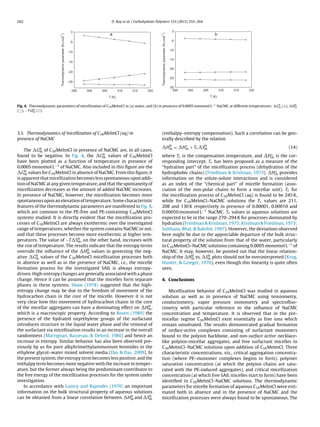
polymer saturation concentrations (psc) in aqueous solutions at 298.15, 303.15, 308.15, 313.15, and 318.15 K.
T (K) c (monomol L−1
) Method cac (mM) psc (mM) cmc*
(mM) av. cmc*
(mM)
298.15
0.00001
Conductometry – 22.72 58.86
56.38
Tensiometry – – 49.67
Fluorimetry – – 59.25
Osmometry – 17.95 57.72
0.00010
Conductometry – 24.19 60.39
57.44
Tensiometry 6.24 15.82 50.09
Fluorimetry – – 61.06
Osmometry – 18.17 58.23
0.00050
Conductometry – 24.87 62.67
60.25
Tensiometry 7.69 19.05 58.06
Fluorimetry – – –
Osmometry – 20.88 60.02
303.15
0.00001
Conductometry – 23.11 60.22
57.19
Tensiometry – – 52.69
Fluorimetry – – –
Osmometry – 18.45 58.67
0.00010
Conductometry – 25.13 62.13
57.96
Tensiometry 7.38 16.11 52.89
Fluorimetry – – –
Osmometry – 19.42 58.87
0.00050
Conductometry – 25.20 63.22
61.28
Tensiometry 7.93 20.02 59.39
Fluorimetry – – –
Osmometry – 21.16 61.23
308.15
0.00001
Conductometry – 24.15 60.25
58.26
Tensiometry – – 52.82
Fluorimetry – – 61.09
Osmometry – 18.86 58.89
0.00010
Conductometry – 25.63 62.21
59.49
Tensiometry 7.58 17.02 53.11
Fluorimetry – – 62.86
Osmometry – 20.64 59.79
0.00050
Conductometry – 25.83 63.29
62.18
Tensiometry 8.01 20.85 60.74
Fluorimetry – – –
Osmometry – 22.73 62.51
313.15
0.00001
Conductometry – 25.23 61.98
58.91
Tensiometry – – 54.93
Fluorimetry – – –
Osmometry – 19.89 59.83
0.00010
Conductometry – 26.32 63.17
60.23
Tensiometry 7.65 17.42 55.71
Fluorimetry – – –
Osmometry – 21.36 61.82
0.00050
Conductometry – 26.85 63.77
63.08
Tensiometry 8.15 21.42 61.84
Fluorimetry – – –
Osmometry – 23.77 63.63
318.15
0.00001
Conductometry – 26.21 62.83
60.31
Tensiometry – – 56.23
Fluorimetry – – –
Osmometry – 20.87 61.81
0.00010
Conductometry – 26.95 64.97
61.29
Tensiometry 7.68 17.49 55.95
Fluorimetry – – –
Osmometry – 22.09 62.95
0.00050
Conductometry – 27.07 65.07
64.21
Tensiometry 8.26 22.10 63.11
Fluorimetry – – –
Osmometry – 24.44 64.45
3.4. Variation of cmc, cac, psc, and cmc* values with temperature
and NaCMC concentration
The values of cac and psc along with the average of the cmc*
values obtained from the four experimental techniques are listed in
Table 4. The cac values could not, however, be detected in presence
of 0.0001 monomol L−1 of NaCMC even with tensiometric method.
It is observed that the values of cac, psc, and cmc* values increase
monotonically with increasing amount of added NaCMC at any
given temperature. They are also found to increase with increas-
ing temperature in presence of a given amount of NaCMC. A slight
increase in cac and psc with NaCMC concentration was observed
(cf. Table 4).
An increase in the cmc and cmc* values with increasing amount
of the added NaCMC at any given temperature may be ascribed
to the lowering in the amount of free C10MeImCl molecules since
more C10MeImCl molecules are required to saturate an increased
amount of NaCMC.
262 D. Ray et al. / Carbohydrate Polymers 125 (2015) 255–264
a b
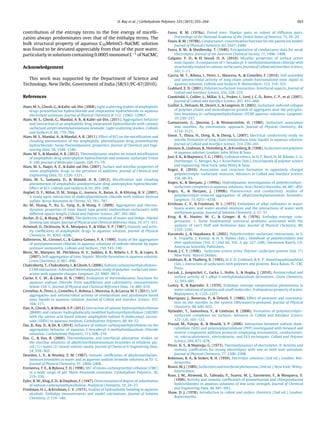
Fig. 4. Thermodynamic parameters of micellization of C10MeImCl in (a) water, and (b) in presence of 0.0005 monomol L−1
NaCMC at different temperatures: G0
m ( ), H0
m
( ), −TsS0
m ( ).
3.5. Thermodynamics of micellization of C10MeImCl (aq) in
presence of NaCMC
The G0
m of C10MeImCl in presence of NaCMC are, in all cases,
found to be negative. In Fig. 4, the G0
m values of C10MeImCl
have been plotted as a function of temperature in presence of
0.0005 monomol L−1 of NaCMC. Also included in this figure are the
G0
m values for C10MeImCl in absence of NaCMC. From this figure, it
is apparent that micellization becomes less spontaneous upon addi-
tion of NaCMC at any given temperature, and that the spontaneity of
micellization decreases as the amount of added NaCMC increases.
In presence of NaCMC, however, the micellization becomes more
spontaneous upon an elevation of temperature. Some characteristic
features of the thermodynamic parameters are manifested in Fig. 4,
which are common to the PE-free and PE-containing C10MeImCl
systems studied. It is directly evident that the micellization pro-
cesses of C10MeImCl are always exothermic over the investigated
range of temperatures, whether the system contains NaCMC or not,
and that these processes become more exothermic at higher tem-
peratures. The value of −T S0
m, on the other hand, increases with
the rise of temperature. The results indicate that the entropy terms
override the influence of the H0
m values in governing the neg-
ative G0
m values of the C10MeImCl micellization processes both
in absence as well as in the presence of NaCMC, i.e., the micelle
formation process for the investigated SAIL is always entropy-
driven. High-entropy changes are generally associated with a phase
change. Hence it can be assumed that the micelles form separate
phases in these systems. Shaw (1978) suggested that the high-
entropy change may be due to the freedom of movement of the
hydrocarbon chain in the core of the micelle. However it is not
very clear how this movement of hydrocarbon chains in the core
of the micellar aggregates can have a dominating effect on H0
m,
which is a macroscopic property. According to Rosen (1989) the
presence of the hydrated oxyethylene groups of the surfactant
introduces structure in the liquid water phase and the removal of
the surfactant via micellization results in an increase in the overall
randomness (Marrignan, Basserau, & Delord, 1986) and hence an
increase in entropy. Similar behavior has also been observed pre-
viously by us for pure alkyltrimethylammonium bromides in the
ethylene glycol–water mixed solvent media (Das & Das, 2009). In
the present system, the entropy term becomes less positive, and the
enthalpy term becomes more negative with the increase in temper-
ature, but the former always being the predominant contributor to
the free energy of the micellization processes for the system under
investigation.
In accordance with Lumry and Rajender (1970) an important
information on the bulk structural property of aqueous solutions
can be obtained from a linear correlation between H0
m and S0
m
(enthalpy–entropy compensation). Such a correlation can be gen-
erally described by the relation
H0
m = H∗
m + Tc S0
m (14)
where Tc is the compensation temperature, and H∗
m is the cor-
responding intercept. Tc has been proposed as a measure of the
“hydration part” of the micellization process (dehydration of the
hydrophobic chains) (Friedman & Krishnan, 1973). H∗
m provides
information on the solute-solute interactions and is considered
as an index of the “chemical part” of micelle formation (asso-
ciation of the non-polar chains to form a micellar unit). Tc for
the micellization process of C10MeImCl (aq) is found to be 245 K,
while for C10MeImCl–NaCMC solutions the Tc values are 211,
208 and 130 K respectively in presence of 0.00001, 0.00010 and
0.00050 monomol L−1 NaCMC. Tc values in aqueous solutions are
expected to lie in the range 270–294 K for processes dominated by
hydration (Friedman & Krishnan, 1973; Krishnan & Friedman, 1973;
Sulthana, Bhat, & Rakshit, 1997). However, the deviations observed
here might be due to the appreciable departure of the bulk struc-
tural property of the solution from that of the water, particularly
in C10MeImCl–NaCMC solutions containing 0.0005 monomol L−1 of
NaCMC. It may, however, be pointed out that the linear relation-
ship of the H0
m vs. S0
m plots should not be overinterpreted (Krug,
Hunter, & Grieger, 1976), even though this linearity is quite often
seen.
4. Conclusions
Micellization behavior of C10MeImCl was studied in aqueous
solution as well as in presence of NaCMC using tensiometry,
conductometry, vapor pressure osmometry and spectrofluo-
rimetry with particular reference to the influence of NaCMC
concentration and temperature. It is observed that in the pre-
micellar regime C10MeImCl exist essentially as free ions which
remain unsolvated. The results demonstrated gradual formation
of surface-active complexes consisting of surfactant monomers
bound to the polyion backbone, and non-surface active necklace-
like polyion-micellar aggregates, and free surfactant micelles in
C10MeImCl–NaCMC solutions upon addition of C10MeImCl. Three
characteristic concentrations, viz., critical aggregation concentra-
tion (where PE–monomer complexes begins to form), polymer
saturation concentration (at which the polyion chains are satu-
rated with the PE-induced aggregates), and critical micellization
concentration (at which free SAIL micelles start to form) have been
identified in C10MeImCl–NaCMC solutions. The thermodynamic
parameters for micelle formation of aqueous C10MeImCl were esti-
mated both in absence and in the presence of NaCMC and the
micellization processes were always found to be spontaneous. The
D. Ray et al. / Carbohydrate Polymers 125 (2015) 255–264 263
contribution of the entropy terms to the free energy of micelli-
zation always predominates over that of the enthalpy terms. The
bulk structural property of aqueous C10MeImCl–NaCMC solution
was found to be deviated appreciably from that of the pure water,
particularly in solutions containing 0.0005 monomol L−1 of NaCMC.
Acknowledgement
This work was supported by the Department of Science and
Technology, New Delhi, Government of India (SR/S1/PC-67/2010).
References
Alam, M. S., Ghosh, G., & Kabir-ud-Din. (2008). Light scattering studies of amphiphilic
drugs promethazine hydrochloride and imipramine hydrochloride in aqueous
electrolyte solutions. Journal of Physical Chemistry B, 112, 12962–12967.
Alam, M. S., Ghosh, G., Mandal, A. B., & Kabir-ud-Din. (2011). Aggregation behavior
and interaction of an amphiphilic drug imipramine hydrochloride with cationic
surfactant cetyltrimethylammonium bromide: Light scattering studies. Colloids
and Surfaces B, 88, 779–784.
Alam, M. S., Mandal, A., & Mandal, A. B. (2011). Effect of KCl on the micellization and
clouding phenomenon of the amphiphilic phenothiazine drug promethazine
hydrochloride: Some thermodynamic properties. Journal of Chemical and Engi-
neering Data, 56, 1540–1546.
Alam, M. S., & Mandal, A. B. (2012). Thermodynamic studies on mixed micellization
of amphiphilic drug amitriptyline hydrochloride and nonionic surfactant Triton
X-100. Journal of Molecular Liquids, 168, 75–79.
Alam, M. S., Naqvi, A. Z., & Kabir-ud-Din. (2007). Surface and micellar properties of
some amphiphilic drugs in the presence of additives. Journal of Chemical and
Engineering Data, 52, 1326–1331.
Alam, M. S., Samanta, D., & Mandal, A. B. (2012). Micellization and clouding
phenomenon of amphiphilic antidepressant drug amitriptyline hydrochloride:
Effect of KCl. Colloids and Surfaces B, 92, 203–208.
Anghel, D. F., Mihai, D. M., Stinga, G., Iovescu, A., Baran, A., & Klitzing, R. V. (2007).
A study upon interaction of dodecylpyridinium chloride with sodium dextran
sulfate. Revue Roumaine de Chemie, 52, 781–787.
Ao, M., Huang, P., Xu, G., Yang, X., & Wang, Y. (2009). Aggregation and thermo-
dynamic properties of ionic liquid type gemini imidazolium surfactants with
different spacer length. Colloid and Polymer Science, 287, 395–402.
Archer, D. G., & Wang, P. (1990). The dielectric constant of water and Debye–Hückel
limiting law slopes. Journal of Physical and Chemical Reference Data, 19, 371–411.
Attwood, D., Dickinson, N. A., Mosquera, V., & Villar, V. P. (1987). Osmotic and activ-
ity coefficients of amphiphilic drugs in aqueous solution. Journal of Physical
Chemistry, 91, 4203–4206.
Ballesteros, M., Coronel, C., & Galera-Gomez, P. A. (1999). Study of the aggregation
of nonylammonium chloride in aqueous solutions of sodium chloride by vapor
pressure osmometry. Colloids and Surfaces, 150, 143–149.
Blesic, M., Marques, M., Plechkova, N. V., Seddon, K. R., Rebelo, L. P. N., & Lopes, A.
(2007). Self-aggregation of ionic liquids: Micelle formation in aqueous solution.
Green Chemistry, 9, 481–490.
Chakraborty, T., Chakraborty, I., & Ghosh, S. (2006). Sodium carboxymethylcellulose–
CTAB interaction: A detailed thermodynamic study of polymer–surfactant inter-
action with opposite charges. Langmuir, 22, 9905–9913.
Clarke, E. C. W., & Glew, D. N. (1985). Evaluation of thermodynamic functions for
aqueous sodium chloride from equilibrium and calorimetric measurements
below 154 ◦
C. Journal of Physical and Chemical Reference Data, 14, 489–610.
Cornellas, A., Perez, L., Comelles, F., Robosa, I., Manresa, A., & Garcia, M. T. (2011). Self-
aggregation and antimicrobial activity of imidazolium and pyridinium based
ionic liquids in aqueous solution. Journal of Colloid and Interface Science, 355,
164–171.
Dan,A.,Ghosh,S.,&Moulik,S.P.(2012).Interactionofcationichydroxyethylcellulose
(JR400) and cationic hydrophobically modified hydroxyethylcellulose (LM200)
with the amino-acid based anionic amphiphile sodium N-dodecanoyl sarcosi-
nate (SDDS) in aqueous medium. Carbohydrate Polymers, 80, 44–52.
Das, B., Ray, D., & De, R. (2014). Influence of sodium carboxymethylcellulose on the
aggregation behavior of aqueous 1-hexadecyl-3-methylimidazolium chloride
solutions. Carbohydrate Polymers, 113, 208–216.
Das, C., & Das, B. (2009). Thermodynamic and interfacial adsorption studies on
the micellar solutions of alkyltrimethylammonium bromides in ethylene gly-
col (1) + water (2) mixed solvent media. Journal of Chemical & Engineering Data,
54, 559–565.
Dearden, L. V., & Wooley, E. M. (1987). Osmotic coefficients of alkyltrimethylam-
monium bromides in water and in aqueous sodium bromide solutions at 55 ◦
C.
Journal of Physical Chemistry, 91, 2404–2408.
Eremeeva, T. E., & Bykova, T. O. (1998). SEC of mono-carboxymethyl cellulose (CMC)
in a wide range of pH: Mark–Houwink constants. Carbohydrate Polymers, 36,
319–326.
Eyler, R. W., Klug, E. D., & Diephuis, F. (1947). Determination of degree of substitution
of sodium carboxymethylcellulose. Analytical Chemistry, 19, 24–27.
Friedman, H. L., & Krishnan, C. V. (1973). Studies of hydrophobic bonding in aqueous
alcohols: Enthalpy measurements and model calculations. Journal of Solution
Chemistry, 2, 119–140.
Fuoss, R. M. (1978a). Paired ions: Dipolar pairs as subset of diffusion pairs.
Proceedings of the National Academy of the United States of America, 75, 16–20.
Fuoss, R. M. (1978b). Conductance–concentration function for the paired ion model.
Journal of Physical Chemistry, 82, 2427–2440.
Fuoss, R. M., & Shedlovsky, T. (1949). Extrapolation of conductance data for weak
electrolytes. Journal of the American Chemical Society, 71, 1496–1498.
Galgano, P. D., & El Seoud, O. A. (2010). Micellar properties of surface active
ionic liquids: A comparison of 1-hexadecyl-3-methylimidazolium chloride with
structurally related to cationic surfactants. Journal of Colloid and Interface Science,
345, 1–11.
Garcia, M. T., Ribosa, I., Perez, L., Manresa, A., & Comelles, F. (2014). Self-assembly
and antimicrobial activity of long-chain amide-functionalized ionic liquid in
aqueous solution. Colloids and Surfaces B: Biointerfaces, 123, 318–325.
Goddard, E. D. (2001). Polymer/surfactant interaction: Interfacial aspects. Journal of
Colloid and Interface Science, 256, 228–235.
Goodchild, I., Collier, L., Millar, S. L., Prokes, I., Lord, J. C. D., Butts, C. P., et al. (2007).
Journal of Colloid and Interface Science, 307, 455–468.
Guillot, S., Delsanti, M., Desert, S., & Langevin, D. (2003). Surfactant-induced collapse
of polymer chains and monodisperse growth of aggregates near the precipita-
tion boundary in carboxymethylcellulose–DTAB aqueous solutions. Langmuir,
19, 230–237.
Gunnarsson, G., Jönsson, J., & Wennerström, H. (1980). Surfactant association
into micelles. An electrostatic approach. Journal of Physical Chemistry, 84,
3114–3121.
Inoue, T., Ebina, H., Dong, B., & Zheng, L. (2007). Electrical conductivity study on
micelle formation of long-chain imidazolium ionic liquids in aqueous solution.
Journal of Colloid and Interface Science, 314, 236–241.
Jönsson, B., Lindman, B., Holmberg, K., & Kronberg, B. (1998). Surfactants and polymers
in aqueous solution. London: John Wiley & Sons.
Just, E. K., & Majewicz, T. G. (1985). Cellulose ethers. In H. F. Mark, N. M. Bikales, C. G.
Overberger, G. Menges, & J. I. Kroschwitz (Eds.), Encyclopedia of polymer science
and engineering. New York: John Wiley & Sons.
Kogez, K. (2010). Association and structure formation in oppositely charged
polyelectrolyte–surfactant mixtures. Advances in Colloid and Interface Science,
158, 68–83.
Kogez, K., & Skerjanc, J. (1999a). Hydrodynamic investigations of polyelectrolyte–
surfactant complexes in aqueous solutions. Acta Chimica Slovenika, 46, 481–492.
Kogez, K., & Skerjanc, J. (1999b). Fluorescence and conductivity studies of
polyelectrolyte-induced aggregation of alkyltrimethylammonium bromides.
Langmuir, 15, 4251–4258.
Krishnan, C. V., & Friedman, H. L. (1973). Enthalpies of alkyl sulfonates in water,
heavy water, and water-alcohol mixtures and the interactions of water with
methylene groups. Journal of Solution Chemistry, 2, 37–51.
Krug, R. R., Hunter, W. C., & Grieger, R. A. (1976). Enthalpy–entropy com-
pensation. 1. Some fundamental statistical problems associated with the
analysis of van’t Hoff and Arrhenius data. Journal of Physical Chemistry, 80,
2335–2341.
Kurawaki, J., & Hayakawa, K. (2002). Polyelectrolyte–surfactant interactions. In S.
K. Tripathy, J. Kumar, & H. S. Nalwa (Eds.), Handbook of polyelectrolytes and
their applications (Vol. 2) (2nd ed., Vol. 2, pp. 227–248). Stevenson Ranch, CA:
American Scientific Publishers.
Kwak, J. C. T. (1998). . Surfactant science series. Polymer–surfactant systems (Vol. 77)
New York: Marcel Dekker.
Lindman, B., & Thalberg, K. (1993). In E. D. Goddard, & K. P. Ananthapadmanabhan
(Eds.), Interaction of surfactants with polymers and proteins. Boca Raton, FL: CRC
Press.
Łuczak, J., Jungnickel, C., Łacka, I., Stolte, S., & Hupka, J. (2010). Antimicrobial and
surface activity of 1-alkyl-3-methylimidazolium derivatives. Green Chemistry,
12, 593–601.
Lumry, R., & Rajender, S. (1970). Enthalpy–entropy compensation phenomena in
water solutions of proteins and small molecules: A ubiquitous property of water.
Biopolymers, 9, 1125–1227.
Marrignan, J., Basserau, P., & Delord, F. (1986). Effect of pentanol and concentra-
tion on the micelles in the system OBS/water/n-pentanol. Journal of Physical
Chemistry, 90, 645–652.
Nylander, T., Samoshina, Y., & Lindman, B. (2006). Formation of polyelectrolyte–
surfactant complexes on surfaces. Advances in Colloid and Interface Science,
123–126, 105–123.
Prasad, M., Palepu, R., & Moulik, S. P. (2006). Interaction between sodium dode-
cylsulfate (SDS) and polyvinylpyrrolidone (PVP) investigated with forward and
reverse component addition protocols employing tensiometric, conductomet-
ric, microcalorimetric, electrokinetic, and DLS techniques. Colloid and Polymer
Science, 284, 871–878.
Pitzer, K. S., & Mayorga, G. (1973). Thermodynamics of electrolytes. II. Activity and
osmotic coefficients for strong electrolytes with one or both ions univalent.
Journal of Physical Chemistry, 77, 2300–2308.
Robinson, R. A., & Stokes, R. H. (1959). Electrolyte solutions (2nd ed.). London: But-
terworths.
Rosen, M. J. (1989). Surfactants and interfacial phenomena (2nd ed.). New York: Wiley-
Interscience.
Ruso, J. M., Attwood, D., Taboada, P., Suarez, M. J., Sarmiento, F., & Mosquera, V.
(1999). Activity and osmotic coefficients of promethazine and chlorpromazine
hydrochlorides in aqueous solutions of low ionic strength. Journal of Chemical
and Engineering Data, 44, 941–943.
Shaw, D. J. (1978). Introduction to colloid and surface chemistry (2nd ed.). London:
Butterworths.
264 D. Ray et al. / Carbohydrate Polymers 125 (2015) 255–264
Singh, T., Boral, S., Bohidar, H. D., & Kumar, A. (2010). Interaction of gelatin with room
temperature ionic liquids: A detailed physicochemical study. Journal of Physical
Chemistry B, 114, 8441–8448.
Sulthana, S. B., Bhat, S. G. T., & Rakshit, A. K. (1997). Studies of the effect of additives
on the surface and thermodynamic properties of poly(oxyethylene(10)) lauryl
ether in aqueous solution. Langmuir, 13, 4562–4568.
Taylor, D. J. F., Thomas, R. K., & Penfold, J. (2007). Polymer/surfactant interactions at
the air/water interface. Advances in Colloid and Interface Science, 132, 69–110.
Turro, N. J., Baretz, B. H., & Kuo, P.-L. (1984). Photoluminescence probes for the
investigation of interactions between sodium dodecylsulfate and water-soluble
polymers. Macromolecules, 17, 1321–1324.
Vanyúr, R., Biczók, L., & Miskolczy, Z. (2007). Micelle formation of 1-alkyl-3-
methylimidazolium bromide ionic liquids in aqueous solution. Colloids and
Surfaces A: Physicochemical and Engineering Aspects, 299, 256–261.
Widera, B., Neuder, R., & Kunz, W. (2003). Vapor pressure and osmotic coefficient of
aqueous solutions of SDS, C6TAB, and C8TAB at 25 ◦
C. Langmuir, 19, 8226–8229.

2015_CP

  • 1.
    Carbohydrate Polymers 125(2015) 255–264 Contents lists available at ScienceDirect Carbohydrate Polymers journal homepage: www.elsevier.com/locate/carbpol Sodium carboxymethylcellulose-induced aggregation of 1-decyl-3-methylimidazolium chloride in aqueous solutions Dhiman Raya , Sourav Dasa , Ranjit Deb , Bijan Dasa,∗ a Department of Chemistry, Presidency University, 86/1 College Street, Kolkata 700073, India b Advanced Photonics Research Institute (APRI), Gwangju Institute of Science and Technology (GIST), 123 Cheomdan-gwagiro (Oryng-dong), Buk-gu, Gwangju 500-712, Republic of Korea a r t i c l e i n f o Article history: Received 19 December 2014 Received in revised form 23 February 2015 Accepted 26 February 2015 Available online 5 March 2015 Keywords: Sodium carboxymethylcellulose 1-Decyl-3-methylimidazolium chloride Ion association and aggregation behavior Vapor pressure osmometry Pyrene fluorescence a b s t r a c t Aggregation behavior of a surface active ionic liquid 1-decyl-3-methylimidazolium chloride (C10MeImCl) was studied in aqueous solutions in absence and in presence of sodium carboxymethylcellulose (NaCMC) by electrical conductivity, surface tension, vapor pressure, and fluorescence measurements. Ion-association behavior of C10MeImCl (aq) in the premicellar regime has also been investigated. Two characteristic concentrations, namely the critical aggregation concentration and polymer saturation concentration, before free C10MeImCl micelles appear in C10MeImCl–NaCMC solutions were identi- fied. Effects of temperature, NaCMC concentration, and the bulk solution structural property on the self-aggregation of C10MeImCl have been discussed to elucidate C10MeImCl–NaCMC interactions. Ther- modynamics of the micellization processes provided important insight regarding the (a) release of water molecules from the hydration layer around the hydrophilic domain, and from the water cage around the hydrophobic moiety of the SAIL, and (b) transfer of the hydrocarbon chains into the micelle and restoration of the H-bonding structure of the water around the micelle. © 2015 Elsevier Ltd. All rights reserved. 1. Introduction Solutions of ionic surfactants coupled with oppositely charged polyelectrolytes (PEs) exhibit a complex aggregation behavior (Goddard, 2001; Jönsson, Lindman, Holmberg, & Kronberg, 1998; Kogez, 2010; Kurawaki & Hayakawa, 2002; Kwak, 1998; Lindman & Thalberg, 1993, chap. 5); Nylander, Samoshina, & Lindman, 2006; Taylor, Thomas, & Penfold, 2007) originating from the strong interactions between these species. These interactions have been attributed to an interplay of Coulombic forces between the sur- factant ions and the polyion, and hydrophobic forces between the hydrocarbon tails of amphiphile ions. Recently, researchers found that like ionic surfactants, some amphiphilic cationic drugs also form micelles (Alam, Ghosh, & Kabir-ud-Din, 2008; Alam, Ghosh, Mandal, & Kabir-ud-Din, 2011a; Alam, Mandal, & Mandal, 2011b; Alam & Mandal, 2012; Alam, Naqvi, & Kabir-ud-Din, 2007; Alam, Samanta, & Mandal, 2012). Considerable attention has been paid to PE–surfactant mixtures during the past decades (Jönsson et al., 1998; Kwak, 1998; Lindman & Thalberg, 1993) because of their widespread applications in ∗ Corresponding author. Tel.: +91 33 2241 3893; fax: +91 33 2257 2444. E-mail addresses: bijan.chem@presiuniv.ac.in, bijan dasus@yahoo.com (B. Das). such areas as detergency, cosmetics, drug delivery, enhanced oil recovery, paints, pharmaceuticals, biomedical application, food and mineral processing. In recent years ionic liquids capable of self-aggregation (known as the surface active ionic liquids (SAILs)) have received much attention (Ao, Huang, Xu, Yang, & Wang, 2009; Blesic et al., 2007; Cornellas et al., 2011; Galgano & El Seoud, 2010; Inoue, Ebina, Dong, & Zheng, 2007; Vanyúr, Biczók, & Miskolczy, 2007). The interest in these species stems from the greater ease of fine-tuning of the hydrophobicity of SAILs and hence their surface properties com- pared to the conventional surfactants by varying the alkyl chain lengths, the type of the head-group or the nature and size of the counterions which might permit the modulation of the structure and the delicate dynamics of their micellar aggregates for specific purposes. It is, however, worth noting that even though the PE- conventional surfactant systems have been extensively studied (Goddard, 2001; Jönsson et al., 1998; Kogez, 2010; Kurawaki & Hayakawa, 2002; Kwak, 1998; Lindman & Thalberg, 1993; Nylander et al., 2006; Taylor et al., 2007), the situation is far from satisfac- tory for PE-SAIL systems. The presence of oppositely charged PEs in SAIL solutions is expected to open up fascinating possibilities for the exploitation of material properties of PE-SAIL systems on a molecular scale. This might particularly be useful in assessing the http://dx.doi.org/10.1016/j.carbpol.2015.02.047 0144-8617/© 2015 Elsevier Ltd. All rights reserved.
  • 2.
    256 D. Rayet al. / Carbohydrate Polymers 125 (2015) 255–264 a b dc Fig. 1. (a) Surface tension ( ) vs. log[C10MeImCl] profiles in water, (b) surface tension ( ) vs. log[C10MeImCl] profiles in presence of 0.0005 monomol L−1 NaCMC (aq), (c) specific conductance (Ä) vs. [C10MeImCl] profiles in water and (d) specific conductance (Ä) vs. [C10MeImCl] profiles in presence of 0.0005 monomol L−1 NaCMC (aq) at 298.15 K ( ), 303.15 K ( ), 308.15 K ( ), 313.15 K (᭹), and 318.15 ( ). The tensiograms have been shifted vertically by 10 mN m−1 from each other for clarity. Lines at selected temperatures are used to guide the eye. possible role of PEs in modulating the known antimicrobial activity of SAILs (Łuczak, Jungnickel, Łacka, Stolte, & Hupka, 2010). In the present contribution, we investigated the aggregation phenomena and their thermodynamics of a cationic SAIL 1-decyl- 3-methylimidazolium chloride (C10MeImCl) in aqueous solutions in absence as well as in presence of an ionic PE sodium car- boxymethylcellulose (NaCMC) as a function of temperature as probed by tensiometry, conductometry, vapor pressure osmom- etry, and spectrofluorimetry. NaCMC is a chemically modified cellulose derivative with high water solubility, broadly used in food industry, cosmetics, pharma- ceuticals, suspension agents, formulation agents in controlled release of drugs and pesticides, papers and paper products, adhe- sives, ceramics, etc. due to its low cost, lack of toxicity, and biodegradability (Just & Majewicz, 1985). It would, therefore, be interesting to study its interacting features with a SAIL. 2. Experimental NaCMC with an average molecular weight (MW) of 90,000 a degree of substitution (DS) of 0.7 was obtained from Aldrich Chem- icals. The average molecular weight of the sample was estimated from the intrinsic viscosity value (198 mL g−1 in 0.2 M NaCl aque- ous solution at 25 ◦C) using the Mark–Houwink equation with the constants obtained from the literature (Eremeeva & Bykova, 1998). DS was determined by a conductometric procedure as described by Eyler, Klug, and Diephuis (1947). These values (MW = 89,200 and DS = 0.71) agree well with those declared by the producer. C10MeImCl (Acros Organics), was used as received. Triply distilled water with a specific conductance of less than 10−6 S cm−1 at 298.15 K was used for the preparation of solutions. The surface tension ( ) measurements were performed on a Krüss (Germany) K9 tensiometer by the platinum ring detach- ment method (uncertainty = ±0.01 mN m−1). The tensiometer was connected to a water-flow cryostat in order to maintain the temper- ature equilibration. Before each measurement, the ring was briefly heated above a Bunsen burner until glowing. For relatively viscous solutions in presence of 0.0005 monomol L−1 NaCMC particularly at low SAIL concentrations, care was taken to ensure equilibra- tion. The vs. log[C10MeImCl] profiles for NaCMC-free solution and those for a NaCMC-containing solution are shown, respectively, in Fig. 1(a) and (b). The specific conductances (Ä) were measured on a Thermo Sci- entific conductivity meter with a dip-type cell in a water thermostat maintained within 0.01 K of the desired temperature. Corrections were made for the specific conductance of solvents at all tem- peratures. The Ä vs. [C10MeImCl] profiles for NaCMC-free solution and that for a representative NaCMC-containing solution with a concentration of 0.0005 monomol L−1 are depicted, respectively, in Fig. 1(c) and (d). The vapor pressure osmometery was performed on an Osmomat K-7000 (Knauer Inc., Germany) vapor pressure osmometer. Here, the vapor pressure is measured indirectly by using two thermistors to measure voltage change caused by changes in temperature. The measuring chamber contains a reservoir of solvent and paper wicks to provide a saturated solvent atmosphere. At first, a drop of pure solvent is attached to each thermistor with the help of a syringe and after 5 min of equilibration, the reading is adjusted to zero. Then the pure solvent on one thermistor is replaced by the experi- mental solution and condensation of solvent from the vapor phase onto the solution at the thermistor takes place. Due to the heat of condensation, the thermistor will be warmed up and the vapor pressure rises. Condensation continues until the vapor pressure of the solution becomes equal that of the pure solvent. Generally, a time of 5–10 min was found to be sufficient to reach this steady state. First the instrument was calibrated using NaCl (aq) solutions in the concentration range 0.001–1.5 mol kg−1, yielding a calibration
  • 3.
    D. Ray etal. / Carbohydrate Polymers 125 (2015) 255–264 257 curve which correlates the osmometer readings to the correspond- ing concentrations of the NaCl solution. Then the measurements for the different solutions were carried out. Special care was taken to keep the drop size and shape as constant as possible and equal on both thermistors. For each solution, at least five determinations (zero point adjustment and new solution) were performed and the mean value is reported. Generally, the deviations from the mean value were less than 1%. For the surfactant solution with molality m, the osmotic coefficient was obtained according to = NaClmNaCl NaCl m (1) where mNaCl is the molality of a NaCl solution showing the same osmometer reading as the C10MeImCl or C10MeImCl–NaCMC solu- tion, which means an equality of the vapor pressures in both solutions. The stoichiometric numbers and NaCl in Eq. (1) are set equal to 2. NaCl is the respective osmotic coefficient of NaCl solution at mNaCl and has been calculated as: The osmotic coefficients of NaCl solutions as a function of molality at the experimental temperatures were obtained from the literature (Clarke & Glew, 1985) in the concentration range of 0.001–1.5 mol kg−1. These were then fitted to the Pitzer ion- interaction equation (Pitzer & Mayorga, 1973) for the osmotic coefficient of an electrolyte MX: = 1 − |zMzX |A √ I 1 + 1.2 √ I + m 2 M X ˇ (0) MX + ˇ (1) MX e−2 √ I + m 2( M X )3/2 CMX (2) where and M and M are the numbers of ions in the formula and zM and zX give their respective charges in electronic units; also = M + X, also m is the molality, I the ionic strength and A the Debye–Hückel coefficient for the osmotic function (Archer & Wang, 1990). The Pitzer parameters, ˇ (0) MX , ˇ (0) MX , and C ( ) MX , obtained by the method of least-squares fit of the NaClvs. mNaCl data (Clarke & Glew, 1985) to Eq. (2) along with the literature A values at the experi- mental temperatures are listed in Table 1. These parameters have been used for the calculation of osmotic coefficients of NaCl (aq) solutions. The m vs. m profiles for C10MeImCl (aq) solutions in the absence and in presence of NaCMC at 313.15 K are shown in the representative Fig. 2. Steady-state fluorescence measurements were carried out on a Hitachi Model F-7000 spectrofluorimeter equipped with a 150 W xenon lamp at the desired temperatures within 1 K using a stop- pered cell of 1 cm path length with pyrene as the fluorescence probe. The excitation wavelength was selected at 335 nm using a 10 nm band pass, and, while the emission spectra were scanned from 350 to 450 nm with a band pass of 1 nm. Table 1 Pitzer ion-interaction parameters and Debye–Hückel coefficient for the osmotic function of Eq. (1) for NaCl (aq) solutions at 298.15, 303.15, 308.15, 313.15, and 318.15 K. T (K) A (kg mol−1/2 ) ˇ (0) MX (kg mol−1 ) ˇ (1) MX (kg mol−1 ) 104 CMX (kg mol−1 ) 298.15 0.39148 0.0764 0.274 16.70 303.15 0.39492 0.0804 0.277 9.04 308.15 0.39852 0.0838 0.280 2.36 313.15 0.40228 0.0869 0.283 −3.21 318.15 0.40620 0.0895 0.286 −8.31 Fig. 2. Osmotic coefficient ( ) multiplied by molality (m) vs. m of C10MeImCl (aq) at 313.15 K in water ( ), and in presence of 0.00001 ( ), 0.0001 ( ), and 0.0005 monomol L−1 (᭹) of NaCMC (aq). The osmograms have been shifted vertically by 0.05 unit from each other for clarity. 3. Results and discussion 3.1. Ion-association behavior of pure aqueous C10MeImCl in the pre-micellar regime Conductometric study provided important information as to the ion-association behavior of C10MeImCl below its critical micellar concentration (cmc) where it behaves as a 1–1 electrolyte. Such a knowledge would help understand its aggregation behavior past cmc. The molar conductance ( ) vs. concentration data below cmc have been analyzed by the Fuoss conductance equation (Fuoss, 1978a, 1978b). For any given set of values (cj, j; j = 1, . . ., n), three adjustable parameters, namely the limiting molar conductiv- ity ( 0), association constant (KA), and the association diameter (R) are derived from a solution of the following set of equations: = [1 − ˛(1 − )][ 0 (1 + RX) + EL] (3) KA = KR(1 + KS) = (1 − ) c 2f 2 (4) − ln f = e2Ä 2εkBT(1 + kR) (5) where RX and EL are the relaxation and hydrodynamic terms respectively, and the other symbols have their usual significance. The initial 0 values for the iteration procedure were obtained from Fuoss–Shedlovsky extrapolation (Fuoss & Shedlovsky, 1949) of the data. Calculations were made to find out 0 and ˛ values minimizing the standard deviation, , = [ j(calcd) − j(obsd)] 2 (n − 2) 1/2 (6) for a sequence of R values and then plotting vs. R; the best-fit R corresponds to the minimum of the curve. However, since a rough scan using unit increment of R values from 4 to 20 gave no signif- icant minima in the vs. R curves, the R values were preset at the Bjerrum length. Table 2 lists the 0, KA, and R values along with the limiting equivalent conductances of Cl− ( 0 Cl− ) and Na+ ions ( 0 Na+ ) at the experimental temperatures. The 0 Cl− and 0 Na+ values at 298.15, 308.15, and 318.15 K have been taken from the literature (Robinson
  • 4.
    258 D. Rayet al. / Carbohydrate Polymers 125 (2015) 255–264 Table 2 Conductance parameters of C10MeImCl in the premicellar regime along with the 0 Cl− , 0 C10MeIm+ , and 0 Na+ values in water at 298.15, 303.15, 308.15, 313.15, and 318.15 K. T (K) 0 (S cm2 equiv.−1 ) KA (dm3 mol−1 ) 108 R (cm) (%) 0 Cl− (S cm2 equiv.−1 ) 0 C10MeIm+ (S cm2 equiv.−1 ) 0 Na+ (S cm2 equiv.−1 ) 298.15 98.47 6.97 7.16 0.14 76.35 22.12 50.10 303.15 109.58 3.66 7.20 0.02 84.38 25.20 55.80 308.15 119.56 3.49 7.25 0.02 92.21 27.35 61.54 313.15 128.20 3.46 7.30 0.07 100.42 27.78 67.61 318.15 137.08 3.11 7.35 0.04 108.92 28.16 73.73 & Stokes, 1959). Since the values at 303.15 and 313.15 K are not available, these were obtained by regressing the available litera- ture (Robinson & Stokes, 1959). 0 Cl− or 0 Na+ values as a function of temperature. The very low KA values of C10MeImCl (aq) indicate the existence of C10MeImCl essentially as free ions over the temper- ature range investigated. A comparison of the 0 C10MeIm+ and 0 Na+ values reveals that the Na+ ions are approximately 2.2–2.6 times more mobile that the C10MeIm+ ions within the investigated tem- perature range. The 0 C10MeIm+ values are found to be greater than the 0 C16MeIm+ values reported earlier (Das, Ray, & De, 2014), indi- cating that the Stokes’ radius of the former is smaller than that of the later. This demonstrated that these cations remain unsolvated in aqueous solutions. 3.2. Aggregation processes in pure C10MeImCl and their thermodynamics Aggregation behavior of pure C10MeImCl (aq) was investigated by four experimental techniques, viz., tensiometry, conductometry, vapor pressure osmometry, and spectrofluorimetry. Tensiometry records the threshold surfactant concentration required to saturate the air/solution interface as the cmc, which is obtained from a sharp break in the vs. log[surfactant] profiles as shown in Fig. 1(a). This type of tensiometric behavior is also reported earlier for other aqueous SAIL solutions (Garcia, Ribosa, Perez, Manresa, & Comelles, 2014; Goodchild et al., 2007). An inflection in the specific conductance (Ä) vs. [C10MeImCl] isotherm corresponds to the onset of micellization in the bulk solu- tion as shown in Fig. 1(c), the corresponding concentration being the cmc of the surfactant. Using the measured osmotic coefficients of C10MeImCl solutions ( ) as a function of molal concentration (m), we plotted the prod- uct m vs. m (cf. Fig. 2). The intersection of the linear segments below and above cmc provides a measure of the cmc of C10MeImCl solutions. Steady-state fluorescence measurements using pyrene as a probe were performed to determine the cmc of C10MeImCl (aq) solution. Pyrene is a strongly hydrophobic probe and its fluores- cence emission spectrum exhibits five characteristic vibronic peaks in region 370–400 nm (Fig. 3(a)). The first and the third vibronic peaks of pyrene appear at 375 and 385 nm, respectively. The ratio of the intensity of the first vibronic peak to that of the third (I1/I3) is highly sensitive to the polarity of the environment. A representative plot (Fig. 3(b)) displays the variation of the ratio of the intensities of the first to third peaks (I1/I3) as a function of log[C10MeImCl] in NaCMC-free and in NaCMC-containing solutions at 308.15 K. The abrupt sigmoidal decrease in I1/I3 with increasing surfac- tant concentration indicates the formation of surfactant aggregates and preferential incorporation of the probe into the hydrophobic microenvironment of the aggregates relative to water. The cmc can be taken as the concentration corresponding to the intersection of the rapidly varying portion of the curve and the relatively steady portion at higher concentration. The cmc values of C10MeImCl in aqueous solutions at differ- ent temperatures obtained using these four different experimental Table 3 Critical micellar concentrations (cmc) and related thermodynamic parameters for pure C10MeImCl in aqueous solutions at 298.15, 303.15, 308.15, 313.15, and 318.15 K. T (K) 298.15 303.15 308.15 313.15 318.15 cmc (mM) Tensiometry 49.19 49.89 50.02 51.20 52.73 Conductometry 58.03 58.87 59.03 60.85 61.25 Fluorimetry 57.09 – 58.05 – – Osmometry 54.27 55.69 56.06 57.87 58.89 Average 54.65 54.82 55.79 56.64 57.62 cmc (mN m−1 ) 34.81 34.28 33.96 33.68 33.22 max × 106 (mol m−2 ) 2.01 1.78 1.72 1.48 1.42 Amin × 1018 (m2 ) 0.826 0.933 0.965 1.122 1.169 ˇ 0.52 0.51 0.50 0.48 0.47 G0 m (kJ mol−1 ) −26.12 −26.27 −26.41 −26.39 −26.59 H0 m (kJ mol−1 ) −1.70 −2.64 −3.62 −4.61 −5.69 T S0 m (kJ mol−1 ) 24.41 23.64 22.80 21.78 20.91 methods are listed in Table 3 and there is a very good agreement among these values. It is observed that the cmc of pure C10MeImCl increases with increasing temperature within the investigated temperature interval. The values upon complete air/solution interfacial saturation ( cmc) of pure C10MeImCl are also listed in Table 3; cmc values are found to decrease slightly with temperature elevation. The values of Gibbs surface excess ( max), which provide a mea- sure of the efficacy of adsorption of C10MeImCl molecules at the interface as compared to the bulk phase, were calculated using the following equation (Rosen, 1989): max = − 1 nRT Lt [C10MeImCl]≈cmc ∂ ∂ ln[C10MeImCl] T,p (7) where n is the number of species per surfactant monomer in solu- tion, R the gas constant, and T the absolute temperature. The max values thus obtained are reported in Table 3. A decrease in the max values with the rise in the temperature manifests an enhancement of the efficacy of the surfactant monomers to populate the inter- face at lower temperatures. A comparison of the max values of C10MeImCl solutions with those of C16MeImCl solutions reported earlier (Das et al., 2014), demonstrates a greater efficiency of accu- mulation of the interface for the later case. The area of exclusion per surfactant monomer was calculated assuming complete monolayer formation at cmc using the follow- ing equation: Amin = 1018 NA max (8) in m2 molecule−1, where NA is the Avogadro’s number. The values of Amin are also listed in Table 3. The increase in the Amin values with temperature may be ascribed to the greater kinetic motion of the monomers populating the air/water interface. The Amin val- ues for aqueous C10MeImCl are always found to be greater than the corresponding literature values (Das et al., 2014), for aque- ous C16MeImCl. This observation supports our earlier conclusion concerning the unsolvation of the SAIL cations reached from con- ductivity study. From Table 3 it may be noticed that the values of
  • 5.
    D. Ray etal. / Carbohydrate Polymers 125 (2015) 255–264 259 a b Fig. 3. Representative (a) pyrene fluorescence emission spectra in C10MeImCl (aq) solution at concentrations 0.0050, 0.0120, 0.0520, 0.0540, 0.0592, 0.0620, 0.0690 and 0.0750 mol L−1 (bottom to top) in presence of 0.00001 monomol L−1 NaCMC at 298.15 K. Excitation wavelength: 335 nm. The spectrum at cmc (0.0592 mol L−1 ) is indicated, and (b) I1/I3 ratio of pyrene vs. log[C10MeImCl] in aqueous solution ( ) and in 0.00001 ( ) and 0.0001 monomol L−1 ( ) NaCMC (aq) at 308.15 K. max decrease and those of Amin increase, when the temperature of the system increases. It shows that the higher the temperature is, the weaker is the tendency of those molecules to escape from the solvent to the air/solvent, resulting in a less packed surface at elevated temperatures. The degree of counterion binding (ˇ) onto the self-aggregated assemblies was obtained from the slopes of the Ä vs. [C10MeImCl] isotherm in the premicellar region (S1) and the postmicellar region (S2) using the following relationship: ˇ = 1 − S2 S1 (9) The ˇ values, recorded in Table 3, decreased slightly with tem- perature. Free energy change of the micellization process ( G0 m) was cal- culated using the equation: G0 m = (1 + ˇ)RT ln xcmc (10) where xcmc is the cmc of C10MeImCl in mole fraction scale. The ˇ factor includes the fraction of free energy required to con- dense the counterions on the aggregate to reduce the repulsion between the adjacent monomer head groups (Gunnarsson, Jönsson, & Wennerström, 1980). The corresponding standard enthalpy change ( H0 m) is given by H0 m = −RT2 (1 + ˇ) ∂ ln xcmc ∂T p − ln xcmc ∂ˇ ∂T p (11) Since the temperature derivative of ˇ for aqueous C10MeImCl is found to be small over the temperature range investigated here, and Eq. (11) can then be simplified to H0 m = −(1 + ˇ)RT2 ∂ ln xcmc ∂T p (12) The standard entropy of micellization ( S0 m) was calculated from: G0 m = H0 m − T S0 m (13) The G0 m, H0 m and T S0 m, values for aqueous solutions of C10MeImCl are listed in Table 3. A reduction in the H0 m values on increasing temperature implies the less enthalpy-controlled system at elevated temper- atures. The G0 m values are found to be negative over the entire range of the temperatures studied for aqueous C10MeImCl. This observation indicates that the process of micellization of C10MeImCl in aque- ous solution is spontaneous. A comparison of the G0 m values of aqueous C10MeImCl with those of aqueous C16MeImCl reveals that the process of micellization is more spontaneous in the later case (Das et al., 2014). The H0 m and T S0 m values contribute oppositely to G0 m, so the value of G0 m is dependent on relative changes of enthalpy and entropy in the system. It is seen that the variations of enthalpy and entropy of micellization nearly compensate each other, and hence G0 m is found to be only slightly dependent on temperature. The S0 m values are positive over the whole temperature range of measurement and decrease with the rise of temperature. The positive entropy values indicate that the process of micellization of pure aqueous SAIL is entropically driven. Entropy of micellization – the principal driving force toward micelle formation – is initiated by the highly ordered arrangement of the water molecules around the hydrophobic domain of the ionic liquid. The contributing fac- tors to T S0 m, are (a) release of a substantial fraction of the water molecules “frozen” around the hydrophobic surfactant chains, (b) readjustment of the head-group in response to the charge den- sity on the micellar surface caused by monomer association and counterion binding, (c) increase in the degrees of freedom of the surfactant molecules in the micelle, and (d) decrease in the degrees of freedom of the head-groups at the interface. The present results indicate an increase in the degrees of freedom of the system. With the increase in temperature, there is an attenuation in the contri- bution of entropy of micellization, because at higher temperatures water molecules around the hydrophobic core of the molecules become less organized. Chiefly, three factors contribute to the value of H0 m. These include (a) a positive contribution associated with the release of structural water molecules from the hydration layer around the hydrophilic domain, (b) an additional positive contribution arising from the release of water molecules from the water cage around the hydrophobic moiety of the SAIL, and (c) a negative contribu- tion associated with the transfer of the hydrocarbon chains into the micelle and restoration of the H-bonding structure of the water around the micelle. With increasing temperature the degree of H-bonding around the SAIL molecules decreases, and therefore the energy required to break it also diminishes. The experimen- tal values indicate that the negative contribution predominates in aqueous solutions of C10MeImCl over the investigated range of tem- perature, i.e., micellization of C10MeImCl in the aqueous solution is exothermic. Table 3 reveals that while the H0 m value is negative and becomes more negative as temperature increases, the T S0 m val- ues are, in general, positive and becomes less positive with increasing temperature. It is, thus, obvious, that the micelli- zation of C10MeImCl in aqueous solution is governed by the entropy–enthalpy compensation effect, and that it is driven by the
  • 6.
    260 D. Rayet al. / Carbohydrate Polymers 125 (2015) 255–264 positive entropy. Similar behavior has also been observed previ- ously by us for pure alkyltrimethylammonium bromides in the ethylene glycol-water mixed solvent media (Das & Das, 2009). 3.3. Influence of NaCMC on the aggregation behavior of C10MeImCl (aq) NaCMC(aq) has been shown to be surface inactive below 7 g L−1 (Guillot, Delsanti, Desert, & Langevin, 2003). The maximum con- centration of NaCMC employed in this study (ca. 0.16 g L−1) was much lower than the critical concentration above which NaCMC becomes surface active. Hence, surface activity of NaCMC has nothing to do with the observed complexity in the tensiograms of C10MeImCl–NaCMC systems. Moreover, at such low NaCMC concentrations, complexity arising out of the polyion–polyion interactions was also considered to be absent. The presence of NaCMC in C10MeImCl solutions greatly modi- fies the tensiometric behavior of the surfactant in solution. Typical surface tension profiles for the present C10MeImCl–NaCMC sys- tem as surfactant concentration varies are complex in nature, as shown in the representative tensiogram, Fig. 1(b), in presence of 0.0005 monomol L−1 NaCMC, and clearly show the existence of a hump in the profile. In all cases, there is a marked lowering of surface tension at lower surfactant concentrations when NaCMC is initially introduced compared to the NaCMC-free case. It appears that adsorption of NaCMC–surfactant complexes occurs at surfac- tant concentrations well below the concentration at which the surfactant molecules on their own are expected to adsorb apprecia- bly. The NaCMC–surfactant complexes are formed by cooperative binding of surfactant monomers onto the NaCMC backbone due to strong electrostatic forces of attraction among themselves. Because of the adsorption of the monomers on the polyions, the hydropho- bicity of the complexes increases, and the complexes occupy the Langmuirian interface. The initial decrease in the surface tension may, therefore, be attributed to the gradual formation of a surface- active complex consisting of surfactant monomers bound to the polyion backbone. The mimima in the tensiograms indicate the characteristic concentration (critical aggregation concentration, cac) beyond which are formed the non-surface active PE-micellar aggregates where the surfactant molecules cooperatively adsorb on the polyion strand in the form of micelles to form a necklace-like structure. The formation of these complexes dislodges the surface- active PE–surfactant monomer complex to sink into the bulk from the interface; consequently the interface was stripped off the sur- face active species with an increase in the surface tension until the formation of the necklace-like structures was complete. Upon completion of this process, there is monomer build-up at the inter- face with further increase in the concentration of C10MeImCl. This is associated with a decline in surface tension until free micelles started to form at a surfactant concentration referred to as the apparent critical micellar concentration (cmc*) after which surface tension increases again. The maximum in a tensiogram repre- sents the concentration at which the polyion chains are saturated with the PE-induced aggregates and is referred to as the poly- mer saturation concentration (psc). Similar tensiometric behavior of surfactants in presence surfactants was also observed by other groups (Dan, Ghosh, & Moulik, 2012; Prasad, Palepu, & Moulik, 2006; Singh, Boral, Bohidar, & Kumar, 2010). The values of cac, psc, and cmc* values obtained from tensiometry are recorded in Table 4. The polymer shrinkage as observed from the drop in the viscosity value is very extensive above cac, and the viscosity of the solu- tion reaches a plateau close to psc (reduced viscosity is found to plunge by a factor of ca. 0.33 from its value at cac) indicating a sat- uration of chain coiling. Appreciable coiling of the macromolecular chains in presence of conventional surfactants beyond cac probed by viscosity has also been reported earlier (Kogez & Skerjanc, 1999a, 1999b). The conductometric profiles for C10MeImCl (aq) in presence of 0.0005 monomol L−1 NaCMC as a function of C10MeImCl con- centration are depicted in Fig. 1(d). The curves show a sharp change in slope at the critical micellization concentration of C10MeImCl in presence of NaCMC (cmc*). The values of psc have also been identified although the inflections are not as sharp as those for cmc*. The conductometric psc and cmc* values are listed in Table 4. It may be pointed out here that conductiv- ity isotherms manifesting two linear sections with one inflection have also been reported earlier in aqueous alkyltrimethylam- monium bromide–NaPSS (Kogez & Skerjanc, 1999a, 1999b) and in dodecylpyridinium chloride–sodium dextran sulfate systems (Anghel et al., 2007) and those with higher-complexity show- ing up four linear sections with three inflections (e.g., in aqueous cetyltrimethylammonium bromide–NaCMC solution (Chakraborty, Chakraborty, & Ghosh, 2006) are also available in the literature. It may, however, be noted that for aqueous cetyltrimethylammo- nium bromide–NaCMC solution, where three-break conductivity isotherm was reported, the slopes of the straight lines before and after the psc differ negligibly from each other. The cac could, how- ever, not be detected by this experimental method. The lower complexity in the conductivity profiles of the C10MeImCl–NaCMC (aq) system observed here may be attributed to the predominance of the electrostatic interactions over the hydrophobic effect in pres- ence of the highly charged polyions. Although osmotic coefficient data on pure surfactants are avail- able (Attwood, Dickinson, Mosquera, & Villar, 1987; Ballesteros, Coronel, & Galera-Gomez, 1999; Dearden & Wooley, 1987; Ruso et al., 1999; Widera, Neuder, & Kunz, 2003), those on PE-SAIL solu- tions have, to the best of our knowledge, not been reported so far. Here, we have employed vapor pressure osmometry to under- stand the interactions prevailing in C10MeImCl–NaCMC solutions. The product of the C10MeImCl molality (m) and the measured osmotic coefficient of C10MeImCl–NaCMC solutions ( ) for a given NaCMC concentration when plotted against m manifest three lin- ear segments with two intersections. The first intersection has been identified as the psc and the second as the cmc*. The representative profile (Fig. 3) displays the variation of m vs. m for a selected sys- tem. Like conductivity study, here also the cac could not be detected. The variation of I1/I3 was measured for aqueous solutions containing fixed concentrations of the PE and variable concen- trations of C10MeImCl. The results of C10MeImCl–NaCMC system are shown in Fig. 3(b). It is interesting to note that the medium polarity decreases with increasing amount of the added NaCMC to C10MeImCl solutions. This may be ascribed to greater condensation of counter and surfactant ions onto the polyion backbone. Ideally the I1/I3 vs. [surfactant] profiles of PE–surfactant systems should give rise to three regions where I1/I3 values are almost independent of the surfactant concentration with two breaks (Turro, Baretz, & Kuo, 1984). The first inflection corresponds to the formation of minimicelles bound to the poly- mer chains and hence gives a measure of the cac, whereas the second to the formation free surfactant micelles and pro- vides a measure of the cmc*. These three regions are not always detectable through fluorescence study (Turro et al., 1984). Sodium dodecylsulfate–poly(N-vinylpyrrolidone) system reveals three regions very nicely although the later break is not sharp at higher polymer concentrations (Turro et al., 1984). Sodium dodecylsulfate–poly(ethylene oxide), on the other hand, shows only one sharp break when the concentration of the polymer employed was very small (Turro et al., 1984). In the present study, only one very sharp break has been identified, and hence only the cmc* values could be determined. The cac and psc could, however, not be detected by fluorescence studies.
  • 7.
    D. Ray etal. / Carbohydrate Polymers 125 (2015) 255–264 261 Table 4 Critical micellar aggregation concentrations (cmc* ) of C10MeImCl in presence of varying concentration of added NaCMC alongwith critical aggregation concentrations (cac), polymer saturation concentrations (psc) in aqueous solutions at 298.15, 303.15, 308.15, 313.15, and 318.15 K. T (K) c (monomol L−1 ) Method cac (mM) psc (mM) cmc* (mM) av. cmc* (mM) 298.15 0.00001 Conductometry – 22.72 58.86 56.38 Tensiometry – – 49.67 Fluorimetry – – 59.25 Osmometry – 17.95 57.72 0.00010 Conductometry – 24.19 60.39 57.44 Tensiometry 6.24 15.82 50.09 Fluorimetry – – 61.06 Osmometry – 18.17 58.23 0.00050 Conductometry – 24.87 62.67 60.25 Tensiometry 7.69 19.05 58.06 Fluorimetry – – – Osmometry – 20.88 60.02 303.15 0.00001 Conductometry – 23.11 60.22 57.19 Tensiometry – – 52.69 Fluorimetry – – – Osmometry – 18.45 58.67 0.00010 Conductometry – 25.13 62.13 57.96 Tensiometry 7.38 16.11 52.89 Fluorimetry – – – Osmometry – 19.42 58.87 0.00050 Conductometry – 25.20 63.22 61.28 Tensiometry 7.93 20.02 59.39 Fluorimetry – – – Osmometry – 21.16 61.23 308.15 0.00001 Conductometry – 24.15 60.25 58.26 Tensiometry – – 52.82 Fluorimetry – – 61.09 Osmometry – 18.86 58.89 0.00010 Conductometry – 25.63 62.21 59.49 Tensiometry 7.58 17.02 53.11 Fluorimetry – – 62.86 Osmometry – 20.64 59.79 0.00050 Conductometry – 25.83 63.29 62.18 Tensiometry 8.01 20.85 60.74 Fluorimetry – – – Osmometry – 22.73 62.51 313.15 0.00001 Conductometry – 25.23 61.98 58.91 Tensiometry – – 54.93 Fluorimetry – – – Osmometry – 19.89 59.83 0.00010 Conductometry – 26.32 63.17 60.23 Tensiometry 7.65 17.42 55.71 Fluorimetry – – – Osmometry – 21.36 61.82 0.00050 Conductometry – 26.85 63.77 63.08 Tensiometry 8.15 21.42 61.84 Fluorimetry – – – Osmometry – 23.77 63.63 318.15 0.00001 Conductometry – 26.21 62.83 60.31 Tensiometry – – 56.23 Fluorimetry – – – Osmometry – 20.87 61.81 0.00010 Conductometry – 26.95 64.97 61.29 Tensiometry 7.68 17.49 55.95 Fluorimetry – – – Osmometry – 22.09 62.95 0.00050 Conductometry – 27.07 65.07 64.21 Tensiometry 8.26 22.10 63.11 Fluorimetry – – – Osmometry – 24.44 64.45 3.4. Variation of cmc, cac, psc, and cmc* values with temperature and NaCMC concentration The values of cac and psc along with the average of the cmc* values obtained from the four experimental techniques are listed in Table 4. The cac values could not, however, be detected in presence of 0.0001 monomol L−1 of NaCMC even with tensiometric method. It is observed that the values of cac, psc, and cmc* values increase monotonically with increasing amount of added NaCMC at any given temperature. They are also found to increase with increas- ing temperature in presence of a given amount of NaCMC. A slight increase in cac and psc with NaCMC concentration was observed (cf. Table 4). An increase in the cmc and cmc* values with increasing amount of the added NaCMC at any given temperature may be ascribed to the lowering in the amount of free C10MeImCl molecules since more C10MeImCl molecules are required to saturate an increased amount of NaCMC.
  • 8.
    262 D. Rayet al. / Carbohydrate Polymers 125 (2015) 255–264 a b Fig. 4. Thermodynamic parameters of micellization of C10MeImCl in (a) water, and (b) in presence of 0.0005 monomol L−1 NaCMC at different temperatures: G0 m ( ), H0 m ( ), −TsS0 m ( ). 3.5. Thermodynamics of micellization of C10MeImCl (aq) in presence of NaCMC The G0 m of C10MeImCl in presence of NaCMC are, in all cases, found to be negative. In Fig. 4, the G0 m values of C10MeImCl have been plotted as a function of temperature in presence of 0.0005 monomol L−1 of NaCMC. Also included in this figure are the G0 m values for C10MeImCl in absence of NaCMC. From this figure, it is apparent that micellization becomes less spontaneous upon addi- tion of NaCMC at any given temperature, and that the spontaneity of micellization decreases as the amount of added NaCMC increases. In presence of NaCMC, however, the micellization becomes more spontaneous upon an elevation of temperature. Some characteristic features of the thermodynamic parameters are manifested in Fig. 4, which are common to the PE-free and PE-containing C10MeImCl systems studied. It is directly evident that the micellization pro- cesses of C10MeImCl are always exothermic over the investigated range of temperatures, whether the system contains NaCMC or not, and that these processes become more exothermic at higher tem- peratures. The value of −T S0 m, on the other hand, increases with the rise of temperature. The results indicate that the entropy terms override the influence of the H0 m values in governing the neg- ative G0 m values of the C10MeImCl micellization processes both in absence as well as in the presence of NaCMC, i.e., the micelle formation process for the investigated SAIL is always entropy- driven. High-entropy changes are generally associated with a phase change. Hence it can be assumed that the micelles form separate phases in these systems. Shaw (1978) suggested that the high- entropy change may be due to the freedom of movement of the hydrocarbon chain in the core of the micelle. However it is not very clear how this movement of hydrocarbon chains in the core of the micellar aggregates can have a dominating effect on H0 m, which is a macroscopic property. According to Rosen (1989) the presence of the hydrated oxyethylene groups of the surfactant introduces structure in the liquid water phase and the removal of the surfactant via micellization results in an increase in the overall randomness (Marrignan, Basserau, & Delord, 1986) and hence an increase in entropy. Similar behavior has also been observed pre- viously by us for pure alkyltrimethylammonium bromides in the ethylene glycol–water mixed solvent media (Das & Das, 2009). In the present system, the entropy term becomes less positive, and the enthalpy term becomes more negative with the increase in temper- ature, but the former always being the predominant contributor to the free energy of the micellization processes for the system under investigation. In accordance with Lumry and Rajender (1970) an important information on the bulk structural property of aqueous solutions can be obtained from a linear correlation between H0 m and S0 m (enthalpy–entropy compensation). Such a correlation can be gen- erally described by the relation H0 m = H∗ m + Tc S0 m (14) where Tc is the compensation temperature, and H∗ m is the cor- responding intercept. Tc has been proposed as a measure of the “hydration part” of the micellization process (dehydration of the hydrophobic chains) (Friedman & Krishnan, 1973). H∗ m provides information on the solute-solute interactions and is considered as an index of the “chemical part” of micelle formation (asso- ciation of the non-polar chains to form a micellar unit). Tc for the micellization process of C10MeImCl (aq) is found to be 245 K, while for C10MeImCl–NaCMC solutions the Tc values are 211, 208 and 130 K respectively in presence of 0.00001, 0.00010 and 0.00050 monomol L−1 NaCMC. Tc values in aqueous solutions are expected to lie in the range 270–294 K for processes dominated by hydration (Friedman & Krishnan, 1973; Krishnan & Friedman, 1973; Sulthana, Bhat, & Rakshit, 1997). However, the deviations observed here might be due to the appreciable departure of the bulk struc- tural property of the solution from that of the water, particularly in C10MeImCl–NaCMC solutions containing 0.0005 monomol L−1 of NaCMC. It may, however, be pointed out that the linear relation- ship of the H0 m vs. S0 m plots should not be overinterpreted (Krug, Hunter, & Grieger, 1976), even though this linearity is quite often seen. 4. Conclusions Micellization behavior of C10MeImCl was studied in aqueous solution as well as in presence of NaCMC using tensiometry, conductometry, vapor pressure osmometry and spectrofluo- rimetry with particular reference to the influence of NaCMC concentration and temperature. It is observed that in the pre- micellar regime C10MeImCl exist essentially as free ions which remain unsolvated. The results demonstrated gradual formation of surface-active complexes consisting of surfactant monomers bound to the polyion backbone, and non-surface active necklace- like polyion-micellar aggregates, and free surfactant micelles in C10MeImCl–NaCMC solutions upon addition of C10MeImCl. Three characteristic concentrations, viz., critical aggregation concentra- tion (where PE–monomer complexes begins to form), polymer saturation concentration (at which the polyion chains are satu- rated with the PE-induced aggregates), and critical micellization concentration (at which free SAIL micelles start to form) have been identified in C10MeImCl–NaCMC solutions. The thermodynamic parameters for micelle formation of aqueous C10MeImCl were esti- mated both in absence and in the presence of NaCMC and the micellization processes were always found to be spontaneous. The
  • 9.
    D. Ray etal. / Carbohydrate Polymers 125 (2015) 255–264 263 contribution of the entropy terms to the free energy of micelli- zation always predominates over that of the enthalpy terms. The bulk structural property of aqueous C10MeImCl–NaCMC solution was found to be deviated appreciably from that of the pure water, particularly in solutions containing 0.0005 monomol L−1 of NaCMC. Acknowledgement This work was supported by the Department of Science and Technology, New Delhi, Government of India (SR/S1/PC-67/2010). References Alam, M. S., Ghosh, G., & Kabir-ud-Din. (2008). Light scattering studies of amphiphilic drugs promethazine hydrochloride and imipramine hydrochloride in aqueous electrolyte solutions. Journal of Physical Chemistry B, 112, 12962–12967. Alam, M. S., Ghosh, G., Mandal, A. B., & Kabir-ud-Din. (2011). Aggregation behavior and interaction of an amphiphilic drug imipramine hydrochloride with cationic surfactant cetyltrimethylammonium bromide: Light scattering studies. Colloids and Surfaces B, 88, 779–784. Alam, M. S., Mandal, A., & Mandal, A. B. (2011). Effect of KCl on the micellization and clouding phenomenon of the amphiphilic phenothiazine drug promethazine hydrochloride: Some thermodynamic properties. Journal of Chemical and Engi- neering Data, 56, 1540–1546. Alam, M. S., & Mandal, A. B. (2012). Thermodynamic studies on mixed micellization of amphiphilic drug amitriptyline hydrochloride and nonionic surfactant Triton X-100. Journal of Molecular Liquids, 168, 75–79. Alam, M. S., Naqvi, A. Z., & Kabir-ud-Din. (2007). Surface and micellar properties of some amphiphilic drugs in the presence of additives. Journal of Chemical and Engineering Data, 52, 1326–1331. Alam, M. S., Samanta, D., & Mandal, A. B. (2012). Micellization and clouding phenomenon of amphiphilic antidepressant drug amitriptyline hydrochloride: Effect of KCl. Colloids and Surfaces B, 92, 203–208. Anghel, D. F., Mihai, D. M., Stinga, G., Iovescu, A., Baran, A., & Klitzing, R. V. (2007). A study upon interaction of dodecylpyridinium chloride with sodium dextran sulfate. Revue Roumaine de Chemie, 52, 781–787. Ao, M., Huang, P., Xu, G., Yang, X., & Wang, Y. (2009). Aggregation and thermo- dynamic properties of ionic liquid type gemini imidazolium surfactants with different spacer length. Colloid and Polymer Science, 287, 395–402. Archer, D. G., & Wang, P. (1990). The dielectric constant of water and Debye–Hückel limiting law slopes. Journal of Physical and Chemical Reference Data, 19, 371–411. Attwood, D., Dickinson, N. A., Mosquera, V., & Villar, V. P. (1987). Osmotic and activ- ity coefficients of amphiphilic drugs in aqueous solution. Journal of Physical Chemistry, 91, 4203–4206. Ballesteros, M., Coronel, C., & Galera-Gomez, P. A. (1999). Study of the aggregation of nonylammonium chloride in aqueous solutions of sodium chloride by vapor pressure osmometry. Colloids and Surfaces, 150, 143–149. Blesic, M., Marques, M., Plechkova, N. V., Seddon, K. R., Rebelo, L. P. N., & Lopes, A. (2007). Self-aggregation of ionic liquids: Micelle formation in aqueous solution. Green Chemistry, 9, 481–490. Chakraborty, T., Chakraborty, I., & Ghosh, S. (2006). Sodium carboxymethylcellulose– CTAB interaction: A detailed thermodynamic study of polymer–surfactant inter- action with opposite charges. Langmuir, 22, 9905–9913. Clarke, E. C. W., & Glew, D. N. (1985). Evaluation of thermodynamic functions for aqueous sodium chloride from equilibrium and calorimetric measurements below 154 ◦ C. Journal of Physical and Chemical Reference Data, 14, 489–610. Cornellas, A., Perez, L., Comelles, F., Robosa, I., Manresa, A., & Garcia, M. T. (2011). Self- aggregation and antimicrobial activity of imidazolium and pyridinium based ionic liquids in aqueous solution. Journal of Colloid and Interface Science, 355, 164–171. Dan,A.,Ghosh,S.,&Moulik,S.P.(2012).Interactionofcationichydroxyethylcellulose (JR400) and cationic hydrophobically modified hydroxyethylcellulose (LM200) with the amino-acid based anionic amphiphile sodium N-dodecanoyl sarcosi- nate (SDDS) in aqueous medium. Carbohydrate Polymers, 80, 44–52. Das, B., Ray, D., & De, R. (2014). Influence of sodium carboxymethylcellulose on the aggregation behavior of aqueous 1-hexadecyl-3-methylimidazolium chloride solutions. Carbohydrate Polymers, 113, 208–216. Das, C., & Das, B. (2009). Thermodynamic and interfacial adsorption studies on the micellar solutions of alkyltrimethylammonium bromides in ethylene gly- col (1) + water (2) mixed solvent media. Journal of Chemical & Engineering Data, 54, 559–565. Dearden, L. V., & Wooley, E. M. (1987). Osmotic coefficients of alkyltrimethylam- monium bromides in water and in aqueous sodium bromide solutions at 55 ◦ C. Journal of Physical Chemistry, 91, 2404–2408. Eremeeva, T. E., & Bykova, T. O. (1998). SEC of mono-carboxymethyl cellulose (CMC) in a wide range of pH: Mark–Houwink constants. Carbohydrate Polymers, 36, 319–326. Eyler, R. W., Klug, E. D., & Diephuis, F. (1947). Determination of degree of substitution of sodium carboxymethylcellulose. Analytical Chemistry, 19, 24–27. Friedman, H. L., & Krishnan, C. V. (1973). Studies of hydrophobic bonding in aqueous alcohols: Enthalpy measurements and model calculations. Journal of Solution Chemistry, 2, 119–140. Fuoss, R. M. (1978a). Paired ions: Dipolar pairs as subset of diffusion pairs. Proceedings of the National Academy of the United States of America, 75, 16–20. Fuoss, R. M. (1978b). Conductance–concentration function for the paired ion model. Journal of Physical Chemistry, 82, 2427–2440. Fuoss, R. M., & Shedlovsky, T. (1949). Extrapolation of conductance data for weak electrolytes. Journal of the American Chemical Society, 71, 1496–1498. Galgano, P. D., & El Seoud, O. A. (2010). Micellar properties of surface active ionic liquids: A comparison of 1-hexadecyl-3-methylimidazolium chloride with structurally related to cationic surfactants. Journal of Colloid and Interface Science, 345, 1–11. Garcia, M. T., Ribosa, I., Perez, L., Manresa, A., & Comelles, F. (2014). Self-assembly and antimicrobial activity of long-chain amide-functionalized ionic liquid in aqueous solution. Colloids and Surfaces B: Biointerfaces, 123, 318–325. Goddard, E. D. (2001). Polymer/surfactant interaction: Interfacial aspects. Journal of Colloid and Interface Science, 256, 228–235. Goodchild, I., Collier, L., Millar, S. L., Prokes, I., Lord, J. C. D., Butts, C. P., et al. (2007). Journal of Colloid and Interface Science, 307, 455–468. Guillot, S., Delsanti, M., Desert, S., & Langevin, D. (2003). Surfactant-induced collapse of polymer chains and monodisperse growth of aggregates near the precipita- tion boundary in carboxymethylcellulose–DTAB aqueous solutions. Langmuir, 19, 230–237. Gunnarsson, G., Jönsson, J., & Wennerström, H. (1980). Surfactant association into micelles. An electrostatic approach. Journal of Physical Chemistry, 84, 3114–3121. Inoue, T., Ebina, H., Dong, B., & Zheng, L. (2007). Electrical conductivity study on micelle formation of long-chain imidazolium ionic liquids in aqueous solution. Journal of Colloid and Interface Science, 314, 236–241. Jönsson, B., Lindman, B., Holmberg, K., & Kronberg, B. (1998). Surfactants and polymers in aqueous solution. London: John Wiley & Sons. Just, E. K., & Majewicz, T. G. (1985). Cellulose ethers. In H. F. Mark, N. M. Bikales, C. G. Overberger, G. Menges, & J. I. Kroschwitz (Eds.), Encyclopedia of polymer science and engineering. New York: John Wiley & Sons. Kogez, K. (2010). Association and structure formation in oppositely charged polyelectrolyte–surfactant mixtures. Advances in Colloid and Interface Science, 158, 68–83. Kogez, K., & Skerjanc, J. (1999a). Hydrodynamic investigations of polyelectrolyte– surfactant complexes in aqueous solutions. Acta Chimica Slovenika, 46, 481–492. Kogez, K., & Skerjanc, J. (1999b). Fluorescence and conductivity studies of polyelectrolyte-induced aggregation of alkyltrimethylammonium bromides. Langmuir, 15, 4251–4258. Krishnan, C. V., & Friedman, H. L. (1973). Enthalpies of alkyl sulfonates in water, heavy water, and water-alcohol mixtures and the interactions of water with methylene groups. Journal of Solution Chemistry, 2, 37–51. Krug, R. R., Hunter, W. C., & Grieger, R. A. (1976). Enthalpy–entropy com- pensation. 1. Some fundamental statistical problems associated with the analysis of van’t Hoff and Arrhenius data. Journal of Physical Chemistry, 80, 2335–2341. Kurawaki, J., & Hayakawa, K. (2002). Polyelectrolyte–surfactant interactions. In S. K. Tripathy, J. Kumar, & H. S. Nalwa (Eds.), Handbook of polyelectrolytes and their applications (Vol. 2) (2nd ed., Vol. 2, pp. 227–248). Stevenson Ranch, CA: American Scientific Publishers. Kwak, J. C. T. (1998). . Surfactant science series. Polymer–surfactant systems (Vol. 77) New York: Marcel Dekker. Lindman, B., & Thalberg, K. (1993). In E. D. Goddard, & K. P. Ananthapadmanabhan (Eds.), Interaction of surfactants with polymers and proteins. Boca Raton, FL: CRC Press. Łuczak, J., Jungnickel, C., Łacka, I., Stolte, S., & Hupka, J. (2010). Antimicrobial and surface activity of 1-alkyl-3-methylimidazolium derivatives. Green Chemistry, 12, 593–601. Lumry, R., & Rajender, S. (1970). Enthalpy–entropy compensation phenomena in water solutions of proteins and small molecules: A ubiquitous property of water. Biopolymers, 9, 1125–1227. Marrignan, J., Basserau, P., & Delord, F. (1986). Effect of pentanol and concentra- tion on the micelles in the system OBS/water/n-pentanol. Journal of Physical Chemistry, 90, 645–652. Nylander, T., Samoshina, Y., & Lindman, B. (2006). Formation of polyelectrolyte– surfactant complexes on surfaces. Advances in Colloid and Interface Science, 123–126, 105–123. Prasad, M., Palepu, R., & Moulik, S. P. (2006). Interaction between sodium dode- cylsulfate (SDS) and polyvinylpyrrolidone (PVP) investigated with forward and reverse component addition protocols employing tensiometric, conductomet- ric, microcalorimetric, electrokinetic, and DLS techniques. Colloid and Polymer Science, 284, 871–878. Pitzer, K. S., & Mayorga, G. (1973). Thermodynamics of electrolytes. II. Activity and osmotic coefficients for strong electrolytes with one or both ions univalent. Journal of Physical Chemistry, 77, 2300–2308. Robinson, R. A., & Stokes, R. H. (1959). Electrolyte solutions (2nd ed.). London: But- terworths. Rosen, M. J. (1989). Surfactants and interfacial phenomena (2nd ed.). New York: Wiley- Interscience. Ruso, J. M., Attwood, D., Taboada, P., Suarez, M. J., Sarmiento, F., & Mosquera, V. (1999). Activity and osmotic coefficients of promethazine and chlorpromazine hydrochlorides in aqueous solutions of low ionic strength. Journal of Chemical and Engineering Data, 44, 941–943. Shaw, D. J. (1978). Introduction to colloid and surface chemistry (2nd ed.). London: Butterworths.
  • 10.
    264 D. Rayet al. / Carbohydrate Polymers 125 (2015) 255–264 Singh, T., Boral, S., Bohidar, H. D., & Kumar, A. (2010). Interaction of gelatin with room temperature ionic liquids: A detailed physicochemical study. Journal of Physical Chemistry B, 114, 8441–8448. Sulthana, S. B., Bhat, S. G. T., & Rakshit, A. K. (1997). Studies of the effect of additives on the surface and thermodynamic properties of poly(oxyethylene(10)) lauryl ether in aqueous solution. Langmuir, 13, 4562–4568. Taylor, D. J. F., Thomas, R. K., & Penfold, J. (2007). Polymer/surfactant interactions at the air/water interface. Advances in Colloid and Interface Science, 132, 69–110. Turro, N. J., Baretz, B. H., & Kuo, P.-L. (1984). Photoluminescence probes for the investigation of interactions between sodium dodecylsulfate and water-soluble polymers. Macromolecules, 17, 1321–1324. Vanyúr, R., Biczók, L., & Miskolczy, Z. (2007). Micelle formation of 1-alkyl-3- methylimidazolium bromide ionic liquids in aqueous solution. Colloids and Surfaces A: Physicochemical and Engineering Aspects, 299, 256–261. Widera, B., Neuder, R., & Kunz, W. (2003). Vapor pressure and osmotic coefficient of aqueous solutions of SDS, C6TAB, and C8TAB at 25 ◦ C. Langmuir, 19, 8226–8229.