Download free for 30 days
Sign in
Upload
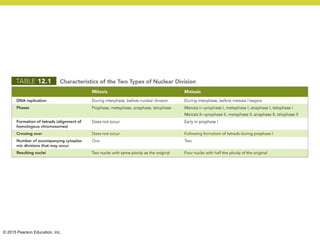
Language (EN)
Support
Business
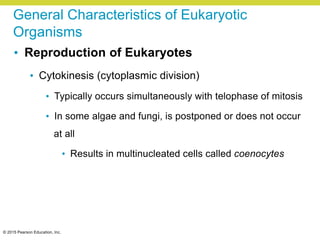
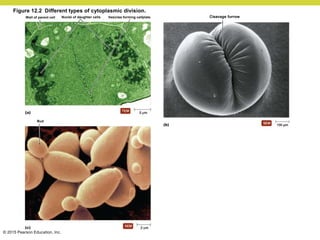
Mobile
Social Media
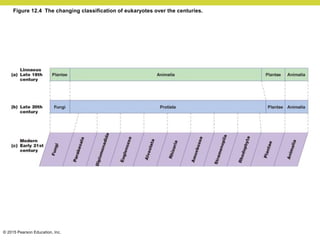
Marketing
Technology
Art & Photos
Career
Design
Education
Presentations & Public Speaking
Government & Nonprofit
Healthcare
Internet
Law
Leadership & Management
Automotive
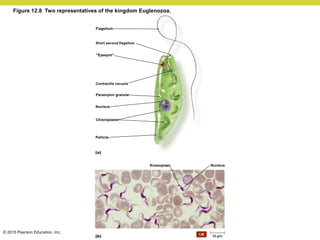
Engineering
Software
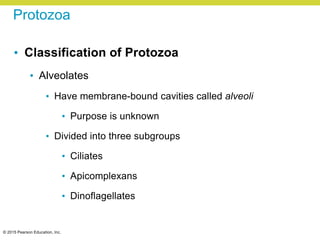
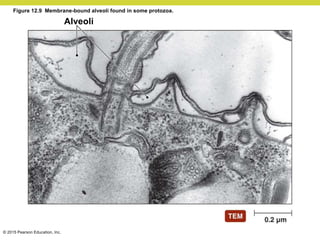
Recruiting & HR
Retail
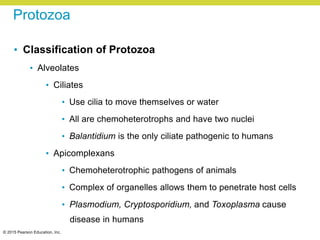
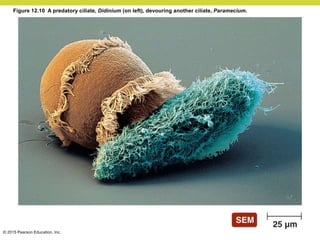
Sales
Services
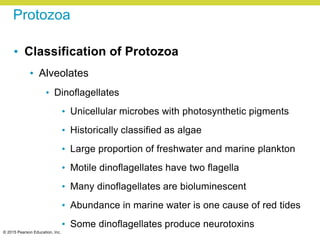
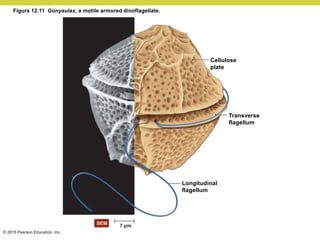
Science
Small Business & Entrepreneurship
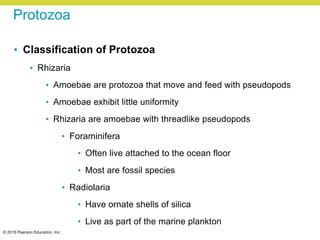
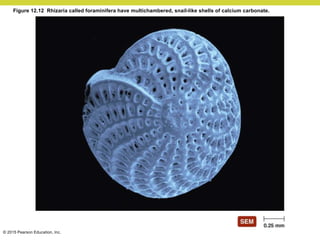
Food
Environment
Economy & Finance
Data & Analytics
Investor Relations
Sports
Spiritual
News & Politics
Travel
Self Improvement
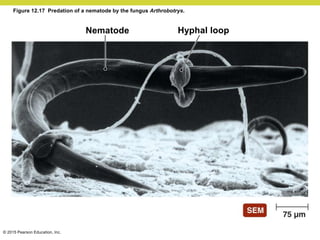
Real Estate
Entertainment & Humor
Health & Medicine
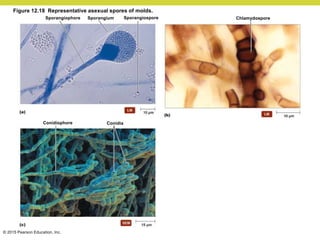
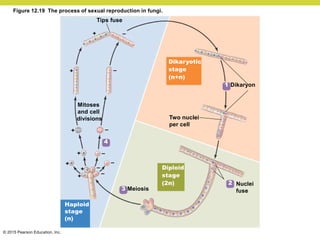
Devices & Hardware
Lifestyle
Change Language
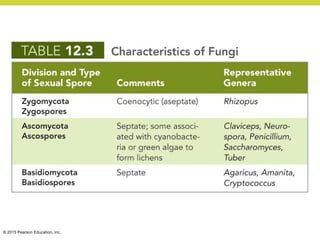
Language
English
Español
Português
Français
Deutsche
Cancel
Save
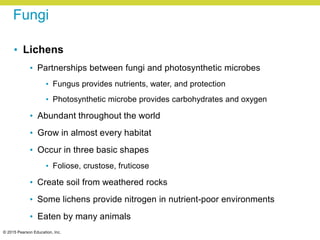
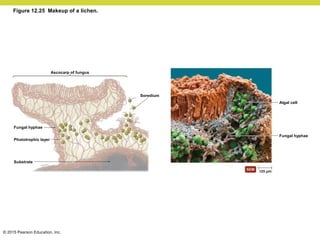
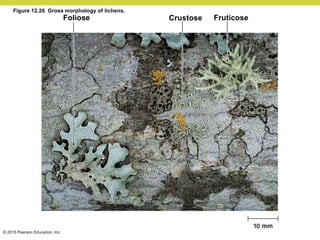
EN
Uploaded by
zaerxherz
19 views
12 Characterizing and Classifying Eukaryotes_57ef00f5833c160603ca251ab45cf5f9.pdf
PPT for BSN 1 microbiology and parasitology course.
Health & Medicine
◦
Read more
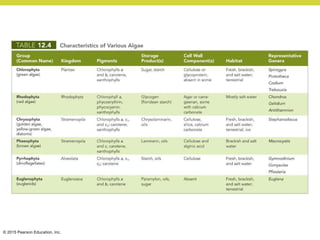
0
Save
Share
Embed
Embed presentation
Download
Download to read offline
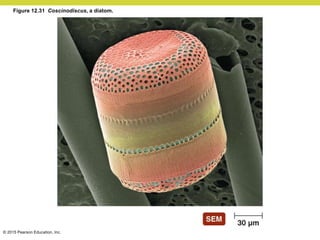
1
/ 77
2
/ 77
3
/ 77
4
/ 77
5
/ 77
6
/ 77
7
/ 77
8
/ 77
9
/ 77
10
/ 77
11
/ 77
12
/ 77
13
/ 77
14
/ 77
15
/ 77
16
/ 77
17
/ 77
18
/ 77
19
/ 77
20
/ 77
21
/ 77
22
/ 77
23
/ 77
24
/ 77
25
/ 77
26
/ 77
27
/ 77
28
/ 77
29
/ 77
30
/ 77
31
/ 77
32
/ 77
33
/ 77
34
/ 77
35
/ 77
36
/ 77
37
/ 77
38
/ 77
39
/ 77
40
/ 77
41
/ 77
42
/ 77
43
/ 77
44
/ 77
45
/ 77
46
/ 77
47
/ 77
48
/ 77
49
/ 77
50
/ 77
51
/ 77
52
/ 77
53
/ 77
54
/ 77
55
/ 77
56
/ 77
57
/ 77
58
/ 77
59
/ 77
60
/ 77
61
/ 77
62
/ 77
63
/ 77
64
/ 77
65
/ 77
66
/ 77
67
/ 77
68
/ 77
69
/ 77
70
/ 77
71
/ 77
72
/ 77
73
/ 77
74
/ 77
75
/ 77
76
/ 77
77
/ 77
More Related Content
PDF
chapter 12.pdf
by
OsmanHassan35
PDF
chapter 12.pdf
by
OsmanHassan35
PDF
chapter 12.pdf
by
OsmanHassan35
PPT
Protozoa and Human Diseases.ppt
by
MuhammadJunaid305163
PPT
Protozoa1.ppt
by
caturcahyaningsiheng
PPTX
General characteristics and classification of phylum Protozoa
by
Dr. Asif Anas
PPTX
Protozoa.PPTX Microscopic Eukaryotes Unicellular
by
Pragya
PPT
Chapter 11 protozoa
by
Abdal Assyuqie
chapter 12.pdf
by
OsmanHassan35
chapter 12.pdf
by
OsmanHassan35
chapter 12.pdf
by
OsmanHassan35
Protozoa and Human Diseases.ppt
by
MuhammadJunaid305163
Protozoa1.ppt
by
caturcahyaningsiheng
General characteristics and classification of phylum Protozoa
by
Dr. Asif Anas
Protozoa.PPTX Microscopic Eukaryotes Unicellular
by
Pragya
Chapter 11 protozoa
by
Abdal Assyuqie
Similar to 12 Characterizing and Classifying Eukaryotes_57ef00f5833c160603ca251ab45cf5f9.pdf
PDF
2. Course _Protozoa_Engl (1).pdf - english section
by
marcianogiovanni1234
PPT
Kingdom Protista presentation
by
AnzaDar3
PPTX
Protozoa
by
C Ebeling
PPT
Animal like protists
by
chuckiecalsado
PDF
Unicellular Eukaryotic Parasites, definition and background
by
kylamarielabrado2
PPTX
protozoans kd sync dud six ch vii goo .pptx
by
sathishvsathish1
PPTX
protozoa.pptx
by
PadminiDinesh1
PDF
Protozoan parasites
by
Cristina Amarante
PPTX
Protozoa by Amit Rulhania
by
Amit Rulhania
PPT
2-Animal-like protists.ppt Animal-like protists are called protozoa
by
EmilySagapCube
PPTX
Protozoa
by
Rachana Choudhary
PPT
PROTOZOA _slide_presentation slide .ppt
by
saheedmusa1
PDF
Unit-2 Parsitology, Protozoology... full....pdf
by
demekedaka
PPTX
Introduction of protozoa and over view.pptx
by
ismanmustaf1
PPT
Protozoans For class_modified.ppt
by
RanadeepDutta1
PPT
Unit-1.ppt
by
ssuser88fb021
PDF
Phylum Protozoa
by
BP Arts, SMA Science & KKC Commerce College, Chalisgaon
PPTX
Lesson about Protozoan, Biology course for 1styear
by
ZeroTwo663166
PPTX
Protozoa: A Detailed Overview of Their Discovery, Classification, Structural ...
by
asifnaeem8877
PPT
Introduction to protozoa (2).ppt for all medicals
by
SolomonBaro
2. Course _Protozoa_Engl (1).pdf - english section
by
marcianogiovanni1234
Kingdom Protista presentation
by
AnzaDar3
Protozoa
by
C Ebeling
Animal like protists
by
chuckiecalsado
Unicellular Eukaryotic Parasites, definition and background
by
kylamarielabrado2
protozoans kd sync dud six ch vii goo .pptx
by
sathishvsathish1
protozoa.pptx
by
PadminiDinesh1
Protozoan parasites
by
Cristina Amarante
Protozoa by Amit Rulhania
by
Amit Rulhania
2-Animal-like protists.ppt Animal-like protists are called protozoa
by
EmilySagapCube
Protozoa
by
Rachana Choudhary
PROTOZOA _slide_presentation slide .ppt
by
saheedmusa1
Unit-2 Parsitology, Protozoology... full....pdf
by
demekedaka
Introduction of protozoa and over view.pptx
by
ismanmustaf1
Protozoans For class_modified.ppt
by
RanadeepDutta1
Unit-1.ppt
by
ssuser88fb021
Phylum Protozoa
by
BP Arts, SMA Science & KKC Commerce College, Chalisgaon
Lesson about Protozoan, Biology course for 1styear
by
ZeroTwo663166
Protozoa: A Detailed Overview of Their Discovery, Classification, Structural ...
by
asifnaeem8877
Introduction to protozoa (2).ppt for all medicals
by
SolomonBaro
Recently uploaded
PDF
Vitamin K works in conjunction with D to the Knesset .pdf
by
Haim R. Branisteanu
PPT
Managemant of Mutilated Vital Teeth presentation
by
SamahHashem5
PPTX
Anatomy of temporal & infratemporal fossa.pptx
by
Clevin Aswani
PPTX
ONFH[AVN HIP] -TRIPLE REGIME -A NOVAL SURGICAL CONCEPT .pptx
by
drashraf369
PPTX
FEBRUARY 2026 ONCOLOGY CARTOONS BY DR KANHU CHARAN PATRO
by
Kanhu Charan
PPTX
Preformulation Studies for new Pharmaceutical substances
by
Menaka V
PPTX
Cardiovascular Disease ppt. S.Y D-Pharm.
by
Akshata Jain
PPTX
Left Ventricular Assist Devices.(New Gen)
by
SyedFaisalAhmed12
PPTX
Pharmacokinetic Aspects of Drug Metabolism and Excretion”
by
hsinchana866
PDF
Medicinal &Toilet Preparation Act T.Y.B-PHARM
by
Akshata Jain
PDF
A beginner-friendly introduction to gym training
by
darrennickerson2
PPTX
LOW DOSE RADIATHERAPY (LDRT) IN OSTEOARTHRITIS
by
Kanhu Charan
PPTX
DNS deviated nasal septum ent ward s.pptx
by
syedahiba121
PDF
Artículo Biomol Interaction between ZMIZ2 and AR promotes prostate cancer pro...
by
SebastianCastrillon10
PPTX
Stress_Management_ICU_Nurses_with_Notes_Visuals.pptx
by
MuhammadOyiboAhmad
PDF
Antitubercular agents medicinal chemistry.pdf
by
Prerana Jadhav
PPTX
Fresh Empanelment of Private Hospitals under CGHS 22 Dec 25 Presentation
by
billingkohakadehospi
PPTX
1.-Dr.-Ajay-Khera- Anemia Mukt Bharat.pptx
by
eskaglegal
PDF
Dr. David Ford Wilson - Provides Holistic Mental Health Care
by
Dr. David Ford Wilson
PPTX
PRODUCTION OF ANTIBIOTICS e.g (Penicillin)
by
Sadaqat Ahmed
Vitamin K works in conjunction with D to the Knesset .pdf
by
Haim R. Branisteanu
Managemant of Mutilated Vital Teeth presentation
by
SamahHashem5
Anatomy of temporal & infratemporal fossa.pptx
by
Clevin Aswani
ONFH[AVN HIP] -TRIPLE REGIME -A NOVAL SURGICAL CONCEPT .pptx
by
drashraf369
FEBRUARY 2026 ONCOLOGY CARTOONS BY DR KANHU CHARAN PATRO
by
Kanhu Charan
Preformulation Studies for new Pharmaceutical substances
by
Menaka V
Cardiovascular Disease ppt. S.Y D-Pharm.
by
Akshata Jain
Left Ventricular Assist Devices.(New Gen)
by
SyedFaisalAhmed12
Pharmacokinetic Aspects of Drug Metabolism and Excretion”
by
hsinchana866
Medicinal &Toilet Preparation Act T.Y.B-PHARM
by
Akshata Jain
A beginner-friendly introduction to gym training
by
darrennickerson2
LOW DOSE RADIATHERAPY (LDRT) IN OSTEOARTHRITIS
by
Kanhu Charan
DNS deviated nasal septum ent ward s.pptx
by
syedahiba121
Artículo Biomol Interaction between ZMIZ2 and AR promotes prostate cancer pro...
by
SebastianCastrillon10
Stress_Management_ICU_Nurses_with_Notes_Visuals.pptx
by
MuhammadOyiboAhmad
Antitubercular agents medicinal chemistry.pdf
by
Prerana Jadhav
Fresh Empanelment of Private Hospitals under CGHS 22 Dec 25 Presentation
by
billingkohakadehospi
1.-Dr.-Ajay-Khera- Anemia Mukt Bharat.pptx
by
eskaglegal
Dr. David Ford Wilson - Provides Holistic Mental Health Care
by
Dr. David Ford Wilson
PRODUCTION OF ANTIBIOTICS e.g (Penicillin)
by
Sadaqat Ahmed
12 Characterizing and Classifying Eukaryotes_57ef00f5833c160603ca251ab45cf5f9.pdf
1.
© 2015 Pearson
Education, Inc. Chapter 12
2.
© 2015 Pearson
Education, Inc. General Characteristics of Eukaryotic Organisms • Eukaryotic microorganisms • Protozoa • Fungi • Algae • Water molds • Slime molds • Include both human pathogens and organisms vital for human life
3.
© 2015 Pearson
Education, Inc. General Characteristics of Eukaryotic Organisms • Reproduction of Eukaryotes • More complicated than that in prokaryotes • Eukaryotic DNA is packaged as chromosomes in the nucleus • Have variety of methods of asexual reproduction • Many reproduce sexually by forming gametes and zygotes • Algae, fungi, and some protozoa reproduce both sexually and asexually
4.
© 2015 Pearson
Education, Inc. General Characteristics of Eukaryotic Organisms • Reproduction of Eukaryotes • Nuclear division • Nucleus has one or two complete copies of genome • Single copy (haploid) • Most fungi, many algae, some protozoa • Two copies (diploid) • Other fungi, algae, and protozoa • Two types • Mitosis • Meiosis
5.
© 2015 Pearson
Education, Inc.
6.
© 2015 Pearson
Education, Inc. General Characteristics of Eukaryotic Organisms • Reproduction of Eukaryotes • Cytokinesis (cytoplasmic division) • Typically occurs simultaneously with telophase of mitosis • In some algae and fungi, is postponed or does not occur at all • Results in multinucleated cells called coenocytes
7.
© 2015 Pearson
Education, Inc. Figure 12.2 Different types of cytoplasmic division. Vesicles forming cellplate Nuclei of daughter cells Wall of parent cell Cleavage furrow Bud
8.
© 2015 Pearson
Education, Inc. Figure 12.4 The changing classification of eukaryotes over the centuries.
9.
© 2015 Pearson
Education, Inc. Protozoa • Diverse group defined by three characteristics • Eukaryotic • Unicellular • Lack a cell wall • Motile by means of cilia, flagella, and/or pseudopods • Except a subgroup: apicomplexans
10.
© 2015 Pearson
Education, Inc. Protozoa • Distribution of Protozoa • Require moist environments • Most live in ponds, streams, lakes, and oceans • Critical members of plankton • Others live in moist soil, beach sand, and decaying organic matter • Very few are pathogens
11.
© 2015 Pearson
Education, Inc. Protozoa • Morphology of Protozoa • Great morphological diversity • Some have two nuclei • Macronucleus • Contains many copies of the genome • Micronucleus • Variety in number and kinds of mitochondria • Some have contractile vacuoles that pump water out of cells • Different stages in life cycle • Motile feeding stage called a trophozoite • Resting stage called a cyst
12.
© 2015 Pearson
Education, Inc. Closed vacuole Open vacuole Figure 12.5 Contractile vacuoles.
13.
© 2015 Pearson
Education, Inc. Protozoa • Nutrition of Protozoa • Most are chemoheterotrophic • Obtain nutrients by phagocytizing bacteria, decaying organic matter, other protozoa, or the tissues of host • Few absorb nutrients from surrounding water • Dinoflagellates and euglenoids are photoautotrophic
14.
© 2015 Pearson
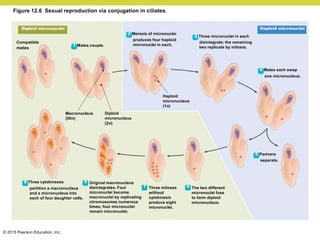
Education, Inc. Protozoa • Reproduction of Protozoa • Most reproduce only asexually • Binary fission or schizogony • Few also have sexual reproduction • Some become gametocytes that fuse to form diploid zygotes • Some utilize a process called conjugation
15.
© 2015 Pearson
Education, Inc. Figure 12.6 Sexual reproduction via conjugation in ciliates. Original macronucleus disintegrates. Four micronuclei become macronuclei by replicating chromosomes numerous times; four micronuclei remain micronuclei. Three mitoses without cytokinesis produce eight micronuclei. The two different micronuclei fuse to form diploid micronucleus. 9 Three cytokineses partition a macronucleus and a micronucleus into each of four daughter cells. 5 Partners separate. 4 Mates each swap one micronucleus. Haploid micronucleus (1n) Diploid micronucleus (2n) Macronucleus (50n) Compatible mates 1 Mates couple. 2 Meiosis of micronuclei produces four haploid micronuclei in each. 3 Three micronuclei in each disintegrate; the remaining two replicate by mitosis. Haploid micronuclei Diploid micronuclei 6 7 8
16.
© 2015 Pearson
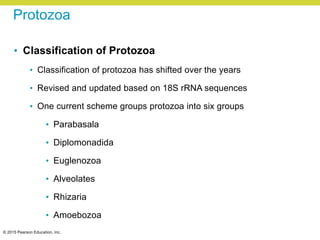
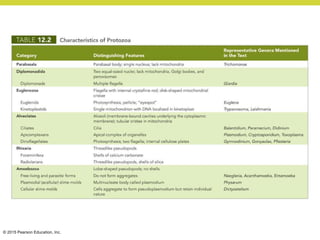
Education, Inc. Protozoa • Classification of Protozoa • Classification of protozoa has shifted over the years • Revised and updated based on 18S rRNA sequences • One current scheme groups protozoa into six groups • Parabasala • Diplomonadida • Euglenozoa • Alveolates • Rhizaria • Amoebozoa
17.
© 2015 Pearson
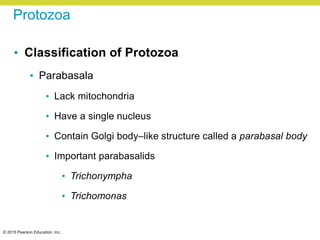
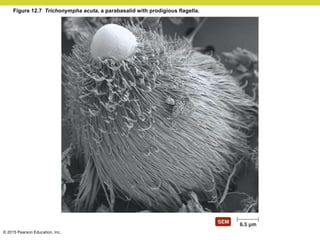
Education, Inc. Protozoa • Classification of Protozoa • Parabasala • Lack mitochondria • Have a single nucleus • Contain Golgi body–like structure called a parabasal body • Important parabasalids • Trichonympha • Trichomonas
18.
© 2015 Pearson
Education, Inc. Figure 12.7 Trichonympha acuta, a parabasalid with prodigious flagella.
19.
© 2015 Pearson
Education, Inc. Protozoa • Classification of Protozoa • Diplomonadida • Lack mitochondria • Have mitosomes in the cytoplasm • Mitochondrial genes found in the nuclear chromosomes • Also lack Golgi bodies and peroxisomes • Have two equal-sized nuclei and multiple flagella • Prominent diplomonad • Giardia
20.
© 2015 Pearson
Education, Inc. Protozoa • Classification of Protozoa • Euglenozoa • Characteristics of both plants and animals • Flagella contain a crystalline rod of unknown function • Mitochondria have disk-shaped cristae • Two groups • Euglenids • Kinetoplastids
21.
© 2015 Pearson
Education, Inc. Protozoa • Classification of Protozoa • Euglenozoa • Euglenids • Photoautotrophic, unicellular microbes with chloroplasts • Historically classified as plants • Kinetoplastids • Have region of mitochondrial DNA called a kinetoplast • Some kinetoplastids are pathogenic • Trypanosoma • Leishmania
22.
© 2015 Pearson
Education, Inc. Flagellum "Eyespot" Short second flagellum Contractile vacuole Paramylon granule Nucleus Chloroplasts Pellicle Kinetoplast Nucleus Figure 12.8 Two representatives of the kingdom Euglenozoa.
23.
© 2015 Pearson
Education, Inc. Protozoa • Classification of Protozoa • Alveolates • Have membrane-bound cavities called alveoli • Purpose is unknown • Divided into three subgroups • Ciliates • Apicomplexans • Dinoflagellates
24.
© 2015 Pearson
Education, Inc. Figure 12.9 Membrane-bound alveoli found in some protozoa. Alveoli
25.
© 2015 Pearson
Education, Inc. Protozoa • Classification of Protozoa • Alveolates • Ciliates • Use cilia to move themselves or water • All are chemoheterotrophs and have two nuclei • Balantidium is the only ciliate pathogenic to humans • Apicomplexans • Chemoheterotrophic pathogens of animals • Complex of organelles allows them to penetrate host cells • Plasmodium, Cryptosporidium, and Toxoplasma cause disease in humans
26.
© 2015 Pearson
Education, Inc. Figure 12.10 A predatory ciliate, Didinium (on left), devouring another ciliate, Paramecium.
27.
© 2015 Pearson
Education, Inc. Protozoa • Classification of Protozoa • Alveolates • Dinoflagellates • Unicellular microbes with photosynthetic pigments • Historically classified as algae • Large proportion of freshwater and marine plankton • Motile dinoflagellates have two flagella • Many dinoflagellates are bioluminescent • Abundance in marine water is one cause of red tides • Some dinoflagellates produce neurotoxins
28.
© 2015 Pearson
Education, Inc. Cellulose plate Transverse flagellum Longitudinal flagellum Figure 12.11 Gonyaulax, a motile armored dinoflagellate.
29.
© 2015 Pearson
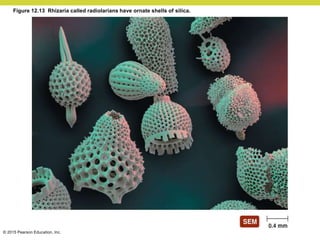
Education, Inc. Protozoa • Classification of Protozoa • Rhizaria • Amoebae are protozoa that move and feed with pseudopods • Amoebae exhibit little uniformity • Rhizaria are amoebae with threadlike pseudopods • Foraminifera • Often live attached to the ocean floor • Most are fossil species • Radiolaria • Have ornate shells of silica • Live as part of the marine plankton
30.
© 2015 Pearson
Education, Inc. Figure 12.12 Rhizaria called foraminifera have multichambered, snail-like shells of calcium carbonate.
31.
© 2015 Pearson
Education, Inc. Figure 12.13 Rhizaria called radiolarians have ornate shells of silica.
32.
© 2015 Pearson
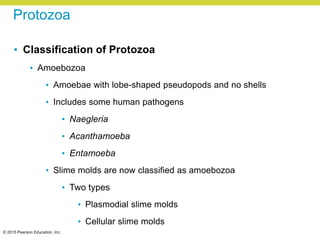
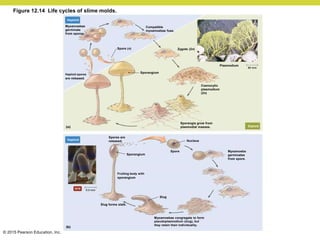
Education, Inc. Protozoa • Classification of Protozoa • Amoebozoa • Amoebae with lobe-shaped pseudopods and no shells • Includes some human pathogens • Naegleria • Acanthamoeba • Entamoeba • Slime molds are now classified as amoebozoa • Two types • Plasmodial slime molds • Cellular slime molds
33.
© 2015 Pearson
Education, Inc. Myxamoebae congregate to form pseudoplasmodium (slug), but they retain their individuality. Myxamoeba germinates from spore. Slug forms stalk. Slug Fruiting body with sporangium Sporangium Spore Spores are released. Nucleus Sporangia grow from plasmodial masses. Coenocytic plasmodium (2n) Plasmodium Sporangium Haploid spores are released. Zygote (2n) Compatible myxamoebae fuse. Spore (n) Myxamoebae germinate from spores. Haploid Diploid Haploid Figure 12.14 Life cycles of slime molds.
34.
© 2015 Pearson
Education, Inc.
35.
© 2015 Pearson
Education, Inc. Fungi • Chemoheterotrophic • Have cell walls typically composed of chitin • Do not perform photosynthesis • Lack chlorophyll • Related to animals
36.
© 2015 Pearson
Education, Inc. Fungi • The Significance of Fungi • Decompose dead organisms and recycle their nutrients • Help plants absorb water and minerals • Used for food, in religious ceremonies, and in manufacture of foods and beverages • Produce antibiotics and other drugs • Serve as important research tools • 30% cause diseases of plants, animals, and humans • Can spoil fruit, pickles, jams, and jellies
37.
© 2015 Pearson
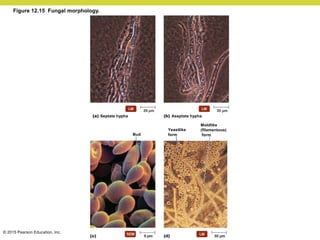
Education, Inc. Aseptate hypha Moldlike (filamentous) form Bud Septate hypha Yeastlike form Figure 12.15 Fungal morphology.
38.
© 2015 Pearson
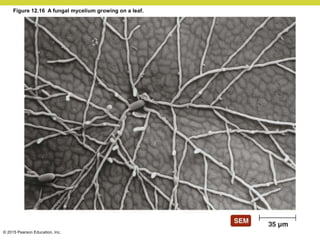
Education, Inc. Figure 12.16 A fungal mycelium growing on a leaf.
39.
© 2015 Pearson
Education, Inc. Fungi • Nutrition of Fungi • Acquire nutrients by absorption • Most are saprobes • Some trap and kill microscopic soil-dwelling nematodes • Haustoria allow some fungi to derive nutrients from living plants and animals • Most fungi are aerobic • Many yeasts are facultative anaerobes
40.
© 2015 Pearson
Education, Inc. Figure 12.17 Predation of a nematode by the fungus Arthrobotrys. Hyphal loop Nematode
41.
© 2015 Pearson
Education, Inc. Fungi • Reproduction of Fungi • All have some means of asexual reproduction involving mitosis and cytokinesis • Most also reproduce sexually
42.
© 2015 Pearson
Education, Inc. Fungi • Reproduction of Fungi • Budding and asexual spore formation • Yeasts bud in manner similar to prokaryotic budding • Some yeasts produce long filament called a pseudohypha • Filamentous fungi produce lightweight spores that disperse over large distances • Sexual spore formation • Fungal mating types designated as "+" and "–" • Four basic steps
43.
© 2015 Pearson
Education, Inc. Sporangiospore Sporangiophore Sporangium Chlamydospore Conidiophore Conidia Figure 12.18 Representative asexual spores of molds.
44.
© 2015 Pearson
Education, Inc. Tips fuse Two nuclei per cell Mitoses and cell divisions 3 Meiosis Nuclei fuse 1 Dikaryon 2 4 Dikaryotic stage (n+n) Diploid stage (2n) Haploid stage (n) + + + + + + + – – – – – – – Figure 12.19 The process of sexual reproduction in fungi.
45.
© 2015 Pearson
Education, Inc. Fungi • Classification of Fungi • Division Zygomycota • Division Ascomycota • Division Basidiomycota • Deuteromycetes
46.
© 2015 Pearson
Education, Inc. Fungi • Classification of Fungi • Division Zygomycota • 1100 known species • Most are saprobes • Others are obligate parasites of insects and other fungi • Reproduce asexually via sporangiospores
47.
© 2015 Pearson
Education, Inc. Fungi • Classification of Fungi • Division Zygomycota • Microsporidia • Once classified as protozoa • More similar to zygomycetes by genetic analysis • Obligate intracellular parasites • Spread as small, resistant spores • Nosema parasitic on insects • Used as biological control agent for grasshoppers • Several genera cause disease in immunocompromised patients
48.
© 2015 Pearson
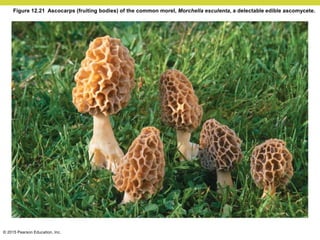
Education, Inc. Fungi • Classification of Fungi • Division Ascomycota • 32,000 known species • Ascomycetes form ascospores in sacs called asci • Also reproduce by conidiospores • Includes most of the fungi that spoil food • Some infect plants and humans • Many are beneficial • Penicillium • Saccharomyces
49.
© 2015 Pearson
Education, Inc. Figure 12.21 Ascocarps (fruiting bodies) of the common morel, Morchella esculenta, a delectable edible ascomycete.
50.
© 2015 Pearson
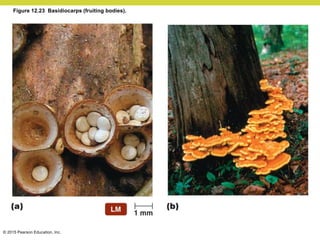
Education, Inc. Fungi • Classification of Fungi • Division Basidiomycota • 22,000 known species • Mushrooms and other fruiting bodies of basidiomycetes called basidiocarps • Basidiomycetes affect humans in several ways • Most are decomposers that return nutrients to the soil • Many mushrooms produce toxins or hallucinatory chemicals • Some cause expensive crop damage
51.
© 2015 Pearson
Education, Inc. Figure 12.23 Basidiocarps (fruiting bodies).
52.
© 2015 Pearson
Education, Inc. Fungi • Classification of Fungi • Deuteromycetes • Heterogeneous collection of fungi with unknown sexual stages • Most deuteromycetes belong to the division Ascomycota based on rRNA analysis
53.
© 2015 Pearson
Education, Inc. Fungi • Lichens • Partnerships between fungi and photosynthetic microbes • Fungus provides nutrients, water, and protection • Photosynthetic microbe provides carbohydrates and oxygen • Abundant throughout the world • Grow in almost every habitat • Occur in three basic shapes • Foliose, crustose, fruticose • Create soil from weathered rocks • Some lichens provide nitrogen in nutrient-poor environments • Eaten by many animals
54.
© 2015 Pearson
Education, Inc. Figure 12.25 Makeup of a lichen. Substrate Phototrophic layer Fungal hyphae Ascocarp of fungus Soredium Algal cell Fungal hyphae
55.
© 2015 Pearson
Education, Inc. Foliose Fruticose Crustose Figure 12.26 Gross morphology of lichens.
56.
© 2015 Pearson
Education, Inc.
57.
© 2015 Pearson
Education, Inc. Algae • Simple, eukaryotic phototrophs • Carry out oxygenic photosynthesis using chlorophyll a • Have sexual reproductive structures in which every cell becomes a gamete • Differ widely in distribution, morphology, reproduction, and biochemical traits
58.
© 2015 Pearson
Education, Inc. Algae • Distribution of Algae • Most are aquatic • Live in the photic zone of freshwater, brackish water, and saltwater • Have accessory photosynthetic pigments that trap energy of short-wavelength light • Allows algae to inhabit deep parts of the photic zone
59.
© 2015 Pearson
Education, Inc. Algae • Morphology of Algae • Can have different morphologies • Unicellular • Colonial • Simple multicellular bodies called thalli
60.
© 2015 Pearson
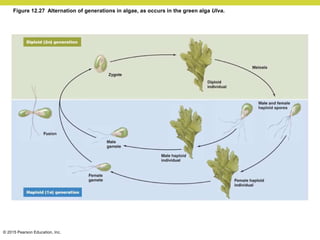
Education, Inc. Algae • Reproduction of Algae • Reproduction in unicellular algae • Asexual reproduction involves mitosis followed by cytokinesis • In sexual reproduction, individual gametes form zygotes that undergo meiosis • Reproduction in multicellular algae • Reproduce asexually by fragmentation • Reproduce sexually with alternation of generations
61.
© 2015 Pearson
Education, Inc. Figure 12.27 Alternation of generations in algae, as occurs in the green alga Ulva.
62.
© 2015 Pearson
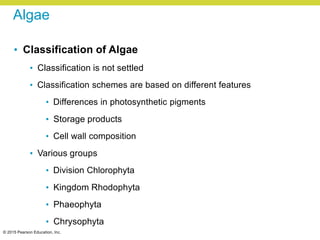
Education, Inc. Algae • Classification of Algae • Classification is not settled • Classification schemes are based on different features • Differences in photosynthetic pigments • Storage products • Cell wall composition • Various groups • Division Chlorophyta • Kingdom Rhodophyta • Phaeophyta • Chrysophyta
63.
© 2015 Pearson
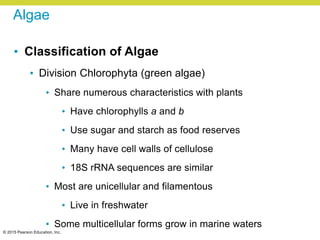
Education, Inc. Algae • Classification of Algae • Division Chlorophyta (green algae) • Share numerous characteristics with plants • Have chlorophylls a and b • Use sugar and starch as food reserves • Many have cell walls of cellulose • 18S rRNA sequences are similar • Most are unicellular and filamentous • Live in freshwater • Some multicellular forms grow in marine waters
64.
© 2015 Pearson
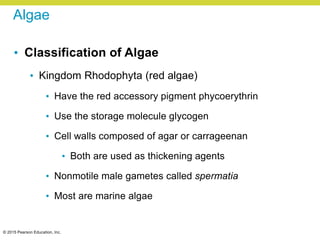
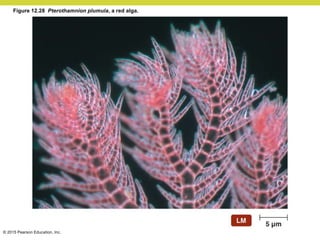
Education, Inc. Algae • Classification of Algae • Kingdom Rhodophyta (red algae) • Have the red accessory pigment phycoerythrin • Use the storage molecule glycogen • Cell walls composed of agar or carrageenan • Both are used as thickening agents • Nonmotile male gametes called spermatia • Most are marine algae
65.
© 2015 Pearson
Education, Inc. Figure 12.28 Pterothamnion plumula, a red alga.
66.
© 2015 Pearson
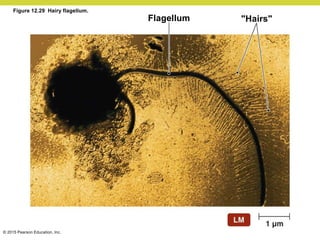
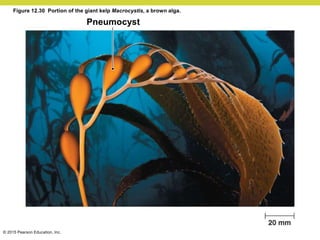
Education, Inc. Algae • Classification of Algae • Phaeophyta (brown algae) • Motile gametes have two flagella • Produce chlorophylls a and c, carotene, and xanthophylls • Most are marine algae • Use laminarin and oils as food reserves • Cell walls are composed of cellulose and alginic acid • Alginic acid is used medically and as a thickening agent
67.
© 2015 Pearson
Education, Inc. Figure 12.29 Hairy flagellum. "Hairs" Flagellum
68.
© 2015 Pearson
Education, Inc. Pneumocyst Figure 12.30 Portion of the giant kelp Macrocystis, a brown alga.
69.
© 2015 Pearson
Education, Inc. Algae • Classification of Algae • Chrysophyta (golden algae, yellow-green algae, and diatoms) • Use chrysolaminarin and oils as storage products • Some lack cell walls; others have ornate coverings • Most are unicellular or colonial • Diatoms • Component of marine phytoplankton • Major source of the world's oxygen
70.
© 2015 Pearson
Education, Inc. Figure 12.31 Coscinodiscus, a diatom.
71.
© 2015 Pearson
Education, Inc.
72.
© 2015 Pearson
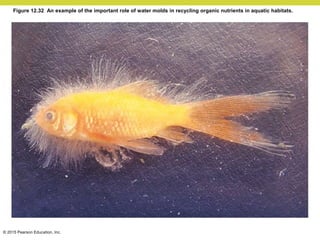
Education, Inc. Water Molds • Differ from fungi in several ways • Have tubular cristae in their mitochondria • Cell walls are of cellulose instead of chitin • Spores have two flagella • Have true diploid bodies • Decompose dead animals and return nutrients to the environment • Some species are pathogens of crops • Phytophthora infestans caused the Irish potato famine
73.
© 2015 Pearson
Education, Inc. Figure 12.32 An example of the important role of water molds in recycling organic nutrients in aquatic habitats.
74.
© 2015 Pearson
Education, Inc. Other Eukaryotes of Microbiological Interest: Parasitic Helminths and Vectors • Parasitic worms have microscopic infective and diagnostic stages • Arthropod vectors are animals that carry pathogens • Mechanical vectors • Biological vectors • Disease vectors belong to two classes of arthropod • Arachnida • Insecta
75.
© 2015 Pearson
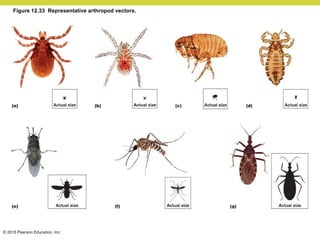
Education, Inc. Other Eukaryotes of Microbiological Interest: Parasitic Helminths and Vectors • Arachnids • Adult arachnids have four pairs of legs • Ticks are the most important arachnid vectors • Hard ticks are most prominent tick vectors • A few mite species transmit rickettsial diseases
76.
© 2015 Pearson
Education, Inc. Other Eukaryotes of Microbiological Interest: Parasitic Helminths and Vectors • Insects • Adult insects have three pairs of legs and three body regions • Include • Fleas • Lice • Flies • Mosquitoes • Most important arthropod vectors of disease • Kissing bugs
77.
© 2015 Pearson
Education, Inc. Figure 12.33 Representative arthropod vectors.
Download








![ONFH[AVN HIP] -TRIPLE REGIME -A NOVAL SURGICAL CONCEPT .pptx](https://cdn.slidesharecdn.com/ss_thumbnails/onfhavnhip2026koaconcalicutdrgokuldevdrmashraf-260210064517-213ec005-thumbnail.jpg?width=640&height=640&fit=bounds)


