Volume 11 Issue 1
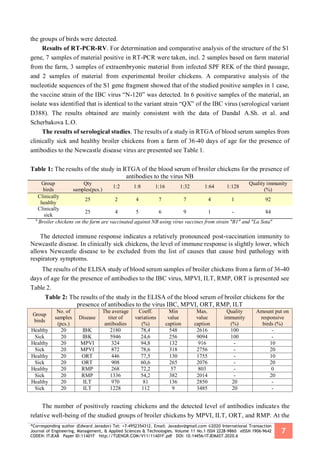
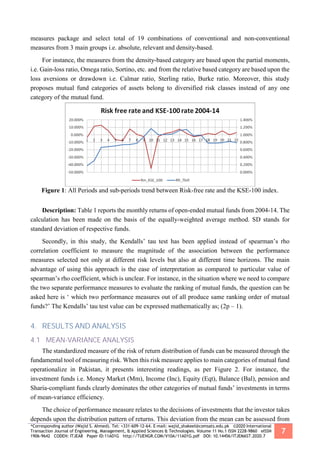
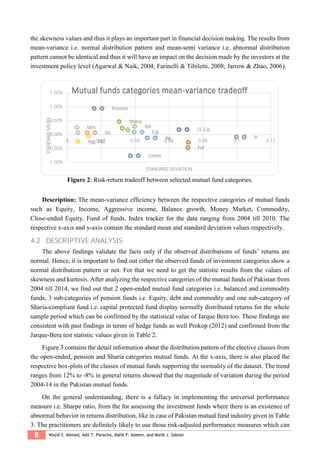
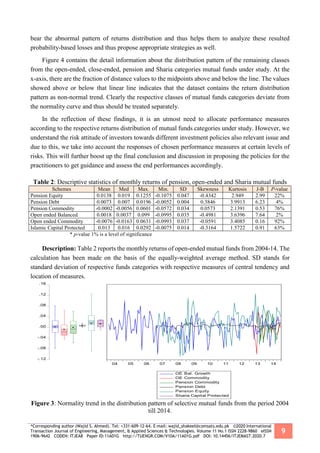
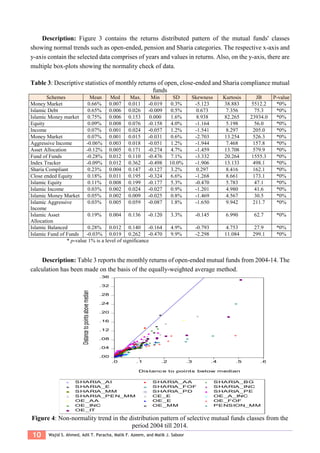
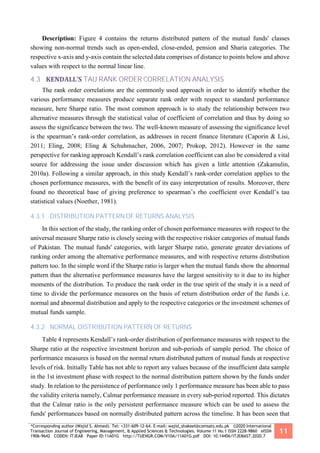
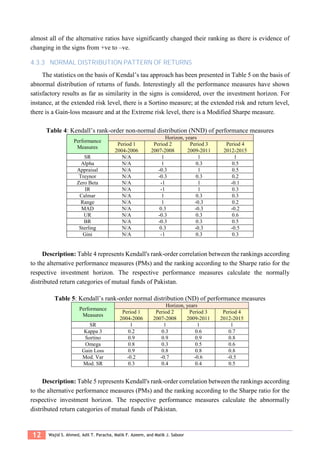
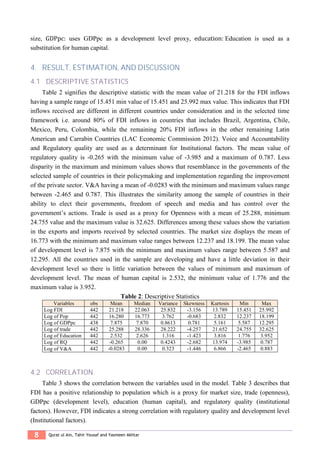
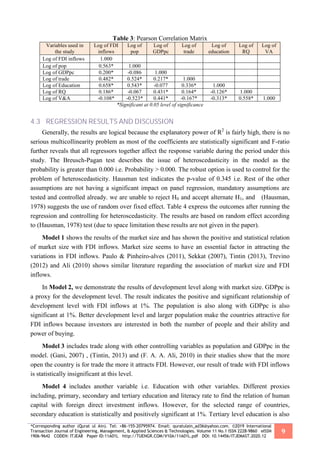
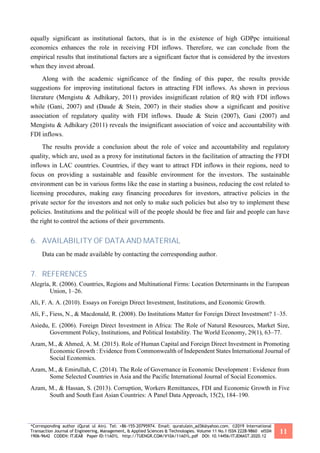
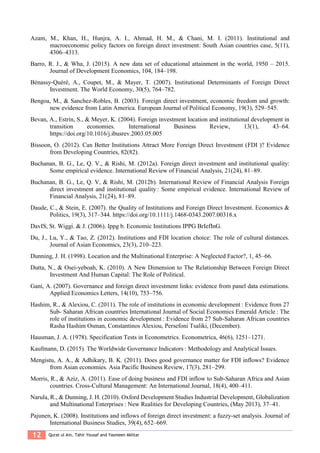
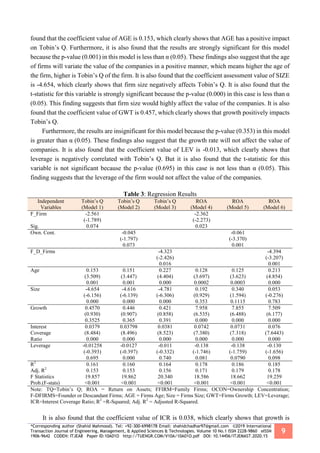
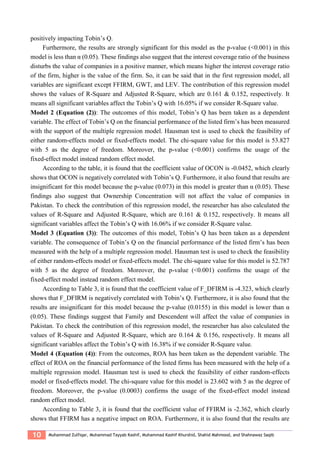
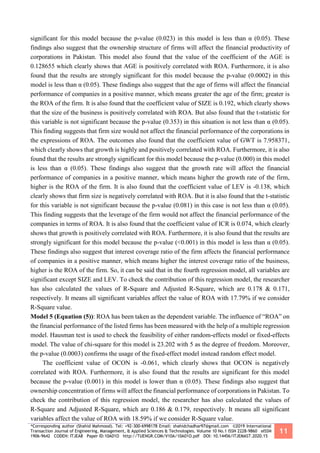
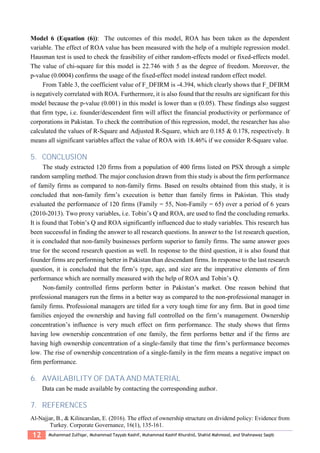
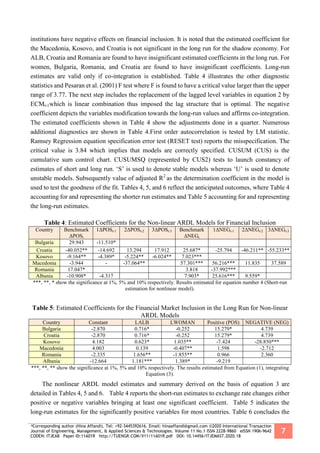
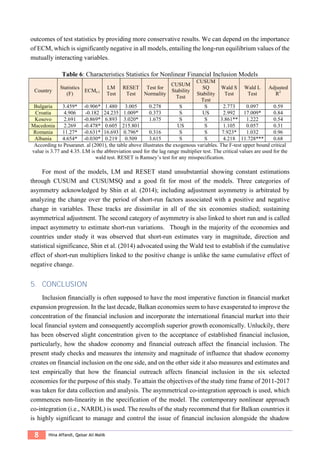
(2020)
ISSN 2228-9860
eISSN 1906-9642
http://TuEngr.com
KINETIC STUDY OF AUTOCATALYZED
ESTERIFICATION OF LACTIC ACID WITH
ALCOHOLS C2-C5
EFFECTS OF FAMILY CONTROL ON
FIRM VALUE AND FINANCIAL
PERFORMANCE: EVIDENCE FROM NON-
FINANCIAL SECTOR OF PAKISTAN
EFFECTS OF HOME AND INSTITUTIONAL
FACTORS ON PROMOTING READING
AND WRITING SKILLS OF ENGLISH
LEARNERS IN PAKISTAN
EVAPORATIVE PAVEMENTS AS AN
URBAN HEAT ISLAND (UHI) MITIGATION
STRATEGY: A REVIEW
SHADOW ECONOMY, OUTREACH OF
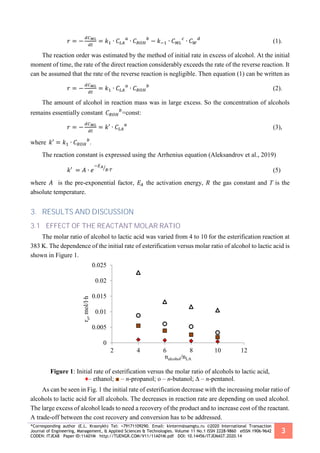
FINANCIAL INSTITUTIONS AND
FINANCIAL INCLUSION: A STUDY OF
BALKAN COUNTRIES
IMPACTS OF PERCEIVED FIT AND SELF-
BRAND CONNECTION ON CONSUMER
PURCHASE INTENTION TOWARDS A
NEWLY INTRODUCED SMART PHONE IN
PAKISTAN (PRODUCT LINE EXTENSION)
MANAGEMENT OF FORMATION OF
PATRIOTIC QUALITIES OF THE RUSSIAN
GROWING GENERATIONS
A ROAD TEST STUDY ON SPEED SENSITIVE
COLLAPSIBLE MECHANICAL SPEED BUMP
EXPERIMENTAL PINPOINTING OF ENRICHED MISCIBLE
GAS COMPOSITION BASED ON INTERFACIAL TENSION
MEASUREMENT
A STUDY ON CAUSAL RELATIONSHIP BETWEEN
COUNTERFEIT PRODUCTS AND CONSUMER
PREFERENCES
THE ORDER OF REPETITION PROCESS IN ISLAMIC
ARCHITECTURE ORNAMENTS: THE CASE OF
MOSULIAN TRADITIONAL HOUSES
APPLICATION OF FRACTAL ANALYSIS METHOD FOR
STUDYING STOCK MARKET
INFECTIOUS CHICKEN BRONCHITIS: THE CAUSE OF
RESPIRATORY SYNDROME IN BROILER CHICKENS
A FRAMEWORK OF THREE FAMILIES OF
PERFORMANCE MEASURES AGAINST A UNIVERSAL
SHARPE MEASURE: KENDALL'S TAU RANK ORDER
CORRELATION APPROACH
AN EXPRESS ASSESSMENT METHOD FOR MEAT
QUALITY AND SAFETY
SOCIO-DEMOGRAPHICS, RISK PROPENSITY, AND
INVESTMENT DIVERSITY MODERATING ROLE OF
FINANCIAL LITERACY
PROSPECTS FOR INCREASING THE INVESTMENT
ATTRACTIVENESS IN RUSSIAN REGIONS WITH A
FOCUS ON AGRO-INDUSTRIAL DEVELOPMENT IN
KRASNODAR REGION
ROLES OF OIL & GAS EXPLORATION & MARKETING
CO SECTOR OF KSE STOCK RETURN: MEASUREMENT
AND DETERMINATION
INSTITUTIONAL FACTORS AND FOREIGN DIRECT
INVESTMENT INFLOWS: EMPIRICAL EVIDENCE FROM
LATIN AMERICAN AND CARIBBEAN COUNTRIES
THE IMPORTANCE OF SELF-EDUCATION IN THE
PROMOTION OF FUTURE SPECIALISTS
International Transaction Journal of Engineering,
Management, & Applied Sciences & Technologies
http://TuEngr.com
International Editorial Board
Editor-in-Chief
Ahmad Sanusi Hassan, PhD
Professor
Universiti Sains Malaysia,
MALAYSIA
Executive Editor
Boonsap Witchayangkoon, PhD
Associate Professor
Thammasat University, THAILAND
Editorial Board:
Assoc. Prof. Dr. Mohamed Gadi (University of Nottingham, UNITED KINGDOM)
Professor Dr.Hitoshi YAMADA (Yokohama National University, JAPAN)
Professor Dr. Chuen-Sheng Cheng (Yuan Ze University, TAIWAN )
Professor Dr.Mikio SATOMURA (Shizuoka University, JAPAN)
Professor Dr.Chuen-Sheng Cheng (Yuan Ze University, TAIWAN)
Emeritus Professor Dr.Mike Jenks (Oxford Brookes University, UNITED KINGDOM )
Professor Dr.I Nyoman Pujawan (Sepuluh Nopember Institute of Technology,
INDONESIA)
Professor Dr.Toshio YOSHII (EHIME University, JAPAN)
Professor Dr.Neven Duić (University of Zagreb, CROATIA)
Professor Dr.Dewan Muhammad Nuruzzaman (University Malaysia Pahang MALAYSIA)
Professor Dr.Masato SAITOH (Saitama University, JAPAN)
Scientific and Technical Committee & Editorial Review
Board on Engineering, Technologies and Applied Sciences:
Associate Prof. Dr. Paulo Cesar Lima Segantine (University of São Paulo, BRASIL)
Associate Prof. Dr. Kurt B. Wurm (New Mexico State University, USA )
Associate Prof. Dr. Truong V.B.Giang (Vietnam National University, Hanoi, VIETNAM)
Associate Prof. Dr. Fatemeh Khozaei (Islamic Azad University Kerman Branch, IRAN)
Assistant Prof.Dr. Zoe D. Ziaka (International Hellenic University, GREECE)
Associate Prof.Dr. Junji SHIKATA (Yokohama National University, JAPAN)
Assistant Prof.Dr. Akeel Noori Abdul Hameed (University of Sharjah, UAE)
Assistant Prof.Dr. Rohit Srivastava (Indian Institute of Technology Bombay, INDIA)
Assistant Prof. Dr.Muhammad Yar Khan (COMSATS University, Pakistan)
Assistant Prof. Dr. David Kuria (Kimathi University College of Technology, KENYA )
Dr. Mazran bin Ismail (Universiti Sains Malaysia, MALAYSIA )
Dr. Salahaddin Yasin Baper (Salahaddin University - Hawler, IRAQ )
Dr. Foong Swee Yeok (Universiti Sains Malaysia, MALAYSIA)
Dr.Azusa FUKUSHIMA (Kobe Gakuin University, JAPAN)
Dr.Yasser Arab (Ittihad Private University, SYRIA).
©2020 International Transaction Journal of Engineering, Management, & Applied Sciences & Technologies.
i
:: International Transaction Journal of Engineering,
Management, & Applied Sciences & Technologies
Volume 11 Issue 1 (2020) ISSN 2228-9860
http://TuEngr.com eISSN 1906-9642
FEATURE PEER-REVIEWED ARTICLES
A ROAD TEST STUDY ON SPEED SENSITIVE COLLAPSIBLE
MECHANICAL SPEED BUMP 11A01A
EXPERIMENTAL PINPOINTING OF ENRICHED MISCIBLE GAS
COMPOSITION BASED ON INTERFACIAL TENSION MEASUREMENT 11A01B
A STUDY ON CAUSAL RELATIONSHIP BETWEEN COUNTERFEIT
PRODUCTS AND CONSUMER PREFERENCES 11A01C
THE ORDER OF REPETITION PROCESS IN ISLAMIC ARCHITECTURE
ORNAMENTS: THE CASE OF MOSULIAN TRADITIONAL HOUSES
11A01D
APPLICATION OF FRACTAL ANALYSIS METHOD FOR STUDYING
STOCK MARKET 11A01E
INFECTIOUS CHICKEN BRONCHITIS: THE CAUSE OF RESPIRATORY
SYNDROME IN BROILER CHICKENS 11A01F
A FRAMEWORK OF THREE FAMILIES OF PERFORMANCE MEASURES
AGAINST A UNIVERSAL SHARPE MEASURE: KENDALL'S TAU RANK
ORDER CORRELATION APPROACH
11A01G
AN EXPRESS ASSESSMENT METHOD FOR MEAT QUALITY AND
SAFETY 11A01H
SOCIO-DEMOGRAPHICS, RISK PROPENSITY, AND INVESTMENT
DIVERSITY MODERATING ROLE OF FINANCIAL LITERACY 11A01I
PROSPECTS FOR INCREASING THE INVESTMENT ATTRACTIVENESS
IN RUSSIAN REGIONS WITH A FOCUS ON AGRO-INDUSTRIAL
DEVELOPMENT IN KRASNODAR REGION
11A01J
ROLES OF OIL & GAS EXPLORATION & MARKETING CO SECTOR OF
KSE STOCK RETURN: MEASUREMENT AND DETERMINATION
11A01K
INSTITUTIONAL FACTORS AND FOREIGN DIRECT INVESTMENT
INFLOWS: EMPIRICAL EVIDENCE FROM LATIN AMERICAN AND
CARIBBEAN COUNTRIES
11A01L
THE IMPORTANCE OF SELF-EDUCATION IN THE PROMOTION OF
FUTURE SPECIALISTS
11A01M
©2020 International Transaction Journal of Engineering, Management, & Applied Sciences & Technologies.
ii
KINETIC STUDY OF AUTOCATALYZED ESTERIFICATION OF LACTIC
ACID WITH ALCOHOLS C2-C5
11A01N
EFFECTS OF FAMILY CONTROL ON FIRM VALUE AND FINANCIAL
PERFORMANCE: EVIDENCE FROM NON-FINANCIAL SECTOR OF
PAKISTAN
11A01O
EFFECTS OF HOME AND INSTITUTIONAL FACTORS ON PROMOTING
READING AND WRITING SKILLS OF ENGLISH LEARNERS IN PAKISTAN
11A01P
EVAPORATIVE PAVEMENTS AS AN URBAN HEAT ISLAND (UHI)
MITIGATION STRATEGY: A REVIEW 11A01Q
SHADOW ECONOMY, OUTREACH OF FINANCIAL INSTITUTIONS AND
FINANCIAL INCLUSION: A STUDY OF BALKAN COUNTRIES
11A01R
IMPACTS OF PERCEIVED FIT AND SELF-BRAND CONNECTION ON
CONSUMER PURCHASE INTENTION TOWARDS A NEWLY
INTRODUCED SMART PHONE IN PAKISTAN (PRODUCT LINE
EXTENSION)
11A01S
MANAGEMENT OF FORMATION OF PATRIOTIC QUALITIES OF THE
RUSSIAN GROWING GENERATIONS 11A01T
Contacts:
Professor Dr.Ahmad Sanusi Hassan (Editor-in-Chief), School of Housing, Building
and Planning, UNIVERSITI SAINS MALAYSIA, 11800 Minden, Penang, MALAYSIA. Tel:
+60-4-653-2835 Fax: +60-4-657 6523, Sanusi@usm.my, Editor@TuEngr.com
Associate Professor Dr.Boonsap Witchayangkoon (Executive Editor), Faculty of
Engineering, THAMMASAT UNIVERSITY, Klong-Luang, Pathumtani, 12120,
THAILAND. Tel: +66-2-5643005 Ext 3101. Fax: +66-2-5643022
DrBoonsap@gmail.com
Managing Office
TUENGR Group, 88/244 Moo 3, Moo Baan Saransiri, Klong#2, KlongLuang,
Pathumtani, 12120, THAILAND. Tel/WhatsApp: +66-995535450.
P l P id i MALAYSIA/THAILAND
*Corresponding author (D.Cholaseuk) Tel: +66-25643009 Ext 3149 Email: cdulyach@engr.tu.ac.th ©2020 International
Transaction Journal of Engineering, Management, & Applied Sciences & Technologies. Volume 11 No.1 ISSN 2228-9860
eISSN 1906-9642 CODEN: ITJEA8 Paper ID:11A01A http://TUENGR.COM/V11/11A01A.pdf DOI: 10.14456/ITJEMAST.2020.1
1
International Transaction Journal of Engineering,
Management, & Applied Sciences & Technologies
http://TuEngr.com
PAPER ID: 11A01A
A ROAD TEST STUDY ON SPEED SENSITIVE
COLLAPSIBLE MECHANICAL SPEED BUMP
Pornprom Pahubutra a
, and Dulyachot Cholaseuk a*
a Department of Mechanical Enginering, Thammasat School of Engineering, Thammasat University
Pathumtani, 12120, THAILAND.
A R T I C L E I N F O A B S T R A C T
Article history:
Received 19 July 2019
Received in revised form 09
September 2019
Accepted 24 September 2019
Available online 01 November
2019
Keywords:
Automatic speed bump;
Mechanical speed sensor;
Traffic calming device;
Vehicle maneuver;
Driving behavior;
Speed control.
A speed sensitive collapsible mechanical speed bump is a structure
of a triangular shaped profile with joints that allow the bump to fold flat.
The operation of the bump relies on an all mechanical system that uses a
pendulum as a speed sensor. The amount of angular motion of the
pendulum varies with the speed of the vehicle passing. This determines
the position of the tip of the pendulum that contacts the guide rail, which
can control the pendulum to fold or to lock. The speed bump is designed
to lock when a vehicle passes at speed above 8 km/hr and to fold flat at
the speed below 8 km/hr. This road test version was vastly improved
from the conceptual prototype. The pendulum speed sensing mechanism
was separated from the locking mechanism to ensure speed sensing
accuracy while improving strength in the locking position. Overall
profile was scaled down to fit Thailand’s speed bump standard. Testing
was conducted with six vehicles of different segments: an eco car, two
compact sedans, two mid-size suv’s and a pick-up truck. The test results
show that the bump response well with the transition range of 7 – 12
km/hr.
© 2020 INT TRANS J ENG MANAG SCI TECH.
1. INTRODUCTION
Speed bumps are widely used for speed control in highly populated area. Bumps on the road
cause vehicles to slow down to avoid vertical impact, which help reducing chances of accident.
According to Thailand’s standard on speed bumps [1], speed bumps are usually used for entrances to
car parking areas or on private roads. The length is 30 to 90 cm long and they aim to reduce the
vehicle speed to 8 km/hr or lower.
Improperly designed speed bumps could be harmful to vehicles and the passengers, even though,
the vehicles passing at low speed [2, 10]. Hence, researchers try to design a suitable profile that could
reduce vertical impact [3]. However, this still cause discomfort to passenger. The better solution is to
have a speed bump collasped if the vehicle travel below the speed limit and activated as a bump to
warn or punish high speed vehicles.
©2020 International Transaction Journal of Engineering, Management, & Applied Sciences & Technologies
2 Pornprom Pahubutra, and Dulyachot Cholaseuk
Many ideas have been patented on collapsible speed bumps, such as [4] – [9], but very few
reached the road tests. There are many problems that prevent collapsible speed bumps from being
practical, including structural durability, maintenance and installation issues (which may require
digging up the road). Recently there is a promising technology: one is the use of flexible shell filled
with non-Newtonian fluid that react differently to speed of impact [11] but durability of the shell is
still to be proven.
The authors have developed a mechanical collapsible speed bump using a pendulum as a speed
sensing mechanism and also as a locking mechanism [12]. It was easy to install. The bump is tuned
to response well to the targeted speed of 8 km/hr. However, the pendulum design is prone to vibration.
Its dimensions are too large and due to the design, it could not withstand impact load from large
vehicles. The mentioned problems were fixed in this new version. The speed sensing mechanism was
separated from the locking mechanism to ensure speed sensing accuracy while improving strength in
the locking position. Overall profile was scaled down to fit Thailand’s speed bump standard.
2. DESIGN
In development of a speed sensitive collapsible speed bump version V, the principle of inertia
was still used in the pendulum sensing mechanism. When the vehicle travels fast the pendulum
sensing mechanism will rotate backward in relative to the ramp which makes it falls in to a locking
point in the guide rail. When the vehicle travels slow the pendulum sensing mechanism will have less
rotation in relative to the ramp which makes it slides along the guide rail and allows the bump to
collapse. In the previous version, the pendulum speed sensing mechanism were use as both a sensor
and a locking mechanism, which lower its accuracy.
In this version, the pendulum speed sensing mechanism were separated from locking mechanism.
The movement of the pendulum sensing mechanism along the guide rail will activate to the locking
mechanism. When installed at 30 mm below the road surface, as shown in Figure 1, the highest point
of the bump is 75 mm, which is conformed to Thailand’s standard for speed humps. During locking
position the height will be 60 mm. And during the fold position it will be flat. If installed on the
road without digging, it will be 30 mm higher in each position. This research uses on-road installation
as shown in Figure 2.
Figure 1: Installed by digging-up the road.
Figure 2: Installed on the road.
*Corresponding author (D.Cholaseuk) Tel: +66-25643009 Ext 3149 Email: cdulyach@engr.tu.ac.th ©2020 International
Transaction Journal of Engineering, Management, & Applied Sciences & Technologies. Volume 11 No.1 ISSN 2228-9860
eISSN 1906-9642 CODEN: ITJEA8 Paper ID:11A01A http://TUENGR.COM/V11/11A01A.pdf DOI: 10.14456/ITJEMAST.2020.1
3
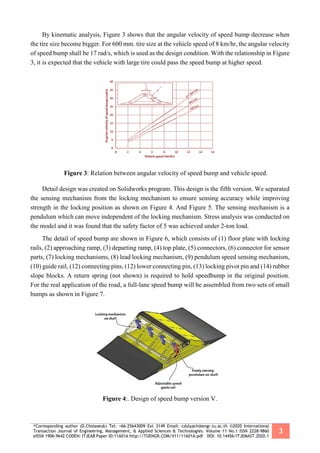
By kinematic analysis, Figure 3 shows that the angular velocity of speed bump decrease when
the tire size become bigger. For 600 mm. tire size at the vehicle speed of 8 km/hr, the angular velocity
of speed bump shall be 17 rad/s, which is used as the design condition. With the relationship in Figure
3, it is expected that the vehicle with large tire could pass the speed bump at higher speed.
Figure 3: Relation between angular velocity of speed bump and vehicle speed.
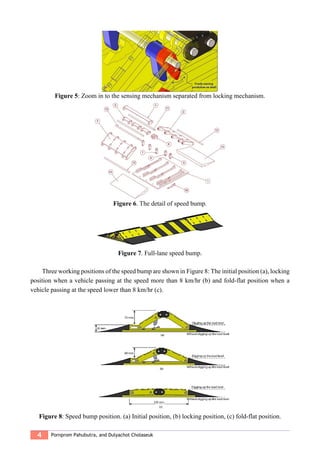
Detail design was created on Solidworks program. This design is the fifth version. We separated
the sensing mechanism from the locking mechanism to ensure sensing accuracy while improving
strength in the locking position as shown on Figure 4. And Figure 5. The sensing mechanism is a
pendulum which can move independent of the locking mechanism. Stress analysis was conducted on
the model and it was found that the safety factor of 5 was achieved under 2-ton load.
The detail of speed bump are shown in Figure 6, which consists of (1) floor plate with locking
rails, (2) approaching ramp, (3) departing ramp, (4) top plate, (5) connectors, (6) connector for sensor
parts, (7) locking mechanisms, (8) lead locking mechanism, (9) pendulum speed sensing mechanism,
(10) guide rail, (12) connecting pins, (12) lower connecting pin, (13) locking pivot pin and (14) rubber
slope blocks. A return spring (not shown) is required to hold speedbump in the original position.
For the real application of the road, a full-lane speed bump will be assembled from two sets of small
bumps as shown in Figure 7.
Figure 4:. Design of speed bump version V.
4 Pornprom Pahubutra, and Dulyachot Cholaseuk
Figure 5: Zoom in to the sensing mechanism separated from locking mechanism.
Figure 6. The detail of speed bump.
Figure 7. Full-lane speed bump.
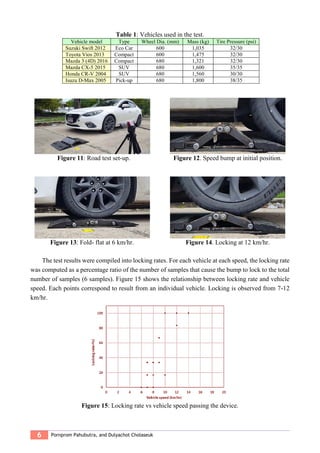
Three working positions of the speed bump are shown in Figure 8: The initial position (a), locking
position when a vehicle passing at the speed more than 8 km/hr (b) and fold-flat position when a
vehicle passing at the speed lower than 8 km/hr (c).
Figure 8: Speed bump position. (a) Initial position, (b) locking position, (c) fold-flat position.
*Corresponding author (D.Cholaseuk) Tel: +66-25643009 Ext 3149 Email: cdulyach@engr.tu.ac.th ©2020 International
Transaction Journal of Engineering, Management, & Applied Sciences & Technologies. Volume 11 No.1 ISSN 2228-9860
eISSN 1906-9642 CODEN: ITJEA8 Paper ID:11A01A http://TUENGR.COM/V11/11A01A.pdf DOI: 10.14456/ITJEMAST.2020.1
5
3. PROTOTYPE
The major components were made of medium carbon steel plates, 5 mm and 10 mm thick. All
pins were M12 SAE grade 8.8 steel bolts. The overall width is 400 mm, which is sufficient for one
wheel testing. Overall length is 700 mm (including entrance and exit ramps). The heights are 90 mm
at rest, 75 mm at locked-position and 30 mm at flat. Internal parts are shown in Figure 9. The finished
speed bump, ready for testing, is showed in Figure 10.
Figure 9: Locking mechanism fixed to a pivot pin.
Figure 10: A prototype speed sensitive collapsible mechanical speed bump version V.
4. ROAD TEST
The test was set up according to Figure 11. The purpose of the test was to verify the response of
the mechanism to vehicle speed. Six vehicles were used in this test, as detailed in Table 1. Each
vehicle were driven at different speeds (6, 7, 8, 9, 10, 12 and 14 km/hr) over the speed bump, with
three repeated runs for each speed. The responses for both front and rear wheels were recorded by
video cameras. Thus for each vehicle at each speed, there were 6 samples (2 wheels, front and rear x
3 repeats) and for Every vehicle at each speed, there were 36 samples (6 vehicles x 2 wheels, front
and rear x 3 repeats). Figure 12 shows the initial position of the bump. When the vehicle travel over
the speed bump at low speed, fold-flat position in Figure 13 is expected. Locking position in Figure
14 is expected for speed over 8 km/hr.
6 Pornprom Pahubutra, and Dulyachot Cholaseuk
Table 1: Vehicles used in the test.
Vehicle model Type Wheel Dia. (mm) Mass (kg) Tire Pressure (psi)
Suzuki Swift 2012 Eco Car 600 1,035 32/30
Toyota Vios 2013 Compact 600 1,475 32/30
Mazda 3 (4D) 2016 Compact 680 1,321 32/30
Mazda CX-5 2015 SUV 680 1,600 35/35
Honda CR-V 2004 SUV 680 1,560 30/30
Isuzu D-Max 2005 Pick-up 680 1,800 38/35
Figure 11: Road test set-up. Figure 12. Speed bump at initial position.
Figure 13: Fold- flat at 6 km/hr. Figure 14. Locking at 12 km/hr.
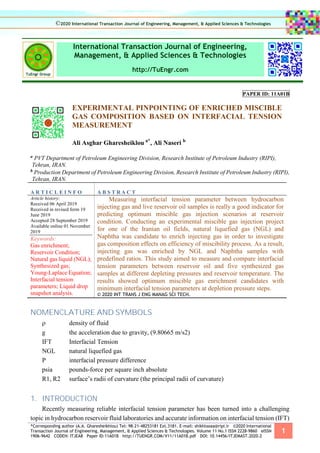
The test results were compiled into locking rates. For each vehicle at each speed, the locking rate
was computed as a percentage ratio of the number of samples that cause the bump to lock to the total
number of samples (6 samples). Figure 15 shows the relationship between locking rate and vehicle
speed. Each points correspond to result from an individual vehicle. Locking is observed from 7-12
km/hr.
Figure 15: Locking rate vs vehicle speed passing the device.
*Corresponding author (D.Cholaseuk) Tel: +66-25643009 Ext 3149 Email: cdulyach@engr.tu.ac.th ©2020 International
Transaction Journal of Engineering, Management, & Applied Sciences & Technologies. Volume 11 No.1 ISSN 2228-9860
eISSN 1906-9642 CODEN: ITJEA8 Paper ID:11A01A http://TUENGR.COM/V11/11A01A.pdf DOI: 10.14456/ITJEMAST.2020.1
7
5. DISCUSSION
The test results show different locking rates for different vehicles at the same speed, due to
variations of vehicle wheel diameters and tire pressures. Upon averaging the responses for all vehicles
at each speeds (36 samples for each speed), the response curve of the speed bump can be drawn as
Figure 16. The response curve shows transition zone between 7 to 12 km/hr. During the test, some
deformations of the floor plate were observed, due to incomplete welding. But it did not significantly
affect the response of the bump. When the pendulum speed sensing mechanism slide along the guide
rail during the fold-flat phase, friction leads to increasing reaction force at the pin joint. This can be
fixed by adding a roller to the tip of the pendulum.
Figure 16: Response curve of the speed bump.
6. CONCLUSION
The fifth version of a speed sensitive collapsible mechanical speed bump was developed. This
road test version was vastly improved from the conceptual prototype. The pendulum speed sensing
mechanism was separated from the locking mechanism to ensure speed sensing accuracy while
improving strength in the locking position. Overall profile was scaled down to fit Thailand’s speed
bump standard. Testing was conducted with six vehicles of different segments: an eco-car, two
compact sedans, two mid-size suv’s and a pick-up truck. The test results show that the bump response
well with the transition range of 7 – 12 km/hr. Major problems were addressed which will be solved
in the next prototype. Design of the sensing mechanism will be revised with a roller attached to the
tip to eliminate friction between the rail and the tip of the pendulum.
7. ACKNOWLEDGEMENT
This project was funded by Grant for Invention Development, Thammasat University, 2017.
8. REFERENCES
[1] Aslan, S., Karcioglu, O., Kandis, H., Ezirmik, N. and Bilir, O. (2005). Speed bump-induced spinal
column injury. The American Journal of Emergency Medicine, vol. 23, no. 4, 2005, pp. 563- 564.
[2] Department of Public Works and Town & Country Planning. Ministry of Interior, Thailand (2013).
Standard on Construction of Speed Humps. DPT. 2301-56.
8 Pornprom Pahubutra, and Dulyachot Cholaseuk
[3] Surajed Sookchaiyaporn (2018). Design and fabricate speed bump with less impact force to vehicle.
Research report, Naresuan University
[4] Seid Mandavi (1990). Vehicle Speed Bump Device. United States Patent Number 4,974,991
[5] Clinton Thompson (1996). Retractable Speed Bump. United States Patent Number 5,509,753
[6] Michael Bond (2001). Speed Sensitive Automatic Speed Bump. United States Patent Number
6,241,419B1
[7] Jahangir Rastegar (2001). Traffic Control Speed Bump. United States Patent Number 7,645,090B2
[8] Chih-Cheng Yang (2005). Speed Hump Device. United States Patent Number 6,877,929 B1
[9] Graham Heeks (2003). Deformable Speed Hump. United States Patent Number 6,659,682B2
[10] Witchayangkoon, B., Sirimontree, S., Leartpocasombut, K., & Namee, S. (2019). An Experiment On
Speed Bumps Built With Used Pneumatic Rubber Tires. International Transaction Journal of
Engineering, Management, & Applied Sciences & Technologies. 10(14), 10A14D: 1-7.
[11] Edeva AB (2017, July). Actibump. Retrived from https://www.edeva.se
[12] Dulyachot Cholaseuk. Development of a Speed Sensitive Collapsible Mechanical Speed Bump
International Conference on Engineering, Energy, and Environment (ICEEE2017), Thammasat
University, 1-3 November 2017.
Pornprom Pahubutra is a graduate student at the Mechanical Engineering Department, Thammasat
School of Engineering, Thammasat University, Thailand. He is intersted in Mechanical Devices and
Experiment.
Dr. Dulyachot Cholaseuk is an Associate Professor at the Mechanical Engineering Department,
Thammasat School of Engineering, Thammasat University. He obtained his Bachelor of Engineering
degree (Mechanical Engineering) from Chulalongkorn University, Thailand. He earned his Ph.D.
(Mechanical Engineering) from Columbia University, New York. His research interests include Robust
Optimum Design of Mechanical Parts and Systems, Shape and Topology Optimization, Design of Foldable
Vehicles, Biomimetics.
*Corresponding author (A.A. Gharesheikhlou) Tel: 98-21-48253181 Ext.3181. E-mail: shikhlooaa@ripi.ir ©2020 International
Transaction Journal of Engineering, Management, & Applied Sciences & Technologies. Volume 11 No.1 ISSN 2228-9860 eISSN
1906-9642 CODEN: ITJEA8 Paper ID:11A01B http://TUENGR.COM/V11/11A01B.pdf DOI: 10.14456/ITJEMAST.2020.2
1
International Transaction Journal of Engineering,
Management, & Applied Sciences & Technologies
http://TuEngr.com
PAPER ID: 11A01B
EXPERIMENTAL PINPOINTING OF ENRICHED MISCIBLE
GAS COMPOSITION BASED ON INTERFACIAL TENSION
MEASUREMENT
Ali Asghar Gharesheiklou a*
, Ali Naseri b
a PVT Department of Petroleum Engineering Division, Research Institute of Petroleum Industry (RIPI),
Tehran, IRAN.
b Production Department of Petroleum Engineering Division, Research Institute of Petroleum Industry (RIPI),
Tehran, IRAN.
A R T I C L E I N F O A B S T R A C T
Article history:
Received 06 April 2019
Received in revised form 19
June 2019
Accepted 28 September 2019
Available online 01 November
2019
Keywords:
Gas enrichment;
Reservoir Condition;
Natural gas liquid (NGL);
Synthesized gas;
Young-Laplace Equation;
Interfacial tension
parameters; Liquid drop
snapshot analysis.
Measuring interfacial tension parameter between hydrocarbon
injecting gas and live reservoir oil samples is really a good indicator for
predicting optimum miscible gas injection scenarios at reservoir
condition. Conducting an experimental miscible gas injection project
for one of the Iranian oil fields, natural liquefied gas (NGL) and
Naphtha was candidate to enrich injecting gas in order to investigate
gas composition effects on efficiency of miscibility process. As a result,
injecting gas was enriched by NGL and Naphtha samples with
predefined ratios. This study aimed to measure and compare interfacial
tension parameters between reservoir oil and five synthesized gas
samples at different depleting pressures and reservoir temperature. The
results showed optimum miscible gas enrichment candidates with
minimum interfacial tension parameters at depletion pressure steps.
© 2020 INT TRANS J ENG MANAG SCI TECH.
NOMENCLATURE AND SYMBOLS
 density of fluid
g the acceleration due to gravity, (9.80665 m/s2)
IFT Interfacial Tension
NGL natural liquefied gas
P interfacial pressure difference
psia pounds-force per square inch absolute
R1, R2 surface’s radii of curvature (the principal radii of curvature)
1. INTRODUCTION
Recently measuring reliable interfacial tension parameter has been turned into a challenging
topic in hydrocarbon reservoir fluid laboratories and accurate information on interfacial tension (IFT)
©2020 International Transaction Journal of Engineering, Management, & Applied Sciences & Technologies
2 Ali Asghar Gharesheiklou, Ali Naseri
is of major importance in both petroleum and chemical engineering. Interfacial Tension (IFT) is a
measurement of existing cohesive (excess) energy at an interface arising from the imbalance of forces
between molecules at an interface (gas/liquid, liquid/liquid, gas/solid, and liquid/solid). When two
different phases are in contact with each other the molecules at the interface are imposed with an
imbalance of forces. This will lead to an accumulation of free energy at the interface. If the
investigated surface is the interface of two immiscible liquids the measurement is normally referred
to as interfacial tension.
The importance of IFT is sensed when dealing with EOR processes where the relative magnitude
of interfacial (capillary), gravitational and viscous forces considerably affects the recovery of
hydrocarbons. The relative permeability, which determines the flow behaviour of reservoir fluids in
porous media, strongly depends on the interfacial tension at low interfacial conditions. In other
words, viscous forces, as the driving factor for mobilizing oil through porous media and capillary
forces, as trapping factor for retaining the reservoir oils within porous media compete with each other
continuously through porous media. On the other hand, capillary forces are directly inspired by
interfacial tension parameter. Therefore measuring IFT in different processes such as immiscible gas
injection leads to find a reliable estimate from capillary trapping forces in reservoir conditions [1].
Oil production and gas injection processes are strongly influenced by the gas/oil interfacial
tension and by the wetting behaviour of oil on the porous substrate. Oil recovery is favoured by low
gas/oil interfacial tensions and by complete wetting of oil on the water phase that often covers the
porous rock. Interfacial forces play an important role in various oil recovery schemes, starting with oil
recovery. The gas/oil interfacial tension and the wetting behaviour of oil in the presence of gas,
control the distribution of the oil and gas phases within the pore space. Therefore these quantities
affect the phase flow parameters such as capillary pressure, phase permeabilities and the quantity of
oil remaining after drainage with gas. The interfacial parameters are strongly dependent on
thermodynamic (e.g. pressure or composition) conditions.
For instance, in the production of near-critical gas condensates or volatile oils and in near
miscible gas injection processes, variations of the gas/oil interfacial tension by several orders of
magnitude are not uncommon. Upon such variations, the flow regime changes from emulsion-like
flow at very low IFT to a capillary-dominated flow at high IFT. These changes are reflected in the
multiphase flow parameters [2].
Figure 1: IFT Experimental set up using Pendant drop technique
*Corresponding author (A.A. Gharesheikhlou) Tel: 98-21-48253181 Ext.3181. E-mail: shikhlooaa@ripi.ir ©2020 International
Transaction Journal of Engineering, Management, & Applied Sciences & Technologies. Volume 11 No.1 ISSN 2228-9860 eISSN
1906-9642 CODEN: ITJEA8 Paper ID:11A01B http://TUENGR.COM/V11/11A01B.pdf DOI: 10.14456/ITJEMAST.2020.2
3
2. IFT MEASUREMENT BY PENDANT DROP METHOD
IFT-700 System from Vinci Company was used for measuring surface tension (liquid-gas) and
interfacial tension (liquid-liquid) using the pendant drop method (Laplace equation). The whole
experimental set up has been depicted in Figure 1.
The pendant drop method is defined as the formation of a liquid drop at the end of a hollow
needle, which is submerged in a second bulk fluid. Drop formation is matured under fixed
temperature and pressure and the apparatus is mobilized with an accurate snapshot system. After
taking the desired snapshot, complete structure of the drop is analyzed with advanced drop shape
analysis software. Using the drop dimensions on the achieved image and knowing the needle
dimensions, the interfacial tension parameter is determined precisely [3, 4]. It should be reminded
that maximum working pressure and temperature of IFT 700 are 10000 psi and 150°C respectively,
see Figures 2 and 3.
Figure 2: Snapshot system.
Figure 3: Liquid Drop Snapshot Analysis.
The shape of a drop is determined by its radii of curvature, R1, and R2. In case of a spherical
4 Ali Asghar Gharesheiklou, Ali Naseri
drop, these are equal. The relationship between interfacial pressure (the pressure across the interface)
and these radii of curvature is called the Young-Laplace Equation
P = g (1/R1 + 1/R2) (1)
In a column of fluid of density  and height h, the interfacial pressure difference P = gh.
3. SAMPLE PREPARATION
Reservoir oil sample in pressure steps above the saturation pressure was monophonic and it could
be injected through the needle in specified pressure and temperature precisely but below the bubble
point, the pressure associated gas cap was evolved and two different phases of liquid and gas were
created. Therefore it was decided to design a differential vaporization test simultaneous with working
on pendant drop apparatus in order to prepare gas cap-released oil samples in pressure steps below the
saturation pressure. To make a long story short, during the differential vaporization test, pressure of
the live oil was fixed in predefined pressure steps and evolved gas cap was removed from top of the
oil sample in each step and the remaining high-pressure oils were used to inject through pendant drop
instrument [5,6].
On the other hand, gas samples should be prepared parallel with the reservoir oil sample. It was
decided to enrich injecting gas samples with NGL and Naphtha based on ratios of 213 and 430
SCF/STB. Finally, five synthetic samples were made by recombining injecting gas samples with
Naphtha and NGL with ratios of 230 and 430 SCF/STB. Detailed composition analysis and density of
five gas samples have been listed in Tables 1 and 2.
Table 1.Composition analysis for five injecting scenarios (MOLE %)
Component
Dry
Gas
NGL NAPHTA
DRY Gas + NAPHTA DRY Gas + NGL
213 bbl/MMSCF 430 bbl/MMSCF 213 bbl/MMSCF 430 bbl/MMSCF
N2 7.90 0.00 0.00 6.66 5.74 5.86 4.64
CO2 1.71 0.00 0.00 1.44 1.24 1.27 1.00
H2S 0.01 0.00 0.00 0.0100 0.0100 0.0100 0.0100
CH4 84.97 1.88 0.00 71.62 61.74 63.46 50.63
C2H6 2.46 28.89 0.00 2.08 1.79 9.30 13.38
C3H8 0.89 36.92 0.00 0.75 0.65 10.21 15.78
N-C4 0.40 14.47 0.57 0.43 0.45 4.04 6.21
I-C4 0.22 6.33 0.00 0.18 0.16 1.80 2.74
N-C5 0.17 3.59 4.27 0.82 1.29 1.06 1.59
I-C4 0.17 3.69 5.20 0.96 1.55 1.08 1.63
Pseudo C6 0.39 2.31 11.03 2.06 3.30 0.89 1.18
Pseudo C7 0.31 0.67 16.69 2.88 4.79 0.40 0.46
Pseudo C8 0.32 0.63 22.09 3.74 6.27 0.40 0.45
Pseudo C9 0.07 0.45 18.80 3.01 5.19 0.17 0.23
Pseudo C10 0.00 0.11 13.02 2.05 3.56 0.03 0.05
Pseudo C11 0.00 0.03 5.13 0.81 1.40 0.01 0.01
C12+ 0.00 0.02 3.20 0.50 0.87 0.01 0.01
Molar Mass
(g/mol)
19.43 46.63 109.36 33.55 44.01 26.46 30.66
In other words, the following gas samples should be prepared experimentally by recombining
initial gas sample and enriching agents with predefined ratios:
1) Initial dry gas
2) Injecting gas recombined with NGL based on the ratio of 213 SCF/STB which was so-called
NGL 213
*Corresponding author (A.A. Gharesheikhlou) Tel: 98-21-48253181 Ext.3181. E-mail: shikhlooaa@ripi.ir ©2020 International
Transaction Journal of Engineering, Management, & Applied Sciences & Technologies. Volume 11 No.1 ISSN 2228-9860 eISSN
1906-9642 CODEN: ITJEA8 Paper ID:11A01B http://TUENGR.COM/V11/11A01B.pdf DOI: 10.14456/ITJEMAST.2020.2
5
3) Injecting gas recombined with NGL based on the ratio of 430 SCF/STB which was
so-called NGL 430
4) Injecting gas recombined with Naphtha based on the ratio of 213 SCF/STB which was
so-called Naphtha 213
5) Injecting gas recombined with Naphtha based on the ratio of 430 SCF/STB which was
so-called Naphtha 430
Table 2. The density of oil and gaseous phases through depletion pressure steps @ 200 ºF
Pressure
(psia)
Live Oil
Density
(gr/cc)
Dry Gas
Density
(gr/cc)
NGL 213
Density
(gr/cc)
NGL 430
Density
(gr /cc)
Naphtha 213
Density
(gr/cc)
Naphtha 430
Density
(gr/cc)
Ambient 0.8714 0.0006 0.0009 0.0010 0.0011 0.0015
911 0.8038 0.0434 0.0640 0.0802 0.0839 0.1319
1923 0.7771 0.0938 0.1464 0.1927 0.1946 0.3201
2905 0.7539 0.1405 0.2176 0.2768 0.2839 04180
3085 0.7552 0.1486 0.2288 0.2887 0.2972 0.4307
3485 0.7578 0.1657 0.2517 0.3123 0.3241 0.4555
4. EXPERIMENTAL PROCEDURE
The experimental procedure for measuring interfacial tension parameter using the
pendant drop technique can be classified in the following orders:
o Initial preparation and checking of the instrument and stabilizing the instrument
temperature at a specified temperature.
o Preparing to bottom hole reservoir oil samples by storing and aging them for a sufficient
period of time. This matter is really crucial for asphaltenic oil samples since asphaltene
fractions include soluble and insoluble colloid particles and in case of having non-aged
reservoir sample, IFT measurements will not be accurate and reliable and they mislead
final results.
o Heating up the candidate gas sample (bulk phase) and oil sample using special electrical
jackets
o Injecting the bulk phase through the gas chamber at a specified pressure. The chamber
has already been vacuumed. Therefore it should be filled two or three times so that
equilibrated and homogenized gas is filled through the system.
o Preparing the high-pressure oil sample for each pressure step (This part will be explained
in detail in sample preparation section).
o Filling the prepaid oil sample through stainless steel lines and connections of the pendant
drop instrument. It should be reminded that enough time should be allocated to reach the
equilibrium condition again.
o Opening the microvalve in the way of the pendant drop needle in order to direct the oil
sample to the needle. Hence, a well-formed droplet of oil sample is evolved in the gas
chamber.
o Taking a digital snapshot from the oil droplet at high pressure and high-temperature
conditions
o Detailed analysis of the snapshot using an adjoint image analysis software
o Deriving the real droplet angles and converting it to high pressure and high-temperature
interfacial tension parameter.
The temperature could be regulated on liquid and gas phases using the temperature
regulator of the instrument but the main challenging issue was pressure parameter [1, 7, 8]
6 Ali Asghar Gharesheiklou, Ali Naseri
Figure 4. Pressure decline effect on IFT variation for five injecting scenarios
Table 3. IFT between reservoir oil and five gas samples in each depletion pressure steps
@200º F
Pressure (psia) Gas Dry NGL 213 NGL 430 Naphtha 213 Naphtha 430
Ambient 21.18 18.32 19.56 19.82 19.05
911 12.73 9.37 7.68 11.34 10.47
1923 8.37 4.40 2.25 6.63 5.31
2905 5.93 2.49 1.94 3.62 2.70
3085 5.54 2.25 1.79 3.22 2.40
3485 5.22 2.27 1.64 2.79 1.99
5. RESULTS AND DISCUSSION
Interfacial tension measurement between the injecting phase and reservoir oil is really a crucial
parameter and vanishing this parameter really plays a key role in minimizing capillary forces and
residual oil saturation in IOR scenarios i.e. miscible gas injection projects. In a gas injection scenario
for one of Iranian giant oil fields, injecting gas was decided to be enriched by adding NGL and
Naphtha with particular ratios. This study was a survey in order to clarify the effect of associated gas
enrichment on damping interfacial tension parameter.
Table 3 & Figure 4 depict that recombining injecting gas samples with NGL led to reducing
interfacial tension parameter more effectively rather than recombined samples with Naphtha.
Moreover, NGL 430 has the least interfacial tension with reservoir oil in each pressure step and to
some extent it can be the best injecting candidate to the oil reservoir. But initial gas sample has
completely converse condition. Referring to Table 3 & Figure 4, one can claim that initial injecting
sample has the highest interfacial tension in each pressure step and this could be the worst candidate
for gas injection scenario.
6. CONCLUSION
The main result of this research aims to pinpoint the best injecting gas candidate based on
minimum interfacial tension measurement with a reservoir oil sample. Needless to say that initial
injecting sample has the highest interfacial tension in each pressure step and this could be the worst
candidate for gas injection scenario.
Meanwhile, recombining injecting gas sample with NGL lead to reduce interfacial tension
0
5
10
15
20
25
0 1000 2000 3000 4000
Interfacialtension(mN/m)
pressure(psia)
Dry Gas
NGL
213
NGL
430
Naphtha
230
Naphtha
430
*Corresponding author (A.A. Gharesheikhlou) Tel: 98-21-48253181 Ext.3181. E-mail: shikhlooaa@ripi.ir ©2020 International
Transaction Journal of Engineering, Management, & Applied Sciences & Technologies. Volume 11 No.1 ISSN 2228-9860 eISSN
1906-9642 CODEN: ITJEA8 Paper ID:11A01B http://TUENGR.COM/V11/11A01B.pdf DOI: 10.14456/ITJEMAST.2020.2
7
parameter more effectively rather than recombined samples with Naphtha. Moreover, NGL 430
has the least interfacial tension with reservoir oil in each pressure step and to some extent, it could be
the best injecting gas candidate to the oil reservoir.
7. AVAILABILITY OF DATA AND MATERIAL
All the used and generated data in this study are already presented in this article.
8. REFERENCES
[1] Gharesheikhlou A.A., Naseri A., Mahmoudian H., (2011). Effects of pressure and temperature on
interfacial tension under reservoir condition, Energy Source A: Recovery, utilization and
environmental effects.
[2] Yang, D., & Gu, Y. (2004, January). Visualization of interfacial interactions of crude oil-CO2 systems
under reservoir conditions. In SPE/DOE Symposium on Improved Oil Recovery. Society of
Petroleum Engineers.
[3] Sequeira, D. S., Ayirala, S. C., & Rao, D. N. (2008, January). Reservoir condition measurements of
compositional effects on gas-oil interfacial tension and miscibility. In SPE Symposium on Improved
Oil Recovery. Society of Petroleum Engineers.
[4] Herd M.D., Thomas C.P., Bala G.A., Lessoning G.D. (2010). Interfacial tension by use of pendant
drop video techniques, Idaho Falls, National engineering laboratory press.
[5] Gharesheikhlou, A.A. (2019). Simultaneous Construction of Phase Diagram and Hydrate Equilibrium
Curve for an Iranian Gas Condensate Reservoir. International Transaction Journal of Engineering,
Management, & Applied Sciences & Technologies. 10(14), 10A14E: 1-11.
[6] Jessen, K., & Orr, F. M. (2007, January). On IFT measurements to estimate minimum miscibility
pressures. In SPE Annual Technical Conference and Exhibition. Society of Petroleum Engineers.
[7] Aminirad, P., Alavi, S.A., Nasr, M.R.J. (2019). Gas Condensate Desulfurization by Oxidation Method
in the Presence of Nanoclay and Chitosan Adsorbent: An Experimental Study. International
Transaction Journal of Engineering, Management, & Applied Sciences & Technologies. 10(13),
10A13N: 1-13.
[8] Buckley, J. S., & Fan, T. (2007). Crude oil/brine interfacial tensions1. Petrophysics, 48(03).
Dr.Ali Asghar Gharesheikhlou is an Experienced Reservoir Fluid Specialist who works at the PVT
department of Research Institute of Petroleum Industry (RIPI). His works have been focused on
Thermodynamic Parameter Study and Reservoir Fluid Behaviour of Oil and Gas Condensate Live
Samples.
Dr.Ali Naseri is a Chemical Engineer who is working in the production engineering department of
research institute of petroleum industry (RIPI). His works have been focused on Fundamentals of
Asphaltene Precipitation and Matrix Acidizing.
*Corresponding author (M.Kashif Khurshid). Tel: +92-300-9650054 E-mail: kashif041@gmail.com ©2020 International
Transaction Journal of Engineering, Management, & Applied Sciences & Technologies. Volume 11 No.1 ISSN 2228-9860 eISSN
1906-9642 CODEN: ITJEA8 Paper ID:11A01C http://TUENGR.COM/V11/11A01C.pdf DOI: 10.14456/ITJEMAST.2020.3
1
International Transaction Journal of Engineering,
Management, & Applied Sciences & Technologies
http://TuEngr.com
PAPER ID: 11A01C
A STUDY ON CAUSAL RELATIONSHIP BETWEEN
COUNTERFEIT PRODUCTS AND CONSUMER PREFERENCES
Muhammad Tayyab Kashif a
, Muhammad Kashif Khurshid b
,
Muhammad Amjad c*
, and Adeel Anjum a
, Khalid Jamil b
a Government College University, Faisalabad, PAKISTAN.
b National University of Modern Languages, PAKISTAN.
c University of Agriculture, Faisalabad, PAKISTAN.
A R T I C L E I N F O A B S T R A C T
Article history:
Received 06 April 2019
Received in revised form 19
June 2019
Accepted 28 September 2019
Available online 01 November
2019
Keywords:
Fake products; Consumer
Preference; Peer effect;
Social status symbol;
Financial incentives.
The reason for this study is to develop a model and test this model
also is about the extraction of major experiences of the consumers
which they got from intentional arrogance and readiness to purchase of
the substitutes of the luxury fashion products. Substitutes have created
serious challenges for all countries of the globe. The problem has been
experienced by the original brand’s authentic products manufacturing
companies. The intake of the substitutes is studied in this research. To
fill the gap in the literature for the readiness to buy substitutes of the
luxury fashion products in Pakistan, for extracting determining factors
study is done. Found south of East Asia as hub for trading and
consuming the substitutes. The study was done with 257 samples from
three big markets (Katchery Bazar, Satyana Road, and D-Ground) of
Faisalabad during 2019. Questionnaires are used for data collection in
all days (weekends and weekdays) from people come with intention to
buy substitutes. To check the relation between variables and testation of
the hypothesis SEM (structural equation modeling) technique was used.
The study closed with these results; Tendency to avoid risk was
negative but trivial, peer effect, previous outing, arrogance and
monetary arrogance towards substitutes were found significant and
positive, Tendency to avoid risk insignificant and negative, appealing
characteristics of purchase of substitutes and readiness to buy resulted
positive and insignificant. This study found after studying previous
researches and theories available in the field of marketing and
consumer behavior successive to explore the major determining factors
after testing a wide range model. These major determining factors are
arrogance towards substitutes and user readiness to purchase the
substitutes of luxury fashion products.
© 2020 INT TRANS J ENG MANAG SCI TECH.
1. INTRODUCTION
Product counterfeiting is now a common practice around the globe but most critically in
©2020 International Transaction Journal of Engineering, Management, & Applied Sciences & Technologies
2 Muhammad Tayyab Kashif, Muhammad Kashif Khurshid, Muhammad Amjad, Adeel Anjum, Khalid Jamil.
developing countries. Because people don’t take their use of counterfeits as harmful or illegal. Most
of these citizens are commonly follow rules and abide by the law in all other acts and social behavior
but in case of counterfeit products, they don’t even bother that it is an act like theft of intellectual
property and it hurt the creativity.
The production and consumption of counterfeits are creating serious economic problems.
Counterfeiters sell their products through irregular ways and mostly unaccountable. They avoid taxes
and manipulate the facts about their production and quality of products. They produce low quality but
the packing and other elements are being made so wisely that someone hardly differentiates the
counterfeit and authentic brands. This practice is most common in counterfeit fashion and apparel
products because every young and middle age person today wants to wear something important.
The concept of counterfeiting came to know more than 40 years back (Bian & Veloutsou, 2007).
When very first time Levi’s came to know that the massive production of its products is carried on in
South East Asia that is unauthorized (Walker, 1981). Initially, it was an insignificant phenomenon
and a few producers of status products were affected. Since then production and use of counterfeit
products increased drastically. Especially fashion products like clothes, shoes, watches, ladies' bags,
cap, sun shades, sports outfit and gents purse are available in every market of the world. Now it
becomes a serious global economic problem.
Southeast Asia is producing most of the counterfeit luxury fashion products. The sale of
counterfeit products has increased from $5.5 billion in 1982 to $500 billion in 2009. Pakistan is also a
big market for counterfeits like India and China. The purpose of the study is to probe the determinants
and factors that really drive consumers to use counterfeit products knowingly. The demand side of
counterfeit products requires equal attention as the success story of counterfeit products may be
associated with demand for counterfeits and personality traits of the users.
Counterfeiting defined as the process of production and sale of fake and low-quality products
that look similar to the original ones whose copyrights and patents are protected. A famous definition
is “any unauthorized manufacturing of goods whose special characteristics are protected as
intellectual property rights (trademarks, patents, and copyrights) constitutes product counterfeiting.’’
(Cordell, Wongtada, & Kieschnick, 1996).
Making and trading of replicated goods have been a serious threat to the authentic and genuine
products carrying significant brand values in the market. The manufacturers of authentic products
know these counterfeit products in the market and trying to save their historical image, brand names,
revenues, and popularity (Green & Smith, 2002; Nash, 1989).
A recent study by Hofman and Keates (2013) suggests that Louis Vuitton, Hermes, Gucci,
Chanel, Cartier, and Rolex are the brands that rule the horizon of fashion and style. They bring
prestige to their users and also convey a message of the elite. But their prices are very high and a very
selective class can purchase them. People who want to wear designer outfits but not ready yet to jump
into designer prices resort to counterfeit products. Even the green products (Salimi, 2019) may be of
no concern.
They purchase and use products that are the exact replica of these brands and can’t be
differentiated by the naked eye. This study will reveal the traits which encourage customers to buy
*Corresponding author (M.Kashif Khurshid). Tel: +92-300-9650054 E-mail: kashif041@gmail.com ©2020 International
Transaction Journal of Engineering, Management, & Applied Sciences & Technologies. Volume 11 No.1 ISSN 2228-9860 eISSN
1906-9642 CODEN: ITJEA8 Paper ID:11A01C http://TUENGR.COM/V11/11A01C.pdf DOI: 10.14456/ITJEMAST.2020.3
3
counterfeit goods. Obviously, one big factor is the price difference but during this study, the
researcher will evaluate all the soft aspects prevailing in society to purchase these goods. This study
will help marketers to understand the consumer pattern in purchase of different goods.
Display of status is related to the display of luxury and such wasteful seemingly display is
obvious in human behavior (BliegeBird et al., 2005). To illustrate this if we remember that a few
years ago the media mogul Ted Turner pledged millions of dollars for the welfare of the general
public. American authority on philanthropy declared that on Valentine’s Day in 2003 real estate big
gun Donald Trump spends around one million in charity. Such examples are much common in whole
world. The reason is very simple that such people want to be status symbols and improve their social
position further. Such status symbol motives lead people to spend heavy amounts on general public.
Otherwise- Both of them already have a luxury life as they have their personal ships, jets and luxury
cars.
2. THE STUDY HYPOTHESES
There is a total of nine hypotheses used in this study.
Hypothesis 1: Consumers who are inclined to spend a prestigious lifestyle have a positive attitude
towards genuine brands.
Risk-taking tendencies vary from person to person, depending on the product category this
differentiate the non-buyers from buyers especially when the purchase decision and the product are
riskier to buy. For instance, at this personality trait internet buyers are quite different from non-buyers
(Donthu & Garcia, 1999). A negative relationship was found between the tendency to avoid risk and
behavior in previous researches regarding counterfeit purchases. The tendency in an individual’s
behavior to avoid taking risks is known as Risk Aversion and is usually regarded as important
elements of an individual’s personality (Bonoma & Johnston, 1979; Zinkhan & Karande, 1991).
Hypothesis 2: Tendency to avoid risk compels the consumer to purchase genuine brands only.
Buying decision regarding counterfeits is always got a stimulus from social circle of an
individual includes friends, colleagues, and relatives. Because they believe that their shopping
experience with friends and peers could be an enjoyable thing. Peer effects are important in social
factors that cause individuals to behave certainly (Ajzen, 1991). Consumers decide to buy such
counterfeit brands normally to leave nice impressions on others (Bearden et al., 1989).
Hypothesis 3: Peer effect leaves a positive impact on consumers to buy counterfeits.
Previous practices have been found one of the major forecasters of later behavior than any other
factor of perception and intents to control behavior (Bagozzi, 1981; Ouellette & Wood, 1998). A
certain behavior becomes a habit if practiced repeatedly, after that we start relying more on our
previous experience of some certain behavior than current judgments (Bamberg et al., 2003).
Therefore, the previous buying experience of counterfeit brands always guides the consumer’s
4 Muhammad Tayyab Kashif, Muhammad Kashif Khurshid, Muhammad Amjad, Adeel Anjum, Khalid Jamil.
intention to purchase such products again. Consumers that purchase counterfeit products don’t view
this unethical act as they are different than non-buyers (Hoon et al., 2001).
Hypothesis 4: Consumer’s previous outings with the counterfeit leave a sounding effect to
repurchase.
The reason behind all this restriction is simply to make some class feel superior and dominant in
society. The sumptuous Wardrobe of Elizabeth I (1533-1603) is clear evidence of her dominant
position in society (MacKendrick et al., 1982). Now with the development of industry and improved
senses of society, every person can own jewelry, clothing, handbags, cars, cellular phones, and
watches. Status-conscious people use special brands like Rolex, Apple, Gucci, and Bottega Veneta.
Hypothesis 5: Extravagant spending on actual products creates a higher pull for counterfeit.
It has been found in research that consumers buy counterfeits not only for monetary benefits, but
they also take benefits from other characteristics like the brand’s name, reputation, logo, prominence,
and popularity, furthermore they tend to be associated with these brands. Such characteristics are also
known as appealing characteristics (Babin et al., 1994).
Hypothesis 6: Appealing characteristics of a brand create a bigger demand for its counterfeits.
Previous studies have shown that the direct financial consequences, such as paying a lower price,
affect the tolerance of suspicious behavior of consumers (Dodge et al., 1996). A study of (Bloch et al.,
1993) found that the consumer to choose a fake item on a real product if there is a price advantage.
Rationally Consumers are more interested in the quality life of the product; they consider reliability
and durability more than other characteristics especially when the product is functional type
(Greenberg et al., 1983). There is huge difference between quality and price of counterfeits and
original ones, choice is always of consumers (Gentry et al., 2006; Prendergast et al., 2002).
Consumers if they don’t have any financial restrictions they are willing definitely to pay for
original ones. Because they think such products can promote their social status and for that
counterfeits are available to be purchased and sold (Hoon et al., 2001; Van Kempen, 2003).
Hypothesis 7: Financial benefits of counterfeits increase its likelihood.
The theory of reasoned actions (Bian & Veloutsou, 2007) was not rich enough to explain the
links between attitude and behavior. The theory of Planned Behavior (TBM) is relatively more
beneficial than the Theory of reasoned actions (Notani, 1998). PBC - Perceived Behavioral Control
explained by Ajzen (1991) as the performance of behavior (good or bad) depends completely on
beliefs. The intention to buy counterfeits can better be predicted by PBC explaining the fact that these
purchases are backed by convenience and trouble that can be forecasted. That’s why an individual can
enjoy more control over the attitude to perform specific behavior (Armitage & Christian, 2003;
Armitage & Conner, 2001; Notani, 1998; Rivis & Sheeran, 2003).
Hypothesis 8: Consumer behavior towards counterfeits pushes customers to purchase counterfeit
goods.
*Corresponding author (M.Kashif Khurshid). Tel: +92-300-9650054 E-mail: kashif041@gmail.com ©2020 International
Transaction Journal of Engineering, Management, & Applied Sciences & Technologies. Volume 11 No.1 ISSN 2228-9860 eISSN
1906-9642 CODEN: ITJEA8 Paper ID:11A01C http://TUENGR.COM/V11/11A01C.pdf DOI: 10.14456/ITJEMAST.2020.3
5
Swaggerers are having a low-income level but high in need of standing. These are the right
substitute of the luxury products users having very strong arrogance towards those needs which are
unsatisfied for wealth and social standing. They are always concerned about their internal
deficiencies. And want them to be submissive as soon as possible. Drive theory of the inspiration
seems working here right way because it provides the base for the hypothesis relating to the arrogance
towards the substitutes of the fashion luxury products, social standing signaling, extravagant
spending and tendency to avoid risk. Furthermore, Ajzen (1991) debated that the purchase of
substitute products is being that type of action, which is influenced by the nature of the environment
and situations. As long as the intention to buy the substitutes of luxury fashion products is taken into
consideration. It is according to the shape of the situations and environments which is good for them.
These may be same as these substitutes are available easily in many markets of the country as they are
supplied on large scale because of their economy in price and usage by the people. These substitute
products available easily as compared to the original ones. This ease of availability of the substitutes
moreover clearly defines the relationship between thought about doing anything and actual actions.
All this shows that the readiness to purchase a substitute for the luxury fashion good is going to be
settled as the actual buying behaviors indicator which is based on the build concepts for the research
study.
Hypothesis 9: Consumer willingness to buy counterfeit depends upon its behavior towards
counterfeit products.
3. RESEARCH METHODOLOGY
3.1 RESEARCH DESIGN
The hidden precedents of intentions for buying counterfeit luxury fashion goods were tried to be
disclosed as the purpose of this study. It was getting more exploratory study as factors were not well
defined and measured. Not enough research work has been done on factors of consumer willingness
to buy counterfeit luxury fashion products in consumer markets of Pakistan. In the case of an
exploratory study, not enough information is known and readily available (Blumberg, Cooper, &
Schindler, 2008).
When data is collected in numeric format quantitative technique of research was selected and
different mathematical and statistical tools are implemented to analyze the data.
A well-built questionnaire consists of different closed-ended questions was used as the research
instrument. These questions are designed to measure ultimate dependent factors like; consumer
behavior towards counterfeits and subsequently consumer willingness to buy counterfeits. The
questionnaire is a major instrument for research that is used by the researchers most of the time as the
questionnaire is a pre-developed set of written options that respondents have to choose from against
each question asked in questionnaire. It is more helpful when researcher’s mind is clear about factors
to be measured (Sekaran, 2003).
3.2 DATA SOURCES
The data was collected from primary resources as this study based on primary research. The
information taken first-hand by the researcher on interested constructs refers to Primary Data
6 Muhammad Tayyab Kashif, Muhammad Kashif Khurshid, Muhammad Amjad, Adeel Anjum, Khalid Jamil.
(Sekaran, 2003). Three research assistants collected data from respondents. These research assistants
from three big markets of Faisalabad; Katchery bazar, Satyana Road, and D-Ground considered to be
big markets of Faisalabad, are the MBA students studying in one of the largest Public Sector
Universities of Punjab, Pakistan.
They were trained enough to collect data from their respected markets. The data was collected
from consumers who were available physically to shop in markets. Respondents were asked first,
whether they are using counterfeits are not, if yes, then were given a questionnaire after a very short
introduction about the study.
3.3 POPULATION AND UNIT OF ANALYSIS
Faisalabad is the big city of Punjab province and a big fashion market known as the city of
textiles. Individual customers having a purchase intention for counterfeit luxury fashion products are
the unit of analysis for this study.
To know the reasons and ways that people use to purchase and use counterfeit luxury fashion
products consumers of age 20 to 40 years from 03 big markets (Katchery bazar, Satyana Road, and
D-Ground) were included in the population. D-Ground is a big market of Faisalabad and known for
status, culture and fashion standards.
The sample size of this study was 300 respondents, around 100 from each market. Three hundred
questionnaires were arranged to fulfill by consumers of counterfeited products. Except for a few
respondents that were initially reported missing values, 257 responses were found useful.
3.4 CONCEPTUAL FRAMEWORK
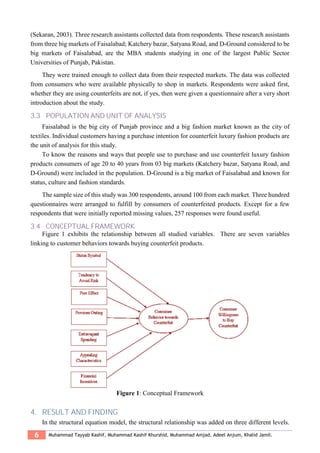
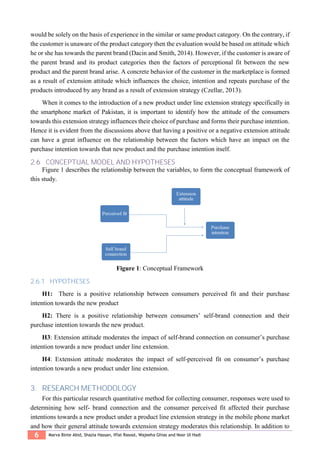
Figure 1 exhibits the relationship between all studied variables. There are seven variables
linking to customer behaviors towards buying counterfeit products.
Figure 1: Conceptual Framework
4. RESULT AND FINDING
In the structural equation model, the structural relationship was added on three different levels.
*Corresponding author (M.Kashif Khurshid). Tel: +92-300-9650054 E-mail: kashif041@gmail.com ©2020 International
Transaction Journal of Engineering, Management, & Applied Sciences & Technologies. Volume 11 No.1 ISSN 2228-9860 eISSN
1906-9642 CODEN: ITJEA8 Paper ID:11A01C http://TUENGR.COM/V11/11A01C.pdf DOI: 10.14456/ITJEMAST.2020.3
7
The first level had the seven variables that compel a customer to use counterfeit which includes the
status symbol, tendency to avoid risk, peer effect, previous outing, extravagant spending, appealing
characteristics, and financial incentives. All these were, in combine, were the effecting the second
phase which had only one variable, consumer behavior towards counterfeit. This variable can also be
called a mediating variable. The same variable, which then, affecting the third and final phase of the
path, consumer willingness to buy counterfeit. In short, each variable affected consumer behavior
towards counterfeit and then consumers willing to buy counterfeit. When the structural equation
model was run on LISREL, it showed model as good fit. The resulting figures include; Chi-square
𝑋2
= 59.289 (P < 0.001), Standardized Root Mean Square Residual (SRMR)=0.568, Degree of
Freedom DF=25; root mean square error of approximation (RMSEA) = 0.0559; Goodness of Fit
(GFI) = 0.963; Normal Fit Index (NFI) =0.940; Confirmatory Fit Index (CFI) = 0.968. In order to
remove the non-significant paths, the modification in the model was made and the base used for this
purpose was modification indices. After the modification, the resultant model was rather fit than the
previous one. The data reveals these values; 𝑋2
= 50.835 (P < 0.001), SRMR=0.0547 DF=25;
RMSEA = 0.064; GFI = 0.971; NFI = 0.959; CFI = 0.978. The model was modified with greater
care and it was taken care that any modification made must have theoretical support. In actual model,
no variable of counterfeit was directly having an impact on consumer willingness to buy counterfeit
but in the modified model, there were couple of variables that had a direct relationship with consumer
willingness to buy counterfeit, in addition to their relationship with consumer attitude towards
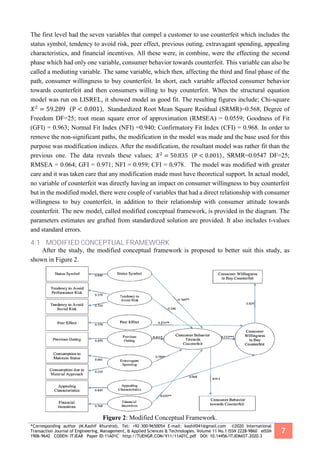
counterfeit. The new model, called modified conceptual framework, is provided in the diagram. The
parameters estimates are grafted from standardized solution are provided. It also includes t-values
and standard errors.
4.1 MODIFIED CONCEPTUAL FRAMEWORK
After the study, the modified conceptual framework is proposed to better suit this study, as
shown in Figure 2.
Figure 2: Modified Conceptual Framework.
8 Muhammad Tayyab Kashif, Muhammad Kashif Khurshid, Muhammad Amjad, Adeel Anjum, Khalid Jamil.
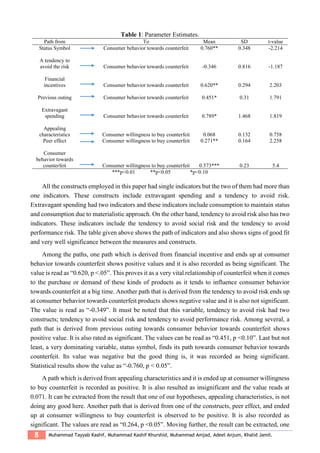
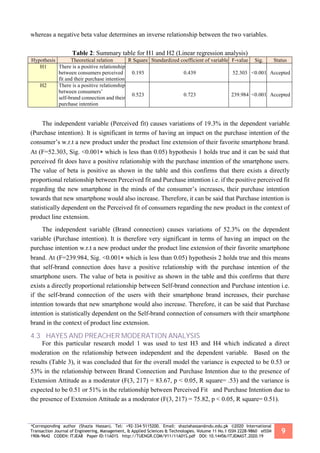
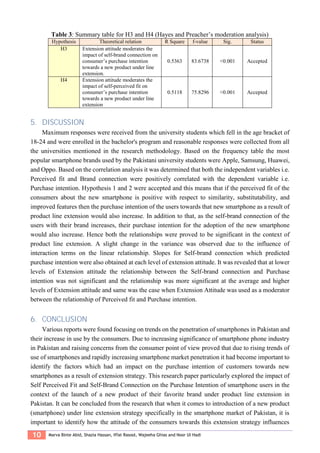
Table 1: Parameter Estimates.
Path from To Mean SD t-value
Status Symbol Consumer behavior towards counterfeit 0.760** 0.348 -2.214
A tendency to
avoid the risk Consumer behavior towards counterfeit -0.346 0.816 -1.187
Financial
incentives Consumer behavior towards counterfeit 0.620** 0.294 2.203
Previous outing Consumer behavior towards counterfeit 0.451* 0.31 1.791
Extravagant
spending Consumer behavior towards counterfeit 0.789* 1.468 1.819
Appealing
characteristics Consumer willingness to buy counterfeit 0.068 0.132 0.758
Peer effect Consumer willingness to buy counterfeit 0.271** 0.164 2.258
Consumer
behavior towards
counterfeit Consumer willingness to buy counterfeit 0.573*** 0.23 5.4
***p<0.01 **p<0.05 *p<0.10
All the constructs employed in this paper had single indicators but the two of them had more than
one indicators. These constructs include extravagant spending and a tendency to avoid risk.
Extravagant spending had two indicators and these indicators include consumption to maintain status
and consumption due to materialistic approach. On the other hand, tendency to avoid risk also has two
indicators. These indicators include the tendency to avoid social risk and the tendency to avoid
performance risk. The table given above shows the path of indicators and also shows signs of good fit
and very well significance between the measures and constructs.
Among the paths, one path which is derived from financial incentive and ends up at consumer
behavior towards counterfeit shows positive values and it is also recorded as being significant. The
value is read as “0.620, p <.05”. This proves it as a very vital relationship of counterfeit when it comes
to the purchase or demand of these kinds of products as it tends to influence consumer behavior
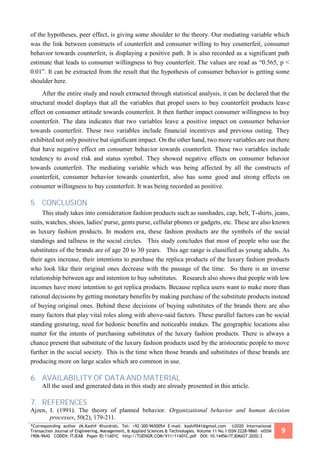
towards counterfeit at a big time. Another path that is derived from the tendency to avoid risk ends up
at consumer behavior towards counterfeit products shows negative value and it is also not significant.
The value is read as “-0.349”. It must be noted that this variable, tendency to avoid risk had two
constructs; tendency to avoid social risk and tendency to avoid performance risk. Among several, a
path that is derived from previous outing towards consumer behavior towards counterfeit shows
positive value. It is also rated as significant. The values can be read as “0.451, p <0.10”. Last but not
least, a very dominating variable, status symbol, finds its path towards consumer behavior towards
counterfeit. Its value was negative but the good thing is, it was recorded as being significant.
Statistical results show the value as “-0.760, p < 0.05”.
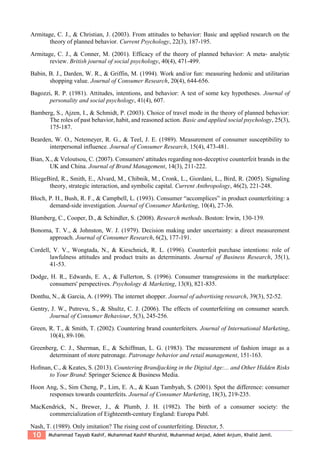
A path which is derived from appealing characteristics and it is ended up at consumer willingness
to buy counterfeit is recorded as positive. It is also resulted as insignificant and the value reads at
0.071. It can be extracted from the result that one of our hypotheses, appealing characteristics, is not
doing any good here. Another path that is derived from one of the constructs, peer effect, and ended
up at consumer willingness to buy counterfeit is observed to be positive. It is also recorded as
significant. The values are read as “0.264, p <0.05”. Moving further, the result can be extracted, one
*Corresponding author (M.Kashif Khurshid). Tel: +92-300-9650054 E-mail: kashif041@gmail.com ©2020 International
Transaction Journal of Engineering, Management, & Applied Sciences & Technologies. Volume 11 No.1 ISSN 2228-9860 eISSN
1906-9642 CODEN: ITJEA8 Paper ID:11A01C http://TUENGR.COM/V11/11A01C.pdf DOI: 10.14456/ITJEMAST.2020.3
9
of the hypotheses, peer effect, is giving some shoulder to the theory. Our mediating variable which
was the link between constructs of counterfeit and consumer willing to buy counterfeit, consumer
behavior towards counterfeit, is displaying a positive path. It is also recorded as a significant path
estimate that leads to consumer willingness to buy counterfeit. The values are read as “0.565, p <
0.01”. It can be extracted from the result that the hypothesis of consumer behavior is getting some
shoulder here.
After the entire study and result extracted through statistical analysis, it can be declared that the
structural model displays that all the variables that propel users to buy counterfeit products leave
effect on consumer attitude towards counterfeit. It then further impact consumer willingness to buy
counterfeit. The data indicates that two variables leave a positive impact on consumer behavior
towards counterfeit. These two variables include financial incentives and previous outing. They
exhibited not only positive but significant impact. On the other hand, two more variables are out there
that have negative effect on consumer behavior towards counterfeit. These two variables include
tendency to avoid risk and status symbol. They showed negative effects on consumer behavior
towards counterfeit. The mediating variable which was being affected by all the constructs of
counterfeit, consumer behavior towards counterfeit, also has some good and strong effects on
consumer willingness to buy counterfeit. It was being recorded as positive.
5. CONCLUSION
This study takes into consideration fashion products such as sunshades, cap, belt, T-shirts, jeans,
suits, watches, shoes, ladies' purse, gents purse, cellular phones or gadgets, etc. These are also known
as luxury fashion products. In modern era, these fashion products are the symbols of the social
standings and tallness in the social circles. This study concludes that most of people who use the
substitutes of the brands are of age 20 to 30 years. This age range is classified as young adults. As
their ages increase, their intentions to purchase the replica products of the luxury fashion products
who look like their original ones decrease with the passage of the time. So there is an inverse
relationship between age and intention to buy substitutes. Research also shows that people with low
incomes have more intention to get replica products. Because replica users want to make more than
rational decisions by getting monetary benefits by making purchase of the substitute products instead
of buying original ones. Behind these decisions of buying substitutes of the brands there are also
many factors that play vital roles along with above-said factors. These parallel factors can be social
standing gesturing, need for hedonic benefits and noticeable intakes. The geographic locations also
matter for the intents of purchasing substitutes of the luxury fashion products. There is always a
chance present that substitute of the luxury fashion products used by the aristocratic people to move
further in the social society. This is the time when those brands and substitutes of these brands are
producing more on large scales which are common in use.
6. AVAILABILITY OF DATA AND MATERIAL
All the used and generated data in this study are already presented in this article.
7. REFERENCES
Ajzen, I. (1991). The theory of planned behavior. Organizational behavior and human decision
processes, 50(2), 179-211.
10 Muhammad Tayyab Kashif, Muhammad Kashif Khurshid, Muhammad Amjad, Adeel Anjum, Khalid Jamil.
Armitage, C. J., & Christian, J. (2003). From attitudes to behavior: Basic and applied research on the
theory of planned behavior. Current Psychology, 22(3), 187-195.
Armitage, C. J., & Conner, M. (2001). Efficacy of the theory of planned behavior: A meta‐ analytic
review. British journal of social psychology, 40(4), 471-499.
Babin, B. J., Darden, W. R., & Griffin, M. (1994). Work and/or fun: measuring hedonic and utilitarian
shopping value. Journal of Consumer Research, 20(4), 644-656.
Bagozzi, R. P. (1981). Attitudes, intentions, and behavior: A test of some key hypotheses. Journal of
personality and social psychology, 41(4), 607.
Bamberg, S., Ajzen, I., & Schmidt, P. (2003). Choice of travel mode in the theory of planned behavior:
The roles of past behavior, habit, and reasoned action. Basic and applied social psychology, 25(3),
175-187.
Bearden, W. O., Netemeyer, R. G., & Teel, J. E. (1989). Measurement of consumer susceptibility to
interpersonal influence. Journal of Consumer Research, 15(4), 473-481.
Bian, X., & Veloutsou, C. (2007). Consumers' attitudes regarding non-deceptive counterfeit brands in the
UK and China. Journal of Brand Management, 14(3), 211-222.
BliegeBird, R., Smith, E., Alvard, M., Chibnik, M., Cronk, L., Giordani, L., Bird, R. (2005). Signaling
theory, strategic interaction, and symbolic capital. Current Anthropology, 46(2), 221-248.
Bloch, P. H., Bush, R. F., & Campbell, L. (1993). Consumer “accomplices” in product counterfeiting: a
demand-side investigation. Journal of Consumer Marketing, 10(4), 27-36.
Blumberg, C., Cooper, D., & Schindler, S. (2008). Research methods. Boston: Irwin, 130-139.
Bonoma, T. V., & Johnston, W. J. (1979). Decision making under uncertainty: a direct measurement
approach. Journal of Consumer Research, 6(2), 177-191.
Cordell, V. V., Wongtada, N., & Kieschnick, R. L. (1996). Counterfeit purchase intentions: role of
lawfulness attitudes and product traits as determinants. Journal of Business Research, 35(1),
41-53.
Dodge, H. R., Edwards, E. A., & Fullerton, S. (1996). Consumer transgressions in the marketplace:
consumers' perspectives. Psychology & Marketing, 13(8), 821-835.
Donthu, N., & Garcia, A. (1999). The internet shopper. Journal of advertising research, 39(3), 52-52.
Gentry, J. W., Putrevu, S., & Shultz, C. J. (2006). The effects of counterfeiting on consumer search.
Journal of Consumer Behaviour, 5(3), 245-256.
Green, R. T., & Smith, T. (2002). Countering brand counterfeiters. Journal of International Marketing,
10(4), 89-106.
Greenberg, C. J., Sherman, E., & Schiffman, L. G. (1983). The measurement of fashion image as a
determinant of store patronage. Patronage behavior and retail management, 151-163.
Hofman, C., & Keates, S. (2013). Countering Brandjacking in the Digital Age:... and Other Hidden Risks
to Your Brand: Springer Science & Business Media.
Hoon Ang, S., Sim Cheng, P., Lim, E. A., & Kuan Tambyah, S. (2001). Spot the difference: consumer
responses towards counterfeits. Journal of Consumer Marketing, 18(3), 219-235.
MacKendrick, N., Brewer, J., & Plumb, J. H. (1982). The birth of a consumer society: the
commercialization of Eighteenth-century England: Europa Publ.
Nash, T. (1989). Only imitation? The rising cost of counterfeiting. Director, 5.
*Corresponding author (M.Kashif Khurshid). Tel: +92-300-9650054 E-mail: kashif041@gmail.com ©2020 International
Transaction Journal of Engineering, Management, & Applied Sciences & Technologies. Volume 11 No.1 ISSN 2228-9860 eISSN
1906-9642 CODEN: ITJEA8 Paper ID:11A01C http://TUENGR.COM/V11/11A01C.pdf DOI: 10.14456/ITJEMAST.2020.3
11
Notani, A. S. (1998). Moderators of perceived behavioral control's predictiveness in the theory of planned
behavior: A meta-analysis. Journal of consumer psychology, 7(3), 247-271.
Ouellette, J. A., & Wood, W. (1998). Habit and intention in everyday life: The multiple processes by
which past behavior predicts future behavior. Psychological Bulletin, 124(1), 54.
Prendergast, G., Hing Chuen, L., & Phau, I. (2002). Understanding consumer demand for non-deceptive
pirated brands. Marketing intelligence & planning, 20(7), 405-416.
Rivis, A., & Sheeran, P. (2003). Descriptive norms as an additional predictor in the theory of planned
behavior: A meta-analysis. Current Psychology, 22(3), 218-233.
Salimi, A. R. (2019). Effects of Environmental Concerns and Green Knowledge on Green Product
Consumptions with an Emphasis on Mediating Role of Perceived Behavioral Control, Perceived
Value, Attitude, and Subjective Norm. International Transaction Journal of Engineering,
Management, & Applied Sciences & Technologies. 10(5): 651-661.
Sekaran, U. (2003). Research Methods for Business. New York: John Milley and Sons. Inc. Semarang:
Badan Penerbit Universitas Diponegoro.
Van Kempen, L. (2003). Fooling the eye of the beholder: deceptive status signaling among the poor in
developing countries. Journal of International Development, 15(2), 157-177.
Walker, W. N. (1981). A private initiative to thwart the trade in counterfeit goods. The World Economy,
4(1), 29-48.
Zinkhan, G. M., & Karande, K. W. (1991). Cultural and gender differences in risk-taking behavior among
American and Spanish decision-makers. Journal of Social Psychology, 131(5), 741-742.
Muhammad Tayyab Kashif is a Lecturer at GC University Faisalabad, Pakistan. He did his MS-Marketing.
He is interested in Marketing and Product Quality.
Muhammad Kashif Khurshid is a Ph.D. candidate at GC University. Currently he is a Lecturer at
Department of Management Science, National University of Modern Languages. He did his MS in the field
of Business Administration with specialization in Finance from Mohammad Ali Jinnah University. His
researches are in the field of Corporate Governance and Corporate Finance.
Dr.Muhammad Amjad is General Manager and Regional Head at International General Insurance Pakistan
IGI. He is a great leader and motivational speaker. He obtained his Ph.D. from University of Agriculture
Faisalabad, Pakistan
Adeel Anjum is a Lecturer at Govt. College University Faisalabad Pakistan in the Department of Public
Administration. He did his MS in the field of Business Administration with specialization in Marketing from
University of Faisalabad. Currently he is pursuing a Ph.D. at University of Kuala Lumpur, Malaysia. His
research is in the fields of Consumer Behavior and Supply Chain Management.
Khalid Jamil is pursuing his Ph.D. at North China Electric Power University, China. He did his MS Business
Administration in the field of Marketing specialization from National University of Modern Languages
(NUML) Islamabad Pakistan. His researches are in the field of marketing, marketing management, and
international marketing.
Trademarks Disclaimer: All product names including trademarks™ or registered® trademarks
mentioned in this article are the property of their respective owners, using for identification and
educational purposes only. The use of them does not imply any endorsement or affiliation.
*Corresponding author (O.Q. Abdulqader). Tel: +964 7701622788. E-mail: odaychalabi@gmail.com ©2020 International
Transaction Journal of Engineering, Management, & Applied Sciences & Technologies. Volume 11 No.1 ISSN 2228-9860 eISSN
1906-9642 CODEN: ITJEA8 Paper ID:11A01D http://TUENGR.COM/V11/11A01D.pdf DOI: 10.14456/ITJEMAST.2020.4
1
International Transaction Journal of Engineering,
Management, & Applied Sciences & Technologies
http://TuEngr.com
PAPER ID: 11A01D
THE ORDER OF REPETITION PROCESS IN ISLAMIC
ARCHITECTURE ORNAMENTS: THE CASE OF
MOSULIAN TRADITIONAL HOUSES
Ahmed Abdulwahid Dhannoon Taha
a
, Oday Qusay Abdulqader
a*
a
Architectural Engineering Department, College of Engineering, University of Mosul, IRAQ.
A R T I C L E I N F O A B S T R A C T
Article history:
Received 15 May 2019
Received in revised form 06
September 2019
Accepted 12 September 2019
Available online 01 November
2019
Keywords:
Metal Ornaments;
Islamic Architecture;
Geometric patterns;
Repetition principles;
Traditional House;
Interior Space.
The Mosulian Traditional Houses have unique characteristics,
which part of Islamic Architecture. The cultural effects are represented
in the patterns, materials, layouts, and order of ornaments. Furthermore,
decorative ornaments, especially metal ornaments, are a significant
element in the components of the houses. Metal ornaments
characterised with repetition principles which affected by the
technology era. The levels of repetition should be identified according
to the sequence and rule to conserve the original type, which is the
objective of the study. A case study is the metal ornaments in interior
and exterior space in Old Mosul City, which can produce new models
with common architectural characteristics. Selecting a case study
depending on the value of originality. Thus, original samples were
selected. The visual analysis used to identify the order of repetition to
draw out the guideline of producing metal ornaments with traditional
values. Visual observation of the cases and documented materials were
carried out to identify this process. The result shows that the process
included two levels, each level has three stages, including type,
frequency, direction, path, and scale of the repetition. The shifting of
the original characteristics will lead to losing the identity of the place if
the new model is uncontrolled and disoriented.
© 2020 INT TRANS J ENG MANAG SCI TECH.
1. INTRODUCTION
The Mosulian Traditional Houses consists of unique heritage interior elements, especially metal
Ornaments. These ornaments characterised with the repetition principle, which affected by the
technology era in terms of quality and originality. These traditional houses are well-known by the
unique characteristics, which represent a worthy Islamic Architecture sample, which is influenced by
the Islamic principles of living and adaptation (Al-Qemaqchi & Hafsa, 2013). The architecture and
interior design of the traditional houses in Old Mosul City rich in marble, wooden, and iron details
(Mustafa et al., 2010). The rehabilitation and restoration processes of the traditional houses in old
©2020 International Transaction Journal of Engineering, Management, & Applied Sciences & Technologies
2 Ahmed Abdulwahid Dhannoon Taha, Oday Qusay Abdulqader
Mosul city, especially after the year 2017, affects the image of the traditional identity of the interior
and architectural design. The originality of the formulation process depends on the experience of the
craftsman, who has the authority to formulate them. On the other hand, the designer has an impact
role on conserving and sustaining these elements.
The main research question is how to conserve these metal ornaments in the traditional house in
Old Mosul city. Therefore, the research questions are; "How can producing traditional metal
ornament connected to the heritage identity?" and "What are the characteristics of repetition for the
metal ornaments in the Traditional house in Old Mosul city?" To answer the research questions,
research objectives were highlighted accordingly. The main aim is "To enhance the value of the
original style of the metal ornaments in the traditional house in Old Mosul city". To achieve the main
objective, sub-objectives should be reached which are; "To identify the process of creating or design
new ornaments with heritage values" and "To draw out the guidelines of using the repetition in the
process of producing the metal ornaments in the Traditional house in Old Mosul city". To reach the
aims of the current researched, backgrounds about the case study, metal ornament, and the process of
creating will be reviewed forward. The literature will be in those three main themes.
2. BACKGROUND OF STUDY
The Background of the current study discussed the main three Themis that related to the objects
of the study. However, the first theme will be connected with the case study, which is the metal
ornament in old Mosul. While the second theme focuses the metal ornament in general which can use
in various functions and types. The last theme dell with the processes of creating ornaments with the
formulation system.
2.1 OLD MOSUL CITY
Old Mosul city is one of the Islamic cities, which has a popular architectural style and rich
heritage architecture, technique, and interior design (Thanoon, 2007; Mustafa et al., 2010). The
research focus on the interior architecture of Mosulian Traditional Houses, and the richness of
aesthetic components, which metal-work part of the interior space. After the war in 2017, many of the
traditional houses in old Mosul city lost. Moreover, the remaining traditional houses, which destroyed
partially or totally, the owners of these houses start to renovate and restored it as UNESCO and
UNDP mentioned the official report after the liberation of Mosul (UNESCO, 2018). The renovating
and restoration processes are randomly and without consultation from the local authorities.
Therefore, the heritage identity of these traditional houses will be extinct and shifted. Metalwork is
one of the heritage elements affected by the current situation of the old Mosul city.
2.2 METAL ORNAMENTS
Metal ornament is one of the many ornaments used in the Mosulian Traditional Houses that can
be seen in windows, doors, handrails, façade, and furniture. The metalwork in the traditional house
has a role in the functional and aesthetic side of the architectural and interior design identity. The
ornaments' shapes and elements are responding to the cultural and users’ needs. Various types of
ornaments shape, location, and purposes of use can be included in one traditional house, which
depends on the social and area of house factors (Figure 1). Metalwork in each architecture style
follows the needs of function, environment, and culture of that place. The shape of ornament could be
*Corresponding author (O.Q. Abdulqader). Tel: +964 7701622788. E-mail: odaychalabi@gmail.com ©2020 International
Transaction Journal of Engineering, Management, & Applied Sciences & Technologies. Volume 11 No.1 ISSN 2228-9860 eISSN
1906-9642 CODEN: ITJEA8 Paper ID:11A01D http://TUENGR.COM/V11/11A01D.pdf DOI: 10.14456/ITJEMAST.2020.4
3
symbols or derived from symbols, which is a type of influence of the heritage culture.
Figure 1: Many places for metal ornament in Mosulian Traditional Houses (Adapted by Researcher)
2.3 FORMATIVE SYSTEM
The architectural buildings, details, and elements have a type of creating a system that used to
formulate the shape. Ahmad et al. (2018) highlighted the process of design elements by using simple
elements and techniques to create a geometric pattern in Islamic architecture. The architectural and
decorative elements in the interior space included two levels of formulating system. The first level is
the creating of the main unit, which the second level is creating by this unit by using 1 to 6 stages of
generating (Ahmad et al., 2018). However, the visual analysis of the element follows the same system
(Figure 2)
Figure 2: The levels of creating a geometric pattern using a simple unit.
Source: (Ahmad et al., 2018, p. 129)
Ahmad et al. (2015) concluded that designing ornaments including three algorithmic stages.
Each stage has a role in the design of the overall level. The researchers mentioned that the essential
shape used in the first stage would be continuously appearing in the next design stage. The clearance
of essential shape fades (Ahmad et al., 2015).
The design process of any form included principles of design, which played a role in creating the
visual form. There are many interacted and integrated of the design principle that can use in the
design process, such as, symmetry, rhythm, repetition, scale, balance, etc. The majority of
researchers and designers mentioned these principles (Lidwell et al., 2003).
Repetition is an essential design principle linked to various design principles. Repetition can be
used with rhythm, hierarchy, balance, reflection, symmetry, and other principles. However, repetition
can be used with various types in one design according to the needs of designers and design. Scholars
identified the main two types of repetition depending on the completeness of the repetition process
and results. Chan (2012) identified the regular and irregular type of repetition associated with rhythm
principle, which can include in the form and structure. However, Frederick (2010)mentioned that
repetition can include perfect and imperfect types. The rules of repetition are one of the important
aesthetic principles in the Islamic architecture, which is applied in the façade and interior elements as
a frequency of one shape more than twice in the space frame (Foroozani, 1991).
4 Ahmed Abdulwahid Dhannoon Taha, Oday Qusay Abdulqader
In summary, the previous studies mentioned various variables of repetition, which are repetition
types, location, and rules. Moreover, the importance of the elements and primary shape also
mentioned, which influences culture can be highlighted. The principle of repetition will be applied in
the analysis of the metal ornaments of traditional houses in old Mosul city to identify and determine
the existing rules of repetition in the selected samples. Therefore, the conceptual framework of the
current study reflects the ideas of previous studies in one fame as shown in Figure 3.
`
Figure 3: The framework of this study,
(adapted from Ahmad et al., 2018; Chan, 2012; Lidwell et al., 2003)
3. RESEARCH DESIGN
The current study is a qualitative study, which deals with the quality of the original metal
ornaments. The research design of the study applied the qualitative instruments in the collecting of
the data. Moreover, the research included a subjective view; therefore, the data will be validated by a
semi-structured interview with experts. Selecting a case study following a criterion of heritage value
and completeness. The metal ornaments in the traditional houses in old Mosul city are the first stage
of visual observation. The second stage is to narrow down to samples of metal ornaments in the
traditional houses that included the most original and completeness. The last stage of visual
observation will follow the objects in a team of stage of creating, rules, and principles. The analysis of
the data in the current study consists of two techniques; the first one is visual with formal analysis.
The second technique is a content analysis of the experts' interviews.
3.1 METHODOLOGY STRATEGY
Two main strategies were used to collect the data in the current paper, in order to validate the
data. The two methods are:
3.1.1 VISUAL OBSERVATION
Visual observation is a technique in the qualitative study that included images, graphics, or
drawing (Tucker et al., 2005). The type of data in the current study are images and drawing(visual),
which collected from the site and documentation of traditional houses in old Mosul city. The study
included two types of observation, the first type used for the sampling process, which samples of
metal ornament are the target. This stage started from the large size of data by selecting traditional
houses that reached the criteria of selection (heritage value and existing in the heritage zone). The
next step is selecting specific houses in old Mosul city after three site visits with compering with the
available documentation. The results of the observation show that (10) houses reach the criteria,
Repetition
ElementsAdaptive re-use
Conserving the original type of metal ornaments
Shapes Types Rules
Architecture and interior design heritage Identity
*Corresponding author (O.Q. Abdulqader). Tel: +964 7701622788. E-mail: odaychalabi@gmail.com ©2020 International
Transaction Journal of Engineering, Management, & Applied Sciences & Technologies. Volume 11 No.1 ISSN 2228-9860 eISSN
1906-9642 CODEN: ITJEA8 Paper ID:11A01D http://TUENGR.COM/V11/11A01D.pdf DOI: 10.14456/ITJEMAST.2020.4
5
which included a metal ornament with complete details as shown in table no.5 in the practical part of
the study. The second type of visual observation is used to collect data from the metal ornaments
images to discover the types of repletion and formulating system. The checklist used to record the
data after graphical work done for the metal ornaments. Appendix (E) shows the checklist collecting
data from the graphics of the metal ornaments. The checklist included four variables of repetition
(type, location, direction, variation). The checklist designed for each sample including elements and
units.
3.1.2 INTERVIEW
The interview techniques used to collect in-depth data from experts. Four experts selected for
interviews by purposeful sampling. The experts are selected from the Architectural Engineering
Department at the University of Mosul, who have experiences in heritage and traditional houses in
old Mosul city (Table 1).
Table 1: Experts information (Source: The researchers).
No. Expert name Experts information Code
1 Ashraf Ibrahim
Al-Hathodi
Lecture, architect, and constructor, A specialist in heritage and
history of architecture in ancient Iraqi architecture.
EXAR01
2 Hassan Mahmood Al
-Haj Qasim
Doctorate in history of ancient architecture EXAR02
3 Hasan Abdulrazaq
Al-Sanjari
Doctorate, assistant professor, and architect A specialist in
housing and traditional houses in Mosul
EXAR03
4 Ahmad Abdulwahab
Alfakhri
Master in building services, Lecture, and interest in Mosulian
architecture and culture.
EXAR04
Semi-structured interviews with in-depth questions designed depending on the objectives of
the study. The interview sheet included six sessions with three questions. The interview questions
include the techniques of design and formulate the metal elements in the traditional houses in old
Mosul City. The first theme of questions related to the importance of heritage elements in the value of
heritage, which metalwork is one of these elements. The second theme of questions linked the
principles of Mosulian style with principles of repetition in metal ornaments, which is the core of the
formulating system of the ornaments. While the last theme related to the methods of using the metal
ornaments in contemporary architecture and interior design with conserving the image originality.
3.2 DATA ANALYSIS
The research applied two types of analysis techniques according to data types. The formal
analysis used to analyse the visual data observed from the visiting of site and documentation
resources about the metal ornaments in Old Mosul city. A qualitative study used formal analysis to
withdraw the findings from the visual data (Srivastava & Thomson, 2009). Graphical instruments
used for formal analysis to find out the rules, types, and relationships of the repetition that generated
the metal ornaments in Old Mosul City. Photogrammetry and CAD software used in the segmentation
of the metal ornament in a graphical way.
The data from interviews analysed by the content analysis techniques, which is a qualitative
research technique used to summarise useful information for textual data (Bengtsson, 2016). The
themes of content analysis follow the objectives of the study. However, sub-themes conducted to
reach the depth information from the textual data. word-cloud and text-tree used to present the data
and findings.
6 Ahmed Abdulwahid Dhannoon Taha, Oday Qusay Abdulqader
Table 2: Observation checklist of cases
(Source: The researchers, Image sources (Mahmood, 2015; Sabri, 2013; Dhannoon, 2002))
Case# Name Completeness Metal ornament Image
H1 Altaatnge 
H2 Hamo Al Kado  
H3 Ziadah 
H4 Da'ud Ishaq  
H5 Kamal Sulaiman  
H6 House 105/39 
H7 Noman Al-Dabbagh 
H8 Mustafa Hujazi  
H9 Ilya Jumaah  
H10 House 39/86  
*Corresponding author (O.Q. Abdulqader). Tel: +964 7701622788. E-mail: odaychalabi@gmail.com ©2020 International
Transaction Journal of Engineering, Management, & Applied Sciences & Technologies. Volume 11 No.1 ISSN 2228-9860 eISSN
1906-9642 CODEN: ITJEA8 Paper ID:11A01D http://TUENGR.COM/V11/11A01D.pdf DOI: 10.14456/ITJEMAST.2020.4
7
4. PRACTICAL STUDY
The first step of the practical study is to justify the valued samples in the traditional houses in old
Mosul city. This step included two visual observation stages, the first one to justify the houses that
included heritage value. While the second step is to justify the metalwork in these heritage houses.
Table 2 highlighted the selected heritage houses that included metalwork and achieved the criterion
of the study.
Various types of metal ornaments have existed in the heritage houses, where analyses graphically
to find out the type of repetition. Figure no. 4 presents the sample of metal ornaments that included
repetition principle. The majority of the samples are original, but few remained after the 2017 war.
Therefore, some samples used from the previous documentation, literature, researches, and reports,
such as (Dhannoon, 2002; Sabri, 2013; Mahmood, 2015).
Figure 4: some samples of metalwork in traditional houses in old Mosul city
Each sample observed after formal analysis following the visual observation sheet that designed
depending on the variables abstracted from previous studies. Table 3 shows the sample observation
sheet used to collect data from the visual observation of the graphical analysis.
Table 3: Observation sheet of the sample (H4-2) for Case#H4.
Sample No. H4-2 Images
RepetitionSetting
Themes Notes Unites Elements
1 1
Steps of repetition 4
Type
Perfect
Imperfect
Direction
Linear
Central
Matrix
Radiation
Variation
Size
Shape
Direction
Rhythm
The graphic analysis of the samples included analysis for the essential units and elements in the
8 Ahmed Abdulwahid Dhannoon Taha, Oday Qusay Abdulqader
overall frame. Therefore, each case has one to three units and elements of metal ornaments that
included repetition principles. The coding of the traditional houses, metalwork, units, and elements
follow the case number. The traditional houses coded from (H1 to H10). The metalwork coded by
numbers attached to the case number, such as, H4-1 which presents the first sample of metal
ornament in the traditional house number H4. Figure no. 5 shows samples of formal visual analysis by
graphical method. The figures produced using AutoCAD software, which gave accurate results of
drawings.
H5-2 H4-3 H4-1 H4-2
Figure 5: Sample of visual analysis that used to collect data form visual sources.
(Source: The researchers)
5. RESULT AND DISCUSSION
The results of the visual analysis show that metal ornaments included the repetition principle
associated with hierarchy, symmetry, reflection, rhythm, and scale. The perfect repetition type
included in 27% of samples from the traditional houses in old Mosul city, while the imperfect
repetition included in the majority of the samples. These results show the relations of repetition
principles with the Islamic architectural style, which principles reflect the variety and unity of the
style (Al-Qemaqchi & Hafsa, 2013; Foroozani, 1991). The samples included more than one essential
shape, unit, and element, which presented in the curve-shape, S-shape, Heart-shape, and leaner
elements. The overall frame of the repetition is basic shape, such as rectangular (61%), Parallelogram
(12%), circle (9%), and arc (18%). Figure 6 shows a variety of repetition and shape in the Mosulian
traditional houses (Thanoon, 2007).
Figure 6: the variety in using repetition principles in the metal ornament of Mosulian traditional
houses. (Source: the researchers)
The results highlighted the direction of repetition, in which the majority is leaner and matrix
direction. Most of the samples include more than two steps in the process of generating metal
ornaments. The steps of generating depending on the repetition principle also. Figure no. 7 shows a
sample of these steps and how it works.
*Corresponding author (O.Q. Abdulqader). Tel: +964 7701622788. E-mail: odaychalabi@gmail.com ©2020 International
Transaction Journal of Engineering, Management, & Applied Sciences & Technologies. Volume 11 No.1 ISSN 2228-9860 eISSN
1906-9642 CODEN: ITJEA8 Paper ID:11A01D http://TUENGR.COM/V11/11A01D.pdf DOI: 10.14456/ITJEMAST.2020.4
9
Figure 7: The steps of generating metal ornament in sample H4-3.(Source: The researchers)
On the other hand, the interview data showed 15 sub-theme linked to the main three groups of
questions. Some of the sub-themes can be linked under one category. The variety of sub-themes and
category showed the importance of heritage elements and repetition principle as one of the essential
principles in the Islamic architecture, which traditional houses in Old Mosul city rich samples in
Islamic architecture.
The majority of experts mention the metalwork as an important element in reflecting the identity of
the place, especially in the traditional houses in old Mosul. Architect Ashraf Ibrahim mentioned that
in his words
“Windows and doors opening this is number one, secondly Metalwork which was special, and
lastly columns” (Interview no. EXAR01)
Also, Dr. Hassan Haj Qasim highlighted:
“Each element has a role in the reflecting the heritage identity, which the plan, court shape,
Ewan, and windows with the metal ornaments, which also reflect the functional and aesthetic
side” (Interview no. EXAR02)
The experts agreed that the metal ornaments in the traditional houses in old Mosul city have a role in
enhancing the heritage identity, which ornaments work as function, environment, aesthetic,
decorative and safety elements. Expert no. EXAR04 mentioned:
“ The Mosulian people spent most of the time inside the house, therefore, the metal ornament is
functional and decorative elements in the same time” (Interview No. EXAR04)
The visual observation and interview data concluded the types of metalwork in the Mosulian
traditional house used in the windows, handrails of roofs, Ewan, and staircase. Moreover, it used in
the furniture, between volts and arcs. The design principles in the metal ornament identified in
various types, such as repetition, proportion, simplicity, scale, rhythm, hierarchy, unity and modular.
The Islamic architecture used a variety of principles, but at the same time reflect unity in the overall
(Thanoon, 2007; Foroozani, 1991). Dr. Hassan mentioned:
10 Ahmed Abdulwahid Dhannoon Taha, Oday Qusay Abdulqader
“We can create metal ornament easily reflect the identity of the Mosulian house identity
depending on simple, hierarchy, rhythm repetition” (Interview no. EXAR02)
The important themes presented in the word cloud image, which shows the frequency and importance
of the word. The value of the words in the shape related to the importance of the term in creating
original metal ornaments. Figure 8 shows the overall interview analysis, in which the word
“repetition” is the core item. While Figure 9 shows the metalwork as one of the important heritage
elements.
Figure 8: The overall interview word cloud. (Source: the researchers)
Figure 9: the type of heritage elements in the traditional Mosulian houses (Source: the researchers)
The type of repetition in the metal ornaments represented in figure no. 10-a as a word could
image for this theme. While Figure 10-b shows the suggestion location of using metal ornaments in
the contemporary or future design. Figure 10-c shows the type of metal ornaments that concluded
from the interview data. The last Figure (10-d) shows principles that can be used to design metal
ornaments with reflecting original identity.
*Corresponding author (O.Q. Abdulqader). Tel: +964 7701622788. E-mail: odaychalabi@gmail.com ©2020 International
Transaction Journal of Engineering, Management, & Applied Sciences & Technologies. Volume 11 No.1 ISSN 2228-9860 eISSN
1906-9642 CODEN: ITJEA8 Paper ID:11A01D http://TUENGR.COM/V11/11A01D.pdf DOI: 10.14456/ITJEMAST.2020.4
11
Figure 10: The word cloud of repetition type, location of use, type of metal ornaments, and principles
associated with repetition. (Source: the researchers)
6. CONCLUSION
The current study conducted to determine a guideline to use the metal ornaments that reflect
original identity in the contemporary and reconstruction of Mosulian houses in old Mosul city. The
guideline included three main topics, the first topic is related to the element type, which screen,
windows protection, handrail, and decorative elements are the main elements that can include metal
ornaments and reflect the influence of the Mosulian style. The second topic is the repetition type,
which imperfect repetition associated with hierarchy, rhythm, and symmetry is the main repetition
type. Moreover, the repetition direction can be used in three types, linear, matrix, and central. The last
topic is related to the essential shape of the metal ornaments and the steps of generating the overall
frame. The essential shapes are S-shape, grid, and semi-circle, which are the minimum shapes that
can reflect the originality and identity of Mosulian style as part of Islamic Architecture. Moreover, a
minimum of two steps of repetition can be used to produce metal ornaments with traditional identity.
The metal ornament as interior and exterior elements have a role in conserving the architectural
10-a 10-b
10-c 10-d
12 Ahmed Abdulwahid Dhannoon Taha, Oday Qusay Abdulqader
identity of the traditional houses in Mosul. The research identified the type of use in the interior
space, which Mosulian people usually stay inside the houses as an influence of Islamic culture.
Repetition is one of the important Islamic style principles, which provide a variety and unity in the
architecture and interior design. The function of the metal ornaments in the contemporary used can
be in decorative, safety, and environmental function. The aesthetic of metalwork follows the
including of the original rules and types of repetition principle.
7. AVAILABILITY OF DATA AND MATERIAL
All the used and generated data in this study are already presented in this article.
8. REFERENCES
Ahmad, M., Rashid, K., & Naz, N. (2018, June). Study of the ornamentation of Bhong Mosque for the
survival of decorative patterns in Islamic architecture. Frontiers of Architectural Research,
7(2), pp. 122-134.
Ahmad, S., Abbas, M. Y., Mohd. Taib, M., & Masri, M. (2015). Wall Carving Decoration and Motifs
Influences Spatial Social Interaction: Is it Intentional or Accidental? Social and Behavioral
Sciences, 202, pp. 311-321.
Al-Qemaqchi, N. T., & Hafsa, A.-O. (2013). Sustainable architecture through Islamic perspective.
International and Middle East Conference on Sustainability and Human Development (pp.
1-8). Abu Dhabi: iMESH.
Bengtsson, M. (2016). How to plan and perform a qualitative study using content analysis.
ELSEVIER, 8-14.
Chan, C.-S. (2012, June). Phenomenology of rhythm in design. Frontiers of Architectural
Research(1), pp. 253–258.
Dhannoon, A. A. (2002, September ). Using of Marbel in traditional house. Turath, cultural
multidisciplinary monthly journal, 4(46), 50-52.
Foroozani, M. (1991). Principles of aesthetics in Islamic architecture. Periodica Polytechnica SER.
ARCH., 35(3-4), 189-200.
Frederick, M. (2010). 101 Things I Learned in Architecture School. Boston: MIT Press.
Lidwell, W., Holden, K., & Butler, J. (2003). Universal Principles of Design. London: Rockport
Publishers.
Mahmood, M. K. (2015). Housing Architecture in Mosul during ottman period in 18th and 19th
centuries, PhD thesis. Mosul: University of Mosul, College of Archeology.
Mustafa, M. M., Daizhizhong, & Hong, Y. (2010). The Characteristics of Architecture Style of the
Traditional Houses in the Mosul City-Analytical Study. American Journal of Engineering
and Applied Sciences, 3(2), 380-389.
Sabri, S. (2013, July 28). Highlight on the heritage house in Mosul. Retrieved Jan 14, 2019, from
Bayt Al Mosul:
http://www.baytalmosul.com/15751604157315931604157516051610-15751604160116061
5751606-1589157615811610-1589157615851610--1/category/939cafd913
Srivastava, A., & Thomson, S. B. (2009). Formal analysis A qualitative methodology for applied
policy research. JOAAG, 4(2).
*Corresponding author (O.Q. Abdulqader). Tel: +964 7701622788. E-mail: odaychalabi@gmail.com ©2020 International
Transaction Journal of Engineering, Management, & Applied Sciences & Technologies. Volume 11 No.1 ISSN 2228-9860 eISSN
1906-9642 CODEN: ITJEA8 Paper ID:11A01D http://TUENGR.COM/V11/11A01D.pdf DOI: 10.14456/ITJEMAST.2020.4
13
Thanoon, A. A. (2007). Popular architecture of old city of Mosul the architecture of the traditional
house. International conference for Asian and north African studies(ICANS 38) (pp.
1341-1356). Ankara: Middle Esat Technichal Uinversity.
Tucker, C., Ostwald, M. J., Chalup, S. K., & Marshall, J. (2005). A method for the visual analysis of
the streetscape. Space Syntax 5th International Symposium, (pp. 519-529). Delft,
Netherlands.
UNESCO. (2018, 8 17). Tentative lists: Old City of Mosul. Retrieved from World Heritage Site:
UNESCO: https://whc.unesco.org/en/tentativelists/6355
Dr.Ahmed Abdulwahid Dhannoon Taha is an Associate Professor at Architectural Engineering
Department at University of Mosul, Iraq. He received his Bachelor degree from Architectural
Engineering Department, University of Mosul, Mosul, Iraq. He continued his Master’s degree in Center of
Urban and Regional Planning, Baghdad University, Baghdad, Iraq. He continued his Ph.D. study at
University of Technology, Architectural Engineering Department, Baghdad, Iraq in Islamic Architecture
field. Dr. Ahmed Abdulwahid Dhannoon Taha is interested in Heritage and History of Islamic
Architecture.
Dr.Oday Qusay Abdulqader is a Lecturer at the Architectural Engineering Department, the University of
Mosul. He received his Bachelor degree from University of Mosul- Architectural Engineering Department,
Mosul, Iraq. He continued his Master’s degree in Architectural Design and Shape Grammar from
Architectural Engineering Department, University of Mosul, Mosul, Iraq. He obtained his Ph.D. degree in
Design Theory in Interior Design from School of Housing Building and Planning, Universiti Sains Malaysia,
Penang, Malaysia. Dr. Oday current interests include Heritage and Architectural Interior Design.
*Corresponding author (Ilnar Kasiymovich Shafigullin) E-mail: Ilnar.Shafigullin@kpfu.ru ©2020 International Transaction
Journal of Engineering, Management, & Applied Sciences & Technologies. Volume 11 No.1 ISSN 2228-9860 eISSN 1906-
9642 CODEN: ITJEA8 Paper ID:11A01E http://TUENGR.COM/V11/11A01E.pdf DOI: 10.14456/ITJEMAST.2020.5
1
International Transaction Journal of Engineering,
Management, & Applied Sciences & Technologies
http://TuEngr.com
PAPER ID: 11A01E
APPLICATION OF FRACTAL ANALYSIS METHOD FOR
STUDYING STOCK MARKET
Sergey Vladislavovich Makletsov a
, Nadezhda Anatolevna Opokina a
,
Ilnar Kasiymovich Shafigullin a*
a
Kazan Federal University, RUSSIA
A R T I C L E I N F O A B S T R A C T
Article history:
Received 03 July 2019
Received in revised form 19
September 2019
Accepted 28 September 2019
Available online 01 November
2019
Keywords:
R/S analysis; Fractal
analysis; Hurst index;
Fractal time series;
Financial market;
Volatility of financial
series.
The study of financial markets behaviour is an important part of the
financial investments theory. The methods for analyzing the financial
markets which have been established in the sixties and seventies of the
last century are valid only during periods of stable market conditions.
They are based on the assumption that the financial markets behaviour is
subject to the normal distribution law. In the nineties of the last century,
they began to look at this problem from the point of view of fractal
analysis. It was observed that financial time series has the property of
self-similarity. In the works of Mandelbrot (1983, 2006), the founder of
fractal geometry, the behaviour of financial indicators in the market was
considered as fractals. The book by E. Peters “Fractal analysis of
financial markets” and “Chaos and order in the capital markets” are
devoted to the study of this problem. The presented work is devoted to
the study of financial time series in the stock market in the current
situation. Financial time series in this paper are treated as fractals. The
study of the series for persistence and volatility using R / S analysis were
carried out. For the persistent series, the persistence hypothesis was again
tested by mixing the series. The average lengths of non-periodic cycles
were also found for these series.
© 2020 INT TRANS J ENG MANAG SCI TECH.
1. INTRODUCTION
Currently, stock markets are attracting more and more people from those who deal with financial
analytics and from ordinary traders to analysts of global corporations and government agencies.
There are many ways to analyze events occurring in stock markets. One of the techniques is the
use of fractal analysis for researching financial time series [1–8].
Since the beginning of the 90s of the last century, the study of financial markets began to take
place in terms of fractal analysis. Financial time series with the property of self-similarity began to
be regarded as fractals [1–8].
©2020 International Transaction Journal of Engineering, Management, & Applied Sciences & Technologies
2 Sergey Vladislavovich Makletsov, Nadezhda Anatolevna Opokina, Ilnar Kasiymovich Shafigullin
This paper focuses on persistent financial time series, i.e., series with long-term memory. Such
series are most interesting from the point of view of investment. They are more predictable since they
contain the memory of previous data for the analysis of the indicators following them. The authors
investigated several financial series, two of which turned out to be persistent. The average lengths of
non-periodic cycles were found for them; they are the important components for the analysis of a
financial series to invest in them.
2. METHOD
To determine the type of memory of financial time series, R / S analysis was used, which consists
of performing the following steps [5].
1) The source series with length М is converted using logarithmic ratios. The result is a time
series of length 𝑁 = 𝑀 − 1 with the following values:
(1)
The necessary requirements for the sample are that its volume 𝑁 must be large enough and be a
multiple of 2.
2) Further, this series is divided into 𝐴 adjacent subperiods of length n such that 𝐴𝑛 = 𝑁. Each
of them is denoted by 𝐼 𝑎, where 𝑎 = 1, 2, … , 𝐴. We denote every item in 𝐼𝑎 through 𝑁𝑘,𝑎 at
𝑘 = 1,2, … 𝑛. The average value 𝑁𝑘,𝑎 is determined in each sub-period according to the
formula
(2)
where 𝑎 = 1,2, … , 𝐴..
3) Next, a series of accumulated deviations (𝑋 𝑘,𝑎) are compiled for each sub-period 𝐼 𝑎. It is
defined as follows:
𝑋 𝑘,𝑎 = ∑ (𝑁𝑖,𝑎
𝑘
𝑖=1 − 𝑒 𝑎), 𝑘 = 1,2, … n. (3)
4) In the next step, the range of the accumulated frequency of each sub-period 𝐼 𝑎 is determined
(4)
5) Then we calculate the sample standard deviation for each sub-period 𝐼 𝑎 according to the
formula:
(5)
*Corresponding author (Ilnar Kasiymovich Shafigullin) E-mail: Ilnar.Shafigullin@kpfu.ru ©2020 International Transaction
Journal of Engineering, Management, & Applied Sciences & Technologies. Volume 11 No.1 ISSN 2228-9860 eISSN 1906-
9642 CODEN: ITJEA8 Paper ID:11A01E http://TUENGR.COM/V11/11A01E.pdf DOI: 10.14456/ITJEMAST.2020.5
3
6) The average value 𝑅/𝑆 is determined for length n according to the following formula:
(6)
7) The last step is to increase the length n to the next higher value. Steps 1-6 are repeated until
𝑛 = 𝑁/2 . Finally, linear regression is constructed, where the variable log(𝑛) is taken as
an argument, and the dependent value is log (
𝑅
𝑆
). The slope of the equation is an estimate of
the Hurst index, H. The values of the Hurst index can take the following values.
- 𝐻 = 0.5. In this case, the sample is random.
- 0.5 < 𝐻 ≤ 1. In this situation, the process is characterized by long-term memory, that is,
persistence. This means that subsequent indicators are highly dependent on previous ones. This is
close to the sensitivity to the initial conditions which is characteristic to chaos.
- 0 ≤ 𝐻 < 0.5. Here, the Hurst indicator means an antipersistent process. The system is
changing faster than random.
It can be said that the higher is the Hurst index, the smaller is the number of “notches” in the
time series [5]. Then, the financial time series was investigated concerning chaotic cycles. For this,
the V-statistic was calculated, which gives a more accurate measurement of the cycle length. This
indicator can be used to get good performance in the presence of noise. It is defined as follows [5]:
(7)
This ratio will lead to a horizontal line if the R/S statistics changes the scale in proportion to the
square root of time, i.e. function graph 𝑉 will be flat if the process is independent probabilistic. If
the process is persistent and R/S changes its scale faster than the square root of time (𝐻 > 0,5), the
graph has a slope directed upwards. If the process is antipersistent (𝐻 < 0,5), the graph has a slope
directed down [5]. Plotting V-statistics is as follows: values 𝑉𝑛 are put on the Oy axis, and
log(𝑛) are put along axis Ox. At the points in which the graph becomes straightforward, the
process with long-term memory dissipates.
To test the null hypothesis which consists in the fact that the system is an independent process,
these values must be compared with the theoretical values 𝐸(( 𝑅/𝑆) 𝑛). These values are calculated
by the formula [5]:
𝐸((𝑅/𝑆) 𝑛) =
(𝑛−0,5)
𝑛
√
2
𝜋𝑛
⋅ ∑ √
𝑛−𝑟
𝑟
𝑛−1
𝑟=1 . (8)
Further, the same series of financial indicators were checked for volatility [5]. For this, the values
of the original series were transformed into a series of logarithmic differences:
𝑆𝑖 = ln (
𝑀𝑖
𝑀𝑖−1
) , 𝑖 = 2, … , 𝑀. (9)
4 Sergey Vladislavovich Makletsov, Nadezhda Anatolevna Opokina, Ilnar Kasiymovich Shafigullin
Volatility is the deviation of adjacent increments 𝑆𝑖 . These increments are disjoint and
independent:
𝑉𝑛 =
∑ (𝑆𝑖−𝑆)2𝑛
𝑖=1
𝑛−1
(10),
where 𝑉𝑛 is dispersion for n days, 𝑆 is an average value for 𝑆𝑖 (𝑖 = 1, 2, … 𝑛). Change in volatility
over time n is calculated as
𝐿 𝑛 = ln (
𝑉𝑛
𝑉𝑛−1
). (11)
Then, R/S analysis is applied to the series obtained as described above.
For persistent rows, a study was conducted in the presence of cycles. For this, the entire period
was divided into subperiods according to the schedule of V-statistics of the financial series. The
separation criterion was the slope of the V- statistics curve. For each sub-period, the Hurst index was
calculated and the significance of the regression equations was determined. After interpreting the
result obtained, the cycles for the investigated persistent financial series were determined.
Figure 1: Quotations of Brent oil
(19.12. 2007 - 01.01.2019)
Figure 2: USD / RUB quotations
(19.12. 2007 - 01.01.2019)
Figure 3: Quotations of ViaSat IT-company
(19.12. 2007 - 01.01.2019)
*Corresponding author (Ilnar Kasiymovich Shafigullin) E-mail: Ilnar.Shafigullin@kpfu.ru ©2020 International Transaction
Journal of Engineering, Management, & Applied Sciences & Technologies. Volume 11 No.1 ISSN 2228-9860 eISSN 1906-
9642 CODEN: ITJEA8 Paper ID:11A01E http://TUENGR.COM/V11/11A01E.pdf DOI: 10.14456/ITJEMAST.2020.5
5
3. RESULT
We investigated the following financial time series for the period from 19/12/2007 to
18/01/2019: prices for Brent oil (Figure 1), dollar/ruble rates (Figure 2), prices for shares of the
American IT-company ViaSat (Figure 3). The data source was open sources on the Internet containing
databases of stock quotes.
From this data, an R/S analysis was performed and the Hirst index was calculated. As an
apparatus for the study, a program written in the programming language Python developed by the
authors was used (The use of language for data analysis can be found in [9], [10]). The result of the
regression analysis are shown in Table 1.
To check the significance of the regression equation, we can use Fisher statistics which is
compared with the table value for the corresponding significance level, the number of factors (in our
case, one) and the number of elements in the sample. We should also check the significance of the
parameter H using Student’s statistics, which is also compared with the table value. In our case, they
turned out to be equal. 𝐹0.05;1;31 = 4.17. Therefore, the regression equation and its parameters are
significant. In our cases, the correlation coefficient shows a high closeness of the relationship. The
coefficient of determination in each of these cases is quite large, i.e. in more than 99% of cases,
changes in the factor trait lead to a change in the resulting trait.
Table 1: Result of R/S-analysis.
No Financial time series Hurst's indicator Correlation Determination F-statistics
Quotations of Brent 0.61 0.998 0.996 7664
USD / RUB quotations 0.6 0.999 0.998 14075
Quotations of ViaSat IT-company 0.501 0.995 0.990 3170
The Hurst index for the financial series of the Brent crude oil price and the dollar against the
ruble ratios turned out to be greater than or equal to 0.6, which allows us to conclude that these series
are persistent, i.e. possesses long-term memory. The financial time series of stock quotes of the IT-
company ViaSat has a Hurst index value of about 0.5, which gives grounds to say that the indicators
of this time series are random in nature.
Figure 4: V-statistics of Brent oil
(19.12. 2007 - 01.01.2019)
Figure 5: V-statistics of USD / RUB ratios
(19.12. 2007 - 01.01.2019)
6 Sergey Vladislavovich Makletsov, Nadezhda Anatolevna Opokina, Ilnar Kasiymovich Shafigullin
Let us check the persistence hypothesis of the two series mentioned above as follows. Obviously,
if a financial series has long-term memory, then the order of the data in this series is very important.
While mixing the data and re-calculating the Hirst index it should be low. We randomly mixed the
levels of indicators and calculated the Hirst index in the newly obtained series. As to indicators of the
Brent oil price of, it was equal to 0.092, and the dollar to ruble exchange rate was 0.078. The
regression equations also turned out to be significant, since the F-statistics turned out to be 163 and
295, respectively. That is, our hypothesis that these series have long-term memory, was confirmed.
Next, we built a graph of V-statistics and a graph 𝐸(( 𝑅/𝑆) 𝑛). The graph of theoretically
calculated indicator 𝐸(( 𝑅/𝑆) 𝑛) corresponds to the null hypothesis and shows the behaviour of a
system that is a completely independent process. For comparison, Figures 4 and 5 show the V-
statistics graphs for the first two series under consideration.
These graphs also confirm the presence of persistence for the financial series of Brent crude oil
price quotes and the dollar/ruble exchange rates.
All the above financial series were examined for volatility. The result is shown in Table 2.
Table 2: The result of the analysis of the volatility of financial time series
No Financial time series Hurst's indicator Correlation Determination F-statistics
1 Quotations of Brent oil 0.41 0.978 0.957 110
2 USD / RUB quotations 0.45 0.993 0.985 330
3 Quotations of ViaSat IT-company 0.27 0.984 0.969 154
Interpreting the obtained result, we find that the volatility of each of the above considered
financial series is antipersistent in nature, which is characterized by more frequent changes in
directions than it happens in a random sequence. This means that the process implies the absence of
a stable average value, the size of the change itself is random, and it is returnable. Comparing the
values of F-statistics with the Table 2, we can conclude about the significance of the constructed
regression models for each of the situations considered above.
Rows that turned out to be persistent were examined for the presence of cycles in them. To do
this, each of the financial series with long-term memory was divided into subperiods and for each of
them, the Hurst index was calculated. Tables 3 and 4 present the study result. Comparing the F-
statistics and tabular values of the Fisher index in Tables 3 and 4 for each sub-period, we can conclude
about the significance of the regression equation for each of the sections of the partition.
Table 3: The regression analysis result for the subperiods on the Brent Quotations
Subperiods (days) [12; 18] (18; 36] (36; 64] (64; 448] (448; 2016]
Hurst's indicator 0.557 0.63 0.54 0.65 0.71
Correlation 0.9996 0.9988 0.9986 0.998 0.9804
F-statistics 2690 1260 1049 2680 98.86
F table for α = 0.05 18.51 10.13 10.13 4.84 7.71
Table 4: The regression analysis result for the subperiods on the USD/RUB quotations
Subperiods (days) [12; 24] (24; 36] (36; 126] (126; 2016]
Hurst's indicator 0.61 0.52 0.56 0.61
Correlation 0.9987 0.9985 0.9997 0.9944
F-statistics 1172 341 12333 1148
F table for α = 0.05 10.13 161.45 5.32 4.67
*Corresponding author (Ilnar Kasiymovich Shafigullin) E-mail: Ilnar.Shafigullin@kpfu.ru ©2020 International Transaction
Journal of Engineering, Management, & Applied Sciences & Technologies. Volume 11 No.1 ISSN 2228-9860 eISSN 1906-
9642 CODEN: ITJEA8 Paper ID:11A01E http://TUENGR.COM/V11/11A01E.pdf DOI: 10.14456/ITJEMAST.2020.5
7
4. DISCUSSION
Due to the fact that the Hirst index for the price of Brent crude oil and dollar to ruble exchange
rate is more than 0.5, then these financial series are persistent. In addition, their volatility is anti-
persistent, since the Hirst index for volatility is below 0.5.
For persistent series, non-periodic cycles have been defined.
Interpreting the result in Tables 3 and 4, it can be concluded that for a financial series, the prices for
Brent oil cycles have periods of length 36, 448, and 2016 days; for the financial range of the dollar
against the ruble - periods of 24 and 2016 days.
Note that there may be non-periodic cycles longer than 2016 days. But since the available data
on the time series are presented over a period of 10 years, it is not possible to draw conclusions about
this.
An R/S analysis conducted for the financial series characterizing the stock quotes of the IT-
company ViaSat showed that the series under investigation is random. The volatility of this series is
also antipersistent.
5. CONCLUSION
The financial time series were investigated by the method of fractal analysis. Using R/S analysis,
persistent and antipersistent series were identified. Rows with long-term memory are of the greatest
interest to investors. The higher are the values of the Hurst index, the higher is the predictability of
quotes over time we can expect. In conjunction with the presence of identified financial cycles, this
makes it possible to miscalculate a good time to invest in the product being studied and the
approximate time when these funds need to be withdrawn in order to get maximum profit.
Investments, in this case, can give effect for long periods of investment.
Low values, less than 0.5, of the Hurst index will indicate frequent fluctuations of rates, which
means such a tool can be used to implement speculative tactics. Quotes will constantly increase, and
then subside, which (with constant tracking of the rates) will allow us to receive income on a short
time interval. For traders, these series are of interest. Taking advantage of short-term memory and
short-term volatility of the financial series, they are able to make a profit in the short term.
Fractal analysis is one of the effective methods for studying financial series. For an investor, the
most interesting is the persistent financial series, which can be considered for long-term investments.
At this stage of the study, the persistence hypothesis of the studied series was tested using various
methods of fractal analysis. And cycles are also found there.
Since in the third case we obtained the Hirst index of 0.501, this indicates the randomness of the
process under study. In other words, this indicator shows the absence of any dependence on the
subsequent values on the previous ones. This means that an investor who decides to invest in
securities of this company will find it difficult to calculate the behaviour of quotes in the future. Thus,
it makes working with such an asset to be quite risky and not very suitable for both long-term
investments and the use of speculative tactics.
8 Sergey Vladislavovich Makletsov, Nadezhda Anatolevna Opokina, Ilnar Kasiymovich Shafigullin
6. AVAILABILITY OF DATA AND MATERIAL
All relevant information in this study is available by requesting to the corresponding author.
7. ACKNOWLEDGEMENT
This work was performed in accordance with the Russian Government Program of Competitive
Growth of Kazan Federal University
8. REFERENCES
[1] Mandelbrot, B.B., & van Ness, J.W. (1968). Fractional Brownian Motion, Fractional Noises, and
Application. SIAM Review, 10: 422–37.
[2] Gregory-Williams, J., & Williams, B. (2012). Trading chaos. Increase profits through technical
analysis. - M. Alpina Publishers: 310 p.
[3] Mandelbrot, B., & Hudson, R. (2006) compliant markets: a fractal revolution in finance; Translation
from English. - M.: Williams Publishing House, 400 p.
[4] Edgar, E. (1994). Peters. Fractal Market Analysis: Applying Chaos Theory to Investment and
Economics. - John Wiley & Sons, Inc., - 315 p.
[5] Edgar, E. (1996). Peters Chaos and Market Volatility. - John Wiley & Sons, Inc., – 271 p.
[6] Wang, H.Y., & Wang, T.T. (2018). Multifractal analysis of the Chinese stock, bond and fund markets.
Physica-Statistical mechanics and its applications, 152: 280 292.
[7] Mandelbrot, B.B. (1983). The fractal geometry nature. – N.Y.: Freeman, – 480 p.
[8] Oprean, C., Tanasescu, C., & Bratian, V. (2014). Are the capital markets efficient? A fractal market
theory approach. Economic computation and economic cybernetics studies and research, 48: 199-214
[9] Raska, S. (2017). Python and machine learning: a much-needed manual on the latest predictive
analytics, mandatory for a deeper understanding of the machine learning methodology / S. Raska;
Translated from English. A.V. Logunova. - Moscow: DMK Press, - 418 p.
[10] McKinley, W. (2015). Python and Data Analysis / W. McKinley; Translated from English. A.A.
Slinkin. - Moscow: DMK Press, - 482 p.
Sergey Vladislavovich Makletsov is a Candidate of Pedagogical Sciences, specialty 13.00.08 - Theory
and methodology of vocational education, His dissertation title is "Formation of information
competence of bachelors in the direction "Mathematics and Computer Science" by e-learning" at Kazan
Federal University.
Nadezhda Anatolevna Opokina is an Associate Professor at Faculty of Mechanics and Mathematics,
Kazan Federal University, Russia. She is a Candidate of Physics and Mathematics.
Ilnar Kasiymovich Shafigullin* is a Candidate of Physical and Mathematical Sciences. His
dissertation title is "Estimates for Hardy constants for areas with special properties," Kazan Federal
University, Russia. His research encompasses Material, Complex and Functional Analysis.
Trademarks Disclaimer: All product names including trademarks™ or registered® trademarks
mentioned in this article are the property of their respective owners, using for identification and
educational purposes only. The use of them does not imply any endorsement or affiliation.
*Corresponding author (Edward Javadov) Tel: +7-4952354312. Email: Javadov@gmail.com ©2020 International Transaction
Journal of Engineering, Management, & Applied Sciences & Technologies. Volume 11 No.1 ISSN 2228-9860 eISSN 1906-9642
CODEN: ITJEA8 Paper ID:11A01F http://TUENGR.COM/V11/11A01F.pdf DOI: 10.14456/ITJEMAST.2020.6
1
International Transaction Journal of Engineering,
Management, & Applied Sciences & Technologies
http://TuEngr.com
PAPER ID: 11A01F
INFECTIOUS CHICKEN BRONCHITIS: THE CAUSE OF
RESPIRATORY SYNDROME IN BROILER CHICKENS
Edward Javadov
a*
, Oleg Khokhlachev
b
, Valentina Sukhanova
b
,
Olga Kozyrenko
a
, Alevtina Kisil
a
a
Department of Epizootology V.P. Urbana of St. Petersburg State Academy of Veterinary Medicine, RUSSIA.
b
Research Consulting and Diagnostic Center for Poultry of "St. Petersburg Academy of Veterinary
Medicine", RUSSIA.
A R T I C L E I N F O A B S T RA C T
Article history:
Received 06 July 2019
Received in revised form 04
October 2019
Accepted 14 October 2019
Available online 01 November
2019
Keywords:
Epizootological
examination; Bronchitis
virus (IB); QX strain;
Chicken infectious
bronchitis; SPF embryos;
the variant strain of the
IBC virus; IBI virus.
The article presents materials on an epizootological examination of
a broiler poultry farm, in which signs of respiratory disease in broiler
chickens were observed, accompanied by a deterioration in safety and
weight gain. One of the pathological factors was identified in the
chicken circulating infectious bronchitis virus (IB). As a result of
studying the immunobiological properties of the isolated virus, the
antigenic characteristics and virulence of the pathogen were determined
for developing chicken embryos and broiler chickens. The use of
molecular genetic research methods (RT-PCR-RV, genomic
sequencing) made it possible to determine the identity of the isolate to
the variant strain QX of the IBI virus.
©2020 INT TRANS J ENG MANAG SCI TECH.
1. INTRODUCTION
Infectious The high efficiency of modern intensive technologies for industrial poultry farming
cannot be achieved without the detailed development and flawless implementation of veterinary
programs aimed at ensuring the biosecurity of poultry enterprises (Kuklenkova et al., 2018). This is
especially true for large broiler poultry farms working with highly productive crosses of chickens,
showing increased sensitivity to various violations in the technology of raising, feeding and keeping
poultry (Balykina et al. 2018). At the same time, timely and accurate diagnosis of infectious diseases
of birds, occurring associated with signs of the respiratory syndrome, is of great importance. These
diseases of viral and bacterial etiology include Newcastle disease (NB), chicken infectious bronchitis
(IBC), infectious laryngotracheitis (ILT), metapneumovirus infection (MPVI), hemophilia
(contagious runny nose), colibacteriosis, respiratory mycoplasmosis of birds (RMP). The results of
diagnostic monitoring make it possible to reliably determine the epizootic situation in the poultry
industry and to develop an effective program for the specific prevention and control of respiratory
©2020 International Transaction Journal of Engineering, Management, & Applied Sciences & Technologies
2 Edward Javadov, Oleg Khokhlachev, Valentina Sukhanova, Olga Kozyrenko, Kisil Alevtina
diseases of birds, among which chicken infectious bronchitis (IBS) occupies a special place
(Shcherbakova et al. 2018).
The problem of chicken infectious bronchitis in industrial poultry farming as one of the
pathological factors in recent years has received a new development. This is due to the identification
in different regions of the world, including in the Russian Federation, new field strains of IBI virus
that differ in antigenic activity and have different virulence for birds (D274, D1466, 793B, CR88,
4/91, IT02, D388) (Teryukhanov, 1976). The emergence of new variant strains of the virus is due to
the genetic structure of coronavirus IBC, amenable to relatively rapid mutation and genetic
recombination. Circulation in poultry farms of virulent field, incl. variant strains of the IBC virus
significantly complicate the work of veterinary specialists of farms in the diagnosis and specific
prevention of the disease. Widely used in previous years, live and inactivated vaccines based on the
classic Massachusetts serotype virus from strains N-120, H-52, Ma5, M41, Chapaevsky currently in
many cases do not provide the formation of reliable immunity in vaccinated birds (Ovchinnikova, et
al, 2010). This requires new approaches to the study of the epizootic situation in each individual
household. Identified epizootological features help to develop effective programs for the specific
prevention of IBS. An important condition, in this case, is the conformity of the antigenic properties
of the used vaccine strains of the virus and the circulating field isolates of the pathogen. In this regard,
we were faced with the task of conducting a comprehensive epizootological examination of two
poultry farms in the meat sector, in which there were signs of respiratory disease in chickens,
accompanied by a deterioration in safety and weight gain in broiler chickens. The purpose of this
work is to identify the main causes of respiratory syndrome in broiler chickens and, taking into
account the results obtained, improve the scheme of prevention and control of the disease. The data
obtained can be used to assess the epizootic situation in poultry farms with the manifestation of the
respiratory syndrome in broiler chickens and to adjust the specific disease prevention schemes
(Kuklenkova et al. 2018, Javadov et al., 2019).
2. MATERIALS AND METHODS
Epizootological examination of poultry farms was carried out in accordance with the
"Methodological guidelines for epizootological examination of a poultry farm" (Birman, et al, 2004).
Selection of material. For microbiological, virological, and molecular biological studies, sick
chickens were removed from the trachea and larynx during the incubation period of the disease or in
the first hours of the manifestation of visible clinical signs of pathology. Scrapes of the trachea, the
larynx of the bronchi, pieces of lungs, kidneys, air sacs, heart, spleen were taken from forcedly killed
or just fallen birds. For serological testing, individual blood samples were taken from the axillary vein
from suspected ill chickens (less developed by weight) and clinically healthy broiler chickens 36–40
days old, 25 samples from each group of birds. Serum was separated from blood samples by the
conventional method, which was examined for the presence of humoral antibodies to various
pathogens of infectious diseases of birds.
Microbiological studies. To isolate bacterial cultures, nutrient media of a wide spectrum of
activity and special-purpose media were used: meat-peptone agar (MPA), meat-peptone broth
(MPB), Saburo agar, Endo medium, Hottinger agar and broth, Levin medium, Simmons medium,
Petroniani medium Wednesday Edward Wednesday Giss Wednesday King. Crops and cultivation of
*Corresponding author (Edward Javadov) Tel: +7-4952354312. Email: Javadov@gmail.com ©2020 International Transaction
Journal of Engineering, Management, & Applied Sciences & Technologies. Volume 11 No.1 ISSN 2228-9860 eISSN 1906-9642
CODEN: ITJEA8 Paper ID:11A01F http://TUENGR.COM/V11/11A01F.pdf DOI: 10.14456/ITJEMAST.2020.6
3
material were carried out by the generally accepted method, taking into account recommendations for
working with these nutrient media.
Virological studies of the material with the aim of isolating the virus were carried out on
developing SPF chicken embryos (REC) of 9-10-day incubation. The method of sequential passages
of the material was used. The work was guided by the methodological materials presented in GOST
25583-83 (2). In total, three passages were held. In each passage, 10 SPF embryos were used for
infection, 5 embryos were left as controls. From samples of the taken material from birds of each age
group, a 10% suspension in isotonic phosphate-buffer solution was prepared. Initially, the material
was homogenized using a blender, after which it was centrifuged at 3000 rpm for 15 minutes.
Antibiotics were added to the supernatant: penicillin (200 U / cm3) and streptomycin (1 mg / cm3). It
was kept at 4 ° C for 2 hours. The suspension of the test material obtained in this way was used to
infect SPF REC. The material was inoculated at a dose of 0.2 cm3 into the allantoic cavity of each of
10 RECs and incubated at 37 ° C for 120 hours. Ovoscopy of the embryos was performed daily. The
dead embryos were discarded during the first 24 hours after infection, considering this death
non-specific, and were not taken into account in the experiment. At the end of the incubation period,
the embryos were cooled at 4 ° C for 8-10 h, opened under sterile conditions and extraembryonic
(allantoic) liquid and chorioallantoic membranes were collected in sterile tubes from each REC. The
resulting material was checked for the absence of bacterial contamination by seeding and incubation
on artificial nutrient media. The collected material of each passage was kept frozen at a temperature
of -24 ° C. For the second passage, the material was thawed, homogenized, and centrifuged at 3000
rpm for 15 minutes. The supernatant was used to infect the next batch of SPF embryos and examined
for hemagglutinating activity. The supernatant was monitored for the presence of a hemagglutinating
component in a hemagglutination reaction (RGA) using a 1% suspension of rooster erythrocytes. The
embryo bodies in each passage were examined for the presence of pathological changes. Material
from the third passage embryos was used for titration and identification of the isolated virus.
The neutralization reaction (PH) was set to determine the titer of the infectious activity of the
isolated IBC virus. The reaction was performed using the virus in serial ten-fold dilutions and with a
constant dose of serum. For the formulation of the reaction, virus dilutions were prepared in the range
of 10-2-10-8. Normal and type-specific hyperimmune sera were used for serological variants of the
virus: Massachusetts (strain "H-120"), 793B (strain "4/91"), D388 (strain "QX"). The reaction was
performed on developing chicken embryos (RECs) of 9-10-day incubation, obtained from chickens
free of antibodies to the IBI virus. Used 6 embryos in each dilution of the virus. Infected RECs were
incubated at 37 ° C for 7 days. Conducted daily ovoscopy. Embryos that died within 24 hours after
infection were discarded and were not taken into account in the experiment. The neutralization
reaction was considered positive in the case when the death of the embryos was not observed in the
dilutions of the virus and the autopsy of the REC showed no pathological signs characteristic of IB.
PH results were evaluated by a neutralization index. At a neutralization index of 1 lg, the reaction was
considered negative, above 2 lg - positive, in the range of 1-2 lg - doubtful. The neutralization index
was calculated by the method of Reed and Mench.
Bioassay on chickens. Used 35 goals of broilers of 15 days of age cross-country Hubbard F-15,
obtained from a farm that is safe for respiratory diseases and infectious bronchitis of hens. Antibodies
4 Edward Javadov, Oleg Khokhlachev, Valentina Sukhanova, Olga Kozyrenko, Kisil Alevtina
to IBI virus were absent in the blood serum of chickens. The chickens were kept in a cage. Conditions
of feeding and feeding (the composition of the diet, temperature regime, and illumination in the boxes
of the vivarium, basically, corresponded to the hygiene standards for birds of this cross-country and
age). Chickens were ringed, a blood sample was taken from each bird for serological testing. 3 groups
of chickens were formed: 1 group (10 goals) - intact chickens ("clean" control); 2 group (10 goals),
chickens, each of which was injected ocularly and intranasally with 0.2 cm3 of the suspension of the
studied material; 3 group (10 + 5 goals), in this case, 5 heads of chickens were planted for 10 intact
chickens, each of which was injected ocularly and nasally with 0.2 cm3 of extraembryonic fluid
obtained from SPF REC third passage. The bird was monitored for 25 days. Daily safety, the clinical
status of birds and pathological signs were recorded.
Serological studies. The blood serum obtained in poultry farms from broiler chickens and the
blood serum from chickens of the experimental groups were examined for the presence of specific
IgG antibodies to NB, IBC, ILT, MPVI, and RMP viruses. The presence of antibodies to the NB virus
was determined in the hemagglutination inhibition reaction (RTGA), which was set by the standard
method with 4 GAE of the NB virus antigen and 1% suspension of rooster erythrocytes. Antibodies to
the viruses IBK, ILT, MPVI, and RMP were detected by enzyme-linked immunosorbent assay
(ELISA, ELISA). We used IDEXX test systems and the x-Chek computer program. The presence of
antibodies to the ILT virus was determined in ELISA using BioChek test systems. ELISA results
were recorded on a Sunrise TECAN spectrophotometer.
Polymerase chain reaction. The polymerase chain reaction (RT-PCR-PB) was set in order to
identify the isolated IBK virus. For this, virus RNA was isolated from pathological material by
affinity sorption on silica gel using the Ribo-sorb reagent kit. The reaction was performed using the
Revert-L test system with a set of exonucleases. Amplification was performed on a Tercik apparatus
using the Amplisens-PCR kit. Electrophoretic analysis of amplification products was carried out in a
1.7% agarose gel containing ethidium bromide. The DNA fragment from the gel was isolated using a
saturated solution of ammonium acetate. The synthesis of oligonucleotide primers was carried out at
Beagle LLC (St. Petersburg). 50 ng DNA, 5 pmol primers, DYEnamic ET terminator kit were used
for sequencing. The determination of the nucleotide sequence was carried out by the Sanger method
using fluorescently labeled termination nucleotides on an ABI Prism3130 sequencer (Applied
Biosystem, USA) according to the manufacturer's instructions. The obtained nucleotide sequences
were compared with the sequences of IBK virus strains published in the NCBI international database
(http://www.ncbi.nlm.nih.gov/) using the BioEdit program, version 7.0.5.3.
During the research, we used the materials presented in the “Guidelines for the identification of
the IBI virus genome using PCR-RV (4).
Statistical processing of results. Statistical processing of the obtained data was carried out
using the Microsoft Excel program.
3. RESULT AND DISCUSSION
A brief description of the epizootic state of the economy. The broiler poultry farm, in which
an epizootological examination was carried out, and based on the materials of which this article was
prepared, works with hens of the Hubbard F-15 cross. The farm has its own parent flock. The
technology provides for the cellular content of broiler chickens. The planned broiler feeding period is
*Corresponding author (Edward Javadov) Tel: +7-4952354312. Email: Javadov@gmail.com ©2020 International Transaction
Journal of Engineering, Management, & Applied Sciences & Technologies. Volume 11 No.1 ISSN 2228-9860 eISSN 1906-9642
CODEN: ITJEA8 Paper ID:11A01F http://TUENGR.COM/V11/11A01F.pdf DOI: 10.14456/ITJEMAST.2020.6
5
40 days. In accordance with the current preventive treatment regimen, broiler chickens are vaccinated
against Newcastle disease (NB), infectious bursal disease (IBD), infectious laryngotracheitis (ILT)
and infectious bronchitis (IBI). Chickens are vaccinated against IBI using live virus vaccines based
on the classic ("H-120") and variant ("4/91") virus strains. In accordance with the approved growing
technology, drug treatment of the broiler population is carried out.
The dynamics of safety and weight gain in broilers of different ages at the time of the
epizootological examination of the farm is presented as follows:
• age 22 days, safety - 97.1%; the average daily weight gain is 48.6 g / goal;
• age 30 days, safety - 95.4%; the average daily weight gain is 46.1 g / goal;
• age 38 days, safety - 94.9%; the average daily weight gain is 44.3 g / goal.
In broiler chickens, the following dynamics of the development of a common pathology with a
dominant manifestation of respiratory damage were recorded for several months. The first weakly
expressed clinical signs of pathology in broilers are recorded at the age of 20-22 days and appear as
rhinitis, the mild outflow from the nose, sneezing. Chickens become less active, feed intake is
reduced. At the age of 25-28 days, the disease proceeds in a more pronounced form of a respiratory
symptom complex. At the same time, in clinically sick chickens, as a rule, the profuse outflow from
the eyes and nasal openings is recorded, making breathing difficult. Chickens are oppressed, inactive,
craning their neck, trapping air with their open beaks, often shaking their heads. In addition, swelling
of infraorbital sinuses, serous-catarrhal rhinitis, conjunctivitis, cough, wheezing in the lungs,
depression (lethargy, drowsiness), poor eatability and even refusal of food are additionally noted.
During pathological dissection of such chickens, mainly, clearly defined signs of respiratory disease
are revealed: serous-catarrhal and / or fibrinous tracheitis and bronchitis, focal catarrhal or
catarrh-fibrinous pneumonia, serous-fibrinous aerosacculitis. In many chickens, an autopsy reveals
puffiness, anemia, deposition of urates in the kidneys and ureters, and nephros-nephritis. In some
cases, corpses of birds revealed foci of necrosis in the liver. After 30-33 days, the clinical signs of the
disease in broiler chickens gradually "fade away" and at the final stage of feeding, the condition of the
chickens is almost completely normalized. The antibacterial treatment of the livestock partly
contributes to this.
An epizootological examination and an analysis of its results confirmed the poor state of the
economy in relation to the pathology of broiler chickens, which occurs with signs of a respiratory
syndrome.
The results of microbiological studies. As a result of a microbiological study of the material
taken during the post-mortem autopsy of dead and 30-day-old broiler chickens, 6 bacterial cultures
were isolated, including 3 cultures of Escherichia coli from the trachea and larynx, infraorbital
sinuses and lungs 2 cultures of Staphylococcus aureus (Staphylococcus aureus), infraorbital sinuses
and trachea 1 culture of Pseudomonas aeruginosa (Pseudomonas aeruginosa). Pathogens of bacterial
diseases of birds were not isolated from the material from corpses of chickens of other age groups.
The causative agents of ornithobacteriosis, pasteurellosis, and respiratory mycoplasmosis were not
isolated.
The results of a virological study. When the developing SPF - embryos of chickens of 9-10-day
incubation were infected with a suspension of material at the first passage, a partial death of the
6 Edward Javadov, Oleg Khokhlachev, Valentina Sukhanova, Olga Kozyrenko, Kisil Alevtina
embryos was observed 48 hours after infection. The total number of fallen RECs in the first passage
was 40%. In the second passage, the number of dead embryos increased to 60%. In the third passage,
90% of RECs fell. In embryos that died 96 hours after infection, hyperemia, edema, and hemorrhage
on the skin were noted. The liver and kidneys were enlarged, blood vessels were filled. In embryos
that died 120 hours or more after infection, growth retardation was observed, the so-called
"Dwarfism." The “dwarf" embryo was approximately two times smaller than the control; deformation
of the legs was noted in such embryos. As an additional sign characteristic of IB, noted the twisting of
the embryo into a "ball". In embryos with pronounced signs of “dwarfism", a densification of the
contents of the yolk sac and an increase in the amount of allantoic fluid were noted. Extraembryonic
fluid from dead RECs with changes characteristic of the IBI virus did not agglutinate rooster
erythrocytes.
The results of the neutralization reaction. The titer of the infectious activity of the virus was
6.5 lg EID50 / 0.1cm3
Chicken bioassay results. The pathogenicity of the isolated IBC virus was studied in an
experiment on chickens that were infected with the ocular and nasal suspension of material and
extraembryonic fluid from SPF REC third passage. The results of the experiment were positive but
slightly different in groups of birds. The incubation period after infection of the chickens with a
suspension of the material was 120 hours, after infection with a virus-containing extraembryonic
fluid, it was 72 hours. Clinical signs of pathology in contact infection in group 3 chickens showed up
after 96-144 hours. Chickens in the “clean” control group remained healthy throughout experience.
Symptoms of the disease were observed in infected chickens: in the initial stage, weakness,
deterioration of food intake, catarrhal rhinitis, and shortness of breath were recorded. Then wheezing,
coughing was noted, chickens stretched their necks, took air with an open beak, shook their heads.
Sinusitis, unilateral or bilateral conjunctivitis was noted. In group 3, in chickens, the clinical signs of
a respiratory symptom complex were more pronounced. In this group, chickens additionally showed
signs of renal pathology: puffiness, one- or two-sided nephros-nephritis, accumulation of urates in the
ureters, uric acid diathesis. The obvious clinical form of the disease lasted until the age of 25-27 days.
In the next 4-6 days, the clinical manifestation of the disease was attenuated, and by the end of the
experiment, the absence of clinical signs of pathology was noted. In chickens of the 2nd group, in the
course of the experiment, the death of one chicken was noted. In group 3, the number of dead
chickens was 3 heads. As a result of the autopsy of dead carcasses of chickens in all 4 cases,
pathological anatomical signs characteristic of infectious bronchitis of chickens were revealed. Our
data are consistent with the materials Bochkova Yu.A.
From infected and control chickens during the experiment, swabs from the larynx were taken. At
autopsy, pieces of the trachea, lungs, and kidneys were aseptically taken from the fallen chickens.
Samples were frozen at -35 ° C and used in PCR to isolate the IBV virus genome.
At the end of the experiment, blood samples were taken from chickens of all groups, serum was
separated, which was examined in RTGA for the presence of antibodies to the NB virus and in ELISA
for the presence of antibodies to the IBS virus. Antihemagglutinating antibodies to the NB virus were
not detected in any case. In the blood serum of infected chickens, regardless of the method of
infection, antibodies to the IBI virus were detected in ELISA. The level of antibodies was in the
range: 1: 3840 - 1: 5066. No statistically significant differences in the titer of antibodies depending on
*Corresponding author (Edward Javadov) Tel: +7-4952354312. Email: Javadov@gmail.com ©2020 International Transaction
Journal of Engineering, Management, & Applied Sciences & Technologies. Volume 11 No.1 ISSN 2228-9860 eISSN 1906-9642
CODEN: ITJEA8 Paper ID:11A01F http://TUENGR.COM/V11/11A01F.pdf DOI: 10.14456/ITJEMAST.2020.6
7
the groups of birds were detected.
Results of RT-PCR-RV. For determination and comparative analysis of the structure of the S1
gene, 7 samples of material positive in RT-PCR were taken, incl. 2 samples based on farm material
from the farm, 3 samples of extraembryonic material from infected SPF REK of the third passage,
and 2 samples of material from experimental broiler chickens. A comparative analysis of the
nucleotide sequences of the S1 gene fragment showed that of the studied positive samples in 1 case,
the vaccine strain of the IBC virus “N-120” was detected. In 6 positive samples of the material, an
isolate was identified that is identical to the variant strain “QX” of the IBC virus (serological variant
D388). The results obtained are mainly consistent with the data of Dandal A.Sh. et al. and
Scherbakova L.O.
The results of serological studies. The results of a study in RTGA of blood serum samples from
clinically sick and healthy broiler chickens from a farm of 36-40 days of age for the presence of
antibodies to the Newcastle disease virus are presented see Table 1.
Table 1: The results of the study in RTGA of the blood serum of broiler chickens for the presence of
antibodies to the virus NB
Group
birds
Qty
samples(pcs.)
1:2 1:8 1:16 1:32 1:64 1:128
Quality immunity
(%)
Clinically
healthy
25 2 4 7 7 4 1 92
Clinically
sick
25 4 5 6 9 1 - 84
a
Broiler chickens on the farm are vaccinated against NB using virus vaccines from strain "B1" and "La Sota"
The detected immune response indicates a relatively pronounced post-vaccination immunity to
Newcastle disease. In clinically sick chickens, the level of immune response is slightly lower, which
allows Newcastle disease to be excluded from the list of causes that cause bird pathology with
respiratory symptoms.
The results of the ELISA study of blood serum samples of broiler chickens from a farm of 36-40
days of age for the presence of antibodies to the IBC virus, MPVI, ILT, RMP, ORT is presented see
Table 2.
Table 2: The results of the study in the ELISA of the blood serum of broiler chickens for the
presence of antibodies to the virus IBC, MPVI, ORT, RMP, ILT
Group
birds
No. of
samples
(pcs.)
Disease
The average
titer of
antibodies
Coeff.
variations
(%)
Min
value
caption
Max.
value
caption
Quality
immunity
(%)
Amount put on
responsive
birds (%)
Healthy 20 IBK 2180 78,4 548 2616 100 -
Sick 20 IBK 5946 24,6 256 9094 100 -
Healthy 20 MPVI 324 94,8 132 916 - 10
Sick 20 MPVI 872 78,6 318 2756 - 20
Healthy 20 ORT 446 77,5 130 1755 - 10
Sick 20 ORT 908 60,6 265 2076 - 20
Healthy 20 RMP 268 72,2 57 803 - 0
Sick 20 RMP 1336 54,2 382 2014 - 20
Healthy 20 ILT 970 81 136 2850 20 -
Sick 20 ILT 1228 112 9 3485 20 -
The number of positively reacting chickens and the detected level of antibodies indicates the
relative well-being of the studied groups of broiler chickens by MPVI, ILT, ORT, and RMP. At the
8 Edward Javadov, Oleg Khokhlachev, Valentina Sukhanova, Olga Kozyrenko, Kisil Alevtina
same time, significant differences in the immune response of healthy and sick chickens with respect
to chicken infectious bronchitis were revealed. This retrospectively confirms that the main cause of
the disease of chickens is a field IBC infection. The causative agents of pneumovirus infection,
ornithobacteriosis, and respiratory mycoplasmosis can be considered as concomitant contaminants,
somewhat complicating the overall epizootic situation in the economy.
4. CONCLUSION
In the course of an epidemiological examination of the farm, broiler chickens were found to have
an infectious disease occurring with the respiratory syndrome. The results of comprehensive
diagnostic monitoring, including microbiological, virological and serological studies, have shown
that the main etiological factor in the pathology of chickens is the hepatitis B virus circulating in the
household. As a result of studying the immunobiological properties of the isolated virus, its antigenic
properties and virulence were determined for chicken SPF embryos and broiler chickens. According
to the study of the isolate in the neutralization reaction, RT-PCR-RV and the method of genomic
sequencing, the identity of the isolated pathogen to the strain QX of the chicken infectious bronchitis
virus was established.
5. AVAILABILITY OF DATA AND MATERIAL
Data can be made available by contacting the corresponding author.
6. ACKNOWLEDGEMENT
This article is published as part of the Grant Research Work by the Federal State Budgetary
Educational Institution of Higher Education "St. Petersburg State Academy of Veterinary Medicine"
commissioned by the Ministry of Agriculture of the Russian Federation at the Expense of the Federal
Budget in 2019. Topic: Studying the circulation of variant strains of the chicken infectious bronchitis
virus in poultry farms of the Russian Federation.
7. REFERENCES
Balykina, A. B., Nikonov, I. N., Karpenko, L. Yu., et al. (2018). Influence of the animal feed components and
biologically active substances into the intestinal microbiota state of the bird. Research Journal of
Pharmaceutical, Biological and Chemical Sciences. 9(6). 1876-1880.
Balykina, A. B., Nikonov, I. N., Karpenko, L. Yu., et al. (2018). The composition and role of the microbiota of
chickens gastrointestinal tract. Research Journal of Pharmaceutical, Biological, and Chemical
Sciences. 9(6), 1881-1885.
Birman, B. Ya., Lizun, R. P., Nasonov, I. V. et al, (2004). Guidelines for epizootological examination of a
poultry enterprise: Approved. GUV Ministry of Agriculture and Food Rep. Belarus 10.04.2004,
Minsk: Polybig.
Bochkov, Yu. A., (1999). The method of strain differentiation of the chicken infectious bronchitis virus and
analysis of virus isolates isolated in Russia: Diss. Cand. biol. Sciences. Vladimir.
Dandal, A. Sh., Kulakov, V. Yu., Sukharev, V. Yu., Makarov, V. V., (2015). Pathogenesis of infectious
bronchitis of chickens. Communication 2. The dissemination of the virus in the body of chickens by
PCR. Actual issues of veterinary biology. 2(26). 41-45.
Dandal, A. Sh., Sukharev, O. I., Makarov, V. V., (2015). Pathogenesis of infectious bronchitis of chickens.
Message 1. Reproduction of the virus of the genotype "QX" in the body of chickens with various
methods of infection. Actual issues of veterinary biology. 1(25). 24-27.
GOST 25583-83, (1983). The bird is agricultural. Methods of laboratory diagnosis of infectious diseases,
Methods of laboratory diagnosis of bronchitis, State Standard of the USSR. M. 16-20.
*Corresponding author (Edward Javadov) Tel: +7-4952354312. Email: Javadov@gmail.com ©2020 International Transaction
Journal of Engineering, Management, & Applied Sciences & Technologies. Volume 11 No.1 ISSN 2228-9860 eISSN 1906-9642
CODEN: ITJEA8 Paper ID:11A01F http://TUENGR.COM/V11/11A01F.pdf DOI: 10.14456/ITJEMAST.2020.6
9
Javadov, E., Khokhlachev, O., Kozyrenko, O., Polyakova O. (2019). Antigenic Activity of An
Experimental Inactivated Vaccine Against Chicken Infectious Bronchitis. International Transaction
Journal of Engineering, Management, & Applied Sciences & Technologies. 10(15), 10A15J: 1-5.
Kuklenkova, I. V., Samodelkin, A. G., Pashkin, A. V. C., et al. (2018). Immunogenic activity of the viral
polyvalent inactivated vaccine against the Newcastle disease, infectious bronchitis, egg drop
syndrome, reoviral and metapneumoviral infection in poultry. International Journal of
Pharmaceutical Research. 10(4), 675-679.
Kuklenkova, I. V., Zhavoronkova, T. S., Pashkin, A. V., et al, (2018). Optimization of conditions for the
production of viral antigen of infectious bronchitis of chickens for the manufacture of inactivated
vaccines. Issues of regulatory regulation in veterinary medicine. 4, 47-50.
Ovchinnikova, E. V., Shcherbakova, L. O., Andriyasov, A. V. et al, (2010). Guidelines for the identification of
the genome of the chicken infectious bronchitis virus genome using polymerase chain reaction in
real-time. Vladimir, Federal State Institution. ARRIAH.
Shcherbakova, L. O., Kolosov, S. N., Nikonova, Z. B., et al. (2018). Genetic characteristics of hepatitis B virus
isolates detected in the CIS countries in 2015-2017. Veterinary medicine today. 3(26). 31-34.
Teryukhanov, A. B. (1976). Infectious bronchitis of chickens, L, Spike. (Leningrad, Department). 44-45.
Professor Dr.Javadov Eduard is Professor of Epizootology V.P. Urbana of St. Petersburg State Academy
of Veterinary Medicine, RUSSIA. He graduated from Leningrad Veterinary Institute. He holds a Doctor
of Veterinary Sciences degree. He is an Academician of the Russian Academy of Sciences (2016). His
researches are Immunobiological Monitoring, Mono- And Bivalent Inactivated Vaccines Against Highly
Pathogenic Avian Influenza, Infectious Bursal Disease, and Avikron.
Oleg Khokhlachev is a Leading Specialist of the Scientific Research Consulting and Diagnostic Center for
Poultry of "St. Petersburg Academy of Veterinary Medicine". He is a Candidate of Veterinary Sciences.
His research encompasses Poultry Sciences.
Sukhanova Valentina is a Leading Specialist of the Scientific Research Consulting and Diagnostic Center
for Poultry of "St. Petersburg Academy of Veterinary Medicine." Her research encompasses Poultry
Sciences.
Dr.Kozyrenko Olga is an Associate Professor and Head of the Department of Epizootology V.P. Urbana,
St. Petersburg Academy of Veterinary Medicine, Russia. She holds a Doctor of Veterinary Sciences
degree. Her research encompasses Biological Hazards and Veterinary Science.
Kisil Alevtina is an Assistant of the Department of Epizootology named after V.P. Urbana, St. Petersburg
Academy of Veterinary Medicine. She is a Candidate of Veterinary Sciences. Her research is related
Veterinary Sciences.
*Corresponding author (Wajid S. Ahmed). Tel: +331-609-12-64. E-mail: wajid_shakeel@comsats.edu.pk ©2020 International
Transaction Journal of Engineering, Management, & Applied Sciences & Technologies. Volume 11 No.1 ISSN 2228-9860 eISSN
1906-9642 CODEN: ITJEA8 Paper ID:11A01G http://TUENGR.COM/V10A/11A01G.pdf DOI: 10.14456/ITJEMAST.2020.7
1
International Transaction Journal of Engineering,
Management, & Applied Sciences & Technologies
http://TuEngr.com
PAPER ID: 10A01G
A FRAMEWORK OF THREE FAMILIES OF PERFORMANCE
MEASURES AGAINST A UNIVERSAL SHARPE MEASURE:
KENDALL’S TAU RANK ORDER CORRELATION APPROACH
Wajid S. Ahmed
a*
, Adil T. Paracha
a
, Malik F. Azeem
a
, and Malik J. Saboor
a
a
Department of Management Sciences, COMSATS University Islamabad, PAKISTAN.
A R T I C L E I N F O A B S T R A C T
Article history:
Received 06 April 2019
Received in revised form 19
June 2019
Accepted 28 June 2019
Available online 1 November
2019
Keywords:
Periodical Analysis;
Degree of
Concordance;
Kendall’s Tau
Approach;
Mean-Variance
Analysis;
NND-Pattern.
The first objective of our paper is to formulate a framework of
selective performance measures under three groups based on distinct
risk levels (Caporin et al., 2014). The second objective is to incorporate
the time effects e.g., length of the sampling period, distinct risk classes
of mutual funds, etc. and identify if the choice of performance measures
is irrelevant proposed earlier (e.g., Eling (2008), Eling & Schuhmacher
(2007), Schuhmacher & Eling (2012)). The mean-variance analysis
approach and Kendall’s tau rank order correlation approach has been
deployed across the length of the sample over four distinct time periods
to confirm the degree of concordance among Sharpe ratio and
alternative performance measures. On the generalized basis, the
significant indifferent results do exist among the selective half of the
alternative performance measures in relation to assessing the abnormal
distributed return pattern.
Disciplinary: Management Sciences (Investment Analysis).
©2019 INT TRANS J ENG MANAG SCI TECH.
1. INTRODUCTION
In the investment world, the term ‘Investment’ can be addressed as an activity of compromising
the current opportunities over a specific period of time compared to other uncertain opportunities in
the future. The investors will happy to invest their part of funds, tied up together as a package, over a
specific period of time in order to capture the added benefits in terms of the returns generated by
comprising that specific time horizon. This is a human instinct that by nature humans are risk-averse,
and for that majority of the investors prefer to go about to avail certain investment options which may
offer some compensation against risk. This compensation package is known as a premium against the
risk and it is demanded against the reduction in the potential benefits over an investment horizon.
None the less, the risk is a general term and when it comes under the finance theory it helps in
©2020 International Transaction Journal of Engineering, Management, & Applied Sciences & Technologies
2 Wajid S. Ahmed, Adil T. Paracha, Malik F. Azeem, and Malik J. Saboor
identifying the different portfolios of the investors belongs to specific risk class.
Table 1: Performance Measures selection on the basis of Relative, Absolute, and Density
Categories Performance Measures
Level of Risk
Measures
Author / Year
Relative-based
Measures:
Sharpe: SRp =
𝐸(𝑟𝑝)
𝜎(𝑟𝑝) μ - σ Sharpe (1966)
Modified Sharpe:
DSp = 𝐸(𝑟𝑝) 𝜎(𝑟𝑝)⁄ × 𝜎𝑆𝑝 −1 μ – V-a-R
Morey and
Vinod (2001)
Sharpe Information: IRp = 𝐸(𝑟𝑝) 𝜎(𝑟𝑝)⁄ × (𝑇 𝐸 𝑟 𝑝 , 𝑟𝐵 )−1
μ - β Sharpe (1994)
Treynor: 𝑇𝑝 = 𝐸[𝑟𝑝]/𝛽𝑝 μ - β Treynor (1965)
Appraisal: 𝐴𝑅𝑖 = [𝛼𝑖 / 𝜎(𝑢𝑖)]2 μ - β
Treynor and
Black (1973)
Reward-to-V-a-R: 𝑅𝑉𝑎𝑅𝑝 = 𝐸[𝑟𝑝] × |𝑉𝑎𝑅𝑟 𝑝 , 𝑎| − 1 μ – V-a-R Dowd (2000)
Gini: 𝑌𝑖𝑝 = 𝐸[𝑟𝑝] × (𝐺𝑝) − 1 ;
Where; (𝐺𝑝) = 1/2 𝐸[𝑟𝑝]
μ - GI Yitzhaki (1982)
MAD: 𝐸𝑅𝑀𝐴𝐷(𝑋𝑖, 𝑡) = 𝐸𝑥[𝑋𝑖, 𝑡]/𝐸𝑥[|𝑋𝑖, 𝑡 − 𝐸𝑥[𝑋𝑖, 𝑡]|]
μ – absolute
deviation
Konno and
Yamazaki
(1991)
Range: 𝐸𝑅𝑅(𝑋𝑖, 𝑡) = 𝐸[𝑋𝑖, 𝑡]/MaxXT
t=1-Min XT
t=1 μ - Range Caporin (2011)
Calmar: 𝐶𝑅(𝑋𝑖, 𝑡) = 𝐸𝑥[𝑋𝑖, 𝑡]/− 𝐷[𝑋𝑖, 𝑡] μ - drawdown Young (1991)
Sterling: 𝑆𝑅 (𝑋𝑖, 𝑡 ; 𝑤) = 𝐸𝑥[𝑋𝑖, 𝑡] / -1/w ∑
𝑤
𝑗=1 𝐷[𝑋𝑖, 𝑡] μ - drawdown Kestner (1996)
Burke: 𝐵𝑅 (𝑋𝑖, 𝑡 ; 𝑤) = 𝐸𝑥[𝑋𝑖, 𝑡] /( -1/w ∑
𝑤
𝑗=1 D[Xi,t]2
)1/2
μ - drawdown Burke (1994)
Ulcer: 𝑈𝐼𝑃𝑝 = [𝐸(𝑟𝑝) − 𝑟𝑓 ] ∗ (𝑈𝐼𝑝)−1
;
UIp,t = [1/t ∑ (Dp,i)2
]1/2
μ - drawdown
Martin and
McCann
(1989)
Absolute-based
Measures:
Jensen’s Alpha:
𝛼 𝑝
𝐽
= 𝐸[𝑟𝑝 − 𝛽 𝑝] = 𝐸[𝑅 𝑝] − [𝛽 𝑝 𝐸 + (1 − 𝛽 𝑝)𝑅𝑓 ] μ - β Jensen (1968)
Zero-Beta CAPM:
𝛼 𝑝
𝑍𝐵
=[𝐸(𝑟𝑝) − 𝐸(𝑟𝑧 )] − [𝐸(𝑟𝑚) – 𝐸(𝑟𝑧 )] × 𝛽𝑟𝑝 ,𝑟 𝑚
μ – zero β Black (1972)
Density-based
Measures:
Sortino: 𝑆𝑂𝑅𝑖(𝜏) = (𝑟𝑖𝑑 – 𝜏) / √𝐿𝑃𝑀2(𝜏)2
μ - LPM
Sortino and
Van Der Meer
(1991)
Omega: Op =
𝐺𝐻𝑃𝑀𝑟𝑝 ,𝜏 ,𝜏 ,1
𝐺𝐿𝑃𝑀𝑟𝑝 ,𝜏 ,𝜏,1
HPM - LPM
Keating and
Shadwick
(2002)
Gain-loss: 𝐺𝐿 𝑝 =
[𝐺𝐻𝑃𝑀𝑟𝑝 ,𝑟 𝑓 ,𝑟 𝑓 ,1]
[𝐺𝐿𝑃 𝑀𝑟𝑝 ,𝑟 𝑓 ,𝑟 𝑓 ,1]
HPM - LPM
Bernardo and
Ledoit (2000)
Kappa3: 𝐾𝑛(𝜏) = (𝑟𝑖𝑑 – 𝜏) / √𝐿𝑃𝑀 𝑛(𝜏)𝑛
μ - LPM
Kaplan and
Knowles
(2004)
|VaRr p ,a| = Absolute value indicator
MaxXT
t=1-Min XT
t=1 = Maximum and Minimum indicator
Xi,t = Random Variable
A = Risk Averse Index
Ex[Xi,t] = Expected value of Random variable X
rp ,r f, rB, r, rm, τ = Portfolio return, Risk-free rate, Benchmark return, Reserve,
Market return, Threshold
MAR = Minimum acceptable returns.
σ(rp) = Standard deviation of portfolio return
*Corresponding author (Wajid S. Ahmed). Tel: +331-609-12-64. E-mail: wajid_shakeel@comsats.edu.pk ©2020 International
Transaction Journal of Engineering, Management, & Applied Sciences & Technologies. Volume 11 No.1 ISSN 2228-9860 eISSN
1906-9642 CODEN: ITJEA8 Paper ID:11A01G http://TUENGR.COM/V10A/11A01G.pdf DOI: 10.14456/ITJEMAST.2020.7
3
VaR-rp,a = a-value-at-risk of X
βp = Beta as a measure of sensitivity of portfolio
σ(ui) = Standard error of ith
term
D[Xi,t] = Drawdown of the random variable i
[GLPMrp, τ , τ ,1] = Generalized lower partial moment of order n with the
minimum acceptable threshold τ
[GHPMrp, τ, τ, 1] = Generalized higher partial moment of order n with the
minimum acceptable threshold τ
One of the most followed approaches to evaluate the funds' performances has been proposed by
Sharpe (1966) which is widely accepted as a reward-to-risk performance measure and known as
Sharpe ratio. This ratio is based on the theory of mean-variance because it can be applicable to
produced results when the returns of the funds are normally distributed (see, e.g., (Tobin, 1969). The
study on the open-end mutual funds has shown results with evidence of the persistence of the Sharpe
ratio (Sharpe, 1966). It is hard to come by in assessing the risk associated with the invested portfolios,
for instance, under mutual funds it has a distinct risk assessment measures when it is in the form of a
single asset class like equity funds or otherwise the larger assets portfolios like income funds, mixed
funds, etc.
When the mutual funds are being examined in isolation than the level of risk is higher and the
investors demand a heavy premium to get compensated as compared to the larger portfolio of assets.
The main objective of the mutual fund portfolio investment is to offset the risk associated with the
combination of the two, three investment funds i.e. if the one fund’s risk is high compared to rest, the
total risk will be minimum with the relatively lower risks investments packages. The funds combined
in such a way that it has the potential of compromising the risks to a minimum level and in the more
specific term ‘diversified’.
During the 1980s, an improved version of risk-adjusted returns measure had taken up the
research in evaluating assets classes such as, Sortino ratio (Sortino & Forsey, 1996), which is a
variation of the Sharpe index. The distinct feature of that measure is to assess the volatility after
treating the negative standard deviation for measuring the respective volatility factor. demonstrates
would also point out the fact that the investors should be more concerned about the downside risk and
given less weight to upside volatility.
Description: Table 1 represents the selective performance measures pooled up in three separate
categories namely relative, absolute and density. These measures have been classified at the
respective risk level along with the author and year.
The first objective of our paper is to formulate a framework of selective performance measures
aftercare full screening from the past literature and further group them into three categories. Table 1
represents the choice of appropriate performance measures, selected for this study, under three
different groups’ i.e. absolute, relative and density-based. The second objective of the paper is to
4 Wajid S. Ahmed, Adil T. Paracha, Malik F. Azeem, and Malik J. Saboor
incorporate the time effects e.g., length of the sampling period, distinct risk classes of mutual funds,
etc. and identify if the choice of performance measures is irrelevant proposed earlier e.g. see (Eling
and Schuhmacher, 2007, Eling, 2008). The study contributes to the existing body of knowledge by
focusing on Kendall’s rank-order approach to identify the existence of redundancy among the Sharpe
ratio and alternative performance measures. The rest of the paper is consist of following sections i.e.,
section 2 – discuss about the Sharpe ratio and alternative performance measures being used in this
study; section 3- discussed the dataset and the methodology of the study; section 4 – discussed about
the study results and their analysis; section 5 – gives the discussion and section 6 – gives the
conclusion.
2. LITERATURE REVIEW
The practitioners and the academics have used the various combinations of performance
measures for assessing the mutual funds but there is still a gap to identify any individual or a
combination of performance measures that can be used in all situations. In terms of investment, one
cannot isolate the associate risk with the selected schemes of investment. One of the main reason is
probably that there are various other factors that dictate the operationalize version of the risk. Thus,
the most relevant performance measure must be that one which strongly associated with the
characteristics of the investment schemes and the investor’s attitude towards risk.
Sharpe ratio (Sharpe, 1966) made it possible to identify the potential benefits of the portfolio
with respect to its underlying risk and the practitioners often used it as a performance measure model.
The study by (Ackermann et al., 1999; Liang, 1999; Schneeweis et al., 2002) proposed that the
Sharpe ratio means value could be used to rank the managed funds’ portfolios. It generally possessed
the main pitfalls of the mean-variance model i.e. it underestimates the portfolio total risk as it
assumed that the return is Gaussian and where the investors' utility function is non-linear (Amin &
Kat, 2003; Geman & Kharoubi, 2003). Also, Treynor (1965) proposed a ratio that established an
understanding of how to do an evaluation on basis of proportion of leverage amount employed into
the portfolio. The Treynor ratio implied the same understanding as the Sharpe ratio i.e. higher the
better but with respect to only systematic risk or beta and not the total risk of the market. (Jensen,
1968) proposed the classical performance measure that evaluates the manager’s ability to choose the
best possible stocks and form a portfolio. Just as CAPM is delivered a benchmark portfolio, the
Jensen’s measure assesses the excess returns of the managed portfolio than that of the CAPM one.
Black (1972) proposed a ratio, which related to the market equilibrium under two restrictions.
Instead of risk-free assets, he assumed the risk-free borrowing and lending rate. The second one is
about taking only long positions on the riskless assets. However, the investor can take both the
positions on the riskier assets. This measure gave up the expression that the excess return evaluated
by taking the difference of return of the zero-beta portfolio and the benchmark portfolio. The
interpretation of the risk by the model is the combination of two portions of risk-one is coming from
the proxy of the benchmark portfolio and the other part is the minimum-variance zero-beta portfolio.
Other models with the similarity to that of the zero-beta model have incorporated in order to measure
the performances of the portfolio after taking into account the tax effect and the investor’s own
preferences towards the skewed of the expected returns (Brennan, 1970; Leland, 1999).
*Corresponding author (Wajid S. Ahmed). Tel: +331-609-12-64. E-mail: wajid_shakeel@comsats.edu.pk ©2020 International
Transaction Journal of Engineering, Management, & Applied Sciences & Technologies. Volume 11 No.1 ISSN 2228-9860 eISSN
1906-9642 CODEN: ITJEA8 Paper ID:11A01G http://TUENGR.COM/V10A/11A01G.pdf DOI: 10.14456/ITJEMAST.2020.7
5
Under the circumstances where the benchmark portfolio return is not mean-variance efficient.
Treynor and Black (1973) had proposed a ratio known as the “Appraisal ratio”. The understanding of
it is that it explained the optimal individual security deviations from the benchmark holdings. Black
and Treynor implied that this appraisal ratio is a reflection of the manager’s access to the privately
held information which is yet to be reached in the market. The major limitation of the model is that it
totally neglected the idiosyncratic risk factor – idealized the unique factors like economic variables
and exposure of the portfolio is constant over time.
Yitzhaki (1982) proposed a ratio, which was an alternative mean-variance measure model for
evaluating the managed funds, known as the Gini ratio. Moreover, the model proposed by (Konno &
Yamazaki, 1991) and Caporin and Lisi (2011) has introduced the performance models that have
different risk assessment quantities, known as MAD and Range ratio respectively. Sortino and
Satchell (2001) proposed a model, known as ‘Reward-to-Lower Partial Moment ratio’ that assess the
skill level of the managers in terms of risk taken in managing the portfolio. There are other ratios
which able to measure the downside deviations from the mean return, which further suggest how
much heavy losses occurred for the fund managers (Gergaud & Ziemba, 2012; Kaplan & Knowles,
2004; Martin & McCann, 1989; Sortino & Van Der Meer, 1991).
Connor and Korajczyk (1986) proposed the ratio which is the generalized form of classical
CAPM. This model inducted several risk factors before exploring further the performance of the
managed fund. The modified version of CAPM has been proposed by researchers to evaluate the
portfolio performance, by introducing skewness parameter, co-skewness, and co-kurtosis between
the portfolio return and the market returns (Ang & Chua, 1979; Hwang & Satchell, 1998). The
conditional model is an extension of the performance measurement proposed by Connor and
Korajczyk (1986), which proposed the measure of risk sensitivity of the mutual fund portfolio over
time. It includes the conditional betas with respect to the time-varying conditional expected returns.
The market timing model is a quadratic regressive model proposed by Treynor and Mazuy (1966),
which associated the reward of the manager that how effectively they can capture the market timing
in terms of high returns.
Sharpe Information ratio proposed by the study i.e. (Sharpe, 1994), which addressed the tracking
error volatility of actively managed portfolios. This measure has implied that in order to estimate the
over-under performance of the managed fund one has to compare it with the benchmark portfolio,
which demonstrates the investment skill of a manager i.e. if over-performed then the benchmark than
it promises a greater reward for the fund manager in shape of excess returns. The gain-loss ratio
model is a density-based model that specifically addressed the investment opportunity by taking into
account the density of the portfolio returns (Bernardo & Ledoit, 2000). This is a gain-loss ratio of the
expected return and can be obtained by dividing the positive moment of the excess returns by the
negative moment of the portfolio return.
Dowd (2000) proposed a PM that estimated the excess returns of the fund managers by adjusting
it through the a-value-at-risk (a-VaR) of the mean distributed returns of the portfolio. The main critic
of the model being proposed by Dowd is that it didn’t explain all the four comprehensive
characteristics of “good” risk measure i.e. positive homogeneity; sub-additivity; translation
6 Wajid S. Ahmed, Adil T. Paracha, Malik F. Azeem, and Malik J. Saboor
invariance and monotonicity. However, few of the studies undertaken in the recent past have favored
the modified version of VaR, along with the conditional VaR and the MiniMax criterion (Favre &
Galeano, 2002).
Omega ratio proposed by Keating and Shadwick (2002), which is the generalized form of
Gain-loss ratio, known as Omega measure. The uniqueness of this measure is that it left off the
restriction of threshold constraint equal to the risk-free return of the portfolio. However, this measure
has limitation as far as return distribution features are concerned. Since the respective features of
underlying densities representing the abilities of the manager’s ability to extract excess returns or
negative returns, so there is the possibility of misspecification and estimation issues. Also, the issue
of outliers implied the bias in interpreting the positive excess returns and negative excess returns,
which therefore is making the gain-loss ratio sensitive.
3. DATASET AND METHODOLOGY
This section gives detail about the study dataset and the methodology proposed to accomplish
relative objectives.
3.1 DATASET
This section is based on the monthly returns of all the mutual funds' categories of Pakistan
mutual funds i.e. open-ended, close-ended, pension and Sharia-compliant funds. The data comprises
of sample period from 2004 to 2014 of overall composites of different asset classes of 213 mutual
funds schemes. In the analysis section, the authors demonstrate the mutual funds' categories’ return
distribution and the correlation at the categorical level and investment policy level for the entire
sample period and the sub-periods as per Figure 1.
The period-1 represents the sample period from (1/2004-12/2006), which demonstrates the
bullish trend at the start and ended with a dip, and the relative risk-free rate showed steady upward
growth during the whole period-1. Period-2 represents the sample period from (1/2007-12/2008),
which demonstrates the financial crisis during the year 2008 that hits the stock exchange of Pakistan.
Period-3 represents the sample period from (1/2009-12/2011), which demonstrates the recovery
phase of the stock market index and interest-free rates.
Lastly, in period-4 the sample period comprises (1/2012-12/2014), which demonstrates an
upward trend in KSE-100 index values with relatively stable interest rate. We analyse the ranking
among the performance measures, not only at different risk levels but also on the basis of distributed
returns’ pattern of all the mutual funds' categories of both the sets of sample periods. It is vital to have
two different approaches to taking the sample period and do the comparison among the results mainly
to strengthen the study conclusion and for the robustness of the study.
3.2 METHODOLOGY
This section, following the methodology of Caporin and Lisi (2011), proposes further
contributions. Firstly, selecting the performance measures after keeping in view different risks
classes of assets invested under the mutual fund industry of Pakistan. For instance, when comparing
the equity category with the money market, the equity fund category is riskier compared to the money
market, since the risk is a relevant item. In this regard the authors have incorporated the performance
*Corresponding author (Wajid S. Ahmed). Tel: +331-609-12-64. E-mail: wajid_shakeel@comsats.edu.pk ©2020 International
Transaction Journal of Engineering, Management, & Applied Sciences & Technologies. Volume 11 No.1 ISSN 2228-9860 eISSN
1906-9642 CODEN: ITJEA8 Paper ID:11A01G http://TUENGR.COM/V10A/11A01G.pdf DOI: 10.14456/ITJEMAST.2020.7
7
measures package and select total of 19 combinations of conventional and non-conventional
measures from 3 main groups i.e. absolute, relevant and density-based.
For instance, the measures from the density-based category are based upon the partial moments,
i.e. Gain-loss ratio, Omega ratio, Sortino, etc. and from the relative based category are based upon the
loss aversions or drawdown i.e. Calmar ratio, Sterling ratio, Burke ratio. Moreover, this study
proposes mutual fund categories of assets belong to diversified risk classes instead of any one
category of the mutual fund.
Figure 1: All Periods and sub-periods trend between Risk-free rate and the KSE-100 index.
Description: Table 1 reports the monthly returns of open-ended mutual funds from 2004-14. The
calculation has been made on the basis of the equally-weighted average method. SD stands for
standard deviation of respective funds.
Secondly, in this study, the Kendalls’ tau test has been applied instead of spearman’s rho
correlation coefficient to measure the magnitude of the association between the performance
measures selected not only at different risk levels but also at different time horizons. The main
advantage of using this approach is the ease of interpretation as compared to particular value of
spearman’s rho coefficient, which is unclear. For instance, in the situation where we need to compare
the two separate performance measures to evaluate the ranking of mutual funds, the question can be
asked here is ‘ which two performance measures out of all produce same ranking order of mutual
funds?’ The Kendalls’ tau test value can be expressed mathematically as; (2p – 1).
4. RESULTS AND ANALYSIS
4.1 MEAN-VARIANCE ANALYSIS
The standardized measure of the risk of return distribution of funds can be measured through the
fundamental tool of measuring risk. When this risk measure applies to main categories of mutual fund
operationalize in Pakistan, it presents interesting readings, as per Figure 2. For instance, the
investment funds i.e. Money Market (Mm), Income (Inc), Equity (Eqt), Balance (Bal), pension and
Sharia-compliant funds clearly dominates the other categories of mutual funds’ investments in terms
of mean-variance efficiency.
The choice of performance measure relates to the decisions of investments that the investor takes
depends upon the distribution pattern of returns. This deviation from the mean can be assessed from
8 Wajid S. Ahmed, Adil T. Paracha, Malik F. Azeem, and Malik J. Saboor
the skewness values and thus it plays an important part in financial decision making. The results from
mean-variance i.e. normal distribution pattern and mean-semi variance i.e. abnormal distribution
pattern cannot be identical and thus it will have an impact on the decision made by the investors at the
investment policy level (Agarwal & Naik, 2004; Farinelli & Tibiletti, 2008; Jarrow & Zhao, 2006).
Figure 2: Risk-return tradeoff between selected mutual fund categories.
Description: The mean-variance efficiency between the respective categories of mutual funds
such as Equity, Income, Aggressive income, Balance growth, Money Market, Commodity,
Close-ended Equity, Fund of funds, Index tracker for the data ranging from 2004 till 2010. The
respective x-axis and y-axis contain the standard mean and standard deviation values respectively.
4.2 DESCRIPTIVE ANALYSIS
The above findings validate the facts only if the observed distributions of funds’ returns are
normal. Hence, it is important to find out either the observed funds of investment categories show a
normal distribution pattern or not. For that we need to get the statistic results from the values of
skewness and kurtosis. After analyzing the respective categories of the mutual funds of Pakistan from
2004 till 2014, we find out that 2 open-ended mutual fund categories i.e. balanced and commodity
funds, 3 sub-categories of pension funds i.e. Equity, debt and commodity and one sub-category of
Sharia-compliant fund i.e. capital protected fund display normally distributed returns for the whole
sample period which can be confirmed by the statistical value of Jarque Bera too. These findings are
consistent with past findings in terms of hedge funds as well Prokop (2012) and confirmed from the
Jarque-Bera test statistic values given in Table 2.
Figure 3 contains the detail information about the distribution pattern of the elective classes from
the open-ended, pension and Sharia categories mutual funds. At the x-axis, there is also placed the
respective box-plots of the classes of mutual funds supporting the normality of the dataset. The trend
ranges from 12% to -8% in general returns showed that the magnitude of variation during the period
2004-14 in the Pakistan mutual funds.
On the general understanding, there is a fallacy in implementing the universal performance
measure i.e. Sharpe ratio, from the for assessing the investment funds where there is an existence of
abnormal behavior in returns distribution, like in case of Pakistan mutual fund industry given in Table
3. The practitioners are definitely likely to use those risk-adjusted performance measures which can
EqtInc
Mm
Agg. INC
Aa
Bal
Comm
Fof
It
Sharia
CE-Eqt
Pension
-1.00%
-0.50%
0.00%
0.50%
1.00%
1.50%
0 0.02 0.04 0.06 0.08 0.1 0.12
STANDARDMEAN
STANDARD DEVIATION
Mutual funds categories mean-variance tradeoff
*Corresponding author (Wajid S. Ahmed). Tel: +331-609-12-64. E-mail: wajid_shakeel@comsats.edu.pk ©2020 International
Transaction Journal of Engineering, Management, & Applied Sciences & Technologies. Volume 11 No.1 ISSN 2228-9860 eISSN
1906-9642 CODEN: ITJEA8 Paper ID:11A01G http://TUENGR.COM/V10A/11A01G.pdf DOI: 10.14456/ITJEMAST.2020.7
9
bear the abnormal pattern of returns distribution and thus helps them to analyze these resulted
probability-based losses and thus propose appropriate strategies as well.
Figure 4 contains the detail information about the distribution pattern of the remaining classes
from the open-ended, close-ended, pension and Sharia categories mutual funds under study. At the
x-axis, there are the fraction of distance values to the midpoints above and below the line. The values
showed above or below that linear line indicates that the dataset contains the return distribution
pattern as non-normal trend. Clearly the respective classes of mutual funds categories deviate from
the normality curve and thus should be treated separately.
In the reflection of these findings, it is an utmost need to allocate performance measures
according to the respective returns distribution of mutual funds categories under study. However, we
understand the risk attitude of investors towards different investment policies also relevant issue and
due to this, we take into account the responses of chosen performance measures at certain levels of
risks. This will further boost up the final conclusion and discussion in proposing the policies for the
practitioners to get guidance and assess the end performances accordingly.
Table 2: Descriptive statistics of monthly returns of pension, open-ended and Sharia mutual funds
Schemes Mean Med Max. Min. SD Skewness Kurtosis J-B P-value
Pension Equity 0.0138 0.019 0.1255 -0.1075 0.047 -0.4342 2.949 2.99 22%
Pension Debt 0.0073 0.007 0.0196 -0.0052 0.004 0.3846 3.9913 6.23 4%
Pension Commodity -0.0002 -0.0056 0.0601 -0.0572 0.034 0.0573 2.1391 0.53 76%
Open ended Balanced 0.0018 0.0037 0.099 -0.0995 0.035 -0.4981 3.6396 7.64 2%
Open ended Commodity -0.0076 -0.0163 0.0631 -0.0993 0.037 -0.0591 3.4085 0.16 92%
Islamic Capital Protected 0.013 0.016 0.0292 -0.0075 0.014 -0.3164 1.5722 0.91 63%
* p-value 1% is a level of significance
Description: Table 2 reports the monthly returns of open-ended mutual funds from 2004-14. The
calculation has been made on the basis of the equally-weighted average method. SD stands for
standard deviation of respective funds categories with respective measures of central tendency and
location of measures.
Figure 3: Normality trend in the distribution pattern of selective mutual funds from the period 2004
till 2014.
-.12
-.08
-.04
.00
.04
.08
.12
.16
04 05 06 07 08 09 10 11 12 13 14
OE Bal. Growth
OE Commodity
Pension Commodity
Pension Debt
Pension Equity
Sharia Capital Protected
10 Wajid S. Ahmed, Adil T. Paracha, Malik F. Azeem, and Malik J. Saboor
Description: Figure 3 contains the returns distributed pattern of the mutual funds' classes
showing normal trends such as open-ended, pension and Sharia categories. The respective x-axis and
y-axis contain the selected data comprises of years and values in returns. Also, on the y-axis, there are
multiple box-plots showing the normality check of data.
Table 3: Descriptive statistics of monthly returns of open, close-ended and Sharia compliance mutual
funds
Schemes Mean Med Max. Min SD Skewness Kurtosis JB P-value
Money Market 0.66% 0.007 0.011 -0.019 0.3% -5.123 38.883 5512.2 *0%
Islamic Debt 0.65% 0.006 0.026 -0.009 0.5% 0.673 7.356 75.3 *0%
Islamic Money market 0.75% 0.006 0.153 0.000 1.6% 8.938 82.265 23934.0 *0%
Equity 0.09% 0.008 0.076 -0.158 4.0% -1.164 5.198 56.0 *0%
Income 0.07% 0.001 0.024 -0.057 1.2% -1.541 8.297 205.0 *0%
Money Market 0.07% 0.001 0.015 -0.031 0.6% -2.703 13.254 526.3 *0%
Aggressive Income -0.06% 0.003 0.018 -0.051 1.2% -1.944 7.468 157.8 *0%
Asset Allocation -0.12% 0.005 0.171 -0.274 4.7% -1.459 13.708 579.9 *0%
Fund of Funds -0.28% 0.012 0.110 -0.476 7.1% -3.332 20.264 1555.3 *0%
Index Tracker -0.09% 0.012 0.362 -0.498 10.0% -1.906 13.133 498.1 *0%
Sharia Compliant 0.23% 0.004 0.147 -0.127 3.2% 0.297 8.416 162.1 *0%
Close ended Equity 0.18% 0.011 0.195 -0.324 6.6% -1.268 8.661 173.1 *0%
Islamic Equity 0.11% 0.008 0.199 -0.177 5.3% -0.470 5.783 47.1 *0%
Islamic Income 0.03% 0.002 0.024 -0.027 0.9% -1.201 4.980 41.6 *0%
Islamic Money Market 0.05% 0.002 0.009 -0.025 0.8% -1.469 4.567 30.5 *0%
Islamic Aggressive
Income
0.03% 0.005 0.059 -0.087 1.8% -1.650 9.942 211.7 *0%
Islamic Asset
Allocation
0.19% 0.004 0.136 -0.120 3.3% -0.145 6.990 62.7 *0%
Islamic Balanced 0.28% 0.012 0.140 -0.164 4.9% -0.793 4.753 27.9 *0%
Islamic Fund of Funds -0.03% 0.019 0.262 -0.470 9.9% -2.298 11.084 299.1 *0%
* p-value 1% is a level of significance
Description: Table 3 reports the monthly returns of open-ended mutual funds from 2004-14. The
calculation has been made on the basis of the equally-weighted average method.
Figure 4: Non-normality trend in the distribution pattern of selective mutual funds classes from the
period 2004 till 2014.
.00
.04
.08
.12
.16
.20
.24
.28
.32
.36
.0 .1 .2 .3 .4 .5 .6
SHARIA_AI SHARIA_AA SHARIA_BG
SHARIA_E SHARIA_FOF SHARIA_INC
SHARIA_MM SHARIA_PD SHARIA_PE
SHARIA_PEN_MM CE_E OE_A_INC
OE_AA OE_E OE_FOF
OE_INC OE_MM PENSION_MM
OE_IT
Distancetopointsabovemedian
Distance to points below median
*Corresponding author (Wajid S. Ahmed). Tel: +331-609-12-64. E-mail: wajid_shakeel@comsats.edu.pk ©2020 International
Transaction Journal of Engineering, Management, & Applied Sciences & Technologies. Volume 11 No.1 ISSN 2228-9860 eISSN
1906-9642 CODEN: ITJEA8 Paper ID:11A01G http://TUENGR.COM/V10A/11A01G.pdf DOI: 10.14456/ITJEMAST.2020.7
11
Description: Figure 4 contains the returns distributed pattern of the mutual funds' classes
showing non-normal trends such as open-ended, close-ended, pension and Sharia categories. The
respective x-axis and y-axis contain the selected data comprises of distance to points below and above
values with respect to the normal linear line.
4.3 KENDALL’S TAU RANK ORDER CORRELATION ANALYSIS
The rank order correlations are the commonly used approach in order to identify whether the
various performance measures produce separate rank order with respect to standard performance
measure, here Sharpe ratio. The most common approach is to study the relationship between two
alternative measures through the statistical value of coefficient of correlation and thus by doing so
assess the significance between the two. The well-known measure of assessing the significance level
is the spearman’s rank-order correlation, as addresses in recent finance literature (Caporin & Lisi,
2011; Eling, 2008; Eling & Schuhmacher, 2006, 2007; Prokop, 2012). However in the same
perspective for ranking approach Kendall’s rank correlation coefficient can also be considered a vital
source for addressing the issue under discussion which has given a little attention (Zakamulin,
2010a). Following a similar approach, in this study Kendall’s rank-order correlation applies to the
chosen performance measures, with the benefit of its easy interpretation of results. Moreover, there
found no theoretical base of giving preference to spearman’s rho coefficient over Kendall’s tau
statistical values (Noether, 1981).
4.3.1 DISTRIBUTION PATTERN OF RETURNS ANALYSIS
In this section of the study, the ranking order of chosen performance measures with respect to the
universal measure Sharpe ratio is closely seeing with the respective riskier categories of mutual funds
of Pakistan. The mutual funds' categories, with larger Sharpe ratio, generate greater deviations of
ranking order among the alternative performance measures, and with respective returns distribution
pattern too. In the simple word if the Sharpe ratio is larger when the mutual funds show the abnormal
pattern than the alternative performance measures have the largest sensitivity to it due to its higher
moments of the distribution. To produce the rank order in the true spirit of the study it is a need of
time to divide the performance measures on the basis of return distribution order of the funds i.e.
normal and abnormal distribution and apply to the respective categories or the investment schemes of
mutual funds sample.
4.3.2 NORMAL DISTRIBUTION PATTERN OF RETURNS
Table 4 represents Kendall’s rank-order distribution of performance measures with respect to the
Sharpe ratio at the respective investment horizon and sub-periods of sample period. The choice of
performance measures is based on the normal return distributed pattern of mutual funds at respective
levels of risk. Initially Table has not able to report any values because of the insufficient data sample
in the 1st investment phase with respect to the normal distribution pattern shown by the funds under
study. In relation to the persistence of performance only 1 performance measure has been able to pass
the validity criteria namely, Calmar performance measure in every sub-period reported. This dictates
that the Calmar ratio is the only persistent performance measure which can be used to assess the
funds' performances based on normally distributed pattern across the timeline. It has been seen that
12 Wajid S. Ahmed, Adil T. Paracha, Malik F. Azeem, and Malik J. Saboor
almost all of the alternative ratios have significantly changed their ranking as there is evidence of
changing in the signs from +ve to –ve.
4.3.3 NORMAL DISTRIBUTION PATTERN OF RETURNS
The statistics on the basis of Kendal’s tau approach has been presented in Table 5 on the basis of
abnormal distribution of returns of funds. Interestingly all the performance measures have shown
satisfactory results as far as similarity in the signs is considered, over the investment horizon. For
instance, at the extended risk level, there is a Sortino measure; at the extended risk and return level,
there is a Gain-loss measure and at the Extreme risk level, there is a Modified Sharpe measure.
Table 4: Kendall’s rank-order non-normal distribution (NND) of performance measures
Performance
Measures
Horizon, years
Period 1 Period 2 Period 3 Period 4
2004-2006 2007-2008 2009-2011 2012-2015
SR N/A 1 1 1
Alpha N/A 1 0.3 0.5
Appraisal N/A -0.3 1 0.5
Treynor N/A -0.3 0.3 0.2
Zero Beta N/A -1 1 -0.1
IR N/A -1 1 0.3
Calmar N/A 1 0.3 0.3
Range N/A 1 -0.3 0.2
MAD N/A 0.3 -0.3 -0.2
UR N/A -0.3 0.3 0.6
BR N/A -0.3 0.3 0.5
Sterling N/A 0.3 -0.3 -0.5
Gini N/A -1 0.3 0.3
Description: Table 4 represents Kendall's rank-order correlation between the rankings according
to the alternative performance measures (PMs) and the ranking according to the Sharpe ratio for the
respective investment horizon. The respective performance measures calculate the normally
distributed return categories of mutual funds of Pakistan.
Table 5: Kendall’s rank-order normal distribution (ND) of performance measures
Performance
Measures
Horizon, years
Period 1 Period 2 Period 3 Period 4
2004-2006 2007-2008 2009-2011 2012-2015
SR 1 1 1 1
Kappa 3 0.2 0.3 0.6 0.7
Sortino 0.9 0.9 0.9 0.8
Omega 0.8 0.3 0.5 0.6
Gain Loss 0.9 0.8 0.8 0.8
Mod. Var -0.2 -0.7 -0.6 -0.5
Mod. SR 0.3 0.4 0.4 0.5
Description: Table 5 represents Kendall's rank-order correlation between the rankings according
to the alternative performance measures (PMs) and the ranking according to the Sharpe ratio for the
respective investment horizon. The respective performance measures calculate the abnormally
distributed return categories of mutual funds of Pakistan.
*Corresponding author (Wajid S. Ahmed). Tel: +331-609-12-64. E-mail: wajid_shakeel@comsats.edu.pk ©2020 International
Transaction Journal of Engineering, Management, & Applied Sciences & Technologies. Volume 11 No.1 ISSN 2228-9860 eISSN
1906-9642 CODEN: ITJEA8 Paper ID:11A01G http://TUENGR.COM/V10A/11A01G.pdf DOI: 10.14456/ITJEMAST.2020.7
13
5. DISCUSSION
The mean-variance analysis applies to main categories of mutual fund in Pakistan the results
showed that Money Market (Mm), Income (Inc), Equity (Eqt), Balance (Bal), pension and
Sharia-compliant funds clearly dominates the other categories of mutual funds’ investments in terms
of mean-variance efficiency. We, then, calculated Kendall’s rank-order distribution of performance
measures with respect to the Sharpe ratio, as a universal standard measure, as proposed by
(Zakamulin, 2010b), over the time period of 11 years. The purpose of study is to ascertain the time
invariability of alternate performance measures based upon both normal and abnormal distribution.
When results of the alternate performance measures based upon the normal distribution were
analyzed we concluded that the alternate measures failed to show persistent time invariability and
majority of the measures had variably factor, only two showed weak sort of time invariability but the
results were not encouraging.
In order to prove this point of view, the same test was performed on the alternate performance
measures based upon the abnormal distribution, without changing the standard. Our results showed
almost opposite as the majority of the alternate measures showed great time invariability with respect
to the Sharpe ratio. This clearly shows that abnormal distribution prevails in the mutual fund industry
of Pakistan, which is in line with the actual results from developed and as well as developing
countries.
6. CONCLUSION
On a generalized basis, the persistent performance does exist among the selective half of the
alternative performance measures that supposed to assess the abnormal distributed return pattern. The
encouraging factor is that all of the performance measures that have shown the invariability across the
timeline, do have the ability to make assessment at every single level of risk. For instance, at the
extended risk level, there is a Sortino measure; at the extended risk and return level, there is a
Gain-loss measure and at the Extreme risk level, there is a Modified Sharpe measure.
7. AVAILABILITY OF DATA AND MATERIAL
Data can be made available by contacting the corresponding author.
8. REFERENCES
BERNARDO, A. E. & LEDOIT, O. 2000. Gain, loss, and asset pricing. Journal of political economy, 108,
144-172.
BLACK, F. 1972. Capital market equilibrium with restricted borrowing. The Journal of business, 45, 444-455.
BURKE, G. 1994. A sharper Sharpe ratio. Futures, 23, 56.
CAPORIN, M. L. 2011. F.the (2009). Comparing and Selecting Performance Measures for Ranking Assets.
DOWD, K. 2000. Adjusting for risk:: An improved Sharpe ratio. International review of economics & finance,
9, 209-222.
ELING, M. 2008. Does the measure matter in the mutual fund industry? Financial Analysts Journal, 64, 54-66.
14 Wajid S. Ahmed, Adil T. Paracha, Malik F. Azeem, and Malik J. Saboor
ELING, M. & SCHUHMACHER, F. 2007. Does the choice of performance measure influence the evaluation
of hedge funds? Journal of Banking & Finance, 31, 2632-2647.
JENSEN, M. C. 1968. The performance of mutual funds in the period 1945–1964. The Journal of finance, 23,
389-416.
KAPLAN, P. D. & KNOWLES, J. A. 2004. Kappa: A generalized downside risk-adjusted performance
measure. Journal of Performance Measurement., 8, 42-54.
KEATING, C. & SHADWICK, W. F. 2002. A universal performance measure. Journal of performance
measurement, 6, 59-84.
KESTNER, L. N. 1996. Getting a handle on true performance: Return on investment and VAMI are important
when choosing a money manager, but risk also is key. We look at some traditional performance
measurements-Sharpe, Sterling and Calmar ratios-as well as introduce the K-ratio, which looks at
consistency of returns with respect to time. FUTURES-CEDAR FALLS IOWA THEN CHICAGO-,
25, 44-47.
KONNO, H. & YAMAZAKI, H. 1991. Mean-absolute deviation portfolio optimization model and its
applications to Tokyo stock market. Management science, 37, 519-531.
MARTIN, P. & MCCANN, B. 1989. The investor’s guide to fidelity funds: Winning strategies for mutual fund
investors. Fidelity Group.
MOREY, M. R. & VINOD, H. D. 2001. Estimation Risk in Mutual Fund Ratings: The Case of Morningstar.
SHARPE, W. F. 1966. Mutual fund performance. The Journal of business, 39, 119-138.
SHARPE, W. F. 1994. The sharpe ratio. Journal of portfolio management, 21, 49-58.
SORTINO, F. A. & VAN DER MEER, R. 1991. Downside risk. Journal of portfolio Management, 17, 27-31.
TREYNOR, J. L. 1965. How to rate management of investment funds. Harvard business review, 43, 63-75.
TREYNOR, J. L. & BLACK, F. 1973. How to use security analysis to improve portfolio selection. The journal
of business, 46, 66-86.
YITZHAKI, S. 1982. Stochastic dominance, mean variance, and Gini's mean difference. The American
Economic Review, 72, 178-185.
YOUNG, T. W. 1991. Calmar ratio: A smoother tool. Futures, 20, 40.
Dr. WAJID SHAKEEL AHMED is an Assistant Professor in Management Sciences Department, COMSATS University
Islamabad. He earned an M.Sc. degree in International Finance & Economic Policy from University of Glasgow,
Scotland, U.K. He obtained a PhD degree in Finance from IQRA University, Islamabad. Dr. Wajid S. Ahmed’s work
relates to the Quantitative Business Techniques, Time-Series Analysis, Parametric and Non-parametric Model
Applications in Real World.
Dr. Adil Paracha is a Lecturer at COMSATS University Islamabad. He graduated from Strathclyde Business Scotland
where he obtained his PhD in Business Administration. His work is in the area of Strategic Planning, Entrepreneurship.
Malik JAWAD Saboor is an Assistant Professor at COMSATS University Islamabad. His primary areas of interest are
Entrepreneurship, Intrapreneurship, and Human Resource Management.
Dr. Malik Faisal Azeem is an Assistant Professor at the Department of Management Sciences, COMSATS University,
Islamabad campus. He has worked across various industries including Education, Telecommunication, and Banking
alongside NPOs and Government. His area of research encompasses Human Resource Management, Leadership,
Human Resource Development, Performance Management, Training and Development, Human Capital Management
Technology Management and HR Information Systems Management.
Disclaimer: All product names including logos, trademarks™, registered® trademarks, photographs,
writings, and artworks mentioned in this article are the property of their respective owners,
using for identification and educational purposes only. The use of them does not imply any
endorsement or affiliation.
*Corresponding author (Tamara Kalyuzhnaya) TeL: +7-9877683232 Email: Kalyuzhnaya @gmail.com ©2020 International
Transaction Journal of Engineering, Management, & Applied Sciences & Technologies. Volume 11 No.1 ISSN 2228-9860 eISSN
1906-9642 CODEN: ITJEA8 Paper ID:11A01H http://TUENGR.COM/V11/11A01H.pdf DOI: 10.14456/ITJEMAST.2020.8
1
International Transaction Journal of Engineering,
Management, & Applied Sciences & Technologies
http://TuEngr.com
PAPER ID: 11A01H
AN EXPRESS ASSESSMENT METHOD
FOR MEAT QUALITY AND SAFETY
Tamara Kalyuzhnaya
a*
, Larisa Karpenko
a
, Diana Orlova
a
,
Alexander Drozd
b
, Valentine Urban
a
a
Department of Veterinary Sanitary Expertise, St. Petersburg State Academy of Veterinary Medicine,
RUSSIA.
a
Department of Epizootology, St. Petersburg State Academy of Veterinary Medicine, RUSSIA.
A R T I C L E I N F O A B S T RA C T
Article history:
Received 06 July 2019
Received in revised form 04
October 2019
Accepted 14 October 2019
Available online 01 November
2019
Keywords:
Meat examination;
Veterinary sanitary;
Raw meat quality;
Meat freshness; Fast
examination method;
Meat muscle fibers;
Meat muscle tissue
structure.
The aim of the research was to study the reliability and
acceptability of this rapid method, to evaluate its effectiveness in
determining the degree of freshness of meat in an experiment. Native
preparations were made from the studied samples of fresh meat and
stained with hematoxylin-eosin, microscopy of which revealed whole
muscle fibers with transverse striations, tightly adjacent to each other,
pink-red cytoplasm due to eosin staining, whole muscle cell nuclei,
violet color intensively stained Ehrlich hematoxylin. Microscopy of
native preparations of stale meat and meat of dubious freshness
revealed structural changes in the elements of muscle tissue, namely,
the striation of the fibers is poorly distinguishable or absent, the color of
the cytoplasm is uneven, there are areas with muscle fibers located
randomly, not tightly adjacent to each other. The nuclei of muscle fibers
are weakly colored, uneven or absent as a result of ongoing
microbiological and enzymatic processes.
The method of microscopy of native meat preparations stained with
hematoxylin-eosin is available, informative and allows you to assess the
degree of freshness of meat and can be applied directly in places of
storage and sale of products, in the conditions of production
laboratories and laboratories for veterinary and sanitary examination of
food markets independently or in a set of assessment methods quality
and safety of meat.
©2020 INT TRANS J ENG MANAG SCI TECH.
1. INTRODUCTION
One of the popular and favorite food products among consumers is animal meat. Due to its
nutritional value and rich taste, meat is a part of all kinds of meat delicacies, semi-finished products,
and culinary products. Enjoy the true bouquet and variety of meat products is possible only if they are
©2020 International Transaction Journal of Engineering, Management, & Applied Sciences & Technologies
2 Tamara Kalyuzhnaya, Larisa Karpenko, Diana Orlova, Alexander Drozd, Valentine Urban
prepared from fresh, benign raw materials. It is widely known that meat is a perishable product. So,
for example, in accordance with GOST 31476-2012 “Pigs for slaughter. Pork in carcasses and half
carcasses. Specifications "and GOST 34120-2017" Cattle for slaughter. Beef and veal in carcasses,
half carcasses and quarters. Technical conditions” permissible terms and conditions of product
storage are established, under which quality and safety indicators are maintained at a high level.
As a rule, meat spoilage develops if these conditions are not observed as a result of the intensive
development of lactic acid, putrefactive microorganisms, micrococci, yeast, molds, etc., including the
totality of intestinal microbiota (Chen et al., 2019). The greatest danger to people's health when
consuming poor-quality meat products is represented by meat of doubtful freshness, since such
products do not have pronounced organoleptic signs of spoilage, can easily be masked in a retail
network, for example, marinating for barbecue, making culinary products, etc. At the same time, meat
of dubious freshness accumulates in itself products of the primary breakdown of proteins, which
adversely affect the digestion of people and cause its upset (Yushina, 2018).
In connection with the aforementioned quality specialists in large network companies,
veterinarians representing the state and departmental veterinary services in food markets, processing
enterprises should pay special attention to the quality control of raw meat, including in terms of its
freshness. The meat freshness control methodology is regulated by GOST 7269-2015 “Meat.
Sampling methods and organoleptic methods for determining freshness” and GOST 23392-2016
“Meat. Methods of chemical and microscopic analysis of freshness” and defines organoleptic,
physico-chemical and microscopic research methods, including indicators such as appearance, color,
condition of meat on the surface and section, consistency, smell, transparency and aroma of broth
vapor using a cooking sample, products primary protein breakdown in the reaction with copper
sulfate, volatile fatty acids, the number of microorganisms and the degree of decomposition of muscle
tissue during microscopy of smear-prints (Donkova, 2018).
In addition, in cases of non-compliance with the veterinary and sanitary rules for the production
and circulation of meat raw materials, as well as in the framework of state monitoring, an analysis of
microbiological safety is required according to the indicators provided for in the Technical
Regulation of the Customs Union 034/2013 “On Meat and Products”, which include KMAFAnM,
BGKP, S.aureus, bacteria of the genus Proteus, yeast and mold, sulfite-reducing clostridia
(Kalyuzhnaya, 2019).
GOST 19496-2013 “Meat and meat products. The method of histological examination "regulates
the control of the degree of freshness of meat by histological examination of samples, which allows
us to draw a conclusion about the freshness of products on the structure of muscle tissue, namely, on
the structure and relative position of muscle fibers, the integrity of the nuclei, the intensity of color of
tissue elements (Merkucheva, et al., 2016). This method is accurate, but very difficult to implement,
takes a long time, which prevents it from being used in practical work directly under production
conditions (Orlova et al., 2019; Tokarev et al., 2019).
In recent years, a number of new and non-invasive imaging methods have appeared, such as
optical imaging, ultrasound imaging, tomographic imaging, thermal imaging and odor imaging,
which have shown great potential in assessing quality and safety (Shchebentovska, et al., 2015). In
world practice, the development and implementation of methods based on the interaction of highly
sensitive and selective chemosensors and a nanocomposite (Pavase, et al., 2018), spectral analysis,
*Corresponding author (Tamara Kalyuzhnaya) TeL: +7-9877683232 Email: Kalyuzhnaya @gmail.com ©2020 International
Transaction Journal of Engineering, Management, & Applied Sciences & Technologies. Volume 11 No.1 ISSN 2228-9860 eISSN
1906-9642 CODEN: ITJEA8 Paper ID:11A01H http://TUENGR.COM/V11/11A01H.pdf DOI: 10.14456/ITJEMAST.2020.8
3
including near-infrared spectroscopy (NIRS), hyperspectral imaging (HSI) and Raman spectroscopy
(RS) (Alshejari, et al., 2017), as well as a mobile electronic analyzer, the so-called electronic nose
(Yushina, 2018).
As an alternative to the classical standardized method for determining the degree of freshness of
meat by the histological method, we proposed an express method for the production of native meat
preparations, which allows one to evaluate the structure of muscle tissue, which is available in
execution and does not require special equipment and specialist qualifications (Khvylya, et al., 2012).
The aim of the research was to study the reliability and acceptability of this rapid method, to evaluate
its effectiveness in determining the degree of freshness of meat in an experiment.
2. MATERIALS AND METHODS
As research materials, we used 20 samples of meat from agricultural and commercial animals, as
well as poultry: pork - 4 samples; beef - 3; elk meat - 2; nutria - 3; broiler chickens - 5; turkeys - 3.
At the first stage of the research, the degree of freshness of all meat samples was assessed
according to organoleptic, physico-chemical and microscopic indicators by methods regulated by
current regulatory and technical documents, as well as a micro picture of native meat preparations
stained in accordance with GOST 19496-2013.
During organoleptic studies of meat, the appearance, color, condition of the muscles on the
surface and section, consistency, smell, transparency and aroma of the broth vapor were evaluated
using a boiling test according to GOST 7269-2015.
Appearance and color were determined by visual inspection, immediately after cutting the
muscles in the deeper layers. At the same time, attention was drawn to the stickiness of the meat from
the surface and its moisture content in the cut by applying filter paper to the cut surface and evaluating
the wet traces remaining on it. The consistency of the meat was determined by pressing on its surface
with a spatula and observing the rate of leveling of the resulting fossa. The smell was evaluated from
the surface, as well as in the deeper layers during the cut; special attention was paid to the smell of
meat adjacent to the bone. In addition, the color, smell and texture of fat were established by
squeezing and rubbing it between the fingers.
To make a cooking sample, the meat was ground with scissors to the state of mincemeat, while
the connective and fatty tissue were separated and a 20 g sample was taken, placed in a 100 cm3
conical flask, 60 cm3
of distilled water was added, the flask was covered with a watch glass, put in a
water bath and heated to temperature 80-85ºС. When the first vapors of the broth appeared, its smell
was evaluated, specificity, presence of extraneous odors, sour or putrid odor were noted. The
transparency of the broth, the presence of flakes in it, was evaluated in transmitted light, pouring the
broth into a measuring cylinder.
Chemical and microscopic analysis of meat freshness was carried out in accordance with the
requirements of GOST 23392-2016, GOST 20235.1-74, determining the products of the primary
protein breakdown in the reaction with copper sulfate, the presence of ammonia and ammonium salts
with Nessler's reagent, the number of microorganisms and the degree of decomposition of muscle
tissue under microscopy fingerprints.
When setting up the reaction with copper sulfate, hot broth prepared in the sample was used to
4 Tamara Kalyuzhnaya, Larisa Karpenko, Diana Orlova, Alexander Drozd, Valentine Urban
identify the products of primary protein breakdown, which was filtered through a funnel with a dense
layer of cotton wool 0.5 cm thick in a test tube placed in a container with cold water. Then, 3 drops of
copper sulfate of mass concentration of 50 g / dm3
were added to the filtered extract, stirred by
shaking, and the transparency of the filtrate was evaluated after 5 minutes.
To detect ammonia and ammonium salts in poultry and nutria meat as the final products of
protein breakdown, a reaction was performed with the Nessler reagent. Prepared an aqueous meat
extract in a ratio of 1:4. A sample of mincemeat, weighing 5 g, was placed in a conical flask with 20
cm3
of twice boiled distilled water and insisted for 15 minutes with three shaking, after which the
extract was filtered through a paper filter into a 1 cm3
tube. 10 drops of Nessler's reagent were added
to the obtained filtrate, the contents of the tube were shaken and the change in its color and
transparency was observed.
For microscopic studies, the surface of the meat was fired with a swab dipped in alcohol, cut
pieces with a size of 1.5cm x 1.0cm x 1.5cm with sterile scissors, and the surfaces of the slices were
applied to a glass slide (three prints on two glass slides). The preparations were dried in air, fixed
above the burner flame and stained by Gram. Microscopic examination of at least 25 fields of view
under immersion at an increase in the x90 objective lens counted the number of cocci and rods,
estimated the degree of decomposition of muscle tissue.
The structure of the studied meat samples was evaluated by microscopy of native muscle tissue
preparations stained with hematoxylin-eosin.
For the preparation of native muscle tissue preparations, meat samples of 15-20 grams were used.
The meat sample was held with tweezers and, in the direction of the muscle fibers, curved scissors
with a convex side outward made a cut 2-3 mm thick and 8-10 mm long.
The obtained sections in the amount of 5-7 pieces were laid out on the bottom glass of the
compressorium so that the distance between them was at least 1 cm, after which they were covered
with top glass, crushing muscle tissue and fixing the preparations with screws.
Then, crushed muscle sections using dissecting needles were removed from the compressorium,
placed in a porcelain cup, and stained with hematoxylin-eosin according to GOST 19496-2013. After
staining, the sections were again placed in the compressorium, if necessary, 1-2 drops of a 50%
aqueous solution of glycerol were applied to them and microscopic with an eyepiece enlargement of
10, objective lens of 4, 10 and 20, evaluating the structure of muscle tissue. At the same time,
attention was paid to the location and structure of muscle fibers, the presence and integrity of nuclei,
and the intensity of their color (Khvyla, et al, 2016).
At the next stage, the test samples were placed in individual polymer sealed containers and stored
under identical conditions in a refrigerator at a temperature of + 2 ... + 4 C, relative humidity 80-85%.
During storage, the degree of meat freshness was assessed using the methods described above and the
results were compared with a micro picture of native meat preparations of fresh, dubious freshness
and stale.
3. RESULT AND DISCUSSION
At the beginning of the experiment, as a result of organoleptic studies, it was found that all the
samples of the studied meat in appearance corresponded to this type of meat, had a natural color from
white-pink in poultry to dark red elk meat. On the surface, a pronounced crust of drying was noted,
*Corresponding author (Tamara Kalyuzhnaya) TeL: +7-9877683232 Email: Kalyuzhnaya @gmail.com ©2020 International
Transaction Journal of Engineering, Management, & Applied Sciences & Technologies. Volume 11 No.1 ISSN 2228-9860 eISSN
1906-9642 CODEN: ITJEA8 Paper ID:11A01H http://TUENGR.COM/V11/11A01H.pdf DOI: 10.14456/ITJEMAST.2020.8
5
signs of mucus, rot and other microbiological and enzymatic signs were not found, in the section -
moderate moisture. When pressing on the surface of the meat, the resulting fossa leveled out quickly,
which corresponds to an elastic consistency. The smell of meat was rated as specific, characteristic of
this type of meat. The broth staging the sample by cooking is transparent, with a specific meat smell,
with large drops of fat on the surface, the samples of defrosted meat gave a washed broth with a small
number of flakes during cooking. The products of the final and primary decomposition of proteins
were absent in the samples; in the reaction with copper sulfate, the extract remained transparent; in
the reaction with the Nessler reagent, it was yellow-green in color, transparent. Single cocci and rods
were detected in smears of fingerprints; no traces of muscle tissue decay were detected.
According to organoleptic, physico-chemicalthe and microscopic studies, all meat samples were
recognized fresh and then each sample was made native preparations and stained with
hematoxylin-eosin, microscopy of which revealed whole muscle fibers with transverse striation,
tightly adjacent to each other see Figures 1, 2. The cytoplasm is pink-red due to eosin staining. The
nuclei of muscle cells are holistic, violet in color, intensely stained with Erlich hematoxylin.
Figure 1: Micro picture of the native preparation
of fresh beef. SW 80.
Figure 2: Micrograph of a native preparation of
fresh turkey meat. SW 80.
During storage, the test meat showed signs of spoilage. From the surface and in the thickness of
the meat became gray, sticky with an acidic or putrid odor of varying severity. The cut meat is wet, on
the filter paper leaves a pronounced wet trace. When pressing on the surface of the meat with a
spatula, the resulting fossa was leveled for 1-2 minutes or not leveled, indicating a weakening of the
tissue turgor. The broth during the preparation of the sample by cooking is cloudy, with flakes, a
small number of drops of fat on the surface or without it, the smell is unpleasant, sour, musty or
putrid.
When formulating reactions with copper sulfate and Nessler's reagent, the presence of protein
breakdown products was established, the extracts became cloudy, and in the reaction to ammonia and
ammonium salts its color changed to intense yellow.
Microscopy of fingerprint smears revealed a moderate or large number of microorganisms with
up to 20 or more microbial cells in the field of view, as well as traces of the breakdown of muscle
fibers.
6 Tamara Kalyuzhnaya, Larisa Karpenko, Diana Orlova, Alexander Drozd, Valentine Urban
According to these indicators, the studied meat was rated as dubious freshness and stale.
Microscopy of native preparations of such meat revealed structural changes in the elements of muscle
tissue, namely, the striation of the fibers is poorly distinguishable or absent, the color of the
cytoplasm is uneven, there are areas with muscle fibers located randomly, not tightly adjacent to each
other. The nuclei of muscle fibers are weakly colored, uneven or absent as a result of ongoing
microbiological and enzymatic processes see Figures 3, 4, 5, 6, 7.
Figure 3: Micrograph of a native preparation of
moose meat of doubtful freshness. SW 80.
Figure 4: Micrograph of a native preparation
of broiler meat of doubtful freshness. SW 80.
Figure 5: Micrograph of the native preparation of
stale pork. SW 80.
Figure 6: Micrograph of the native
preparation of stale nutria meat. SW 80.
*Corresponding author (Tamara Kalyuzhnaya) TeL: +7-9877683232 Email: Kalyuzhnaya @gmail.com ©2020 International
Transaction Journal of Engineering, Management, & Applied Sciences & Technologies. Volume 11 No.1 ISSN 2228-9860 eISSN
1906-9642 CODEN: ITJEA8 Paper ID:11A01H http://TUENGR.COM/V11/11A01H.pdf DOI: 10.14456/ITJEMAST.2020.8
7
Figure 7: Micrograph of a native preparation of stale beef. SW 80.
4. CONCLUSION
Chilled meat is a perishable product and undergoes changes under the influence of
microorganisms and its own enzymes in a short time. As a result of spoilage, meat not only loses its
biological properties but can also pose a risk to human health, which confirms the relevance of
assessing the freshness of raw meat, especially in places of sale.
Existing methods of researching meat for freshness are reliable and require an integrated
approach, and therefore cannot always be fully reproduced with input control and circulation of
products. In addition, in a retail network, “poor quality” raw materials can be “masked” by pickling,
making semi-finished products using food additives and ingredients, which will not allow a reliable
organoleptic assessment by an expert and is a violation of Russian law and consumer rights.
According to the research results, the microscopy method of native meat preparations stained
with hematoxylin-eosin is available, informative and allows you to assess the degree of meat
freshness by the structure of muscle tissue, the location and striation of muscle fibers, the color
intensity of nuclei and cytoplasm and can be applied directly to the storage and sale of products , in
the conditions of production laboratories and laboratories of veterinary sanitary examination of food
markets independently or in a set of quality assessment methods and meat safety.
5. AVAILABILITY OF DATA AND MATERIAL
Data can be made available by contacting the corresponding authors
6. ACKNOWLEDGEMENT
The studies were carried out as part of the implementation of scientific research (R&D) with the
financial support and at the suggestion of the Ministry of Agriculture of Russia and industry unions
8 Tamara Kalyuzhnaya, Larisa Karpenko, Diana Orlova, Alexander Drozd, Valentine Urban
and associations: “Development of a methodology for the determination of chilled food products
(meat, poultry, fish) obtained from fresh raw materials” on the topic Development of an express
method for determining the thermal state of meat and fish by the structure of muscle fibers”.
7. REFERENCES
Alshejari, A., Kodogiannis, V.S., (2017). An intelligent decision support system for the detection of meat
spoilage using multispectral images. Neural Computing and Applications. 28(12), 3903-3920.
Chen, J., Gu, J., Zhang, R., Mao, Y., Tian, S., (2019). Freshness evaluation of three kinds of meats based on
the electronic nose. Sensors (Switzerland), 19(3).
Donkova, N.V. (2018). Safety assessment of broiler chicken meat based on microstructural analysis. Bulletin
of the Krasnoyarsk State Agrarian University. 2(137), 32-40.
GOST 19496-2013. Meat and meat products. The method of histological examination. [Online]. Available:
http://docs.cntd.ru/document/1200107317.
GOST 20235.1-74. Meat of rabbits. Methods of chemical and microscopic analysis of meat freshness.
[Online]. Available: http://docs.cntd.ru/document/1200021644.
GOST 23392-2016. Meat. Methods of chemical and microscopic analysis of freshness. [Online]. Available:
http://docs.cntd.ru/document/1200144232.
GOST 7269-2015. Meat. Sampling methods and organoleptic methods for determining freshness. [Online].
Available: http://docs.cntd.ru/document/1200133105.
Kalyuzhnaya, T.V. (2019). Veterinary and sanitary examination and evaluation of nutria meat at various
temperature and humidity storage conditions. International Bulletin of Veterinary Medicine. 2, 86-92.
Khvyla, S.I., (2016). The histological method of assessing the effect of freezing and storage on the
microstructure of meat. Refrigeration equipment. 11, 44-47.
Khvylya, S. I., Pchelkina, V. A. (2013). Standardized histological methods for the study of meat and meat
products. Meat industry. 7, 28-31.
Khvylya, S.I., Pchelkina, V.A., Burlakova, S.S., (2012). The use of histological analysis in the study of raw
meat and finished products. Technique and technology of food production. 3(26), 132-138.
Lee, S., Noh, T. G., Choi, J.H., Lee, J.Y., Park, Y, NIR spectroscopic sensing for point-of-need freshness
assessment of meat, fish, vegetables and fruits. Proc. SPIE 10217, Sensing for Agriculture and Food
Quality and Safety IX. 1021708, (1 May 2017).
Merkucheva, M.A., Samchenko, O.N. (2016). Additional methods of organoleptic assessment of meat quality.
Food Innovations and Biotechnologies, Materials of the IV International Scientific Conference.
573-575.
Orlova, D., Kalyuzhnaya, T., Tokarev, A., Smirnov, A., Smolkina, A. (2019). Morphological features of the
meat of various species of animals in assessing the thermal state. Indo American Journal of
Pharmaceutical Sciences. 06(06), 11756-11760.
Orlova, D.A., Kalyuzhnaya, T.V., Drozd, A.V. (2019). Assessment of micro pictures of native muscle tissue
preparations during veterinary and sanitary examination of meat. International Bulletin of Veterinary
Medicine, 2, 62-67.
Pavase, T. R., Lin, H., Shaikh, Q. U. U., Shah, S. B. H., Kalhoro, M. T. (2018). Recent advances of conjugated
polymer (CP) nanocomposite-based chemical sensors and their applications in food spoilage
detection: A comprehensive review. Sensors and Actuators, B: Chemical, 273, 1113-1138.
Shchebentovska, O., Yaremkevysh, O., Karpenko, O., Novikov, V., (2015). Criteria to determine the freshness
of chicken meat using biophysical and morphological methods. Biologiatvarin. 17(4), 136-144.
*Corresponding author (Tamara Kalyuzhnaya) TeL: +7-9877683232 Email: Kalyuzhnaya @gmail.com ©2020 International
Transaction Journal of Engineering, Management, & Applied Sciences & Technologies. Volume 11 No.1 ISSN 2228-9860 eISSN
1906-9642 CODEN: ITJEA8 Paper ID:11A01H http://TUENGR.COM/V11/11A01H.pdf DOI: 10.14456/ITJEMAST.2020.8
9
Tokarev, A., Lashkova, V., Orlova, D., Kalyuzhnaya, T., and Drozd, A. (2019). A New Express Method
for Determination of the Thermal State of Poultry Meat. International Transaction Journal of
Engineering, Management, & Applied Sciences & Technologies. 10(14), 10A14J: 1-5.
TR CU 034/2013, Technical regulations of the Customs Union “On the safety of meat and meat products”.
[Online]. Available: http://docs.cntd.ru/document/499050564.
Yushina, Yu.K., (2018). Actual issues of establishing the shelf life of food products. All about meat. 3, 48-51.
Kalyuzhnaya Tamara is an Assistant Professor at the Department of Veterinary Sanitary Expertise, St.
Petersburg State Academy of Veterinary Medicine. Her scientific interest is Assessment the Quality and
Safety of Food Products.
Larisa Karpenko is a Member of the Academic Council of St. Petersburg State University of Economics
and Dissertation Council D.220.059.02. Her research interests include the study of Biochemical,
Immunological and Endocrinological Indicators in Domestic and Farm Animals in Normal and
Non-communicable Diseases.
Diana Orlova is an Associate Professor, St. Petersburg State Academy of Veterinary Medicine. She is a
Candidate of Veterinary Sciences. Her scientific interests are issues of Assessing the Quality, Safety
and Naturalness of Animal and Vegetable Products, Methods for Determining their Falsification, the use
of Food Additives in the Food Industry that have a Beneficial Effect on Human Health.
Dr.Alexander Drozd is an Associate Professor and Head of the Department of Epizootology, St.
Petersburg State Academy of Veterinary Medicine. He holds a Doctor of Veterinary Sciences degree.
His scientific interests are issues of Assessing the Quality, Safety and Naturalness of Animal and
Vegetable Products, Methods for Determining their Falsification, the Use of Food Additives in the Food
Industry that have a Beneficial Effect on Human Health.
Valentine Urban is an Associate Professor at the Department of Veterinary Sanitary Expertise, St.
Petersburg State Academy of Veterinary Medicine, Russia. She is a Candidate of Veterinary Sciences. Her
scientific interest are the Methods of Veterinary Sanitary Examination of Food Products in Terms of
Quality and Safety, Technical Regulation and Standardization of Food Raw Materials, Production and
Selection, as well as ensuring Food Safety and Identifying Risks of Various Origin in accordance with the
requirements of the HACCP System.
*Corresponding author (M.K.Shehzad Niazi). Tel: +92-3340519426, Email: mianwali30@gmail.com ©2020 International
Transaction Journal of Engineering, Management, & Applied Sciences & Technologies. Volume 11 No.1 ISSN 2228-9860 eISSN
1906-9642 CODEN: ITJEA8 Paper ID:11A01I http://TUENGR.COM/V10A/11A01I.pdf DOI: 10.14456/ITJEMAST.2020.9
1
International Transaction Journal of Engineering,
Management, & Applied Sciences & Technologies
http://TuEngr.com
PAPER ID: 10A01I
SOCIO-DEMOGRAPHICS, RISK PROPENSITY,
AND INVESTMENT DIVERSITY MODERATING
ROLE OF FINANCIAL LITERACY
Muhammad Khurram Shehzad Niazi
a*
, Qaisar Ali Malik
a
a
Department of Economics & Finance, Faculty of Business & Technology,Foundation University, Islamabad,
PAKISTAN.
A R T I C L E I N F O A B S T R A C T
Article history:
Received 10 May 2019
Received in revised form 02
September 2019
Accepted 20 September 2019
Available online 01 November
2019
Keywords:
Risk Attitude; FLM;
Finance behaviour;
Cognitive behavior;
Risk behavior;
Socio-demographics
effects;
Socio-demographics
factors; Risk-averse.
Human behaviour is a complex phenomenon that combines
psychological traits with decision-making. Therefore, it is an intricate
relationship between traditional finance and cognitive behaviour.
Financial policymaking and investments are practical manifestations of
asset allocation decisions taken under the influence of human
personality biases dominating mind of decision-maker through
analyzing empirical data. This paper is a shift from professional
investors; rather it attempts to explore the behaviour of
non-professional i.e. common people to find out the relationship
between risk behavior and effects of socio-demographics on personal
asset allocation decisions by common citizens not having much
awareness of financial instruments with an aim to find out moderating
effects of financial literacy. This descriptive study has been carried out
on a survey questionnaire containing 70 items on 775 respondents from
Pakistan, Canada, Tunisia, Romania, Jordan, Moldova and UK
including 85 military personnel and personal interviews of 18
respondents. The outcome of research indicates that in decision making
domain financial literacy has been found to significantly moderate
relationship between socio-demographics, risk propensity and
investment decision-making. It concludes that with increase in age and
marital status the investment diversity improves, moreover
married/widowed women are more risk-averse than males. However,
married people as a whole tend to diversify their investments; however,
financial literacy and education contribute towards investment diversity
and reduce the risk-taking ability. Hence, this survey can be used as an
effective tool for designing financial instruments for general
community.
2020 INT TRANS J ENG MANAG SCI TECH.
©2020 International Transaction Journal of Engineering, Management, & Applied Sciences & Technologies
2 Muhammad Khurram Shehzad Niazi, Qaisar Ali Malik
1. INTRODUCTION
The community as a whole shapes the outlook of an economy by taking investment decisions and
making the financial sector realise the need for innovative products to match the changing
requirements (Booth & Halseth, 1999). This paper is an attempt to find a link between behavioural
traits within the domain of household decision-making and relates the significance of financial
literacy to savings-investment planning to get attractive returns. Financial literacy (FLM) sets the
stage of decision making by provides an intellectual platform for investment decisions (Mandell,
2009), which in turn shape the savings pattern and direction of economy when applied to the whole
community Investment and asset allocation decisions are generally compelled and constrained by
non-financial factors like personality traits and the social environment in which people are making
decisions (Lusardi & Mitchell, 2014). Research on FLM has been endeavoring to find out the relevant
tools to study the materials and traits of an individual to find optimum utilisation of assets; it has
tended to assume that individuals will be able to choose better options on the basis of processed
information gained through financial awareness.
One aspect missing in the whole literature is that FLM materials somewhere ignore the role of
cognition in shaping financial decisions, particularly the people deprived of basic life amenities,
people with limited financial resources and those presumed to be illiterate (Herd & Holden, 2010).
The problem here is that FLM is not the availability of information because the access to information
is easy but how to translate that information into a decision is the core issue, the aim of this paper is to
find out how financially literacy moderates the decision-making within confines of
socio-demographics and risk propensity (Remund, 2010). The effects of moderation will be
separately studied in the connection with socio-demographics as control variables and risk propensity
being predictor so as to find out how FLM affects the predictor effects of the risk appetite of the
community. This paper also determines that low scoring individuals seem to be less unacquainted to
financial concepts, yet trying to optimise their decisions to get the best out of available financial
resources and often going wrong due to internal biases on risk propensity and less open to accepting
financial advice from experts in the field. This paper also throws some light on the changing
behaviours with more education but less FLM giving it a leading role in making the community aware
of importance of financial products. It has been generally observed that people perceive themselves to
be overconfident about their financial knowledge and skills, with ease of information access, people
tend to grade themselves as financial experts merely by going through some written material easily
available and overestimating their financial decision-making skills (Hudlicka, 2018).
As a whole the majority of households have no or limited FLM, it has been observed that they are
even not aware of the existing vulnerabilities of their potential investments and take a decision on the
basis of intuitiveness. Problems even aggravate when people with limited financial capacity are
presented with a complex list of sophisticated financial products and he wants to get the maximum
out of limited funds in minimum time, at this time making the right decision. At this point, FLM plays
its role as a guide or at least supports/ aids the decision making (Roa et al., 2018). In reality, the
problem is that factors leading to the decisions by the investors in the money and capital market have
been well researched, however, a common man contributing to the economy and shaping financial
products continues to be neglected. The asset allocation decisions by community set the pace and
*Corresponding author (M.K.Shehzad Niazi). Tel: +92-3340519426, Email: mianwali30@gmail.com ©2020 International
Transaction Journal of Engineering, Management, & Applied Sciences & Technologies. Volume 11 No.1 ISSN 2228-9860 eISSN
1906-9642 CODEN: ITJEA8 Paper ID:11A01I http://TUENGR.COM/V10A/11A01I.pdf DOI: 10.14456/ITJEMAST.2020.9
3
general direction of the economy, therefore factors that determine the choice of financial products or
drive the people to invest, disregard to the fundamentals and the risks involved in a product needs to
be investigated. The objective of this research is to investigate whether social and demographic
environment, risk propensity of an individual have some correlation to the decision making
concerning asset allocation, including choice of financial products and diversifying the investment to
cover the risk, moreover investigate whether the selection of choices is affected/moderated by ability
to process the available information on the basis of financial knowledge therefore in this process this
study aims at finding out the gap between availability of information and ability to translate the same
into investment.
The identified problem and the objectives of this paper raise some questions focused upon
specific areas and their relationships to be studied, the questions which will help to find to bridge the
gap in the body of knowledge. The questions are brought into the study hypotheses (see section 3).
2. LITERATURE REVIEW
One of the leading argument in behavioural finance is that individuals are not behaving in a
rational manner and the decisions are either based on cognition or intuition. This has been observed
in the literature, researched and correlated with rationality (Han et al., 2018) examined that individual
biases are dominant characteristics and have significant relationships with the investor’s behaviour in
the market. Therefore, he concluded that markets were not found to be fully efficient and the reason
sighted was individual behaviour overshadowed by cognitive psychology. This is in total contrast to
the literature on psychology suggesting that asset allocation decisions are greatly influenced by
several perceptive biases e.g. loss aversion bias, anchoring, and overconfidence biases play
significant role in the behavioural finance domain (Shah et al., 2018).
Impact of demographic factors do leave marks on the investor’s perception of asset allocation,
investment decisions have found to be greatly affected by demographic factors e.g. gender, age,
education level, marital status, family background, and income. Literature does provide an insight
into the relationship of socio-demographic factors to the investment decisions, factors like age,
marital status, income level, qualification, savings patterns all were found to have a positive impact
on investment decisions (Sornaganesh & Helina, 2018). Age and gender have an impact on
investment decisions and the ability to process the knowledge into practice, females in US were found
to be low in financial literacy as compared to males of the same level of education and
socio-demographics environment (Atkinson & Messy, 2011). Another study on FLM also got the
same findings that females tend to have low levels of financial information/knowledge also they have
been found to be less prone to risky investments in comparison to their male counterparts (Lusardi &
Mitchell, 2014). Risk appetite is one of the leading aspects of investment decisions, Gender, and
marital status have been found to be closely linked to risk profile of individuals, male investors are
usually found to be more prone to risky investments than female investors, however it cannot be
applied to the overall research settings as a study examined that female investors took more risks as
compared to the male with the same demographic background and level of knowledge and awareness
about the vulnerabilities tied to the investment decisions (Kumar & Babu, 2018). Age also has an
4 Muhammad Khurram Shehzad Niazi, Qaisar Ali Malik
impact on investment decision making, research has examined that young people are more aggressive
and abrupt in financial decision making, they take more risks than older, however their decisions have
been found to be less diversified and lacking long term planning when compared to mature people.
Family setup and age are positively correlated to investment decisions moreover there is a strong
relationship between family setup and age this relationship also leads to the characteristic of
overconfidence in the investors (Mahalakshmi & Anuradha, 2018). Being married or unmarried/
widowed or divorced, all have been found to be significantly correlated with the investment decisions
as unmarried have lesser responsibility and tend to ignore the financial information being less
relevant, marital status has deep-rooted relationship with the decision making, married people are
more conscious about their investment decisions and make some effort to attain knowledge regarding
financial instruments available, therefore they are more literate than unmarried counterparts as they
have to make investment decisions at their own, moreover going further when the status is further
complicated as widowed or separated (Atkinson & Messy, 2011), the decision responsibility
increases and people tend to take cautious decisions, therefore the possibility to make informed
decisions even increases and result in their optimum allocation of resources with diversified financial
strategies (Sadiq & Ishaq, 2014).
FLM has been researched and found to be significantly contributing towards the investment
diversification with the better financial health of an economy and bringing overall stability in the
overall system (Chatterjee & Fan, 2018). To define FLM it can be gauged on the basis of general
understanding and assimilation of important/ essential financial terminologies/ concepts required to
decipher the available base of knowledge and process this into practical application of a decision
needed to allocate assets (Chu et al., 2016), in simple terms it can be termed as ability to apply
knowledge to meet the investment needs. FLM is an aspect that has been found to be closely linked to
the investment decisions and even economic development, national financial character and
investment patterns, are related to FLM because financial instruments are designed as per customer
needs and fact of the matter is that financially literate society does put the financial sector under
pressure for innovating new products to meet the ever-changing customer needs (Jones et al., 2018).
At the grass-root level it equips the people with suitable knowledge and skills which can facilitate
better understandings of the environment, the available financial instruments in the markets and
products, helping them to make optimized judgments, avoiding unforced errors or being carried away
with the false impression of a misled advertisement or advice, this helps in making informed
investment decisions, keeping profitability in control and help the economy to grow at healthier pace
(Kadoya & Khan, 2016). On the contrary, if low financial literacy is on the lower side it does not only
damage the economic health state, but individuals can take extreme measures as people have
committed suicide, have had family break ups, divorce, separation, murders and even nervous
breakdown after gross loss of investments. Though this is not directly associated with lack of
financial knowledge but research has concluded that through some corrective measures these aspects
can be covered, or at least people don’t opt for extreme measures as they have some backup plans on
the basis of their knowledge (Park & Kim, 2017). The risk profiling has also been found to be
associated with FLM it has been examined that people with low-literacy are more likely to take risky
decisions by obtaining loans at higher costs often paying higher costs of mortgages and housing loans
at unrealistically higher interest rates, often due to ease of processing or wrong advice, particularly in
*Corresponding author (M.K.Shehzad Niazi). Tel: +92-3340519426, Email: mianwali30@gmail.com ©2020 International
Transaction Journal of Engineering, Management, & Applied Sciences & Technologies. Volume 11 No.1 ISSN 2228-9860 eISSN
1906-9642 CODEN: ITJEA8 Paper ID:11A01I http://TUENGR.COM/V10A/11A01I.pdf DOI: 10.14456/ITJEMAST.2020.9
5
the respect of common household (Bellofatto et al., 2018). Investment choices, diversification and
portfolio adjustments, ineffective investment of savings and poor financial decisions are all related to
the awareness of investor, though a well-diversified may prove to be poor in short-run but at least
FLM contributes towards mental satisfaction of the investor about that decision (Anzola & Guzman,
2016). Older people do diversify their investments, even though not very well equipped with updated
financial knowledge, however if even basic financial knowledge and skills are provided it would add
sophistication of those decisions, on the other side few old age people end up losing all life savings in
unhealthy and non-productive financial instruments resulting in inequitable wealth accumulation or
ending up at taking loans which would exhaust all their resources either due to overconfidence in own
abilities/ knowledge or urgency of securing funds, therefore research examines that decision making
within the setting of literacy domain does observe improvement in all respects (Gupta & Gupta,
2018).
Studies have examined that investment decisions are more related to the environment in which a
person or society in which a person is living, whether it is a developed, underdeveloped or
undeveloped areas, it also has a strong linkage with the level of confidence of a person and the FLM
gained by a person. Savings patterns and risk behaviour have also become associated with the
demographic characteristic of the environment a person is living in (Churchill, 1979). Risk tolerance
behaviour reflects a personality that hesitates to take a decision in an uncertain situation for fear of
loss if there is a safer alternative available with a better-expected outcome (Bertrand & Lapointe,
2018). It can be further explained as the willingness of a person to engage in a transaction or
engagement if the desired goal is overshadowed by fear of loss and uncertainty, whether it is
accompanied by a better choice with some amount of certainty attached to that, and risk tolerance
would be a step ahead from risk avoidance to risk-seeking (Chang et al., 2014) . Within the domain of
financial decision making, risk behaviour is generally defined as the degree of uncertainty a
non-professional person or even professional investor is willing to accept while making an
investment or asset allocation decision and with addition of this factor it becomes one of the most
dominant characteristic influencing wide range of personal investment decisions, investment
suitability in long and short-run remaining within decision frameworks (Aven & Jensen, 2018). Risk
propensity also connects to the patterns of investment, selection of financial instruments, retirement
plans, credit card usage, and debt instrument selection are all liked to the behavioural trait of taking
risk, it wouldn’t be unreasonable to expect that people with varying levels of risk tolerance should act
differently while taking a decision or to say while risking their savings, with those having a high-risk
tolerance (i.e., low aversion to risk) investing more aggressively. It has been observed that emotions
are directly linked to the cognitive and behaviours influencing risk tolerance but the individuals have
a feeling that their selection of an option is a well-judged and assessed choice (Grable, 2018).
3. HYPOTHESES
The correlation between Socio-demographic aspects, FLM and Risk propensity and the impact
of all these variables upon individual investment decision making can be investigated with following
hypotheses:
6 Muhammad Khurram Shehzad Niazi, Qaisar Ali Malik
H 1. Socio-Demographic Factors, Risk propensity influences investment diversity, and the
relationship is moderated by factors of FLM.
H 2. Relationship between Socio-Demographic Factors and Risk tolerance is moderated by
FLM.
H 3. Socio-Demographic factors influence investment diversity, and this relationship is
moderated by FLM.
H 4. Risk tolerance behaviour has an impact on investment diversity, and the correlation is
moderated by FLM.
H 5. FLM impacts investment decisions and investment diversity.
H0. Socio-Demographic Factors and Risk propensity have no influence on investment decisions,
moreover, this correlation is not moderated by FLM.
4. THEORETICAL MODEL
The study framework is given in Figure 1.
Figure 1: The studied framework.
5. ANALYTICAL METHOD
The study has been carried out on a survey instrument having 70 items, moreover interviews of
18 respondents have also been held with same instrument. The research is descriptive in nature,
however the analysis has been carried out using quantitative approach. To validate the questionnaire a
pilot study was conducted on 51 respondents with an overall Cronbach’s alpha score of 0.82.
Questions have been adapted from tested instruments, and the survey was conducted in English
and native language (Urdu) for easy assimilation. A total of 2100 questionnaires were distributed in 8
different cities of Pakistan during 2017 and 2018 and it took almost 18 months to collect the data and
this study encompasses respondents from altogether different cultures and society and education
patterns.
The analysis has been carried out on a Statistical Package for Social Sciences (SPSS), software
using Andrew Hayes Process for Moderation analysis (Hayes, 2012). The data has been empirically
Predictors
Socio-Demographic
Factors (SDF)
(SDF)
Investment Diversity
(DV)
Financial Literacy (FLM)
Risk Propensity
(RRM)
Financial Literacy (FLM)
Moderating
*Corresponding author (M.K.Shehzad Niazi). Tel: +92-3340519426, Email: mianwali30@gmail.com ©2020 International
Transaction Journal of Engineering, Management, & Applied Sciences & Technologies. Volume 11 No.1 ISSN 2228-9860 eISSN
1906-9642 CODEN: ITJEA8 Paper ID:11A01I http://TUENGR.COM/V10A/11A01I.pdf DOI: 10.14456/ITJEMAST.2020.9
7
tested and results have been estimated to check the total, direct, indirect and conditional effect.
In order to estimate the total sample size for the population (Smith, 2018) guidelines have been
taken from a study to get the correct sample (Smith, 2018), as per the guidelines, for an unknown
sample, the response from more than 385 respondents can be generalised on the population. Out of
2100, a total of 757 responses were received i.e. 36%, in addition to that 18 interviews were
conducted from respondents who were apparently unable to understand the questions due to very
nature of questions framed specially for FLM, including 5 in Romania, results have been empirically
investigated using the available statistical computation techniques in Statistical Package for Social
Studies.
6. VARIABLES OF THE STUDY
6.1 SOCIO-DEMOGRAPHICS (CONTROL VARIABLES)
Socio-Demographic Factors – SDF (Gender, Marital Status, Academic Qualification, Area of
Study, Pattern of Savings, Intellectual Financial Succession, Age and Monthly Income) are all
controlled variables in the study. Moreover the life span spent in rural/ urban areas has been examined
to be a determinant of financial education (Anzola & Guzman, 2016).
6.2 RISK PROPENSITY (RISK)
The risk and return domain cover sets of questions/ item which has been framed in a manner that
these can easily segregate between two distinct personalities i.e. risk seeker and risk avoider, based on
responses by participants. This also relates to the correlation between risk and expected return, in
order to find out the risk appetite and the extent to which people are willing to take the risk with
expectation of corresponding returns, thus study the coexistence of risk and return. Risk propensity
falls between the risk and return domains in order to find out what the degree of risk a person is
willing to take for a certain return. The term risk may be explained as the probability of loss in a given
situation out of multiple choices offered/decision (Hans, 2002).
6.3 INVESTMENT DIVERSIFICATION (DV)
The most critical part of the financial decision making is to determine the degree of spread a
person chooses out of available investment instruments to determine the preferences of common
people not very familiar with financial vehicles ranging from hardcore financial instruments i.e.
Stock market, Mutual Fund, Bonds, Forex trading, Bank deposits to perceived profitable and simple
financial instruments i.e. Real Estate, Gold/Silver and Insurance Schemes. A total of eight choices
have been offered to the respondent to choose from and given the leverage of choosing one or more
choices if deemed feasible, in the process, it has been tested that whether it’s a combination of
commonly known financial instruments or money market instruments are also chosen. The
investment decision is the dependent variable (DV) of this study and it has been divided into three
categories i.e. Highly Diversified Decisions (Three or more choices for investment), Moderately
Diversified decisions (Two choices) and Undiversified Decisions (Only one option selected).
6.4 FINANCIAL LITERACY (FLM)
FLM is the basic knowledge about investment and profits that is critical in choosing a financial
8 Muhammad Khurram Shehzad Niazi, Qaisar Ali Malik
instrument or perceived economic outcome, including effective wealth management, credit, and debt
management, retirement funds management, saving plans and higher stock market participation
(Bonaparte, 2018). FLM questions cover simple and complex questions to examine the basic and
sophisticated FLM of the respondents.
7. RESULT AND DISCUSSION
Table 1 represents the statistical behavior of data, in order to determine the central tendency and
the normality in the data for all observations.
Table 1: Descriptive Statistics (N =775)
Min Max Mean SD
Skewness Kurtosis
Prob.
Statistic Std. Error Statistic Std. Error
DV 1 3 1.64 0.88 0.77 0.09 -1.27 0.18 <0.001
Gndr 0 1 0.58 0.50 -0.31 0.09 -1.91 0.18 <0.001
Age 1 3 2.09 0.71 -0.13 0.09 -1.02 0.18 <0.001
Mrtl 1 4 2.65 1.15 0.07 0.09 -1.53 0.18 <0.001
Work 1 3 1.58 0.78 0.89 0.09 -0.80 0.18 <0.001
Incm 1 4 2.99 0.58 -0.33 0.09 1.13 0.18 <0.001
Edn 1 4 2.48 1.14 -0.20 0.09 -1.41 0.18 <0.001
Prof_edn 1 3 2.52 0.55 -0.54 0.09 -0.83 0.18 <0.001
Sav 1 4 1.77 0.58 0.16 0.09 -0.02 0.18 <0.001
Life 1 3 2.31 0.75 -0.58 0.09 -1.00 0.18 <0.001
FLM 1 5 1.18 0.93 -0.15 0.09 -1.36 0.18 <0.001
RRM 1.78 5 3.33 0.60 -0.92 0.09 0.27 0.18 <0.001
Discussion on Table 1. While operationalization of the data descriptive statistics provide an
overview of how the data would be placed in the statistical tools. Mean of 2.08 in age depicts that
average age of the respondents has been between 30-55 years. In Gndr 58% of respondents were
females as reflected by average of 0.58, the measure for the gender was 0 for Male and 1 for females.
Marital status is 2.64, which shows that majority of respondents were married or have been married if
currently they were not living with spouse (Out of 4 options, option 1 was for single, 2 for married,
3 for Divorced and 4 for Widowed). The average respondents were undergraduates i.e. 2.48, which
means that their literacy level, on the whole, was not high, however the score of 2.5 for professional
education reflects that in Pakistan, generally the tendency to opt for business administration as a
subject is on the rise, for professional education (Prof_edn) there were only three options i.e. 1 for
Medical/ Engineering, 2 for Business Administration and 3 for other professions. As regards savings
pattern the tendency to save is very low i.e. around 10% of the income, the average of 1.7 out of 4
options (i.e. Upto 10%, 10-20%, 20-30% and Above 30%). The average life span of the respondents
has been in Urban areas the average of 2.31 is between Urban and rural areas). The average income
(Incm 2.94) score of respondents reflects that average income has been around Rs50,000 (USD320)
per month, therefore majority of respondents fall in the middle-income group. The average of 3.332
for Risk and return (RRM) indicates that people are generally inclined to take calculated risk for their
investments, as on the scale of 5, with 1 being Risk Averse and 5 reflecting maximum risk, the
average above 3 is reflective of medium risk, yet the inclination is towards maximum risk as against
the expectation of “play safe” approach. The average i.e. 1.1 of moderating variable (FLM) indicates
that respondents have not been able to score well in the FLM questions and the average closer to 1 on
a scale of 5 having maximum FLM at 5, means that barely 22% people were able to give correct
*Corresponding author (M.K.Shehzad Niazi). Tel: +92-3340519426, Email: mianwali30@gmail.com ©2020 International
Transaction Journal of Engineering, Management, & Applied Sciences & Technologies. Volume 11 No.1 ISSN 2228-9860 eISSN
1906-9642 CODEN: ITJEA8 Paper ID:11A01I http://TUENGR.COM/V10A/11A01I.pdf DOI: 10.14456/ITJEMAST.2020.9
9
answers to the FLM questions, despite bearing maximum responsibility for financial/ investment
decisions in a family setup, as the people were in the middle ages and mostly found to be married as
explained above. Average of 1.64 on the scale of 3 for dependent variable i.e. diversity of investment
decisions (DV), 1 was for undiversified investments, 2 for moderately diversified and 3 for highly
diversified investments, mean of 1.64 reflects that 55 % respondents diversified their investments.
Marital Status, Savings Patterns, and work status have positive skewness which shows tail on the
right side and mass of the distribution is on the left. Age, Gender, Educational Qualification,
Professional Education, Life Span, Income and Risk / Return profiles have their tail on the left with
negative skewness. None of the variables has kurtosis values greater than 3, which means that tails of
the data are not longer, the peak of data is broader and tails are shorter, therefore all the data is
Platykurtic. The probability <0.001 for all variables reflects that all selected variables have been
normally distributed.
7.1 CORRELATION MATRIX
Table 2 shows the correlation between variables. Dependent Variable of Investment Decision
Diversity (DV) has positive relationship with gender (Gndr), Educational Qualification (Edn) and
Financial Literacy (FLM) whereas it is negatively correlated with all other variables. Gender is
positively correlated with all variables except Age, Marital Status (Mrtl), Professional Education
(pro_edn) and Life Span (Life). Age is also positively correlated with all variables except Job Status
(work) and educational qualification (Edn) with whom it is negatively correlated. Marital Status
(Mrtl) is positively correlated to Incm, pro_edn and life. Job Status is negatively correlated to DV,
age, Mrtl, Incm, prof_edn, and life, while it is positively correlated to all other variables. Incm is
negatively correlated to DV and work whereas all other variables are positively correlated. Academic
qualification (Edn) has positive relationship with DV, Gndr, work, Incm, RRM, and FLM.
Professional qualification (Prof_Edn) has negative relationship with DV, Gndr, work, Edn, and FLM.
The pattern of savings is having negative relationship with DV, Mrtl, and Edn, whereas all other
variables including FLM are positively correlated with sav. Life Span spent in rural/ urban areas (life)
is having negative relationship with DV and moderating variable FLM. RRM is having negative
relationship with DV and marital status (Mrtl) whereas all other variables have a positive relationship
with RRM.
Table 2: Results of Correlation Matrix
DV Gndr Age Mrtl Work Incm Edn Prof_edn Sav Life FLM RRM
DV 1.00
Gndr 0.12 1.00
Age -0.13 -0.16 1.00
Mrtl -0.15 -0.27 0.33 1.00
Work -0.11 0.24 -0.30 -0.35 1.00
Incm -0.09 0.18 0.56 0.15 -0.09 1.00
Edn 0.01 0.33 -0.06 -0.49 0.34 0.06 1.00
Prof_edn -0.17 0.00 0.29 0.28 -0.29 0.24 -0.62 1.00
Sav -0.22 0.16 0.11 -0.01 0.12 0.22 -0.13 0.31 1.00
Life -0.14 -0.14 0.22 0.02 -0.28 0.13 -0.41 0.48 0.25 1.00
FLM 0.04 0.19 0.10 -0.10 0.29 0.08 0.18 -0.02 0.37 -0.01 1.00
RRM -0.10 0.28 0.40 -0.11 0.15 0.45 0.10 0.29 0.40 0.11 0.63 1.00
10 Muhammad Khurram Shehzad Niazi, Qaisar Ali Malik
7.2 EFFECTS OF SOCIO-DEMOGRAPHIC AS CONTROL VARIABLES ON DV WITH
FLM AS MODERATOR AND RRM AS INDEPENDENT VARIABLE
Table 3 represents the impact of the independent variable (RRM) upon the dependent variable
(DV) and the effects of control variable on the dependent variable. Moreover, an interaction term
has been created to examine the moderating effect of FLM in relation to Risk propensity (RRM) and
change in the significance has been examined.
Table 3: Results (Socio-Demographic as Control Variables on DV with FLM as Moderator and RRM
as independent Variable)
Item Coding: Y = dv (Dependent Variable), X = RRM (Risk and Return profile), M = FLM (Financial Literacy)
Control Variables: Gndr, Age, Mrtl, work, Incm, Edn, subj, Sav, Life.
R R-sq F df1 df2 p
0.88 0.71 18.92 12.00 762.00 0.00
coeff se t p LLCI ULCI
constant 5.61 0.58 9.60 0.00 4.46 6.76
Flm -0.38 0.19 -1.94 0.05 -0.76 0.00
RRM -0.73 0.16 -4.51 0.00 -1.05 -0.41
Int_1 0.18 0.06 3.00 0.00 0.06 0.30
Gndr 0.41 0.07 5.97 0.00 0.27 0.54
Age -0.12 0.06 -2.05 0.04 -0.23 -0.02
Mrtl 0.20 0.03 5.90 0.00 0.13 0.26
Work -0.18 0.04 -4.17 0.00 -0.27 -0.10
Incm 0.04 0.06 0.55 0.58 -0.09 0.16
Edn -0.17 0.04 -3.80 0.00 -0.25 -0.08
Subj -0.42 0.08 -5.21 0.00 -0.57 -0.26
Say -0.30 0.06 -5.29 0.00 -0.41 -0.19
Life -0.15 0.05 -2.78 0.11 -0.26 -0.04
Interactions
int_1 RRM X FLM
R-square increase due to interaction(s):
R2-chng F df1 df2 p
int_1 .0091 8.9778 1.0000 762.0000 .0028
Level of confidence for all confidence intervals in the output: 95.00
FLM has been examined to be having significant relationship with dependent variable i.e.
Investment Diversity (DV) with p-value of 0.0525, however it is negatively correlated with the
investment diversity, that would mean that with increase of FLM people tend to be less diverse and
their basket of investment is restricted to fewer options as compared to Non Financially literate
investors. As regards Risk Propensity (RRM) the correlation is again negative, as this variable was in
two categories i.e. Risk seeker as 1 and Risk avoider as 0, therefore the negative relationship depicts
that Risk Avoiders tend to make diverse investments as opposed to the Risk Seekers, RRM has been
found to be significantly related to the Investment Diversity (DV). An interaction term has also been
created (int_1) to test the moderating effect of FLM on correlation between RRM and DV and found
to be significant. Gender (Gndr) also has a significant impact on investment diversity, however,
female members of society (Gndr) have more tendency to play safe and have diversified investments
when they are having more responsibility for making financial decisions and take less risk as
compared to male counterparts. Age (age) has significant impact on investment diversity, the
negative coefficient depicts that with the increase in age the propensity to risk the investments
decreases and that is reflected with the negative sign. Marital Status does have significant impact on
*Corresponding author (M.K.Shehzad Niazi). Tel: +92-3340519426, Email: mianwali30@gmail.com ©2020 International
Transaction Journal of Engineering, Management, & Applied Sciences & Technologies. Volume 11 No.1 ISSN 2228-9860 eISSN
1906-9642 CODEN: ITJEA8 Paper ID:11A01I http://TUENGR.COM/V10A/11A01I.pdf DOI: 10.14456/ITJEMAST.2020.9
11
investment diversity, the positive co-efficient depicts that married people, especially divorced or
widowed are more likely to diversify their investments and keep the investment safe.
Working status (work) has also been found to be significantly correlated to investment diversity,
it’s negative sign shows that with the responsibility to make decisions and more stability in the job,
tendency to risk the investments decreases and possibility to diversify investments will increase.
Income status (Incm) does not have any significant correlation with investment diversity, it also
depicts an important finding that Risk Propensity is a personality trait and it doesn’t have any relation
with the level of income and a person is more dominated by his personality preferences. Education
level (Edn) has also been correlated with investment diversity, increase in education negatively
affects the investment diversity, therefore it depicts that an educated person would always try to want
to play safe and would not put all the investment “eggs in one basket”. Professional education (subj)
has even more significant relationship with the investment diversity, but its negative sign depicts that
the people who have studied Medical/ Engineering would possibly try to play safe and diversify their
investments as compared to those who have studied business management or other subjects, as these
would keep the options of investments limited, probably due to knowledge about the instruments they
are choosing. The pattern of savings (Sav) has negative, yet significant impact on risking investments
i.e. people who save more are more likely to choose fewer options for investments as compare to
those who save less. Life Span (Rural/Urban) does not have any significant relationship with diversity
of investments. The interaction term (int_1) for moderating variable (RRM x FLM) has also been
found to be significant therefore FLM significantly moderates the impact of RRM on DV.
7.3 DIRECT AND INDIRECT EFFECTS OF FINANCIAL LITERACY AS A
MODERATOR
As evident from Table 4 above that model is highly significant and the coefficient is -.2777
depicting a negative correlation of Risk Propensity of a person with the Investment Diversity,
however, the same relationship becomes positively correlated after adding the moderating effect of
FLM.
Table 4: Direct effect of Risk Propensity on Investment Diversification
Effect SE t p LLCI ULCI
-.2777 .0580 -4.7862 .0000 -.3916 -.1638
Indirect effect of Risk Propensity on Investment Diversification
Effect Boot SE BootLLCI BootULCI
FLM .0416 .0152 .0179 .0776
Change in the correlation sign from negative (-.2777) to positive (.0416) reflects that FLM has
played its role in significantly moderating the relationship between independent and the Dependent
Variable.
8. CONCLUSION
The studied result indicates that investment decision making can be correlated with FLM and risk
propensity. However, through this study, it has been examined that personality traits and internal
12 Muhammad Khurram Shehzad Niazi, Qaisar Ali Malik
biases do play their role in the financial decision making of a household. Women have been found to
be more risk-averse than men, moreover, people of a young age have been found to be casual about
financial decision making. As the study included respondents from Europe, USA and Arab countries
the level of FLM has been found to be more in Europe as compared to Pakistan and Arab countries.
As regards knowledge about financial instruments and choosing options among investment vehicles,
Real Estate was one of the most chosen options among all respondents, irrespective of the education
level, age, income group or gender. The tendency to save was more pronounced among female
respondents, mostly Pakistani women choose to keep money in bank being safe and considered it as a
saving instrument. Since the study was not conducted on finance professionals, therefore respondents
did add notes for not been able to understand the FLM questions. As regards risk propensity the
majority i.e. 621 respondents were falling between 3-5 on the scale of 5, therefore, it can be
concluded that 80% of the respondents have been found to be risk-averse. Moreover, FLM has been
found to be significantly moderating the relationship between RRM and DV and bringing the
correlation from negative to positive domain. It is observed that FLM as an independent variable has
negative coefficient, but it has brought the independent variable to positive zone when its moderating
role has been added to the model.
The decision on asset allocation by the non-finance related professionals continues to be a gap in
the body of knowledge and needs further investigation to cover more behavioural aspects of
personality. FLM does moderate the relationship between Socio-demographic factors, Risk
Propensity and investment decision making. Socio-demographic factors being controlled variables
have a significant role in establishing correlation between investment decisions and Risk propensity.
Income does not have significant impact on the correlation between risk propensity, FLM and
investment decision making.
People of more age, married, women, less educated and Pakistanis have been found to be
comparable risk-averse as compared to their counterparts,
Investment diversity has been found to be a weak link in the society at large only 210 respondents
chose to have highly diversified investments i.e. 27% of the total sample, majority i.e. 73% of
respondents either chose to have Low or No diversity in the investment choices, moreover the
diversity has been found to be more pronounced in the western respondents as compared to Pakistani
respondents.
The study has been able to target the community which is the main driver of an economy, unlike
the other previous studies focusing on the investor. Community decisions shape the direction of an
economy and force the financial institutions to innovate and come up with new financial products.
The model of this study has been examined to be highly significant. FLM has been identified as a
significant stimulus for investment decisions being driven by the Socio-demographic factors and Risk
propensity of an individual. The study has identified that investment decisions are mostly taken upon
intuition and personality has been a dominating factor in determining the risk propensity of an
individual. Male has been found to be more prone to risk than Females, moreover married people are
more cautious about their investments, financially literate people take calculated risks by choosing
lesser but diversified options. The life span of an individual (Urban/ Rural) and income group does
not have any impact on investment diversification, even if moderated by FLM.
*Corresponding author (M.K.Shehzad Niazi). Tel: +92-3340519426, Email: mianwali30@gmail.com ©2020 International
Transaction Journal of Engineering, Management, & Applied Sciences & Technologies. Volume 11 No.1 ISSN 2228-9860 eISSN
1906-9642 CODEN: ITJEA8 Paper ID:11A01I http://TUENGR.COM/V10A/11A01I.pdf DOI: 10.14456/ITJEMAST.2020.9
13
9. AVAILABILITY OF DATA AND MATERIAL
Data can be made available by contacting the corresponding author.
10.REFERENCES
Anzola, D. M., & Guzman, G. R. (2016). Socio-Economic Determinants of Financial Education,
Evidence for Bolivia, Colombia, Ecuador and Peru. Corporación andina de fomento. Corporación
Andina de Fomento (CAF). doi:978-980-422-034-0
Atkinson, A., & Messy, F. A. (2011, January). Assessing financial literacy in 12 countries an OECD Pilot
Exercise. Network for Studies on Pension, Aging and Retirement. Paris: OECD.
Aven, T., & Jensen, A. (2018, March). A new definition of complexity in a risk analysis setting.
Reliability Engineering & System Safety, 171(01), 169-173. doi: 10.1016/j.ress.2017.11.018
Bellofatto, A., Hondt, C. D., & Winne, R. D. (2018, July). Subjective financial literacy and retail
investors’ behavior. Journal of Banking & Finance, 92, 168-181. doi:
10.1016/j.jbankfin.2018.05.004
Bertrand, P., & Lapointe, V. (2018, March). Risk-based strategies: the social responsibility of investment
universes does matter. Annals of Operations Research, 262(02), 413-429. doi:
10.1007/s10479-015-2081-4
Booth, D. A., & Halseth, D. G. (1999). Community Participation and Decision-Making in the New Forest
Economy. University of Northern British Columbia, Faculty of Natural Resources and
Environmental Studies . Prince George, B.C. , Canada: University of Northern British Columbia.
Retrieved October 2018, from
https://www.unbc.ca/sites/default/files/assets/greg_halseth/frbc_quest_report___fin.pdf
Chang, C.-H., Lee, C.-C., & Yang, S.-J. (2014, January). Non-interest income, profitability, and risk in
banking industry: A cross-country analysis. The North American Journal of Economics and
Finance, 27, 48-67. doi: 10.1016/j.najef.2013.11.002
Chatterjee, S., & Fan, L. (2018, March 17). Application of situational stimuli for examining the
effectiveness of financial education: A behavioral finance perspective. Journal of Behavioral and
Experimental Finance, 17, 68-75.
Chu, Z., Wang, Z., Xiao, J. J., & Zhang, W. (2016, March). Financial Literacy, Portfolio Choice and
Financial Well-Being. Social Indicators Research.
Churchill, G. &. (1979, November). Television and interpersonal influences on adolescent consumer
learning. Journal of Consumer Research, 6(15), 23-25.
Grable. (2018, March). Another Look at Risk-Profiling. Journal of Financial Service Professionals,
72(03), 18-21.
Gupta, S. K., & Gupta, K. (2018, February). Financial Literacy and its Impact on Investment Decisions-A
study of Rural Areas of Himachal Pradesh. International Journal of Research in Management,
Economics and Commerce, 08(02), 1-10. Retrieved October, 2018, from
http://www.indusedu.org/pdfs/IJRMEC/IJRMEC_1591_53420.pdf
Han, B., Hirshleifer, D., & Walden, J. (2018). Social Transmission Bias and Investor Behavior. 1050
Massachusetts Avenue Cambridge, MA 02138: National Burea of Economic Research (NBER).
doi:10.3386/w24281
Hans , W. B. (2002). Measurement of risk. Optimization and Operations Research. In U. E. Dergis. Eolss
publishers Co Ltd.
14 Muhammad Khurram Shehzad Niazi, Qaisar Ali Malik
Hayes, A. F. (2012). PROCESS: A Versatile Computational Tool for Observed Variable Mediation,
Moderation, and Conditional Process Modeling. Retrieved from
http://www.afhayes.com/%20public/process2012.pdf
Herd, P., & Holden, K. (2010). Early-Life Schooling and Cognition and Late-Life Financial Literacy in
the Wisconsin Longitudinal Study. Madison, USA: Center for Financial Security. Retrieved
October 18, 2018, from
https://www.rand.org/content/dam/rand/www/external/events/2010/11/18/early-life-schooling-c
ognition-late-life-financial-literacy.pdf
Hudlicka, E. (2018). Modeling Cultural and Personality Biases in Decision-Making. In F. C, Advances in
Culturally-Aware Intelligent Systems and in Cross-Cultural Psychological Studies (Vol. 134, pp.
189-209). Springer, Cham. DOI: 10.1007/978-3-319-67024-9_9
Jones, R., Murrell, A., & Petris, J. (2018). Measuring Impact While Making a Difference:: A Financial
Literacy Service Learning Project as Participatory Action Research. Developments In Business
Simulation and Experimental Learning: Proceedings of the Annual Absel Conference, 45, pp.
42-46.
Kadoya, Y., & Khan, M. S. (2016). What Determines Financial Literacy in Japan ? The International
Society for Engineers and Researchers (ISER). ISER Discussion Paper Number 982. Tokyo:
Social Sciences Research Network (SSRN).
Kanat, S. S., Gofin, R., & Mann, L. (2017). Do parental decision-making patterns predict compliance with
use of child booster seats? International Journal of Injury Control and Safety Promotion, 25(1),
53-57.
Kumar, A. A., & Babu, M. (2018, February). Socio Economic Profile and Investment Risk Perception of
Salaried Employees. International Journal on Business Management and Research, 7(1), 1-8.
Lusardi, A., & Mitchell, O. S. (2014). 1050 Massachusetts Avenue, Cambridge, MA 02138 : National
Bureau of Economic Research. Retrieved October 13, 2018, from
https://www.nber.org/papers/w18952.pdf
Mahalakshmi, T. N., & Anuradha, N. (2018, February). Gender based study on the Implications of
Behavioral Biases in Investment Decision making. Journal on Global Business Management and
Research. 7(1), 30-34.
Mandell, L. (2009). The Impact of Financial Education in High School and College on Financial Literacy
and Subsequent Financial Decision Making. American Economic Association Meetings. San
Francisco, CA, USA. Retrieved October, 2018, from
https://www.researchgate.net/publication/237417649
Park, W., & Kim, J. (2017, March). How Are Money Worries Affecting Middle-Aged, Young-Old, and
Old–Old People’s Perceived Couple Relationship? Journal of Family and Economic Issues, 39(1),
34-48. DOI: 10.1007/s10834-017-9547-2
Remund, D. L. (2010, June 01). Financial Literacy Explicated: The Case for a Clearer Definition in an
Increasingly Complex Economy. Journal of Consumer Affairs, 44(2).
doi:https://doi.org/10.1111/j.1745-6606.2010.01169.x
Roa, M. J., Garron, I., & Barboza, J. (2018). The Role of Cognitive Characteristics, Personality Traits, and
Financial Literacy in Financial Decision Making. Development Bank of Latin America, Center
for Latin American Monetary Studies. Mexico: Centro de Estudios Monetarios Latinoamericanos,
2018 Durango núm. 54, Colonia Roma Norte, Delegación Cuauhtémoc, 06700 Ciudad de México,
México. Retrieved November 11, 2018, from
http://www.scioteca.caf.com/bitstream/handle/123456789/1189/2016-jrp.pdf
Sadiq, M. N., & Ishaq, H. M. (2014). The Effect of Demographic Factors on the Behavior of Investors
during the Choice of Investment: Evidence from Twin Cities of Pakistan. Global Journal of
*Corresponding author (M.K.Shehzad Niazi). Tel: +92-3340519426, Email: mianwali30@gmail.com ©2020 International
Transaction Journal of Engineering, Management, & Applied Sciences & Technologies. Volume 11 No.1 ISSN 2228-9860 eISSN
1906-9642 CODEN: ITJEA8 Paper ID:11A01I http://TUENGR.COM/V10A/11A01I.pdf DOI: 10.14456/ITJEMAST.2020.9
15
Management and Business Research: Corporate Finance , 14(3). Retrieved October 21, 2018,
from https://globaljournals.org/GJMBR_Volume14/7-The-Effect-of-Demographic-Factors.pdf
Shah, Z. A., Ahmad, M., & Mahmood, F. (2018). Heuristic biases in investment decision-making and
perceived market efficiency: A survey at the Pakistan stock exchange. Qualitative Research in
Financial Markets, 10(1), 85-110. Retrieved November, 2018, from doi:
10.1108/QRFM-04-2017-0033
Smith, S. M. (2018). Determining Sample Size; How to Ensure You Get the Correct Sample Size.
Retrieved April, 2018, from Qualtrics:
https://success.qualtrics.com/rs/qualtrics/images/Determining-Sample-Size.pdf
Sornaganesh, D. V., & Helina, G. D. (2018, April). An Analysis of the Attitude of Investors towards
Financial Assets in Thoothukudi. International Journal of Recent Research Aspects, 569-576.
Muhammad Khurram Shehzad Niazi is a PhD Scholar in Finance at Foundation University Islamabad. He holds an MPhil
(Finance) and a Master’s degree in Defence and Strategic Studies from Quaid-e-Azam University, Art and Science of
Warfare from Balochistan University. He had post graduation in Defence Resource Management from Department of
Defence Resource Management Studies, Romania. His core interests are in the areas of Defence Resource and Budget
Management, Monitoring, Financial Reporting, Analysis and Financial decision making, community development and
optimizing financial decision making, Investment analysis based on Financial Literacy and its correlation with Financial
Inclusion.
Dr.Qaiser Ali Malik is an Associate Professor at Department of Economics & Finance, Faculty of Business & Technology,
Foundation University, Islamabad, Pakistan. He got his MS and PhD from Foundation University, Islamabad, Pakistan.
His research encompasses Financial Reporting & Analysis, Cost Management & Analysis and Corporate Finance
Decisions.
Trademarks Disclaimer: All products names including trademarks™, registered® trademarks,
logos, photographs, writings, and other artworks mentioned in this article are the property of
their respective owners, using for identification and educational purposes only. Use of them
does not imply any endorsement or affiliation.
*Corresponding author (Oksana Takhumova) Tel: +7-918-7762323 Email: takhumoba@gmail.com ©2019 International
Transaction Journal of Engineering, Management, & Applied Sciences & Technologies. Volume 11 No.1 ISSN 2228-9860 eISSN
1906-9642 CODEN: ITJEA8 Paper ID:11A01J http://TUENGR.COM/V10A/11A01J.pdf DOI: 10.14456/ITJEMAST.2019.10
1
International Transaction Journal of Engineering,
Management, & Applied Sciences & Technologies
http://TuEngr.com
PAPER ID: 11A01J
PROSPECTS FOR INCREASING THE INVESTMENT
ATTRACTIVENESS IN RUSSIAN REGIONS WITH A FOCUS
ON AGRO-INDUSTRIAL DEVELOPMENT IN KRASNODAR
REGION
Oksana Takhumova
a*
, Olga Petrina
b
, Michael Stadоlin
b
,
Natalia Klym-Eremina
c
, Tatiana Matyas
d
a
Department of Economic Analysis, Kuban State Agrarian University named after I.T. Trubilina, RUSSIA
b
Department of State and Municipal Management, the State University of Management, RUSSIA
c
Department of Marketing Services and Brand Management, the State University of Management, RUSSIA
d
Private Law Department, State University of Management, RUSSIA
A R T I C L E I N F O A B S T R A C T
Article history:
Received 06 April 2019
Received in revised form 19
June 2019
Accepted 09 October 2019
Available online 01 November
2019
Keywords:
Financial instruments;
Potential investors;
Investment potential;
Investment in Russia;
Krasnodar Territory;
Agro-industrial cluster;
Sustainable
development.
Investment attractiveness is one of the main financial instruments
that contribute to successful development in certain areas, and also help
to dynamically move towards achieving sustainable development. In
this regard, the assessment of the investment potential of the regions
with the aim of developing recommendations to increase the interest of
investing in the economy of the territories among potential foreign
investors is determined as the main direction of the study. The paper
presents an analysis of the priority of the Russian regions on the quality
of life, considers the assessment of the investment potential of the
regions on the basis of labor, consumer, innovative, institutional,
tourism, natural potentials. Testing of the results of the study takes
place on the example of the Krasnodar Territory, one of the
dynamically developing agricultural regions of the country. The paper
considers a group of factors determining the financial interest of
potential investors. Based on the identified problems of an economic
nature, the paper proposes a scheme for the development of the
agro-industrial cluster of the region, which is represented by a
mechanism that improves the efficiency of the financial and economic
activities of agricultural organizations. The presented results of the
study will be useful to regional bodies, researchers and future
specialists in the field of improving the financial performance of
companies engaged in agricultural production.
©2019 INT TRANS J ENG MANAG SCI TECH.
1. INTRODUCTION
In the face of the increasing effects of the global financial crisis, the problem of sustainable
©2020 International Transaction Journal of Engineering, Management, & Applied Sciences & Technologies
2 Oksana Takhumova, Olga Petrina, Michael Stadоlin, Natalia Klym-Eremina, Tatiana Matyas
socio-economic development has acquired particular relevance for many regions of the country and
the territory of the world economy. One of the directions of its solution is seen in increasing
investment attractiveness. Despite a significant amount of research in this direction, the scientific
content of this economic category requires clarification and expansion. Some scientists, such as
Avdeeva (2006), Selezneva et al. (2011), Tsakunov (1998) attribute the study of investment
attractiveness and activity to the disclosure of the investment climate in the region (As a factor in the
development of production, activity is considered in the works of Lushba (2009), Serdyukova et al.
(2016).
The following interpretation comes down to the definition of investment attractiveness as a
system of two elements: investment potential and risk (Levchaev, 2010).
The work of such domestic and foreign researchers, including L. Abalkina, A. Biryukov, L.
Gitman, M. Dzhonka, A. Selezneva A.N., Maloletko A.N., is devoted to the issues of attracting and
efficient use of additional sources of financing (Biryukova, 2004; Strakhova, 2007).
The works of such scientists as V. Bard, I. I. Grishina, Marchenko, O. Machulskaya, N.
Mashegov, I. Roizman, V. Savchuk, are devoted to the methodological support and implementation
of practical directions for increasing the efficiency of attracting investments in various sectors of the
economy. I. Tikhomirova, E. Fedorova, A. Folomev, D. Chernev and others (Lukashin, 2006;
Fedorova 2003).
Turning to clarifying the content of the concept of “investment attractiveness of the agricultural
sector”, we note that a number of opinions are aimed at the assertion that the investment
attractiveness of the agricultural sector also has a subjective component associated with risks of a
natural-climatic nature, life and business priorities and values of investors in a certain period time
(Klimova, 1999; Folomev, 1999).
Biryukova (2004) characterizes investment attractiveness - like the opinion of an individual
investor, and the investment climate, as a general concept, independent of subjective factors ”(Lapo,
2001; Hitachi, 2002).
2. MATERIALS AND METHOD
Previous data of investment in the Russia regions are used as a study tool. In addition
assessment 2017-2018 data are considered for investment potential of the regions. The changes in
rating assessment are also taken into consideration.
Investments in fixed assets play an important role in the development of the entire regional
economy, as they represent investments aimed at the acquisition, creation, and expansion of fixed
assets of companies. That is why they must be attracted in the first place in order to make the main
direction of regional investment activity.
Foreign investment is, in turn, funds owned by a foreign investor, invested in the business and
other types of activities with the desire for profit.
For several decades, various approaches to the study of the investment attractiveness of regional
systems have been proposed in world scientific practice. The choice of specific tools depends on the
number of tasks, the amount of information covered and the industry specifics of economic activity.
It seems interesting the methodological approach to socio-economic criteria developed by the
magazine Kommersant (1993); “Guidelines for assessing the investment attractiveness of the
*Corresponding author (Oksana Takhumova) Tel: +7-918-7762323 Email: takhumoba@gmail.com ©2019 International
Transaction Journal of Engineering, Management, & Applied Sciences & Technologies. Volume 11 No.1 ISSN 2228-9860 eISSN
1906-9642 CODEN: ITJEA8 Paper ID:11A01J http://TUENGR.COM/V10A/11A01J.pdf DOI: 10.14456/ITJEMAST.2019.10
3
constituent entities of the Russian Federation” (2001); disclosure of the level of investment
attractiveness of the country's regional systems, offered by the Universe agency; calculations based
on the allocation of an effective indicator and the assessment of entrepreneurial risk (1993-1995);
"Methodology for assessing the investment climate of the regions of Russia" of the Institute of
Economics, RAS; “Methodological approach to assessing territorial risks in Russia” (Institute for
Advanced Studies - IAS) by order of the Bank of Austria (1995); "The rating of investment
attractiveness of Russia", annually performed by the Agency "Expert-RA" (1996-2005);
“Methodology for calculating the regions' investment attractiveness indices” (1996) is the result of a
joint study by the Expert Institute (Russia) and the Center for the Study of Russia and Eastern Europe
at the University of Birmingham (Great Britain) and a number of others.
Substantial analysis of the presented methods indicates their significant difference from each
other in such characteristics as:
- “The origin of methodological approaches” (foreign, domestic and mixed);
- on the horizon of application (universal and single);
- according to the degree of coverage of elements (factors) of the investment climate (general and
private);
- in the form of a presentation of the results (in the form of a one-dimensional or two-dimensional
scale). However, despite the variety of approaches proposed, a consensus on the universalization of a
particular technique has not yet been determined.
3. RESULT AND DISCUSSION
The level of investment attractiveness of the country's regions is in different ordinal positions,
which are due to the influence of various groups of factors. For many years, most rating agencies put
Moscow and the Moscow Region in the first place. St. Petersburg is distinguished by high results of
economic activity, which determines its interest in foreign investors see Table 1.
Table 1: Priority of the Russian regions on the quality of life
The subject of the Russian
Federation
Rating point in rating
(Min-1 / Max-100)
Position in the
ranking - 2018
Position in the
ranking - 2017
Moscow 76.92 1 1
Saint Petersburg 75.88 2 2
Moscow region 70.55 3 3
Republic of Tatarstan 65.59 4 4
Belgorod region 64.00 5 6
Krasnodar region 62.89 6 5
Voronezh region 61.81 7 7
There is an active interest in the development of projects in the regions of China. Table 2
considers the investment potential of five regions of Russia.
3.1 KRASNODAR TERRITORY
The results show that the Krasnodar Territory, one of the fastest-growing and economically
stable regions of the country, is one of the leading regions in terms of priority of social status.
Direct investors in the agricultural sector of the Krasnodar Territory, primarily, are Switzerland
and the Netherlands. At present, 26 entrepreneurial structures with Dutch investments are operating
in the Krasnodar Territory. It follows that the organizations of the region focused on the agricultural
4 Oksana Takhumova, Olga Petrina, Michael Stadоlin, Natalia Klym-Eremina, Tatiana Matyas
sector, as we see, are attractive both for domestic investors and for foreign ones.
Table 2: Assessment of the investment potential of the regions
PotentialRank2018.
RiskRank2018
Region
Shareintheall-Russian
potential,2018,%
Changeinthesharein
potential,2018/2017,
p.p.
Ranks of components of investment potential
in 2018
Labor
Consumer
Industrial
Financial
Institutional
Innovative
Infrastructural
Natural
Resource
Tourism
1 13 Moscow 14.412 -0.099 1 1 1 1 1 1 1 84 1
2 1 Moscow region 5.860 -0.008 2 2 3 2 3 2 3 51 3
3 9 Saint Petersburg 4.949 0.297 3 3 2 3 2 3 6 85 4
4 4 Krasnodar region 2.981 0.104 4 4 7 4 4 18 5 30 2
5 22 Sverdlovsk region 2.529 -0.022 7 5 4 6 7 6 49 13 7
Krasnodar Territory can be described as a region with many unique prospects, as well as a
comfortable climate for the development of business. From year to year, there is a positive trend in
the development of the region as a whole in all sectors of the economy. The growing opportunities of
the Krasnodar Territory as an economic entity, as well as its relevance, largely explain the growing
interest of potential partners in business development and the implementation of large-scale plans in
our region. Kuban is open for constructive joint work with other regions of the country and is ready to
attract foreign investment into its territory.
Currently, the Krasnodar Territory as soon as possible can offer potentially interested partners
the implementation of more than one and a half thousand investment projects in completely different
areas of the modern economy. The investment sphere has a wide range of implementation plans,
ranging from large infrastructure, construction of modern factories and plants, agricultural facilities
to the resort business and the direct construction of residential infrastructure.
Based on the foregoing, it is safe to say that the Krasnodar Territory is the leader in Russia's
investment development.
It is also worth noting that the growth of cash investments in the Krasnodar Territory completely
depends on the correct and well-thought-out state administration, which is aimed at improving and
modernizing the three important components of the region’s economy - agribusiness,
sanatorium-resort, and logistics.
The agro-industrial complex of the region is the basis of the region’s economy where about 7%
of gross agricultural production of the whole country is produced. Livestock projects are actively
developing in the region. There are large local factories, for example, Agrocomplex JSC, which
occupy a large share in the market for the sale of meat and dairy products. The favorable climate
allows us to develop crop production, in particular, grape growing and wine production, canning
industry, bakeries and other sectors of the regional economy.
It is worth noting that from year to year the share of the Krasnodar Territory in Russia's GDP and
in the formation of the federal budget is increasing.
The region’s share in all air passenger transportation is about 5% in Russia. In the Krasnodar
Territory, there are 106 organizations that carry out scientific activities, 28 educational institutions of
*Corresponding author (Oksana Takhumova) Tel: +7-918-7762323 Email: takhumoba@gmail.com ©2019 International
Transaction Journal of Engineering, Management, & Applied Sciences & Technologies. Volume 11 No.1 ISSN 2228-9860 eISSN
1906-9642 CODEN: ITJEA8 Paper ID:11A01J http://TUENGR.COM/V10A/11A01J.pdf DOI: 10.14456/ITJEMAST.2019.10
5
higher education, the development of innovative infrastructure, which indicates the formed scientific
and technological potential.
3.2 RATING ASSESSMENT OF KRASNODAR TERRITORY
The rating system for assessing the edge is presented in Table 3. Criteria are also compiled
annually by the Agency for Strategic Initiatives to Promote New Projects, as well as Expert RA.
Table 3: Rating assessment of the region in terms of investment potential and risk
Indicator 2017 2018 Change +/-
Investment climate 1А 1А 0
Investment Risks 1 4 3
Weighted Average Risk Index 0.1420.136 - 0.006
Investment potential of the region 4 4 0
The rating of the Krasnodar Territory has long been fixed at 1A, this indicator was fixed below
only in 2011. This suggests that the region occupies a fairly stable position among other regions and
there are currently no prerequisites for worsening the investment climate in the region.
All investment projects in the Krasnodar Territory are in the nature of long-term cooperation.
Contracts with foreign investors are concluded on the basis of mutually beneficial conditions.
Significant partners of the region have been and remain many well-known companies with a
worldwide reputation and diverse geographical affiliation. It should emphasize that at the present
time more than 300 companies operate on the territory of the Krasnodar Territory, operating from
foreign capital. Many of them have been productively working on Kuban land for 20 years.
In connection with the prevailing sanctions propaganda from the West, the policy of import
substitution and strengthening relations with foreign investors is actively developing in the region.
For example, for the first time at the federal level, a contract was concluded with the developing
company KLAAS for the implementation of an investment project, according to which the conditions
for doing business have unchanged for all ten years.
3.3 PROSPERITY OF KRASNODAR TERRITORY
By streamlining the investment development strategy, by 2030, the Krasnodar Territory sets
itself ambitious plans for the development of the region. In practice, it is necessary to implement the
following projects:
1. Krasnodar Territory can be confidently called the breadbasket of the Kuban because it
occupies a leading position in harvesting grain crops. In 2017, the volume of harvested crops
amounted to 14.7 million tons, which is about 10% of the total crop in the whole country. The
strategic development plans next year to collect grain crops, which will exceed 15 million tons.
2. In preparation for the Krasnodar Territory for the Olympic Games in Sochi, grandiose
facilities were erected. The territory of the Olympic Heritage is still used for large-scale events, for
examples, such as the World Cup 2018, the Formula 1 race, the Russian Grand Prix and others.
3. Krasnodar Territory is an all-Russian resort center. The plans of the Regional Administration
include the improvement of existing services. As well as the development of tourism in the region on
an all-weather basis. It is also necessary to develop agritourism, improve and transform beach and sea
tourism, improve the quality of national standards of service and increase the class of services
6 Oksana Takhumova, Olga Petrina, Michael Stadоlin, Natalia Klym-Eremina, Tatiana Matyas
provided, develop transport infrastructure.
4. REMARKS
Based on the results obtained, the Krasnodar Territory occupies a confident 4 position among the
remaining regions of the country and its share in the all-Russian potential is 2.981% and its risk rank
in 2017 is 4, which indicates that the region belongs to IC3 group (high investment attractiveness -
third level)
Despite such high effectiveness of the investment strategy of the Krasnodar Territory, there are
certain difficulties in improving the investment climate.
Firstly, over the past time, the food market has developed very quickly. On the one hand, this
gives the Krasnodar Territory certain advantages and prospects for further development, but, on the
other hand, this approach puts forward new requirements and conditions for expanding the range of
products, improving their quality, and an important aspect is the creation of competitive advantages
for various brands.
Secondly, a serious problem is the fact that the market is not provided with a wide enough
assortment of provisions in a processed form, while the Krasnodar Territory has the most favorable
agro-climatic conditions.
Thirdly, in the region, there is no high level of development of the territorial infrastructure of the
agro-industrial complex, as there is a lack of modern vegetable and fruit storages, procurement and
procurement bases.
Fourth, in the region, there are not enough greenhouse complexes, insufficient development of
the feed industry and other problems (Nenakhova, [Online]).
Therefore, in an effort to increase the competitiveness of manufactured food products and farmed
agricultural products, according to a real strategy until 2025, purposeful and orderly development of
the agro-industrial cluster is proposed and recommended.
The increase in agricultural production will allow the creation of the most efficient food
processing zones. Also in its further development, the food industry of the region should make every
effort to work on its own raw materials, which will make it possible to use the resources we already
have with the greatest efficiency.
5. CONCLUSION
From this study, we can confidently say that the Krasnodar Territory is a region with a very
favorable investment climate with high investment attractiveness. However, each structure has its
own shortcomings and difficulties in implementation, including:
- engineering and transport infrastructure is not sufficiently developed for the required level,
there is also a lack of professional logistics centers, an insufficient number of bases for storing fruits
and vegetables;
- the need for highly qualified personnel, especially the modern labor market of the Kuban,
requires competent specialists who are knowledgeable in the field of information technology;
- it is necessary to pay attention to improving the investment and innovation activity at the
legislative level within our region. The fact is that due to the sanctioned Western pressure and the
current policy of import substitution, for the sustainable development of the country's economy it is
necessary to develop the investment and innovation potential of the Russian regions.
*Corresponding author (Oksana Takhumova) Tel: +7-918-7762323 Email: takhumoba@gmail.com ©2019 International
Transaction Journal of Engineering, Management, & Applied Sciences & Technologies. Volume 11 No.1 ISSN 2228-9860 eISSN
1906-9642 CODEN: ITJEA8 Paper ID:11A01J http://TUENGR.COM/V10A/11A01J.pdf DOI: 10.14456/ITJEMAST.2019.10
7
- irrational use of vacant land, transfer of fertile land for pasture;
- the widespread transfer of retail chains under the control of one manufacturer, even despite high
production costs;
- manufacturers rarely update special equipment, which leads to a high level of depreciation of
fixed assets and loss of production capacity;
Having analyzed the existing range of problems that may arise on the path of the investor, it is
possible to propose the following directions for the development of innovative and investment
attractiveness of the region. In particular, reduce the level of existing customs duties and, in turn,
expand the list of tax exemptions provided; creation of a system for training scientific workers in this
field; improvement of the existing market infrastructure in the direction of innovation.
6. AVAILABILITY OF DATA AND MATERIAL
Data can be made available by contacting the corresponding authors
7. REFERENCES
Avdeeva, I.L. (2006). Managing the process of creating a favorable investment climate in
municipalities. Abstract of diss. Cand. econ. sciences. Orel, 10-11.
Biryukova, A.I. (2004). Assessment of investment attractiveness of the industrial sector of the region.
Abstract of diss. Cand. econ. sciences. Irkutsk.
Klimova, N.I. (1999). Investment potential of the region. RAS. Yekaterinburg.
Levchaev, P.A. (2010). Finance organizations textbook 2nd ed., Revised and extended Saransk.
Mordov Book Publishing.
Lapo, V.F. (2001). Estimates of the investment climate of the region: on the example of cities and
regions of the Krasnoyarsk Territory. Region: Economics and Sociology. 1, 167.
Lukashin, Yu. (2006). Factors of investment attractiveness of Russian regions. World Economy and
International Relations. 3, 87-94.
Lushba, A.N. (2009). The main factors of investment attractiveness of the Republic of Abkhazia.
Abstract of diss. Cand. econ. sciences. M.
Nenakhova, T. The concept of investment potential and methods for assessing it. [Online] Availible:
www.vavt.ru/works/work/312343D53
Selezneva, A.N., Maloletko, A.N. (2011). Comparative analysis of financial and cash flows. Modern
trends in economics and management: a new look. 12(2), 36-40.
Serdyukova, L.O., Kolbasina, A.A. (2016). Approaches and methods for assessing the investment
attractiveness of an organization. Act. problems of economics and management. 4, 57-61.
Strakhova, I.Yu. (2007). Theoretical foundations of the investment attractiveness of the region.
Modern problems of the economy and organization of industrial enterprises. 5, 27.
Fedorova, E.A. (2003). Formation of a mechanism to attract investment in the regions. Abstract of
diss. Cand. econ. sciences. St. Petersburg.
Folomev, S. (1999). Investment climate of Russian regions and ways to improve it. Issues of
Economics. 9, 57.
Hitachi, K. (2002). On cooperation between enterprises of Russia and Japan. Materials of the
Russian-Japanese conference JETRO.
8 Oksana Takhumova, Olga Petrina, Michael Stadоlin, Natalia Klym-Eremina, Tatiana Matyas
Tsakunov S. (1998). Investments in Russia: waiting for the thaw. Securities Market. 6, 32.
Guskov, N.S., Gutseriev, S.S., Zenyakin, V.E. et al. (2001). Investments. Forms and methods of their
attraction: Textbook. The allowance. M .: Algorithm.
Volkova, O.I. (2016). Economics of the organization: Textbook. M. INFRA-M.
Oksana Takhumova works as a Candidate of Economic Sciences of the Department of Economic Analysis
of the FGBOU VO "Kuban State Agrarian University named after I.T. Trubilina » Krasnodar, Russia. Her
research interests include Innovative Mechanisms in Agriculture, Regional Economy, Regional
Economics.
Olga A. Petrina is an Associate Professor at the Department of State and Municipal Management, the
State University of Management, Moscow. She is a Candidate of Economic Sciences. Her research
interests are Socio-Economic Development of Territories, the Economy of the State and Municipal
Sector.
Michael Stadоlin is an Associate Professor at the Department of State and Municipal Management, the
State University of Management, Moscow. He is a Candidate of Economic Sciences. His research
interests are Urban Management, Housing, and Communal Complex, Population.
Klym-Eremina Natalia is a Senior Lecturer at the Department of Marketing Services and Brand
Management, the State University of Management, Moscow. Her research interests are Marketing
Communications, Event Marketing
Tatiana Matyas is a Senior Lecturer at the Private Law Department, State University of Management,
Moscow. She is interested in Theory of State And Law, Legal Regulation of Personnel Activities.
*Corresponding author (M.Faheem) Tel: +92+333-3343027 Email: faheemsiddiqui25@yahoo.com ©2020 International
Transaction Journal of Engineering, Management, & Applied Sciences & Technologies. Volume 11 No.1 ISSN 2228-9860 eISSN
1906-9642 CODEN: ITJEA8 Paper ID:11A01K http://TUENGR.COM/V10A/11A01K.pdf DOI: 10.14456/ITJEMAST.2020.11
1
International Transaction Journal of Engineering,
Management, & Applied Sciences & Technologies
http://TuEngr.com
PAPER ID: 10A01K
ROLES OF OIL & GAS EXPLORATION & MARKETING CO
SECTOR OF KSE STOCK RETURN: MEASUREMENT AND
DETERMINATION
Muhammad Faheem
a*
, Anwer Irshad Burney
a
, Ahsanullah
b
a
Faculty of Management Sciences, Khadim Ali Shah Bukhari Institute of Technology, Karachi, PAKISTAN.
b
Office of Research, Innovation and Commercialization (ORIC), Khadim Ali Shah Bukhari Institute of
Technology, Karachi, PAKISTAN.
A R T I C L E I N F O A B S T R A C T
Article history:
Received 12 July 2019
Received in revised form 30
September 2019
Accepted 14 October 2019
Available online 01 November
2019
Keywords:
Macroeconomic
Variables; Augmented
Dickey-Fuller test;
Co-Integration test;
Return of investment;
Firms' return; Karachi
Stock Exchange
(KSE100).
The performance of a stock exchange does reflect the economic
and financial health of a country whose economic variables affect a
firm's returns. Both long-run and short-run connections with the
macroeconomic variables influence the fluctuation share prices and
return on investment. The purpose of the study in hand is to examine
and analyze the relationship of macroeconomic variables of the national
economy with Karachi Stock Exchange (KSE) stock returns and to
provide critical guidance to investors' interest in the stock exchange
trade. A sample of stock returns of 6 firms from Oil & Gas Exploration
& Marketing Companies was selected on a monthly basis. The
monthly data of eight variables over the maximum period of 11 years
was used for analysis. The variables comprised of Market 100 Index
(KSE 100), Broad Money, Exchange Rate, Interest Rate, Consumer
Price Index, Gold Prices, Foreign Direct Investment, and Foreign
Exchange Reserve. The Augmented Dickey-Fuller test and
Co-integration were applied to obtain long-run, positive/negative and
significant results (5%) respect to Oil & Gas Sector return with CPI,
DR, EXRATE, FDI, GPRICE, KSE 100, and M2 (T>2). FEXRES
modestly affected the returns of Oil & Gas Sector. In respect of Oil &
Gas Dev. Co, a major component of the sector, the coefficient (ECT) is
positive and significant showing 100% impact on stock return. The
coefficient is statistically insignificant of Mari Petroleum Company Ltd,
Shell Pakistan Ltd, and has a negative sign in case of Pakistan Oil
Fields Ltd, Pakistan State Oil Co. Ltd, Attock Petroleum Ltd. The
obvious connection of the study is that the macroeconomic variables of
the national economy affect the return and investment in the stock
exchange trade.
2020 INT TRANS J ENG MANAG SCI TECH.
©2020 International Transaction Journal of Engineering, Management, & Applied Sciences & Technologies
2 Muhammad Faheem, Anwer Irshad Burney, Ahsanullah
1. INTRODUCTION
The stock exchange is considered as the barometer of the economy of the country and its
function to facilitate buyers and sellers of shares of business firms with the main objective to
provide the liquidity in the share market. Where the returns on investment are affected by the
movement of the share price, dividends price-earnings ratio and growth rate. The returns of the
investors and speculators depend on the variation of stock prices.
In recent times, the macroeconomic variables are positive and the stock market 100 index
touches 52000 marks. This research study finds out the impact of the change of macroeconomic
variables on stock return with empirical evidence from the Karachi Stock Exchange (KSE). “There
is a positive relationship between economic variables and share returns.
It is based on a broad assumption on the research hypotheses that there is a positive relationship
between economic variables of the national economy and the share return of the Karachi Stock
Exchange. The study seeks to determine the impact of seven macroeconomic variables plus the
KSE 100 index on stock return. The seven macroeconomic variables are Broad Money (M2),
Exchange Rate (EXR), Interest Rate (DR), Consumer Price Index (CPI), Gold Prices (GP), Foreign
Direct Investment (FDI) and Foreign Exchange Reserve (FEXRES). Further, it attempts to
discover/estimate the time of adjustment from equilibrium to disequilibrium. Trading in Karachi
Stock Exchange carried on in 34 sectors, for this study a major sector consisting of Oil & Gas
Exploration & Marketing Companies has been selected for this study.
There is a positive relationship between economic variables and shares returns. The study
seeks to determine the long run and significant impact of seven macroeconomic variables plus the
KSE100 Index on stock return. The justification behind this research study is to explore the
variation in oil & gas exploration companies stocks. The research study further explores the long run
and short-run relationship among macroeconomic variables and stock returns for the participants of
the stock market.
2. CONCEPTUAL FRAMEWORK
The study has taken separate monthly returns from January 1978 till December 1998. The
security returns have been taken to conclude and to capture the long-run volatility to avoid settlement
delays (Faff et al., 2005). The study used the data on monthly bases to stay away from the false
problem of correlation (Patra & Poshakwale, 2006).
We have collected the monthly closing stock prices of selected firms from Oil & Gas Exploration
& Marketing Companies of Karachi Stock Exchange and variables of macroeconomics. The formula
for returns is the logarithm difference between two consecutive stock prices,
𝑅𝑒𝑡𝑢𝑟𝑛 = 𝐿𝑛 (
𝑃𝑡
𝑃𝑡−1
) (1),
whereas
𝑃𝑡 = current closing prices,
*Corresponding author (M.Faheem) Tel: +92+333-3343027 Email: faheemsiddiqui25@yahoo.com ©2020 International
Transaction Journal of Engineering, Management, & Applied Sciences & Technologies. Volume 11 No.1 ISSN 2228-9860 eISSN
1906-9642 CODEN: ITJEA8 Paper ID:11A01K http://TUENGR.COM/V10A/11A01K.pdf DOI: 10.14456/ITJEMAST.2020.11
3
𝑃𝑡−1 = previous closing prices,
Ln = Natural log.
The returns of two consecutive stock prices of firms from different sectors listed in Karachi
Stock Exchange were computed by taking log difference. The monthly data of the KSE-100 index
and seven macroeconomics variables from January 2003 to December 2013 were used for this model.
The measurement model is described as
Ki t = b0 + b1 KSEt + b2 CPIt + b3 DRt + b4 EXRATEt + b5 FDIt + b6 FEXRESt
+ b7 GPRICEt + b8 M2t + eit (2).
The firm's monthly stock return (Ki t) is the dependent variable of the firm, where i represents the
firm, and t stands for the month. bi measures the sensitivity of share returns. Eight independent
variables were tested in the same way. The variables are Market return (KSE) and the seven
macroeconomic variables namely: Consumer Price Index (CPI), Foreign Direct Investment (FDI),
Discount Rate (DR), Exchange Rate (EXRATE), Foreign Exchange Reserve (FEXRES), the Gold
Prices(GPRICE) and Money Supply (M2), with e is an error term.
3. REVIEW OF LITERATURE
Important concepts used in stock trading and the related variables used in the study are mainly
derived from previous studies on the subject. The appropriate tools of analysis are selected in relation
to or with respect to the same literature.
The investigation links of the Karachi Stock Exchange 100 Index (KSE 100) with national
economic variables and applied the Vector error correction model (VECM). The study used share
returns, money supply (M2), industrial output and consumer price index (Nishat et al., 2004). It
concluded that two macroeconomic factors i.e. industrial production and inflation had a long-run
association with KSE 100 index. The results show that Industrial production is the only variable that
is positive and significant where p<.05 in respect of stock returns, whereas Inflation has negative and
insignificant (p>.05) connection to share return of the firm. It is investigated that long-run association
with inflation and share returns by applying Johansen Co-integration on stock exchanges in Malaysia,
United States and China (Tanggapan et al., 2011). The result indicates the long-run linkage between
inflation and stock returns. The connection of economic variables with share market of Istanbul stock
exchange by applying co-integration and the result indicated the long-run linkage between four
economic factors and the stock returns (Acikalin et al., 2008). The connection is examined between
variables of economy in India by on the basis of monthly data (Yadav & Lagesh, 2011). The
findings indicated the long-run linkage among variables but did not show short-run nexus.
The time-series link among share market variation and variables of the economy in China by
applying the GARCH VAR model (Wang et al., 2011). The results showed a bilateral linkage
between inflation and share prices. It is investigated the relation of share price and rate of oil by
applying co-integration to determine long-run connections (Masih et al., 2011). The results indicate a
4 Muhammad Faheem, Anwer Irshad Burney, Ahsanullah
significant long run link between the rate of oil and share prices in the Korean market. It is also
investigated links among the economic variables (CPI, manufacturing output, M2, rate of oil) and
stock index of Saudi Arabia using monthly data from 1994-2013 (Kalyanaraman & Tuwajri, 2014).
The results concluded that the long-run relationship of all five macroeconomic indicators existed
and affected the stock prices. The results of a short-run relationship of consumer price index found
negative and positive in respect of industrial production.
They examined the influence of the macroeconomic on the Korean secondary market. This
research concluded finding that according to the results of (VECM) Korean secondary market
positively affected by macroeconomic factors (Goswami & Jung, 1997). The study links among
economic factors with share markets in India by applying the co-integration model (Dasgupta, 2012).
The results did not depict short-run links among macroeconomic factors and share market but further
revealed that stocks are positively affected by the interest rate and manufacturing output when the
share market was negatively affected by inflation.
4. RESEARCH METHODOLOGY
4.1 SAMPLING DESIGN
The share values of 7seven companies in Oil & Gas Exploration & Marketing have been used in
the analysis. KSE 100 index and seven macroeconomic variables namely Broad Money (M2),
Exchange Rate (EXRATE), Discount Rate (DR), Consumer Price Index (CPI), Gold Prices
(GPRICE), Foreign Direct Investment (FDI) and Foreign Exchange Reserve (FEXRES) are selected
as variables effecting stock returns, the selection of 7 firms was considered on the criteria f potentially
market capitalization, and availability.
4.2 METHOD AND TOOL
This research uses secondary data collected from Monthly Statistical Bulletin published by the
Federal Bureau of Statistics, the Business Recorder's website, the Karachi Stock exchange website
for the period from January 2003 to 2013, a span of 132 months. The research tool is to use the
Augmented Dickey-Fuller (ADF) and Co-integration.
4.3 HYPOTHESIS
The main study hypothesis is
Ha: Macroeconomic Variable has the relationship with stock return.
5. ANALYSIS
5.1 AUGMENTED DICKEY FULLER TEST
Table 1, presents the outcomes of the Augmented Dickey-Fuller Test (ADF) for the unit root of
the stock return of Oil & Gas Companies. The outcome of all firms depicted significant (p<.05) for
Oil and Gas companies, and accordingly the null hypotheses stand rejected and data at first difference
of firms are found to be stationary.
Table 1: ADF Test for Unit Root- Oil & Gas Exploration & Marketing Companies
*Corresponding author (M.Faheem) Tel: +92+333-3343027 Email: faheemsiddiqui25@yahoo.com ©2020 International
Transaction Journal of Engineering, Management, & Applied Sciences & Technologies. Volume 11 No.1 ISSN 2228-9860 eISSN
1906-9642 CODEN: ITJEA8 Paper ID:11A01K http://TUENGR.COM/V10A/11A01K.pdf DOI: 10.14456/ITJEMAST.2020.11
5
Variables T-Statistics 1% C V 5% C V 10% C V Coefficient Std. Error p-value
APL -9.3227 -3.4970 -2.8906 -2.5823 -3.0514 0.3273 <0.001
MPC -9.8916 -3.4828 -2.8844 -2.5790 -4.1001 0.4145 <0.001
OGCD -9.3708 -3.4891 -2.8872 -2.5805 -3.9012 0.4163 <0.001
POL -10.2018 -3.4828 -2.8844 -2.5790 -4.6291 0.4538 <0.001
PSO -13.8278 -3.4820 -2.8841 -2.5788 -2.4750 0.1789 <0.001
SHELL -9.4007 -3.4828 -2.8844 -2.5790 -3.7214 0.3958 <0.001
5.2 CO-INTEGRATION TESTS RESULTS OF OIL & GAS EXPLORATION &
MARKETING COMPANIES
Table 2 shows the analysis result of co-integration rank test for Attock Petroleum Ltd.
Table 2: Attock Petroleum Ltd, (APL CPI DR EXRATE FDI FEXRES GPRICE KSE100 M2
Unrestricted Co-integration Rank Test, Trace)
No. of Co-integration Equation Trace Statistics 5% Critical Value Probability
None * 458.9258 197.3709 0.0001
At most 1 * 332.0592 159.5297 <0.0001
At most 2 * 223.9716 125.6154 <0.0001
At most 3 * 153.0654 95.75366 <0.0001
At most 4 * 97.56537 69.81889 0.0001
At most 5 * 59.61507 47.85613 0.0027
At most 6* 31.73724 29.79707 0.0295
At most 7 14.20327 15.49471 0.0775
At most 8 0.792064 3.841466 0.3735
The trace statistics show that the firm (Attock Petroleum Ltd) is significant (P<.05) and rejects the null
hypothesis.
Table 3: Long Run Co-integration Equation and Error Correction Model
Long Run Short-Run
Variables Coefficient T values Variables Coefficient T values
LOG(CPI) 0.082 -5.384 C 0.035 [ 0.953]
LOG(DR) -0.233 5.796 D(CPI) 0.083 [ 5.385]
LOG
(EXRATE) 0.008 -1.045 D(DR) -0.233 [-5.796]
LOG(FDI) -0.002 7.625 D(EXRATE) 0.008 [ 1.045]
LOG
(FEXRES) 5.56E-05 -5.054 D(FDI) -0.002 [-7.714]
LOG
(GPRICE) -0.0002 1.238 LOG(FEXRES) 5.56E-05 [ 5.077]
LOG
(KSE100) 1.93E-05 -1.014 D(GPRICE) -0.0002 [-1.198]
LOG(M2) 4.13E-05 -0.344 D(KSE100) 1.93E-05 [ 1.000]
D(M2) 4.13E-05 [ 0.357]
ECM(-1) -0.005 [-0.025]
R-squared
0.793
Adj. R-squared
0.485734
F-statistic
2.579
Table 3 indicates a long-run positive and negative relationship for the Attock Petroleum Ltd with
variables of the economy. Table 3 also confirms the significant relationship among Attock Petroleum
Ltd return with CPI and FEXRES, DR and FDI (T>2). It reveals positive and significant relationships
among Attock Petroleum Ltd return with Consumer Price Index and Foreign Exchange Reserves but
negative and significant association with Discount Rate and Foreign Direct Investment. EXRATE,
GPRICE, KSE 100 and M2 are moderately affected in relation to returns of the firm. The table
further indicates the ECT is negative and insignificant (approximately -0.0055). The long-run stock
price is showing to balance within 1/-0.0055 month.
6 Muhammad Faheem, Anwer Irshad Burney, Ahsanullah
Table 4: Pakistan Oil Fields Ltd
(POL CPI DR EXRATE FDI FEXRES GPRICE KSE100 M2)
No. of Co-integration Equation Trace Statistics 5% Critical Value Probability
None * 479.741 197.371 0.0001
At most 1 * 338.498 159.530 <0.001
At most 2 * 233.952 125.615 <0.001
At most 3 * 155.579 95.754 <0.001
At most 4 * 105.591 69.819 <0.001
At most 5 * 61.714 47.856 0.0015
At most 6 25.660 29.797 0.139
At most 7 5.395 15.495 0.766
At most 8 0.080 3.841 0.777
The trace statistics show that the firm (Pakistan Oil Fields Ltd) is significant (P<.05) and rejects the null hypothesis.
Table 5: Long Run Co-integration Equation and Error Correction Model
Long-Run Short-Run
Variables Coefficient T values Variables Coefficient T values
LOG(CPI) 0.1102 -2.9440 C -0.0440 [-1.1366]
LOG(DR) -0.2338 2.3883 D(CPI) 0.1102 [ 2.9437]
LOG(EXRATE) 0.0772 -4.2903 D(DR) -0.2338 [-2.3882]
LOG(FDI) -0.0041 6.7737 D(EXRATE) 0.0772 [ 4.2896]
LOG(FEXRES) 1.40E-05 -0.5833 D(FDI) -0.0041 [-6.8151]
LOG(GPRICE) 0.0032 -6.0685 LOG(FEXRES) 1.40E-05 [ 0.5807]
LOG(KSE100) 0.0003 -8.3043 D(GPRICE) 0.0032 [ 6.1011]
LOG(M2) -0.0018 6.7607 D(KSE100) 0.0003 [ 8.2459]
D(M2) -0.0018 [-6.8139]
ECM(-1) -0.4791 [-5.9117]
R-squared
0.897378
Adj. R-squared
0.744493
F-statistic
5.869618
Table 4 shows the analysis result of co-integration rank test for Pakistan Oil Fields Ltd. Table 5
indicates a long-run positive and negative relationship for Pakistan Oil Fields Ltd with variables of
the economy. This table also confirms the significant relationship among Pakistan Oil Fields Ltd
returns with CPI, EXRATE, GPRICE, KSE 100, DR, FDI and M2 (T>2). It reveals positive and
significant relationships among Pakistan Oil Fields Ltd return with CPI, EXRATE, GPRICE and
KSE 100 but negative and significant association with DR, FDI, and M2. FEXRES is moderately
affected in relation to the returns of Pakistan Oil Fields Ltd. The table further indicates the ECT is
negative and significant (approximately -0.479).The long-run stock price is showing to balance
within 1/-0.479 =0.2.08 month.
Table 6: Pakistan State Oil Co. Ltd (PSO CPI DR EXRATE FDI FEXRES GPRICE KSE100 M2)
No. of Co-integration Equation Trace Statistics 5% Critical Value Probability
None * 387.717 197.371 <0.001
At most 1 * 286.064 159.530 <0.001
At most 2 * 198.949 125.615 <0.001
At most 3 * 135.376 95.754 <0.001
At most 4 * 84.379 69.819 0.002
At most 5 * 56.924 47.856 0.006
At most 6* 34.764 29.797 0.012
At most 7* 16.144 15.495 0.040
At most 8 0.018 3.841 0.893
The trace statistics show that the firm (Pakistan State Oil Co. Ltd) is significant (P<.05) and rejects the null hypothesis.
*Corresponding author (M.Faheem) Tel: +92+333-3343027 Email: faheemsiddiqui25@yahoo.com ©2020 International
Transaction Journal of Engineering, Management, & Applied Sciences & Technologies. Volume 11 No.1 ISSN 2228-9860 eISSN
1906-9642 CODEN: ITJEA8 Paper ID:11A01K http://TUENGR.COM/V10A/11A01K.pdf DOI: 10.14456/ITJEMAST.2020.11
7
Table 7: Long Run Co-integration Equation and Error Correction Model
Long-Run Short-Run
Variables Coefficient T values Variables Coefficient T values
LOG(CPI) 0.1282 -4.977 C -0.0563 [-1.106]
LOG(DR) -0.3434 5.298 D(CPI) 0.1282 [ 4.977]
LOG(EXRATE) 0.0583 -4.738 D(DR) -0.3434 [-5.298]
LOG(FDI) -0.0021 4.927 D(EXRATE) 0.0583 [ 4.739]
LOG(FEXRES) 3.18E-05 -1.987 D(FDI) -0.0021 [-4.881]
LOG(GPRICE) 0.0022 -6.386 LOG(FEXRES) 3.18E-05 [ 1.934]
LOG(KSE100) 0.0001 -5.419 D(GPRICE) 0.0022 [ 6.338]
LOG(M2) -0.001 5.610 D(KSE100) 0.0001 [ 5.415]
D(M2) -0.0010 [-5.759]
ECM(-1) -0.4028 [-2.923]
R-squared
0.840
Adj.R-squared
0.601
F-statistic
3.513
Table 6 shows the analysis result of co-integration rank test for Pakistan State Oil Co. Ltd. Table
7 indicates a long-run positive and negative relationship for the Pakistan State Oil Co. Ltd with
variables of the economy. Table 7 also confirms the significant relationship among Pakistan State
Oil Co. Ltd returns with CPI, EXRATE, GPRICE, KSE 100, DR, FDI and M2 (T>2). It reveals the
positive and significant relationship among Pakistan State Oil Co. Ltd returns with CPI, EXRATE,
GPRICE and KSE 100 but negative and significant association with DR, FDI, and M2 (T>2).
FEXRES is moderately affected in relation to returns of the firm. The table further indicates the ECT
is negative and significant (approximately -0.4028).The long-run stock price is showing to balance
within 1/-0.4028 =-2.48 months.
Table 8: Shell Pakistan Ltd. (SHELL CPI DR EXRATE FDI FEXRES GPRICE KSE100 M2)
No. of Co-integration Equation Trace Statistics 5% Critical Value Probability
None * 485.795 197.371 <0.001
At most 1 * 335.976 159.530 <0.001
At most 2 * 245.494 125.615 <0.001
At most 3 * 164.615 95.754 <0.001
At most 4 * 101.820 69.819 <0.001
At most 5 * 63.375 47.856 0.001
At most 6* 33.771 29.797 0.017
At most 7 7.514 15.495 0.519
At most 8 0.312 3.841 0.576
The trace statistics show that the firm (Shell Pakistan Ltd) is significant (P<.05) and rejects the null hypothesis.
Table 9: Long Run Co-integration Equation and Error Correction Model
Long-Run Short-Run
Variables Coefficient T values Variables Coefficient T values
LOG(CPI) 0.3313 -8.5664 C -0.0330 [-0.3903]
LOG(DR) -0.8696 8.7195 D(CPI) 0.3313 [ 8.5665]
LOG(EXRATE) 0.0847 -4.2915 D(DR) -0.8696 [-8.7192]
LOG(FDI) -0.0060 8.7014 D(EXRATE) 0.0847 [ 4.2915]
LOG(FEXRES) -7.63E-06 0.2825 D(FDI) -0.0060 [-8.7241]
LOG(GPRICE) 0.0057 -9.0218 LOG(FEXRES) -7.63E-06 [-0.2816]
LOG(KSE100) 0.0003 -7.0196 D(GPRICE) 0.0057 [ 9.0319]
sLOG(M2) -0.0019 6.4200 D(KSE100) 0.0003 [ 7.0740]
D(M2) -0.0019 [-6.4570]
ECM(-1) 0.0060 [ 0.0853]
R-squared
0.802421
Adj. R-squared
0.508070
F-statistic
2.726063
8 Muhammad Faheem, Anwer Irshad Burney, Ahsanullah
Table 8 shows the analysis result of co-integration rank test for Shell Pakistan Ltd. Table 9
indicates a long-run positive and negative relationship for Shell Pakistan Ltd with variables of the
economy. Table 9 also confirms the significant relationship among Shell Pakistan Ltd return with
CPI, EXRATE, GPRICE, KSE 100, DR, FDI and M2 (T>2). It reveals positive and significant
relationships among Shell Pakistan Ltd return with CPI, EXRATE, GPRICE and KSE 100 but
negative and significant association with DR, FDI, and M2. FEXRES is moderately affected in
relation to the returns of the firm. The table further indicates the ECT is negative and insignificant
(approximately 0.0060).The long-run stock price is showing to balance within 1/0.0060 months.
Table 10: Mari Petroleum Company Ltd (MPC CPI DR EXRATE FDI FEXRES GPRICE KSE100
M2)
No. of Co-integration Equation Trace Statistics 5% Critical Value Probability
None * 459.8397 197.3709 0.0001
At most 1 * 317.5130 159.5297 <0.0001
At most 2 * 227.5585 125.6154 <0.0001
At most 3 * 153.0110 95.75366 <0.0001
At most 4 * 90.71821 69.81889 0.0005
At most 5 * 48.02446 47.85613 0.0482
At most 6* 24.53362 29.79707 0.1788
At most 7 8.465424 15.49471 0.4170
At most 8 0.113974 3.841466 0.7357
The trace statistics show that the firm (Mari Petroleum Company Ltd) is significant (P<.05) and rejects the null
hypothesis.
Table 11: Long Run Cointegration Equation and Error Correction Model
Long-Run Short-Run
Variables Coefficient T values Variables Coefficient T values
LOG(CPI) -0.1489 9.219 C 0.0217 [ 0.319]
LOG(DR) 0.3572 -8.580 D(CPI) -0.1489 [-9.219]
LOG(EXRATE) -0.0058 0.680 D(DR) 0.3572 [ 8.580]
LOG(FDI) 0.0023 -8.418 D(EXRATE) -0.0058 [-0.680]
LOG(FEXRES) -2.14E-05 1.945 D(FDI) 0.0023 [ 8.455]
LOG(GPRICE) -0.0011 4.958 LOG(FEXRES) -2.14E-05 [-1.960]
LOG(KSE100) -6.38E-05 3.038 D(GPRICE) -0.0011 [-4.929]
LOG(M2) 0.0002 -1.854 D(KSE100) -6.38E-05 [-2.986]
D(M2) 0.0002 [ 1.836]
ECM(-1) 0.1630 [ 0.624]
R-squared
0.843624
Adj. R-squared
0.610655
F-statistic
3.621194
Table 10 shows the analysis result of co-integration rank test for Mari Petroleum Company Ltd.
Table 11 indicates a long-run positive and negative relationship for Mari Petroleum Company Ltd
with variables of the economy. This table also confirms the significant relationship among Mari
Petroleum Company Ltd return with DR, FDI, CPI, GPRICE and KSE 100 (T>2). It reveals positive
and significant relationships among Mari Petroleum Company Ltd return with DR, and FDI but
negative and significant association with CPI, GPRICE and KSE 100. EXRATE, FEXRES, and M2
are moderately affected in relation to returns of the firm. The table further indicates the ECT is
positive and insignificant (approximately 0.1630). The long-run stock price is showing to balance
within 1/0.1630 months.
*Corresponding author (M.Faheem) Tel: +92+333-3343027 Email: faheemsiddiqui25@yahoo.com ©2020 International
Transaction Journal of Engineering, Management, & Applied Sciences & Technologies. Volume 11 No.1 ISSN 2228-9860 eISSN
1906-9642 CODEN: ITJEA8 Paper ID:11A01K http://TUENGR.COM/V10A/11A01K.pdf DOI: 10.14456/ITJEMAST.2020.11
9
Table 12: Oil & Gas Dev. Co (OGDC CPI DR EXRATE FDI FEXRES GPRICE KSE100 M2)
No. of Co-integration Equation Trace Statistics 5% Critical Value Probability
None * 452.029 197.3709 0.0001
At most 1 * 340.032 159.5297 <0.0001
At most 2 * 249.600 125.6154 <0.0001
At most 3 * 173.869 95.75366 <0.0001
At most 4 * 104.728 69.81889 <0.0001
At most 5 * 56.384 47.85613 0.0065
At most 6 29.545 29.79707 0.0535
At most 7 6.827 15.49471 0.5979
At most 8 0.073 3.841466 0.7876
The trace statistics show that the firm (Oil & Gas Dev. Company) is significant (P<.05) and rejects the null hypothesis.
Table 13: Long Run Co-integration Equation and Error Correction Model
Long-Run Short-Run
Variables Coefficient T values Variables Coefficient T values
LOG(CPI) -0.3766 5.2086 C 0.0031 [ .0845]
LOG(DR) 1.0088 -5.677 D(CPI) -0.3766 [-.2077]
LOG(EXRATE) -0.1760 4.588 D(DR) 1.0088 [5.668]
LOG(FDI) 0.0079 -6.336 D(EXRATE) -0.1760 [-.588]
LOG(FEXRES) -0.0001 3.750 D(FDI) 0.0079 [6.315]
LOG(GPRICE) -0.0047 4.236 LOG(FEXRES) -0.0001 [-.736]
LOG(KSE100) -0.0005 5.590 D(GPRICE) -0.0047 [-.223]
LOG(M2) 0.0028 -4.747 D(KSE100) -0.0005 [-.535]
D(M2) 0.0028 [ .710]
ECM(-1) 0.1097 [ .503]
R-squared
0.847
Adj. R-squared
0.619
F-statistic
3.716
Table 12 shows the analysis result of co-integration rank test for Oil & Gas Dev. Co. Table 13
indicates a long-run positive and negative relationship for the Oil & Gas Dev. Co with variables of the
economy. Table 13 also confirms the significant relationship between Oil & Gas Dev. Co returns with
DR, FDI, M2,CPI, EXRATE, FEXRES, GPRICE and KSE 100 (T>2). It reveals positive and
significant relationship among Oil & Gas Dev. Co returns with DR, FDI, and M2 but negative and
significant association with CPI, EXRATE, FEXRES, GPRICE and KSE 100 (T>2). The table
further indicates the ECT is positive and significant (approximately 0.1097).The long-run stock price
is showing to balance within 1/0.1097 month.
6. CONCLUSION
There is a long-run, positive/negative and significant (5%) connection between Oil & Gas Sector
return with CPI, DR, EXRATE, FDI, GPRICE, KSE 100, and M2 (T>2). FEXRES is modestly
affected in relation to the return of the Oil & Gas Sector. The firms' return has long-run association
with CPI, DR, EXRATE, FDI, GPRICE, KSE 100, and M2 (T>2) and directly affects the share
prices. The long-run stock price shows convergence to equilibrium. Error Correction Model shows
the short-run relationship with the return of Oil & Gas Sector, the coefficient (ECT) depicts positive
and significant for the Oil & Gas Dev. The company, and positive and insignificant for Mari
Petroleum Company Ltd, Shell Pakistan Ltd, and negative and significant in respect of Pakistan Oil
10 Muhammad Faheem, Anwer Irshad Burney, Ahsanullah
Fields Ltd, Pakistan State Oil Co. Ltd, and negative and insignificant for Attock Petroleum Ltd. The
estimate of ECT explains the rate of adjustment from short-run towards the long-run equilibrium
path.
The participant of the Karachi Stock Exchange may consider the movement of interest rate,
exchange rate, and money supply while taking investment decisions. It is further recommended
that the investors should consider fundamental analyses, technical analyses and political
environment for participating in the stock exchange. The Securities and Exchange Commission of
Pakistan should ensure the liquidity and price discovery of shares to encourage the participants of
the stock exchange for investment.
7. AVAILABILITY OF DATA AND MATERIAL
Data can be made available by contacting the corresponding authors
8. REFERENCES
Acikalin, S., Aktas, R., & Unal, S. (2008). Relationships between stock markets and macroeconomic
variables: an empirical analysis of the Istanbul Stock Exchange. Investment Management and
Financial Innovations, 5(1), 8-16.
Dasgupta, R. (2012). Long-run and short-run relationships between BSE Sensex and macroeconomic
variables. International Research Journal of Finance and Economics, 95(95), 135-150.
Faff, R. W., Hodgson, A., & Kremmer, M. L. (2005). An investigation of the impact of interest rates
and interest rate volatility on Australian financial sector stock return distributions. Journal of
Business Finance & Accounting, 32(5‐6), 1001-1031.
Goswami, G., & Jung, S. (1997). Stock market and economic forces: evidence from Korea. Internet:
www. bnet. fordham. edu/public/finance/goswami/korea. pdf.
Kalyanaraman, L., & Tuwajri, B. (2014). Macroeconomic forces and stock prices: some empirical
evidence from Saudi Arabia.
Masih, R., Peters, S., & De Mello, L. (2011). Oil price volatility and stock price fluctuations in an
emerging market: evidence from South Korea. Energy Economics, 33(5), 975-986.
Nishat, M., Shaheen, R., & Hijazi, S. T. (2004). Macroeconomic Factors and the Pakistani Equity
Market [with Comments]. The Pakistan Development Review, 619-637.
Patra, T., & Poshakwale, S. (2006). Economic variables and stock market returns: evidence from the
Athens stock exchange. Applied Financial Economics, 16(13), 993-1005.
Tanggapan, D., Geetha, C., Mohidin, R., & Vincent, V. (2011). The relationship between economic
growth and foreign direct investment in Malaysia: analysis based on location advantage
theory. Management, 1(2), 24-31.
Wang, K., Chen, Y.-H., & Huang, S.-W. (2011). The dynamic dependence between the Chinese
market and other international stock markets: A time-varying copula approach. International
Review of Economics & Finance, 20(4), 654-664.
Yadav, I. S., & Lagesh, M. (2011). Macroeconomic relationship in India: ARDL evidence on
*Corresponding author (M.Faheem) Tel: +92+333-3343027 Email: faheemsiddiqui25@yahoo.com ©2020 International
Transaction Journal of Engineering, Management, & Applied Sciences & Technologies. Volume 11 No.1 ISSN 2228-9860 eISSN
1906-9642 CODEN: ITJEA8 Paper ID:11A01K http://TUENGR.COM/V10A/11A01K.pdf DOI: 10.14456/ITJEMAST.2020.11
11
cointegration and causality. Journal of Quantitative Economics, 9(1), 156-168.
Muhammad Faheem is a PhD scholar at Khadim Ali Shah Bukhari Institute of Technology. Pakistan. He is
interested in Strategic Management.
Professor Dr.Anwer Irshad Burney is Professor and Dean, Faculty of Management Sciences, Khadim Ali
Shah Bukhari Institute of Technology. PAKISTAN. His research is related to Modern Management.
Professor Dr.Ahsanullah is Professor and Director of Office of Research, Innovation and
Commercialization (ORIC). He holds a PhD (Geography). His research is related to Intellectual
Management. Ahsanullah@kasbit.edu.pk
*Corresponding author (Qurat ul Ain). Tel: +86-155-20795974. Email: quratulain_ad36@yahoo.com. ©2019 International
Transaction Journal of Engineering, Management, & Applied Sciences & Technologies. Volume 11 No.1 ISSN 2228-9860 eISSN
1906-9642 CODEN: ITJEA8 Paper ID:11A01L http://TUENGR.COM/V10A/11A01L.pdf DOI: 10.14456/ITJEMAST.2020.12
1
International Transaction Journal of Engineering,
Management, & Applied Sciences & Technologies
http://TuEngr.com
PAPER ID: 11A01L
INSTITUTIONAL FACTORS AND FOREIGN DIRECT
INVESTMENT INFLOWS: EMPIRICAL EVIDENCE FROM
LATIN AMERICAN AND CARIBBEAN COUNTRIES
Qurat ul Ain
a,c
, Tahir Yousaf
b,e
, Yasmeen Akhtar
c,d
a
School of Public Finance and Taxation, South Western University of Finance and Economics, Chengdu,
Sichuan, CHINA.
b
School of Business Administration, Sichuan University, Chengdu, Sichuan, 610000, CHINA.
c
Department of Management Sciences, COMSATS University, Islamabad, PAKISTAN
d
Noon Business School, University of Sargodha, Sargodha, PAKISTAN.
e
Lahore Business School, University of Lahore, PAKISTAN.
A R T I C L E I N F O A B S T R A C T
Article history:
Received 14 June 2019
Received in revised form 27
September 2019
Accepted 22 October 2019
Available online 01 November
2019
Keywords:
Heteroscedasticity;
FDI; Economic
institutions factors;
LAC; Panel data.
The objective of this study is to see the effect of institutional
factors on Foreign Direct Investment inflows (FDI) in the sample of 24
Latin American and Caribbean (LAC) countries. This study uses panel
data over the period of 1995-2015. The fixed-effect model after
controlling for heteroscedasticity is used for empirical examination. The
pragmatic result recommends that the countries can appeal more
Foreign Direct Investment inflows if they improve their institutional
factors despite lacking in a high level of human capital, trade openness
and market size. However, the development of the country appears to
have an equal significance as that of institutional factors and is
significant at all levels in Latin American and Caribbean countries.
Disciplinary: Multidisciplinary (Financial Management, Statistical
Analysis, Investment Analysis).
©2019 INT TRANS J ENG MANAG SCI TECH.
1. INTRODUCTION
Globalization makes the world a borderless territory, exchanges of goods and services are
acquiring from all around the world. With the trending globalization, Foreign Direct Investment
inflow (FDI) has been considered as an enormous factor that affects the development and growth of
a country. Numerous changes are required not only in the economic policies of a country but
countries should adopt liberal practices as well to attract more FDI. With the growing knowledge of
FDI, countries try to provide an investment-friendly environment to foreign investors. Countries
provide facilitations like better infrastructure, protection of intellectual property rights, low tax
©2020 International Transaction Journal of Engineering, Management, & Applied Sciences & Technologies
2 Qurat ul Ain, Tahir Yousaf and Yasmeen Akhtar
rates, easy licensing procedures, and property rights. FDI helps in the growth and development of a
country by bringing investment, updated technology, employment opportunities, innovation, and
research & development. Though FDI is important for both developed and developing countries but
this study is focusing on developing countries, the Latin American and Caribbean region. In order
to attain more FDI, these countries should facilitate and provide a better environment and place to
foreign investors. Developing regions play an important role in the stability and growth of the
global economy. As European commission mentioned that foreign investors are seeking a place i.e.
more populated, having developed infrastructure and skilled workforce with the presence of foreign
investors (Alegrìa, 2006).
Foreign investors consider economic institution as a vital factor before investing outside.
Therefore, the host country should propose sound policies for the facilitation of these investors to
promote the investment-friendly environment. These regulations and policies for the
investment-friendly environment will enhance the confidence of international investors. Narula &
Dunning (2010) and Bevan et al. (2004) mentioned that existing traditional approaches like finding
natural resources or opting low labor cost to locate capital has been changed. Investment
globalization considers many other important factors of foreign investors like the quality of
infrastructure, institutional quality, and knowledge-based assets. Institutional quality is an important
factor because it will help in saving time and funds that have to consume in the existence of a poor
system. Better institutions help in initiating and doing business in a new environment, helps in
reducing the production cost by avoiding the bribes in the shape of permits, decreases the risk
factors by giving the protection of property rights. It raises revenues and increases economic
activities in order to attract more inward FDI. According to Davis (2006), it is essential to perform
the following three functions by the economic institutions. 1) Facilitation in economic cooperation
2) Property rights protection 3) and Transaction facilitation.
To effective utilization of investment, Multinational Enterprises (hereafter MNE’s) are in
search of territory having a better economic and institutional environment but some MNEs are
finding resources or cheap labor in developing countries (Dunning, 1998). Institutions that are weak
can affect investment in two ways, firstly, it will increase the cost to start a business and secondly,
weak property rights and enforcement of contracts will decline the returns of these investors (Daude
& Stein, 2007). Weak institution increases the risk for foreign investors as it will cause a significant
increase in sunk cost because of poor institutional and political structure (Bénassy, et al., 2007).
FDI inflow in LAC countries had not been always increasing regularly but it faces many highs
and lows. One of the vital reasons in choosing LAC countries is the record inflow of FDI in this
origin with an amount of more than 153.4 billion U.S. dollars that is around 10 percent of the
world’s total FDI. Before 2011, the highest level of FDI was recorded in the year 2008 with 137
billion U.S. dollars whereas in 2009 this amount decreased up to 81.59 U.S. dollars due to the
global economic crisis but in the coming year this figure increased to the level of 120.88 billion
U.S. dollars. Amongst the LAC region, few countries hold around 80 percent of FDI of this region
while the rest of the countries hold a very minimal proportion. Among the major FDI holder
countries, Brazil holds 66.66 billion U.S. dollars, Mexico holds 19.44 billion U.S. dollars, Chile
holds 17.29 billion U.S. dollars, Columbia holds 13.23 billion U.S. dollars, Peru holds 7.66 billion
*Corresponding author (Qurat ul Ain). Tel: +86-155-20795974. Email: quratulain_ad36@yahoo.com. ©2019 International
Transaction Journal of Engineering, Management, & Applied Sciences & Technologies. Volume 11 No.1 ISSN 2228-9860 eISSN
1906-9642 CODEN: ITJEA8 Paper ID:11A01L http://TUENGR.COM/V10A/11A01L.pdf DOI: 10.14456/ITJEMAST.2020.12
3
U.S. dollars, Argentina holds 7.23 billion dollars (Economic Commission for Latin American and
Caribbean Countries; 2012 Secretary, Secretary, Division, & Division, n.d.).
Figure 1 shows the level of FDI inflows and FDI stocks in developing countries.
(A) FDI INFLOWS ($ Million).
(B): FDI STOCKS INWARD ($ Millions)
(C): FDI INFLOWS LAC COUNTRIES ($ Millions).
Figure 1: FDI inflows and FDI stocks in developing countries (Source: UNCTAD (2012)).
The rationale of the research is to inspect the relationship of institutional factors on FDI inflows
4 Qurat ul Ain, Tahir Yousaf and Yasmeen Akhtar
in the Caribbean and Latin American region. These regions are selected because they are not just
developing rapidly but a record number of FDI is seen in these regions in the past years despite the
whole world was facing a global financial crisis. As a result of this crisis, the FDI level declined
around 15 percent worldwide in the same time period.
2. LITERATURE REVIEW
Institutional factors and FDI are found in one of the substantial research areas for many
researchers. (Asiedu, 2006) mentions that good infrastructure, low inflation rate, an endowment of
natural resources and an efficient legal system are significant positive factors whereas corruption
and political instability negatively affect FDI. Data set for the study covers the 22 SSA countries
and the time period was from 1984 to 2000. Further research findings suggest that countries that
lack natural resources can focus on the improvement of the quality of institutions in order to
increase FDI inflow.
Du (2012) mentioned in their research that fortified institutional factors are one of the vital
factors to attract FDI inflows. U.S. based multinational organizations are more tend to invest in the
countries having less political and government influence in the business sector, enforcement of
contracts and protection of property rights. For the purpose of this study, data obtained from 6288
U.S. multinational firms investing in China. Bénassy-Quéré et al. (2007) find that better
institutional factors encourage FDI inflows independently from GDP per capita. Further, their
results show that bureaucracy, corruption, and the quality of the legal system and financial sector
are the main factors influencing FDI inflows. Tight labor laws, institutional divergence and low
capital concentration negatively affect the inflows of FDI.
Pajunen (2008) finds that the choice of a country for investment is not influenced by a single
factor but a combination of factors makes an origin attractive or unattractive for investment by
using fuzzy method analysis. In this study, the sample is taken from 47 countries and he suggests
that multiple factors like political stability, civil rights, political liberties, property rights, taxation
policies, and corruption affect FDI. Ali et al. (2008) used data set of 107 countries for the period
of 1981 to 2005 and finds that institutional factors like expropriation risk, rule of law and property
rights are the key factors that significantly affect FDI.
Ali (2010) shows that institutional factors are an important determinant of Foreign direct
inflows. Seyoum (2009) finds the association of Foreign direct investment inflows with the quality
of institutions by using the dataset from 125 countries and results suggest that institutional quality
has a positive association with FDI inflows in host country whereas inverse relationship exists if
institutional distance increases between host and home country. When compared with other factors
affecting FDI like infrastructure quality, tax levels. Other factors that affect FDI i-e tax shields, the
stability of macroeconomic indicators, quality of infrastructure and market size, it has also been
observed that intellectual property rights are taken as a significant influence by investors and if it is
disregarded or controlled then the importance of other factors will become weaker. Furthermore, the
quality of institutions affects more manufacturing and service FDI than primary FDI. Utilizing the
data of 69 countries for the time period of 1981 to 2005, Walsh & Yu (2010) used Gaussian mixture
model and examined the relationship of various macroeconomic factors and institutional factors of
*Corresponding author (Qurat ul Ain). Tel: +86-155-20795974. Email: quratulain_ad36@yahoo.com. ©2019 International
Transaction Journal of Engineering, Management, & Applied Sciences & Technologies. Volume 11 No.1 ISSN 2228-9860 eISSN
1906-9642 CODEN: ITJEA8 Paper ID:11A01L http://TUENGR.COM/V10A/11A01L.pdf DOI: 10.14456/ITJEMAST.2020.12
5
FDI as well by using the data set of 27 countries from emerging and developed countries from the
period of 1985 to 2008. FDI data for a particular study was distributed into the territory investment
sector, primary investment sector and secondary investment sector. Results prove a minimal
dependence by selecting specific determinants of FDI whereas territory based and secondary sectors
are influenced by these determinants. Different macroeconomic factors such as inflation corruption
and openness had less effect on the manufacturing sector than service sector whereas exchange rate
had inverse influence and have strong effect on the manufacturing sector than the service sector.
Therefore, this scenario increases the secondary sector FDI inflow.
Dutta & Osei-yeboah (2010) find that in the presence of better human capital, adequate civil
freedom, political freedom, and strong public and economic institutions, countries are likely to
attract more in those regions. In this study, panel data arranged for more than 76 developing
countries for the period of 1980 to 2003 and reveals that FDI inflows became worse in the presence
of weak economic institutions regardless of heavily investing in the human capital. Morris & Aziz
(2011) study 57 countries from Asia and SSA regions from the period of 2000 to 2005 and find that
there is a positive relationship between FDI inflow and ease for starting up a business in the host
country at both combined levels and separately for Asia and SSA regions. Their work also reveals
different factors for ease to start a new business for different regions like for Asia; across the border
trading and contract enforcement capacity is found significant with FDI whereas protection of
investors and availability of credit lines is significant for SSA region. On the other hand,
multinational firms are more sensitive to market size and not influenced by the ease to start a
business according to the findings of this research.
Azam et al. (2011) find that institutional quality and a good economic policy play an important
role in attracting FDI inflows and they worked on 12 years of panel data of seven countries. At the
same time, poor economic policy leads to the deterioration of the quality of institutes and negatively
affects FDI. Paulo & Pinheiro-alves (2011) worked on 45 countries from the period of 2006 to
2008 and reveals the effects of economic, institutional and business aspects in FDI flows. Their
findings suggest that ease to start a business, quality institutions, good economic performance, low
political interference, and policy implication environment has a significant effect on FDI inflows.
Moreover, they suggest that tax shields, market share, economic stability, investor protection, less
interference from government, financial system independency, property rights, flexible
labor-oriented environment economic liberalization, and freedom all have a significant impact on
the inflows of FDI. Further findings suggest that independent financial systems, licensing
procedures, and tax regimes are important factors that need reforms in Portugal.
Du et al. (2012) study cultural distance and institutional factors and its relationship with FDI
inflows using 1993-2001data from China regions. The result show that regions that are culturally
distant have more aversion to areas with low institutional factors. Existing evidence is stronger for
fully owned enterprises than joint ventures. Different explanatory factors of institutional factors
have a negative impact on FDI inflows whereas cultural distance has a positive impact.
Interventions from Government or governmental influence are positively related to FDI inflows
while having a negative effect on cultural distance. In cases where intellectual property rights found
stronger also has a significant positive impact on distance culture and FDI inflows. The impact of
6 Qurat ul Ain, Tahir Yousaf and Yasmeen Akhtar
corruption on cultural distance is surprisingly positive whereas it is negative with FDI inflows.
Tintin (2013) examines the effect of institutions on FDI inflows in central and. By using the
panel least square technique on the of Eastern Europe countries for the period of 1996 to 2009, it is
found that the relationship of the institutional variable by controlling traditional macroeconomic
variables is positive with FDI. The rest of the institutional variables like civil rights and political
liberties are less impacted. While studying the different factors of FDI, different sector divisions are
taken in to account like services manufacturing and primary sectors and results show that these
determinants are important only for the manufacturing sector. Mengistu & Adhikary (2011) finds
that a positive relationship between governance and FDI inflows. Further factors like government
quality, corruption control, peaceful environment and existence of rule of law also have a positive
impact on FDI inflows while regulations have a negative impact on it. Sufficient human workforce,
growth of GDP and quality of infrastructure have a positive and significant relationship with FDI
inflows whereas data set for this particular study is taken from 15 Asian countries and covering the
period of 1996 to 2007. Hashim & Alexiou (2011) reveals that the quality of institutions positively
affects the growth of the country and for this study, they take panel data of 27 SSA countries for the
period of 1984 to 2003. This study shows that the stability of the government and socioeconomic
conditions of a country that are representing the factors of institutional quality have a positive
impact on the economic growth of the countries whereas corruption is found as an insignificant but
positive factor for the growth of countries. The countries just focusing on macroeconomic factors
but lacking in institutional quality are not good in attracting FDI inflows. Other factors like local
investment and trade have positive impact on FDI inflows but in case of local investment, results
are insignificant while for trade results are significant. Growth of per capita GDP is also
insignificant with FDI inflows. Furthermore, quality of institutions is negatively significant with
FDI inflows.
Bissoon (2012) finds that institutional factors have a positive association with foreign direct
investment inflows and he takes data of 45 countries from Latin America, Africa, and Asia. The
research shows that the common effect of several institutions is a better and long-lasting measure
than the advanced single measures that are affected by governance factors. Low fraudulent
institutions that are also a proxy of the stable macroeconomic indicator also have a positive
association with foreign indirect investment inflows. At the same time political stability,
independent media, and fair regulatory background also have a positive relationship with FDI
inflows. (Buchanan, Le, & Rishi, 2012b) use data set of 164 countries from all around the world for
the period of 1996 to 2006 and finds that the quality of institutions has a positive impact on the FDI.
Azam & Hassan (2013) find that FDI positively affects the growth of a country whereas
corruption negatively affects the growth of countries using five South Asian countries data and
covers the period 1985-2011. Azam & Hassan (2013) find in one of his studies on nine Asian
countries for the data from 1985 to 2012 that factors of bad governance like corruption and high
inflation rates are negatively related to GDP. The findings of Azam & Ahmed (2015) reveal that
human capital is one of the essential and has a significant role in the growth of a country and FDI
plays a facilitating role in the promotion of economic growth in Commonwealth countries.
*Corresponding author (Qurat ul Ain). Tel: +86-155-20795974. Email: quratulain_ad36@yahoo.com. ©2019 International
Transaction Journal of Engineering, Management, & Applied Sciences & Technologies. Volume 11 No.1 ISSN 2228-9860 eISSN
1906-9642 CODEN: ITJEA8 Paper ID:11A01L http://TUENGR.COM/V10A/11A01L.pdf DOI: 10.14456/ITJEMAST.2020.12
7
3. DESCRIPTION OF DATA AND METHODOLOGY
3.1 DATA SOURCES
Using the panel data from 1995-2015 the study has developed the model to see the effect of
institutional factors on FDI inflows in LAC countries. The data used in the paper is taken from
various sources that include UNCTAD, (Kaufmann, 2010), World Bank and from educational
attainment 1950-2010 (Barro & Wha, 2013). Natural logarithm (ie., Ln(1+variable)) is used instead
(Banassy-Quere et al., 2007) of a simple logarithm to solve the zero values problem. Table 1
describes the variable’s list and their sources.
Table 1: Explanation of Variables and Sources of Data.
Variables Explanation of the variables Sources of data
FDI FDI stock is used in the study because of its less volatile nature. (UNCTAD) United Nations
Institutional
factors
Voice & accountability and Regulatory quality are used as a
proxy for Institutional factors.
Kaufmann et al (2015), World
governance indicator 2015
Openness Total imports+ Total Exports divide by GDP is a proxy for
openness.
World Development Indicator
(2015)
Market Size Market size takes the proxy of the total population
Human capital Total education, as well as the primary, secondary and tertiary
level of education, is a proxy for human capital
Barro and Lee
Development
level
Per capita GDP is used as the development level proxy.
World Development Indicator
2015
3.2 SPECIFICATION OF MODEL
To examine the role of Institutional factors in attracting FDI inflows in a region, following
Buchanan, Le, & Rishi (2012a), Gani (2007), Mengistu and Adhikary (2011), the model takes the
functional form as
𝐹𝐷𝐼𝑗𝑡 = 𝑓(𝑀𝑎𝑟𝑘𝑒𝑡 𝑠𝑖𝑧𝑒, 𝐷𝑒𝑣𝑒𝑙𝑝𝑚𝑒𝑛𝑡 𝑙𝑒𝑣𝑒𝑙, 𝑂𝑝𝑒𝑛𝑛𝑒𝑠𝑠,
𝐻𝑢𝑚𝑎𝑛 𝑐𝑎𝑝𝑖𝑡𝑎𝑙, 𝐼𝑛𝑠𝑡𝑖𝑡𝑢𝑡𝑖𝑜𝑛𝑎𝑙 𝐸𝑐𝑜𝑛𝑜𝑚𝑖𝑐𝑠) (1),
where the dependent variable is the log of FDI stocks. Among the Independent variables, the
variable of interest is Institutional factors and are taken from governance indicators and control
variables following the literatures (Mengistu & Adhikary, 2011), (Buchanan et al., 2012a) and
(Gani, 2007) include traditional variables that effects FDI and were chosen because of their natural
association with FDI. Institutional factors along with the control variables are taken to see the effect
of institutional factors on FDI inflows in LAC countries.
Symbol j=1, 2 …..n shows represents cross-sections; t shows time duration i.e. t=1, 2………T,
from 1995s to 2015 and N denotes the number of countries where the model includes 24 countries.
Equation (1) shows the log-linear form of the model,
𝐹𝐷𝐼𝑗 𝑡 =𝛼°+ 𝑙𝑛𝛽1population+𝑙𝑛𝛽2GDPpc+𝑙𝑛𝛽3 𝑡𝑟𝑎𝑑𝑒
+𝑙𝑛𝛽4Education+𝑙𝑛𝛽5RQ+𝑙𝑛𝛽6VA+𝜀𝑗𝑡 (2),
where FDIjt uses FDI stock as a proxy for FDI , RQ: Regularity Quality and VA: Voice &
Accountability is used as a proxy for Institutional factors, Trade:Imports plus exports divide by
GDP is used as a representation for openness, pop: uses Population as a substitution for market
8 Qurat ul Ain, Tahir Yousaf and Yasmeen Akhtar
size, GDPpc: uses GDPpc as a development level proxy, education: Education is used as a
substitution for human capital.
4. RESULT, ESTIMATION, AND DISCUSSION
4.1 DESCRIPTIVE STATISTICS
Table 2 signifies the descriptive statistic with the mean value of 21.218 for the FDI inflows
having a sample range of 15.451 min value of 15.451 and 25.992 max value. This indicates that FDI
inflows received are different in different countries under consideration and in the selected time
framework i.e. around 80% of FDI inflows in countries that includes Brazil, Argentina, Chile,
Mexico, Peru, Colombia, while the remaining 20% FDI inflows in the other remaining Latin
American and Carrabin Countries (LAC Economic Commission 2012). Voice and Accountability
and Regulatory quality are used as a determinant for Institutional factors. The mean value of
regulatory quality is -0.265 with the minimum value of -3.985 and a maximum of 0.787. Less
disparity in the maximum and minimum values shows that resemblance in the governments of the
selected sample of countries in their policymaking and implementation regarding the improvement
of the private sector. V&A having a mean of -0.0283 with the minimum and maximum values range
between -2.465 and 0.787. This illustrates the similarity among the sample of countries in their
ability to elect their governments, freedom of speech and media and has control over the
government’s actions. Trade is used as a proxy for Openness with a mean of 25.288, minimum
24.755 value and the maximum value is 32.625. Differences among these values show the variation
in the exports and imports received by selected countries. The market size displays the mean of
16.773 with the minimum and maximum value ranges between 12.237 and 18.199. The mean value
of development level is 7.875 with the minimum and maximum values range between 5.587 and
12.295. All the countries used in the sample are developing and have a little deviation in their
development level so there is little variation between the values of minimum and maximum of
development level. The mean of human capital is 2.532, the minimum value of 1.776 and the
maximum value is 3.952.
Table 2: Descriptive Statistics
Variables obs Mean Median Variance Skewness Kurtosis Min Max
Log FDI 442 21.218 22.063 25.832 -3.156 13.789 15.451 25.992
Log of Pop 442 16.280 16.773 3.762 -0.683 2.832 12.237 18.199
Log of GDPpc 438 7.875 7.870 0.8613 0.781 5.161 5.587 12.295
Log of trade 442 25.288 28.336 28.222 -4.257 21.652 24.755 32.625
Log of Education 442 2.532 2.626 1.316 -1.423 3.816 1.776 3.952
Log of RQ 442 -0.265 0.00 0.4243 -2.682 13.974 -3.985 0.787
Log of V&A 442 -0.0283 0.00 0.323 -1.446 6.866 -2.465 0.883
4.2 CORRELATION
Table 3 shows the correlation between the variables used in the model. Table 3 describes that
FDI has a positive relationship to population which is a proxy for market size, trade (openness),
GDPpc (development level), education (human capital), and regulatory quality (institutional
factors). However, FDI indicates a strong correlation with regulatory quality and development level
(Institutional factors).
*Corresponding author (Qurat ul Ain). Tel: +86-155-20795974. Email: quratulain_ad36@yahoo.com. ©2019 International
Transaction Journal of Engineering, Management, & Applied Sciences & Technologies. Volume 11 No.1 ISSN 2228-9860 eISSN
1906-9642 CODEN: ITJEA8 Paper ID:11A01L http://TUENGR.COM/V10A/11A01L.pdf DOI: 10.14456/ITJEMAST.2020.12
9
Table 3: Pearson Correlation Matrix
Variables used in
the study
Log of FDI
inflows
Log of
pop
Log of
GDPpc
Log of
trade
Log of
education
Log of
RQ
Log of
VA
Log of FDI inflows 1.000
Log of pop 0.563* 1.000
Log of GDPpc 0.200* -0.086 1.000
Log of trade 0.482* 0.524* 0.217* 1.000
Log of Education 0.658* 0.543* -0.077 0.336* 1.000
Log of RQ 0.186* -0.067 0.431* 0.164* -0.126* 1.000
Log of V&A -0.108* -0.523* 0.441* -0.167* -0.313* 0.558* 1.000
*Significant at 0.05 level of significance
4.3 REGRESSION RESULTS AND DISCUSSION
Generally, the results are logical because the explanatory power of R2
is fairly high, there is no
serious multicollinearity problem as most of the coefficients are statistically significant and F-ratio
further reveals that all regressors together affect the response variable during the period under this
study. The Breusch-Pagan test describes the issue of heteroscedasticity in the model as the
probability is greater than 0.000 i.e. Probability > 0.000. The robust option is used to control for the
problem of heteroscedasticity. Hausman test indicates the p-value of 0.345 i.e. Rest of the other
assumptions are not having a significant impact on panel regression, mandatory assumptions are
tested and controlled already. we are unable to reject H0 and accept alternate H1, and (Hausman,
1978) suggests the use of random over fixed effect. Table 4 express the outcomes after running the
regression and controlling for heteroscedasticity. The results are based on random effect according
to (Hausman, 1978) test (due to space limitation these results are not given in the paper).
Model 1 shows the results of the market size and has shown the positive and statistical relation
of market size with FDI inflows. Market size seems to have an essential factor in attracting the
variations in FDI inflows. Paulo & Pinheiro-alves (2011), Sekkat (2007), Tintin (2013), Trevino
(2012) and Ali (2010) shows similar literature regarding the association of market size and FDI
inflows.
In Model 2, we demonstrate the results of development level along with market size. GDPpc is
a proxy for the development level. The result indicates the positive and significant relationship of
development level with FDI inflows at 1%. The population is also along with GDPpc is also
significant at 1%. Better development level and larger population make the countries attractive for
FDI inflows because investors are interested in both the number of people and their ability and
power of buying.
Model 3 includes trade along with other controlling variables as population and GDPpc in the
model. (Gani, 2007) , (Tintin, 2013) and (F. A. A. Ali, 2010) in their studies show that the more
open the country is for trade the more it attracts FDI. However, our result of trade with FDI inflows
is statistically insignificant at this level.
Model 4 includes another variable i.e. Education with other variables. Different proxies
including, primary, secondary and tertiary education and literacy rate to find the relation of human
capital with foreign direct investment inflows. However, for the selected range of countries,
secondary education is statistically and positively significant at 1%. Tertiary level education is also
10 Qurat ul Ain, Tahir Yousaf and Yasmeen Akhtar
positive and statistically significant, however, primary education and literacy rate shows
insignificant relation. (Bengoa & Sanchez-Robles, 2003) and (Mengistu & Adhikary, 2011) in their
studies show the significance of human capital in enticing FDI inflows.
Model 5 includes RQ a proxy for Institutional factors. The results clearly demonstrate the
statistically positive and significant association of regulatory quality with FDI inflows at 1 %. The
results show that by adding the Regulatory Quality (a proxy for Institutional factors), the market
size loses its importance however the development level and human development along with better
institutions facilities will provide a feasible and attractive environment for increases the level of
FDI inflows. (Daude & Stein, 2007)and (Gani, 2007) in their study shows a positive and significant
association of RQ with Foreign direct investment inflows.
Model 6 includes we use Voice and Accountability instead of regulatory Quality as a proxy for
Institutional factors to additionally see the association of Institutional factors and FDI inflows in
Latin American and Caribbean countries. controlling variable Trade which is a proxy for openness
here becomes positively significant at 10%. The result demonstrates that more openness, high level
of development, educated human capital and better institutional factors attract the FDI inflows in
the selected sample of LAC countries. However the market size losses its importance in the
presence of better intuitional economics. (Daude & Stein, 2007), (Mengistu & Adhikary, 2011) and
(Gani, 2007), shows a significant association of Voice & Accountability with FDI inflows.
Table 4: Results with Fixed Effect
Variable Proxy 1 2 3 4 5 6 7 8 9
Market Size LnPopulation
4.319*** 1.588*** 1.397* 0.698 1.445*** 0.491 1.228* 0.695 0.596
-6.6177 -2.0647 -1.8204 -0.7298 -2.1002 -0.6995 -1.7315 -1.0612 -0.878
Development Level LnGDPpc
1.3946*** 1.4781*** 1.5048*** 1.4560*** 1.3149*** 1.347*** 1.301*** 1.315***
-4.2964 -4.9369 -5.1872 -5.0155 -4.258 -3.800 -4.405 -4.488
Openness Lntrade
0.0278 0.0267 0.0291* 0.0255* 0.0259 0.0223 0.0264*
-1.5706 -1.5523 -1.7321 -1.7 -1.6188 -1.5274 -1.6815
Human Capital
Lnliteracy
1.7799
-1.1231
Lnprimary
-0.3001
(-0.7145)
Lnsecoundry
0.9508*** 0.985*** 0.9223**
-2.008 -2.1672 -1.9331
Lntertiary
0.8532*
-1.6902
Economic institutions
LnRQ
0.2174***
-2.773
LnVA
0.260***
-2.4299
Observations (n) 441 437 437 437 437 437 437 437 437
R2
0.4117 0.6153 0.6292 0.6347 0.6339 0.6571 0.6425 0.6671 0.6658
Note: ***, **, *shows significance at 1, 5 and 10 % respectively. Values in brackets are t-statistics values.
5. CONCLUSION
The paper demonstrates the role of institutional factors in attracting FDI inflows. Using the
sample data of 24 LAC countries from 1995 -2015, the paper shows that institutional factors play a
vital role in attracting FDI and the results are consistent with different control variables. So we can
say that Institutional factors are the robust factor of FDI inflows. Along with other variables used
like, human capital, market size, and trade, Institutional factors seem to have a greater effect in
attracting FDI Inflows. However the results show GDPpc the proxy for development level seems as
*Corresponding author (Qurat ul Ain). Tel: +86-155-20795974. Email: quratulain_ad36@yahoo.com. ©2019 International
Transaction Journal of Engineering, Management, & Applied Sciences & Technologies. Volume 11 No.1 ISSN 2228-9860 eISSN
1906-9642 CODEN: ITJEA8 Paper ID:11A01L http://TUENGR.COM/V10A/11A01L.pdf DOI: 10.14456/ITJEMAST.2020.12
11
equally significant as institutional factors, that is in the existence of high GDPpc intuitional
economics enhances the role in receiving FDI inflows. Therefore, we can conclude from the
empirical results that institutional factors are a significant factor that is considered by the investors
when they invest abroad.
Along with the academic significance of the finding of this paper, the results provide
suggestions for improving institutional factors in attracting FDI inflows. As shown in previous
literature (Mengistu & Adhikary, 2011) provides insignificant relation of RQ with FDI inflows
while (Gani, 2007) and (Daude & Stein, 2007) in their studies show a significant and positive
association of regulatory quality with FDI inflows. Daude & Stein (2007), Gani (2007) and
Mengistu & Adhikary (2011) reveals the insignificant association of voice and accountability with
FDI inflows.
The results provide a conclusion about the role of voice and accountability and regulatory
quality, which are, used as a proxy for institutional factors in the facilitation of attracting the FFDI
inflows in LAC countries. Countries, if they want to attract FDI inflows in their regions, need to
focus on providing a sustainable and feasible environment for the investors. The sustainable
environment can be in various forms like the ease in starting a business, reducing the cost related to
licensing procedures, making easy financing procedures for investors, attractive policies in the
private sector for the investors and not only to make such policies but also try to implement these
policies. Institutions and the political will of the people should be free and fair and people can have
the right to control the actions of their governments.
6. AVAILABILITY OF DATA AND MATERIAL
Data can be made available by contacting the corresponding author.
7. REFERENCES
Alegrìa, R. (2006). Countries, Regions and Multinational Firms: Location Determinants in the European
Union, 1–26.
Ali, F. A. A. (2010). Essays on Foreign Direct Investment, Institutions, and Economic Growth.
Ali, F., Fiess, N., & Macdonald, R. (2008). Do Institutions Matter for Foreign Direct Investment? 1–35.
Asiedu, E. (2006). Foreign Direct Investment in Africa: The Role of Natural Resources, Market Size,
Government Policy, Institutions, and Political Instability. The World Economy, 29(1), 63–77.
Azam, M., & Ahmed, A. M. (2015). Role of Human Capital and Foreign Direct Investment in Promoting
Economic Growth : Evidence from Commonwealth of Independent States International Journal of
Social Economics.
Azam, M., & Emirullah, C. (2014). The Role of Governance in Economic Development : Evidence from
Some Selected Countries in Asia and the Pacific International Journal of Social Economics.
Azam, M., & Hassan, S. (2013). Corruption, Workers Remittances, FDI and Economic Growth in Five
South and South East Asian Countries: A Panel Data Approach, 15(2), 184–190.
12 Qurat ul Ain, Tahir Yousaf and Yasmeen Akhtar
Azam, M., Khan, H., Hunjra, A. I., Ahmad, H. M., & Chani, M. I. (2011). Institutional and
macroeconomic policy factors on foreign direct investment: South Asian countries case, 5(11),
4306–4313.
Barro, R. J., & Wha, J. (2015). A new data set of educational attainment in the world, 1950 – 2015.
Journal of Development Economics, 104, 184–198.
Bénassy-Quéré, A., Coupet, M., & Mayer, T. (2007). Institutional Determinants of Foreign Direct
Investment. The World Economy, 30(5), 764–782.
Bengoa, M., & Sanchez-Robles, B. (2003). Foreign direct investment, economic freedom and growth:
new evidence from Latin America. European Journal of Political Economy, 19(3), 529–545.
Bevan, A., Estrin, S., & Meyer, K. (2004). Foreign investment location and institutional development in
transition economies. International Business Review, 13(1), 43–64.
https://doi.org/10.1016/j.ibusrev.2003.05.005
Bissoon, O. (2012). Can Better Institutions Attract More Foreign Direct Investment (FDI )? Evidence
from Developing Countries, 82(82).
Buchanan, B. G., Le, Q. V., & Rishi, M. (2012a). Foreign direct investment and institutional quality:
Some empirical evidence. International Review of Financial Analysis, 21(24), 81–89.
Buchanan, B. G., Le, Q. V, & Rishi, M. (2012b). International Review of Financial Analysis Foreign
direct investment and institutional quality : Some empirical evidence. International Review of
Financial Analysis, 21(24), 81–89.
Daude, C., & Stein, E. (2007). the Quality of Institutions and Foreign Direct Investment. Economics &
Politics, 19(3), 317–344. https://doi.org/10.1111/j.1468-0343.2007.00318.x
DavIS, St. Wiggi. & J. (2006). Ippg b. Economic Institutions IPPG BrIefInG.
Du, J., Lu, Y., & Tao, Z. (2012). Institutions and FDI location choice: The role of cultural distances.
Journal of Asian Economics, 23(3), 210–223.
Dunning, J. H. (1998). Location and the Multinational Enterprise: A Neglected Factor?, 1, 45–66.
Dutta, N., & Osei-yeboah, K. (2010). A New Dimension to The Relationship Between Foreign Direct
Investment And Human Capital: The Role of Political.
Gani, A. (2007). Governance and foreign direct investment links: evidence from panel data estimations.
Applied Economics Letters, 14(10), 753–756.
Hashim, R., & Alexiou, C. (2011). The role of institutions in economic development : Evidence from 27
Sub- Saharan African countries International Journal of Social Economics Emerald Article : The
role of institutions in economic development : Evidence from 27 Sub-Saharan African countries
Rasha Hashim Osman, Constantinos Alexiou, Persefoni Tsaliki, (December).
Hausman, J. A. (1978). Specification Tests in Econometrics. Econometrica, 46(6), 1251–1271.
Kaufmann, D. (2015). The Worldwide Governance Indicators : Methodology and Analytical Issues.
Mengistu, A. A., & Adhikary, B. K. (2011). Does good governance matter for FDI inflows? Evidence
from Asian economies. Asia Pacific Business Review, 17(3), 281–299.
Morris, R., & Aziz, A. (2011). Ease of doing business and FDI inflow to Sub-Saharan Africa and Asian
countries. Cross-Cultural Management: An International Journal, 18(4), 400–411.
Narula, R., & Dunning, J. H. (2010). Oxford Development Studies Industrial Development, Globalization
and Multinational Enterprises : New Realities for Developing Countries, (May 2013), 37–41.
Pajunen, K. (2008). Institutions and inflows of foreign direct investment: a fuzzy-set analysis. Journal of
International Business Studies, 39(4), 652–669.
*Corresponding author (Qurat ul Ain). Tel: +86-155-20795974. Email: quratulain_ad36@yahoo.com. ©2019 International
Transaction Journal of Engineering, Management, & Applied Sciences & Technologies. Volume 11 No.1 ISSN 2228-9860 eISSN
1906-9642 CODEN: ITJEA8 Paper ID:11A01L http://TUENGR.COM/V10A/11A01L.pdf DOI: 10.14456/ITJEMAST.2020.12
13
Paulo, J., & Pinheiro-alves, R. (2011). Economic and institutional determinants of FDI : an application to
the Portuguese case.
Secretary, E., Secretary, D. E., Division, E. D., & Division, P. (n.d.). Economic Survey of Latin American
anr the Caribbean.
Sekkat, K. (2007). Openness , Investment Climate , and FDI in, 11(4), 607–620.
Seyoum, B. (2009). Formal Institutions and Foreign Direct Investment, 8133, 165–181.
https://doi.org/10.1002/tie
Tintin, C. (2013). Communist and Post-Communist Studies The determinants of foreign direct investment
in fl ows in the Central and Eastern European Countries: The importance of institutions.
Communist and Post-Communist Studies, 46(2), 287–298.
Trevino, R. G. and L. J. (2012). New Institutional factors and FDI Location in Central and Eastern
Europe. Review, Management International, 45(2), 123–145.
Walsh, J. P., & Yu, J. (n.d.). Determinants of Foreign Direct Investment : A Sectoral and Institutional
Approach.
Qurat ul Ain is doing a PhD at Southwestern University of Finance and Economics in Public Finance. She is a
Lecturer in COMSATS University Pakistan. Her area of research is Public Finance & Policy and Capital Markets.
Tahir Yousaf is doing a PhD at Sichuan University in Accounting and Finance. He is a Lecturer in The University of
Lahore, Pakistan. His area of research is Investment & Portfolio Analysis, Capital Markets and Public Finance &
Policy.
Yasmeen Akhtar is doing a PhD at COMSATS University in Finance. She is a Lecturer at University of Sargodha
Pakistan. Her area of research is Banking Regulations and Performance, Capital Markets and Public Finance.
Disclaimer: All product names including logos, trademarks™, registered® trademarks, photographs,
writings, and artworks mentioned in this article are the property of their respective owners,
using for identification and educational purposes only. The use of them does not imply any
endorsement or affiliation.
*Corresponding author (D.V. Tumanov). Email: DmitriyVTumanov@gmail.com ©2020 International Transaction Journal of
Engineering, Management, & Applied Sciences & Technologies. Volume 11 No.1 ISSN 2228-9860 eISSN 1906-9642 CODEN:
ITJEA8 Paper ID:11A01M http://TUENGR.COM/V11/11A01M.pdf DOI: 10.14456/ITJEMAST.2020.6
1
International Transaction Journal of Engineering,
Management, & Applied Sciences & Technologies
http://TuEngr.com
PAPER ID: 11A01M
THE IMPORTANCE OF SELF-EDUCATION IN THE
PROMOTION OF FUTURE SPECIALISTS
Dmitriy V. Tumanov
a*
, Aleksandr A. Korostelev
b
,
Natalia V. Ippolitova
c
, Andino Maseleno
d
a
Department of Education Sciences, Kazan Federal University, RUSSIA.
b
Department of Education Sciences, Togliatti State University, RUSSIA.
c
Department of Education Sciences, Shadrinsk State Pedagogical University, RUSSIA.
d
Institute of Informatics and Computing Energy, Universiti Tenaga Nasional, MALAYSIA.
A R T I C L E I N F O A B S T R A C T
Article history:
Received 06 July 2019
Received in revised form 04
October 2019
Accepted 14 October 2019
Available online 01 November
2019
Keywords:
Personality development;
Self-development;
Self-activity; Ideal
education;
Self-improvement;
Personal improvement;
Self-improvement;
Self-education;
Autodidact;
Self-learning;
Autodidacticism.
Through this investigation, individual self-improvement is
acknowledged as the most distinguished form of studied
self-development of the character, as an occasion for own maturity in a
person and his confident eagerness to approach a specific goal for
obtaining personality traits and qualities. The content and significance
of self-improvement of the personality of the future teacher as a factor
of personality development are determined. This examination
investigates the influence of self-educating on a person’s expert
development. In regard, as mentioned earlier, self-education in
situations of increasing erudition provides to the rapid adaptation of the
necessary relevant knowledge for the single timely development of all
the enlightenment received. It is vital to grasp the information flow
immediately and direct our own, including trained efforts in the right
direction with the goal of the least cost and most significant benefit for
individuals and organizations.
Disciplinary: Education Sciences; Technology in Education
©2020 INT TRANS J ENG MANAG SCI TECH.
1. INTRODUCTION
The purpose of the education system is to create conditions for the development and
self-realization of each individual, the formation of generations capable of learning throughout life.
This approach gains particular importance in the formation of the personality of the future teacher,
who will subsequently influence the formation of the personality of the pupils. Therefore, modern
higher education along with high-quality professional training provides for the comprehensive
development of the personality of each student, capable of actively perceiving a new, personal
©2020 International Transaction Journal of Engineering, Management, & Applied Sciences & Technologies
2 A. Paranthaman, A. Balakumar, Y.A. Livshits, P.T.Nguyen, W. Hashim, K. Shankar, A. Maseleno
development, and continuous personal self-improvement.
Amonashvili et al. (2015) determined the scientific basis for understanding self-improvement as
a factor in personality development, taking into account the idea of recognizing the uniqueness and
value of the personality that should be the subject of the educational process. Lozova et al. (2014)
study self-improvement with a focused on human activity to change personality.
Self-improvement is one of the factors of personality development that was considered by the
luminaries of Russian pedagogy and psychology B. Ananyev, L. Vygotsky, Leontiev (2015), A.
Makarenko, C. Rubinshtein, V. Sukhomlinsky, K. Ushinsky. Self-improvement is the highest form of
conscious self-development of a personality that was studied by Makarts (2016), Tertychny (2015).
Professional self-improvement of future teachers in the context of solving the problem of
personal development in realizing the tasks of professional activity is considered in the scientific
works of L. Vygotsky, G. Kostyuk, A. Leontyev, L. Rubinshtein, B. Teplov.
An analysis of dissertational studies in recent years has shown that the interest of scientists in the
problems of the formation of self-improvement of teachers is gradually growing, but the largest share
of research on the problem of self-improvement is aimed at studying various aspects of professional
self-improvement. So, the study of various aspects of professional self-improvement of a teacher is
devoted to the research of Suschenko (2014), Sklyarenko and Prokopova (2015), Shestakova (2016).
Baldova and Shabanova (2016), Gorokhova (2017), A.E., Belobaeva (2011), Zhuravleva (2017),
Evdokarova and Dmitrieva (2017) consider the student as a subject of self-education and a central
element of the university’s self-developing environment.
Zhakupova (2015), Zvereva et al. (2018) consider self-education as an important factor in the
training of future specialists, which is important at the present time to increase the amount of
information.
Ivanova (2013), Ilyin and Ismakov (2017), Lebedeva and Abazovskaya (2015), Nokhrina (2017),
Sedykh (2015) consider this problem as a student’s personal resources management in the process of
self-education.
Rabadanova (2017) offers to study this issue from the perspective of the personal development of
a future specialist and the role of self-education in shaping a student’s personality.
2. METHODOLOGY
This article uses methods of content analysis to study the relevant literature on this topic. The
method of system-structural analysis of the main modern terms and concepts allows you to more
accurately understand their applicability in the study. The method of systematizing the results
obtained made it possible to generalize the results of the study and draw the appropriate conclusions.
The modeling method allows creating the most optimal model of self-education and
self-development of future specialists at minimal costs.
3. RESULT
The results of the study suggest the need for the introduction of distance learning mechanisms in
training. The article gives basic theoretical recommendations on the application of self-education
techniques in the learning process. The use of these techniques will allow the teacher to act more
confidently and rationally use his strength to prepare for new classes.
*Corresponding author (D.V. Tumanov). Email: DmitriyVTumanov@gmail.com ©2020 International Transaction Journal of
Engineering, Management, & Applied Sciences & Technologies. Volume 11 No.1 ISSN 2228-9860 eISSN 1906-9642 CODEN:
ITJEA8 Paper ID:11A01M http://TUENGR.COM/V11/11A01M.pdf DOI: 10.14456/ITJEMAST.2020.6
3
The practical applicability of this work lies in the fact that its results can be applied in the further
development of this issue of the application of the possibilities of self-education in training, as well as
in the practical use of the main recommendations in the framework of the educational process.
At the present stage of the formation of the national education system, the main thing is the
development of a personality capable of determining personal methods of self-realization,
self-development, self-education, and self-affirmation both in a professional career and in life. The
society currently needs qualified specialists capable of active perception of the new, continuous
personal and professional self-improvement. Therefore, modern higher education, along with
high-quality professional training, provides for the comprehensive development of the personality of
each student capable of personal development. “Independent educational and research work of
students with the focus of the educational process on the formation of competencies (professional,
social, personal, psychological, pedagogical, communicative, etc.) gains the status of the most
important component of professional training in a modern university” [10; P.204]. Pedagogical
activity is a special kind of activity that unites organizational, research and creative activity,
therefore, in modern conditions, the teacher must be capable of active perception of the new,
continuous personal and professional self-improvement.
For higher pedagogical educational institutions, the formation of the personality of a future
teacher, who is able to constantly engage in his personal and professional self-improvement, is ready
for lifelong education, that is, for constant self-development. “The search and success strategy of a
teacher can have a decisive influence on the level of knowledge and skills of a specialist. New
realities of education increase the complexity of professional-pedagogical activity associated with
intellectual and emotional stress, overcoming psychological difficulties. No matter how the teacher
loves his subject, no matter how highly educated, methodically competent, intelligent and highly
cultured a person is, monitoring his activities is needed, providing an assessment of educational
achievements and determination of individual and personal characteristics of students throughout
their studies in an educational institution ”[5; P.165].
The formation of the values of personal self-improvement among future teachers is one of the
priority tasks of a higher pedagogical educational institution. Unfortunately, during the preparation of
the future teacher, the pedagogical process of the higher pedagogical educational institution does not
take into account changes in the value-semantic sphere of students' personality, the image of the “I”
that characterize their motivation for self-improvement.
The topic of the article is to determine the content and significance of personal self-improvement
as a factor in the development of the personality of a future teacher.
An internal condition for personality development is constant "incompleteness" as a
characteristic genetic feature of an individual’s organization, as his potential for unlimited
development. “An effective form of methodological work on self-education of college students is the
organization of classes in the“ pedagogical workshop ”through collective thinking, where topical
issues of a key topic from the point of view of theory and practice can be considered. The
“pedagogical workshop” provides for discussion of planned topics in the following forms:
discussions, business games, training seminars, creative reports, master classes, professional skills
contests, presentations of work experience, project implementation results, video analysis ”[5; P.72].
4 A. Paranthaman, A. Balakumar, Y.A. Livshits, P.T.Nguyen, W. Hashim, K. Shankar, A. Maseleno
At the same time, the personality has passed the stages of development, more precisely, personality
neoplasms characteristic of these stages, “saturating” each other with their content, turn into a
synergistic working level of a holistic personality organization. It is these levels, passing through
awareness, reflection, critical assessments, thoughtful choice, development of optimal systems of
action, that gradually become the psychological foundations of the personality, its foundation and
phenomenologically manifest themselves in aesthetic tastes, intuition, forebodings, moral behavior,
etc. [2].
Self-improvement is considered as an opportunity for a person’s personal growth and his
independent desire to approach a certain ideal in order to obtain personality traits and qualities,
mastery of those types of activities that he does not yet have. Therefore, self-improvement has a
special role in the formation of personality because it affects the ability of a person to know his own
"I", and according to reflection on himself. Aware of his achievements and shortcomings, the person
shows a desire for self-improvement, from self-education and self-learning. Creating new values,
she personally grows, becomes the subject of her own development. Various technologies and
technological tools can be used to assist the self-learning processes.
An intuitive juxtaposition of innate abilities and external requirements occurs at a subconscious
level. If the actions of this evaluative mechanism “give a positive signal”, then, according to A.
Maslow, “the need for self-actualization” arises, and then the motivation for self-improvement begins
to work at full strength: the person always shows great activity in what he feels professionally capable
of what he has natural inclinations. If the requirements for the personality put forward by the external
environment or by himself do not correspond to his natural capabilities, then self-education does not
give the desired result [10: 59].
The development of personality presupposes its continuous evolution as a whole. Moreover, man
can influence the evolution of his own personality. The specificity of self-improvement of a person
lies in the fact that it is mostly based on the individual characteristics of a person, his inclination and
necessity. Thanks to this person, he is able to identify for himself the dominant inclinations, which in
the future can significantly determine her entire life path, ensure the development of physical,
intellectual and moral qualities.
To identify the mechanism of personality development, you must first understand where the
source of its activity and self-development lies. The source of self-promotion should be considered
the ability to continuously reflect the world, select and integrate information, accumulate the
experience of self-education and, on this basis, develop the ability of self-organization. The
prerequisites for the emergence of activity were the comparison of favorable conditions, the student’s
sensitivity to influence and readiness to restructure his personality structures, a change in the system
of professional and pedagogical training as a whole, as well as the presence of contradictions, the
resolution of which is the driving force behind the student’s personality development and
self-development.
During the preparation of the future teacher, significant changes take place in the value sphere of
the personality of students, their image of “I”. Therefore, the meaning-forming function is important,
“it ensures the formation of the personal meaning of self-improvement actions due to the reflection in
the teacher’s mind. Self-improvement is expressed in the desire to prove the development of your
personality to the image of the ideal“ I ”, to know and control yourself. An interest in personal
*Corresponding author (D.V. Tumanov). Email: DmitriyVTumanov@gmail.com ©2020 International Transaction Journal of
Engineering, Management, & Applied Sciences & Technologies. Volume 11 No.1 ISSN 2228-9860 eISSN 1906-9642 CODEN:
ITJEA8 Paper ID:11A01M http://TUENGR.COM/V11/11A01M.pdf DOI: 10.14456/ITJEMAST.2020.6
5
self-improvement arises when the focus on one's own development becomes a necessary vital need of
the individual.
The specificity of self-improvement of a person lies in the fact that it is mostly based on the
individual characteristics of a person, his inclinations and needs. Thanks to this person, he is able to
identify for himself the dominant inclinations, which in the future can substantially determine all her
life paths, ensure the development of physical, intellectual and moral qualities [6].
Self-improvement is a combination of interconnected and interdependent processes:
self-education as a focused active activity, which is focused on the formation and improvement of
one’s positive and elimination of negative qualities, and self-education as focused work on expanding
and deepening one’s knowledge, improving and acquiring relevant skills and abilities.
Self-improvement is of a social nature since it is in the process of socialization that an individual
assimilates values, cultural images, forms those qualities that he considers acceptable for his social
environment.
Self-improvement arises as a result of active interaction with the environment and provides a
new stage in the development of personality. In the process of self-improvement, the transformation
of external requirements into internal regulators of behavior and vital activity takes place.
self-improvement as a social process is based on the requirements of society and the profession for
the personality of a specialist. Moreover, the requirements for a specialist must be higher than the
capabilities that a person has. “The need for self-education and self-education stems from the active
and creative nature of man. The pedagogical system involves the use of new technologies, forms, and
teaching methods, with the aim of the creative development of the individual ”[7; p.1068].
A person is considered as a subject of his activity. It does not just respond to the demands of
society, but structures these requirements and puts personal meaning in them. The development of
personality occurs not only under the influence of external forces but also as a result of human
activity. Self-improvement should be considered as the purposeful activity of the future teacher in
self-development of self.
Such activities should:
1) to encourage activity, manifestations of initiative and creativity;
2) include the teacher in a situation, pushes him to search, puts him before the need to solve
complex pedagogical problems;
3) contribute to the satisfaction of the socially determined needs of the individual;
4) allow achieving the desired result [3: 43-44].
An important prerequisite for the process of self-improvement is the attitude of the specialist
with the requirements put forward. Of course, if he is indifferent to them, he is not talking about
personality development.
A person learns to arbitrarily regulate his behavior, and at the corresponding stage of
development, she herself begins to consciously organize her own life, to determine one degree or
another her own development.
Self-development of an individual has an active character: outside of her own vigorous activity,
desire and her own efforts in working on herself, her personal formation is impossible, her needs,
motives, interests, and attitudes are internal stimuli for developing a person.
6 A. Paranthaman, A. Balakumar, Y.A. Livshits, P.T.Nguyen, W. Hashim, K. Shankar, A. Maseleno
According to Leontiev (2015), self-improvement is a purposeful activity of a person to change
personality, a high level of change. But not every activity that contributes to personality change is
self-improvement because activity is not always aimed at self-improvement since it is not always
educational in nature. He believed that along with the birth of action, this main “unit” of human
activity, a basic, social in nature “unit” of the human psyche arises - a reasonable meaning for a
person of what his activity is aimed at. “Understanding the meaning of action takes place in the form
of a reflection of its subject as a conscious goal” [9: 211].
According to Ruvinsky (2017), "self-improvement is far from always systematic and carried out
according to a pre-established plan" because "the nature of an individual’s activity in educating any
qualities or correcting certain shortcomings is largely determined by environmental conditions; the
nature of self-improvement depends on the inner world of the individual himself; the nature of
self-improvement depends to a certain extent on the specifics of his tasks ”[12:11].
Considering the determination of personality development, the importance of its activity should
be emphasized. The personal formation is possible under the condition of the most intense activity
available to man only in the depths of the inner world. Internal activity is much more complicated and
requires a persistent effort of will. Arbitrary behavior is human amateur activity because it is most
associated with those actions and actions that are motivated by a meaningful decision. For volitional
manifestations, the essential thing is that they turn the thinking of the person into actions, effective,
emotional and volitional. And this is the path to the development of an active, creative personality [4].
According to P. Pidkasisty, the process of personality formation is considered from the point of
view of its determination by the psychophysical characteristics of the individual, social situations that
arise in the unity of internal processes and external factors of personality development, as well as
depending on the individual’s own activity, aimed at his self-improvement in activities and
communication [11: 47].
Considering self-improvement as an activity and the highest form of individual activity, we must
not forget that this activity, like any other, is a kind of social experience.
Self-improvement is due to self-knowledge, motivation, self-enforcement, self-regulation.
Conscious of his achievements and shortcomings, the person shows a desire for self-improvement,
for self-education and self-education [8].
Self-improvement of the personality as the highest form of self-development is carried out in the
moral coordinate system as a means of self-creation, which requires moral (ethical) reflection, the
personality’s creative exit in its entirety beyond the present.
We share the opinion of A. Derkach, who notes that personal self-development is “a conscious
process of self-improvement with the goal of effective self-realization based on internal significant
aspirations and external influences” [5: 31]. The development of personality was considered as the
action of external forces, but also as a result of the activity of the person himself, who, transforming
reality, is an active subject, the creator of the world and himself is self-development.
According to Seleuko (2015), self-development of both internal and external organized
processes. The direction and intensity of self-development and self-improvement are largely
determined by the social environment and pedagogical means used. Self-development is higher than
spiritual need, which includes the needs of cognition, self-affirmation, self-expression, security,
self-determination, self-actualization, is a person’s desire for development and self-improvement [14:
*Corresponding author (D.V. Tumanov). Email: DmitriyVTumanov@gmail.com ©2020 International Transaction Journal of
Engineering, Management, & Applied Sciences & Technologies. Volume 11 No.1 ISSN 2228-9860 eISSN 1906-9642 CODEN:
ITJEA8 Paper ID:11A01M http://TUENGR.COM/V11/11A01M.pdf DOI: 10.14456/ITJEMAST.2020.6
7
132].
Self-development is conscious and driven by the personality process, which results in the
improvement of the physical, mental and moral potentials of a person, the development of its
individuality.
Self-knowledge can be considered the most important factor in personal self-development, on the
basis of which a person has the opportunity to self-determine in his activity, engage in his own
self-improvement and put into practice his personal capabilities. “The problems of the development
of a professional career of a modern person are associated with the insufficient development of her
career orientations regarding active professional self-actualization, awareness of the possibilities of
her own personal and professional potential, taking into account the degree of compliance of these
features with the requirements of chosen professional activity, and the ability to purposefully develop
professionally significant qualities and makings. Significant is the choice of mechanisms for
motivating the development of a professional career in ensuring the competitiveness of a specialist in
the modern labor market ”[3; P.13].
The self-development of a future teacher is a process of conscious, purposeful development of
oneself as a teacher, which includes independent improvement of one's knowledge, skills, personal
and professional qualities that ensure personal growth and the effectiveness of the professional
activity.
The process of self-development is much wider than the process of self-improvement and is
implemented both in deliberately defined and in unconscious forms in order to develop or change
physical or moral qualities. The process of self-improvement provides for a conscious, focused,
transformative, positive impact on one's own personality in accordance with a certain creation
strategy. According to the scientist, the concept of personal self-improvement is inherently the
concept of personal growth, since their basis is the genesis of the moral self-identity of a person [13].
Development as self-movement does not remove the tasks of pedagogical management of this
process. The pedagogical process, thanks to the individual approach and creative attitude, allows you
to create external and internal conditions for the student’s self-development. The solution to this
problem is largely due to the presence in future teachers of internal motivation for constant
self-improvement of personal qualities, and, accordingly, the need for self-improvement. The
phenomenon of self-development is necessarily an internal, motivational process aimed at achieving
a specific goal, as conscious self-improvement [7: 21].
For a student to clearly understand the goals, objectives, ways, and methods of achieving results,
a conscious attitude to the process of self-improvement, the pedagogical process involves the
presence of subject-subject relations between the student and the teacher. Teachers should provide
ongoing support to the student in self-improvement, encourage him to self-improvement, both
personal and professional.
4. CONCLUSION
Self-teaching is a much different experience to institutional-teaching. It can be an invigorating,
absorbing, inspiring, enlightening and captivating experience, and one that often requires very little,
if no, money.
8 A. Paranthaman, A. Balakumar, Y.A. Livshits, P.T.Nguyen, W. Hashim, K. Shankar, A. Maseleno
Not only can autodidacticism make you smarter, more creative and more enthusiastic about life,
but it can also give your life meaning, direction and the possibility to become a master of whatever
your heart or mind desires.
One of the conditions for successfully solving the problem of developing the personality of a
future teacher, we see in the upbringing of future teachers is the desire for continuous personal
self-improvement throughout all pedagogical activity, the readiness of the future teacher for constant
self-educational work and self-education. The pedagogical process, thanks to the individual approach
and creative attitude, allows you to create external and internal conditions for the student’s
self-development.
An autodidact is a person who is not restrained by lifeless, repetitive, fear-induced learning, but
one who can freely explore the world with ingenuity, uniqueness, and passion. They learn out of a
deep inner desire to learn, and not just because they have to. In fact, the autodidact’s approach to
education is highly intelligent: learn whatever you wish out of free-will and you will absorb and retain
much more knowledge than the poor college fellow.
Plus self-directed learning not only gives you the knowledge to deal with life’s problems much
more effectively, but it is also non-discriminative. Any person of any intelligence level with any
amount of money can become one. Never think that you have to get into debt to learn anything.
Knowledge should never be tied up in bureaucracy. Knowledge is free and should remain that way.
5. AVAILABILITY OF DATA AND MATERIAL
Data can be made available by contacting the corresponding author.
6. REFERENCES
[1] Baldova V.A., Shabanova A.E. A student as a subject of self-education and a central element of the
university’s self-developing environment // Self-developing environment of a technical university:
research and experimental development Materials of the All-Russian Scientific and Practical Conference:
in 3 parts. Tver State Technical University. 2016. 150-155.
[2] Belobaeva M.N. Self-educational activity in the process of preparing a future teacher of a foreign language
// Modern problems of science and education. 2011. 6, 148.
[3] Gorokhova G.I. Features of the formation of a professional career of an individual in modern conditions //
World of science, culture, education. 2017. 2 (63), 11-14.
[4] Evdokarova T.V., Dmitrieva S.N. Student's independent work as a factor in the formation of self-education
skills // Scientific and methodological electronic journal Concept. 2017. T25, 326-328.
[5] Zhakupova G.S. Teacher self-education as an important factor in the training of future specialists //
Bulletin of Osh State University. 2015. 4, 165-168.
[6] Zhuravleva L.A. The organization of self-education of future specialists of pre-school educational
institutions in a college environment. Improving the quality of education in a multicultural society
Collection of articles. Vitebsk, 2017. 70-73.
[7] Zvereva L.G., Serba A.S., Serba N.S. Improving the level of self-education of students, as one of the
aspects of the professional activity of future pedagogical specialists // Alley of Science. 2018. 5(5)
1067-1069
[8] Ivanova S.I. Installation on active self-education and cooperation as a condition of professional and
personal formation and development of a student // Modern Problems of Higher Professional Education
Materials of the V International Scientific and Methodological Conference. 2013.S. 38-42
*Corresponding author (D.V. Tumanov). Email: DmitriyVTumanov@gmail.com ©2020 International Transaction Journal of
Engineering, Management, & Applied Sciences & Technologies. Volume 11 No.1 ISSN 2228-9860 eISSN 1906-9642 CODEN:
ITJEA8 Paper ID:11A01M http://TUENGR.COM/V11/11A01M.pdf DOI: 10.14456/ITJEMAST.2020.6
9
[9] Ilyin A.A., Ismakov A.A. Student personal resources management in the process of self-education //
education and pedagogical sciences in the 21st century: current issues, achievements and innovations
collection of articles of the II International Scientific and Practical Conference: in 2 parts. 2017. 96-99.
[10] Lebedeva S.V., Abazovskaya N.V. Personal self-education as a condition for the formation of
professional competence of a future specialist // Russian Agricultural Science Review. 2015. 6(6),
203-207.
[11] Nokhrina N.N. From the concept of “independent student work” to the concept of “self-education” in
the collection: optimization of the educational process in educational institutions of physical education
Materials of the XXVII Regional Scientific and Methodological Conference. Ural State University of
Physical Culture. 2017. 149-150.
[12] Rabadanova A.A. On the role of self-education in student personality formation // Educational
environment today: development strategies. 2017. 1(9), 108-110.
[13] Sedykh I.A. Student motivation for self-education in a university // Innovative approaches to working
with youth // Collection of materials of the II Professional forum “Innovative approaches to working with
youth”. Federal State Budgetary Educational Institution of Higher Professional Education "Kurgan State
University"; Edited by N. D. Bobkova. Kurgan, 2015. 137-141.
[14] Chekurova A.Yu. Self-education and creative development of personality in the process of student
training // tools and mechanisms of modern innovative development collection of articles of the
International scientific and practical conference: in 5 parts. 2017.S. 184-186.
[15] Vakhitov R.R., Ildusovna G.I., Rodionova A.E., Stavruk M.A., Ilyin A.G., Ivanova N.L. Teaching
humanities at the university // Man in India. 2017, 97(20), 1-6
Dr. Dmitriy V. Tumanov is an Assistant Professor at Department of Education Sciences, Kazan Federal
University, RUSSIA. She is interested in Machine Learning, Pattern Recognition, Classification, Advanced
Machine Learning, Big Data Analytics, Data Mining, Design and Analysis of Algorithms, Data Warehousing
and Business Intelligence.
Aleksandr A. Korostelev is an Assistant Professor at Department of Education Sciences, Togliatti State
University, RUSSIA. She is interested in Machine Learning, Classification.
Natalia V. Ippolitova is Deputy Rector, Shadrinsk State Pedagogical University, RUSSIA. He is interested
in Pedagogical Learning and Process.
Dr.Andino Maseleno is a research fellow at the Institute of Informatics and Computing Energy, Universiti
Tenaga Nasional, Malaysia. He received a B.S. in Informatics Engineering from UPN “Veteran”
Yogyakarta, Indonesia, M.Eng. in Electrical Engineering from Gadjah Mada University, Indonesia, and
Ph.D. in Computer Science from Universiti Brunei Darussalam, Brunei Darussalam. He is interested in
Artificial Intelligence, Mathematical Modelling, Machine Learning for Big Data, Human-Level Machine
Intelligence.
*Corresponding author (E.L. Krasnykh) Tel: +79171109290. Email: kinterm@samgtu.ru ©2020 International Transaction
Journal of Engineering, Management, & Applied Sciences & Technologies. Volume 11 No.1 ISSN 2228-9860 eISSN 1906-9642
CODEN: ITJEA8 Paper ID:11A01M http://TUENGR.COM/V11/11A01M.pdf DOI: 10.14456/ITJEMAST.2020.14
1
International Transaction Journal of Engineering,
Management, & Applied Sciences & Technologies
http://TuEngr.com
PAPER ID: 11A01N
KINETIC STUDY OF AUTOCATALYZED ESTERIFICATION
OF LACTIC ACID WITH ALCOHOLS C2-C5
L.G. Golubkina
a
, E.L. Krasnykh
a*
, S.P. Safronov
a
, S.V. Portnova
a
a
Department of Technology of Organic and Petrochemical Synthesis, Samara State Technical University,
Samara, 443100, RUSSIA.
A R T I C L E I N F O A B S T R A C T
Article history:
Received 01 May 2019
Received in revised form 30
September 2019
Accepted 25 October 2019
Available online 01 November
2019
Keywords:
Lactic acid; alcohols;
esterification, kinetic
modeling; green solvent;
Alcohol-to-lactic-acid
molar ratio.
Lactic acid and their esters are used for the manufacture of
biodegradable polymers and green solvents. Lactic acid esters also used
in the purification process of lactic acid. The autocatalyzed
esterification kinetics of lactic acid with linear chain alcohols C2-C5
was studied with isothermal batch experiments at 313-384 K. The effect
of various parameters such as molar ratio and the temperature was
studied. The activation energy for all forward reactions was almost
equal and it was in the range of 47-49 kJ/mol. It was found that the
pre-exponential factor decreased as the number of carbons in the linear
alkyl chain of alcohols increased.
Disciplinary: Chemical Engineering & Sciences
©2020 INT TRANS J ENG MANAG SCI TECH.
1. INTRODUCTION
Lactic acid is an interesting compound due to the presence of carboxyl and hydroxyl group.
Lactic acid and its esters due to the combination of these groups are used in many organic synthesis
industries and in various biochemical industries. Lactic acid esters are used as green solvents in
cosmetic industries (Häckl and Kunz, 2018). The hydrolysis of alkyl-lactates is an effective way to
minimize the cost of lactic acid purification (Datta et al., 1995; Edreder et al., 2011) and to produce
pure lactic acid for biodegradable polymers (Edreder et al., 2011). The scientific literature contains
some reports (Yixin et al., 2009; Dassy et al., 1994) with the kinetic studies of lactic acid
esterification on the heterogeneous acid catalysts. The use of ion-exchange resins is more
advantageous as compared to homogeneous catalysts. But the works of Golovanov et al. (2013); Choi
et al. (1996) shown inhibiting effects of alcohol and water on the ion-exchange resin catalyst.
Heterogeneous catalysts are also expensive.
In this work, the esterification kinetics of lactic acid with linear chain alcohols C2-C5 catalyzed
©2020 International Transaction Journal of Engineering, Management, & Applied Sciences & Technologies
2 L.G. Golubkina, E.L. Krasnykh, S.Pa. Safronov, S.V. Portnova
by lactic acid (autocatalyzed) have been investigated.
2. MATERIALS AND METHODS
2.1 RAW MATERIALS
All chemicals used in the study were obtained from Vekton, Russia. Alcohols were additionally
purified by the fractional distillation. Final purity of alcohols was: ethanol more than 96.2% by mass,
n-propanol, n-butanol, n-pentanol more than 99.8% by mass. The degree of purity was determined
using gas chromatography. An aqueous solution of lactic acid (68% by mass) was used. The number
of oligomers of lactic acid was measured by titration. It did not exceed 0.2% by mass.
2.2 ESTERIFICATION
The esters were synthesized by esterification of lactic acid with linear chain alcohols C2-C5 with
azeotropic distillation in the presence of benzene. The molar relation of lactic acid to alcohol was 1:5.
All esters were purified by a repeated distillation in vacuum. Purities of samples were determined by
the gas chromatography. The purity of samples was obtained more than 99% by mass.
2.3 ANALYSIS
In kinetic experiments, the samples were analyzed using a Khromatek-Analitika
chromatographic program-apparatus complex based on a Kristall-2000M chromatograph equipped
with a flame ionization detector. A capillary column DB-1 (stationary phase dimethylpolysiloxane)
was used with a column length of 30 m, an inside diameter of 0.2 mm and a film thickness of 0.5 µm.
The temperature of the injector was 523 K, detector temperature was 553 K. The standard
temperature program of the column was T=373 K for 20 min followed by a heating rate 20 K∙min-1
to
T=533 K. Helium with a purity of 99.99% was used as the carrier gas helium. The volume of sample
was 0.2 µl and flow splitting was 1/80. The amount of condensed substance was determined by GC
analysis using an internal standard n-propanol for ethyl, butyl, pentyl lactates and n-butanol for
propyl lactate.
2.4 KINETIC MEASUREMENTS
The reaction kinetics was studied in a three-necked glass reactor of 250 ml capacity fitted with a
reflux condenser, a thermometer, and a magnetic stirrer. The temperature was maintained within an
accuracy of ±0.5 K by an electric-heated thermostatic oil bath. The equipment and procedure have
already been described in detail elsewhere (Choi et al., 1996). The aqueous lactic acid solution was
weighed an accuracy of 0.0001 g. It was charge into the reactor and heated to the required
temperature. The calculated amount of alcohol weighted accuracy of 0.0001 g was heated and fed into
the reaction. This time was considered to be the starting point of the reaction. Samples (100 µl) were
taken using a syringe at regular time intervals and mixed with the standard (30 µl). The time of kinetic
experiments was 0-240 minutes.
2.5 KINETIC MODEL
Two overall reactions are considered in the kinetic model: esterification of lactic acid with
alcohols and the reverse reaction of alkyl-lactates with water. The following kinetic equation to
model this type of reaction was used:
*Corresponding author (E.L. Krasnykh) Tel: +79171109290. Email: kinterm@samgtu.ru ©2020 International Transaction
Journal of Engineering, Management, & Applied Sciences & Technologies. Volume 11 No.1 ISSN 2228-9860 eISSN 1906-9642
CODEN: ITJEA8 Paper ID:11A01M http://TUENGR.COM/V11/11A01M.pdf DOI: 10.14456/ITJEMAST.2020.14
3
𝑟 = −
𝑑𝐶 𝑀𝐿
𝑑𝑡
= 𝑘1 ∙ 𝐶𝐿𝐴
𝑎
∙ 𝐶 𝑅𝑂𝐻
𝑏
− 𝑘−1 ∙ 𝐶 𝑀𝐿
𝑐
∙ 𝐶 𝑊
𝑑
(1).
The reaction order was estimated by the method of initial rate in excess of alcohol. At the initial
moment of time, the rate of the direct reaction considerably exceeds the rate of the reverse reaction. It
can be assumed that the rate of the reverse reaction is negligible. Then equation (1) can be written as
𝑟 = −
𝑑𝐶 𝑀𝐿
𝑑𝑡
= 𝑘1 ∙ 𝐶𝐿𝐴
𝑎
∙ 𝐶 𝑅𝑂𝐻
𝑏
(2).
The amount of alcohol in reaction mass was in large excess. So the concentration of alcohols
remains essentially constant 𝐶 𝑅𝑂𝐻
𝑏
=const:
𝑟 = −
𝑑𝐶 𝑀𝐿
𝑑𝑡
= 𝑘′ ∙ 𝐶𝐿𝐴
𝑎
(3),
where 𝑘′ = 𝑘1 ∙ 𝐶 𝑅𝑂𝐻
𝑏
.
The reaction constant is expressed using the Arrhenius equation (Aleksandrov et al., 2019)
𝑘′ = 𝐴 ∙ 𝑒
−𝐸 𝐴
𝑅∙𝑇⁄
(5)
where 𝐴 is the pre-exponential factor, 𝐸𝐴 the activation energy, 𝑅 the gas constant and T is the
absolute temperature.
3. RESULTS AND DISCUSSION
3.1 EFFECT OF THE REACTANT MOLAR RATIO
The molar ratio of alcohol to lactic acid was varied from 4 to 10 for the esterification reaction at
383 K. The dependence of the initial rate of esterification versus molar ratio of alcohol to lactic acid is
shown in Figure 1.
Figure 1: Initial rate of esterification versus the molar ratio of alcohols to lactic acid,
♦– ethanol; ■ – n-propanol; o – n-butanol; ∆ – n-pentanol.
As can be seen in Fig. 1 the initial rate of esterification decrease with the increasing molar ratio of
alcohols to lactic acid for all alcohols. The decreases in reaction rate are depending on used alcohol.
The large excess of alcohol leads to need a recovery of the product and to increase cost of the reactant.
A trade-off between the cost recovery and conversion has to be addressed.
0
0.005
0.01
0.015
0.02
0.025
2 4 6 8 10 12
ro,mol/l∙h
nalcohol/nLA
4 L.G. Golubkina, E.L. Krasnykh, S.Pa. Safronov, S.V. Portnova
The reaction order for lactic acid was calculated using equation (3). The obtained values were 1.1
± 0.2, 1.1 ± 0.2; 0.9 ± 0.4 and 1.1 ± 0.4 for esterification lactic acid with ethanol, n-propanol,
n-butanol and n-pentanol, respectively. This result generally confirms the total second reaction order
for the reagents in esterification (Choi et al., 1996).
3.2 EFFECT OF THE REACTION TEMPERATURE
In order to calculate the activation energy esterification reactions were carried out in the
temperature range from 313 to 384 K with a molar ratio of initial reactants 1. Typical results are
shown in Figure 2.
Figure 2. Lactic acid concentration versus time for the esterification with butanol at different
temperatures (* - 353K; × - 363 K; Δ - 373 K; ■ - 383 K; ○ - 393K).
It can be seen that the reaction rate increases substantially with the increasing temperature. Rate
constants, pre-exponential factors and activation energies for a forward reaction at temperature 323 K
were calculated using experimental data and are tabulated in Table 1. Some literature values of
activation energy for a similar reactive system also are shown in Table 1.
Table 1: Parameters of the kinetic models for the autocatalytic esterification of lactic acid with
alcohols C2-C5.
Alcohol
Temperature
range, K
𝑘′ at 323 K, h-1
𝐴, mol l-1
h-1
Ea, kJ/mol Catalyst Reference
ethanol 313-353 0.0057 4.00×10⁴
45.5±3.1 No This work
ethanol 328-358 - - 52.3 Amberlyst 15 Delgado et al. (2007)
n-propanol 343-380 0.00675 3.76×10⁴
46.7±1.4 No This work
n-butanol 353-393 0.0045 3.23×10⁴
48.0±2.3 No This work
n-butanol 333-369 - - 51.8 Weblyst D009 Dassy et al. (1994)
n-pentanol 343-384 0.0025 2.54×10⁴
47.4±9.1 No This work
The activation energies obtained in this work are good agreement taking into uncertainty with
literature values for ion-exchange catalyzed esterification. Close values of activation energy for
0.5
1
1.5
2
2.5
3
3.5
4
4.5
5
5.5
0 50 100 150 200
ConcentrationLA(mol/l)
Time (min)
*Corresponding author (E.L. Krasnykh) Tel: +79171109290. Email: kinterm@samgtu.ru ©2020 International Transaction
Journal of Engineering, Management, & Applied Sciences & Technologies. Volume 11 No.1 ISSN 2228-9860 eISSN 1906-9642
CODEN: ITJEA8 Paper ID:11A01M http://TUENGR.COM/V11/11A01M.pdf DOI: 10.14456/ITJEMAST.2020.14
5
autocatalyzed and catalyzed esterification show that the amount of lactic acid in the reaction zone is
sufficient for the formation of protons H+
(pKLA = 3.85 in aq. at 298 K (Wang et al., 2014)). Also,
alcohol and water can deactivation the ion-exchange resin catalyst.
The well-known reaction rate of esterification decreased as the number of carbons in the linear
alkyl chain of alcohols increased. The rate constants are related to the pre-exponential factor
depending on the number of collisions of molecules and the substituent effects of alcohol. The
correlation of pre-exponential factor with the number of carbon atoms in the alcohols (Nc) is shown
in Figure 3. The pre-exponential factor is a systematic decrease.
Figure 5: The pre-exponential factor as a function of the number of carbon atoms in the alcohols.
4. CONCLUSION
In this study, the kinetics of the esterification of lactic acid with linear chain alcohols C2-C5
without catalyst was experimentally investigated. The reaction rate was found to increase with
increasing reaction temperature and to decrease with increasing the molar ratio of the alcohol to lactic
acid. The activation energies for all forward reactions were obtained to be in the range of 47-49
kJ/mol. The activation energy of autocatalyzed esterification is close to the activation energy for
ion-exchange catalyzed esterification. It was found that the pre-exponential factor decreased as the
number of carbons in the linear alkyl chain of alcohols increased.
5. AVAILABILITY OF DATA AND MATERIAL
Data can be made available by contacting the corresponding author.
6. ACKNOWLEDGEMENT
This work was financially supported by the Russian Foundation for Basic Research, project no.
18-08-00574 a.
7. REFERENCES
Häckl K., Kunz W. (2018). Some aspects of green solvents. Comptes Rendus Chimie. 21, 572-580.
Datta R., Tsai S.-P., Bonsignore P., Moon S.-H., Frank J. R. (1995). Technological and economic
potential of poly(lactic acid) and lactic acid derivatives. FEMS Microbiology Reviews. 16,
221-231.
2
2.5
3
3.5
4
4.5
1 2 3 4 5 6
A×104,mol/l∙h
Nc
6 L.G. Golubkina, E.L. Krasnykh, S.Pa. Safronov, S.V. Portnova
Edreder E.A., Mujtaba I.M., Emtir M. (2011). Optimal operation of different types of batch reactive
distillation columns used for hydrolysis of methyl lactate to lactic acid. Chem. Eng. J. 172,
467-475.
Yixin Q.U., Shaojun P., Shui W., Zhiqiang Z., Jidong W. (2009). Kinetic study of esterification of
lactic acid with isobutanol and n-butanol catalyzed by ion-exchange resins. Chinese J. of
Chem. Eng. 17(5), 773-780.
Dassy S., Wiame H., Thyrion F. C. (1994). Kinetics of the liquid phase synthesis and hydrolysis of
butyl lactate catalysed by cation-exchange resin. J. Chem. Tech. Biotechnol. 59, 149-156.
Golovanov A.A., Pisareva V.S., Levshenkov M.V. (2013). Kinetics of the reactions of tert-butanol
with C2-C5 alcohols on sulfo cation exchangers. Kinetics and Catalysis. 54 (2), 179-183.
Choi J.I., Hong W.H., Chang H.N. (1996). Reaction kinetics of lactic acid with methanol catalyzed by
acid resins. Inter. J. of Chem. Kinetics. 28, 37-41.
Aleksandrov A.Yu., Krasnykh E.L., Levanova S.V., Glazko I.L., Lukina O.D. (2019). Development
of technology for production of plasticizers on the basis of trimethylolpropane. Tonkie
khimicheskie tekhnologii / Fine Chemical Technologies 14(1), 66-74. (in Russ.).
Delgado P., Sanz M.T., Beltran S. (2007). Kinetic study for esterification of lactic acid with ethanol
and hydrolysis of ethyl lactate using an ion-exchange resin catalyst. Chem. Eng. J. 126, 111–
118.
Wang C., Chang T., Yang H., Cui M. (2014). Surface physiological changes induced by lactic acid on
pathogens in consideration of pKa and pH. Food Control., 46, 525-531.
Ludmila G. Golubkina is a Student at the Department of Technology of Organic and Petrochemical
Synthesis, Samara State Technical University, Russia. She got her Bachelor’s degree from the
Department of Technology of Organic and Petrochemical Synthesis, Samara State Technical University,
Russia. Her researches are Biodegradable Polymers.
Dr.Eugen L. Krasnykh is Head of Department of Technology of Organic and Petrochemical Synthesis,
Samara State Technical University, Russia. His researches are Physical Chemistry, Chemical Technology,
Polymers.
Dr. Sergey P. Safronov is an Associate Professor of the Department of Technology of Organic and
Petrochemical Synthesis, Samara State Technical University, Russia. His researches are Chemical
Technology, Polymers
Dr. Svetlana V. Portnova is an Associate Professor of the Department of Technology of Organic and
Petrochemical Synthesis, Samara State Technical University, Russia. Her researches are Chemical
Technology, Polymers, Physical Chemistry.
Note: the original of the article was reviewed, accepted, and present at the 5th
International
Conference on Engineering Sciences organized by Ankara Yıldırım Beyazıt University, Turkey,
during 19 September 2019.
*Corresponding author (E.L. Krasnykh) Tel: +79171109290. Email: kinterm@samgtu.ru ©2020 International Transaction
Journal of Engineering, Management, & Applied Sciences & Technologies. Volume 11 No.1 ISSN 2228-9860 eISSN 1906-9642
CODEN: ITJEA8 Paper ID:11A01M http://TUENGR.COM/V11/11A01M.pdf DOI: 10.14456/ITJEMAST.2020.14
1
International Transaction Journal of Engineering,
Management, & Applied Sciences & Technologies
http://TuEngr.com
PAPER ID: 11A01N
KINETIC STUDY OF AUTOCATALYZED ESTERIFICATION
OF LACTIC ACID WITH ALCOHOLS C2-C5
L.G. Golubkina
a
, E.L. Krasnykh
a*
, S.P. Safronov
a
, S.V. Portnova
a
a
Department of Technology of Organic and Petrochemical Synthesis, Samara State Technical University,
Samara, 443100, RUSSIA.
A R T I C L E I N F O A B S T R A C T
Article history:
Received 01 May 2019
Received in revised form 30
September 2019
Accepted 25 October 2019
Available online 01 November
2019
Keywords:
Lactic acid; alcohols;
esterification, kinetic
modeling; green solvent;
Alcohol-to-lactic-acid
molar ratio.
Lactic acid and their esters are used for the manufacture of
biodegradable polymers and green solvents. Lactic acid esters also used
in the purification process of lactic acid. The autocatalyzed
esterification kinetics of lactic acid with linear chain alcohols C2-C5
was studied with isothermal batch experiments at 313-384 K. The effect
of various parameters such as molar ratio and the temperature was
studied. The activation energy for all forward reactions was almost
equal and it was in the range of 47-49 kJ/mol. It was found that the
pre-exponential factor decreased as the number of carbons in the linear
alkyl chain of alcohols increased.
Disciplinary: Chemical Engineering & Sciences
©2020 INT TRANS J ENG MANAG SCI TECH.
1. INTRODUCTION
Lactic acid is an interesting compound due to the presence of carboxyl and hydroxyl group.
Lactic acid and its esters due to the combination of these groups are used in many organic synthesis
industries and in various biochemical industries. Lactic acid esters are used as green solvents in
cosmetic industries (Häckl and Kunz, 2018). The hydrolysis of alkyl-lactates is an effective way to
minimize the cost of lactic acid purification (Datta et al., 1995; Edreder et al., 2011) and to produce
pure lactic acid for biodegradable polymers (Edreder et al., 2011). The scientific literature contains
some reports (Yixin et al., 2009; Dassy et al., 1994) with the kinetic studies of lactic acid
esterification on the heterogeneous acid catalysts. The use of ion-exchange resins is more
advantageous as compared to homogeneous catalysts. But the works of Golovanov et al. (2013); Choi
et al. (1996) shown inhibiting effects of alcohol and water on the ion-exchange resin catalyst.
Heterogeneous catalysts are also expensive.
In this work, the esterification kinetics of lactic acid with linear chain alcohols C2-C5 catalyzed
©2020 International Transaction Journal of Engineering, Management, & Applied Sciences & Technologies
2 L.G. Golubkina, E.L. Krasnykh, S.Pa. Safronov, S.V. Portnova
by lactic acid (autocatalyzed) have been investigated.
2. MATERIALS AND METHODS
2.1 RAW MATERIALS
All chemicals used in the study were obtained from Vekton, Russia. Alcohols were additionally
purified by the fractional distillation. Final purity of alcohols was: ethanol more than 96.2% by mass,
n-propanol, n-butanol, n-pentanol more than 99.8% by mass. The degree of purity was determined
using gas chromatography. An aqueous solution of lactic acid (68% by mass) was used. The number
of oligomers of lactic acid was measured by titration. It did not exceed 0.2% by mass.
2.2 ESTERIFICATION
The esters were synthesized by esterification of lactic acid with linear chain alcohols C2-C5 with
azeotropic distillation in the presence of benzene. The molar relation of lactic acid to alcohol was 1:5.
All esters were purified by a repeated distillation in vacuum. Purities of samples were determined by
the gas chromatography. The purity of samples was obtained more than 99% by mass.
2.3 ANALYSIS
In kinetic experiments, the samples were analyzed using a Khromatek-Analitika
chromatographic program-apparatus complex based on a Kristall-2000M chromatograph equipped
with a flame ionization detector. A capillary column DB-1 (stationary phase dimethylpolysiloxane)
was used with a column length of 30 m, an inside diameter of 0.2 mm and a film thickness of 0.5 µm.
The temperature of the injector was 523 K, detector temperature was 553 K. The standard
temperature program of the column was T=373 K for 20 min followed by a heating rate 20 K∙min-1
to
T=533 K. Helium with a purity of 99.99% was used as the carrier gas helium. The volume of sample
was 0.2 µl and flow splitting was 1/80. The amount of condensed substance was determined by GC
analysis using an internal standard n-propanol for ethyl, butyl, pentyl lactates and n-butanol for
propyl lactate.
2.4 KINETIC MEASUREMENTS
The reaction kinetics was studied in a three-necked glass reactor of 250 ml capacity fitted with a
reflux condenser, a thermometer, and a magnetic stirrer. The temperature was maintained within an
accuracy of ±0.5 K by an electric-heated thermostatic oil bath. The equipment and procedure have
already been described in detail elsewhere (Choi et al., 1996). The aqueous lactic acid solution was
weighed an accuracy of 0.0001 g. It was charge into the reactor and heated to the required
temperature. The calculated amount of alcohol weighted accuracy of 0.0001 g was heated and fed into
the reaction. This time was considered to be the starting point of the reaction. Samples (100 µl) were
taken using a syringe at regular time intervals and mixed with the standard (30 µl). The time of kinetic
experiments was 0-240 minutes.
2.5 KINETIC MODEL
Two overall reactions are considered in the kinetic model: esterification of lactic acid with
alcohols and the reverse reaction of alkyl-lactates with water. The following kinetic equation to
model this type of reaction was used:
*Corresponding author (E.L. Krasnykh) Tel: +79171109290. Email: kinterm@samgtu.ru ©2020 International Transaction
Journal of Engineering, Management, & Applied Sciences & Technologies. Volume 11 No.1 ISSN 2228-9860 eISSN 1906-9642
CODEN: ITJEA8 Paper ID:11A01M http://TUENGR.COM/V11/11A01M.pdf DOI: 10.14456/ITJEMAST.2020.14
3
𝑟 = −
𝑑𝐶 𝑀𝐿
𝑑𝑡
= 𝑘1 ∙ 𝐶𝐿𝐴
𝑎
∙ 𝐶 𝑅𝑂𝐻
𝑏
− 𝑘−1 ∙ 𝐶 𝑀𝐿
𝑐
∙ 𝐶 𝑊
𝑑
(1).
The reaction order was estimated by the method of initial rate in excess of alcohol. At the initial
moment of time, the rate of the direct reaction considerably exceeds the rate of the reverse reaction. It
can be assumed that the rate of the reverse reaction is negligible. Then equation (1) can be written as
𝑟 = −
𝑑𝐶 𝑀𝐿
𝑑𝑡
= 𝑘1 ∙ 𝐶𝐿𝐴
𝑎
∙ 𝐶 𝑅𝑂𝐻
𝑏
(2).
The amount of alcohol in reaction mass was in large excess. So the concentration of alcohols
remains essentially constant 𝐶 𝑅𝑂𝐻
𝑏
=const:
𝑟 = −
𝑑𝐶 𝑀𝐿
𝑑𝑡
= 𝑘′ ∙ 𝐶𝐿𝐴
𝑎
(3),
where 𝑘′ = 𝑘1 ∙ 𝐶 𝑅𝑂𝐻
𝑏
.
The reaction constant is expressed using the Arrhenius equation (Aleksandrov et al., 2019)
𝑘′ = 𝐴 ∙ 𝑒
−𝐸 𝐴
𝑅∙𝑇⁄
(5)
where 𝐴 is the pre-exponential factor, 𝐸𝐴 the activation energy, 𝑅 the gas constant and T is the
absolute temperature.
3. RESULTS AND DISCUSSION
3.1 EFFECT OF THE REACTANT MOLAR RATIO
The molar ratio of alcohol to lactic acid was varied from 4 to 10 for the esterification reaction at
383 K. The dependence of the initial rate of esterification versus molar ratio of alcohol to lactic acid is
shown in Figure 1.
Figure 1: Initial rate of esterification versus the molar ratio of alcohols to lactic acid,
♦– ethanol; ■ – n-propanol; o – n-butanol; ∆ – n-pentanol.
As can be seen in Fig. 1 the initial rate of esterification decrease with the increasing molar ratio of
alcohols to lactic acid for all alcohols. The decreases in reaction rate are depending on used alcohol.
The large excess of alcohol leads to need a recovery of the product and to increase cost of the reactant.
A trade-off between the cost recovery and conversion has to be addressed.
0
0.005
0.01
0.015
0.02
0.025
2 4 6 8 10 12
ro,mol/l∙h
nalcohol/nLA
4 L.G. Golubkina, E.L. Krasnykh, S.Pa. Safronov, S.V. Portnova
The reaction order for lactic acid was calculated using equation (3). The obtained values were 1.1
± 0.2, 1.1 ± 0.2; 0.9 ± 0.4 and 1.1 ± 0.4 for esterification lactic acid with ethanol, n-propanol,
n-butanol and n-pentanol, respectively. This result generally confirms the total second reaction order
for the reagents in esterification (Choi et al., 1996).
3.2 EFFECT OF THE REACTION TEMPERATURE
In order to calculate the activation energy esterification reactions were carried out in the
temperature range from 313 to 384 K with a molar ratio of initial reactants 1. Typical results are
shown in Figure 2.
Figure 2. Lactic acid concentration versus time for the esterification with butanol at different
temperatures (* - 353K; × - 363 K; Δ - 373 K; ■ - 383 K; ○ - 393K).
It can be seen that the reaction rate increases substantially with the increasing temperature. Rate
constants, pre-exponential factors and activation energies for a forward reaction at temperature 323 K
were calculated using experimental data and are tabulated in Table 1. Some literature values of
activation energy for a similar reactive system also are shown in Table 1.
Table 1: Parameters of the kinetic models for the autocatalytic esterification of lactic acid with
alcohols C2-C5.
Alcohol
Temperature
range, K
𝑘′ at 323 K, h-1
𝐴, mol l-1
h-1
Ea, kJ/mol Catalyst Reference
ethanol 313-353 0.0057 4.00×10⁴
45.5±3.1 No This work
ethanol 328-358 - - 52.3 Amberlyst 15 Delgado et al. (2007)
n-propanol 343-380 0.00675 3.76×10⁴
46.7±1.4 No This work
n-butanol 353-393 0.0045 3.23×10⁴
48.0±2.3 No This work
n-butanol 333-369 - - 51.8 Weblyst D009 Dassy et al. (1994)
n-pentanol 343-384 0.0025 2.54×10⁴
47.4±9.1 No This work
The activation energies obtained in this work are good agreement taking into uncertainty with
literature values for ion-exchange catalyzed esterification. Close values of activation energy for
0.5
1
1.5
2
2.5
3
3.5
4
4.5
5
5.5
0 50 100 150 200
ConcentrationLA(mol/l)
Time (min)
*Corresponding author (E.L. Krasnykh) Tel: +79171109290. Email: kinterm@samgtu.ru ©2020 International Transaction
Journal of Engineering, Management, & Applied Sciences & Technologies. Volume 11 No.1 ISSN 2228-9860 eISSN 1906-9642
CODEN: ITJEA8 Paper ID:11A01M http://TUENGR.COM/V11/11A01M.pdf DOI: 10.14456/ITJEMAST.2020.14
5
autocatalyzed and catalyzed esterification show that the amount of lactic acid in the reaction zone is
sufficient for the formation of protons H+
(pKLA = 3.85 in aq. at 298 K (Wang et al., 2014)). Also,
alcohol and water can deactivation the ion-exchange resin catalyst.
The well-known reaction rate of esterification decreased as the number of carbons in the linear
alkyl chain of alcohols increased. The rate constants are related to the pre-exponential factor
depending on the number of collisions of molecules and the substituent effects of alcohol. The
correlation of pre-exponential factor with the number of carbon atoms in the alcohols (Nc) is shown
in Figure 3. The pre-exponential factor is a systematic decrease.
Figure 5: The pre-exponential factor as a function of the number of carbon atoms in the alcohols.
4. CONCLUSION
In this study, the kinetics of the esterification of lactic acid with linear chain alcohols C2-C5
without catalyst was experimentally investigated. The reaction rate was found to increase with
increasing reaction temperature and to decrease with increasing the molar ratio of the alcohol to lactic
acid. The activation energies for all forward reactions were obtained to be in the range of 47-49
kJ/mol. The activation energy of autocatalyzed esterification is close to the activation energy for
ion-exchange catalyzed esterification. It was found that the pre-exponential factor decreased as the
number of carbons in the linear alkyl chain of alcohols increased.
5. AVAILABILITY OF DATA AND MATERIAL
Data can be made available by contacting the corresponding author.
6. ACKNOWLEDGEMENT
This work was financially supported by the Russian Foundation for Basic Research, project no.
18-08-00574 a.
7. REFERENCES
Häckl K., Kunz W. (2018). Some aspects of green solvents. Comptes Rendus Chimie. 21, 572-580.
Datta R., Tsai S.-P., Bonsignore P., Moon S.-H., Frank J. R. (1995). Technological and economic
potential of poly(lactic acid) and lactic acid derivatives. FEMS Microbiology Reviews. 16,
221-231.
2
2.5
3
3.5
4
4.5
1 2 3 4 5 6
A×104,mol/l∙h
Nc
6 L.G. Golubkina, E.L. Krasnykh, S.Pa. Safronov, S.V. Portnova
Edreder E.A., Mujtaba I.M., Emtir M. (2011). Optimal operation of different types of batch reactive
distillation columns used for hydrolysis of methyl lactate to lactic acid. Chem. Eng. J. 172,
467-475.
Yixin Q.U., Shaojun P., Shui W., Zhiqiang Z., Jidong W. (2009). Kinetic study of esterification of
lactic acid with isobutanol and n-butanol catalyzed by ion-exchange resins. Chinese J. of
Chem. Eng. 17(5), 773-780.
Dassy S., Wiame H., Thyrion F. C. (1994). Kinetics of the liquid phase synthesis and hydrolysis of
butyl lactate catalysed by cation-exchange resin. J. Chem. Tech. Biotechnol. 59, 149-156.
Golovanov A.A., Pisareva V.S., Levshenkov M.V. (2013). Kinetics of the reactions of tert-butanol
with C2-C5 alcohols on sulfo cation exchangers. Kinetics and Catalysis. 54 (2), 179-183.
Choi J.I., Hong W.H., Chang H.N. (1996). Reaction kinetics of lactic acid with methanol catalyzed by
acid resins. Inter. J. of Chem. Kinetics. 28, 37-41.
Aleksandrov A.Yu., Krasnykh E.L., Levanova S.V., Glazko I.L., Lukina O.D. (2019). Development
of technology for production of plasticizers on the basis of trimethylolpropane. Tonkie
khimicheskie tekhnologii / Fine Chemical Technologies 14(1), 66-74. (in Russ.).
Delgado P., Sanz M.T., Beltran S. (2007). Kinetic study for esterification of lactic acid with ethanol
and hydrolysis of ethyl lactate using an ion-exchange resin catalyst. Chem. Eng. J. 126, 111–
118.
Wang C., Chang T., Yang H., Cui M. (2014). Surface physiological changes induced by lactic acid on
pathogens in consideration of pKa and pH. Food Control., 46, 525-531.
Ludmila G. Golubkina is a Student at the Department of Technology of Organic and Petrochemical
Synthesis, Samara State Technical University, Russia. She got her Bachelor’s degree from the
Department of Technology of Organic and Petrochemical Synthesis, Samara State Technical University,
Russia. Her researches are Biodegradable Polymers.
Dr.Eugen L. Krasnykh is Head of Department of Technology of Organic and Petrochemical Synthesis,
Samara State Technical University, Russia. His researches are Physical Chemistry, Chemical Technology,
Polymers.
Dr. Sergey P. Safronov is an Associate Professor of the Department of Technology of Organic and
Petrochemical Synthesis, Samara State Technical University, Russia. His researches are Chemical
Technology, Polymers
Dr. Svetlana V. Portnova is an Associate Professor of the Department of Technology of Organic and
Petrochemical Synthesis, Samara State Technical University, Russia. Her researches are Chemical
Technology, Polymers, Physical Chemistry.
Note: the original of the article was reviewed, accepted, and present at the 5th
International
Conference on Engineering Sciences organized by Ankara Yıldırım Beyazıt University, Turkey,
during 19 September 2019.
*Corresponding author (Shahid Mahmood). Tel: +92-300-6998178 Email: shahidchadhar97@gmail.com ©2019 International
Transaction Journal of Engineering, Management, & Applied Sciences & Technologies. Volume 10 No.1 ISSN 2228-9860 eISSN
1906-9642 CODEN: ITJEA8 Paper ID:10A01O http://TUENGR.COM/V10A/10A01O.pdf DOI: 10.14456/ITJEMAST.2020.15
1
International Transaction Journal of Engineering,
Management, & Applied Sciences & Technologies
http://TuEngr.com
PAPER ID: 11A01O
EFFECTS OF FAMILY CONTROL ON FIRM VALUE AND
FINANCIAL PERFORMANCE: EVIDENCE FROM
NON-FINANCIAL SECTOR OF PAKISTAN
Muhammad Zulfiqar
a
, Muhammad Tayyab Kashif
b
, Muhammad Kashif Khurshid
c
,
Shahid Mahmood
d*
, and Shahnawaz Saqib
e
a
School of Accounting, Dongbei University of Finance and Economics, Dalian, CHINA.
b
Lyallpur Business School (LBS), Faculty of Economics and Management Sciences, Government College
University, Faisalabad, PAKISTAN.
c
Department of Management Sciences, National University of Modern Languages (NUML), PAKISTAN.
d
Department of Commerce, Government College University, Faisalabad, PAKISTAN.
e
Department of Business Administration, GC University, Faisalabad, PAKISTAN.
A R T I C L E I N F O A B S T R A C T
Article history:
Received 19 April 2019
Received in revised form 12
September 2019
Accepted 10 October 2019
Available online 04 November
2019
Keywords:
Family Firms; ROA;
Non-Family Firms;
Family Control;
Tobin’s Q; Firm Value.
This study examines the influence of ownership structure on the
firm’s financial performance and value in non-financial companies listed
at the Pakistan Stock Exchange (PSX) during 2010-2015. The basic focus
is the performance of family firms as compared to non-family firms. The
distinction between both types has been considered. The PSX
non-financial firms are a population for this study and sampling 120 firms
are randomly extracted. Tobin’s Q and ROA have been used to explore
the firm value and a firm’s financial performance. This study has
incorporated three independent variables, i.e. firm type (family firm/
non-family firm), ownership concentration and family firm type (founder
firm/ descendent firm). The data analysis techniques include descriptive,
correlational, panel data regression analysis. Panel data techniques detect
the significant relationships among the variables. This study finds that
family firms are negatively correlated and non-family firms give better
performance. Whereas concentrated ownership has presented significant
relationship but negative correlation with ROA and Tobin’s Q. On the
origin of results, it is explored the performance of firm censoriously
depends on managerial ownership. Panel data analysis shown that firm
leverage and size have no relationship with proxy variables while
remaining independent variables have a significant relationship with
performance variables. Agency problems arise when managerial
shareholdings enlarged in Pakistani perspective, which eventually affects
firm performance.
Disciplinary: Multidisciplinary (Financial Engineering, Mathematics
(Statistics)).
© 2020 INT TRANS J ENG MANAG SCI TECH.
©2020 International Transaction Journal of Engineering, Management, & Applied Sciences & Technologies
2 Muhammad Zulfiqar, Muhammad Tayyab Kashif, Muhammad Kashif Khurshid, Shahid Mahmood, and Shahnawaz Saqib
1. INTRODUCTION
In current age extremely competitive and dynamic business environments, it has become vital to
understand the causes which subsidize the financial performance of the firm and enhance the firm
value. In this regard, the ownership structure of the firms has gained the interest of scholars in recent
years. Many recent studies such as De Massis et al. (2015), Tahir et al. (2016), Wagner et al., (2015),
Zattoni et al. (2015) have also focused on ownership structure and many other variables related to
company features to judge the sway of family-owned firms on financial output of the company in
many countries. For Pakistan, this issue has not yet been addressed in detail. Firms’ efficiency relies
on both properly designed and recommended ideal choices booked on the part of the business owner
or positive growth output occurs and generally both are unavoidable. The important aspects allow a
company to outshine its competitors in utmost aggressive sectors. Simply, single such crucial issue is
the possession framework that impacts the company’s possibilities to sustain and enhance efficiency
in the future. Scientists examined the part and effect of possession components on the result of
companies with regard to its efficiency and value. In growing financial systems, like in Asia two
atomic power countries Pakistan and India getting a lot of attention to conduct the studies on family
ownerships, the researchers explored the efficiency and productivity of family businesses. In this
regard, pioneer research works were conducted by (Fama & Jensen, 1983, 1985; Jensen & Meckling,
1976).
1.1 THEORETICAL BACKGROUND
There are many findings from the perspectives of good and bad family companies. Dyer (2006)
presented family-specific factors with the company's low efficiency when the main agency concept is
central. If service providers (managers) and large owners have different goals, brokerage costs are
serious, even though this is not an exclusive right to see. Jensen and Meckling (1976) have claimed
that family businesses are likely to have lower organizational costs because entrepreneurs and family
companies often have the same. Organizational costs are the cost of tracking service providers
according to fundamentals and will increase with the company's development. As the need to track a
carrier is not a problem when the entrepreneurs or carrier and administrators, supervisors are the same
people, the organization's costs are not a problem for the basic executives of leading companies.
However, members of family members controlled by the administrator may be the cause of higher or
equal organizational costs than family businesses because the close relatives' interests depend on role
management (Schulze et al., 2001).
Villalonga and Amit (2006) focused on companies run by family businesses and noted that
family-owned companies only produce value if the creator remains the CEO of the company. The
value created by the family effect is corrupted when someone receives it. Conversely, Oreland (2007)
finds that family businesses have poorer results in Pakistan's industrial research than non-family
businesses. Schulze et al. (2001) refer to the fact that mother and father altruism, dominates the
audience about who they are, and not what they do, can also be comfortable with their children,
despite being inadequate or clustered there can lead to the destruction of the company's added value.
Family control can also lead to questions about "members of family members to the freer" because of
mother and father altruism to their close relatives (Schulze et al., 2001). A similar result is confirmed
by Villalonga & Amit (2006), where results from Fortune 500's 508 companies claim that family
members in another age group eliminate the company's value. Schulze et al. (2001) not only show the
*Corresponding author (Shahid Mahmood). Tel: +92-300-6998178 Email: shahidchadhar97@gmail.com ©2019 International
Transaction Journal of Engineering, Management, & Applied Sciences & Technologies. Volume 10 No.1 ISSN 2228-9860 eISSN
1906-9642 CODEN: ITJEA8 Paper ID:10A01O http://TUENGR.COM/V10A/10A01O.pdf DOI: 10.14456/ITJEMAST.2020.15
3
side effects of the parents' altruism, but the supervision of members of family members can also have
a positive impact when altruism reduces organizational costs. The main customer’s concept is not
exclusive to family businesses. Non-family businesses can also influence the good and bad
consequences of control management. Other considerations that affect the effectiveness of a family
business despite the organizational concept are part of long-term investments in family-run
companies that can support future years as family members (Gudmundson et al., 1999). Another
factor for accessing history is the value of personal subsidiaries and members of family members,
where children's popularity, especially in the services sector, is beneficial to customers and service
providers (Dyer, 2006).
1.1.1 FAMILY FIRMS
A family firm can be well-defined as a business has two or more than two family members
holding a majority of the ownership of the company. In this study, two major kinds of firms, i.e.
family-owned firms and non-family owned firms, are considered the criteria for the qualification of a
firm as a family business firm.
1) At least 33% of shares are held by a family
2) The major shareholding in a company belongs to a single family
1.1.2 FOUNDER FIRMS & DESCENDANT FIRMS
According to Andres (2011), a family company is referred to as a founder firm if it is organized
by a founder CEO. If the founder is deceased and the firm is controlled by one of the founder’s
descendants, then it is labeled as a descendant firm. In data set, the study labeled the responses as “0”
or “1” where “0” represents the non-family firm while “1” represents the firm being either founder or
descendant.
1.2 SIGNIFICANCE OF THE STUDY
The study explored the performance & value of family business & non-family business; as the
listed family-owned businesses are considered the backbone and strength of Pakistan’s economy. But
in Pakistan, scholars have not attained much attention about the value of the family business and
non-family owned businesses. This study helps the existing shareholders and new investors to
understand the performance of family businesses and non-family businesses and how ownership
structure impact on firm value and performance. They will be capable of knowing the difference
concerning family & non-family firm enactment. It will be supportive of management and investors
for future decision making. This research objective is to inspect the sway of ownership structure on
firm financial outputs and inspect which ownership structure gives superior performance, family
companies, or non-family organizations.
2. LITERATURE REVIEW
Allen and Panian (1982) stated that family-owned businesses are those businesses in which the
decadent's group members are having at least 5 % of voting rights. According to the other definitions
if chief executive officers (CEO), having a full controlling authority is also called the family firm.
Ang et al. (2000) defined family-owned firms according to the ownership structure when one family
having control of more than 50% shares is a family firm. Barth et al. (2005) defined that when one
4 Muhammad Zulfiqar, Muhammad Tayyab Kashif, Muhammad Kashif Khurshid, Shahid Mahmood, and Shahnawaz Saqib
person in a company or one family in a company having at least 33% of shares is called a family firm.
According to Bennedsen et al., (2007) when a chief executive officer (CEO) of the corporation having
a blood relation of outgoing CEO or marriage with outgoing CEO.
The first voice on firm performance and ownership structure was rose by Berle & Means (1991)
showing the opposite association between firm performance and shareholdings. Demsetz and Lehn
(1985) found the value of the firm systematically totally different from corporate ownership structure
and no significant relationship between accounting profit and ownership structure and no evidence
was available to control separation and ownership. In contrast, Hill and Snell (1989) developed a
model to examine the outcome of the ownership structure of the firm on productivity and found the
firms' ownership structure affects the stance towards diversification strategy and the firm’s
investment, moreover enhances the firm’s productivity.
Perrini et al., (2008) conducted research on the Italian market any covered the year from 2000 to
2003, and found that non-family owned firms give superior performance as compared to
family-owned firms. They also found that better and superior performance of the firms encourages
and leads the outside investors. Barzegar and Babu (2008) studied using 50 companies’ data listed in
Tehran Stock Exchange for 2001-2003 and found that concentrated ownership firms give an inferior
performance compared to diffused ownership firms. Families may be unhelpful to firm performance,
analyses of US public companies indicate that family firms outperform (Miller et al., 2007).
Ali et al. (2015) inspected the association among possession structure and the output of business
on 355 PSX listed firms using Tobin’s Q Ratio for the market grounded outcome, Return on Assets
(ROA) for accounting based output, leverage as moderating variable; the other control variables were
firm size and growth of the firm. The result concluded that non-family firms performed better.
Al-Najjar and Kilincarslan (2016) concluded the consequences of ownership assembly or
structure on dividend policy and took an analysis of listed firms in Turkey Stock Exchange in the
non-financial and non-utility sectors and the result shown that state ownership and foreign ownership
connected with fewer chances of disbursing dividends and the ownership or possession variables like
minority shareholders. But the other all ownership variables having a negative and significant
relationship with the dividend yield and dividend payout ratio.
PWC (2012) found that family businesses are more productive due to different facts such as in
family firms the interest of the owner in decision making increases because his/her own money is
invested in the business. The same case is observed by Zattoni et al. (2015) evaluating the impact of
family firms on financial performance and found that family involvement has a positive impact on
firm performance. While Kachaner et al. (2012) found family firms are not productive as compared to
non-family firms because the focus of the family firms is resilience instead of performance.
There are many concepts of good and bad family business. Dyer (2006) presents family-specific
factors greatly affecting the company's low efficiency when the headquarters concept is central. If
service providers (managers) and large (owners) have different goals, the broker's expenses are
serious, although this is not an exclusive right to see affiliated subsidiaries. Jensen and Meckling
(1976) discuss family relationships; Companies are expected to lower the organization's costs
because entrepreneurs and managers in family businesses are often the same. Organizational costs are
the cost of tracking service providers according to fundamentals and will increase with the company's
development. As the need to track a carrier is no problem when the carrier and administrator are the
*Corresponding author (Shahid Mahmood). Tel: +92-300-6998178 Email: shahidchadhar97@gmail.com ©2019 International
Transaction Journal of Engineering, Management, & Applied Sciences & Technologies. Volume 10 No.1 ISSN 2228-9860 eISSN
1906-9642 CODEN: ITJEA8 Paper ID:10A01O http://TUENGR.COM/V10A/10A01O.pdf DOI: 10.14456/ITJEMAST.2020.15
5
same people, the organization's costs are not a problem for the basic executives of leading companies.
However, members of family members controlled by an administrator may be the cause of higher or
equal organizational costs than non-family businesses because the close relative interests depend on
role management (Schulze et al., 2001).
Moreover, through literature review, it is quite clear that possession structure is the major factor
in family firms affecting firm performance (Barontini & Caprio, 2006; Lin & Chang, 2010;
Miralles-Marcelo et al., 2014; Pindado & De La Torre, 2009).
Moreover, agency theory has been widely used by authors studying the influence of family firms
on firm value and output. This is logical because, in family firms, the clash of interest between
proprietors and employees affects the performance of the firm. Furthermore, the rationale for
controlling variables have been discussed after the conceptual framework given in Figure 1.
3. RESEARCH METHODOLOGY
3.1 POPULATION
Research is conducted by using 400 firms listed at Pakistan Stock Exchange (PSX) under the
non-financial sector as population.
3.2 SAMPLING FRAMEWORK
In literature, different types of sampling techniques are found and we can normally divide them
into two major categories known as a probability vs. non-probability sampling (Sekaran & Bougie,
2016). Keeping in view the research objectives and aim of the study, a simple random sampling
technique was used. Jonker and Pennink (2010) stated that in simple random sampling technique, the
overall population has the probability of being selected as a sample unit. The data has taken from the
financial statements of the firms listed in the PSX. In PSX, there are almost 400 firms listed in the
non-financial sector. This study selected the sample size of 120 firms that is 30% of the overall
population listed in the PSX of Pakistan and select the samples by using simple random sampling
technique. This study comprises panel data of 6 years from 2010 to 2015. Furthermore, Hair (2015)
stated that the size of the sample must be equivalent to ten spells of the digit of variables at least. In
this way, this research study should have sample size equal of 80 observations.
3.3 STUDY VARIABLES
3.3.1 DEPENDENT VARIABLES
In this study, the dependent variables are Tobin’s Q, Return on Assets (ROA), and Return on
Equity (ROE).
Tobin’s Q = V/TA
ROA = Net Income/Total Assets
ROE = Net Income/Total Equity
3.3.2 INDEPENDENT VARIABLES
Following independent variables are used in this study, i.e. Firm’s age, Sales growth, Firm’s size,
Leverage, and Dividend Payout Ratio
Family Firms (Founder Firms & Descendant Firms)
6 Muhammad Zulfiqar, Muhammad Tayyab Kashif, Muhammad Kashif Khurshid, Shahid Mahmood, and Shahnawaz Saqib
Age (AG) = Total Number of Years after Incorporation to date
Sales Growth = Sales Growth Represents the percentage change in sales
Size is measured as LOTA = Log of Total Assets
Leverage is measured as LVRG = Total debts/ Total assets
Interest Coverage Ratio = Net income/Interest expense
The secondary data was first extracted from the financial statements of selected firms. Moreover,
the data was organized in excel spreadsheets then statistical analysis was applied to the organized
secondary data in Eview and Stata.
3.4 CONCEPTUAL FRAMEWORK
Figure 1 gives a conceptual framework for dependent and independent variables.
Figure 1: Conceptual Framework
3.5 ECONOMETRIC MODELS
There are six models involved in this study.
TQit = β0 + β1 (FFIRM) it + β2 (AGE) it + β3 (SIZE) it + β4 (GWT) it + β5 (LEV) it + β6 (ICR) it + eit (1).
TQit = β0 + β1 (OCON) it + β2 (AGE) it + β3 (SIZE) it + β4 (GWT) it + β5 (LEV) it + β6 (ICR) it + eit (2).
TQit = β0 + β1 (F-DFIRM) it + β2 (AGE) it + β3 (SIZE) it + β4 (GWT) it + β5 (LEV) it + β6 (ICR) it + eit (3).
ROAit = β0 + β1 (FFIRM) it + β2 (AGE) it + β3 (SIZE) it + β4 (GWT) it + β5 (LEV) it + β6 (ICR) it + eit (4).
ROAit = β0 + β1 (OCON) it + β2 (AGE) it + β3 (SIZE) it + β4 (GWT) it + β5 (LEV) it + β6 (ICR) it + eit (5).
ROAit = β0 + β1 (F-DFIRM) it + β2 (AGE) it + β3 (SIZE) it + β4 (GWT) it + β5 (LEV) it + β6 (ICR) it +eit (6).
Notes: TQ=Tobin’s Q; ROA = Return on Assets; FFIRM=Family Firms; OCON=Ownership
Concentration; F-DFIRMS=Founder or Descandant Firms; AGE = Firms Age; Size = Firms Size;
GWT=Firms Growth; LEV=Leverage; ICR=Interest Coverage Ratio; i=cross sectional firm t=time; e
= error term
Tobin’s Q
Return on Assets (ROA)
DEPENDENT
VARIABLES
INDEPENDENT
VARIABLES
Sales Growth
Leverage
Interest Coverage Ratio
Leverage
Firm Size
Family Firms
Founder / Descendant Firms
Age (AG)
Ownership Concentration
*Corresponding author (Shahid Mahmood). Tel: +92-300-6998178 Email: shahidchadhar97@gmail.com ©2019 International
Transaction Journal of Engineering, Management, & Applied Sciences & Technologies. Volume 10 No.1 ISSN 2228-9860 eISSN
1906-9642 CODEN: ITJEA8 Paper ID:10A01O http://TUENGR.COM/V10A/10A01O.pdf DOI: 10.14456/ITJEMAST.2020.15
7
4. DATA ANALYSIS AND RESULTS DISCUSSION
4.1 DESCRIPTIVE ANALYSIS
The results of descriptive analysis are presented in Table 1.
Table 1: Descriptive Analysis (N = 720).
Mean S.D Range Min Max
Family Firm 0.53 0.50 1 0 1
Ownership Concentration 34.50 28.35 88.22 0 88.22
Founder / Decedent Firm 0.67 0.47 1 0 1
Age 31.03 14.94 68 1 69
Size 6.42 0.76 4.09 4.25 8.34
Growth 0.15 0.44 4.44 -1.00 3.44
Leverage 2.14 6.72 170.54 -18.90 151.64
Interest Coverage Ratio 9.23 53.92 922.15 -273.44 648.71
ROA 5.38 14.66 119.21 -51.62 67.59
Tobin's Q 5.02 9.68 97.05 0.19 97.24
Based on descriptive analysis, it is found that the mode value of Family Firms is 1, which
represents that the majority of the firms in the sample fall in the category of family businesses.
Moreover, this table also presents that mean value of family firms is 0.53, which is also greater than
0.5, which verifies the above finding. It is also found that all firms in the sample have a standard
deviation of .5 with a minimum value of 0 and maximum value of 1 because the study labeled only
two responses for “Family Firms” variable, i.e. 0=Non-Family Firms; 1=Family Firms. It also means
that the behavior of family firms would be evaluated than non-family businesses in this study due to
the larger number of family companies in the model.
According to Table 1, it is found that the value of average or mean of ownership concentration is
34.50% with SD 28.35%. This shows that family owners on average have 34.5% shares in
non-financial organizations listed at PSX, Pakistan. As it was discussed in the definitions section that
a firm would be classified as a family firm if 33% or more than 33% shares are owned by family
members so, mean value of 34.5% show that majority of firms in the sample fall in the category of
family firms as found by previous variable’s finding. Moreover, the minimum family ownership
concentration was found to be 0% while maximum ownership concentration was found to be 88.22%.
Minimum value as 0 shows that the sample also contains such firms that have no ownerships by
family members.
Based on descriptive analysis; it is also found that the mode value of Founder/Descendent firm is
1 which represents that majority of the firms in sample fall in the category of descendent firms as
compared to founder firms. Moreover, it is also found that the mean value of the founder/descendent
firm is 0.67, which is also greater than 0.5, which verifies the above finding, i.e. descendant firms in
the sample are higher than Non-Family Firms.
The mean value of ROA is 5.3, with a minimum value of -51.62 & a maximum value of 67.59.
The analysis shows that sample companies have experienced heavy losses as well due to different
reasons which are not part of the discussion. The negative values show this trend. Moreover, the
standard deviation for ROA is 14.66, which is not very high. A similar type of trend is observed in
ROE as well, whereas the value of mean is 12.96 with a maximum value of 601.26 and a minimum
value of -823.35. In the case of Tobin’s Q, it is found that the mean value is 5.02 with a standard
8 Muhammad Zulfiqar, Muhammad Tayyab Kashif, Muhammad Kashif Khurshid, Shahid Mahmood, and Shahnawaz Saqib
deviation of 9.68 having minimum value = 0.19 & maximum value = 97.24. It is also found that only
Tobin’s Q did not have any negative value in the data set.
4.2 CORRELATION ANALYSIS
The results of the correlation analysis are presented in Table 2.
Table 2: Correlation analysis results.
Variable FF OC FDF Age Size Growt Lev ICR ROA TQ
Family Firm 1.00
Own. Concentration 0.87 1.00
Founder/Des Firm 0.11 0.11 1.00
Age -0.09 -0.13 0.57 1.00
Size -0.25 -0.22 -0.22 -0.04 1.00
Growth 0.04 0.01 -0.15 -0.11 0.11 1.00
Leverage -0.01 -0.02 0.01 -0.01 -0.04 -0.01 1.00
Int. Coverage Ratio -0.16 -0.15 0.02 0.12 0.01 0.00 0.00 1.00
ROA -0.11 -0.16 -0.03 0.17 0.15 0.23 -0.06 0.30 1.00
Tobin's Q -0.09 -0.11 0.07 0.26 -0.12 -0.01 -0.04 0.39 0.39 1.00
Based on correlation analysis, found that family businesses or firms and ROA are negatively
correlated, i.e., 0.1143. This shows that when the value of family firms will increase then the value of
ROA will decrease and vice versa. It means the increment in the value of Family Firms will decrease
the profitability of the firm. So, the higher the value of family firms, the lesser will be its profitability.
Family Firms & Tobin’s Q (-0.09) also indicate a negative correlation. This correlation analysis
indicates the relation of family firms is negative with all of the financial performance measures,
whether it is ROA or Tobin’s Q. The ownership concentration and ROA are also negatively
correlated, i.e., 0.1627. This shows that when the value of ownership concentration will increase then
the value of ROA will decrease and vice versa. It means the increment in the value of ownership
concentration will decrease the profitability of the firm. So, more the value of ownership
concentration less will be its profitability. The relationship is also negatively related, i.e., ownership
concentration & Tobin’s Q (-0.1117). Firm Typ, i.e., Founder/Descendent, and ROA, are negatively
correlated, i.e., 0.0289. This shows that when the value of Founder/Descendent firm will increase
then the value of ROA will decrease and vice versa. The relationship between Founder/Descendent
firm & Tobin’s Q is positive (0.0741). It shows that the increase in the value of Founder/Descendent
firm will decrease ROA while it will increase the Tobin’s Q of the business. So, the correlation of
Founder/Descendent firm is not similar on all performance measures.
4.3 PANEL DATA ANALYSIS
Model 1 (Equation (1)) The outcomes of the first model are explained in Table 3. In this model,
“Tobin’s Q” has been taken as a dependent variable. The outcome of “Tobin’s Q” on the firm’s
financial performance has measured with the help of a multiple regression model. Hausman test is
used to check the feasibility of either the random effect model or fixed-effect model. The chi-square
value for this model is 53.777 with 5 as the degree of freedom. Moreover, the p-value (0.000)
confirms the usage of the fixed-effect model instead of the random-effects model.
In Table 3, it is found that the coefficient value of FFIRM is -2.561, which clearly shows that
FFIRM gives a negative impact on Tobin’s Q. Furthermore, it is also found the results are
insignificant for this model because the p-value (0.074) in this model is greater than α (0.05). These
findings also suggest that Family Firms will not affect the value of companies in Pakistan. It is also
*Corresponding author (Shahid Mahmood). Tel: +92-300-6998178 Email: shahidchadhar97@gmail.com ©2019 International
Transaction Journal of Engineering, Management, & Applied Sciences & Technologies. Volume 10 No.1 ISSN 2228-9860 eISSN
1906-9642 CODEN: ITJEA8 Paper ID:10A01O http://TUENGR.COM/V10A/10A01O.pdf DOI: 10.14456/ITJEMAST.2020.15
9
found that the coefficient value of AGE is 0.153, which clearly shows that AGE has a positive impact
on Tobin’s Q. Furthermore, it is also found that the results are strongly significant for this model
because the p-value (0.001) in this model is less than α (0.05). These findings also suggest that the age
of firms will variate the value of the companies in a positive manner, which means higher the age of
the firm, higher is Tobin’s Q of the firm. It is also found that the coefficient assessment value of SIZE
is -4.654, which clearly shows that firm size negatively affects Tobin’s Q. It is also found that the
t-statistic for this variable is strongly significant because the p-value (0.000) in this case is less than α
(0.05). This finding suggests that firm size would highly affect the value of the companies. It is also
found that the coefficient value of GWT is 0.457, which clearly shows that growth positively impacts
Tobin’s Q.
Furthermore, the results are insignificant for this model because the p-value (0.353) in this model
is greater than α (0.05). These findings also suggest that the growth rate will not affect the value of
companies. It is also found that the coefficient value of LEV is -0.013, which clearly shows that
leverage is negatively correlated with Tobin’s Q. But it is also found that the t-statistic for this
variable is not significant because the p-value (0.695) in this case is not less than α (0.05). This
finding suggests that the leverage of the firm would not affect the value of the companies.
Table 3: Regression Results
Independent
Variables
Tobin’s Q
(Model 1)
Tobin’s Q
(Model 2)
Tobin’s Q
(Model 3)
ROA
(Model 4)
ROA
(Model 5)
ROA
(Model 6)
F_Firm
Sig.
-2.561
(-1.789)
0.074
-2.362
(-2.273)
0.023
Own. Cont. -0.045
(-1.797)
0.073
-0.061
(-3.370)
0.001
F_D_Firms -4.323
(-2.426)
0.016
-4.394
(-3.207)
0.001
Age 0.153
(3.509)
0.001
0.151
(3.447)
0.001
0.227
(4.404)
0.000
0.128
(3.697)
0.0002
0.125
(3.623)
0.0003
0.213
(4.854)
0.000
Size -4.654
(-6.156)
0.000
-4.616
(-6.139)
0.000
-4.781
(-6.306)
0.000
0.192
(0.929)
0.353
0.340
(1.594)
0.1115
0.053
(-0.276)
0.783
Growth 0.4570
(0.930)
0.3525
0.446
(0.907)
0.365
0.421
(0.858)
0.391
7.958
(6.535)
0.000
7.855
(6.488)
0.000
7.509
(6.177)
0.000
Interest
Coverage
Ratio
0.0379
(8.484)
0.000
0.03798
(8.496)
0.000
0.0381
(8.523)
0.000
0.0742
(7.380)
0.000
0.0731
(7.318)
0.000
0.076
(7.6443)
0.000
Leverage -0.01258
(-0.393)
0.695
-0.0127
(-0.397)
0.000
-0.011
(-0.332)
0.740
-0.138
(-1.746)
0.081
-0.138
(-1.759)
0.0790
-0.130
(-1.656)
0.098
R2
0.161 0.160 0.164 0.178 0.186 0.185
Adj. R2
0.153 0.153 0.156 0.171 0.179 0.178
F Statistics
Prob.(F-stats)
19.857
<0.001
19.862
<0.001
20.340
<0.001
18.586
<0.001
18.662
<0.001
19.259
<0.001
Note: TQ=Tobin’s Q; ROA = Return on Assets; FFIRM=Family Firms; OCON=Ownership Concentration;
F-DFIRMS=Founder or Descandant Firms; AGE = Firms Age; Size = Firms Size; GWT=Firms Growth; LEV=Leverage;
ICR=Interest Coverage Ratio; R2
=R-Squared; Adj. R2
= Adjusted R-Squared.
It is also found that the coefficient value of ICR is 0.038, which clearly shows that growth is
10 Muhammad Zulfiqar, Muhammad Tayyab Kashif, Muhammad Kashif Khurshid, Shahid Mahmood, and Shahnawaz Saqib
positively impacting Tobin’s Q.
Furthermore, the results are strongly significant for this model as the p-value (<0.001) in this
model is less than α (0.05). These findings also suggest that the interest coverage ratio of the business
disturbs the value of companies in a positive manner, which means higher the interest coverage ratio
of the firm, higher is the value of the firm. So, it can be said that in the first regression model, all
variables are significant except FFIRM, GWT, and LEV. The contribution of this regression model
shows the values of R-Square and Adjusted R-Square, which are 0.161 & 0.152, respectively. It
means all significant variables affect the Tobin’s Q with 16.05% if we consider R-Square value.
Model 2 (Equation (2)): The outcomes of this model, Tobin’s Q has been taken as a dependent
variable. The effect of Tobin’s Q on the financial performance of the listed firm’s has been measured
with the support of the multiple regression model. Hausman test is used to check the feasibility of
either random-effects model or fixed-effects model. The chi-square value for this model is 53.827
with 5 as the degree of freedom. Moreover, the p-value (<0.001) confirms the usage of the
fixed-effect model instead random effect model.
According to the table, it is found that the coefficient value of OCON is -0.0452, which clearly
shows that OCON is negatively correlated with Tobin’s Q. Furthermore, it also found that results are
insignificant for this model because the p-value (0.073) in this model is greater than α (0.05). These
findings also suggest that Ownership Concentration will not affect the value of companies in
Pakistan. To check the contribution of this regression model, the researcher has also calculated the
values of R-Square and Adjusted R-Square, which are 0.161 & 0.152, respectively. It means all
significant variables affect the Tobin’s Q with 16.06% if we consider R-Square value.
Model 3 (Equation (3)): The outcomes of this model, Tobin’s Q has been taken as a dependent
variable. The consequence of Tobin’s Q on the financial performance of the listed firm’s has been
measured with the help of a multiple regression model. Hausman test is used to check the feasibility
of either random-effects model or fixed-effects model. The chi-square value for this model is 52.787
with 5 as the degree of freedom. Moreover, the p-value (<0.001) confirms the usage of the
fixed-effect model instead random effect model.
According to Table 3, it is found that the coefficient value of F_DFIRM is -4.323, which clearly
shows that F_DFIRM is negatively correlated with Tobin’s Q. Furthermore, it is also found that the
results are insignificant for this model because the p-value (0.0155) in this model is lower than α
(0.05). These findings suggest that Family and Descendent will affect the value of companies in
Pakistan. To check the contribution of this regression model, the researcher has also calculated the
values of R-Square and Adjusted R-Square, which are 0.164 & 0.156, respectively. It means all
significant variables affect the Tobin’s Q with 16.38% if we consider R-Square value.
Model 4 (Equation (4)): From the outcomes, ROA has been taken as the dependent variable. The
effect of ROA on the financial performance of the listed firms has been measured with the help of a
multiple regression model. Hausman test is used to check the feasibility of either random-effects
model or fixed-effects model. The chi-square value for this model is 23.602 with 5 as the degree of
freedom. Moreover, the p-value (0.0003) confirms the usage of the fixed-effect model instead
random effect model.
According to Table 3, it is found that the coefficient value of FFIRM is -2.362, which clearly
shows that FFIRM has a negative impact on ROA. Furthermore, it is also found that the results are
*Corresponding author (Shahid Mahmood). Tel: +92-300-6998178 Email: shahidchadhar97@gmail.com ©2019 International
Transaction Journal of Engineering, Management, & Applied Sciences & Technologies. Volume 10 No.1 ISSN 2228-9860 eISSN
1906-9642 CODEN: ITJEA8 Paper ID:10A01O http://TUENGR.COM/V10A/10A01O.pdf DOI: 10.14456/ITJEMAST.2020.15
11
significant for this model because the p-value (0.023) in this model is less than α (0.05). These
findings also suggest that the ownership structure of firms will affect the financial productivity of
corporations in Pakistan. This model also found that the value of the coefficient of the AGE is
0.128655 which clearly shows that AGE is positively correlated with ROA. Furthermore, it is also
found that the results are strongly significant for this model because the p-value (0.0002) in this
model is less than α (0.05). These findings also suggest that the age of firms will affect the financial
performance of companies in a positive manner, which means greater the age of the firm; greater is
the ROA of the firm. It is also found that the coefficient value of SIZE is 0.192, which clearly shows
that the size of the business is positively correlated with ROA. But also found that the t-statistic for
this variable is not significant because the p-value (0.353) in this situation is not less than α (0.05).
This finding suggests that firm size would not affect the financial performance of the corporations in
the expressions of ROA. The outcomes also found that the coefficient value of GWT is 7.958371,
which clearly shows that growth is highly and positively correlated with ROA. Furthermore, it is also
found that the results are strongly significant for this model because the p-value (0.000) in this model
is less than α (0.05). These findings also suggest that the growth rate will affect the financial
performance of companies in a positive manner, which means higher the growth rate of the firm,
higher is the ROA of the firm. It is also found that the coefficient value of LEV is -0.138, which
clearly shows that firm size is negatively correlated with ROA. But it is also found that the t-statistic
for this variable is not significant because the p-value (0.081) in this case is not less than α (0.05).
This finding suggests that the leverage of the firm would not affect the financial performance of the
companies in terms of ROA. It is also found that the coefficient value of ICR is 0.074, which clearly
shows that growth is positively correlated with ROA. Furthermore, it is also found that the results are
strongly significant for this model because the p-value (<0.001) in this model is less than α (0.05).
These findings also suggest that interest coverage ratio of the firm affects the financial performance
of companies in a positive manner, which means higher the interest coverage ratio of the business,
higher is the ROA of the firm. So, it can be said that in the fourth regression model, all variables are
significant except SIZE and LEV. To check the contribution of this regression model, the researcher
has also calculated the values of R-Square and Adjusted R-Square, which are 0.178 & 0.171,
respectively. It means all significant variables affect the value of ROA with 17.79% if we consider
R-Square value.
Model 5 (Equation (5)): ROA has been taken as the dependent variable. The influence of “ROA” on
the financial performance of the listed firms has been measured with the help of a multiple regression
model. Hausman test is used to check the feasibility of either random-effects model or fixed-effects
model. The value of chi-square for this model is 23.202 with 5 as the degree of freedom. Moreover,
the p-value (0.0003) confirms the usage of the fixed-effect model instead random effect model.
The coefficient value of OCON is -0.061, which clearly shows that OCON is negatively
correlated with ROA. Furthermore, it is also found that the results are significant for this model
because the p-value (0.001) in this model is lower than α (0.05). These findings also suggest that
ownership concentration of firms will affect the financial performance of corporations in Pakistan. To
check the contribution of this regression model, the researcher has also calculated the values of
R-Square and Adjusted R-Square, which are 0.186 & 0.179, respectively. It means all significant
variables affect the value of ROA with 18.59% if we consider R-Square value.
12 Muhammad Zulfiqar, Muhammad Tayyab Kashif, Muhammad Kashif Khurshid, Shahid Mahmood, and Shahnawaz Saqib
Model 6 (Equation (6)): The outcomes of this model, ROA has been taken as the dependent
variable. The effect of ROA value has been measured with the help of a multiple regression model.
Hausman test is used to check the feasibility of either random-effects model or fixed-effects model.
The value of chi-square for this model is 22.746 with 5 as the degree of freedom. Moreover, the
p-value (0.0004) confirms the usage of the fixed-effect model instead random effect model.
From Table 3, the coefficient value of F_DFIRM is -4.394, which clearly shows that F_DFIRM
is negatively correlated with ROA. Furthermore, it is also found that the results are significant for this
model because the p-value (0.001) in this model is lower than α (0.05). These findings also suggest
that firm type, i.e. founder/descendent firm will affect the financial productivity or performance of
corporations in Pakistan. To check the contribution of this regression, model, the researcher has also
calculated the values of R-Square and Adjusted R-Square, which are 0.185 & 0.178, respectively. It
means all significant variables affect the value of ROA with 18.46% if we consider R-Square value.
5. CONCLUSION
The study extracted 120 firms from a population of 400 firms listed on PSX through a simple
random sampling method. The major conclusion drawn from this study is about the firm performance
of family firms as compared to non-family firms. Based on results obtained from this study, it is
concluded that non-family firm’s execution is better than family firms in Pakistan. This study
evaluated the performance of 120 firms (Family = 55, Non-Family = 65) over a period of 6 years
(2010-2013). Two proxy variables, i.e. Tobin’s Q and ROA, are used to find the concluding remarks.
It is found that Tobin’s Q and ROA significantly influenced due to study variables. This research has
been successful in finding the answer to all research questions. In answer to the 1st research question,
it is concluded that non-family businesses perform superior to family firms. The same answer goes
true for the second research question as well. In response to the third question, it is also found that
founder firms are performing better in Pakistan than descendant firms. In response to the last research
question, it is concluded that the firm’s type, age, and size are the imperative elements of firm
performance which are normally measured with the help of ROA and Tobin’s Q.
Non-family controlled firms perform better in Pakistan’s market. One reason behind that
professional managers run the firms in a better way as compared to the non-professional manager in
family firms. Professional managers are titled for a very tough time for any firm. But in good time
families enjoyed the ownership and having full controlled on the firm’s management. Ownership
concentration’s influence is very much effect on firm performance. The study shows that firms
having low ownership concentration of one family, the firm performs better and if the firms are
having high ownership concentration of a single-family that time the firm’s performance becomes
low. The rise of ownership concentration of a single-family in the firm means a negative impact on
firm performance.
6. AVAILABILITY OF DATA AND MATERIAL
Data can be made available by contacting the corresponding author.
7. REFERENCES
Al-Najjar, B., & Kilincarslan, E. (2016). The effect of ownership structure on dividend policy: Evidence from
Turkey. Corporate Governance, 16(1), 135-161.
*Corresponding author (Shahid Mahmood). Tel: +92-300-6998178 Email: shahidchadhar97@gmail.com ©2019 International
Transaction Journal of Engineering, Management, & Applied Sciences & Technologies. Volume 10 No.1 ISSN 2228-9860 eISSN
1906-9642 CODEN: ITJEA8 Paper ID:10A01O http://TUENGR.COM/V10A/10A01O.pdf DOI: 10.14456/ITJEMAST.2020.15
13
Ali, A., Shah, A., & Jan, F. A. (2015). Leverage, Ownership Structure and Firm Performance: Evidence from
Karachi Stock Exchange. Journal Of Management Info, 6(1), 1-19.
Allen, M. P., & Panian, S. K. (1982). Power, performance, and succession in the large corporation.
Administrative Science Quarterly, 538-547.
Andres, C. (2011). Family ownership, financing constraints and investment decisions. Applied Financial
Economics, 21(22), 1641-1659.
Ang, J. S., Cole, R. A., & Lin, J. W. (2000). Agency costs and ownership structure. the Journal of Finance,
55(1), 81-106.
Barontini, R., & Caprio, L. (2006). The effect of family control on firm value and performance: Evidence from
continental Europe. European Financial Management, 12(5), 689-723.
Barth, E., Gulbrandsen, T., & Schønea, P. (2005). Family ownership and productivity: The role of
owner-management. Journal of Corporate Finance, 11(1), 107-127.
Barzegar, B., & Babu, K. N. (2008). The Effects of ownership structure on firm performance: Evidence from
Iran. The Icfai Journal of Applied Finance, 14(3), 43-55.
Bennedsen, M., Nielsen, K. M., Pérez-González, F., & Wolfenzon, D. (2007). Inside the family firm: The role
of families in succession decisions and performance. The Quarterly Journal of Economics, 122(2),
647-691.
Berle, A. A., & Means, G. G. C. (1991). The modern corporation and private property: Transaction publishers.
De Massis, A., Kotlar, J., Campopiano, G., & Cassia, L. (2015). The impact of family involvement on SMEs’
performance: Theory and evidence. Journal of Small Business Management, 53(4), 924-948.
Demsetz, H., & Lehn, K. (1985). The structure of corporate ownership: Causes and consequences. Journal of
political economy, 93(6), 1155-1177.
Dyer, W. G. (2006). Examining the “family effect” on firm performance. Family business review, 19(4),
253-273.
Fama, E. F., & Jensen, M. C. (1983). Separation of ownership and control. The Journal of Law and Economics,
26(2), 301-325.
Fama, E. F., & Jensen, M. C. (1985). Organizational forms and investment decisions. Journal of Financial
Economics, 14(1), 101-119.
Gudmundson, D., Hartman, E. A., & Tower, C. B. (1999). Strategic orientation: Differences between family
and nonfamily firms. Family business review, 12(1), 27-39.
Hair, J. F. (2015). Essentials of business research methods: ME Sharpe.
Hill, C. W., & Snell, S. A. (1989). Effects of ownership structure and control on corporate productivity.
Academy of Management Journal, 32(1), 25-46.
Jensen, M. C., & Meckling, W. H. (1976). Theory of the firm: Managerial behavior, agency costs and
ownership structure. Journal of financial Economics, 3(4), 305-360.
Jonker, J., & Pennink, B. (2010). The essence of research methodology: A concise guide for master and PhD
students in management science: Springer Science & Business Media.
Kachaner, Stalk, G., & Bloch, A. (2012). Performance Measurement. What You Can Learn from.
Kothari, C. R. (2004). Research methodology: Methods and techniques: New Age International.
Lin, F.-L., & Chang, T. (2010). Does family ownership affect firm value in Taiwan? A panel threshold
regression analysis. International Research Journal of Finance and Economics, 42(1), 45-53.
Miller, D., Le Breton-Miller, I., Lester, R. H., & Cannella, A. A. (2007). Are family firms really superior
performers? Journal of Corporate Finance, 13(5), 829-858.
Miller, D., Le Breton-Miller, I., Lester, R. H., & Cannella Jr, A. A. (2007). Are family firms really superior
performers? Journal of Corporate Finance, 13(5), 829-858.
14 Muhammad Zulfiqar, Muhammad Tayyab Kashif, Muhammad Kashif Khurshid, Shahid Mahmood, and Shahnawaz Saqib
Miralles-Marcelo, J. L., del Mar Miralles-Quirós, M., & Lisboa, I. (2014). The impact of family control on
firm performance: Evidence from Portugal and Spain. Journal of Family Business Strategy, 5(2),
156-168.
Oreland, C. (2007). Family Control in Swedish Public Companies: Implications for Firm Performance,
Dividends and CEO Cash Compensation. Universitetsbiblioteket.
Perrini, F., Rossi, G., & Rovetta, B. (2008). Does ownership structure affect performance? Evidence from the
Italian market. Corporate Governance: An International Review, 16(4), 312-325.
Pindado, J., & De La Torre, C. (2009). Effect of ownership structure on underinvestment and overinvestment:
empirical evidence from Spain. Accounting & Finance, 49(2), 363-383.
Schulze, W. S., Lubatkin, M. H., Dino, R. N., & Buchholtz, A. K. (2001). Agency relationships in family
firms: Theory and evidence. Organization science, 12(2), 99-116.
Sekaran, U., & Bougie, R. (2016). Research methods for business: A skill building approach: John Wiley &
Sons.
Tahir, S. H., Sabir, H. M., & Shah, S. (2016). Impact of Family Ownership on Financing Decisions: A
Comparative Analysis of Companies Listed at The KSE. Pakistan Business Review, 17(4).
Villalonga, B., & Amit, R. (2006). How do family ownership, control and management affect firm value?
Journal of financial Economics, 80(2), 385-417.
Wagner, D., Block, J. H., Miller, D., Schwens, C., & Xi, G. (2015). A meta-analysis of the financial
performance of family firms: Another attempt. Journal of Family Business Strategy, 6(1), 3-13.
Zattoni, A., Gnan, L., & Huse, M. (2015). Does family involvement influence firm performance? Exploring
the mediating effects of board processes and tasks. Journal of Management, 41(4), 1214-1243.
Muhammad Zulfiqar is doing a PhD at Dongbei University of Finance and Economics. His major is Financial
Management. He did his Master’s degree in Finance from National University of Modern Languages, Islamabad. His
major research area is Corporate Governance.
Muhammad Tayyab Kashif is a Lecturer at GC University Faisalabad, Pakistan. He did his MS-Marketing. He is
interested in Marketing and Product Quality.
Muhammad Kashif Khurshid is a PhD candidate at GC University. Currently he is a Lecturer at Department of
Management Science, National University of Modern Languages. He did his MS in the field of Business Administration
with a specialization in Finance from Mohammad Ali Jinnah University. His researches are in the field of Corporate
Governance and Corporate Finance.
Shahid Mahmood is a Research Officer at the Department of Commerce at GC University, Faisalabad, Pakistan. He
has completed his MS in Finance specialization from the National University of Modern Languages Islamabad. He is
interested in the fields of Corporate Finance, Corporate Governance and Business Management.
Shahnawaz Saqib is a Doctoral Candidate at Government College University Faisalabad, Pakistan. His research area
is Organizational Behavior, Human Resource Management, Entrepreneurship and Behavioral Finance.
*Corresponding author (Allah Noor khan). Email: noormarwat2@yahoo.com ©2020 International Transaction Journal of
Engineering, Management, & Applied Sciences & Technologies. Volume 11 No.1 ISSN 2228-9860 eISSN 1906-9642 CODEN:
ITJEA8 Paper ID:11A01P http://TUENGR.COM/V11/11A01P.pdf DOI: 10.14456/ITJEMAST.2020.16
1
International Transaction Journal of Engineering,
Management, & Applied Sciences & Technologies
http://TuEngr.com
PAPER ID: 11A01P
EFFECTS OF HOME AND INSTITUTIONAL FACTORS
ON PROMOTING READING AND WRITING SKILLS OF
ENGLISH LEARNERS IN PAKISTAN
Shehla Sheikh
a
, Allah Noor Khan
a*
a Institute of Education and Research, Gomal University, Dera Ismail Khan, PAKISTAN.
A R T I C L E I N F O A B S T R A C T
Article history:
Received 06 July 2019
Received in revised form 04
October 2019
Accepted 14 October 2019
Available online 04 November
2019
Keywords:
Home Factors;
Institutional Factors;
Reading Skill; Writing
Skill; Regression
Analysis; Factors Impact.
The study aims to see the effect of factors related to home and
institution on the improvement of skills of reading and writing of learners
in English at secondary level in southern districts of Khyber
Pakhtunkhwa, Pakistan. Total 606 secondary schools facilitating overall
29945 students of 9th grade students and out of which 379 students were
taken as sample through a random sampling technique. This study
developed a reliable questionnaire including items related to factors
affecting Language skills of the learners were administered. Researcher
own made two valid and reliable achievement tests in English were used
to check the competency level of student concerning skills of reading and
writing in English. The gathered data after analysis by using correlation
and regression concluded that both factors have statistical significant
effect on the linguistic skills of the students.
Disciplinary: Education Sciences; Technology in Education
©2020 INT TRANS J ENG MANAG SCI TECH.
1. INTRODUCTION
Reading is a receptive process and covers by involving sight, sound and even sense and one can
say that this is not a simple process but a complex phenomenon. Walker (2000) talks in this regard
that reading is purely the competence to comprehend printed language and in case of English
language, the effective reading skill needs not only the external but also the internal deep knowledge
as well. It involves a vigorous process which requires the exercise of multiple skills as parallel".
Urquhar (2014) characterize that it is development of getting and understanding knowledge
prearranged in words appearance by the use of the print. Anderson (1999) asserts that it is dynamic
practice and both the reader and material are connected in a meaningful way. Spache and Spache
(1969) focuses on reading that the reader expresses his concentration on the written page with focus
on meaning of the content. He responds to each word with a group of intellectual links in relation to
©2020 International Transaction Journal of Engineering, Management, & Applied Sciences & Technologies
2 Shehla Sheikh, Allah Noor Khan
the sound and meaning of the word.
During reading process, the meaning of words is clarified to the readers and thoughts /ideas are
focused. Jenkins (2002) talks in this regard that reading also focused on phonemic awareness.
Morgan (2007) pointed out that skilled readers may bekept aware of letters and words and fluency is
considered as top priority. Similarly, accuracy and rate are also essential part of the reading. This is
considered good reading skill which is carried out through broad practice. It performs the role of
inculcating education to the child. The basic linguistic skills and attitude of the child are polished
here in the home environment and the child is prepared for school setup.Thus Feuerstein (2000)
concluded that an emergent consensus has been perceived during the last decade that range on skills
functions as the foundations for reading writing ability. Feuerstein (2000). To be expert in reading,
learners need large and enriched language variety, complete vocabulary and abilities to read verbal
messages which are communicated over print.
2. LITERATURE REVIEW
Writing is a skill which can be transferred and adaptable ability, this makes the students capable
to reflect and generate new ideas. The abilities related to language need to be polished with English
language skills. Constant practice makes the linguistic skill polished. Writing does not need only
sound knowledge of grammar and vocabulary but appropriate use of vocabulary and correct
sentences. Brown (2001) talks in this regard that it is a process of thinking and a writer creates written
product based on thinking skill. Brown (2001) quotes Elbow (1973) and comments that writing is a
systematic process and it is not a message to be transmitted but it also involves the way to grow and
cook a message. Structure and function wise, there is difference between written and oral
communication. Oral communication demands effective fluency while accuracy is intensely needed
in written communication. Kellogg (1999) comments that writing is basically conscious process than
speaking. Tone and body language support and polish communication like the word ‘okay’ is applied
for stating acceptance, willingness, joy or anger but it does not show in written form which needs
extra terminology for qualifying the sense.
Writing and speaking are dynamic and skills of productive nature and as abstract natured,
writing is considered higher than speaking. Vygotsky focused that well organized constructed
sentences need effective arrangement of symbols of graphic nature and well linked words. The term
‘Home’ is German in nature which works for exciting confidence, protection and care. Sill
communicated that the home is a place for the survival of relationship encircled by the members of a
family and generate an active role in the development of social structure network. Home is the basic
unit of the whole learning structure and it provides basic learning to the child including language and
other environment related knowledge. It performs the role of inculcating education to the child. The
mother lap is the first place where a child gets learning and basic knowledge. Miller (2015) worked
on the socialization at home which unfolds the process where the family members plan for their
boosting academic activity. Epstein et al (2018) talked the effective home environment organizes and
sets the educational background of a child and the background of the family effects a child a lot in
this first basic unit.
These are basic factors which affect the learners greatly and kids may enhance their linguistic
*Corresponding author (Allah Noor khan). Email: noormarwat2@yahoo.com ©2020 International Transaction Journal of
Engineering, Management, & Applied Sciences & Technologies. Volume 11 No.1 ISSN 2228-9860 eISSN 1906-9642 CODEN:
ITJEA8 Paper ID:11A01P http://TUENGR.COM/V11/11A01P.pdf DOI: 10.14456/ITJEMAST.2020.16
3
skills effectively. The participation of parent in promoting the literacy activities in children has a
positive impact on development of receptive skills (Evans et al., 2000; Senechl & LeFevre, 2002).
Unfortunately, all the literacy activities are not found in motivated and literate families. Parents
support a lot in developing writing and reading abilities of their learners. Besides, assessable and
available reading materials can enhance the skill of the children. Availability of reading materials and
books at home has an encouraging consequence in the boosting the skills of the learners related to
their writing power and reading comprehension. Regular interaction relating tothe books at home
makes the students capable to be familiarized with different letters how they combine to form a word.
So, Maternities must always have a projecting as well as prominent role in developing reading interest
in their children. Educated parents can also construct a positive role to correct their children’s wrong
expressions in English. They should motivate their children’s by supplying words when they feel
difficulty to pronounce it.
Provision for arranging a home library for children’s must be supported by the parents. At first
parents should read some portion of the book so that the children may be strengthened in enhancing
their skills? Nevertheless, all the supporting available reading materials have a strong connect with
the socio-economic status of the parents. Formal instruction & training found at schools play an
essential role in the development of literacy skill (Zuze, 2008). Multiple research studies conducted
on the child’s home environment have shown that Socio-Economic Status have very substantial effect
on the acquisition and development of Reading & Writing Skills (Allus & Sollarset, 2003). Due to
this, children who come to school from diverse home environments reflects different acquaintance
about print and the language. (Allus & Sollars, 2003; Burgers, 2002) and all these problems have
impact on the writing ability of learners. (Adams 1990; Wagner, Torgesen & Rashothe 1994).
Home and school both play the role of agencies promoting educational setup of the children. It
is a lifelong process which starts from home, from cradle to grave. School is responsible for all the
scheme of work. A comprehensive program must be designed by the school so that it may have a
utilizing and supporting influence on student’s progress. School is a place where learners learns much
from their teachers. Therefore, the most utmost importance personality in the classroom is teacher.
Teacher is the essential force around which the whole teaching learning process revolves. Successful
teaching occurs with the interaction of the teacher and learner. The teaching process consist of control
and meaningful repetition of language items. A good teacher should adapt all these mentioned
qualities to make it effective. A good teacher should be cleared about the aim of the lesson in English
language. The skills should be integrated and used in a suitable and educate manner (Moore, 2003).
2.1 RESEARCH QUESTIONS
1) Is there any statistical significant effect of home related factors on progress of English language
skills of the learners?
2) Is there any statistical significant effect of institutional related factors on the progress of
English language skills of the learners?
3. RESEARCH METHODOLOGY
The design of the study is descriptive in nature and quantitative research method was followed
to carry out the study. The study was carried out to find out whether the linguistic skills of the learners
4 Shehla Sheikh, Allah Noor Khan
are affected by home and institutional factors and how much these affect these skills of English
learners. Here all the male and female students studying in the 9th
class of secondary level schools
constitute the population of the study. There are 606 secondary schools and 29945 male and female
students of 9th
class are enrolled in the schools. The sample of the study constituted of 379 students
in the southern areas of KP. The data were collected from the selected respondents by administering
valid and reliable questionnaire. The questionnaire was consisted of items related to factors of home
and institution which affect the language skills including reading and writing.
In order to test competency level of students in English, the investigator set two achievement
tests in English and these were made valid and reliable after passing through its relevant process. The
instruments were made valid, by sending the items related to home and institution factors to
educational experts for its content validity. Likewise, the tool was also made reliable through
Cronbach’s Alpha. Similarly, two achievements tests were refined by the positive feedback received
from the experts. All the items included in questionnaire and achievement tests were refined by the
research under the suggestions of experts. The particular study data was gathered by the researcher
through personal visits to selected places. The gathered data were passed through statistical analysis
process by using correlation and regression to conclude the results.
4. RESULTS AND DISCUSSION
Tables 1, 2, and 3 show that here the model is of significant nature with F (1,377) =731.61 and
p value <0.001, less than 0.05. R2
value (adjusted) is 0.447 indicating that there is 44.7% influence
the skill of secondary school students through home factors.
Table 1 Model Summary of Regression (Home Factors and Reading)
Model R R Square Adjusted R Square Std. Error of Estimate
1 0.673a
0.447 0.446 0.518
Predictors: (Constant), Home Factors
Table 2 ANOVA of Regression (Home Factors and Reading)
Model Sum of Squares df Mean Square F Sig
Regression 196.298 1 196.298 731.612 <0.001
Residual 231.887 377 0.268
Total 429.186 378
Predictors (Constant): Home Factors, Dependent Variable: Reading
Table 3 Coefficients of Regression (Home Factors and Reading)
Unstandardized Coefficients Standardized Coefficients
Model B Std. Error Beta T Sig
Constant 1.175 .161 7.254 <0.001
Home Factors .756 .027 .676 27.070 <0.001
Dependent Variable: Reading
Table 4 Model Summary (Home Factors and Writing)
Model R R Square Adjusted R Square Std. Error of Estimate
1 0.705a
0.498 0.497 0.438
Predictors: (Constant), Home Factors
Tables 4, 5, 6 shows that the model is significant with F (1, 377) = 860.69 and sig value <0.001
*Corresponding author (Allah Noor khan). Email: noormarwat2@yahoo.com ©2020 International Transaction Journal of
Engineering, Management, & Applied Sciences & Technologies. Volume 11 No.1 ISSN 2228-9860 eISSN 1906-9642 CODEN:
ITJEA8 Paper ID:11A01P http://TUENGR.COM/V11/11A01P.pdf DOI: 10.14456/ITJEMAST.2020.16
5
which is less than 0.05. The adjusted R2
value is 0.499 showing that there is 49.8% influence in
writing skill of secondary school students through home factors.
Table 5: ANOVA for regression (Home Factors and Writing)
Model Sum of Squares df Mean Square F Sig
Regression 166.044 1 166.044 860.696 <0.001
Residual 166.874 377 0.192
Total 332.920 378
Predictors: (Constant), Home Factors; Dependent Variable: Reading
Table 6: Coefficients of Regression (Home Factors and Writing).
Unstandardized Coefficients Standardized Coefficients
Model B Std. Error Beta T Sig
Constant 1.753 0.136 .705 12.787 <0.001
Home Factors 0.693 0.023 <0.001
Dependent Variable: Writing
Table 7: Model Summary (Institution Factors and Reading).
Model R R Square Adjusted R Square Std. Error of Estimate
1 0.714a
0.511 0.510 0.492
Predictors: (Constant), Home Factors
Table 8: ANOVA of Regression (Institution Factors and Reading).
Model Sum of Squares df Mean Square F Sig
Regression 220.185 1 110.092 452.952 <0.001
Residual 210.00 377 .242
Total 430.186 378
Predictors: (Constant), institution Factors; Dependent Variable: Reading
Table 9: Coefficients of Regression (Institution Factors and Reading).
Unstandardized Coefficients Standardized Coefficients
Model B Std. Error Beta T Sig
Constant .525 .167 3.132 .001
Institution Factors .549 .037 .714 13.317 <0.001
Dependent Variable: Reading
Tables 7, 8, and 9 indicate that the model is significant with F (1, 377) = 452.95 and sig value
.000<0.05. The adjusted R2
value is .511 showing that there is 51.1% influence in reading skill of
secondary school students through institutional factors.
Table 10: Model Summary (Institution Factors and Writing).
Model R R Square Adjusted R Square Std. Error of Estimate
1 .684a
.468 .467 .51485
Predictors: (Constant), Institution Factors
Table 11: ANOVA of Regression (Institution Factors and Writing).
Model Sum of Squares df Mean Square F Sig
Regression 201.158 1 100.579 379.433 <0.001
Residual 229.027 377 .264
Total 430.185 378
Predictors: (Constant), institution Factors; Dependent Variable: Writing
Tables 10, 11, and 12 show that the model is significant with F (1, 377) = 379.43 and sig value
6 Shehla Sheikh, Allah Noor Khan
<0.001 which is less than 0.05. The adjusted R2
is 0.468 showing that there is 46.8% influence in
writing skill of secondary school students through institutional factors. This results confirmed the
significant impact.
Table 12 Coefficients of Regression (Institution Factors and Writing).
Unstandardized Coefficients Standardized Coefficients
Model B Std. Error Beta t Sig
Constant 5.535 .016 0.684 316.632 <0.001
Institution Factors 0.438 .020 21.759 <0.001
Dependent Variable: writing
5. DISCUSSION
The paper highlights the importance of secondary level English in southern area of KP. The
global demand of English Language Skills and its market value has placed an ample position in
southern area of Khyber Pakhtunkhwa. English Language Skills is learnt best when it is taught around
with various co-curricular activities and situations. Reading is the sharing of mind between the reader
and writer and it is an important mode of expression. The idea is that all learners should have a sound
training in reading mother tongue before starting the foreign language. While learners must be given
the ability to write simple and correct English. The study is effective in providing significant
information concerning the issue under consideration in native environment. The study concludes
that environment of the home and institution provided to students related to English language play a
dynamic role on polishing the linguistic skills of English students.
Teacher with well-equipped pedagogical skill can create the creativity level higher (Nyaguthii,
2010). Hemamalin (2010) concluded that bi-lingual students face many difficulties and hurdles to
learn English language. Shermila (2000) supported congenial and environment of home and
institution for improving the skills of the learners. Meera and Remya (2010) supported the outcomes
of work results and recommended that there is need of motivation on part of teachers. Choudrie &
Diwivedi (2005) commented that students coming from the enriched environment showed better
results in their language skills and academics compared to those students who came of poor
environment due to their poor academic background.
6. CONCLUSION
English language skills of the students related to reading and writing may be improved by
providing enriched and supportive environment both at home and school. Parents and teachers both
may play effective role in enhancing the skills and awareness need to be created by organizing
seminars for stakeholders to update about importance of English language in the current scenario.
The gathered data after analysis by using correlation and regression concluded that both factors have
statistical significant effect on the linguistic skills of students. The study provides significant
information for the students, readers and future researchers in the area of linguistic issues faced by
the students in institutions thereby keeping in view the factors associated with the linguistic and
proficiency skills of the students.
7. AVAILABILITY OF DATA AND MATERIAL
Data can be made available by contacting the corresponding author.
*Corresponding author (Allah Noor khan). Email: noormarwat2@yahoo.com ©2020 International Transaction Journal of
Engineering, Management, & Applied Sciences & Technologies. Volume 11 No.1 ISSN 2228-9860 eISSN 1906-9642 CODEN:
ITJEA8 Paper ID:11A01P http://TUENGR.COM/V11/11A01P.pdf DOI: 10.14456/ITJEMAST.2020.16
7
8. REFERENCES
Alderson, P. (2000). 12 Children as Researchers. The Effects of Participation Rights on Research
Methodology. Research with children: Perspectives and practices, 3(2), 241-250.
Brown, H. (2001). Teaching by Principles: An Interactive Approach to Language Pedagogy. Longman.
Choudrie, J., & Dwivedi, Y. K. (2005). Investigating the research approaches for examining technology
adoption issues. Journal of Research Practice, 1(1), 1.
Enaigbe, P. A. (2009). Strategies for improving supervisory skills for effective primary education in
Nigeria. Edo Journal of Counselling, 2(2), 235-244.
Epstein, J. L., Sanders, M. G., Sheldon, S. B., Simon, B. S., Salinas, K. C., Jansorn, N. R., ... & Hutchins, D.
J. (2018). School, family, and community partnerships: Your handbook for action. Corwin Press.
Feuerstein, A. (2000). School characteristics and parent involvement: Influences on participation in children's
schools. The Journal of Educational Research, 94(1), 29-39.
G.D. Spache, & B.E., Spache, Reading in Elements of an Effective,Comprehensive Reading Programme,
Thousand Oaks, CA : Carwin,(1969),(pp. 30,31).
Hudson, T. (2007). Teaching second language reading (p. 107). Oxford: Oxford university press.
Jenkins, J. (2002). A Sociologically Based, Emprically Researched Pronunciation syllabus for English as an
International Language, Applied Linguistics.
Kellogg, Ronald T. (1999). The Psychology of Writing. Oxford University Press. Print.
Miller, K. (2015). The transition to kindergarten: How families from lower-income backgrounds experienced
the first year. Early Childhood Education Journal, 43(3), 213-221.
Morgan, P. L., & Fuchs, D. (2007). Is there a bidirectional relationship between children's reading skills and
reading motivation? Exceptional children, 73(2), 165-183.
Nyaguthii, M. L. (2010). Influence of Activities on Perfomance of Language Activities in Pre-Schools In
Ndeiya Division, Kiambu County (Doctoral dissertation, The University of Nairobi).
Urquhart, A. H., & Weir, C. J. (2014). Reading in a second language: Process, product and practice.
Routledge
Vygotsky, L.S. (1978). Mind in Society: The Development of Higher PsychologicalProcesses. Harvard
University Press.
Wagner, R. K., Torgesen, J. K., & Rashotte, C. A. (1994). Development of reading-related phonological
processing abilities: New evidence of bidirectional causality from a latent variable longitudinal study.
Developmental psychology, 30(1), 73.
Walker, J. (2000). Teaching basic reading and spelling. In Dyslexia in Practice (pp. 93-129). Springer, Boston,
MA.
Zuze, T. L. (2008). Equity and effectiveness in East African primary schools (Doctoral dissertation,
University of Cape Town).
Shehla Sheikh is a PhD scholar at Institute of Education & Research, Gomal University, Dera Ismail Khan, Pakistan.
Her research is related to Learning and Development of English Language Skills of Secondary School Students of KP
Pakistan. She is a Lecturer at IER, Gomal University.
Dr.Allah Noor khan is an Assistant Professor at the Institute of Education and Research, Gomal University Dera Ismail
Khan, Pakistan. He got a B.A. from Islamia College Peshawar, an M.A. in English from Gomal University, an M.Ed. in
Teacher Education and an M.Phil. in Education from A.I.O.U Islamabut, and a his Ph.D degree from Gomal University,
Pakistan. His researches pertain to Education Sciences and Management. noormarwat2 @ yahoo.com
*Corresponding author (Golnoosh Manteghi). Email: golnoosh.manteghi@gmail.com. ©2020 International Transaction Journal
of Engineering, Management, & Applied Sciences & Technologies. Volume 11 No.1 ISSN 2228-9860 eISSN 1906-9642 CODEN:
ITJEA8 Paper ID:11A01Q http://TUENGR.COM/V11/11A01Q.pdf DOI: 10.14456/ITJEMAST.2020.17
1
International Transaction Journal of Engineering,
Management, & Applied Sciences & Technologies
http://TuEngr.com
PAPER ID: 11A01Q
EVAPORATIVE PAVEMENTS AS AN URBAN HEAT
ISLAND (UHI) MITIGATION STRATEGY: A REVIEW
Golnoosh Manteghi
a*
, Tasneem Mostofa
a
a
Department of Architecture, Faculty of Architecture and Built Environment, Infrastructure University Kuala
Lumpur, MALAYSIA.
A R T I C L E I N F O A B S T RA C T
Article history:
Received 08 August 2019
Received in revised form 08
October 2019
Accepted 18 October 2019
Available online 04 November
2019
Keywords:
Urban Heat Island;
Evaporative Pavements;
Cool Pavements;
Previous Pavements;
Permeable Pavements;
Porous Pavements;
Albedo.
There has been a rise in ambient temperature, known as the Urban
Heat Island effect, due to the continued replacement of natural surfaces,
increases of buildings, paved surfaces and construction materials used
in urban areas. There are direct relationships between the level of
comfort on the outdoor environment, energy, and urban heat islands.
Prior studies focused on aspects such as reflective pavements, cool
pavements, and albedo of reflective pavements. However, there is a
paucity of research on evaporative paved surfaces for hot humid
environs, especially in countries with tropical rainforests. The
evaporative pavements then called permeable pavements, are ideal for
environs that receive adequate rainfall. The study seeks to close the gap
via a desk literature review survey by exploring the compatibility of
systems with evaporative pavements in an attempt to alleviate the
impacts of Urban Heat Island at the micro-level.
Disciplinary: Architectural Sciences.
©2020 INT TRANS J ENG MANAG SCI TECH.
1. INTRODUCTION
A significant percentage of the land area in urban areas is covered with multiple pavement types,
including parking areas, streets, plazas, sidewalks, as well as playgrounds. According to Gartland
(2012), pavements have the potential of decreasing the heat island impact related to the use-phase of
pavements within a context of the local climate and urban density. The traditional impermeable
pavements, particularly those made of impervious asphalt, generate high temperatures at the surface,
ranging between 65-80ºC during hot summers, hence leading to high temperatures on the
near-surface air. Consequently, the high temperature on the near-surface air results in negative effects
related to the heat island impact during the hot climates, which in turn decreases the level of human
comfort, deteriorate water and air quality and result in increased energy consumption to cool vehicles
and buildings (Hashem et al., 2001). Researchers have been keen on the development of cool
©2020 International Transaction Journal of Engineering, Management, & Applied Sciences & Technologies
2 Golnoosh Manteghi, Tasneem Mostofa
pavement technologies to mitigate the effects of Urban Heat Islands (UHI), mostly by enhancing the
surface reflectivity of pavements, called albedo (Hashem et al., 2001; Gartland, 2012). It is important
to appreciate that the effects of higher temperatures on the pavements are not necessarily negative; by
all accounts, the importance of the effects varies from location to location, as well as seasons. During
the hot climate and high pavement temperatures generating negative effects, the opposite is true
during the cold weather, and in cold climatic zones, heat islands can benefit occupants and building
owners by decreasing the heating energy costs and mitigating human thermal discomfort (Aflaki et
al., 2014; Manteghi et al., 2019).
2. THE UTILIZATION OF PAVEMENTS AS AN URBAN HEAT ISLAND (UHI)
MITIGATION STRATEGY
It is estimated that pavements account for 20-40% of the land area of a typical city (Qin, 2015).
The long-wave emission from the pavement during the night is intercepted by the adjacent building
walls, hence retaining the heat absorbed in the pavement. The adjacent buildings in the urban areas
also repress the adventives turbulence. The inadequate heat drainage ensures that there is warmer
near-surface air, which leads to night time UHI (Kusaka et al., 2001; Li et al., 2013).
There has been a steady rise of studies exploring the idea of utilizing cool pavements as a
mitigating measure towards Urban Heat Island UHI. There are varied thermo-psychical traits
considered in each paving material. A mixture design comprises of varied materials, such as Portland
cement or asphalt, air voids, aggregate gradation and alterations like polymers, fibers, or crumb
rubber. Scientists are convinced that the best parameter of mitigating against Urban Heat Island is
surface reflectivity. However, there is a belief that the level at which absorption of solar energy
occurs can be greatly influenced by the porosity of a pavement. Thus, the ability to insulate the
ground and diminish the impacts of urban heat islands can be enhanced by the utilization of materials
with a high percentage of permeable materials. Conversely, the voids facilitate the evaporation of
infiltrated water thus resulting in a cooling effect (Haselbach, 2009; Pourshams et al., 2013; Mostofa
and Manteghi, 2020). The contribution to UHI by pavements is more complex when compared to the
material type and reflectivity of the surface. Additionally, the impacts are greatly dependent on the
area’s local climate, as well as the built environment of the pavements.
According to Benrazavi et al. (2016), pavement surface air temperature was significantly
reduced in under shade place relative to near water or open space. In addition to appreciating the fact
that albedo (reflectivity) has a significant role in the temperature of pavements surface, caution
should be exercised when utilizing a single parameter in describing the contribution of pavements to
UHI or for a designation of “cool pavement”. The literature illustrates that higher reflectivity is not
necessarily exhibited in open void structures, but they have an evaporative cooling effect and
insulating impacts, leading to lower surface temperature at night as opposed to the traditional
materials with higher reflectivity (Haselbach et al., 2011; Pourshams et al., 2013). The potentiality of
pavements is influenced by a number of thermal properties, where albedo is an essential contribution,
but not the only element for mitigation (Yang et al., 2016). Moreover, different pavement structures
in terms of thickness and materials have the likelihood of possessing identical surface temperature in
the entire day, as evidenced in the ASU Phase I modeling. (Benrazavi et al., 2016; Stempihar et al.,
2013). A three-pronged approach, comprising of 1) cool pavements, 2) urban vegetation and
*Corresponding author (Golnoosh Manteghi). Email: golnoosh.manteghi@gmail.com. ©2020 International Transaction Journal
of Engineering, Management, & Applied Sciences & Technologies. Volume 11 No.1 ISSN 2228-9860 eISSN 1906-9642 CODEN:
ITJEA8 Paper ID:11A01Q http://TUENGR.COM/V11/11A01Q.pdf DOI: 10.14456/ITJEMAST.2020.17
3
forestry and 3) green roofs and cool roofs, with a view to mitigating UHI has been developed in the
US Environmental Protection Agency (EPA, 2008). As has previously been stated, pavements have a
significant role when it comes to heat island, however, they can also be considered as part of the
solution if they are efficiently designed.
3. COOL PAVEMENTS
Cool pavements are defined as a range of emerging and recognized technologies and materials
(EPA, 2008). The aforementioned technologies and materials are known to prospectively diminish
the surface temperature of pavements, as well as emit heat to the atmosphere relative to traditional
pavements. Currently, the term cooling pavements denotes paving materials that enhances the
evaporation of water, stimulates the reflection of more solar energy, or modified to promote a cooler
surface relative to conventional pavements. Notably, the aspect of “remain cooler” is taken to mean
cool pavements that facilitate the emission of less sensible heat to the air as opposed to the traditional
types of pavements. Kolokotsa et al. (2018) found that in all aspects, cool pavement reported lower
temperatures than conventional pavement, either in under shaded or under unshaded spots.
Essentially, a cool pavement is deemed so because it has the potential to restrain surface temperature.
Cool pavements can essentially be categorized into:
 Reflective pavements
 Evaporative pavements
Based on the research and literature on cool pavements, the potential cool pavement technologies
and impact assessment reported in the literature are summarized in Table 1.
3.1 EVAPORATIVE PAVEMENTS
Paving systems, such as parking lots, walkways, and roads can be designed to restrain water, and
thus facilitate evaporative cooling. Pavements that holds off water to a certain extent remains cool the
partition less absorption of solar into thermal conduction as opposed to pavements. Heat energy is
required in evaporation of water that leads to the change of water to gas. For this process to occur,
heat energy needs to be absorbed from the environment, and subsequently cooled down. Evaporative
cooling thus decreases pavement temperature, as well as the air temperature. Pavements that hold off
the water can be grouped into permeable pavers, pervious pavers, and porous pavers (Mullaney &
Lucke, 2014; Qin, 2015). Essentially, conventional pavements that are deemed permeable include
previous cast concrete pavements, pervious concrete pavements, asphalt pavements, as well as
permeable interlocking concrete pavements are deemed ideal for highway shoulders, city streets, and
parking lots (Hunt & Collins, 2008; Li et al., 2013).
3.2 POROUS PAVEMENTS
There are internal holes within porous pavers that serve as the channel through which water is
filtered through. Generally, such pavers have a cellular grid system with holes that are loaded with
sand, grass, dirt, or gravel for purposes of holding off moisture. According to Mullaney and Lucke
(2014), the loaded area of the pavement ranges from 20-50%. The particles in such mix designs are
smaller than No. 30 sieve (600 microns) that are diminished with a view to allowing a structure that is
4 Golnoosh Manteghi, Tasneem Mostofa
Table 1: Summary of literature relevant to cool pavements from 2000 to 2019
No Author (year) Title
CoolPavementType
UHI
EnergyUse
WaterQuality
Stormwater
ThermalComfort
Durability
Economic
Environmental
1. Pomerantz et al.
(2000b)
The effect of pavements' temperatures on air
temperatures in large cities
1 √ X X X X X X X
2. Pomerantz et al.
(2000a)
Cooler reflective pavements give benefits beyond
energy savings: durability and illumination
1 X X X X X √ X X
3. Ting, et al. (2001) Preliminary evaluation of the lifecycle costs and
market barriers
1 X X X X X X √ X
4. Pomerantz et al.
(2003)
Examples of cooler reflective streets for urban
heat-island mitigation: Portland cement concrete
and chip seals
1 √ X X X X X X X
5. Golden & Kaloush
(2006)
Meso scale and micro scale evaluation of surface
pavement impacts on the urban heat island effects
1 √ X X X X X X X
6. ITO (2006) Study on pavement technologies to mitigate the
heat island effect and their effectiveness
1 √ X X X X X X X
7. Lin et al. (2007) Seasonal effect of pavement on outdoor thermal
environments in subtropical Taiwan
1 X X X X √ X X X
8. Kaloush et al.
(2008)
The thermal and radiative characteristics of
concrete pavements in mitigating urban heat
island effects
1 √ X X X X X X X
9. Furumai (2008) Recent application of rainwater storage and
harvesting in Japan
2 X X √ √ X X X X
10. Yilmaz (2008) Determination of temperature differences between
asphalt concrete, soil and grass surfaces of the
City of Erzurum, Turkey
1 √ X X X X X X X
11. Mallick (2009a) Harvesting energy from asphalt pavements and
reducing the heat island effect
1 √ X X X X X X X
12. Mallick et al.
(2009b)
Reduction of urban heat island effect through the
harvest of heat energy from asphalt pavements
1 √ X X X X X X
13. Nakayama & Fujita
(2010)
The cooling effect of water-holding pavements
made of new materials on water and heat budgets
in urban areas
2 √ X X X X X X X
14. Starke et al. (2010) Urban evaporation rates for water-permeable
pavements
2 X X √ √ X X X X
15. (J. T. Kevern,
Haselbach, &
Schaefer, 2012)
Hot weather comparative heat balances in
pervious concrete and impervious concrete
pavement systems
1 &
2
X X X X X X X X
16. Hui (2012) Evaluation of Cool Pavement Strategies for Heat
Island Mitigation Evaluation of Cool Pavement
Strategies for Heat Island Mitigation
1 √ X X X X X √ √
17. Qin (2015) A review on development of cool pavements to
mitigate urban heat island effect
1 √ X X X √ X X X
18. Cortes et al. (2016) Evaluation of water retentive pavement as
mitigation strategy for urban heat island using
2 √ √ X X X X √ √
19. Battista & Pastore
(2017)
Using Cool Pavements to Mitigate Urban
Temperatures in a Case Study of Rome (Italy)
1 √ X X X X X X X
20. Kyriakodis &
Santamouris (2017)
Using reflective pavements to mitigate urban heat
island in warm climates - Results from a
large-scale urban mitigation project
1 √ X X X X X X X
21. Liu et al. (2018) A new structure of permeable pavement for
mitigating urban heat island
2 √ √ X X X X X X
22. Kolokotsa et al.
(2018)
Cool roofs and cool pavements application in
Acharnes
1 √ √ X X X X X X
23. Zheng et al. (2019) Analysis on Environmental Thermal Effect of
Functionally Asphalt Pavement
1 √ X X X √ X X X
24. Xie et al (2019) Laboratorial investigation on optical and thermal
properties of cool pavement
1 √ X X X X X X X
Note: Cool pavement type 1= Modify material Pavement; Cool pavement type 2 = Evaporative/ Permeable Pavement.
*Corresponding author (Golnoosh Manteghi). Email: golnoosh.manteghi@gmail.com. ©2020 International Transaction Journal
of Engineering, Management, & Applied Sciences & Technologies. Volume 11 No.1 ISSN 2228-9860 eISSN 1906-9642 CODEN:
ITJEA8 Paper ID:11A01Q http://TUENGR.COM/V11/11A01Q.pdf DOI: 10.14456/ITJEMAST.2020.17
5
open-graded. Essentially, such a mixture is consistent in a minute percentage of aggregates
(Pourshams-manzouri et al., 2013). The aggregate sizes of porous pavers nonetheless are larger. The
Federal Highway Administration (FHWA) stipulates that the aggregate size of large air voids is
between 3-10 mm, within a context open-graded mixes (Liu et al., 2010; Pourshams et al., 2013). The
utilization of gravel, dirt, or soil as infill in a system makes render the cooling effect negligible,
making it equable with concrete pavement from a thermal perspective. The utilization of grass as
infill fosters the process of transpiration, as the roots permeate moisture from the deep soil to the
surface that subsequently evaporates and cools the pavement (Wayne et al., 2010; Mullaney & Lucke,
2014; Takebayashi & Moriyama, 2009). Mullaney and Lucke (2014) stated that porous pavers
consist of grass paving or reinforced turf, open-ended paving grids with grass, and Geocells with
grass. The observed temperatures of porous pavements are exhibited in Table 2.
3.3 PERMEABLE PAVEMENT
Permeable pavements are regarded as an alternative cool pavement type that are associated with
several environmental advantages, such as decreasing the discharge of pollutant load to receiving
waters, diminishing water run-off during storms, recharging underground water, and enhancing water
quality (Hunt & Collins, 2008; Jones et al., 2010; Kayhanian et al., 2010; Li et al., 2013). Also,
permeable pavements could enhance the thermal environment outdoors via evaporative cooling
(Hisada et al., 2006; Kevern et al., 2009). This would facilitate the reduction of pavement
temperature, and during hot days, the subsequent air temperature via the absorbed latent heat change
of water from liquid to gas in the event there is water on the pavement. It is via convection that
permeable pavements are cooled. Permeable pavements can be constructed using both concrete and
asphalt with an open grid mix of aggregate that is larger. Consequently, the lower part should rest on
a layer of crushed stone that would facilitate the flow of water through it. This is opposite to the
conventional pavements permeable pavements, making it cooler, given the heightened surface area
exposed to air. The evaporation of water is facilitated by the porous quality, hence its decrease in
temperature. There are other permeable pavements that are non-conventional, such as vegetated
permeable pavements like concrete grid pavers and grass pavers that utilize metal, concrete lattices or
plastic for support and allowing vegetation or grass to grow in the interstices (EPA, 2008). As
opposed to conventional permeable pavements, the utilization of vegetated permeable pavements is
ideal for alleys, trails, and parking lots with low traffic volumes. Additionally, they do well in
climatic regions that have sufficient moisture to allow for the growth of vegetation or alternatively
support the process of irrigation. In a bid to provide additional cooling effect and decrease the
temperature of the pavements, vegetated permeable pavements integrate the processes of
transpiration and evaporation.
3.4 PREVIOUS PAVEMENTS
The material used to make previous pavements is porous, as the name suggests, for purposes of
allowing water infiltration to the soil. Previous pavers, like porous pavers, consist of a large volume
of pore spaces for purposes of facilitating evaporation and act as a buffer for temperature. There are
studies that view previous pavers as a kind of cool pavement for hotter regions (Pourshams et al.,
2013; Schaefer et al., 2006). The previous paper is regarded as a special concrete, whose porosity is
6 Golnoosh Manteghi, Tasneem Mostofa
on the higher level, which allows the infiltration of water as opposed to the water passing around. The
ingredients used to make previous concrete include asphalt or concrete paste and single-graded
aggregates (Kevern & Schaefer, 2008; Kevern et al., 2005; Qin et al., 2015).
If the interval concrete cavity is large and thus able to drain water. Syrrakou and Pinder (2013)
noted that previous concrete that allows water to permeate is 10-8
-10-10
m2
(~9.7- 0.0097 cm/s). It was
also noted that previous pavers do not store the percolated water, as the pavement systems readily
support draining. However, there is limited information on the thermal properties of previous
concrete.
Table 2: Performance observation at a different type of evaporative pavements.
Pavements Type Performances
Porous pavers
(Vegetated
permeable
pavements)
Reinforced turf or grass
paving
Cool the surface by evapotranspiration. The evaporative rate is about 243%
higher than open-jointed paving blocks.
Plastic geocells with
grass
Cooling the ground surface because the spacing between blocks fosters
evapotranspiration.
Open-celled paving grids
with grass
Reduce sensible heat release approximately 100–150W/m2
during the day
and about 50 W/m2
at night (compared to a nearby asphalt surface).
May cool temporarily but the grass can die during long spells during hot
weather because of water deplete and/or of heat stress from the surrounding
concrete.
Interlocking with grass is 2.61 °C lower than asphalt pavement and 1.61 °C
lower than concrete paver interlocking.
Permeable
pavers (Non-
vegetated
permeable
paver)
Open-jointed paving
blocks
Concrete brick, concrete pavement stones, and pavers with infiltration cells
have similar temperatures.
These three previous pavers are cooler than asphalt pavement at daytime but
warmer at nighttime.
Permeable clay brick
pavements
-
Pervious
paver
Pervious cement concrete Porous concrete is as hot as dark asphalt pavement on sunny summer days
due to the low reflectance. Pervious concrete behaves thermally similar to
normal concrete for days with less of precipitation but performs evaporative
cooling after rain. Pervious concrete has a higher surface temperature than
normal concrete during daytime but lower temperatures during nighttime.
Pervious asphalt concrete
pavement
Pervious hot-mix asphalt pavements have the highest predicted daytime
surface temperatures & lowest nighttime temperatures. The surface
temperature of pervious asphalt pavement was 4-6 °
C higher than that of
dense graded asphalt pavement. Pervious asphalt pavement has a cooling
effect during the wetting period but aggravates the UHI effect during drying
spell.
Note :Details refer to: Kevern et al. (2012), Lee et al. (2010); Li (2012), Lin et al. (2007), Lucke & Beecham (2011),
Morgenroth (2010), Starke et al. (2011), Stempihar et al. (2012), Suleiman et al. (2006), Syrrakou & Pinder (2013).
Similarly, there are few studies focusing on the reflectivity of previous concrete (Haselbach et
al., 2011; Kevern & Schaefer, 2008). Given that the surface of the previous pavement is rough, the
albedo is less than normal compared to normal concrete, and as such, its absorption of solar
irradiation is higher (Haselbach et al., 2011; Kevern & Schaefer, 2008; Qin, 2015). The solar
reflectance index of concrete made previous pavements, as observed by Haselbach and Boyer (2014),
being 14 compared to 37 in pavements made of the conventional concrete (Haselbach et al., 2011;
Qin, 2015). There was no precise measurement in reference to the previous concrete and its thermal
properties. When compared to the traditional concrete, it is widely known that pervious concrete has
lower thermal inertia, but nonetheless, there has been no measurement reported on this. Additionally,
there is little known about the heat convection of previous concrete. Given that when compared to
traditional concrete, previous concrete is rougher, it is estimated to have a higher convective
coefficient, and thus could be potentially cooler in windy weather conditions as opposed to
conventional concrete (Qin & Hiller, 2013). The porosity of previous concrete is reported to be
*Corresponding author (Golnoosh Manteghi). Email: golnoosh.manteghi@gmail.com. ©2020 International Transaction Journal
of Engineering, Management, & Applied Sciences & Technologies. Volume 11 No.1 ISSN 2228-9860 eISSN 1906-9642 CODEN:
ITJEA8 Paper ID:11A01Q http://TUENGR.COM/V11/11A01Q.pdf DOI: 10.14456/ITJEMAST.2020.17
7
15-30%, and many times higher (Kevern et al., 2009; Kevern & Schaefer, 2008; Wang et al., 2006).
In a context where the temperature gradient is adequately large, then there may be convective cooling,
where buoyancy is driven inside the cavity. Thus, evaporation in previous concrete rarely contributes
to the reduction in surface temperature, except on occasions where it is re-wetted during the most
ideal period.
3.5 WATER-RETAINING PAVEMENTS
Pervious concrete allows for fast infiltration of water such that there is no desirable water
retained for evaporative cooling. This results in water-retentive pavements that primarily hold the
water at its top layer. Water retaining pavements can either be made of cement or asphalt. Literature
refers to such pavements as water-retentive, water-holding, water-retaining, watered, and other
identical terms. There is a variance in the evaporative capacity and pore structure of permeable
pavements and water-retentive pavements, as illustrated in Table 3. The table shows the permeability
(m2
) of both waters retentive and permeable pavements, which in this case is similar. Consequently,
the porosity of the permeable and water retentive pavements is comparable where the latter is
(10-11
-10-13
m2
), one or two magnitudes lower than the former, at (10-8
-10-11
m2
) (Karasawa et al.,
2006; Nakayama & Fujita, 2010; Qin et al., 2015). For the purpose of holding a large amount of
water, the fillers of water-retentive pavements are embedded within the concrete. There are varied
forms of fillers, including peat moss, bottom ash, blast-furnace slag, hydrophilic fiber, and others that
are water absorbent (Karasawa et al., 2006; Kinoshita et al., 2012). A pavement that is water retentive
can retain 0.15–0.27 g/cm3
(~15 kg/m3
) of rainwater when the surface is sufficiently wet, depending
on the filler material used (Qin, 2015; Yamagata et al., 2008). The absorption rate is twice that of the
absorption of permeable concrete in Table 3. Consequently, it can evaporate for a longer period of
time, due to the fact that the absorption rate is higher. Moreover, the pore structure of the filler in
water-retentive pavements can use a capillary force to absorb water from the base when the
evaporable water near the surface is exhausted (Kinoshita et al., 2012). A block that is water retentive
can absorb over 70% of it when water is poured on the dry surface of the block for a period of thirty
minutes (Akira et al., 2011; Karasawa et al., 2006). Given its high rate of absorption, pavements that
are water retentive are expected to remain cool for a lengthy period relative to previous and
permeable pavements. There are scientists that are keen on exploring the evaporation capacity of
pavements that are water retentive. This can be achieved by replenishing the pavements with
wastewater. This was done in cities such as Osaka and Tokyo, where water-retentive pavements are
sprinkled with wastewater to increase its evaporative cooling (Furumai et al., 2008; Qin, 2015; Starke
et al., 2010). A large scale experiment in this regard has been conducted in Tokyo at Shio Site, where
water-supplied pipes are installed right next to the pavement and automatically sprays water. The
pavement in this context stays cool when contrasted to the planting zones, owing to the sprinkling
reclaimed water (Starke et al., 2010; Yamagata et al., 2008). The cooling of water retentive
pavements can also be enhanced by the utilization of novel pore structure designs and high absorptive
filler (Karasawa et al., 2006; Okada et al., 2008).The evaporation rate of water-permeable pavements
are not well documented, and a substantial portion of stormwater infiltrates into the ground, which in
turn leads to diminished rates of evaporation relative to natural soil (Asaeda & Ca, 2000; Starke et al.,
2010).
8 Golnoosh Manteghi, Tasneem Mostofa
Table 3: Comparison of permeable pavements and water-retaining pavements.
Pavement type
Porosity
(%)
Permeability
(m2
)
Absorption
height (%)
Water retaining
amount (g/cm3
)
Evaporative
cooling
duration
Mainly pore size
distribution
(m)
Permeable Pavement 15-30 10-8
-1011
20-40 0.06-0.10 1-2 days 0.4-50
Water-retaining
Pavement
22-43 10-11
-10-13
>70 0.15-0.27 One week 0.03-400
Note: absorption height is a parameter defining the capillary force, detail refers to Karasawa et al. (2006), Nakayama &
Fujita (2010), Qin & Hiller (2013).
4. IMPROVEMENT OF CONVECTION BETWEEN THE AIR AND PERMEABLE
PAVEMENTS
It is via convection that heat is transferred from the pavement to its surroundings. The convection
rate is dependent on the air temperature and velocity passing over the surface, the roughness of the
pavement, and the pavement’s total surface area that is exposed to air (EPA, 2008). There are some
permeable pavements that have surfaces that are rougher and consist of additional air voids when
compared to the traditional pavements, such as pervious concrete pavement, previous block pavers,
and previous cast pavement. The roughness and additional air voids enhance the effectiveness of the
surface area exposed to air, which in turn develops circulation turbulence within the pavement. In this
context, the University of California Pavement Research Centre (UCPRC) proposes the utilization of
previous cast pavements for the purpose of stormwater management (Jones et al., 2010; Li, 2012).
The proposed previous cast pavements are made of concrete that is dense-graded and consists of air
holes that drain water and facilitate effective convection, thus allowing the pavement to stay cooler
relative to other types of pavements. As opposed to utilizing an open-graded mix, previous cast
pavement utilizes standard dense-graded Portland cement concrete that is cast in place or has precast
holes. To this end, they have a structural capacity per unit thickness that is relatively higher when
compared to previous concrete mixes. Nonetheless, caution should be taken when designing holes, as
they should have sufficient robustness, facilitate adequate drainage of water, and ensure that it could
facilitate safe usage for motor vehicles, motorcycles, bicycles, and pedestrians. Similar ideas were
observed in literature with regards to the cooling effect (Li, 2012; Wang et al., 2010). Notably, the
cooling effect and convection are enhanced by surface roughness, but it also has the potential of
diminishing the net solar reflectiveness of the surface (EPA, 2008).
4.1 PERMEABLE PAVEMENTS AND THERMAL COMFORT
People usually experience an environment that is hot during the summer, especially in hot
climates. When the temperature goes beyond ideal levels, it causes general discomfort in parking lots
and streets, thus prompting the use of air conditioning in vehicles and buildings. This discomfort
could transform into respiratory difficulties, exhaustion, non-fatal heat stroke, heat cramps, and other
heat-related diseases. Thermal comfort can be enhanced by decreased pavement surface and
diminished near-surface air temperature that can be potentially realized by encouraging outdoor
activities (Li, 2012; Nikolopoulou & Lykoudis, 2007).
There are studies that have indicated that irrigation can aid in the reduction of permeable
pavement surface temperature during the day, hence minimizing the impact of heat island and further
*Corresponding author (Golnoosh Manteghi). Email: golnoosh.manteghi@gmail.com. ©2020 International Transaction Journal
of Engineering, Management, & Applied Sciences & Technologies. Volume 11 No.1 ISSN 2228-9860 eISSN 1906-9642 CODEN:
ITJEA8 Paper ID:11A01Q http://TUENGR.COM/V11/11A01Q.pdf DOI: 10.14456/ITJEMAST.2020.17
9
enhancing thermal conflict (Li et al., 2013). The effect of cooling is heavily reliant on the availability
of pavement surface temperature and is likely to disappear should there be a decrease in water levels.
For irrigation to work, one approach that can be employed is using an urban landscape runoff. For
instance, the water utilized for vegetation in parks and boulevard medians can be used during the
summer and in the late afternoon within the context of permeable pavement. This strategy is
applicable during the hot season, where the heatwave for the following day can be mitigated by doing
the work the previous night with the chief aim of enhancing thermal comfort. The water retention
capacity of water retentive pavements can be enhanced using materials that are water retentive, such
as slag, pea gravel, water-retentive fiber, and fly ash, with the purpose of lengthening the effective
time of cooling and enhancing the cooling effect of watering (Karamanis & Vardoulakis, 2012; Pyun
et al., 2010; Tomotsugu, 2012). When impermeable pavements are sprinkled on the water at mid-day,
the cooling effect is enhanced, but only for a short period since upon evaporation taking place, the
cooling will be diminished (Li et al., 2013). This is in contrast to permeable pavements being added
on water, as it prolongs the cooling effect with there being enough water for evaporation to take place
throughout the day. This is further buttressed by the fact that permeable pavement has lower surface
temperature during the night compared to the impermeable pavements in both dry and wet weather
conditions (Nakayama & Fujita, 2010; Okada et al., 2008; Tomotsugu, 2012). The permeable
pavements thus have the additional benefit of providing a solution to nighttime heat or island impact
within urban areas, especially during hot summers.
The implication made here is that irrigating/watering can sufficiently reduce the surface
temperatures of pavements. Moreover, evaporation of moisture helps increase the cooling effect of
pavements as long as there is adequate water irrigation from the urban landscape. Findings denote
that keeping water near the pavement surface by sprinkling water or injecting water to the surface
enhances the rate of evaporation, which improves the cooling effect. The capillary impact is
dependent on the structure and contents of the air void in the surface materials, and air voids
connectivity, distribution, and sizes.
5. DISCUSSION
The reduction of environmental effects in urban areas is probable if there is proper pavement
design. In China, (Liu et al., 2018) confirmed that the evaporation-enhancing permeable pavement
could significantly subsidize UHI mitigation, and was 9.4 °C cooler than conventional permeable
pavement. There is a significant reduction of moisture availability at the surface when the stored
water evaporates, hence hampering continued evaporation (Aida & Gotoh, 1982; Qin, 2015). There is
a need to accurately model this resistance in a bid to predict the evaporative cooling of pavements that
are evaporative and identify the ideal time frame for replenishing the pavements that are water
retentive. With the coupled CFD-PT model, it was confirmed that water retentive pavement, as a
pavement material for the main street, can cause a reduction in the ground surface temperature
(Cortes et al., 2016). The cooling of evaporative pavements could also be enhanced by painting
permeable concrete pavements with light-colored paints, while reflective paints can be used for
water-retentive pavements (Akagawa et al., 2008; Qin, 2015). Cooling in pavements that are water
retentive or permeable occurs due to the retained water at the pavement layer evaporating. Filling
10 Golnoosh Manteghi, Tasneem Mostofa
the pavement with agents that are water-holding can thus enhance the pavements’ rate of water
retention. Consequently, the availability of water heavily determines the thermal performance of
water-retentive and permeable pavements and the ranges of influence of porous materials evaporative
cooling due to their differences in thermal and moisture transport properties (Kubilay et al., 2019).
The evaporative pavements are ideal for humid and rain areas, where water is abundant. The
near-surface heat island can be mitigated via the use of permeable pavements while enhancing air
quality and thermal comfort. Permeable pavements have a lower thermal impact on the near-surface
air compared to impermeable pavements. Adequately designed permeable pavements can potentially
capture all stormwater pavements devoid of creating surface overflow, facilitate the flow of heavy
truck traffic, and enhance the pavements’ thermal performance. Theoretical research is needed for
purposes of modeling the availability of surface moisture and determining the optimal time for water
replenishment on pavements. Future studies are also expected to add on to the reduction of canopy air
temperature, decrease thermal stress, as well as loading heat in adjacent buildings relative to
evaporative pavements (Manteghi et al., 2016; 2018).
6. CONCLUSION
There are several researchers that have attempted to document, comprehend, and solve the
challenge of urban heat islands. To this end, innovative technologies and systems have been
developed and suggested in the quest to reduce the flux of sensible heat to the atmosphere from paved
surfaces and varied urban structures such as buildings. This study provided an overview of the
problem and suggested probable solutions based on available literature. Nonetheless, the
implementation of the proposed strategies in cities is still far from being executed due to multiple
reasons. The constraints can be overcome via further research and development, with the purpose of
promoting sustainable cities. Pavements that are water retentive and permeable are the most ideal
for humid and rainy areas, as such areas have an abundance of water. When compared with
traditional materials, laboratory tests confirmed that the new generation of permeable materials
reported lower surface temperature. However, the availability of water is the sole driver in the thermal
performance of water retentive and permeable pavements. There is a need for further exploration of
alternative pavement systems with probable composite materials, such as pavements with a high
albedo and are permeable. Additionally, there is need for further research on the thermal traits of
evaporative pavement systems in local climates with tropical rainforests. Ultimately, literature on
thermal performance is scarce, with monitoring only reported by a few projects.
7. AVAILABILITY OF DATA AND MATERIAL
Data can be made available by contacting the corresponding author.
8. ACKNOWLEDGEMENT
The authors would like to thank the Malaysian Ministry of Higher Education (MOHE) Research
grant, under Fundamental Research Grant Scheme, FRGS/1/2017/TK07/IUKL/01/1.
*Corresponding author (Golnoosh Manteghi). Email: golnoosh.manteghi@gmail.com. ©2020 International Transaction Journal
of Engineering, Management, & Applied Sciences & Technologies. Volume 11 No.1 ISSN 2228-9860 eISSN 1906-9642 CODEN:
ITJEA8 Paper ID:11A01Q http://TUENGR.COM/V11/11A01Q.pdf DOI: 10.14456/ITJEMAST.2020.17
11
9. REFERENCES
Aflaki, A., Mahyuddin, N., Manteghi, G., & Baharum, M. (2014). Building Height Effects on Indoor Air
Temperature and Velocity in High Rise Residential Buildings in Tropical Climate.
Aida, M., & Gotoh, K. (1982). Urban albedo as a function of the urban structure—a two-dimensional
numerical simulation. Boundary-Layer Meteorology, 23(4), 415–424.
Akagawa, H., Takebayashi, H., & Moriyama, M. (2008). Experimental Study on Improvement of Human
Thermal Environment on A Watered Pavement and A Highly Reflective Pavement. Journal of
Environmental Engineering(Transaction of AIJ), 73(623), 85–91.
Akbari, H., Pomerantz, M., & Taha, H. (2001). Cool surfaces and shade trees to reduce energy use and improve
air quality in urban areas. Solar Energy, 70(3), 295–310.
Akira, H., Motofumi, M., Akiriho, M., & Takashi, A. (2011). A study of pavement body configurations of the
evaporative cooling pavement system with a focus on rainwater retention and capillary absorption
through a summer outdoor experiment. J Heat Island Inst Int, 6, 30–38.
Asaeda, T., & Ca, V. T. (2000). Characteristics of permeable pavement during hot summer weather and impact
on the thermal environment. Building and Environment, 35(4), 363–375. doi:
10.1016/S0360-1323(99)00020-7
Battista, G., & Pastore, E. M. (2017). Using cool pavements to mitigate urban temperatures in a case study of
Rome (Italy). Energy Procedia, 113, 98–103.
Benrazavi, R. S., Dola, K. B., Ujang, N., & Benrazavi, N. S. (2016). Effect of pavement materials on surface
temperatures in tropical environment. Sustainable Cities and Society, 22, 94–103.
Cortes, A., Shimadera, H., Matsuo, T., & Kondo, A. (2016). Evaluation of Water Retentive Pavement as a
Mitigation Strategy for Urban Heat Island Using Computational Fluid Dynamics. Asian Journal of
Atmospheric Environment (AJAE), 10(4).
Furumai, H., Kim, J., Imbe, M., & Okui, H. (2008). Recent application of rainwater storage and harvesting in
Japan. In The 3rd RWHM Workshop (Vol. 11).
Gartland, L. M. (2012). Heat islands: understanding and mitigating heat in urban areas. Routledge.
Golden, J. S., & Kaloush, K. E. (2006). Mesoscale and microscale evaluation of surface pavement impacts on
the urban heat island effects. The International Journal of Pavement Engineering, 7(1), 37–52.
Haselbach, L., Boyer, M., Kevern, J., and Schaefer, V. (2011). Heat Impacts in Traditional versus Pervious
Concrete Pavement Systems.Proceedings of the 90th Annual Meeting of the Transportation Research
Board, Transportation Research Board of the National Academies, Washington DC.
Haselbach, L. (2009). Pervious Concrete and Mitigation of the Urban Heat Island Effect, Proceedings;
Transportation Research Board Annual Meeting, Transportation Research Board of the National
Academies, Washington DC.
Haselbach, L., Boyer, M., Kevern, J., & Schaefer, V. (2011). Cyclic heat island impacts on traditional versus
pervious concrete pavement systems. Transportation Research Record: Journal of the Transportation
Research Board, (2240), 107–115.
Hashem Akbari, L. Shea Rose, and H. T. (1999). Characterizing the Fabric of the Urban Environment: A
Case Study of Sacramento, California.
Hisada, Y., Matsunaga, N., & Ando, S. (2006). Summer and winter structures of heat island in Fukuoka
metropolitan area. JSME International Journal. Ser. B, Fluids and Thermal Engineering, 49(1), 65–71.
Hunt, W. F., & Collins, K. A. (2008). Permeable pavement: Research update and design implications. North
Carolina Cooperative Extension.
ITO, M. (2006). Study on pavement technologies to mitigate the heat island effect and their effectiveness.
12 Golnoosh Manteghi, Tasneem Mostofa
J. Stempihar, J., Pourshams-Manzouri, T., E. Kaloush, K., & Rodezno, M. C. (2013). Porous Asphalt
Pavement Temperature Effects on Overall Urban Heat Island. Journal of Chemical Information and
Modeling, 53(9), 1689–1699. doi: 10.1017/CBO9781107415324.004
James, W., & Thompson, M. K. (1996). Contaminants from four new pervious and impervious pavements in a
parking lot. Ch. 11 in: Advances in Modeling the Management of Stormwater Impacts, Vol. 5. Pub by
CHI, Guelph (R195). ISBN 0-9697422-7-4.
Jones, D., Harvey, J., Li, H., Wang, T., Wu, R., & Campbell, B. (2010). Laboratory Testing and Modeling for
Structural Performance of Fully Permeable Pavements.
K. Wayne Lee, Vinka O. Craver, Steven Kohm, H. C. (2010). Cool Pavements As a Sustainable Approach to
Green Streets and Highways. In Green Streets and Highways Conference (p. 10).
Kaloush, K. E., Carlson, J. D., Golden, J. S., & Phelan, P. E. (2008). The thermal and radiative characteristics
of concrete pavements in mitigating urban heat island effects.
Karamanis, D., & Vardoulakis, E. (2012). Application of zeolitic materials prepared from fly ash to water
vapor adsorption for solar cooling. Applied Energy, 97, 334–339.
Karasawa, A., Toriiminami, K., Ezumi, N., & Kamaya, K. (2006). Evaluation of performance of
water-retentive concrete block pavements. Sustainable Paving for Our Future.
Kayhanian, M., Vichare, A., Green, P. G., Alaimo, C., Hwang, H.-M., Signore, J. M., … Harvey, J. (2010).
Water quality evaluation of leachate produced from pavement specimens under controlled laboratory
conditions. Road Materials and Pavement Design, 11(1), 9–28.
Kevern, J., Schaefer, V., & Wang, K. (2009). Temperature behavior of pervious concrete systems.
Transportation Research Record: Journal of the Transportation Research Board, (2098), 94–101.
Kevern, J. T., Haselbach, L., & Schaefer, V. R. (2012). Hot weather comparative heat balances in pervious
concrete and impervious concrete pavement systems. Journal of Heat Island Institute International
Vol, 7(2), 2012.
Kevern, J. T., & Schaefer, V. R. (2008). Temperature response in a pervious concrete system designed for
stormwater treatment. In GeoCongress 2008: Geosustainability and Geohazard Mitigation (pp. 1137–
1144).
Kevern, J., Wang, K., Suleiman, M. T., & Schaefer, V. R. (2005). Mix design development for pervious
concrete in cold weather climates. In Proceedings of the 2005 Mid-Continent Transportation Research
Symposium.
Kinoshita, S., Yoshida, A., & Okuno, N. (2012). Evaporation performance analysis for water-retentive
material based on outdoor heat budget and transport properties. Journal of Heat Island Institute
International Vol, 7, 2.
Kolokotsa, D., Giannariakis, G., Gobakis, K., Giannarakis, G., Synnefa, A., & Santamouris, M. (2018). Cool
roofs and cool pavements application in Acharnes, Greece. Sustainable Cities and Society, 37, 466–
474.
Kubilay, A., Derome, D., & Carmeliet, J. (2019). Impact of evaporative cooling due to wetting of urban
materials on local thermal comfort in a street canyon. Sustainable Cities and Society, 49(April),
101574. doi: 10.1016/j.scs.2019.101574
Kusaka, H., Kondo, H., Kikegawa, Y., & Kimura, F. (2001). A simple single-layer urban canopy model for
atmospheric models: Comparison with multi-layer and slab models. Boundary-Layer Meteorology,
101(3), 329–358.
Kyriakodis, G. E., & Santamouris, M. (2017). Using reflective pavements to mitigate urban heat island in
warm climates-Results from a large scale urban mitigation project. Urban Climate.
Lee, K. W., Craver, V. O., Kohm, S., & Chango, H. (2010). Cool pavements as a sustainable approach to green
streets and highways. In Green Streets and Highways 2010: An Interactive Conference on the State of
the Art and How to Achieve Sustainable Outcomes (pp. 235–247).
*Corresponding author (Golnoosh Manteghi). Email: golnoosh.manteghi@gmail.com. ©2020 International Transaction Journal
of Engineering, Management, & Applied Sciences & Technologies. Volume 11 No.1 ISSN 2228-9860 eISSN 1906-9642 CODEN:
ITJEA8 Paper ID:11A01Q http://TUENGR.COM/V11/11A01Q.pdf DOI: 10.14456/ITJEMAST.2020.17
13
Li, H., Harvey, J. T., Holland, T. J., & Kayhanian, M. (2013). The use of reflective and permeable pavements
as a potential practice for heat island mitigation and stormwater management. Environmental
Research Letters, 8(1). doi: 10.1088/1748-9326/8/1/015023
Li, H, Harvey, J. T., Holland, T. J., & Kayhanian, M. (2013). Corrigendum: The use of reflective and
permeable pavements as a potential practice for heat island mitigation and stormwater management.
Environ. Res. Lett, 8(4), 49501.
Li, Hui. (2012). Evaluation of Cool Pavement Strategies for Heat Island Mitigation Evaluation of Cool
Pavement Strategies for Heat Island Mitigation, (December), 389.
Lin, T.-P., Ho, Y.-F., & Huang, Y.-S. (2007). Seasonal effect of pavement on outdoor thermal environments in
subtropical Taiwan. Building and Environment, 42(12), 4124–4131.
Liu, Q., Schlangen, E., van de Ven, M., & García, Á. (2010). Healing of porous asphalt concrete via induction
heating. Road Materials and Pavement Design, 11(sup1), 527–542.
Liu, Y., Li, T., & Peng, H. (2018). A new structure of permeable pavement for mitigating urban heat island.
Science of The Total Environment, 634, 1119–1125.
Lucke, T., & Beecham, S. (2011). Field investigation of clogging in a permeable pavement system. Building
Research & Information, 39(6), 603–615.
Mallick, R. B., Chen, B.-L., & Bhowmick, S. (2009a). Harvesting energy from asphalt pavements and
reducing the heat island effect. International Journal of Sustainable Engineering, 2(3), 214–228.
Mallick, R. B., Chen, B.-L., & Bhowmick, S. (2009b). Reduction of urban heat island effect through harvest of
heat energy from asphalt pavements. International Journal of Sustainable Engineering, 2(3), 214–228.
Manteghi, G, Lamit, H., & Aflaki, A. (2016). Envi-Met Simulation on Cooling Effect of Melaka River.
Eajournals.Org, 4(2), 7–15. Retrieved from
http://www.eajournals.org/wp-content/uploads/Envi-Met-Simulation-on-Cooling-Effect-of-Melaka-
River.pdf
Manteghi, G, Limit, H. bin, & Remaz, D. (2015). Water Bodies an Urban Microclimate: A Review. Modern
Applied Science.
Manteghi, Golnoosh, Mostofa, T., & Hanafi, Z. (2018). Microclimate Field Measurement in Melaka
Waterbodies. International Journal of Engineering & Technology, 7(4.28), 543–547.
Manteghi, Golnoosh, Shukri, S. M., & Lamit, H. (2019). Street Geometry and River Width as Design Factors
to Improve Thermal Comfort in Melaka City. Journal of Advanced Research in Fluid Mechanics and
Thermal Sciences, 58(1), 15–22.
Morgenroth, J. (2010). The Effect of Porous Concrete Paving on Underlying Soil Conditions and Growth of
Platanus orientalis.
Mullaney, J., & Lucke, T. (2014). Practical Review of Pervious Pavement Designs. CLEAN – Soil, Air, Water,
42(2), 111–124. doi: 10.1002/clen.201300118
Nakayama, T., & Fujita, T. (2010). Cooling effect of water-holding pavements made of new materials on water
and heat budgets in urban areas. Landscape and Urban Planning, 96(2), 57–67.
Mostofa, T., Manteghi, G. (2020). Influential Factors of Water Body to Enhance the Urban Cooling Islands
(UCIs): A Review. International Transaction Journal of Engineering, Management, & Applied
Sciences & Technologies. 11(2), 11A02Q: 1-12.
Nikolopoulou, M., & Lykoudis, S. (2007). Use of outdoor spaces and microclimate in a Mediterranean urban
area. Building and Environment, 42(10), 3691–3707.
Okada, K., Matsui, S., Isobe, T., Kameshima, Y., & Nakajima, A. (2008). Water-retention properties of porous
ceramics prepared from mixtures of allophane and vermiculite for materials to counteract heat island
effects. Ceramics International, 34(2), 345–350.
14 Golnoosh Manteghi, Tasneem Mostofa
Oke, T. R. (1988). Street design and urban canopy layer climate. Energy and Buildings, 11(1–3), 103–113.
Pomerantz, M., Akbari, H., Chang, S. C., Levinson, R., & Pon, B. (2003). Examples of cooler reflective streets
for urban heat-island mitigation: Portland cement concrete and chip seals (No. LBNL-49283).
Lawrence Berkeley National Lab.(LBNL), Berkeley, CA (United States).
Pomerantz, Melvin, Akbari, H., & Harvey, J. T. (2000a). Cooler reflective pavements give benefits beyond
energy savings: Durability and illumination.
Pomerantz, Melvin, Pon, B., Akbari, H., & Chang, S.-C. (2000b). The effects of pavements’ temperatures on
air temperatures in large cities.
Pourshams-manzouri, T., Kaloush, K., & Mamlouk, M. (2013). Pavement Temperature Effects on Overall
Urban Heat Island, (May).
Pyun, H. B., Kim, R. H., Lee, S. H., & Park, J. Bin. (2010). Study on Thermal Environmental Characteristics of
Water-Retentive Asphalt Pavement. Materials Science Forum. 658: 264–267.
Qin, Y. (2015). A review on the development of cool pavements to mitigate urban heat island effect.
Renewable and Sustainable Energy Reviews, 52, 445–459. doi: 10.1016/j.rser.2015.07.177
Qin, Y., & Hiller, J. E. (2013). Ways of formulating wind speed in heat convection significantly influencing
pavement temperature prediction. Heat and Mass Transfer, 49(5), 745–752.
Qin, Y., Yang, H., Deng, Z., & He, J. (2015). Water permeability of pervious concrete is dependent on the
applied pressure and testing methods. Advances in Materials Science and Engineering, 2015.
Schaefer, V. R., Wang, K., Suleiman, M. T., & Kevern, J. T. (2006). Mix design development for pervious
concrete in cold weather climates.
Starke, P., Göbel, P., & Coldewey, W. G. (2010). Urban evaporation rates for water-permeable pavements.
Water Science and Technology, 62(5), 1161–1169. https://doi.org/10.2166/wst.2010.390
Starke, P., Göbel, P., & Coldewey, W. G. (2011). Effects on evaporation rates from different water-permeable
pavement designs. Water Science and Technology, 63(11), 2619–2627.
Stempihar, J., Pourshams-Manzouri, T., Kaloush, K., & Rodezno, M. (2012). Porous asphalt pavement
temperature effects for urban heat island analysis. Transportation Research Record: Journal of the
Transportation Research Board, (2293), 123–130.
Suleiman, M. T., Kevern, J., Schaefer, V. R., & Wang, K. (2006). Effect of compaction energy on pervious
concrete properties. In Submitted to Concrete Technology Forum-Focus on Pervious Concrete,
National Ready Mix Concrete Association, Nashville, TN, May (pp. 23–25).
Syrrakou, C., & Pinder, G. F. (2013). Experimentally determined evaporation rates in pervious concrete
systems. Journal of Irrigation and Drainage Engineering, 140(1), 4013003.
Takebayashi, H., & Moriyama, M. (2009). Study on the urban heat island mitigation effect achieved by
converting to grass-covered parking. Solar Energy, 83(8), 1211–1223.
https://doi.org/10.1016/J.SOLENER.2009.01.019
Ting, M., Koomey, J. G., & Pomerantz, M. (2001). Preliminary evaluation of the lifecycle costs and market
barriers of reflective pavements.
Tomotsugu, E. (2012). Moisture and heat transfer characteristics of the pavement with water retention base
course Advances in Discontinuous Numerical Methods and Applications in Geomechanics and
Geoengineering. Boca Raton, FL: CRC Press.
Wang, D.-C., Wang, L.-C., Cheng, K.-Y., & Lin, J.-D. (2010). Benefit analysis of permeable pavement on
sidewalks. International Journal of Pavement Research and Technology, 3(4), 207–215.
Wang, K., Schaefer, V. R., Kevern, J. T., & Suleiman, M. T. (2006). Development of mix proportion for
functional and durable pervious concrete. In NRMCA Concrete Technology Forum: Focus on
Pervious Concrete (pp. 24–25).
Xie, N., Li, H., Abdelhady, A., & Harvey, J. (2019). Laboratorial investigation on optical and thermal
*Corresponding author (Golnoosh Manteghi). Email: golnoosh.manteghi@gmail.com. ©2020 International Transaction Journal
of Engineering, Management, & Applied Sciences & Technologies. Volume 11 No.1 ISSN 2228-9860 eISSN 1906-9642 CODEN:
ITJEA8 Paper ID:11A01Q http://TUENGR.COM/V11/11A01Q.pdf DOI: 10.14456/ITJEMAST.2020.17
15
properties of cool pavement nano-coatings for urban heat island mitigation. Building and
Environment, 147(August 2018), 231–240. doi: 10.1016/j.buildenv.2018.10.017
Yamagata, H., Nasu, M., Yoshizawa, M., Miyamoto, A., & Minamiyama, M. (2008). Heat island mitigation
using water retentive pavement sprinkled with reclaimed wastewater. Water Science and Technology,
57(5), 763–771.
Yang, J., Wang, Z.-H., Kaloush, K. E., & Dylla, H. (2016). Effect of pavement thermal properties on
mitigating urban heat islands: A multi-scale modeling case study in Phoenix. Building and
Environment, 108, 110–121.
Yilmaz, H., Toy, S., Irmak, M. A., Yilmaz, S., & Bulut, Y. (2008). Determination of temperature differences
between asphalt concrete, soil and grass surfaces of the City of Erzurum, Turkey. Atmósfera, 21(2),
135–146.
Zheng, M., Tian, Y., & He, L. (2019). Analysis on Environmental Thermal Effect of Functionally Graded
Nanocomposite Heat Reflective Coatings for Asphalt Pavement. Coatings, 9(3), 178. doi:
10.3390/coatings9030178
Dr.Golnoosh Manteghi is Head of Postgraduate Programme and a Lecturer at Infrastructure University Kuala Lumpur
(IUKL) Faculty of Architecture and Built Environment. She received her PhD with Best Student Award from University
Technology Malaysia (UTM) in 2016. Her current interests involve thermal comfort improvement in tropical regions.
Tasneem Mostofa is currently doing her M.Sc. (by research) in the Infrastructure University Kuala Lumpur (IUKL)
under the Faculty of Architecture and Built Environment (FABE). Having a major in Architecture, Tasneem received a
graduate degree from the BRAC University, Bangladesh with distinct. She is also working with the IUKL as a Graduate
Research Assistant (GRA). Her current field of work is Pedestrian Thermal Comfort at street level and Mitigation on
Urban Heat Island. Tasneem has attended a number of workshops organized by National and International Body. She
is interested to do further research on Water Sensitive Urban Design, Permeable Pavement, and Indoor Thermal
Comfort.
*Corresponding author (Hina Affandi). Tel: +92-3445392616. Email: hinaaffandi@gmail.com ©2020 International Transaction
Journal of Engineering, Management, & Applied Sciences & Technologies. Volume 11 No.1 ISSN 2228-9860 eISSN 1906-9642
CODEN: ITJEA8 Paper ID:11A01R http://TUENGR.COM/V11/11A01R.pdf DOI: 10.14456/ITJEMAST.2020.18
1
International Transaction Journal of Engineering,
Management, & Applied Sciences & Technologies
http://TuEngr.com
PAPER ID: 11A01R
SHADOW ECONOMY, OUTREACH OF
FINANCIAL INSTITUTIONS AND FINANCIAL
INCLUSION: A STUDY OF BALKAN COUNTRIES
Hina Affandi
a*
, Qaisar Ali Malik
a
a
Faculty of Management Sciences, Foundation University Islamabad, PAKISTAN.
A R T I C L E I N F O A B S T R A C T
Article history:
Received 06 July 2019
Received in revised form 25
September 2019
Accepted 18 October 2019
Available online 04 November
2019
Keywords:
Effect of shadow
economy; Financial
institutions’ outreach
effects; Influences of
financial inclusion;
Economic growth;
Balkan economies.
Financial inclusion is a core pillar of development policy in the
financial system. This research is an endeavor to empirically inspect the
influence of the shadow economy and the outreach of financial
institutions on financial inclusion. Annual data has been gathered from
the financial institutions operating in six Balkan countries for the year
2006-2017. It is suggested that the shadow economy has a significant
impact on the financial inclusions and the outreach of financial
institutions is also found to have a significant effect on financial
inclusion. The non-linear co-integration approach has been opted to
recognize the asymmetric effects by exploring how the shadow
economy and financial institutions’ outreach affects financial inclusion.
This research study has various implications for the financial system
which can add to the improvement of the banking and nonbanking
sectors of the Balkan countries.
Disciplinary: Education Sciences; Technology in Education
©2020 INT TRANS J ENG MANAG SCI TECH.
1. INTRODUCTION
Financial inclusion has a broad base of knowledge for which it is difficult to reach on to the
generally accepted universal definition. However, few definitions address the significant aspects. It is
vital to study the effects of the shadow economy and the outreach of financial institutions on financial
inclusion. The contact of financial inclusion on economic development has not broadly been
identified and is sparingly available. However, the studies that are available have identified the
aggregate impact (Such studies identified the economic development over short term and long term
period to see whether there exists any difference or not over short and long run (Hajilee et al., 2017)).
So, it is important to see the financial inclusion from the angles of route and rate of alteration. Also,
the shadow economy has special and unusual effects on the economies that are in the state of
©2020 International Transaction Journal of Engineering, Management, & Applied Sciences & Technologies
2 Hina Affandi, Qaisar Ali Malik
emerging. There are different names (i.e., shadow, clandestine, illegal, black, parallel and others.)
prevalent to represent a type of economy generally that excludes the intervention of governments.
Such economic activities are generally unregulated rather than illicit. The growing shadow
economies across the world suggest that the economic policies that are existing are not up to the mark
and are burdensome. A recent focus on sustainability and efficiency in the financial framework
highlights the importance of cost associated with the lending money and the reduction in such costs.
Increase in competition, commercialization, changes in technology, financial liberalization and many
other factors (Rhyne & Otero, 2006) have influenced the outreach of financial institutions to broaden
the base of earning revenues and keeping up with financial sustainability.
The focus is on Balkan countries is crucial as they signify the potential. The challenge to Balkan
economies creates the opportunity for robust economic growth. To realize the high economic growth
agendas, these countries are incorporating financial inclusions and outreach of financial institutions.
To diversify their economies, the recent World Bank gives advice to the Balkan countries for
tightening the tax structure, which has provided room for studying the shadow economic framework
prevalent as it influences the financial inclusions ultimately affecting the economic growth.
The objective of the research study is to empirically explore the effect of shadow economy and
outreach of financial institutions on the financial inclusions. This research study will provide an
empirical analysis of the Balkan countries that add to the literature. The use of a non-linear
co-integration approach will represent the true picture of financial inclusion. This study is unique
for the reason that as such as per researcher knowledge no study found in context to Balkan
economies.
Shadow economy is widespread across the globe. However, there are multiple factors that are
responsible for driving businesses to go underground. Law-abiding countries also have underground
businesses (Schneider et al., 2010). Such underground businesses (i.e., the unauthorized and
unlicensed businesses that keep their transactions secret to evade the taxes.) are able to avoid
regulations and taxes to get the benefits against the prospective costs of punishment and detection that
are related to defiance of the law. The policy challenges include the entry that is limited in the shadow
economy and to counter revenue leakages to cater its expansion as mentioned by Schneider (2012).
The existing literature has shown the factors that affect the shadow economy but the effects of
shadow economy on financial inclusion have not been addressed widely. The literature based on the
theoretical grounds is marked by the entry costs in the formal business environment that have
multiple laws and regulations crucial for businesses to operate. However, this leads the businesses to
function in the shadow sector to avoid such costs (including costs related to the environmental
regulations, bureaucratic delays, licensing requirements, etc.) (Goel & Nelson, 2016); Gërxhani,
2004; Schneider and Enste, 2000). The empirical literature has emphasized multiple factors that are
associated with shadow economy. However, such factors have shown mixed results associated with
the significance degree (Gerxhani, 2004). This lack of consent has led to the dilemma of designing
effective policies (Dreher and Schneider, 2010). There is a wide literature on the association among
shadow economy and the economic growth as well as impending into the causes that lead to an
increase in shadow economy. There has been found negative association between the shadow
economy and education which is attributed to two prospective mechanisms that include moral or
*Corresponding author (Hina Affandi). Tel: +92-3445392616. Email: hinaaffandi@gmail.com ©2020 International Transaction
Journal of Engineering, Management, & Applied Sciences & Technologies. Volume 11 No.1 ISSN 2228-9860 eISSN 1906-9642
CODEN: ITJEA8 Paper ID:11A01R http://TUENGR.COM/V11/11A01R.pdf DOI: 10.14456/ITJEMAST.2020.18
3
social dynamics and the opportunity costs (Berrittella, 2015). Size and grounds of shadow economy
have been investigated in 38 OECD countries by Elgin and Schneider (2016) and found that the
results are entirely dependent on the methods (The study found that by using the various indicators
and the cause model of multiplicity, factors contributing were found to be comparatively equal. By
the use of a model of equilibrium based on general dynamics, GDP per capita growth has been found
higher significantly as compared to the other components that include indirect taxes, unemployment,
and other factors). A study also found that the extent of economic development of a country is not
related to the shadow economy and its benefits (Markellos et al., 2016).
The efforts to escalate the financial inclusion may bring better outcomes which include a decline
in credit risks and the lending costs if there is no marked reimbursement of an informal sector of the
economy. The inequality has been found to have a positive association with the shadow economy that
is through a decline in GDP that has been identified in a study of Dell’Anno (2016) on 118 countries.
The possessions of financial development in the shadow economy have been identified in the
literature (Bayar and Ozturk, 2016). This study has found the co-integrating association among the
shadow economies and the development of financial sector in transition economies of European
Union. A similar relationship has been found between economic activity and financial development
(Chortareas et al., 2015). Though the results (trade openness and financial openness are found to be
more crucial for the developed countries as compared to the developing countries with respect to the
economic output) were different for the developed versus developing countries. There is considerable
quantity of literature on the shadow economy and financial inclusion. Symmetric relationships have
been seen widely in previous researches so it is important to consider asymmetric relationships
among the shadow economy and the financial inclusion.
The entrance of new technology has entered the financial sector that helped to reduce the cost and
improved service delivery (Rhyne & Otero, 2006 and Kapoor et al., 2007). The liberalization of
financial markets and the regulations imposed on the other hand helped to progress the firmness of the
financial institutions. These changes in the outreach of financial institutions and other financial
market policies have contributed to the sustainability and efficiency improvement (Hartarska &
Nadolnyak, 2007). The cost of outreach of financial institutions to the poor and to provide them with
credit is a costly measure as a high cost (such costs include the monitoring, screening and
administration costs per loan) of transaction costs are involved in making the small loans as compared
to bigger loans (Lapenu et. al, 2002 and Paxton et al., 2002). There is a tradeoff among the outreach
and efficiency that affect financial inclusion (Hermes et al., 2011). There is a cumbersome debate
between the institutionalists and the welfarists who favor the significance of efficiency and
sustainability and the later stress on the domination of outreach goals respectively (Hashemi &
Rosenberg, 2006 and Isern & Porteous, 2005). According to Cull et al. (2007), provision of loans to
individuals can do better in case of profitability. The study was conducted in 49 countries. The
phenomena in which wealthier clients are focused are known as “mission drift” which also shows the
tradeoff between outreach and efficiency and outreach and commercialization (Cull et al.,
2009).Determinants of outreach in terms of loan size has been investigated in a study that has
implications for outreach and financial inclusion (Olivares-Polanco, 2005). There has also been
found important and positive connection between the bank stability and financial outreach or usage
4 Hina Affandi, Qaisar Ali Malik
after inducing the control variables in the model. To account the prevalence of financial outreach of
the financial sector, financial services play an important obstruction for financial inclusion (Allen et
al., 2014; Ahamed & Mallick, 2017). In the next section, the model and the methodology that is used
have been discussed.
2. STUDY DETAILS
The variables which have been used are described in this section. To measure the short and
long-run effect of the shadow economy and outreach of financial institutions on financial inclusion,
six Balkan countries have been chosen for the period of 2006-2017. Financial market inclusion shows
support to the financially excluded, underserved, and unserved segment of the population. To
measure the financial inclusion of the market, the ratio of M3 to GDP of nonbank intermediaries and
banks has been used (Hajilee et al., 2017) (M3 to GDP includes the currency that is detained outside
the banking system in addition to the interest-bearing liabilities and the demand). In this study, the
impact of the independent variables that include shadow economy and outreach of financial
institutions has been seen on financial inclusion.
Shadow economy presents activities that are unregistered which contribute to lowering the GDP
of the country. There are multiple ways to determine the shadow economy. Schneider et al (2010)
identified three general themes including state of the official economy, monetary and the labor
market. Ahumada et al. (2009) provided four measures including tax or regulatory surveys,
discrepancies in income, currency requirements and the utilized resource. Restrepo (2015)
discussed the shadow economy measured by direct and indirect approaches. The direct approach tells
the most important variable for the shadow economy by the audit procedure. The indirect approach
involves the measurement of a discrepancy between what should be and what is. Shadow economy
is characterized by the deficient of contact to recognized financial gear and services. To evaluate the
shadow economy size, we make utilization of the sharing rate of the labor force aged 15 to 64 who are
active economically (Schneider et al., 2010). When measuring the financial inclusion, it is significant
to mention the intensity of human capital improvement. Education interventions are often considered
as the accompanying factor for increasing financial inclusion. It has been established that the shadow
economy and the shadow unemployment bring positive effects reciprocally (Ciutiene et. al, 2015).
The outreach of financial institutions is measured by the average loan per borrower represented
in US dollars and the loan given to female borrowers (WOMAN). Less depth of outreach is
designated by the advanced values of the average loan per borrower, in this case, smaller amounts of
loans are made to poor borrowers. Higher values of loan to female borrowers represent outreach in
more depth as lending to women is linked with lending to the poor borrowers (Hermes et al., 2011).
The data for this study has been taken from the mix market website (www.mixmarket.org) for the
outreach of financial institutions. For the data of the shadow economy and the financial inclusion,
world bank and IMF websites have also been consulted apart from the aforementioned source.
3. FINANCIAL MODELS
For the formulation of the model for financial inclusion, we followed Hajileeet. al, (2014) and
*Corresponding author (Hina Affandi). Tel: +92-3445392616. Email: hinaaffandi@gmail.com ©2020 International Transaction
Journal of Engineering, Management, & Applied Sciences & Technologies. Volume 11 No.1 ISSN 2228-9860 eISSN 1906-9642
CODEN: ITJEA8 Paper ID:11A01R http://TUENGR.COM/V11/11A01R.pdf DOI: 10.14456/ITJEMAST.2020.18
5
Hajilee et al., (2017) for the long run which is represented as
Ln FIta b Ln Stc Ln ALBtd Ln WOMANt (1).
In Equation (1), FI is the measure for financial inclusion for every economy measured as the
liquid liabilities ratio (M3 to GDP). St Presents the shadow economy which is represented by the labor
force participation which is illustrated by the active population economically in the age set of 15-64
years. ALB represents the average loan per borrower and loans given to borrowers that are female are
represented by WOMAN in this equation. The coefficients in the above equation represent the longer
run. To evaluate the shorter run impact of the exogenous variables, the above equation can be written,
under error correction model, as
Ln FIta LnFIt-nLn St-n Ln ALBt-nLnWOMANt-I
Ln St-n Ln ALBt-nLnWOMANt-n     (2).
Equation (2) follows the formation of the joint significance of the lagged values of the variables
which depict cointegration (Pesaran et al., 2001).Cointegration bound testing approach has been used
for approximation the shorter and longer run effects by means of ordinary least square (OLS) method.
The short-run impacts are shown by the lag values at first difference whereas longer run impacts are
shown by the estimate. It is assumed for Equation (2) that there are symmetric special effects on the
financial inclusion if there are changes in the exogenous variables. As expectations change over time
so this may not be the case. So, the new time series variables are formed for ΔLnS which are
described as
Changes that are Positive (POS)LnSmax(LnSj,0)
Changes that are negative (NEG)LnSmin(LnSj,0)
So, changes are made in Equation (2) to get:
LnFIt 1,kLnFItk ,kLnALBt-k 3,kWOMANtk
,kPOSt-k5kNEGtk Ln 𝐹𝐼𝑡LnALB𝑡  LnWOMAN𝑡
 LnPOStk +LnNEGtk   
In Equation (3), the null hypothesis for no cointegration is ∅1 =∅2 =∅3=0 is checked by using of
F test. If the co-integration is recognized then it refers that the modification shadow economy has
effects that are symmetric. Moreover, effects are found to be asymmetric in the longer run. Short-run
and long-run symmetry are compared.
4. RESULT
Table 1, the estimation of the ARDL models that include nonlinear and linear functions that are
shown for each of the Balkan economies. Also, the ADF test has been applied to exhibit the
stationarity of the variables at the second difference.
By negating the presence of variables related to I(2), the estimation of the model ARDL is as
follows. We followed Hajilee, et al. (2015). The results derived from each optimal linear model are
6 Hina Affandi, Qaisar Ali Malik
represented in Table 2 and whereas Table 5 presents the results derived from the model that is
non-linear. Tables 3 and 6 represent the diagnostic statistics for the models opted for. In addition,
while accounting the estimates of the short-run coefficients for only the shadow economy,
coefficients that are normalized for long-run are stated for the variables.
Table 1: Shadow Economy and Outreach of Financial Institutions on the Financial Inclusion
(Coefficients for Shorter Run by Linear Models)
Country
Benchmark
ΔlnSt
1
ΔlnSt-1
2
ΔlnSt-2
3
ΔlnSt-3
Benchmark
ΔlnALBt
1
ΔlnALBt-1
2
ΔlnALBt-2
3
ΔlnALBt-3
Benchmark
ΔlnWOMANt
1
ΔWOMANt-1
2
ΔWOMANt-2
3
ΔWOMANt-3
Bulgaria -0.477** -1.407 - - - 5.841*** - - -
Croatia -1.902 -0.124 2.100** - 0.995 -0.919* -3.202** -0.121 -1.023 1.341
Kosovo 2.012** - -2.981*** 3.971* 0.703* - - -0.688 5.989*** - - -
Macedonia -7.032*** - - - 0.234** -0.558 - -0.690** -0.688 0.610 - -
Romania -0.148 1.222 1.731 -1.281 2.160* 0.610 - - 0.801* - - -
Albania 1.075 0.881 -0.821 1.213* -0.558 0.513 1.541* 2.300** 0.422** - - -
*** illustrates the significance level at 1%, ** illustrates the significance level at 5%, * illustrates the significance level at
10% respectively. The results estimated from Equation (2) (shorter-run nonlinear model estimated equation) are shown
above.
Table 2: Estimated Coefficients of Financial Market Inclusion Determinants for the Linear Models in
the Long Run
Country
Coefficients
Constant LS LALB LWOMAN
Bulgaria -17.008*** -6.269** 1.915*** 0.599
Croatia -64.449 -12.946 2.009 -2.889
Kosovo -29.243* 5.051 0.934*** 4.503***
Macedonia -15.207 2.071 0.602** 1.544**
Romania 44.25** -12.600*** 0.526 0.954
Albania -0.078*** -3.573*** 0.509*** 0.205*
*** illustrates the significance level at 1%, ** illustrates the significance level at 5%, * illustrates the significance level at
10% respectively. Estimated results from Equation (1) (long-run nonlinear model estimated equation).
Table 3: Models for the Linear Financial Inclusion
Country
Statistics
(F)
ECMt-1 Lag range
Assessment
for
Multiplier
Ramsey
Specification
Test
Test for
Normality
CUSUM
Stability
Test
CUSUM
SQ
Stability
test
Adjusted
R2
Bulgaria 11.131 -0.828* 2.005 6.769 4.119 S S 0.91
Croatia 3.100 -0.052*** 14.857 7.973 18.439 S S 0.92
Kosovo 2.229 -0.723*** 12.129 2.111 0.185 S S 0.74
Macedonia 8.627 - -0.337*** 6.980 6.189 0.645 S US 0.85
Romania 7.932 -0.771*** 4.634 0.442 1.495 S S 0.95
Albania 12.124 -0.728* 4.001 6.439 4.459 S S 0.89
***, **, * show the significance at 1%, 5% and 10% respectively. Following Pesaran, Shin, and Smith (2001), the value
for critical value at the upper side for F-statistics at 5% significance level is 3.52. Lagrange multiplier test shows the serial
correlation. Critical value at 5% significance level is 3.84. On the basis of test of kurtosis and skewness, the normality test
has been conducted for which critical value at 5% significance level is 5.99. ECM is the error correction model whereas S
represents stable whereas US represents unstable.
Table 3 indicates that the short-run estimate in the above sample study has at least one estimated
considerable coefficient. This shows that the shadow economy and outreach of financial institutions
have effects which are short run on the Balkan Countries. Table 2 illustrates the long-run coefficients
which are negative for the countries mentioned depict that shadow banking and outreach of financial
*Corresponding author (Hina Affandi). Tel: +92-3445392616. Email: hinaaffandi@gmail.com ©2020 International Transaction
Journal of Engineering, Management, & Applied Sciences & Technologies. Volume 11 No.1 ISSN 2228-9860 eISSN 1906-9642
CODEN: ITJEA8 Paper ID:11A01R http://TUENGR.COM/V11/11A01R.pdf DOI: 10.14456/ITJEMAST.2020.18
7
institutions have negative effects on financial inclusion. It is noted that the estimated coefficient for
the Macedonia, Kosovo, and Croatia is not significant in the long run for the shadow economy. For
ALB, Croatia and Romania are found to have insignificant estimated coefficients in the long run. For
women, Bulgaria, Romania, and Croatia are found to have insignificant coefficients. Long-run
estimates are valid only if co-integration is established. Table 4 illustrates the other diagnostic
statistics and Pesaran et al. (2001) F test where F is found to have a critical value larger than the upper
range of 3.77. The next step includes the replacement of the lagged level variables in equation 2 by
ECMt-1which is linear combination thus imposed the lag structure that is optimal. The negative
coefficient depicts the variables modification towards the long-run values and affirms co-integration.
The estimated coefficients shown in Table 4 show the adjustments done in a quarter. Numerous
additional diagnostics are shown in Table 4.First order autocorrelation is tested by LM statistic.
Ramsey Regression equation specification error test (RESET test) reports the misspecification. The
critical value is 3.84 which implies that models are correctly specified. CUSUM (CUS) is the
cumulative sum control chart. CUSUMSQ (represented by CUS2) tests to launch constancy of
estimates of short and long run. ‘S’ is used to denote stable models whereas ‘U’ is used to denote
unstable models. Subsequently value of adjusted R2
as the determination coefficient in the model is
used to test the goodness of the fit. Tables 4, 5, and 6 reflect the anticipated outcomes, where Table 4
accounting for and representing the shorter run estimates and Table 5 accounting for and representing
the long-run estimates.
Table 4: Estimated Coefficients for the Non-linear ARDL Models for Financial Inclusion
Country Benchmark
ΔPOSt
1ΔPOSt-1 2ΔPOSt-2 3ΔPOSt-3 Benchmark
ΔNEGt
1ΔNEGt-1 2ΔNEGt-2 3ΔNEGt-3
Bulgaria 29.943 -11.510*
Croatia -40.052** -14.692 13.294 17.912 25.687* -25.794 -46.211** -55.233**
Kosovo -9.164** -4.389* -5.224** -6.024** 7.023***
Macedonia -3.944 - -37.064** 57.301*** 56.216*** 11.835 37.589
Romania 17.047* 3.818 -37.992***
Albania -10.908* -4.317 7.903* 25.616*** 9.559*
***, **, * show the significance at 1%, 5% and 10% respectively. Results estimated for equation number 4 (Short-run
estimation for nonlinear model).
Table 5: Estimated Coefficients for the Financial Market Inclusion in the Long Run for Non-linear
ARDL Models
Country Constant LALB LWOMAN Positive (POS) NEGATIVE (NEG)
Bulgaria -2.870 0.716* -0.252 15.279* 4.739
Croatia -2.870 0.716* -0.252 15.279* 4.739
Kosovo 4.182 0.623* 1.035** -7.424 -28.850***
Macedonia 4.003 0.139 -0.407** 1.598 -2.712
Romania -2.335 1.656** -1.855** 0.966 2.360
Albania -12.664 1.181*** 1.389* -9.219
***, **, ** show the significance at 1%, 5% and 10% respectively. The results estimated from Equation (1), integrating
Equation (3).
The nonlinear ARDL model estimates and summary derived on the basis of equation 3 are
detailed in Tables 4, 5 and 6. Table 4 reports the short-run estimates to exchange rate changes either
positive or negative variables bringing at least one significant coefficient. Table 5 indicates the
long-run estimates for the significantly positive variables for most countries. Table 6 concludes the
8 Hina Affandi, Qaisar Ali Malik
outcomes of test statistics by providing more conservative results. We can depend on the importance
of ECM, which is significantly negative in all models, entailing the long-run equilibrium values of the
mutually interacting variables.
Table 6: Characteristics Statistics for Nonlinear Financial Inclusion Models
Country
Statistics
(F)
ECMt-1
LM
Test
RESET
Test
Test for
Normality
CUSUM
Stability
Test
CUSUM
SQ
Stability
Test
Wald S
Test
Wald L
Test
Adjusted
R2
Bulgaria 3.459* -0.906* 1.480 3.005 0.278 S S 2.773 0.097 0.59
Croatia 4.906 -0.182 24.235 1.009* 0.373 S US 2.992 17.009* 0.84
Kosovo 2.691 -0.869* 6.893 3.020* 1.675 S S 3.861** 1.222 0.54
Macedonia 2.269 -0.478* 0.605 215.801 US S 1.105 0.057 0.31
Romania 11.27* -0.631* 16.693 0.796* 0.316 S S 7.923* 1.032 0.96
Albania 4.654* -0.030* 0.219 0.509 3.615 S S 4.218 11.728*** 0.68
According to Pesaranet. al (2001), the table above illustrates the exogenous variables. The F-test upper bound critical
value is 3.77 and 4.35. LM is the abbreviation used for the lag range multiplier test. The critical values are used for the
wald test. RESET is Ramsey’s test for any misspecification.
For most of the models, LM and RESET stand unsubstantial showing constant estimations
through CUSUM and CUSUMSQ and a good fit for most of the models. Three categories of
asymmetry acknowledged by Shin et al. (2014); including adjustment asymmetry is arbitrated by
analyzing the change over the period of short-run factors associated with a positive and negative
change in variables. These tracks are dissimilar in all of the six economies studied; sustaining
asymmetrical adjustment. The second category of asymmetry is also linked to short run and is called
impact asymmetry to estimate short-run variations. Though in the majority of the economies and
countries under study it was observed that short-run estimates vary in magnitude, direction and
statistical significance, Shin et al. (2014) advocated using the Wald test to establish if the cumulative
effect of short-run multipliers linked to the positive change is unlike the same cumulative effect of
negative change.
5. CONCLUSION
Inclusion financially is often supposed to have the most imperative function in financial market
expansion progression. In the last decade, Balkan economies seem to have exasperated to improve the
concentration of the financial inclusion and incorporate the international financial market into their
local financial system and consequently accomplish superior growth economically. Unluckily, there
has been observed slight concentration given to the acceptance of established financial inclusion,
particularly, how the shadow economy and financial outreach affect the financial inclusion. The
present study checks and measures the intensity and magnitude of influence that shadow economy
creates on financial inclusion on the one side, and on the other side it also measures and estimates and
test empirically that how the financial outreach affects financial inclusion in the six selected
economies for the purpose of this study. To attain the objectives of the study time frame of 2011-2017
was taken for data collection and analysis. The asymmetrical co-integration approach is used, which
commences non-linearity in the specification of the model. The contemporary nonlinear approach
co-integration (i.e., NARDL) is used. The results of the study recommend that for Balkan countries it
is highly significant to manage and control the issue of financial inclusion alongside the shadow
*Corresponding author (Hina Affandi). Tel: +92-3445392616. Email: hinaaffandi@gmail.com ©2020 International Transaction
Journal of Engineering, Management, & Applied Sciences & Technologies. Volume 11 No.1 ISSN 2228-9860 eISSN 1906-9642
CODEN: ITJEA8 Paper ID:11A01R http://TUENGR.COM/V11/11A01R.pdf DOI: 10.14456/ITJEMAST.2020.18
9
economy size-related challenges. It requires extensive review of current and prospective reform
programs that may create right use and allocation of financial services products. It may lead to
income equality and poverty alleviation. Moreover the strategy formulation agencies in these
countries need to eradicate obstruction to such financial inclusion through quality accessibility of
financial services products in a sufficient way. This will bring into stream those deprived and
economically omitted firms and households that were previously somehow unable to contribute to the
economic development. This inclusion, as a result, will enhance development of financial markets
and economy leading to overall development of such emerging economies.
6. AVAILABILITY OF DATA AND MATERIAL
Data can be made available by contacting the corresponding authors
7. REFERENCES
[1] Ahamed, M. M., &Mallick, S. K. (2017). Is financial inclusion good for bank stability? International
evidence. Journal of Economic Behavior & Organization.
[2] Ahumada, H., Alvaredo, F., & Canavese, A. (2009). The monetary method to measure the size of the
shadow economy: A critical examination of its use. Revue économique, 60, 1069-1078.
DOI:10.3917/reco.605.1069.
[3] Allen, F., Carletti, E., Cull, R., Senbet, L., Valenzuela, P., 2014. African financial development and
financial inclusion gaps. Journal of African Economies 23, 614-642.
[4] Bayar, Y., &Ozturk, O. F. (2016). Financial development and shadow economy in European Union
transition economies. Managing Global Transitions: International Research Journal, 14(2), 157-173.
[5] Berrittella, M. (2015). The effect of public education expenditure on shadow economy: A cross-country
analysis. International Economic Journal, 29(4), 527-546.
[6] Chortareas, G., Magkonis, G., Moschos, D., &Panagiotidis, T. (2015). Financial development and
economic activity in advanced and developing open economies: Evidence from panel cointegration.
Review ofDevelopment Economics, 19(1), 163-177.
[7] Cull, R., Demirgu¨c_-Kunt, A., & Morduch, J. (2007). Financial performance and outreach: A global
analysis of lending microbanks. The Economic Journal, 117(1), F107–F133.
[8] Cull, R., Demirgu¨c_-Kunt, A., & Morduch, J. (2009). Microfinance meets the market. Journal of
Economic Perspectives, 23(1), 167–192.
[9] Dreher, A., Schneider, F., 2010. Corruption and the shadow economy: An empirical analysis. Public
Choice 144, 215–238.
[10] Elgin, C., & Schneider, F. (2016). Shadow economies in OECD countries: DGE vs. MIMIC
approaches. Bogazici Journal: Review of Social, Economic & Administrative Studies, 30(1), 1-32.
[11] Gërxhani, K. (2004). The informal sector in developed and less developed countries: A literature
survey. Public Choice 120, 267–300.
[12] Goel, R. K., & Nelson, M. A. (2016). Shining a light on the shadows: Identifying robust determinants
of the shadow economy. Economic Modelling, 58, 351-364.
[13] Hajilee, M., Al-Nasser, O. M., & Perez, G. H. (2015). Banking sector development and interest rate
volatility in emerging economies. Applied Economics, 47, 1739-1747. DOI:
10.1080/00036846.2014.1000520.
10 Hina Affandi, Qaisar Ali Malik
[14] Hajilee, M., Stringer, D. Y., &Metghalchi, M. (2017). Financial market inclusion, shadow economy
and economic growth: New evidence from emerging economies. The Quarterly Review of Economics and
Finance, 66, 149-158.
[15] Hartarska, V., &Nadolnyak, D. (2007). Do regulated microfinance institutions achieve better
sustainability and outreach: Cross-country evidence. Applied Economics, 39(10), 1207–1222.
[16] Hashemi, S., & Rosenberg, R. (2006). Graduating the poor into mircofinance: Linking safety nets and
financial services. Focus note No. 34, Washington, DC: CGAP.
[17] Hermes, N., Lensink, R., &Meesters, A. (2011). Outreach and efficiency of microfinance
institutions. World development, 39(6), 938-948.
[18] Isern, J., &Porteous, D. (2005). Commercial banks and microfinance: Evolving models of success.
Focus Note No. 28, Washington, DC: CGAP.
[19] Kapoor, M., Ravi, S., & Morduch, J. (2007). From microfinance to mfinance. Innovations:
Technology, Governance. Globalization, 2(1–2), 82–90.
[20] Lapenu, C., & Zeller, M. (2002). Distribution, growth, and performance of the microfinance
institutions in Africa, Asia and Latin America: A recent inventory. Savings and Development, 26(1), 87–
111.
[21] Markellos, R. N., Psychoyios, D., & Schneider, F. (2016). Sovereign debt markets in light of the
shadow economy. European Journal of Operational Research, 252(1), 220-231. DOI:
10.1016/j.ejor.2015.12.039.
[22] Olivares-Polanco, F. (2005). Commercializing microfinance and deepening outreach: Empirical
evidence from Latin America. Journal of Microfinance, 7(1), 47–69.
[23] Paxton, J., & Cuevas, C. (2002). Outreach and sustainability of member based rural financial
intermediaries. In M. Zeller, & R. L. Meyer (Eds.), The triangle of microfinance. Financial sustainability,
outreach, and impact. Baltimore and London: Johns Hopkins University Press.
[24] Pesaran, M. H., Y. Shin, & Smith, R. J. (2001). Bounds testing approaches to the analysis of level
relationships. Journal of Applied Econometrics, 16, 289-326.
[25] Restrepo-Echavarria, P. (2015). Measuring underground economy can be done, but it is difficult. The
Regional Economist, 1/2015, 10-11.
[26] Rhyne, E., & Otero, E. (2006). Microfinance through the next decade: Visioning the who, what where,
when and how. Paper commissioned by the Global Microcredit Summit 2006. Boston, MA: ACCION
International.
[27] Rhyne, E., & Otero, E. (2006). Microfinance through the next decade: Visioning the who, what where,
when and how. Paper commissioned by the Global Microcredit Summit 2006. Boston, MA: ACCION
International.
[28] Schneider, F. (2012). The shadow economy and work in the shadow: What do we (not) know?” IZA
Discussion Paper No. 6423.
[29] Schneider, F., Buehn, A., Montenegro, C. E. (2010a). Shadow economies all over the world: New
estimates for 162 countries from 1999 to 2007. The World Bank Development Research Group Poverty
and Inequality Team & Europe and Central Asia Region Human Development Economics Unit July 2010.
Policy Research Working Paper 5356.
[30] Schneider, F., Buehn, A., Montenegro, C.E. (2010b). New estimates for shadow economies all over
the world. Int. Econ. J. 24, 443–461.
[31] Schneider, F., Enste, D.H. (2000). Shadow economies around the world: Size, causes, and
consequences. J. Econ. Lit. 38, 77–114.
[32] Shin, Y., Yu, B., & Greenwood-Nimmo, M. J. (2014). Modelling asymmetric cointegration and
dynamic multipliers in a nonlinear ARDL framework. In W. C. Horrace& R. C. Sickles (Eds.), Festschrift
*Corresponding author (Hina Affandi). Tel: +92-3445392616. Email: hinaaffandi@gmail.com ©2020 International Transaction
Journal of Engineering, Management, & Applied Sciences & Technologies. Volume 11 No.1 ISSN 2228-9860 eISSN 1906-9642
CODEN: ITJEA8 Paper ID:11A01R http://TUENGR.COM/V11/11A01R.pdf DOI: 10.14456/ITJEMAST.2020.18
11
inHonor of Peter Schmidt: Econometric Methods and Applications (pp. 281-314). New York: Springer
Science & Business Media.
Dr. Qaisar Ali Malik is an Associate Professor at Foundation University. He received his M.Phil and PhD from the same
university. His core theoretical, professional and practical interests are in the areas of Financial Reporting &
Analysis, Cost Management & Analysis and Corporate Finance Decisions.
Hina Affandi is a PhD Scholar at Faculty of Management Sciences, Foundation University Islamabad Pakistan. Her
interest is in Financial Management, Micro Finance, Behavioral Finance and Analysis of Financial Statements.
*Corresponding author (Shazia Hassan). Tel: +92-334-5115200. Email: shaziahassan@ndu.edu.pk ©2020 International
Transaction Journal of Engineering, Management, & Applied Sciences & Technologies. Volume 11 No.1 ISSN 2228-9860 eISSN
1906-9642 CODEN: ITJEA8 Paper ID:11A01S http://TUENGR.COM/V11/11A01S.pdf DOI: 10.14456/ITJEMAST.2020.19
1
International Transaction Journal of Engineering,
Management, & Applied Sciences & Technologies
http://TuEngr.com
PAPER ID: 11A01S
IMPACTS OF PERCEIVED FIT AND SELF-BRAND
CONNECTION ON CONSUMER PURCHASE INTENTION
TOWARDS A NEWLY INTRODUCED SMARTPHONE IN
PAKISTAN (PRODUCT LINE EXTENSION)
Marva Binte Abid
a
, Shazia Hassan
a
, Iffat Rasool
b
, Wajeeha Ghias
a
and Noor Ul Hadi
a
a
Department of Leadership and Management Studies, National Defense University, PAKISTAN.
b
Department of Management Sciences, Shaheed Zulfikar Ali Bhutto Institute of Science and Technology,
PAKISTAN.
A R T I C L E I N F O A B S T R A C T
Article history:
Received 06 July 2019
Received in revised form 04
October 2019
Accepted 24 October 2019
Available online 05 November
2019
Keywords:
Perceived fit (PF);
Extension attitude (EA);
Self-brand connection
(BC); Purchase intention;
Smartphone purchase.
Perceptional fit and brand connection are two of the numerous
dimensions which are still unexplored in the context of understanding
the influential factors on the smartphone purchase among Pakistani
consumers. New products in the same product category create
numerous concerns for the smartphone brands in terms of acceptance of
the product by the consumers based on their Perceived Fit (PF) with the
existing product attributes and Self Brand Connection (BC) with the
brand. In addition to that, a general attitude of a consumer towards
product line extension namely, Extension Attitude (EA), can influence
the relationship of various factors that have an impact on the Purchase
Intention (PI) of the smartphone users. A quantitative analysis was done
and 221 responses were collected through paper-based questionnaires
and Google® forms from university students. SPSS® was used for
demographic analysis, descriptive analysis, correlation analysis, the test
of assumptions, linear regression analysis, and Hayes and Preacher’s
moderation analysis. Based on the results, 19% impact on the
consumer’s PI is caused by the PF in the minds of the consumers
regarding the new product and 52% impact is caused by the BC. Slight
change of 0.38% in the variance was observed in the linear relationship
between BC and PI due to the addition of EA as moderator and the
change in the variance for the relationship between PF and PI due to EA
was approximated to be 0.27%. Knowing about the perceptional fits in
the minds of the consumers and their affiliation with the brand,
marketers, and managers can come up with more relevant and profitable
extension strategy.
Disciplinary: Management Sciences (Marketing) and Technology.
©2020 INT TRANS J ENG MANAG SCI TECH.
©2020 International Transaction Journal of Engineering, Management, & Applied Sciences & Technologies
2 Marva Binte Abid, Shazia Hassan, Iffat Rasool, Wajeeha Ghias and Noor Ul Hadi
1. INTRODUCTION
A sudden hike in the smartphone demand in Pakistan and the early adoption of technology in
university students highlighted the importance of understanding the factors and determinants which
create a dependency on smartphones in the university students and how these factors shape the
willingness of the young students to purchase a particular smartphone. It has been highlighted by
Mohd Suki (2013) that the purchasing behaviors of the students were highly associated with their
level of dependence on their smartphone brand. This dependence is usually created as a result of
social pressure, the handiness of the smartphone and the consumer’s desire. In addition to that, the
positive experiences with various smartphone brands have outweighed the negative experiences some
smartphone brands which has resulted in even greater usage of smartphones among university
students. A greater amount of dependency is observed in the consumers towards their smartphones
and is considered as a necessity by the consumers and therefore a higher propensity to use these
products is also observed (Arif et al., 2016). The future purchasing behavior towards smartphones is
not only influenced by smartphone features but its brand as well. The image of the brand is considered
to be one of the most important factors which can have an impact on the buying behavior of the
consumers in addition to how the consumers perceive the product to be like. With several brands
rising up and penetrating in the Pakistani market, competition has increased between the smartphone
manufacturers and the consumers are also faced with unlimited choices to choose from. Hence, it
became important for the brands to cater to the needs of the individual consumer and innovate
constantly to stay in the market (Arif et al., 2016).
For the smartphone market, in addition to peer pressure, brand loyalty also plays a great role in
forming purchase intentions. Loyalty or self-brand connection to a particular favorite brand is another
factor widely observed in the young generation. Millennials being so loyal while being bombarded
with unlimited options and choices is a very interesting factor that results due to a strong self-brand
connection. In addition to that, the competing brands also keep innovating and bringing new products
to the market to attract consumers by using strategies of extension. In Pakistan, brands are one of the
most important and essential components in the lives of young and modern generation (Ahsan et al.,
2017). This trend is widely promoted by teenagers and millennials with respect to almost every other
product type. Their inclination towards materialism adheres to them to practice and promote
branding. Talking specifically about the Pakistani market segment of smartphone industry, there is a
mushroom growth of brands. Awareness about these brands leads to formation of purchase intention
towards them, a brand-aware consumer chooses any brand for expressing his/her social status,
self-satisfaction, personality in order to fulfill the desire for newness in addition to the other
functional plus points (Ahsan et al., 2017). Perceived fit is also one of the factors which play a role
in the success of the product or brand extension. The consumers characterize the extensions and
transfer the perceived quality of the parent brand or the brand trust to that new and improved product.
This practice is very commonly observed among the Pakistani apparel as well as the technological
brands and it also adds to the basis of forming purchase intention (Yasir et al., 2013).
2. LITERATURE REVIEW
2.1 PURCHASE INTENTION
The intention towards purchasing an item is related to the willingness of the consumers to buy
*Corresponding author (Shazia Hassan). Tel: +92-334-5115200. Email: shaziahassan@ndu.edu.pk ©2020 International
Transaction Journal of Engineering, Management, & Applied Sciences & Technologies. Volume 11 No.1 ISSN 2228-9860 eISSN
1906-9642 CODEN: ITJEA8 Paper ID:11A01S http://TUENGR.COM/V11/11A01S.pdf DOI: 10.14456/ITJEMAST.2020.19
3
either tangible goods or intangible services (Chinomona et al., 2013). It is also defined as the
intention of an individual in order to purchase a particular brand after doing a certain amount of
evaluation. It is a process of doing some planning in advance for purchasing any product (Goh, 2010).
Whatever crosses in the customer’s mind signify their intention to purchase (Vida et al., 2013).
There are a number of smartphone brands available in the market and the customers go through
many options before they choose one particular product that satisfies their wants and their needs.
Different customers have different tastes and they have varying preferences when it comes to
choosing a smartphone of their choice. The consumer behavior relies on a number of traits and
characteristics such as the name of the brand, the price of the product, the product quality, innovation
and recreation of a product. Impulsiveness also counts as a trait that influences consumer behavior
(Lin and Lin, 2007). It becomes very important to take into account and examine all such factors
which might lead the consumer in making a decision about purchasing a particular smartphone.
Purchase intention is also considered as a common tool that is used by marketers for predicting
sales for the existing services and goods (Armstrong et al., 2000). Marketers are usually very
interested to understand consumer purchase intention and the factor influencing it as it can help them
in properly segmenting the market and for making important strategic decisions. Previous researches
do prove that there is a positive relationship between price, product features, brand image and the
social influence with the purchase intention of the consumers (Lin & Lin, 2007).
2.2 PERCEIVED FIT
It was suggested that inclusion of the category association, brand concept and other brand-related
concepts, a potential can be detected when it comes to the connection of the parent brand to the new
product based on perceptional fit (Bridges et al., 2000). It has also been forecasted that the
perceptional fit of the new product with the parent brand is only obtained when the relationship
between the new product and the parent brand comes out to be positive. Previously, the idea of the
perceptional fit was stated as “rub-off of perceived superior know-how, effectiveness or appropriate
imagery” (Tauber, 1981). However this statement was later elaborated in the context of parent brand
and it was depicted that same kind of benefits were obtained by the new product as the parent brand.
In addition to the inclusion of parent brand in the perceptional fit concept, the associative networks by
the customers are included when it comes to determining if the new product meets all the perceptional
fit criteria (Even & Olsen, 2012). An ideal fit can be achieved by having a meaningful and impactful
association of the new product with its parent brand. To identify the factors which form the impact on
the perceptional fit, it was found out that a number bases were involved such as usage of the product,
self-representation, goals of consumption, users of the product, category fit of the new product with
the parent brand, etc. (Martin et al., 2005). These factors can also have an influence on the purchase
intention of the customers by forming their evaluations regarding that new product. If the perceived
fit is positive then the new product is considered to be reliable which in turn forms the basis of
positive evaluation of the brand and new product which can further influence the purchase intention
of the customers in a positive manner (Buil et al., 2009). Such relationships can be applied to both the
services and tangible products. A good perceptional fit of the new product with its parent brand and
alignment of attributes, characteristics and brand concept helps to positively shape the evaluation of
that particular brand which in turn positively influences the purchase intention of the consumers
4 Marva Binte Abid, Shazia Hassan, Iffat Rasool, Wajeeha Ghias and Noor Ul Hadi
towards that brand. This statement also holds true for smartphone companies. This means that if the
perceptional fit of the new smartphone with the parent brand’s concept and brand image is positive in
the minds of the consumers then their purchase intention towards that new smartphone would also be
positive, hence, forming our first hypothesis.
2.3 SELF BRAND CONNECTION
The extent, to which a person absorbs or relates a brand into his /her self-image, is known as a
self-brand connection). It shows how a customer connects to any brand, and feel an association with
the personality and image of a brand, and consider the brand as their own (Escalas and Bettman,
2003). People to express their desired identity use brands, as the usage of a certain brand, represents
the consumer’s life (Banister and Cocker, 2014). The self-brand connection becomes stronger if it
aids in achieving consumer’s goals, and goal can be as small as expressing the power of possession
(Escalas and Bettman, 2003). Consumers now believe that association with brands is like that of a
partner, with which they can connect and equally influence. It is common for individuals to go for
someone on the same wavelength as them to encourage them and for them to feel the part of
community and interaction with the brand plays the same role, which further helps in building of
relationships between the brand and the consumer (Banister and Cocker, 2014). Individuals when
owning something they consider it to be a part of themselves, especially when they feel a link and
resemblance to the brand. They show this stuff to show connection and membership with the brand.
Hirchman (2010) says that the one reason for the brands to reach height and to gain power is that they
aid in providing a medium through which consumers can work on their evolutionary needs to belong
and form common groups. Also, when consumer avoids a specific brand, which may carry a negative
image, may detach themselves from a not so desirable group (Yalkin & Elliott, 2006). Ji (2002)
suggests that brands nowadays are used as a tool, with which they grow, become capable, fulfill their
needs and associate with people around them. When it comes to a new product acceptance whether
it’s technological or non-technological brand image and self-brand connection play a vital role in
forming the purchase intention of the consumers towards that particular product. It’s very evident
from the discussion that consumers who can relate to a brand strongly and can feel a sense of
belonging to that brand can accept new products as a result of extension strategy more easily. Brand
connection holds great importance for the tech-savvy consumers in the smartphone market of
Pakistan where consumers rely more on the brand name and their experience with the brand. Hence, if
the self-brand connection of the consumers with their favorite brand of smartphone is positive, their
intention to purchase the newly introduced smartphone as a result of line extension strategy would
also be positive.
2.4 LINE EXTENSION STRATEGY
A line extension is defined by Hanslin and Rindell (2014), as a strategy used by a business by
introducing variety in an already existing product line for the purpose of influencing a relatively
diverse base of clients. This practice allows consumers to choose from a number of fresher options. A
product line can be easily revived, by spreading public awareness and attracting new customers and
retaining the old ones and hence this would in turn increase profits for the company (Munthree et al.,
2006). Customers have also been observed to find it hard in associating a number of extensions with a
single brand irrespective of the market, the product is aimed at. Brusati (2013) added that too much of
this association can also cause the parent brand to lose its credibility and its own certain attributes.
*Corresponding author (Shazia Hassan). Tel: +92-334-5115200. Email: shaziahassan@ndu.edu.pk ©2020 International
Transaction Journal of Engineering, Management, & Applied Sciences & Technologies. Volume 11 No.1 ISSN 2228-9860 eISSN
1906-9642 CODEN: ITJEA8 Paper ID:11A01S http://TUENGR.COM/V11/11A01S.pdf DOI: 10.14456/ITJEMAST.2020.19
5
For instance, a brand might just lose its characteristic of providing luxury to the consumers by making
efforts of introducing a new product that goes against this perspective and hence falls in the premium
range. Hence over-stretching the line extension for a luxury brand just might not appeal to the
consumers of that luxury brand, causing the status of the brand to weaken (Hoffman and Coste,
2012). Therefore, in order to reduce the adverse associations and disapprovals by the consumers, the
brands must make sure that their extension is in accordance with the reputation and the standing of the
brand. Customers’ evaluation is considered to be one of the most important and a key element when it
comes to an indication of product extension and the success of the parent brand (Boush and Loken,
2001). In addition to that, customer evaluations’ favorability is also believed to be essential in brand
equity development (Pitta and Katsanis, 2008). Reactions of the customers regarding the product line
extension involve a process of categorization under which the new product evaluation is done
according to the perceived fit (Reast, 2005). According to this categorization theory, there are usually
two ways in which a brand’s extension strategy can be evaluated by the customer. One of the ways is
by using the processing technique of piecemeal in which the evaluation of the brand by the customer
is considered as one of the functions of the beliefs of brand attributes and the significant evaluation.
Secondly, category-based processing is also used for the evaluation of the customers regarding the
new product under the line extension and it is considered as a function that forms the attitude towards
the parent brand. Specifically, if the parent brand and the extension product are perceived to be fit by
the customers, the good quality perceptions would be depicted towards the line new product under
line extension (Riley et al., 2014).
2.5 EXTENSION ATTITUDE
Extension attitude refers to the general attitude of the consumers towards the extension strategies
used by various brands and companies for increasing portfolio and entering the new market segment.
There are a number of factors that form the attitude of the consumers towards this strategy to be either
positive or negative which can have an impact on the general buying behavior of the customers and
altering the purchase intentions. Attitude compromises of different essential components, including
rationality, emotional, and developmental or behavioral component (Monga, 2007).
Before the introduction of a new product by the parent brand the consumers usually already
possess established attitudes towards the new product as well as the parent brand. The attitudes are
composed of dimensions that are either cognitive or affective. When it comes to cognitive
dimensions, this dimension is defined in terms of brand knowledge or the new product knowledge
which is either linked to the associations which can be product related or non-product related to the
brand or the product itself in the long term memory of the consumers. The experiential and the
functional attributes of the existing products and the brand forms the product-related attributes
(Nkwocha, 2000). On the other hand, the symbolic benefits which one can benefit from the brand
name such as prestige or human personality dimensions make up the non-product related attributes.
Whereas, feelings which are associated with a brand name or the newly introduced product forms the
affective component of the extension attitude of the customers (Czellar, 2013).
Whenever a new product is launched under an extension strategy the product is evaluated in
terms of the attitude that the customer holds towards the brand itself or the product category. Hence, if
a customer is unaware of the parent brand and its products then the evaluation of the new product
6 Marva Binte Abid, Shazia Hassan, Iffat Rasool, Wajeeha Ghias and Noor Ul Hadi
would be solely on the basis of experience in the similar or same product category. On the contrary, if
the customer is unaware of the product category then the evaluation would be based on attitude which
he or she has towards the parent brand (Dacin and Smith, 2014). However, if the customer is aware of
the parent brand and its product categories then the factors of perceptional fit between the new
product and the parent brand arise. A concrete behavior of the customer in the marketplace is formed
as a result of extension attitude which influences the choice, intention and repeats purchase of the
products introduced by any brand as a result of extension strategy (Czellar, 2013).
When it comes to the introduction of a new product under line extension strategy specifically in
the smartphone market of Pakistan, it is important to identify how the attitude of the consumers
towards this extension strategy influences their choice of purchase and forms their purchase intention.
Hence it is evident from the discussions above that having a positive or a negative extension attitude
can have a great influence on the relationship between the factors which have an impact on the
purchase intention towards that new product and the purchase intention itself.
2.6 CONCEPTUAL MODEL AND HYPOTHESES
Figure 1 describes the relationship between the variables, to form the conceptual framework of
this study.
Figure 1: Conceptual Framework
2.6.1 HYPOTHESES
H1: There is a positive relationship between consumers perceived fit and their purchase
intention towards the new product
H2: There is a positive relationship between consumers’ self-brand connection and their
purchase intention towards the new product.
H3: Extension attitude moderates the impact of self-brand connection on consumer’s purchase
intention towards a new product under line extension.
H4: Extension attitude moderates the impact of self-perceived fit on consumer’s purchase
intention towards a new product under line extension.
3. RESEARCH METHODOLOGY
For this particular research quantitative method for collecting consumer, responses were used to
determining how self- brand connection and the consumer perceived fit affected their purchase
intentions towards a new product under a product line extension strategy in the mobile phone market
and how their general attitude towards extension strategy moderates this relationship. In addition to
*Corresponding author (Shazia Hassan). Tel: +92-334-5115200. Email: shaziahassan@ndu.edu.pk ©2020 International
Transaction Journal of Engineering, Management, & Applied Sciences & Technologies. Volume 11 No.1 ISSN 2228-9860 eISSN
1906-9642 CODEN: ITJEA8 Paper ID:11A01S http://TUENGR.COM/V11/11A01S.pdf DOI: 10.14456/ITJEMAST.2020.19
7
that, this research strategy also tested the hypothesis and quantified all the responses and data from
the questionnaires which in turn helped to bring the literature and the research questions together.
3.1 SAMPLING FRAME & TARGET POPULATION
The sampling frame of this particular research had its focus on university students. The
population size for respondents possessing smartphones and having enough qualification to
understand the concept of product line extension and the factors which might have an impact on their
purchase intent towards smartphone brands was massive and getting responses from every individual
was not possible. Therefore, only university students were selected to gather responses who
purchased and used smartphones in their daily lives and were concerned about the factors which had
an impact on their purchase intentions for convenience. The location used for sampling purposes in
this research was the universities in Islamabad.
A target population is basically a group of individuals who possess similar characteristics and
traits. The young male and female adults who possess smartphones and were educated enough to
understand the concepts in the survey were the targeted population for this research.
3.2 SAMPLING TECHNIQUE
Purposive and convenience sampling was used in the research in order to assess a particular
subset of the total population. In this research, only those people were selected to be the respondents
who were enrolled in a degree program in a university, irrespective of the program. Hence, the people
who didn’t fit the requirements were rejected automatically such as the faculty of the university and
other workers in the university.
3.3 SAMPLE SIZE
According to Roscose (1975), for multivariate research, the size of the sample should be at least
10 times the total number of variables under study. Thus, the minimum number of responses
required for this research was 40. However, in order to reduce sampling error, to improve the
representation of the population and for maintaining normality of the data the sample size was
increased to 200.
3.4 RESEARCH INSTRUMENT
In this research, a self-administered questionnaire was used which allowed the respondents to
complete the survey on their own via the internet or on paper without any aid. Questions on purchase
intention, self-brand connection, perceived fit and extension attitude was adopted from different
researches and was combined to form a single questionnaire. The respondents were asked about their
intention to purchase, impact of self-brand connection, perceived fit and their attitude towards
extension strategy in general w.r.t a newly introduced model of smartphone brand under product line
extension with respect to the brand currently in use with the help of a Likert scale. The respondents
may agree or disagree with the statements in the questionnaire. All the variables under study were
measured on a 5 point Likert scale (5 “Strongly Agree” and 1 “Strongly Disagree”) in order to
maintain consistency.
In order to assess the purchase intention of consumers with respect to smartphones and what how
some factors impact their purchase intention towards smartphones, a questionnaire was adopted
from research conducted to study the factors having impacts on the purchase intention of female
8 Marva Binte Abid, Shazia Hassan, Iffat Rasool, Wajeeha Ghias and Noor Ul Hadi
consumers with respect to brand name (Ling et al., 2015). The questions used in order to asses
purchase intension under four dimensions i.e. Brand image, Price, Product features and Peer
influence. Self-brand connection in the context of mobile phone brands was assessed by using an
adapted questionnaire from a research paper “The Effects of Self-Brand Connections on Brand
Attachment” by Kanno (2014). The scale for studying perceived fit was adopted from a questionnaire
used in the research study for evaluating brand extensions, fit perceptions and post extension brand
image by Riley et al. (2014). The scale used for determining the extension attitude of the consumers
in the context of product line extension strategy was also adopted from the study for the purpose of
evaluating brand extensions, fit perceptions and post extension brand image (Riley et al., 2014).
3.5 DATA COLLECTION TECHNIQUES
The questionnaires were distributed to the targeted respondents online using Google forms and
also offline by visiting the universities and handing out the questionnaires personally. Questionnaires
were distributed by hand and the questionnaires in which some questions were false replied, left blank
or were missed were discarded. The responses obtained via Google forms and via paper-based
questionnaires were not duplicated and neither the respondents were given an opportunity to give
multiple responses hence it can be easily said that the responses collected were genuine and reliable.
3.6 PILOT TESTING
For statistical analysis, SPSS software was used. The data was entered into SPSS and the
reliability of the data was measured by using the internal consistency method by finding the value of
Cronbach’s alpha. Descriptive statistics have been used to state the facts in the data. Regression
analysis was used for the purpose of hypothesis testing i.e. H1 and H2. The dependent variable was
regressed on each of the independent variables which were understudy in this particular research.
Their results were analyzed statistically and they were also demonstrated by using regression
equation. These regression lines indicated the impact of each of the independent variables on the
dependent variable. H3 and H4 were tested by doing a moderation analysis using the method of
Hayes and Preacher on SPSS.
4. DATA ANALYSIS
4.1 RELIABILITY ASSESSMENT
The value of reliability co-efficient for the entire instrument was 0.95 and the value of
Cronbach’s alpha for all the variables laid between the acceptable range as proposed by Tavakol and
Dennick (2011). The results of the reliability test signified that the survey instrument was suitable to
be used for statistical analysis and it also signified that no item needed to be excluded.
Table 1: Internal reliability of scales
Number of items Cronbach’s alpha
Entire instrument 54 0.95
Variables
Purchase intention (PI) 30 0.90
Self-brand connection (BC) 16 0.94
Perceived fit (PF) 5 0.81
Extension attitude (EA) 3 0.82
4.2 LINEAR REGRESSION ANALYSIS
For studying the direct relations between the two variables, linear regression analysis was used.
The positive beta value determines that there exists a positive relationship between the two variables
*Corresponding author (Shazia Hassan). Tel: +92-334-5115200. Email: shaziahassan@ndu.edu.pk ©2020 International
Transaction Journal of Engineering, Management, & Applied Sciences & Technologies. Volume 11 No.1 ISSN 2228-9860 eISSN
1906-9642 CODEN: ITJEA8 Paper ID:11A01S http://TUENGR.COM/V11/11A01S.pdf DOI: 10.14456/ITJEMAST.2020.19
9
whereas a negative beta value determines an inverse relationship between the two variables.
Table 2: Summary table for H1 and H2 (Linear regression analysis)
Hypothesis Theoretical relation R Square Standardized coefficient of variable F-value Sig. Status
H1 There is a positive relationship
between consumers perceived
fit and their purchase intention
0.193 0.439 52.303 <0.001 Accepted
H2 There is a positive relationship
between consumers’
self-brand connection and their
purchase intention
0.523 0.723 239.984 <0.001 Accepted
The independent variable (Perceived fit) causes variations of 19.3% in the dependent variable
(Purchase intention). It is significant in terms of having an impact on the purchase intention of the
consumer’s w.r.t a new product under the product line extension of their favorite smartphone brand.
At (F=52.303, Sig. <0.001 which is less than 0.05) hypothesis 1 holds true and it can be said that
perceived fit does have a positive relationship with the purchase intention of the smartphone users.
The value of beta is positive as shown in the table and this confirms that there exists a directly
proportional relationship between Perceived fit and Purchase intention i.e. if the positive perceived fit
regarding the new smartphone in the minds of the consumer’s increases, their purchase intention
towards that new smartphone would also increase. Therefore, it can be said that Purchase intention is
statistically dependent on the Perceived fit of consumers regarding the new product in the context of
product line extension.
The independent variable (Brand connection) causes variations of 52.3% on the dependent
variable (Purchase intention). It is therefore very significant in terms of having an impact on the
purchase intention w.r.t a new product under the product line extension of their favorite smartphone
brand. At (F=239.984, Sig. <0.001 which is less than 0.05) hypothesis 2 holds true and this means
that self-brand connection does have a positive relationship with the purchase intention of the
smartphone users. The value of beta is positive as shown in the table and this confirms that there
exists a directly proportional relationship between Self-brand connection and Purchase intention i.e.
if the self-brand connection of the users with their smartphone brand increases, their purchase
intention towards that new smartphone would also increase. Therefore, it can be said that Purchase
intention is statistically dependent on the Self-brand connection of consumers with their smartphone
brand in the context of product line extension.
4.3 HAYES AND PREACHER MODERATION ANALYSIS
For this particular research model 1 was used to test H3 and H4 which indicated a direct
moderation on the relationship between independent and the dependent variable. Based on the
results (Table 3), it was concluded that for the overall model the variance is expected to be 0.53 or
53% in the relationship between Brand Connection and Purchase Intention due to the presence of
Extension Attitude as a moderator (F(3, 217) = 83.67, p < 0.05, R square= .53) and the variance is
expected to be 0.51 or 51% in the relationship between Perceived Fit and Purchase Intention due to
the presence of Extension Attitude as a moderator (F(3, 217) = 75.82, p < 0.05, R square= 0.51).
10 Marva Binte Abid, Shazia Hassan, Iffat Rasool, Wajeeha Ghias and Noor Ul Hadi
Table 3: Summary table for H3 and H4 (Hayes and Preacher’s moderation analysis)
Hypothesis Theoretical relation R Square f-value Sig. Status
H3 Extension attitude moderates the
impact of self-brand connection on
consumer’s purchase intention
towards a new product under line
extension.
0.5363 83.6738 <0.001 Accepted
H4 Extension attitude moderates the
impact of self-perceived fit on
consumer’s purchase intention
towards a new product under line
extension
0.5118 75.8296 <0.001 Accepted
5. DISCUSSION
Maximum responses were received from the university students which fell in the age bracket of
18-24 and were enrolled in the bachelor's program and reasonable responses were collected from all
the universities mentioned in the research methodology. Based on the frequency table the most
popular smartphone brands used by the Pakistani university students were Apple, Samsung, Huawei,
and Oppo. Based on the correlation analysis it was determined that both the independent variables i.e.
Perceived fit and Brand connection were positively correlated with the dependent variable i.e.
Purchase intention. Hypothesis 1 and 2 were accepted and this means that if the perceived fit of the
consumers about the new smartphone is positive with respect to similarity, substitutability, and
improved features then the purchase intention of the users towards that new smartphone as a result of
product line extension would also increase. In addition to that, as the self-brand connection of the
users with their brand increases, their purchase intention for the adoption of the new smartphone
would also increase. Hence both the relationships were proved to be significant in the context of
product line extension. A slight change in the variance was observed due to the influence of
interaction terms on the linear relationship. Slopes for Self-brand connection which predicted
purchase intention were also obtained at each level of extension attitude. It was revealed that at lower
levels of Extension attitude the relationship between the Self-brand connection and Purchase
intention was not significant and the relationship was more significant at the average and higher
levels of Extension attitude and same was the case when Extension Attitude was used as a moderator
between the relationship of Perceived fit and Purchase intention.
6. CONCLUSION
Various reports were found focusing on trends on the penetration of smartphones in Pakistan and
their increase in use by the consumers. Due to increasing significance of smartphone phone industry
in Pakistan and raising concerns from the consumer point of view proved that due to rising trends of
use of smartphones and rapidly increasing smartphone market penetration it had become important to
identify the factors which had an impact on the purchase intention of customers towards new
smartphones as a result of extension strategy. This research paper particularly explored the impact of
Self Perceived Fit and Self-Brand Connection on the Purchase Intention of smartphone users in the
context of the launch of a new product of their favorite brand under product line extension in
Pakistan. It can be concluded from the research that when it comes to introduction of a new product
(smartphone) under line extension strategy specifically in the smartphone market of Pakistan, it is
important to identify how the attitude of the consumers towards this extension strategy influences
*Corresponding author (Shazia Hassan). Tel: +92-334-5115200. Email: shaziahassan@ndu.edu.pk ©2020 International
Transaction Journal of Engineering, Management, & Applied Sciences & Technologies. Volume 11 No.1 ISSN 2228-9860 eISSN
1906-9642 CODEN: ITJEA8 Paper ID:11A01S http://TUENGR.COM/V11/11A01S.pdf DOI: 10.14456/ITJEMAST.2020.19
11
their choice of purchase and forms their purchase intention. Although Self brand connection does
have a direct positive relationship with the purchase intention if the general attitude of the customer
due to bad experience or poor brand affiliation becomes negative then it might pose a negative impact
on the linear relationship as well and can negatively impact the intentions of purchase or repurchase.
Similarly, even if the new product launched as a result of extension strategy meets all the perceptional
fit criteria of the customer in terms of substitutability, relatedness or complementarity, the intention to
purchase that new product would not be there unless the attitude of the customer towards the
extension strategy is favorable. Hence it can be concluded that extension attitude does moderate the
relationship between the purchase intention and the factors having an impact on purchase intention
when it comes to introduction of smartphones by the brands under product line extension strategy.
Knowing about the self-perceptional fits of the consumers with respect to the new products can
aid the marketers to choose a more relevant and profitable type of extension strategy. For instance, if
the perceptional fit regarding the new product in the minds of the costumers is positive due to good
affiliation with the parent brand then a new product can be launched easily under the same brand. On
the contrary, if the perceptional fit is not positive or strong enough, then, in that case, the products can
be launched a different brand name. This research can provide guidance to the manufacturers of
smartphones and distributers responsible for strategically oriented marketing management and sale of
potential smart phones in the Pakistani market.
7. AVAILABILITY OF DATA AND MATERIAL
Data can be made available by contacting the corresponding authors
8. REFERENCES
Ahsan, R., Saeed, A., Siddiqui, S., Masood, A., Zeeshan, F., &Amjad, I. (2017). Brand Consciousness, Brand
Loyalty, Consumer Satisfaction and Buying Behavior of Teenagers for Apparel and Clothing.
European Journal Of Business And Management, 9(34).
Arif, I., Aslam, W., & Ali, M. (2016).Students’ dependence on smartphones and the effect on purchasing
behavior. South Asian Journal of Global Business Research, 5(2), 285-302. doi:
10.1108/sajgbr-05-2014-0031
Armstrong, J.S., Morwitz, V.G. and Kumar, V. (2000). Sales Forecasts for Existing Consumer Products and
Services: Do Purchase Intentions Contribute to Accuracy?. International Journal of Forecasting, 16(3),
383-397
Banister, Emma N. and Hayley L. Cocker (2014), “A Cultural Exploration of Consumers’ Interactions and
Relationships with Celebrities,” Journal of Marketing Management, 30 (1), 1–29.
Bridges, S., Keller, K. L. &Sood, S. (2000), Communication Strategies for Brand Extensions: Enhancing
Perceived Fit by Establishing Explanatory Links. Journal of Advertising.Accessed
01.02.2018.http://search.proquest.com/docview/236502698?accountid=27304
Brusati, B. (2013). Brand Extension: How Far Can You Go?. Available: http://isabellabrusati.com/
wp-content/uploads/2013/04/Brand-Extension-How-Far- Can-You-Go.pdf. [Last accessedBoush, D.
M. &Loken, B. (2010), A Process-tracing Study of Brand Extension Evaluation. Journal of Marketing
Research.Accessed 31.01.2016. http://search.proquest.com/docview/235207781?accountid=27304
20th November 2017].
Buil, I., de Chernatony, L. & Hem, L. E. (2009). Brand Extension Strategies: Perceived Fit, Brand Type, and
Culture Influences. European Journal of Marketing. Accessed
12 Marva Binte Abid, Shazia Hassan, Iffat Rasool, Wajeeha Ghias and Noor Ul Hadi
06.02.2018.doi:http://dx.doi.org/10.1108/03090560910989902
Chinomona, R., Okoumba, L., &Pooe, D. (2013).The Impact of Product Quality on Perceived Value, Trust and
Students’ Intention to Purchase Electronic Gadgets. Mediterranean Journal Of Social Sciences. doi:
10.5901/mjss.2013.v4n14p463
Czellar, S. (2013). Consumer attitude toward brand extensions: an integrative model and research
propositions. International Journal Of Research In Marketing, 20(1), 97-115. doi:
10.1016/s0167-8116(02)00124-6
Dacin, P. A. & Smith, D. C. (2014), The Effect of Brand Portfolio Characteristics on Consumer Evaluations of
Brand Extensions. Journal of Marketing Research.Accessed 28.03.2018.
http://search.proquest.com/docview/235209039?accountid=27304
Escalas, Jennifer and James R. Bettman (2003), “You Are What They Eat: The Influence of Reference Groups
on Consumers’ Connections to Brands,” Journal of Consumer Psychology, 13 (3), 339–48.
Even, J. L. & Olsen, L. E. (2012), Brand Alliances: The Role of Brand Concept Consistency. European Journal
of Marketing. Accessed 06.02.2018.doi:http://dx.doi.org/10.1108/03090561211247874
Goh, Y. S. (2010), The Influence of Product-Brand Fit and Product-Category Fit on Product Attitude and
Purchase Intention: The Role of Brand Strength and Processing Fluency. Accessed 27.03.2018.
http://search.proquest.com/docview/768026318?accountid=27304
Hanslin, K. and Rindell, A. (2014).Consumer-brand relationships in step-down line extensions of luxury and
designer brands. Fashion Marketing and Management. 18 (2), pp. 145-168
Hoffman, A. and Coste-Maniere, I. (2012).Luxury Strategy in Action. Hampshire: Palgrave Macmillan, pp.
144-155
Lin, N., & Lin, B. (2007).The Effect of Brand Image and Product Knowledge on Purchase Intention Moderated
by Price Discount. Journal Of International Management Studies, 121 – 132
Ling, L., Lang, P., Fong, T., &Selvan, T. (2015). The Factors Affecting Consumers Purchase Intention
Towards Smartphone Brand: A Study Of Young Female Adult Consumers (Bachelors).
UniversitiTunku Abdul Rahman
Martin, I. M., Stewart, D. W. & Matta, S. (2005), Branding Strategies, Marketing Communication, and
Perceived Brand Meaning: The Transfer of Purposive, Goal-Oriented Brand Meaning to Brand
Extensions. Academy of Marketing Science Journal. Accessed 29.02.2018.
http://search.proquest.com/docview/224872151?accountid=27304
Mohd Suki, N. (2013), “Students’ demand for smartphones: structural relationships of product“features, brand
name, product price and social influence”, Campus-Wide Information Systems, Vol. 30 No. 4, pp.
236-248
Monga, A. B. & John, D. R. (2007), Cultural Differences in Brand Extension Evaluation: The Influence of
Analytic versus Holistic Thinking. Journal of Consumer Research. 33, 4, 529
Munthree, S., Bick, G. and Abratt, R. (2006).A framework for brand revitalization through an upscale line
extension.Product & Brand Management.15 (3), pp. 157- 167.
Nkwocha, I. (2000), Consumer Evaluations of Brand Extensions: Durable Goods versus Non-durable Goods.
Accessed 31.01.2016.
http://search.proquest.com.ezproxy.puv.fi/abicomplete/docview/304678807/83B3BF6AA8F46D7PQ
/3?accountid=27304
Pitta, D. A. &Katsanis, L. P. (2008), Understanding Brand Equity for Successful Brand Extension. The Journal
of Consumer Marketing. Accessed
31.01.2018.http://search.proquest.com/docview/220135981?accountid=27304
Reast, J. D. (2005), Brand Trust and Brand Extension Acceptance: The Relationship. The Journal of Product
and Brand Management. Accessed 28.03.2018.
http://search.proquest.com/docview/220594212?accountid=14797.
*Corresponding author (Shazia Hassan). Tel: +92-334-5115200. Email: shaziahassan@ndu.edu.pk ©2020 International
Transaction Journal of Engineering, Management, & Applied Sciences & Technologies. Volume 11 No.1 ISSN 2228-9860 eISSN
1906-9642 CODEN: ITJEA8 Paper ID:11A01S http://TUENGR.COM/V11/11A01S.pdf DOI: 10.14456/ITJEMAST.2020.19
13
Riley, F., Hand, C., & Guido, F. (2014). Evaluating brand extensions, fit perceptions and post-extension brand
image: does size matter? Journal Of Marketing Management, 30(9-10), 904-924.
http://dx.doi.org/10.1080/0267257x.2014.926962.
Tauber, E. M. (1981), Brand Franchise Extension: New Product Benefits from Existing Brand Names.
Business Horizons. 24, 2, 36-41
Tavakol, M., &Dennick, R. (2011).Making Sense of Cronbach’s Alpha. International Journal Of Medical
Education.
Vida, O. P., Cosmos, A. B., & Samuel, Y. A. (2013). What are the Important Attributes in the Purchase of
Mobile Phones? The case of marketing students in Sunyani Polytechnic, Ghana, West Africa.
International Journal of Research in Finance &Marketing , 16-30.
Yalkin, C., and Elliott, R. (2006). Teenagers’ friendship groups and fashion brands: A group socialization
approach. 35th EMAC Conference. Athens
Yasir, A., Sana, A., Irfan, H., &Rehan, S. (2013). Consumer evaluation of brand extension: Pakistani context.
African Journal of Business Management, 7(35), 3643-3655. doi: 10.5897/ajbm12.033
Marva Binte Abid was a research student at National Defense University (NDU) and holds an M-Phil degree in
Leadership and Management Sciences. She holds a Bachelor’s degree in Business Administration with a major in
Marketing Management from FAST National University. Her research interest areas include consumer behavior,
integrated marketing communication, branding strategy, entrepreneurship, marketing management, and services
marketing.
Dr. Shazia Hassan is an Assistant Professor at National Defence University, Islamabad. Her areas of interest are in
leadership and management practices, Islamic finance and ethics, current affairs, CPEC, climate change and various
organizational and social matters pertaining to individual, groups, organizations and societal sustainable
development.
Dr. Iffat Rasool is a permanent employee of SZABIST, Islamabad and has been working as an Assistant Professor at the
Management Sciences Department. She is interested in Management Sciences.
Wajeeha Ghias is a Lecturer at the Leadership and Management Department, National Defense University,
Islamabad. She is a certified trainer from the Higher Education Commission of Pakistan, Tubitak Tusside, Turkey and
Palm Beach Atlantic University Florida USA. She is interested in Environmental Leadership, Inclusive Leadership,
Followership, Human Resource Management, and Community Service.
Dr. Noor Ul Hadi is an alumnus of Peshawar University, where he graduated with a B. Com (Hons) and M. Com. He
earned his PhD in Management from Universiti of Kuala Lumpur Business School and M. Phil in Management Science
from Qurtuba University of Science and Information Technology. He is interested in Modern Management.
Disclaimer: All product names including logo, trademarks™ or registered® trademarks,
photographs, writings, and artworks mentioned in this article are the property of their
respective owners, using for identification and educational purposes only. The use of them
does not imply any endorsement or affiliation.
*Corresponding author (Sergei I. Belentsov) Tel: +7(919)130-19-19 Email: si_bel@mail.ru ©2020 International Transaction
Journal of Engineering, Management, & Applied Sciences & Technologies. Volume 11 No.1 ISSN 2228-9860 eISSN 1906-9642
CODEN: ITJEA8 Paper ID:11A01T http://TUENGR.COM/V11/11A01T.pdf DOI: 10.14456/ITJEMAST.2020.20
1
International Transaction Journal of Engineering,
Management, & Applied Sciences & Technologies
http://TuEngr.com
PAPER ID: 11A01T
MANAGEMENT OF FORMATION OF PATRIOTIC
QUALITIES OF THE RUSSIAN GROWING GENERATIONS
Sergei I. Belentsov
a*
, Nadezhda V. Tarasova
b
,
Oksana U. Brazhnik
c
, Svetlana V. Nikitina
d
a Institute of Continuing Education, Federal State Budgetary Educational Institution of Higher Education
«Kursk State University», RUSSIAN FEDERATION
b Department of Communology and Psychology, Federal State Budgetary Educational Institution of Higher
Education «South-West State University», RUSSIAN FEDERATION
с Department of pedagogy and professional education, Federal State Budgetary Educational Institution of
Higher Education «Kursk State University», RUSSIAN FEDERATION
d Department of Foreign Languages and Humanities, Federal State Budgetary Educational Institution of
Higher Education «Kursk State Agricultural I.I. Ivanov Academy», RUSSIAN FEDERATION
A R T I C L E I N F O A B S T R A C T
Article history:
Received 06 June 2019
Received in revised form 24
September 2019
Accepted 11 October 2019
Available online 05 November
2019
Keywords:
Civil-patriotic education
of youth; Historical and
pedagogical analysis of
the concept of patriotism;
Patriotic characteristics
of personality; Amateur
associations; Cultural
patriotism; Youth policy.
The article discusses the features that determined new approaches
to the formulation and solution of the problem of the patriotic education
of students in Russia in the early twentieth century. The authors
interpret the concept of “patriotism” through the prism of various fields
of scientific knowledge. Particular attention is paid to the formation of
civil-patriotic characteristics of the younger generation in a pedagogical
interpretation. The work highlights the spiritual and moral criteria for
the development of youth, which are fundamental in the formation and
development of its patriotic components of personality. The process of
formation and development of amateur associations as a subject of
patriotic education in Russia at the beginning of the 20th century is
characterized.
Disciplinary: Multidisciplinary (Education Sciences, Social
Engineering, History, Philosophy, and Psychology).
©2020 INT TRANS J ENG MANAG SCI TECH.
1. INTRODUCTION
Currently, there are changes in the social, economic, political, spiritual spheres of society. To a
greater extent, they affect the formation and development of the young generation, which is a
sensitive indicator of social transformations.
According to the Strategy for the Development of Education in the Russian Federation for the
period until 2025, one of the main areas is civic, patriotic, spiritual and moral education of children,
©2020 International Transaction Journal of Engineering, Management, & Applied Sciences & Technologies
2 Sergei I. Belentsov, Nadezhda V. Tarasova, Oksana U. Brazhnik, Svetlana V. Nikitina
support for public associations, labor, and environmental education. Civic education includes the
development of the legal and political culture of the younger generation, the expansion of
constructive participation in decision-making affecting its rights and interests, including in various
forms of self-organization, self-government, socially significant activities [21]. Patriotic education
provides for the formation in children of a sense of pride in their homeland, readiness to protect the
interests of the Fatherland; development of search and local history activities, children's cognitive
tourism [22].
2. LITERATURE REVIEW
In [1], [2], official sources and documents adopted and valid on the territory of the Russian
Federation regarding the problem of patriotic education of youth are considered.
In [5], [6] patriotism is described as a category of social philosophy.
In [7], [8] a sociological interpretation of the concept under consideration is given.
In [9], a political science interpretation of the phenomenon of patriotism is given, according to
which it is studied from the point of view of political social events.
In [10], the patriotic characteristics of a person are considered through the prism of ethical
components.
In [11], patriotism is analyzed through a number of cultural characteristics.
In [12], the leading characteristics of this concept are given in line with pedagogical
knowledge.
In [13], [14], [15] a historical analysis of the origin and formation of the concept of
“patriotism” is carried out.
In [20], [21], [22] the religious and philosophical component of patriotic education in Russia
is considered in the conditions of the existing triad “Orthodoxy. Autocracy. Nationality ”The main
patriotic characteristics were love for God and the emperor, for the Fatherland, for the small
Motherland, for nature, humility, obedience, asceticism.
In [23], [24], [25] the thesis about the transformation of the essence of patriotic education
connected with the inclusion of students in constructive activities to correct the shortcomings of the
existing system is substantiated.
In [26], [27], [28], new pedagogical ideas are analyzed that determine the new content of
patriotic education - labor and vocational training, education, responsibility for the fate of the
motherland and the desire for creative activity are updated.
3. METHOD
The methodological basis of the study was composed of the following approaches: systematic,
which determines the consideration of historical and pedagogical phenomena, their complex analysis
and comparison; historical and cultural, suggesting a characteristic of the historical and pedagogical
experience of patriotic education in amateur children’s associations as one of the components of the
general cultural development of society; axiological approach in which a person is considered as an
end in itself and the highest value of social development; humanistically oriented, affirming the child
as an active, equal, conscious participant in the educational process.
The theoretical basis of the research consists of work on the methodology of historical and
*Corresponding author (Sergei I. Belentsov) Tel: +7(919)130-19-19 Email: si_bel@mail.ru ©2020 International Transaction
Journal of Engineering, Management, & Applied Sciences & Technologies. Volume 11 No.1 ISSN 2228-9860 eISSN 1906-9642
CODEN: ITJEA8 Paper ID:11A01T http://TUENGR.COM/V11/11A01T.pdf DOI: 10.14456/ITJEMAST.2020.20
3
pedagogical research B.M. Bim-Bada, M.V. Boguslavsky, G. B. Kornetova, A.I. Piskunova, Z.I.
Ravkina; problems of socialization and social activity of an individual N.L. Selivanova, V.D.
Semenova, G.Ya. Grevtseva, L.M. Semenyuk; issues of civil-patriotic education in children's
amateur associations L.V. Aliyeva, L.E. Sikorsky, O.Yu. Kolpacheva, L.V. Kuznetsova, R.A. Litvak,
E.V. Tit.
The research methods are problem-chronological, historical-retrospective, consistent with the
principle of scientific historicism; holistic analysis of historical and archival materials, historical
and pedagogical literature related to the research topic; historical and structural, aimed at highlighting
the components of the dissertation; historical-comparative, based on the comparative and
comparative characteristics of the patriotic education of schoolchildren in domestic amateur children
associations during the period under review.
The source base is the documentation of the Ministry of Public Education of Russia
corresponding to its subject: circulars of the Ministry of Public Education officially adopted and
effective at the beginning of the 20th century.
Sources of research are the philosophical, sociological, pedagogical and psychological works of
domestic and foreign authors, published at the beginning of the twentieth century and devoted to the
problems of upbringing and education of the younger generation; normative and educational-program
documentation of the Ministry of Public Education of Russia related to the study period;
publications in periodicals - the journals “Vestnik Podvodstva”, “Notes of the Crimean Mountain
Club”, “Russian School”, “Pedagogical Leaflet”, “Russian Excursionist”, “Sparks”; materials of
pedagogical congresses.
4. RESULT AND DISCUSSION
Patriotic education of youth is the first task of successful productive development of civil
society. An outstanding public figure, the great Russian writer A. I. Solzhenitsyn spoke about the
education of patriotism: "...the trouble is that the country in which the word Democrat becomes
abusive and the death of that in which dirty becomes the word patriot" [23].
Love of country has traditionally been and should remain one of the primordial qualities of the
national character of Russians. The preservation and development of this quality in conditions of
modern Russian reality can and should be regarded as one of the priority tasks of state-building [135,
p. 12-15].
Patriotism is a multidimensional concept and, consequently, in the Humanities there is a large
number of studies relating to various aspects of this phenomenon. In science, there are different
interpretations of the concept of "patriotism". Depending on the study problem may be treated in the
social, political, historical, cultural, psychological, pedagogical and other aspects.
In retrospect, domestic humanitarian thought and contemporary philosophical and pedagogical
studies, the concept of "patriotism" is characterized by a variety of interpretations.
According to the modern philosophical definition of patriotism – "a moral and political principle,
social sense," encompassing a love for their country and loyalty to his country, the desire to stand on
the guard of interests, a sense of pride, both for the historical realities of his country, and the events of
the day [154, p. 110]. Patriotism, considered as a category of social philosophy that is meaningful and
full of positive attitude of people to their Homeland, filled with the idea of love for the Fatherland, is
4 Sergei I. Belentsov, Nadezhda V. Tarasova, Oksana U. Brazhnik, Svetlana V. Nikitina
implemented in benevolent actions for the good of their country together with state authorities and
public organizations [161, p. 14].
In a sociological interpretation: "Patriotism – moral and political principle, social sense, the
content of which is the love of country and devotion to him, pride in its past and present, the desire to
protect the interests of the country" [39, p. 211]. O.Yu. Petrosyan, interpreting patriotism as a specific
social relation arising from the "subject (person, class, nation)" in the framework of specific historical
events in the development of society. This social attitude is revealed through the prism of the
economic, political, socio-cultural and ideological situation in the country, in relation to the history of
the development of the Motherland, its present realities and future plans [130, p. 71-81].
When the political interpretation of the phenomenon of patriotism is studied from the point of
view of political and social events, it is considered as the phenomenon of "political consciousness of
society." So, A. V. Abramov studies of patriotism as a kind of replay configuration entities policy
content of the public political system and the development of a certain relationship to the ruling
political regime from the point of view of efficiency of its functioning in conditions taking into
account the views of the majority of the members of the society [24, p. 66]. Presents an interpretation
of patriotism, in the opinion O.J. Kolpacheva, almost merges with the definition of citizenship [99, p.
9].
According to the ethical principles, patriotism, from the perspective of S.V. Krivov and G.A.
Konovalov, must be viewed as a "social and moral" principle, which is manifested through the
relationship of people to their homeland, which is implemented in the form of the appropriate course
of action, multi-faceted set of social experiences, often called the feeling of love to their country, their
Homeland. The love for their country such a complex concept that includes many components:
concern about the fate of their country, expressed in the willingness to sacrifice their own interests for
the public good; devotion to the Motherland, especially in time of war with its invaders; a sense of
pride in the socio-cultural achievements of their Motherland; compassion for other peoples and
negative attitude toward public vices; respect for the past events from the life of their homeland;
following the tradition, the preservation of the customs of his people; the love for his Homeland, to
the place of residence [99, p. 9].
In the cultural patriotism is analyzed from the standpoint of morality, considered as a moral sense
and regulation that emerged in the ancient history of mankind and informed in times of antiquity.
From the point of view of cultural category, the patriot – man, reflecting in their actions, actions a
sense of deep respect, love for the Fatherland, historical events in the life of their country, its culture
and people. It is noted that the patriotism is a strong moral sense, which arose from the distinctive
cultural life of a people. The process of the formation of the Patriotic characteristics of the younger
generation is in terms of understanding the leading forms of thinking, assimilation of the native
language, of certain norms and standards of their own culture and enshrined in appropriate settings
through communication with the older generations either positively or negatively evaluating the
behaviour of young people [100, p. 158].
In the pedagogical encyclopedia, with the characteristic of this concept is the emphasis on certain
personality traits such as sense of love for their country, a willingness to sacrifice their own interests,
both personal and group, for the public, loyalty to the Fatherland, readiness to defend the frontiers of
their homeland [128, p. 98].
In a broad sense, the pedagogy of patriotism (gr. Motherland, Fatherland) is a positive spiritual
*Corresponding author (Sergei I. Belentsov) Tel: +7(919)130-19-19 Email: si_bel@mail.ru ©2020 International Transaction
Journal of Engineering, Management, & Applied Sciences & Technologies. Volume 11 No.1 ISSN 2228-9860 eISSN 1906-9642
CODEN: ITJEA8 Paper ID:11A01T http://TUENGR.COM/V11/11A01T.pdf DOI: 10.14456/ITJEMAST.2020.20
5
and moral category of the person, which is expressed through love for his homeland, the small and big
Motherland and its people. The formula of patriotism is quite simple: "My job is my homeland and
my people." The feeling of patriotism is not associated with the blind love for his people (not notice
the flaws, only see the good), rather it is manifested through the conscious perception of its people, its
history. True Patriotic tendencies are expressed only when man, realizing the error in their country's
history, still continues to love her, while trying to contribute to the culture, economy, and become a
true citizen, manifesting a tolerant attitude towards other countries and peoples [128, p. 99-101].
The main components of the considered concept of “patriotism” are shown in Figure 1.
Figure 1: The main components of the concept of "patriotism"
In the explanatory dictionary of V.I. Dahl (the first publication refers to the mid-nineteenth
century), the word "patriot" means "a lover of the Fatherland, jealous of the welfare of him, Otchizna,
homelanders or otchiznik" [61, p. 233].
B.C. Solovyov noted the formation of a "virtue of patriotism" through awareness of their own
obligations to their country, their homeland. Furthermore, it was stressed the religious component of
patriotism [173, p. 37].
The origin of patriotism in the dictionary of Brockhaus and Efron (release – the end of the
nineteenth century) is described through family (blood) ties between members of the tribe when "the
sense of social solidarity coincided with a sense of family." It was a so-called "primary patriotism"
associated with the nomadic lifestyle of the tribe. With the change of a way of tribal life, with the
transition from a nomadic lifestyle to a settled, takes place and the transformation of the concept of
patriotism. Patriotic feelings are reflected through the prism of feelings towards mother earth. The
love for his land, the land-nurse is synthesized in moral virtue, Patriotic feelings. A natural sense of
love and respect for the Fatherland goes to another plane: a clear understanding of their civic
responsibilities and betrayed their execution. In addition, the authors noted a close correlation of
patriotism with spirituality, religious sphere: "service to the Motherland was active worship, and
patriotism coincided with godliness" [172, p. 214].
These approaches are important and must be taken into account when the pedagogical
6 Sergei I. Belentsov, Nadezhda V. Tarasova, Oksana U. Brazhnik, Svetlana V. Nikitina
interpretation of the concept of patriotism, because, having defined the essence, it is impossible to
effectively organize the process of Patriotic education.
Consideration of the Patriotic education of schoolchildren in the early twentieth century is also
associated with comprehension pervading all spheres of life of Russian society of the triad
"Orthodoxy. The autocracy. Nationality." The ideological Foundation was based on the formation of
Holy Russia, the true Orthodox state. Conservative views on all the public components defined the
unity of the Church and the state, United by the sense of the Orthodox faith. The fundamental
characteristics of a true citizen of the state were the love of God and the king, loyalty to the
Fatherland, based on such Christian virtues as humility, obedience, asceticism.
S.N. Bulgakov in his article, "Heroism and asceticism," he noted that only through an attentive
attitude to yourself, to their duties, getting rid of false feelings, associated with undervaluation, the
pride of the achieved improvement of the soul, filling it with the "sense of a healthy Christian
humility" [40, p. 49].
Christian asceticism was based on self-control, discipline, perseverance, patience, the
performance of their duties, uncomplainingly carrying "his cross", obedience. S.N. Bulgakov,
describing the idea, talked about the good faith execution of any work, which was always a deep
sense of religious duty. Representatives of all professions, noticed by the author, beyond the
execution of their duties shall be guided by "conscience, the dictates of duty, to bear obedience" [40,
p.54].
Family, the school in close relationship with the state, society, the Church took a leading part in
the formation of the Patriotic characteristics of the younger generation. The specific historical
conditions of social life determined their dominant role [86, 87, 94].
The leading components in the personality structure are presented in Figure 2.
Figure 2: Personality Structure.
The pedagogical interpretation of patriotism as the moral component of the personality, it is
important to understand that if feelings can appear spontaneously, under the influence of certain
factors, moral quality, the result of formation at the realization of the educational process,
fundamental personal factor. "Like all emotions, love for the Motherland needs development,
nurturing, normal the right direction", – said V. Radetsky [134, p. 12]. Patriotism is an important part
of the moral education of the person addressed in the works of N.A. Pirogov, V.P. Vakhterov, V.J.
Stounina, V.N. Forty-Rosinskaya.
Among the Patriotic characteristics of the individual child N.A. Pies celebrates the feeling of
love for their Homeland, its traditions and cultural heritage, moral principles, aspiration to
*Corresponding author (Sergei I. Belentsov) Tel: +7(919)130-19-19 Email: si_bel@mail.ru ©2020 International Transaction
Journal of Engineering, Management, & Applied Sciences & Technologies. Volume 11 No.1 ISSN 2228-9860 eISSN 1906-9642
CODEN: ITJEA8 Paper ID:11A01T http://TUENGR.COM/V11/11A01T.pdf DOI: 10.14456/ITJEMAST.2020.20
7
development and self-improvement, the presence of good intentions [120, p. 11].
To the fore in the consideration of moral criteria for the development of personality in scientific
works by V.P. Vakhterov out national values, is closely interrelated with universal moral categories.
Of paramount importance in the development of spiritually-moral bases of the personality belongs to
the teacher [46, p.27].
Morality, the originality of Russian culture – the basis of education in the works of V.Ya.
Stounina. School, according to the author, is designed to shape the disciple's spiritual and moral
relationship with society, with his people. The basis of spiritually-moral education thus acts as a labor
activity [154, p. 10-17].
In times of public disasters, especially related to the Russo-Japanese war, the first Russian
revolution of 1905-1907, the content of patriotism is filled with other essential characteristics.
Russian pedagogical community (N.E. Rumyantsev, V. Totolian, A.M. Nazarov) introduced the
ideas of cultural, creative, peaceful activities designed to correct the shortcomings of the existing
system.
In terms of the revolution of 1905-1907 students were involved in the decision of adults to
political problems. The school atmosphere becomes tense to the limit. Increasingly, were interrupting
classes, strikes and student demonstrations, used violent measures to solve problems with the younger
generation. Violation of public order, the wave of suicides has become the norm.
The revolutionary events washed the youth the idea of Christian asceticism and replaced them
with an atheistic worldview. S.N. Bulgakov, describing the hero of a new time, they noted that he
acted as a human deity, "the Savior of humanity, the Russian people", an integral feature being a
"maximalism" [40, p. 39].
The essence of the concept of heroic idealism found a ready response in the school environment.
S. N. Bulgakov, N. And. Berdyaev, S. L. Frank noted the emergence in this period of time such thing
as a "spiritual peak-rate", reflected in the revaluation of the views of adults and children, when
"flipped upside down the natural order of things", and the opinion of the younger generation is
becoming a benchmark for seniors. According to the authors, this "ugly value", became the greatest
evil the social life of the period in question [40, p. 43-44].
Teachers of the new generation (N.N. Ilyin, N.E. Rumyantsev, V. Yakovenko) saw in education
an opportunity of formation and development of the younger generation of these new features, such
as common interests, the civil obligations to his country, respect for the norms and rules of social life,
the ability to sacrifice their personal desires in favor of the interests of their country, the ability of
their own contributions, to make a feasible contribution to the improvement of the life of the state
[142, p.12].
A conscious love for their Homeland made the fundamental characteristic of the process of
Patriotic education. N.E. Rumyantsev in his translations of German teachers, including Messer, noted
that the formation of such a component takes place autonomously if the appropriate factors in the
hidden corners of the soul. Love for your Fatherland, which is instilled with the support of external
means, is transformed into a shallow, impersonal, faded, noisy feeling, acquiring an erroneous
development trajectory [142, p. 23].
Many domestic teachers began to believe that often the patriotic education of schoolchildren was
reduced to public patriotic events, school holidays, at which teachers delivered speeches aimed at
8 Sergei I. Belentsov, Nadezhda V. Tarasova, Oksana U. Brazhnik, Svetlana V. Nikitina
exalting the merits of the imperial family. Schoolchildren were sensitive to such formalism: the
younger generation disliked such events, came to them without desire, felt despondency and sadness
[142, p. 50].
N.E. Rumyantsev emphasized the idea that the sprouts of feelings of love and respect for their
homeland, teachers should be considered to be inherent in the child, they should not be acted upon
under duress, only by indirect means can they be strengthened. Patriotism does not tolerate publicity,
the brightness of presentation [142, p. 17].
Russian teachers' review period noted a number of personal characteristics necessary for a
productive process of formation and development of Patriotic feelings among the younger generation.
The patriotism of young people is directly correlated with the high spiritual level of personal
development, understanding, and acceptance of the role of the Fatherland, productive lives and work
for it. The homeland is thus identified with the closest and native man, mother. However, the feeling
of love for close, loved one requires constant development, reinforcements, if the mother did not
show due care, boundless love "was abrupt and rude, hurt child, used his power", and in the soul of
the child will not have need of gratitude [91, p. 13].
N.E. Rumyantsev noted that Patriotic feeling can get stronger only in the state that supports,
develops a love for the Fatherland, acting as a caring mother. While the state system can be both soft
and more rigid in the matter of Patriotic education to the forefront in a respectful attitude on the part
of the state apparatus to the laws, public order, recognition of the inalienable rights and freedoms of
its citizens [142, p. 13].
The problems associated with the rehabilitation of unit officials were relevant and
understandable. Effective the educational process of young people was directly correlated with the
level of development of the state system. Teachers noted that the society should be based on the
principles of law and order, to the fore it should be the underlying principles of respect to rights and
duties as individual citizens and all the people [142, p. 14].
N.E. Rumyantsev made the conclusion that genuine love for the Fatherland, true Patriotic
feelings arise in conjunction with such personal characteristics as understanding, care, active desire to
assist their country, that is, "the desire to improve, improvement of the state system" [142, p. 14].
In Russia in the early XX century for a large number of persons of youth "about" all possible
assistance to the Fatherland was seen in the active participation in the social movement, creation of
various secret societies, violence with the aim of changing the ruling regime, with the intention of the
revolutionary transformation of the state. N.E. Rumyantsev said that any revolution is very dangerous
and difficult, which at its core is evil to the Fatherland [142, p. 15].
Emphasized the idea that the Patriotic feelings of the younger generation, based on the feeling of
love for the Fatherland, the active desire to serve their country should be reoriented, on the one hand,
in the direction of peaceful cultural means, on the other, eliminate significant deficiencies should
occur at the expense of such methods, which would destroy the existence of the state itself [145, p.
23-27].
In his article "Socio-civic education from a psychological point of view," N.E. Rumyantsev
stressed that the love for the Motherland and a true citizen is not foolish and blind in the service of the
"great" revolution, but through peaceful, sometimes subtle work, which achieves a high-level state in
its spiritual and material development [142, p. 15].
In the spring of 1909 in Moscow published a collection of articles "Milestones", which contained
*Corresponding author (Sergei I. Belentsov) Tel: +7(919)130-19-19 Email: si_bel@mail.ru ©2020 International Transaction
Journal of Engineering, Management, & Applied Sciences & Technologies. Volume 11 No.1 ISSN 2228-9860 eISSN 1906-9642
CODEN: ITJEA8 Paper ID:11A01T http://TUENGR.COM/V11/11A01T.pdf DOI: 10.14456/ITJEMAST.2020.20
9
the works of famous Russian philosophers, historians of culture, public figures: N. And. Berdyaev, S.
N. Bulgakov, S. L. Frank, V. A. Kistyakovsky, P. B. Struve, A. S. Izgoev, M. O. Gershenzon. The
authors touched on such relevant pedagogical questions, as a creative consciousness of the students,
her self-improvement, moral state. The main educational task is, in the opinion of authors, should
become a process of reorientation of the youth with revolutionary, destructive ideas in the direction of
"spiritual and creative". The spirituality of the human person, its ability to self-creation should be a
counterweight to the revolutionary events [50, p. 11].
The first world war contributed to the adoption of a new understanding of patriotism. In the
foreground the love for the Fatherland, which needs to be protected not only in wartime but also to the
strengthening, prosperity in everyday life. Victims of war were millions of people. Among them were
not only soldiers but also civilians, children. War with all its terrible fact has forced a new look at the
value of human life, to strengthen the principle of humanism. Patriotic ideas were considered in unity
with the civil, labor, ethical and legal upbringing of the younger generation.
Patriotic personality characteristics: vitality, courage, willingness to sacrifice their personal
interests for the interests of their country, and appeared in the youth environment.
Military action demanded to find new ways and methods of the Patriotic education of the
younger generation. G. prophets in his article "From the life of high school" emphasized the idea that
properly organized educational and cultural work during the war, helps to create a cheerful and
confident mood in the society and the people, which, in turn, is an indispensable measure in achieving
victory [137, p. 87].
The apex socio-cultural aspect of students reporting period discovered significant impacts on the
process of Patriotic education, was the social movement of students during the February revolution of
1917 Events associated with the revolution of 1917, are characterized by a conscious rejection of
Russian teachers of all revolutionary ideas.
So, 7-8 April 1917 in Petrograd was held First all-Russian Congress of Teachers. The speech of
the delegate of the Union of students, established in 1917, was aimed at creating a faithful promise
from the educational community. The representative of the Union spoke on the relationship of the
children's organization with teachers, beheld the true patriotism in a close relationship of student and
teacher, the result of which was seen an educated person, able to work for the good of his country:
"we have organized, formed a Union to serve the Motherland, organized to help each other become
educated in order to work for the same homeland" [44, p. 67].
United Union of student organizations of Moscow and Petrograd was established in May 1917.
The main purpose of the children's organization was providing possible assistance to his country in a
difficult time, in accordance with the norms and rules of social life. P. N. Cornflowers in his article
"Student organizations" noted that the Union had a negative attitude towards the unrest in the school,
misconduct, disruption of classes. For students who are members of the Union, was created six types
of sections, whose activities were aimed in the direction of creative activity. Among them is the
author of singled out:
- the section on defense or labor assistance to his Homeland, which included the organization of
labor assistance, the creation of work teams;
- cultural education (self-education and realization of their potential in educational work among
the population);
10 Sergei I. Belentsov, Nadezhda V. Tarasova, Oksana U. Brazhnik, Svetlana V. Nikitina
- journal (coverage of current issues time on the pages of periodicals);
cooperative;
- the organization of mutual assistance;
financial.
Students noted that the assistance of his country, the activities of the Union should be apolitical.
Indicative of the attitude of the Union members to the demonstration of students against the political
and legal ideas of Lenin and his associates. P.N. Vasilkov, describing the emotional atmosphere
prevailing among the students in 1917, noted that "Lenistwo" was a remarkable phenomenon, based
on the belief in a special mission of the Russian proletariat, in the conditions of Russian reality
directly turning into anarchy [44, p. 69].
The members of the Union allocated primarily departinent school educational institutions, said
that it was too "violent" demonstrations against Lenin could cause serious passions, entailing a
counter-revolution. Students put a counterweight to any political demonstrations, meetings, the
purpose of which was to be speeches, criticisms of the main provisions of Lenin's doctrine. Education
saw students as one of the primaries, "noble" task of propaganda work among the people, however,
require a high level of training [44, p. 69-70].
Thus, in 1917, the Association of students remained aloof from the political problems of the
state. However, among the students strengthened the idea that for the benefit of his country does not
need revolutionaries, troublemakers, and more useful experts with education, with skills training.
Highly educated, professionally trained members of the society can do for him much more than the
rebels, carrying disorder and lead to the death of the state. In the ranks of the Union members are
increasingly strengthened the idea that "school should be a center of education, not a platform for
political games and revolutionary action" [44, p. 71].
Summing up, we note that the concept of "patriotism" "Patriotic education" modern researchers
are analyzed on the basis of diverse aspects. However, all the researchers involved in this field, noted
the overriding importance of formation at younger generation of feeling of love to their country,
which is based on knowledge of the historical past of their country, respect the customs, traditions,
culture of its people, comprehension of the nature of the native land [54, p. 22-24].
A comparison of the views of scientists on the studied problem allowed us to formulate a position
about the fundamental basis of the Patriotic characteristics, form and develop in the process of
education and upbringing of the child.
The main components of patriotic education are presented in Figure 3.
Figure 3: Fundamental components of patriotic personality education
*Corresponding author (Sergei I. Belentsov) Tel: +7(919)130-19-19 Email: si_bel@mail.ru ©2020 International Transaction
Journal of Engineering, Management, & Applied Sciences & Technologies. Volume 11 No.1 ISSN 2228-9860 eISSN 1906-9642
CODEN: ITJEA8 Paper ID:11A01T http://TUENGR.COM/V11/11A01T.pdf DOI: 10.14456/ITJEMAST.2020.20
11
Patriotic education is based on three complementary pillars: awareness of the importance in
human life of spiritual values, their dominant role over the material component; the knowledge of
culture, history and natural features of their small and large country; the assimilation of the traditions
and customs of national culture.
Thus, in this research the term patriotism in the children's Amateur associations is understood as
purposeful process of training youth to the creative interaction in conditions of society, to participate
in socially important events, the formation of students ' careful attitude to native nature, history and
traditions, awareness of moral duty to the homeland and readiness to protect his interests.
In operation since the beginning of the twentieth century, to 1917, there is a significant
modification of the concepts of "patriotism" "Patriotic education". The dominant Orthodox ideals
based on the triad "Orthodoxy. The autocracy. Nation", basically contains the love of God,
Fatherland, loyalty to the Emperor, obedience, humility, penance, proved to be untenable in the light
of the revolution of 1905-1907, the First world war, the school reform of 1915 and the February
revolution of 1917 brought new benchmarks in the Patriotic education of the younger generation.
Strengthening social and moral criteria in the development of the individual becomes the primary task
of the Patriotic education of youth. The labor and professional preparation of the younger generation,
the high level of its education, the acceptance of responsibility for the fate of their homeland, the
ability to sacrifice their personal interests for the benefit of the public, the desire for creative activity
- fill the concept of "patriotic education" with a completely new meaning.
As a result of the study, features that identified new approaches to the formulation and solution of
the problem of patriotic education of students in Russia at the beginning of the twentieth century were
identified and analyzed. The array of pedagogical sources summarized in the work, including those
first introduced into the scientific circulation, in their totality allows us to reconstruct the process of
patriotic education of Russian schoolchildren in the early twentieth century.
During the first two decades of the twentieth century (until 1917) there was a significant
transformation of the essence of the patriotic education of the younger generation. The first Russian
revolution of 1905-1907 showed the weakness of the Christian-Orthodox ideal of a patriot based on
love for the Fatherland, for God and the emperor, obedience, humility, asceticism. The domestic
pedagogical community, (N.E. Rumyantsev, V. Yakovenko, A.M. Nazarov) introduced the ideas of
cultural, creative, peaceful work in the content of patriotism, designed to eliminate the shortcomings
of the existing system. The First World War, the proposed transformation of the school system of
1915, the February Revolution of 1917 focused on strengthening the social and moral preparedness of
future citizens. Ideas that defined the new content of patriotic education penetrated into the
pedagogical consciousness - labor and professional training, education, responsibility for the fate of
the motherland and the desire for creative activity were updated.
5. CONCLUSION
The work highlights the spiritual and moral criteria for the development of youth. This is
fundamental in the formation and development of personality patriotic components. This work also
characterizes the process of formation and development of amateur associations as a subject of
patriotic education in Russia for the 20th century. The factual material and theoretical provisions
contained in the work can be used by legislative and executive authorities in the development and
implementation of youth policy, in the development of programs for the patriotic education of
12 Sergei I. Belentsov, Nadezhda V. Tarasova, Oksana U. Brazhnik, Svetlana V. Nikitina
students. The research materials are used in the development and adjustment of target programs for
the formation of tolerant consciousness and patriotic education of adolescents and youth; used to
improve the work of youth public organizations and associations, as well as to develop spiritual,
moral, civil foundations for the education of future teachers.
6. AVAILABILITY OF DATA AND MATERIAL
The data used in this study are included in this article. No data is generated from this study
7. ACKNOWLEDGEMENT
. The study is financially supported by the Russian Foundation for Basic Research (RFBR),
Grant 20-013-00018 “The role of amateur associations in the civil-patriotic education of the younger
generation: history and modernity”.
8. REFERENCES
[1] Electronic fund of legal and regulatory technical documentation. On approval of the Education
Development Strategy in the Russian Federation for the period until 2025 [Electronic resource]. –
Access mode: http://docs.cntd.ru/document/420277810 (date of access 18.10.2019).
[2] Electronic fund of legal and regulatory technical documentation. About the state program "Patriotic
education of citizens of the Russian Federation for 2016-2020" (as amended on October 13, 2017)
[Electronic resource]. – Access mode: http://docs.cntd.ru/document/420327349 (accessed
18.10.2019).
[3] ACADEMIA. Remembering Alexander Solzhenitsyn [Electronic resource]. – Access mode:
http://www.tvkultura.ru/ (accessed 08.08.2019).
[4] Christmas, R.L. Patriotic education of the younger generation in the history of Russian pedagogy (XI-XX
centuries): dis. ... cand. ped Sciences: 13.00.01 [Text] / Christmas Rimma Leonidovna. – Belgorod,
1997. –208 p.
[5] Stoyunin, V.Ya. Pedagogical works [Text]. / V.Ya. Stoyunin.– St. Petersburg: Printing House of the School
of the Deaf and Dumb, 1892. – 36 p.
[6] Philosophical Dictionary [Text] / Ed. I.T. Frolova. - 7th ed., Revised. and add. – M.: Republic, 2001 . – 719
p.
[7] Large explanatory dictionary of official terms: more than 8000 terms [Text] / comp. Yu.I. Fedinsky. – M.:
Astrel: AST: Transitbook, 2004 . – P. 211.
[8] Petrosyan, Yu.S. Homeland, Fatherland, Patriotism [Text] / Yu.S. Petrosyan // Social cognition and
political culture. – Tver: TvSU, 1990 . – P. 71-81.
[9] Abramov, A.V. The formation and development of modern Russian patriotism as a phenomenon of
political consciousness: author. dis. ... cand. watered Sciences: 23.00.02 [Text] / Abramov Andrey
Vyacheslavovich.– M., 2001. – 19 p.
[10] Kolpacheva, O.Yu. Theory and practice of patriotic education in the school of pre-revolutionary Russia:
dis. ... Dr. ped. Sciences: 13.00.01 [Text] / Kolpacheva Olga Yurevna. – Pyatigorsk, 2006. – 348 p.
[11] Kononenko, B.I. The Big Explanatory Dictionary of Cultural Studies [Text] / B.I. Kononenko. – M.:
AST, 2003. – 512 p.
[12] Pedagogy: Big modern encyclopedia [Text] / Comp. E.S. Rapatsevich. –Minsk: Modern Word, 2005. –
720 p.
[13] Dahl, V.I. Explanatory Dictionary of the Russian Language, Illustrated Edition [Text] / V.I. Dahl. – M .:
EKSMO, 2012. – 896 p.
[14] Encyclopedic Dictionary [Text] / Ed. prof. I.E. Andrievsky. – St. Petersburg: Semenovskaya
Tipo-Lithography (I.A. Efron), 1898. – T. XXIII – P. 37.
*Corresponding author (Sergei I. Belentsov) Tel: +7(919)130-19-19 Email: si_bel@mail.ru ©2020 International Transaction
Journal of Engineering, Management, & Applied Sciences & Technologies. Volume 11 No.1 ISSN 2228-9860 eISSN 1906-9642
CODEN: ITJEA8 Paper ID:11A01T http://TUENGR.COM/V11/11A01T.pdf DOI: 10.14456/ITJEMAST.2020.20
13
[15] Encyclopedic Dictionary [Text] / publishers F.A. Brockhaus (Leipzig), I.A. Efron; under the editorship
of I.E. Andrievsky. – St. Petersburg: Semenovskaya Tipo-Lithography (I.A. Efron), 1890. – 13 vol. –
P. 83.
[16] Bulgakov S.N. Heroism and Asceticism [Text] // Milestones. Sat about rus. intelligentsia. – M., 1990.
– 211 p. – P. 23-70.
[17] Kapterev, P.F. History of Russian pedagogy [Text] / P.F. Kapterev. - 2nd ed. rev. and add. – Petrograd:
Book warehouse "Earth", 1915 – P. 676.
[18] Kapterev, P.F. New Russian pedagogy, its main ideas, directions and figures [Text] / P.F. Kapterev. –
Petrograd: Earth, 1915. – 746 p.
[19] Kireevsky, I.V. Complete Works [Text] / I.V. Kireevsky; under the editorship of M. Gershenzon. – M.:
Type. Imperial Moscow University, 1911. – T. 1. – 295 p.
[20] Radetsky, V. Education of patriotic feelings [Text] / V. Radetsky. – Ptg. – M.: Partnership Printing House
A.I. Mamontova, 1917. –12 p.
[21] Minyukova, S.A. The problem of the principles of education in domestic pedagogy of the second half of
the XIX - beginning of XX centuries: author. dis. ... cand. ped Sciences: 13.00.01 [Text] / Minyukova
Svetlana Anatolevna. – M., 1999. – 20 p.
[22] Vakhterov, V.P. Fundamentals of the new pedagogy [Text]. – M., 1913. – 1 t. – 583 p.
[23] Rumyantsev N.E. Social and civic education from a psychological point of view [Text] // Bulletin of
education. – 1916. – No. 7 – P. 2-43; – No. 8 – P. 1-39.
[24] Kershensteiner, G. About the education of citizenship [Text] / Per. E.N. Zhuravskaya. – Petrograd:
Publishing house of the newspaper School and Life, 1917. – 32 p.
[25] Rybakov, A.V. Ideas of patriotism in a retrospective of domestic scientific thought [Electronic resource] /
A.V. Rybakov // Modern problems of science and education. – 2012. – No. 4. – Access mode: http: //
http://www.science-education.ru/ (accessed 18.10.2019).
[26] Milestones. The intelligentsia in Russia: Sat Art. 1909-1910 [Text] / N. Kazakova, comp., Comment.; V.
Shelokhaev, foreword. – M.: Mol. Guard, 1991. – 462 p.
[27] Rokov, G. From the life of a high school [Text] / G. Rokov // Bulletin of education. – 1914. – No. 9. – P.
76-98.
[28] Vasilkov, P.N. Student organizations [Text] / P.N. Vasilkov // Russian school. – 1917. – No. 2-4, 5-8 –
P. 52-72.
[29] Vyrschikov, AN, Kusmartsev, M.B. Patriotic education of youth in modern Russian society: monograph
[Text] / A.N. Vyrschikov, M.B. Kusmartsev. –Volgograd: NP IPD "Author's Pen", 2006. – 172 p.
Professor Dr.Sergei I. Belentsov is Professor and Deputy Director of the Institute of Continuing Education, Kursk
State University Federal State Budgetary Educational Institution of Higher Education, RUSSIAN FEDERATION. He holds
a Doctor of Pedagogical Sciences degree. His research interests are related to the Interdisciplinary study of
problems of Economics, Pedagogy, and History.
Nadezhda V. Tarasova is a Lecturer, Department of Communology and Psychology, Federal State Budgetary
Educational Institution of Higher Education «South-West State University», RUSSIAN FEDERATION. She is a Candidate
of Pedagogical Sciences. Her research interests are related to the Interdisciplinary Connections between Social
Pedagogy, Psychology and the Problems of Modern Society
Oksana U. Brazhnik is a Docent at Department of Pedagogy and Professional Education, Federal State Budgetary
Educational Institution of Higher Education «Kursk State University», RUSSIAN FEDERATION. She is a Candidate of
Pedagogical Sciences. Her interests are related to the problems of Social Pedagogy.
Svetlana V. Nikitina is a Docent at Department of Foreign Languages and Humanities, Federal State Budgetary
Educational Institution of Higher Education «Kursk State Agricultural I.I. Ivanov Academy», RUSSIAN FEDERATION. She
is a Candidate of Pedagogical Sciences. Her interests are related to the problems of the Interdisciplinary Sciences:
Foreign Languages, Pedagogy, Psychology, Sociology.
More Research Publication Available at
http://TUENGR.COM
Submit your science research today.
:: International Transaction Journal of Engineering,
Management, & Applied Sciences & Technologies

11(1)2020 ITJEMAST RESEARCH ARTICLES

  • 1.
    Volume 11 Issue1 (2020) ISSN 2228-9860 eISSN 1906-9642 http://TuEngr.com KINETIC STUDY OF AUTOCATALYZED ESTERIFICATION OF LACTIC ACID WITH ALCOHOLS C2-C5 EFFECTS OF FAMILY CONTROL ON FIRM VALUE AND FINANCIAL PERFORMANCE: EVIDENCE FROM NON- FINANCIAL SECTOR OF PAKISTAN EFFECTS OF HOME AND INSTITUTIONAL FACTORS ON PROMOTING READING AND WRITING SKILLS OF ENGLISH LEARNERS IN PAKISTAN EVAPORATIVE PAVEMENTS AS AN URBAN HEAT ISLAND (UHI) MITIGATION STRATEGY: A REVIEW SHADOW ECONOMY, OUTREACH OF FINANCIAL INSTITUTIONS AND FINANCIAL INCLUSION: A STUDY OF BALKAN COUNTRIES IMPACTS OF PERCEIVED FIT AND SELF- BRAND CONNECTION ON CONSUMER PURCHASE INTENTION TOWARDS A NEWLY INTRODUCED SMART PHONE IN PAKISTAN (PRODUCT LINE EXTENSION) MANAGEMENT OF FORMATION OF PATRIOTIC QUALITIES OF THE RUSSIAN GROWING GENERATIONS A ROAD TEST STUDY ON SPEED SENSITIVE COLLAPSIBLE MECHANICAL SPEED BUMP EXPERIMENTAL PINPOINTING OF ENRICHED MISCIBLE GAS COMPOSITION BASED ON INTERFACIAL TENSION MEASUREMENT A STUDY ON CAUSAL RELATIONSHIP BETWEEN COUNTERFEIT PRODUCTS AND CONSUMER PREFERENCES THE ORDER OF REPETITION PROCESS IN ISLAMIC ARCHITECTURE ORNAMENTS: THE CASE OF MOSULIAN TRADITIONAL HOUSES APPLICATION OF FRACTAL ANALYSIS METHOD FOR STUDYING STOCK MARKET INFECTIOUS CHICKEN BRONCHITIS: THE CAUSE OF RESPIRATORY SYNDROME IN BROILER CHICKENS A FRAMEWORK OF THREE FAMILIES OF PERFORMANCE MEASURES AGAINST A UNIVERSAL SHARPE MEASURE: KENDALL'S TAU RANK ORDER CORRELATION APPROACH AN EXPRESS ASSESSMENT METHOD FOR MEAT QUALITY AND SAFETY SOCIO-DEMOGRAPHICS, RISK PROPENSITY, AND INVESTMENT DIVERSITY MODERATING ROLE OF FINANCIAL LITERACY PROSPECTS FOR INCREASING THE INVESTMENT ATTRACTIVENESS IN RUSSIAN REGIONS WITH A FOCUS ON AGRO-INDUSTRIAL DEVELOPMENT IN KRASNODAR REGION ROLES OF OIL & GAS EXPLORATION & MARKETING CO SECTOR OF KSE STOCK RETURN: MEASUREMENT AND DETERMINATION INSTITUTIONAL FACTORS AND FOREIGN DIRECT INVESTMENT INFLOWS: EMPIRICAL EVIDENCE FROM LATIN AMERICAN AND CARIBBEAN COUNTRIES THE IMPORTANCE OF SELF-EDUCATION IN THE PROMOTION OF FUTURE SPECIALISTS
  • 2.
    International Transaction Journalof Engineering, Management, & Applied Sciences & Technologies http://TuEngr.com International Editorial Board Editor-in-Chief Ahmad Sanusi Hassan, PhD Professor Universiti Sains Malaysia, MALAYSIA Executive Editor Boonsap Witchayangkoon, PhD Associate Professor Thammasat University, THAILAND Editorial Board: Assoc. Prof. Dr. Mohamed Gadi (University of Nottingham, UNITED KINGDOM) Professor Dr.Hitoshi YAMADA (Yokohama National University, JAPAN) Professor Dr. Chuen-Sheng Cheng (Yuan Ze University, TAIWAN ) Professor Dr.Mikio SATOMURA (Shizuoka University, JAPAN) Professor Dr.Chuen-Sheng Cheng (Yuan Ze University, TAIWAN) Emeritus Professor Dr.Mike Jenks (Oxford Brookes University, UNITED KINGDOM ) Professor Dr.I Nyoman Pujawan (Sepuluh Nopember Institute of Technology, INDONESIA) Professor Dr.Toshio YOSHII (EHIME University, JAPAN) Professor Dr.Neven Duić (University of Zagreb, CROATIA) Professor Dr.Dewan Muhammad Nuruzzaman (University Malaysia Pahang MALAYSIA) Professor Dr.Masato SAITOH (Saitama University, JAPAN) Scientific and Technical Committee & Editorial Review Board on Engineering, Technologies and Applied Sciences: Associate Prof. Dr. Paulo Cesar Lima Segantine (University of São Paulo, BRASIL) Associate Prof. Dr. Kurt B. Wurm (New Mexico State University, USA ) Associate Prof. Dr. Truong V.B.Giang (Vietnam National University, Hanoi, VIETNAM) Associate Prof. Dr. Fatemeh Khozaei (Islamic Azad University Kerman Branch, IRAN) Assistant Prof.Dr. Zoe D. Ziaka (International Hellenic University, GREECE) Associate Prof.Dr. Junji SHIKATA (Yokohama National University, JAPAN) Assistant Prof.Dr. Akeel Noori Abdul Hameed (University of Sharjah, UAE) Assistant Prof.Dr. Rohit Srivastava (Indian Institute of Technology Bombay, INDIA) Assistant Prof. Dr.Muhammad Yar Khan (COMSATS University, Pakistan) Assistant Prof. Dr. David Kuria (Kimathi University College of Technology, KENYA ) Dr. Mazran bin Ismail (Universiti Sains Malaysia, MALAYSIA ) Dr. Salahaddin Yasin Baper (Salahaddin University - Hawler, IRAQ ) Dr. Foong Swee Yeok (Universiti Sains Malaysia, MALAYSIA) Dr.Azusa FUKUSHIMA (Kobe Gakuin University, JAPAN) Dr.Yasser Arab (Ittihad Private University, SYRIA). ©2020 International Transaction Journal of Engineering, Management, & Applied Sciences & Technologies.
  • 3.
    i :: International TransactionJournal of Engineering, Management, & Applied Sciences & Technologies Volume 11 Issue 1 (2020) ISSN 2228-9860 http://TuEngr.com eISSN 1906-9642 FEATURE PEER-REVIEWED ARTICLES A ROAD TEST STUDY ON SPEED SENSITIVE COLLAPSIBLE MECHANICAL SPEED BUMP 11A01A EXPERIMENTAL PINPOINTING OF ENRICHED MISCIBLE GAS COMPOSITION BASED ON INTERFACIAL TENSION MEASUREMENT 11A01B A STUDY ON CAUSAL RELATIONSHIP BETWEEN COUNTERFEIT PRODUCTS AND CONSUMER PREFERENCES 11A01C THE ORDER OF REPETITION PROCESS IN ISLAMIC ARCHITECTURE ORNAMENTS: THE CASE OF MOSULIAN TRADITIONAL HOUSES 11A01D APPLICATION OF FRACTAL ANALYSIS METHOD FOR STUDYING STOCK MARKET 11A01E INFECTIOUS CHICKEN BRONCHITIS: THE CAUSE OF RESPIRATORY SYNDROME IN BROILER CHICKENS 11A01F A FRAMEWORK OF THREE FAMILIES OF PERFORMANCE MEASURES AGAINST A UNIVERSAL SHARPE MEASURE: KENDALL'S TAU RANK ORDER CORRELATION APPROACH 11A01G AN EXPRESS ASSESSMENT METHOD FOR MEAT QUALITY AND SAFETY 11A01H SOCIO-DEMOGRAPHICS, RISK PROPENSITY, AND INVESTMENT DIVERSITY MODERATING ROLE OF FINANCIAL LITERACY 11A01I PROSPECTS FOR INCREASING THE INVESTMENT ATTRACTIVENESS IN RUSSIAN REGIONS WITH A FOCUS ON AGRO-INDUSTRIAL DEVELOPMENT IN KRASNODAR REGION 11A01J ROLES OF OIL & GAS EXPLORATION & MARKETING CO SECTOR OF KSE STOCK RETURN: MEASUREMENT AND DETERMINATION 11A01K INSTITUTIONAL FACTORS AND FOREIGN DIRECT INVESTMENT INFLOWS: EMPIRICAL EVIDENCE FROM LATIN AMERICAN AND CARIBBEAN COUNTRIES 11A01L THE IMPORTANCE OF SELF-EDUCATION IN THE PROMOTION OF FUTURE SPECIALISTS 11A01M ©2020 International Transaction Journal of Engineering, Management, & Applied Sciences & Technologies.
  • 4.
    ii KINETIC STUDY OFAUTOCATALYZED ESTERIFICATION OF LACTIC ACID WITH ALCOHOLS C2-C5 11A01N EFFECTS OF FAMILY CONTROL ON FIRM VALUE AND FINANCIAL PERFORMANCE: EVIDENCE FROM NON-FINANCIAL SECTOR OF PAKISTAN 11A01O EFFECTS OF HOME AND INSTITUTIONAL FACTORS ON PROMOTING READING AND WRITING SKILLS OF ENGLISH LEARNERS IN PAKISTAN 11A01P EVAPORATIVE PAVEMENTS AS AN URBAN HEAT ISLAND (UHI) MITIGATION STRATEGY: A REVIEW 11A01Q SHADOW ECONOMY, OUTREACH OF FINANCIAL INSTITUTIONS AND FINANCIAL INCLUSION: A STUDY OF BALKAN COUNTRIES 11A01R IMPACTS OF PERCEIVED FIT AND SELF-BRAND CONNECTION ON CONSUMER PURCHASE INTENTION TOWARDS A NEWLY INTRODUCED SMART PHONE IN PAKISTAN (PRODUCT LINE EXTENSION) 11A01S MANAGEMENT OF FORMATION OF PATRIOTIC QUALITIES OF THE RUSSIAN GROWING GENERATIONS 11A01T Contacts: Professor Dr.Ahmad Sanusi Hassan (Editor-in-Chief), School of Housing, Building and Planning, UNIVERSITI SAINS MALAYSIA, 11800 Minden, Penang, MALAYSIA. Tel: +60-4-653-2835 Fax: +60-4-657 6523, Sanusi@usm.my, Editor@TuEngr.com Associate Professor Dr.Boonsap Witchayangkoon (Executive Editor), Faculty of Engineering, THAMMASAT UNIVERSITY, Klong-Luang, Pathumtani, 12120, THAILAND. Tel: +66-2-5643005 Ext 3101. Fax: +66-2-5643022 DrBoonsap@gmail.com Managing Office TUENGR Group, 88/244 Moo 3, Moo Baan Saransiri, Klong#2, KlongLuang, Pathumtani, 12120, THAILAND. Tel/WhatsApp: +66-995535450. P l P id i MALAYSIA/THAILAND
  • 5.
    *Corresponding author (D.Cholaseuk)Tel: +66-25643009 Ext 3149 Email: cdulyach@engr.tu.ac.th ©2020 International Transaction Journal of Engineering, Management, & Applied Sciences & Technologies. Volume 11 No.1 ISSN 2228-9860 eISSN 1906-9642 CODEN: ITJEA8 Paper ID:11A01A http://TUENGR.COM/V11/11A01A.pdf DOI: 10.14456/ITJEMAST.2020.1 1 International Transaction Journal of Engineering, Management, & Applied Sciences & Technologies http://TuEngr.com PAPER ID: 11A01A A ROAD TEST STUDY ON SPEED SENSITIVE COLLAPSIBLE MECHANICAL SPEED BUMP Pornprom Pahubutra a , and Dulyachot Cholaseuk a* a Department of Mechanical Enginering, Thammasat School of Engineering, Thammasat University Pathumtani, 12120, THAILAND. A R T I C L E I N F O A B S T R A C T Article history: Received 19 July 2019 Received in revised form 09 September 2019 Accepted 24 September 2019 Available online 01 November 2019 Keywords: Automatic speed bump; Mechanical speed sensor; Traffic calming device; Vehicle maneuver; Driving behavior; Speed control. A speed sensitive collapsible mechanical speed bump is a structure of a triangular shaped profile with joints that allow the bump to fold flat. The operation of the bump relies on an all mechanical system that uses a pendulum as a speed sensor. The amount of angular motion of the pendulum varies with the speed of the vehicle passing. This determines the position of the tip of the pendulum that contacts the guide rail, which can control the pendulum to fold or to lock. The speed bump is designed to lock when a vehicle passes at speed above 8 km/hr and to fold flat at the speed below 8 km/hr. This road test version was vastly improved from the conceptual prototype. The pendulum speed sensing mechanism was separated from the locking mechanism to ensure speed sensing accuracy while improving strength in the locking position. Overall profile was scaled down to fit Thailand’s speed bump standard. Testing was conducted with six vehicles of different segments: an eco car, two compact sedans, two mid-size suv’s and a pick-up truck. The test results show that the bump response well with the transition range of 7 – 12 km/hr. © 2020 INT TRANS J ENG MANAG SCI TECH. 1. INTRODUCTION Speed bumps are widely used for speed control in highly populated area. Bumps on the road cause vehicles to slow down to avoid vertical impact, which help reducing chances of accident. According to Thailand’s standard on speed bumps [1], speed bumps are usually used for entrances to car parking areas or on private roads. The length is 30 to 90 cm long and they aim to reduce the vehicle speed to 8 km/hr or lower. Improperly designed speed bumps could be harmful to vehicles and the passengers, even though, the vehicles passing at low speed [2, 10]. Hence, researchers try to design a suitable profile that could reduce vertical impact [3]. However, this still cause discomfort to passenger. The better solution is to have a speed bump collasped if the vehicle travel below the speed limit and activated as a bump to warn or punish high speed vehicles. ©2020 International Transaction Journal of Engineering, Management, & Applied Sciences & Technologies
  • 6.
    2 Pornprom Pahubutra,and Dulyachot Cholaseuk Many ideas have been patented on collapsible speed bumps, such as [4] – [9], but very few reached the road tests. There are many problems that prevent collapsible speed bumps from being practical, including structural durability, maintenance and installation issues (which may require digging up the road). Recently there is a promising technology: one is the use of flexible shell filled with non-Newtonian fluid that react differently to speed of impact [11] but durability of the shell is still to be proven. The authors have developed a mechanical collapsible speed bump using a pendulum as a speed sensing mechanism and also as a locking mechanism [12]. It was easy to install. The bump is tuned to response well to the targeted speed of 8 km/hr. However, the pendulum design is prone to vibration. Its dimensions are too large and due to the design, it could not withstand impact load from large vehicles. The mentioned problems were fixed in this new version. The speed sensing mechanism was separated from the locking mechanism to ensure speed sensing accuracy while improving strength in the locking position. Overall profile was scaled down to fit Thailand’s speed bump standard. 2. DESIGN In development of a speed sensitive collapsible speed bump version V, the principle of inertia was still used in the pendulum sensing mechanism. When the vehicle travels fast the pendulum sensing mechanism will rotate backward in relative to the ramp which makes it falls in to a locking point in the guide rail. When the vehicle travels slow the pendulum sensing mechanism will have less rotation in relative to the ramp which makes it slides along the guide rail and allows the bump to collapse. In the previous version, the pendulum speed sensing mechanism were use as both a sensor and a locking mechanism, which lower its accuracy. In this version, the pendulum speed sensing mechanism were separated from locking mechanism. The movement of the pendulum sensing mechanism along the guide rail will activate to the locking mechanism. When installed at 30 mm below the road surface, as shown in Figure 1, the highest point of the bump is 75 mm, which is conformed to Thailand’s standard for speed humps. During locking position the height will be 60 mm. And during the fold position it will be flat. If installed on the road without digging, it will be 30 mm higher in each position. This research uses on-road installation as shown in Figure 2. Figure 1: Installed by digging-up the road. Figure 2: Installed on the road.
  • 7.
    *Corresponding author (D.Cholaseuk)Tel: +66-25643009 Ext 3149 Email: cdulyach@engr.tu.ac.th ©2020 International Transaction Journal of Engineering, Management, & Applied Sciences & Technologies. Volume 11 No.1 ISSN 2228-9860 eISSN 1906-9642 CODEN: ITJEA8 Paper ID:11A01A http://TUENGR.COM/V11/11A01A.pdf DOI: 10.14456/ITJEMAST.2020.1 3 By kinematic analysis, Figure 3 shows that the angular velocity of speed bump decrease when the tire size become bigger. For 600 mm. tire size at the vehicle speed of 8 km/hr, the angular velocity of speed bump shall be 17 rad/s, which is used as the design condition. With the relationship in Figure 3, it is expected that the vehicle with large tire could pass the speed bump at higher speed. Figure 3: Relation between angular velocity of speed bump and vehicle speed. Detail design was created on Solidworks program. This design is the fifth version. We separated the sensing mechanism from the locking mechanism to ensure sensing accuracy while improving strength in the locking position as shown on Figure 4. And Figure 5. The sensing mechanism is a pendulum which can move independent of the locking mechanism. Stress analysis was conducted on the model and it was found that the safety factor of 5 was achieved under 2-ton load. The detail of speed bump are shown in Figure 6, which consists of (1) floor plate with locking rails, (2) approaching ramp, (3) departing ramp, (4) top plate, (5) connectors, (6) connector for sensor parts, (7) locking mechanisms, (8) lead locking mechanism, (9) pendulum speed sensing mechanism, (10) guide rail, (12) connecting pins, (12) lower connecting pin, (13) locking pivot pin and (14) rubber slope blocks. A return spring (not shown) is required to hold speedbump in the original position. For the real application of the road, a full-lane speed bump will be assembled from two sets of small bumps as shown in Figure 7. Figure 4:. Design of speed bump version V.
  • 8.
    4 Pornprom Pahubutra,and Dulyachot Cholaseuk Figure 5: Zoom in to the sensing mechanism separated from locking mechanism. Figure 6. The detail of speed bump. Figure 7. Full-lane speed bump. Three working positions of the speed bump are shown in Figure 8: The initial position (a), locking position when a vehicle passing at the speed more than 8 km/hr (b) and fold-flat position when a vehicle passing at the speed lower than 8 km/hr (c). Figure 8: Speed bump position. (a) Initial position, (b) locking position, (c) fold-flat position.
  • 9.
    *Corresponding author (D.Cholaseuk)Tel: +66-25643009 Ext 3149 Email: cdulyach@engr.tu.ac.th ©2020 International Transaction Journal of Engineering, Management, & Applied Sciences & Technologies. Volume 11 No.1 ISSN 2228-9860 eISSN 1906-9642 CODEN: ITJEA8 Paper ID:11A01A http://TUENGR.COM/V11/11A01A.pdf DOI: 10.14456/ITJEMAST.2020.1 5 3. PROTOTYPE The major components were made of medium carbon steel plates, 5 mm and 10 mm thick. All pins were M12 SAE grade 8.8 steel bolts. The overall width is 400 mm, which is sufficient for one wheel testing. Overall length is 700 mm (including entrance and exit ramps). The heights are 90 mm at rest, 75 mm at locked-position and 30 mm at flat. Internal parts are shown in Figure 9. The finished speed bump, ready for testing, is showed in Figure 10. Figure 9: Locking mechanism fixed to a pivot pin. Figure 10: A prototype speed sensitive collapsible mechanical speed bump version V. 4. ROAD TEST The test was set up according to Figure 11. The purpose of the test was to verify the response of the mechanism to vehicle speed. Six vehicles were used in this test, as detailed in Table 1. Each vehicle were driven at different speeds (6, 7, 8, 9, 10, 12 and 14 km/hr) over the speed bump, with three repeated runs for each speed. The responses for both front and rear wheels were recorded by video cameras. Thus for each vehicle at each speed, there were 6 samples (2 wheels, front and rear x 3 repeats) and for Every vehicle at each speed, there were 36 samples (6 vehicles x 2 wheels, front and rear x 3 repeats). Figure 12 shows the initial position of the bump. When the vehicle travel over the speed bump at low speed, fold-flat position in Figure 13 is expected. Locking position in Figure 14 is expected for speed over 8 km/hr.
  • 10.
    6 Pornprom Pahubutra,and Dulyachot Cholaseuk Table 1: Vehicles used in the test. Vehicle model Type Wheel Dia. (mm) Mass (kg) Tire Pressure (psi) Suzuki Swift 2012 Eco Car 600 1,035 32/30 Toyota Vios 2013 Compact 600 1,475 32/30 Mazda 3 (4D) 2016 Compact 680 1,321 32/30 Mazda CX-5 2015 SUV 680 1,600 35/35 Honda CR-V 2004 SUV 680 1,560 30/30 Isuzu D-Max 2005 Pick-up 680 1,800 38/35 Figure 11: Road test set-up. Figure 12. Speed bump at initial position. Figure 13: Fold- flat at 6 km/hr. Figure 14. Locking at 12 km/hr. The test results were compiled into locking rates. For each vehicle at each speed, the locking rate was computed as a percentage ratio of the number of samples that cause the bump to lock to the total number of samples (6 samples). Figure 15 shows the relationship between locking rate and vehicle speed. Each points correspond to result from an individual vehicle. Locking is observed from 7-12 km/hr. Figure 15: Locking rate vs vehicle speed passing the device.
  • 11.
    *Corresponding author (D.Cholaseuk)Tel: +66-25643009 Ext 3149 Email: cdulyach@engr.tu.ac.th ©2020 International Transaction Journal of Engineering, Management, & Applied Sciences & Technologies. Volume 11 No.1 ISSN 2228-9860 eISSN 1906-9642 CODEN: ITJEA8 Paper ID:11A01A http://TUENGR.COM/V11/11A01A.pdf DOI: 10.14456/ITJEMAST.2020.1 7 5. DISCUSSION The test results show different locking rates for different vehicles at the same speed, due to variations of vehicle wheel diameters and tire pressures. Upon averaging the responses for all vehicles at each speeds (36 samples for each speed), the response curve of the speed bump can be drawn as Figure 16. The response curve shows transition zone between 7 to 12 km/hr. During the test, some deformations of the floor plate were observed, due to incomplete welding. But it did not significantly affect the response of the bump. When the pendulum speed sensing mechanism slide along the guide rail during the fold-flat phase, friction leads to increasing reaction force at the pin joint. This can be fixed by adding a roller to the tip of the pendulum. Figure 16: Response curve of the speed bump. 6. CONCLUSION The fifth version of a speed sensitive collapsible mechanical speed bump was developed. This road test version was vastly improved from the conceptual prototype. The pendulum speed sensing mechanism was separated from the locking mechanism to ensure speed sensing accuracy while improving strength in the locking position. Overall profile was scaled down to fit Thailand’s speed bump standard. Testing was conducted with six vehicles of different segments: an eco-car, two compact sedans, two mid-size suv’s and a pick-up truck. The test results show that the bump response well with the transition range of 7 – 12 km/hr. Major problems were addressed which will be solved in the next prototype. Design of the sensing mechanism will be revised with a roller attached to the tip to eliminate friction between the rail and the tip of the pendulum. 7. ACKNOWLEDGEMENT This project was funded by Grant for Invention Development, Thammasat University, 2017. 8. REFERENCES [1] Aslan, S., Karcioglu, O., Kandis, H., Ezirmik, N. and Bilir, O. (2005). Speed bump-induced spinal column injury. The American Journal of Emergency Medicine, vol. 23, no. 4, 2005, pp. 563- 564. [2] Department of Public Works and Town & Country Planning. Ministry of Interior, Thailand (2013). Standard on Construction of Speed Humps. DPT. 2301-56.
  • 12.
    8 Pornprom Pahubutra,and Dulyachot Cholaseuk [3] Surajed Sookchaiyaporn (2018). Design and fabricate speed bump with less impact force to vehicle. Research report, Naresuan University [4] Seid Mandavi (1990). Vehicle Speed Bump Device. United States Patent Number 4,974,991 [5] Clinton Thompson (1996). Retractable Speed Bump. United States Patent Number 5,509,753 [6] Michael Bond (2001). Speed Sensitive Automatic Speed Bump. United States Patent Number 6,241,419B1 [7] Jahangir Rastegar (2001). Traffic Control Speed Bump. United States Patent Number 7,645,090B2 [8] Chih-Cheng Yang (2005). Speed Hump Device. United States Patent Number 6,877,929 B1 [9] Graham Heeks (2003). Deformable Speed Hump. United States Patent Number 6,659,682B2 [10] Witchayangkoon, B., Sirimontree, S., Leartpocasombut, K., & Namee, S. (2019). An Experiment On Speed Bumps Built With Used Pneumatic Rubber Tires. International Transaction Journal of Engineering, Management, & Applied Sciences & Technologies. 10(14), 10A14D: 1-7. [11] Edeva AB (2017, July). Actibump. Retrived from https://www.edeva.se [12] Dulyachot Cholaseuk. Development of a Speed Sensitive Collapsible Mechanical Speed Bump International Conference on Engineering, Energy, and Environment (ICEEE2017), Thammasat University, 1-3 November 2017. Pornprom Pahubutra is a graduate student at the Mechanical Engineering Department, Thammasat School of Engineering, Thammasat University, Thailand. He is intersted in Mechanical Devices and Experiment. Dr. Dulyachot Cholaseuk is an Associate Professor at the Mechanical Engineering Department, Thammasat School of Engineering, Thammasat University. He obtained his Bachelor of Engineering degree (Mechanical Engineering) from Chulalongkorn University, Thailand. He earned his Ph.D. (Mechanical Engineering) from Columbia University, New York. His research interests include Robust Optimum Design of Mechanical Parts and Systems, Shape and Topology Optimization, Design of Foldable Vehicles, Biomimetics.
  • 13.
    *Corresponding author (A.A.Gharesheikhlou) Tel: 98-21-48253181 Ext.3181. E-mail: shikhlooaa@ripi.ir ©2020 International Transaction Journal of Engineering, Management, & Applied Sciences & Technologies. Volume 11 No.1 ISSN 2228-9860 eISSN 1906-9642 CODEN: ITJEA8 Paper ID:11A01B http://TUENGR.COM/V11/11A01B.pdf DOI: 10.14456/ITJEMAST.2020.2 1 International Transaction Journal of Engineering, Management, & Applied Sciences & Technologies http://TuEngr.com PAPER ID: 11A01B EXPERIMENTAL PINPOINTING OF ENRICHED MISCIBLE GAS COMPOSITION BASED ON INTERFACIAL TENSION MEASUREMENT Ali Asghar Gharesheiklou a* , Ali Naseri b a PVT Department of Petroleum Engineering Division, Research Institute of Petroleum Industry (RIPI), Tehran, IRAN. b Production Department of Petroleum Engineering Division, Research Institute of Petroleum Industry (RIPI), Tehran, IRAN. A R T I C L E I N F O A B S T R A C T Article history: Received 06 April 2019 Received in revised form 19 June 2019 Accepted 28 September 2019 Available online 01 November 2019 Keywords: Gas enrichment; Reservoir Condition; Natural gas liquid (NGL); Synthesized gas; Young-Laplace Equation; Interfacial tension parameters; Liquid drop snapshot analysis. Measuring interfacial tension parameter between hydrocarbon injecting gas and live reservoir oil samples is really a good indicator for predicting optimum miscible gas injection scenarios at reservoir condition. Conducting an experimental miscible gas injection project for one of the Iranian oil fields, natural liquefied gas (NGL) and Naphtha was candidate to enrich injecting gas in order to investigate gas composition effects on efficiency of miscibility process. As a result, injecting gas was enriched by NGL and Naphtha samples with predefined ratios. This study aimed to measure and compare interfacial tension parameters between reservoir oil and five synthesized gas samples at different depleting pressures and reservoir temperature. The results showed optimum miscible gas enrichment candidates with minimum interfacial tension parameters at depletion pressure steps. © 2020 INT TRANS J ENG MANAG SCI TECH. NOMENCLATURE AND SYMBOLS  density of fluid g the acceleration due to gravity, (9.80665 m/s2) IFT Interfacial Tension NGL natural liquefied gas P interfacial pressure difference psia pounds-force per square inch absolute R1, R2 surface’s radii of curvature (the principal radii of curvature) 1. INTRODUCTION Recently measuring reliable interfacial tension parameter has been turned into a challenging topic in hydrocarbon reservoir fluid laboratories and accurate information on interfacial tension (IFT) ©2020 International Transaction Journal of Engineering, Management, & Applied Sciences & Technologies
  • 14.
    2 Ali AsgharGharesheiklou, Ali Naseri is of major importance in both petroleum and chemical engineering. Interfacial Tension (IFT) is a measurement of existing cohesive (excess) energy at an interface arising from the imbalance of forces between molecules at an interface (gas/liquid, liquid/liquid, gas/solid, and liquid/solid). When two different phases are in contact with each other the molecules at the interface are imposed with an imbalance of forces. This will lead to an accumulation of free energy at the interface. If the investigated surface is the interface of two immiscible liquids the measurement is normally referred to as interfacial tension. The importance of IFT is sensed when dealing with EOR processes where the relative magnitude of interfacial (capillary), gravitational and viscous forces considerably affects the recovery of hydrocarbons. The relative permeability, which determines the flow behaviour of reservoir fluids in porous media, strongly depends on the interfacial tension at low interfacial conditions. In other words, viscous forces, as the driving factor for mobilizing oil through porous media and capillary forces, as trapping factor for retaining the reservoir oils within porous media compete with each other continuously through porous media. On the other hand, capillary forces are directly inspired by interfacial tension parameter. Therefore measuring IFT in different processes such as immiscible gas injection leads to find a reliable estimate from capillary trapping forces in reservoir conditions [1]. Oil production and gas injection processes are strongly influenced by the gas/oil interfacial tension and by the wetting behaviour of oil on the porous substrate. Oil recovery is favoured by low gas/oil interfacial tensions and by complete wetting of oil on the water phase that often covers the porous rock. Interfacial forces play an important role in various oil recovery schemes, starting with oil recovery. The gas/oil interfacial tension and the wetting behaviour of oil in the presence of gas, control the distribution of the oil and gas phases within the pore space. Therefore these quantities affect the phase flow parameters such as capillary pressure, phase permeabilities and the quantity of oil remaining after drainage with gas. The interfacial parameters are strongly dependent on thermodynamic (e.g. pressure or composition) conditions. For instance, in the production of near-critical gas condensates or volatile oils and in near miscible gas injection processes, variations of the gas/oil interfacial tension by several orders of magnitude are not uncommon. Upon such variations, the flow regime changes from emulsion-like flow at very low IFT to a capillary-dominated flow at high IFT. These changes are reflected in the multiphase flow parameters [2]. Figure 1: IFT Experimental set up using Pendant drop technique
  • 15.
    *Corresponding author (A.A.Gharesheikhlou) Tel: 98-21-48253181 Ext.3181. E-mail: shikhlooaa@ripi.ir ©2020 International Transaction Journal of Engineering, Management, & Applied Sciences & Technologies. Volume 11 No.1 ISSN 2228-9860 eISSN 1906-9642 CODEN: ITJEA8 Paper ID:11A01B http://TUENGR.COM/V11/11A01B.pdf DOI: 10.14456/ITJEMAST.2020.2 3 2. IFT MEASUREMENT BY PENDANT DROP METHOD IFT-700 System from Vinci Company was used for measuring surface tension (liquid-gas) and interfacial tension (liquid-liquid) using the pendant drop method (Laplace equation). The whole experimental set up has been depicted in Figure 1. The pendant drop method is defined as the formation of a liquid drop at the end of a hollow needle, which is submerged in a second bulk fluid. Drop formation is matured under fixed temperature and pressure and the apparatus is mobilized with an accurate snapshot system. After taking the desired snapshot, complete structure of the drop is analyzed with advanced drop shape analysis software. Using the drop dimensions on the achieved image and knowing the needle dimensions, the interfacial tension parameter is determined precisely [3, 4]. It should be reminded that maximum working pressure and temperature of IFT 700 are 10000 psi and 150°C respectively, see Figures 2 and 3. Figure 2: Snapshot system. Figure 3: Liquid Drop Snapshot Analysis. The shape of a drop is determined by its radii of curvature, R1, and R2. In case of a spherical
  • 16.
    4 Ali AsgharGharesheiklou, Ali Naseri drop, these are equal. The relationship between interfacial pressure (the pressure across the interface) and these radii of curvature is called the Young-Laplace Equation P = g (1/R1 + 1/R2) (1) In a column of fluid of density  and height h, the interfacial pressure difference P = gh. 3. SAMPLE PREPARATION Reservoir oil sample in pressure steps above the saturation pressure was monophonic and it could be injected through the needle in specified pressure and temperature precisely but below the bubble point, the pressure associated gas cap was evolved and two different phases of liquid and gas were created. Therefore it was decided to design a differential vaporization test simultaneous with working on pendant drop apparatus in order to prepare gas cap-released oil samples in pressure steps below the saturation pressure. To make a long story short, during the differential vaporization test, pressure of the live oil was fixed in predefined pressure steps and evolved gas cap was removed from top of the oil sample in each step and the remaining high-pressure oils were used to inject through pendant drop instrument [5,6]. On the other hand, gas samples should be prepared parallel with the reservoir oil sample. It was decided to enrich injecting gas samples with NGL and Naphtha based on ratios of 213 and 430 SCF/STB. Finally, five synthetic samples were made by recombining injecting gas samples with Naphtha and NGL with ratios of 230 and 430 SCF/STB. Detailed composition analysis and density of five gas samples have been listed in Tables 1 and 2. Table 1.Composition analysis for five injecting scenarios (MOLE %) Component Dry Gas NGL NAPHTA DRY Gas + NAPHTA DRY Gas + NGL 213 bbl/MMSCF 430 bbl/MMSCF 213 bbl/MMSCF 430 bbl/MMSCF N2 7.90 0.00 0.00 6.66 5.74 5.86 4.64 CO2 1.71 0.00 0.00 1.44 1.24 1.27 1.00 H2S 0.01 0.00 0.00 0.0100 0.0100 0.0100 0.0100 CH4 84.97 1.88 0.00 71.62 61.74 63.46 50.63 C2H6 2.46 28.89 0.00 2.08 1.79 9.30 13.38 C3H8 0.89 36.92 0.00 0.75 0.65 10.21 15.78 N-C4 0.40 14.47 0.57 0.43 0.45 4.04 6.21 I-C4 0.22 6.33 0.00 0.18 0.16 1.80 2.74 N-C5 0.17 3.59 4.27 0.82 1.29 1.06 1.59 I-C4 0.17 3.69 5.20 0.96 1.55 1.08 1.63 Pseudo C6 0.39 2.31 11.03 2.06 3.30 0.89 1.18 Pseudo C7 0.31 0.67 16.69 2.88 4.79 0.40 0.46 Pseudo C8 0.32 0.63 22.09 3.74 6.27 0.40 0.45 Pseudo C9 0.07 0.45 18.80 3.01 5.19 0.17 0.23 Pseudo C10 0.00 0.11 13.02 2.05 3.56 0.03 0.05 Pseudo C11 0.00 0.03 5.13 0.81 1.40 0.01 0.01 C12+ 0.00 0.02 3.20 0.50 0.87 0.01 0.01 Molar Mass (g/mol) 19.43 46.63 109.36 33.55 44.01 26.46 30.66 In other words, the following gas samples should be prepared experimentally by recombining initial gas sample and enriching agents with predefined ratios: 1) Initial dry gas 2) Injecting gas recombined with NGL based on the ratio of 213 SCF/STB which was so-called NGL 213
  • 17.
    *Corresponding author (A.A.Gharesheikhlou) Tel: 98-21-48253181 Ext.3181. E-mail: shikhlooaa@ripi.ir ©2020 International Transaction Journal of Engineering, Management, & Applied Sciences & Technologies. Volume 11 No.1 ISSN 2228-9860 eISSN 1906-9642 CODEN: ITJEA8 Paper ID:11A01B http://TUENGR.COM/V11/11A01B.pdf DOI: 10.14456/ITJEMAST.2020.2 5 3) Injecting gas recombined with NGL based on the ratio of 430 SCF/STB which was so-called NGL 430 4) Injecting gas recombined with Naphtha based on the ratio of 213 SCF/STB which was so-called Naphtha 213 5) Injecting gas recombined with Naphtha based on the ratio of 430 SCF/STB which was so-called Naphtha 430 Table 2. The density of oil and gaseous phases through depletion pressure steps @ 200 ºF Pressure (psia) Live Oil Density (gr/cc) Dry Gas Density (gr/cc) NGL 213 Density (gr/cc) NGL 430 Density (gr /cc) Naphtha 213 Density (gr/cc) Naphtha 430 Density (gr/cc) Ambient 0.8714 0.0006 0.0009 0.0010 0.0011 0.0015 911 0.8038 0.0434 0.0640 0.0802 0.0839 0.1319 1923 0.7771 0.0938 0.1464 0.1927 0.1946 0.3201 2905 0.7539 0.1405 0.2176 0.2768 0.2839 04180 3085 0.7552 0.1486 0.2288 0.2887 0.2972 0.4307 3485 0.7578 0.1657 0.2517 0.3123 0.3241 0.4555 4. EXPERIMENTAL PROCEDURE The experimental procedure for measuring interfacial tension parameter using the pendant drop technique can be classified in the following orders: o Initial preparation and checking of the instrument and stabilizing the instrument temperature at a specified temperature. o Preparing to bottom hole reservoir oil samples by storing and aging them for a sufficient period of time. This matter is really crucial for asphaltenic oil samples since asphaltene fractions include soluble and insoluble colloid particles and in case of having non-aged reservoir sample, IFT measurements will not be accurate and reliable and they mislead final results. o Heating up the candidate gas sample (bulk phase) and oil sample using special electrical jackets o Injecting the bulk phase through the gas chamber at a specified pressure. The chamber has already been vacuumed. Therefore it should be filled two or three times so that equilibrated and homogenized gas is filled through the system. o Preparing the high-pressure oil sample for each pressure step (This part will be explained in detail in sample preparation section). o Filling the prepaid oil sample through stainless steel lines and connections of the pendant drop instrument. It should be reminded that enough time should be allocated to reach the equilibrium condition again. o Opening the microvalve in the way of the pendant drop needle in order to direct the oil sample to the needle. Hence, a well-formed droplet of oil sample is evolved in the gas chamber. o Taking a digital snapshot from the oil droplet at high pressure and high-temperature conditions o Detailed analysis of the snapshot using an adjoint image analysis software o Deriving the real droplet angles and converting it to high pressure and high-temperature interfacial tension parameter. The temperature could be regulated on liquid and gas phases using the temperature regulator of the instrument but the main challenging issue was pressure parameter [1, 7, 8]
  • 18.
    6 Ali AsgharGharesheiklou, Ali Naseri Figure 4. Pressure decline effect on IFT variation for five injecting scenarios Table 3. IFT between reservoir oil and five gas samples in each depletion pressure steps @200º F Pressure (psia) Gas Dry NGL 213 NGL 430 Naphtha 213 Naphtha 430 Ambient 21.18 18.32 19.56 19.82 19.05 911 12.73 9.37 7.68 11.34 10.47 1923 8.37 4.40 2.25 6.63 5.31 2905 5.93 2.49 1.94 3.62 2.70 3085 5.54 2.25 1.79 3.22 2.40 3485 5.22 2.27 1.64 2.79 1.99 5. RESULTS AND DISCUSSION Interfacial tension measurement between the injecting phase and reservoir oil is really a crucial parameter and vanishing this parameter really plays a key role in minimizing capillary forces and residual oil saturation in IOR scenarios i.e. miscible gas injection projects. In a gas injection scenario for one of Iranian giant oil fields, injecting gas was decided to be enriched by adding NGL and Naphtha with particular ratios. This study was a survey in order to clarify the effect of associated gas enrichment on damping interfacial tension parameter. Table 3 & Figure 4 depict that recombining injecting gas samples with NGL led to reducing interfacial tension parameter more effectively rather than recombined samples with Naphtha. Moreover, NGL 430 has the least interfacial tension with reservoir oil in each pressure step and to some extent it can be the best injecting candidate to the oil reservoir. But initial gas sample has completely converse condition. Referring to Table 3 & Figure 4, one can claim that initial injecting sample has the highest interfacial tension in each pressure step and this could be the worst candidate for gas injection scenario. 6. CONCLUSION The main result of this research aims to pinpoint the best injecting gas candidate based on minimum interfacial tension measurement with a reservoir oil sample. Needless to say that initial injecting sample has the highest interfacial tension in each pressure step and this could be the worst candidate for gas injection scenario. Meanwhile, recombining injecting gas sample with NGL lead to reduce interfacial tension 0 5 10 15 20 25 0 1000 2000 3000 4000 Interfacialtension(mN/m) pressure(psia) Dry Gas NGL 213 NGL 430 Naphtha 230 Naphtha 430
  • 19.
    *Corresponding author (A.A.Gharesheikhlou) Tel: 98-21-48253181 Ext.3181. E-mail: shikhlooaa@ripi.ir ©2020 International Transaction Journal of Engineering, Management, & Applied Sciences & Technologies. Volume 11 No.1 ISSN 2228-9860 eISSN 1906-9642 CODEN: ITJEA8 Paper ID:11A01B http://TUENGR.COM/V11/11A01B.pdf DOI: 10.14456/ITJEMAST.2020.2 7 parameter more effectively rather than recombined samples with Naphtha. Moreover, NGL 430 has the least interfacial tension with reservoir oil in each pressure step and to some extent, it could be the best injecting gas candidate to the oil reservoir. 7. AVAILABILITY OF DATA AND MATERIAL All the used and generated data in this study are already presented in this article. 8. REFERENCES [1] Gharesheikhlou A.A., Naseri A., Mahmoudian H., (2011). Effects of pressure and temperature on interfacial tension under reservoir condition, Energy Source A: Recovery, utilization and environmental effects. [2] Yang, D., & Gu, Y. (2004, January). Visualization of interfacial interactions of crude oil-CO2 systems under reservoir conditions. In SPE/DOE Symposium on Improved Oil Recovery. Society of Petroleum Engineers. [3] Sequeira, D. S., Ayirala, S. C., & Rao, D. N. (2008, January). Reservoir condition measurements of compositional effects on gas-oil interfacial tension and miscibility. In SPE Symposium on Improved Oil Recovery. Society of Petroleum Engineers. [4] Herd M.D., Thomas C.P., Bala G.A., Lessoning G.D. (2010). Interfacial tension by use of pendant drop video techniques, Idaho Falls, National engineering laboratory press. [5] Gharesheikhlou, A.A. (2019). Simultaneous Construction of Phase Diagram and Hydrate Equilibrium Curve for an Iranian Gas Condensate Reservoir. International Transaction Journal of Engineering, Management, & Applied Sciences & Technologies. 10(14), 10A14E: 1-11. [6] Jessen, K., & Orr, F. M. (2007, January). On IFT measurements to estimate minimum miscibility pressures. In SPE Annual Technical Conference and Exhibition. Society of Petroleum Engineers. [7] Aminirad, P., Alavi, S.A., Nasr, M.R.J. (2019). Gas Condensate Desulfurization by Oxidation Method in the Presence of Nanoclay and Chitosan Adsorbent: An Experimental Study. International Transaction Journal of Engineering, Management, & Applied Sciences & Technologies. 10(13), 10A13N: 1-13. [8] Buckley, J. S., & Fan, T. (2007). Crude oil/brine interfacial tensions1. Petrophysics, 48(03). Dr.Ali Asghar Gharesheikhlou is an Experienced Reservoir Fluid Specialist who works at the PVT department of Research Institute of Petroleum Industry (RIPI). His works have been focused on Thermodynamic Parameter Study and Reservoir Fluid Behaviour of Oil and Gas Condensate Live Samples. Dr.Ali Naseri is a Chemical Engineer who is working in the production engineering department of research institute of petroleum industry (RIPI). His works have been focused on Fundamentals of Asphaltene Precipitation and Matrix Acidizing.
  • 20.
    *Corresponding author (M.KashifKhurshid). Tel: +92-300-9650054 E-mail: kashif041@gmail.com ©2020 International Transaction Journal of Engineering, Management, & Applied Sciences & Technologies. Volume 11 No.1 ISSN 2228-9860 eISSN 1906-9642 CODEN: ITJEA8 Paper ID:11A01C http://TUENGR.COM/V11/11A01C.pdf DOI: 10.14456/ITJEMAST.2020.3 1 International Transaction Journal of Engineering, Management, & Applied Sciences & Technologies http://TuEngr.com PAPER ID: 11A01C A STUDY ON CAUSAL RELATIONSHIP BETWEEN COUNTERFEIT PRODUCTS AND CONSUMER PREFERENCES Muhammad Tayyab Kashif a , Muhammad Kashif Khurshid b , Muhammad Amjad c* , and Adeel Anjum a , Khalid Jamil b a Government College University, Faisalabad, PAKISTAN. b National University of Modern Languages, PAKISTAN. c University of Agriculture, Faisalabad, PAKISTAN. A R T I C L E I N F O A B S T R A C T Article history: Received 06 April 2019 Received in revised form 19 June 2019 Accepted 28 September 2019 Available online 01 November 2019 Keywords: Fake products; Consumer Preference; Peer effect; Social status symbol; Financial incentives. The reason for this study is to develop a model and test this model also is about the extraction of major experiences of the consumers which they got from intentional arrogance and readiness to purchase of the substitutes of the luxury fashion products. Substitutes have created serious challenges for all countries of the globe. The problem has been experienced by the original brand’s authentic products manufacturing companies. The intake of the substitutes is studied in this research. To fill the gap in the literature for the readiness to buy substitutes of the luxury fashion products in Pakistan, for extracting determining factors study is done. Found south of East Asia as hub for trading and consuming the substitutes. The study was done with 257 samples from three big markets (Katchery Bazar, Satyana Road, and D-Ground) of Faisalabad during 2019. Questionnaires are used for data collection in all days (weekends and weekdays) from people come with intention to buy substitutes. To check the relation between variables and testation of the hypothesis SEM (structural equation modeling) technique was used. The study closed with these results; Tendency to avoid risk was negative but trivial, peer effect, previous outing, arrogance and monetary arrogance towards substitutes were found significant and positive, Tendency to avoid risk insignificant and negative, appealing characteristics of purchase of substitutes and readiness to buy resulted positive and insignificant. This study found after studying previous researches and theories available in the field of marketing and consumer behavior successive to explore the major determining factors after testing a wide range model. These major determining factors are arrogance towards substitutes and user readiness to purchase the substitutes of luxury fashion products. © 2020 INT TRANS J ENG MANAG SCI TECH. 1. INTRODUCTION Product counterfeiting is now a common practice around the globe but most critically in ©2020 International Transaction Journal of Engineering, Management, & Applied Sciences & Technologies
  • 21.
    2 Muhammad TayyabKashif, Muhammad Kashif Khurshid, Muhammad Amjad, Adeel Anjum, Khalid Jamil. developing countries. Because people don’t take their use of counterfeits as harmful or illegal. Most of these citizens are commonly follow rules and abide by the law in all other acts and social behavior but in case of counterfeit products, they don’t even bother that it is an act like theft of intellectual property and it hurt the creativity. The production and consumption of counterfeits are creating serious economic problems. Counterfeiters sell their products through irregular ways and mostly unaccountable. They avoid taxes and manipulate the facts about their production and quality of products. They produce low quality but the packing and other elements are being made so wisely that someone hardly differentiates the counterfeit and authentic brands. This practice is most common in counterfeit fashion and apparel products because every young and middle age person today wants to wear something important. The concept of counterfeiting came to know more than 40 years back (Bian & Veloutsou, 2007). When very first time Levi’s came to know that the massive production of its products is carried on in South East Asia that is unauthorized (Walker, 1981). Initially, it was an insignificant phenomenon and a few producers of status products were affected. Since then production and use of counterfeit products increased drastically. Especially fashion products like clothes, shoes, watches, ladies' bags, cap, sun shades, sports outfit and gents purse are available in every market of the world. Now it becomes a serious global economic problem. Southeast Asia is producing most of the counterfeit luxury fashion products. The sale of counterfeit products has increased from $5.5 billion in 1982 to $500 billion in 2009. Pakistan is also a big market for counterfeits like India and China. The purpose of the study is to probe the determinants and factors that really drive consumers to use counterfeit products knowingly. The demand side of counterfeit products requires equal attention as the success story of counterfeit products may be associated with demand for counterfeits and personality traits of the users. Counterfeiting defined as the process of production and sale of fake and low-quality products that look similar to the original ones whose copyrights and patents are protected. A famous definition is “any unauthorized manufacturing of goods whose special characteristics are protected as intellectual property rights (trademarks, patents, and copyrights) constitutes product counterfeiting.’’ (Cordell, Wongtada, & Kieschnick, 1996). Making and trading of replicated goods have been a serious threat to the authentic and genuine products carrying significant brand values in the market. The manufacturers of authentic products know these counterfeit products in the market and trying to save their historical image, brand names, revenues, and popularity (Green & Smith, 2002; Nash, 1989). A recent study by Hofman and Keates (2013) suggests that Louis Vuitton, Hermes, Gucci, Chanel, Cartier, and Rolex are the brands that rule the horizon of fashion and style. They bring prestige to their users and also convey a message of the elite. But their prices are very high and a very selective class can purchase them. People who want to wear designer outfits but not ready yet to jump into designer prices resort to counterfeit products. Even the green products (Salimi, 2019) may be of no concern. They purchase and use products that are the exact replica of these brands and can’t be differentiated by the naked eye. This study will reveal the traits which encourage customers to buy
  • 22.
    *Corresponding author (M.KashifKhurshid). Tel: +92-300-9650054 E-mail: kashif041@gmail.com ©2020 International Transaction Journal of Engineering, Management, & Applied Sciences & Technologies. Volume 11 No.1 ISSN 2228-9860 eISSN 1906-9642 CODEN: ITJEA8 Paper ID:11A01C http://TUENGR.COM/V11/11A01C.pdf DOI: 10.14456/ITJEMAST.2020.3 3 counterfeit goods. Obviously, one big factor is the price difference but during this study, the researcher will evaluate all the soft aspects prevailing in society to purchase these goods. This study will help marketers to understand the consumer pattern in purchase of different goods. Display of status is related to the display of luxury and such wasteful seemingly display is obvious in human behavior (BliegeBird et al., 2005). To illustrate this if we remember that a few years ago the media mogul Ted Turner pledged millions of dollars for the welfare of the general public. American authority on philanthropy declared that on Valentine’s Day in 2003 real estate big gun Donald Trump spends around one million in charity. Such examples are much common in whole world. The reason is very simple that such people want to be status symbols and improve their social position further. Such status symbol motives lead people to spend heavy amounts on general public. Otherwise- Both of them already have a luxury life as they have their personal ships, jets and luxury cars. 2. THE STUDY HYPOTHESES There is a total of nine hypotheses used in this study. Hypothesis 1: Consumers who are inclined to spend a prestigious lifestyle have a positive attitude towards genuine brands. Risk-taking tendencies vary from person to person, depending on the product category this differentiate the non-buyers from buyers especially when the purchase decision and the product are riskier to buy. For instance, at this personality trait internet buyers are quite different from non-buyers (Donthu & Garcia, 1999). A negative relationship was found between the tendency to avoid risk and behavior in previous researches regarding counterfeit purchases. The tendency in an individual’s behavior to avoid taking risks is known as Risk Aversion and is usually regarded as important elements of an individual’s personality (Bonoma & Johnston, 1979; Zinkhan & Karande, 1991). Hypothesis 2: Tendency to avoid risk compels the consumer to purchase genuine brands only. Buying decision regarding counterfeits is always got a stimulus from social circle of an individual includes friends, colleagues, and relatives. Because they believe that their shopping experience with friends and peers could be an enjoyable thing. Peer effects are important in social factors that cause individuals to behave certainly (Ajzen, 1991). Consumers decide to buy such counterfeit brands normally to leave nice impressions on others (Bearden et al., 1989). Hypothesis 3: Peer effect leaves a positive impact on consumers to buy counterfeits. Previous practices have been found one of the major forecasters of later behavior than any other factor of perception and intents to control behavior (Bagozzi, 1981; Ouellette & Wood, 1998). A certain behavior becomes a habit if practiced repeatedly, after that we start relying more on our previous experience of some certain behavior than current judgments (Bamberg et al., 2003). Therefore, the previous buying experience of counterfeit brands always guides the consumer’s
  • 23.
    4 Muhammad TayyabKashif, Muhammad Kashif Khurshid, Muhammad Amjad, Adeel Anjum, Khalid Jamil. intention to purchase such products again. Consumers that purchase counterfeit products don’t view this unethical act as they are different than non-buyers (Hoon et al., 2001). Hypothesis 4: Consumer’s previous outings with the counterfeit leave a sounding effect to repurchase. The reason behind all this restriction is simply to make some class feel superior and dominant in society. The sumptuous Wardrobe of Elizabeth I (1533-1603) is clear evidence of her dominant position in society (MacKendrick et al., 1982). Now with the development of industry and improved senses of society, every person can own jewelry, clothing, handbags, cars, cellular phones, and watches. Status-conscious people use special brands like Rolex, Apple, Gucci, and Bottega Veneta. Hypothesis 5: Extravagant spending on actual products creates a higher pull for counterfeit. It has been found in research that consumers buy counterfeits not only for monetary benefits, but they also take benefits from other characteristics like the brand’s name, reputation, logo, prominence, and popularity, furthermore they tend to be associated with these brands. Such characteristics are also known as appealing characteristics (Babin et al., 1994). Hypothesis 6: Appealing characteristics of a brand create a bigger demand for its counterfeits. Previous studies have shown that the direct financial consequences, such as paying a lower price, affect the tolerance of suspicious behavior of consumers (Dodge et al., 1996). A study of (Bloch et al., 1993) found that the consumer to choose a fake item on a real product if there is a price advantage. Rationally Consumers are more interested in the quality life of the product; they consider reliability and durability more than other characteristics especially when the product is functional type (Greenberg et al., 1983). There is huge difference between quality and price of counterfeits and original ones, choice is always of consumers (Gentry et al., 2006; Prendergast et al., 2002). Consumers if they don’t have any financial restrictions they are willing definitely to pay for original ones. Because they think such products can promote their social status and for that counterfeits are available to be purchased and sold (Hoon et al., 2001; Van Kempen, 2003). Hypothesis 7: Financial benefits of counterfeits increase its likelihood. The theory of reasoned actions (Bian & Veloutsou, 2007) was not rich enough to explain the links between attitude and behavior. The theory of Planned Behavior (TBM) is relatively more beneficial than the Theory of reasoned actions (Notani, 1998). PBC - Perceived Behavioral Control explained by Ajzen (1991) as the performance of behavior (good or bad) depends completely on beliefs. The intention to buy counterfeits can better be predicted by PBC explaining the fact that these purchases are backed by convenience and trouble that can be forecasted. That’s why an individual can enjoy more control over the attitude to perform specific behavior (Armitage & Christian, 2003; Armitage & Conner, 2001; Notani, 1998; Rivis & Sheeran, 2003). Hypothesis 8: Consumer behavior towards counterfeits pushes customers to purchase counterfeit goods.
  • 24.
    *Corresponding author (M.KashifKhurshid). Tel: +92-300-9650054 E-mail: kashif041@gmail.com ©2020 International Transaction Journal of Engineering, Management, & Applied Sciences & Technologies. Volume 11 No.1 ISSN 2228-9860 eISSN 1906-9642 CODEN: ITJEA8 Paper ID:11A01C http://TUENGR.COM/V11/11A01C.pdf DOI: 10.14456/ITJEMAST.2020.3 5 Swaggerers are having a low-income level but high in need of standing. These are the right substitute of the luxury products users having very strong arrogance towards those needs which are unsatisfied for wealth and social standing. They are always concerned about their internal deficiencies. And want them to be submissive as soon as possible. Drive theory of the inspiration seems working here right way because it provides the base for the hypothesis relating to the arrogance towards the substitutes of the fashion luxury products, social standing signaling, extravagant spending and tendency to avoid risk. Furthermore, Ajzen (1991) debated that the purchase of substitute products is being that type of action, which is influenced by the nature of the environment and situations. As long as the intention to buy the substitutes of luxury fashion products is taken into consideration. It is according to the shape of the situations and environments which is good for them. These may be same as these substitutes are available easily in many markets of the country as they are supplied on large scale because of their economy in price and usage by the people. These substitute products available easily as compared to the original ones. This ease of availability of the substitutes moreover clearly defines the relationship between thought about doing anything and actual actions. All this shows that the readiness to purchase a substitute for the luxury fashion good is going to be settled as the actual buying behaviors indicator which is based on the build concepts for the research study. Hypothesis 9: Consumer willingness to buy counterfeit depends upon its behavior towards counterfeit products. 3. RESEARCH METHODOLOGY 3.1 RESEARCH DESIGN The hidden precedents of intentions for buying counterfeit luxury fashion goods were tried to be disclosed as the purpose of this study. It was getting more exploratory study as factors were not well defined and measured. Not enough research work has been done on factors of consumer willingness to buy counterfeit luxury fashion products in consumer markets of Pakistan. In the case of an exploratory study, not enough information is known and readily available (Blumberg, Cooper, & Schindler, 2008). When data is collected in numeric format quantitative technique of research was selected and different mathematical and statistical tools are implemented to analyze the data. A well-built questionnaire consists of different closed-ended questions was used as the research instrument. These questions are designed to measure ultimate dependent factors like; consumer behavior towards counterfeits and subsequently consumer willingness to buy counterfeits. The questionnaire is a major instrument for research that is used by the researchers most of the time as the questionnaire is a pre-developed set of written options that respondents have to choose from against each question asked in questionnaire. It is more helpful when researcher’s mind is clear about factors to be measured (Sekaran, 2003). 3.2 DATA SOURCES The data was collected from primary resources as this study based on primary research. The information taken first-hand by the researcher on interested constructs refers to Primary Data
  • 25.
    6 Muhammad TayyabKashif, Muhammad Kashif Khurshid, Muhammad Amjad, Adeel Anjum, Khalid Jamil. (Sekaran, 2003). Three research assistants collected data from respondents. These research assistants from three big markets of Faisalabad; Katchery bazar, Satyana Road, and D-Ground considered to be big markets of Faisalabad, are the MBA students studying in one of the largest Public Sector Universities of Punjab, Pakistan. They were trained enough to collect data from their respected markets. The data was collected from consumers who were available physically to shop in markets. Respondents were asked first, whether they are using counterfeits are not, if yes, then were given a questionnaire after a very short introduction about the study. 3.3 POPULATION AND UNIT OF ANALYSIS Faisalabad is the big city of Punjab province and a big fashion market known as the city of textiles. Individual customers having a purchase intention for counterfeit luxury fashion products are the unit of analysis for this study. To know the reasons and ways that people use to purchase and use counterfeit luxury fashion products consumers of age 20 to 40 years from 03 big markets (Katchery bazar, Satyana Road, and D-Ground) were included in the population. D-Ground is a big market of Faisalabad and known for status, culture and fashion standards. The sample size of this study was 300 respondents, around 100 from each market. Three hundred questionnaires were arranged to fulfill by consumers of counterfeited products. Except for a few respondents that were initially reported missing values, 257 responses were found useful. 3.4 CONCEPTUAL FRAMEWORK Figure 1 exhibits the relationship between all studied variables. There are seven variables linking to customer behaviors towards buying counterfeit products. Figure 1: Conceptual Framework 4. RESULT AND FINDING In the structural equation model, the structural relationship was added on three different levels.
  • 26.
    *Corresponding author (M.KashifKhurshid). Tel: +92-300-9650054 E-mail: kashif041@gmail.com ©2020 International Transaction Journal of Engineering, Management, & Applied Sciences & Technologies. Volume 11 No.1 ISSN 2228-9860 eISSN 1906-9642 CODEN: ITJEA8 Paper ID:11A01C http://TUENGR.COM/V11/11A01C.pdf DOI: 10.14456/ITJEMAST.2020.3 7 The first level had the seven variables that compel a customer to use counterfeit which includes the status symbol, tendency to avoid risk, peer effect, previous outing, extravagant spending, appealing characteristics, and financial incentives. All these were, in combine, were the effecting the second phase which had only one variable, consumer behavior towards counterfeit. This variable can also be called a mediating variable. The same variable, which then, affecting the third and final phase of the path, consumer willingness to buy counterfeit. In short, each variable affected consumer behavior towards counterfeit and then consumers willing to buy counterfeit. When the structural equation model was run on LISREL, it showed model as good fit. The resulting figures include; Chi-square 𝑋2 = 59.289 (P < 0.001), Standardized Root Mean Square Residual (SRMR)=0.568, Degree of Freedom DF=25; root mean square error of approximation (RMSEA) = 0.0559; Goodness of Fit (GFI) = 0.963; Normal Fit Index (NFI) =0.940; Confirmatory Fit Index (CFI) = 0.968. In order to remove the non-significant paths, the modification in the model was made and the base used for this purpose was modification indices. After the modification, the resultant model was rather fit than the previous one. The data reveals these values; 𝑋2 = 50.835 (P < 0.001), SRMR=0.0547 DF=25; RMSEA = 0.064; GFI = 0.971; NFI = 0.959; CFI = 0.978. The model was modified with greater care and it was taken care that any modification made must have theoretical support. In actual model, no variable of counterfeit was directly having an impact on consumer willingness to buy counterfeit but in the modified model, there were couple of variables that had a direct relationship with consumer willingness to buy counterfeit, in addition to their relationship with consumer attitude towards counterfeit. The new model, called modified conceptual framework, is provided in the diagram. The parameters estimates are grafted from standardized solution are provided. It also includes t-values and standard errors. 4.1 MODIFIED CONCEPTUAL FRAMEWORK After the study, the modified conceptual framework is proposed to better suit this study, as shown in Figure 2. Figure 2: Modified Conceptual Framework.
  • 27.
    8 Muhammad TayyabKashif, Muhammad Kashif Khurshid, Muhammad Amjad, Adeel Anjum, Khalid Jamil. Table 1: Parameter Estimates. Path from To Mean SD t-value Status Symbol Consumer behavior towards counterfeit 0.760** 0.348 -2.214 A tendency to avoid the risk Consumer behavior towards counterfeit -0.346 0.816 -1.187 Financial incentives Consumer behavior towards counterfeit 0.620** 0.294 2.203 Previous outing Consumer behavior towards counterfeit 0.451* 0.31 1.791 Extravagant spending Consumer behavior towards counterfeit 0.789* 1.468 1.819 Appealing characteristics Consumer willingness to buy counterfeit 0.068 0.132 0.758 Peer effect Consumer willingness to buy counterfeit 0.271** 0.164 2.258 Consumer behavior towards counterfeit Consumer willingness to buy counterfeit 0.573*** 0.23 5.4 ***p<0.01 **p<0.05 *p<0.10 All the constructs employed in this paper had single indicators but the two of them had more than one indicators. These constructs include extravagant spending and a tendency to avoid risk. Extravagant spending had two indicators and these indicators include consumption to maintain status and consumption due to materialistic approach. On the other hand, tendency to avoid risk also has two indicators. These indicators include the tendency to avoid social risk and the tendency to avoid performance risk. The table given above shows the path of indicators and also shows signs of good fit and very well significance between the measures and constructs. Among the paths, one path which is derived from financial incentive and ends up at consumer behavior towards counterfeit shows positive values and it is also recorded as being significant. The value is read as “0.620, p <.05”. This proves it as a very vital relationship of counterfeit when it comes to the purchase or demand of these kinds of products as it tends to influence consumer behavior towards counterfeit at a big time. Another path that is derived from the tendency to avoid risk ends up at consumer behavior towards counterfeit products shows negative value and it is also not significant. The value is read as “-0.349”. It must be noted that this variable, tendency to avoid risk had two constructs; tendency to avoid social risk and tendency to avoid performance risk. Among several, a path that is derived from previous outing towards consumer behavior towards counterfeit shows positive value. It is also rated as significant. The values can be read as “0.451, p <0.10”. Last but not least, a very dominating variable, status symbol, finds its path towards consumer behavior towards counterfeit. Its value was negative but the good thing is, it was recorded as being significant. Statistical results show the value as “-0.760, p < 0.05”. A path which is derived from appealing characteristics and it is ended up at consumer willingness to buy counterfeit is recorded as positive. It is also resulted as insignificant and the value reads at 0.071. It can be extracted from the result that one of our hypotheses, appealing characteristics, is not doing any good here. Another path that is derived from one of the constructs, peer effect, and ended up at consumer willingness to buy counterfeit is observed to be positive. It is also recorded as significant. The values are read as “0.264, p <0.05”. Moving further, the result can be extracted, one
  • 28.
    *Corresponding author (M.KashifKhurshid). Tel: +92-300-9650054 E-mail: kashif041@gmail.com ©2020 International Transaction Journal of Engineering, Management, & Applied Sciences & Technologies. Volume 11 No.1 ISSN 2228-9860 eISSN 1906-9642 CODEN: ITJEA8 Paper ID:11A01C http://TUENGR.COM/V11/11A01C.pdf DOI: 10.14456/ITJEMAST.2020.3 9 of the hypotheses, peer effect, is giving some shoulder to the theory. Our mediating variable which was the link between constructs of counterfeit and consumer willing to buy counterfeit, consumer behavior towards counterfeit, is displaying a positive path. It is also recorded as a significant path estimate that leads to consumer willingness to buy counterfeit. The values are read as “0.565, p < 0.01”. It can be extracted from the result that the hypothesis of consumer behavior is getting some shoulder here. After the entire study and result extracted through statistical analysis, it can be declared that the structural model displays that all the variables that propel users to buy counterfeit products leave effect on consumer attitude towards counterfeit. It then further impact consumer willingness to buy counterfeit. The data indicates that two variables leave a positive impact on consumer behavior towards counterfeit. These two variables include financial incentives and previous outing. They exhibited not only positive but significant impact. On the other hand, two more variables are out there that have negative effect on consumer behavior towards counterfeit. These two variables include tendency to avoid risk and status symbol. They showed negative effects on consumer behavior towards counterfeit. The mediating variable which was being affected by all the constructs of counterfeit, consumer behavior towards counterfeit, also has some good and strong effects on consumer willingness to buy counterfeit. It was being recorded as positive. 5. CONCLUSION This study takes into consideration fashion products such as sunshades, cap, belt, T-shirts, jeans, suits, watches, shoes, ladies' purse, gents purse, cellular phones or gadgets, etc. These are also known as luxury fashion products. In modern era, these fashion products are the symbols of the social standings and tallness in the social circles. This study concludes that most of people who use the substitutes of the brands are of age 20 to 30 years. This age range is classified as young adults. As their ages increase, their intentions to purchase the replica products of the luxury fashion products who look like their original ones decrease with the passage of the time. So there is an inverse relationship between age and intention to buy substitutes. Research also shows that people with low incomes have more intention to get replica products. Because replica users want to make more than rational decisions by getting monetary benefits by making purchase of the substitute products instead of buying original ones. Behind these decisions of buying substitutes of the brands there are also many factors that play vital roles along with above-said factors. These parallel factors can be social standing gesturing, need for hedonic benefits and noticeable intakes. The geographic locations also matter for the intents of purchasing substitutes of the luxury fashion products. There is always a chance present that substitute of the luxury fashion products used by the aristocratic people to move further in the social society. This is the time when those brands and substitutes of these brands are producing more on large scales which are common in use. 6. AVAILABILITY OF DATA AND MATERIAL All the used and generated data in this study are already presented in this article. 7. REFERENCES Ajzen, I. (1991). The theory of planned behavior. Organizational behavior and human decision processes, 50(2), 179-211.
  • 29.
    10 Muhammad TayyabKashif, Muhammad Kashif Khurshid, Muhammad Amjad, Adeel Anjum, Khalid Jamil. Armitage, C. J., & Christian, J. (2003). From attitudes to behavior: Basic and applied research on the theory of planned behavior. Current Psychology, 22(3), 187-195. Armitage, C. J., & Conner, M. (2001). Efficacy of the theory of planned behavior: A meta‐ analytic review. British journal of social psychology, 40(4), 471-499. Babin, B. J., Darden, W. R., & Griffin, M. (1994). Work and/or fun: measuring hedonic and utilitarian shopping value. Journal of Consumer Research, 20(4), 644-656. Bagozzi, R. P. (1981). Attitudes, intentions, and behavior: A test of some key hypotheses. Journal of personality and social psychology, 41(4), 607. Bamberg, S., Ajzen, I., & Schmidt, P. (2003). Choice of travel mode in the theory of planned behavior: The roles of past behavior, habit, and reasoned action. Basic and applied social psychology, 25(3), 175-187. Bearden, W. O., Netemeyer, R. G., & Teel, J. E. (1989). Measurement of consumer susceptibility to interpersonal influence. Journal of Consumer Research, 15(4), 473-481. Bian, X., & Veloutsou, C. (2007). Consumers' attitudes regarding non-deceptive counterfeit brands in the UK and China. Journal of Brand Management, 14(3), 211-222. BliegeBird, R., Smith, E., Alvard, M., Chibnik, M., Cronk, L., Giordani, L., Bird, R. (2005). Signaling theory, strategic interaction, and symbolic capital. Current Anthropology, 46(2), 221-248. Bloch, P. H., Bush, R. F., & Campbell, L. (1993). Consumer “accomplices” in product counterfeiting: a demand-side investigation. Journal of Consumer Marketing, 10(4), 27-36. Blumberg, C., Cooper, D., & Schindler, S. (2008). Research methods. Boston: Irwin, 130-139. Bonoma, T. V., & Johnston, W. J. (1979). Decision making under uncertainty: a direct measurement approach. Journal of Consumer Research, 6(2), 177-191. Cordell, V. V., Wongtada, N., & Kieschnick, R. L. (1996). Counterfeit purchase intentions: role of lawfulness attitudes and product traits as determinants. Journal of Business Research, 35(1), 41-53. Dodge, H. R., Edwards, E. A., & Fullerton, S. (1996). Consumer transgressions in the marketplace: consumers' perspectives. Psychology & Marketing, 13(8), 821-835. Donthu, N., & Garcia, A. (1999). The internet shopper. Journal of advertising research, 39(3), 52-52. Gentry, J. W., Putrevu, S., & Shultz, C. J. (2006). The effects of counterfeiting on consumer search. Journal of Consumer Behaviour, 5(3), 245-256. Green, R. T., & Smith, T. (2002). Countering brand counterfeiters. Journal of International Marketing, 10(4), 89-106. Greenberg, C. J., Sherman, E., & Schiffman, L. G. (1983). The measurement of fashion image as a determinant of store patronage. Patronage behavior and retail management, 151-163. Hofman, C., & Keates, S. (2013). Countering Brandjacking in the Digital Age:... and Other Hidden Risks to Your Brand: Springer Science & Business Media. Hoon Ang, S., Sim Cheng, P., Lim, E. A., & Kuan Tambyah, S. (2001). Spot the difference: consumer responses towards counterfeits. Journal of Consumer Marketing, 18(3), 219-235. MacKendrick, N., Brewer, J., & Plumb, J. H. (1982). The birth of a consumer society: the commercialization of Eighteenth-century England: Europa Publ. Nash, T. (1989). Only imitation? The rising cost of counterfeiting. Director, 5.
  • 30.
    *Corresponding author (M.KashifKhurshid). Tel: +92-300-9650054 E-mail: kashif041@gmail.com ©2020 International Transaction Journal of Engineering, Management, & Applied Sciences & Technologies. Volume 11 No.1 ISSN 2228-9860 eISSN 1906-9642 CODEN: ITJEA8 Paper ID:11A01C http://TUENGR.COM/V11/11A01C.pdf DOI: 10.14456/ITJEMAST.2020.3 11 Notani, A. S. (1998). Moderators of perceived behavioral control's predictiveness in the theory of planned behavior: A meta-analysis. Journal of consumer psychology, 7(3), 247-271. Ouellette, J. A., & Wood, W. (1998). Habit and intention in everyday life: The multiple processes by which past behavior predicts future behavior. Psychological Bulletin, 124(1), 54. Prendergast, G., Hing Chuen, L., & Phau, I. (2002). Understanding consumer demand for non-deceptive pirated brands. Marketing intelligence & planning, 20(7), 405-416. Rivis, A., & Sheeran, P. (2003). Descriptive norms as an additional predictor in the theory of planned behavior: A meta-analysis. Current Psychology, 22(3), 218-233. Salimi, A. R. (2019). Effects of Environmental Concerns and Green Knowledge on Green Product Consumptions with an Emphasis on Mediating Role of Perceived Behavioral Control, Perceived Value, Attitude, and Subjective Norm. International Transaction Journal of Engineering, Management, & Applied Sciences & Technologies. 10(5): 651-661. Sekaran, U. (2003). Research Methods for Business. New York: John Milley and Sons. Inc. Semarang: Badan Penerbit Universitas Diponegoro. Van Kempen, L. (2003). Fooling the eye of the beholder: deceptive status signaling among the poor in developing countries. Journal of International Development, 15(2), 157-177. Walker, W. N. (1981). A private initiative to thwart the trade in counterfeit goods. The World Economy, 4(1), 29-48. Zinkhan, G. M., & Karande, K. W. (1991). Cultural and gender differences in risk-taking behavior among American and Spanish decision-makers. Journal of Social Psychology, 131(5), 741-742. Muhammad Tayyab Kashif is a Lecturer at GC University Faisalabad, Pakistan. He did his MS-Marketing. He is interested in Marketing and Product Quality. Muhammad Kashif Khurshid is a Ph.D. candidate at GC University. Currently he is a Lecturer at Department of Management Science, National University of Modern Languages. He did his MS in the field of Business Administration with specialization in Finance from Mohammad Ali Jinnah University. His researches are in the field of Corporate Governance and Corporate Finance. Dr.Muhammad Amjad is General Manager and Regional Head at International General Insurance Pakistan IGI. He is a great leader and motivational speaker. He obtained his Ph.D. from University of Agriculture Faisalabad, Pakistan Adeel Anjum is a Lecturer at Govt. College University Faisalabad Pakistan in the Department of Public Administration. He did his MS in the field of Business Administration with specialization in Marketing from University of Faisalabad. Currently he is pursuing a Ph.D. at University of Kuala Lumpur, Malaysia. His research is in the fields of Consumer Behavior and Supply Chain Management. Khalid Jamil is pursuing his Ph.D. at North China Electric Power University, China. He did his MS Business Administration in the field of Marketing specialization from National University of Modern Languages (NUML) Islamabad Pakistan. His researches are in the field of marketing, marketing management, and international marketing. Trademarks Disclaimer: All product names including trademarks™ or registered® trademarks mentioned in this article are the property of their respective owners, using for identification and educational purposes only. The use of them does not imply any endorsement or affiliation.
  • 31.
    *Corresponding author (O.Q.Abdulqader). Tel: +964 7701622788. E-mail: odaychalabi@gmail.com ©2020 International Transaction Journal of Engineering, Management, & Applied Sciences & Technologies. Volume 11 No.1 ISSN 2228-9860 eISSN 1906-9642 CODEN: ITJEA8 Paper ID:11A01D http://TUENGR.COM/V11/11A01D.pdf DOI: 10.14456/ITJEMAST.2020.4 1 International Transaction Journal of Engineering, Management, & Applied Sciences & Technologies http://TuEngr.com PAPER ID: 11A01D THE ORDER OF REPETITION PROCESS IN ISLAMIC ARCHITECTURE ORNAMENTS: THE CASE OF MOSULIAN TRADITIONAL HOUSES Ahmed Abdulwahid Dhannoon Taha a , Oday Qusay Abdulqader a* a Architectural Engineering Department, College of Engineering, University of Mosul, IRAQ. A R T I C L E I N F O A B S T R A C T Article history: Received 15 May 2019 Received in revised form 06 September 2019 Accepted 12 September 2019 Available online 01 November 2019 Keywords: Metal Ornaments; Islamic Architecture; Geometric patterns; Repetition principles; Traditional House; Interior Space. The Mosulian Traditional Houses have unique characteristics, which part of Islamic Architecture. The cultural effects are represented in the patterns, materials, layouts, and order of ornaments. Furthermore, decorative ornaments, especially metal ornaments, are a significant element in the components of the houses. Metal ornaments characterised with repetition principles which affected by the technology era. The levels of repetition should be identified according to the sequence and rule to conserve the original type, which is the objective of the study. A case study is the metal ornaments in interior and exterior space in Old Mosul City, which can produce new models with common architectural characteristics. Selecting a case study depending on the value of originality. Thus, original samples were selected. The visual analysis used to identify the order of repetition to draw out the guideline of producing metal ornaments with traditional values. Visual observation of the cases and documented materials were carried out to identify this process. The result shows that the process included two levels, each level has three stages, including type, frequency, direction, path, and scale of the repetition. The shifting of the original characteristics will lead to losing the identity of the place if the new model is uncontrolled and disoriented. © 2020 INT TRANS J ENG MANAG SCI TECH. 1. INTRODUCTION The Mosulian Traditional Houses consists of unique heritage interior elements, especially metal Ornaments. These ornaments characterised with the repetition principle, which affected by the technology era in terms of quality and originality. These traditional houses are well-known by the unique characteristics, which represent a worthy Islamic Architecture sample, which is influenced by the Islamic principles of living and adaptation (Al-Qemaqchi & Hafsa, 2013). The architecture and interior design of the traditional houses in Old Mosul City rich in marble, wooden, and iron details (Mustafa et al., 2010). The rehabilitation and restoration processes of the traditional houses in old ©2020 International Transaction Journal of Engineering, Management, & Applied Sciences & Technologies
  • 32.
    2 Ahmed AbdulwahidDhannoon Taha, Oday Qusay Abdulqader Mosul city, especially after the year 2017, affects the image of the traditional identity of the interior and architectural design. The originality of the formulation process depends on the experience of the craftsman, who has the authority to formulate them. On the other hand, the designer has an impact role on conserving and sustaining these elements. The main research question is how to conserve these metal ornaments in the traditional house in Old Mosul city. Therefore, the research questions are; "How can producing traditional metal ornament connected to the heritage identity?" and "What are the characteristics of repetition for the metal ornaments in the Traditional house in Old Mosul city?" To answer the research questions, research objectives were highlighted accordingly. The main aim is "To enhance the value of the original style of the metal ornaments in the traditional house in Old Mosul city". To achieve the main objective, sub-objectives should be reached which are; "To identify the process of creating or design new ornaments with heritage values" and "To draw out the guidelines of using the repetition in the process of producing the metal ornaments in the Traditional house in Old Mosul city". To reach the aims of the current researched, backgrounds about the case study, metal ornament, and the process of creating will be reviewed forward. The literature will be in those three main themes. 2. BACKGROUND OF STUDY The Background of the current study discussed the main three Themis that related to the objects of the study. However, the first theme will be connected with the case study, which is the metal ornament in old Mosul. While the second theme focuses the metal ornament in general which can use in various functions and types. The last theme dell with the processes of creating ornaments with the formulation system. 2.1 OLD MOSUL CITY Old Mosul city is one of the Islamic cities, which has a popular architectural style and rich heritage architecture, technique, and interior design (Thanoon, 2007; Mustafa et al., 2010). The research focus on the interior architecture of Mosulian Traditional Houses, and the richness of aesthetic components, which metal-work part of the interior space. After the war in 2017, many of the traditional houses in old Mosul city lost. Moreover, the remaining traditional houses, which destroyed partially or totally, the owners of these houses start to renovate and restored it as UNESCO and UNDP mentioned the official report after the liberation of Mosul (UNESCO, 2018). The renovating and restoration processes are randomly and without consultation from the local authorities. Therefore, the heritage identity of these traditional houses will be extinct and shifted. Metalwork is one of the heritage elements affected by the current situation of the old Mosul city. 2.2 METAL ORNAMENTS Metal ornament is one of the many ornaments used in the Mosulian Traditional Houses that can be seen in windows, doors, handrails, façade, and furniture. The metalwork in the traditional house has a role in the functional and aesthetic side of the architectural and interior design identity. The ornaments' shapes and elements are responding to the cultural and users’ needs. Various types of ornaments shape, location, and purposes of use can be included in one traditional house, which depends on the social and area of house factors (Figure 1). Metalwork in each architecture style follows the needs of function, environment, and culture of that place. The shape of ornament could be
  • 33.
    *Corresponding author (O.Q.Abdulqader). Tel: +964 7701622788. E-mail: odaychalabi@gmail.com ©2020 International Transaction Journal of Engineering, Management, & Applied Sciences & Technologies. Volume 11 No.1 ISSN 2228-9860 eISSN 1906-9642 CODEN: ITJEA8 Paper ID:11A01D http://TUENGR.COM/V11/11A01D.pdf DOI: 10.14456/ITJEMAST.2020.4 3 symbols or derived from symbols, which is a type of influence of the heritage culture. Figure 1: Many places for metal ornament in Mosulian Traditional Houses (Adapted by Researcher) 2.3 FORMATIVE SYSTEM The architectural buildings, details, and elements have a type of creating a system that used to formulate the shape. Ahmad et al. (2018) highlighted the process of design elements by using simple elements and techniques to create a geometric pattern in Islamic architecture. The architectural and decorative elements in the interior space included two levels of formulating system. The first level is the creating of the main unit, which the second level is creating by this unit by using 1 to 6 stages of generating (Ahmad et al., 2018). However, the visual analysis of the element follows the same system (Figure 2) Figure 2: The levels of creating a geometric pattern using a simple unit. Source: (Ahmad et al., 2018, p. 129) Ahmad et al. (2015) concluded that designing ornaments including three algorithmic stages. Each stage has a role in the design of the overall level. The researchers mentioned that the essential shape used in the first stage would be continuously appearing in the next design stage. The clearance of essential shape fades (Ahmad et al., 2015). The design process of any form included principles of design, which played a role in creating the visual form. There are many interacted and integrated of the design principle that can use in the design process, such as, symmetry, rhythm, repetition, scale, balance, etc. The majority of researchers and designers mentioned these principles (Lidwell et al., 2003). Repetition is an essential design principle linked to various design principles. Repetition can be used with rhythm, hierarchy, balance, reflection, symmetry, and other principles. However, repetition can be used with various types in one design according to the needs of designers and design. Scholars identified the main two types of repetition depending on the completeness of the repetition process and results. Chan (2012) identified the regular and irregular type of repetition associated with rhythm principle, which can include in the form and structure. However, Frederick (2010)mentioned that repetition can include perfect and imperfect types. The rules of repetition are one of the important aesthetic principles in the Islamic architecture, which is applied in the façade and interior elements as a frequency of one shape more than twice in the space frame (Foroozani, 1991).
  • 34.
    4 Ahmed AbdulwahidDhannoon Taha, Oday Qusay Abdulqader In summary, the previous studies mentioned various variables of repetition, which are repetition types, location, and rules. Moreover, the importance of the elements and primary shape also mentioned, which influences culture can be highlighted. The principle of repetition will be applied in the analysis of the metal ornaments of traditional houses in old Mosul city to identify and determine the existing rules of repetition in the selected samples. Therefore, the conceptual framework of the current study reflects the ideas of previous studies in one fame as shown in Figure 3. ` Figure 3: The framework of this study, (adapted from Ahmad et al., 2018; Chan, 2012; Lidwell et al., 2003) 3. RESEARCH DESIGN The current study is a qualitative study, which deals with the quality of the original metal ornaments. The research design of the study applied the qualitative instruments in the collecting of the data. Moreover, the research included a subjective view; therefore, the data will be validated by a semi-structured interview with experts. Selecting a case study following a criterion of heritage value and completeness. The metal ornaments in the traditional houses in old Mosul city are the first stage of visual observation. The second stage is to narrow down to samples of metal ornaments in the traditional houses that included the most original and completeness. The last stage of visual observation will follow the objects in a team of stage of creating, rules, and principles. The analysis of the data in the current study consists of two techniques; the first one is visual with formal analysis. The second technique is a content analysis of the experts' interviews. 3.1 METHODOLOGY STRATEGY Two main strategies were used to collect the data in the current paper, in order to validate the data. The two methods are: 3.1.1 VISUAL OBSERVATION Visual observation is a technique in the qualitative study that included images, graphics, or drawing (Tucker et al., 2005). The type of data in the current study are images and drawing(visual), which collected from the site and documentation of traditional houses in old Mosul city. The study included two types of observation, the first type used for the sampling process, which samples of metal ornament are the target. This stage started from the large size of data by selecting traditional houses that reached the criteria of selection (heritage value and existing in the heritage zone). The next step is selecting specific houses in old Mosul city after three site visits with compering with the available documentation. The results of the observation show that (10) houses reach the criteria, Repetition ElementsAdaptive re-use Conserving the original type of metal ornaments Shapes Types Rules Architecture and interior design heritage Identity
  • 35.
    *Corresponding author (O.Q.Abdulqader). Tel: +964 7701622788. E-mail: odaychalabi@gmail.com ©2020 International Transaction Journal of Engineering, Management, & Applied Sciences & Technologies. Volume 11 No.1 ISSN 2228-9860 eISSN 1906-9642 CODEN: ITJEA8 Paper ID:11A01D http://TUENGR.COM/V11/11A01D.pdf DOI: 10.14456/ITJEMAST.2020.4 5 which included a metal ornament with complete details as shown in table no.5 in the practical part of the study. The second type of visual observation is used to collect data from the metal ornaments images to discover the types of repletion and formulating system. The checklist used to record the data after graphical work done for the metal ornaments. Appendix (E) shows the checklist collecting data from the graphics of the metal ornaments. The checklist included four variables of repetition (type, location, direction, variation). The checklist designed for each sample including elements and units. 3.1.2 INTERVIEW The interview techniques used to collect in-depth data from experts. Four experts selected for interviews by purposeful sampling. The experts are selected from the Architectural Engineering Department at the University of Mosul, who have experiences in heritage and traditional houses in old Mosul city (Table 1). Table 1: Experts information (Source: The researchers). No. Expert name Experts information Code 1 Ashraf Ibrahim Al-Hathodi Lecture, architect, and constructor, A specialist in heritage and history of architecture in ancient Iraqi architecture. EXAR01 2 Hassan Mahmood Al -Haj Qasim Doctorate in history of ancient architecture EXAR02 3 Hasan Abdulrazaq Al-Sanjari Doctorate, assistant professor, and architect A specialist in housing and traditional houses in Mosul EXAR03 4 Ahmad Abdulwahab Alfakhri Master in building services, Lecture, and interest in Mosulian architecture and culture. EXAR04 Semi-structured interviews with in-depth questions designed depending on the objectives of the study. The interview sheet included six sessions with three questions. The interview questions include the techniques of design and formulate the metal elements in the traditional houses in old Mosul City. The first theme of questions related to the importance of heritage elements in the value of heritage, which metalwork is one of these elements. The second theme of questions linked the principles of Mosulian style with principles of repetition in metal ornaments, which is the core of the formulating system of the ornaments. While the last theme related to the methods of using the metal ornaments in contemporary architecture and interior design with conserving the image originality. 3.2 DATA ANALYSIS The research applied two types of analysis techniques according to data types. The formal analysis used to analyse the visual data observed from the visiting of site and documentation resources about the metal ornaments in Old Mosul city. A qualitative study used formal analysis to withdraw the findings from the visual data (Srivastava & Thomson, 2009). Graphical instruments used for formal analysis to find out the rules, types, and relationships of the repetition that generated the metal ornaments in Old Mosul City. Photogrammetry and CAD software used in the segmentation of the metal ornament in a graphical way. The data from interviews analysed by the content analysis techniques, which is a qualitative research technique used to summarise useful information for textual data (Bengtsson, 2016). The themes of content analysis follow the objectives of the study. However, sub-themes conducted to reach the depth information from the textual data. word-cloud and text-tree used to present the data and findings.
  • 36.
    6 Ahmed AbdulwahidDhannoon Taha, Oday Qusay Abdulqader Table 2: Observation checklist of cases (Source: The researchers, Image sources (Mahmood, 2015; Sabri, 2013; Dhannoon, 2002)) Case# Name Completeness Metal ornament Image H1 Altaatnge  H2 Hamo Al Kado   H3 Ziadah  H4 Da'ud Ishaq   H5 Kamal Sulaiman   H6 House 105/39  H7 Noman Al-Dabbagh  H8 Mustafa Hujazi   H9 Ilya Jumaah   H10 House 39/86  
  • 37.
    *Corresponding author (O.Q.Abdulqader). Tel: +964 7701622788. E-mail: odaychalabi@gmail.com ©2020 International Transaction Journal of Engineering, Management, & Applied Sciences & Technologies. Volume 11 No.1 ISSN 2228-9860 eISSN 1906-9642 CODEN: ITJEA8 Paper ID:11A01D http://TUENGR.COM/V11/11A01D.pdf DOI: 10.14456/ITJEMAST.2020.4 7 4. PRACTICAL STUDY The first step of the practical study is to justify the valued samples in the traditional houses in old Mosul city. This step included two visual observation stages, the first one to justify the houses that included heritage value. While the second step is to justify the metalwork in these heritage houses. Table 2 highlighted the selected heritage houses that included metalwork and achieved the criterion of the study. Various types of metal ornaments have existed in the heritage houses, where analyses graphically to find out the type of repetition. Figure no. 4 presents the sample of metal ornaments that included repetition principle. The majority of the samples are original, but few remained after the 2017 war. Therefore, some samples used from the previous documentation, literature, researches, and reports, such as (Dhannoon, 2002; Sabri, 2013; Mahmood, 2015). Figure 4: some samples of metalwork in traditional houses in old Mosul city Each sample observed after formal analysis following the visual observation sheet that designed depending on the variables abstracted from previous studies. Table 3 shows the sample observation sheet used to collect data from the visual observation of the graphical analysis. Table 3: Observation sheet of the sample (H4-2) for Case#H4. Sample No. H4-2 Images RepetitionSetting Themes Notes Unites Elements 1 1 Steps of repetition 4 Type Perfect Imperfect Direction Linear Central Matrix Radiation Variation Size Shape Direction Rhythm The graphic analysis of the samples included analysis for the essential units and elements in the
  • 38.
    8 Ahmed AbdulwahidDhannoon Taha, Oday Qusay Abdulqader overall frame. Therefore, each case has one to three units and elements of metal ornaments that included repetition principles. The coding of the traditional houses, metalwork, units, and elements follow the case number. The traditional houses coded from (H1 to H10). The metalwork coded by numbers attached to the case number, such as, H4-1 which presents the first sample of metal ornament in the traditional house number H4. Figure no. 5 shows samples of formal visual analysis by graphical method. The figures produced using AutoCAD software, which gave accurate results of drawings. H5-2 H4-3 H4-1 H4-2 Figure 5: Sample of visual analysis that used to collect data form visual sources. (Source: The researchers) 5. RESULT AND DISCUSSION The results of the visual analysis show that metal ornaments included the repetition principle associated with hierarchy, symmetry, reflection, rhythm, and scale. The perfect repetition type included in 27% of samples from the traditional houses in old Mosul city, while the imperfect repetition included in the majority of the samples. These results show the relations of repetition principles with the Islamic architectural style, which principles reflect the variety and unity of the style (Al-Qemaqchi & Hafsa, 2013; Foroozani, 1991). The samples included more than one essential shape, unit, and element, which presented in the curve-shape, S-shape, Heart-shape, and leaner elements. The overall frame of the repetition is basic shape, such as rectangular (61%), Parallelogram (12%), circle (9%), and arc (18%). Figure 6 shows a variety of repetition and shape in the Mosulian traditional houses (Thanoon, 2007). Figure 6: the variety in using repetition principles in the metal ornament of Mosulian traditional houses. (Source: the researchers) The results highlighted the direction of repetition, in which the majority is leaner and matrix direction. Most of the samples include more than two steps in the process of generating metal ornaments. The steps of generating depending on the repetition principle also. Figure no. 7 shows a sample of these steps and how it works.
  • 39.
    *Corresponding author (O.Q.Abdulqader). Tel: +964 7701622788. E-mail: odaychalabi@gmail.com ©2020 International Transaction Journal of Engineering, Management, & Applied Sciences & Technologies. Volume 11 No.1 ISSN 2228-9860 eISSN 1906-9642 CODEN: ITJEA8 Paper ID:11A01D http://TUENGR.COM/V11/11A01D.pdf DOI: 10.14456/ITJEMAST.2020.4 9 Figure 7: The steps of generating metal ornament in sample H4-3.(Source: The researchers) On the other hand, the interview data showed 15 sub-theme linked to the main three groups of questions. Some of the sub-themes can be linked under one category. The variety of sub-themes and category showed the importance of heritage elements and repetition principle as one of the essential principles in the Islamic architecture, which traditional houses in Old Mosul city rich samples in Islamic architecture. The majority of experts mention the metalwork as an important element in reflecting the identity of the place, especially in the traditional houses in old Mosul. Architect Ashraf Ibrahim mentioned that in his words “Windows and doors opening this is number one, secondly Metalwork which was special, and lastly columns” (Interview no. EXAR01) Also, Dr. Hassan Haj Qasim highlighted: “Each element has a role in the reflecting the heritage identity, which the plan, court shape, Ewan, and windows with the metal ornaments, which also reflect the functional and aesthetic side” (Interview no. EXAR02) The experts agreed that the metal ornaments in the traditional houses in old Mosul city have a role in enhancing the heritage identity, which ornaments work as function, environment, aesthetic, decorative and safety elements. Expert no. EXAR04 mentioned: “ The Mosulian people spent most of the time inside the house, therefore, the metal ornament is functional and decorative elements in the same time” (Interview No. EXAR04) The visual observation and interview data concluded the types of metalwork in the Mosulian traditional house used in the windows, handrails of roofs, Ewan, and staircase. Moreover, it used in the furniture, between volts and arcs. The design principles in the metal ornament identified in various types, such as repetition, proportion, simplicity, scale, rhythm, hierarchy, unity and modular. The Islamic architecture used a variety of principles, but at the same time reflect unity in the overall (Thanoon, 2007; Foroozani, 1991). Dr. Hassan mentioned:
  • 40.
    10 Ahmed AbdulwahidDhannoon Taha, Oday Qusay Abdulqader “We can create metal ornament easily reflect the identity of the Mosulian house identity depending on simple, hierarchy, rhythm repetition” (Interview no. EXAR02) The important themes presented in the word cloud image, which shows the frequency and importance of the word. The value of the words in the shape related to the importance of the term in creating original metal ornaments. Figure 8 shows the overall interview analysis, in which the word “repetition” is the core item. While Figure 9 shows the metalwork as one of the important heritage elements. Figure 8: The overall interview word cloud. (Source: the researchers) Figure 9: the type of heritage elements in the traditional Mosulian houses (Source: the researchers) The type of repetition in the metal ornaments represented in figure no. 10-a as a word could image for this theme. While Figure 10-b shows the suggestion location of using metal ornaments in the contemporary or future design. Figure 10-c shows the type of metal ornaments that concluded from the interview data. The last Figure (10-d) shows principles that can be used to design metal ornaments with reflecting original identity.
  • 41.
    *Corresponding author (O.Q.Abdulqader). Tel: +964 7701622788. E-mail: odaychalabi@gmail.com ©2020 International Transaction Journal of Engineering, Management, & Applied Sciences & Technologies. Volume 11 No.1 ISSN 2228-9860 eISSN 1906-9642 CODEN: ITJEA8 Paper ID:11A01D http://TUENGR.COM/V11/11A01D.pdf DOI: 10.14456/ITJEMAST.2020.4 11 Figure 10: The word cloud of repetition type, location of use, type of metal ornaments, and principles associated with repetition. (Source: the researchers) 6. CONCLUSION The current study conducted to determine a guideline to use the metal ornaments that reflect original identity in the contemporary and reconstruction of Mosulian houses in old Mosul city. The guideline included three main topics, the first topic is related to the element type, which screen, windows protection, handrail, and decorative elements are the main elements that can include metal ornaments and reflect the influence of the Mosulian style. The second topic is the repetition type, which imperfect repetition associated with hierarchy, rhythm, and symmetry is the main repetition type. Moreover, the repetition direction can be used in three types, linear, matrix, and central. The last topic is related to the essential shape of the metal ornaments and the steps of generating the overall frame. The essential shapes are S-shape, grid, and semi-circle, which are the minimum shapes that can reflect the originality and identity of Mosulian style as part of Islamic Architecture. Moreover, a minimum of two steps of repetition can be used to produce metal ornaments with traditional identity. The metal ornament as interior and exterior elements have a role in conserving the architectural 10-a 10-b 10-c 10-d
  • 42.
    12 Ahmed AbdulwahidDhannoon Taha, Oday Qusay Abdulqader identity of the traditional houses in Mosul. The research identified the type of use in the interior space, which Mosulian people usually stay inside the houses as an influence of Islamic culture. Repetition is one of the important Islamic style principles, which provide a variety and unity in the architecture and interior design. The function of the metal ornaments in the contemporary used can be in decorative, safety, and environmental function. The aesthetic of metalwork follows the including of the original rules and types of repetition principle. 7. AVAILABILITY OF DATA AND MATERIAL All the used and generated data in this study are already presented in this article. 8. REFERENCES Ahmad, M., Rashid, K., & Naz, N. (2018, June). Study of the ornamentation of Bhong Mosque for the survival of decorative patterns in Islamic architecture. Frontiers of Architectural Research, 7(2), pp. 122-134. Ahmad, S., Abbas, M. Y., Mohd. Taib, M., & Masri, M. (2015). Wall Carving Decoration and Motifs Influences Spatial Social Interaction: Is it Intentional or Accidental? Social and Behavioral Sciences, 202, pp. 311-321. Al-Qemaqchi, N. T., & Hafsa, A.-O. (2013). Sustainable architecture through Islamic perspective. International and Middle East Conference on Sustainability and Human Development (pp. 1-8). Abu Dhabi: iMESH. Bengtsson, M. (2016). How to plan and perform a qualitative study using content analysis. ELSEVIER, 8-14. Chan, C.-S. (2012, June). Phenomenology of rhythm in design. Frontiers of Architectural Research(1), pp. 253–258. Dhannoon, A. A. (2002, September ). Using of Marbel in traditional house. Turath, cultural multidisciplinary monthly journal, 4(46), 50-52. Foroozani, M. (1991). Principles of aesthetics in Islamic architecture. Periodica Polytechnica SER. ARCH., 35(3-4), 189-200. Frederick, M. (2010). 101 Things I Learned in Architecture School. Boston: MIT Press. Lidwell, W., Holden, K., & Butler, J. (2003). Universal Principles of Design. London: Rockport Publishers. Mahmood, M. K. (2015). Housing Architecture in Mosul during ottman period in 18th and 19th centuries, PhD thesis. Mosul: University of Mosul, College of Archeology. Mustafa, M. M., Daizhizhong, & Hong, Y. (2010). The Characteristics of Architecture Style of the Traditional Houses in the Mosul City-Analytical Study. American Journal of Engineering and Applied Sciences, 3(2), 380-389. Sabri, S. (2013, July 28). Highlight on the heritage house in Mosul. Retrieved Jan 14, 2019, from Bayt Al Mosul: http://www.baytalmosul.com/15751604157315931604157516051610-15751604160116061 5751606-1589157615811610-1589157615851610--1/category/939cafd913 Srivastava, A., & Thomson, S. B. (2009). Formal analysis A qualitative methodology for applied policy research. JOAAG, 4(2).
  • 43.
    *Corresponding author (O.Q.Abdulqader). Tel: +964 7701622788. E-mail: odaychalabi@gmail.com ©2020 International Transaction Journal of Engineering, Management, & Applied Sciences & Technologies. Volume 11 No.1 ISSN 2228-9860 eISSN 1906-9642 CODEN: ITJEA8 Paper ID:11A01D http://TUENGR.COM/V11/11A01D.pdf DOI: 10.14456/ITJEMAST.2020.4 13 Thanoon, A. A. (2007). Popular architecture of old city of Mosul the architecture of the traditional house. International conference for Asian and north African studies(ICANS 38) (pp. 1341-1356). Ankara: Middle Esat Technichal Uinversity. Tucker, C., Ostwald, M. J., Chalup, S. K., & Marshall, J. (2005). A method for the visual analysis of the streetscape. Space Syntax 5th International Symposium, (pp. 519-529). Delft, Netherlands. UNESCO. (2018, 8 17). Tentative lists: Old City of Mosul. Retrieved from World Heritage Site: UNESCO: https://whc.unesco.org/en/tentativelists/6355 Dr.Ahmed Abdulwahid Dhannoon Taha is an Associate Professor at Architectural Engineering Department at University of Mosul, Iraq. He received his Bachelor degree from Architectural Engineering Department, University of Mosul, Mosul, Iraq. He continued his Master’s degree in Center of Urban and Regional Planning, Baghdad University, Baghdad, Iraq. He continued his Ph.D. study at University of Technology, Architectural Engineering Department, Baghdad, Iraq in Islamic Architecture field. Dr. Ahmed Abdulwahid Dhannoon Taha is interested in Heritage and History of Islamic Architecture. Dr.Oday Qusay Abdulqader is a Lecturer at the Architectural Engineering Department, the University of Mosul. He received his Bachelor degree from University of Mosul- Architectural Engineering Department, Mosul, Iraq. He continued his Master’s degree in Architectural Design and Shape Grammar from Architectural Engineering Department, University of Mosul, Mosul, Iraq. He obtained his Ph.D. degree in Design Theory in Interior Design from School of Housing Building and Planning, Universiti Sains Malaysia, Penang, Malaysia. Dr. Oday current interests include Heritage and Architectural Interior Design.
  • 44.
    *Corresponding author (IlnarKasiymovich Shafigullin) E-mail: Ilnar.Shafigullin@kpfu.ru ©2020 International Transaction Journal of Engineering, Management, & Applied Sciences & Technologies. Volume 11 No.1 ISSN 2228-9860 eISSN 1906- 9642 CODEN: ITJEA8 Paper ID:11A01E http://TUENGR.COM/V11/11A01E.pdf DOI: 10.14456/ITJEMAST.2020.5 1 International Transaction Journal of Engineering, Management, & Applied Sciences & Technologies http://TuEngr.com PAPER ID: 11A01E APPLICATION OF FRACTAL ANALYSIS METHOD FOR STUDYING STOCK MARKET Sergey Vladislavovich Makletsov a , Nadezhda Anatolevna Opokina a , Ilnar Kasiymovich Shafigullin a* a Kazan Federal University, RUSSIA A R T I C L E I N F O A B S T R A C T Article history: Received 03 July 2019 Received in revised form 19 September 2019 Accepted 28 September 2019 Available online 01 November 2019 Keywords: R/S analysis; Fractal analysis; Hurst index; Fractal time series; Financial market; Volatility of financial series. The study of financial markets behaviour is an important part of the financial investments theory. The methods for analyzing the financial markets which have been established in the sixties and seventies of the last century are valid only during periods of stable market conditions. They are based on the assumption that the financial markets behaviour is subject to the normal distribution law. In the nineties of the last century, they began to look at this problem from the point of view of fractal analysis. It was observed that financial time series has the property of self-similarity. In the works of Mandelbrot (1983, 2006), the founder of fractal geometry, the behaviour of financial indicators in the market was considered as fractals. The book by E. Peters “Fractal analysis of financial markets” and “Chaos and order in the capital markets” are devoted to the study of this problem. The presented work is devoted to the study of financial time series in the stock market in the current situation. Financial time series in this paper are treated as fractals. The study of the series for persistence and volatility using R / S analysis were carried out. For the persistent series, the persistence hypothesis was again tested by mixing the series. The average lengths of non-periodic cycles were also found for these series. © 2020 INT TRANS J ENG MANAG SCI TECH. 1. INTRODUCTION Currently, stock markets are attracting more and more people from those who deal with financial analytics and from ordinary traders to analysts of global corporations and government agencies. There are many ways to analyze events occurring in stock markets. One of the techniques is the use of fractal analysis for researching financial time series [1–8]. Since the beginning of the 90s of the last century, the study of financial markets began to take place in terms of fractal analysis. Financial time series with the property of self-similarity began to be regarded as fractals [1–8]. ©2020 International Transaction Journal of Engineering, Management, & Applied Sciences & Technologies
  • 45.
    2 Sergey VladislavovichMakletsov, Nadezhda Anatolevna Opokina, Ilnar Kasiymovich Shafigullin This paper focuses on persistent financial time series, i.e., series with long-term memory. Such series are most interesting from the point of view of investment. They are more predictable since they contain the memory of previous data for the analysis of the indicators following them. The authors investigated several financial series, two of which turned out to be persistent. The average lengths of non-periodic cycles were found for them; they are the important components for the analysis of a financial series to invest in them. 2. METHOD To determine the type of memory of financial time series, R / S analysis was used, which consists of performing the following steps [5]. 1) The source series with length М is converted using logarithmic ratios. The result is a time series of length 𝑁 = 𝑀 − 1 with the following values: (1) The necessary requirements for the sample are that its volume 𝑁 must be large enough and be a multiple of 2. 2) Further, this series is divided into 𝐴 adjacent subperiods of length n such that 𝐴𝑛 = 𝑁. Each of them is denoted by 𝐼 𝑎, where 𝑎 = 1, 2, … , 𝐴. We denote every item in 𝐼𝑎 through 𝑁𝑘,𝑎 at 𝑘 = 1,2, … 𝑛. The average value 𝑁𝑘,𝑎 is determined in each sub-period according to the formula (2) where 𝑎 = 1,2, … , 𝐴.. 3) Next, a series of accumulated deviations (𝑋 𝑘,𝑎) are compiled for each sub-period 𝐼 𝑎. It is defined as follows: 𝑋 𝑘,𝑎 = ∑ (𝑁𝑖,𝑎 𝑘 𝑖=1 − 𝑒 𝑎), 𝑘 = 1,2, … n. (3) 4) In the next step, the range of the accumulated frequency of each sub-period 𝐼 𝑎 is determined (4) 5) Then we calculate the sample standard deviation for each sub-period 𝐼 𝑎 according to the formula: (5)
  • 46.
    *Corresponding author (IlnarKasiymovich Shafigullin) E-mail: Ilnar.Shafigullin@kpfu.ru ©2020 International Transaction Journal of Engineering, Management, & Applied Sciences & Technologies. Volume 11 No.1 ISSN 2228-9860 eISSN 1906- 9642 CODEN: ITJEA8 Paper ID:11A01E http://TUENGR.COM/V11/11A01E.pdf DOI: 10.14456/ITJEMAST.2020.5 3 6) The average value 𝑅/𝑆 is determined for length n according to the following formula: (6) 7) The last step is to increase the length n to the next higher value. Steps 1-6 are repeated until 𝑛 = 𝑁/2 . Finally, linear regression is constructed, where the variable log(𝑛) is taken as an argument, and the dependent value is log ( 𝑅 𝑆 ). The slope of the equation is an estimate of the Hurst index, H. The values of the Hurst index can take the following values. - 𝐻 = 0.5. In this case, the sample is random. - 0.5 < 𝐻 ≤ 1. In this situation, the process is characterized by long-term memory, that is, persistence. This means that subsequent indicators are highly dependent on previous ones. This is close to the sensitivity to the initial conditions which is characteristic to chaos. - 0 ≤ 𝐻 < 0.5. Here, the Hurst indicator means an antipersistent process. The system is changing faster than random. It can be said that the higher is the Hurst index, the smaller is the number of “notches” in the time series [5]. Then, the financial time series was investigated concerning chaotic cycles. For this, the V-statistic was calculated, which gives a more accurate measurement of the cycle length. This indicator can be used to get good performance in the presence of noise. It is defined as follows [5]: (7) This ratio will lead to a horizontal line if the R/S statistics changes the scale in proportion to the square root of time, i.e. function graph 𝑉 will be flat if the process is independent probabilistic. If the process is persistent and R/S changes its scale faster than the square root of time (𝐻 > 0,5), the graph has a slope directed upwards. If the process is antipersistent (𝐻 < 0,5), the graph has a slope directed down [5]. Plotting V-statistics is as follows: values 𝑉𝑛 are put on the Oy axis, and log(𝑛) are put along axis Ox. At the points in which the graph becomes straightforward, the process with long-term memory dissipates. To test the null hypothesis which consists in the fact that the system is an independent process, these values must be compared with the theoretical values 𝐸(( 𝑅/𝑆) 𝑛). These values are calculated by the formula [5]: 𝐸((𝑅/𝑆) 𝑛) = (𝑛−0,5) 𝑛 √ 2 𝜋𝑛 ⋅ ∑ √ 𝑛−𝑟 𝑟 𝑛−1 𝑟=1 . (8) Further, the same series of financial indicators were checked for volatility [5]. For this, the values of the original series were transformed into a series of logarithmic differences: 𝑆𝑖 = ln ( 𝑀𝑖 𝑀𝑖−1 ) , 𝑖 = 2, … , 𝑀. (9)
  • 47.
    4 Sergey VladislavovichMakletsov, Nadezhda Anatolevna Opokina, Ilnar Kasiymovich Shafigullin Volatility is the deviation of adjacent increments 𝑆𝑖 . These increments are disjoint and independent: 𝑉𝑛 = ∑ (𝑆𝑖−𝑆)2𝑛 𝑖=1 𝑛−1 (10), where 𝑉𝑛 is dispersion for n days, 𝑆 is an average value for 𝑆𝑖 (𝑖 = 1, 2, … 𝑛). Change in volatility over time n is calculated as 𝐿 𝑛 = ln ( 𝑉𝑛 𝑉𝑛−1 ). (11) Then, R/S analysis is applied to the series obtained as described above. For persistent rows, a study was conducted in the presence of cycles. For this, the entire period was divided into subperiods according to the schedule of V-statistics of the financial series. The separation criterion was the slope of the V- statistics curve. For each sub-period, the Hurst index was calculated and the significance of the regression equations was determined. After interpreting the result obtained, the cycles for the investigated persistent financial series were determined. Figure 1: Quotations of Brent oil (19.12. 2007 - 01.01.2019) Figure 2: USD / RUB quotations (19.12. 2007 - 01.01.2019) Figure 3: Quotations of ViaSat IT-company (19.12. 2007 - 01.01.2019)
  • 48.
    *Corresponding author (IlnarKasiymovich Shafigullin) E-mail: Ilnar.Shafigullin@kpfu.ru ©2020 International Transaction Journal of Engineering, Management, & Applied Sciences & Technologies. Volume 11 No.1 ISSN 2228-9860 eISSN 1906- 9642 CODEN: ITJEA8 Paper ID:11A01E http://TUENGR.COM/V11/11A01E.pdf DOI: 10.14456/ITJEMAST.2020.5 5 3. RESULT We investigated the following financial time series for the period from 19/12/2007 to 18/01/2019: prices for Brent oil (Figure 1), dollar/ruble rates (Figure 2), prices for shares of the American IT-company ViaSat (Figure 3). The data source was open sources on the Internet containing databases of stock quotes. From this data, an R/S analysis was performed and the Hirst index was calculated. As an apparatus for the study, a program written in the programming language Python developed by the authors was used (The use of language for data analysis can be found in [9], [10]). The result of the regression analysis are shown in Table 1. To check the significance of the regression equation, we can use Fisher statistics which is compared with the table value for the corresponding significance level, the number of factors (in our case, one) and the number of elements in the sample. We should also check the significance of the parameter H using Student’s statistics, which is also compared with the table value. In our case, they turned out to be equal. 𝐹0.05;1;31 = 4.17. Therefore, the regression equation and its parameters are significant. In our cases, the correlation coefficient shows a high closeness of the relationship. The coefficient of determination in each of these cases is quite large, i.e. in more than 99% of cases, changes in the factor trait lead to a change in the resulting trait. Table 1: Result of R/S-analysis. No Financial time series Hurst's indicator Correlation Determination F-statistics Quotations of Brent 0.61 0.998 0.996 7664 USD / RUB quotations 0.6 0.999 0.998 14075 Quotations of ViaSat IT-company 0.501 0.995 0.990 3170 The Hurst index for the financial series of the Brent crude oil price and the dollar against the ruble ratios turned out to be greater than or equal to 0.6, which allows us to conclude that these series are persistent, i.e. possesses long-term memory. The financial time series of stock quotes of the IT- company ViaSat has a Hurst index value of about 0.5, which gives grounds to say that the indicators of this time series are random in nature. Figure 4: V-statistics of Brent oil (19.12. 2007 - 01.01.2019) Figure 5: V-statistics of USD / RUB ratios (19.12. 2007 - 01.01.2019)
  • 49.
    6 Sergey VladislavovichMakletsov, Nadezhda Anatolevna Opokina, Ilnar Kasiymovich Shafigullin Let us check the persistence hypothesis of the two series mentioned above as follows. Obviously, if a financial series has long-term memory, then the order of the data in this series is very important. While mixing the data and re-calculating the Hirst index it should be low. We randomly mixed the levels of indicators and calculated the Hirst index in the newly obtained series. As to indicators of the Brent oil price of, it was equal to 0.092, and the dollar to ruble exchange rate was 0.078. The regression equations also turned out to be significant, since the F-statistics turned out to be 163 and 295, respectively. That is, our hypothesis that these series have long-term memory, was confirmed. Next, we built a graph of V-statistics and a graph 𝐸(( 𝑅/𝑆) 𝑛). The graph of theoretically calculated indicator 𝐸(( 𝑅/𝑆) 𝑛) corresponds to the null hypothesis and shows the behaviour of a system that is a completely independent process. For comparison, Figures 4 and 5 show the V- statistics graphs for the first two series under consideration. These graphs also confirm the presence of persistence for the financial series of Brent crude oil price quotes and the dollar/ruble exchange rates. All the above financial series were examined for volatility. The result is shown in Table 2. Table 2: The result of the analysis of the volatility of financial time series No Financial time series Hurst's indicator Correlation Determination F-statistics 1 Quotations of Brent oil 0.41 0.978 0.957 110 2 USD / RUB quotations 0.45 0.993 0.985 330 3 Quotations of ViaSat IT-company 0.27 0.984 0.969 154 Interpreting the obtained result, we find that the volatility of each of the above considered financial series is antipersistent in nature, which is characterized by more frequent changes in directions than it happens in a random sequence. This means that the process implies the absence of a stable average value, the size of the change itself is random, and it is returnable. Comparing the values of F-statistics with the Table 2, we can conclude about the significance of the constructed regression models for each of the situations considered above. Rows that turned out to be persistent were examined for the presence of cycles in them. To do this, each of the financial series with long-term memory was divided into subperiods and for each of them, the Hurst index was calculated. Tables 3 and 4 present the study result. Comparing the F- statistics and tabular values of the Fisher index in Tables 3 and 4 for each sub-period, we can conclude about the significance of the regression equation for each of the sections of the partition. Table 3: The regression analysis result for the subperiods on the Brent Quotations Subperiods (days) [12; 18] (18; 36] (36; 64] (64; 448] (448; 2016] Hurst's indicator 0.557 0.63 0.54 0.65 0.71 Correlation 0.9996 0.9988 0.9986 0.998 0.9804 F-statistics 2690 1260 1049 2680 98.86 F table for α = 0.05 18.51 10.13 10.13 4.84 7.71 Table 4: The regression analysis result for the subperiods on the USD/RUB quotations Subperiods (days) [12; 24] (24; 36] (36; 126] (126; 2016] Hurst's indicator 0.61 0.52 0.56 0.61 Correlation 0.9987 0.9985 0.9997 0.9944 F-statistics 1172 341 12333 1148 F table for α = 0.05 10.13 161.45 5.32 4.67
  • 50.
    *Corresponding author (IlnarKasiymovich Shafigullin) E-mail: Ilnar.Shafigullin@kpfu.ru ©2020 International Transaction Journal of Engineering, Management, & Applied Sciences & Technologies. Volume 11 No.1 ISSN 2228-9860 eISSN 1906- 9642 CODEN: ITJEA8 Paper ID:11A01E http://TUENGR.COM/V11/11A01E.pdf DOI: 10.14456/ITJEMAST.2020.5 7 4. DISCUSSION Due to the fact that the Hirst index for the price of Brent crude oil and dollar to ruble exchange rate is more than 0.5, then these financial series are persistent. In addition, their volatility is anti- persistent, since the Hirst index for volatility is below 0.5. For persistent series, non-periodic cycles have been defined. Interpreting the result in Tables 3 and 4, it can be concluded that for a financial series, the prices for Brent oil cycles have periods of length 36, 448, and 2016 days; for the financial range of the dollar against the ruble - periods of 24 and 2016 days. Note that there may be non-periodic cycles longer than 2016 days. But since the available data on the time series are presented over a period of 10 years, it is not possible to draw conclusions about this. An R/S analysis conducted for the financial series characterizing the stock quotes of the IT- company ViaSat showed that the series under investigation is random. The volatility of this series is also antipersistent. 5. CONCLUSION The financial time series were investigated by the method of fractal analysis. Using R/S analysis, persistent and antipersistent series were identified. Rows with long-term memory are of the greatest interest to investors. The higher are the values of the Hurst index, the higher is the predictability of quotes over time we can expect. In conjunction with the presence of identified financial cycles, this makes it possible to miscalculate a good time to invest in the product being studied and the approximate time when these funds need to be withdrawn in order to get maximum profit. Investments, in this case, can give effect for long periods of investment. Low values, less than 0.5, of the Hurst index will indicate frequent fluctuations of rates, which means such a tool can be used to implement speculative tactics. Quotes will constantly increase, and then subside, which (with constant tracking of the rates) will allow us to receive income on a short time interval. For traders, these series are of interest. Taking advantage of short-term memory and short-term volatility of the financial series, they are able to make a profit in the short term. Fractal analysis is one of the effective methods for studying financial series. For an investor, the most interesting is the persistent financial series, which can be considered for long-term investments. At this stage of the study, the persistence hypothesis of the studied series was tested using various methods of fractal analysis. And cycles are also found there. Since in the third case we obtained the Hirst index of 0.501, this indicates the randomness of the process under study. In other words, this indicator shows the absence of any dependence on the subsequent values on the previous ones. This means that an investor who decides to invest in securities of this company will find it difficult to calculate the behaviour of quotes in the future. Thus, it makes working with such an asset to be quite risky and not very suitable for both long-term investments and the use of speculative tactics.
  • 51.
    8 Sergey VladislavovichMakletsov, Nadezhda Anatolevna Opokina, Ilnar Kasiymovich Shafigullin 6. AVAILABILITY OF DATA AND MATERIAL All relevant information in this study is available by requesting to the corresponding author. 7. ACKNOWLEDGEMENT This work was performed in accordance with the Russian Government Program of Competitive Growth of Kazan Federal University 8. REFERENCES [1] Mandelbrot, B.B., & van Ness, J.W. (1968). Fractional Brownian Motion, Fractional Noises, and Application. SIAM Review, 10: 422–37. [2] Gregory-Williams, J., & Williams, B. (2012). Trading chaos. Increase profits through technical analysis. - M. Alpina Publishers: 310 p. [3] Mandelbrot, B., & Hudson, R. (2006) compliant markets: a fractal revolution in finance; Translation from English. - M.: Williams Publishing House, 400 p. [4] Edgar, E. (1994). Peters. Fractal Market Analysis: Applying Chaos Theory to Investment and Economics. - John Wiley & Sons, Inc., - 315 p. [5] Edgar, E. (1996). Peters Chaos and Market Volatility. - John Wiley & Sons, Inc., – 271 p. [6] Wang, H.Y., & Wang, T.T. (2018). Multifractal analysis of the Chinese stock, bond and fund markets. Physica-Statistical mechanics and its applications, 152: 280 292. [7] Mandelbrot, B.B. (1983). The fractal geometry nature. – N.Y.: Freeman, – 480 p. [8] Oprean, C., Tanasescu, C., & Bratian, V. (2014). Are the capital markets efficient? A fractal market theory approach. Economic computation and economic cybernetics studies and research, 48: 199-214 [9] Raska, S. (2017). Python and machine learning: a much-needed manual on the latest predictive analytics, mandatory for a deeper understanding of the machine learning methodology / S. Raska; Translated from English. A.V. Logunova. - Moscow: DMK Press, - 418 p. [10] McKinley, W. (2015). Python and Data Analysis / W. McKinley; Translated from English. A.A. Slinkin. - Moscow: DMK Press, - 482 p. Sergey Vladislavovich Makletsov is a Candidate of Pedagogical Sciences, specialty 13.00.08 - Theory and methodology of vocational education, His dissertation title is "Formation of information competence of bachelors in the direction "Mathematics and Computer Science" by e-learning" at Kazan Federal University. Nadezhda Anatolevna Opokina is an Associate Professor at Faculty of Mechanics and Mathematics, Kazan Federal University, Russia. She is a Candidate of Physics and Mathematics. Ilnar Kasiymovich Shafigullin* is a Candidate of Physical and Mathematical Sciences. His dissertation title is "Estimates for Hardy constants for areas with special properties," Kazan Federal University, Russia. His research encompasses Material, Complex and Functional Analysis. Trademarks Disclaimer: All product names including trademarks™ or registered® trademarks mentioned in this article are the property of their respective owners, using for identification and educational purposes only. The use of them does not imply any endorsement or affiliation.
  • 52.
    *Corresponding author (EdwardJavadov) Tel: +7-4952354312. Email: Javadov@gmail.com ©2020 International Transaction Journal of Engineering, Management, & Applied Sciences & Technologies. Volume 11 No.1 ISSN 2228-9860 eISSN 1906-9642 CODEN: ITJEA8 Paper ID:11A01F http://TUENGR.COM/V11/11A01F.pdf DOI: 10.14456/ITJEMAST.2020.6 1 International Transaction Journal of Engineering, Management, & Applied Sciences & Technologies http://TuEngr.com PAPER ID: 11A01F INFECTIOUS CHICKEN BRONCHITIS: THE CAUSE OF RESPIRATORY SYNDROME IN BROILER CHICKENS Edward Javadov a* , Oleg Khokhlachev b , Valentina Sukhanova b , Olga Kozyrenko a , Alevtina Kisil a a Department of Epizootology V.P. Urbana of St. Petersburg State Academy of Veterinary Medicine, RUSSIA. b Research Consulting and Diagnostic Center for Poultry of "St. Petersburg Academy of Veterinary Medicine", RUSSIA. A R T I C L E I N F O A B S T RA C T Article history: Received 06 July 2019 Received in revised form 04 October 2019 Accepted 14 October 2019 Available online 01 November 2019 Keywords: Epizootological examination; Bronchitis virus (IB); QX strain; Chicken infectious bronchitis; SPF embryos; the variant strain of the IBC virus; IBI virus. The article presents materials on an epizootological examination of a broiler poultry farm, in which signs of respiratory disease in broiler chickens were observed, accompanied by a deterioration in safety and weight gain. One of the pathological factors was identified in the chicken circulating infectious bronchitis virus (IB). As a result of studying the immunobiological properties of the isolated virus, the antigenic characteristics and virulence of the pathogen were determined for developing chicken embryos and broiler chickens. The use of molecular genetic research methods (RT-PCR-RV, genomic sequencing) made it possible to determine the identity of the isolate to the variant strain QX of the IBI virus. ©2020 INT TRANS J ENG MANAG SCI TECH. 1. INTRODUCTION Infectious The high efficiency of modern intensive technologies for industrial poultry farming cannot be achieved without the detailed development and flawless implementation of veterinary programs aimed at ensuring the biosecurity of poultry enterprises (Kuklenkova et al., 2018). This is especially true for large broiler poultry farms working with highly productive crosses of chickens, showing increased sensitivity to various violations in the technology of raising, feeding and keeping poultry (Balykina et al. 2018). At the same time, timely and accurate diagnosis of infectious diseases of birds, occurring associated with signs of the respiratory syndrome, is of great importance. These diseases of viral and bacterial etiology include Newcastle disease (NB), chicken infectious bronchitis (IBC), infectious laryngotracheitis (ILT), metapneumovirus infection (MPVI), hemophilia (contagious runny nose), colibacteriosis, respiratory mycoplasmosis of birds (RMP). The results of diagnostic monitoring make it possible to reliably determine the epizootic situation in the poultry industry and to develop an effective program for the specific prevention and control of respiratory ©2020 International Transaction Journal of Engineering, Management, & Applied Sciences & Technologies
  • 53.
    2 Edward Javadov,Oleg Khokhlachev, Valentina Sukhanova, Olga Kozyrenko, Kisil Alevtina diseases of birds, among which chicken infectious bronchitis (IBS) occupies a special place (Shcherbakova et al. 2018). The problem of chicken infectious bronchitis in industrial poultry farming as one of the pathological factors in recent years has received a new development. This is due to the identification in different regions of the world, including in the Russian Federation, new field strains of IBI virus that differ in antigenic activity and have different virulence for birds (D274, D1466, 793B, CR88, 4/91, IT02, D388) (Teryukhanov, 1976). The emergence of new variant strains of the virus is due to the genetic structure of coronavirus IBC, amenable to relatively rapid mutation and genetic recombination. Circulation in poultry farms of virulent field, incl. variant strains of the IBC virus significantly complicate the work of veterinary specialists of farms in the diagnosis and specific prevention of the disease. Widely used in previous years, live and inactivated vaccines based on the classic Massachusetts serotype virus from strains N-120, H-52, Ma5, M41, Chapaevsky currently in many cases do not provide the formation of reliable immunity in vaccinated birds (Ovchinnikova, et al, 2010). This requires new approaches to the study of the epizootic situation in each individual household. Identified epizootological features help to develop effective programs for the specific prevention of IBS. An important condition, in this case, is the conformity of the antigenic properties of the used vaccine strains of the virus and the circulating field isolates of the pathogen. In this regard, we were faced with the task of conducting a comprehensive epizootological examination of two poultry farms in the meat sector, in which there were signs of respiratory disease in chickens, accompanied by a deterioration in safety and weight gain in broiler chickens. The purpose of this work is to identify the main causes of respiratory syndrome in broiler chickens and, taking into account the results obtained, improve the scheme of prevention and control of the disease. The data obtained can be used to assess the epizootic situation in poultry farms with the manifestation of the respiratory syndrome in broiler chickens and to adjust the specific disease prevention schemes (Kuklenkova et al. 2018, Javadov et al., 2019). 2. MATERIALS AND METHODS Epizootological examination of poultry farms was carried out in accordance with the "Methodological guidelines for epizootological examination of a poultry farm" (Birman, et al, 2004). Selection of material. For microbiological, virological, and molecular biological studies, sick chickens were removed from the trachea and larynx during the incubation period of the disease or in the first hours of the manifestation of visible clinical signs of pathology. Scrapes of the trachea, the larynx of the bronchi, pieces of lungs, kidneys, air sacs, heart, spleen were taken from forcedly killed or just fallen birds. For serological testing, individual blood samples were taken from the axillary vein from suspected ill chickens (less developed by weight) and clinically healthy broiler chickens 36–40 days old, 25 samples from each group of birds. Serum was separated from blood samples by the conventional method, which was examined for the presence of humoral antibodies to various pathogens of infectious diseases of birds. Microbiological studies. To isolate bacterial cultures, nutrient media of a wide spectrum of activity and special-purpose media were used: meat-peptone agar (MPA), meat-peptone broth (MPB), Saburo agar, Endo medium, Hottinger agar and broth, Levin medium, Simmons medium, Petroniani medium Wednesday Edward Wednesday Giss Wednesday King. Crops and cultivation of
  • 54.
    *Corresponding author (EdwardJavadov) Tel: +7-4952354312. Email: Javadov@gmail.com ©2020 International Transaction Journal of Engineering, Management, & Applied Sciences & Technologies. Volume 11 No.1 ISSN 2228-9860 eISSN 1906-9642 CODEN: ITJEA8 Paper ID:11A01F http://TUENGR.COM/V11/11A01F.pdf DOI: 10.14456/ITJEMAST.2020.6 3 material were carried out by the generally accepted method, taking into account recommendations for working with these nutrient media. Virological studies of the material with the aim of isolating the virus were carried out on developing SPF chicken embryos (REC) of 9-10-day incubation. The method of sequential passages of the material was used. The work was guided by the methodological materials presented in GOST 25583-83 (2). In total, three passages were held. In each passage, 10 SPF embryos were used for infection, 5 embryos were left as controls. From samples of the taken material from birds of each age group, a 10% suspension in isotonic phosphate-buffer solution was prepared. Initially, the material was homogenized using a blender, after which it was centrifuged at 3000 rpm for 15 minutes. Antibiotics were added to the supernatant: penicillin (200 U / cm3) and streptomycin (1 mg / cm3). It was kept at 4 ° C for 2 hours. The suspension of the test material obtained in this way was used to infect SPF REC. The material was inoculated at a dose of 0.2 cm3 into the allantoic cavity of each of 10 RECs and incubated at 37 ° C for 120 hours. Ovoscopy of the embryos was performed daily. The dead embryos were discarded during the first 24 hours after infection, considering this death non-specific, and were not taken into account in the experiment. At the end of the incubation period, the embryos were cooled at 4 ° C for 8-10 h, opened under sterile conditions and extraembryonic (allantoic) liquid and chorioallantoic membranes were collected in sterile tubes from each REC. The resulting material was checked for the absence of bacterial contamination by seeding and incubation on artificial nutrient media. The collected material of each passage was kept frozen at a temperature of -24 ° C. For the second passage, the material was thawed, homogenized, and centrifuged at 3000 rpm for 15 minutes. The supernatant was used to infect the next batch of SPF embryos and examined for hemagglutinating activity. The supernatant was monitored for the presence of a hemagglutinating component in a hemagglutination reaction (RGA) using a 1% suspension of rooster erythrocytes. The embryo bodies in each passage were examined for the presence of pathological changes. Material from the third passage embryos was used for titration and identification of the isolated virus. The neutralization reaction (PH) was set to determine the titer of the infectious activity of the isolated IBC virus. The reaction was performed using the virus in serial ten-fold dilutions and with a constant dose of serum. For the formulation of the reaction, virus dilutions were prepared in the range of 10-2-10-8. Normal and type-specific hyperimmune sera were used for serological variants of the virus: Massachusetts (strain "H-120"), 793B (strain "4/91"), D388 (strain "QX"). The reaction was performed on developing chicken embryos (RECs) of 9-10-day incubation, obtained from chickens free of antibodies to the IBI virus. Used 6 embryos in each dilution of the virus. Infected RECs were incubated at 37 ° C for 7 days. Conducted daily ovoscopy. Embryos that died within 24 hours after infection were discarded and were not taken into account in the experiment. The neutralization reaction was considered positive in the case when the death of the embryos was not observed in the dilutions of the virus and the autopsy of the REC showed no pathological signs characteristic of IB. PH results were evaluated by a neutralization index. At a neutralization index of 1 lg, the reaction was considered negative, above 2 lg - positive, in the range of 1-2 lg - doubtful. The neutralization index was calculated by the method of Reed and Mench. Bioassay on chickens. Used 35 goals of broilers of 15 days of age cross-country Hubbard F-15, obtained from a farm that is safe for respiratory diseases and infectious bronchitis of hens. Antibodies
  • 55.
    4 Edward Javadov,Oleg Khokhlachev, Valentina Sukhanova, Olga Kozyrenko, Kisil Alevtina to IBI virus were absent in the blood serum of chickens. The chickens were kept in a cage. Conditions of feeding and feeding (the composition of the diet, temperature regime, and illumination in the boxes of the vivarium, basically, corresponded to the hygiene standards for birds of this cross-country and age). Chickens were ringed, a blood sample was taken from each bird for serological testing. 3 groups of chickens were formed: 1 group (10 goals) - intact chickens ("clean" control); 2 group (10 goals), chickens, each of which was injected ocularly and intranasally with 0.2 cm3 of the suspension of the studied material; 3 group (10 + 5 goals), in this case, 5 heads of chickens were planted for 10 intact chickens, each of which was injected ocularly and nasally with 0.2 cm3 of extraembryonic fluid obtained from SPF REC third passage. The bird was monitored for 25 days. Daily safety, the clinical status of birds and pathological signs were recorded. Serological studies. The blood serum obtained in poultry farms from broiler chickens and the blood serum from chickens of the experimental groups were examined for the presence of specific IgG antibodies to NB, IBC, ILT, MPVI, and RMP viruses. The presence of antibodies to the NB virus was determined in the hemagglutination inhibition reaction (RTGA), which was set by the standard method with 4 GAE of the NB virus antigen and 1% suspension of rooster erythrocytes. Antibodies to the viruses IBK, ILT, MPVI, and RMP were detected by enzyme-linked immunosorbent assay (ELISA, ELISA). We used IDEXX test systems and the x-Chek computer program. The presence of antibodies to the ILT virus was determined in ELISA using BioChek test systems. ELISA results were recorded on a Sunrise TECAN spectrophotometer. Polymerase chain reaction. The polymerase chain reaction (RT-PCR-PB) was set in order to identify the isolated IBK virus. For this, virus RNA was isolated from pathological material by affinity sorption on silica gel using the Ribo-sorb reagent kit. The reaction was performed using the Revert-L test system with a set of exonucleases. Amplification was performed on a Tercik apparatus using the Amplisens-PCR kit. Electrophoretic analysis of amplification products was carried out in a 1.7% agarose gel containing ethidium bromide. The DNA fragment from the gel was isolated using a saturated solution of ammonium acetate. The synthesis of oligonucleotide primers was carried out at Beagle LLC (St. Petersburg). 50 ng DNA, 5 pmol primers, DYEnamic ET terminator kit were used for sequencing. The determination of the nucleotide sequence was carried out by the Sanger method using fluorescently labeled termination nucleotides on an ABI Prism3130 sequencer (Applied Biosystem, USA) according to the manufacturer's instructions. The obtained nucleotide sequences were compared with the sequences of IBK virus strains published in the NCBI international database (http://www.ncbi.nlm.nih.gov/) using the BioEdit program, version 7.0.5.3. During the research, we used the materials presented in the “Guidelines for the identification of the IBI virus genome using PCR-RV (4). Statistical processing of results. Statistical processing of the obtained data was carried out using the Microsoft Excel program. 3. RESULT AND DISCUSSION A brief description of the epizootic state of the economy. The broiler poultry farm, in which an epizootological examination was carried out, and based on the materials of which this article was prepared, works with hens of the Hubbard F-15 cross. The farm has its own parent flock. The technology provides for the cellular content of broiler chickens. The planned broiler feeding period is
  • 56.
    *Corresponding author (EdwardJavadov) Tel: +7-4952354312. Email: Javadov@gmail.com ©2020 International Transaction Journal of Engineering, Management, & Applied Sciences & Technologies. Volume 11 No.1 ISSN 2228-9860 eISSN 1906-9642 CODEN: ITJEA8 Paper ID:11A01F http://TUENGR.COM/V11/11A01F.pdf DOI: 10.14456/ITJEMAST.2020.6 5 40 days. In accordance with the current preventive treatment regimen, broiler chickens are vaccinated against Newcastle disease (NB), infectious bursal disease (IBD), infectious laryngotracheitis (ILT) and infectious bronchitis (IBI). Chickens are vaccinated against IBI using live virus vaccines based on the classic ("H-120") and variant ("4/91") virus strains. In accordance with the approved growing technology, drug treatment of the broiler population is carried out. The dynamics of safety and weight gain in broilers of different ages at the time of the epizootological examination of the farm is presented as follows: • age 22 days, safety - 97.1%; the average daily weight gain is 48.6 g / goal; • age 30 days, safety - 95.4%; the average daily weight gain is 46.1 g / goal; • age 38 days, safety - 94.9%; the average daily weight gain is 44.3 g / goal. In broiler chickens, the following dynamics of the development of a common pathology with a dominant manifestation of respiratory damage were recorded for several months. The first weakly expressed clinical signs of pathology in broilers are recorded at the age of 20-22 days and appear as rhinitis, the mild outflow from the nose, sneezing. Chickens become less active, feed intake is reduced. At the age of 25-28 days, the disease proceeds in a more pronounced form of a respiratory symptom complex. At the same time, in clinically sick chickens, as a rule, the profuse outflow from the eyes and nasal openings is recorded, making breathing difficult. Chickens are oppressed, inactive, craning their neck, trapping air with their open beaks, often shaking their heads. In addition, swelling of infraorbital sinuses, serous-catarrhal rhinitis, conjunctivitis, cough, wheezing in the lungs, depression (lethargy, drowsiness), poor eatability and even refusal of food are additionally noted. During pathological dissection of such chickens, mainly, clearly defined signs of respiratory disease are revealed: serous-catarrhal and / or fibrinous tracheitis and bronchitis, focal catarrhal or catarrh-fibrinous pneumonia, serous-fibrinous aerosacculitis. In many chickens, an autopsy reveals puffiness, anemia, deposition of urates in the kidneys and ureters, and nephros-nephritis. In some cases, corpses of birds revealed foci of necrosis in the liver. After 30-33 days, the clinical signs of the disease in broiler chickens gradually "fade away" and at the final stage of feeding, the condition of the chickens is almost completely normalized. The antibacterial treatment of the livestock partly contributes to this. An epizootological examination and an analysis of its results confirmed the poor state of the economy in relation to the pathology of broiler chickens, which occurs with signs of a respiratory syndrome. The results of microbiological studies. As a result of a microbiological study of the material taken during the post-mortem autopsy of dead and 30-day-old broiler chickens, 6 bacterial cultures were isolated, including 3 cultures of Escherichia coli from the trachea and larynx, infraorbital sinuses and lungs 2 cultures of Staphylococcus aureus (Staphylococcus aureus), infraorbital sinuses and trachea 1 culture of Pseudomonas aeruginosa (Pseudomonas aeruginosa). Pathogens of bacterial diseases of birds were not isolated from the material from corpses of chickens of other age groups. The causative agents of ornithobacteriosis, pasteurellosis, and respiratory mycoplasmosis were not isolated. The results of a virological study. When the developing SPF - embryos of chickens of 9-10-day incubation were infected with a suspension of material at the first passage, a partial death of the
  • 57.
    6 Edward Javadov,Oleg Khokhlachev, Valentina Sukhanova, Olga Kozyrenko, Kisil Alevtina embryos was observed 48 hours after infection. The total number of fallen RECs in the first passage was 40%. In the second passage, the number of dead embryos increased to 60%. In the third passage, 90% of RECs fell. In embryos that died 96 hours after infection, hyperemia, edema, and hemorrhage on the skin were noted. The liver and kidneys were enlarged, blood vessels were filled. In embryos that died 120 hours or more after infection, growth retardation was observed, the so-called "Dwarfism." The “dwarf" embryo was approximately two times smaller than the control; deformation of the legs was noted in such embryos. As an additional sign characteristic of IB, noted the twisting of the embryo into a "ball". In embryos with pronounced signs of “dwarfism", a densification of the contents of the yolk sac and an increase in the amount of allantoic fluid were noted. Extraembryonic fluid from dead RECs with changes characteristic of the IBI virus did not agglutinate rooster erythrocytes. The results of the neutralization reaction. The titer of the infectious activity of the virus was 6.5 lg EID50 / 0.1cm3 Chicken bioassay results. The pathogenicity of the isolated IBC virus was studied in an experiment on chickens that were infected with the ocular and nasal suspension of material and extraembryonic fluid from SPF REC third passage. The results of the experiment were positive but slightly different in groups of birds. The incubation period after infection of the chickens with a suspension of the material was 120 hours, after infection with a virus-containing extraembryonic fluid, it was 72 hours. Clinical signs of pathology in contact infection in group 3 chickens showed up after 96-144 hours. Chickens in the “clean” control group remained healthy throughout experience. Symptoms of the disease were observed in infected chickens: in the initial stage, weakness, deterioration of food intake, catarrhal rhinitis, and shortness of breath were recorded. Then wheezing, coughing was noted, chickens stretched their necks, took air with an open beak, shook their heads. Sinusitis, unilateral or bilateral conjunctivitis was noted. In group 3, in chickens, the clinical signs of a respiratory symptom complex were more pronounced. In this group, chickens additionally showed signs of renal pathology: puffiness, one- or two-sided nephros-nephritis, accumulation of urates in the ureters, uric acid diathesis. The obvious clinical form of the disease lasted until the age of 25-27 days. In the next 4-6 days, the clinical manifestation of the disease was attenuated, and by the end of the experiment, the absence of clinical signs of pathology was noted. In chickens of the 2nd group, in the course of the experiment, the death of one chicken was noted. In group 3, the number of dead chickens was 3 heads. As a result of the autopsy of dead carcasses of chickens in all 4 cases, pathological anatomical signs characteristic of infectious bronchitis of chickens were revealed. Our data are consistent with the materials Bochkova Yu.A. From infected and control chickens during the experiment, swabs from the larynx were taken. At autopsy, pieces of the trachea, lungs, and kidneys were aseptically taken from the fallen chickens. Samples were frozen at -35 ° C and used in PCR to isolate the IBV virus genome. At the end of the experiment, blood samples were taken from chickens of all groups, serum was separated, which was examined in RTGA for the presence of antibodies to the NB virus and in ELISA for the presence of antibodies to the IBS virus. Antihemagglutinating antibodies to the NB virus were not detected in any case. In the blood serum of infected chickens, regardless of the method of infection, antibodies to the IBI virus were detected in ELISA. The level of antibodies was in the range: 1: 3840 - 1: 5066. No statistically significant differences in the titer of antibodies depending on
  • 58.
    *Corresponding author (EdwardJavadov) Tel: +7-4952354312. Email: Javadov@gmail.com ©2020 International Transaction Journal of Engineering, Management, & Applied Sciences & Technologies. Volume 11 No.1 ISSN 2228-9860 eISSN 1906-9642 CODEN: ITJEA8 Paper ID:11A01F http://TUENGR.COM/V11/11A01F.pdf DOI: 10.14456/ITJEMAST.2020.6 7 the groups of birds were detected. Results of RT-PCR-RV. For determination and comparative analysis of the structure of the S1 gene, 7 samples of material positive in RT-PCR were taken, incl. 2 samples based on farm material from the farm, 3 samples of extraembryonic material from infected SPF REK of the third passage, and 2 samples of material from experimental broiler chickens. A comparative analysis of the nucleotide sequences of the S1 gene fragment showed that of the studied positive samples in 1 case, the vaccine strain of the IBC virus “N-120” was detected. In 6 positive samples of the material, an isolate was identified that is identical to the variant strain “QX” of the IBC virus (serological variant D388). The results obtained are mainly consistent with the data of Dandal A.Sh. et al. and Scherbakova L.O. The results of serological studies. The results of a study in RTGA of blood serum samples from clinically sick and healthy broiler chickens from a farm of 36-40 days of age for the presence of antibodies to the Newcastle disease virus are presented see Table 1. Table 1: The results of the study in RTGA of the blood serum of broiler chickens for the presence of antibodies to the virus NB Group birds Qty samples(pcs.) 1:2 1:8 1:16 1:32 1:64 1:128 Quality immunity (%) Clinically healthy 25 2 4 7 7 4 1 92 Clinically sick 25 4 5 6 9 1 - 84 a Broiler chickens on the farm are vaccinated against NB using virus vaccines from strain "B1" and "La Sota" The detected immune response indicates a relatively pronounced post-vaccination immunity to Newcastle disease. In clinically sick chickens, the level of immune response is slightly lower, which allows Newcastle disease to be excluded from the list of causes that cause bird pathology with respiratory symptoms. The results of the ELISA study of blood serum samples of broiler chickens from a farm of 36-40 days of age for the presence of antibodies to the IBC virus, MPVI, ILT, RMP, ORT is presented see Table 2. Table 2: The results of the study in the ELISA of the blood serum of broiler chickens for the presence of antibodies to the virus IBC, MPVI, ORT, RMP, ILT Group birds No. of samples (pcs.) Disease The average titer of antibodies Coeff. variations (%) Min value caption Max. value caption Quality immunity (%) Amount put on responsive birds (%) Healthy 20 IBK 2180 78,4 548 2616 100 - Sick 20 IBK 5946 24,6 256 9094 100 - Healthy 20 MPVI 324 94,8 132 916 - 10 Sick 20 MPVI 872 78,6 318 2756 - 20 Healthy 20 ORT 446 77,5 130 1755 - 10 Sick 20 ORT 908 60,6 265 2076 - 20 Healthy 20 RMP 268 72,2 57 803 - 0 Sick 20 RMP 1336 54,2 382 2014 - 20 Healthy 20 ILT 970 81 136 2850 20 - Sick 20 ILT 1228 112 9 3485 20 - The number of positively reacting chickens and the detected level of antibodies indicates the relative well-being of the studied groups of broiler chickens by MPVI, ILT, ORT, and RMP. At the
  • 59.
    8 Edward Javadov,Oleg Khokhlachev, Valentina Sukhanova, Olga Kozyrenko, Kisil Alevtina same time, significant differences in the immune response of healthy and sick chickens with respect to chicken infectious bronchitis were revealed. This retrospectively confirms that the main cause of the disease of chickens is a field IBC infection. The causative agents of pneumovirus infection, ornithobacteriosis, and respiratory mycoplasmosis can be considered as concomitant contaminants, somewhat complicating the overall epizootic situation in the economy. 4. CONCLUSION In the course of an epidemiological examination of the farm, broiler chickens were found to have an infectious disease occurring with the respiratory syndrome. The results of comprehensive diagnostic monitoring, including microbiological, virological and serological studies, have shown that the main etiological factor in the pathology of chickens is the hepatitis B virus circulating in the household. As a result of studying the immunobiological properties of the isolated virus, its antigenic properties and virulence were determined for chicken SPF embryos and broiler chickens. According to the study of the isolate in the neutralization reaction, RT-PCR-RV and the method of genomic sequencing, the identity of the isolated pathogen to the strain QX of the chicken infectious bronchitis virus was established. 5. AVAILABILITY OF DATA AND MATERIAL Data can be made available by contacting the corresponding author. 6. ACKNOWLEDGEMENT This article is published as part of the Grant Research Work by the Federal State Budgetary Educational Institution of Higher Education "St. Petersburg State Academy of Veterinary Medicine" commissioned by the Ministry of Agriculture of the Russian Federation at the Expense of the Federal Budget in 2019. Topic: Studying the circulation of variant strains of the chicken infectious bronchitis virus in poultry farms of the Russian Federation. 7. REFERENCES Balykina, A. B., Nikonov, I. N., Karpenko, L. Yu., et al. (2018). Influence of the animal feed components and biologically active substances into the intestinal microbiota state of the bird. Research Journal of Pharmaceutical, Biological and Chemical Sciences. 9(6). 1876-1880. Balykina, A. B., Nikonov, I. N., Karpenko, L. Yu., et al. (2018). The composition and role of the microbiota of chickens gastrointestinal tract. Research Journal of Pharmaceutical, Biological, and Chemical Sciences. 9(6), 1881-1885. Birman, B. Ya., Lizun, R. P., Nasonov, I. V. et al, (2004). Guidelines for epizootological examination of a poultry enterprise: Approved. GUV Ministry of Agriculture and Food Rep. Belarus 10.04.2004, Minsk: Polybig. Bochkov, Yu. A., (1999). The method of strain differentiation of the chicken infectious bronchitis virus and analysis of virus isolates isolated in Russia: Diss. Cand. biol. Sciences. Vladimir. Dandal, A. Sh., Kulakov, V. Yu., Sukharev, V. Yu., Makarov, V. V., (2015). Pathogenesis of infectious bronchitis of chickens. Communication 2. The dissemination of the virus in the body of chickens by PCR. Actual issues of veterinary biology. 2(26). 41-45. Dandal, A. Sh., Sukharev, O. I., Makarov, V. V., (2015). Pathogenesis of infectious bronchitis of chickens. Message 1. Reproduction of the virus of the genotype "QX" in the body of chickens with various methods of infection. Actual issues of veterinary biology. 1(25). 24-27. GOST 25583-83, (1983). The bird is agricultural. Methods of laboratory diagnosis of infectious diseases, Methods of laboratory diagnosis of bronchitis, State Standard of the USSR. M. 16-20.
  • 60.
    *Corresponding author (EdwardJavadov) Tel: +7-4952354312. Email: Javadov@gmail.com ©2020 International Transaction Journal of Engineering, Management, & Applied Sciences & Technologies. Volume 11 No.1 ISSN 2228-9860 eISSN 1906-9642 CODEN: ITJEA8 Paper ID:11A01F http://TUENGR.COM/V11/11A01F.pdf DOI: 10.14456/ITJEMAST.2020.6 9 Javadov, E., Khokhlachev, O., Kozyrenko, O., Polyakova O. (2019). Antigenic Activity of An Experimental Inactivated Vaccine Against Chicken Infectious Bronchitis. International Transaction Journal of Engineering, Management, & Applied Sciences & Technologies. 10(15), 10A15J: 1-5. Kuklenkova, I. V., Samodelkin, A. G., Pashkin, A. V. C., et al. (2018). Immunogenic activity of the viral polyvalent inactivated vaccine against the Newcastle disease, infectious bronchitis, egg drop syndrome, reoviral and metapneumoviral infection in poultry. International Journal of Pharmaceutical Research. 10(4), 675-679. Kuklenkova, I. V., Zhavoronkova, T. S., Pashkin, A. V., et al, (2018). Optimization of conditions for the production of viral antigen of infectious bronchitis of chickens for the manufacture of inactivated vaccines. Issues of regulatory regulation in veterinary medicine. 4, 47-50. Ovchinnikova, E. V., Shcherbakova, L. O., Andriyasov, A. V. et al, (2010). Guidelines for the identification of the genome of the chicken infectious bronchitis virus genome using polymerase chain reaction in real-time. Vladimir, Federal State Institution. ARRIAH. Shcherbakova, L. O., Kolosov, S. N., Nikonova, Z. B., et al. (2018). Genetic characteristics of hepatitis B virus isolates detected in the CIS countries in 2015-2017. Veterinary medicine today. 3(26). 31-34. Teryukhanov, A. B. (1976). Infectious bronchitis of chickens, L, Spike. (Leningrad, Department). 44-45. Professor Dr.Javadov Eduard is Professor of Epizootology V.P. Urbana of St. Petersburg State Academy of Veterinary Medicine, RUSSIA. He graduated from Leningrad Veterinary Institute. He holds a Doctor of Veterinary Sciences degree. He is an Academician of the Russian Academy of Sciences (2016). His researches are Immunobiological Monitoring, Mono- And Bivalent Inactivated Vaccines Against Highly Pathogenic Avian Influenza, Infectious Bursal Disease, and Avikron. Oleg Khokhlachev is a Leading Specialist of the Scientific Research Consulting and Diagnostic Center for Poultry of "St. Petersburg Academy of Veterinary Medicine". He is a Candidate of Veterinary Sciences. His research encompasses Poultry Sciences. Sukhanova Valentina is a Leading Specialist of the Scientific Research Consulting and Diagnostic Center for Poultry of "St. Petersburg Academy of Veterinary Medicine." Her research encompasses Poultry Sciences. Dr.Kozyrenko Olga is an Associate Professor and Head of the Department of Epizootology V.P. Urbana, St. Petersburg Academy of Veterinary Medicine, Russia. She holds a Doctor of Veterinary Sciences degree. Her research encompasses Biological Hazards and Veterinary Science. Kisil Alevtina is an Assistant of the Department of Epizootology named after V.P. Urbana, St. Petersburg Academy of Veterinary Medicine. She is a Candidate of Veterinary Sciences. Her research is related Veterinary Sciences.
  • 61.
    *Corresponding author (WajidS. Ahmed). Tel: +331-609-12-64. E-mail: wajid_shakeel@comsats.edu.pk ©2020 International Transaction Journal of Engineering, Management, & Applied Sciences & Technologies. Volume 11 No.1 ISSN 2228-9860 eISSN 1906-9642 CODEN: ITJEA8 Paper ID:11A01G http://TUENGR.COM/V10A/11A01G.pdf DOI: 10.14456/ITJEMAST.2020.7 1 International Transaction Journal of Engineering, Management, & Applied Sciences & Technologies http://TuEngr.com PAPER ID: 10A01G A FRAMEWORK OF THREE FAMILIES OF PERFORMANCE MEASURES AGAINST A UNIVERSAL SHARPE MEASURE: KENDALL’S TAU RANK ORDER CORRELATION APPROACH Wajid S. Ahmed a* , Adil T. Paracha a , Malik F. Azeem a , and Malik J. Saboor a a Department of Management Sciences, COMSATS University Islamabad, PAKISTAN. A R T I C L E I N F O A B S T R A C T Article history: Received 06 April 2019 Received in revised form 19 June 2019 Accepted 28 June 2019 Available online 1 November 2019 Keywords: Periodical Analysis; Degree of Concordance; Kendall’s Tau Approach; Mean-Variance Analysis; NND-Pattern. The first objective of our paper is to formulate a framework of selective performance measures under three groups based on distinct risk levels (Caporin et al., 2014). The second objective is to incorporate the time effects e.g., length of the sampling period, distinct risk classes of mutual funds, etc. and identify if the choice of performance measures is irrelevant proposed earlier (e.g., Eling (2008), Eling & Schuhmacher (2007), Schuhmacher & Eling (2012)). The mean-variance analysis approach and Kendall’s tau rank order correlation approach has been deployed across the length of the sample over four distinct time periods to confirm the degree of concordance among Sharpe ratio and alternative performance measures. On the generalized basis, the significant indifferent results do exist among the selective half of the alternative performance measures in relation to assessing the abnormal distributed return pattern. Disciplinary: Management Sciences (Investment Analysis). ©2019 INT TRANS J ENG MANAG SCI TECH. 1. INTRODUCTION In the investment world, the term ‘Investment’ can be addressed as an activity of compromising the current opportunities over a specific period of time compared to other uncertain opportunities in the future. The investors will happy to invest their part of funds, tied up together as a package, over a specific period of time in order to capture the added benefits in terms of the returns generated by comprising that specific time horizon. This is a human instinct that by nature humans are risk-averse, and for that majority of the investors prefer to go about to avail certain investment options which may offer some compensation against risk. This compensation package is known as a premium against the risk and it is demanded against the reduction in the potential benefits over an investment horizon. None the less, the risk is a general term and when it comes under the finance theory it helps in ©2020 International Transaction Journal of Engineering, Management, & Applied Sciences & Technologies
  • 62.
    2 Wajid S.Ahmed, Adil T. Paracha, Malik F. Azeem, and Malik J. Saboor identifying the different portfolios of the investors belongs to specific risk class. Table 1: Performance Measures selection on the basis of Relative, Absolute, and Density Categories Performance Measures Level of Risk Measures Author / Year Relative-based Measures: Sharpe: SRp = 𝐸(𝑟𝑝) 𝜎(𝑟𝑝) μ - σ Sharpe (1966) Modified Sharpe: DSp = 𝐸(𝑟𝑝) 𝜎(𝑟𝑝)⁄ × 𝜎𝑆𝑝 −1 μ – V-a-R Morey and Vinod (2001) Sharpe Information: IRp = 𝐸(𝑟𝑝) 𝜎(𝑟𝑝)⁄ × (𝑇 𝐸 𝑟 𝑝 , 𝑟𝐵 )−1 μ - β Sharpe (1994) Treynor: 𝑇𝑝 = 𝐸[𝑟𝑝]/𝛽𝑝 μ - β Treynor (1965) Appraisal: 𝐴𝑅𝑖 = [𝛼𝑖 / 𝜎(𝑢𝑖)]2 μ - β Treynor and Black (1973) Reward-to-V-a-R: 𝑅𝑉𝑎𝑅𝑝 = 𝐸[𝑟𝑝] × |𝑉𝑎𝑅𝑟 𝑝 , 𝑎| − 1 μ – V-a-R Dowd (2000) Gini: 𝑌𝑖𝑝 = 𝐸[𝑟𝑝] × (𝐺𝑝) − 1 ; Where; (𝐺𝑝) = 1/2 𝐸[𝑟𝑝] μ - GI Yitzhaki (1982) MAD: 𝐸𝑅𝑀𝐴𝐷(𝑋𝑖, 𝑡) = 𝐸𝑥[𝑋𝑖, 𝑡]/𝐸𝑥[|𝑋𝑖, 𝑡 − 𝐸𝑥[𝑋𝑖, 𝑡]|] μ – absolute deviation Konno and Yamazaki (1991) Range: 𝐸𝑅𝑅(𝑋𝑖, 𝑡) = 𝐸[𝑋𝑖, 𝑡]/MaxXT t=1-Min XT t=1 μ - Range Caporin (2011) Calmar: 𝐶𝑅(𝑋𝑖, 𝑡) = 𝐸𝑥[𝑋𝑖, 𝑡]/− 𝐷[𝑋𝑖, 𝑡] μ - drawdown Young (1991) Sterling: 𝑆𝑅 (𝑋𝑖, 𝑡 ; 𝑤) = 𝐸𝑥[𝑋𝑖, 𝑡] / -1/w ∑ 𝑤 𝑗=1 𝐷[𝑋𝑖, 𝑡] μ - drawdown Kestner (1996) Burke: 𝐵𝑅 (𝑋𝑖, 𝑡 ; 𝑤) = 𝐸𝑥[𝑋𝑖, 𝑡] /( -1/w ∑ 𝑤 𝑗=1 D[Xi,t]2 )1/2 μ - drawdown Burke (1994) Ulcer: 𝑈𝐼𝑃𝑝 = [𝐸(𝑟𝑝) − 𝑟𝑓 ] ∗ (𝑈𝐼𝑝)−1 ; UIp,t = [1/t ∑ (Dp,i)2 ]1/2 μ - drawdown Martin and McCann (1989) Absolute-based Measures: Jensen’s Alpha: 𝛼 𝑝 𝐽 = 𝐸[𝑟𝑝 − 𝛽 𝑝] = 𝐸[𝑅 𝑝] − [𝛽 𝑝 𝐸 + (1 − 𝛽 𝑝)𝑅𝑓 ] μ - β Jensen (1968) Zero-Beta CAPM: 𝛼 𝑝 𝑍𝐵 =[𝐸(𝑟𝑝) − 𝐸(𝑟𝑧 )] − [𝐸(𝑟𝑚) – 𝐸(𝑟𝑧 )] × 𝛽𝑟𝑝 ,𝑟 𝑚 μ – zero β Black (1972) Density-based Measures: Sortino: 𝑆𝑂𝑅𝑖(𝜏) = (𝑟𝑖𝑑 – 𝜏) / √𝐿𝑃𝑀2(𝜏)2 μ - LPM Sortino and Van Der Meer (1991) Omega: Op = 𝐺𝐻𝑃𝑀𝑟𝑝 ,𝜏 ,𝜏 ,1 𝐺𝐿𝑃𝑀𝑟𝑝 ,𝜏 ,𝜏,1 HPM - LPM Keating and Shadwick (2002) Gain-loss: 𝐺𝐿 𝑝 = [𝐺𝐻𝑃𝑀𝑟𝑝 ,𝑟 𝑓 ,𝑟 𝑓 ,1] [𝐺𝐿𝑃 𝑀𝑟𝑝 ,𝑟 𝑓 ,𝑟 𝑓 ,1] HPM - LPM Bernardo and Ledoit (2000) Kappa3: 𝐾𝑛(𝜏) = (𝑟𝑖𝑑 – 𝜏) / √𝐿𝑃𝑀 𝑛(𝜏)𝑛 μ - LPM Kaplan and Knowles (2004) |VaRr p ,a| = Absolute value indicator MaxXT t=1-Min XT t=1 = Maximum and Minimum indicator Xi,t = Random Variable A = Risk Averse Index Ex[Xi,t] = Expected value of Random variable X rp ,r f, rB, r, rm, τ = Portfolio return, Risk-free rate, Benchmark return, Reserve, Market return, Threshold MAR = Minimum acceptable returns. σ(rp) = Standard deviation of portfolio return
  • 63.
    *Corresponding author (WajidS. Ahmed). Tel: +331-609-12-64. E-mail: wajid_shakeel@comsats.edu.pk ©2020 International Transaction Journal of Engineering, Management, & Applied Sciences & Technologies. Volume 11 No.1 ISSN 2228-9860 eISSN 1906-9642 CODEN: ITJEA8 Paper ID:11A01G http://TUENGR.COM/V10A/11A01G.pdf DOI: 10.14456/ITJEMAST.2020.7 3 VaR-rp,a = a-value-at-risk of X βp = Beta as a measure of sensitivity of portfolio σ(ui) = Standard error of ith term D[Xi,t] = Drawdown of the random variable i [GLPMrp, τ , τ ,1] = Generalized lower partial moment of order n with the minimum acceptable threshold τ [GHPMrp, τ, τ, 1] = Generalized higher partial moment of order n with the minimum acceptable threshold τ One of the most followed approaches to evaluate the funds' performances has been proposed by Sharpe (1966) which is widely accepted as a reward-to-risk performance measure and known as Sharpe ratio. This ratio is based on the theory of mean-variance because it can be applicable to produced results when the returns of the funds are normally distributed (see, e.g., (Tobin, 1969). The study on the open-end mutual funds has shown results with evidence of the persistence of the Sharpe ratio (Sharpe, 1966). It is hard to come by in assessing the risk associated with the invested portfolios, for instance, under mutual funds it has a distinct risk assessment measures when it is in the form of a single asset class like equity funds or otherwise the larger assets portfolios like income funds, mixed funds, etc. When the mutual funds are being examined in isolation than the level of risk is higher and the investors demand a heavy premium to get compensated as compared to the larger portfolio of assets. The main objective of the mutual fund portfolio investment is to offset the risk associated with the combination of the two, three investment funds i.e. if the one fund’s risk is high compared to rest, the total risk will be minimum with the relatively lower risks investments packages. The funds combined in such a way that it has the potential of compromising the risks to a minimum level and in the more specific term ‘diversified’. During the 1980s, an improved version of risk-adjusted returns measure had taken up the research in evaluating assets classes such as, Sortino ratio (Sortino & Forsey, 1996), which is a variation of the Sharpe index. The distinct feature of that measure is to assess the volatility after treating the negative standard deviation for measuring the respective volatility factor. demonstrates would also point out the fact that the investors should be more concerned about the downside risk and given less weight to upside volatility. Description: Table 1 represents the selective performance measures pooled up in three separate categories namely relative, absolute and density. These measures have been classified at the respective risk level along with the author and year. The first objective of our paper is to formulate a framework of selective performance measures aftercare full screening from the past literature and further group them into three categories. Table 1 represents the choice of appropriate performance measures, selected for this study, under three different groups’ i.e. absolute, relative and density-based. The second objective of the paper is to
  • 64.
    4 Wajid S.Ahmed, Adil T. Paracha, Malik F. Azeem, and Malik J. Saboor incorporate the time effects e.g., length of the sampling period, distinct risk classes of mutual funds, etc. and identify if the choice of performance measures is irrelevant proposed earlier e.g. see (Eling and Schuhmacher, 2007, Eling, 2008). The study contributes to the existing body of knowledge by focusing on Kendall’s rank-order approach to identify the existence of redundancy among the Sharpe ratio and alternative performance measures. The rest of the paper is consist of following sections i.e., section 2 – discuss about the Sharpe ratio and alternative performance measures being used in this study; section 3- discussed the dataset and the methodology of the study; section 4 – discussed about the study results and their analysis; section 5 – gives the discussion and section 6 – gives the conclusion. 2. LITERATURE REVIEW The practitioners and the academics have used the various combinations of performance measures for assessing the mutual funds but there is still a gap to identify any individual or a combination of performance measures that can be used in all situations. In terms of investment, one cannot isolate the associate risk with the selected schemes of investment. One of the main reason is probably that there are various other factors that dictate the operationalize version of the risk. Thus, the most relevant performance measure must be that one which strongly associated with the characteristics of the investment schemes and the investor’s attitude towards risk. Sharpe ratio (Sharpe, 1966) made it possible to identify the potential benefits of the portfolio with respect to its underlying risk and the practitioners often used it as a performance measure model. The study by (Ackermann et al., 1999; Liang, 1999; Schneeweis et al., 2002) proposed that the Sharpe ratio means value could be used to rank the managed funds’ portfolios. It generally possessed the main pitfalls of the mean-variance model i.e. it underestimates the portfolio total risk as it assumed that the return is Gaussian and where the investors' utility function is non-linear (Amin & Kat, 2003; Geman & Kharoubi, 2003). Also, Treynor (1965) proposed a ratio that established an understanding of how to do an evaluation on basis of proportion of leverage amount employed into the portfolio. The Treynor ratio implied the same understanding as the Sharpe ratio i.e. higher the better but with respect to only systematic risk or beta and not the total risk of the market. (Jensen, 1968) proposed the classical performance measure that evaluates the manager’s ability to choose the best possible stocks and form a portfolio. Just as CAPM is delivered a benchmark portfolio, the Jensen’s measure assesses the excess returns of the managed portfolio than that of the CAPM one. Black (1972) proposed a ratio, which related to the market equilibrium under two restrictions. Instead of risk-free assets, he assumed the risk-free borrowing and lending rate. The second one is about taking only long positions on the riskless assets. However, the investor can take both the positions on the riskier assets. This measure gave up the expression that the excess return evaluated by taking the difference of return of the zero-beta portfolio and the benchmark portfolio. The interpretation of the risk by the model is the combination of two portions of risk-one is coming from the proxy of the benchmark portfolio and the other part is the minimum-variance zero-beta portfolio. Other models with the similarity to that of the zero-beta model have incorporated in order to measure the performances of the portfolio after taking into account the tax effect and the investor’s own preferences towards the skewed of the expected returns (Brennan, 1970; Leland, 1999).
  • 65.
    *Corresponding author (WajidS. Ahmed). Tel: +331-609-12-64. E-mail: wajid_shakeel@comsats.edu.pk ©2020 International Transaction Journal of Engineering, Management, & Applied Sciences & Technologies. Volume 11 No.1 ISSN 2228-9860 eISSN 1906-9642 CODEN: ITJEA8 Paper ID:11A01G http://TUENGR.COM/V10A/11A01G.pdf DOI: 10.14456/ITJEMAST.2020.7 5 Under the circumstances where the benchmark portfolio return is not mean-variance efficient. Treynor and Black (1973) had proposed a ratio known as the “Appraisal ratio”. The understanding of it is that it explained the optimal individual security deviations from the benchmark holdings. Black and Treynor implied that this appraisal ratio is a reflection of the manager’s access to the privately held information which is yet to be reached in the market. The major limitation of the model is that it totally neglected the idiosyncratic risk factor – idealized the unique factors like economic variables and exposure of the portfolio is constant over time. Yitzhaki (1982) proposed a ratio, which was an alternative mean-variance measure model for evaluating the managed funds, known as the Gini ratio. Moreover, the model proposed by (Konno & Yamazaki, 1991) and Caporin and Lisi (2011) has introduced the performance models that have different risk assessment quantities, known as MAD and Range ratio respectively. Sortino and Satchell (2001) proposed a model, known as ‘Reward-to-Lower Partial Moment ratio’ that assess the skill level of the managers in terms of risk taken in managing the portfolio. There are other ratios which able to measure the downside deviations from the mean return, which further suggest how much heavy losses occurred for the fund managers (Gergaud & Ziemba, 2012; Kaplan & Knowles, 2004; Martin & McCann, 1989; Sortino & Van Der Meer, 1991). Connor and Korajczyk (1986) proposed the ratio which is the generalized form of classical CAPM. This model inducted several risk factors before exploring further the performance of the managed fund. The modified version of CAPM has been proposed by researchers to evaluate the portfolio performance, by introducing skewness parameter, co-skewness, and co-kurtosis between the portfolio return and the market returns (Ang & Chua, 1979; Hwang & Satchell, 1998). The conditional model is an extension of the performance measurement proposed by Connor and Korajczyk (1986), which proposed the measure of risk sensitivity of the mutual fund portfolio over time. It includes the conditional betas with respect to the time-varying conditional expected returns. The market timing model is a quadratic regressive model proposed by Treynor and Mazuy (1966), which associated the reward of the manager that how effectively they can capture the market timing in terms of high returns. Sharpe Information ratio proposed by the study i.e. (Sharpe, 1994), which addressed the tracking error volatility of actively managed portfolios. This measure has implied that in order to estimate the over-under performance of the managed fund one has to compare it with the benchmark portfolio, which demonstrates the investment skill of a manager i.e. if over-performed then the benchmark than it promises a greater reward for the fund manager in shape of excess returns. The gain-loss ratio model is a density-based model that specifically addressed the investment opportunity by taking into account the density of the portfolio returns (Bernardo & Ledoit, 2000). This is a gain-loss ratio of the expected return and can be obtained by dividing the positive moment of the excess returns by the negative moment of the portfolio return. Dowd (2000) proposed a PM that estimated the excess returns of the fund managers by adjusting it through the a-value-at-risk (a-VaR) of the mean distributed returns of the portfolio. The main critic of the model being proposed by Dowd is that it didn’t explain all the four comprehensive characteristics of “good” risk measure i.e. positive homogeneity; sub-additivity; translation
  • 66.
    6 Wajid S.Ahmed, Adil T. Paracha, Malik F. Azeem, and Malik J. Saboor invariance and monotonicity. However, few of the studies undertaken in the recent past have favored the modified version of VaR, along with the conditional VaR and the MiniMax criterion (Favre & Galeano, 2002). Omega ratio proposed by Keating and Shadwick (2002), which is the generalized form of Gain-loss ratio, known as Omega measure. The uniqueness of this measure is that it left off the restriction of threshold constraint equal to the risk-free return of the portfolio. However, this measure has limitation as far as return distribution features are concerned. Since the respective features of underlying densities representing the abilities of the manager’s ability to extract excess returns or negative returns, so there is the possibility of misspecification and estimation issues. Also, the issue of outliers implied the bias in interpreting the positive excess returns and negative excess returns, which therefore is making the gain-loss ratio sensitive. 3. DATASET AND METHODOLOGY This section gives detail about the study dataset and the methodology proposed to accomplish relative objectives. 3.1 DATASET This section is based on the monthly returns of all the mutual funds' categories of Pakistan mutual funds i.e. open-ended, close-ended, pension and Sharia-compliant funds. The data comprises of sample period from 2004 to 2014 of overall composites of different asset classes of 213 mutual funds schemes. In the analysis section, the authors demonstrate the mutual funds' categories’ return distribution and the correlation at the categorical level and investment policy level for the entire sample period and the sub-periods as per Figure 1. The period-1 represents the sample period from (1/2004-12/2006), which demonstrates the bullish trend at the start and ended with a dip, and the relative risk-free rate showed steady upward growth during the whole period-1. Period-2 represents the sample period from (1/2007-12/2008), which demonstrates the financial crisis during the year 2008 that hits the stock exchange of Pakistan. Period-3 represents the sample period from (1/2009-12/2011), which demonstrates the recovery phase of the stock market index and interest-free rates. Lastly, in period-4 the sample period comprises (1/2012-12/2014), which demonstrates an upward trend in KSE-100 index values with relatively stable interest rate. We analyse the ranking among the performance measures, not only at different risk levels but also on the basis of distributed returns’ pattern of all the mutual funds' categories of both the sets of sample periods. It is vital to have two different approaches to taking the sample period and do the comparison among the results mainly to strengthen the study conclusion and for the robustness of the study. 3.2 METHODOLOGY This section, following the methodology of Caporin and Lisi (2011), proposes further contributions. Firstly, selecting the performance measures after keeping in view different risks classes of assets invested under the mutual fund industry of Pakistan. For instance, when comparing the equity category with the money market, the equity fund category is riskier compared to the money market, since the risk is a relevant item. In this regard the authors have incorporated the performance
  • 67.
    *Corresponding author (WajidS. Ahmed). Tel: +331-609-12-64. E-mail: wajid_shakeel@comsats.edu.pk ©2020 International Transaction Journal of Engineering, Management, & Applied Sciences & Technologies. Volume 11 No.1 ISSN 2228-9860 eISSN 1906-9642 CODEN: ITJEA8 Paper ID:11A01G http://TUENGR.COM/V10A/11A01G.pdf DOI: 10.14456/ITJEMAST.2020.7 7 measures package and select total of 19 combinations of conventional and non-conventional measures from 3 main groups i.e. absolute, relevant and density-based. For instance, the measures from the density-based category are based upon the partial moments, i.e. Gain-loss ratio, Omega ratio, Sortino, etc. and from the relative based category are based upon the loss aversions or drawdown i.e. Calmar ratio, Sterling ratio, Burke ratio. Moreover, this study proposes mutual fund categories of assets belong to diversified risk classes instead of any one category of the mutual fund. Figure 1: All Periods and sub-periods trend between Risk-free rate and the KSE-100 index. Description: Table 1 reports the monthly returns of open-ended mutual funds from 2004-14. The calculation has been made on the basis of the equally-weighted average method. SD stands for standard deviation of respective funds. Secondly, in this study, the Kendalls’ tau test has been applied instead of spearman’s rho correlation coefficient to measure the magnitude of the association between the performance measures selected not only at different risk levels but also at different time horizons. The main advantage of using this approach is the ease of interpretation as compared to particular value of spearman’s rho coefficient, which is unclear. For instance, in the situation where we need to compare the two separate performance measures to evaluate the ranking of mutual funds, the question can be asked here is ‘ which two performance measures out of all produce same ranking order of mutual funds?’ The Kendalls’ tau test value can be expressed mathematically as; (2p – 1). 4. RESULTS AND ANALYSIS 4.1 MEAN-VARIANCE ANALYSIS The standardized measure of the risk of return distribution of funds can be measured through the fundamental tool of measuring risk. When this risk measure applies to main categories of mutual fund operationalize in Pakistan, it presents interesting readings, as per Figure 2. For instance, the investment funds i.e. Money Market (Mm), Income (Inc), Equity (Eqt), Balance (Bal), pension and Sharia-compliant funds clearly dominates the other categories of mutual funds’ investments in terms of mean-variance efficiency. The choice of performance measure relates to the decisions of investments that the investor takes depends upon the distribution pattern of returns. This deviation from the mean can be assessed from
  • 68.
    8 Wajid S.Ahmed, Adil T. Paracha, Malik F. Azeem, and Malik J. Saboor the skewness values and thus it plays an important part in financial decision making. The results from mean-variance i.e. normal distribution pattern and mean-semi variance i.e. abnormal distribution pattern cannot be identical and thus it will have an impact on the decision made by the investors at the investment policy level (Agarwal & Naik, 2004; Farinelli & Tibiletti, 2008; Jarrow & Zhao, 2006). Figure 2: Risk-return tradeoff between selected mutual fund categories. Description: The mean-variance efficiency between the respective categories of mutual funds such as Equity, Income, Aggressive income, Balance growth, Money Market, Commodity, Close-ended Equity, Fund of funds, Index tracker for the data ranging from 2004 till 2010. The respective x-axis and y-axis contain the standard mean and standard deviation values respectively. 4.2 DESCRIPTIVE ANALYSIS The above findings validate the facts only if the observed distributions of funds’ returns are normal. Hence, it is important to find out either the observed funds of investment categories show a normal distribution pattern or not. For that we need to get the statistic results from the values of skewness and kurtosis. After analyzing the respective categories of the mutual funds of Pakistan from 2004 till 2014, we find out that 2 open-ended mutual fund categories i.e. balanced and commodity funds, 3 sub-categories of pension funds i.e. Equity, debt and commodity and one sub-category of Sharia-compliant fund i.e. capital protected fund display normally distributed returns for the whole sample period which can be confirmed by the statistical value of Jarque Bera too. These findings are consistent with past findings in terms of hedge funds as well Prokop (2012) and confirmed from the Jarque-Bera test statistic values given in Table 2. Figure 3 contains the detail information about the distribution pattern of the elective classes from the open-ended, pension and Sharia categories mutual funds. At the x-axis, there is also placed the respective box-plots of the classes of mutual funds supporting the normality of the dataset. The trend ranges from 12% to -8% in general returns showed that the magnitude of variation during the period 2004-14 in the Pakistan mutual funds. On the general understanding, there is a fallacy in implementing the universal performance measure i.e. Sharpe ratio, from the for assessing the investment funds where there is an existence of abnormal behavior in returns distribution, like in case of Pakistan mutual fund industry given in Table 3. The practitioners are definitely likely to use those risk-adjusted performance measures which can EqtInc Mm Agg. INC Aa Bal Comm Fof It Sharia CE-Eqt Pension -1.00% -0.50% 0.00% 0.50% 1.00% 1.50% 0 0.02 0.04 0.06 0.08 0.1 0.12 STANDARDMEAN STANDARD DEVIATION Mutual funds categories mean-variance tradeoff
  • 69.
    *Corresponding author (WajidS. Ahmed). Tel: +331-609-12-64. E-mail: wajid_shakeel@comsats.edu.pk ©2020 International Transaction Journal of Engineering, Management, & Applied Sciences & Technologies. Volume 11 No.1 ISSN 2228-9860 eISSN 1906-9642 CODEN: ITJEA8 Paper ID:11A01G http://TUENGR.COM/V10A/11A01G.pdf DOI: 10.14456/ITJEMAST.2020.7 9 bear the abnormal pattern of returns distribution and thus helps them to analyze these resulted probability-based losses and thus propose appropriate strategies as well. Figure 4 contains the detail information about the distribution pattern of the remaining classes from the open-ended, close-ended, pension and Sharia categories mutual funds under study. At the x-axis, there are the fraction of distance values to the midpoints above and below the line. The values showed above or below that linear line indicates that the dataset contains the return distribution pattern as non-normal trend. Clearly the respective classes of mutual funds categories deviate from the normality curve and thus should be treated separately. In the reflection of these findings, it is an utmost need to allocate performance measures according to the respective returns distribution of mutual funds categories under study. However, we understand the risk attitude of investors towards different investment policies also relevant issue and due to this, we take into account the responses of chosen performance measures at certain levels of risks. This will further boost up the final conclusion and discussion in proposing the policies for the practitioners to get guidance and assess the end performances accordingly. Table 2: Descriptive statistics of monthly returns of pension, open-ended and Sharia mutual funds Schemes Mean Med Max. Min. SD Skewness Kurtosis J-B P-value Pension Equity 0.0138 0.019 0.1255 -0.1075 0.047 -0.4342 2.949 2.99 22% Pension Debt 0.0073 0.007 0.0196 -0.0052 0.004 0.3846 3.9913 6.23 4% Pension Commodity -0.0002 -0.0056 0.0601 -0.0572 0.034 0.0573 2.1391 0.53 76% Open ended Balanced 0.0018 0.0037 0.099 -0.0995 0.035 -0.4981 3.6396 7.64 2% Open ended Commodity -0.0076 -0.0163 0.0631 -0.0993 0.037 -0.0591 3.4085 0.16 92% Islamic Capital Protected 0.013 0.016 0.0292 -0.0075 0.014 -0.3164 1.5722 0.91 63% * p-value 1% is a level of significance Description: Table 2 reports the monthly returns of open-ended mutual funds from 2004-14. The calculation has been made on the basis of the equally-weighted average method. SD stands for standard deviation of respective funds categories with respective measures of central tendency and location of measures. Figure 3: Normality trend in the distribution pattern of selective mutual funds from the period 2004 till 2014. -.12 -.08 -.04 .00 .04 .08 .12 .16 04 05 06 07 08 09 10 11 12 13 14 OE Bal. Growth OE Commodity Pension Commodity Pension Debt Pension Equity Sharia Capital Protected
  • 70.
    10 Wajid S.Ahmed, Adil T. Paracha, Malik F. Azeem, and Malik J. Saboor Description: Figure 3 contains the returns distributed pattern of the mutual funds' classes showing normal trends such as open-ended, pension and Sharia categories. The respective x-axis and y-axis contain the selected data comprises of years and values in returns. Also, on the y-axis, there are multiple box-plots showing the normality check of data. Table 3: Descriptive statistics of monthly returns of open, close-ended and Sharia compliance mutual funds Schemes Mean Med Max. Min SD Skewness Kurtosis JB P-value Money Market 0.66% 0.007 0.011 -0.019 0.3% -5.123 38.883 5512.2 *0% Islamic Debt 0.65% 0.006 0.026 -0.009 0.5% 0.673 7.356 75.3 *0% Islamic Money market 0.75% 0.006 0.153 0.000 1.6% 8.938 82.265 23934.0 *0% Equity 0.09% 0.008 0.076 -0.158 4.0% -1.164 5.198 56.0 *0% Income 0.07% 0.001 0.024 -0.057 1.2% -1.541 8.297 205.0 *0% Money Market 0.07% 0.001 0.015 -0.031 0.6% -2.703 13.254 526.3 *0% Aggressive Income -0.06% 0.003 0.018 -0.051 1.2% -1.944 7.468 157.8 *0% Asset Allocation -0.12% 0.005 0.171 -0.274 4.7% -1.459 13.708 579.9 *0% Fund of Funds -0.28% 0.012 0.110 -0.476 7.1% -3.332 20.264 1555.3 *0% Index Tracker -0.09% 0.012 0.362 -0.498 10.0% -1.906 13.133 498.1 *0% Sharia Compliant 0.23% 0.004 0.147 -0.127 3.2% 0.297 8.416 162.1 *0% Close ended Equity 0.18% 0.011 0.195 -0.324 6.6% -1.268 8.661 173.1 *0% Islamic Equity 0.11% 0.008 0.199 -0.177 5.3% -0.470 5.783 47.1 *0% Islamic Income 0.03% 0.002 0.024 -0.027 0.9% -1.201 4.980 41.6 *0% Islamic Money Market 0.05% 0.002 0.009 -0.025 0.8% -1.469 4.567 30.5 *0% Islamic Aggressive Income 0.03% 0.005 0.059 -0.087 1.8% -1.650 9.942 211.7 *0% Islamic Asset Allocation 0.19% 0.004 0.136 -0.120 3.3% -0.145 6.990 62.7 *0% Islamic Balanced 0.28% 0.012 0.140 -0.164 4.9% -0.793 4.753 27.9 *0% Islamic Fund of Funds -0.03% 0.019 0.262 -0.470 9.9% -2.298 11.084 299.1 *0% * p-value 1% is a level of significance Description: Table 3 reports the monthly returns of open-ended mutual funds from 2004-14. The calculation has been made on the basis of the equally-weighted average method. Figure 4: Non-normality trend in the distribution pattern of selective mutual funds classes from the period 2004 till 2014. .00 .04 .08 .12 .16 .20 .24 .28 .32 .36 .0 .1 .2 .3 .4 .5 .6 SHARIA_AI SHARIA_AA SHARIA_BG SHARIA_E SHARIA_FOF SHARIA_INC SHARIA_MM SHARIA_PD SHARIA_PE SHARIA_PEN_MM CE_E OE_A_INC OE_AA OE_E OE_FOF OE_INC OE_MM PENSION_MM OE_IT Distancetopointsabovemedian Distance to points below median
  • 71.
    *Corresponding author (WajidS. Ahmed). Tel: +331-609-12-64. E-mail: wajid_shakeel@comsats.edu.pk ©2020 International Transaction Journal of Engineering, Management, & Applied Sciences & Technologies. Volume 11 No.1 ISSN 2228-9860 eISSN 1906-9642 CODEN: ITJEA8 Paper ID:11A01G http://TUENGR.COM/V10A/11A01G.pdf DOI: 10.14456/ITJEMAST.2020.7 11 Description: Figure 4 contains the returns distributed pattern of the mutual funds' classes showing non-normal trends such as open-ended, close-ended, pension and Sharia categories. The respective x-axis and y-axis contain the selected data comprises of distance to points below and above values with respect to the normal linear line. 4.3 KENDALL’S TAU RANK ORDER CORRELATION ANALYSIS The rank order correlations are the commonly used approach in order to identify whether the various performance measures produce separate rank order with respect to standard performance measure, here Sharpe ratio. The most common approach is to study the relationship between two alternative measures through the statistical value of coefficient of correlation and thus by doing so assess the significance between the two. The well-known measure of assessing the significance level is the spearman’s rank-order correlation, as addresses in recent finance literature (Caporin & Lisi, 2011; Eling, 2008; Eling & Schuhmacher, 2006, 2007; Prokop, 2012). However in the same perspective for ranking approach Kendall’s rank correlation coefficient can also be considered a vital source for addressing the issue under discussion which has given a little attention (Zakamulin, 2010a). Following a similar approach, in this study Kendall’s rank-order correlation applies to the chosen performance measures, with the benefit of its easy interpretation of results. Moreover, there found no theoretical base of giving preference to spearman’s rho coefficient over Kendall’s tau statistical values (Noether, 1981). 4.3.1 DISTRIBUTION PATTERN OF RETURNS ANALYSIS In this section of the study, the ranking order of chosen performance measures with respect to the universal measure Sharpe ratio is closely seeing with the respective riskier categories of mutual funds of Pakistan. The mutual funds' categories, with larger Sharpe ratio, generate greater deviations of ranking order among the alternative performance measures, and with respective returns distribution pattern too. In the simple word if the Sharpe ratio is larger when the mutual funds show the abnormal pattern than the alternative performance measures have the largest sensitivity to it due to its higher moments of the distribution. To produce the rank order in the true spirit of the study it is a need of time to divide the performance measures on the basis of return distribution order of the funds i.e. normal and abnormal distribution and apply to the respective categories or the investment schemes of mutual funds sample. 4.3.2 NORMAL DISTRIBUTION PATTERN OF RETURNS Table 4 represents Kendall’s rank-order distribution of performance measures with respect to the Sharpe ratio at the respective investment horizon and sub-periods of sample period. The choice of performance measures is based on the normal return distributed pattern of mutual funds at respective levels of risk. Initially Table has not able to report any values because of the insufficient data sample in the 1st investment phase with respect to the normal distribution pattern shown by the funds under study. In relation to the persistence of performance only 1 performance measure has been able to pass the validity criteria namely, Calmar performance measure in every sub-period reported. This dictates that the Calmar ratio is the only persistent performance measure which can be used to assess the funds' performances based on normally distributed pattern across the timeline. It has been seen that
  • 72.
    12 Wajid S.Ahmed, Adil T. Paracha, Malik F. Azeem, and Malik J. Saboor almost all of the alternative ratios have significantly changed their ranking as there is evidence of changing in the signs from +ve to –ve. 4.3.3 NORMAL DISTRIBUTION PATTERN OF RETURNS The statistics on the basis of Kendal’s tau approach has been presented in Table 5 on the basis of abnormal distribution of returns of funds. Interestingly all the performance measures have shown satisfactory results as far as similarity in the signs is considered, over the investment horizon. For instance, at the extended risk level, there is a Sortino measure; at the extended risk and return level, there is a Gain-loss measure and at the Extreme risk level, there is a Modified Sharpe measure. Table 4: Kendall’s rank-order non-normal distribution (NND) of performance measures Performance Measures Horizon, years Period 1 Period 2 Period 3 Period 4 2004-2006 2007-2008 2009-2011 2012-2015 SR N/A 1 1 1 Alpha N/A 1 0.3 0.5 Appraisal N/A -0.3 1 0.5 Treynor N/A -0.3 0.3 0.2 Zero Beta N/A -1 1 -0.1 IR N/A -1 1 0.3 Calmar N/A 1 0.3 0.3 Range N/A 1 -0.3 0.2 MAD N/A 0.3 -0.3 -0.2 UR N/A -0.3 0.3 0.6 BR N/A -0.3 0.3 0.5 Sterling N/A 0.3 -0.3 -0.5 Gini N/A -1 0.3 0.3 Description: Table 4 represents Kendall's rank-order correlation between the rankings according to the alternative performance measures (PMs) and the ranking according to the Sharpe ratio for the respective investment horizon. The respective performance measures calculate the normally distributed return categories of mutual funds of Pakistan. Table 5: Kendall’s rank-order normal distribution (ND) of performance measures Performance Measures Horizon, years Period 1 Period 2 Period 3 Period 4 2004-2006 2007-2008 2009-2011 2012-2015 SR 1 1 1 1 Kappa 3 0.2 0.3 0.6 0.7 Sortino 0.9 0.9 0.9 0.8 Omega 0.8 0.3 0.5 0.6 Gain Loss 0.9 0.8 0.8 0.8 Mod. Var -0.2 -0.7 -0.6 -0.5 Mod. SR 0.3 0.4 0.4 0.5 Description: Table 5 represents Kendall's rank-order correlation between the rankings according to the alternative performance measures (PMs) and the ranking according to the Sharpe ratio for the respective investment horizon. The respective performance measures calculate the abnormally distributed return categories of mutual funds of Pakistan.
  • 73.
    *Corresponding author (WajidS. Ahmed). Tel: +331-609-12-64. E-mail: wajid_shakeel@comsats.edu.pk ©2020 International Transaction Journal of Engineering, Management, & Applied Sciences & Technologies. Volume 11 No.1 ISSN 2228-9860 eISSN 1906-9642 CODEN: ITJEA8 Paper ID:11A01G http://TUENGR.COM/V10A/11A01G.pdf DOI: 10.14456/ITJEMAST.2020.7 13 5. DISCUSSION The mean-variance analysis applies to main categories of mutual fund in Pakistan the results showed that Money Market (Mm), Income (Inc), Equity (Eqt), Balance (Bal), pension and Sharia-compliant funds clearly dominates the other categories of mutual funds’ investments in terms of mean-variance efficiency. We, then, calculated Kendall’s rank-order distribution of performance measures with respect to the Sharpe ratio, as a universal standard measure, as proposed by (Zakamulin, 2010b), over the time period of 11 years. The purpose of study is to ascertain the time invariability of alternate performance measures based upon both normal and abnormal distribution. When results of the alternate performance measures based upon the normal distribution were analyzed we concluded that the alternate measures failed to show persistent time invariability and majority of the measures had variably factor, only two showed weak sort of time invariability but the results were not encouraging. In order to prove this point of view, the same test was performed on the alternate performance measures based upon the abnormal distribution, without changing the standard. Our results showed almost opposite as the majority of the alternate measures showed great time invariability with respect to the Sharpe ratio. This clearly shows that abnormal distribution prevails in the mutual fund industry of Pakistan, which is in line with the actual results from developed and as well as developing countries. 6. CONCLUSION On a generalized basis, the persistent performance does exist among the selective half of the alternative performance measures that supposed to assess the abnormal distributed return pattern. The encouraging factor is that all of the performance measures that have shown the invariability across the timeline, do have the ability to make assessment at every single level of risk. For instance, at the extended risk level, there is a Sortino measure; at the extended risk and return level, there is a Gain-loss measure and at the Extreme risk level, there is a Modified Sharpe measure. 7. AVAILABILITY OF DATA AND MATERIAL Data can be made available by contacting the corresponding author. 8. REFERENCES BERNARDO, A. E. & LEDOIT, O. 2000. Gain, loss, and asset pricing. Journal of political economy, 108, 144-172. BLACK, F. 1972. Capital market equilibrium with restricted borrowing. The Journal of business, 45, 444-455. BURKE, G. 1994. A sharper Sharpe ratio. Futures, 23, 56. CAPORIN, M. L. 2011. F.the (2009). Comparing and Selecting Performance Measures for Ranking Assets. DOWD, K. 2000. Adjusting for risk:: An improved Sharpe ratio. International review of economics & finance, 9, 209-222. ELING, M. 2008. Does the measure matter in the mutual fund industry? Financial Analysts Journal, 64, 54-66.
  • 74.
    14 Wajid S.Ahmed, Adil T. Paracha, Malik F. Azeem, and Malik J. Saboor ELING, M. & SCHUHMACHER, F. 2007. Does the choice of performance measure influence the evaluation of hedge funds? Journal of Banking & Finance, 31, 2632-2647. JENSEN, M. C. 1968. The performance of mutual funds in the period 1945–1964. The Journal of finance, 23, 389-416. KAPLAN, P. D. & KNOWLES, J. A. 2004. Kappa: A generalized downside risk-adjusted performance measure. Journal of Performance Measurement., 8, 42-54. KEATING, C. & SHADWICK, W. F. 2002. A universal performance measure. Journal of performance measurement, 6, 59-84. KESTNER, L. N. 1996. Getting a handle on true performance: Return on investment and VAMI are important when choosing a money manager, but risk also is key. We look at some traditional performance measurements-Sharpe, Sterling and Calmar ratios-as well as introduce the K-ratio, which looks at consistency of returns with respect to time. FUTURES-CEDAR FALLS IOWA THEN CHICAGO-, 25, 44-47. KONNO, H. & YAMAZAKI, H. 1991. Mean-absolute deviation portfolio optimization model and its applications to Tokyo stock market. Management science, 37, 519-531. MARTIN, P. & MCCANN, B. 1989. The investor’s guide to fidelity funds: Winning strategies for mutual fund investors. Fidelity Group. MOREY, M. R. & VINOD, H. D. 2001. Estimation Risk in Mutual Fund Ratings: The Case of Morningstar. SHARPE, W. F. 1966. Mutual fund performance. The Journal of business, 39, 119-138. SHARPE, W. F. 1994. The sharpe ratio. Journal of portfolio management, 21, 49-58. SORTINO, F. A. & VAN DER MEER, R. 1991. Downside risk. Journal of portfolio Management, 17, 27-31. TREYNOR, J. L. 1965. How to rate management of investment funds. Harvard business review, 43, 63-75. TREYNOR, J. L. & BLACK, F. 1973. How to use security analysis to improve portfolio selection. The journal of business, 46, 66-86. YITZHAKI, S. 1982. Stochastic dominance, mean variance, and Gini's mean difference. The American Economic Review, 72, 178-185. YOUNG, T. W. 1991. Calmar ratio: A smoother tool. Futures, 20, 40. Dr. WAJID SHAKEEL AHMED is an Assistant Professor in Management Sciences Department, COMSATS University Islamabad. He earned an M.Sc. degree in International Finance & Economic Policy from University of Glasgow, Scotland, U.K. He obtained a PhD degree in Finance from IQRA University, Islamabad. Dr. Wajid S. Ahmed’s work relates to the Quantitative Business Techniques, Time-Series Analysis, Parametric and Non-parametric Model Applications in Real World. Dr. Adil Paracha is a Lecturer at COMSATS University Islamabad. He graduated from Strathclyde Business Scotland where he obtained his PhD in Business Administration. His work is in the area of Strategic Planning, Entrepreneurship. Malik JAWAD Saboor is an Assistant Professor at COMSATS University Islamabad. His primary areas of interest are Entrepreneurship, Intrapreneurship, and Human Resource Management. Dr. Malik Faisal Azeem is an Assistant Professor at the Department of Management Sciences, COMSATS University, Islamabad campus. He has worked across various industries including Education, Telecommunication, and Banking alongside NPOs and Government. His area of research encompasses Human Resource Management, Leadership, Human Resource Development, Performance Management, Training and Development, Human Capital Management Technology Management and HR Information Systems Management. Disclaimer: All product names including logos, trademarks™, registered® trademarks, photographs, writings, and artworks mentioned in this article are the property of their respective owners, using for identification and educational purposes only. The use of them does not imply any endorsement or affiliation.
  • 75.
    *Corresponding author (TamaraKalyuzhnaya) TeL: +7-9877683232 Email: Kalyuzhnaya @gmail.com ©2020 International Transaction Journal of Engineering, Management, & Applied Sciences & Technologies. Volume 11 No.1 ISSN 2228-9860 eISSN 1906-9642 CODEN: ITJEA8 Paper ID:11A01H http://TUENGR.COM/V11/11A01H.pdf DOI: 10.14456/ITJEMAST.2020.8 1 International Transaction Journal of Engineering, Management, & Applied Sciences & Technologies http://TuEngr.com PAPER ID: 11A01H AN EXPRESS ASSESSMENT METHOD FOR MEAT QUALITY AND SAFETY Tamara Kalyuzhnaya a* , Larisa Karpenko a , Diana Orlova a , Alexander Drozd b , Valentine Urban a a Department of Veterinary Sanitary Expertise, St. Petersburg State Academy of Veterinary Medicine, RUSSIA. a Department of Epizootology, St. Petersburg State Academy of Veterinary Medicine, RUSSIA. A R T I C L E I N F O A B S T RA C T Article history: Received 06 July 2019 Received in revised form 04 October 2019 Accepted 14 October 2019 Available online 01 November 2019 Keywords: Meat examination; Veterinary sanitary; Raw meat quality; Meat freshness; Fast examination method; Meat muscle fibers; Meat muscle tissue structure. The aim of the research was to study the reliability and acceptability of this rapid method, to evaluate its effectiveness in determining the degree of freshness of meat in an experiment. Native preparations were made from the studied samples of fresh meat and stained with hematoxylin-eosin, microscopy of which revealed whole muscle fibers with transverse striations, tightly adjacent to each other, pink-red cytoplasm due to eosin staining, whole muscle cell nuclei, violet color intensively stained Ehrlich hematoxylin. Microscopy of native preparations of stale meat and meat of dubious freshness revealed structural changes in the elements of muscle tissue, namely, the striation of the fibers is poorly distinguishable or absent, the color of the cytoplasm is uneven, there are areas with muscle fibers located randomly, not tightly adjacent to each other. The nuclei of muscle fibers are weakly colored, uneven or absent as a result of ongoing microbiological and enzymatic processes. The method of microscopy of native meat preparations stained with hematoxylin-eosin is available, informative and allows you to assess the degree of freshness of meat and can be applied directly in places of storage and sale of products, in the conditions of production laboratories and laboratories for veterinary and sanitary examination of food markets independently or in a set of assessment methods quality and safety of meat. ©2020 INT TRANS J ENG MANAG SCI TECH. 1. INTRODUCTION One of the popular and favorite food products among consumers is animal meat. Due to its nutritional value and rich taste, meat is a part of all kinds of meat delicacies, semi-finished products, and culinary products. Enjoy the true bouquet and variety of meat products is possible only if they are ©2020 International Transaction Journal of Engineering, Management, & Applied Sciences & Technologies
  • 76.
    2 Tamara Kalyuzhnaya,Larisa Karpenko, Diana Orlova, Alexander Drozd, Valentine Urban prepared from fresh, benign raw materials. It is widely known that meat is a perishable product. So, for example, in accordance with GOST 31476-2012 “Pigs for slaughter. Pork in carcasses and half carcasses. Specifications "and GOST 34120-2017" Cattle for slaughter. Beef and veal in carcasses, half carcasses and quarters. Technical conditions” permissible terms and conditions of product storage are established, under which quality and safety indicators are maintained at a high level. As a rule, meat spoilage develops if these conditions are not observed as a result of the intensive development of lactic acid, putrefactive microorganisms, micrococci, yeast, molds, etc., including the totality of intestinal microbiota (Chen et al., 2019). The greatest danger to people's health when consuming poor-quality meat products is represented by meat of doubtful freshness, since such products do not have pronounced organoleptic signs of spoilage, can easily be masked in a retail network, for example, marinating for barbecue, making culinary products, etc. At the same time, meat of dubious freshness accumulates in itself products of the primary breakdown of proteins, which adversely affect the digestion of people and cause its upset (Yushina, 2018). In connection with the aforementioned quality specialists in large network companies, veterinarians representing the state and departmental veterinary services in food markets, processing enterprises should pay special attention to the quality control of raw meat, including in terms of its freshness. The meat freshness control methodology is regulated by GOST 7269-2015 “Meat. Sampling methods and organoleptic methods for determining freshness” and GOST 23392-2016 “Meat. Methods of chemical and microscopic analysis of freshness” and defines organoleptic, physico-chemical and microscopic research methods, including indicators such as appearance, color, condition of meat on the surface and section, consistency, smell, transparency and aroma of broth vapor using a cooking sample, products primary protein breakdown in the reaction with copper sulfate, volatile fatty acids, the number of microorganisms and the degree of decomposition of muscle tissue during microscopy of smear-prints (Donkova, 2018). In addition, in cases of non-compliance with the veterinary and sanitary rules for the production and circulation of meat raw materials, as well as in the framework of state monitoring, an analysis of microbiological safety is required according to the indicators provided for in the Technical Regulation of the Customs Union 034/2013 “On Meat and Products”, which include KMAFAnM, BGKP, S.aureus, bacteria of the genus Proteus, yeast and mold, sulfite-reducing clostridia (Kalyuzhnaya, 2019). GOST 19496-2013 “Meat and meat products. The method of histological examination "regulates the control of the degree of freshness of meat by histological examination of samples, which allows us to draw a conclusion about the freshness of products on the structure of muscle tissue, namely, on the structure and relative position of muscle fibers, the integrity of the nuclei, the intensity of color of tissue elements (Merkucheva, et al., 2016). This method is accurate, but very difficult to implement, takes a long time, which prevents it from being used in practical work directly under production conditions (Orlova et al., 2019; Tokarev et al., 2019). In recent years, a number of new and non-invasive imaging methods have appeared, such as optical imaging, ultrasound imaging, tomographic imaging, thermal imaging and odor imaging, which have shown great potential in assessing quality and safety (Shchebentovska, et al., 2015). In world practice, the development and implementation of methods based on the interaction of highly sensitive and selective chemosensors and a nanocomposite (Pavase, et al., 2018), spectral analysis,
  • 77.
    *Corresponding author (TamaraKalyuzhnaya) TeL: +7-9877683232 Email: Kalyuzhnaya @gmail.com ©2020 International Transaction Journal of Engineering, Management, & Applied Sciences & Technologies. Volume 11 No.1 ISSN 2228-9860 eISSN 1906-9642 CODEN: ITJEA8 Paper ID:11A01H http://TUENGR.COM/V11/11A01H.pdf DOI: 10.14456/ITJEMAST.2020.8 3 including near-infrared spectroscopy (NIRS), hyperspectral imaging (HSI) and Raman spectroscopy (RS) (Alshejari, et al., 2017), as well as a mobile electronic analyzer, the so-called electronic nose (Yushina, 2018). As an alternative to the classical standardized method for determining the degree of freshness of meat by the histological method, we proposed an express method for the production of native meat preparations, which allows one to evaluate the structure of muscle tissue, which is available in execution and does not require special equipment and specialist qualifications (Khvylya, et al., 2012). The aim of the research was to study the reliability and acceptability of this rapid method, to evaluate its effectiveness in determining the degree of freshness of meat in an experiment. 2. MATERIALS AND METHODS As research materials, we used 20 samples of meat from agricultural and commercial animals, as well as poultry: pork - 4 samples; beef - 3; elk meat - 2; nutria - 3; broiler chickens - 5; turkeys - 3. At the first stage of the research, the degree of freshness of all meat samples was assessed according to organoleptic, physico-chemical and microscopic indicators by methods regulated by current regulatory and technical documents, as well as a micro picture of native meat preparations stained in accordance with GOST 19496-2013. During organoleptic studies of meat, the appearance, color, condition of the muscles on the surface and section, consistency, smell, transparency and aroma of the broth vapor were evaluated using a boiling test according to GOST 7269-2015. Appearance and color were determined by visual inspection, immediately after cutting the muscles in the deeper layers. At the same time, attention was drawn to the stickiness of the meat from the surface and its moisture content in the cut by applying filter paper to the cut surface and evaluating the wet traces remaining on it. The consistency of the meat was determined by pressing on its surface with a spatula and observing the rate of leveling of the resulting fossa. The smell was evaluated from the surface, as well as in the deeper layers during the cut; special attention was paid to the smell of meat adjacent to the bone. In addition, the color, smell and texture of fat were established by squeezing and rubbing it between the fingers. To make a cooking sample, the meat was ground with scissors to the state of mincemeat, while the connective and fatty tissue were separated and a 20 g sample was taken, placed in a 100 cm3 conical flask, 60 cm3 of distilled water was added, the flask was covered with a watch glass, put in a water bath and heated to temperature 80-85ºС. When the first vapors of the broth appeared, its smell was evaluated, specificity, presence of extraneous odors, sour or putrid odor were noted. The transparency of the broth, the presence of flakes in it, was evaluated in transmitted light, pouring the broth into a measuring cylinder. Chemical and microscopic analysis of meat freshness was carried out in accordance with the requirements of GOST 23392-2016, GOST 20235.1-74, determining the products of the primary protein breakdown in the reaction with copper sulfate, the presence of ammonia and ammonium salts with Nessler's reagent, the number of microorganisms and the degree of decomposition of muscle tissue under microscopy fingerprints. When setting up the reaction with copper sulfate, hot broth prepared in the sample was used to
  • 78.
    4 Tamara Kalyuzhnaya,Larisa Karpenko, Diana Orlova, Alexander Drozd, Valentine Urban identify the products of primary protein breakdown, which was filtered through a funnel with a dense layer of cotton wool 0.5 cm thick in a test tube placed in a container with cold water. Then, 3 drops of copper sulfate of mass concentration of 50 g / dm3 were added to the filtered extract, stirred by shaking, and the transparency of the filtrate was evaluated after 5 minutes. To detect ammonia and ammonium salts in poultry and nutria meat as the final products of protein breakdown, a reaction was performed with the Nessler reagent. Prepared an aqueous meat extract in a ratio of 1:4. A sample of mincemeat, weighing 5 g, was placed in a conical flask with 20 cm3 of twice boiled distilled water and insisted for 15 minutes with three shaking, after which the extract was filtered through a paper filter into a 1 cm3 tube. 10 drops of Nessler's reagent were added to the obtained filtrate, the contents of the tube were shaken and the change in its color and transparency was observed. For microscopic studies, the surface of the meat was fired with a swab dipped in alcohol, cut pieces with a size of 1.5cm x 1.0cm x 1.5cm with sterile scissors, and the surfaces of the slices were applied to a glass slide (three prints on two glass slides). The preparations were dried in air, fixed above the burner flame and stained by Gram. Microscopic examination of at least 25 fields of view under immersion at an increase in the x90 objective lens counted the number of cocci and rods, estimated the degree of decomposition of muscle tissue. The structure of the studied meat samples was evaluated by microscopy of native muscle tissue preparations stained with hematoxylin-eosin. For the preparation of native muscle tissue preparations, meat samples of 15-20 grams were used. The meat sample was held with tweezers and, in the direction of the muscle fibers, curved scissors with a convex side outward made a cut 2-3 mm thick and 8-10 mm long. The obtained sections in the amount of 5-7 pieces were laid out on the bottom glass of the compressorium so that the distance between them was at least 1 cm, after which they were covered with top glass, crushing muscle tissue and fixing the preparations with screws. Then, crushed muscle sections using dissecting needles were removed from the compressorium, placed in a porcelain cup, and stained with hematoxylin-eosin according to GOST 19496-2013. After staining, the sections were again placed in the compressorium, if necessary, 1-2 drops of a 50% aqueous solution of glycerol were applied to them and microscopic with an eyepiece enlargement of 10, objective lens of 4, 10 and 20, evaluating the structure of muscle tissue. At the same time, attention was paid to the location and structure of muscle fibers, the presence and integrity of nuclei, and the intensity of their color (Khvyla, et al, 2016). At the next stage, the test samples were placed in individual polymer sealed containers and stored under identical conditions in a refrigerator at a temperature of + 2 ... + 4 C, relative humidity 80-85%. During storage, the degree of meat freshness was assessed using the methods described above and the results were compared with a micro picture of native meat preparations of fresh, dubious freshness and stale. 3. RESULT AND DISCUSSION At the beginning of the experiment, as a result of organoleptic studies, it was found that all the samples of the studied meat in appearance corresponded to this type of meat, had a natural color from white-pink in poultry to dark red elk meat. On the surface, a pronounced crust of drying was noted,
  • 79.
    *Corresponding author (TamaraKalyuzhnaya) TeL: +7-9877683232 Email: Kalyuzhnaya @gmail.com ©2020 International Transaction Journal of Engineering, Management, & Applied Sciences & Technologies. Volume 11 No.1 ISSN 2228-9860 eISSN 1906-9642 CODEN: ITJEA8 Paper ID:11A01H http://TUENGR.COM/V11/11A01H.pdf DOI: 10.14456/ITJEMAST.2020.8 5 signs of mucus, rot and other microbiological and enzymatic signs were not found, in the section - moderate moisture. When pressing on the surface of the meat, the resulting fossa leveled out quickly, which corresponds to an elastic consistency. The smell of meat was rated as specific, characteristic of this type of meat. The broth staging the sample by cooking is transparent, with a specific meat smell, with large drops of fat on the surface, the samples of defrosted meat gave a washed broth with a small number of flakes during cooking. The products of the final and primary decomposition of proteins were absent in the samples; in the reaction with copper sulfate, the extract remained transparent; in the reaction with the Nessler reagent, it was yellow-green in color, transparent. Single cocci and rods were detected in smears of fingerprints; no traces of muscle tissue decay were detected. According to organoleptic, physico-chemicalthe and microscopic studies, all meat samples were recognized fresh and then each sample was made native preparations and stained with hematoxylin-eosin, microscopy of which revealed whole muscle fibers with transverse striation, tightly adjacent to each other see Figures 1, 2. The cytoplasm is pink-red due to eosin staining. The nuclei of muscle cells are holistic, violet in color, intensely stained with Erlich hematoxylin. Figure 1: Micro picture of the native preparation of fresh beef. SW 80. Figure 2: Micrograph of a native preparation of fresh turkey meat. SW 80. During storage, the test meat showed signs of spoilage. From the surface and in the thickness of the meat became gray, sticky with an acidic or putrid odor of varying severity. The cut meat is wet, on the filter paper leaves a pronounced wet trace. When pressing on the surface of the meat with a spatula, the resulting fossa was leveled for 1-2 minutes or not leveled, indicating a weakening of the tissue turgor. The broth during the preparation of the sample by cooking is cloudy, with flakes, a small number of drops of fat on the surface or without it, the smell is unpleasant, sour, musty or putrid. When formulating reactions with copper sulfate and Nessler's reagent, the presence of protein breakdown products was established, the extracts became cloudy, and in the reaction to ammonia and ammonium salts its color changed to intense yellow. Microscopy of fingerprint smears revealed a moderate or large number of microorganisms with up to 20 or more microbial cells in the field of view, as well as traces of the breakdown of muscle fibers.
  • 80.
    6 Tamara Kalyuzhnaya,Larisa Karpenko, Diana Orlova, Alexander Drozd, Valentine Urban According to these indicators, the studied meat was rated as dubious freshness and stale. Microscopy of native preparations of such meat revealed structural changes in the elements of muscle tissue, namely, the striation of the fibers is poorly distinguishable or absent, the color of the cytoplasm is uneven, there are areas with muscle fibers located randomly, not tightly adjacent to each other. The nuclei of muscle fibers are weakly colored, uneven or absent as a result of ongoing microbiological and enzymatic processes see Figures 3, 4, 5, 6, 7. Figure 3: Micrograph of a native preparation of moose meat of doubtful freshness. SW 80. Figure 4: Micrograph of a native preparation of broiler meat of doubtful freshness. SW 80. Figure 5: Micrograph of the native preparation of stale pork. SW 80. Figure 6: Micrograph of the native preparation of stale nutria meat. SW 80.
  • 81.
    *Corresponding author (TamaraKalyuzhnaya) TeL: +7-9877683232 Email: Kalyuzhnaya @gmail.com ©2020 International Transaction Journal of Engineering, Management, & Applied Sciences & Technologies. Volume 11 No.1 ISSN 2228-9860 eISSN 1906-9642 CODEN: ITJEA8 Paper ID:11A01H http://TUENGR.COM/V11/11A01H.pdf DOI: 10.14456/ITJEMAST.2020.8 7 Figure 7: Micrograph of a native preparation of stale beef. SW 80. 4. CONCLUSION Chilled meat is a perishable product and undergoes changes under the influence of microorganisms and its own enzymes in a short time. As a result of spoilage, meat not only loses its biological properties but can also pose a risk to human health, which confirms the relevance of assessing the freshness of raw meat, especially in places of sale. Existing methods of researching meat for freshness are reliable and require an integrated approach, and therefore cannot always be fully reproduced with input control and circulation of products. In addition, in a retail network, “poor quality” raw materials can be “masked” by pickling, making semi-finished products using food additives and ingredients, which will not allow a reliable organoleptic assessment by an expert and is a violation of Russian law and consumer rights. According to the research results, the microscopy method of native meat preparations stained with hematoxylin-eosin is available, informative and allows you to assess the degree of meat freshness by the structure of muscle tissue, the location and striation of muscle fibers, the color intensity of nuclei and cytoplasm and can be applied directly to the storage and sale of products , in the conditions of production laboratories and laboratories of veterinary sanitary examination of food markets independently or in a set of quality assessment methods and meat safety. 5. AVAILABILITY OF DATA AND MATERIAL Data can be made available by contacting the corresponding authors 6. ACKNOWLEDGEMENT The studies were carried out as part of the implementation of scientific research (R&D) with the financial support and at the suggestion of the Ministry of Agriculture of Russia and industry unions
  • 82.
    8 Tamara Kalyuzhnaya,Larisa Karpenko, Diana Orlova, Alexander Drozd, Valentine Urban and associations: “Development of a methodology for the determination of chilled food products (meat, poultry, fish) obtained from fresh raw materials” on the topic Development of an express method for determining the thermal state of meat and fish by the structure of muscle fibers”. 7. REFERENCES Alshejari, A., Kodogiannis, V.S., (2017). An intelligent decision support system for the detection of meat spoilage using multispectral images. Neural Computing and Applications. 28(12), 3903-3920. Chen, J., Gu, J., Zhang, R., Mao, Y., Tian, S., (2019). Freshness evaluation of three kinds of meats based on the electronic nose. Sensors (Switzerland), 19(3). Donkova, N.V. (2018). Safety assessment of broiler chicken meat based on microstructural analysis. Bulletin of the Krasnoyarsk State Agrarian University. 2(137), 32-40. GOST 19496-2013. Meat and meat products. The method of histological examination. [Online]. Available: http://docs.cntd.ru/document/1200107317. GOST 20235.1-74. Meat of rabbits. Methods of chemical and microscopic analysis of meat freshness. [Online]. Available: http://docs.cntd.ru/document/1200021644. GOST 23392-2016. Meat. Methods of chemical and microscopic analysis of freshness. [Online]. Available: http://docs.cntd.ru/document/1200144232. GOST 7269-2015. Meat. Sampling methods and organoleptic methods for determining freshness. [Online]. Available: http://docs.cntd.ru/document/1200133105. Kalyuzhnaya, T.V. (2019). Veterinary and sanitary examination and evaluation of nutria meat at various temperature and humidity storage conditions. International Bulletin of Veterinary Medicine. 2, 86-92. Khvyla, S.I., (2016). The histological method of assessing the effect of freezing and storage on the microstructure of meat. Refrigeration equipment. 11, 44-47. Khvylya, S. I., Pchelkina, V. A. (2013). Standardized histological methods for the study of meat and meat products. Meat industry. 7, 28-31. Khvylya, S.I., Pchelkina, V.A., Burlakova, S.S., (2012). The use of histological analysis in the study of raw meat and finished products. Technique and technology of food production. 3(26), 132-138. Lee, S., Noh, T. G., Choi, J.H., Lee, J.Y., Park, Y, NIR spectroscopic sensing for point-of-need freshness assessment of meat, fish, vegetables and fruits. Proc. SPIE 10217, Sensing for Agriculture and Food Quality and Safety IX. 1021708, (1 May 2017). Merkucheva, M.A., Samchenko, O.N. (2016). Additional methods of organoleptic assessment of meat quality. Food Innovations and Biotechnologies, Materials of the IV International Scientific Conference. 573-575. Orlova, D., Kalyuzhnaya, T., Tokarev, A., Smirnov, A., Smolkina, A. (2019). Morphological features of the meat of various species of animals in assessing the thermal state. Indo American Journal of Pharmaceutical Sciences. 06(06), 11756-11760. Orlova, D.A., Kalyuzhnaya, T.V., Drozd, A.V. (2019). Assessment of micro pictures of native muscle tissue preparations during veterinary and sanitary examination of meat. International Bulletin of Veterinary Medicine, 2, 62-67. Pavase, T. R., Lin, H., Shaikh, Q. U. U., Shah, S. B. H., Kalhoro, M. T. (2018). Recent advances of conjugated polymer (CP) nanocomposite-based chemical sensors and their applications in food spoilage detection: A comprehensive review. Sensors and Actuators, B: Chemical, 273, 1113-1138. Shchebentovska, O., Yaremkevysh, O., Karpenko, O., Novikov, V., (2015). Criteria to determine the freshness of chicken meat using biophysical and morphological methods. Biologiatvarin. 17(4), 136-144.
  • 83.
    *Corresponding author (TamaraKalyuzhnaya) TeL: +7-9877683232 Email: Kalyuzhnaya @gmail.com ©2020 International Transaction Journal of Engineering, Management, & Applied Sciences & Technologies. Volume 11 No.1 ISSN 2228-9860 eISSN 1906-9642 CODEN: ITJEA8 Paper ID:11A01H http://TUENGR.COM/V11/11A01H.pdf DOI: 10.14456/ITJEMAST.2020.8 9 Tokarev, A., Lashkova, V., Orlova, D., Kalyuzhnaya, T., and Drozd, A. (2019). A New Express Method for Determination of the Thermal State of Poultry Meat. International Transaction Journal of Engineering, Management, & Applied Sciences & Technologies. 10(14), 10A14J: 1-5. TR CU 034/2013, Technical regulations of the Customs Union “On the safety of meat and meat products”. [Online]. Available: http://docs.cntd.ru/document/499050564. Yushina, Yu.K., (2018). Actual issues of establishing the shelf life of food products. All about meat. 3, 48-51. Kalyuzhnaya Tamara is an Assistant Professor at the Department of Veterinary Sanitary Expertise, St. Petersburg State Academy of Veterinary Medicine. Her scientific interest is Assessment the Quality and Safety of Food Products. Larisa Karpenko is a Member of the Academic Council of St. Petersburg State University of Economics and Dissertation Council D.220.059.02. Her research interests include the study of Biochemical, Immunological and Endocrinological Indicators in Domestic and Farm Animals in Normal and Non-communicable Diseases. Diana Orlova is an Associate Professor, St. Petersburg State Academy of Veterinary Medicine. She is a Candidate of Veterinary Sciences. Her scientific interests are issues of Assessing the Quality, Safety and Naturalness of Animal and Vegetable Products, Methods for Determining their Falsification, the use of Food Additives in the Food Industry that have a Beneficial Effect on Human Health. Dr.Alexander Drozd is an Associate Professor and Head of the Department of Epizootology, St. Petersburg State Academy of Veterinary Medicine. He holds a Doctor of Veterinary Sciences degree. His scientific interests are issues of Assessing the Quality, Safety and Naturalness of Animal and Vegetable Products, Methods for Determining their Falsification, the Use of Food Additives in the Food Industry that have a Beneficial Effect on Human Health. Valentine Urban is an Associate Professor at the Department of Veterinary Sanitary Expertise, St. Petersburg State Academy of Veterinary Medicine, Russia. She is a Candidate of Veterinary Sciences. Her scientific interest are the Methods of Veterinary Sanitary Examination of Food Products in Terms of Quality and Safety, Technical Regulation and Standardization of Food Raw Materials, Production and Selection, as well as ensuring Food Safety and Identifying Risks of Various Origin in accordance with the requirements of the HACCP System.
  • 84.
    *Corresponding author (M.K.ShehzadNiazi). Tel: +92-3340519426, Email: mianwali30@gmail.com ©2020 International Transaction Journal of Engineering, Management, & Applied Sciences & Technologies. Volume 11 No.1 ISSN 2228-9860 eISSN 1906-9642 CODEN: ITJEA8 Paper ID:11A01I http://TUENGR.COM/V10A/11A01I.pdf DOI: 10.14456/ITJEMAST.2020.9 1 International Transaction Journal of Engineering, Management, & Applied Sciences & Technologies http://TuEngr.com PAPER ID: 10A01I SOCIO-DEMOGRAPHICS, RISK PROPENSITY, AND INVESTMENT DIVERSITY MODERATING ROLE OF FINANCIAL LITERACY Muhammad Khurram Shehzad Niazi a* , Qaisar Ali Malik a a Department of Economics & Finance, Faculty of Business & Technology,Foundation University, Islamabad, PAKISTAN. A R T I C L E I N F O A B S T R A C T Article history: Received 10 May 2019 Received in revised form 02 September 2019 Accepted 20 September 2019 Available online 01 November 2019 Keywords: Risk Attitude; FLM; Finance behaviour; Cognitive behavior; Risk behavior; Socio-demographics effects; Socio-demographics factors; Risk-averse. Human behaviour is a complex phenomenon that combines psychological traits with decision-making. Therefore, it is an intricate relationship between traditional finance and cognitive behaviour. Financial policymaking and investments are practical manifestations of asset allocation decisions taken under the influence of human personality biases dominating mind of decision-maker through analyzing empirical data. This paper is a shift from professional investors; rather it attempts to explore the behaviour of non-professional i.e. common people to find out the relationship between risk behavior and effects of socio-demographics on personal asset allocation decisions by common citizens not having much awareness of financial instruments with an aim to find out moderating effects of financial literacy. This descriptive study has been carried out on a survey questionnaire containing 70 items on 775 respondents from Pakistan, Canada, Tunisia, Romania, Jordan, Moldova and UK including 85 military personnel and personal interviews of 18 respondents. The outcome of research indicates that in decision making domain financial literacy has been found to significantly moderate relationship between socio-demographics, risk propensity and investment decision-making. It concludes that with increase in age and marital status the investment diversity improves, moreover married/widowed women are more risk-averse than males. However, married people as a whole tend to diversify their investments; however, financial literacy and education contribute towards investment diversity and reduce the risk-taking ability. Hence, this survey can be used as an effective tool for designing financial instruments for general community. 2020 INT TRANS J ENG MANAG SCI TECH. ©2020 International Transaction Journal of Engineering, Management, & Applied Sciences & Technologies
  • 85.
    2 Muhammad KhurramShehzad Niazi, Qaisar Ali Malik 1. INTRODUCTION The community as a whole shapes the outlook of an economy by taking investment decisions and making the financial sector realise the need for innovative products to match the changing requirements (Booth & Halseth, 1999). This paper is an attempt to find a link between behavioural traits within the domain of household decision-making and relates the significance of financial literacy to savings-investment planning to get attractive returns. Financial literacy (FLM) sets the stage of decision making by provides an intellectual platform for investment decisions (Mandell, 2009), which in turn shape the savings pattern and direction of economy when applied to the whole community Investment and asset allocation decisions are generally compelled and constrained by non-financial factors like personality traits and the social environment in which people are making decisions (Lusardi & Mitchell, 2014). Research on FLM has been endeavoring to find out the relevant tools to study the materials and traits of an individual to find optimum utilisation of assets; it has tended to assume that individuals will be able to choose better options on the basis of processed information gained through financial awareness. One aspect missing in the whole literature is that FLM materials somewhere ignore the role of cognition in shaping financial decisions, particularly the people deprived of basic life amenities, people with limited financial resources and those presumed to be illiterate (Herd & Holden, 2010). The problem here is that FLM is not the availability of information because the access to information is easy but how to translate that information into a decision is the core issue, the aim of this paper is to find out how financially literacy moderates the decision-making within confines of socio-demographics and risk propensity (Remund, 2010). The effects of moderation will be separately studied in the connection with socio-demographics as control variables and risk propensity being predictor so as to find out how FLM affects the predictor effects of the risk appetite of the community. This paper also determines that low scoring individuals seem to be less unacquainted to financial concepts, yet trying to optimise their decisions to get the best out of available financial resources and often going wrong due to internal biases on risk propensity and less open to accepting financial advice from experts in the field. This paper also throws some light on the changing behaviours with more education but less FLM giving it a leading role in making the community aware of importance of financial products. It has been generally observed that people perceive themselves to be overconfident about their financial knowledge and skills, with ease of information access, people tend to grade themselves as financial experts merely by going through some written material easily available and overestimating their financial decision-making skills (Hudlicka, 2018). As a whole the majority of households have no or limited FLM, it has been observed that they are even not aware of the existing vulnerabilities of their potential investments and take a decision on the basis of intuitiveness. Problems even aggravate when people with limited financial capacity are presented with a complex list of sophisticated financial products and he wants to get the maximum out of limited funds in minimum time, at this time making the right decision. At this point, FLM plays its role as a guide or at least supports/ aids the decision making (Roa et al., 2018). In reality, the problem is that factors leading to the decisions by the investors in the money and capital market have been well researched, however, a common man contributing to the economy and shaping financial products continues to be neglected. The asset allocation decisions by community set the pace and
  • 86.
    *Corresponding author (M.K.ShehzadNiazi). Tel: +92-3340519426, Email: mianwali30@gmail.com ©2020 International Transaction Journal of Engineering, Management, & Applied Sciences & Technologies. Volume 11 No.1 ISSN 2228-9860 eISSN 1906-9642 CODEN: ITJEA8 Paper ID:11A01I http://TUENGR.COM/V10A/11A01I.pdf DOI: 10.14456/ITJEMAST.2020.9 3 general direction of the economy, therefore factors that determine the choice of financial products or drive the people to invest, disregard to the fundamentals and the risks involved in a product needs to be investigated. The objective of this research is to investigate whether social and demographic environment, risk propensity of an individual have some correlation to the decision making concerning asset allocation, including choice of financial products and diversifying the investment to cover the risk, moreover investigate whether the selection of choices is affected/moderated by ability to process the available information on the basis of financial knowledge therefore in this process this study aims at finding out the gap between availability of information and ability to translate the same into investment. The identified problem and the objectives of this paper raise some questions focused upon specific areas and their relationships to be studied, the questions which will help to find to bridge the gap in the body of knowledge. The questions are brought into the study hypotheses (see section 3). 2. LITERATURE REVIEW One of the leading argument in behavioural finance is that individuals are not behaving in a rational manner and the decisions are either based on cognition or intuition. This has been observed in the literature, researched and correlated with rationality (Han et al., 2018) examined that individual biases are dominant characteristics and have significant relationships with the investor’s behaviour in the market. Therefore, he concluded that markets were not found to be fully efficient and the reason sighted was individual behaviour overshadowed by cognitive psychology. This is in total contrast to the literature on psychology suggesting that asset allocation decisions are greatly influenced by several perceptive biases e.g. loss aversion bias, anchoring, and overconfidence biases play significant role in the behavioural finance domain (Shah et al., 2018). Impact of demographic factors do leave marks on the investor’s perception of asset allocation, investment decisions have found to be greatly affected by demographic factors e.g. gender, age, education level, marital status, family background, and income. Literature does provide an insight into the relationship of socio-demographic factors to the investment decisions, factors like age, marital status, income level, qualification, savings patterns all were found to have a positive impact on investment decisions (Sornaganesh & Helina, 2018). Age and gender have an impact on investment decisions and the ability to process the knowledge into practice, females in US were found to be low in financial literacy as compared to males of the same level of education and socio-demographics environment (Atkinson & Messy, 2011). Another study on FLM also got the same findings that females tend to have low levels of financial information/knowledge also they have been found to be less prone to risky investments in comparison to their male counterparts (Lusardi & Mitchell, 2014). Risk appetite is one of the leading aspects of investment decisions, Gender, and marital status have been found to be closely linked to risk profile of individuals, male investors are usually found to be more prone to risky investments than female investors, however it cannot be applied to the overall research settings as a study examined that female investors took more risks as compared to the male with the same demographic background and level of knowledge and awareness about the vulnerabilities tied to the investment decisions (Kumar & Babu, 2018). Age also has an
  • 87.
    4 Muhammad KhurramShehzad Niazi, Qaisar Ali Malik impact on investment decision making, research has examined that young people are more aggressive and abrupt in financial decision making, they take more risks than older, however their decisions have been found to be less diversified and lacking long term planning when compared to mature people. Family setup and age are positively correlated to investment decisions moreover there is a strong relationship between family setup and age this relationship also leads to the characteristic of overconfidence in the investors (Mahalakshmi & Anuradha, 2018). Being married or unmarried/ widowed or divorced, all have been found to be significantly correlated with the investment decisions as unmarried have lesser responsibility and tend to ignore the financial information being less relevant, marital status has deep-rooted relationship with the decision making, married people are more conscious about their investment decisions and make some effort to attain knowledge regarding financial instruments available, therefore they are more literate than unmarried counterparts as they have to make investment decisions at their own, moreover going further when the status is further complicated as widowed or separated (Atkinson & Messy, 2011), the decision responsibility increases and people tend to take cautious decisions, therefore the possibility to make informed decisions even increases and result in their optimum allocation of resources with diversified financial strategies (Sadiq & Ishaq, 2014). FLM has been researched and found to be significantly contributing towards the investment diversification with the better financial health of an economy and bringing overall stability in the overall system (Chatterjee & Fan, 2018). To define FLM it can be gauged on the basis of general understanding and assimilation of important/ essential financial terminologies/ concepts required to decipher the available base of knowledge and process this into practical application of a decision needed to allocate assets (Chu et al., 2016), in simple terms it can be termed as ability to apply knowledge to meet the investment needs. FLM is an aspect that has been found to be closely linked to the investment decisions and even economic development, national financial character and investment patterns, are related to FLM because financial instruments are designed as per customer needs and fact of the matter is that financially literate society does put the financial sector under pressure for innovating new products to meet the ever-changing customer needs (Jones et al., 2018). At the grass-root level it equips the people with suitable knowledge and skills which can facilitate better understandings of the environment, the available financial instruments in the markets and products, helping them to make optimized judgments, avoiding unforced errors or being carried away with the false impression of a misled advertisement or advice, this helps in making informed investment decisions, keeping profitability in control and help the economy to grow at healthier pace (Kadoya & Khan, 2016). On the contrary, if low financial literacy is on the lower side it does not only damage the economic health state, but individuals can take extreme measures as people have committed suicide, have had family break ups, divorce, separation, murders and even nervous breakdown after gross loss of investments. Though this is not directly associated with lack of financial knowledge but research has concluded that through some corrective measures these aspects can be covered, or at least people don’t opt for extreme measures as they have some backup plans on the basis of their knowledge (Park & Kim, 2017). The risk profiling has also been found to be associated with FLM it has been examined that people with low-literacy are more likely to take risky decisions by obtaining loans at higher costs often paying higher costs of mortgages and housing loans at unrealistically higher interest rates, often due to ease of processing or wrong advice, particularly in
  • 88.
    *Corresponding author (M.K.ShehzadNiazi). Tel: +92-3340519426, Email: mianwali30@gmail.com ©2020 International Transaction Journal of Engineering, Management, & Applied Sciences & Technologies. Volume 11 No.1 ISSN 2228-9860 eISSN 1906-9642 CODEN: ITJEA8 Paper ID:11A01I http://TUENGR.COM/V10A/11A01I.pdf DOI: 10.14456/ITJEMAST.2020.9 5 the respect of common household (Bellofatto et al., 2018). Investment choices, diversification and portfolio adjustments, ineffective investment of savings and poor financial decisions are all related to the awareness of investor, though a well-diversified may prove to be poor in short-run but at least FLM contributes towards mental satisfaction of the investor about that decision (Anzola & Guzman, 2016). Older people do diversify their investments, even though not very well equipped with updated financial knowledge, however if even basic financial knowledge and skills are provided it would add sophistication of those decisions, on the other side few old age people end up losing all life savings in unhealthy and non-productive financial instruments resulting in inequitable wealth accumulation or ending up at taking loans which would exhaust all their resources either due to overconfidence in own abilities/ knowledge or urgency of securing funds, therefore research examines that decision making within the setting of literacy domain does observe improvement in all respects (Gupta & Gupta, 2018). Studies have examined that investment decisions are more related to the environment in which a person or society in which a person is living, whether it is a developed, underdeveloped or undeveloped areas, it also has a strong linkage with the level of confidence of a person and the FLM gained by a person. Savings patterns and risk behaviour have also become associated with the demographic characteristic of the environment a person is living in (Churchill, 1979). Risk tolerance behaviour reflects a personality that hesitates to take a decision in an uncertain situation for fear of loss if there is a safer alternative available with a better-expected outcome (Bertrand & Lapointe, 2018). It can be further explained as the willingness of a person to engage in a transaction or engagement if the desired goal is overshadowed by fear of loss and uncertainty, whether it is accompanied by a better choice with some amount of certainty attached to that, and risk tolerance would be a step ahead from risk avoidance to risk-seeking (Chang et al., 2014) . Within the domain of financial decision making, risk behaviour is generally defined as the degree of uncertainty a non-professional person or even professional investor is willing to accept while making an investment or asset allocation decision and with addition of this factor it becomes one of the most dominant characteristic influencing wide range of personal investment decisions, investment suitability in long and short-run remaining within decision frameworks (Aven & Jensen, 2018). Risk propensity also connects to the patterns of investment, selection of financial instruments, retirement plans, credit card usage, and debt instrument selection are all liked to the behavioural trait of taking risk, it wouldn’t be unreasonable to expect that people with varying levels of risk tolerance should act differently while taking a decision or to say while risking their savings, with those having a high-risk tolerance (i.e., low aversion to risk) investing more aggressively. It has been observed that emotions are directly linked to the cognitive and behaviours influencing risk tolerance but the individuals have a feeling that their selection of an option is a well-judged and assessed choice (Grable, 2018). 3. HYPOTHESES The correlation between Socio-demographic aspects, FLM and Risk propensity and the impact of all these variables upon individual investment decision making can be investigated with following hypotheses:
  • 89.
    6 Muhammad KhurramShehzad Niazi, Qaisar Ali Malik H 1. Socio-Demographic Factors, Risk propensity influences investment diversity, and the relationship is moderated by factors of FLM. H 2. Relationship between Socio-Demographic Factors and Risk tolerance is moderated by FLM. H 3. Socio-Demographic factors influence investment diversity, and this relationship is moderated by FLM. H 4. Risk tolerance behaviour has an impact on investment diversity, and the correlation is moderated by FLM. H 5. FLM impacts investment decisions and investment diversity. H0. Socio-Demographic Factors and Risk propensity have no influence on investment decisions, moreover, this correlation is not moderated by FLM. 4. THEORETICAL MODEL The study framework is given in Figure 1. Figure 1: The studied framework. 5. ANALYTICAL METHOD The study has been carried out on a survey instrument having 70 items, moreover interviews of 18 respondents have also been held with same instrument. The research is descriptive in nature, however the analysis has been carried out using quantitative approach. To validate the questionnaire a pilot study was conducted on 51 respondents with an overall Cronbach’s alpha score of 0.82. Questions have been adapted from tested instruments, and the survey was conducted in English and native language (Urdu) for easy assimilation. A total of 2100 questionnaires were distributed in 8 different cities of Pakistan during 2017 and 2018 and it took almost 18 months to collect the data and this study encompasses respondents from altogether different cultures and society and education patterns. The analysis has been carried out on a Statistical Package for Social Sciences (SPSS), software using Andrew Hayes Process for Moderation analysis (Hayes, 2012). The data has been empirically Predictors Socio-Demographic Factors (SDF) (SDF) Investment Diversity (DV) Financial Literacy (FLM) Risk Propensity (RRM) Financial Literacy (FLM) Moderating
  • 90.
    *Corresponding author (M.K.ShehzadNiazi). Tel: +92-3340519426, Email: mianwali30@gmail.com ©2020 International Transaction Journal of Engineering, Management, & Applied Sciences & Technologies. Volume 11 No.1 ISSN 2228-9860 eISSN 1906-9642 CODEN: ITJEA8 Paper ID:11A01I http://TUENGR.COM/V10A/11A01I.pdf DOI: 10.14456/ITJEMAST.2020.9 7 tested and results have been estimated to check the total, direct, indirect and conditional effect. In order to estimate the total sample size for the population (Smith, 2018) guidelines have been taken from a study to get the correct sample (Smith, 2018), as per the guidelines, for an unknown sample, the response from more than 385 respondents can be generalised on the population. Out of 2100, a total of 757 responses were received i.e. 36%, in addition to that 18 interviews were conducted from respondents who were apparently unable to understand the questions due to very nature of questions framed specially for FLM, including 5 in Romania, results have been empirically investigated using the available statistical computation techniques in Statistical Package for Social Studies. 6. VARIABLES OF THE STUDY 6.1 SOCIO-DEMOGRAPHICS (CONTROL VARIABLES) Socio-Demographic Factors – SDF (Gender, Marital Status, Academic Qualification, Area of Study, Pattern of Savings, Intellectual Financial Succession, Age and Monthly Income) are all controlled variables in the study. Moreover the life span spent in rural/ urban areas has been examined to be a determinant of financial education (Anzola & Guzman, 2016). 6.2 RISK PROPENSITY (RISK) The risk and return domain cover sets of questions/ item which has been framed in a manner that these can easily segregate between two distinct personalities i.e. risk seeker and risk avoider, based on responses by participants. This also relates to the correlation between risk and expected return, in order to find out the risk appetite and the extent to which people are willing to take the risk with expectation of corresponding returns, thus study the coexistence of risk and return. Risk propensity falls between the risk and return domains in order to find out what the degree of risk a person is willing to take for a certain return. The term risk may be explained as the probability of loss in a given situation out of multiple choices offered/decision (Hans, 2002). 6.3 INVESTMENT DIVERSIFICATION (DV) The most critical part of the financial decision making is to determine the degree of spread a person chooses out of available investment instruments to determine the preferences of common people not very familiar with financial vehicles ranging from hardcore financial instruments i.e. Stock market, Mutual Fund, Bonds, Forex trading, Bank deposits to perceived profitable and simple financial instruments i.e. Real Estate, Gold/Silver and Insurance Schemes. A total of eight choices have been offered to the respondent to choose from and given the leverage of choosing one or more choices if deemed feasible, in the process, it has been tested that whether it’s a combination of commonly known financial instruments or money market instruments are also chosen. The investment decision is the dependent variable (DV) of this study and it has been divided into three categories i.e. Highly Diversified Decisions (Three or more choices for investment), Moderately Diversified decisions (Two choices) and Undiversified Decisions (Only one option selected). 6.4 FINANCIAL LITERACY (FLM) FLM is the basic knowledge about investment and profits that is critical in choosing a financial
  • 91.
    8 Muhammad KhurramShehzad Niazi, Qaisar Ali Malik instrument or perceived economic outcome, including effective wealth management, credit, and debt management, retirement funds management, saving plans and higher stock market participation (Bonaparte, 2018). FLM questions cover simple and complex questions to examine the basic and sophisticated FLM of the respondents. 7. RESULT AND DISCUSSION Table 1 represents the statistical behavior of data, in order to determine the central tendency and the normality in the data for all observations. Table 1: Descriptive Statistics (N =775) Min Max Mean SD Skewness Kurtosis Prob. Statistic Std. Error Statistic Std. Error DV 1 3 1.64 0.88 0.77 0.09 -1.27 0.18 <0.001 Gndr 0 1 0.58 0.50 -0.31 0.09 -1.91 0.18 <0.001 Age 1 3 2.09 0.71 -0.13 0.09 -1.02 0.18 <0.001 Mrtl 1 4 2.65 1.15 0.07 0.09 -1.53 0.18 <0.001 Work 1 3 1.58 0.78 0.89 0.09 -0.80 0.18 <0.001 Incm 1 4 2.99 0.58 -0.33 0.09 1.13 0.18 <0.001 Edn 1 4 2.48 1.14 -0.20 0.09 -1.41 0.18 <0.001 Prof_edn 1 3 2.52 0.55 -0.54 0.09 -0.83 0.18 <0.001 Sav 1 4 1.77 0.58 0.16 0.09 -0.02 0.18 <0.001 Life 1 3 2.31 0.75 -0.58 0.09 -1.00 0.18 <0.001 FLM 1 5 1.18 0.93 -0.15 0.09 -1.36 0.18 <0.001 RRM 1.78 5 3.33 0.60 -0.92 0.09 0.27 0.18 <0.001 Discussion on Table 1. While operationalization of the data descriptive statistics provide an overview of how the data would be placed in the statistical tools. Mean of 2.08 in age depicts that average age of the respondents has been between 30-55 years. In Gndr 58% of respondents were females as reflected by average of 0.58, the measure for the gender was 0 for Male and 1 for females. Marital status is 2.64, which shows that majority of respondents were married or have been married if currently they were not living with spouse (Out of 4 options, option 1 was for single, 2 for married, 3 for Divorced and 4 for Widowed). The average respondents were undergraduates i.e. 2.48, which means that their literacy level, on the whole, was not high, however the score of 2.5 for professional education reflects that in Pakistan, generally the tendency to opt for business administration as a subject is on the rise, for professional education (Prof_edn) there were only three options i.e. 1 for Medical/ Engineering, 2 for Business Administration and 3 for other professions. As regards savings pattern the tendency to save is very low i.e. around 10% of the income, the average of 1.7 out of 4 options (i.e. Upto 10%, 10-20%, 20-30% and Above 30%). The average life span of the respondents has been in Urban areas the average of 2.31 is between Urban and rural areas). The average income (Incm 2.94) score of respondents reflects that average income has been around Rs50,000 (USD320) per month, therefore majority of respondents fall in the middle-income group. The average of 3.332 for Risk and return (RRM) indicates that people are generally inclined to take calculated risk for their investments, as on the scale of 5, with 1 being Risk Averse and 5 reflecting maximum risk, the average above 3 is reflective of medium risk, yet the inclination is towards maximum risk as against the expectation of “play safe” approach. The average i.e. 1.1 of moderating variable (FLM) indicates that respondents have not been able to score well in the FLM questions and the average closer to 1 on a scale of 5 having maximum FLM at 5, means that barely 22% people were able to give correct
  • 92.
    *Corresponding author (M.K.ShehzadNiazi). Tel: +92-3340519426, Email: mianwali30@gmail.com ©2020 International Transaction Journal of Engineering, Management, & Applied Sciences & Technologies. Volume 11 No.1 ISSN 2228-9860 eISSN 1906-9642 CODEN: ITJEA8 Paper ID:11A01I http://TUENGR.COM/V10A/11A01I.pdf DOI: 10.14456/ITJEMAST.2020.9 9 answers to the FLM questions, despite bearing maximum responsibility for financial/ investment decisions in a family setup, as the people were in the middle ages and mostly found to be married as explained above. Average of 1.64 on the scale of 3 for dependent variable i.e. diversity of investment decisions (DV), 1 was for undiversified investments, 2 for moderately diversified and 3 for highly diversified investments, mean of 1.64 reflects that 55 % respondents diversified their investments. Marital Status, Savings Patterns, and work status have positive skewness which shows tail on the right side and mass of the distribution is on the left. Age, Gender, Educational Qualification, Professional Education, Life Span, Income and Risk / Return profiles have their tail on the left with negative skewness. None of the variables has kurtosis values greater than 3, which means that tails of the data are not longer, the peak of data is broader and tails are shorter, therefore all the data is Platykurtic. The probability <0.001 for all variables reflects that all selected variables have been normally distributed. 7.1 CORRELATION MATRIX Table 2 shows the correlation between variables. Dependent Variable of Investment Decision Diversity (DV) has positive relationship with gender (Gndr), Educational Qualification (Edn) and Financial Literacy (FLM) whereas it is negatively correlated with all other variables. Gender is positively correlated with all variables except Age, Marital Status (Mrtl), Professional Education (pro_edn) and Life Span (Life). Age is also positively correlated with all variables except Job Status (work) and educational qualification (Edn) with whom it is negatively correlated. Marital Status (Mrtl) is positively correlated to Incm, pro_edn and life. Job Status is negatively correlated to DV, age, Mrtl, Incm, prof_edn, and life, while it is positively correlated to all other variables. Incm is negatively correlated to DV and work whereas all other variables are positively correlated. Academic qualification (Edn) has positive relationship with DV, Gndr, work, Incm, RRM, and FLM. Professional qualification (Prof_Edn) has negative relationship with DV, Gndr, work, Edn, and FLM. The pattern of savings is having negative relationship with DV, Mrtl, and Edn, whereas all other variables including FLM are positively correlated with sav. Life Span spent in rural/ urban areas (life) is having negative relationship with DV and moderating variable FLM. RRM is having negative relationship with DV and marital status (Mrtl) whereas all other variables have a positive relationship with RRM. Table 2: Results of Correlation Matrix DV Gndr Age Mrtl Work Incm Edn Prof_edn Sav Life FLM RRM DV 1.00 Gndr 0.12 1.00 Age -0.13 -0.16 1.00 Mrtl -0.15 -0.27 0.33 1.00 Work -0.11 0.24 -0.30 -0.35 1.00 Incm -0.09 0.18 0.56 0.15 -0.09 1.00 Edn 0.01 0.33 -0.06 -0.49 0.34 0.06 1.00 Prof_edn -0.17 0.00 0.29 0.28 -0.29 0.24 -0.62 1.00 Sav -0.22 0.16 0.11 -0.01 0.12 0.22 -0.13 0.31 1.00 Life -0.14 -0.14 0.22 0.02 -0.28 0.13 -0.41 0.48 0.25 1.00 FLM 0.04 0.19 0.10 -0.10 0.29 0.08 0.18 -0.02 0.37 -0.01 1.00 RRM -0.10 0.28 0.40 -0.11 0.15 0.45 0.10 0.29 0.40 0.11 0.63 1.00
  • 93.
    10 Muhammad KhurramShehzad Niazi, Qaisar Ali Malik 7.2 EFFECTS OF SOCIO-DEMOGRAPHIC AS CONTROL VARIABLES ON DV WITH FLM AS MODERATOR AND RRM AS INDEPENDENT VARIABLE Table 3 represents the impact of the independent variable (RRM) upon the dependent variable (DV) and the effects of control variable on the dependent variable. Moreover, an interaction term has been created to examine the moderating effect of FLM in relation to Risk propensity (RRM) and change in the significance has been examined. Table 3: Results (Socio-Demographic as Control Variables on DV with FLM as Moderator and RRM as independent Variable) Item Coding: Y = dv (Dependent Variable), X = RRM (Risk and Return profile), M = FLM (Financial Literacy) Control Variables: Gndr, Age, Mrtl, work, Incm, Edn, subj, Sav, Life. R R-sq F df1 df2 p 0.88 0.71 18.92 12.00 762.00 0.00 coeff se t p LLCI ULCI constant 5.61 0.58 9.60 0.00 4.46 6.76 Flm -0.38 0.19 -1.94 0.05 -0.76 0.00 RRM -0.73 0.16 -4.51 0.00 -1.05 -0.41 Int_1 0.18 0.06 3.00 0.00 0.06 0.30 Gndr 0.41 0.07 5.97 0.00 0.27 0.54 Age -0.12 0.06 -2.05 0.04 -0.23 -0.02 Mrtl 0.20 0.03 5.90 0.00 0.13 0.26 Work -0.18 0.04 -4.17 0.00 -0.27 -0.10 Incm 0.04 0.06 0.55 0.58 -0.09 0.16 Edn -0.17 0.04 -3.80 0.00 -0.25 -0.08 Subj -0.42 0.08 -5.21 0.00 -0.57 -0.26 Say -0.30 0.06 -5.29 0.00 -0.41 -0.19 Life -0.15 0.05 -2.78 0.11 -0.26 -0.04 Interactions int_1 RRM X FLM R-square increase due to interaction(s): R2-chng F df1 df2 p int_1 .0091 8.9778 1.0000 762.0000 .0028 Level of confidence for all confidence intervals in the output: 95.00 FLM has been examined to be having significant relationship with dependent variable i.e. Investment Diversity (DV) with p-value of 0.0525, however it is negatively correlated with the investment diversity, that would mean that with increase of FLM people tend to be less diverse and their basket of investment is restricted to fewer options as compared to Non Financially literate investors. As regards Risk Propensity (RRM) the correlation is again negative, as this variable was in two categories i.e. Risk seeker as 1 and Risk avoider as 0, therefore the negative relationship depicts that Risk Avoiders tend to make diverse investments as opposed to the Risk Seekers, RRM has been found to be significantly related to the Investment Diversity (DV). An interaction term has also been created (int_1) to test the moderating effect of FLM on correlation between RRM and DV and found to be significant. Gender (Gndr) also has a significant impact on investment diversity, however, female members of society (Gndr) have more tendency to play safe and have diversified investments when they are having more responsibility for making financial decisions and take less risk as compared to male counterparts. Age (age) has significant impact on investment diversity, the negative coefficient depicts that with the increase in age the propensity to risk the investments decreases and that is reflected with the negative sign. Marital Status does have significant impact on
  • 94.
    *Corresponding author (M.K.ShehzadNiazi). Tel: +92-3340519426, Email: mianwali30@gmail.com ©2020 International Transaction Journal of Engineering, Management, & Applied Sciences & Technologies. Volume 11 No.1 ISSN 2228-9860 eISSN 1906-9642 CODEN: ITJEA8 Paper ID:11A01I http://TUENGR.COM/V10A/11A01I.pdf DOI: 10.14456/ITJEMAST.2020.9 11 investment diversity, the positive co-efficient depicts that married people, especially divorced or widowed are more likely to diversify their investments and keep the investment safe. Working status (work) has also been found to be significantly correlated to investment diversity, it’s negative sign shows that with the responsibility to make decisions and more stability in the job, tendency to risk the investments decreases and possibility to diversify investments will increase. Income status (Incm) does not have any significant correlation with investment diversity, it also depicts an important finding that Risk Propensity is a personality trait and it doesn’t have any relation with the level of income and a person is more dominated by his personality preferences. Education level (Edn) has also been correlated with investment diversity, increase in education negatively affects the investment diversity, therefore it depicts that an educated person would always try to want to play safe and would not put all the investment “eggs in one basket”. Professional education (subj) has even more significant relationship with the investment diversity, but its negative sign depicts that the people who have studied Medical/ Engineering would possibly try to play safe and diversify their investments as compared to those who have studied business management or other subjects, as these would keep the options of investments limited, probably due to knowledge about the instruments they are choosing. The pattern of savings (Sav) has negative, yet significant impact on risking investments i.e. people who save more are more likely to choose fewer options for investments as compare to those who save less. Life Span (Rural/Urban) does not have any significant relationship with diversity of investments. The interaction term (int_1) for moderating variable (RRM x FLM) has also been found to be significant therefore FLM significantly moderates the impact of RRM on DV. 7.3 DIRECT AND INDIRECT EFFECTS OF FINANCIAL LITERACY AS A MODERATOR As evident from Table 4 above that model is highly significant and the coefficient is -.2777 depicting a negative correlation of Risk Propensity of a person with the Investment Diversity, however, the same relationship becomes positively correlated after adding the moderating effect of FLM. Table 4: Direct effect of Risk Propensity on Investment Diversification Effect SE t p LLCI ULCI -.2777 .0580 -4.7862 .0000 -.3916 -.1638 Indirect effect of Risk Propensity on Investment Diversification Effect Boot SE BootLLCI BootULCI FLM .0416 .0152 .0179 .0776 Change in the correlation sign from negative (-.2777) to positive (.0416) reflects that FLM has played its role in significantly moderating the relationship between independent and the Dependent Variable. 8. CONCLUSION The studied result indicates that investment decision making can be correlated with FLM and risk propensity. However, through this study, it has been examined that personality traits and internal
  • 95.
    12 Muhammad KhurramShehzad Niazi, Qaisar Ali Malik biases do play their role in the financial decision making of a household. Women have been found to be more risk-averse than men, moreover, people of a young age have been found to be casual about financial decision making. As the study included respondents from Europe, USA and Arab countries the level of FLM has been found to be more in Europe as compared to Pakistan and Arab countries. As regards knowledge about financial instruments and choosing options among investment vehicles, Real Estate was one of the most chosen options among all respondents, irrespective of the education level, age, income group or gender. The tendency to save was more pronounced among female respondents, mostly Pakistani women choose to keep money in bank being safe and considered it as a saving instrument. Since the study was not conducted on finance professionals, therefore respondents did add notes for not been able to understand the FLM questions. As regards risk propensity the majority i.e. 621 respondents were falling between 3-5 on the scale of 5, therefore, it can be concluded that 80% of the respondents have been found to be risk-averse. Moreover, FLM has been found to be significantly moderating the relationship between RRM and DV and bringing the correlation from negative to positive domain. It is observed that FLM as an independent variable has negative coefficient, but it has brought the independent variable to positive zone when its moderating role has been added to the model. The decision on asset allocation by the non-finance related professionals continues to be a gap in the body of knowledge and needs further investigation to cover more behavioural aspects of personality. FLM does moderate the relationship between Socio-demographic factors, Risk Propensity and investment decision making. Socio-demographic factors being controlled variables have a significant role in establishing correlation between investment decisions and Risk propensity. Income does not have significant impact on the correlation between risk propensity, FLM and investment decision making. People of more age, married, women, less educated and Pakistanis have been found to be comparable risk-averse as compared to their counterparts, Investment diversity has been found to be a weak link in the society at large only 210 respondents chose to have highly diversified investments i.e. 27% of the total sample, majority i.e. 73% of respondents either chose to have Low or No diversity in the investment choices, moreover the diversity has been found to be more pronounced in the western respondents as compared to Pakistani respondents. The study has been able to target the community which is the main driver of an economy, unlike the other previous studies focusing on the investor. Community decisions shape the direction of an economy and force the financial institutions to innovate and come up with new financial products. The model of this study has been examined to be highly significant. FLM has been identified as a significant stimulus for investment decisions being driven by the Socio-demographic factors and Risk propensity of an individual. The study has identified that investment decisions are mostly taken upon intuition and personality has been a dominating factor in determining the risk propensity of an individual. Male has been found to be more prone to risk than Females, moreover married people are more cautious about their investments, financially literate people take calculated risks by choosing lesser but diversified options. The life span of an individual (Urban/ Rural) and income group does not have any impact on investment diversification, even if moderated by FLM.
  • 96.
    *Corresponding author (M.K.ShehzadNiazi). Tel: +92-3340519426, Email: mianwali30@gmail.com ©2020 International Transaction Journal of Engineering, Management, & Applied Sciences & Technologies. Volume 11 No.1 ISSN 2228-9860 eISSN 1906-9642 CODEN: ITJEA8 Paper ID:11A01I http://TUENGR.COM/V10A/11A01I.pdf DOI: 10.14456/ITJEMAST.2020.9 13 9. AVAILABILITY OF DATA AND MATERIAL Data can be made available by contacting the corresponding author. 10.REFERENCES Anzola, D. M., & Guzman, G. R. (2016). Socio-Economic Determinants of Financial Education, Evidence for Bolivia, Colombia, Ecuador and Peru. Corporación andina de fomento. Corporación Andina de Fomento (CAF). doi:978-980-422-034-0 Atkinson, A., & Messy, F. A. (2011, January). Assessing financial literacy in 12 countries an OECD Pilot Exercise. Network for Studies on Pension, Aging and Retirement. Paris: OECD. Aven, T., & Jensen, A. (2018, March). A new definition of complexity in a risk analysis setting. Reliability Engineering & System Safety, 171(01), 169-173. doi: 10.1016/j.ress.2017.11.018 Bellofatto, A., Hondt, C. D., & Winne, R. D. (2018, July). Subjective financial literacy and retail investors’ behavior. Journal of Banking & Finance, 92, 168-181. doi: 10.1016/j.jbankfin.2018.05.004 Bertrand, P., & Lapointe, V. (2018, March). Risk-based strategies: the social responsibility of investment universes does matter. Annals of Operations Research, 262(02), 413-429. doi: 10.1007/s10479-015-2081-4 Booth, D. A., & Halseth, D. G. (1999). Community Participation and Decision-Making in the New Forest Economy. University of Northern British Columbia, Faculty of Natural Resources and Environmental Studies . Prince George, B.C. , Canada: University of Northern British Columbia. Retrieved October 2018, from https://www.unbc.ca/sites/default/files/assets/greg_halseth/frbc_quest_report___fin.pdf Chang, C.-H., Lee, C.-C., & Yang, S.-J. (2014, January). Non-interest income, profitability, and risk in banking industry: A cross-country analysis. The North American Journal of Economics and Finance, 27, 48-67. doi: 10.1016/j.najef.2013.11.002 Chatterjee, S., & Fan, L. (2018, March 17). Application of situational stimuli for examining the effectiveness of financial education: A behavioral finance perspective. Journal of Behavioral and Experimental Finance, 17, 68-75. Chu, Z., Wang, Z., Xiao, J. J., & Zhang, W. (2016, March). Financial Literacy, Portfolio Choice and Financial Well-Being. Social Indicators Research. Churchill, G. &. (1979, November). Television and interpersonal influences on adolescent consumer learning. Journal of Consumer Research, 6(15), 23-25. Grable. (2018, March). Another Look at Risk-Profiling. Journal of Financial Service Professionals, 72(03), 18-21. Gupta, S. K., & Gupta, K. (2018, February). Financial Literacy and its Impact on Investment Decisions-A study of Rural Areas of Himachal Pradesh. International Journal of Research in Management, Economics and Commerce, 08(02), 1-10. Retrieved October, 2018, from http://www.indusedu.org/pdfs/IJRMEC/IJRMEC_1591_53420.pdf Han, B., Hirshleifer, D., & Walden, J. (2018). Social Transmission Bias and Investor Behavior. 1050 Massachusetts Avenue Cambridge, MA 02138: National Burea of Economic Research (NBER). doi:10.3386/w24281 Hans , W. B. (2002). Measurement of risk. Optimization and Operations Research. In U. E. Dergis. Eolss publishers Co Ltd.
  • 97.
    14 Muhammad KhurramShehzad Niazi, Qaisar Ali Malik Hayes, A. F. (2012). PROCESS: A Versatile Computational Tool for Observed Variable Mediation, Moderation, and Conditional Process Modeling. Retrieved from http://www.afhayes.com/%20public/process2012.pdf Herd, P., & Holden, K. (2010). Early-Life Schooling and Cognition and Late-Life Financial Literacy in the Wisconsin Longitudinal Study. Madison, USA: Center for Financial Security. Retrieved October 18, 2018, from https://www.rand.org/content/dam/rand/www/external/events/2010/11/18/early-life-schooling-c ognition-late-life-financial-literacy.pdf Hudlicka, E. (2018). Modeling Cultural and Personality Biases in Decision-Making. In F. C, Advances in Culturally-Aware Intelligent Systems and in Cross-Cultural Psychological Studies (Vol. 134, pp. 189-209). Springer, Cham. DOI: 10.1007/978-3-319-67024-9_9 Jones, R., Murrell, A., & Petris, J. (2018). Measuring Impact While Making a Difference:: A Financial Literacy Service Learning Project as Participatory Action Research. Developments In Business Simulation and Experimental Learning: Proceedings of the Annual Absel Conference, 45, pp. 42-46. Kadoya, Y., & Khan, M. S. (2016). What Determines Financial Literacy in Japan ? The International Society for Engineers and Researchers (ISER). ISER Discussion Paper Number 982. Tokyo: Social Sciences Research Network (SSRN). Kanat, S. S., Gofin, R., & Mann, L. (2017). Do parental decision-making patterns predict compliance with use of child booster seats? International Journal of Injury Control and Safety Promotion, 25(1), 53-57. Kumar, A. A., & Babu, M. (2018, February). Socio Economic Profile and Investment Risk Perception of Salaried Employees. International Journal on Business Management and Research, 7(1), 1-8. Lusardi, A., & Mitchell, O. S. (2014). 1050 Massachusetts Avenue, Cambridge, MA 02138 : National Bureau of Economic Research. Retrieved October 13, 2018, from https://www.nber.org/papers/w18952.pdf Mahalakshmi, T. N., & Anuradha, N. (2018, February). Gender based study on the Implications of Behavioral Biases in Investment Decision making. Journal on Global Business Management and Research. 7(1), 30-34. Mandell, L. (2009). The Impact of Financial Education in High School and College on Financial Literacy and Subsequent Financial Decision Making. American Economic Association Meetings. San Francisco, CA, USA. Retrieved October, 2018, from https://www.researchgate.net/publication/237417649 Park, W., & Kim, J. (2017, March). How Are Money Worries Affecting Middle-Aged, Young-Old, and Old–Old People’s Perceived Couple Relationship? Journal of Family and Economic Issues, 39(1), 34-48. DOI: 10.1007/s10834-017-9547-2 Remund, D. L. (2010, June 01). Financial Literacy Explicated: The Case for a Clearer Definition in an Increasingly Complex Economy. Journal of Consumer Affairs, 44(2). doi:https://doi.org/10.1111/j.1745-6606.2010.01169.x Roa, M. J., Garron, I., & Barboza, J. (2018). The Role of Cognitive Characteristics, Personality Traits, and Financial Literacy in Financial Decision Making. Development Bank of Latin America, Center for Latin American Monetary Studies. Mexico: Centro de Estudios Monetarios Latinoamericanos, 2018 Durango núm. 54, Colonia Roma Norte, Delegación Cuauhtémoc, 06700 Ciudad de México, México. Retrieved November 11, 2018, from http://www.scioteca.caf.com/bitstream/handle/123456789/1189/2016-jrp.pdf Sadiq, M. N., & Ishaq, H. M. (2014). The Effect of Demographic Factors on the Behavior of Investors during the Choice of Investment: Evidence from Twin Cities of Pakistan. Global Journal of
  • 98.
    *Corresponding author (M.K.ShehzadNiazi). Tel: +92-3340519426, Email: mianwali30@gmail.com ©2020 International Transaction Journal of Engineering, Management, & Applied Sciences & Technologies. Volume 11 No.1 ISSN 2228-9860 eISSN 1906-9642 CODEN: ITJEA8 Paper ID:11A01I http://TUENGR.COM/V10A/11A01I.pdf DOI: 10.14456/ITJEMAST.2020.9 15 Management and Business Research: Corporate Finance , 14(3). Retrieved October 21, 2018, from https://globaljournals.org/GJMBR_Volume14/7-The-Effect-of-Demographic-Factors.pdf Shah, Z. A., Ahmad, M., & Mahmood, F. (2018). Heuristic biases in investment decision-making and perceived market efficiency: A survey at the Pakistan stock exchange. Qualitative Research in Financial Markets, 10(1), 85-110. Retrieved November, 2018, from doi: 10.1108/QRFM-04-2017-0033 Smith, S. M. (2018). Determining Sample Size; How to Ensure You Get the Correct Sample Size. Retrieved April, 2018, from Qualtrics: https://success.qualtrics.com/rs/qualtrics/images/Determining-Sample-Size.pdf Sornaganesh, D. V., & Helina, G. D. (2018, April). An Analysis of the Attitude of Investors towards Financial Assets in Thoothukudi. International Journal of Recent Research Aspects, 569-576. Muhammad Khurram Shehzad Niazi is a PhD Scholar in Finance at Foundation University Islamabad. He holds an MPhil (Finance) and a Master’s degree in Defence and Strategic Studies from Quaid-e-Azam University, Art and Science of Warfare from Balochistan University. He had post graduation in Defence Resource Management from Department of Defence Resource Management Studies, Romania. His core interests are in the areas of Defence Resource and Budget Management, Monitoring, Financial Reporting, Analysis and Financial decision making, community development and optimizing financial decision making, Investment analysis based on Financial Literacy and its correlation with Financial Inclusion. Dr.Qaiser Ali Malik is an Associate Professor at Department of Economics & Finance, Faculty of Business & Technology, Foundation University, Islamabad, Pakistan. He got his MS and PhD from Foundation University, Islamabad, Pakistan. His research encompasses Financial Reporting & Analysis, Cost Management & Analysis and Corporate Finance Decisions. Trademarks Disclaimer: All products names including trademarks™, registered® trademarks, logos, photographs, writings, and other artworks mentioned in this article are the property of their respective owners, using for identification and educational purposes only. Use of them does not imply any endorsement or affiliation.
  • 99.
    *Corresponding author (OksanaTakhumova) Tel: +7-918-7762323 Email: takhumoba@gmail.com ©2019 International Transaction Journal of Engineering, Management, & Applied Sciences & Technologies. Volume 11 No.1 ISSN 2228-9860 eISSN 1906-9642 CODEN: ITJEA8 Paper ID:11A01J http://TUENGR.COM/V10A/11A01J.pdf DOI: 10.14456/ITJEMAST.2019.10 1 International Transaction Journal of Engineering, Management, & Applied Sciences & Technologies http://TuEngr.com PAPER ID: 11A01J PROSPECTS FOR INCREASING THE INVESTMENT ATTRACTIVENESS IN RUSSIAN REGIONS WITH A FOCUS ON AGRO-INDUSTRIAL DEVELOPMENT IN KRASNODAR REGION Oksana Takhumova a* , Olga Petrina b , Michael Stadоlin b , Natalia Klym-Eremina c , Tatiana Matyas d a Department of Economic Analysis, Kuban State Agrarian University named after I.T. Trubilina, RUSSIA b Department of State and Municipal Management, the State University of Management, RUSSIA c Department of Marketing Services and Brand Management, the State University of Management, RUSSIA d Private Law Department, State University of Management, RUSSIA A R T I C L E I N F O A B S T R A C T Article history: Received 06 April 2019 Received in revised form 19 June 2019 Accepted 09 October 2019 Available online 01 November 2019 Keywords: Financial instruments; Potential investors; Investment potential; Investment in Russia; Krasnodar Territory; Agro-industrial cluster; Sustainable development. Investment attractiveness is one of the main financial instruments that contribute to successful development in certain areas, and also help to dynamically move towards achieving sustainable development. In this regard, the assessment of the investment potential of the regions with the aim of developing recommendations to increase the interest of investing in the economy of the territories among potential foreign investors is determined as the main direction of the study. The paper presents an analysis of the priority of the Russian regions on the quality of life, considers the assessment of the investment potential of the regions on the basis of labor, consumer, innovative, institutional, tourism, natural potentials. Testing of the results of the study takes place on the example of the Krasnodar Territory, one of the dynamically developing agricultural regions of the country. The paper considers a group of factors determining the financial interest of potential investors. Based on the identified problems of an economic nature, the paper proposes a scheme for the development of the agro-industrial cluster of the region, which is represented by a mechanism that improves the efficiency of the financial and economic activities of agricultural organizations. The presented results of the study will be useful to regional bodies, researchers and future specialists in the field of improving the financial performance of companies engaged in agricultural production. ©2019 INT TRANS J ENG MANAG SCI TECH. 1. INTRODUCTION In the face of the increasing effects of the global financial crisis, the problem of sustainable ©2020 International Transaction Journal of Engineering, Management, & Applied Sciences & Technologies
  • 100.
    2 Oksana Takhumova,Olga Petrina, Michael Stadоlin, Natalia Klym-Eremina, Tatiana Matyas socio-economic development has acquired particular relevance for many regions of the country and the territory of the world economy. One of the directions of its solution is seen in increasing investment attractiveness. Despite a significant amount of research in this direction, the scientific content of this economic category requires clarification and expansion. Some scientists, such as Avdeeva (2006), Selezneva et al. (2011), Tsakunov (1998) attribute the study of investment attractiveness and activity to the disclosure of the investment climate in the region (As a factor in the development of production, activity is considered in the works of Lushba (2009), Serdyukova et al. (2016). The following interpretation comes down to the definition of investment attractiveness as a system of two elements: investment potential and risk (Levchaev, 2010). The work of such domestic and foreign researchers, including L. Abalkina, A. Biryukov, L. Gitman, M. Dzhonka, A. Selezneva A.N., Maloletko A.N., is devoted to the issues of attracting and efficient use of additional sources of financing (Biryukova, 2004; Strakhova, 2007). The works of such scientists as V. Bard, I. I. Grishina, Marchenko, O. Machulskaya, N. Mashegov, I. Roizman, V. Savchuk, are devoted to the methodological support and implementation of practical directions for increasing the efficiency of attracting investments in various sectors of the economy. I. Tikhomirova, E. Fedorova, A. Folomev, D. Chernev and others (Lukashin, 2006; Fedorova 2003). Turning to clarifying the content of the concept of “investment attractiveness of the agricultural sector”, we note that a number of opinions are aimed at the assertion that the investment attractiveness of the agricultural sector also has a subjective component associated with risks of a natural-climatic nature, life and business priorities and values of investors in a certain period time (Klimova, 1999; Folomev, 1999). Biryukova (2004) characterizes investment attractiveness - like the opinion of an individual investor, and the investment climate, as a general concept, independent of subjective factors ”(Lapo, 2001; Hitachi, 2002). 2. MATERIALS AND METHOD Previous data of investment in the Russia regions are used as a study tool. In addition assessment 2017-2018 data are considered for investment potential of the regions. The changes in rating assessment are also taken into consideration. Investments in fixed assets play an important role in the development of the entire regional economy, as they represent investments aimed at the acquisition, creation, and expansion of fixed assets of companies. That is why they must be attracted in the first place in order to make the main direction of regional investment activity. Foreign investment is, in turn, funds owned by a foreign investor, invested in the business and other types of activities with the desire for profit. For several decades, various approaches to the study of the investment attractiveness of regional systems have been proposed in world scientific practice. The choice of specific tools depends on the number of tasks, the amount of information covered and the industry specifics of economic activity. It seems interesting the methodological approach to socio-economic criteria developed by the magazine Kommersant (1993); “Guidelines for assessing the investment attractiveness of the
  • 101.
    *Corresponding author (OksanaTakhumova) Tel: +7-918-7762323 Email: takhumoba@gmail.com ©2019 International Transaction Journal of Engineering, Management, & Applied Sciences & Technologies. Volume 11 No.1 ISSN 2228-9860 eISSN 1906-9642 CODEN: ITJEA8 Paper ID:11A01J http://TUENGR.COM/V10A/11A01J.pdf DOI: 10.14456/ITJEMAST.2019.10 3 constituent entities of the Russian Federation” (2001); disclosure of the level of investment attractiveness of the country's regional systems, offered by the Universe agency; calculations based on the allocation of an effective indicator and the assessment of entrepreneurial risk (1993-1995); "Methodology for assessing the investment climate of the regions of Russia" of the Institute of Economics, RAS; “Methodological approach to assessing territorial risks in Russia” (Institute for Advanced Studies - IAS) by order of the Bank of Austria (1995); "The rating of investment attractiveness of Russia", annually performed by the Agency "Expert-RA" (1996-2005); “Methodology for calculating the regions' investment attractiveness indices” (1996) is the result of a joint study by the Expert Institute (Russia) and the Center for the Study of Russia and Eastern Europe at the University of Birmingham (Great Britain) and a number of others. Substantial analysis of the presented methods indicates their significant difference from each other in such characteristics as: - “The origin of methodological approaches” (foreign, domestic and mixed); - on the horizon of application (universal and single); - according to the degree of coverage of elements (factors) of the investment climate (general and private); - in the form of a presentation of the results (in the form of a one-dimensional or two-dimensional scale). However, despite the variety of approaches proposed, a consensus on the universalization of a particular technique has not yet been determined. 3. RESULT AND DISCUSSION The level of investment attractiveness of the country's regions is in different ordinal positions, which are due to the influence of various groups of factors. For many years, most rating agencies put Moscow and the Moscow Region in the first place. St. Petersburg is distinguished by high results of economic activity, which determines its interest in foreign investors see Table 1. Table 1: Priority of the Russian regions on the quality of life The subject of the Russian Federation Rating point in rating (Min-1 / Max-100) Position in the ranking - 2018 Position in the ranking - 2017 Moscow 76.92 1 1 Saint Petersburg 75.88 2 2 Moscow region 70.55 3 3 Republic of Tatarstan 65.59 4 4 Belgorod region 64.00 5 6 Krasnodar region 62.89 6 5 Voronezh region 61.81 7 7 There is an active interest in the development of projects in the regions of China. Table 2 considers the investment potential of five regions of Russia. 3.1 KRASNODAR TERRITORY The results show that the Krasnodar Territory, one of the fastest-growing and economically stable regions of the country, is one of the leading regions in terms of priority of social status. Direct investors in the agricultural sector of the Krasnodar Territory, primarily, are Switzerland and the Netherlands. At present, 26 entrepreneurial structures with Dutch investments are operating in the Krasnodar Territory. It follows that the organizations of the region focused on the agricultural
  • 102.
    4 Oksana Takhumova,Olga Petrina, Michael Stadоlin, Natalia Klym-Eremina, Tatiana Matyas sector, as we see, are attractive both for domestic investors and for foreign ones. Table 2: Assessment of the investment potential of the regions PotentialRank2018. RiskRank2018 Region Shareintheall-Russian potential,2018,% Changeinthesharein potential,2018/2017, p.p. Ranks of components of investment potential in 2018 Labor Consumer Industrial Financial Institutional Innovative Infrastructural Natural Resource Tourism 1 13 Moscow 14.412 -0.099 1 1 1 1 1 1 1 84 1 2 1 Moscow region 5.860 -0.008 2 2 3 2 3 2 3 51 3 3 9 Saint Petersburg 4.949 0.297 3 3 2 3 2 3 6 85 4 4 4 Krasnodar region 2.981 0.104 4 4 7 4 4 18 5 30 2 5 22 Sverdlovsk region 2.529 -0.022 7 5 4 6 7 6 49 13 7 Krasnodar Territory can be described as a region with many unique prospects, as well as a comfortable climate for the development of business. From year to year, there is a positive trend in the development of the region as a whole in all sectors of the economy. The growing opportunities of the Krasnodar Territory as an economic entity, as well as its relevance, largely explain the growing interest of potential partners in business development and the implementation of large-scale plans in our region. Kuban is open for constructive joint work with other regions of the country and is ready to attract foreign investment into its territory. Currently, the Krasnodar Territory as soon as possible can offer potentially interested partners the implementation of more than one and a half thousand investment projects in completely different areas of the modern economy. The investment sphere has a wide range of implementation plans, ranging from large infrastructure, construction of modern factories and plants, agricultural facilities to the resort business and the direct construction of residential infrastructure. Based on the foregoing, it is safe to say that the Krasnodar Territory is the leader in Russia's investment development. It is also worth noting that the growth of cash investments in the Krasnodar Territory completely depends on the correct and well-thought-out state administration, which is aimed at improving and modernizing the three important components of the region’s economy - agribusiness, sanatorium-resort, and logistics. The agro-industrial complex of the region is the basis of the region’s economy where about 7% of gross agricultural production of the whole country is produced. Livestock projects are actively developing in the region. There are large local factories, for example, Agrocomplex JSC, which occupy a large share in the market for the sale of meat and dairy products. The favorable climate allows us to develop crop production, in particular, grape growing and wine production, canning industry, bakeries and other sectors of the regional economy. It is worth noting that from year to year the share of the Krasnodar Territory in Russia's GDP and in the formation of the federal budget is increasing. The region’s share in all air passenger transportation is about 5% in Russia. In the Krasnodar Territory, there are 106 organizations that carry out scientific activities, 28 educational institutions of
  • 103.
    *Corresponding author (OksanaTakhumova) Tel: +7-918-7762323 Email: takhumoba@gmail.com ©2019 International Transaction Journal of Engineering, Management, & Applied Sciences & Technologies. Volume 11 No.1 ISSN 2228-9860 eISSN 1906-9642 CODEN: ITJEA8 Paper ID:11A01J http://TUENGR.COM/V10A/11A01J.pdf DOI: 10.14456/ITJEMAST.2019.10 5 higher education, the development of innovative infrastructure, which indicates the formed scientific and technological potential. 3.2 RATING ASSESSMENT OF KRASNODAR TERRITORY The rating system for assessing the edge is presented in Table 3. Criteria are also compiled annually by the Agency for Strategic Initiatives to Promote New Projects, as well as Expert RA. Table 3: Rating assessment of the region in terms of investment potential and risk Indicator 2017 2018 Change +/- Investment climate 1А 1А 0 Investment Risks 1 4 3 Weighted Average Risk Index 0.1420.136 - 0.006 Investment potential of the region 4 4 0 The rating of the Krasnodar Territory has long been fixed at 1A, this indicator was fixed below only in 2011. This suggests that the region occupies a fairly stable position among other regions and there are currently no prerequisites for worsening the investment climate in the region. All investment projects in the Krasnodar Territory are in the nature of long-term cooperation. Contracts with foreign investors are concluded on the basis of mutually beneficial conditions. Significant partners of the region have been and remain many well-known companies with a worldwide reputation and diverse geographical affiliation. It should emphasize that at the present time more than 300 companies operate on the territory of the Krasnodar Territory, operating from foreign capital. Many of them have been productively working on Kuban land for 20 years. In connection with the prevailing sanctions propaganda from the West, the policy of import substitution and strengthening relations with foreign investors is actively developing in the region. For example, for the first time at the federal level, a contract was concluded with the developing company KLAAS for the implementation of an investment project, according to which the conditions for doing business have unchanged for all ten years. 3.3 PROSPERITY OF KRASNODAR TERRITORY By streamlining the investment development strategy, by 2030, the Krasnodar Territory sets itself ambitious plans for the development of the region. In practice, it is necessary to implement the following projects: 1. Krasnodar Territory can be confidently called the breadbasket of the Kuban because it occupies a leading position in harvesting grain crops. In 2017, the volume of harvested crops amounted to 14.7 million tons, which is about 10% of the total crop in the whole country. The strategic development plans next year to collect grain crops, which will exceed 15 million tons. 2. In preparation for the Krasnodar Territory for the Olympic Games in Sochi, grandiose facilities were erected. The territory of the Olympic Heritage is still used for large-scale events, for examples, such as the World Cup 2018, the Formula 1 race, the Russian Grand Prix and others. 3. Krasnodar Territory is an all-Russian resort center. The plans of the Regional Administration include the improvement of existing services. As well as the development of tourism in the region on an all-weather basis. It is also necessary to develop agritourism, improve and transform beach and sea tourism, improve the quality of national standards of service and increase the class of services
  • 104.
    6 Oksana Takhumova,Olga Petrina, Michael Stadоlin, Natalia Klym-Eremina, Tatiana Matyas provided, develop transport infrastructure. 4. REMARKS Based on the results obtained, the Krasnodar Territory occupies a confident 4 position among the remaining regions of the country and its share in the all-Russian potential is 2.981% and its risk rank in 2017 is 4, which indicates that the region belongs to IC3 group (high investment attractiveness - third level) Despite such high effectiveness of the investment strategy of the Krasnodar Territory, there are certain difficulties in improving the investment climate. Firstly, over the past time, the food market has developed very quickly. On the one hand, this gives the Krasnodar Territory certain advantages and prospects for further development, but, on the other hand, this approach puts forward new requirements and conditions for expanding the range of products, improving their quality, and an important aspect is the creation of competitive advantages for various brands. Secondly, a serious problem is the fact that the market is not provided with a wide enough assortment of provisions in a processed form, while the Krasnodar Territory has the most favorable agro-climatic conditions. Thirdly, in the region, there is no high level of development of the territorial infrastructure of the agro-industrial complex, as there is a lack of modern vegetable and fruit storages, procurement and procurement bases. Fourth, in the region, there are not enough greenhouse complexes, insufficient development of the feed industry and other problems (Nenakhova, [Online]). Therefore, in an effort to increase the competitiveness of manufactured food products and farmed agricultural products, according to a real strategy until 2025, purposeful and orderly development of the agro-industrial cluster is proposed and recommended. The increase in agricultural production will allow the creation of the most efficient food processing zones. Also in its further development, the food industry of the region should make every effort to work on its own raw materials, which will make it possible to use the resources we already have with the greatest efficiency. 5. CONCLUSION From this study, we can confidently say that the Krasnodar Territory is a region with a very favorable investment climate with high investment attractiveness. However, each structure has its own shortcomings and difficulties in implementation, including: - engineering and transport infrastructure is not sufficiently developed for the required level, there is also a lack of professional logistics centers, an insufficient number of bases for storing fruits and vegetables; - the need for highly qualified personnel, especially the modern labor market of the Kuban, requires competent specialists who are knowledgeable in the field of information technology; - it is necessary to pay attention to improving the investment and innovation activity at the legislative level within our region. The fact is that due to the sanctioned Western pressure and the current policy of import substitution, for the sustainable development of the country's economy it is necessary to develop the investment and innovation potential of the Russian regions.
  • 105.
    *Corresponding author (OksanaTakhumova) Tel: +7-918-7762323 Email: takhumoba@gmail.com ©2019 International Transaction Journal of Engineering, Management, & Applied Sciences & Technologies. Volume 11 No.1 ISSN 2228-9860 eISSN 1906-9642 CODEN: ITJEA8 Paper ID:11A01J http://TUENGR.COM/V10A/11A01J.pdf DOI: 10.14456/ITJEMAST.2019.10 7 - irrational use of vacant land, transfer of fertile land for pasture; - the widespread transfer of retail chains under the control of one manufacturer, even despite high production costs; - manufacturers rarely update special equipment, which leads to a high level of depreciation of fixed assets and loss of production capacity; Having analyzed the existing range of problems that may arise on the path of the investor, it is possible to propose the following directions for the development of innovative and investment attractiveness of the region. In particular, reduce the level of existing customs duties and, in turn, expand the list of tax exemptions provided; creation of a system for training scientific workers in this field; improvement of the existing market infrastructure in the direction of innovation. 6. AVAILABILITY OF DATA AND MATERIAL Data can be made available by contacting the corresponding authors 7. REFERENCES Avdeeva, I.L. (2006). Managing the process of creating a favorable investment climate in municipalities. Abstract of diss. Cand. econ. sciences. Orel, 10-11. Biryukova, A.I. (2004). Assessment of investment attractiveness of the industrial sector of the region. Abstract of diss. Cand. econ. sciences. Irkutsk. Klimova, N.I. (1999). Investment potential of the region. RAS. Yekaterinburg. Levchaev, P.A. (2010). Finance organizations textbook 2nd ed., Revised and extended Saransk. Mordov Book Publishing. Lapo, V.F. (2001). Estimates of the investment climate of the region: on the example of cities and regions of the Krasnoyarsk Territory. Region: Economics and Sociology. 1, 167. Lukashin, Yu. (2006). Factors of investment attractiveness of Russian regions. World Economy and International Relations. 3, 87-94. Lushba, A.N. (2009). The main factors of investment attractiveness of the Republic of Abkhazia. Abstract of diss. Cand. econ. sciences. M. Nenakhova, T. The concept of investment potential and methods for assessing it. [Online] Availible: www.vavt.ru/works/work/312343D53 Selezneva, A.N., Maloletko, A.N. (2011). Comparative analysis of financial and cash flows. Modern trends in economics and management: a new look. 12(2), 36-40. Serdyukova, L.O., Kolbasina, A.A. (2016). Approaches and methods for assessing the investment attractiveness of an organization. Act. problems of economics and management. 4, 57-61. Strakhova, I.Yu. (2007). Theoretical foundations of the investment attractiveness of the region. Modern problems of the economy and organization of industrial enterprises. 5, 27. Fedorova, E.A. (2003). Formation of a mechanism to attract investment in the regions. Abstract of diss. Cand. econ. sciences. St. Petersburg. Folomev, S. (1999). Investment climate of Russian regions and ways to improve it. Issues of Economics. 9, 57. Hitachi, K. (2002). On cooperation between enterprises of Russia and Japan. Materials of the Russian-Japanese conference JETRO.
  • 106.
    8 Oksana Takhumova,Olga Petrina, Michael Stadоlin, Natalia Klym-Eremina, Tatiana Matyas Tsakunov S. (1998). Investments in Russia: waiting for the thaw. Securities Market. 6, 32. Guskov, N.S., Gutseriev, S.S., Zenyakin, V.E. et al. (2001). Investments. Forms and methods of their attraction: Textbook. The allowance. M .: Algorithm. Volkova, O.I. (2016). Economics of the organization: Textbook. M. INFRA-M. Oksana Takhumova works as a Candidate of Economic Sciences of the Department of Economic Analysis of the FGBOU VO "Kuban State Agrarian University named after I.T. Trubilina » Krasnodar, Russia. Her research interests include Innovative Mechanisms in Agriculture, Regional Economy, Regional Economics. Olga A. Petrina is an Associate Professor at the Department of State and Municipal Management, the State University of Management, Moscow. She is a Candidate of Economic Sciences. Her research interests are Socio-Economic Development of Territories, the Economy of the State and Municipal Sector. Michael Stadоlin is an Associate Professor at the Department of State and Municipal Management, the State University of Management, Moscow. He is a Candidate of Economic Sciences. His research interests are Urban Management, Housing, and Communal Complex, Population. Klym-Eremina Natalia is a Senior Lecturer at the Department of Marketing Services and Brand Management, the State University of Management, Moscow. Her research interests are Marketing Communications, Event Marketing Tatiana Matyas is a Senior Lecturer at the Private Law Department, State University of Management, Moscow. She is interested in Theory of State And Law, Legal Regulation of Personnel Activities.
  • 107.
    *Corresponding author (M.Faheem)Tel: +92+333-3343027 Email: faheemsiddiqui25@yahoo.com ©2020 International Transaction Journal of Engineering, Management, & Applied Sciences & Technologies. Volume 11 No.1 ISSN 2228-9860 eISSN 1906-9642 CODEN: ITJEA8 Paper ID:11A01K http://TUENGR.COM/V10A/11A01K.pdf DOI: 10.14456/ITJEMAST.2020.11 1 International Transaction Journal of Engineering, Management, & Applied Sciences & Technologies http://TuEngr.com PAPER ID: 10A01K ROLES OF OIL & GAS EXPLORATION & MARKETING CO SECTOR OF KSE STOCK RETURN: MEASUREMENT AND DETERMINATION Muhammad Faheem a* , Anwer Irshad Burney a , Ahsanullah b a Faculty of Management Sciences, Khadim Ali Shah Bukhari Institute of Technology, Karachi, PAKISTAN. b Office of Research, Innovation and Commercialization (ORIC), Khadim Ali Shah Bukhari Institute of Technology, Karachi, PAKISTAN. A R T I C L E I N F O A B S T R A C T Article history: Received 12 July 2019 Received in revised form 30 September 2019 Accepted 14 October 2019 Available online 01 November 2019 Keywords: Macroeconomic Variables; Augmented Dickey-Fuller test; Co-Integration test; Return of investment; Firms' return; Karachi Stock Exchange (KSE100). The performance of a stock exchange does reflect the economic and financial health of a country whose economic variables affect a firm's returns. Both long-run and short-run connections with the macroeconomic variables influence the fluctuation share prices and return on investment. The purpose of the study in hand is to examine and analyze the relationship of macroeconomic variables of the national economy with Karachi Stock Exchange (KSE) stock returns and to provide critical guidance to investors' interest in the stock exchange trade. A sample of stock returns of 6 firms from Oil & Gas Exploration & Marketing Companies was selected on a monthly basis. The monthly data of eight variables over the maximum period of 11 years was used for analysis. The variables comprised of Market 100 Index (KSE 100), Broad Money, Exchange Rate, Interest Rate, Consumer Price Index, Gold Prices, Foreign Direct Investment, and Foreign Exchange Reserve. The Augmented Dickey-Fuller test and Co-integration were applied to obtain long-run, positive/negative and significant results (5%) respect to Oil & Gas Sector return with CPI, DR, EXRATE, FDI, GPRICE, KSE 100, and M2 (T>2). FEXRES modestly affected the returns of Oil & Gas Sector. In respect of Oil & Gas Dev. Co, a major component of the sector, the coefficient (ECT) is positive and significant showing 100% impact on stock return. The coefficient is statistically insignificant of Mari Petroleum Company Ltd, Shell Pakistan Ltd, and has a negative sign in case of Pakistan Oil Fields Ltd, Pakistan State Oil Co. Ltd, Attock Petroleum Ltd. The obvious connection of the study is that the macroeconomic variables of the national economy affect the return and investment in the stock exchange trade. 2020 INT TRANS J ENG MANAG SCI TECH. ©2020 International Transaction Journal of Engineering, Management, & Applied Sciences & Technologies
  • 108.
    2 Muhammad Faheem,Anwer Irshad Burney, Ahsanullah 1. INTRODUCTION The stock exchange is considered as the barometer of the economy of the country and its function to facilitate buyers and sellers of shares of business firms with the main objective to provide the liquidity in the share market. Where the returns on investment are affected by the movement of the share price, dividends price-earnings ratio and growth rate. The returns of the investors and speculators depend on the variation of stock prices. In recent times, the macroeconomic variables are positive and the stock market 100 index touches 52000 marks. This research study finds out the impact of the change of macroeconomic variables on stock return with empirical evidence from the Karachi Stock Exchange (KSE). “There is a positive relationship between economic variables and share returns. It is based on a broad assumption on the research hypotheses that there is a positive relationship between economic variables of the national economy and the share return of the Karachi Stock Exchange. The study seeks to determine the impact of seven macroeconomic variables plus the KSE 100 index on stock return. The seven macroeconomic variables are Broad Money (M2), Exchange Rate (EXR), Interest Rate (DR), Consumer Price Index (CPI), Gold Prices (GP), Foreign Direct Investment (FDI) and Foreign Exchange Reserve (FEXRES). Further, it attempts to discover/estimate the time of adjustment from equilibrium to disequilibrium. Trading in Karachi Stock Exchange carried on in 34 sectors, for this study a major sector consisting of Oil & Gas Exploration & Marketing Companies has been selected for this study. There is a positive relationship between economic variables and shares returns. The study seeks to determine the long run and significant impact of seven macroeconomic variables plus the KSE100 Index on stock return. The justification behind this research study is to explore the variation in oil & gas exploration companies stocks. The research study further explores the long run and short-run relationship among macroeconomic variables and stock returns for the participants of the stock market. 2. CONCEPTUAL FRAMEWORK The study has taken separate monthly returns from January 1978 till December 1998. The security returns have been taken to conclude and to capture the long-run volatility to avoid settlement delays (Faff et al., 2005). The study used the data on monthly bases to stay away from the false problem of correlation (Patra & Poshakwale, 2006). We have collected the monthly closing stock prices of selected firms from Oil & Gas Exploration & Marketing Companies of Karachi Stock Exchange and variables of macroeconomics. The formula for returns is the logarithm difference between two consecutive stock prices, 𝑅𝑒𝑡𝑢𝑟𝑛 = 𝐿𝑛 ( 𝑃𝑡 𝑃𝑡−1 ) (1), whereas 𝑃𝑡 = current closing prices,
  • 109.
    *Corresponding author (M.Faheem)Tel: +92+333-3343027 Email: faheemsiddiqui25@yahoo.com ©2020 International Transaction Journal of Engineering, Management, & Applied Sciences & Technologies. Volume 11 No.1 ISSN 2228-9860 eISSN 1906-9642 CODEN: ITJEA8 Paper ID:11A01K http://TUENGR.COM/V10A/11A01K.pdf DOI: 10.14456/ITJEMAST.2020.11 3 𝑃𝑡−1 = previous closing prices, Ln = Natural log. The returns of two consecutive stock prices of firms from different sectors listed in Karachi Stock Exchange were computed by taking log difference. The monthly data of the KSE-100 index and seven macroeconomics variables from January 2003 to December 2013 were used for this model. The measurement model is described as Ki t = b0 + b1 KSEt + b2 CPIt + b3 DRt + b4 EXRATEt + b5 FDIt + b6 FEXRESt + b7 GPRICEt + b8 M2t + eit (2). The firm's monthly stock return (Ki t) is the dependent variable of the firm, where i represents the firm, and t stands for the month. bi measures the sensitivity of share returns. Eight independent variables were tested in the same way. The variables are Market return (KSE) and the seven macroeconomic variables namely: Consumer Price Index (CPI), Foreign Direct Investment (FDI), Discount Rate (DR), Exchange Rate (EXRATE), Foreign Exchange Reserve (FEXRES), the Gold Prices(GPRICE) and Money Supply (M2), with e is an error term. 3. REVIEW OF LITERATURE Important concepts used in stock trading and the related variables used in the study are mainly derived from previous studies on the subject. The appropriate tools of analysis are selected in relation to or with respect to the same literature. The investigation links of the Karachi Stock Exchange 100 Index (KSE 100) with national economic variables and applied the Vector error correction model (VECM). The study used share returns, money supply (M2), industrial output and consumer price index (Nishat et al., 2004). It concluded that two macroeconomic factors i.e. industrial production and inflation had a long-run association with KSE 100 index. The results show that Industrial production is the only variable that is positive and significant where p<.05 in respect of stock returns, whereas Inflation has negative and insignificant (p>.05) connection to share return of the firm. It is investigated that long-run association with inflation and share returns by applying Johansen Co-integration on stock exchanges in Malaysia, United States and China (Tanggapan et al., 2011). The result indicates the long-run linkage between inflation and stock returns. The connection of economic variables with share market of Istanbul stock exchange by applying co-integration and the result indicated the long-run linkage between four economic factors and the stock returns (Acikalin et al., 2008). The connection is examined between variables of economy in India by on the basis of monthly data (Yadav & Lagesh, 2011). The findings indicated the long-run linkage among variables but did not show short-run nexus. The time-series link among share market variation and variables of the economy in China by applying the GARCH VAR model (Wang et al., 2011). The results showed a bilateral linkage between inflation and share prices. It is investigated the relation of share price and rate of oil by applying co-integration to determine long-run connections (Masih et al., 2011). The results indicate a
  • 110.
    4 Muhammad Faheem,Anwer Irshad Burney, Ahsanullah significant long run link between the rate of oil and share prices in the Korean market. It is also investigated links among the economic variables (CPI, manufacturing output, M2, rate of oil) and stock index of Saudi Arabia using monthly data from 1994-2013 (Kalyanaraman & Tuwajri, 2014). The results concluded that the long-run relationship of all five macroeconomic indicators existed and affected the stock prices. The results of a short-run relationship of consumer price index found negative and positive in respect of industrial production. They examined the influence of the macroeconomic on the Korean secondary market. This research concluded finding that according to the results of (VECM) Korean secondary market positively affected by macroeconomic factors (Goswami & Jung, 1997). The study links among economic factors with share markets in India by applying the co-integration model (Dasgupta, 2012). The results did not depict short-run links among macroeconomic factors and share market but further revealed that stocks are positively affected by the interest rate and manufacturing output when the share market was negatively affected by inflation. 4. RESEARCH METHODOLOGY 4.1 SAMPLING DESIGN The share values of 7seven companies in Oil & Gas Exploration & Marketing have been used in the analysis. KSE 100 index and seven macroeconomic variables namely Broad Money (M2), Exchange Rate (EXRATE), Discount Rate (DR), Consumer Price Index (CPI), Gold Prices (GPRICE), Foreign Direct Investment (FDI) and Foreign Exchange Reserve (FEXRES) are selected as variables effecting stock returns, the selection of 7 firms was considered on the criteria f potentially market capitalization, and availability. 4.2 METHOD AND TOOL This research uses secondary data collected from Monthly Statistical Bulletin published by the Federal Bureau of Statistics, the Business Recorder's website, the Karachi Stock exchange website for the period from January 2003 to 2013, a span of 132 months. The research tool is to use the Augmented Dickey-Fuller (ADF) and Co-integration. 4.3 HYPOTHESIS The main study hypothesis is Ha: Macroeconomic Variable has the relationship with stock return. 5. ANALYSIS 5.1 AUGMENTED DICKEY FULLER TEST Table 1, presents the outcomes of the Augmented Dickey-Fuller Test (ADF) for the unit root of the stock return of Oil & Gas Companies. The outcome of all firms depicted significant (p<.05) for Oil and Gas companies, and accordingly the null hypotheses stand rejected and data at first difference of firms are found to be stationary. Table 1: ADF Test for Unit Root- Oil & Gas Exploration & Marketing Companies
  • 111.
    *Corresponding author (M.Faheem)Tel: +92+333-3343027 Email: faheemsiddiqui25@yahoo.com ©2020 International Transaction Journal of Engineering, Management, & Applied Sciences & Technologies. Volume 11 No.1 ISSN 2228-9860 eISSN 1906-9642 CODEN: ITJEA8 Paper ID:11A01K http://TUENGR.COM/V10A/11A01K.pdf DOI: 10.14456/ITJEMAST.2020.11 5 Variables T-Statistics 1% C V 5% C V 10% C V Coefficient Std. Error p-value APL -9.3227 -3.4970 -2.8906 -2.5823 -3.0514 0.3273 <0.001 MPC -9.8916 -3.4828 -2.8844 -2.5790 -4.1001 0.4145 <0.001 OGCD -9.3708 -3.4891 -2.8872 -2.5805 -3.9012 0.4163 <0.001 POL -10.2018 -3.4828 -2.8844 -2.5790 -4.6291 0.4538 <0.001 PSO -13.8278 -3.4820 -2.8841 -2.5788 -2.4750 0.1789 <0.001 SHELL -9.4007 -3.4828 -2.8844 -2.5790 -3.7214 0.3958 <0.001 5.2 CO-INTEGRATION TESTS RESULTS OF OIL & GAS EXPLORATION & MARKETING COMPANIES Table 2 shows the analysis result of co-integration rank test for Attock Petroleum Ltd. Table 2: Attock Petroleum Ltd, (APL CPI DR EXRATE FDI FEXRES GPRICE KSE100 M2 Unrestricted Co-integration Rank Test, Trace) No. of Co-integration Equation Trace Statistics 5% Critical Value Probability None * 458.9258 197.3709 0.0001 At most 1 * 332.0592 159.5297 <0.0001 At most 2 * 223.9716 125.6154 <0.0001 At most 3 * 153.0654 95.75366 <0.0001 At most 4 * 97.56537 69.81889 0.0001 At most 5 * 59.61507 47.85613 0.0027 At most 6* 31.73724 29.79707 0.0295 At most 7 14.20327 15.49471 0.0775 At most 8 0.792064 3.841466 0.3735 The trace statistics show that the firm (Attock Petroleum Ltd) is significant (P<.05) and rejects the null hypothesis. Table 3: Long Run Co-integration Equation and Error Correction Model Long Run Short-Run Variables Coefficient T values Variables Coefficient T values LOG(CPI) 0.082 -5.384 C 0.035 [ 0.953] LOG(DR) -0.233 5.796 D(CPI) 0.083 [ 5.385] LOG (EXRATE) 0.008 -1.045 D(DR) -0.233 [-5.796] LOG(FDI) -0.002 7.625 D(EXRATE) 0.008 [ 1.045] LOG (FEXRES) 5.56E-05 -5.054 D(FDI) -0.002 [-7.714] LOG (GPRICE) -0.0002 1.238 LOG(FEXRES) 5.56E-05 [ 5.077] LOG (KSE100) 1.93E-05 -1.014 D(GPRICE) -0.0002 [-1.198] LOG(M2) 4.13E-05 -0.344 D(KSE100) 1.93E-05 [ 1.000] D(M2) 4.13E-05 [ 0.357] ECM(-1) -0.005 [-0.025] R-squared 0.793 Adj. R-squared 0.485734 F-statistic 2.579 Table 3 indicates a long-run positive and negative relationship for the Attock Petroleum Ltd with variables of the economy. Table 3 also confirms the significant relationship among Attock Petroleum Ltd return with CPI and FEXRES, DR and FDI (T>2). It reveals positive and significant relationships among Attock Petroleum Ltd return with Consumer Price Index and Foreign Exchange Reserves but negative and significant association with Discount Rate and Foreign Direct Investment. EXRATE, GPRICE, KSE 100 and M2 are moderately affected in relation to returns of the firm. The table further indicates the ECT is negative and insignificant (approximately -0.0055). The long-run stock price is showing to balance within 1/-0.0055 month.
  • 112.
    6 Muhammad Faheem,Anwer Irshad Burney, Ahsanullah Table 4: Pakistan Oil Fields Ltd (POL CPI DR EXRATE FDI FEXRES GPRICE KSE100 M2) No. of Co-integration Equation Trace Statistics 5% Critical Value Probability None * 479.741 197.371 0.0001 At most 1 * 338.498 159.530 <0.001 At most 2 * 233.952 125.615 <0.001 At most 3 * 155.579 95.754 <0.001 At most 4 * 105.591 69.819 <0.001 At most 5 * 61.714 47.856 0.0015 At most 6 25.660 29.797 0.139 At most 7 5.395 15.495 0.766 At most 8 0.080 3.841 0.777 The trace statistics show that the firm (Pakistan Oil Fields Ltd) is significant (P<.05) and rejects the null hypothesis. Table 5: Long Run Co-integration Equation and Error Correction Model Long-Run Short-Run Variables Coefficient T values Variables Coefficient T values LOG(CPI) 0.1102 -2.9440 C -0.0440 [-1.1366] LOG(DR) -0.2338 2.3883 D(CPI) 0.1102 [ 2.9437] LOG(EXRATE) 0.0772 -4.2903 D(DR) -0.2338 [-2.3882] LOG(FDI) -0.0041 6.7737 D(EXRATE) 0.0772 [ 4.2896] LOG(FEXRES) 1.40E-05 -0.5833 D(FDI) -0.0041 [-6.8151] LOG(GPRICE) 0.0032 -6.0685 LOG(FEXRES) 1.40E-05 [ 0.5807] LOG(KSE100) 0.0003 -8.3043 D(GPRICE) 0.0032 [ 6.1011] LOG(M2) -0.0018 6.7607 D(KSE100) 0.0003 [ 8.2459] D(M2) -0.0018 [-6.8139] ECM(-1) -0.4791 [-5.9117] R-squared 0.897378 Adj. R-squared 0.744493 F-statistic 5.869618 Table 4 shows the analysis result of co-integration rank test for Pakistan Oil Fields Ltd. Table 5 indicates a long-run positive and negative relationship for Pakistan Oil Fields Ltd with variables of the economy. This table also confirms the significant relationship among Pakistan Oil Fields Ltd returns with CPI, EXRATE, GPRICE, KSE 100, DR, FDI and M2 (T>2). It reveals positive and significant relationships among Pakistan Oil Fields Ltd return with CPI, EXRATE, GPRICE and KSE 100 but negative and significant association with DR, FDI, and M2. FEXRES is moderately affected in relation to the returns of Pakistan Oil Fields Ltd. The table further indicates the ECT is negative and significant (approximately -0.479).The long-run stock price is showing to balance within 1/-0.479 =0.2.08 month. Table 6: Pakistan State Oil Co. Ltd (PSO CPI DR EXRATE FDI FEXRES GPRICE KSE100 M2) No. of Co-integration Equation Trace Statistics 5% Critical Value Probability None * 387.717 197.371 <0.001 At most 1 * 286.064 159.530 <0.001 At most 2 * 198.949 125.615 <0.001 At most 3 * 135.376 95.754 <0.001 At most 4 * 84.379 69.819 0.002 At most 5 * 56.924 47.856 0.006 At most 6* 34.764 29.797 0.012 At most 7* 16.144 15.495 0.040 At most 8 0.018 3.841 0.893 The trace statistics show that the firm (Pakistan State Oil Co. Ltd) is significant (P<.05) and rejects the null hypothesis.
  • 113.
    *Corresponding author (M.Faheem)Tel: +92+333-3343027 Email: faheemsiddiqui25@yahoo.com ©2020 International Transaction Journal of Engineering, Management, & Applied Sciences & Technologies. Volume 11 No.1 ISSN 2228-9860 eISSN 1906-9642 CODEN: ITJEA8 Paper ID:11A01K http://TUENGR.COM/V10A/11A01K.pdf DOI: 10.14456/ITJEMAST.2020.11 7 Table 7: Long Run Co-integration Equation and Error Correction Model Long-Run Short-Run Variables Coefficient T values Variables Coefficient T values LOG(CPI) 0.1282 -4.977 C -0.0563 [-1.106] LOG(DR) -0.3434 5.298 D(CPI) 0.1282 [ 4.977] LOG(EXRATE) 0.0583 -4.738 D(DR) -0.3434 [-5.298] LOG(FDI) -0.0021 4.927 D(EXRATE) 0.0583 [ 4.739] LOG(FEXRES) 3.18E-05 -1.987 D(FDI) -0.0021 [-4.881] LOG(GPRICE) 0.0022 -6.386 LOG(FEXRES) 3.18E-05 [ 1.934] LOG(KSE100) 0.0001 -5.419 D(GPRICE) 0.0022 [ 6.338] LOG(M2) -0.001 5.610 D(KSE100) 0.0001 [ 5.415] D(M2) -0.0010 [-5.759] ECM(-1) -0.4028 [-2.923] R-squared 0.840 Adj.R-squared 0.601 F-statistic 3.513 Table 6 shows the analysis result of co-integration rank test for Pakistan State Oil Co. Ltd. Table 7 indicates a long-run positive and negative relationship for the Pakistan State Oil Co. Ltd with variables of the economy. Table 7 also confirms the significant relationship among Pakistan State Oil Co. Ltd returns with CPI, EXRATE, GPRICE, KSE 100, DR, FDI and M2 (T>2). It reveals the positive and significant relationship among Pakistan State Oil Co. Ltd returns with CPI, EXRATE, GPRICE and KSE 100 but negative and significant association with DR, FDI, and M2 (T>2). FEXRES is moderately affected in relation to returns of the firm. The table further indicates the ECT is negative and significant (approximately -0.4028).The long-run stock price is showing to balance within 1/-0.4028 =-2.48 months. Table 8: Shell Pakistan Ltd. (SHELL CPI DR EXRATE FDI FEXRES GPRICE KSE100 M2) No. of Co-integration Equation Trace Statistics 5% Critical Value Probability None * 485.795 197.371 <0.001 At most 1 * 335.976 159.530 <0.001 At most 2 * 245.494 125.615 <0.001 At most 3 * 164.615 95.754 <0.001 At most 4 * 101.820 69.819 <0.001 At most 5 * 63.375 47.856 0.001 At most 6* 33.771 29.797 0.017 At most 7 7.514 15.495 0.519 At most 8 0.312 3.841 0.576 The trace statistics show that the firm (Shell Pakistan Ltd) is significant (P<.05) and rejects the null hypothesis. Table 9: Long Run Co-integration Equation and Error Correction Model Long-Run Short-Run Variables Coefficient T values Variables Coefficient T values LOG(CPI) 0.3313 -8.5664 C -0.0330 [-0.3903] LOG(DR) -0.8696 8.7195 D(CPI) 0.3313 [ 8.5665] LOG(EXRATE) 0.0847 -4.2915 D(DR) -0.8696 [-8.7192] LOG(FDI) -0.0060 8.7014 D(EXRATE) 0.0847 [ 4.2915] LOG(FEXRES) -7.63E-06 0.2825 D(FDI) -0.0060 [-8.7241] LOG(GPRICE) 0.0057 -9.0218 LOG(FEXRES) -7.63E-06 [-0.2816] LOG(KSE100) 0.0003 -7.0196 D(GPRICE) 0.0057 [ 9.0319] sLOG(M2) -0.0019 6.4200 D(KSE100) 0.0003 [ 7.0740] D(M2) -0.0019 [-6.4570] ECM(-1) 0.0060 [ 0.0853] R-squared 0.802421 Adj. R-squared 0.508070 F-statistic 2.726063
  • 114.
    8 Muhammad Faheem,Anwer Irshad Burney, Ahsanullah Table 8 shows the analysis result of co-integration rank test for Shell Pakistan Ltd. Table 9 indicates a long-run positive and negative relationship for Shell Pakistan Ltd with variables of the economy. Table 9 also confirms the significant relationship among Shell Pakistan Ltd return with CPI, EXRATE, GPRICE, KSE 100, DR, FDI and M2 (T>2). It reveals positive and significant relationships among Shell Pakistan Ltd return with CPI, EXRATE, GPRICE and KSE 100 but negative and significant association with DR, FDI, and M2. FEXRES is moderately affected in relation to the returns of the firm. The table further indicates the ECT is negative and insignificant (approximately 0.0060).The long-run stock price is showing to balance within 1/0.0060 months. Table 10: Mari Petroleum Company Ltd (MPC CPI DR EXRATE FDI FEXRES GPRICE KSE100 M2) No. of Co-integration Equation Trace Statistics 5% Critical Value Probability None * 459.8397 197.3709 0.0001 At most 1 * 317.5130 159.5297 <0.0001 At most 2 * 227.5585 125.6154 <0.0001 At most 3 * 153.0110 95.75366 <0.0001 At most 4 * 90.71821 69.81889 0.0005 At most 5 * 48.02446 47.85613 0.0482 At most 6* 24.53362 29.79707 0.1788 At most 7 8.465424 15.49471 0.4170 At most 8 0.113974 3.841466 0.7357 The trace statistics show that the firm (Mari Petroleum Company Ltd) is significant (P<.05) and rejects the null hypothesis. Table 11: Long Run Cointegration Equation and Error Correction Model Long-Run Short-Run Variables Coefficient T values Variables Coefficient T values LOG(CPI) -0.1489 9.219 C 0.0217 [ 0.319] LOG(DR) 0.3572 -8.580 D(CPI) -0.1489 [-9.219] LOG(EXRATE) -0.0058 0.680 D(DR) 0.3572 [ 8.580] LOG(FDI) 0.0023 -8.418 D(EXRATE) -0.0058 [-0.680] LOG(FEXRES) -2.14E-05 1.945 D(FDI) 0.0023 [ 8.455] LOG(GPRICE) -0.0011 4.958 LOG(FEXRES) -2.14E-05 [-1.960] LOG(KSE100) -6.38E-05 3.038 D(GPRICE) -0.0011 [-4.929] LOG(M2) 0.0002 -1.854 D(KSE100) -6.38E-05 [-2.986] D(M2) 0.0002 [ 1.836] ECM(-1) 0.1630 [ 0.624] R-squared 0.843624 Adj. R-squared 0.610655 F-statistic 3.621194 Table 10 shows the analysis result of co-integration rank test for Mari Petroleum Company Ltd. Table 11 indicates a long-run positive and negative relationship for Mari Petroleum Company Ltd with variables of the economy. This table also confirms the significant relationship among Mari Petroleum Company Ltd return with DR, FDI, CPI, GPRICE and KSE 100 (T>2). It reveals positive and significant relationships among Mari Petroleum Company Ltd return with DR, and FDI but negative and significant association with CPI, GPRICE and KSE 100. EXRATE, FEXRES, and M2 are moderately affected in relation to returns of the firm. The table further indicates the ECT is positive and insignificant (approximately 0.1630). The long-run stock price is showing to balance within 1/0.1630 months.
  • 115.
    *Corresponding author (M.Faheem)Tel: +92+333-3343027 Email: faheemsiddiqui25@yahoo.com ©2020 International Transaction Journal of Engineering, Management, & Applied Sciences & Technologies. Volume 11 No.1 ISSN 2228-9860 eISSN 1906-9642 CODEN: ITJEA8 Paper ID:11A01K http://TUENGR.COM/V10A/11A01K.pdf DOI: 10.14456/ITJEMAST.2020.11 9 Table 12: Oil & Gas Dev. Co (OGDC CPI DR EXRATE FDI FEXRES GPRICE KSE100 M2) No. of Co-integration Equation Trace Statistics 5% Critical Value Probability None * 452.029 197.3709 0.0001 At most 1 * 340.032 159.5297 <0.0001 At most 2 * 249.600 125.6154 <0.0001 At most 3 * 173.869 95.75366 <0.0001 At most 4 * 104.728 69.81889 <0.0001 At most 5 * 56.384 47.85613 0.0065 At most 6 29.545 29.79707 0.0535 At most 7 6.827 15.49471 0.5979 At most 8 0.073 3.841466 0.7876 The trace statistics show that the firm (Oil & Gas Dev. Company) is significant (P<.05) and rejects the null hypothesis. Table 13: Long Run Co-integration Equation and Error Correction Model Long-Run Short-Run Variables Coefficient T values Variables Coefficient T values LOG(CPI) -0.3766 5.2086 C 0.0031 [ .0845] LOG(DR) 1.0088 -5.677 D(CPI) -0.3766 [-.2077] LOG(EXRATE) -0.1760 4.588 D(DR) 1.0088 [5.668] LOG(FDI) 0.0079 -6.336 D(EXRATE) -0.1760 [-.588] LOG(FEXRES) -0.0001 3.750 D(FDI) 0.0079 [6.315] LOG(GPRICE) -0.0047 4.236 LOG(FEXRES) -0.0001 [-.736] LOG(KSE100) -0.0005 5.590 D(GPRICE) -0.0047 [-.223] LOG(M2) 0.0028 -4.747 D(KSE100) -0.0005 [-.535] D(M2) 0.0028 [ .710] ECM(-1) 0.1097 [ .503] R-squared 0.847 Adj. R-squared 0.619 F-statistic 3.716 Table 12 shows the analysis result of co-integration rank test for Oil & Gas Dev. Co. Table 13 indicates a long-run positive and negative relationship for the Oil & Gas Dev. Co with variables of the economy. Table 13 also confirms the significant relationship between Oil & Gas Dev. Co returns with DR, FDI, M2,CPI, EXRATE, FEXRES, GPRICE and KSE 100 (T>2). It reveals positive and significant relationship among Oil & Gas Dev. Co returns with DR, FDI, and M2 but negative and significant association with CPI, EXRATE, FEXRES, GPRICE and KSE 100 (T>2). The table further indicates the ECT is positive and significant (approximately 0.1097).The long-run stock price is showing to balance within 1/0.1097 month. 6. CONCLUSION There is a long-run, positive/negative and significant (5%) connection between Oil & Gas Sector return with CPI, DR, EXRATE, FDI, GPRICE, KSE 100, and M2 (T>2). FEXRES is modestly affected in relation to the return of the Oil & Gas Sector. The firms' return has long-run association with CPI, DR, EXRATE, FDI, GPRICE, KSE 100, and M2 (T>2) and directly affects the share prices. The long-run stock price shows convergence to equilibrium. Error Correction Model shows the short-run relationship with the return of Oil & Gas Sector, the coefficient (ECT) depicts positive and significant for the Oil & Gas Dev. The company, and positive and insignificant for Mari Petroleum Company Ltd, Shell Pakistan Ltd, and negative and significant in respect of Pakistan Oil
  • 116.
    10 Muhammad Faheem,Anwer Irshad Burney, Ahsanullah Fields Ltd, Pakistan State Oil Co. Ltd, and negative and insignificant for Attock Petroleum Ltd. The estimate of ECT explains the rate of adjustment from short-run towards the long-run equilibrium path. The participant of the Karachi Stock Exchange may consider the movement of interest rate, exchange rate, and money supply while taking investment decisions. It is further recommended that the investors should consider fundamental analyses, technical analyses and political environment for participating in the stock exchange. The Securities and Exchange Commission of Pakistan should ensure the liquidity and price discovery of shares to encourage the participants of the stock exchange for investment. 7. AVAILABILITY OF DATA AND MATERIAL Data can be made available by contacting the corresponding authors 8. REFERENCES Acikalin, S., Aktas, R., & Unal, S. (2008). Relationships between stock markets and macroeconomic variables: an empirical analysis of the Istanbul Stock Exchange. Investment Management and Financial Innovations, 5(1), 8-16. Dasgupta, R. (2012). Long-run and short-run relationships between BSE Sensex and macroeconomic variables. International Research Journal of Finance and Economics, 95(95), 135-150. Faff, R. W., Hodgson, A., & Kremmer, M. L. (2005). An investigation of the impact of interest rates and interest rate volatility on Australian financial sector stock return distributions. Journal of Business Finance & Accounting, 32(5‐6), 1001-1031. Goswami, G., & Jung, S. (1997). Stock market and economic forces: evidence from Korea. Internet: www. bnet. fordham. edu/public/finance/goswami/korea. pdf. Kalyanaraman, L., & Tuwajri, B. (2014). Macroeconomic forces and stock prices: some empirical evidence from Saudi Arabia. Masih, R., Peters, S., & De Mello, L. (2011). Oil price volatility and stock price fluctuations in an emerging market: evidence from South Korea. Energy Economics, 33(5), 975-986. Nishat, M., Shaheen, R., & Hijazi, S. T. (2004). Macroeconomic Factors and the Pakistani Equity Market [with Comments]. The Pakistan Development Review, 619-637. Patra, T., & Poshakwale, S. (2006). Economic variables and stock market returns: evidence from the Athens stock exchange. Applied Financial Economics, 16(13), 993-1005. Tanggapan, D., Geetha, C., Mohidin, R., & Vincent, V. (2011). The relationship between economic growth and foreign direct investment in Malaysia: analysis based on location advantage theory. Management, 1(2), 24-31. Wang, K., Chen, Y.-H., & Huang, S.-W. (2011). The dynamic dependence between the Chinese market and other international stock markets: A time-varying copula approach. International Review of Economics & Finance, 20(4), 654-664. Yadav, I. S., & Lagesh, M. (2011). Macroeconomic relationship in India: ARDL evidence on
  • 117.
    *Corresponding author (M.Faheem)Tel: +92+333-3343027 Email: faheemsiddiqui25@yahoo.com ©2020 International Transaction Journal of Engineering, Management, & Applied Sciences & Technologies. Volume 11 No.1 ISSN 2228-9860 eISSN 1906-9642 CODEN: ITJEA8 Paper ID:11A01K http://TUENGR.COM/V10A/11A01K.pdf DOI: 10.14456/ITJEMAST.2020.11 11 cointegration and causality. Journal of Quantitative Economics, 9(1), 156-168. Muhammad Faheem is a PhD scholar at Khadim Ali Shah Bukhari Institute of Technology. Pakistan. He is interested in Strategic Management. Professor Dr.Anwer Irshad Burney is Professor and Dean, Faculty of Management Sciences, Khadim Ali Shah Bukhari Institute of Technology. PAKISTAN. His research is related to Modern Management. Professor Dr.Ahsanullah is Professor and Director of Office of Research, Innovation and Commercialization (ORIC). He holds a PhD (Geography). His research is related to Intellectual Management. Ahsanullah@kasbit.edu.pk
  • 118.
    *Corresponding author (Quratul Ain). Tel: +86-155-20795974. Email: quratulain_ad36@yahoo.com. ©2019 International Transaction Journal of Engineering, Management, & Applied Sciences & Technologies. Volume 11 No.1 ISSN 2228-9860 eISSN 1906-9642 CODEN: ITJEA8 Paper ID:11A01L http://TUENGR.COM/V10A/11A01L.pdf DOI: 10.14456/ITJEMAST.2020.12 1 International Transaction Journal of Engineering, Management, & Applied Sciences & Technologies http://TuEngr.com PAPER ID: 11A01L INSTITUTIONAL FACTORS AND FOREIGN DIRECT INVESTMENT INFLOWS: EMPIRICAL EVIDENCE FROM LATIN AMERICAN AND CARIBBEAN COUNTRIES Qurat ul Ain a,c , Tahir Yousaf b,e , Yasmeen Akhtar c,d a School of Public Finance and Taxation, South Western University of Finance and Economics, Chengdu, Sichuan, CHINA. b School of Business Administration, Sichuan University, Chengdu, Sichuan, 610000, CHINA. c Department of Management Sciences, COMSATS University, Islamabad, PAKISTAN d Noon Business School, University of Sargodha, Sargodha, PAKISTAN. e Lahore Business School, University of Lahore, PAKISTAN. A R T I C L E I N F O A B S T R A C T Article history: Received 14 June 2019 Received in revised form 27 September 2019 Accepted 22 October 2019 Available online 01 November 2019 Keywords: Heteroscedasticity; FDI; Economic institutions factors; LAC; Panel data. The objective of this study is to see the effect of institutional factors on Foreign Direct Investment inflows (FDI) in the sample of 24 Latin American and Caribbean (LAC) countries. This study uses panel data over the period of 1995-2015. The fixed-effect model after controlling for heteroscedasticity is used for empirical examination. The pragmatic result recommends that the countries can appeal more Foreign Direct Investment inflows if they improve their institutional factors despite lacking in a high level of human capital, trade openness and market size. However, the development of the country appears to have an equal significance as that of institutional factors and is significant at all levels in Latin American and Caribbean countries. Disciplinary: Multidisciplinary (Financial Management, Statistical Analysis, Investment Analysis). ©2019 INT TRANS J ENG MANAG SCI TECH. 1. INTRODUCTION Globalization makes the world a borderless territory, exchanges of goods and services are acquiring from all around the world. With the trending globalization, Foreign Direct Investment inflow (FDI) has been considered as an enormous factor that affects the development and growth of a country. Numerous changes are required not only in the economic policies of a country but countries should adopt liberal practices as well to attract more FDI. With the growing knowledge of FDI, countries try to provide an investment-friendly environment to foreign investors. Countries provide facilitations like better infrastructure, protection of intellectual property rights, low tax ©2020 International Transaction Journal of Engineering, Management, & Applied Sciences & Technologies
  • 119.
    2 Qurat ulAin, Tahir Yousaf and Yasmeen Akhtar rates, easy licensing procedures, and property rights. FDI helps in the growth and development of a country by bringing investment, updated technology, employment opportunities, innovation, and research & development. Though FDI is important for both developed and developing countries but this study is focusing on developing countries, the Latin American and Caribbean region. In order to attain more FDI, these countries should facilitate and provide a better environment and place to foreign investors. Developing regions play an important role in the stability and growth of the global economy. As European commission mentioned that foreign investors are seeking a place i.e. more populated, having developed infrastructure and skilled workforce with the presence of foreign investors (Alegrìa, 2006). Foreign investors consider economic institution as a vital factor before investing outside. Therefore, the host country should propose sound policies for the facilitation of these investors to promote the investment-friendly environment. These regulations and policies for the investment-friendly environment will enhance the confidence of international investors. Narula & Dunning (2010) and Bevan et al. (2004) mentioned that existing traditional approaches like finding natural resources or opting low labor cost to locate capital has been changed. Investment globalization considers many other important factors of foreign investors like the quality of infrastructure, institutional quality, and knowledge-based assets. Institutional quality is an important factor because it will help in saving time and funds that have to consume in the existence of a poor system. Better institutions help in initiating and doing business in a new environment, helps in reducing the production cost by avoiding the bribes in the shape of permits, decreases the risk factors by giving the protection of property rights. It raises revenues and increases economic activities in order to attract more inward FDI. According to Davis (2006), it is essential to perform the following three functions by the economic institutions. 1) Facilitation in economic cooperation 2) Property rights protection 3) and Transaction facilitation. To effective utilization of investment, Multinational Enterprises (hereafter MNE’s) are in search of territory having a better economic and institutional environment but some MNEs are finding resources or cheap labor in developing countries (Dunning, 1998). Institutions that are weak can affect investment in two ways, firstly, it will increase the cost to start a business and secondly, weak property rights and enforcement of contracts will decline the returns of these investors (Daude & Stein, 2007). Weak institution increases the risk for foreign investors as it will cause a significant increase in sunk cost because of poor institutional and political structure (Bénassy, et al., 2007). FDI inflow in LAC countries had not been always increasing regularly but it faces many highs and lows. One of the vital reasons in choosing LAC countries is the record inflow of FDI in this origin with an amount of more than 153.4 billion U.S. dollars that is around 10 percent of the world’s total FDI. Before 2011, the highest level of FDI was recorded in the year 2008 with 137 billion U.S. dollars whereas in 2009 this amount decreased up to 81.59 U.S. dollars due to the global economic crisis but in the coming year this figure increased to the level of 120.88 billion U.S. dollars. Amongst the LAC region, few countries hold around 80 percent of FDI of this region while the rest of the countries hold a very minimal proportion. Among the major FDI holder countries, Brazil holds 66.66 billion U.S. dollars, Mexico holds 19.44 billion U.S. dollars, Chile holds 17.29 billion U.S. dollars, Columbia holds 13.23 billion U.S. dollars, Peru holds 7.66 billion
  • 120.
    *Corresponding author (Quratul Ain). Tel: +86-155-20795974. Email: quratulain_ad36@yahoo.com. ©2019 International Transaction Journal of Engineering, Management, & Applied Sciences & Technologies. Volume 11 No.1 ISSN 2228-9860 eISSN 1906-9642 CODEN: ITJEA8 Paper ID:11A01L http://TUENGR.COM/V10A/11A01L.pdf DOI: 10.14456/ITJEMAST.2020.12 3 U.S. dollars, Argentina holds 7.23 billion dollars (Economic Commission for Latin American and Caribbean Countries; 2012 Secretary, Secretary, Division, & Division, n.d.). Figure 1 shows the level of FDI inflows and FDI stocks in developing countries. (A) FDI INFLOWS ($ Million). (B): FDI STOCKS INWARD ($ Millions) (C): FDI INFLOWS LAC COUNTRIES ($ Millions). Figure 1: FDI inflows and FDI stocks in developing countries (Source: UNCTAD (2012)). The rationale of the research is to inspect the relationship of institutional factors on FDI inflows
  • 121.
    4 Qurat ulAin, Tahir Yousaf and Yasmeen Akhtar in the Caribbean and Latin American region. These regions are selected because they are not just developing rapidly but a record number of FDI is seen in these regions in the past years despite the whole world was facing a global financial crisis. As a result of this crisis, the FDI level declined around 15 percent worldwide in the same time period. 2. LITERATURE REVIEW Institutional factors and FDI are found in one of the substantial research areas for many researchers. (Asiedu, 2006) mentions that good infrastructure, low inflation rate, an endowment of natural resources and an efficient legal system are significant positive factors whereas corruption and political instability negatively affect FDI. Data set for the study covers the 22 SSA countries and the time period was from 1984 to 2000. Further research findings suggest that countries that lack natural resources can focus on the improvement of the quality of institutions in order to increase FDI inflow. Du (2012) mentioned in their research that fortified institutional factors are one of the vital factors to attract FDI inflows. U.S. based multinational organizations are more tend to invest in the countries having less political and government influence in the business sector, enforcement of contracts and protection of property rights. For the purpose of this study, data obtained from 6288 U.S. multinational firms investing in China. Bénassy-Quéré et al. (2007) find that better institutional factors encourage FDI inflows independently from GDP per capita. Further, their results show that bureaucracy, corruption, and the quality of the legal system and financial sector are the main factors influencing FDI inflows. Tight labor laws, institutional divergence and low capital concentration negatively affect the inflows of FDI. Pajunen (2008) finds that the choice of a country for investment is not influenced by a single factor but a combination of factors makes an origin attractive or unattractive for investment by using fuzzy method analysis. In this study, the sample is taken from 47 countries and he suggests that multiple factors like political stability, civil rights, political liberties, property rights, taxation policies, and corruption affect FDI. Ali et al. (2008) used data set of 107 countries for the period of 1981 to 2005 and finds that institutional factors like expropriation risk, rule of law and property rights are the key factors that significantly affect FDI. Ali (2010) shows that institutional factors are an important determinant of Foreign direct inflows. Seyoum (2009) finds the association of Foreign direct investment inflows with the quality of institutions by using the dataset from 125 countries and results suggest that institutional quality has a positive association with FDI inflows in host country whereas inverse relationship exists if institutional distance increases between host and home country. When compared with other factors affecting FDI like infrastructure quality, tax levels. Other factors that affect FDI i-e tax shields, the stability of macroeconomic indicators, quality of infrastructure and market size, it has also been observed that intellectual property rights are taken as a significant influence by investors and if it is disregarded or controlled then the importance of other factors will become weaker. Furthermore, the quality of institutions affects more manufacturing and service FDI than primary FDI. Utilizing the data of 69 countries for the time period of 1981 to 2005, Walsh & Yu (2010) used Gaussian mixture model and examined the relationship of various macroeconomic factors and institutional factors of
  • 122.
    *Corresponding author (Quratul Ain). Tel: +86-155-20795974. Email: quratulain_ad36@yahoo.com. ©2019 International Transaction Journal of Engineering, Management, & Applied Sciences & Technologies. Volume 11 No.1 ISSN 2228-9860 eISSN 1906-9642 CODEN: ITJEA8 Paper ID:11A01L http://TUENGR.COM/V10A/11A01L.pdf DOI: 10.14456/ITJEMAST.2020.12 5 FDI as well by using the data set of 27 countries from emerging and developed countries from the period of 1985 to 2008. FDI data for a particular study was distributed into the territory investment sector, primary investment sector and secondary investment sector. Results prove a minimal dependence by selecting specific determinants of FDI whereas territory based and secondary sectors are influenced by these determinants. Different macroeconomic factors such as inflation corruption and openness had less effect on the manufacturing sector than service sector whereas exchange rate had inverse influence and have strong effect on the manufacturing sector than the service sector. Therefore, this scenario increases the secondary sector FDI inflow. Dutta & Osei-yeboah (2010) find that in the presence of better human capital, adequate civil freedom, political freedom, and strong public and economic institutions, countries are likely to attract more in those regions. In this study, panel data arranged for more than 76 developing countries for the period of 1980 to 2003 and reveals that FDI inflows became worse in the presence of weak economic institutions regardless of heavily investing in the human capital. Morris & Aziz (2011) study 57 countries from Asia and SSA regions from the period of 2000 to 2005 and find that there is a positive relationship between FDI inflow and ease for starting up a business in the host country at both combined levels and separately for Asia and SSA regions. Their work also reveals different factors for ease to start a new business for different regions like for Asia; across the border trading and contract enforcement capacity is found significant with FDI whereas protection of investors and availability of credit lines is significant for SSA region. On the other hand, multinational firms are more sensitive to market size and not influenced by the ease to start a business according to the findings of this research. Azam et al. (2011) find that institutional quality and a good economic policy play an important role in attracting FDI inflows and they worked on 12 years of panel data of seven countries. At the same time, poor economic policy leads to the deterioration of the quality of institutes and negatively affects FDI. Paulo & Pinheiro-alves (2011) worked on 45 countries from the period of 2006 to 2008 and reveals the effects of economic, institutional and business aspects in FDI flows. Their findings suggest that ease to start a business, quality institutions, good economic performance, low political interference, and policy implication environment has a significant effect on FDI inflows. Moreover, they suggest that tax shields, market share, economic stability, investor protection, less interference from government, financial system independency, property rights, flexible labor-oriented environment economic liberalization, and freedom all have a significant impact on the inflows of FDI. Further findings suggest that independent financial systems, licensing procedures, and tax regimes are important factors that need reforms in Portugal. Du et al. (2012) study cultural distance and institutional factors and its relationship with FDI inflows using 1993-2001data from China regions. The result show that regions that are culturally distant have more aversion to areas with low institutional factors. Existing evidence is stronger for fully owned enterprises than joint ventures. Different explanatory factors of institutional factors have a negative impact on FDI inflows whereas cultural distance has a positive impact. Interventions from Government or governmental influence are positively related to FDI inflows while having a negative effect on cultural distance. In cases where intellectual property rights found stronger also has a significant positive impact on distance culture and FDI inflows. The impact of
  • 123.
    6 Qurat ulAin, Tahir Yousaf and Yasmeen Akhtar corruption on cultural distance is surprisingly positive whereas it is negative with FDI inflows. Tintin (2013) examines the effect of institutions on FDI inflows in central and. By using the panel least square technique on the of Eastern Europe countries for the period of 1996 to 2009, it is found that the relationship of the institutional variable by controlling traditional macroeconomic variables is positive with FDI. The rest of the institutional variables like civil rights and political liberties are less impacted. While studying the different factors of FDI, different sector divisions are taken in to account like services manufacturing and primary sectors and results show that these determinants are important only for the manufacturing sector. Mengistu & Adhikary (2011) finds that a positive relationship between governance and FDI inflows. Further factors like government quality, corruption control, peaceful environment and existence of rule of law also have a positive impact on FDI inflows while regulations have a negative impact on it. Sufficient human workforce, growth of GDP and quality of infrastructure have a positive and significant relationship with FDI inflows whereas data set for this particular study is taken from 15 Asian countries and covering the period of 1996 to 2007. Hashim & Alexiou (2011) reveals that the quality of institutions positively affects the growth of the country and for this study, they take panel data of 27 SSA countries for the period of 1984 to 2003. This study shows that the stability of the government and socioeconomic conditions of a country that are representing the factors of institutional quality have a positive impact on the economic growth of the countries whereas corruption is found as an insignificant but positive factor for the growth of countries. The countries just focusing on macroeconomic factors but lacking in institutional quality are not good in attracting FDI inflows. Other factors like local investment and trade have positive impact on FDI inflows but in case of local investment, results are insignificant while for trade results are significant. Growth of per capita GDP is also insignificant with FDI inflows. Furthermore, quality of institutions is negatively significant with FDI inflows. Bissoon (2012) finds that institutional factors have a positive association with foreign direct investment inflows and he takes data of 45 countries from Latin America, Africa, and Asia. The research shows that the common effect of several institutions is a better and long-lasting measure than the advanced single measures that are affected by governance factors. Low fraudulent institutions that are also a proxy of the stable macroeconomic indicator also have a positive association with foreign indirect investment inflows. At the same time political stability, independent media, and fair regulatory background also have a positive relationship with FDI inflows. (Buchanan, Le, & Rishi, 2012b) use data set of 164 countries from all around the world for the period of 1996 to 2006 and finds that the quality of institutions has a positive impact on the FDI. Azam & Hassan (2013) find that FDI positively affects the growth of a country whereas corruption negatively affects the growth of countries using five South Asian countries data and covers the period 1985-2011. Azam & Hassan (2013) find in one of his studies on nine Asian countries for the data from 1985 to 2012 that factors of bad governance like corruption and high inflation rates are negatively related to GDP. The findings of Azam & Ahmed (2015) reveal that human capital is one of the essential and has a significant role in the growth of a country and FDI plays a facilitating role in the promotion of economic growth in Commonwealth countries.
  • 124.
    *Corresponding author (Quratul Ain). Tel: +86-155-20795974. Email: quratulain_ad36@yahoo.com. ©2019 International Transaction Journal of Engineering, Management, & Applied Sciences & Technologies. Volume 11 No.1 ISSN 2228-9860 eISSN 1906-9642 CODEN: ITJEA8 Paper ID:11A01L http://TUENGR.COM/V10A/11A01L.pdf DOI: 10.14456/ITJEMAST.2020.12 7 3. DESCRIPTION OF DATA AND METHODOLOGY 3.1 DATA SOURCES Using the panel data from 1995-2015 the study has developed the model to see the effect of institutional factors on FDI inflows in LAC countries. The data used in the paper is taken from various sources that include UNCTAD, (Kaufmann, 2010), World Bank and from educational attainment 1950-2010 (Barro & Wha, 2013). Natural logarithm (ie., Ln(1+variable)) is used instead (Banassy-Quere et al., 2007) of a simple logarithm to solve the zero values problem. Table 1 describes the variable’s list and their sources. Table 1: Explanation of Variables and Sources of Data. Variables Explanation of the variables Sources of data FDI FDI stock is used in the study because of its less volatile nature. (UNCTAD) United Nations Institutional factors Voice & accountability and Regulatory quality are used as a proxy for Institutional factors. Kaufmann et al (2015), World governance indicator 2015 Openness Total imports+ Total Exports divide by GDP is a proxy for openness. World Development Indicator (2015) Market Size Market size takes the proxy of the total population Human capital Total education, as well as the primary, secondary and tertiary level of education, is a proxy for human capital Barro and Lee Development level Per capita GDP is used as the development level proxy. World Development Indicator 2015 3.2 SPECIFICATION OF MODEL To examine the role of Institutional factors in attracting FDI inflows in a region, following Buchanan, Le, & Rishi (2012a), Gani (2007), Mengistu and Adhikary (2011), the model takes the functional form as 𝐹𝐷𝐼𝑗𝑡 = 𝑓(𝑀𝑎𝑟𝑘𝑒𝑡 𝑠𝑖𝑧𝑒, 𝐷𝑒𝑣𝑒𝑙𝑝𝑚𝑒𝑛𝑡 𝑙𝑒𝑣𝑒𝑙, 𝑂𝑝𝑒𝑛𝑛𝑒𝑠𝑠, 𝐻𝑢𝑚𝑎𝑛 𝑐𝑎𝑝𝑖𝑡𝑎𝑙, 𝐼𝑛𝑠𝑡𝑖𝑡𝑢𝑡𝑖𝑜𝑛𝑎𝑙 𝐸𝑐𝑜𝑛𝑜𝑚𝑖𝑐𝑠) (1), where the dependent variable is the log of FDI stocks. Among the Independent variables, the variable of interest is Institutional factors and are taken from governance indicators and control variables following the literatures (Mengistu & Adhikary, 2011), (Buchanan et al., 2012a) and (Gani, 2007) include traditional variables that effects FDI and were chosen because of their natural association with FDI. Institutional factors along with the control variables are taken to see the effect of institutional factors on FDI inflows in LAC countries. Symbol j=1, 2 …..n shows represents cross-sections; t shows time duration i.e. t=1, 2………T, from 1995s to 2015 and N denotes the number of countries where the model includes 24 countries. Equation (1) shows the log-linear form of the model, 𝐹𝐷𝐼𝑗 𝑡 =𝛼°+ 𝑙𝑛𝛽1population+𝑙𝑛𝛽2GDPpc+𝑙𝑛𝛽3 𝑡𝑟𝑎𝑑𝑒 +𝑙𝑛𝛽4Education+𝑙𝑛𝛽5RQ+𝑙𝑛𝛽6VA+𝜀𝑗𝑡 (2), where FDIjt uses FDI stock as a proxy for FDI , RQ: Regularity Quality and VA: Voice & Accountability is used as a proxy for Institutional factors, Trade:Imports plus exports divide by GDP is used as a representation for openness, pop: uses Population as a substitution for market
  • 125.
    8 Qurat ulAin, Tahir Yousaf and Yasmeen Akhtar size, GDPpc: uses GDPpc as a development level proxy, education: Education is used as a substitution for human capital. 4. RESULT, ESTIMATION, AND DISCUSSION 4.1 DESCRIPTIVE STATISTICS Table 2 signifies the descriptive statistic with the mean value of 21.218 for the FDI inflows having a sample range of 15.451 min value of 15.451 and 25.992 max value. This indicates that FDI inflows received are different in different countries under consideration and in the selected time framework i.e. around 80% of FDI inflows in countries that includes Brazil, Argentina, Chile, Mexico, Peru, Colombia, while the remaining 20% FDI inflows in the other remaining Latin American and Carrabin Countries (LAC Economic Commission 2012). Voice and Accountability and Regulatory quality are used as a determinant for Institutional factors. The mean value of regulatory quality is -0.265 with the minimum value of -3.985 and a maximum of 0.787. Less disparity in the maximum and minimum values shows that resemblance in the governments of the selected sample of countries in their policymaking and implementation regarding the improvement of the private sector. V&A having a mean of -0.0283 with the minimum and maximum values range between -2.465 and 0.787. This illustrates the similarity among the sample of countries in their ability to elect their governments, freedom of speech and media and has control over the government’s actions. Trade is used as a proxy for Openness with a mean of 25.288, minimum 24.755 value and the maximum value is 32.625. Differences among these values show the variation in the exports and imports received by selected countries. The market size displays the mean of 16.773 with the minimum and maximum value ranges between 12.237 and 18.199. The mean value of development level is 7.875 with the minimum and maximum values range between 5.587 and 12.295. All the countries used in the sample are developing and have a little deviation in their development level so there is little variation between the values of minimum and maximum of development level. The mean of human capital is 2.532, the minimum value of 1.776 and the maximum value is 3.952. Table 2: Descriptive Statistics Variables obs Mean Median Variance Skewness Kurtosis Min Max Log FDI 442 21.218 22.063 25.832 -3.156 13.789 15.451 25.992 Log of Pop 442 16.280 16.773 3.762 -0.683 2.832 12.237 18.199 Log of GDPpc 438 7.875 7.870 0.8613 0.781 5.161 5.587 12.295 Log of trade 442 25.288 28.336 28.222 -4.257 21.652 24.755 32.625 Log of Education 442 2.532 2.626 1.316 -1.423 3.816 1.776 3.952 Log of RQ 442 -0.265 0.00 0.4243 -2.682 13.974 -3.985 0.787 Log of V&A 442 -0.0283 0.00 0.323 -1.446 6.866 -2.465 0.883 4.2 CORRELATION Table 3 shows the correlation between the variables used in the model. Table 3 describes that FDI has a positive relationship to population which is a proxy for market size, trade (openness), GDPpc (development level), education (human capital), and regulatory quality (institutional factors). However, FDI indicates a strong correlation with regulatory quality and development level (Institutional factors).
  • 126.
    *Corresponding author (Quratul Ain). Tel: +86-155-20795974. Email: quratulain_ad36@yahoo.com. ©2019 International Transaction Journal of Engineering, Management, & Applied Sciences & Technologies. Volume 11 No.1 ISSN 2228-9860 eISSN 1906-9642 CODEN: ITJEA8 Paper ID:11A01L http://TUENGR.COM/V10A/11A01L.pdf DOI: 10.14456/ITJEMAST.2020.12 9 Table 3: Pearson Correlation Matrix Variables used in the study Log of FDI inflows Log of pop Log of GDPpc Log of trade Log of education Log of RQ Log of VA Log of FDI inflows 1.000 Log of pop 0.563* 1.000 Log of GDPpc 0.200* -0.086 1.000 Log of trade 0.482* 0.524* 0.217* 1.000 Log of Education 0.658* 0.543* -0.077 0.336* 1.000 Log of RQ 0.186* -0.067 0.431* 0.164* -0.126* 1.000 Log of V&A -0.108* -0.523* 0.441* -0.167* -0.313* 0.558* 1.000 *Significant at 0.05 level of significance 4.3 REGRESSION RESULTS AND DISCUSSION Generally, the results are logical because the explanatory power of R2 is fairly high, there is no serious multicollinearity problem as most of the coefficients are statistically significant and F-ratio further reveals that all regressors together affect the response variable during the period under this study. The Breusch-Pagan test describes the issue of heteroscedasticity in the model as the probability is greater than 0.000 i.e. Probability > 0.000. The robust option is used to control for the problem of heteroscedasticity. Hausman test indicates the p-value of 0.345 i.e. Rest of the other assumptions are not having a significant impact on panel regression, mandatory assumptions are tested and controlled already. we are unable to reject H0 and accept alternate H1, and (Hausman, 1978) suggests the use of random over fixed effect. Table 4 express the outcomes after running the regression and controlling for heteroscedasticity. The results are based on random effect according to (Hausman, 1978) test (due to space limitation these results are not given in the paper). Model 1 shows the results of the market size and has shown the positive and statistical relation of market size with FDI inflows. Market size seems to have an essential factor in attracting the variations in FDI inflows. Paulo & Pinheiro-alves (2011), Sekkat (2007), Tintin (2013), Trevino (2012) and Ali (2010) shows similar literature regarding the association of market size and FDI inflows. In Model 2, we demonstrate the results of development level along with market size. GDPpc is a proxy for the development level. The result indicates the positive and significant relationship of development level with FDI inflows at 1%. The population is also along with GDPpc is also significant at 1%. Better development level and larger population make the countries attractive for FDI inflows because investors are interested in both the number of people and their ability and power of buying. Model 3 includes trade along with other controlling variables as population and GDPpc in the model. (Gani, 2007) , (Tintin, 2013) and (F. A. A. Ali, 2010) in their studies show that the more open the country is for trade the more it attracts FDI. However, our result of trade with FDI inflows is statistically insignificant at this level. Model 4 includes another variable i.e. Education with other variables. Different proxies including, primary, secondary and tertiary education and literacy rate to find the relation of human capital with foreign direct investment inflows. However, for the selected range of countries, secondary education is statistically and positively significant at 1%. Tertiary level education is also
  • 127.
    10 Qurat ulAin, Tahir Yousaf and Yasmeen Akhtar positive and statistically significant, however, primary education and literacy rate shows insignificant relation. (Bengoa & Sanchez-Robles, 2003) and (Mengistu & Adhikary, 2011) in their studies show the significance of human capital in enticing FDI inflows. Model 5 includes RQ a proxy for Institutional factors. The results clearly demonstrate the statistically positive and significant association of regulatory quality with FDI inflows at 1 %. The results show that by adding the Regulatory Quality (a proxy for Institutional factors), the market size loses its importance however the development level and human development along with better institutions facilities will provide a feasible and attractive environment for increases the level of FDI inflows. (Daude & Stein, 2007)and (Gani, 2007) in their study shows a positive and significant association of RQ with Foreign direct investment inflows. Model 6 includes we use Voice and Accountability instead of regulatory Quality as a proxy for Institutional factors to additionally see the association of Institutional factors and FDI inflows in Latin American and Caribbean countries. controlling variable Trade which is a proxy for openness here becomes positively significant at 10%. The result demonstrates that more openness, high level of development, educated human capital and better institutional factors attract the FDI inflows in the selected sample of LAC countries. However the market size losses its importance in the presence of better intuitional economics. (Daude & Stein, 2007), (Mengistu & Adhikary, 2011) and (Gani, 2007), shows a significant association of Voice & Accountability with FDI inflows. Table 4: Results with Fixed Effect Variable Proxy 1 2 3 4 5 6 7 8 9 Market Size LnPopulation 4.319*** 1.588*** 1.397* 0.698 1.445*** 0.491 1.228* 0.695 0.596 -6.6177 -2.0647 -1.8204 -0.7298 -2.1002 -0.6995 -1.7315 -1.0612 -0.878 Development Level LnGDPpc 1.3946*** 1.4781*** 1.5048*** 1.4560*** 1.3149*** 1.347*** 1.301*** 1.315*** -4.2964 -4.9369 -5.1872 -5.0155 -4.258 -3.800 -4.405 -4.488 Openness Lntrade 0.0278 0.0267 0.0291* 0.0255* 0.0259 0.0223 0.0264* -1.5706 -1.5523 -1.7321 -1.7 -1.6188 -1.5274 -1.6815 Human Capital Lnliteracy 1.7799 -1.1231 Lnprimary -0.3001 (-0.7145) Lnsecoundry 0.9508*** 0.985*** 0.9223** -2.008 -2.1672 -1.9331 Lntertiary 0.8532* -1.6902 Economic institutions LnRQ 0.2174*** -2.773 LnVA 0.260*** -2.4299 Observations (n) 441 437 437 437 437 437 437 437 437 R2 0.4117 0.6153 0.6292 0.6347 0.6339 0.6571 0.6425 0.6671 0.6658 Note: ***, **, *shows significance at 1, 5 and 10 % respectively. Values in brackets are t-statistics values. 5. CONCLUSION The paper demonstrates the role of institutional factors in attracting FDI inflows. Using the sample data of 24 LAC countries from 1995 -2015, the paper shows that institutional factors play a vital role in attracting FDI and the results are consistent with different control variables. So we can say that Institutional factors are the robust factor of FDI inflows. Along with other variables used like, human capital, market size, and trade, Institutional factors seem to have a greater effect in attracting FDI Inflows. However the results show GDPpc the proxy for development level seems as
  • 128.
    *Corresponding author (Quratul Ain). Tel: +86-155-20795974. Email: quratulain_ad36@yahoo.com. ©2019 International Transaction Journal of Engineering, Management, & Applied Sciences & Technologies. Volume 11 No.1 ISSN 2228-9860 eISSN 1906-9642 CODEN: ITJEA8 Paper ID:11A01L http://TUENGR.COM/V10A/11A01L.pdf DOI: 10.14456/ITJEMAST.2020.12 11 equally significant as institutional factors, that is in the existence of high GDPpc intuitional economics enhances the role in receiving FDI inflows. Therefore, we can conclude from the empirical results that institutional factors are a significant factor that is considered by the investors when they invest abroad. Along with the academic significance of the finding of this paper, the results provide suggestions for improving institutional factors in attracting FDI inflows. As shown in previous literature (Mengistu & Adhikary, 2011) provides insignificant relation of RQ with FDI inflows while (Gani, 2007) and (Daude & Stein, 2007) in their studies show a significant and positive association of regulatory quality with FDI inflows. Daude & Stein (2007), Gani (2007) and Mengistu & Adhikary (2011) reveals the insignificant association of voice and accountability with FDI inflows. The results provide a conclusion about the role of voice and accountability and regulatory quality, which are, used as a proxy for institutional factors in the facilitation of attracting the FFDI inflows in LAC countries. Countries, if they want to attract FDI inflows in their regions, need to focus on providing a sustainable and feasible environment for the investors. The sustainable environment can be in various forms like the ease in starting a business, reducing the cost related to licensing procedures, making easy financing procedures for investors, attractive policies in the private sector for the investors and not only to make such policies but also try to implement these policies. Institutions and the political will of the people should be free and fair and people can have the right to control the actions of their governments. 6. AVAILABILITY OF DATA AND MATERIAL Data can be made available by contacting the corresponding author. 7. REFERENCES Alegrìa, R. (2006). Countries, Regions and Multinational Firms: Location Determinants in the European Union, 1–26. Ali, F. A. A. (2010). Essays on Foreign Direct Investment, Institutions, and Economic Growth. Ali, F., Fiess, N., & Macdonald, R. (2008). Do Institutions Matter for Foreign Direct Investment? 1–35. Asiedu, E. (2006). Foreign Direct Investment in Africa: The Role of Natural Resources, Market Size, Government Policy, Institutions, and Political Instability. The World Economy, 29(1), 63–77. Azam, M., & Ahmed, A. M. (2015). Role of Human Capital and Foreign Direct Investment in Promoting Economic Growth : Evidence from Commonwealth of Independent States International Journal of Social Economics. Azam, M., & Emirullah, C. (2014). The Role of Governance in Economic Development : Evidence from Some Selected Countries in Asia and the Pacific International Journal of Social Economics. Azam, M., & Hassan, S. (2013). Corruption, Workers Remittances, FDI and Economic Growth in Five South and South East Asian Countries: A Panel Data Approach, 15(2), 184–190.
  • 129.
    12 Qurat ulAin, Tahir Yousaf and Yasmeen Akhtar Azam, M., Khan, H., Hunjra, A. I., Ahmad, H. M., & Chani, M. I. (2011). Institutional and macroeconomic policy factors on foreign direct investment: South Asian countries case, 5(11), 4306–4313. Barro, R. J., & Wha, J. (2015). A new data set of educational attainment in the world, 1950 – 2015. Journal of Development Economics, 104, 184–198. Bénassy-Quéré, A., Coupet, M., & Mayer, T. (2007). Institutional Determinants of Foreign Direct Investment. The World Economy, 30(5), 764–782. Bengoa, M., & Sanchez-Robles, B. (2003). Foreign direct investment, economic freedom and growth: new evidence from Latin America. European Journal of Political Economy, 19(3), 529–545. Bevan, A., Estrin, S., & Meyer, K. (2004). Foreign investment location and institutional development in transition economies. International Business Review, 13(1), 43–64. https://doi.org/10.1016/j.ibusrev.2003.05.005 Bissoon, O. (2012). Can Better Institutions Attract More Foreign Direct Investment (FDI )? Evidence from Developing Countries, 82(82). Buchanan, B. G., Le, Q. V., & Rishi, M. (2012a). Foreign direct investment and institutional quality: Some empirical evidence. International Review of Financial Analysis, 21(24), 81–89. Buchanan, B. G., Le, Q. V, & Rishi, M. (2012b). International Review of Financial Analysis Foreign direct investment and institutional quality : Some empirical evidence. International Review of Financial Analysis, 21(24), 81–89. Daude, C., & Stein, E. (2007). the Quality of Institutions and Foreign Direct Investment. Economics & Politics, 19(3), 317–344. https://doi.org/10.1111/j.1468-0343.2007.00318.x DavIS, St. Wiggi. & J. (2006). Ippg b. Economic Institutions IPPG BrIefInG. Du, J., Lu, Y., & Tao, Z. (2012). Institutions and FDI location choice: The role of cultural distances. Journal of Asian Economics, 23(3), 210–223. Dunning, J. H. (1998). Location and the Multinational Enterprise: A Neglected Factor?, 1, 45–66. Dutta, N., & Osei-yeboah, K. (2010). A New Dimension to The Relationship Between Foreign Direct Investment And Human Capital: The Role of Political. Gani, A. (2007). Governance and foreign direct investment links: evidence from panel data estimations. Applied Economics Letters, 14(10), 753–756. Hashim, R., & Alexiou, C. (2011). The role of institutions in economic development : Evidence from 27 Sub- Saharan African countries International Journal of Social Economics Emerald Article : The role of institutions in economic development : Evidence from 27 Sub-Saharan African countries Rasha Hashim Osman, Constantinos Alexiou, Persefoni Tsaliki, (December). Hausman, J. A. (1978). Specification Tests in Econometrics. Econometrica, 46(6), 1251–1271. Kaufmann, D. (2015). The Worldwide Governance Indicators : Methodology and Analytical Issues. Mengistu, A. A., & Adhikary, B. K. (2011). Does good governance matter for FDI inflows? Evidence from Asian economies. Asia Pacific Business Review, 17(3), 281–299. Morris, R., & Aziz, A. (2011). Ease of doing business and FDI inflow to Sub-Saharan Africa and Asian countries. Cross-Cultural Management: An International Journal, 18(4), 400–411. Narula, R., & Dunning, J. H. (2010). Oxford Development Studies Industrial Development, Globalization and Multinational Enterprises : New Realities for Developing Countries, (May 2013), 37–41. Pajunen, K. (2008). Institutions and inflows of foreign direct investment: a fuzzy-set analysis. Journal of International Business Studies, 39(4), 652–669.
  • 130.
    *Corresponding author (Quratul Ain). Tel: +86-155-20795974. Email: quratulain_ad36@yahoo.com. ©2019 International Transaction Journal of Engineering, Management, & Applied Sciences & Technologies. Volume 11 No.1 ISSN 2228-9860 eISSN 1906-9642 CODEN: ITJEA8 Paper ID:11A01L http://TUENGR.COM/V10A/11A01L.pdf DOI: 10.14456/ITJEMAST.2020.12 13 Paulo, J., & Pinheiro-alves, R. (2011). Economic and institutional determinants of FDI : an application to the Portuguese case. Secretary, E., Secretary, D. E., Division, E. D., & Division, P. (n.d.). Economic Survey of Latin American anr the Caribbean. Sekkat, K. (2007). Openness , Investment Climate , and FDI in, 11(4), 607–620. Seyoum, B. (2009). Formal Institutions and Foreign Direct Investment, 8133, 165–181. https://doi.org/10.1002/tie Tintin, C. (2013). Communist and Post-Communist Studies The determinants of foreign direct investment in fl ows in the Central and Eastern European Countries: The importance of institutions. Communist and Post-Communist Studies, 46(2), 287–298. Trevino, R. G. and L. J. (2012). New Institutional factors and FDI Location in Central and Eastern Europe. Review, Management International, 45(2), 123–145. Walsh, J. P., & Yu, J. (n.d.). Determinants of Foreign Direct Investment : A Sectoral and Institutional Approach. Qurat ul Ain is doing a PhD at Southwestern University of Finance and Economics in Public Finance. She is a Lecturer in COMSATS University Pakistan. Her area of research is Public Finance & Policy and Capital Markets. Tahir Yousaf is doing a PhD at Sichuan University in Accounting and Finance. He is a Lecturer in The University of Lahore, Pakistan. His area of research is Investment & Portfolio Analysis, Capital Markets and Public Finance & Policy. Yasmeen Akhtar is doing a PhD at COMSATS University in Finance. She is a Lecturer at University of Sargodha Pakistan. Her area of research is Banking Regulations and Performance, Capital Markets and Public Finance. Disclaimer: All product names including logos, trademarks™, registered® trademarks, photographs, writings, and artworks mentioned in this article are the property of their respective owners, using for identification and educational purposes only. The use of them does not imply any endorsement or affiliation.
  • 131.
    *Corresponding author (D.V.Tumanov). Email: DmitriyVTumanov@gmail.com ©2020 International Transaction Journal of Engineering, Management, & Applied Sciences & Technologies. Volume 11 No.1 ISSN 2228-9860 eISSN 1906-9642 CODEN: ITJEA8 Paper ID:11A01M http://TUENGR.COM/V11/11A01M.pdf DOI: 10.14456/ITJEMAST.2020.6 1 International Transaction Journal of Engineering, Management, & Applied Sciences & Technologies http://TuEngr.com PAPER ID: 11A01M THE IMPORTANCE OF SELF-EDUCATION IN THE PROMOTION OF FUTURE SPECIALISTS Dmitriy V. Tumanov a* , Aleksandr A. Korostelev b , Natalia V. Ippolitova c , Andino Maseleno d a Department of Education Sciences, Kazan Federal University, RUSSIA. b Department of Education Sciences, Togliatti State University, RUSSIA. c Department of Education Sciences, Shadrinsk State Pedagogical University, RUSSIA. d Institute of Informatics and Computing Energy, Universiti Tenaga Nasional, MALAYSIA. A R T I C L E I N F O A B S T R A C T Article history: Received 06 July 2019 Received in revised form 04 October 2019 Accepted 14 October 2019 Available online 01 November 2019 Keywords: Personality development; Self-development; Self-activity; Ideal education; Self-improvement; Personal improvement; Self-improvement; Self-education; Autodidact; Self-learning; Autodidacticism. Through this investigation, individual self-improvement is acknowledged as the most distinguished form of studied self-development of the character, as an occasion for own maturity in a person and his confident eagerness to approach a specific goal for obtaining personality traits and qualities. The content and significance of self-improvement of the personality of the future teacher as a factor of personality development are determined. This examination investigates the influence of self-educating on a person’s expert development. In regard, as mentioned earlier, self-education in situations of increasing erudition provides to the rapid adaptation of the necessary relevant knowledge for the single timely development of all the enlightenment received. It is vital to grasp the information flow immediately and direct our own, including trained efforts in the right direction with the goal of the least cost and most significant benefit for individuals and organizations. Disciplinary: Education Sciences; Technology in Education ©2020 INT TRANS J ENG MANAG SCI TECH. 1. INTRODUCTION The purpose of the education system is to create conditions for the development and self-realization of each individual, the formation of generations capable of learning throughout life. This approach gains particular importance in the formation of the personality of the future teacher, who will subsequently influence the formation of the personality of the pupils. Therefore, modern higher education along with high-quality professional training provides for the comprehensive development of the personality of each student, capable of actively perceiving a new, personal ©2020 International Transaction Journal of Engineering, Management, & Applied Sciences & Technologies
  • 132.
    2 A. Paranthaman,A. Balakumar, Y.A. Livshits, P.T.Nguyen, W. Hashim, K. Shankar, A. Maseleno development, and continuous personal self-improvement. Amonashvili et al. (2015) determined the scientific basis for understanding self-improvement as a factor in personality development, taking into account the idea of recognizing the uniqueness and value of the personality that should be the subject of the educational process. Lozova et al. (2014) study self-improvement with a focused on human activity to change personality. Self-improvement is one of the factors of personality development that was considered by the luminaries of Russian pedagogy and psychology B. Ananyev, L. Vygotsky, Leontiev (2015), A. Makarenko, C. Rubinshtein, V. Sukhomlinsky, K. Ushinsky. Self-improvement is the highest form of conscious self-development of a personality that was studied by Makarts (2016), Tertychny (2015). Professional self-improvement of future teachers in the context of solving the problem of personal development in realizing the tasks of professional activity is considered in the scientific works of L. Vygotsky, G. Kostyuk, A. Leontyev, L. Rubinshtein, B. Teplov. An analysis of dissertational studies in recent years has shown that the interest of scientists in the problems of the formation of self-improvement of teachers is gradually growing, but the largest share of research on the problem of self-improvement is aimed at studying various aspects of professional self-improvement. So, the study of various aspects of professional self-improvement of a teacher is devoted to the research of Suschenko (2014), Sklyarenko and Prokopova (2015), Shestakova (2016). Baldova and Shabanova (2016), Gorokhova (2017), A.E., Belobaeva (2011), Zhuravleva (2017), Evdokarova and Dmitrieva (2017) consider the student as a subject of self-education and a central element of the university’s self-developing environment. Zhakupova (2015), Zvereva et al. (2018) consider self-education as an important factor in the training of future specialists, which is important at the present time to increase the amount of information. Ivanova (2013), Ilyin and Ismakov (2017), Lebedeva and Abazovskaya (2015), Nokhrina (2017), Sedykh (2015) consider this problem as a student’s personal resources management in the process of self-education. Rabadanova (2017) offers to study this issue from the perspective of the personal development of a future specialist and the role of self-education in shaping a student’s personality. 2. METHODOLOGY This article uses methods of content analysis to study the relevant literature on this topic. The method of system-structural analysis of the main modern terms and concepts allows you to more accurately understand their applicability in the study. The method of systematizing the results obtained made it possible to generalize the results of the study and draw the appropriate conclusions. The modeling method allows creating the most optimal model of self-education and self-development of future specialists at minimal costs. 3. RESULT The results of the study suggest the need for the introduction of distance learning mechanisms in training. The article gives basic theoretical recommendations on the application of self-education techniques in the learning process. The use of these techniques will allow the teacher to act more confidently and rationally use his strength to prepare for new classes.
  • 133.
    *Corresponding author (D.V.Tumanov). Email: DmitriyVTumanov@gmail.com ©2020 International Transaction Journal of Engineering, Management, & Applied Sciences & Technologies. Volume 11 No.1 ISSN 2228-9860 eISSN 1906-9642 CODEN: ITJEA8 Paper ID:11A01M http://TUENGR.COM/V11/11A01M.pdf DOI: 10.14456/ITJEMAST.2020.6 3 The practical applicability of this work lies in the fact that its results can be applied in the further development of this issue of the application of the possibilities of self-education in training, as well as in the practical use of the main recommendations in the framework of the educational process. At the present stage of the formation of the national education system, the main thing is the development of a personality capable of determining personal methods of self-realization, self-development, self-education, and self-affirmation both in a professional career and in life. The society currently needs qualified specialists capable of active perception of the new, continuous personal and professional self-improvement. Therefore, modern higher education, along with high-quality professional training, provides for the comprehensive development of the personality of each student capable of personal development. “Independent educational and research work of students with the focus of the educational process on the formation of competencies (professional, social, personal, psychological, pedagogical, communicative, etc.) gains the status of the most important component of professional training in a modern university” [10; P.204]. Pedagogical activity is a special kind of activity that unites organizational, research and creative activity, therefore, in modern conditions, the teacher must be capable of active perception of the new, continuous personal and professional self-improvement. For higher pedagogical educational institutions, the formation of the personality of a future teacher, who is able to constantly engage in his personal and professional self-improvement, is ready for lifelong education, that is, for constant self-development. “The search and success strategy of a teacher can have a decisive influence on the level of knowledge and skills of a specialist. New realities of education increase the complexity of professional-pedagogical activity associated with intellectual and emotional stress, overcoming psychological difficulties. No matter how the teacher loves his subject, no matter how highly educated, methodically competent, intelligent and highly cultured a person is, monitoring his activities is needed, providing an assessment of educational achievements and determination of individual and personal characteristics of students throughout their studies in an educational institution ”[5; P.165]. The formation of the values of personal self-improvement among future teachers is one of the priority tasks of a higher pedagogical educational institution. Unfortunately, during the preparation of the future teacher, the pedagogical process of the higher pedagogical educational institution does not take into account changes in the value-semantic sphere of students' personality, the image of the “I” that characterize their motivation for self-improvement. The topic of the article is to determine the content and significance of personal self-improvement as a factor in the development of the personality of a future teacher. An internal condition for personality development is constant "incompleteness" as a characteristic genetic feature of an individual’s organization, as his potential for unlimited development. “An effective form of methodological work on self-education of college students is the organization of classes in the“ pedagogical workshop ”through collective thinking, where topical issues of a key topic from the point of view of theory and practice can be considered. The “pedagogical workshop” provides for discussion of planned topics in the following forms: discussions, business games, training seminars, creative reports, master classes, professional skills contests, presentations of work experience, project implementation results, video analysis ”[5; P.72].
  • 134.
    4 A. Paranthaman,A. Balakumar, Y.A. Livshits, P.T.Nguyen, W. Hashim, K. Shankar, A. Maseleno At the same time, the personality has passed the stages of development, more precisely, personality neoplasms characteristic of these stages, “saturating” each other with their content, turn into a synergistic working level of a holistic personality organization. It is these levels, passing through awareness, reflection, critical assessments, thoughtful choice, development of optimal systems of action, that gradually become the psychological foundations of the personality, its foundation and phenomenologically manifest themselves in aesthetic tastes, intuition, forebodings, moral behavior, etc. [2]. Self-improvement is considered as an opportunity for a person’s personal growth and his independent desire to approach a certain ideal in order to obtain personality traits and qualities, mastery of those types of activities that he does not yet have. Therefore, self-improvement has a special role in the formation of personality because it affects the ability of a person to know his own "I", and according to reflection on himself. Aware of his achievements and shortcomings, the person shows a desire for self-improvement, from self-education and self-learning. Creating new values, she personally grows, becomes the subject of her own development. Various technologies and technological tools can be used to assist the self-learning processes. An intuitive juxtaposition of innate abilities and external requirements occurs at a subconscious level. If the actions of this evaluative mechanism “give a positive signal”, then, according to A. Maslow, “the need for self-actualization” arises, and then the motivation for self-improvement begins to work at full strength: the person always shows great activity in what he feels professionally capable of what he has natural inclinations. If the requirements for the personality put forward by the external environment or by himself do not correspond to his natural capabilities, then self-education does not give the desired result [10: 59]. The development of personality presupposes its continuous evolution as a whole. Moreover, man can influence the evolution of his own personality. The specificity of self-improvement of a person lies in the fact that it is mostly based on the individual characteristics of a person, his inclination and necessity. Thanks to this person, he is able to identify for himself the dominant inclinations, which in the future can significantly determine her entire life path, ensure the development of physical, intellectual and moral qualities. To identify the mechanism of personality development, you must first understand where the source of its activity and self-development lies. The source of self-promotion should be considered the ability to continuously reflect the world, select and integrate information, accumulate the experience of self-education and, on this basis, develop the ability of self-organization. The prerequisites for the emergence of activity were the comparison of favorable conditions, the student’s sensitivity to influence and readiness to restructure his personality structures, a change in the system of professional and pedagogical training as a whole, as well as the presence of contradictions, the resolution of which is the driving force behind the student’s personality development and self-development. During the preparation of the future teacher, significant changes take place in the value sphere of the personality of students, their image of “I”. Therefore, the meaning-forming function is important, “it ensures the formation of the personal meaning of self-improvement actions due to the reflection in the teacher’s mind. Self-improvement is expressed in the desire to prove the development of your personality to the image of the ideal“ I ”, to know and control yourself. An interest in personal
  • 135.
    *Corresponding author (D.V.Tumanov). Email: DmitriyVTumanov@gmail.com ©2020 International Transaction Journal of Engineering, Management, & Applied Sciences & Technologies. Volume 11 No.1 ISSN 2228-9860 eISSN 1906-9642 CODEN: ITJEA8 Paper ID:11A01M http://TUENGR.COM/V11/11A01M.pdf DOI: 10.14456/ITJEMAST.2020.6 5 self-improvement arises when the focus on one's own development becomes a necessary vital need of the individual. The specificity of self-improvement of a person lies in the fact that it is mostly based on the individual characteristics of a person, his inclinations and needs. Thanks to this person, he is able to identify for himself the dominant inclinations, which in the future can substantially determine all her life paths, ensure the development of physical, intellectual and moral qualities [6]. Self-improvement is a combination of interconnected and interdependent processes: self-education as a focused active activity, which is focused on the formation and improvement of one’s positive and elimination of negative qualities, and self-education as focused work on expanding and deepening one’s knowledge, improving and acquiring relevant skills and abilities. Self-improvement is of a social nature since it is in the process of socialization that an individual assimilates values, cultural images, forms those qualities that he considers acceptable for his social environment. Self-improvement arises as a result of active interaction with the environment and provides a new stage in the development of personality. In the process of self-improvement, the transformation of external requirements into internal regulators of behavior and vital activity takes place. self-improvement as a social process is based on the requirements of society and the profession for the personality of a specialist. Moreover, the requirements for a specialist must be higher than the capabilities that a person has. “The need for self-education and self-education stems from the active and creative nature of man. The pedagogical system involves the use of new technologies, forms, and teaching methods, with the aim of the creative development of the individual ”[7; p.1068]. A person is considered as a subject of his activity. It does not just respond to the demands of society, but structures these requirements and puts personal meaning in them. The development of personality occurs not only under the influence of external forces but also as a result of human activity. Self-improvement should be considered as the purposeful activity of the future teacher in self-development of self. Such activities should: 1) to encourage activity, manifestations of initiative and creativity; 2) include the teacher in a situation, pushes him to search, puts him before the need to solve complex pedagogical problems; 3) contribute to the satisfaction of the socially determined needs of the individual; 4) allow achieving the desired result [3: 43-44]. An important prerequisite for the process of self-improvement is the attitude of the specialist with the requirements put forward. Of course, if he is indifferent to them, he is not talking about personality development. A person learns to arbitrarily regulate his behavior, and at the corresponding stage of development, she herself begins to consciously organize her own life, to determine one degree or another her own development. Self-development of an individual has an active character: outside of her own vigorous activity, desire and her own efforts in working on herself, her personal formation is impossible, her needs, motives, interests, and attitudes are internal stimuli for developing a person.
  • 136.
    6 A. Paranthaman,A. Balakumar, Y.A. Livshits, P.T.Nguyen, W. Hashim, K. Shankar, A. Maseleno According to Leontiev (2015), self-improvement is a purposeful activity of a person to change personality, a high level of change. But not every activity that contributes to personality change is self-improvement because activity is not always aimed at self-improvement since it is not always educational in nature. He believed that along with the birth of action, this main “unit” of human activity, a basic, social in nature “unit” of the human psyche arises - a reasonable meaning for a person of what his activity is aimed at. “Understanding the meaning of action takes place in the form of a reflection of its subject as a conscious goal” [9: 211]. According to Ruvinsky (2017), "self-improvement is far from always systematic and carried out according to a pre-established plan" because "the nature of an individual’s activity in educating any qualities or correcting certain shortcomings is largely determined by environmental conditions; the nature of self-improvement depends on the inner world of the individual himself; the nature of self-improvement depends to a certain extent on the specifics of his tasks ”[12:11]. Considering the determination of personality development, the importance of its activity should be emphasized. The personal formation is possible under the condition of the most intense activity available to man only in the depths of the inner world. Internal activity is much more complicated and requires a persistent effort of will. Arbitrary behavior is human amateur activity because it is most associated with those actions and actions that are motivated by a meaningful decision. For volitional manifestations, the essential thing is that they turn the thinking of the person into actions, effective, emotional and volitional. And this is the path to the development of an active, creative personality [4]. According to P. Pidkasisty, the process of personality formation is considered from the point of view of its determination by the psychophysical characteristics of the individual, social situations that arise in the unity of internal processes and external factors of personality development, as well as depending on the individual’s own activity, aimed at his self-improvement in activities and communication [11: 47]. Considering self-improvement as an activity and the highest form of individual activity, we must not forget that this activity, like any other, is a kind of social experience. Self-improvement is due to self-knowledge, motivation, self-enforcement, self-regulation. Conscious of his achievements and shortcomings, the person shows a desire for self-improvement, for self-education and self-education [8]. Self-improvement of the personality as the highest form of self-development is carried out in the moral coordinate system as a means of self-creation, which requires moral (ethical) reflection, the personality’s creative exit in its entirety beyond the present. We share the opinion of A. Derkach, who notes that personal self-development is “a conscious process of self-improvement with the goal of effective self-realization based on internal significant aspirations and external influences” [5: 31]. The development of personality was considered as the action of external forces, but also as a result of the activity of the person himself, who, transforming reality, is an active subject, the creator of the world and himself is self-development. According to Seleuko (2015), self-development of both internal and external organized processes. The direction and intensity of self-development and self-improvement are largely determined by the social environment and pedagogical means used. Self-development is higher than spiritual need, which includes the needs of cognition, self-affirmation, self-expression, security, self-determination, self-actualization, is a person’s desire for development and self-improvement [14:
  • 137.
    *Corresponding author (D.V.Tumanov). Email: DmitriyVTumanov@gmail.com ©2020 International Transaction Journal of Engineering, Management, & Applied Sciences & Technologies. Volume 11 No.1 ISSN 2228-9860 eISSN 1906-9642 CODEN: ITJEA8 Paper ID:11A01M http://TUENGR.COM/V11/11A01M.pdf DOI: 10.14456/ITJEMAST.2020.6 7 132]. Self-development is conscious and driven by the personality process, which results in the improvement of the physical, mental and moral potentials of a person, the development of its individuality. Self-knowledge can be considered the most important factor in personal self-development, on the basis of which a person has the opportunity to self-determine in his activity, engage in his own self-improvement and put into practice his personal capabilities. “The problems of the development of a professional career of a modern person are associated with the insufficient development of her career orientations regarding active professional self-actualization, awareness of the possibilities of her own personal and professional potential, taking into account the degree of compliance of these features with the requirements of chosen professional activity, and the ability to purposefully develop professionally significant qualities and makings. Significant is the choice of mechanisms for motivating the development of a professional career in ensuring the competitiveness of a specialist in the modern labor market ”[3; P.13]. The self-development of a future teacher is a process of conscious, purposeful development of oneself as a teacher, which includes independent improvement of one's knowledge, skills, personal and professional qualities that ensure personal growth and the effectiveness of the professional activity. The process of self-development is much wider than the process of self-improvement and is implemented both in deliberately defined and in unconscious forms in order to develop or change physical or moral qualities. The process of self-improvement provides for a conscious, focused, transformative, positive impact on one's own personality in accordance with a certain creation strategy. According to the scientist, the concept of personal self-improvement is inherently the concept of personal growth, since their basis is the genesis of the moral self-identity of a person [13]. Development as self-movement does not remove the tasks of pedagogical management of this process. The pedagogical process, thanks to the individual approach and creative attitude, allows you to create external and internal conditions for the student’s self-development. The solution to this problem is largely due to the presence in future teachers of internal motivation for constant self-improvement of personal qualities, and, accordingly, the need for self-improvement. The phenomenon of self-development is necessarily an internal, motivational process aimed at achieving a specific goal, as conscious self-improvement [7: 21]. For a student to clearly understand the goals, objectives, ways, and methods of achieving results, a conscious attitude to the process of self-improvement, the pedagogical process involves the presence of subject-subject relations between the student and the teacher. Teachers should provide ongoing support to the student in self-improvement, encourage him to self-improvement, both personal and professional. 4. CONCLUSION Self-teaching is a much different experience to institutional-teaching. It can be an invigorating, absorbing, inspiring, enlightening and captivating experience, and one that often requires very little, if no, money.
  • 138.
    8 A. Paranthaman,A. Balakumar, Y.A. Livshits, P.T.Nguyen, W. Hashim, K. Shankar, A. Maseleno Not only can autodidacticism make you smarter, more creative and more enthusiastic about life, but it can also give your life meaning, direction and the possibility to become a master of whatever your heart or mind desires. One of the conditions for successfully solving the problem of developing the personality of a future teacher, we see in the upbringing of future teachers is the desire for continuous personal self-improvement throughout all pedagogical activity, the readiness of the future teacher for constant self-educational work and self-education. The pedagogical process, thanks to the individual approach and creative attitude, allows you to create external and internal conditions for the student’s self-development. An autodidact is a person who is not restrained by lifeless, repetitive, fear-induced learning, but one who can freely explore the world with ingenuity, uniqueness, and passion. They learn out of a deep inner desire to learn, and not just because they have to. In fact, the autodidact’s approach to education is highly intelligent: learn whatever you wish out of free-will and you will absorb and retain much more knowledge than the poor college fellow. Plus self-directed learning not only gives you the knowledge to deal with life’s problems much more effectively, but it is also non-discriminative. Any person of any intelligence level with any amount of money can become one. Never think that you have to get into debt to learn anything. Knowledge should never be tied up in bureaucracy. Knowledge is free and should remain that way. 5. AVAILABILITY OF DATA AND MATERIAL Data can be made available by contacting the corresponding author. 6. REFERENCES [1] Baldova V.A., Shabanova A.E. A student as a subject of self-education and a central element of the university’s self-developing environment // Self-developing environment of a technical university: research and experimental development Materials of the All-Russian Scientific and Practical Conference: in 3 parts. Tver State Technical University. 2016. 150-155. [2] Belobaeva M.N. Self-educational activity in the process of preparing a future teacher of a foreign language // Modern problems of science and education. 2011. 6, 148. [3] Gorokhova G.I. Features of the formation of a professional career of an individual in modern conditions // World of science, culture, education. 2017. 2 (63), 11-14. [4] Evdokarova T.V., Dmitrieva S.N. Student's independent work as a factor in the formation of self-education skills // Scientific and methodological electronic journal Concept. 2017. T25, 326-328. [5] Zhakupova G.S. Teacher self-education as an important factor in the training of future specialists // Bulletin of Osh State University. 2015. 4, 165-168. [6] Zhuravleva L.A. The organization of self-education of future specialists of pre-school educational institutions in a college environment. Improving the quality of education in a multicultural society Collection of articles. Vitebsk, 2017. 70-73. [7] Zvereva L.G., Serba A.S., Serba N.S. Improving the level of self-education of students, as one of the aspects of the professional activity of future pedagogical specialists // Alley of Science. 2018. 5(5) 1067-1069 [8] Ivanova S.I. Installation on active self-education and cooperation as a condition of professional and personal formation and development of a student // Modern Problems of Higher Professional Education Materials of the V International Scientific and Methodological Conference. 2013.S. 38-42
  • 139.
    *Corresponding author (D.V.Tumanov). Email: DmitriyVTumanov@gmail.com ©2020 International Transaction Journal of Engineering, Management, & Applied Sciences & Technologies. Volume 11 No.1 ISSN 2228-9860 eISSN 1906-9642 CODEN: ITJEA8 Paper ID:11A01M http://TUENGR.COM/V11/11A01M.pdf DOI: 10.14456/ITJEMAST.2020.6 9 [9] Ilyin A.A., Ismakov A.A. Student personal resources management in the process of self-education // education and pedagogical sciences in the 21st century: current issues, achievements and innovations collection of articles of the II International Scientific and Practical Conference: in 2 parts. 2017. 96-99. [10] Lebedeva S.V., Abazovskaya N.V. Personal self-education as a condition for the formation of professional competence of a future specialist // Russian Agricultural Science Review. 2015. 6(6), 203-207. [11] Nokhrina N.N. From the concept of “independent student work” to the concept of “self-education” in the collection: optimization of the educational process in educational institutions of physical education Materials of the XXVII Regional Scientific and Methodological Conference. Ural State University of Physical Culture. 2017. 149-150. [12] Rabadanova A.A. On the role of self-education in student personality formation // Educational environment today: development strategies. 2017. 1(9), 108-110. [13] Sedykh I.A. Student motivation for self-education in a university // Innovative approaches to working with youth // Collection of materials of the II Professional forum “Innovative approaches to working with youth”. Federal State Budgetary Educational Institution of Higher Professional Education "Kurgan State University"; Edited by N. D. Bobkova. Kurgan, 2015. 137-141. [14] Chekurova A.Yu. Self-education and creative development of personality in the process of student training // tools and mechanisms of modern innovative development collection of articles of the International scientific and practical conference: in 5 parts. 2017.S. 184-186. [15] Vakhitov R.R., Ildusovna G.I., Rodionova A.E., Stavruk M.A., Ilyin A.G., Ivanova N.L. Teaching humanities at the university // Man in India. 2017, 97(20), 1-6 Dr. Dmitriy V. Tumanov is an Assistant Professor at Department of Education Sciences, Kazan Federal University, RUSSIA. She is interested in Machine Learning, Pattern Recognition, Classification, Advanced Machine Learning, Big Data Analytics, Data Mining, Design and Analysis of Algorithms, Data Warehousing and Business Intelligence. Aleksandr A. Korostelev is an Assistant Professor at Department of Education Sciences, Togliatti State University, RUSSIA. She is interested in Machine Learning, Classification. Natalia V. Ippolitova is Deputy Rector, Shadrinsk State Pedagogical University, RUSSIA. He is interested in Pedagogical Learning and Process. Dr.Andino Maseleno is a research fellow at the Institute of Informatics and Computing Energy, Universiti Tenaga Nasional, Malaysia. He received a B.S. in Informatics Engineering from UPN “Veteran” Yogyakarta, Indonesia, M.Eng. in Electrical Engineering from Gadjah Mada University, Indonesia, and Ph.D. in Computer Science from Universiti Brunei Darussalam, Brunei Darussalam. He is interested in Artificial Intelligence, Mathematical Modelling, Machine Learning for Big Data, Human-Level Machine Intelligence.
  • 140.
    *Corresponding author (E.L.Krasnykh) Tel: +79171109290. Email: kinterm@samgtu.ru ©2020 International Transaction Journal of Engineering, Management, & Applied Sciences & Technologies. Volume 11 No.1 ISSN 2228-9860 eISSN 1906-9642 CODEN: ITJEA8 Paper ID:11A01M http://TUENGR.COM/V11/11A01M.pdf DOI: 10.14456/ITJEMAST.2020.14 1 International Transaction Journal of Engineering, Management, & Applied Sciences & Technologies http://TuEngr.com PAPER ID: 11A01N KINETIC STUDY OF AUTOCATALYZED ESTERIFICATION OF LACTIC ACID WITH ALCOHOLS C2-C5 L.G. Golubkina a , E.L. Krasnykh a* , S.P. Safronov a , S.V. Portnova a a Department of Technology of Organic and Petrochemical Synthesis, Samara State Technical University, Samara, 443100, RUSSIA. A R T I C L E I N F O A B S T R A C T Article history: Received 01 May 2019 Received in revised form 30 September 2019 Accepted 25 October 2019 Available online 01 November 2019 Keywords: Lactic acid; alcohols; esterification, kinetic modeling; green solvent; Alcohol-to-lactic-acid molar ratio. Lactic acid and their esters are used for the manufacture of biodegradable polymers and green solvents. Lactic acid esters also used in the purification process of lactic acid. The autocatalyzed esterification kinetics of lactic acid with linear chain alcohols C2-C5 was studied with isothermal batch experiments at 313-384 K. The effect of various parameters such as molar ratio and the temperature was studied. The activation energy for all forward reactions was almost equal and it was in the range of 47-49 kJ/mol. It was found that the pre-exponential factor decreased as the number of carbons in the linear alkyl chain of alcohols increased. Disciplinary: Chemical Engineering & Sciences ©2020 INT TRANS J ENG MANAG SCI TECH. 1. INTRODUCTION Lactic acid is an interesting compound due to the presence of carboxyl and hydroxyl group. Lactic acid and its esters due to the combination of these groups are used in many organic synthesis industries and in various biochemical industries. Lactic acid esters are used as green solvents in cosmetic industries (Häckl and Kunz, 2018). The hydrolysis of alkyl-lactates is an effective way to minimize the cost of lactic acid purification (Datta et al., 1995; Edreder et al., 2011) and to produce pure lactic acid for biodegradable polymers (Edreder et al., 2011). The scientific literature contains some reports (Yixin et al., 2009; Dassy et al., 1994) with the kinetic studies of lactic acid esterification on the heterogeneous acid catalysts. The use of ion-exchange resins is more advantageous as compared to homogeneous catalysts. But the works of Golovanov et al. (2013); Choi et al. (1996) shown inhibiting effects of alcohol and water on the ion-exchange resin catalyst. Heterogeneous catalysts are also expensive. In this work, the esterification kinetics of lactic acid with linear chain alcohols C2-C5 catalyzed ©2020 International Transaction Journal of Engineering, Management, & Applied Sciences & Technologies
  • 141.
    2 L.G. Golubkina,E.L. Krasnykh, S.Pa. Safronov, S.V. Portnova by lactic acid (autocatalyzed) have been investigated. 2. MATERIALS AND METHODS 2.1 RAW MATERIALS All chemicals used in the study were obtained from Vekton, Russia. Alcohols were additionally purified by the fractional distillation. Final purity of alcohols was: ethanol more than 96.2% by mass, n-propanol, n-butanol, n-pentanol more than 99.8% by mass. The degree of purity was determined using gas chromatography. An aqueous solution of lactic acid (68% by mass) was used. The number of oligomers of lactic acid was measured by titration. It did not exceed 0.2% by mass. 2.2 ESTERIFICATION The esters were synthesized by esterification of lactic acid with linear chain alcohols C2-C5 with azeotropic distillation in the presence of benzene. The molar relation of lactic acid to alcohol was 1:5. All esters were purified by a repeated distillation in vacuum. Purities of samples were determined by the gas chromatography. The purity of samples was obtained more than 99% by mass. 2.3 ANALYSIS In kinetic experiments, the samples were analyzed using a Khromatek-Analitika chromatographic program-apparatus complex based on a Kristall-2000M chromatograph equipped with a flame ionization detector. A capillary column DB-1 (stationary phase dimethylpolysiloxane) was used with a column length of 30 m, an inside diameter of 0.2 mm and a film thickness of 0.5 µm. The temperature of the injector was 523 K, detector temperature was 553 K. The standard temperature program of the column was T=373 K for 20 min followed by a heating rate 20 K∙min-1 to T=533 K. Helium with a purity of 99.99% was used as the carrier gas helium. The volume of sample was 0.2 µl and flow splitting was 1/80. The amount of condensed substance was determined by GC analysis using an internal standard n-propanol for ethyl, butyl, pentyl lactates and n-butanol for propyl lactate. 2.4 KINETIC MEASUREMENTS The reaction kinetics was studied in a three-necked glass reactor of 250 ml capacity fitted with a reflux condenser, a thermometer, and a magnetic stirrer. The temperature was maintained within an accuracy of ±0.5 K by an electric-heated thermostatic oil bath. The equipment and procedure have already been described in detail elsewhere (Choi et al., 1996). The aqueous lactic acid solution was weighed an accuracy of 0.0001 g. It was charge into the reactor and heated to the required temperature. The calculated amount of alcohol weighted accuracy of 0.0001 g was heated and fed into the reaction. This time was considered to be the starting point of the reaction. Samples (100 µl) were taken using a syringe at regular time intervals and mixed with the standard (30 µl). The time of kinetic experiments was 0-240 minutes. 2.5 KINETIC MODEL Two overall reactions are considered in the kinetic model: esterification of lactic acid with alcohols and the reverse reaction of alkyl-lactates with water. The following kinetic equation to model this type of reaction was used:
  • 142.
    *Corresponding author (E.L.Krasnykh) Tel: +79171109290. Email: kinterm@samgtu.ru ©2020 International Transaction Journal of Engineering, Management, & Applied Sciences & Technologies. Volume 11 No.1 ISSN 2228-9860 eISSN 1906-9642 CODEN: ITJEA8 Paper ID:11A01M http://TUENGR.COM/V11/11A01M.pdf DOI: 10.14456/ITJEMAST.2020.14 3 𝑟 = − 𝑑𝐶 𝑀𝐿 𝑑𝑡 = 𝑘1 ∙ 𝐶𝐿𝐴 𝑎 ∙ 𝐶 𝑅𝑂𝐻 𝑏 − 𝑘−1 ∙ 𝐶 𝑀𝐿 𝑐 ∙ 𝐶 𝑊 𝑑 (1). The reaction order was estimated by the method of initial rate in excess of alcohol. At the initial moment of time, the rate of the direct reaction considerably exceeds the rate of the reverse reaction. It can be assumed that the rate of the reverse reaction is negligible. Then equation (1) can be written as 𝑟 = − 𝑑𝐶 𝑀𝐿 𝑑𝑡 = 𝑘1 ∙ 𝐶𝐿𝐴 𝑎 ∙ 𝐶 𝑅𝑂𝐻 𝑏 (2). The amount of alcohol in reaction mass was in large excess. So the concentration of alcohols remains essentially constant 𝐶 𝑅𝑂𝐻 𝑏 =const: 𝑟 = − 𝑑𝐶 𝑀𝐿 𝑑𝑡 = 𝑘′ ∙ 𝐶𝐿𝐴 𝑎 (3), where 𝑘′ = 𝑘1 ∙ 𝐶 𝑅𝑂𝐻 𝑏 . The reaction constant is expressed using the Arrhenius equation (Aleksandrov et al., 2019) 𝑘′ = 𝐴 ∙ 𝑒 −𝐸 𝐴 𝑅∙𝑇⁄ (5) where 𝐴 is the pre-exponential factor, 𝐸𝐴 the activation energy, 𝑅 the gas constant and T is the absolute temperature. 3. RESULTS AND DISCUSSION 3.1 EFFECT OF THE REACTANT MOLAR RATIO The molar ratio of alcohol to lactic acid was varied from 4 to 10 for the esterification reaction at 383 K. The dependence of the initial rate of esterification versus molar ratio of alcohol to lactic acid is shown in Figure 1. Figure 1: Initial rate of esterification versus the molar ratio of alcohols to lactic acid, ♦– ethanol; ■ – n-propanol; o – n-butanol; ∆ – n-pentanol. As can be seen in Fig. 1 the initial rate of esterification decrease with the increasing molar ratio of alcohols to lactic acid for all alcohols. The decreases in reaction rate are depending on used alcohol. The large excess of alcohol leads to need a recovery of the product and to increase cost of the reactant. A trade-off between the cost recovery and conversion has to be addressed. 0 0.005 0.01 0.015 0.02 0.025 2 4 6 8 10 12 ro,mol/l∙h nalcohol/nLA
  • 143.
    4 L.G. Golubkina,E.L. Krasnykh, S.Pa. Safronov, S.V. Portnova The reaction order for lactic acid was calculated using equation (3). The obtained values were 1.1 ± 0.2, 1.1 ± 0.2; 0.9 ± 0.4 and 1.1 ± 0.4 for esterification lactic acid with ethanol, n-propanol, n-butanol and n-pentanol, respectively. This result generally confirms the total second reaction order for the reagents in esterification (Choi et al., 1996). 3.2 EFFECT OF THE REACTION TEMPERATURE In order to calculate the activation energy esterification reactions were carried out in the temperature range from 313 to 384 K with a molar ratio of initial reactants 1. Typical results are shown in Figure 2. Figure 2. Lactic acid concentration versus time for the esterification with butanol at different temperatures (* - 353K; × - 363 K; Δ - 373 K; ■ - 383 K; ○ - 393K). It can be seen that the reaction rate increases substantially with the increasing temperature. Rate constants, pre-exponential factors and activation energies for a forward reaction at temperature 323 K were calculated using experimental data and are tabulated in Table 1. Some literature values of activation energy for a similar reactive system also are shown in Table 1. Table 1: Parameters of the kinetic models for the autocatalytic esterification of lactic acid with alcohols C2-C5. Alcohol Temperature range, K 𝑘′ at 323 K, h-1 𝐴, mol l-1 h-1 Ea, kJ/mol Catalyst Reference ethanol 313-353 0.0057 4.00×10⁴ 45.5±3.1 No This work ethanol 328-358 - - 52.3 Amberlyst 15 Delgado et al. (2007) n-propanol 343-380 0.00675 3.76×10⁴ 46.7±1.4 No This work n-butanol 353-393 0.0045 3.23×10⁴ 48.0±2.3 No This work n-butanol 333-369 - - 51.8 Weblyst D009 Dassy et al. (1994) n-pentanol 343-384 0.0025 2.54×10⁴ 47.4±9.1 No This work The activation energies obtained in this work are good agreement taking into uncertainty with literature values for ion-exchange catalyzed esterification. Close values of activation energy for 0.5 1 1.5 2 2.5 3 3.5 4 4.5 5 5.5 0 50 100 150 200 ConcentrationLA(mol/l) Time (min)
  • 144.
    *Corresponding author (E.L.Krasnykh) Tel: +79171109290. Email: kinterm@samgtu.ru ©2020 International Transaction Journal of Engineering, Management, & Applied Sciences & Technologies. Volume 11 No.1 ISSN 2228-9860 eISSN 1906-9642 CODEN: ITJEA8 Paper ID:11A01M http://TUENGR.COM/V11/11A01M.pdf DOI: 10.14456/ITJEMAST.2020.14 5 autocatalyzed and catalyzed esterification show that the amount of lactic acid in the reaction zone is sufficient for the formation of protons H+ (pKLA = 3.85 in aq. at 298 K (Wang et al., 2014)). Also, alcohol and water can deactivation the ion-exchange resin catalyst. The well-known reaction rate of esterification decreased as the number of carbons in the linear alkyl chain of alcohols increased. The rate constants are related to the pre-exponential factor depending on the number of collisions of molecules and the substituent effects of alcohol. The correlation of pre-exponential factor with the number of carbon atoms in the alcohols (Nc) is shown in Figure 3. The pre-exponential factor is a systematic decrease. Figure 5: The pre-exponential factor as a function of the number of carbon atoms in the alcohols. 4. CONCLUSION In this study, the kinetics of the esterification of lactic acid with linear chain alcohols C2-C5 without catalyst was experimentally investigated. The reaction rate was found to increase with increasing reaction temperature and to decrease with increasing the molar ratio of the alcohol to lactic acid. The activation energies for all forward reactions were obtained to be in the range of 47-49 kJ/mol. The activation energy of autocatalyzed esterification is close to the activation energy for ion-exchange catalyzed esterification. It was found that the pre-exponential factor decreased as the number of carbons in the linear alkyl chain of alcohols increased. 5. AVAILABILITY OF DATA AND MATERIAL Data can be made available by contacting the corresponding author. 6. ACKNOWLEDGEMENT This work was financially supported by the Russian Foundation for Basic Research, project no. 18-08-00574 a. 7. REFERENCES Häckl K., Kunz W. (2018). Some aspects of green solvents. Comptes Rendus Chimie. 21, 572-580. Datta R., Tsai S.-P., Bonsignore P., Moon S.-H., Frank J. R. (1995). Technological and economic potential of poly(lactic acid) and lactic acid derivatives. FEMS Microbiology Reviews. 16, 221-231. 2 2.5 3 3.5 4 4.5 1 2 3 4 5 6 A×104,mol/l∙h Nc
  • 145.
    6 L.G. Golubkina,E.L. Krasnykh, S.Pa. Safronov, S.V. Portnova Edreder E.A., Mujtaba I.M., Emtir M. (2011). Optimal operation of different types of batch reactive distillation columns used for hydrolysis of methyl lactate to lactic acid. Chem. Eng. J. 172, 467-475. Yixin Q.U., Shaojun P., Shui W., Zhiqiang Z., Jidong W. (2009). Kinetic study of esterification of lactic acid with isobutanol and n-butanol catalyzed by ion-exchange resins. Chinese J. of Chem. Eng. 17(5), 773-780. Dassy S., Wiame H., Thyrion F. C. (1994). Kinetics of the liquid phase synthesis and hydrolysis of butyl lactate catalysed by cation-exchange resin. J. Chem. Tech. Biotechnol. 59, 149-156. Golovanov A.A., Pisareva V.S., Levshenkov M.V. (2013). Kinetics of the reactions of tert-butanol with C2-C5 alcohols on sulfo cation exchangers. Kinetics and Catalysis. 54 (2), 179-183. Choi J.I., Hong W.H., Chang H.N. (1996). Reaction kinetics of lactic acid with methanol catalyzed by acid resins. Inter. J. of Chem. Kinetics. 28, 37-41. Aleksandrov A.Yu., Krasnykh E.L., Levanova S.V., Glazko I.L., Lukina O.D. (2019). Development of technology for production of plasticizers on the basis of trimethylolpropane. Tonkie khimicheskie tekhnologii / Fine Chemical Technologies 14(1), 66-74. (in Russ.). Delgado P., Sanz M.T., Beltran S. (2007). Kinetic study for esterification of lactic acid with ethanol and hydrolysis of ethyl lactate using an ion-exchange resin catalyst. Chem. Eng. J. 126, 111– 118. Wang C., Chang T., Yang H., Cui M. (2014). Surface physiological changes induced by lactic acid on pathogens in consideration of pKa and pH. Food Control., 46, 525-531. Ludmila G. Golubkina is a Student at the Department of Technology of Organic and Petrochemical Synthesis, Samara State Technical University, Russia. She got her Bachelor’s degree from the Department of Technology of Organic and Petrochemical Synthesis, Samara State Technical University, Russia. Her researches are Biodegradable Polymers. Dr.Eugen L. Krasnykh is Head of Department of Technology of Organic and Petrochemical Synthesis, Samara State Technical University, Russia. His researches are Physical Chemistry, Chemical Technology, Polymers. Dr. Sergey P. Safronov is an Associate Professor of the Department of Technology of Organic and Petrochemical Synthesis, Samara State Technical University, Russia. His researches are Chemical Technology, Polymers Dr. Svetlana V. Portnova is an Associate Professor of the Department of Technology of Organic and Petrochemical Synthesis, Samara State Technical University, Russia. Her researches are Chemical Technology, Polymers, Physical Chemistry. Note: the original of the article was reviewed, accepted, and present at the 5th International Conference on Engineering Sciences organized by Ankara Yıldırım Beyazıt University, Turkey, during 19 September 2019.
  • 146.
    *Corresponding author (E.L.Krasnykh) Tel: +79171109290. Email: kinterm@samgtu.ru ©2020 International Transaction Journal of Engineering, Management, & Applied Sciences & Technologies. Volume 11 No.1 ISSN 2228-9860 eISSN 1906-9642 CODEN: ITJEA8 Paper ID:11A01M http://TUENGR.COM/V11/11A01M.pdf DOI: 10.14456/ITJEMAST.2020.14 1 International Transaction Journal of Engineering, Management, & Applied Sciences & Technologies http://TuEngr.com PAPER ID: 11A01N KINETIC STUDY OF AUTOCATALYZED ESTERIFICATION OF LACTIC ACID WITH ALCOHOLS C2-C5 L.G. Golubkina a , E.L. Krasnykh a* , S.P. Safronov a , S.V. Portnova a a Department of Technology of Organic and Petrochemical Synthesis, Samara State Technical University, Samara, 443100, RUSSIA. A R T I C L E I N F O A B S T R A C T Article history: Received 01 May 2019 Received in revised form 30 September 2019 Accepted 25 October 2019 Available online 01 November 2019 Keywords: Lactic acid; alcohols; esterification, kinetic modeling; green solvent; Alcohol-to-lactic-acid molar ratio. Lactic acid and their esters are used for the manufacture of biodegradable polymers and green solvents. Lactic acid esters also used in the purification process of lactic acid. The autocatalyzed esterification kinetics of lactic acid with linear chain alcohols C2-C5 was studied with isothermal batch experiments at 313-384 K. The effect of various parameters such as molar ratio and the temperature was studied. The activation energy for all forward reactions was almost equal and it was in the range of 47-49 kJ/mol. It was found that the pre-exponential factor decreased as the number of carbons in the linear alkyl chain of alcohols increased. Disciplinary: Chemical Engineering & Sciences ©2020 INT TRANS J ENG MANAG SCI TECH. 1. INTRODUCTION Lactic acid is an interesting compound due to the presence of carboxyl and hydroxyl group. Lactic acid and its esters due to the combination of these groups are used in many organic synthesis industries and in various biochemical industries. Lactic acid esters are used as green solvents in cosmetic industries (Häckl and Kunz, 2018). The hydrolysis of alkyl-lactates is an effective way to minimize the cost of lactic acid purification (Datta et al., 1995; Edreder et al., 2011) and to produce pure lactic acid for biodegradable polymers (Edreder et al., 2011). The scientific literature contains some reports (Yixin et al., 2009; Dassy et al., 1994) with the kinetic studies of lactic acid esterification on the heterogeneous acid catalysts. The use of ion-exchange resins is more advantageous as compared to homogeneous catalysts. But the works of Golovanov et al. (2013); Choi et al. (1996) shown inhibiting effects of alcohol and water on the ion-exchange resin catalyst. Heterogeneous catalysts are also expensive. In this work, the esterification kinetics of lactic acid with linear chain alcohols C2-C5 catalyzed ©2020 International Transaction Journal of Engineering, Management, & Applied Sciences & Technologies
  • 147.
    2 L.G. Golubkina,E.L. Krasnykh, S.Pa. Safronov, S.V. Portnova by lactic acid (autocatalyzed) have been investigated. 2. MATERIALS AND METHODS 2.1 RAW MATERIALS All chemicals used in the study were obtained from Vekton, Russia. Alcohols were additionally purified by the fractional distillation. Final purity of alcohols was: ethanol more than 96.2% by mass, n-propanol, n-butanol, n-pentanol more than 99.8% by mass. The degree of purity was determined using gas chromatography. An aqueous solution of lactic acid (68% by mass) was used. The number of oligomers of lactic acid was measured by titration. It did not exceed 0.2% by mass. 2.2 ESTERIFICATION The esters were synthesized by esterification of lactic acid with linear chain alcohols C2-C5 with azeotropic distillation in the presence of benzene. The molar relation of lactic acid to alcohol was 1:5. All esters were purified by a repeated distillation in vacuum. Purities of samples were determined by the gas chromatography. The purity of samples was obtained more than 99% by mass. 2.3 ANALYSIS In kinetic experiments, the samples were analyzed using a Khromatek-Analitika chromatographic program-apparatus complex based on a Kristall-2000M chromatograph equipped with a flame ionization detector. A capillary column DB-1 (stationary phase dimethylpolysiloxane) was used with a column length of 30 m, an inside diameter of 0.2 mm and a film thickness of 0.5 µm. The temperature of the injector was 523 K, detector temperature was 553 K. The standard temperature program of the column was T=373 K for 20 min followed by a heating rate 20 K∙min-1 to T=533 K. Helium with a purity of 99.99% was used as the carrier gas helium. The volume of sample was 0.2 µl and flow splitting was 1/80. The amount of condensed substance was determined by GC analysis using an internal standard n-propanol for ethyl, butyl, pentyl lactates and n-butanol for propyl lactate. 2.4 KINETIC MEASUREMENTS The reaction kinetics was studied in a three-necked glass reactor of 250 ml capacity fitted with a reflux condenser, a thermometer, and a magnetic stirrer. The temperature was maintained within an accuracy of ±0.5 K by an electric-heated thermostatic oil bath. The equipment and procedure have already been described in detail elsewhere (Choi et al., 1996). The aqueous lactic acid solution was weighed an accuracy of 0.0001 g. It was charge into the reactor and heated to the required temperature. The calculated amount of alcohol weighted accuracy of 0.0001 g was heated and fed into the reaction. This time was considered to be the starting point of the reaction. Samples (100 µl) were taken using a syringe at regular time intervals and mixed with the standard (30 µl). The time of kinetic experiments was 0-240 minutes. 2.5 KINETIC MODEL Two overall reactions are considered in the kinetic model: esterification of lactic acid with alcohols and the reverse reaction of alkyl-lactates with water. The following kinetic equation to model this type of reaction was used:
  • 148.
    *Corresponding author (E.L.Krasnykh) Tel: +79171109290. Email: kinterm@samgtu.ru ©2020 International Transaction Journal of Engineering, Management, & Applied Sciences & Technologies. Volume 11 No.1 ISSN 2228-9860 eISSN 1906-9642 CODEN: ITJEA8 Paper ID:11A01M http://TUENGR.COM/V11/11A01M.pdf DOI: 10.14456/ITJEMAST.2020.14 3 𝑟 = − 𝑑𝐶 𝑀𝐿 𝑑𝑡 = 𝑘1 ∙ 𝐶𝐿𝐴 𝑎 ∙ 𝐶 𝑅𝑂𝐻 𝑏 − 𝑘−1 ∙ 𝐶 𝑀𝐿 𝑐 ∙ 𝐶 𝑊 𝑑 (1). The reaction order was estimated by the method of initial rate in excess of alcohol. At the initial moment of time, the rate of the direct reaction considerably exceeds the rate of the reverse reaction. It can be assumed that the rate of the reverse reaction is negligible. Then equation (1) can be written as 𝑟 = − 𝑑𝐶 𝑀𝐿 𝑑𝑡 = 𝑘1 ∙ 𝐶𝐿𝐴 𝑎 ∙ 𝐶 𝑅𝑂𝐻 𝑏 (2). The amount of alcohol in reaction mass was in large excess. So the concentration of alcohols remains essentially constant 𝐶 𝑅𝑂𝐻 𝑏 =const: 𝑟 = − 𝑑𝐶 𝑀𝐿 𝑑𝑡 = 𝑘′ ∙ 𝐶𝐿𝐴 𝑎 (3), where 𝑘′ = 𝑘1 ∙ 𝐶 𝑅𝑂𝐻 𝑏 . The reaction constant is expressed using the Arrhenius equation (Aleksandrov et al., 2019) 𝑘′ = 𝐴 ∙ 𝑒 −𝐸 𝐴 𝑅∙𝑇⁄ (5) where 𝐴 is the pre-exponential factor, 𝐸𝐴 the activation energy, 𝑅 the gas constant and T is the absolute temperature. 3. RESULTS AND DISCUSSION 3.1 EFFECT OF THE REACTANT MOLAR RATIO The molar ratio of alcohol to lactic acid was varied from 4 to 10 for the esterification reaction at 383 K. The dependence of the initial rate of esterification versus molar ratio of alcohol to lactic acid is shown in Figure 1. Figure 1: Initial rate of esterification versus the molar ratio of alcohols to lactic acid, ♦– ethanol; ■ – n-propanol; o – n-butanol; ∆ – n-pentanol. As can be seen in Fig. 1 the initial rate of esterification decrease with the increasing molar ratio of alcohols to lactic acid for all alcohols. The decreases in reaction rate are depending on used alcohol. The large excess of alcohol leads to need a recovery of the product and to increase cost of the reactant. A trade-off between the cost recovery and conversion has to be addressed. 0 0.005 0.01 0.015 0.02 0.025 2 4 6 8 10 12 ro,mol/l∙h nalcohol/nLA
  • 149.
    4 L.G. Golubkina,E.L. Krasnykh, S.Pa. Safronov, S.V. Portnova The reaction order for lactic acid was calculated using equation (3). The obtained values were 1.1 ± 0.2, 1.1 ± 0.2; 0.9 ± 0.4 and 1.1 ± 0.4 for esterification lactic acid with ethanol, n-propanol, n-butanol and n-pentanol, respectively. This result generally confirms the total second reaction order for the reagents in esterification (Choi et al., 1996). 3.2 EFFECT OF THE REACTION TEMPERATURE In order to calculate the activation energy esterification reactions were carried out in the temperature range from 313 to 384 K with a molar ratio of initial reactants 1. Typical results are shown in Figure 2. Figure 2. Lactic acid concentration versus time for the esterification with butanol at different temperatures (* - 353K; × - 363 K; Δ - 373 K; ■ - 383 K; ○ - 393K). It can be seen that the reaction rate increases substantially with the increasing temperature. Rate constants, pre-exponential factors and activation energies for a forward reaction at temperature 323 K were calculated using experimental data and are tabulated in Table 1. Some literature values of activation energy for a similar reactive system also are shown in Table 1. Table 1: Parameters of the kinetic models for the autocatalytic esterification of lactic acid with alcohols C2-C5. Alcohol Temperature range, K 𝑘′ at 323 K, h-1 𝐴, mol l-1 h-1 Ea, kJ/mol Catalyst Reference ethanol 313-353 0.0057 4.00×10⁴ 45.5±3.1 No This work ethanol 328-358 - - 52.3 Amberlyst 15 Delgado et al. (2007) n-propanol 343-380 0.00675 3.76×10⁴ 46.7±1.4 No This work n-butanol 353-393 0.0045 3.23×10⁴ 48.0±2.3 No This work n-butanol 333-369 - - 51.8 Weblyst D009 Dassy et al. (1994) n-pentanol 343-384 0.0025 2.54×10⁴ 47.4±9.1 No This work The activation energies obtained in this work are good agreement taking into uncertainty with literature values for ion-exchange catalyzed esterification. Close values of activation energy for 0.5 1 1.5 2 2.5 3 3.5 4 4.5 5 5.5 0 50 100 150 200 ConcentrationLA(mol/l) Time (min)
  • 150.
    *Corresponding author (E.L.Krasnykh) Tel: +79171109290. Email: kinterm@samgtu.ru ©2020 International Transaction Journal of Engineering, Management, & Applied Sciences & Technologies. Volume 11 No.1 ISSN 2228-9860 eISSN 1906-9642 CODEN: ITJEA8 Paper ID:11A01M http://TUENGR.COM/V11/11A01M.pdf DOI: 10.14456/ITJEMAST.2020.14 5 autocatalyzed and catalyzed esterification show that the amount of lactic acid in the reaction zone is sufficient for the formation of protons H+ (pKLA = 3.85 in aq. at 298 K (Wang et al., 2014)). Also, alcohol and water can deactivation the ion-exchange resin catalyst. The well-known reaction rate of esterification decreased as the number of carbons in the linear alkyl chain of alcohols increased. The rate constants are related to the pre-exponential factor depending on the number of collisions of molecules and the substituent effects of alcohol. The correlation of pre-exponential factor with the number of carbon atoms in the alcohols (Nc) is shown in Figure 3. The pre-exponential factor is a systematic decrease. Figure 5: The pre-exponential factor as a function of the number of carbon atoms in the alcohols. 4. CONCLUSION In this study, the kinetics of the esterification of lactic acid with linear chain alcohols C2-C5 without catalyst was experimentally investigated. The reaction rate was found to increase with increasing reaction temperature and to decrease with increasing the molar ratio of the alcohol to lactic acid. The activation energies for all forward reactions were obtained to be in the range of 47-49 kJ/mol. The activation energy of autocatalyzed esterification is close to the activation energy for ion-exchange catalyzed esterification. It was found that the pre-exponential factor decreased as the number of carbons in the linear alkyl chain of alcohols increased. 5. AVAILABILITY OF DATA AND MATERIAL Data can be made available by contacting the corresponding author. 6. ACKNOWLEDGEMENT This work was financially supported by the Russian Foundation for Basic Research, project no. 18-08-00574 a. 7. REFERENCES Häckl K., Kunz W. (2018). Some aspects of green solvents. Comptes Rendus Chimie. 21, 572-580. Datta R., Tsai S.-P., Bonsignore P., Moon S.-H., Frank J. R. (1995). Technological and economic potential of poly(lactic acid) and lactic acid derivatives. FEMS Microbiology Reviews. 16, 221-231. 2 2.5 3 3.5 4 4.5 1 2 3 4 5 6 A×104,mol/l∙h Nc
  • 151.
    6 L.G. Golubkina,E.L. Krasnykh, S.Pa. Safronov, S.V. Portnova Edreder E.A., Mujtaba I.M., Emtir M. (2011). Optimal operation of different types of batch reactive distillation columns used for hydrolysis of methyl lactate to lactic acid. Chem. Eng. J. 172, 467-475. Yixin Q.U., Shaojun P., Shui W., Zhiqiang Z., Jidong W. (2009). Kinetic study of esterification of lactic acid with isobutanol and n-butanol catalyzed by ion-exchange resins. Chinese J. of Chem. Eng. 17(5), 773-780. Dassy S., Wiame H., Thyrion F. C. (1994). Kinetics of the liquid phase synthesis and hydrolysis of butyl lactate catalysed by cation-exchange resin. J. Chem. Tech. Biotechnol. 59, 149-156. Golovanov A.A., Pisareva V.S., Levshenkov M.V. (2013). Kinetics of the reactions of tert-butanol with C2-C5 alcohols on sulfo cation exchangers. Kinetics and Catalysis. 54 (2), 179-183. Choi J.I., Hong W.H., Chang H.N. (1996). Reaction kinetics of lactic acid with methanol catalyzed by acid resins. Inter. J. of Chem. Kinetics. 28, 37-41. Aleksandrov A.Yu., Krasnykh E.L., Levanova S.V., Glazko I.L., Lukina O.D. (2019). Development of technology for production of plasticizers on the basis of trimethylolpropane. Tonkie khimicheskie tekhnologii / Fine Chemical Technologies 14(1), 66-74. (in Russ.). Delgado P., Sanz M.T., Beltran S. (2007). Kinetic study for esterification of lactic acid with ethanol and hydrolysis of ethyl lactate using an ion-exchange resin catalyst. Chem. Eng. J. 126, 111– 118. Wang C., Chang T., Yang H., Cui M. (2014). Surface physiological changes induced by lactic acid on pathogens in consideration of pKa and pH. Food Control., 46, 525-531. Ludmila G. Golubkina is a Student at the Department of Technology of Organic and Petrochemical Synthesis, Samara State Technical University, Russia. She got her Bachelor’s degree from the Department of Technology of Organic and Petrochemical Synthesis, Samara State Technical University, Russia. Her researches are Biodegradable Polymers. Dr.Eugen L. Krasnykh is Head of Department of Technology of Organic and Petrochemical Synthesis, Samara State Technical University, Russia. His researches are Physical Chemistry, Chemical Technology, Polymers. Dr. Sergey P. Safronov is an Associate Professor of the Department of Technology of Organic and Petrochemical Synthesis, Samara State Technical University, Russia. His researches are Chemical Technology, Polymers Dr. Svetlana V. Portnova is an Associate Professor of the Department of Technology of Organic and Petrochemical Synthesis, Samara State Technical University, Russia. Her researches are Chemical Technology, Polymers, Physical Chemistry. Note: the original of the article was reviewed, accepted, and present at the 5th International Conference on Engineering Sciences organized by Ankara Yıldırım Beyazıt University, Turkey, during 19 September 2019.
  • 152.
    *Corresponding author (ShahidMahmood). Tel: +92-300-6998178 Email: shahidchadhar97@gmail.com ©2019 International Transaction Journal of Engineering, Management, & Applied Sciences & Technologies. Volume 10 No.1 ISSN 2228-9860 eISSN 1906-9642 CODEN: ITJEA8 Paper ID:10A01O http://TUENGR.COM/V10A/10A01O.pdf DOI: 10.14456/ITJEMAST.2020.15 1 International Transaction Journal of Engineering, Management, & Applied Sciences & Technologies http://TuEngr.com PAPER ID: 11A01O EFFECTS OF FAMILY CONTROL ON FIRM VALUE AND FINANCIAL PERFORMANCE: EVIDENCE FROM NON-FINANCIAL SECTOR OF PAKISTAN Muhammad Zulfiqar a , Muhammad Tayyab Kashif b , Muhammad Kashif Khurshid c , Shahid Mahmood d* , and Shahnawaz Saqib e a School of Accounting, Dongbei University of Finance and Economics, Dalian, CHINA. b Lyallpur Business School (LBS), Faculty of Economics and Management Sciences, Government College University, Faisalabad, PAKISTAN. c Department of Management Sciences, National University of Modern Languages (NUML), PAKISTAN. d Department of Commerce, Government College University, Faisalabad, PAKISTAN. e Department of Business Administration, GC University, Faisalabad, PAKISTAN. A R T I C L E I N F O A B S T R A C T Article history: Received 19 April 2019 Received in revised form 12 September 2019 Accepted 10 October 2019 Available online 04 November 2019 Keywords: Family Firms; ROA; Non-Family Firms; Family Control; Tobin’s Q; Firm Value. This study examines the influence of ownership structure on the firm’s financial performance and value in non-financial companies listed at the Pakistan Stock Exchange (PSX) during 2010-2015. The basic focus is the performance of family firms as compared to non-family firms. The distinction between both types has been considered. The PSX non-financial firms are a population for this study and sampling 120 firms are randomly extracted. Tobin’s Q and ROA have been used to explore the firm value and a firm’s financial performance. This study has incorporated three independent variables, i.e. firm type (family firm/ non-family firm), ownership concentration and family firm type (founder firm/ descendent firm). The data analysis techniques include descriptive, correlational, panel data regression analysis. Panel data techniques detect the significant relationships among the variables. This study finds that family firms are negatively correlated and non-family firms give better performance. Whereas concentrated ownership has presented significant relationship but negative correlation with ROA and Tobin’s Q. On the origin of results, it is explored the performance of firm censoriously depends on managerial ownership. Panel data analysis shown that firm leverage and size have no relationship with proxy variables while remaining independent variables have a significant relationship with performance variables. Agency problems arise when managerial shareholdings enlarged in Pakistani perspective, which eventually affects firm performance. Disciplinary: Multidisciplinary (Financial Engineering, Mathematics (Statistics)). © 2020 INT TRANS J ENG MANAG SCI TECH. ©2020 International Transaction Journal of Engineering, Management, & Applied Sciences & Technologies
  • 153.
    2 Muhammad Zulfiqar,Muhammad Tayyab Kashif, Muhammad Kashif Khurshid, Shahid Mahmood, and Shahnawaz Saqib 1. INTRODUCTION In current age extremely competitive and dynamic business environments, it has become vital to understand the causes which subsidize the financial performance of the firm and enhance the firm value. In this regard, the ownership structure of the firms has gained the interest of scholars in recent years. Many recent studies such as De Massis et al. (2015), Tahir et al. (2016), Wagner et al., (2015), Zattoni et al. (2015) have also focused on ownership structure and many other variables related to company features to judge the sway of family-owned firms on financial output of the company in many countries. For Pakistan, this issue has not yet been addressed in detail. Firms’ efficiency relies on both properly designed and recommended ideal choices booked on the part of the business owner or positive growth output occurs and generally both are unavoidable. The important aspects allow a company to outshine its competitors in utmost aggressive sectors. Simply, single such crucial issue is the possession framework that impacts the company’s possibilities to sustain and enhance efficiency in the future. Scientists examined the part and effect of possession components on the result of companies with regard to its efficiency and value. In growing financial systems, like in Asia two atomic power countries Pakistan and India getting a lot of attention to conduct the studies on family ownerships, the researchers explored the efficiency and productivity of family businesses. In this regard, pioneer research works were conducted by (Fama & Jensen, 1983, 1985; Jensen & Meckling, 1976). 1.1 THEORETICAL BACKGROUND There are many findings from the perspectives of good and bad family companies. Dyer (2006) presented family-specific factors with the company's low efficiency when the main agency concept is central. If service providers (managers) and large owners have different goals, brokerage costs are serious, even though this is not an exclusive right to see. Jensen and Meckling (1976) have claimed that family businesses are likely to have lower organizational costs because entrepreneurs and family companies often have the same. Organizational costs are the cost of tracking service providers according to fundamentals and will increase with the company's development. As the need to track a carrier is not a problem when the entrepreneurs or carrier and administrators, supervisors are the same people, the organization's costs are not a problem for the basic executives of leading companies. However, members of family members controlled by the administrator may be the cause of higher or equal organizational costs than family businesses because the close relatives' interests depend on role management (Schulze et al., 2001). Villalonga and Amit (2006) focused on companies run by family businesses and noted that family-owned companies only produce value if the creator remains the CEO of the company. The value created by the family effect is corrupted when someone receives it. Conversely, Oreland (2007) finds that family businesses have poorer results in Pakistan's industrial research than non-family businesses. Schulze et al. (2001) refer to the fact that mother and father altruism, dominates the audience about who they are, and not what they do, can also be comfortable with their children, despite being inadequate or clustered there can lead to the destruction of the company's added value. Family control can also lead to questions about "members of family members to the freer" because of mother and father altruism to their close relatives (Schulze et al., 2001). A similar result is confirmed by Villalonga & Amit (2006), where results from Fortune 500's 508 companies claim that family members in another age group eliminate the company's value. Schulze et al. (2001) not only show the
  • 154.
    *Corresponding author (ShahidMahmood). Tel: +92-300-6998178 Email: shahidchadhar97@gmail.com ©2019 International Transaction Journal of Engineering, Management, & Applied Sciences & Technologies. Volume 10 No.1 ISSN 2228-9860 eISSN 1906-9642 CODEN: ITJEA8 Paper ID:10A01O http://TUENGR.COM/V10A/10A01O.pdf DOI: 10.14456/ITJEMAST.2020.15 3 side effects of the parents' altruism, but the supervision of members of family members can also have a positive impact when altruism reduces organizational costs. The main customer’s concept is not exclusive to family businesses. Non-family businesses can also influence the good and bad consequences of control management. Other considerations that affect the effectiveness of a family business despite the organizational concept are part of long-term investments in family-run companies that can support future years as family members (Gudmundson et al., 1999). Another factor for accessing history is the value of personal subsidiaries and members of family members, where children's popularity, especially in the services sector, is beneficial to customers and service providers (Dyer, 2006). 1.1.1 FAMILY FIRMS A family firm can be well-defined as a business has two or more than two family members holding a majority of the ownership of the company. In this study, two major kinds of firms, i.e. family-owned firms and non-family owned firms, are considered the criteria for the qualification of a firm as a family business firm. 1) At least 33% of shares are held by a family 2) The major shareholding in a company belongs to a single family 1.1.2 FOUNDER FIRMS & DESCENDANT FIRMS According to Andres (2011), a family company is referred to as a founder firm if it is organized by a founder CEO. If the founder is deceased and the firm is controlled by one of the founder’s descendants, then it is labeled as a descendant firm. In data set, the study labeled the responses as “0” or “1” where “0” represents the non-family firm while “1” represents the firm being either founder or descendant. 1.2 SIGNIFICANCE OF THE STUDY The study explored the performance & value of family business & non-family business; as the listed family-owned businesses are considered the backbone and strength of Pakistan’s economy. But in Pakistan, scholars have not attained much attention about the value of the family business and non-family owned businesses. This study helps the existing shareholders and new investors to understand the performance of family businesses and non-family businesses and how ownership structure impact on firm value and performance. They will be capable of knowing the difference concerning family & non-family firm enactment. It will be supportive of management and investors for future decision making. This research objective is to inspect the sway of ownership structure on firm financial outputs and inspect which ownership structure gives superior performance, family companies, or non-family organizations. 2. LITERATURE REVIEW Allen and Panian (1982) stated that family-owned businesses are those businesses in which the decadent's group members are having at least 5 % of voting rights. According to the other definitions if chief executive officers (CEO), having a full controlling authority is also called the family firm. Ang et al. (2000) defined family-owned firms according to the ownership structure when one family having control of more than 50% shares is a family firm. Barth et al. (2005) defined that when one
  • 155.
    4 Muhammad Zulfiqar,Muhammad Tayyab Kashif, Muhammad Kashif Khurshid, Shahid Mahmood, and Shahnawaz Saqib person in a company or one family in a company having at least 33% of shares is called a family firm. According to Bennedsen et al., (2007) when a chief executive officer (CEO) of the corporation having a blood relation of outgoing CEO or marriage with outgoing CEO. The first voice on firm performance and ownership structure was rose by Berle & Means (1991) showing the opposite association between firm performance and shareholdings. Demsetz and Lehn (1985) found the value of the firm systematically totally different from corporate ownership structure and no significant relationship between accounting profit and ownership structure and no evidence was available to control separation and ownership. In contrast, Hill and Snell (1989) developed a model to examine the outcome of the ownership structure of the firm on productivity and found the firms' ownership structure affects the stance towards diversification strategy and the firm’s investment, moreover enhances the firm’s productivity. Perrini et al., (2008) conducted research on the Italian market any covered the year from 2000 to 2003, and found that non-family owned firms give superior performance as compared to family-owned firms. They also found that better and superior performance of the firms encourages and leads the outside investors. Barzegar and Babu (2008) studied using 50 companies’ data listed in Tehran Stock Exchange for 2001-2003 and found that concentrated ownership firms give an inferior performance compared to diffused ownership firms. Families may be unhelpful to firm performance, analyses of US public companies indicate that family firms outperform (Miller et al., 2007). Ali et al. (2015) inspected the association among possession structure and the output of business on 355 PSX listed firms using Tobin’s Q Ratio for the market grounded outcome, Return on Assets (ROA) for accounting based output, leverage as moderating variable; the other control variables were firm size and growth of the firm. The result concluded that non-family firms performed better. Al-Najjar and Kilincarslan (2016) concluded the consequences of ownership assembly or structure on dividend policy and took an analysis of listed firms in Turkey Stock Exchange in the non-financial and non-utility sectors and the result shown that state ownership and foreign ownership connected with fewer chances of disbursing dividends and the ownership or possession variables like minority shareholders. But the other all ownership variables having a negative and significant relationship with the dividend yield and dividend payout ratio. PWC (2012) found that family businesses are more productive due to different facts such as in family firms the interest of the owner in decision making increases because his/her own money is invested in the business. The same case is observed by Zattoni et al. (2015) evaluating the impact of family firms on financial performance and found that family involvement has a positive impact on firm performance. While Kachaner et al. (2012) found family firms are not productive as compared to non-family firms because the focus of the family firms is resilience instead of performance. There are many concepts of good and bad family business. Dyer (2006) presents family-specific factors greatly affecting the company's low efficiency when the headquarters concept is central. If service providers (managers) and large (owners) have different goals, the broker's expenses are serious, although this is not an exclusive right to see affiliated subsidiaries. Jensen and Meckling (1976) discuss family relationships; Companies are expected to lower the organization's costs because entrepreneurs and managers in family businesses are often the same. Organizational costs are the cost of tracking service providers according to fundamentals and will increase with the company's development. As the need to track a carrier is no problem when the carrier and administrator are the
  • 156.
    *Corresponding author (ShahidMahmood). Tel: +92-300-6998178 Email: shahidchadhar97@gmail.com ©2019 International Transaction Journal of Engineering, Management, & Applied Sciences & Technologies. Volume 10 No.1 ISSN 2228-9860 eISSN 1906-9642 CODEN: ITJEA8 Paper ID:10A01O http://TUENGR.COM/V10A/10A01O.pdf DOI: 10.14456/ITJEMAST.2020.15 5 same people, the organization's costs are not a problem for the basic executives of leading companies. However, members of family members controlled by an administrator may be the cause of higher or equal organizational costs than non-family businesses because the close relative interests depend on role management (Schulze et al., 2001). Moreover, through literature review, it is quite clear that possession structure is the major factor in family firms affecting firm performance (Barontini & Caprio, 2006; Lin & Chang, 2010; Miralles-Marcelo et al., 2014; Pindado & De La Torre, 2009). Moreover, agency theory has been widely used by authors studying the influence of family firms on firm value and output. This is logical because, in family firms, the clash of interest between proprietors and employees affects the performance of the firm. Furthermore, the rationale for controlling variables have been discussed after the conceptual framework given in Figure 1. 3. RESEARCH METHODOLOGY 3.1 POPULATION Research is conducted by using 400 firms listed at Pakistan Stock Exchange (PSX) under the non-financial sector as population. 3.2 SAMPLING FRAMEWORK In literature, different types of sampling techniques are found and we can normally divide them into two major categories known as a probability vs. non-probability sampling (Sekaran & Bougie, 2016). Keeping in view the research objectives and aim of the study, a simple random sampling technique was used. Jonker and Pennink (2010) stated that in simple random sampling technique, the overall population has the probability of being selected as a sample unit. The data has taken from the financial statements of the firms listed in the PSX. In PSX, there are almost 400 firms listed in the non-financial sector. This study selected the sample size of 120 firms that is 30% of the overall population listed in the PSX of Pakistan and select the samples by using simple random sampling technique. This study comprises panel data of 6 years from 2010 to 2015. Furthermore, Hair (2015) stated that the size of the sample must be equivalent to ten spells of the digit of variables at least. In this way, this research study should have sample size equal of 80 observations. 3.3 STUDY VARIABLES 3.3.1 DEPENDENT VARIABLES In this study, the dependent variables are Tobin’s Q, Return on Assets (ROA), and Return on Equity (ROE). Tobin’s Q = V/TA ROA = Net Income/Total Assets ROE = Net Income/Total Equity 3.3.2 INDEPENDENT VARIABLES Following independent variables are used in this study, i.e. Firm’s age, Sales growth, Firm’s size, Leverage, and Dividend Payout Ratio Family Firms (Founder Firms & Descendant Firms)
  • 157.
    6 Muhammad Zulfiqar,Muhammad Tayyab Kashif, Muhammad Kashif Khurshid, Shahid Mahmood, and Shahnawaz Saqib Age (AG) = Total Number of Years after Incorporation to date Sales Growth = Sales Growth Represents the percentage change in sales Size is measured as LOTA = Log of Total Assets Leverage is measured as LVRG = Total debts/ Total assets Interest Coverage Ratio = Net income/Interest expense The secondary data was first extracted from the financial statements of selected firms. Moreover, the data was organized in excel spreadsheets then statistical analysis was applied to the organized secondary data in Eview and Stata. 3.4 CONCEPTUAL FRAMEWORK Figure 1 gives a conceptual framework for dependent and independent variables. Figure 1: Conceptual Framework 3.5 ECONOMETRIC MODELS There are six models involved in this study. TQit = β0 + β1 (FFIRM) it + β2 (AGE) it + β3 (SIZE) it + β4 (GWT) it + β5 (LEV) it + β6 (ICR) it + eit (1). TQit = β0 + β1 (OCON) it + β2 (AGE) it + β3 (SIZE) it + β4 (GWT) it + β5 (LEV) it + β6 (ICR) it + eit (2). TQit = β0 + β1 (F-DFIRM) it + β2 (AGE) it + β3 (SIZE) it + β4 (GWT) it + β5 (LEV) it + β6 (ICR) it + eit (3). ROAit = β0 + β1 (FFIRM) it + β2 (AGE) it + β3 (SIZE) it + β4 (GWT) it + β5 (LEV) it + β6 (ICR) it + eit (4). ROAit = β0 + β1 (OCON) it + β2 (AGE) it + β3 (SIZE) it + β4 (GWT) it + β5 (LEV) it + β6 (ICR) it + eit (5). ROAit = β0 + β1 (F-DFIRM) it + β2 (AGE) it + β3 (SIZE) it + β4 (GWT) it + β5 (LEV) it + β6 (ICR) it +eit (6). Notes: TQ=Tobin’s Q; ROA = Return on Assets; FFIRM=Family Firms; OCON=Ownership Concentration; F-DFIRMS=Founder or Descandant Firms; AGE = Firms Age; Size = Firms Size; GWT=Firms Growth; LEV=Leverage; ICR=Interest Coverage Ratio; i=cross sectional firm t=time; e = error term Tobin’s Q Return on Assets (ROA) DEPENDENT VARIABLES INDEPENDENT VARIABLES Sales Growth Leverage Interest Coverage Ratio Leverage Firm Size Family Firms Founder / Descendant Firms Age (AG) Ownership Concentration
  • 158.
    *Corresponding author (ShahidMahmood). Tel: +92-300-6998178 Email: shahidchadhar97@gmail.com ©2019 International Transaction Journal of Engineering, Management, & Applied Sciences & Technologies. Volume 10 No.1 ISSN 2228-9860 eISSN 1906-9642 CODEN: ITJEA8 Paper ID:10A01O http://TUENGR.COM/V10A/10A01O.pdf DOI: 10.14456/ITJEMAST.2020.15 7 4. DATA ANALYSIS AND RESULTS DISCUSSION 4.1 DESCRIPTIVE ANALYSIS The results of descriptive analysis are presented in Table 1. Table 1: Descriptive Analysis (N = 720). Mean S.D Range Min Max Family Firm 0.53 0.50 1 0 1 Ownership Concentration 34.50 28.35 88.22 0 88.22 Founder / Decedent Firm 0.67 0.47 1 0 1 Age 31.03 14.94 68 1 69 Size 6.42 0.76 4.09 4.25 8.34 Growth 0.15 0.44 4.44 -1.00 3.44 Leverage 2.14 6.72 170.54 -18.90 151.64 Interest Coverage Ratio 9.23 53.92 922.15 -273.44 648.71 ROA 5.38 14.66 119.21 -51.62 67.59 Tobin's Q 5.02 9.68 97.05 0.19 97.24 Based on descriptive analysis, it is found that the mode value of Family Firms is 1, which represents that the majority of the firms in the sample fall in the category of family businesses. Moreover, this table also presents that mean value of family firms is 0.53, which is also greater than 0.5, which verifies the above finding. It is also found that all firms in the sample have a standard deviation of .5 with a minimum value of 0 and maximum value of 1 because the study labeled only two responses for “Family Firms” variable, i.e. 0=Non-Family Firms; 1=Family Firms. It also means that the behavior of family firms would be evaluated than non-family businesses in this study due to the larger number of family companies in the model. According to Table 1, it is found that the value of average or mean of ownership concentration is 34.50% with SD 28.35%. This shows that family owners on average have 34.5% shares in non-financial organizations listed at PSX, Pakistan. As it was discussed in the definitions section that a firm would be classified as a family firm if 33% or more than 33% shares are owned by family members so, mean value of 34.5% show that majority of firms in the sample fall in the category of family firms as found by previous variable’s finding. Moreover, the minimum family ownership concentration was found to be 0% while maximum ownership concentration was found to be 88.22%. Minimum value as 0 shows that the sample also contains such firms that have no ownerships by family members. Based on descriptive analysis; it is also found that the mode value of Founder/Descendent firm is 1 which represents that majority of the firms in sample fall in the category of descendent firms as compared to founder firms. Moreover, it is also found that the mean value of the founder/descendent firm is 0.67, which is also greater than 0.5, which verifies the above finding, i.e. descendant firms in the sample are higher than Non-Family Firms. The mean value of ROA is 5.3, with a minimum value of -51.62 & a maximum value of 67.59. The analysis shows that sample companies have experienced heavy losses as well due to different reasons which are not part of the discussion. The negative values show this trend. Moreover, the standard deviation for ROA is 14.66, which is not very high. A similar type of trend is observed in ROE as well, whereas the value of mean is 12.96 with a maximum value of 601.26 and a minimum value of -823.35. In the case of Tobin’s Q, it is found that the mean value is 5.02 with a standard
  • 159.
    8 Muhammad Zulfiqar,Muhammad Tayyab Kashif, Muhammad Kashif Khurshid, Shahid Mahmood, and Shahnawaz Saqib deviation of 9.68 having minimum value = 0.19 & maximum value = 97.24. It is also found that only Tobin’s Q did not have any negative value in the data set. 4.2 CORRELATION ANALYSIS The results of the correlation analysis are presented in Table 2. Table 2: Correlation analysis results. Variable FF OC FDF Age Size Growt Lev ICR ROA TQ Family Firm 1.00 Own. Concentration 0.87 1.00 Founder/Des Firm 0.11 0.11 1.00 Age -0.09 -0.13 0.57 1.00 Size -0.25 -0.22 -0.22 -0.04 1.00 Growth 0.04 0.01 -0.15 -0.11 0.11 1.00 Leverage -0.01 -0.02 0.01 -0.01 -0.04 -0.01 1.00 Int. Coverage Ratio -0.16 -0.15 0.02 0.12 0.01 0.00 0.00 1.00 ROA -0.11 -0.16 -0.03 0.17 0.15 0.23 -0.06 0.30 1.00 Tobin's Q -0.09 -0.11 0.07 0.26 -0.12 -0.01 -0.04 0.39 0.39 1.00 Based on correlation analysis, found that family businesses or firms and ROA are negatively correlated, i.e., 0.1143. This shows that when the value of family firms will increase then the value of ROA will decrease and vice versa. It means the increment in the value of Family Firms will decrease the profitability of the firm. So, the higher the value of family firms, the lesser will be its profitability. Family Firms & Tobin’s Q (-0.09) also indicate a negative correlation. This correlation analysis indicates the relation of family firms is negative with all of the financial performance measures, whether it is ROA or Tobin’s Q. The ownership concentration and ROA are also negatively correlated, i.e., 0.1627. This shows that when the value of ownership concentration will increase then the value of ROA will decrease and vice versa. It means the increment in the value of ownership concentration will decrease the profitability of the firm. So, more the value of ownership concentration less will be its profitability. The relationship is also negatively related, i.e., ownership concentration & Tobin’s Q (-0.1117). Firm Typ, i.e., Founder/Descendent, and ROA, are negatively correlated, i.e., 0.0289. This shows that when the value of Founder/Descendent firm will increase then the value of ROA will decrease and vice versa. The relationship between Founder/Descendent firm & Tobin’s Q is positive (0.0741). It shows that the increase in the value of Founder/Descendent firm will decrease ROA while it will increase the Tobin’s Q of the business. So, the correlation of Founder/Descendent firm is not similar on all performance measures. 4.3 PANEL DATA ANALYSIS Model 1 (Equation (1)) The outcomes of the first model are explained in Table 3. In this model, “Tobin’s Q” has been taken as a dependent variable. The outcome of “Tobin’s Q” on the firm’s financial performance has measured with the help of a multiple regression model. Hausman test is used to check the feasibility of either the random effect model or fixed-effect model. The chi-square value for this model is 53.777 with 5 as the degree of freedom. Moreover, the p-value (0.000) confirms the usage of the fixed-effect model instead of the random-effects model. In Table 3, it is found that the coefficient value of FFIRM is -2.561, which clearly shows that FFIRM gives a negative impact on Tobin’s Q. Furthermore, it is also found the results are insignificant for this model because the p-value (0.074) in this model is greater than α (0.05). These findings also suggest that Family Firms will not affect the value of companies in Pakistan. It is also
  • 160.
    *Corresponding author (ShahidMahmood). Tel: +92-300-6998178 Email: shahidchadhar97@gmail.com ©2019 International Transaction Journal of Engineering, Management, & Applied Sciences & Technologies. Volume 10 No.1 ISSN 2228-9860 eISSN 1906-9642 CODEN: ITJEA8 Paper ID:10A01O http://TUENGR.COM/V10A/10A01O.pdf DOI: 10.14456/ITJEMAST.2020.15 9 found that the coefficient value of AGE is 0.153, which clearly shows that AGE has a positive impact on Tobin’s Q. Furthermore, it is also found that the results are strongly significant for this model because the p-value (0.001) in this model is less than α (0.05). These findings also suggest that the age of firms will variate the value of the companies in a positive manner, which means higher the age of the firm, higher is Tobin’s Q of the firm. It is also found that the coefficient assessment value of SIZE is -4.654, which clearly shows that firm size negatively affects Tobin’s Q. It is also found that the t-statistic for this variable is strongly significant because the p-value (0.000) in this case is less than α (0.05). This finding suggests that firm size would highly affect the value of the companies. It is also found that the coefficient value of GWT is 0.457, which clearly shows that growth positively impacts Tobin’s Q. Furthermore, the results are insignificant for this model because the p-value (0.353) in this model is greater than α (0.05). These findings also suggest that the growth rate will not affect the value of companies. It is also found that the coefficient value of LEV is -0.013, which clearly shows that leverage is negatively correlated with Tobin’s Q. But it is also found that the t-statistic for this variable is not significant because the p-value (0.695) in this case is not less than α (0.05). This finding suggests that the leverage of the firm would not affect the value of the companies. Table 3: Regression Results Independent Variables Tobin’s Q (Model 1) Tobin’s Q (Model 2) Tobin’s Q (Model 3) ROA (Model 4) ROA (Model 5) ROA (Model 6) F_Firm Sig. -2.561 (-1.789) 0.074 -2.362 (-2.273) 0.023 Own. Cont. -0.045 (-1.797) 0.073 -0.061 (-3.370) 0.001 F_D_Firms -4.323 (-2.426) 0.016 -4.394 (-3.207) 0.001 Age 0.153 (3.509) 0.001 0.151 (3.447) 0.001 0.227 (4.404) 0.000 0.128 (3.697) 0.0002 0.125 (3.623) 0.0003 0.213 (4.854) 0.000 Size -4.654 (-6.156) 0.000 -4.616 (-6.139) 0.000 -4.781 (-6.306) 0.000 0.192 (0.929) 0.353 0.340 (1.594) 0.1115 0.053 (-0.276) 0.783 Growth 0.4570 (0.930) 0.3525 0.446 (0.907) 0.365 0.421 (0.858) 0.391 7.958 (6.535) 0.000 7.855 (6.488) 0.000 7.509 (6.177) 0.000 Interest Coverage Ratio 0.0379 (8.484) 0.000 0.03798 (8.496) 0.000 0.0381 (8.523) 0.000 0.0742 (7.380) 0.000 0.0731 (7.318) 0.000 0.076 (7.6443) 0.000 Leverage -0.01258 (-0.393) 0.695 -0.0127 (-0.397) 0.000 -0.011 (-0.332) 0.740 -0.138 (-1.746) 0.081 -0.138 (-1.759) 0.0790 -0.130 (-1.656) 0.098 R2 0.161 0.160 0.164 0.178 0.186 0.185 Adj. R2 0.153 0.153 0.156 0.171 0.179 0.178 F Statistics Prob.(F-stats) 19.857 <0.001 19.862 <0.001 20.340 <0.001 18.586 <0.001 18.662 <0.001 19.259 <0.001 Note: TQ=Tobin’s Q; ROA = Return on Assets; FFIRM=Family Firms; OCON=Ownership Concentration; F-DFIRMS=Founder or Descandant Firms; AGE = Firms Age; Size = Firms Size; GWT=Firms Growth; LEV=Leverage; ICR=Interest Coverage Ratio; R2 =R-Squared; Adj. R2 = Adjusted R-Squared. It is also found that the coefficient value of ICR is 0.038, which clearly shows that growth is
  • 161.
    10 Muhammad Zulfiqar,Muhammad Tayyab Kashif, Muhammad Kashif Khurshid, Shahid Mahmood, and Shahnawaz Saqib positively impacting Tobin’s Q. Furthermore, the results are strongly significant for this model as the p-value (<0.001) in this model is less than α (0.05). These findings also suggest that the interest coverage ratio of the business disturbs the value of companies in a positive manner, which means higher the interest coverage ratio of the firm, higher is the value of the firm. So, it can be said that in the first regression model, all variables are significant except FFIRM, GWT, and LEV. The contribution of this regression model shows the values of R-Square and Adjusted R-Square, which are 0.161 & 0.152, respectively. It means all significant variables affect the Tobin’s Q with 16.05% if we consider R-Square value. Model 2 (Equation (2)): The outcomes of this model, Tobin’s Q has been taken as a dependent variable. The effect of Tobin’s Q on the financial performance of the listed firm’s has been measured with the support of the multiple regression model. Hausman test is used to check the feasibility of either random-effects model or fixed-effects model. The chi-square value for this model is 53.827 with 5 as the degree of freedom. Moreover, the p-value (<0.001) confirms the usage of the fixed-effect model instead random effect model. According to the table, it is found that the coefficient value of OCON is -0.0452, which clearly shows that OCON is negatively correlated with Tobin’s Q. Furthermore, it also found that results are insignificant for this model because the p-value (0.073) in this model is greater than α (0.05). These findings also suggest that Ownership Concentration will not affect the value of companies in Pakistan. To check the contribution of this regression model, the researcher has also calculated the values of R-Square and Adjusted R-Square, which are 0.161 & 0.152, respectively. It means all significant variables affect the Tobin’s Q with 16.06% if we consider R-Square value. Model 3 (Equation (3)): The outcomes of this model, Tobin’s Q has been taken as a dependent variable. The consequence of Tobin’s Q on the financial performance of the listed firm’s has been measured with the help of a multiple regression model. Hausman test is used to check the feasibility of either random-effects model or fixed-effects model. The chi-square value for this model is 52.787 with 5 as the degree of freedom. Moreover, the p-value (<0.001) confirms the usage of the fixed-effect model instead random effect model. According to Table 3, it is found that the coefficient value of F_DFIRM is -4.323, which clearly shows that F_DFIRM is negatively correlated with Tobin’s Q. Furthermore, it is also found that the results are insignificant for this model because the p-value (0.0155) in this model is lower than α (0.05). These findings suggest that Family and Descendent will affect the value of companies in Pakistan. To check the contribution of this regression model, the researcher has also calculated the values of R-Square and Adjusted R-Square, which are 0.164 & 0.156, respectively. It means all significant variables affect the Tobin’s Q with 16.38% if we consider R-Square value. Model 4 (Equation (4)): From the outcomes, ROA has been taken as the dependent variable. The effect of ROA on the financial performance of the listed firms has been measured with the help of a multiple regression model. Hausman test is used to check the feasibility of either random-effects model or fixed-effects model. The chi-square value for this model is 23.602 with 5 as the degree of freedom. Moreover, the p-value (0.0003) confirms the usage of the fixed-effect model instead random effect model. According to Table 3, it is found that the coefficient value of FFIRM is -2.362, which clearly shows that FFIRM has a negative impact on ROA. Furthermore, it is also found that the results are
  • 162.
    *Corresponding author (ShahidMahmood). Tel: +92-300-6998178 Email: shahidchadhar97@gmail.com ©2019 International Transaction Journal of Engineering, Management, & Applied Sciences & Technologies. Volume 10 No.1 ISSN 2228-9860 eISSN 1906-9642 CODEN: ITJEA8 Paper ID:10A01O http://TUENGR.COM/V10A/10A01O.pdf DOI: 10.14456/ITJEMAST.2020.15 11 significant for this model because the p-value (0.023) in this model is less than α (0.05). These findings also suggest that the ownership structure of firms will affect the financial productivity of corporations in Pakistan. This model also found that the value of the coefficient of the AGE is 0.128655 which clearly shows that AGE is positively correlated with ROA. Furthermore, it is also found that the results are strongly significant for this model because the p-value (0.0002) in this model is less than α (0.05). These findings also suggest that the age of firms will affect the financial performance of companies in a positive manner, which means greater the age of the firm; greater is the ROA of the firm. It is also found that the coefficient value of SIZE is 0.192, which clearly shows that the size of the business is positively correlated with ROA. But also found that the t-statistic for this variable is not significant because the p-value (0.353) in this situation is not less than α (0.05). This finding suggests that firm size would not affect the financial performance of the corporations in the expressions of ROA. The outcomes also found that the coefficient value of GWT is 7.958371, which clearly shows that growth is highly and positively correlated with ROA. Furthermore, it is also found that the results are strongly significant for this model because the p-value (0.000) in this model is less than α (0.05). These findings also suggest that the growth rate will affect the financial performance of companies in a positive manner, which means higher the growth rate of the firm, higher is the ROA of the firm. It is also found that the coefficient value of LEV is -0.138, which clearly shows that firm size is negatively correlated with ROA. But it is also found that the t-statistic for this variable is not significant because the p-value (0.081) in this case is not less than α (0.05). This finding suggests that the leverage of the firm would not affect the financial performance of the companies in terms of ROA. It is also found that the coefficient value of ICR is 0.074, which clearly shows that growth is positively correlated with ROA. Furthermore, it is also found that the results are strongly significant for this model because the p-value (<0.001) in this model is less than α (0.05). These findings also suggest that interest coverage ratio of the firm affects the financial performance of companies in a positive manner, which means higher the interest coverage ratio of the business, higher is the ROA of the firm. So, it can be said that in the fourth regression model, all variables are significant except SIZE and LEV. To check the contribution of this regression model, the researcher has also calculated the values of R-Square and Adjusted R-Square, which are 0.178 & 0.171, respectively. It means all significant variables affect the value of ROA with 17.79% if we consider R-Square value. Model 5 (Equation (5)): ROA has been taken as the dependent variable. The influence of “ROA” on the financial performance of the listed firms has been measured with the help of a multiple regression model. Hausman test is used to check the feasibility of either random-effects model or fixed-effects model. The value of chi-square for this model is 23.202 with 5 as the degree of freedom. Moreover, the p-value (0.0003) confirms the usage of the fixed-effect model instead random effect model. The coefficient value of OCON is -0.061, which clearly shows that OCON is negatively correlated with ROA. Furthermore, it is also found that the results are significant for this model because the p-value (0.001) in this model is lower than α (0.05). These findings also suggest that ownership concentration of firms will affect the financial performance of corporations in Pakistan. To check the contribution of this regression model, the researcher has also calculated the values of R-Square and Adjusted R-Square, which are 0.186 & 0.179, respectively. It means all significant variables affect the value of ROA with 18.59% if we consider R-Square value.
  • 163.
    12 Muhammad Zulfiqar,Muhammad Tayyab Kashif, Muhammad Kashif Khurshid, Shahid Mahmood, and Shahnawaz Saqib Model 6 (Equation (6)): The outcomes of this model, ROA has been taken as the dependent variable. The effect of ROA value has been measured with the help of a multiple regression model. Hausman test is used to check the feasibility of either random-effects model or fixed-effects model. The value of chi-square for this model is 22.746 with 5 as the degree of freedom. Moreover, the p-value (0.0004) confirms the usage of the fixed-effect model instead random effect model. From Table 3, the coefficient value of F_DFIRM is -4.394, which clearly shows that F_DFIRM is negatively correlated with ROA. Furthermore, it is also found that the results are significant for this model because the p-value (0.001) in this model is lower than α (0.05). These findings also suggest that firm type, i.e. founder/descendent firm will affect the financial productivity or performance of corporations in Pakistan. To check the contribution of this regression, model, the researcher has also calculated the values of R-Square and Adjusted R-Square, which are 0.185 & 0.178, respectively. It means all significant variables affect the value of ROA with 18.46% if we consider R-Square value. 5. CONCLUSION The study extracted 120 firms from a population of 400 firms listed on PSX through a simple random sampling method. The major conclusion drawn from this study is about the firm performance of family firms as compared to non-family firms. Based on results obtained from this study, it is concluded that non-family firm’s execution is better than family firms in Pakistan. This study evaluated the performance of 120 firms (Family = 55, Non-Family = 65) over a period of 6 years (2010-2013). Two proxy variables, i.e. Tobin’s Q and ROA, are used to find the concluding remarks. It is found that Tobin’s Q and ROA significantly influenced due to study variables. This research has been successful in finding the answer to all research questions. In answer to the 1st research question, it is concluded that non-family businesses perform superior to family firms. The same answer goes true for the second research question as well. In response to the third question, it is also found that founder firms are performing better in Pakistan than descendant firms. In response to the last research question, it is concluded that the firm’s type, age, and size are the imperative elements of firm performance which are normally measured with the help of ROA and Tobin’s Q. Non-family controlled firms perform better in Pakistan’s market. One reason behind that professional managers run the firms in a better way as compared to the non-professional manager in family firms. Professional managers are titled for a very tough time for any firm. But in good time families enjoyed the ownership and having full controlled on the firm’s management. Ownership concentration’s influence is very much effect on firm performance. The study shows that firms having low ownership concentration of one family, the firm performs better and if the firms are having high ownership concentration of a single-family that time the firm’s performance becomes low. The rise of ownership concentration of a single-family in the firm means a negative impact on firm performance. 6. AVAILABILITY OF DATA AND MATERIAL Data can be made available by contacting the corresponding author. 7. REFERENCES Al-Najjar, B., & Kilincarslan, E. (2016). The effect of ownership structure on dividend policy: Evidence from Turkey. Corporate Governance, 16(1), 135-161.
  • 164.
    *Corresponding author (ShahidMahmood). Tel: +92-300-6998178 Email: shahidchadhar97@gmail.com ©2019 International Transaction Journal of Engineering, Management, & Applied Sciences & Technologies. Volume 10 No.1 ISSN 2228-9860 eISSN 1906-9642 CODEN: ITJEA8 Paper ID:10A01O http://TUENGR.COM/V10A/10A01O.pdf DOI: 10.14456/ITJEMAST.2020.15 13 Ali, A., Shah, A., & Jan, F. A. (2015). Leverage, Ownership Structure and Firm Performance: Evidence from Karachi Stock Exchange. Journal Of Management Info, 6(1), 1-19. Allen, M. P., & Panian, S. K. (1982). Power, performance, and succession in the large corporation. Administrative Science Quarterly, 538-547. Andres, C. (2011). Family ownership, financing constraints and investment decisions. Applied Financial Economics, 21(22), 1641-1659. Ang, J. S., Cole, R. A., & Lin, J. W. (2000). Agency costs and ownership structure. the Journal of Finance, 55(1), 81-106. Barontini, R., & Caprio, L. (2006). The effect of family control on firm value and performance: Evidence from continental Europe. European Financial Management, 12(5), 689-723. Barth, E., Gulbrandsen, T., & Schønea, P. (2005). Family ownership and productivity: The role of owner-management. Journal of Corporate Finance, 11(1), 107-127. Barzegar, B., & Babu, K. N. (2008). The Effects of ownership structure on firm performance: Evidence from Iran. The Icfai Journal of Applied Finance, 14(3), 43-55. Bennedsen, M., Nielsen, K. M., Pérez-González, F., & Wolfenzon, D. (2007). Inside the family firm: The role of families in succession decisions and performance. The Quarterly Journal of Economics, 122(2), 647-691. Berle, A. A., & Means, G. G. C. (1991). The modern corporation and private property: Transaction publishers. De Massis, A., Kotlar, J., Campopiano, G., & Cassia, L. (2015). The impact of family involvement on SMEs’ performance: Theory and evidence. Journal of Small Business Management, 53(4), 924-948. Demsetz, H., & Lehn, K. (1985). The structure of corporate ownership: Causes and consequences. Journal of political economy, 93(6), 1155-1177. Dyer, W. G. (2006). Examining the “family effect” on firm performance. Family business review, 19(4), 253-273. Fama, E. F., & Jensen, M. C. (1983). Separation of ownership and control. The Journal of Law and Economics, 26(2), 301-325. Fama, E. F., & Jensen, M. C. (1985). Organizational forms and investment decisions. Journal of Financial Economics, 14(1), 101-119. Gudmundson, D., Hartman, E. A., & Tower, C. B. (1999). Strategic orientation: Differences between family and nonfamily firms. Family business review, 12(1), 27-39. Hair, J. F. (2015). Essentials of business research methods: ME Sharpe. Hill, C. W., & Snell, S. A. (1989). Effects of ownership structure and control on corporate productivity. Academy of Management Journal, 32(1), 25-46. Jensen, M. C., & Meckling, W. H. (1976). Theory of the firm: Managerial behavior, agency costs and ownership structure. Journal of financial Economics, 3(4), 305-360. Jonker, J., & Pennink, B. (2010). The essence of research methodology: A concise guide for master and PhD students in management science: Springer Science & Business Media. Kachaner, Stalk, G., & Bloch, A. (2012). Performance Measurement. What You Can Learn from. Kothari, C. R. (2004). Research methodology: Methods and techniques: New Age International. Lin, F.-L., & Chang, T. (2010). Does family ownership affect firm value in Taiwan? A panel threshold regression analysis. International Research Journal of Finance and Economics, 42(1), 45-53. Miller, D., Le Breton-Miller, I., Lester, R. H., & Cannella, A. A. (2007). Are family firms really superior performers? Journal of Corporate Finance, 13(5), 829-858. Miller, D., Le Breton-Miller, I., Lester, R. H., & Cannella Jr, A. A. (2007). Are family firms really superior performers? Journal of Corporate Finance, 13(5), 829-858.
  • 165.
    14 Muhammad Zulfiqar,Muhammad Tayyab Kashif, Muhammad Kashif Khurshid, Shahid Mahmood, and Shahnawaz Saqib Miralles-Marcelo, J. L., del Mar Miralles-Quirós, M., & Lisboa, I. (2014). The impact of family control on firm performance: Evidence from Portugal and Spain. Journal of Family Business Strategy, 5(2), 156-168. Oreland, C. (2007). Family Control in Swedish Public Companies: Implications for Firm Performance, Dividends and CEO Cash Compensation. Universitetsbiblioteket. Perrini, F., Rossi, G., & Rovetta, B. (2008). Does ownership structure affect performance? Evidence from the Italian market. Corporate Governance: An International Review, 16(4), 312-325. Pindado, J., & De La Torre, C. (2009). Effect of ownership structure on underinvestment and overinvestment: empirical evidence from Spain. Accounting & Finance, 49(2), 363-383. Schulze, W. S., Lubatkin, M. H., Dino, R. N., & Buchholtz, A. K. (2001). Agency relationships in family firms: Theory and evidence. Organization science, 12(2), 99-116. Sekaran, U., & Bougie, R. (2016). Research methods for business: A skill building approach: John Wiley & Sons. Tahir, S. H., Sabir, H. M., & Shah, S. (2016). Impact of Family Ownership on Financing Decisions: A Comparative Analysis of Companies Listed at The KSE. Pakistan Business Review, 17(4). Villalonga, B., & Amit, R. (2006). How do family ownership, control and management affect firm value? Journal of financial Economics, 80(2), 385-417. Wagner, D., Block, J. H., Miller, D., Schwens, C., & Xi, G. (2015). A meta-analysis of the financial performance of family firms: Another attempt. Journal of Family Business Strategy, 6(1), 3-13. Zattoni, A., Gnan, L., & Huse, M. (2015). Does family involvement influence firm performance? Exploring the mediating effects of board processes and tasks. Journal of Management, 41(4), 1214-1243. Muhammad Zulfiqar is doing a PhD at Dongbei University of Finance and Economics. His major is Financial Management. He did his Master’s degree in Finance from National University of Modern Languages, Islamabad. His major research area is Corporate Governance. Muhammad Tayyab Kashif is a Lecturer at GC University Faisalabad, Pakistan. He did his MS-Marketing. He is interested in Marketing and Product Quality. Muhammad Kashif Khurshid is a PhD candidate at GC University. Currently he is a Lecturer at Department of Management Science, National University of Modern Languages. He did his MS in the field of Business Administration with a specialization in Finance from Mohammad Ali Jinnah University. His researches are in the field of Corporate Governance and Corporate Finance. Shahid Mahmood is a Research Officer at the Department of Commerce at GC University, Faisalabad, Pakistan. He has completed his MS in Finance specialization from the National University of Modern Languages Islamabad. He is interested in the fields of Corporate Finance, Corporate Governance and Business Management. Shahnawaz Saqib is a Doctoral Candidate at Government College University Faisalabad, Pakistan. His research area is Organizational Behavior, Human Resource Management, Entrepreneurship and Behavioral Finance.
  • 166.
    *Corresponding author (AllahNoor khan). Email: noormarwat2@yahoo.com ©2020 International Transaction Journal of Engineering, Management, & Applied Sciences & Technologies. Volume 11 No.1 ISSN 2228-9860 eISSN 1906-9642 CODEN: ITJEA8 Paper ID:11A01P http://TUENGR.COM/V11/11A01P.pdf DOI: 10.14456/ITJEMAST.2020.16 1 International Transaction Journal of Engineering, Management, & Applied Sciences & Technologies http://TuEngr.com PAPER ID: 11A01P EFFECTS OF HOME AND INSTITUTIONAL FACTORS ON PROMOTING READING AND WRITING SKILLS OF ENGLISH LEARNERS IN PAKISTAN Shehla Sheikh a , Allah Noor Khan a* a Institute of Education and Research, Gomal University, Dera Ismail Khan, PAKISTAN. A R T I C L E I N F O A B S T R A C T Article history: Received 06 July 2019 Received in revised form 04 October 2019 Accepted 14 October 2019 Available online 04 November 2019 Keywords: Home Factors; Institutional Factors; Reading Skill; Writing Skill; Regression Analysis; Factors Impact. The study aims to see the effect of factors related to home and institution on the improvement of skills of reading and writing of learners in English at secondary level in southern districts of Khyber Pakhtunkhwa, Pakistan. Total 606 secondary schools facilitating overall 29945 students of 9th grade students and out of which 379 students were taken as sample through a random sampling technique. This study developed a reliable questionnaire including items related to factors affecting Language skills of the learners were administered. Researcher own made two valid and reliable achievement tests in English were used to check the competency level of student concerning skills of reading and writing in English. The gathered data after analysis by using correlation and regression concluded that both factors have statistical significant effect on the linguistic skills of the students. Disciplinary: Education Sciences; Technology in Education ©2020 INT TRANS J ENG MANAG SCI TECH. 1. INTRODUCTION Reading is a receptive process and covers by involving sight, sound and even sense and one can say that this is not a simple process but a complex phenomenon. Walker (2000) talks in this regard that reading is purely the competence to comprehend printed language and in case of English language, the effective reading skill needs not only the external but also the internal deep knowledge as well. It involves a vigorous process which requires the exercise of multiple skills as parallel". Urquhar (2014) characterize that it is development of getting and understanding knowledge prearranged in words appearance by the use of the print. Anderson (1999) asserts that it is dynamic practice and both the reader and material are connected in a meaningful way. Spache and Spache (1969) focuses on reading that the reader expresses his concentration on the written page with focus on meaning of the content. He responds to each word with a group of intellectual links in relation to ©2020 International Transaction Journal of Engineering, Management, & Applied Sciences & Technologies
  • 167.
    2 Shehla Sheikh,Allah Noor Khan the sound and meaning of the word. During reading process, the meaning of words is clarified to the readers and thoughts /ideas are focused. Jenkins (2002) talks in this regard that reading also focused on phonemic awareness. Morgan (2007) pointed out that skilled readers may bekept aware of letters and words and fluency is considered as top priority. Similarly, accuracy and rate are also essential part of the reading. This is considered good reading skill which is carried out through broad practice. It performs the role of inculcating education to the child. The basic linguistic skills and attitude of the child are polished here in the home environment and the child is prepared for school setup.Thus Feuerstein (2000) concluded that an emergent consensus has been perceived during the last decade that range on skills functions as the foundations for reading writing ability. Feuerstein (2000). To be expert in reading, learners need large and enriched language variety, complete vocabulary and abilities to read verbal messages which are communicated over print. 2. LITERATURE REVIEW Writing is a skill which can be transferred and adaptable ability, this makes the students capable to reflect and generate new ideas. The abilities related to language need to be polished with English language skills. Constant practice makes the linguistic skill polished. Writing does not need only sound knowledge of grammar and vocabulary but appropriate use of vocabulary and correct sentences. Brown (2001) talks in this regard that it is a process of thinking and a writer creates written product based on thinking skill. Brown (2001) quotes Elbow (1973) and comments that writing is a systematic process and it is not a message to be transmitted but it also involves the way to grow and cook a message. Structure and function wise, there is difference between written and oral communication. Oral communication demands effective fluency while accuracy is intensely needed in written communication. Kellogg (1999) comments that writing is basically conscious process than speaking. Tone and body language support and polish communication like the word ‘okay’ is applied for stating acceptance, willingness, joy or anger but it does not show in written form which needs extra terminology for qualifying the sense. Writing and speaking are dynamic and skills of productive nature and as abstract natured, writing is considered higher than speaking. Vygotsky focused that well organized constructed sentences need effective arrangement of symbols of graphic nature and well linked words. The term ‘Home’ is German in nature which works for exciting confidence, protection and care. Sill communicated that the home is a place for the survival of relationship encircled by the members of a family and generate an active role in the development of social structure network. Home is the basic unit of the whole learning structure and it provides basic learning to the child including language and other environment related knowledge. It performs the role of inculcating education to the child. The mother lap is the first place where a child gets learning and basic knowledge. Miller (2015) worked on the socialization at home which unfolds the process where the family members plan for their boosting academic activity. Epstein et al (2018) talked the effective home environment organizes and sets the educational background of a child and the background of the family effects a child a lot in this first basic unit. These are basic factors which affect the learners greatly and kids may enhance their linguistic
  • 168.
    *Corresponding author (AllahNoor khan). Email: noormarwat2@yahoo.com ©2020 International Transaction Journal of Engineering, Management, & Applied Sciences & Technologies. Volume 11 No.1 ISSN 2228-9860 eISSN 1906-9642 CODEN: ITJEA8 Paper ID:11A01P http://TUENGR.COM/V11/11A01P.pdf DOI: 10.14456/ITJEMAST.2020.16 3 skills effectively. The participation of parent in promoting the literacy activities in children has a positive impact on development of receptive skills (Evans et al., 2000; Senechl & LeFevre, 2002). Unfortunately, all the literacy activities are not found in motivated and literate families. Parents support a lot in developing writing and reading abilities of their learners. Besides, assessable and available reading materials can enhance the skill of the children. Availability of reading materials and books at home has an encouraging consequence in the boosting the skills of the learners related to their writing power and reading comprehension. Regular interaction relating tothe books at home makes the students capable to be familiarized with different letters how they combine to form a word. So, Maternities must always have a projecting as well as prominent role in developing reading interest in their children. Educated parents can also construct a positive role to correct their children’s wrong expressions in English. They should motivate their children’s by supplying words when they feel difficulty to pronounce it. Provision for arranging a home library for children’s must be supported by the parents. At first parents should read some portion of the book so that the children may be strengthened in enhancing their skills? Nevertheless, all the supporting available reading materials have a strong connect with the socio-economic status of the parents. Formal instruction & training found at schools play an essential role in the development of literacy skill (Zuze, 2008). Multiple research studies conducted on the child’s home environment have shown that Socio-Economic Status have very substantial effect on the acquisition and development of Reading & Writing Skills (Allus & Sollarset, 2003). Due to this, children who come to school from diverse home environments reflects different acquaintance about print and the language. (Allus & Sollars, 2003; Burgers, 2002) and all these problems have impact on the writing ability of learners. (Adams 1990; Wagner, Torgesen & Rashothe 1994). Home and school both play the role of agencies promoting educational setup of the children. It is a lifelong process which starts from home, from cradle to grave. School is responsible for all the scheme of work. A comprehensive program must be designed by the school so that it may have a utilizing and supporting influence on student’s progress. School is a place where learners learns much from their teachers. Therefore, the most utmost importance personality in the classroom is teacher. Teacher is the essential force around which the whole teaching learning process revolves. Successful teaching occurs with the interaction of the teacher and learner. The teaching process consist of control and meaningful repetition of language items. A good teacher should adapt all these mentioned qualities to make it effective. A good teacher should be cleared about the aim of the lesson in English language. The skills should be integrated and used in a suitable and educate manner (Moore, 2003). 2.1 RESEARCH QUESTIONS 1) Is there any statistical significant effect of home related factors on progress of English language skills of the learners? 2) Is there any statistical significant effect of institutional related factors on the progress of English language skills of the learners? 3. RESEARCH METHODOLOGY The design of the study is descriptive in nature and quantitative research method was followed to carry out the study. The study was carried out to find out whether the linguistic skills of the learners
  • 169.
    4 Shehla Sheikh,Allah Noor Khan are affected by home and institutional factors and how much these affect these skills of English learners. Here all the male and female students studying in the 9th class of secondary level schools constitute the population of the study. There are 606 secondary schools and 29945 male and female students of 9th class are enrolled in the schools. The sample of the study constituted of 379 students in the southern areas of KP. The data were collected from the selected respondents by administering valid and reliable questionnaire. The questionnaire was consisted of items related to factors of home and institution which affect the language skills including reading and writing. In order to test competency level of students in English, the investigator set two achievement tests in English and these were made valid and reliable after passing through its relevant process. The instruments were made valid, by sending the items related to home and institution factors to educational experts for its content validity. Likewise, the tool was also made reliable through Cronbach’s Alpha. Similarly, two achievements tests were refined by the positive feedback received from the experts. All the items included in questionnaire and achievement tests were refined by the research under the suggestions of experts. The particular study data was gathered by the researcher through personal visits to selected places. The gathered data were passed through statistical analysis process by using correlation and regression to conclude the results. 4. RESULTS AND DISCUSSION Tables 1, 2, and 3 show that here the model is of significant nature with F (1,377) =731.61 and p value <0.001, less than 0.05. R2 value (adjusted) is 0.447 indicating that there is 44.7% influence the skill of secondary school students through home factors. Table 1 Model Summary of Regression (Home Factors and Reading) Model R R Square Adjusted R Square Std. Error of Estimate 1 0.673a 0.447 0.446 0.518 Predictors: (Constant), Home Factors Table 2 ANOVA of Regression (Home Factors and Reading) Model Sum of Squares df Mean Square F Sig Regression 196.298 1 196.298 731.612 <0.001 Residual 231.887 377 0.268 Total 429.186 378 Predictors (Constant): Home Factors, Dependent Variable: Reading Table 3 Coefficients of Regression (Home Factors and Reading) Unstandardized Coefficients Standardized Coefficients Model B Std. Error Beta T Sig Constant 1.175 .161 7.254 <0.001 Home Factors .756 .027 .676 27.070 <0.001 Dependent Variable: Reading Table 4 Model Summary (Home Factors and Writing) Model R R Square Adjusted R Square Std. Error of Estimate 1 0.705a 0.498 0.497 0.438 Predictors: (Constant), Home Factors Tables 4, 5, 6 shows that the model is significant with F (1, 377) = 860.69 and sig value <0.001
  • 170.
    *Corresponding author (AllahNoor khan). Email: noormarwat2@yahoo.com ©2020 International Transaction Journal of Engineering, Management, & Applied Sciences & Technologies. Volume 11 No.1 ISSN 2228-9860 eISSN 1906-9642 CODEN: ITJEA8 Paper ID:11A01P http://TUENGR.COM/V11/11A01P.pdf DOI: 10.14456/ITJEMAST.2020.16 5 which is less than 0.05. The adjusted R2 value is 0.499 showing that there is 49.8% influence in writing skill of secondary school students through home factors. Table 5: ANOVA for regression (Home Factors and Writing) Model Sum of Squares df Mean Square F Sig Regression 166.044 1 166.044 860.696 <0.001 Residual 166.874 377 0.192 Total 332.920 378 Predictors: (Constant), Home Factors; Dependent Variable: Reading Table 6: Coefficients of Regression (Home Factors and Writing). Unstandardized Coefficients Standardized Coefficients Model B Std. Error Beta T Sig Constant 1.753 0.136 .705 12.787 <0.001 Home Factors 0.693 0.023 <0.001 Dependent Variable: Writing Table 7: Model Summary (Institution Factors and Reading). Model R R Square Adjusted R Square Std. Error of Estimate 1 0.714a 0.511 0.510 0.492 Predictors: (Constant), Home Factors Table 8: ANOVA of Regression (Institution Factors and Reading). Model Sum of Squares df Mean Square F Sig Regression 220.185 1 110.092 452.952 <0.001 Residual 210.00 377 .242 Total 430.186 378 Predictors: (Constant), institution Factors; Dependent Variable: Reading Table 9: Coefficients of Regression (Institution Factors and Reading). Unstandardized Coefficients Standardized Coefficients Model B Std. Error Beta T Sig Constant .525 .167 3.132 .001 Institution Factors .549 .037 .714 13.317 <0.001 Dependent Variable: Reading Tables 7, 8, and 9 indicate that the model is significant with F (1, 377) = 452.95 and sig value .000<0.05. The adjusted R2 value is .511 showing that there is 51.1% influence in reading skill of secondary school students through institutional factors. Table 10: Model Summary (Institution Factors and Writing). Model R R Square Adjusted R Square Std. Error of Estimate 1 .684a .468 .467 .51485 Predictors: (Constant), Institution Factors Table 11: ANOVA of Regression (Institution Factors and Writing). Model Sum of Squares df Mean Square F Sig Regression 201.158 1 100.579 379.433 <0.001 Residual 229.027 377 .264 Total 430.185 378 Predictors: (Constant), institution Factors; Dependent Variable: Writing Tables 10, 11, and 12 show that the model is significant with F (1, 377) = 379.43 and sig value
  • 171.
    6 Shehla Sheikh,Allah Noor Khan <0.001 which is less than 0.05. The adjusted R2 is 0.468 showing that there is 46.8% influence in writing skill of secondary school students through institutional factors. This results confirmed the significant impact. Table 12 Coefficients of Regression (Institution Factors and Writing). Unstandardized Coefficients Standardized Coefficients Model B Std. Error Beta t Sig Constant 5.535 .016 0.684 316.632 <0.001 Institution Factors 0.438 .020 21.759 <0.001 Dependent Variable: writing 5. DISCUSSION The paper highlights the importance of secondary level English in southern area of KP. The global demand of English Language Skills and its market value has placed an ample position in southern area of Khyber Pakhtunkhwa. English Language Skills is learnt best when it is taught around with various co-curricular activities and situations. Reading is the sharing of mind between the reader and writer and it is an important mode of expression. The idea is that all learners should have a sound training in reading mother tongue before starting the foreign language. While learners must be given the ability to write simple and correct English. The study is effective in providing significant information concerning the issue under consideration in native environment. The study concludes that environment of the home and institution provided to students related to English language play a dynamic role on polishing the linguistic skills of English students. Teacher with well-equipped pedagogical skill can create the creativity level higher (Nyaguthii, 2010). Hemamalin (2010) concluded that bi-lingual students face many difficulties and hurdles to learn English language. Shermila (2000) supported congenial and environment of home and institution for improving the skills of the learners. Meera and Remya (2010) supported the outcomes of work results and recommended that there is need of motivation on part of teachers. Choudrie & Diwivedi (2005) commented that students coming from the enriched environment showed better results in their language skills and academics compared to those students who came of poor environment due to their poor academic background. 6. CONCLUSION English language skills of the students related to reading and writing may be improved by providing enriched and supportive environment both at home and school. Parents and teachers both may play effective role in enhancing the skills and awareness need to be created by organizing seminars for stakeholders to update about importance of English language in the current scenario. The gathered data after analysis by using correlation and regression concluded that both factors have statistical significant effect on the linguistic skills of students. The study provides significant information for the students, readers and future researchers in the area of linguistic issues faced by the students in institutions thereby keeping in view the factors associated with the linguistic and proficiency skills of the students. 7. AVAILABILITY OF DATA AND MATERIAL Data can be made available by contacting the corresponding author.
  • 172.
    *Corresponding author (AllahNoor khan). Email: noormarwat2@yahoo.com ©2020 International Transaction Journal of Engineering, Management, & Applied Sciences & Technologies. Volume 11 No.1 ISSN 2228-9860 eISSN 1906-9642 CODEN: ITJEA8 Paper ID:11A01P http://TUENGR.COM/V11/11A01P.pdf DOI: 10.14456/ITJEMAST.2020.16 7 8. REFERENCES Alderson, P. (2000). 12 Children as Researchers. The Effects of Participation Rights on Research Methodology. Research with children: Perspectives and practices, 3(2), 241-250. Brown, H. (2001). Teaching by Principles: An Interactive Approach to Language Pedagogy. Longman. Choudrie, J., & Dwivedi, Y. K. (2005). Investigating the research approaches for examining technology adoption issues. Journal of Research Practice, 1(1), 1. Enaigbe, P. A. (2009). Strategies for improving supervisory skills for effective primary education in Nigeria. Edo Journal of Counselling, 2(2), 235-244. Epstein, J. L., Sanders, M. G., Sheldon, S. B., Simon, B. S., Salinas, K. C., Jansorn, N. R., ... & Hutchins, D. J. (2018). School, family, and community partnerships: Your handbook for action. Corwin Press. Feuerstein, A. (2000). School characteristics and parent involvement: Influences on participation in children's schools. The Journal of Educational Research, 94(1), 29-39. G.D. Spache, & B.E., Spache, Reading in Elements of an Effective,Comprehensive Reading Programme, Thousand Oaks, CA : Carwin,(1969),(pp. 30,31). Hudson, T. (2007). Teaching second language reading (p. 107). Oxford: Oxford university press. Jenkins, J. (2002). A Sociologically Based, Emprically Researched Pronunciation syllabus for English as an International Language, Applied Linguistics. Kellogg, Ronald T. (1999). The Psychology of Writing. Oxford University Press. Print. Miller, K. (2015). The transition to kindergarten: How families from lower-income backgrounds experienced the first year. Early Childhood Education Journal, 43(3), 213-221. Morgan, P. L., & Fuchs, D. (2007). Is there a bidirectional relationship between children's reading skills and reading motivation? Exceptional children, 73(2), 165-183. Nyaguthii, M. L. (2010). Influence of Activities on Perfomance of Language Activities in Pre-Schools In Ndeiya Division, Kiambu County (Doctoral dissertation, The University of Nairobi). Urquhart, A. H., & Weir, C. J. (2014). Reading in a second language: Process, product and practice. Routledge Vygotsky, L.S. (1978). Mind in Society: The Development of Higher PsychologicalProcesses. Harvard University Press. Wagner, R. K., Torgesen, J. K., & Rashotte, C. A. (1994). Development of reading-related phonological processing abilities: New evidence of bidirectional causality from a latent variable longitudinal study. Developmental psychology, 30(1), 73. Walker, J. (2000). Teaching basic reading and spelling. In Dyslexia in Practice (pp. 93-129). Springer, Boston, MA. Zuze, T. L. (2008). Equity and effectiveness in East African primary schools (Doctoral dissertation, University of Cape Town). Shehla Sheikh is a PhD scholar at Institute of Education & Research, Gomal University, Dera Ismail Khan, Pakistan. Her research is related to Learning and Development of English Language Skills of Secondary School Students of KP Pakistan. She is a Lecturer at IER, Gomal University. Dr.Allah Noor khan is an Assistant Professor at the Institute of Education and Research, Gomal University Dera Ismail Khan, Pakistan. He got a B.A. from Islamia College Peshawar, an M.A. in English from Gomal University, an M.Ed. in Teacher Education and an M.Phil. in Education from A.I.O.U Islamabut, and a his Ph.D degree from Gomal University, Pakistan. His researches pertain to Education Sciences and Management. noormarwat2 @ yahoo.com
  • 173.
    *Corresponding author (GolnooshManteghi). Email: golnoosh.manteghi@gmail.com. ©2020 International Transaction Journal of Engineering, Management, & Applied Sciences & Technologies. Volume 11 No.1 ISSN 2228-9860 eISSN 1906-9642 CODEN: ITJEA8 Paper ID:11A01Q http://TUENGR.COM/V11/11A01Q.pdf DOI: 10.14456/ITJEMAST.2020.17 1 International Transaction Journal of Engineering, Management, & Applied Sciences & Technologies http://TuEngr.com PAPER ID: 11A01Q EVAPORATIVE PAVEMENTS AS AN URBAN HEAT ISLAND (UHI) MITIGATION STRATEGY: A REVIEW Golnoosh Manteghi a* , Tasneem Mostofa a a Department of Architecture, Faculty of Architecture and Built Environment, Infrastructure University Kuala Lumpur, MALAYSIA. A R T I C L E I N F O A B S T RA C T Article history: Received 08 August 2019 Received in revised form 08 October 2019 Accepted 18 October 2019 Available online 04 November 2019 Keywords: Urban Heat Island; Evaporative Pavements; Cool Pavements; Previous Pavements; Permeable Pavements; Porous Pavements; Albedo. There has been a rise in ambient temperature, known as the Urban Heat Island effect, due to the continued replacement of natural surfaces, increases of buildings, paved surfaces and construction materials used in urban areas. There are direct relationships between the level of comfort on the outdoor environment, energy, and urban heat islands. Prior studies focused on aspects such as reflective pavements, cool pavements, and albedo of reflective pavements. However, there is a paucity of research on evaporative paved surfaces for hot humid environs, especially in countries with tropical rainforests. The evaporative pavements then called permeable pavements, are ideal for environs that receive adequate rainfall. The study seeks to close the gap via a desk literature review survey by exploring the compatibility of systems with evaporative pavements in an attempt to alleviate the impacts of Urban Heat Island at the micro-level. Disciplinary: Architectural Sciences. ©2020 INT TRANS J ENG MANAG SCI TECH. 1. INTRODUCTION A significant percentage of the land area in urban areas is covered with multiple pavement types, including parking areas, streets, plazas, sidewalks, as well as playgrounds. According to Gartland (2012), pavements have the potential of decreasing the heat island impact related to the use-phase of pavements within a context of the local climate and urban density. The traditional impermeable pavements, particularly those made of impervious asphalt, generate high temperatures at the surface, ranging between 65-80ºC during hot summers, hence leading to high temperatures on the near-surface air. Consequently, the high temperature on the near-surface air results in negative effects related to the heat island impact during the hot climates, which in turn decreases the level of human comfort, deteriorate water and air quality and result in increased energy consumption to cool vehicles and buildings (Hashem et al., 2001). Researchers have been keen on the development of cool ©2020 International Transaction Journal of Engineering, Management, & Applied Sciences & Technologies
  • 174.
    2 Golnoosh Manteghi,Tasneem Mostofa pavement technologies to mitigate the effects of Urban Heat Islands (UHI), mostly by enhancing the surface reflectivity of pavements, called albedo (Hashem et al., 2001; Gartland, 2012). It is important to appreciate that the effects of higher temperatures on the pavements are not necessarily negative; by all accounts, the importance of the effects varies from location to location, as well as seasons. During the hot climate and high pavement temperatures generating negative effects, the opposite is true during the cold weather, and in cold climatic zones, heat islands can benefit occupants and building owners by decreasing the heating energy costs and mitigating human thermal discomfort (Aflaki et al., 2014; Manteghi et al., 2019). 2. THE UTILIZATION OF PAVEMENTS AS AN URBAN HEAT ISLAND (UHI) MITIGATION STRATEGY It is estimated that pavements account for 20-40% of the land area of a typical city (Qin, 2015). The long-wave emission from the pavement during the night is intercepted by the adjacent building walls, hence retaining the heat absorbed in the pavement. The adjacent buildings in the urban areas also repress the adventives turbulence. The inadequate heat drainage ensures that there is warmer near-surface air, which leads to night time UHI (Kusaka et al., 2001; Li et al., 2013). There has been a steady rise of studies exploring the idea of utilizing cool pavements as a mitigating measure towards Urban Heat Island UHI. There are varied thermo-psychical traits considered in each paving material. A mixture design comprises of varied materials, such as Portland cement or asphalt, air voids, aggregate gradation and alterations like polymers, fibers, or crumb rubber. Scientists are convinced that the best parameter of mitigating against Urban Heat Island is surface reflectivity. However, there is a belief that the level at which absorption of solar energy occurs can be greatly influenced by the porosity of a pavement. Thus, the ability to insulate the ground and diminish the impacts of urban heat islands can be enhanced by the utilization of materials with a high percentage of permeable materials. Conversely, the voids facilitate the evaporation of infiltrated water thus resulting in a cooling effect (Haselbach, 2009; Pourshams et al., 2013; Mostofa and Manteghi, 2020). The contribution to UHI by pavements is more complex when compared to the material type and reflectivity of the surface. Additionally, the impacts are greatly dependent on the area’s local climate, as well as the built environment of the pavements. According to Benrazavi et al. (2016), pavement surface air temperature was significantly reduced in under shade place relative to near water or open space. In addition to appreciating the fact that albedo (reflectivity) has a significant role in the temperature of pavements surface, caution should be exercised when utilizing a single parameter in describing the contribution of pavements to UHI or for a designation of “cool pavement”. The literature illustrates that higher reflectivity is not necessarily exhibited in open void structures, but they have an evaporative cooling effect and insulating impacts, leading to lower surface temperature at night as opposed to the traditional materials with higher reflectivity (Haselbach et al., 2011; Pourshams et al., 2013). The potentiality of pavements is influenced by a number of thermal properties, where albedo is an essential contribution, but not the only element for mitigation (Yang et al., 2016). Moreover, different pavement structures in terms of thickness and materials have the likelihood of possessing identical surface temperature in the entire day, as evidenced in the ASU Phase I modeling. (Benrazavi et al., 2016; Stempihar et al., 2013). A three-pronged approach, comprising of 1) cool pavements, 2) urban vegetation and
  • 175.
    *Corresponding author (GolnooshManteghi). Email: golnoosh.manteghi@gmail.com. ©2020 International Transaction Journal of Engineering, Management, & Applied Sciences & Technologies. Volume 11 No.1 ISSN 2228-9860 eISSN 1906-9642 CODEN: ITJEA8 Paper ID:11A01Q http://TUENGR.COM/V11/11A01Q.pdf DOI: 10.14456/ITJEMAST.2020.17 3 forestry and 3) green roofs and cool roofs, with a view to mitigating UHI has been developed in the US Environmental Protection Agency (EPA, 2008). As has previously been stated, pavements have a significant role when it comes to heat island, however, they can also be considered as part of the solution if they are efficiently designed. 3. COOL PAVEMENTS Cool pavements are defined as a range of emerging and recognized technologies and materials (EPA, 2008). The aforementioned technologies and materials are known to prospectively diminish the surface temperature of pavements, as well as emit heat to the atmosphere relative to traditional pavements. Currently, the term cooling pavements denotes paving materials that enhances the evaporation of water, stimulates the reflection of more solar energy, or modified to promote a cooler surface relative to conventional pavements. Notably, the aspect of “remain cooler” is taken to mean cool pavements that facilitate the emission of less sensible heat to the air as opposed to the traditional types of pavements. Kolokotsa et al. (2018) found that in all aspects, cool pavement reported lower temperatures than conventional pavement, either in under shaded or under unshaded spots. Essentially, a cool pavement is deemed so because it has the potential to restrain surface temperature. Cool pavements can essentially be categorized into:  Reflective pavements  Evaporative pavements Based on the research and literature on cool pavements, the potential cool pavement technologies and impact assessment reported in the literature are summarized in Table 1. 3.1 EVAPORATIVE PAVEMENTS Paving systems, such as parking lots, walkways, and roads can be designed to restrain water, and thus facilitate evaporative cooling. Pavements that holds off water to a certain extent remains cool the partition less absorption of solar into thermal conduction as opposed to pavements. Heat energy is required in evaporation of water that leads to the change of water to gas. For this process to occur, heat energy needs to be absorbed from the environment, and subsequently cooled down. Evaporative cooling thus decreases pavement temperature, as well as the air temperature. Pavements that hold off the water can be grouped into permeable pavers, pervious pavers, and porous pavers (Mullaney & Lucke, 2014; Qin, 2015). Essentially, conventional pavements that are deemed permeable include previous cast concrete pavements, pervious concrete pavements, asphalt pavements, as well as permeable interlocking concrete pavements are deemed ideal for highway shoulders, city streets, and parking lots (Hunt & Collins, 2008; Li et al., 2013). 3.2 POROUS PAVEMENTS There are internal holes within porous pavers that serve as the channel through which water is filtered through. Generally, such pavers have a cellular grid system with holes that are loaded with sand, grass, dirt, or gravel for purposes of holding off moisture. According to Mullaney and Lucke (2014), the loaded area of the pavement ranges from 20-50%. The particles in such mix designs are smaller than No. 30 sieve (600 microns) that are diminished with a view to allowing a structure that is
  • 176.
    4 Golnoosh Manteghi,Tasneem Mostofa Table 1: Summary of literature relevant to cool pavements from 2000 to 2019 No Author (year) Title CoolPavementType UHI EnergyUse WaterQuality Stormwater ThermalComfort Durability Economic Environmental 1. Pomerantz et al. (2000b) The effect of pavements' temperatures on air temperatures in large cities 1 √ X X X X X X X 2. Pomerantz et al. (2000a) Cooler reflective pavements give benefits beyond energy savings: durability and illumination 1 X X X X X √ X X 3. Ting, et al. (2001) Preliminary evaluation of the lifecycle costs and market barriers 1 X X X X X X √ X 4. Pomerantz et al. (2003) Examples of cooler reflective streets for urban heat-island mitigation: Portland cement concrete and chip seals 1 √ X X X X X X X 5. Golden & Kaloush (2006) Meso scale and micro scale evaluation of surface pavement impacts on the urban heat island effects 1 √ X X X X X X X 6. ITO (2006) Study on pavement technologies to mitigate the heat island effect and their effectiveness 1 √ X X X X X X X 7. Lin et al. (2007) Seasonal effect of pavement on outdoor thermal environments in subtropical Taiwan 1 X X X X √ X X X 8. Kaloush et al. (2008) The thermal and radiative characteristics of concrete pavements in mitigating urban heat island effects 1 √ X X X X X X X 9. Furumai (2008) Recent application of rainwater storage and harvesting in Japan 2 X X √ √ X X X X 10. Yilmaz (2008) Determination of temperature differences between asphalt concrete, soil and grass surfaces of the City of Erzurum, Turkey 1 √ X X X X X X X 11. Mallick (2009a) Harvesting energy from asphalt pavements and reducing the heat island effect 1 √ X X X X X X X 12. Mallick et al. (2009b) Reduction of urban heat island effect through the harvest of heat energy from asphalt pavements 1 √ X X X X X X 13. Nakayama & Fujita (2010) The cooling effect of water-holding pavements made of new materials on water and heat budgets in urban areas 2 √ X X X X X X X 14. Starke et al. (2010) Urban evaporation rates for water-permeable pavements 2 X X √ √ X X X X 15. (J. T. Kevern, Haselbach, & Schaefer, 2012) Hot weather comparative heat balances in pervious concrete and impervious concrete pavement systems 1 & 2 X X X X X X X X 16. Hui (2012) Evaluation of Cool Pavement Strategies for Heat Island Mitigation Evaluation of Cool Pavement Strategies for Heat Island Mitigation 1 √ X X X X X √ √ 17. Qin (2015) A review on development of cool pavements to mitigate urban heat island effect 1 √ X X X √ X X X 18. Cortes et al. (2016) Evaluation of water retentive pavement as mitigation strategy for urban heat island using 2 √ √ X X X X √ √ 19. Battista & Pastore (2017) Using Cool Pavements to Mitigate Urban Temperatures in a Case Study of Rome (Italy) 1 √ X X X X X X X 20. Kyriakodis & Santamouris (2017) Using reflective pavements to mitigate urban heat island in warm climates - Results from a large-scale urban mitigation project 1 √ X X X X X X X 21. Liu et al. (2018) A new structure of permeable pavement for mitigating urban heat island 2 √ √ X X X X X X 22. Kolokotsa et al. (2018) Cool roofs and cool pavements application in Acharnes 1 √ √ X X X X X X 23. Zheng et al. (2019) Analysis on Environmental Thermal Effect of Functionally Asphalt Pavement 1 √ X X X √ X X X 24. Xie et al (2019) Laboratorial investigation on optical and thermal properties of cool pavement 1 √ X X X X X X X Note: Cool pavement type 1= Modify material Pavement; Cool pavement type 2 = Evaporative/ Permeable Pavement.
  • 177.
    *Corresponding author (GolnooshManteghi). Email: golnoosh.manteghi@gmail.com. ©2020 International Transaction Journal of Engineering, Management, & Applied Sciences & Technologies. Volume 11 No.1 ISSN 2228-9860 eISSN 1906-9642 CODEN: ITJEA8 Paper ID:11A01Q http://TUENGR.COM/V11/11A01Q.pdf DOI: 10.14456/ITJEMAST.2020.17 5 open-graded. Essentially, such a mixture is consistent in a minute percentage of aggregates (Pourshams-manzouri et al., 2013). The aggregate sizes of porous pavers nonetheless are larger. The Federal Highway Administration (FHWA) stipulates that the aggregate size of large air voids is between 3-10 mm, within a context open-graded mixes (Liu et al., 2010; Pourshams et al., 2013). The utilization of gravel, dirt, or soil as infill in a system makes render the cooling effect negligible, making it equable with concrete pavement from a thermal perspective. The utilization of grass as infill fosters the process of transpiration, as the roots permeate moisture from the deep soil to the surface that subsequently evaporates and cools the pavement (Wayne et al., 2010; Mullaney & Lucke, 2014; Takebayashi & Moriyama, 2009). Mullaney and Lucke (2014) stated that porous pavers consist of grass paving or reinforced turf, open-ended paving grids with grass, and Geocells with grass. The observed temperatures of porous pavements are exhibited in Table 2. 3.3 PERMEABLE PAVEMENT Permeable pavements are regarded as an alternative cool pavement type that are associated with several environmental advantages, such as decreasing the discharge of pollutant load to receiving waters, diminishing water run-off during storms, recharging underground water, and enhancing water quality (Hunt & Collins, 2008; Jones et al., 2010; Kayhanian et al., 2010; Li et al., 2013). Also, permeable pavements could enhance the thermal environment outdoors via evaporative cooling (Hisada et al., 2006; Kevern et al., 2009). This would facilitate the reduction of pavement temperature, and during hot days, the subsequent air temperature via the absorbed latent heat change of water from liquid to gas in the event there is water on the pavement. It is via convection that permeable pavements are cooled. Permeable pavements can be constructed using both concrete and asphalt with an open grid mix of aggregate that is larger. Consequently, the lower part should rest on a layer of crushed stone that would facilitate the flow of water through it. This is opposite to the conventional pavements permeable pavements, making it cooler, given the heightened surface area exposed to air. The evaporation of water is facilitated by the porous quality, hence its decrease in temperature. There are other permeable pavements that are non-conventional, such as vegetated permeable pavements like concrete grid pavers and grass pavers that utilize metal, concrete lattices or plastic for support and allowing vegetation or grass to grow in the interstices (EPA, 2008). As opposed to conventional permeable pavements, the utilization of vegetated permeable pavements is ideal for alleys, trails, and parking lots with low traffic volumes. Additionally, they do well in climatic regions that have sufficient moisture to allow for the growth of vegetation or alternatively support the process of irrigation. In a bid to provide additional cooling effect and decrease the temperature of the pavements, vegetated permeable pavements integrate the processes of transpiration and evaporation. 3.4 PREVIOUS PAVEMENTS The material used to make previous pavements is porous, as the name suggests, for purposes of allowing water infiltration to the soil. Previous pavers, like porous pavers, consist of a large volume of pore spaces for purposes of facilitating evaporation and act as a buffer for temperature. There are studies that view previous pavers as a kind of cool pavement for hotter regions (Pourshams et al., 2013; Schaefer et al., 2006). The previous paper is regarded as a special concrete, whose porosity is
  • 178.
    6 Golnoosh Manteghi,Tasneem Mostofa on the higher level, which allows the infiltration of water as opposed to the water passing around. The ingredients used to make previous concrete include asphalt or concrete paste and single-graded aggregates (Kevern & Schaefer, 2008; Kevern et al., 2005; Qin et al., 2015). If the interval concrete cavity is large and thus able to drain water. Syrrakou and Pinder (2013) noted that previous concrete that allows water to permeate is 10-8 -10-10 m2 (~9.7- 0.0097 cm/s). It was also noted that previous pavers do not store the percolated water, as the pavement systems readily support draining. However, there is limited information on the thermal properties of previous concrete. Table 2: Performance observation at a different type of evaporative pavements. Pavements Type Performances Porous pavers (Vegetated permeable pavements) Reinforced turf or grass paving Cool the surface by evapotranspiration. The evaporative rate is about 243% higher than open-jointed paving blocks. Plastic geocells with grass Cooling the ground surface because the spacing between blocks fosters evapotranspiration. Open-celled paving grids with grass Reduce sensible heat release approximately 100–150W/m2 during the day and about 50 W/m2 at night (compared to a nearby asphalt surface). May cool temporarily but the grass can die during long spells during hot weather because of water deplete and/or of heat stress from the surrounding concrete. Interlocking with grass is 2.61 °C lower than asphalt pavement and 1.61 °C lower than concrete paver interlocking. Permeable pavers (Non- vegetated permeable paver) Open-jointed paving blocks Concrete brick, concrete pavement stones, and pavers with infiltration cells have similar temperatures. These three previous pavers are cooler than asphalt pavement at daytime but warmer at nighttime. Permeable clay brick pavements - Pervious paver Pervious cement concrete Porous concrete is as hot as dark asphalt pavement on sunny summer days due to the low reflectance. Pervious concrete behaves thermally similar to normal concrete for days with less of precipitation but performs evaporative cooling after rain. Pervious concrete has a higher surface temperature than normal concrete during daytime but lower temperatures during nighttime. Pervious asphalt concrete pavement Pervious hot-mix asphalt pavements have the highest predicted daytime surface temperatures & lowest nighttime temperatures. The surface temperature of pervious asphalt pavement was 4-6 ° C higher than that of dense graded asphalt pavement. Pervious asphalt pavement has a cooling effect during the wetting period but aggravates the UHI effect during drying spell. Note :Details refer to: Kevern et al. (2012), Lee et al. (2010); Li (2012), Lin et al. (2007), Lucke & Beecham (2011), Morgenroth (2010), Starke et al. (2011), Stempihar et al. (2012), Suleiman et al. (2006), Syrrakou & Pinder (2013). Similarly, there are few studies focusing on the reflectivity of previous concrete (Haselbach et al., 2011; Kevern & Schaefer, 2008). Given that the surface of the previous pavement is rough, the albedo is less than normal compared to normal concrete, and as such, its absorption of solar irradiation is higher (Haselbach et al., 2011; Kevern & Schaefer, 2008; Qin, 2015). The solar reflectance index of concrete made previous pavements, as observed by Haselbach and Boyer (2014), being 14 compared to 37 in pavements made of the conventional concrete (Haselbach et al., 2011; Qin, 2015). There was no precise measurement in reference to the previous concrete and its thermal properties. When compared to the traditional concrete, it is widely known that pervious concrete has lower thermal inertia, but nonetheless, there has been no measurement reported on this. Additionally, there is little known about the heat convection of previous concrete. Given that when compared to traditional concrete, previous concrete is rougher, it is estimated to have a higher convective coefficient, and thus could be potentially cooler in windy weather conditions as opposed to conventional concrete (Qin & Hiller, 2013). The porosity of previous concrete is reported to be
  • 179.
    *Corresponding author (GolnooshManteghi). Email: golnoosh.manteghi@gmail.com. ©2020 International Transaction Journal of Engineering, Management, & Applied Sciences & Technologies. Volume 11 No.1 ISSN 2228-9860 eISSN 1906-9642 CODEN: ITJEA8 Paper ID:11A01Q http://TUENGR.COM/V11/11A01Q.pdf DOI: 10.14456/ITJEMAST.2020.17 7 15-30%, and many times higher (Kevern et al., 2009; Kevern & Schaefer, 2008; Wang et al., 2006). In a context where the temperature gradient is adequately large, then there may be convective cooling, where buoyancy is driven inside the cavity. Thus, evaporation in previous concrete rarely contributes to the reduction in surface temperature, except on occasions where it is re-wetted during the most ideal period. 3.5 WATER-RETAINING PAVEMENTS Pervious concrete allows for fast infiltration of water such that there is no desirable water retained for evaporative cooling. This results in water-retentive pavements that primarily hold the water at its top layer. Water retaining pavements can either be made of cement or asphalt. Literature refers to such pavements as water-retentive, water-holding, water-retaining, watered, and other identical terms. There is a variance in the evaporative capacity and pore structure of permeable pavements and water-retentive pavements, as illustrated in Table 3. The table shows the permeability (m2 ) of both waters retentive and permeable pavements, which in this case is similar. Consequently, the porosity of the permeable and water retentive pavements is comparable where the latter is (10-11 -10-13 m2 ), one or two magnitudes lower than the former, at (10-8 -10-11 m2 ) (Karasawa et al., 2006; Nakayama & Fujita, 2010; Qin et al., 2015). For the purpose of holding a large amount of water, the fillers of water-retentive pavements are embedded within the concrete. There are varied forms of fillers, including peat moss, bottom ash, blast-furnace slag, hydrophilic fiber, and others that are water absorbent (Karasawa et al., 2006; Kinoshita et al., 2012). A pavement that is water retentive can retain 0.15–0.27 g/cm3 (~15 kg/m3 ) of rainwater when the surface is sufficiently wet, depending on the filler material used (Qin, 2015; Yamagata et al., 2008). The absorption rate is twice that of the absorption of permeable concrete in Table 3. Consequently, it can evaporate for a longer period of time, due to the fact that the absorption rate is higher. Moreover, the pore structure of the filler in water-retentive pavements can use a capillary force to absorb water from the base when the evaporable water near the surface is exhausted (Kinoshita et al., 2012). A block that is water retentive can absorb over 70% of it when water is poured on the dry surface of the block for a period of thirty minutes (Akira et al., 2011; Karasawa et al., 2006). Given its high rate of absorption, pavements that are water retentive are expected to remain cool for a lengthy period relative to previous and permeable pavements. There are scientists that are keen on exploring the evaporation capacity of pavements that are water retentive. This can be achieved by replenishing the pavements with wastewater. This was done in cities such as Osaka and Tokyo, where water-retentive pavements are sprinkled with wastewater to increase its evaporative cooling (Furumai et al., 2008; Qin, 2015; Starke et al., 2010). A large scale experiment in this regard has been conducted in Tokyo at Shio Site, where water-supplied pipes are installed right next to the pavement and automatically sprays water. The pavement in this context stays cool when contrasted to the planting zones, owing to the sprinkling reclaimed water (Starke et al., 2010; Yamagata et al., 2008). The cooling of water retentive pavements can also be enhanced by the utilization of novel pore structure designs and high absorptive filler (Karasawa et al., 2006; Okada et al., 2008).The evaporation rate of water-permeable pavements are not well documented, and a substantial portion of stormwater infiltrates into the ground, which in turn leads to diminished rates of evaporation relative to natural soil (Asaeda & Ca, 2000; Starke et al., 2010).
  • 180.
    8 Golnoosh Manteghi,Tasneem Mostofa Table 3: Comparison of permeable pavements and water-retaining pavements. Pavement type Porosity (%) Permeability (m2 ) Absorption height (%) Water retaining amount (g/cm3 ) Evaporative cooling duration Mainly pore size distribution (m) Permeable Pavement 15-30 10-8 -1011 20-40 0.06-0.10 1-2 days 0.4-50 Water-retaining Pavement 22-43 10-11 -10-13 >70 0.15-0.27 One week 0.03-400 Note: absorption height is a parameter defining the capillary force, detail refers to Karasawa et al. (2006), Nakayama & Fujita (2010), Qin & Hiller (2013). 4. IMPROVEMENT OF CONVECTION BETWEEN THE AIR AND PERMEABLE PAVEMENTS It is via convection that heat is transferred from the pavement to its surroundings. The convection rate is dependent on the air temperature and velocity passing over the surface, the roughness of the pavement, and the pavement’s total surface area that is exposed to air (EPA, 2008). There are some permeable pavements that have surfaces that are rougher and consist of additional air voids when compared to the traditional pavements, such as pervious concrete pavement, previous block pavers, and previous cast pavement. The roughness and additional air voids enhance the effectiveness of the surface area exposed to air, which in turn develops circulation turbulence within the pavement. In this context, the University of California Pavement Research Centre (UCPRC) proposes the utilization of previous cast pavements for the purpose of stormwater management (Jones et al., 2010; Li, 2012). The proposed previous cast pavements are made of concrete that is dense-graded and consists of air holes that drain water and facilitate effective convection, thus allowing the pavement to stay cooler relative to other types of pavements. As opposed to utilizing an open-graded mix, previous cast pavement utilizes standard dense-graded Portland cement concrete that is cast in place or has precast holes. To this end, they have a structural capacity per unit thickness that is relatively higher when compared to previous concrete mixes. Nonetheless, caution should be taken when designing holes, as they should have sufficient robustness, facilitate adequate drainage of water, and ensure that it could facilitate safe usage for motor vehicles, motorcycles, bicycles, and pedestrians. Similar ideas were observed in literature with regards to the cooling effect (Li, 2012; Wang et al., 2010). Notably, the cooling effect and convection are enhanced by surface roughness, but it also has the potential of diminishing the net solar reflectiveness of the surface (EPA, 2008). 4.1 PERMEABLE PAVEMENTS AND THERMAL COMFORT People usually experience an environment that is hot during the summer, especially in hot climates. When the temperature goes beyond ideal levels, it causes general discomfort in parking lots and streets, thus prompting the use of air conditioning in vehicles and buildings. This discomfort could transform into respiratory difficulties, exhaustion, non-fatal heat stroke, heat cramps, and other heat-related diseases. Thermal comfort can be enhanced by decreased pavement surface and diminished near-surface air temperature that can be potentially realized by encouraging outdoor activities (Li, 2012; Nikolopoulou & Lykoudis, 2007). There are studies that have indicated that irrigation can aid in the reduction of permeable pavement surface temperature during the day, hence minimizing the impact of heat island and further
  • 181.
    *Corresponding author (GolnooshManteghi). Email: golnoosh.manteghi@gmail.com. ©2020 International Transaction Journal of Engineering, Management, & Applied Sciences & Technologies. Volume 11 No.1 ISSN 2228-9860 eISSN 1906-9642 CODEN: ITJEA8 Paper ID:11A01Q http://TUENGR.COM/V11/11A01Q.pdf DOI: 10.14456/ITJEMAST.2020.17 9 enhancing thermal conflict (Li et al., 2013). The effect of cooling is heavily reliant on the availability of pavement surface temperature and is likely to disappear should there be a decrease in water levels. For irrigation to work, one approach that can be employed is using an urban landscape runoff. For instance, the water utilized for vegetation in parks and boulevard medians can be used during the summer and in the late afternoon within the context of permeable pavement. This strategy is applicable during the hot season, where the heatwave for the following day can be mitigated by doing the work the previous night with the chief aim of enhancing thermal comfort. The water retention capacity of water retentive pavements can be enhanced using materials that are water retentive, such as slag, pea gravel, water-retentive fiber, and fly ash, with the purpose of lengthening the effective time of cooling and enhancing the cooling effect of watering (Karamanis & Vardoulakis, 2012; Pyun et al., 2010; Tomotsugu, 2012). When impermeable pavements are sprinkled on the water at mid-day, the cooling effect is enhanced, but only for a short period since upon evaporation taking place, the cooling will be diminished (Li et al., 2013). This is in contrast to permeable pavements being added on water, as it prolongs the cooling effect with there being enough water for evaporation to take place throughout the day. This is further buttressed by the fact that permeable pavement has lower surface temperature during the night compared to the impermeable pavements in both dry and wet weather conditions (Nakayama & Fujita, 2010; Okada et al., 2008; Tomotsugu, 2012). The permeable pavements thus have the additional benefit of providing a solution to nighttime heat or island impact within urban areas, especially during hot summers. The implication made here is that irrigating/watering can sufficiently reduce the surface temperatures of pavements. Moreover, evaporation of moisture helps increase the cooling effect of pavements as long as there is adequate water irrigation from the urban landscape. Findings denote that keeping water near the pavement surface by sprinkling water or injecting water to the surface enhances the rate of evaporation, which improves the cooling effect. The capillary impact is dependent on the structure and contents of the air void in the surface materials, and air voids connectivity, distribution, and sizes. 5. DISCUSSION The reduction of environmental effects in urban areas is probable if there is proper pavement design. In China, (Liu et al., 2018) confirmed that the evaporation-enhancing permeable pavement could significantly subsidize UHI mitigation, and was 9.4 °C cooler than conventional permeable pavement. There is a significant reduction of moisture availability at the surface when the stored water evaporates, hence hampering continued evaporation (Aida & Gotoh, 1982; Qin, 2015). There is a need to accurately model this resistance in a bid to predict the evaporative cooling of pavements that are evaporative and identify the ideal time frame for replenishing the pavements that are water retentive. With the coupled CFD-PT model, it was confirmed that water retentive pavement, as a pavement material for the main street, can cause a reduction in the ground surface temperature (Cortes et al., 2016). The cooling of evaporative pavements could also be enhanced by painting permeable concrete pavements with light-colored paints, while reflective paints can be used for water-retentive pavements (Akagawa et al., 2008; Qin, 2015). Cooling in pavements that are water retentive or permeable occurs due to the retained water at the pavement layer evaporating. Filling
  • 182.
    10 Golnoosh Manteghi,Tasneem Mostofa the pavement with agents that are water-holding can thus enhance the pavements’ rate of water retention. Consequently, the availability of water heavily determines the thermal performance of water-retentive and permeable pavements and the ranges of influence of porous materials evaporative cooling due to their differences in thermal and moisture transport properties (Kubilay et al., 2019). The evaporative pavements are ideal for humid and rain areas, where water is abundant. The near-surface heat island can be mitigated via the use of permeable pavements while enhancing air quality and thermal comfort. Permeable pavements have a lower thermal impact on the near-surface air compared to impermeable pavements. Adequately designed permeable pavements can potentially capture all stormwater pavements devoid of creating surface overflow, facilitate the flow of heavy truck traffic, and enhance the pavements’ thermal performance. Theoretical research is needed for purposes of modeling the availability of surface moisture and determining the optimal time for water replenishment on pavements. Future studies are also expected to add on to the reduction of canopy air temperature, decrease thermal stress, as well as loading heat in adjacent buildings relative to evaporative pavements (Manteghi et al., 2016; 2018). 6. CONCLUSION There are several researchers that have attempted to document, comprehend, and solve the challenge of urban heat islands. To this end, innovative technologies and systems have been developed and suggested in the quest to reduce the flux of sensible heat to the atmosphere from paved surfaces and varied urban structures such as buildings. This study provided an overview of the problem and suggested probable solutions based on available literature. Nonetheless, the implementation of the proposed strategies in cities is still far from being executed due to multiple reasons. The constraints can be overcome via further research and development, with the purpose of promoting sustainable cities. Pavements that are water retentive and permeable are the most ideal for humid and rainy areas, as such areas have an abundance of water. When compared with traditional materials, laboratory tests confirmed that the new generation of permeable materials reported lower surface temperature. However, the availability of water is the sole driver in the thermal performance of water retentive and permeable pavements. There is a need for further exploration of alternative pavement systems with probable composite materials, such as pavements with a high albedo and are permeable. Additionally, there is need for further research on the thermal traits of evaporative pavement systems in local climates with tropical rainforests. Ultimately, literature on thermal performance is scarce, with monitoring only reported by a few projects. 7. AVAILABILITY OF DATA AND MATERIAL Data can be made available by contacting the corresponding author. 8. ACKNOWLEDGEMENT The authors would like to thank the Malaysian Ministry of Higher Education (MOHE) Research grant, under Fundamental Research Grant Scheme, FRGS/1/2017/TK07/IUKL/01/1.
  • 183.
    *Corresponding author (GolnooshManteghi). Email: golnoosh.manteghi@gmail.com. ©2020 International Transaction Journal of Engineering, Management, & Applied Sciences & Technologies. Volume 11 No.1 ISSN 2228-9860 eISSN 1906-9642 CODEN: ITJEA8 Paper ID:11A01Q http://TUENGR.COM/V11/11A01Q.pdf DOI: 10.14456/ITJEMAST.2020.17 11 9. REFERENCES Aflaki, A., Mahyuddin, N., Manteghi, G., & Baharum, M. (2014). Building Height Effects on Indoor Air Temperature and Velocity in High Rise Residential Buildings in Tropical Climate. Aida, M., & Gotoh, K. (1982). Urban albedo as a function of the urban structure—a two-dimensional numerical simulation. Boundary-Layer Meteorology, 23(4), 415–424. Akagawa, H., Takebayashi, H., & Moriyama, M. (2008). Experimental Study on Improvement of Human Thermal Environment on A Watered Pavement and A Highly Reflective Pavement. Journal of Environmental Engineering(Transaction of AIJ), 73(623), 85–91. Akbari, H., Pomerantz, M., & Taha, H. (2001). Cool surfaces and shade trees to reduce energy use and improve air quality in urban areas. Solar Energy, 70(3), 295–310. Akira, H., Motofumi, M., Akiriho, M., & Takashi, A. (2011). A study of pavement body configurations of the evaporative cooling pavement system with a focus on rainwater retention and capillary absorption through a summer outdoor experiment. J Heat Island Inst Int, 6, 30–38. Asaeda, T., & Ca, V. T. (2000). Characteristics of permeable pavement during hot summer weather and impact on the thermal environment. Building and Environment, 35(4), 363–375. doi: 10.1016/S0360-1323(99)00020-7 Battista, G., & Pastore, E. M. (2017). Using cool pavements to mitigate urban temperatures in a case study of Rome (Italy). Energy Procedia, 113, 98–103. Benrazavi, R. S., Dola, K. B., Ujang, N., & Benrazavi, N. S. (2016). Effect of pavement materials on surface temperatures in tropical environment. Sustainable Cities and Society, 22, 94–103. Cortes, A., Shimadera, H., Matsuo, T., & Kondo, A. (2016). Evaluation of Water Retentive Pavement as a Mitigation Strategy for Urban Heat Island Using Computational Fluid Dynamics. Asian Journal of Atmospheric Environment (AJAE), 10(4). Furumai, H., Kim, J., Imbe, M., & Okui, H. (2008). Recent application of rainwater storage and harvesting in Japan. In The 3rd RWHM Workshop (Vol. 11). Gartland, L. M. (2012). Heat islands: understanding and mitigating heat in urban areas. Routledge. Golden, J. S., & Kaloush, K. E. (2006). Mesoscale and microscale evaluation of surface pavement impacts on the urban heat island effects. The International Journal of Pavement Engineering, 7(1), 37–52. Haselbach, L., Boyer, M., Kevern, J., and Schaefer, V. (2011). Heat Impacts in Traditional versus Pervious Concrete Pavement Systems.Proceedings of the 90th Annual Meeting of the Transportation Research Board, Transportation Research Board of the National Academies, Washington DC. Haselbach, L. (2009). Pervious Concrete and Mitigation of the Urban Heat Island Effect, Proceedings; Transportation Research Board Annual Meeting, Transportation Research Board of the National Academies, Washington DC. Haselbach, L., Boyer, M., Kevern, J., & Schaefer, V. (2011). Cyclic heat island impacts on traditional versus pervious concrete pavement systems. Transportation Research Record: Journal of the Transportation Research Board, (2240), 107–115. Hashem Akbari, L. Shea Rose, and H. T. (1999). Characterizing the Fabric of the Urban Environment: A Case Study of Sacramento, California. Hisada, Y., Matsunaga, N., & Ando, S. (2006). Summer and winter structures of heat island in Fukuoka metropolitan area. JSME International Journal. Ser. B, Fluids and Thermal Engineering, 49(1), 65–71. Hunt, W. F., & Collins, K. A. (2008). Permeable pavement: Research update and design implications. North Carolina Cooperative Extension. ITO, M. (2006). Study on pavement technologies to mitigate the heat island effect and their effectiveness.
  • 184.
    12 Golnoosh Manteghi,Tasneem Mostofa J. Stempihar, J., Pourshams-Manzouri, T., E. Kaloush, K., & Rodezno, M. C. (2013). Porous Asphalt Pavement Temperature Effects on Overall Urban Heat Island. Journal of Chemical Information and Modeling, 53(9), 1689–1699. doi: 10.1017/CBO9781107415324.004 James, W., & Thompson, M. K. (1996). Contaminants from four new pervious and impervious pavements in a parking lot. Ch. 11 in: Advances in Modeling the Management of Stormwater Impacts, Vol. 5. Pub by CHI, Guelph (R195). ISBN 0-9697422-7-4. Jones, D., Harvey, J., Li, H., Wang, T., Wu, R., & Campbell, B. (2010). Laboratory Testing and Modeling for Structural Performance of Fully Permeable Pavements. K. Wayne Lee, Vinka O. Craver, Steven Kohm, H. C. (2010). Cool Pavements As a Sustainable Approach to Green Streets and Highways. In Green Streets and Highways Conference (p. 10). Kaloush, K. E., Carlson, J. D., Golden, J. S., & Phelan, P. E. (2008). The thermal and radiative characteristics of concrete pavements in mitigating urban heat island effects. Karamanis, D., & Vardoulakis, E. (2012). Application of zeolitic materials prepared from fly ash to water vapor adsorption for solar cooling. Applied Energy, 97, 334–339. Karasawa, A., Toriiminami, K., Ezumi, N., & Kamaya, K. (2006). Evaluation of performance of water-retentive concrete block pavements. Sustainable Paving for Our Future. Kayhanian, M., Vichare, A., Green, P. G., Alaimo, C., Hwang, H.-M., Signore, J. M., … Harvey, J. (2010). Water quality evaluation of leachate produced from pavement specimens under controlled laboratory conditions. Road Materials and Pavement Design, 11(1), 9–28. Kevern, J., Schaefer, V., & Wang, K. (2009). Temperature behavior of pervious concrete systems. Transportation Research Record: Journal of the Transportation Research Board, (2098), 94–101. Kevern, J. T., Haselbach, L., & Schaefer, V. R. (2012). Hot weather comparative heat balances in pervious concrete and impervious concrete pavement systems. Journal of Heat Island Institute International Vol, 7(2), 2012. Kevern, J. T., & Schaefer, V. R. (2008). Temperature response in a pervious concrete system designed for stormwater treatment. In GeoCongress 2008: Geosustainability and Geohazard Mitigation (pp. 1137– 1144). Kevern, J., Wang, K., Suleiman, M. T., & Schaefer, V. R. (2005). Mix design development for pervious concrete in cold weather climates. In Proceedings of the 2005 Mid-Continent Transportation Research Symposium. Kinoshita, S., Yoshida, A., & Okuno, N. (2012). Evaporation performance analysis for water-retentive material based on outdoor heat budget and transport properties. Journal of Heat Island Institute International Vol, 7, 2. Kolokotsa, D., Giannariakis, G., Gobakis, K., Giannarakis, G., Synnefa, A., & Santamouris, M. (2018). Cool roofs and cool pavements application in Acharnes, Greece. Sustainable Cities and Society, 37, 466– 474. Kubilay, A., Derome, D., & Carmeliet, J. (2019). Impact of evaporative cooling due to wetting of urban materials on local thermal comfort in a street canyon. Sustainable Cities and Society, 49(April), 101574. doi: 10.1016/j.scs.2019.101574 Kusaka, H., Kondo, H., Kikegawa, Y., & Kimura, F. (2001). A simple single-layer urban canopy model for atmospheric models: Comparison with multi-layer and slab models. Boundary-Layer Meteorology, 101(3), 329–358. Kyriakodis, G. E., & Santamouris, M. (2017). Using reflective pavements to mitigate urban heat island in warm climates-Results from a large scale urban mitigation project. Urban Climate. Lee, K. W., Craver, V. O., Kohm, S., & Chango, H. (2010). Cool pavements as a sustainable approach to green streets and highways. In Green Streets and Highways 2010: An Interactive Conference on the State of the Art and How to Achieve Sustainable Outcomes (pp. 235–247).
  • 185.
    *Corresponding author (GolnooshManteghi). Email: golnoosh.manteghi@gmail.com. ©2020 International Transaction Journal of Engineering, Management, & Applied Sciences & Technologies. Volume 11 No.1 ISSN 2228-9860 eISSN 1906-9642 CODEN: ITJEA8 Paper ID:11A01Q http://TUENGR.COM/V11/11A01Q.pdf DOI: 10.14456/ITJEMAST.2020.17 13 Li, H., Harvey, J. T., Holland, T. J., & Kayhanian, M. (2013). The use of reflective and permeable pavements as a potential practice for heat island mitigation and stormwater management. Environmental Research Letters, 8(1). doi: 10.1088/1748-9326/8/1/015023 Li, H, Harvey, J. T., Holland, T. J., & Kayhanian, M. (2013). Corrigendum: The use of reflective and permeable pavements as a potential practice for heat island mitigation and stormwater management. Environ. Res. Lett, 8(4), 49501. Li, Hui. (2012). Evaluation of Cool Pavement Strategies for Heat Island Mitigation Evaluation of Cool Pavement Strategies for Heat Island Mitigation, (December), 389. Lin, T.-P., Ho, Y.-F., & Huang, Y.-S. (2007). Seasonal effect of pavement on outdoor thermal environments in subtropical Taiwan. Building and Environment, 42(12), 4124–4131. Liu, Q., Schlangen, E., van de Ven, M., & García, Á. (2010). Healing of porous asphalt concrete via induction heating. Road Materials and Pavement Design, 11(sup1), 527–542. Liu, Y., Li, T., & Peng, H. (2018). A new structure of permeable pavement for mitigating urban heat island. Science of The Total Environment, 634, 1119–1125. Lucke, T., & Beecham, S. (2011). Field investigation of clogging in a permeable pavement system. Building Research & Information, 39(6), 603–615. Mallick, R. B., Chen, B.-L., & Bhowmick, S. (2009a). Harvesting energy from asphalt pavements and reducing the heat island effect. International Journal of Sustainable Engineering, 2(3), 214–228. Mallick, R. B., Chen, B.-L., & Bhowmick, S. (2009b). Reduction of urban heat island effect through harvest of heat energy from asphalt pavements. International Journal of Sustainable Engineering, 2(3), 214–228. Manteghi, G, Lamit, H., & Aflaki, A. (2016). Envi-Met Simulation on Cooling Effect of Melaka River. Eajournals.Org, 4(2), 7–15. Retrieved from http://www.eajournals.org/wp-content/uploads/Envi-Met-Simulation-on-Cooling-Effect-of-Melaka- River.pdf Manteghi, G, Limit, H. bin, & Remaz, D. (2015). Water Bodies an Urban Microclimate: A Review. Modern Applied Science. Manteghi, Golnoosh, Mostofa, T., & Hanafi, Z. (2018). Microclimate Field Measurement in Melaka Waterbodies. International Journal of Engineering & Technology, 7(4.28), 543–547. Manteghi, Golnoosh, Shukri, S. M., & Lamit, H. (2019). Street Geometry and River Width as Design Factors to Improve Thermal Comfort in Melaka City. Journal of Advanced Research in Fluid Mechanics and Thermal Sciences, 58(1), 15–22. Morgenroth, J. (2010). The Effect of Porous Concrete Paving on Underlying Soil Conditions and Growth of Platanus orientalis. Mullaney, J., & Lucke, T. (2014). Practical Review of Pervious Pavement Designs. CLEAN – Soil, Air, Water, 42(2), 111–124. doi: 10.1002/clen.201300118 Nakayama, T., & Fujita, T. (2010). Cooling effect of water-holding pavements made of new materials on water and heat budgets in urban areas. Landscape and Urban Planning, 96(2), 57–67. Mostofa, T., Manteghi, G. (2020). Influential Factors of Water Body to Enhance the Urban Cooling Islands (UCIs): A Review. International Transaction Journal of Engineering, Management, & Applied Sciences & Technologies. 11(2), 11A02Q: 1-12. Nikolopoulou, M., & Lykoudis, S. (2007). Use of outdoor spaces and microclimate in a Mediterranean urban area. Building and Environment, 42(10), 3691–3707. Okada, K., Matsui, S., Isobe, T., Kameshima, Y., & Nakajima, A. (2008). Water-retention properties of porous ceramics prepared from mixtures of allophane and vermiculite for materials to counteract heat island effects. Ceramics International, 34(2), 345–350.
  • 186.
    14 Golnoosh Manteghi,Tasneem Mostofa Oke, T. R. (1988). Street design and urban canopy layer climate. Energy and Buildings, 11(1–3), 103–113. Pomerantz, M., Akbari, H., Chang, S. C., Levinson, R., & Pon, B. (2003). Examples of cooler reflective streets for urban heat-island mitigation: Portland cement concrete and chip seals (No. LBNL-49283). Lawrence Berkeley National Lab.(LBNL), Berkeley, CA (United States). Pomerantz, Melvin, Akbari, H., & Harvey, J. T. (2000a). Cooler reflective pavements give benefits beyond energy savings: Durability and illumination. Pomerantz, Melvin, Pon, B., Akbari, H., & Chang, S.-C. (2000b). The effects of pavements’ temperatures on air temperatures in large cities. Pourshams-manzouri, T., Kaloush, K., & Mamlouk, M. (2013). Pavement Temperature Effects on Overall Urban Heat Island, (May). Pyun, H. B., Kim, R. H., Lee, S. H., & Park, J. Bin. (2010). Study on Thermal Environmental Characteristics of Water-Retentive Asphalt Pavement. Materials Science Forum. 658: 264–267. Qin, Y. (2015). A review on the development of cool pavements to mitigate urban heat island effect. Renewable and Sustainable Energy Reviews, 52, 445–459. doi: 10.1016/j.rser.2015.07.177 Qin, Y., & Hiller, J. E. (2013). Ways of formulating wind speed in heat convection significantly influencing pavement temperature prediction. Heat and Mass Transfer, 49(5), 745–752. Qin, Y., Yang, H., Deng, Z., & He, J. (2015). Water permeability of pervious concrete is dependent on the applied pressure and testing methods. Advances in Materials Science and Engineering, 2015. Schaefer, V. R., Wang, K., Suleiman, M. T., & Kevern, J. T. (2006). Mix design development for pervious concrete in cold weather climates. Starke, P., Göbel, P., & Coldewey, W. G. (2010). Urban evaporation rates for water-permeable pavements. Water Science and Technology, 62(5), 1161–1169. https://doi.org/10.2166/wst.2010.390 Starke, P., Göbel, P., & Coldewey, W. G. (2011). Effects on evaporation rates from different water-permeable pavement designs. Water Science and Technology, 63(11), 2619–2627. Stempihar, J., Pourshams-Manzouri, T., Kaloush, K., & Rodezno, M. (2012). Porous asphalt pavement temperature effects for urban heat island analysis. Transportation Research Record: Journal of the Transportation Research Board, (2293), 123–130. Suleiman, M. T., Kevern, J., Schaefer, V. R., & Wang, K. (2006). Effect of compaction energy on pervious concrete properties. In Submitted to Concrete Technology Forum-Focus on Pervious Concrete, National Ready Mix Concrete Association, Nashville, TN, May (pp. 23–25). Syrrakou, C., & Pinder, G. F. (2013). Experimentally determined evaporation rates in pervious concrete systems. Journal of Irrigation and Drainage Engineering, 140(1), 4013003. Takebayashi, H., & Moriyama, M. (2009). Study on the urban heat island mitigation effect achieved by converting to grass-covered parking. Solar Energy, 83(8), 1211–1223. https://doi.org/10.1016/J.SOLENER.2009.01.019 Ting, M., Koomey, J. G., & Pomerantz, M. (2001). Preliminary evaluation of the lifecycle costs and market barriers of reflective pavements. Tomotsugu, E. (2012). Moisture and heat transfer characteristics of the pavement with water retention base course Advances in Discontinuous Numerical Methods and Applications in Geomechanics and Geoengineering. Boca Raton, FL: CRC Press. Wang, D.-C., Wang, L.-C., Cheng, K.-Y., & Lin, J.-D. (2010). Benefit analysis of permeable pavement on sidewalks. International Journal of Pavement Research and Technology, 3(4), 207–215. Wang, K., Schaefer, V. R., Kevern, J. T., & Suleiman, M. T. (2006). Development of mix proportion for functional and durable pervious concrete. In NRMCA Concrete Technology Forum: Focus on Pervious Concrete (pp. 24–25). Xie, N., Li, H., Abdelhady, A., & Harvey, J. (2019). Laboratorial investigation on optical and thermal
  • 187.
    *Corresponding author (GolnooshManteghi). Email: golnoosh.manteghi@gmail.com. ©2020 International Transaction Journal of Engineering, Management, & Applied Sciences & Technologies. Volume 11 No.1 ISSN 2228-9860 eISSN 1906-9642 CODEN: ITJEA8 Paper ID:11A01Q http://TUENGR.COM/V11/11A01Q.pdf DOI: 10.14456/ITJEMAST.2020.17 15 properties of cool pavement nano-coatings for urban heat island mitigation. Building and Environment, 147(August 2018), 231–240. doi: 10.1016/j.buildenv.2018.10.017 Yamagata, H., Nasu, M., Yoshizawa, M., Miyamoto, A., & Minamiyama, M. (2008). Heat island mitigation using water retentive pavement sprinkled with reclaimed wastewater. Water Science and Technology, 57(5), 763–771. Yang, J., Wang, Z.-H., Kaloush, K. E., & Dylla, H. (2016). Effect of pavement thermal properties on mitigating urban heat islands: A multi-scale modeling case study in Phoenix. Building and Environment, 108, 110–121. Yilmaz, H., Toy, S., Irmak, M. A., Yilmaz, S., & Bulut, Y. (2008). Determination of temperature differences between asphalt concrete, soil and grass surfaces of the City of Erzurum, Turkey. Atmósfera, 21(2), 135–146. Zheng, M., Tian, Y., & He, L. (2019). Analysis on Environmental Thermal Effect of Functionally Graded Nanocomposite Heat Reflective Coatings for Asphalt Pavement. Coatings, 9(3), 178. doi: 10.3390/coatings9030178 Dr.Golnoosh Manteghi is Head of Postgraduate Programme and a Lecturer at Infrastructure University Kuala Lumpur (IUKL) Faculty of Architecture and Built Environment. She received her PhD with Best Student Award from University Technology Malaysia (UTM) in 2016. Her current interests involve thermal comfort improvement in tropical regions. Tasneem Mostofa is currently doing her M.Sc. (by research) in the Infrastructure University Kuala Lumpur (IUKL) under the Faculty of Architecture and Built Environment (FABE). Having a major in Architecture, Tasneem received a graduate degree from the BRAC University, Bangladesh with distinct. She is also working with the IUKL as a Graduate Research Assistant (GRA). Her current field of work is Pedestrian Thermal Comfort at street level and Mitigation on Urban Heat Island. Tasneem has attended a number of workshops organized by National and International Body. She is interested to do further research on Water Sensitive Urban Design, Permeable Pavement, and Indoor Thermal Comfort.
  • 188.
    *Corresponding author (HinaAffandi). Tel: +92-3445392616. Email: hinaaffandi@gmail.com ©2020 International Transaction Journal of Engineering, Management, & Applied Sciences & Technologies. Volume 11 No.1 ISSN 2228-9860 eISSN 1906-9642 CODEN: ITJEA8 Paper ID:11A01R http://TUENGR.COM/V11/11A01R.pdf DOI: 10.14456/ITJEMAST.2020.18 1 International Transaction Journal of Engineering, Management, & Applied Sciences & Technologies http://TuEngr.com PAPER ID: 11A01R SHADOW ECONOMY, OUTREACH OF FINANCIAL INSTITUTIONS AND FINANCIAL INCLUSION: A STUDY OF BALKAN COUNTRIES Hina Affandi a* , Qaisar Ali Malik a a Faculty of Management Sciences, Foundation University Islamabad, PAKISTAN. A R T I C L E I N F O A B S T R A C T Article history: Received 06 July 2019 Received in revised form 25 September 2019 Accepted 18 October 2019 Available online 04 November 2019 Keywords: Effect of shadow economy; Financial institutions’ outreach effects; Influences of financial inclusion; Economic growth; Balkan economies. Financial inclusion is a core pillar of development policy in the financial system. This research is an endeavor to empirically inspect the influence of the shadow economy and the outreach of financial institutions on financial inclusion. Annual data has been gathered from the financial institutions operating in six Balkan countries for the year 2006-2017. It is suggested that the shadow economy has a significant impact on the financial inclusions and the outreach of financial institutions is also found to have a significant effect on financial inclusion. The non-linear co-integration approach has been opted to recognize the asymmetric effects by exploring how the shadow economy and financial institutions’ outreach affects financial inclusion. This research study has various implications for the financial system which can add to the improvement of the banking and nonbanking sectors of the Balkan countries. Disciplinary: Education Sciences; Technology in Education ©2020 INT TRANS J ENG MANAG SCI TECH. 1. INTRODUCTION Financial inclusion has a broad base of knowledge for which it is difficult to reach on to the generally accepted universal definition. However, few definitions address the significant aspects. It is vital to study the effects of the shadow economy and the outreach of financial institutions on financial inclusion. The contact of financial inclusion on economic development has not broadly been identified and is sparingly available. However, the studies that are available have identified the aggregate impact (Such studies identified the economic development over short term and long term period to see whether there exists any difference or not over short and long run (Hajilee et al., 2017)). So, it is important to see the financial inclusion from the angles of route and rate of alteration. Also, the shadow economy has special and unusual effects on the economies that are in the state of ©2020 International Transaction Journal of Engineering, Management, & Applied Sciences & Technologies
  • 189.
    2 Hina Affandi,Qaisar Ali Malik emerging. There are different names (i.e., shadow, clandestine, illegal, black, parallel and others.) prevalent to represent a type of economy generally that excludes the intervention of governments. Such economic activities are generally unregulated rather than illicit. The growing shadow economies across the world suggest that the economic policies that are existing are not up to the mark and are burdensome. A recent focus on sustainability and efficiency in the financial framework highlights the importance of cost associated with the lending money and the reduction in such costs. Increase in competition, commercialization, changes in technology, financial liberalization and many other factors (Rhyne & Otero, 2006) have influenced the outreach of financial institutions to broaden the base of earning revenues and keeping up with financial sustainability. The focus is on Balkan countries is crucial as they signify the potential. The challenge to Balkan economies creates the opportunity for robust economic growth. To realize the high economic growth agendas, these countries are incorporating financial inclusions and outreach of financial institutions. To diversify their economies, the recent World Bank gives advice to the Balkan countries for tightening the tax structure, which has provided room for studying the shadow economic framework prevalent as it influences the financial inclusions ultimately affecting the economic growth. The objective of the research study is to empirically explore the effect of shadow economy and outreach of financial institutions on the financial inclusions. This research study will provide an empirical analysis of the Balkan countries that add to the literature. The use of a non-linear co-integration approach will represent the true picture of financial inclusion. This study is unique for the reason that as such as per researcher knowledge no study found in context to Balkan economies. Shadow economy is widespread across the globe. However, there are multiple factors that are responsible for driving businesses to go underground. Law-abiding countries also have underground businesses (Schneider et al., 2010). Such underground businesses (i.e., the unauthorized and unlicensed businesses that keep their transactions secret to evade the taxes.) are able to avoid regulations and taxes to get the benefits against the prospective costs of punishment and detection that are related to defiance of the law. The policy challenges include the entry that is limited in the shadow economy and to counter revenue leakages to cater its expansion as mentioned by Schneider (2012). The existing literature has shown the factors that affect the shadow economy but the effects of shadow economy on financial inclusion have not been addressed widely. The literature based on the theoretical grounds is marked by the entry costs in the formal business environment that have multiple laws and regulations crucial for businesses to operate. However, this leads the businesses to function in the shadow sector to avoid such costs (including costs related to the environmental regulations, bureaucratic delays, licensing requirements, etc.) (Goel & Nelson, 2016); Gërxhani, 2004; Schneider and Enste, 2000). The empirical literature has emphasized multiple factors that are associated with shadow economy. However, such factors have shown mixed results associated with the significance degree (Gerxhani, 2004). This lack of consent has led to the dilemma of designing effective policies (Dreher and Schneider, 2010). There is a wide literature on the association among shadow economy and the economic growth as well as impending into the causes that lead to an increase in shadow economy. There has been found negative association between the shadow economy and education which is attributed to two prospective mechanisms that include moral or
  • 190.
    *Corresponding author (HinaAffandi). Tel: +92-3445392616. Email: hinaaffandi@gmail.com ©2020 International Transaction Journal of Engineering, Management, & Applied Sciences & Technologies. Volume 11 No.1 ISSN 2228-9860 eISSN 1906-9642 CODEN: ITJEA8 Paper ID:11A01R http://TUENGR.COM/V11/11A01R.pdf DOI: 10.14456/ITJEMAST.2020.18 3 social dynamics and the opportunity costs (Berrittella, 2015). Size and grounds of shadow economy have been investigated in 38 OECD countries by Elgin and Schneider (2016) and found that the results are entirely dependent on the methods (The study found that by using the various indicators and the cause model of multiplicity, factors contributing were found to be comparatively equal. By the use of a model of equilibrium based on general dynamics, GDP per capita growth has been found higher significantly as compared to the other components that include indirect taxes, unemployment, and other factors). A study also found that the extent of economic development of a country is not related to the shadow economy and its benefits (Markellos et al., 2016). The efforts to escalate the financial inclusion may bring better outcomes which include a decline in credit risks and the lending costs if there is no marked reimbursement of an informal sector of the economy. The inequality has been found to have a positive association with the shadow economy that is through a decline in GDP that has been identified in a study of Dell’Anno (2016) on 118 countries. The possessions of financial development in the shadow economy have been identified in the literature (Bayar and Ozturk, 2016). This study has found the co-integrating association among the shadow economies and the development of financial sector in transition economies of European Union. A similar relationship has been found between economic activity and financial development (Chortareas et al., 2015). Though the results (trade openness and financial openness are found to be more crucial for the developed countries as compared to the developing countries with respect to the economic output) were different for the developed versus developing countries. There is considerable quantity of literature on the shadow economy and financial inclusion. Symmetric relationships have been seen widely in previous researches so it is important to consider asymmetric relationships among the shadow economy and the financial inclusion. The entrance of new technology has entered the financial sector that helped to reduce the cost and improved service delivery (Rhyne & Otero, 2006 and Kapoor et al., 2007). The liberalization of financial markets and the regulations imposed on the other hand helped to progress the firmness of the financial institutions. These changes in the outreach of financial institutions and other financial market policies have contributed to the sustainability and efficiency improvement (Hartarska & Nadolnyak, 2007). The cost of outreach of financial institutions to the poor and to provide them with credit is a costly measure as a high cost (such costs include the monitoring, screening and administration costs per loan) of transaction costs are involved in making the small loans as compared to bigger loans (Lapenu et. al, 2002 and Paxton et al., 2002). There is a tradeoff among the outreach and efficiency that affect financial inclusion (Hermes et al., 2011). There is a cumbersome debate between the institutionalists and the welfarists who favor the significance of efficiency and sustainability and the later stress on the domination of outreach goals respectively (Hashemi & Rosenberg, 2006 and Isern & Porteous, 2005). According to Cull et al. (2007), provision of loans to individuals can do better in case of profitability. The study was conducted in 49 countries. The phenomena in which wealthier clients are focused are known as “mission drift” which also shows the tradeoff between outreach and efficiency and outreach and commercialization (Cull et al., 2009).Determinants of outreach in terms of loan size has been investigated in a study that has implications for outreach and financial inclusion (Olivares-Polanco, 2005). There has also been found important and positive connection between the bank stability and financial outreach or usage
  • 191.
    4 Hina Affandi,Qaisar Ali Malik after inducing the control variables in the model. To account the prevalence of financial outreach of the financial sector, financial services play an important obstruction for financial inclusion (Allen et al., 2014; Ahamed & Mallick, 2017). In the next section, the model and the methodology that is used have been discussed. 2. STUDY DETAILS The variables which have been used are described in this section. To measure the short and long-run effect of the shadow economy and outreach of financial institutions on financial inclusion, six Balkan countries have been chosen for the period of 2006-2017. Financial market inclusion shows support to the financially excluded, underserved, and unserved segment of the population. To measure the financial inclusion of the market, the ratio of M3 to GDP of nonbank intermediaries and banks has been used (Hajilee et al., 2017) (M3 to GDP includes the currency that is detained outside the banking system in addition to the interest-bearing liabilities and the demand). In this study, the impact of the independent variables that include shadow economy and outreach of financial institutions has been seen on financial inclusion. Shadow economy presents activities that are unregistered which contribute to lowering the GDP of the country. There are multiple ways to determine the shadow economy. Schneider et al (2010) identified three general themes including state of the official economy, monetary and the labor market. Ahumada et al. (2009) provided four measures including tax or regulatory surveys, discrepancies in income, currency requirements and the utilized resource. Restrepo (2015) discussed the shadow economy measured by direct and indirect approaches. The direct approach tells the most important variable for the shadow economy by the audit procedure. The indirect approach involves the measurement of a discrepancy between what should be and what is. Shadow economy is characterized by the deficient of contact to recognized financial gear and services. To evaluate the shadow economy size, we make utilization of the sharing rate of the labor force aged 15 to 64 who are active economically (Schneider et al., 2010). When measuring the financial inclusion, it is significant to mention the intensity of human capital improvement. Education interventions are often considered as the accompanying factor for increasing financial inclusion. It has been established that the shadow economy and the shadow unemployment bring positive effects reciprocally (Ciutiene et. al, 2015). The outreach of financial institutions is measured by the average loan per borrower represented in US dollars and the loan given to female borrowers (WOMAN). Less depth of outreach is designated by the advanced values of the average loan per borrower, in this case, smaller amounts of loans are made to poor borrowers. Higher values of loan to female borrowers represent outreach in more depth as lending to women is linked with lending to the poor borrowers (Hermes et al., 2011). The data for this study has been taken from the mix market website (www.mixmarket.org) for the outreach of financial institutions. For the data of the shadow economy and the financial inclusion, world bank and IMF websites have also been consulted apart from the aforementioned source. 3. FINANCIAL MODELS For the formulation of the model for financial inclusion, we followed Hajileeet. al, (2014) and
  • 192.
    *Corresponding author (HinaAffandi). Tel: +92-3445392616. Email: hinaaffandi@gmail.com ©2020 International Transaction Journal of Engineering, Management, & Applied Sciences & Technologies. Volume 11 No.1 ISSN 2228-9860 eISSN 1906-9642 CODEN: ITJEA8 Paper ID:11A01R http://TUENGR.COM/V11/11A01R.pdf DOI: 10.14456/ITJEMAST.2020.18 5 Hajilee et al., (2017) for the long run which is represented as Ln FIta b Ln Stc Ln ALBtd Ln WOMANt (1). In Equation (1), FI is the measure for financial inclusion for every economy measured as the liquid liabilities ratio (M3 to GDP). St Presents the shadow economy which is represented by the labor force participation which is illustrated by the active population economically in the age set of 15-64 years. ALB represents the average loan per borrower and loans given to borrowers that are female are represented by WOMAN in this equation. The coefficients in the above equation represent the longer run. To evaluate the shorter run impact of the exogenous variables, the above equation can be written, under error correction model, as Ln FIta LnFIt-nLn St-n Ln ALBt-nLnWOMANt-I Ln St-n Ln ALBt-nLnWOMANt-n     (2). Equation (2) follows the formation of the joint significance of the lagged values of the variables which depict cointegration (Pesaran et al., 2001).Cointegration bound testing approach has been used for approximation the shorter and longer run effects by means of ordinary least square (OLS) method. The short-run impacts are shown by the lag values at first difference whereas longer run impacts are shown by the estimate. It is assumed for Equation (2) that there are symmetric special effects on the financial inclusion if there are changes in the exogenous variables. As expectations change over time so this may not be the case. So, the new time series variables are formed for ΔLnS which are described as Changes that are Positive (POS)LnSmax(LnSj,0) Changes that are negative (NEG)LnSmin(LnSj,0) So, changes are made in Equation (2) to get: LnFIt 1,kLnFItk ,kLnALBt-k 3,kWOMANtk ,kPOSt-k5kNEGtk Ln 𝐹𝐼𝑡LnALB𝑡  LnWOMAN𝑡  LnPOStk +LnNEGtk    In Equation (3), the null hypothesis for no cointegration is ∅1 =∅2 =∅3=0 is checked by using of F test. If the co-integration is recognized then it refers that the modification shadow economy has effects that are symmetric. Moreover, effects are found to be asymmetric in the longer run. Short-run and long-run symmetry are compared. 4. RESULT Table 1, the estimation of the ARDL models that include nonlinear and linear functions that are shown for each of the Balkan economies. Also, the ADF test has been applied to exhibit the stationarity of the variables at the second difference. By negating the presence of variables related to I(2), the estimation of the model ARDL is as follows. We followed Hajilee, et al. (2015). The results derived from each optimal linear model are
  • 193.
    6 Hina Affandi,Qaisar Ali Malik represented in Table 2 and whereas Table 5 presents the results derived from the model that is non-linear. Tables 3 and 6 represent the diagnostic statistics for the models opted for. In addition, while accounting the estimates of the short-run coefficients for only the shadow economy, coefficients that are normalized for long-run are stated for the variables. Table 1: Shadow Economy and Outreach of Financial Institutions on the Financial Inclusion (Coefficients for Shorter Run by Linear Models) Country Benchmark ΔlnSt 1 ΔlnSt-1 2 ΔlnSt-2 3 ΔlnSt-3 Benchmark ΔlnALBt 1 ΔlnALBt-1 2 ΔlnALBt-2 3 ΔlnALBt-3 Benchmark ΔlnWOMANt 1 ΔWOMANt-1 2 ΔWOMANt-2 3 ΔWOMANt-3 Bulgaria -0.477** -1.407 - - - 5.841*** - - - Croatia -1.902 -0.124 2.100** - 0.995 -0.919* -3.202** -0.121 -1.023 1.341 Kosovo 2.012** - -2.981*** 3.971* 0.703* - - -0.688 5.989*** - - - Macedonia -7.032*** - - - 0.234** -0.558 - -0.690** -0.688 0.610 - - Romania -0.148 1.222 1.731 -1.281 2.160* 0.610 - - 0.801* - - - Albania 1.075 0.881 -0.821 1.213* -0.558 0.513 1.541* 2.300** 0.422** - - - *** illustrates the significance level at 1%, ** illustrates the significance level at 5%, * illustrates the significance level at 10% respectively. The results estimated from Equation (2) (shorter-run nonlinear model estimated equation) are shown above. Table 2: Estimated Coefficients of Financial Market Inclusion Determinants for the Linear Models in the Long Run Country Coefficients Constant LS LALB LWOMAN Bulgaria -17.008*** -6.269** 1.915*** 0.599 Croatia -64.449 -12.946 2.009 -2.889 Kosovo -29.243* 5.051 0.934*** 4.503*** Macedonia -15.207 2.071 0.602** 1.544** Romania 44.25** -12.600*** 0.526 0.954 Albania -0.078*** -3.573*** 0.509*** 0.205* *** illustrates the significance level at 1%, ** illustrates the significance level at 5%, * illustrates the significance level at 10% respectively. Estimated results from Equation (1) (long-run nonlinear model estimated equation). Table 3: Models for the Linear Financial Inclusion Country Statistics (F) ECMt-1 Lag range Assessment for Multiplier Ramsey Specification Test Test for Normality CUSUM Stability Test CUSUM SQ Stability test Adjusted R2 Bulgaria 11.131 -0.828* 2.005 6.769 4.119 S S 0.91 Croatia 3.100 -0.052*** 14.857 7.973 18.439 S S 0.92 Kosovo 2.229 -0.723*** 12.129 2.111 0.185 S S 0.74 Macedonia 8.627 - -0.337*** 6.980 6.189 0.645 S US 0.85 Romania 7.932 -0.771*** 4.634 0.442 1.495 S S 0.95 Albania 12.124 -0.728* 4.001 6.439 4.459 S S 0.89 ***, **, * show the significance at 1%, 5% and 10% respectively. Following Pesaran, Shin, and Smith (2001), the value for critical value at the upper side for F-statistics at 5% significance level is 3.52. Lagrange multiplier test shows the serial correlation. Critical value at 5% significance level is 3.84. On the basis of test of kurtosis and skewness, the normality test has been conducted for which critical value at 5% significance level is 5.99. ECM is the error correction model whereas S represents stable whereas US represents unstable. Table 3 indicates that the short-run estimate in the above sample study has at least one estimated considerable coefficient. This shows that the shadow economy and outreach of financial institutions have effects which are short run on the Balkan Countries. Table 2 illustrates the long-run coefficients which are negative for the countries mentioned depict that shadow banking and outreach of financial
  • 194.
    *Corresponding author (HinaAffandi). Tel: +92-3445392616. Email: hinaaffandi@gmail.com ©2020 International Transaction Journal of Engineering, Management, & Applied Sciences & Technologies. Volume 11 No.1 ISSN 2228-9860 eISSN 1906-9642 CODEN: ITJEA8 Paper ID:11A01R http://TUENGR.COM/V11/11A01R.pdf DOI: 10.14456/ITJEMAST.2020.18 7 institutions have negative effects on financial inclusion. It is noted that the estimated coefficient for the Macedonia, Kosovo, and Croatia is not significant in the long run for the shadow economy. For ALB, Croatia and Romania are found to have insignificant estimated coefficients in the long run. For women, Bulgaria, Romania, and Croatia are found to have insignificant coefficients. Long-run estimates are valid only if co-integration is established. Table 4 illustrates the other diagnostic statistics and Pesaran et al. (2001) F test where F is found to have a critical value larger than the upper range of 3.77. The next step includes the replacement of the lagged level variables in equation 2 by ECMt-1which is linear combination thus imposed the lag structure that is optimal. The negative coefficient depicts the variables modification towards the long-run values and affirms co-integration. The estimated coefficients shown in Table 4 show the adjustments done in a quarter. Numerous additional diagnostics are shown in Table 4.First order autocorrelation is tested by LM statistic. Ramsey Regression equation specification error test (RESET test) reports the misspecification. The critical value is 3.84 which implies that models are correctly specified. CUSUM (CUS) is the cumulative sum control chart. CUSUMSQ (represented by CUS2) tests to launch constancy of estimates of short and long run. ‘S’ is used to denote stable models whereas ‘U’ is used to denote unstable models. Subsequently value of adjusted R2 as the determination coefficient in the model is used to test the goodness of the fit. Tables 4, 5, and 6 reflect the anticipated outcomes, where Table 4 accounting for and representing the shorter run estimates and Table 5 accounting for and representing the long-run estimates. Table 4: Estimated Coefficients for the Non-linear ARDL Models for Financial Inclusion Country Benchmark ΔPOSt 1ΔPOSt-1 2ΔPOSt-2 3ΔPOSt-3 Benchmark ΔNEGt 1ΔNEGt-1 2ΔNEGt-2 3ΔNEGt-3 Bulgaria 29.943 -11.510* Croatia -40.052** -14.692 13.294 17.912 25.687* -25.794 -46.211** -55.233** Kosovo -9.164** -4.389* -5.224** -6.024** 7.023*** Macedonia -3.944 - -37.064** 57.301*** 56.216*** 11.835 37.589 Romania 17.047* 3.818 -37.992*** Albania -10.908* -4.317 7.903* 25.616*** 9.559* ***, **, * show the significance at 1%, 5% and 10% respectively. Results estimated for equation number 4 (Short-run estimation for nonlinear model). Table 5: Estimated Coefficients for the Financial Market Inclusion in the Long Run for Non-linear ARDL Models Country Constant LALB LWOMAN Positive (POS) NEGATIVE (NEG) Bulgaria -2.870 0.716* -0.252 15.279* 4.739 Croatia -2.870 0.716* -0.252 15.279* 4.739 Kosovo 4.182 0.623* 1.035** -7.424 -28.850*** Macedonia 4.003 0.139 -0.407** 1.598 -2.712 Romania -2.335 1.656** -1.855** 0.966 2.360 Albania -12.664 1.181*** 1.389* -9.219 ***, **, ** show the significance at 1%, 5% and 10% respectively. The results estimated from Equation (1), integrating Equation (3). The nonlinear ARDL model estimates and summary derived on the basis of equation 3 are detailed in Tables 4, 5 and 6. Table 4 reports the short-run estimates to exchange rate changes either positive or negative variables bringing at least one significant coefficient. Table 5 indicates the long-run estimates for the significantly positive variables for most countries. Table 6 concludes the
  • 195.
    8 Hina Affandi,Qaisar Ali Malik outcomes of test statistics by providing more conservative results. We can depend on the importance of ECM, which is significantly negative in all models, entailing the long-run equilibrium values of the mutually interacting variables. Table 6: Characteristics Statistics for Nonlinear Financial Inclusion Models Country Statistics (F) ECMt-1 LM Test RESET Test Test for Normality CUSUM Stability Test CUSUM SQ Stability Test Wald S Test Wald L Test Adjusted R2 Bulgaria 3.459* -0.906* 1.480 3.005 0.278 S S 2.773 0.097 0.59 Croatia 4.906 -0.182 24.235 1.009* 0.373 S US 2.992 17.009* 0.84 Kosovo 2.691 -0.869* 6.893 3.020* 1.675 S S 3.861** 1.222 0.54 Macedonia 2.269 -0.478* 0.605 215.801 US S 1.105 0.057 0.31 Romania 11.27* -0.631* 16.693 0.796* 0.316 S S 7.923* 1.032 0.96 Albania 4.654* -0.030* 0.219 0.509 3.615 S S 4.218 11.728*** 0.68 According to Pesaranet. al (2001), the table above illustrates the exogenous variables. The F-test upper bound critical value is 3.77 and 4.35. LM is the abbreviation used for the lag range multiplier test. The critical values are used for the wald test. RESET is Ramsey’s test for any misspecification. For most of the models, LM and RESET stand unsubstantial showing constant estimations through CUSUM and CUSUMSQ and a good fit for most of the models. Three categories of asymmetry acknowledged by Shin et al. (2014); including adjustment asymmetry is arbitrated by analyzing the change over the period of short-run factors associated with a positive and negative change in variables. These tracks are dissimilar in all of the six economies studied; sustaining asymmetrical adjustment. The second category of asymmetry is also linked to short run and is called impact asymmetry to estimate short-run variations. Though in the majority of the economies and countries under study it was observed that short-run estimates vary in magnitude, direction and statistical significance, Shin et al. (2014) advocated using the Wald test to establish if the cumulative effect of short-run multipliers linked to the positive change is unlike the same cumulative effect of negative change. 5. CONCLUSION Inclusion financially is often supposed to have the most imperative function in financial market expansion progression. In the last decade, Balkan economies seem to have exasperated to improve the concentration of the financial inclusion and incorporate the international financial market into their local financial system and consequently accomplish superior growth economically. Unluckily, there has been observed slight concentration given to the acceptance of established financial inclusion, particularly, how the shadow economy and financial outreach affect the financial inclusion. The present study checks and measures the intensity and magnitude of influence that shadow economy creates on financial inclusion on the one side, and on the other side it also measures and estimates and test empirically that how the financial outreach affects financial inclusion in the six selected economies for the purpose of this study. To attain the objectives of the study time frame of 2011-2017 was taken for data collection and analysis. The asymmetrical co-integration approach is used, which commences non-linearity in the specification of the model. The contemporary nonlinear approach co-integration (i.e., NARDL) is used. The results of the study recommend that for Balkan countries it is highly significant to manage and control the issue of financial inclusion alongside the shadow
  • 196.
    *Corresponding author (HinaAffandi). Tel: +92-3445392616. Email: hinaaffandi@gmail.com ©2020 International Transaction Journal of Engineering, Management, & Applied Sciences & Technologies. Volume 11 No.1 ISSN 2228-9860 eISSN 1906-9642 CODEN: ITJEA8 Paper ID:11A01R http://TUENGR.COM/V11/11A01R.pdf DOI: 10.14456/ITJEMAST.2020.18 9 economy size-related challenges. It requires extensive review of current and prospective reform programs that may create right use and allocation of financial services products. It may lead to income equality and poverty alleviation. Moreover the strategy formulation agencies in these countries need to eradicate obstruction to such financial inclusion through quality accessibility of financial services products in a sufficient way. This will bring into stream those deprived and economically omitted firms and households that were previously somehow unable to contribute to the economic development. This inclusion, as a result, will enhance development of financial markets and economy leading to overall development of such emerging economies. 6. AVAILABILITY OF DATA AND MATERIAL Data can be made available by contacting the corresponding authors 7. REFERENCES [1] Ahamed, M. M., &Mallick, S. K. (2017). Is financial inclusion good for bank stability? International evidence. Journal of Economic Behavior & Organization. [2] Ahumada, H., Alvaredo, F., & Canavese, A. (2009). The monetary method to measure the size of the shadow economy: A critical examination of its use. Revue économique, 60, 1069-1078. DOI:10.3917/reco.605.1069. [3] Allen, F., Carletti, E., Cull, R., Senbet, L., Valenzuela, P., 2014. African financial development and financial inclusion gaps. Journal of African Economies 23, 614-642. [4] Bayar, Y., &Ozturk, O. F. (2016). Financial development and shadow economy in European Union transition economies. Managing Global Transitions: International Research Journal, 14(2), 157-173. [5] Berrittella, M. (2015). The effect of public education expenditure on shadow economy: A cross-country analysis. International Economic Journal, 29(4), 527-546. [6] Chortareas, G., Magkonis, G., Moschos, D., &Panagiotidis, T. (2015). Financial development and economic activity in advanced and developing open economies: Evidence from panel cointegration. Review ofDevelopment Economics, 19(1), 163-177. [7] Cull, R., Demirgu¨c_-Kunt, A., & Morduch, J. (2007). Financial performance and outreach: A global analysis of lending microbanks. The Economic Journal, 117(1), F107–F133. [8] Cull, R., Demirgu¨c_-Kunt, A., & Morduch, J. (2009). Microfinance meets the market. Journal of Economic Perspectives, 23(1), 167–192. [9] Dreher, A., Schneider, F., 2010. Corruption and the shadow economy: An empirical analysis. Public Choice 144, 215–238. [10] Elgin, C., & Schneider, F. (2016). Shadow economies in OECD countries: DGE vs. MIMIC approaches. Bogazici Journal: Review of Social, Economic & Administrative Studies, 30(1), 1-32. [11] Gërxhani, K. (2004). The informal sector in developed and less developed countries: A literature survey. Public Choice 120, 267–300. [12] Goel, R. K., & Nelson, M. A. (2016). Shining a light on the shadows: Identifying robust determinants of the shadow economy. Economic Modelling, 58, 351-364. [13] Hajilee, M., Al-Nasser, O. M., & Perez, G. H. (2015). Banking sector development and interest rate volatility in emerging economies. Applied Economics, 47, 1739-1747. DOI: 10.1080/00036846.2014.1000520.
  • 197.
    10 Hina Affandi,Qaisar Ali Malik [14] Hajilee, M., Stringer, D. Y., &Metghalchi, M. (2017). Financial market inclusion, shadow economy and economic growth: New evidence from emerging economies. The Quarterly Review of Economics and Finance, 66, 149-158. [15] Hartarska, V., &Nadolnyak, D. (2007). Do regulated microfinance institutions achieve better sustainability and outreach: Cross-country evidence. Applied Economics, 39(10), 1207–1222. [16] Hashemi, S., & Rosenberg, R. (2006). Graduating the poor into mircofinance: Linking safety nets and financial services. Focus note No. 34, Washington, DC: CGAP. [17] Hermes, N., Lensink, R., &Meesters, A. (2011). Outreach and efficiency of microfinance institutions. World development, 39(6), 938-948. [18] Isern, J., &Porteous, D. (2005). Commercial banks and microfinance: Evolving models of success. Focus Note No. 28, Washington, DC: CGAP. [19] Kapoor, M., Ravi, S., & Morduch, J. (2007). From microfinance to mfinance. Innovations: Technology, Governance. Globalization, 2(1–2), 82–90. [20] Lapenu, C., & Zeller, M. (2002). Distribution, growth, and performance of the microfinance institutions in Africa, Asia and Latin America: A recent inventory. Savings and Development, 26(1), 87– 111. [21] Markellos, R. N., Psychoyios, D., & Schneider, F. (2016). Sovereign debt markets in light of the shadow economy. European Journal of Operational Research, 252(1), 220-231. DOI: 10.1016/j.ejor.2015.12.039. [22] Olivares-Polanco, F. (2005). Commercializing microfinance and deepening outreach: Empirical evidence from Latin America. Journal of Microfinance, 7(1), 47–69. [23] Paxton, J., & Cuevas, C. (2002). Outreach and sustainability of member based rural financial intermediaries. In M. Zeller, & R. L. Meyer (Eds.), The triangle of microfinance. Financial sustainability, outreach, and impact. Baltimore and London: Johns Hopkins University Press. [24] Pesaran, M. H., Y. Shin, & Smith, R. J. (2001). Bounds testing approaches to the analysis of level relationships. Journal of Applied Econometrics, 16, 289-326. [25] Restrepo-Echavarria, P. (2015). Measuring underground economy can be done, but it is difficult. The Regional Economist, 1/2015, 10-11. [26] Rhyne, E., & Otero, E. (2006). Microfinance through the next decade: Visioning the who, what where, when and how. Paper commissioned by the Global Microcredit Summit 2006. Boston, MA: ACCION International. [27] Rhyne, E., & Otero, E. (2006). Microfinance through the next decade: Visioning the who, what where, when and how. Paper commissioned by the Global Microcredit Summit 2006. Boston, MA: ACCION International. [28] Schneider, F. (2012). The shadow economy and work in the shadow: What do we (not) know?” IZA Discussion Paper No. 6423. [29] Schneider, F., Buehn, A., Montenegro, C. E. (2010a). Shadow economies all over the world: New estimates for 162 countries from 1999 to 2007. The World Bank Development Research Group Poverty and Inequality Team & Europe and Central Asia Region Human Development Economics Unit July 2010. Policy Research Working Paper 5356. [30] Schneider, F., Buehn, A., Montenegro, C.E. (2010b). New estimates for shadow economies all over the world. Int. Econ. J. 24, 443–461. [31] Schneider, F., Enste, D.H. (2000). Shadow economies around the world: Size, causes, and consequences. J. Econ. Lit. 38, 77–114. [32] Shin, Y., Yu, B., & Greenwood-Nimmo, M. J. (2014). Modelling asymmetric cointegration and dynamic multipliers in a nonlinear ARDL framework. In W. C. Horrace& R. C. Sickles (Eds.), Festschrift
  • 198.
    *Corresponding author (HinaAffandi). Tel: +92-3445392616. Email: hinaaffandi@gmail.com ©2020 International Transaction Journal of Engineering, Management, & Applied Sciences & Technologies. Volume 11 No.1 ISSN 2228-9860 eISSN 1906-9642 CODEN: ITJEA8 Paper ID:11A01R http://TUENGR.COM/V11/11A01R.pdf DOI: 10.14456/ITJEMAST.2020.18 11 inHonor of Peter Schmidt: Econometric Methods and Applications (pp. 281-314). New York: Springer Science & Business Media. Dr. Qaisar Ali Malik is an Associate Professor at Foundation University. He received his M.Phil and PhD from the same university. His core theoretical, professional and practical interests are in the areas of Financial Reporting & Analysis, Cost Management & Analysis and Corporate Finance Decisions. Hina Affandi is a PhD Scholar at Faculty of Management Sciences, Foundation University Islamabad Pakistan. Her interest is in Financial Management, Micro Finance, Behavioral Finance and Analysis of Financial Statements.
  • 199.
    *Corresponding author (ShaziaHassan). Tel: +92-334-5115200. Email: shaziahassan@ndu.edu.pk ©2020 International Transaction Journal of Engineering, Management, & Applied Sciences & Technologies. Volume 11 No.1 ISSN 2228-9860 eISSN 1906-9642 CODEN: ITJEA8 Paper ID:11A01S http://TUENGR.COM/V11/11A01S.pdf DOI: 10.14456/ITJEMAST.2020.19 1 International Transaction Journal of Engineering, Management, & Applied Sciences & Technologies http://TuEngr.com PAPER ID: 11A01S IMPACTS OF PERCEIVED FIT AND SELF-BRAND CONNECTION ON CONSUMER PURCHASE INTENTION TOWARDS A NEWLY INTRODUCED SMARTPHONE IN PAKISTAN (PRODUCT LINE EXTENSION) Marva Binte Abid a , Shazia Hassan a , Iffat Rasool b , Wajeeha Ghias a and Noor Ul Hadi a a Department of Leadership and Management Studies, National Defense University, PAKISTAN. b Department of Management Sciences, Shaheed Zulfikar Ali Bhutto Institute of Science and Technology, PAKISTAN. A R T I C L E I N F O A B S T R A C T Article history: Received 06 July 2019 Received in revised form 04 October 2019 Accepted 24 October 2019 Available online 05 November 2019 Keywords: Perceived fit (PF); Extension attitude (EA); Self-brand connection (BC); Purchase intention; Smartphone purchase. Perceptional fit and brand connection are two of the numerous dimensions which are still unexplored in the context of understanding the influential factors on the smartphone purchase among Pakistani consumers. New products in the same product category create numerous concerns for the smartphone brands in terms of acceptance of the product by the consumers based on their Perceived Fit (PF) with the existing product attributes and Self Brand Connection (BC) with the brand. In addition to that, a general attitude of a consumer towards product line extension namely, Extension Attitude (EA), can influence the relationship of various factors that have an impact on the Purchase Intention (PI) of the smartphone users. A quantitative analysis was done and 221 responses were collected through paper-based questionnaires and Google® forms from university students. SPSS® was used for demographic analysis, descriptive analysis, correlation analysis, the test of assumptions, linear regression analysis, and Hayes and Preacher’s moderation analysis. Based on the results, 19% impact on the consumer’s PI is caused by the PF in the minds of the consumers regarding the new product and 52% impact is caused by the BC. Slight change of 0.38% in the variance was observed in the linear relationship between BC and PI due to the addition of EA as moderator and the change in the variance for the relationship between PF and PI due to EA was approximated to be 0.27%. Knowing about the perceptional fits in the minds of the consumers and their affiliation with the brand, marketers, and managers can come up with more relevant and profitable extension strategy. Disciplinary: Management Sciences (Marketing) and Technology. ©2020 INT TRANS J ENG MANAG SCI TECH. ©2020 International Transaction Journal of Engineering, Management, & Applied Sciences & Technologies
  • 200.
    2 Marva BinteAbid, Shazia Hassan, Iffat Rasool, Wajeeha Ghias and Noor Ul Hadi 1. INTRODUCTION A sudden hike in the smartphone demand in Pakistan and the early adoption of technology in university students highlighted the importance of understanding the factors and determinants which create a dependency on smartphones in the university students and how these factors shape the willingness of the young students to purchase a particular smartphone. It has been highlighted by Mohd Suki (2013) that the purchasing behaviors of the students were highly associated with their level of dependence on their smartphone brand. This dependence is usually created as a result of social pressure, the handiness of the smartphone and the consumer’s desire. In addition to that, the positive experiences with various smartphone brands have outweighed the negative experiences some smartphone brands which has resulted in even greater usage of smartphones among university students. A greater amount of dependency is observed in the consumers towards their smartphones and is considered as a necessity by the consumers and therefore a higher propensity to use these products is also observed (Arif et al., 2016). The future purchasing behavior towards smartphones is not only influenced by smartphone features but its brand as well. The image of the brand is considered to be one of the most important factors which can have an impact on the buying behavior of the consumers in addition to how the consumers perceive the product to be like. With several brands rising up and penetrating in the Pakistani market, competition has increased between the smartphone manufacturers and the consumers are also faced with unlimited choices to choose from. Hence, it became important for the brands to cater to the needs of the individual consumer and innovate constantly to stay in the market (Arif et al., 2016). For the smartphone market, in addition to peer pressure, brand loyalty also plays a great role in forming purchase intentions. Loyalty or self-brand connection to a particular favorite brand is another factor widely observed in the young generation. Millennials being so loyal while being bombarded with unlimited options and choices is a very interesting factor that results due to a strong self-brand connection. In addition to that, the competing brands also keep innovating and bringing new products to the market to attract consumers by using strategies of extension. In Pakistan, brands are one of the most important and essential components in the lives of young and modern generation (Ahsan et al., 2017). This trend is widely promoted by teenagers and millennials with respect to almost every other product type. Their inclination towards materialism adheres to them to practice and promote branding. Talking specifically about the Pakistani market segment of smartphone industry, there is a mushroom growth of brands. Awareness about these brands leads to formation of purchase intention towards them, a brand-aware consumer chooses any brand for expressing his/her social status, self-satisfaction, personality in order to fulfill the desire for newness in addition to the other functional plus points (Ahsan et al., 2017). Perceived fit is also one of the factors which play a role in the success of the product or brand extension. The consumers characterize the extensions and transfer the perceived quality of the parent brand or the brand trust to that new and improved product. This practice is very commonly observed among the Pakistani apparel as well as the technological brands and it also adds to the basis of forming purchase intention (Yasir et al., 2013). 2. LITERATURE REVIEW 2.1 PURCHASE INTENTION The intention towards purchasing an item is related to the willingness of the consumers to buy
  • 201.
    *Corresponding author (ShaziaHassan). Tel: +92-334-5115200. Email: shaziahassan@ndu.edu.pk ©2020 International Transaction Journal of Engineering, Management, & Applied Sciences & Technologies. Volume 11 No.1 ISSN 2228-9860 eISSN 1906-9642 CODEN: ITJEA8 Paper ID:11A01S http://TUENGR.COM/V11/11A01S.pdf DOI: 10.14456/ITJEMAST.2020.19 3 either tangible goods or intangible services (Chinomona et al., 2013). It is also defined as the intention of an individual in order to purchase a particular brand after doing a certain amount of evaluation. It is a process of doing some planning in advance for purchasing any product (Goh, 2010). Whatever crosses in the customer’s mind signify their intention to purchase (Vida et al., 2013). There are a number of smartphone brands available in the market and the customers go through many options before they choose one particular product that satisfies their wants and their needs. Different customers have different tastes and they have varying preferences when it comes to choosing a smartphone of their choice. The consumer behavior relies on a number of traits and characteristics such as the name of the brand, the price of the product, the product quality, innovation and recreation of a product. Impulsiveness also counts as a trait that influences consumer behavior (Lin and Lin, 2007). It becomes very important to take into account and examine all such factors which might lead the consumer in making a decision about purchasing a particular smartphone. Purchase intention is also considered as a common tool that is used by marketers for predicting sales for the existing services and goods (Armstrong et al., 2000). Marketers are usually very interested to understand consumer purchase intention and the factor influencing it as it can help them in properly segmenting the market and for making important strategic decisions. Previous researches do prove that there is a positive relationship between price, product features, brand image and the social influence with the purchase intention of the consumers (Lin & Lin, 2007). 2.2 PERCEIVED FIT It was suggested that inclusion of the category association, brand concept and other brand-related concepts, a potential can be detected when it comes to the connection of the parent brand to the new product based on perceptional fit (Bridges et al., 2000). It has also been forecasted that the perceptional fit of the new product with the parent brand is only obtained when the relationship between the new product and the parent brand comes out to be positive. Previously, the idea of the perceptional fit was stated as “rub-off of perceived superior know-how, effectiveness or appropriate imagery” (Tauber, 1981). However this statement was later elaborated in the context of parent brand and it was depicted that same kind of benefits were obtained by the new product as the parent brand. In addition to the inclusion of parent brand in the perceptional fit concept, the associative networks by the customers are included when it comes to determining if the new product meets all the perceptional fit criteria (Even & Olsen, 2012). An ideal fit can be achieved by having a meaningful and impactful association of the new product with its parent brand. To identify the factors which form the impact on the perceptional fit, it was found out that a number bases were involved such as usage of the product, self-representation, goals of consumption, users of the product, category fit of the new product with the parent brand, etc. (Martin et al., 2005). These factors can also have an influence on the purchase intention of the customers by forming their evaluations regarding that new product. If the perceived fit is positive then the new product is considered to be reliable which in turn forms the basis of positive evaluation of the brand and new product which can further influence the purchase intention of the customers in a positive manner (Buil et al., 2009). Such relationships can be applied to both the services and tangible products. A good perceptional fit of the new product with its parent brand and alignment of attributes, characteristics and brand concept helps to positively shape the evaluation of that particular brand which in turn positively influences the purchase intention of the consumers
  • 202.
    4 Marva BinteAbid, Shazia Hassan, Iffat Rasool, Wajeeha Ghias and Noor Ul Hadi towards that brand. This statement also holds true for smartphone companies. This means that if the perceptional fit of the new smartphone with the parent brand’s concept and brand image is positive in the minds of the consumers then their purchase intention towards that new smartphone would also be positive, hence, forming our first hypothesis. 2.3 SELF BRAND CONNECTION The extent, to which a person absorbs or relates a brand into his /her self-image, is known as a self-brand connection). It shows how a customer connects to any brand, and feel an association with the personality and image of a brand, and consider the brand as their own (Escalas and Bettman, 2003). People to express their desired identity use brands, as the usage of a certain brand, represents the consumer’s life (Banister and Cocker, 2014). The self-brand connection becomes stronger if it aids in achieving consumer’s goals, and goal can be as small as expressing the power of possession (Escalas and Bettman, 2003). Consumers now believe that association with brands is like that of a partner, with which they can connect and equally influence. It is common for individuals to go for someone on the same wavelength as them to encourage them and for them to feel the part of community and interaction with the brand plays the same role, which further helps in building of relationships between the brand and the consumer (Banister and Cocker, 2014). Individuals when owning something they consider it to be a part of themselves, especially when they feel a link and resemblance to the brand. They show this stuff to show connection and membership with the brand. Hirchman (2010) says that the one reason for the brands to reach height and to gain power is that they aid in providing a medium through which consumers can work on their evolutionary needs to belong and form common groups. Also, when consumer avoids a specific brand, which may carry a negative image, may detach themselves from a not so desirable group (Yalkin & Elliott, 2006). Ji (2002) suggests that brands nowadays are used as a tool, with which they grow, become capable, fulfill their needs and associate with people around them. When it comes to a new product acceptance whether it’s technological or non-technological brand image and self-brand connection play a vital role in forming the purchase intention of the consumers towards that particular product. It’s very evident from the discussion that consumers who can relate to a brand strongly and can feel a sense of belonging to that brand can accept new products as a result of extension strategy more easily. Brand connection holds great importance for the tech-savvy consumers in the smartphone market of Pakistan where consumers rely more on the brand name and their experience with the brand. Hence, if the self-brand connection of the consumers with their favorite brand of smartphone is positive, their intention to purchase the newly introduced smartphone as a result of line extension strategy would also be positive. 2.4 LINE EXTENSION STRATEGY A line extension is defined by Hanslin and Rindell (2014), as a strategy used by a business by introducing variety in an already existing product line for the purpose of influencing a relatively diverse base of clients. This practice allows consumers to choose from a number of fresher options. A product line can be easily revived, by spreading public awareness and attracting new customers and retaining the old ones and hence this would in turn increase profits for the company (Munthree et al., 2006). Customers have also been observed to find it hard in associating a number of extensions with a single brand irrespective of the market, the product is aimed at. Brusati (2013) added that too much of this association can also cause the parent brand to lose its credibility and its own certain attributes.
  • 203.
    *Corresponding author (ShaziaHassan). Tel: +92-334-5115200. Email: shaziahassan@ndu.edu.pk ©2020 International Transaction Journal of Engineering, Management, & Applied Sciences & Technologies. Volume 11 No.1 ISSN 2228-9860 eISSN 1906-9642 CODEN: ITJEA8 Paper ID:11A01S http://TUENGR.COM/V11/11A01S.pdf DOI: 10.14456/ITJEMAST.2020.19 5 For instance, a brand might just lose its characteristic of providing luxury to the consumers by making efforts of introducing a new product that goes against this perspective and hence falls in the premium range. Hence over-stretching the line extension for a luxury brand just might not appeal to the consumers of that luxury brand, causing the status of the brand to weaken (Hoffman and Coste, 2012). Therefore, in order to reduce the adverse associations and disapprovals by the consumers, the brands must make sure that their extension is in accordance with the reputation and the standing of the brand. Customers’ evaluation is considered to be one of the most important and a key element when it comes to an indication of product extension and the success of the parent brand (Boush and Loken, 2001). In addition to that, customer evaluations’ favorability is also believed to be essential in brand equity development (Pitta and Katsanis, 2008). Reactions of the customers regarding the product line extension involve a process of categorization under which the new product evaluation is done according to the perceived fit (Reast, 2005). According to this categorization theory, there are usually two ways in which a brand’s extension strategy can be evaluated by the customer. One of the ways is by using the processing technique of piecemeal in which the evaluation of the brand by the customer is considered as one of the functions of the beliefs of brand attributes and the significant evaluation. Secondly, category-based processing is also used for the evaluation of the customers regarding the new product under the line extension and it is considered as a function that forms the attitude towards the parent brand. Specifically, if the parent brand and the extension product are perceived to be fit by the customers, the good quality perceptions would be depicted towards the line new product under line extension (Riley et al., 2014). 2.5 EXTENSION ATTITUDE Extension attitude refers to the general attitude of the consumers towards the extension strategies used by various brands and companies for increasing portfolio and entering the new market segment. There are a number of factors that form the attitude of the consumers towards this strategy to be either positive or negative which can have an impact on the general buying behavior of the customers and altering the purchase intentions. Attitude compromises of different essential components, including rationality, emotional, and developmental or behavioral component (Monga, 2007). Before the introduction of a new product by the parent brand the consumers usually already possess established attitudes towards the new product as well as the parent brand. The attitudes are composed of dimensions that are either cognitive or affective. When it comes to cognitive dimensions, this dimension is defined in terms of brand knowledge or the new product knowledge which is either linked to the associations which can be product related or non-product related to the brand or the product itself in the long term memory of the consumers. The experiential and the functional attributes of the existing products and the brand forms the product-related attributes (Nkwocha, 2000). On the other hand, the symbolic benefits which one can benefit from the brand name such as prestige or human personality dimensions make up the non-product related attributes. Whereas, feelings which are associated with a brand name or the newly introduced product forms the affective component of the extension attitude of the customers (Czellar, 2013). Whenever a new product is launched under an extension strategy the product is evaluated in terms of the attitude that the customer holds towards the brand itself or the product category. Hence, if a customer is unaware of the parent brand and its products then the evaluation of the new product
  • 204.
    6 Marva BinteAbid, Shazia Hassan, Iffat Rasool, Wajeeha Ghias and Noor Ul Hadi would be solely on the basis of experience in the similar or same product category. On the contrary, if the customer is unaware of the product category then the evaluation would be based on attitude which he or she has towards the parent brand (Dacin and Smith, 2014). However, if the customer is aware of the parent brand and its product categories then the factors of perceptional fit between the new product and the parent brand arise. A concrete behavior of the customer in the marketplace is formed as a result of extension attitude which influences the choice, intention and repeats purchase of the products introduced by any brand as a result of extension strategy (Czellar, 2013). When it comes to the introduction of a new product under line extension strategy specifically in the smartphone market of Pakistan, it is important to identify how the attitude of the consumers towards this extension strategy influences their choice of purchase and forms their purchase intention. Hence it is evident from the discussions above that having a positive or a negative extension attitude can have a great influence on the relationship between the factors which have an impact on the purchase intention towards that new product and the purchase intention itself. 2.6 CONCEPTUAL MODEL AND HYPOTHESES Figure 1 describes the relationship between the variables, to form the conceptual framework of this study. Figure 1: Conceptual Framework 2.6.1 HYPOTHESES H1: There is a positive relationship between consumers perceived fit and their purchase intention towards the new product H2: There is a positive relationship between consumers’ self-brand connection and their purchase intention towards the new product. H3: Extension attitude moderates the impact of self-brand connection on consumer’s purchase intention towards a new product under line extension. H4: Extension attitude moderates the impact of self-perceived fit on consumer’s purchase intention towards a new product under line extension. 3. RESEARCH METHODOLOGY For this particular research quantitative method for collecting consumer, responses were used to determining how self- brand connection and the consumer perceived fit affected their purchase intentions towards a new product under a product line extension strategy in the mobile phone market and how their general attitude towards extension strategy moderates this relationship. In addition to
  • 205.
    *Corresponding author (ShaziaHassan). Tel: +92-334-5115200. Email: shaziahassan@ndu.edu.pk ©2020 International Transaction Journal of Engineering, Management, & Applied Sciences & Technologies. Volume 11 No.1 ISSN 2228-9860 eISSN 1906-9642 CODEN: ITJEA8 Paper ID:11A01S http://TUENGR.COM/V11/11A01S.pdf DOI: 10.14456/ITJEMAST.2020.19 7 that, this research strategy also tested the hypothesis and quantified all the responses and data from the questionnaires which in turn helped to bring the literature and the research questions together. 3.1 SAMPLING FRAME & TARGET POPULATION The sampling frame of this particular research had its focus on university students. The population size for respondents possessing smartphones and having enough qualification to understand the concept of product line extension and the factors which might have an impact on their purchase intent towards smartphone brands was massive and getting responses from every individual was not possible. Therefore, only university students were selected to gather responses who purchased and used smartphones in their daily lives and were concerned about the factors which had an impact on their purchase intentions for convenience. The location used for sampling purposes in this research was the universities in Islamabad. A target population is basically a group of individuals who possess similar characteristics and traits. The young male and female adults who possess smartphones and were educated enough to understand the concepts in the survey were the targeted population for this research. 3.2 SAMPLING TECHNIQUE Purposive and convenience sampling was used in the research in order to assess a particular subset of the total population. In this research, only those people were selected to be the respondents who were enrolled in a degree program in a university, irrespective of the program. Hence, the people who didn’t fit the requirements were rejected automatically such as the faculty of the university and other workers in the university. 3.3 SAMPLE SIZE According to Roscose (1975), for multivariate research, the size of the sample should be at least 10 times the total number of variables under study. Thus, the minimum number of responses required for this research was 40. However, in order to reduce sampling error, to improve the representation of the population and for maintaining normality of the data the sample size was increased to 200. 3.4 RESEARCH INSTRUMENT In this research, a self-administered questionnaire was used which allowed the respondents to complete the survey on their own via the internet or on paper without any aid. Questions on purchase intention, self-brand connection, perceived fit and extension attitude was adopted from different researches and was combined to form a single questionnaire. The respondents were asked about their intention to purchase, impact of self-brand connection, perceived fit and their attitude towards extension strategy in general w.r.t a newly introduced model of smartphone brand under product line extension with respect to the brand currently in use with the help of a Likert scale. The respondents may agree or disagree with the statements in the questionnaire. All the variables under study were measured on a 5 point Likert scale (5 “Strongly Agree” and 1 “Strongly Disagree”) in order to maintain consistency. In order to assess the purchase intention of consumers with respect to smartphones and what how some factors impact their purchase intention towards smartphones, a questionnaire was adopted from research conducted to study the factors having impacts on the purchase intention of female
  • 206.
    8 Marva BinteAbid, Shazia Hassan, Iffat Rasool, Wajeeha Ghias and Noor Ul Hadi consumers with respect to brand name (Ling et al., 2015). The questions used in order to asses purchase intension under four dimensions i.e. Brand image, Price, Product features and Peer influence. Self-brand connection in the context of mobile phone brands was assessed by using an adapted questionnaire from a research paper “The Effects of Self-Brand Connections on Brand Attachment” by Kanno (2014). The scale for studying perceived fit was adopted from a questionnaire used in the research study for evaluating brand extensions, fit perceptions and post extension brand image by Riley et al. (2014). The scale used for determining the extension attitude of the consumers in the context of product line extension strategy was also adopted from the study for the purpose of evaluating brand extensions, fit perceptions and post extension brand image (Riley et al., 2014). 3.5 DATA COLLECTION TECHNIQUES The questionnaires were distributed to the targeted respondents online using Google forms and also offline by visiting the universities and handing out the questionnaires personally. Questionnaires were distributed by hand and the questionnaires in which some questions were false replied, left blank or were missed were discarded. The responses obtained via Google forms and via paper-based questionnaires were not duplicated and neither the respondents were given an opportunity to give multiple responses hence it can be easily said that the responses collected were genuine and reliable. 3.6 PILOT TESTING For statistical analysis, SPSS software was used. The data was entered into SPSS and the reliability of the data was measured by using the internal consistency method by finding the value of Cronbach’s alpha. Descriptive statistics have been used to state the facts in the data. Regression analysis was used for the purpose of hypothesis testing i.e. H1 and H2. The dependent variable was regressed on each of the independent variables which were understudy in this particular research. Their results were analyzed statistically and they were also demonstrated by using regression equation. These regression lines indicated the impact of each of the independent variables on the dependent variable. H3 and H4 were tested by doing a moderation analysis using the method of Hayes and Preacher on SPSS. 4. DATA ANALYSIS 4.1 RELIABILITY ASSESSMENT The value of reliability co-efficient for the entire instrument was 0.95 and the value of Cronbach’s alpha for all the variables laid between the acceptable range as proposed by Tavakol and Dennick (2011). The results of the reliability test signified that the survey instrument was suitable to be used for statistical analysis and it also signified that no item needed to be excluded. Table 1: Internal reliability of scales Number of items Cronbach’s alpha Entire instrument 54 0.95 Variables Purchase intention (PI) 30 0.90 Self-brand connection (BC) 16 0.94 Perceived fit (PF) 5 0.81 Extension attitude (EA) 3 0.82 4.2 LINEAR REGRESSION ANALYSIS For studying the direct relations between the two variables, linear regression analysis was used. The positive beta value determines that there exists a positive relationship between the two variables
  • 207.
    *Corresponding author (ShaziaHassan). Tel: +92-334-5115200. Email: shaziahassan@ndu.edu.pk ©2020 International Transaction Journal of Engineering, Management, & Applied Sciences & Technologies. Volume 11 No.1 ISSN 2228-9860 eISSN 1906-9642 CODEN: ITJEA8 Paper ID:11A01S http://TUENGR.COM/V11/11A01S.pdf DOI: 10.14456/ITJEMAST.2020.19 9 whereas a negative beta value determines an inverse relationship between the two variables. Table 2: Summary table for H1 and H2 (Linear regression analysis) Hypothesis Theoretical relation R Square Standardized coefficient of variable F-value Sig. Status H1 There is a positive relationship between consumers perceived fit and their purchase intention 0.193 0.439 52.303 <0.001 Accepted H2 There is a positive relationship between consumers’ self-brand connection and their purchase intention 0.523 0.723 239.984 <0.001 Accepted The independent variable (Perceived fit) causes variations of 19.3% in the dependent variable (Purchase intention). It is significant in terms of having an impact on the purchase intention of the consumer’s w.r.t a new product under the product line extension of their favorite smartphone brand. At (F=52.303, Sig. <0.001 which is less than 0.05) hypothesis 1 holds true and it can be said that perceived fit does have a positive relationship with the purchase intention of the smartphone users. The value of beta is positive as shown in the table and this confirms that there exists a directly proportional relationship between Perceived fit and Purchase intention i.e. if the positive perceived fit regarding the new smartphone in the minds of the consumer’s increases, their purchase intention towards that new smartphone would also increase. Therefore, it can be said that Purchase intention is statistically dependent on the Perceived fit of consumers regarding the new product in the context of product line extension. The independent variable (Brand connection) causes variations of 52.3% on the dependent variable (Purchase intention). It is therefore very significant in terms of having an impact on the purchase intention w.r.t a new product under the product line extension of their favorite smartphone brand. At (F=239.984, Sig. <0.001 which is less than 0.05) hypothesis 2 holds true and this means that self-brand connection does have a positive relationship with the purchase intention of the smartphone users. The value of beta is positive as shown in the table and this confirms that there exists a directly proportional relationship between Self-brand connection and Purchase intention i.e. if the self-brand connection of the users with their smartphone brand increases, their purchase intention towards that new smartphone would also increase. Therefore, it can be said that Purchase intention is statistically dependent on the Self-brand connection of consumers with their smartphone brand in the context of product line extension. 4.3 HAYES AND PREACHER MODERATION ANALYSIS For this particular research model 1 was used to test H3 and H4 which indicated a direct moderation on the relationship between independent and the dependent variable. Based on the results (Table 3), it was concluded that for the overall model the variance is expected to be 0.53 or 53% in the relationship between Brand Connection and Purchase Intention due to the presence of Extension Attitude as a moderator (F(3, 217) = 83.67, p < 0.05, R square= .53) and the variance is expected to be 0.51 or 51% in the relationship between Perceived Fit and Purchase Intention due to the presence of Extension Attitude as a moderator (F(3, 217) = 75.82, p < 0.05, R square= 0.51).
  • 208.
    10 Marva BinteAbid, Shazia Hassan, Iffat Rasool, Wajeeha Ghias and Noor Ul Hadi Table 3: Summary table for H3 and H4 (Hayes and Preacher’s moderation analysis) Hypothesis Theoretical relation R Square f-value Sig. Status H3 Extension attitude moderates the impact of self-brand connection on consumer’s purchase intention towards a new product under line extension. 0.5363 83.6738 <0.001 Accepted H4 Extension attitude moderates the impact of self-perceived fit on consumer’s purchase intention towards a new product under line extension 0.5118 75.8296 <0.001 Accepted 5. DISCUSSION Maximum responses were received from the university students which fell in the age bracket of 18-24 and were enrolled in the bachelor's program and reasonable responses were collected from all the universities mentioned in the research methodology. Based on the frequency table the most popular smartphone brands used by the Pakistani university students were Apple, Samsung, Huawei, and Oppo. Based on the correlation analysis it was determined that both the independent variables i.e. Perceived fit and Brand connection were positively correlated with the dependent variable i.e. Purchase intention. Hypothesis 1 and 2 were accepted and this means that if the perceived fit of the consumers about the new smartphone is positive with respect to similarity, substitutability, and improved features then the purchase intention of the users towards that new smartphone as a result of product line extension would also increase. In addition to that, as the self-brand connection of the users with their brand increases, their purchase intention for the adoption of the new smartphone would also increase. Hence both the relationships were proved to be significant in the context of product line extension. A slight change in the variance was observed due to the influence of interaction terms on the linear relationship. Slopes for Self-brand connection which predicted purchase intention were also obtained at each level of extension attitude. It was revealed that at lower levels of Extension attitude the relationship between the Self-brand connection and Purchase intention was not significant and the relationship was more significant at the average and higher levels of Extension attitude and same was the case when Extension Attitude was used as a moderator between the relationship of Perceived fit and Purchase intention. 6. CONCLUSION Various reports were found focusing on trends on the penetration of smartphones in Pakistan and their increase in use by the consumers. Due to increasing significance of smartphone phone industry in Pakistan and raising concerns from the consumer point of view proved that due to rising trends of use of smartphones and rapidly increasing smartphone market penetration it had become important to identify the factors which had an impact on the purchase intention of customers towards new smartphones as a result of extension strategy. This research paper particularly explored the impact of Self Perceived Fit and Self-Brand Connection on the Purchase Intention of smartphone users in the context of the launch of a new product of their favorite brand under product line extension in Pakistan. It can be concluded from the research that when it comes to introduction of a new product (smartphone) under line extension strategy specifically in the smartphone market of Pakistan, it is important to identify how the attitude of the consumers towards this extension strategy influences
  • 209.
    *Corresponding author (ShaziaHassan). Tel: +92-334-5115200. Email: shaziahassan@ndu.edu.pk ©2020 International Transaction Journal of Engineering, Management, & Applied Sciences & Technologies. Volume 11 No.1 ISSN 2228-9860 eISSN 1906-9642 CODEN: ITJEA8 Paper ID:11A01S http://TUENGR.COM/V11/11A01S.pdf DOI: 10.14456/ITJEMAST.2020.19 11 their choice of purchase and forms their purchase intention. Although Self brand connection does have a direct positive relationship with the purchase intention if the general attitude of the customer due to bad experience or poor brand affiliation becomes negative then it might pose a negative impact on the linear relationship as well and can negatively impact the intentions of purchase or repurchase. Similarly, even if the new product launched as a result of extension strategy meets all the perceptional fit criteria of the customer in terms of substitutability, relatedness or complementarity, the intention to purchase that new product would not be there unless the attitude of the customer towards the extension strategy is favorable. Hence it can be concluded that extension attitude does moderate the relationship between the purchase intention and the factors having an impact on purchase intention when it comes to introduction of smartphones by the brands under product line extension strategy. Knowing about the self-perceptional fits of the consumers with respect to the new products can aid the marketers to choose a more relevant and profitable type of extension strategy. For instance, if the perceptional fit regarding the new product in the minds of the costumers is positive due to good affiliation with the parent brand then a new product can be launched easily under the same brand. On the contrary, if the perceptional fit is not positive or strong enough, then, in that case, the products can be launched a different brand name. This research can provide guidance to the manufacturers of smartphones and distributers responsible for strategically oriented marketing management and sale of potential smart phones in the Pakistani market. 7. AVAILABILITY OF DATA AND MATERIAL Data can be made available by contacting the corresponding authors 8. REFERENCES Ahsan, R., Saeed, A., Siddiqui, S., Masood, A., Zeeshan, F., &Amjad, I. (2017). Brand Consciousness, Brand Loyalty, Consumer Satisfaction and Buying Behavior of Teenagers for Apparel and Clothing. European Journal Of Business And Management, 9(34). Arif, I., Aslam, W., & Ali, M. (2016).Students’ dependence on smartphones and the effect on purchasing behavior. South Asian Journal of Global Business Research, 5(2), 285-302. doi: 10.1108/sajgbr-05-2014-0031 Armstrong, J.S., Morwitz, V.G. and Kumar, V. (2000). Sales Forecasts for Existing Consumer Products and Services: Do Purchase Intentions Contribute to Accuracy?. International Journal of Forecasting, 16(3), 383-397 Banister, Emma N. and Hayley L. Cocker (2014), “A Cultural Exploration of Consumers’ Interactions and Relationships with Celebrities,” Journal of Marketing Management, 30 (1), 1–29. Bridges, S., Keller, K. L. &Sood, S. (2000), Communication Strategies for Brand Extensions: Enhancing Perceived Fit by Establishing Explanatory Links. Journal of Advertising.Accessed 01.02.2018.http://search.proquest.com/docview/236502698?accountid=27304 Brusati, B. (2013). Brand Extension: How Far Can You Go?. Available: http://isabellabrusati.com/ wp-content/uploads/2013/04/Brand-Extension-How-Far- Can-You-Go.pdf. [Last accessedBoush, D. M. &Loken, B. (2010), A Process-tracing Study of Brand Extension Evaluation. Journal of Marketing Research.Accessed 31.01.2016. http://search.proquest.com/docview/235207781?accountid=27304 20th November 2017]. Buil, I., de Chernatony, L. & Hem, L. E. (2009). Brand Extension Strategies: Perceived Fit, Brand Type, and Culture Influences. European Journal of Marketing. Accessed
  • 210.
    12 Marva BinteAbid, Shazia Hassan, Iffat Rasool, Wajeeha Ghias and Noor Ul Hadi 06.02.2018.doi:http://dx.doi.org/10.1108/03090560910989902 Chinomona, R., Okoumba, L., &Pooe, D. (2013).The Impact of Product Quality on Perceived Value, Trust and Students’ Intention to Purchase Electronic Gadgets. Mediterranean Journal Of Social Sciences. doi: 10.5901/mjss.2013.v4n14p463 Czellar, S. (2013). Consumer attitude toward brand extensions: an integrative model and research propositions. International Journal Of Research In Marketing, 20(1), 97-115. doi: 10.1016/s0167-8116(02)00124-6 Dacin, P. A. & Smith, D. C. (2014), The Effect of Brand Portfolio Characteristics on Consumer Evaluations of Brand Extensions. Journal of Marketing Research.Accessed 28.03.2018. http://search.proquest.com/docview/235209039?accountid=27304 Escalas, Jennifer and James R. Bettman (2003), “You Are What They Eat: The Influence of Reference Groups on Consumers’ Connections to Brands,” Journal of Consumer Psychology, 13 (3), 339–48. Even, J. L. & Olsen, L. E. (2012), Brand Alliances: The Role of Brand Concept Consistency. European Journal of Marketing. Accessed 06.02.2018.doi:http://dx.doi.org/10.1108/03090561211247874 Goh, Y. S. (2010), The Influence of Product-Brand Fit and Product-Category Fit on Product Attitude and Purchase Intention: The Role of Brand Strength and Processing Fluency. Accessed 27.03.2018. http://search.proquest.com/docview/768026318?accountid=27304 Hanslin, K. and Rindell, A. (2014).Consumer-brand relationships in step-down line extensions of luxury and designer brands. Fashion Marketing and Management. 18 (2), pp. 145-168 Hoffman, A. and Coste-Maniere, I. (2012).Luxury Strategy in Action. Hampshire: Palgrave Macmillan, pp. 144-155 Lin, N., & Lin, B. (2007).The Effect of Brand Image and Product Knowledge on Purchase Intention Moderated by Price Discount. Journal Of International Management Studies, 121 – 132 Ling, L., Lang, P., Fong, T., &Selvan, T. (2015). The Factors Affecting Consumers Purchase Intention Towards Smartphone Brand: A Study Of Young Female Adult Consumers (Bachelors). UniversitiTunku Abdul Rahman Martin, I. M., Stewart, D. W. & Matta, S. (2005), Branding Strategies, Marketing Communication, and Perceived Brand Meaning: The Transfer of Purposive, Goal-Oriented Brand Meaning to Brand Extensions. Academy of Marketing Science Journal. Accessed 29.02.2018. http://search.proquest.com/docview/224872151?accountid=27304 Mohd Suki, N. (2013), “Students’ demand for smartphones: structural relationships of product“features, brand name, product price and social influence”, Campus-Wide Information Systems, Vol. 30 No. 4, pp. 236-248 Monga, A. B. & John, D. R. (2007), Cultural Differences in Brand Extension Evaluation: The Influence of Analytic versus Holistic Thinking. Journal of Consumer Research. 33, 4, 529 Munthree, S., Bick, G. and Abratt, R. (2006).A framework for brand revitalization through an upscale line extension.Product & Brand Management.15 (3), pp. 157- 167. Nkwocha, I. (2000), Consumer Evaluations of Brand Extensions: Durable Goods versus Non-durable Goods. Accessed 31.01.2016. http://search.proquest.com.ezproxy.puv.fi/abicomplete/docview/304678807/83B3BF6AA8F46D7PQ /3?accountid=27304 Pitta, D. A. &Katsanis, L. P. (2008), Understanding Brand Equity for Successful Brand Extension. The Journal of Consumer Marketing. Accessed 31.01.2018.http://search.proquest.com/docview/220135981?accountid=27304 Reast, J. D. (2005), Brand Trust and Brand Extension Acceptance: The Relationship. The Journal of Product and Brand Management. Accessed 28.03.2018. http://search.proquest.com/docview/220594212?accountid=14797.
  • 211.
    *Corresponding author (ShaziaHassan). Tel: +92-334-5115200. Email: shaziahassan@ndu.edu.pk ©2020 International Transaction Journal of Engineering, Management, & Applied Sciences & Technologies. Volume 11 No.1 ISSN 2228-9860 eISSN 1906-9642 CODEN: ITJEA8 Paper ID:11A01S http://TUENGR.COM/V11/11A01S.pdf DOI: 10.14456/ITJEMAST.2020.19 13 Riley, F., Hand, C., & Guido, F. (2014). Evaluating brand extensions, fit perceptions and post-extension brand image: does size matter? Journal Of Marketing Management, 30(9-10), 904-924. http://dx.doi.org/10.1080/0267257x.2014.926962. Tauber, E. M. (1981), Brand Franchise Extension: New Product Benefits from Existing Brand Names. Business Horizons. 24, 2, 36-41 Tavakol, M., &Dennick, R. (2011).Making Sense of Cronbach’s Alpha. International Journal Of Medical Education. Vida, O. P., Cosmos, A. B., & Samuel, Y. A. (2013). What are the Important Attributes in the Purchase of Mobile Phones? The case of marketing students in Sunyani Polytechnic, Ghana, West Africa. International Journal of Research in Finance &Marketing , 16-30. Yalkin, C., and Elliott, R. (2006). Teenagers’ friendship groups and fashion brands: A group socialization approach. 35th EMAC Conference. Athens Yasir, A., Sana, A., Irfan, H., &Rehan, S. (2013). Consumer evaluation of brand extension: Pakistani context. African Journal of Business Management, 7(35), 3643-3655. doi: 10.5897/ajbm12.033 Marva Binte Abid was a research student at National Defense University (NDU) and holds an M-Phil degree in Leadership and Management Sciences. She holds a Bachelor’s degree in Business Administration with a major in Marketing Management from FAST National University. Her research interest areas include consumer behavior, integrated marketing communication, branding strategy, entrepreneurship, marketing management, and services marketing. Dr. Shazia Hassan is an Assistant Professor at National Defence University, Islamabad. Her areas of interest are in leadership and management practices, Islamic finance and ethics, current affairs, CPEC, climate change and various organizational and social matters pertaining to individual, groups, organizations and societal sustainable development. Dr. Iffat Rasool is a permanent employee of SZABIST, Islamabad and has been working as an Assistant Professor at the Management Sciences Department. She is interested in Management Sciences. Wajeeha Ghias is a Lecturer at the Leadership and Management Department, National Defense University, Islamabad. She is a certified trainer from the Higher Education Commission of Pakistan, Tubitak Tusside, Turkey and Palm Beach Atlantic University Florida USA. She is interested in Environmental Leadership, Inclusive Leadership, Followership, Human Resource Management, and Community Service. Dr. Noor Ul Hadi is an alumnus of Peshawar University, where he graduated with a B. Com (Hons) and M. Com. He earned his PhD in Management from Universiti of Kuala Lumpur Business School and M. Phil in Management Science from Qurtuba University of Science and Information Technology. He is interested in Modern Management. Disclaimer: All product names including logo, trademarks™ or registered® trademarks, photographs, writings, and artworks mentioned in this article are the property of their respective owners, using for identification and educational purposes only. The use of them does not imply any endorsement or affiliation.
  • 212.
    *Corresponding author (SergeiI. Belentsov) Tel: +7(919)130-19-19 Email: si_bel@mail.ru ©2020 International Transaction Journal of Engineering, Management, & Applied Sciences & Technologies. Volume 11 No.1 ISSN 2228-9860 eISSN 1906-9642 CODEN: ITJEA8 Paper ID:11A01T http://TUENGR.COM/V11/11A01T.pdf DOI: 10.14456/ITJEMAST.2020.20 1 International Transaction Journal of Engineering, Management, & Applied Sciences & Technologies http://TuEngr.com PAPER ID: 11A01T MANAGEMENT OF FORMATION OF PATRIOTIC QUALITIES OF THE RUSSIAN GROWING GENERATIONS Sergei I. Belentsov a* , Nadezhda V. Tarasova b , Oksana U. Brazhnik c , Svetlana V. Nikitina d a Institute of Continuing Education, Federal State Budgetary Educational Institution of Higher Education «Kursk State University», RUSSIAN FEDERATION b Department of Communology and Psychology, Federal State Budgetary Educational Institution of Higher Education «South-West State University», RUSSIAN FEDERATION с Department of pedagogy and professional education, Federal State Budgetary Educational Institution of Higher Education «Kursk State University», RUSSIAN FEDERATION d Department of Foreign Languages and Humanities, Federal State Budgetary Educational Institution of Higher Education «Kursk State Agricultural I.I. Ivanov Academy», RUSSIAN FEDERATION A R T I C L E I N F O A B S T R A C T Article history: Received 06 June 2019 Received in revised form 24 September 2019 Accepted 11 October 2019 Available online 05 November 2019 Keywords: Civil-patriotic education of youth; Historical and pedagogical analysis of the concept of patriotism; Patriotic characteristics of personality; Amateur associations; Cultural patriotism; Youth policy. The article discusses the features that determined new approaches to the formulation and solution of the problem of the patriotic education of students in Russia in the early twentieth century. The authors interpret the concept of “patriotism” through the prism of various fields of scientific knowledge. Particular attention is paid to the formation of civil-patriotic characteristics of the younger generation in a pedagogical interpretation. The work highlights the spiritual and moral criteria for the development of youth, which are fundamental in the formation and development of its patriotic components of personality. The process of formation and development of amateur associations as a subject of patriotic education in Russia at the beginning of the 20th century is characterized. Disciplinary: Multidisciplinary (Education Sciences, Social Engineering, History, Philosophy, and Psychology). ©2020 INT TRANS J ENG MANAG SCI TECH. 1. INTRODUCTION Currently, there are changes in the social, economic, political, spiritual spheres of society. To a greater extent, they affect the formation and development of the young generation, which is a sensitive indicator of social transformations. According to the Strategy for the Development of Education in the Russian Federation for the period until 2025, one of the main areas is civic, patriotic, spiritual and moral education of children, ©2020 International Transaction Journal of Engineering, Management, & Applied Sciences & Technologies
  • 213.
    2 Sergei I.Belentsov, Nadezhda V. Tarasova, Oksana U. Brazhnik, Svetlana V. Nikitina support for public associations, labor, and environmental education. Civic education includes the development of the legal and political culture of the younger generation, the expansion of constructive participation in decision-making affecting its rights and interests, including in various forms of self-organization, self-government, socially significant activities [21]. Patriotic education provides for the formation in children of a sense of pride in their homeland, readiness to protect the interests of the Fatherland; development of search and local history activities, children's cognitive tourism [22]. 2. LITERATURE REVIEW In [1], [2], official sources and documents adopted and valid on the territory of the Russian Federation regarding the problem of patriotic education of youth are considered. In [5], [6] patriotism is described as a category of social philosophy. In [7], [8] a sociological interpretation of the concept under consideration is given. In [9], a political science interpretation of the phenomenon of patriotism is given, according to which it is studied from the point of view of political social events. In [10], the patriotic characteristics of a person are considered through the prism of ethical components. In [11], patriotism is analyzed through a number of cultural characteristics. In [12], the leading characteristics of this concept are given in line with pedagogical knowledge. In [13], [14], [15] a historical analysis of the origin and formation of the concept of “patriotism” is carried out. In [20], [21], [22] the religious and philosophical component of patriotic education in Russia is considered in the conditions of the existing triad “Orthodoxy. Autocracy. Nationality ”The main patriotic characteristics were love for God and the emperor, for the Fatherland, for the small Motherland, for nature, humility, obedience, asceticism. In [23], [24], [25] the thesis about the transformation of the essence of patriotic education connected with the inclusion of students in constructive activities to correct the shortcomings of the existing system is substantiated. In [26], [27], [28], new pedagogical ideas are analyzed that determine the new content of patriotic education - labor and vocational training, education, responsibility for the fate of the motherland and the desire for creative activity are updated. 3. METHOD The methodological basis of the study was composed of the following approaches: systematic, which determines the consideration of historical and pedagogical phenomena, their complex analysis and comparison; historical and cultural, suggesting a characteristic of the historical and pedagogical experience of patriotic education in amateur children’s associations as one of the components of the general cultural development of society; axiological approach in which a person is considered as an end in itself and the highest value of social development; humanistically oriented, affirming the child as an active, equal, conscious participant in the educational process. The theoretical basis of the research consists of work on the methodology of historical and
  • 214.
    *Corresponding author (SergeiI. Belentsov) Tel: +7(919)130-19-19 Email: si_bel@mail.ru ©2020 International Transaction Journal of Engineering, Management, & Applied Sciences & Technologies. Volume 11 No.1 ISSN 2228-9860 eISSN 1906-9642 CODEN: ITJEA8 Paper ID:11A01T http://TUENGR.COM/V11/11A01T.pdf DOI: 10.14456/ITJEMAST.2020.20 3 pedagogical research B.M. Bim-Bada, M.V. Boguslavsky, G. B. Kornetova, A.I. Piskunova, Z.I. Ravkina; problems of socialization and social activity of an individual N.L. Selivanova, V.D. Semenova, G.Ya. Grevtseva, L.M. Semenyuk; issues of civil-patriotic education in children's amateur associations L.V. Aliyeva, L.E. Sikorsky, O.Yu. Kolpacheva, L.V. Kuznetsova, R.A. Litvak, E.V. Tit. The research methods are problem-chronological, historical-retrospective, consistent with the principle of scientific historicism; holistic analysis of historical and archival materials, historical and pedagogical literature related to the research topic; historical and structural, aimed at highlighting the components of the dissertation; historical-comparative, based on the comparative and comparative characteristics of the patriotic education of schoolchildren in domestic amateur children associations during the period under review. The source base is the documentation of the Ministry of Public Education of Russia corresponding to its subject: circulars of the Ministry of Public Education officially adopted and effective at the beginning of the 20th century. Sources of research are the philosophical, sociological, pedagogical and psychological works of domestic and foreign authors, published at the beginning of the twentieth century and devoted to the problems of upbringing and education of the younger generation; normative and educational-program documentation of the Ministry of Public Education of Russia related to the study period; publications in periodicals - the journals “Vestnik Podvodstva”, “Notes of the Crimean Mountain Club”, “Russian School”, “Pedagogical Leaflet”, “Russian Excursionist”, “Sparks”; materials of pedagogical congresses. 4. RESULT AND DISCUSSION Patriotic education of youth is the first task of successful productive development of civil society. An outstanding public figure, the great Russian writer A. I. Solzhenitsyn spoke about the education of patriotism: "...the trouble is that the country in which the word Democrat becomes abusive and the death of that in which dirty becomes the word patriot" [23]. Love of country has traditionally been and should remain one of the primordial qualities of the national character of Russians. The preservation and development of this quality in conditions of modern Russian reality can and should be regarded as one of the priority tasks of state-building [135, p. 12-15]. Patriotism is a multidimensional concept and, consequently, in the Humanities there is a large number of studies relating to various aspects of this phenomenon. In science, there are different interpretations of the concept of "patriotism". Depending on the study problem may be treated in the social, political, historical, cultural, psychological, pedagogical and other aspects. In retrospect, domestic humanitarian thought and contemporary philosophical and pedagogical studies, the concept of "patriotism" is characterized by a variety of interpretations. According to the modern philosophical definition of patriotism – "a moral and political principle, social sense," encompassing a love for their country and loyalty to his country, the desire to stand on the guard of interests, a sense of pride, both for the historical realities of his country, and the events of the day [154, p. 110]. Patriotism, considered as a category of social philosophy that is meaningful and full of positive attitude of people to their Homeland, filled with the idea of love for the Fatherland, is
  • 215.
    4 Sergei I.Belentsov, Nadezhda V. Tarasova, Oksana U. Brazhnik, Svetlana V. Nikitina implemented in benevolent actions for the good of their country together with state authorities and public organizations [161, p. 14]. In a sociological interpretation: "Patriotism – moral and political principle, social sense, the content of which is the love of country and devotion to him, pride in its past and present, the desire to protect the interests of the country" [39, p. 211]. O.Yu. Petrosyan, interpreting patriotism as a specific social relation arising from the "subject (person, class, nation)" in the framework of specific historical events in the development of society. This social attitude is revealed through the prism of the economic, political, socio-cultural and ideological situation in the country, in relation to the history of the development of the Motherland, its present realities and future plans [130, p. 71-81]. When the political interpretation of the phenomenon of patriotism is studied from the point of view of political and social events, it is considered as the phenomenon of "political consciousness of society." So, A. V. Abramov studies of patriotism as a kind of replay configuration entities policy content of the public political system and the development of a certain relationship to the ruling political regime from the point of view of efficiency of its functioning in conditions taking into account the views of the majority of the members of the society [24, p. 66]. Presents an interpretation of patriotism, in the opinion O.J. Kolpacheva, almost merges with the definition of citizenship [99, p. 9]. According to the ethical principles, patriotism, from the perspective of S.V. Krivov and G.A. Konovalov, must be viewed as a "social and moral" principle, which is manifested through the relationship of people to their homeland, which is implemented in the form of the appropriate course of action, multi-faceted set of social experiences, often called the feeling of love to their country, their Homeland. The love for their country such a complex concept that includes many components: concern about the fate of their country, expressed in the willingness to sacrifice their own interests for the public good; devotion to the Motherland, especially in time of war with its invaders; a sense of pride in the socio-cultural achievements of their Motherland; compassion for other peoples and negative attitude toward public vices; respect for the past events from the life of their homeland; following the tradition, the preservation of the customs of his people; the love for his Homeland, to the place of residence [99, p. 9]. In the cultural patriotism is analyzed from the standpoint of morality, considered as a moral sense and regulation that emerged in the ancient history of mankind and informed in times of antiquity. From the point of view of cultural category, the patriot – man, reflecting in their actions, actions a sense of deep respect, love for the Fatherland, historical events in the life of their country, its culture and people. It is noted that the patriotism is a strong moral sense, which arose from the distinctive cultural life of a people. The process of the formation of the Patriotic characteristics of the younger generation is in terms of understanding the leading forms of thinking, assimilation of the native language, of certain norms and standards of their own culture and enshrined in appropriate settings through communication with the older generations either positively or negatively evaluating the behaviour of young people [100, p. 158]. In the pedagogical encyclopedia, with the characteristic of this concept is the emphasis on certain personality traits such as sense of love for their country, a willingness to sacrifice their own interests, both personal and group, for the public, loyalty to the Fatherland, readiness to defend the frontiers of their homeland [128, p. 98]. In a broad sense, the pedagogy of patriotism (gr. Motherland, Fatherland) is a positive spiritual
  • 216.
    *Corresponding author (SergeiI. Belentsov) Tel: +7(919)130-19-19 Email: si_bel@mail.ru ©2020 International Transaction Journal of Engineering, Management, & Applied Sciences & Technologies. Volume 11 No.1 ISSN 2228-9860 eISSN 1906-9642 CODEN: ITJEA8 Paper ID:11A01T http://TUENGR.COM/V11/11A01T.pdf DOI: 10.14456/ITJEMAST.2020.20 5 and moral category of the person, which is expressed through love for his homeland, the small and big Motherland and its people. The formula of patriotism is quite simple: "My job is my homeland and my people." The feeling of patriotism is not associated with the blind love for his people (not notice the flaws, only see the good), rather it is manifested through the conscious perception of its people, its history. True Patriotic tendencies are expressed only when man, realizing the error in their country's history, still continues to love her, while trying to contribute to the culture, economy, and become a true citizen, manifesting a tolerant attitude towards other countries and peoples [128, p. 99-101]. The main components of the considered concept of “patriotism” are shown in Figure 1. Figure 1: The main components of the concept of "patriotism" In the explanatory dictionary of V.I. Dahl (the first publication refers to the mid-nineteenth century), the word "patriot" means "a lover of the Fatherland, jealous of the welfare of him, Otchizna, homelanders or otchiznik" [61, p. 233]. B.C. Solovyov noted the formation of a "virtue of patriotism" through awareness of their own obligations to their country, their homeland. Furthermore, it was stressed the religious component of patriotism [173, p. 37]. The origin of patriotism in the dictionary of Brockhaus and Efron (release – the end of the nineteenth century) is described through family (blood) ties between members of the tribe when "the sense of social solidarity coincided with a sense of family." It was a so-called "primary patriotism" associated with the nomadic lifestyle of the tribe. With the change of a way of tribal life, with the transition from a nomadic lifestyle to a settled, takes place and the transformation of the concept of patriotism. Patriotic feelings are reflected through the prism of feelings towards mother earth. The love for his land, the land-nurse is synthesized in moral virtue, Patriotic feelings. A natural sense of love and respect for the Fatherland goes to another plane: a clear understanding of their civic responsibilities and betrayed their execution. In addition, the authors noted a close correlation of patriotism with spirituality, religious sphere: "service to the Motherland was active worship, and patriotism coincided with godliness" [172, p. 214]. These approaches are important and must be taken into account when the pedagogical
  • 217.
    6 Sergei I.Belentsov, Nadezhda V. Tarasova, Oksana U. Brazhnik, Svetlana V. Nikitina interpretation of the concept of patriotism, because, having defined the essence, it is impossible to effectively organize the process of Patriotic education. Consideration of the Patriotic education of schoolchildren in the early twentieth century is also associated with comprehension pervading all spheres of life of Russian society of the triad "Orthodoxy. The autocracy. Nationality." The ideological Foundation was based on the formation of Holy Russia, the true Orthodox state. Conservative views on all the public components defined the unity of the Church and the state, United by the sense of the Orthodox faith. The fundamental characteristics of a true citizen of the state were the love of God and the king, loyalty to the Fatherland, based on such Christian virtues as humility, obedience, asceticism. S.N. Bulgakov in his article, "Heroism and asceticism," he noted that only through an attentive attitude to yourself, to their duties, getting rid of false feelings, associated with undervaluation, the pride of the achieved improvement of the soul, filling it with the "sense of a healthy Christian humility" [40, p. 49]. Christian asceticism was based on self-control, discipline, perseverance, patience, the performance of their duties, uncomplainingly carrying "his cross", obedience. S.N. Bulgakov, describing the idea, talked about the good faith execution of any work, which was always a deep sense of religious duty. Representatives of all professions, noticed by the author, beyond the execution of their duties shall be guided by "conscience, the dictates of duty, to bear obedience" [40, p.54]. Family, the school in close relationship with the state, society, the Church took a leading part in the formation of the Patriotic characteristics of the younger generation. The specific historical conditions of social life determined their dominant role [86, 87, 94]. The leading components in the personality structure are presented in Figure 2. Figure 2: Personality Structure. The pedagogical interpretation of patriotism as the moral component of the personality, it is important to understand that if feelings can appear spontaneously, under the influence of certain factors, moral quality, the result of formation at the realization of the educational process, fundamental personal factor. "Like all emotions, love for the Motherland needs development, nurturing, normal the right direction", – said V. Radetsky [134, p. 12]. Patriotism is an important part of the moral education of the person addressed in the works of N.A. Pirogov, V.P. Vakhterov, V.J. Stounina, V.N. Forty-Rosinskaya. Among the Patriotic characteristics of the individual child N.A. Pies celebrates the feeling of love for their Homeland, its traditions and cultural heritage, moral principles, aspiration to
  • 218.
    *Corresponding author (SergeiI. Belentsov) Tel: +7(919)130-19-19 Email: si_bel@mail.ru ©2020 International Transaction Journal of Engineering, Management, & Applied Sciences & Technologies. Volume 11 No.1 ISSN 2228-9860 eISSN 1906-9642 CODEN: ITJEA8 Paper ID:11A01T http://TUENGR.COM/V11/11A01T.pdf DOI: 10.14456/ITJEMAST.2020.20 7 development and self-improvement, the presence of good intentions [120, p. 11]. To the fore in the consideration of moral criteria for the development of personality in scientific works by V.P. Vakhterov out national values, is closely interrelated with universal moral categories. Of paramount importance in the development of spiritually-moral bases of the personality belongs to the teacher [46, p.27]. Morality, the originality of Russian culture – the basis of education in the works of V.Ya. Stounina. School, according to the author, is designed to shape the disciple's spiritual and moral relationship with society, with his people. The basis of spiritually-moral education thus acts as a labor activity [154, p. 10-17]. In times of public disasters, especially related to the Russo-Japanese war, the first Russian revolution of 1905-1907, the content of patriotism is filled with other essential characteristics. Russian pedagogical community (N.E. Rumyantsev, V. Totolian, A.M. Nazarov) introduced the ideas of cultural, creative, peaceful activities designed to correct the shortcomings of the existing system. In terms of the revolution of 1905-1907 students were involved in the decision of adults to political problems. The school atmosphere becomes tense to the limit. Increasingly, were interrupting classes, strikes and student demonstrations, used violent measures to solve problems with the younger generation. Violation of public order, the wave of suicides has become the norm. The revolutionary events washed the youth the idea of Christian asceticism and replaced them with an atheistic worldview. S.N. Bulgakov, describing the hero of a new time, they noted that he acted as a human deity, "the Savior of humanity, the Russian people", an integral feature being a "maximalism" [40, p. 39]. The essence of the concept of heroic idealism found a ready response in the school environment. S. N. Bulgakov, N. And. Berdyaev, S. L. Frank noted the emergence in this period of time such thing as a "spiritual peak-rate", reflected in the revaluation of the views of adults and children, when "flipped upside down the natural order of things", and the opinion of the younger generation is becoming a benchmark for seniors. According to the authors, this "ugly value", became the greatest evil the social life of the period in question [40, p. 43-44]. Teachers of the new generation (N.N. Ilyin, N.E. Rumyantsev, V. Yakovenko) saw in education an opportunity of formation and development of the younger generation of these new features, such as common interests, the civil obligations to his country, respect for the norms and rules of social life, the ability to sacrifice their personal desires in favor of the interests of their country, the ability of their own contributions, to make a feasible contribution to the improvement of the life of the state [142, p.12]. A conscious love for their Homeland made the fundamental characteristic of the process of Patriotic education. N.E. Rumyantsev in his translations of German teachers, including Messer, noted that the formation of such a component takes place autonomously if the appropriate factors in the hidden corners of the soul. Love for your Fatherland, which is instilled with the support of external means, is transformed into a shallow, impersonal, faded, noisy feeling, acquiring an erroneous development trajectory [142, p. 23]. Many domestic teachers began to believe that often the patriotic education of schoolchildren was reduced to public patriotic events, school holidays, at which teachers delivered speeches aimed at
  • 219.
    8 Sergei I.Belentsov, Nadezhda V. Tarasova, Oksana U. Brazhnik, Svetlana V. Nikitina exalting the merits of the imperial family. Schoolchildren were sensitive to such formalism: the younger generation disliked such events, came to them without desire, felt despondency and sadness [142, p. 50]. N.E. Rumyantsev emphasized the idea that the sprouts of feelings of love and respect for their homeland, teachers should be considered to be inherent in the child, they should not be acted upon under duress, only by indirect means can they be strengthened. Patriotism does not tolerate publicity, the brightness of presentation [142, p. 17]. Russian teachers' review period noted a number of personal characteristics necessary for a productive process of formation and development of Patriotic feelings among the younger generation. The patriotism of young people is directly correlated with the high spiritual level of personal development, understanding, and acceptance of the role of the Fatherland, productive lives and work for it. The homeland is thus identified with the closest and native man, mother. However, the feeling of love for close, loved one requires constant development, reinforcements, if the mother did not show due care, boundless love "was abrupt and rude, hurt child, used his power", and in the soul of the child will not have need of gratitude [91, p. 13]. N.E. Rumyantsev noted that Patriotic feeling can get stronger only in the state that supports, develops a love for the Fatherland, acting as a caring mother. While the state system can be both soft and more rigid in the matter of Patriotic education to the forefront in a respectful attitude on the part of the state apparatus to the laws, public order, recognition of the inalienable rights and freedoms of its citizens [142, p. 13]. The problems associated with the rehabilitation of unit officials were relevant and understandable. Effective the educational process of young people was directly correlated with the level of development of the state system. Teachers noted that the society should be based on the principles of law and order, to the fore it should be the underlying principles of respect to rights and duties as individual citizens and all the people [142, p. 14]. N.E. Rumyantsev made the conclusion that genuine love for the Fatherland, true Patriotic feelings arise in conjunction with such personal characteristics as understanding, care, active desire to assist their country, that is, "the desire to improve, improvement of the state system" [142, p. 14]. In Russia in the early XX century for a large number of persons of youth "about" all possible assistance to the Fatherland was seen in the active participation in the social movement, creation of various secret societies, violence with the aim of changing the ruling regime, with the intention of the revolutionary transformation of the state. N.E. Rumyantsev said that any revolution is very dangerous and difficult, which at its core is evil to the Fatherland [142, p. 15]. Emphasized the idea that the Patriotic feelings of the younger generation, based on the feeling of love for the Fatherland, the active desire to serve their country should be reoriented, on the one hand, in the direction of peaceful cultural means, on the other, eliminate significant deficiencies should occur at the expense of such methods, which would destroy the existence of the state itself [145, p. 23-27]. In his article "Socio-civic education from a psychological point of view," N.E. Rumyantsev stressed that the love for the Motherland and a true citizen is not foolish and blind in the service of the "great" revolution, but through peaceful, sometimes subtle work, which achieves a high-level state in its spiritual and material development [142, p. 15]. In the spring of 1909 in Moscow published a collection of articles "Milestones", which contained
  • 220.
    *Corresponding author (SergeiI. Belentsov) Tel: +7(919)130-19-19 Email: si_bel@mail.ru ©2020 International Transaction Journal of Engineering, Management, & Applied Sciences & Technologies. Volume 11 No.1 ISSN 2228-9860 eISSN 1906-9642 CODEN: ITJEA8 Paper ID:11A01T http://TUENGR.COM/V11/11A01T.pdf DOI: 10.14456/ITJEMAST.2020.20 9 the works of famous Russian philosophers, historians of culture, public figures: N. And. Berdyaev, S. N. Bulgakov, S. L. Frank, V. A. Kistyakovsky, P. B. Struve, A. S. Izgoev, M. O. Gershenzon. The authors touched on such relevant pedagogical questions, as a creative consciousness of the students, her self-improvement, moral state. The main educational task is, in the opinion of authors, should become a process of reorientation of the youth with revolutionary, destructive ideas in the direction of "spiritual and creative". The spirituality of the human person, its ability to self-creation should be a counterweight to the revolutionary events [50, p. 11]. The first world war contributed to the adoption of a new understanding of patriotism. In the foreground the love for the Fatherland, which needs to be protected not only in wartime but also to the strengthening, prosperity in everyday life. Victims of war were millions of people. Among them were not only soldiers but also civilians, children. War with all its terrible fact has forced a new look at the value of human life, to strengthen the principle of humanism. Patriotic ideas were considered in unity with the civil, labor, ethical and legal upbringing of the younger generation. Patriotic personality characteristics: vitality, courage, willingness to sacrifice their personal interests for the interests of their country, and appeared in the youth environment. Military action demanded to find new ways and methods of the Patriotic education of the younger generation. G. prophets in his article "From the life of high school" emphasized the idea that properly organized educational and cultural work during the war, helps to create a cheerful and confident mood in the society and the people, which, in turn, is an indispensable measure in achieving victory [137, p. 87]. The apex socio-cultural aspect of students reporting period discovered significant impacts on the process of Patriotic education, was the social movement of students during the February revolution of 1917 Events associated with the revolution of 1917, are characterized by a conscious rejection of Russian teachers of all revolutionary ideas. So, 7-8 April 1917 in Petrograd was held First all-Russian Congress of Teachers. The speech of the delegate of the Union of students, established in 1917, was aimed at creating a faithful promise from the educational community. The representative of the Union spoke on the relationship of the children's organization with teachers, beheld the true patriotism in a close relationship of student and teacher, the result of which was seen an educated person, able to work for the good of his country: "we have organized, formed a Union to serve the Motherland, organized to help each other become educated in order to work for the same homeland" [44, p. 67]. United Union of student organizations of Moscow and Petrograd was established in May 1917. The main purpose of the children's organization was providing possible assistance to his country in a difficult time, in accordance with the norms and rules of social life. P. N. Cornflowers in his article "Student organizations" noted that the Union had a negative attitude towards the unrest in the school, misconduct, disruption of classes. For students who are members of the Union, was created six types of sections, whose activities were aimed in the direction of creative activity. Among them is the author of singled out: - the section on defense or labor assistance to his Homeland, which included the organization of labor assistance, the creation of work teams; - cultural education (self-education and realization of their potential in educational work among the population);
  • 221.
    10 Sergei I.Belentsov, Nadezhda V. Tarasova, Oksana U. Brazhnik, Svetlana V. Nikitina - journal (coverage of current issues time on the pages of periodicals); cooperative; - the organization of mutual assistance; financial. Students noted that the assistance of his country, the activities of the Union should be apolitical. Indicative of the attitude of the Union members to the demonstration of students against the political and legal ideas of Lenin and his associates. P.N. Vasilkov, describing the emotional atmosphere prevailing among the students in 1917, noted that "Lenistwo" was a remarkable phenomenon, based on the belief in a special mission of the Russian proletariat, in the conditions of Russian reality directly turning into anarchy [44, p. 69]. The members of the Union allocated primarily departinent school educational institutions, said that it was too "violent" demonstrations against Lenin could cause serious passions, entailing a counter-revolution. Students put a counterweight to any political demonstrations, meetings, the purpose of which was to be speeches, criticisms of the main provisions of Lenin's doctrine. Education saw students as one of the primaries, "noble" task of propaganda work among the people, however, require a high level of training [44, p. 69-70]. Thus, in 1917, the Association of students remained aloof from the political problems of the state. However, among the students strengthened the idea that for the benefit of his country does not need revolutionaries, troublemakers, and more useful experts with education, with skills training. Highly educated, professionally trained members of the society can do for him much more than the rebels, carrying disorder and lead to the death of the state. In the ranks of the Union members are increasingly strengthened the idea that "school should be a center of education, not a platform for political games and revolutionary action" [44, p. 71]. Summing up, we note that the concept of "patriotism" "Patriotic education" modern researchers are analyzed on the basis of diverse aspects. However, all the researchers involved in this field, noted the overriding importance of formation at younger generation of feeling of love to their country, which is based on knowledge of the historical past of their country, respect the customs, traditions, culture of its people, comprehension of the nature of the native land [54, p. 22-24]. A comparison of the views of scientists on the studied problem allowed us to formulate a position about the fundamental basis of the Patriotic characteristics, form and develop in the process of education and upbringing of the child. The main components of patriotic education are presented in Figure 3. Figure 3: Fundamental components of patriotic personality education
  • 222.
    *Corresponding author (SergeiI. Belentsov) Tel: +7(919)130-19-19 Email: si_bel@mail.ru ©2020 International Transaction Journal of Engineering, Management, & Applied Sciences & Technologies. Volume 11 No.1 ISSN 2228-9860 eISSN 1906-9642 CODEN: ITJEA8 Paper ID:11A01T http://TUENGR.COM/V11/11A01T.pdf DOI: 10.14456/ITJEMAST.2020.20 11 Patriotic education is based on three complementary pillars: awareness of the importance in human life of spiritual values, their dominant role over the material component; the knowledge of culture, history and natural features of their small and large country; the assimilation of the traditions and customs of national culture. Thus, in this research the term patriotism in the children's Amateur associations is understood as purposeful process of training youth to the creative interaction in conditions of society, to participate in socially important events, the formation of students ' careful attitude to native nature, history and traditions, awareness of moral duty to the homeland and readiness to protect his interests. In operation since the beginning of the twentieth century, to 1917, there is a significant modification of the concepts of "patriotism" "Patriotic education". The dominant Orthodox ideals based on the triad "Orthodoxy. The autocracy. Nation", basically contains the love of God, Fatherland, loyalty to the Emperor, obedience, humility, penance, proved to be untenable in the light of the revolution of 1905-1907, the First world war, the school reform of 1915 and the February revolution of 1917 brought new benchmarks in the Patriotic education of the younger generation. Strengthening social and moral criteria in the development of the individual becomes the primary task of the Patriotic education of youth. The labor and professional preparation of the younger generation, the high level of its education, the acceptance of responsibility for the fate of their homeland, the ability to sacrifice their personal interests for the benefit of the public, the desire for creative activity - fill the concept of "patriotic education" with a completely new meaning. As a result of the study, features that identified new approaches to the formulation and solution of the problem of patriotic education of students in Russia at the beginning of the twentieth century were identified and analyzed. The array of pedagogical sources summarized in the work, including those first introduced into the scientific circulation, in their totality allows us to reconstruct the process of patriotic education of Russian schoolchildren in the early twentieth century. During the first two decades of the twentieth century (until 1917) there was a significant transformation of the essence of the patriotic education of the younger generation. The first Russian revolution of 1905-1907 showed the weakness of the Christian-Orthodox ideal of a patriot based on love for the Fatherland, for God and the emperor, obedience, humility, asceticism. The domestic pedagogical community, (N.E. Rumyantsev, V. Yakovenko, A.M. Nazarov) introduced the ideas of cultural, creative, peaceful work in the content of patriotism, designed to eliminate the shortcomings of the existing system. The First World War, the proposed transformation of the school system of 1915, the February Revolution of 1917 focused on strengthening the social and moral preparedness of future citizens. Ideas that defined the new content of patriotic education penetrated into the pedagogical consciousness - labor and professional training, education, responsibility for the fate of the motherland and the desire for creative activity were updated. 5. CONCLUSION The work highlights the spiritual and moral criteria for the development of youth. This is fundamental in the formation and development of personality patriotic components. This work also characterizes the process of formation and development of amateur associations as a subject of patriotic education in Russia for the 20th century. The factual material and theoretical provisions contained in the work can be used by legislative and executive authorities in the development and implementation of youth policy, in the development of programs for the patriotic education of
  • 223.
    12 Sergei I.Belentsov, Nadezhda V. Tarasova, Oksana U. Brazhnik, Svetlana V. Nikitina students. The research materials are used in the development and adjustment of target programs for the formation of tolerant consciousness and patriotic education of adolescents and youth; used to improve the work of youth public organizations and associations, as well as to develop spiritual, moral, civil foundations for the education of future teachers. 6. AVAILABILITY OF DATA AND MATERIAL The data used in this study are included in this article. No data is generated from this study 7. ACKNOWLEDGEMENT . The study is financially supported by the Russian Foundation for Basic Research (RFBR), Grant 20-013-00018 “The role of amateur associations in the civil-patriotic education of the younger generation: history and modernity”. 8. REFERENCES [1] Electronic fund of legal and regulatory technical documentation. On approval of the Education Development Strategy in the Russian Federation for the period until 2025 [Electronic resource]. – Access mode: http://docs.cntd.ru/document/420277810 (date of access 18.10.2019). [2] Electronic fund of legal and regulatory technical documentation. About the state program "Patriotic education of citizens of the Russian Federation for 2016-2020" (as amended on October 13, 2017) [Electronic resource]. – Access mode: http://docs.cntd.ru/document/420327349 (accessed 18.10.2019). [3] ACADEMIA. Remembering Alexander Solzhenitsyn [Electronic resource]. – Access mode: http://www.tvkultura.ru/ (accessed 08.08.2019). [4] Christmas, R.L. Patriotic education of the younger generation in the history of Russian pedagogy (XI-XX centuries): dis. ... cand. ped Sciences: 13.00.01 [Text] / Christmas Rimma Leonidovna. – Belgorod, 1997. –208 p. [5] Stoyunin, V.Ya. Pedagogical works [Text]. / V.Ya. Stoyunin.– St. Petersburg: Printing House of the School of the Deaf and Dumb, 1892. – 36 p. [6] Philosophical Dictionary [Text] / Ed. I.T. Frolova. - 7th ed., Revised. and add. – M.: Republic, 2001 . – 719 p. [7] Large explanatory dictionary of official terms: more than 8000 terms [Text] / comp. Yu.I. Fedinsky. – M.: Astrel: AST: Transitbook, 2004 . – P. 211. [8] Petrosyan, Yu.S. Homeland, Fatherland, Patriotism [Text] / Yu.S. Petrosyan // Social cognition and political culture. – Tver: TvSU, 1990 . – P. 71-81. [9] Abramov, A.V. The formation and development of modern Russian patriotism as a phenomenon of political consciousness: author. dis. ... cand. watered Sciences: 23.00.02 [Text] / Abramov Andrey Vyacheslavovich.– M., 2001. – 19 p. [10] Kolpacheva, O.Yu. Theory and practice of patriotic education in the school of pre-revolutionary Russia: dis. ... Dr. ped. Sciences: 13.00.01 [Text] / Kolpacheva Olga Yurevna. – Pyatigorsk, 2006. – 348 p. [11] Kononenko, B.I. The Big Explanatory Dictionary of Cultural Studies [Text] / B.I. Kononenko. – M.: AST, 2003. – 512 p. [12] Pedagogy: Big modern encyclopedia [Text] / Comp. E.S. Rapatsevich. –Minsk: Modern Word, 2005. – 720 p. [13] Dahl, V.I. Explanatory Dictionary of the Russian Language, Illustrated Edition [Text] / V.I. Dahl. – M .: EKSMO, 2012. – 896 p. [14] Encyclopedic Dictionary [Text] / Ed. prof. I.E. Andrievsky. – St. Petersburg: Semenovskaya Tipo-Lithography (I.A. Efron), 1898. – T. XXIII – P. 37.
  • 224.
    *Corresponding author (SergeiI. Belentsov) Tel: +7(919)130-19-19 Email: si_bel@mail.ru ©2020 International Transaction Journal of Engineering, Management, & Applied Sciences & Technologies. Volume 11 No.1 ISSN 2228-9860 eISSN 1906-9642 CODEN: ITJEA8 Paper ID:11A01T http://TUENGR.COM/V11/11A01T.pdf DOI: 10.14456/ITJEMAST.2020.20 13 [15] Encyclopedic Dictionary [Text] / publishers F.A. Brockhaus (Leipzig), I.A. Efron; under the editorship of I.E. Andrievsky. – St. Petersburg: Semenovskaya Tipo-Lithography (I.A. Efron), 1890. – 13 vol. – P. 83. [16] Bulgakov S.N. Heroism and Asceticism [Text] // Milestones. Sat about rus. intelligentsia. – M., 1990. – 211 p. – P. 23-70. [17] Kapterev, P.F. History of Russian pedagogy [Text] / P.F. Kapterev. - 2nd ed. rev. and add. – Petrograd: Book warehouse "Earth", 1915 – P. 676. [18] Kapterev, P.F. New Russian pedagogy, its main ideas, directions and figures [Text] / P.F. Kapterev. – Petrograd: Earth, 1915. – 746 p. [19] Kireevsky, I.V. Complete Works [Text] / I.V. Kireevsky; under the editorship of M. Gershenzon. – M.: Type. Imperial Moscow University, 1911. – T. 1. – 295 p. [20] Radetsky, V. Education of patriotic feelings [Text] / V. Radetsky. – Ptg. – M.: Partnership Printing House A.I. Mamontova, 1917. –12 p. [21] Minyukova, S.A. The problem of the principles of education in domestic pedagogy of the second half of the XIX - beginning of XX centuries: author. dis. ... cand. ped Sciences: 13.00.01 [Text] / Minyukova Svetlana Anatolevna. – M., 1999. – 20 p. [22] Vakhterov, V.P. Fundamentals of the new pedagogy [Text]. – M., 1913. – 1 t. – 583 p. [23] Rumyantsev N.E. Social and civic education from a psychological point of view [Text] // Bulletin of education. – 1916. – No. 7 – P. 2-43; – No. 8 – P. 1-39. [24] Kershensteiner, G. About the education of citizenship [Text] / Per. E.N. Zhuravskaya. – Petrograd: Publishing house of the newspaper School and Life, 1917. – 32 p. [25] Rybakov, A.V. Ideas of patriotism in a retrospective of domestic scientific thought [Electronic resource] / A.V. Rybakov // Modern problems of science and education. – 2012. – No. 4. – Access mode: http: // http://www.science-education.ru/ (accessed 18.10.2019). [26] Milestones. The intelligentsia in Russia: Sat Art. 1909-1910 [Text] / N. Kazakova, comp., Comment.; V. Shelokhaev, foreword. – M.: Mol. Guard, 1991. – 462 p. [27] Rokov, G. From the life of a high school [Text] / G. Rokov // Bulletin of education. – 1914. – No. 9. – P. 76-98. [28] Vasilkov, P.N. Student organizations [Text] / P.N. Vasilkov // Russian school. – 1917. – No. 2-4, 5-8 – P. 52-72. [29] Vyrschikov, AN, Kusmartsev, M.B. Patriotic education of youth in modern Russian society: monograph [Text] / A.N. Vyrschikov, M.B. Kusmartsev. –Volgograd: NP IPD "Author's Pen", 2006. – 172 p. Professor Dr.Sergei I. Belentsov is Professor and Deputy Director of the Institute of Continuing Education, Kursk State University Federal State Budgetary Educational Institution of Higher Education, RUSSIAN FEDERATION. He holds a Doctor of Pedagogical Sciences degree. His research interests are related to the Interdisciplinary study of problems of Economics, Pedagogy, and History. Nadezhda V. Tarasova is a Lecturer, Department of Communology and Psychology, Federal State Budgetary Educational Institution of Higher Education «South-West State University», RUSSIAN FEDERATION. She is a Candidate of Pedagogical Sciences. Her research interests are related to the Interdisciplinary Connections between Social Pedagogy, Psychology and the Problems of Modern Society Oksana U. Brazhnik is a Docent at Department of Pedagogy and Professional Education, Federal State Budgetary Educational Institution of Higher Education «Kursk State University», RUSSIAN FEDERATION. She is a Candidate of Pedagogical Sciences. Her interests are related to the problems of Social Pedagogy. Svetlana V. Nikitina is a Docent at Department of Foreign Languages and Humanities, Federal State Budgetary Educational Institution of Higher Education «Kursk State Agricultural I.I. Ivanov Academy», RUSSIAN FEDERATION. She is a Candidate of Pedagogical Sciences. Her interests are related to the problems of the Interdisciplinary Sciences: Foreign Languages, Pedagogy, Psychology, Sociology.
  • 225.
    More Research PublicationAvailable at http://TUENGR.COM Submit your science research today. :: International Transaction Journal of Engineering, Management, & Applied Sciences & Technologies