Class 16

EWRT 1B
AGENDA
• Essay #3 Due: You should
  have submitted your
  essay electronically
  before class by emailing a
  copy saved in MS word
  to palmorekim@fhda.edu
• Presentation: Terms for
  Exam 3 (next class)
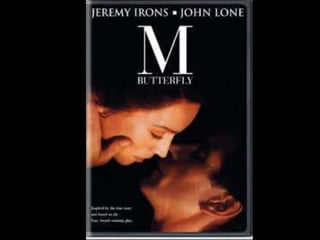
• Film Screening.
TERMS
• Novel: a lengthy fictitious prose narrative portraying
  characters and presenting an organized series of events
  and settings. Novels are accounts of life and involve
  conflict, characters, action, settings, plot, and theme.
  This is considered the third stage of the development
  of imagination fiction, following the epic and the
  romance.
• Pathos: A quality of a play’s action that stimulates the
  audience to feel pity for a character. Pathos is always
  an aspect of tragedy, and may be present in comedy as
  well.
• Personification: a figure of speech in which
  abstractions, animals, ideas, and inanimate objects are endowed with
  human form, character, traits, or sensibilities.

• Protagonist: the leading character of a drama, novel, etc. This is not
  always the hero, but is always the principal and central character whose
  rival is the antagonist.

• Scene: the place where some act or event occurs. Sometimes the term
  is used for an incident or situation in real life. It is also the division of an
  act of a play or a unit of dramatic action in which a single point is made
  or one effect obtained.

•    Drama: A prose or verse composition, especially one telling a serious
    story, that is intended for representation by actors impersonating the
    characters and performing the dialogue and action. A serious narrative
    work or program for television, radio, or the cinema.
Homework
• Reading: Defining the Trickster: This is
  posted under "Secondary Readings"
  Post # 22 QHQ M Butterfly: the Play
  Post # 23 Choose one definition from
  "Defining the Trickster" and apply it to
  one character from our reading this
  quarter.
  Studying: Terms

1 b class 16

  • 1.
  • 2.
    AGENDA • Essay #3Due: You should have submitted your essay electronically before class by emailing a copy saved in MS word to palmorekim@fhda.edu • Presentation: Terms for Exam 3 (next class) • Film Screening.
  • 3.
    TERMS • Novel: alengthy fictitious prose narrative portraying characters and presenting an organized series of events and settings. Novels are accounts of life and involve conflict, characters, action, settings, plot, and theme. This is considered the third stage of the development of imagination fiction, following the epic and the romance. • Pathos: A quality of a play’s action that stimulates the audience to feel pity for a character. Pathos is always an aspect of tragedy, and may be present in comedy as well.
  • 4.
    • Personification: afigure of speech in which abstractions, animals, ideas, and inanimate objects are endowed with human form, character, traits, or sensibilities. • Protagonist: the leading character of a drama, novel, etc. This is not always the hero, but is always the principal and central character whose rival is the antagonist. • Scene: the place where some act or event occurs. Sometimes the term is used for an incident or situation in real life. It is also the division of an act of a play or a unit of dramatic action in which a single point is made or one effect obtained. • Drama: A prose or verse composition, especially one telling a serious story, that is intended for representation by actors impersonating the characters and performing the dialogue and action. A serious narrative work or program for television, radio, or the cinema.
  • 6.
    Homework • Reading: Definingthe Trickster: This is posted under "Secondary Readings" Post # 22 QHQ M Butterfly: the Play Post # 23 Choose one definition from "Defining the Trickster" and apply it to one character from our reading this quarter. Studying: Terms