What is SHEIN ?
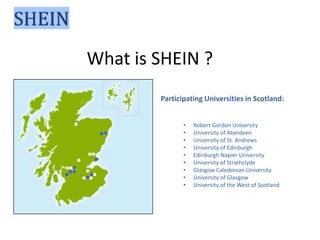
Participating Universities in Scotland:
•
•
•
•
•
•
•
•
•

Robert Gordon University
University of Aberdeen
University of St. Andrews
University of Edinburgh
Edinburgh Napier University
University of Strathclyde
Glasgow Caledonian University
University of Glasgow
University of the West of Scotland
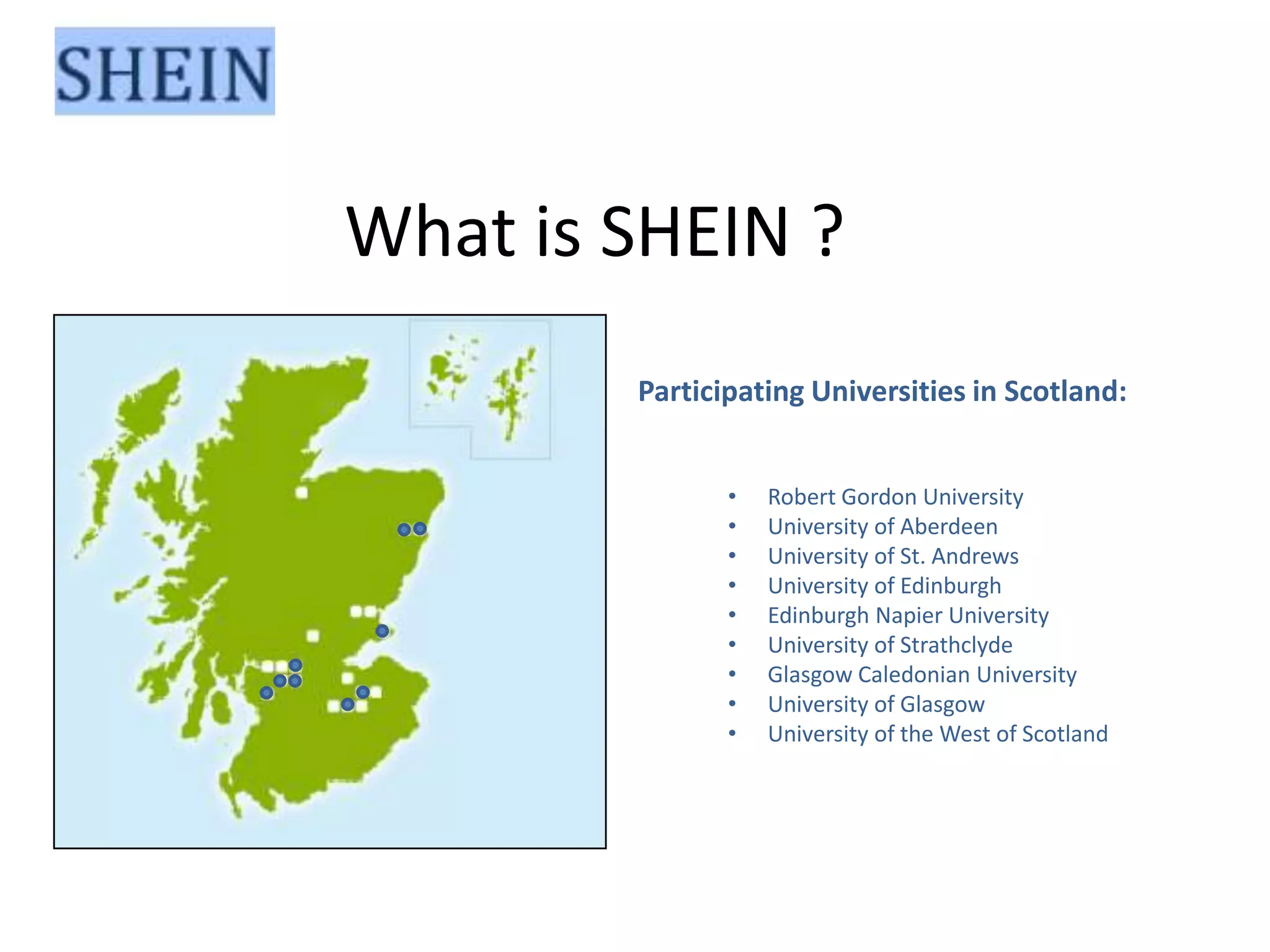
Line Management
Job Titles

Place in structure

Shared vision of the
possibilities

Shared methods and tools

Reporting arrangements
Buy-in

Same frustrations

Size of the resource

Link to the top of the
institution
Level of commitment

Many
Differences

Determination
Same overall intention
Shared passion and enthusiasm
Sense of isolation

Similar approaches

Many things in
common
VSM examples
p shared knowledge
VSM examples
SHEIN group shared knowledge

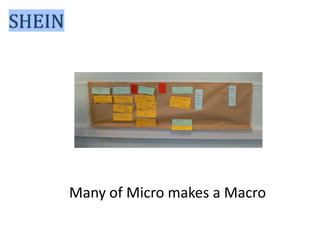
Many of Micro makes a Macro
Working Smarter
Better together
• Both groups have a common goal of making
efficiency improvements in the sector
• Working together might create better
visibility for both
• SHEIN members need to leverage more
management buy-in at a senior level
• USET may benefit from a vehicle for staff
engagement – permeating the culture of
efficiencies – benchmarking results
The opportunity to be cutting edge
Still room to be the best
USET might
• Set and develop training standards and competence
frameworks for University Change Practitioners and
dispense with the need for external providers
• Identify the best model and fit for an improvement
team in a University
• Recommend methods for embedding improvement
activities institutionally
• Set measures for successful teams
Next SHEIN meeting Feb

Next steps?

th
11

07 01 2014 uset shein presnetation

  • 1.
    What is SHEIN? Participating Universities in Scotland: • • • • • • • • • Robert Gordon University University of Aberdeen University of St. Andrews University of Edinburgh Edinburgh Napier University University of Strathclyde Glasgow Caledonian University University of Glasgow University of the West of Scotland
  • 2.
    Line Management Job Titles Placein structure Shared vision of the possibilities Shared methods and tools Reporting arrangements Buy-in Same frustrations Size of the resource Link to the top of the institution Level of commitment Many Differences Determination Same overall intention Shared passion and enthusiasm Sense of isolation Similar approaches Many things in common
  • 3.
  • 4.
    VSM examples SHEIN groupshared knowledge Many of Micro makes a Macro
  • 5.
    Working Smarter Better together •Both groups have a common goal of making efficiency improvements in the sector • Working together might create better visibility for both • SHEIN members need to leverage more management buy-in at a senior level • USET may benefit from a vehicle for staff engagement – permeating the culture of efficiencies – benchmarking results
  • 6.
    The opportunity tobe cutting edge Still room to be the best USET might • Set and develop training standards and competence frameworks for University Change Practitioners and dispense with the need for external providers • Identify the best model and fit for an improvement team in a University • Recommend methods for embedding improvement activities institutionally • Set measures for successful teams
  • 7.
    Next SHEIN meetingFeb Next steps? th 11

Editor's Notes

  • #2 SHEIN is a recently formed collaboration for individuals fro Scottish Universities who have the task of introducing improvement (mainly through LEAN, Six Sigma methodologies ) Members are Facilitators/ Practitioner / Managers of Change Programmes (not technology experts – which is so often the case) Drawn to each other because of the need to talk about the extent of the challenge (and those challenges particular to HE) – to listen and replicate different approaches – Share tools and techniques – Principles were set down in Terms of Reference in a nutshell they say: Keep it simple and focusedKeep it time limited Try to find some tangible benefits
  • #3 In getting to know one another we found many differences as well as a great many things in common. The main differences were the level of commitment/ buy-in and fit within each institution Ranging from 1 person being asked to take this on as a part of their substantive job to a dedicated team which has been sustained for almost 10 years. The commonality was in the passion for improving their respective institutions – The frustration about the barrier which prevent the scale of the change each one of us knows might be possible
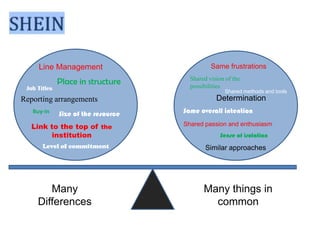
  • #4 The knowledge that if you work with those close to the delivery of the multitude of business processes / if you give those groups – the opportunity / some fresh thinking and respect they can turn this
  • #5 Into this – time and time again
  • #6 Indicative of the lack of connection to the top of the organisation Some members were unaware of the existence of the task force Had not had conversations with its representativesDidn’t have a sense of the National Agenda on efficiencies (The Diamond Report) The mention in Task Force update was gratifying but no-one in the knew how this had come about
  • #7 Plenty of collaborations on improvement activities USET might set and develop training standards/competence framework for Change Practitioners for a University (a model which could be used here and further afield) USET could identify the best model and fit for an improvement team in HE (a model which could be used here and further afield) We might ensure through collaboration that we can dispense with the need for external suppliers for LEAN training etc. We might ensure that we set measures for success for improvement teams
  • #8 Plenty of collaborations on improvement activities USET might set and develop training standards/competence framework for Change Practitioners for a University (a model which could be used here and further afield) USET could identify the best model and fit for an improvement team in HE (a model which could be used here and further afield) We might ensure through collaboration that we can dispense with the need for external suppliers for LEAN training etc. We might ensure that we set measures for success for improvement teams