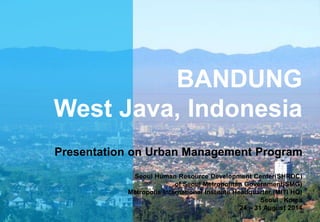
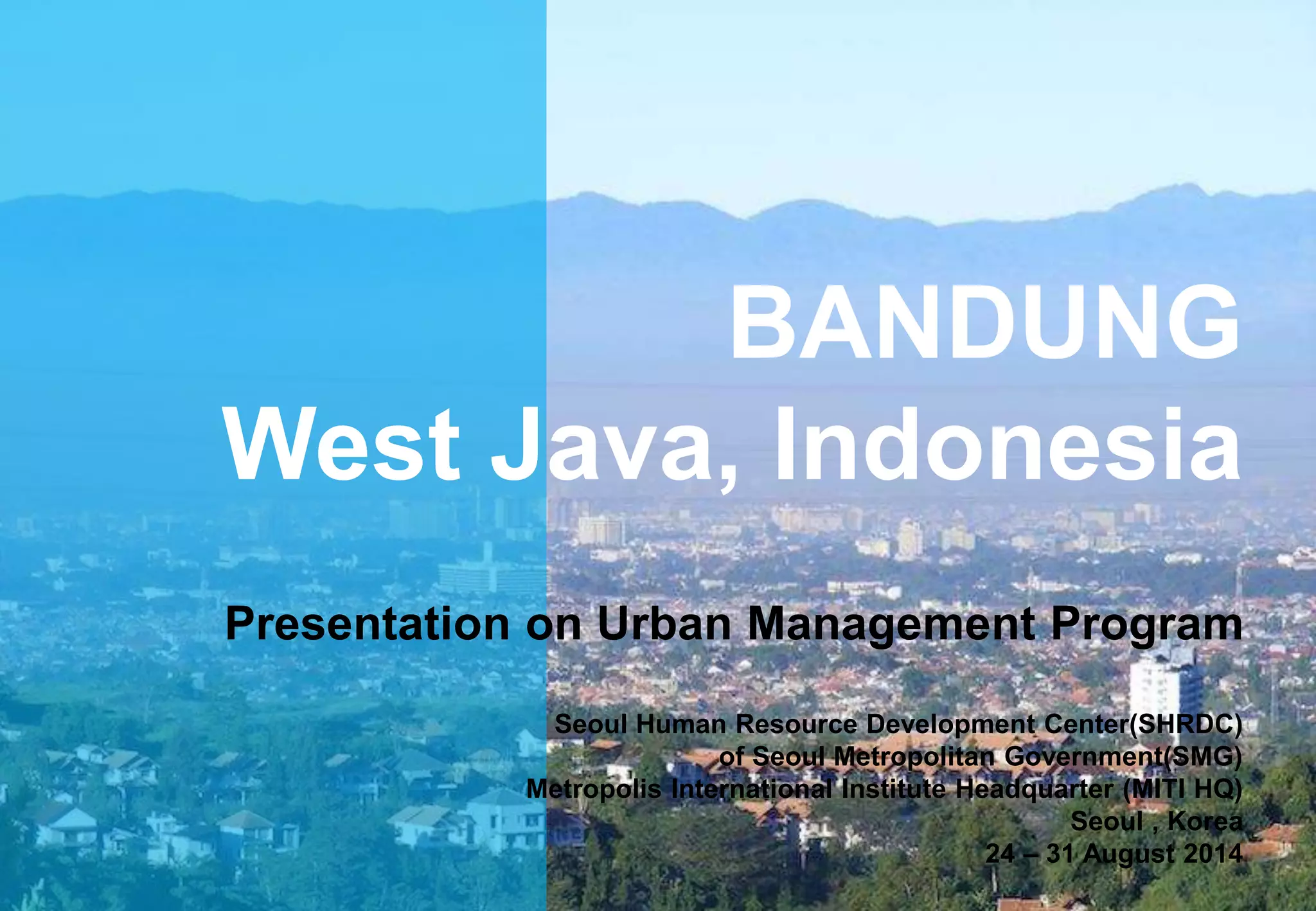
BANDUNG 
West Java, Indonesia 
Presentation on Urban Management Program 
Seoul Human Resource Development Center(SHRDC) 
of Seoul Metropolitan Government(SMG) 
Metropolis International Institute Headquarter (MITI HQ) 
Seoul , Korea 
24 – 31 August 2014
City and Region
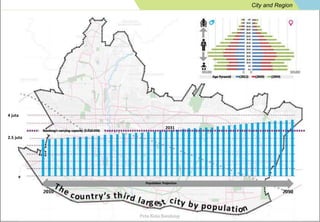
2031 
City and Region 
4 juta 
2.5 juta
City and Region 
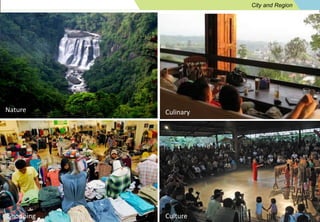
Nature culinary 
Culinary 
Shopping Culture
City and Region 
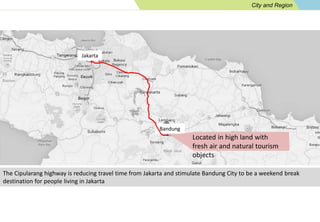
Jakarta 
Bandung 
Located in high land with 
fresh air and natural tourism 
objects 
The Cipularang highway is reducing travel time from Jakarta and stimulate Bandung City to be a weekend break 
destination for people living in Jakarta
City and Region
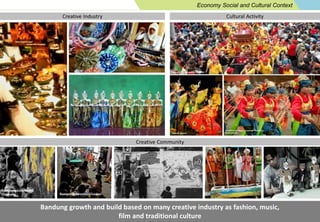
Economy Social and Cultural Context 
Creative Industry Cultural Activity 
Creative Community 
Bandung growth and build based on many creative industry as fashion, music, 
film and traditional culture
City and Region
City and Region 
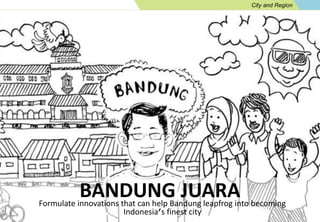
BANDUNG JUARA 
Formulate innovations that can help Bandung leapfrog into becoming 
Indonesia’s finest city
City and Region 
Land Use of Bandung City
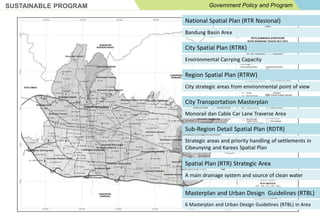
SUSTAINABLE PROGRAM Government Policy and Program 
National Spatial Plan (RTR Nasional) 
Bandung Basin Area 
City Spatial Plan (RTRK) 
Environmental Carrying Capacity 
Region Spatial Plan (RTRW) 
City strategic areas from environmental point of view 
City Transportation Masterplan 
Monorail dan Cable Car Lane Traverse Area 
Sub-Region Detail Spatial Plan (RDTR) 
Strategic areas and priority handling of settlements in 
Cibeunying and Karees Spatial Plan 
Spatial Plan (RTR) Strategic Area 
A main drainage system and source of clean water 
Masterplan and Urban Design Guidelines (RTBL) 
6 Masterplan and Urban Design Guidelines (RTBL) in Area
Spatial Planning Policy 
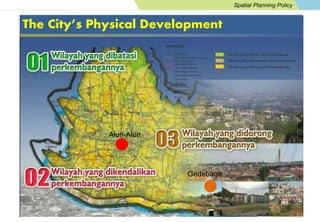
The City’s Physical Development 
Alun-Alun 
Gedebage
Housing and Settlement Policy 
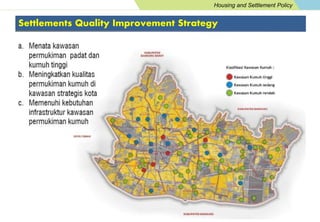
Settlements Quality Improvement Strategy
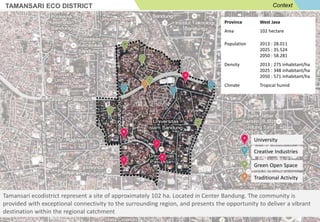
TAMANSARI ECO DISTRICT Context 
Province West Java 
Area 102 hectare 
Population 2013 : 28.011 
2025 : 35.524 
2050 : 58.281 
Density 2013 : 275 inhabitant/ha 
2025 : 348 inhabitant/ha 
2050 : 571 inhabitant/ha 
Climate Tropical humid 
University 
Creative Industries 
Green Open Space 
Traditional Activity 
Tamansari ecodistrict represent a site of approximately 102 ha. Located in Center Bandung. The community is 
provided with exceptional connectivity to the surrounding region, and presents the opportunity to deliver a vibrant 
destination within the regional catchment
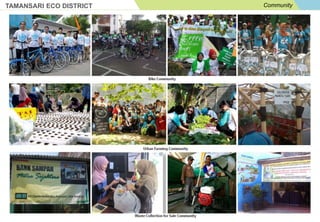
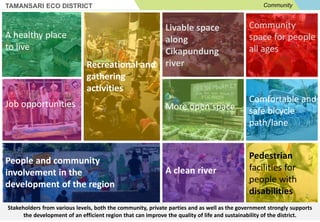
TAMANSARI ECO DISTRICT Community
TAMANSARI ECO DISTRICT Community 
Comfortable and 
safe bicycle 
path/lane 
Pedestrian 
facilities for 
people with 
disabilities 
Recreational and 
gathering 
activities 
Community 
space for people 
all ages 
A clean river 
A healthy place 
to live 
Job opportunities 
Livable space 
along 
Cikapundung 
river 
People and community 
involvement in the 
development of the region 
More open space 
Stakeholders from various levels, both the community, private parties and as well as the government strongly supports 
the development of an efficient region that can improve the quality of life and sustainability of the district.
Thank You 
Ir. Tammi Lasmini, MT & Elvi Efrini AS, 
ST, M. Si 
Spatial Planning and Human Settlement 
Agency 
Bandung City Goverment, West Java, 
Indonesia

[Urban Management Program City Paper : Bandung City, Indonesia]

  • 1.
    BANDUNG West Java,Indonesia Presentation on Urban Management Program Seoul Human Resource Development Center(SHRDC) of Seoul Metropolitan Government(SMG) Metropolis International Institute Headquarter (MITI HQ) Seoul , Korea 24 – 31 August 2014
  • 2.
  • 3.
    2031 City andRegion 4 juta 2.5 juta
  • 4.
    City and Region Nature culinary Culinary Shopping Culture
  • 5.
    City and Region Jakarta Bandung Located in high land with fresh air and natural tourism objects The Cipularang highway is reducing travel time from Jakarta and stimulate Bandung City to be a weekend break destination for people living in Jakarta
  • 6.
  • 7.
    Economy Social andCultural Context Creative Industry Cultural Activity Creative Community Bandung growth and build based on many creative industry as fashion, music, film and traditional culture
  • 8.
  • 9.
    City and Region BANDUNG JUARA Formulate innovations that can help Bandung leapfrog into becoming Indonesia’s finest city
  • 10.
    City and Region Land Use of Bandung City
  • 11.
    SUSTAINABLE PROGRAM GovernmentPolicy and Program National Spatial Plan (RTR Nasional) Bandung Basin Area City Spatial Plan (RTRK) Environmental Carrying Capacity Region Spatial Plan (RTRW) City strategic areas from environmental point of view City Transportation Masterplan Monorail dan Cable Car Lane Traverse Area Sub-Region Detail Spatial Plan (RDTR) Strategic areas and priority handling of settlements in Cibeunying and Karees Spatial Plan Spatial Plan (RTR) Strategic Area A main drainage system and source of clean water Masterplan and Urban Design Guidelines (RTBL) 6 Masterplan and Urban Design Guidelines (RTBL) in Area
  • 12.
    Spatial Planning Policy The City’s Physical Development Alun-Alun Gedebage
  • 13.
    Housing and SettlementPolicy Settlements Quality Improvement Strategy
  • 14.
    TAMANSARI ECO DISTRICTContext Province West Java Area 102 hectare Population 2013 : 28.011 2025 : 35.524 2050 : 58.281 Density 2013 : 275 inhabitant/ha 2025 : 348 inhabitant/ha 2050 : 571 inhabitant/ha Climate Tropical humid University Creative Industries Green Open Space Traditional Activity Tamansari ecodistrict represent a site of approximately 102 ha. Located in Center Bandung. The community is provided with exceptional connectivity to the surrounding region, and presents the opportunity to deliver a vibrant destination within the regional catchment
  • 15.
  • 16.
    TAMANSARI ECO DISTRICTCommunity Comfortable and safe bicycle path/lane Pedestrian facilities for people with disabilities Recreational and gathering activities Community space for people all ages A clean river A healthy place to live Job opportunities Livable space along Cikapundung river People and community involvement in the development of the region More open space Stakeholders from various levels, both the community, private parties and as well as the government strongly supports the development of an efficient region that can improve the quality of life and sustainability of the district.
  • 17.
    Thank You Ir.Tammi Lasmini, MT & Elvi Efrini AS, ST, M. Si Spatial Planning and Human Settlement Agency Bandung City Goverment, West Java, Indonesia

Editor's Notes

  • #2 The presentation will be derived from the context of the city, government program and policy, existing land use, sustainable program and spatial planning, housing settlement policy and some urban practices for sustainable development . It aims to understand the context of the issue of the Bandung City and to discuss forward with other cities.
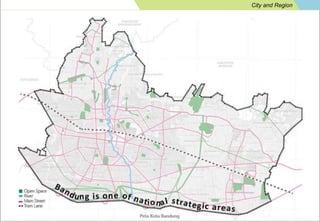
  • #3 First, Bandung was laid down in the national urban system as part of the Urban Area Bandung Raya National Activity Centre. Bandung is a part of the national strategic area of defense and security considerations, economic growth, social and cultural, exploitation of natural resources and/or high technology, and/or function and environmental carrying capacity . In addition , the city of Bandung is also designated as Region mainstay Bandung Basin, which is the area that has national strategic value. The national strategic value is include the ability of the region to spur economic growth in the region and surrounding areas and to encourage regional growth equity. ?
  • #4 Second, the population of the buffer zone of the Capital Bandung Raya is 20,601,492 or 44 % of the total population of West Java. With a population level is dominated by the younger generation (15-40 years), it can be concluded that Bandung city will continue to grow. As the graph above the projected population growth, the development of the city of Bandung is predicted to exceed its capacity in 2031. Therefore, now is a good time to bring a new change to the city of Bandung, in order to become a sustainable city for future generations.
  • #5 Third,?Bandung is situated in one of the most beautiful natural surroundings of West Java. The city lies in a river basin surrounded by volcanic mountains (click)?Currently?Bandung?became?one of?the main?destinations?for?domestic?natural attractions, dining,?shopping?and?culture.
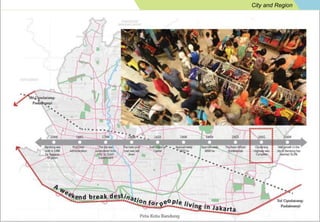
  • #6 The new Cipularang highway that was completed in 2005 is reducing travel time from Jakarta. (click) It is stimulate Bandung City to be a weekend break destination for people living in Jakarta.
  • #7 As a central destination on the weekend, Bandung managed to increase the economic level. Currently, Bandung economic growth has reached 9%, where the development of the national economy only reached 6%. A foreign economic observers speculated that what we seen in Bandung now is only 1/10 of the real economic opportunities. The rest of the opportunities could not attend because the poor infrastructure.
  • #8 Economic development of this city can not be separated from the creative industry, music, movies, traditional culture and creative community of Bandung city. Bandung Creative City Forum is one example of a creative community where so many come together to provide a solution to the city of Bandung.
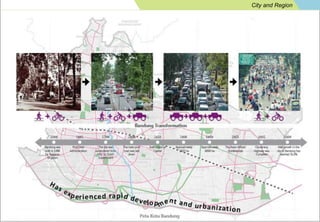
  • #9 Driven by a variety of potential, the city of Bandung experiencing a very fast urban development and urbanization growth. The presence of toll Cipularang and ease budget airlines become a potency and a problem at the same time. The presence of this access makes economic and tourist services demand increased. Dozens of hotels built. Hundreds resto cafes scattered around the city. However, it all scrambling on the same city infrastructure capacity like 20 years ago. One very visible example is the development of the city of Bandung which was previously planned for pedestrians and cyclists, it gradually invaded by motor vehicle. Until finally the movement of motor vehicles dominate the city. Currently, through the mission of developing the city, the city will be restored to the city of Bandung that based to human.
  • #10 Bandung Juara, is a spirit to develop Bandung as a comfort, excellent and prosperous city. That spirit of Bandung is aims to represents the quality of life, effective and sustainable city. Bandung aims to empower every citizen in their respective districts . Where every district will be given autonomy to manage its territory. The greatest strength of Bandung today is the survival spirit of its citizens . At the time it was merged with the spirit of social solidarity , be an external energy. Gotong royong (mutual aid) par excelence. As a sample, Kopo district resolve flood problem itself by making 20 water wells. The district manage their own district by their own. Managing health insurance by their own. No government intervention. It shows that the youth is an asset for Bandung development. 60% of Bandung resident is under 40 years old and educated. Also, there are more than 50 universities and colleges in the city.
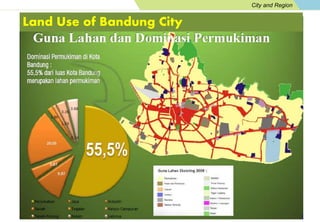
  • #11 Bandung with total coverage area 16.729,65 Ha, dominantly is settlement area (55,5% of land use). Other land use are service, commercial, industry, limited farming and some undeveloped land.
  • #12 Under the existing regulations and policies, the area is an area that plays an important role nationally and cities, especially from an environmental point of view. The area is also a part of the mass transportation planning areas and prioritized settlements development area. The availability of the master plan and urban design guidelines in this area showed that the area is ready to be develop.
  • #13 According to Region Spatial Plan (RTRW), there 3 direction to develop city’s area. The first is North Bandung, directed to be a limited area because of it’s function as conservation area. The second is Central Bandung, as the old city and a center of Bandung City core with Alun-Alun as a downtown. The Central Bandung is directed to be a controlled area because it’s a hight density area already. Some histrorical area and conservation building are in this area. The third as the new development area is East Bandung, which is directed to drive forward as a new development area with Gedebage as the centre.
  • #14 Housing and settlement development is connected to spatial planning regulation and policy. Housing development policy drives forward to develop vertical housing to deliver an adequate housing for Bandung citizens and revitalisation slum and density settlement for a better liveable environment.
  • #15 Tamansari ecodistrict represents a site of approximately 102 ha. Located in Center of Bandung, Tamansari is one of the city’s gate. The community is provided with exceptional connectivity to the surrounding region, and presents the opportunity to deliver a vibrant destination within the regional catchment. Currently the population of this area is 28 thousand people. Where based on population growth projections, the total population in 2050 will reach double the current growth. Therefore the development of the area should be made to be more compact and efficient in accommodating projected future needs. (click) As shown in the figure, in the district, there are functions which is the generators of activity in the area, these functions are: universities, creative industries, green open spaces and traditional activities.
  • #16 As the community center of the city, the area that carried the theme "Creative Community Hubs Castle" has many communities that have grown initiative in improving the environment. Some of these communities are: bike-loving community, urban farming community and district waste management community.
  • #17 To do a proper design goals for the community, it is very important to understand the needs of people in the district. Here is a list of the needs of each stakeholder in the district: (click) a healthy place to live, (click) a clean river, (click) a livable space along Cikapundung river, (click) more green open space, (click) a community space for people all ages(click) job opportunities, (click) more recreational and gathering activities, (click) a comfortable circulation paths for pedestrians and cyclists, (click) pedestrian facilities that accommodate the needs of disabled people, and (click) people and community involvedment in the development of the area