Downloaded 109 times
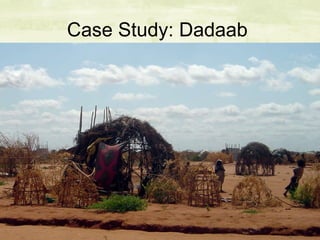
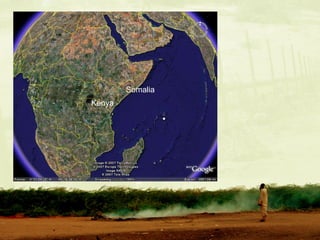
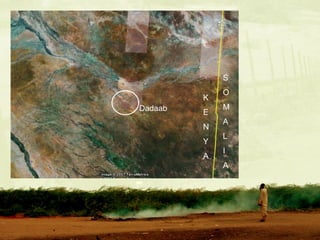
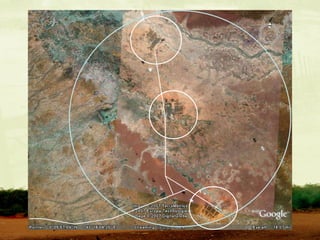
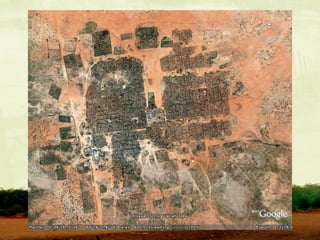
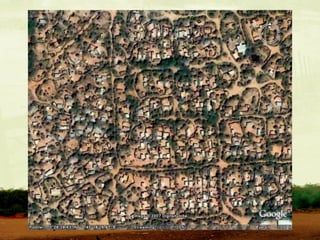
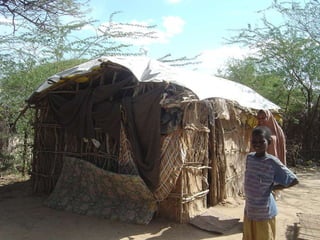
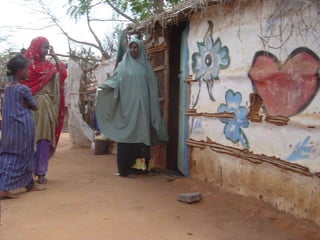
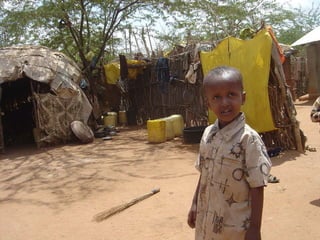
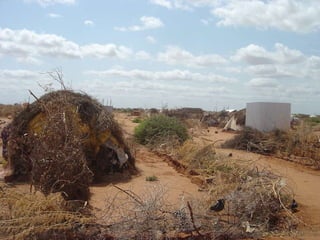
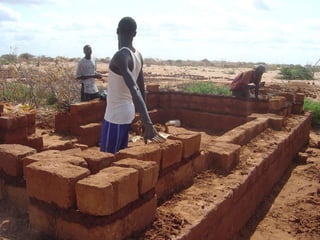
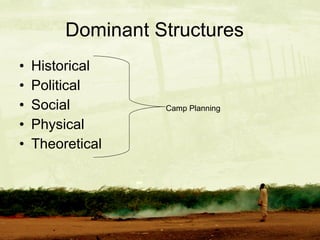
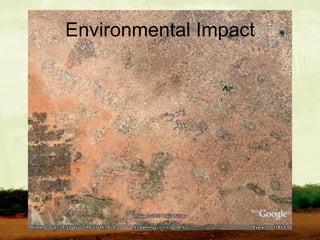
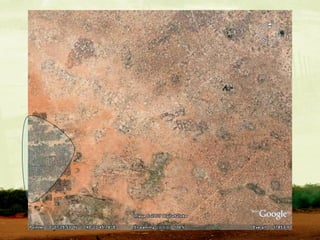
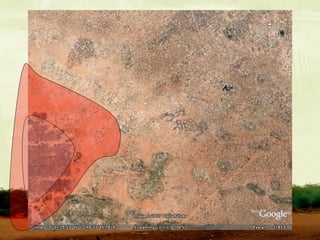
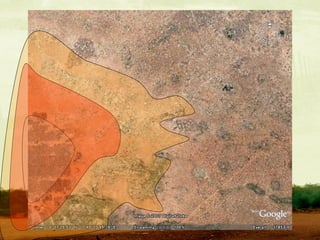
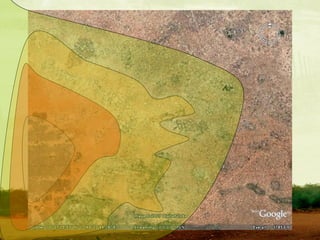
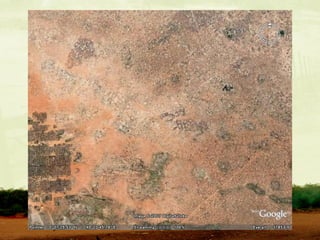
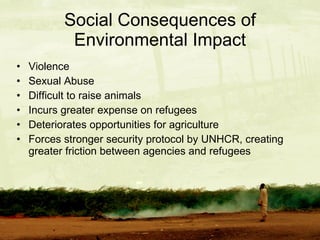
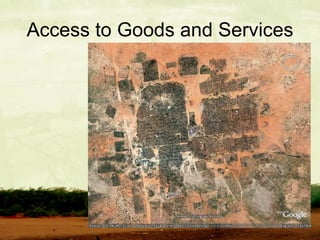
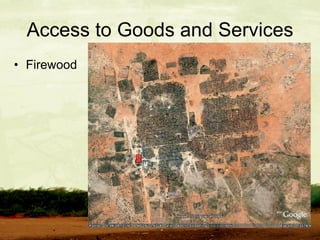
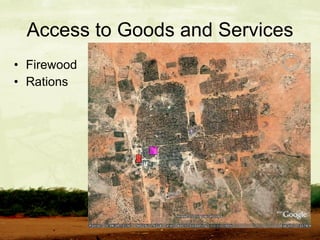
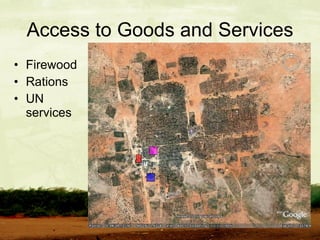
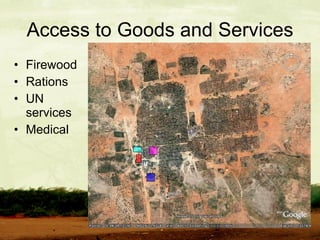
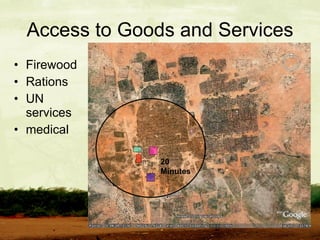
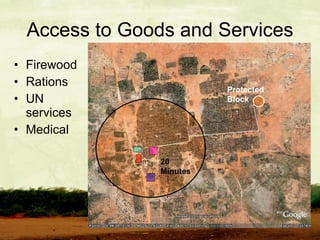
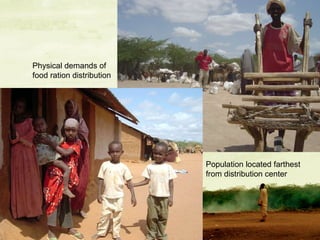
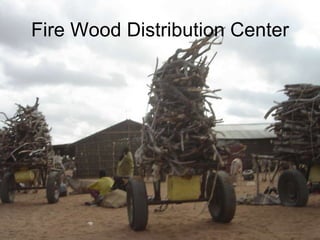
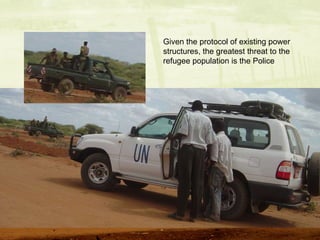
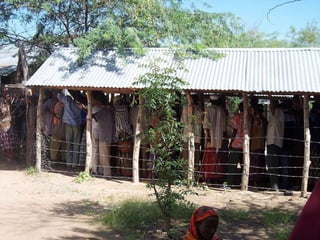
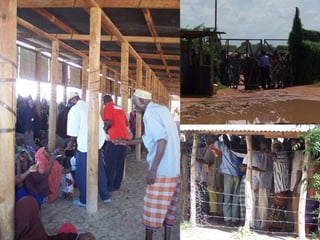
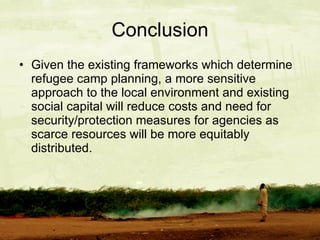
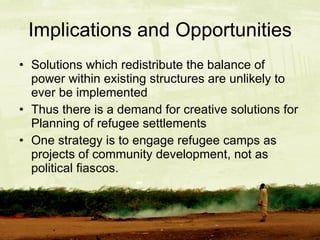

The document discusses the environmental degradation and human inequity issues within the Dadaab refugee camps in Kenya. It notes that while literature exists on refugee camp planning, camps continue to threaten the environment and concentrate human inequity. The document examines the case study of Dadaab and analyzes the environmental and social consequences of the current camp plans. Specifically, it finds that poor physical planning strains the environment, which then demands more from aid agencies. The distribution of demands and resources is critical. The document concludes that creative solutions are needed for refugee settlement planning, such as engaging camps as community development projects rather than political issues.


