

Can you see and measure learning?
@davidErogers 
drogers@patchamhigh.org.uk 
Office next to S6 in the Warmdene 
davidrogers.org.uk
Husband, Welshman, Geographer, 
Assistant Head, Microsoft Expert educator, 
Google certified teacher, Marathon Runner, 
Adventurer, Author, Pedagogic Troublemaker, 
of the RGS, Dream Teacher, Dad, 
Husband, Welshman, Geographer, Assistant 
Microsoft Expert educator, Google 
certified teacher, Marathon Runner, 
Adventurer, Author, Pedagogic Troublemaker, 
of the RGS, Dream Teacher, Dad, 
Husband, Welshman, Geographer, Assistant 
Microsoft Expert educator, Google 
certified teacher, Marathon Runner, 
Adventurer, Author, Pedagogic Troublemaker,
For Pupil Premium Students you have 
knowledge, what are they like?
Kid, deprived, Can’t Learn, Low Ability, 
There, Poor Kid, deprived, Can’t Learn, 
Ability, Stuck There, Poor Kid, deprived, 
Learn, Low Ability, Stuck There, Poor 
deprived, Can’t Learn, Low Ability, Stuck 
Poor Kid, deprived, Can’t Learn, Low 
Ability, Stuck There, Poor Kid, deprived, Can’t 
Low Ability, Stuck There, Poor Kid, 
deprived, Can’t Learn, Low Ability, Stuck 
Poor Kid, deprived, Can’t Learn, Low 
Ability, Stuck There, Poor Kid, deprived, Can’t 
Low Ability, Stuck There, Poor Kid, 
deprived, Can’t Learn, Low Ability, Stuck 
Poor Kid, deprived, Can’t Learn, Low
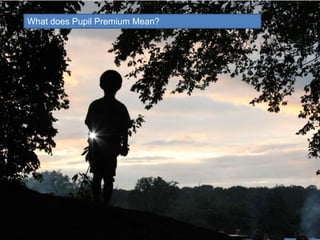
What does Pupil Premium Mean?
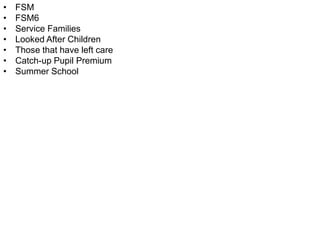
• FSM 
• FSM6 
• Service Families 
• Looked After Children 
• Those that have left care 
• Catch-up Pupil Premium 
• Summer School
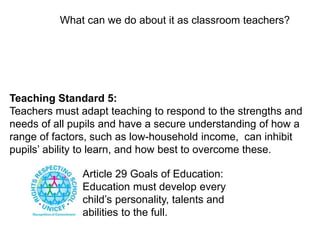
What can we do about it as classroom teachers? 
Teaching Standard 5: 
Teachers must adapt teaching to respond to the strengths and 
needs of all pupils and have a secure understanding of how a 
range of factors, such as low-household income, can inhibit 
pupils’ ability to learn, and how best to overcome these. 
Article 29 Goals of Education: 
Education must develop every 
child’s personality, talents and 
abilities to the full.
The progress of Pupil 
Premium students is 
the responsibility of 
every single adult at 
Patcham High School
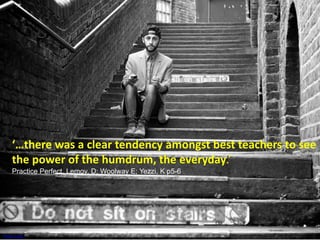
‘…there was a clear tendency amongst best teachers to see 
the power of the humdrum, the everyday.’ 
Practice Perfect, Lemov, D; Woolway E; Yezzi, K p5-6 
Photo Credit used through Creative Commons
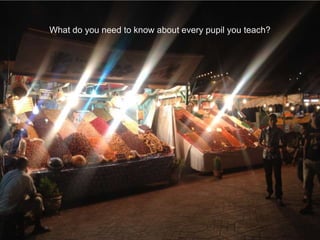
What do you need to know about every pupil you teach?
Key questions for every member of staff: 
1. Who are the Pupil Premium Students that you work 
with? 
2. Are they delivering nothing less than their best? 
3. What specific actions are you taking to accelerate their 
progress?
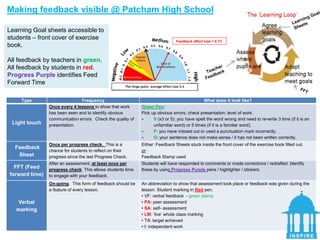
Making feedback visible @ Patcham High School 
Type Frequency What does it look like? 
Light touch 
Once every 4 lessons to show that work 
has been seen and to identify obvious 
communication errors. Check the quality of 
presentation. 
Green Pen: 
Pick up obvious errors; check presentation; level of work. 
 S (x3 or 5): you have spelt the word wrong and need to re-write 3 time (if it is an 
unfamiliar word) or 5 times (if it is a familiar word). 
 P: you have missed out or used a punctuation mark incorrectly. 
 G: your sentence does not make sense / it has not been written correctly. 
Feedback 
Sheet 
Once per progress check. This is a 
chance for students to reflect on their 
progress since the last Progress Check. 
Either: Feedback Sheets stuck inside the front cover of the exercise book filled out. 
or: 
Feedback Stamp used 
FFT (Feed 
forward time) 
After an assessment, at least once per 
progress check. This allows students time 
to engage with your feedback. 
Students will have responded to comments or made corrections / redrafted. Identify 
these by using Progress Purple pens / highlighter / stickers. 
Verbal 
marking 
On-going. This form of feedback should be 
a feature of every lesson. 
An abbreviation to show that assessment took place or feedback was given during the 
lesson. Student marking in Red pen. 
• VF: verbal feedback - green stamp 
• PA: peer assessment 
• SA: self- assessment 
• LM: ‘live’ whole class marking 
• TA: target achieved 
• I: independent work 
Learning Goal sheets accessible to 
students – front cover of exercise 
book. 
All feedback by teachers in green. 
All feedback by students in red. 
Progress Purple identifies Feed 
Forward Time 
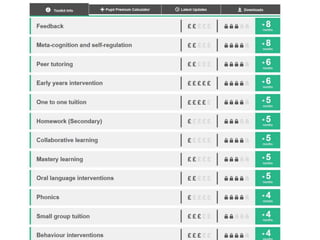
Feedback effect size = 0.73
What are we doing here? 
• Supporting Quality First Teaching 
• Ensuring that every child can read at their 
chronological reading age 
• Raising the profile of PP students – photos and 
emails 
• Raising Achievement and Progress meetings: KS4 
and KS3 
• Coaching in Maths, English and Science 
• PP Research Bursaries looking at Homework, 
metacognition, visual strategies and peer mentors 
• Teacher Learning Communities focus on individual 
PP student using a Lesson Study model 
• Teachers talking about teaching, planning together

Pupil Premium

  • 1.
    Can you seeand measure learning?
  • 2.
    @davidErogers drogers@patchamhigh.org.uk Officenext to S6 in the Warmdene davidrogers.org.uk
  • 3.
    Husband, Welshman, Geographer, Assistant Head, Microsoft Expert educator, Google certified teacher, Marathon Runner, Adventurer, Author, Pedagogic Troublemaker, of the RGS, Dream Teacher, Dad, Husband, Welshman, Geographer, Assistant Microsoft Expert educator, Google certified teacher, Marathon Runner, Adventurer, Author, Pedagogic Troublemaker, of the RGS, Dream Teacher, Dad, Husband, Welshman, Geographer, Assistant Microsoft Expert educator, Google certified teacher, Marathon Runner, Adventurer, Author, Pedagogic Troublemaker,
  • 4.
    For Pupil PremiumStudents you have knowledge, what are they like?
  • 5.
    Kid, deprived, Can’tLearn, Low Ability, There, Poor Kid, deprived, Can’t Learn, Ability, Stuck There, Poor Kid, deprived, Learn, Low Ability, Stuck There, Poor deprived, Can’t Learn, Low Ability, Stuck Poor Kid, deprived, Can’t Learn, Low Ability, Stuck There, Poor Kid, deprived, Can’t Low Ability, Stuck There, Poor Kid, deprived, Can’t Learn, Low Ability, Stuck Poor Kid, deprived, Can’t Learn, Low Ability, Stuck There, Poor Kid, deprived, Can’t Low Ability, Stuck There, Poor Kid, deprived, Can’t Learn, Low Ability, Stuck Poor Kid, deprived, Can’t Learn, Low
  • 7.
    What does PupilPremium Mean?
  • 8.
    • FSM •FSM6 • Service Families • Looked After Children • Those that have left care • Catch-up Pupil Premium • Summer School
  • 10.
    What can wedo about it as classroom teachers? Teaching Standard 5: Teachers must adapt teaching to respond to the strengths and needs of all pupils and have a secure understanding of how a range of factors, such as low-household income, can inhibit pupils’ ability to learn, and how best to overcome these. Article 29 Goals of Education: Education must develop every child’s personality, talents and abilities to the full.
  • 11.
    The progress ofPupil Premium students is the responsibility of every single adult at Patcham High School
  • 12.
    ‘…there was aclear tendency amongst best teachers to see the power of the humdrum, the everyday.’ Practice Perfect, Lemov, D; Woolway E; Yezzi, K p5-6 Photo Credit used through Creative Commons
  • 14.
    What do youneed to know about every pupil you teach?
  • 15.
    Key questions forevery member of staff: 1. Who are the Pupil Premium Students that you work with? 2. Are they delivering nothing less than their best? 3. What specific actions are you taking to accelerate their progress?
  • 17.
    Making feedback visible@ Patcham High School Type Frequency What does it look like? Light touch Once every 4 lessons to show that work has been seen and to identify obvious communication errors. Check the quality of presentation. Green Pen: Pick up obvious errors; check presentation; level of work.  S (x3 or 5): you have spelt the word wrong and need to re-write 3 time (if it is an unfamiliar word) or 5 times (if it is a familiar word).  P: you have missed out or used a punctuation mark incorrectly.  G: your sentence does not make sense / it has not been written correctly. Feedback Sheet Once per progress check. This is a chance for students to reflect on their progress since the last Progress Check. Either: Feedback Sheets stuck inside the front cover of the exercise book filled out. or: Feedback Stamp used FFT (Feed forward time) After an assessment, at least once per progress check. This allows students time to engage with your feedback. Students will have responded to comments or made corrections / redrafted. Identify these by using Progress Purple pens / highlighter / stickers. Verbal marking On-going. This form of feedback should be a feature of every lesson. An abbreviation to show that assessment took place or feedback was given during the lesson. Student marking in Red pen. • VF: verbal feedback - green stamp • PA: peer assessment • SA: self- assessment • LM: ‘live’ whole class marking • TA: target achieved • I: independent work Learning Goal sheets accessible to students – front cover of exercise book. All feedback by teachers in green. All feedback by students in red. Progress Purple identifies Feed Forward Time Feedback effect size = 0.73
  • 18.
    What are wedoing here? • Supporting Quality First Teaching • Ensuring that every child can read at their chronological reading age • Raising the profile of PP students – photos and emails • Raising Achievement and Progress meetings: KS4 and KS3 • Coaching in Maths, English and Science • PP Research Bursaries looking at Homework, metacognition, visual strategies and peer mentors • Teacher Learning Communities focus on individual PP student using a Lesson Study model • Teachers talking about teaching, planning together

Editor's Notes