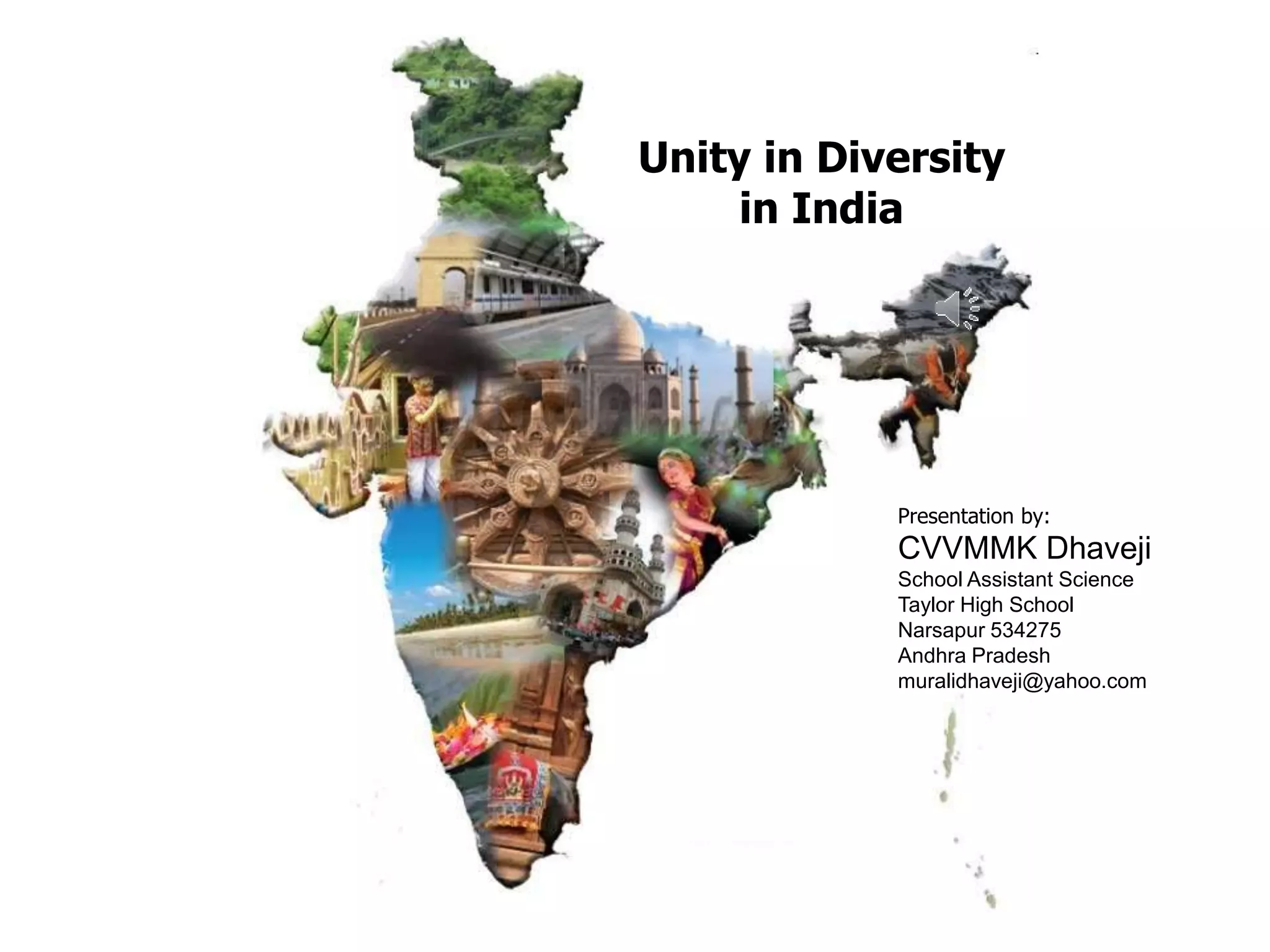
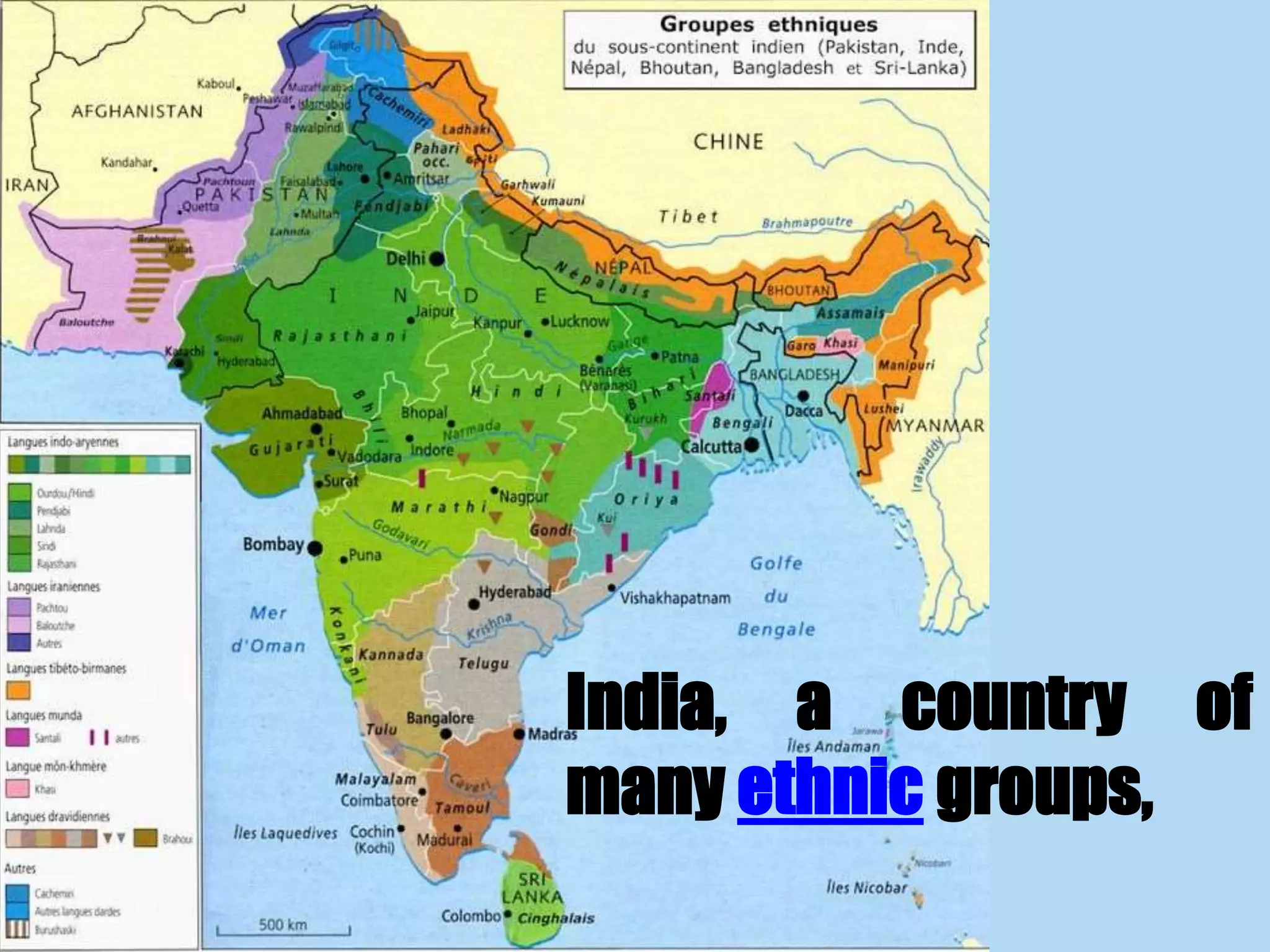
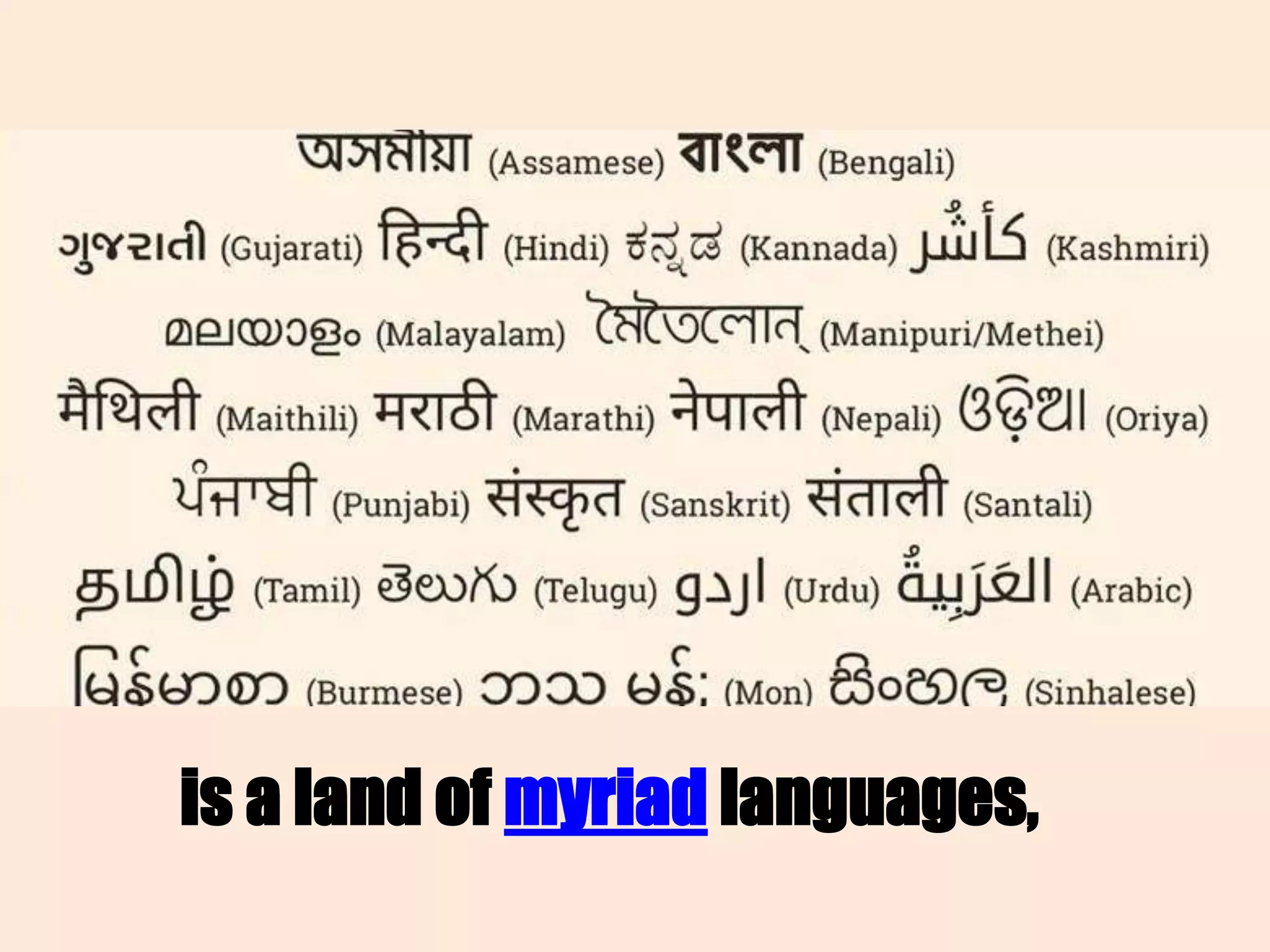
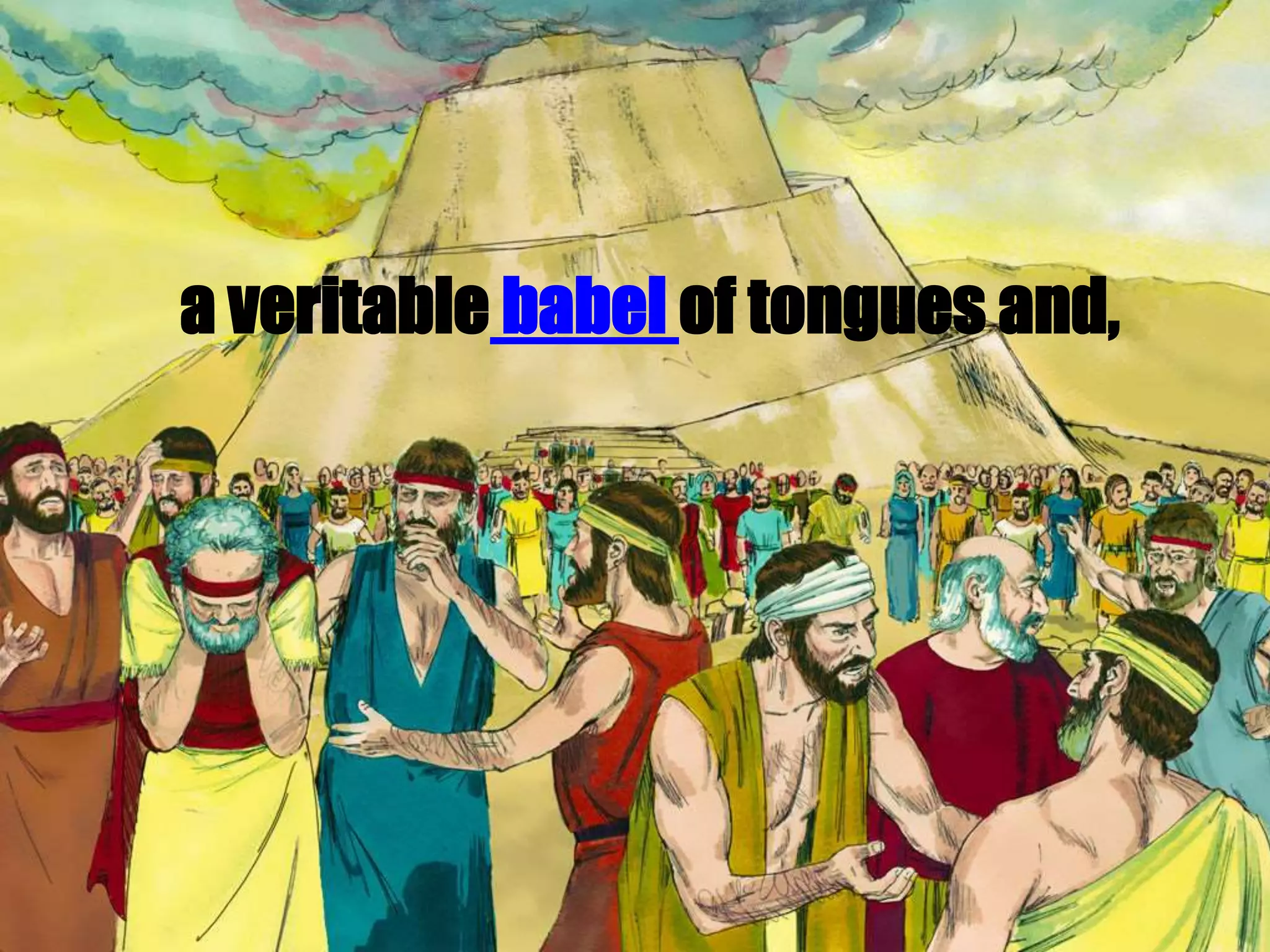
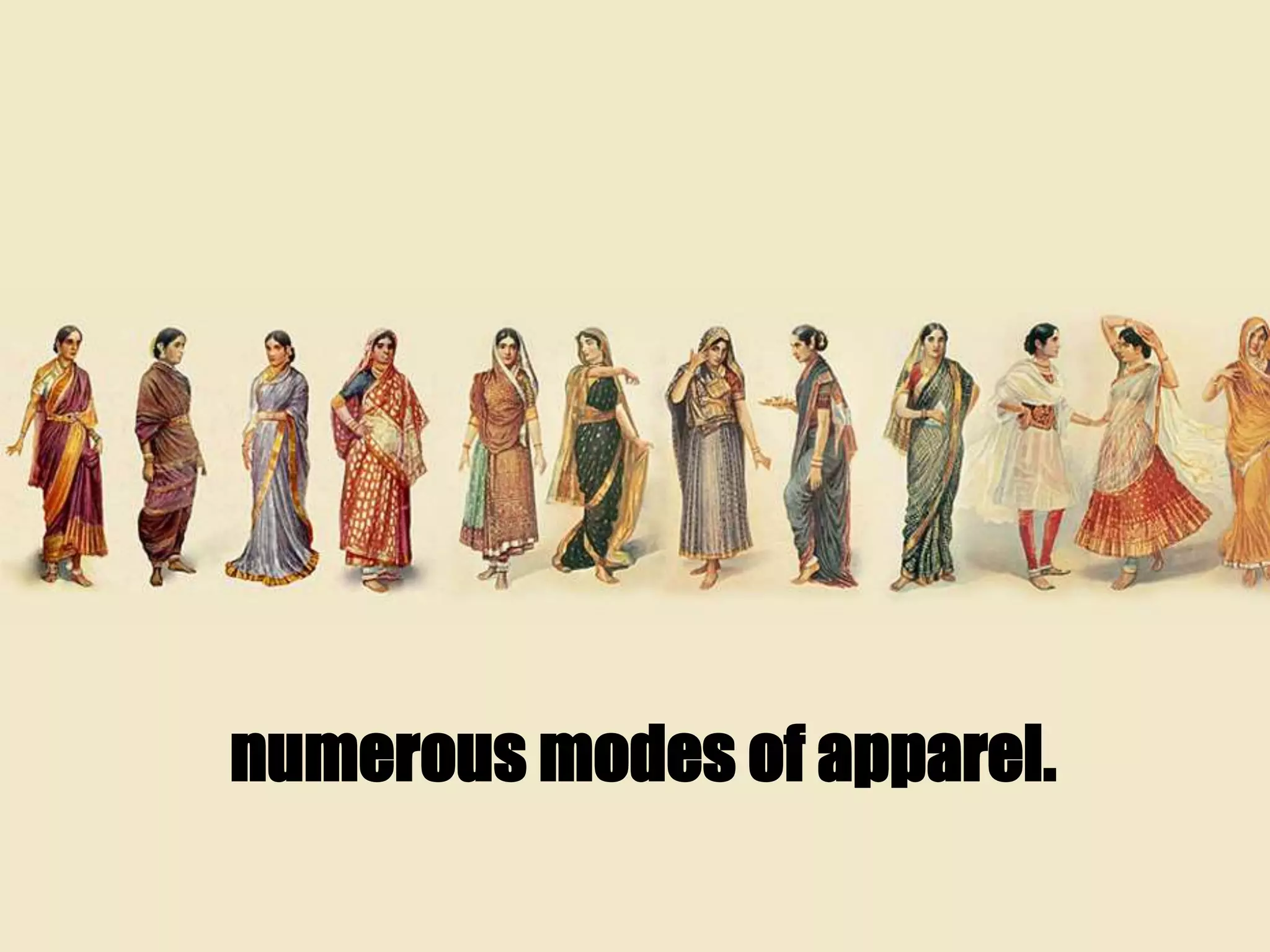
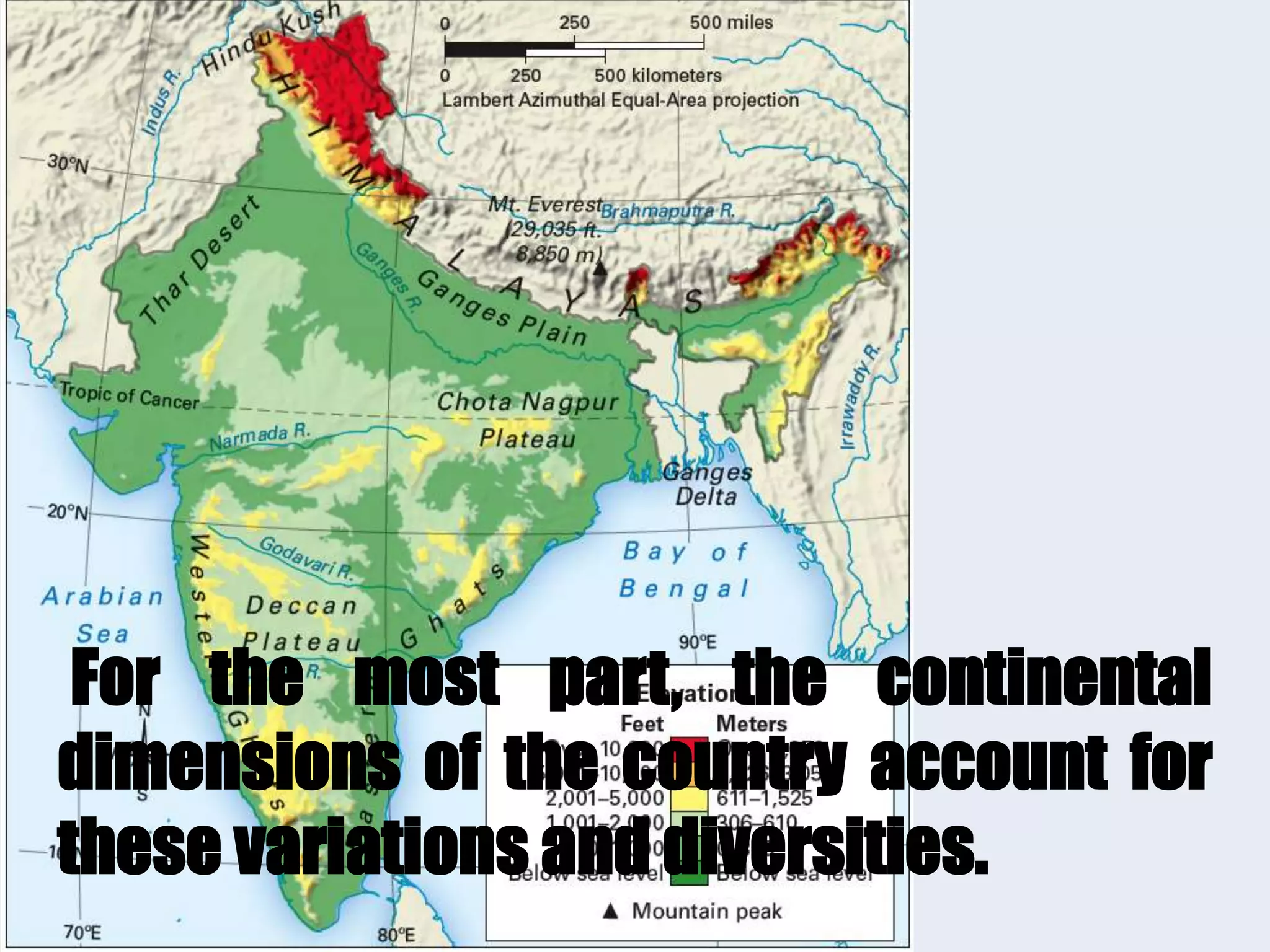
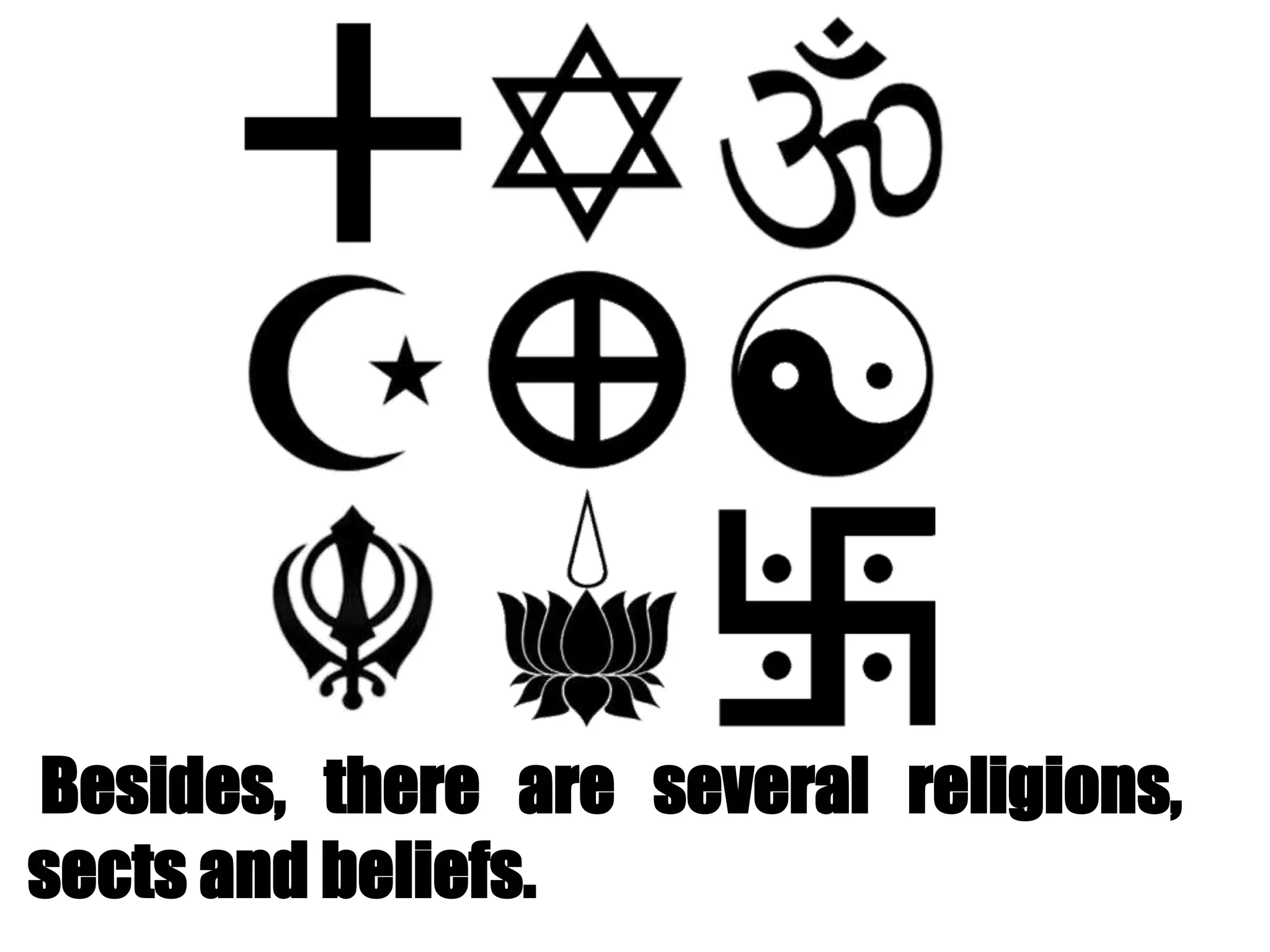
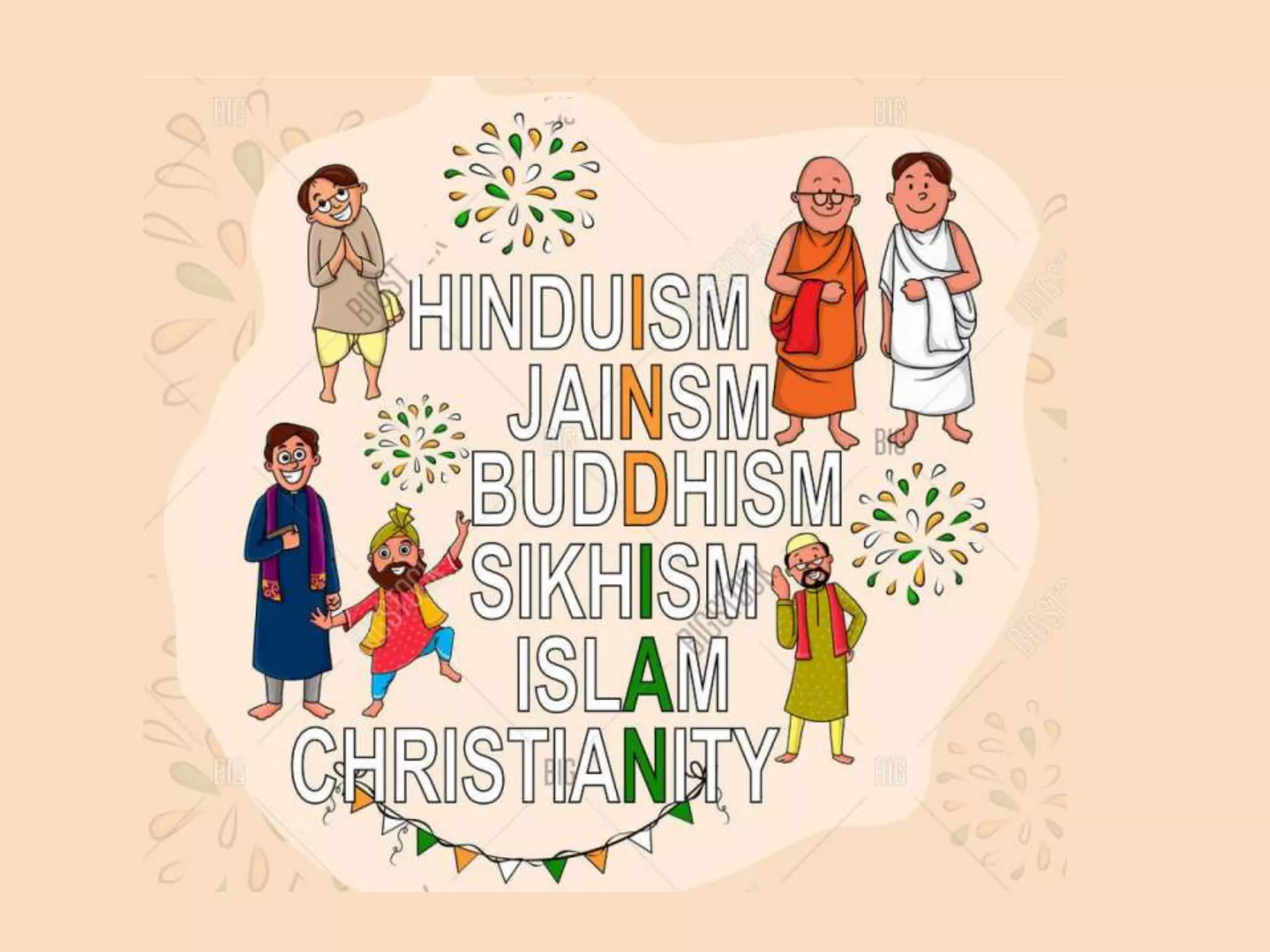
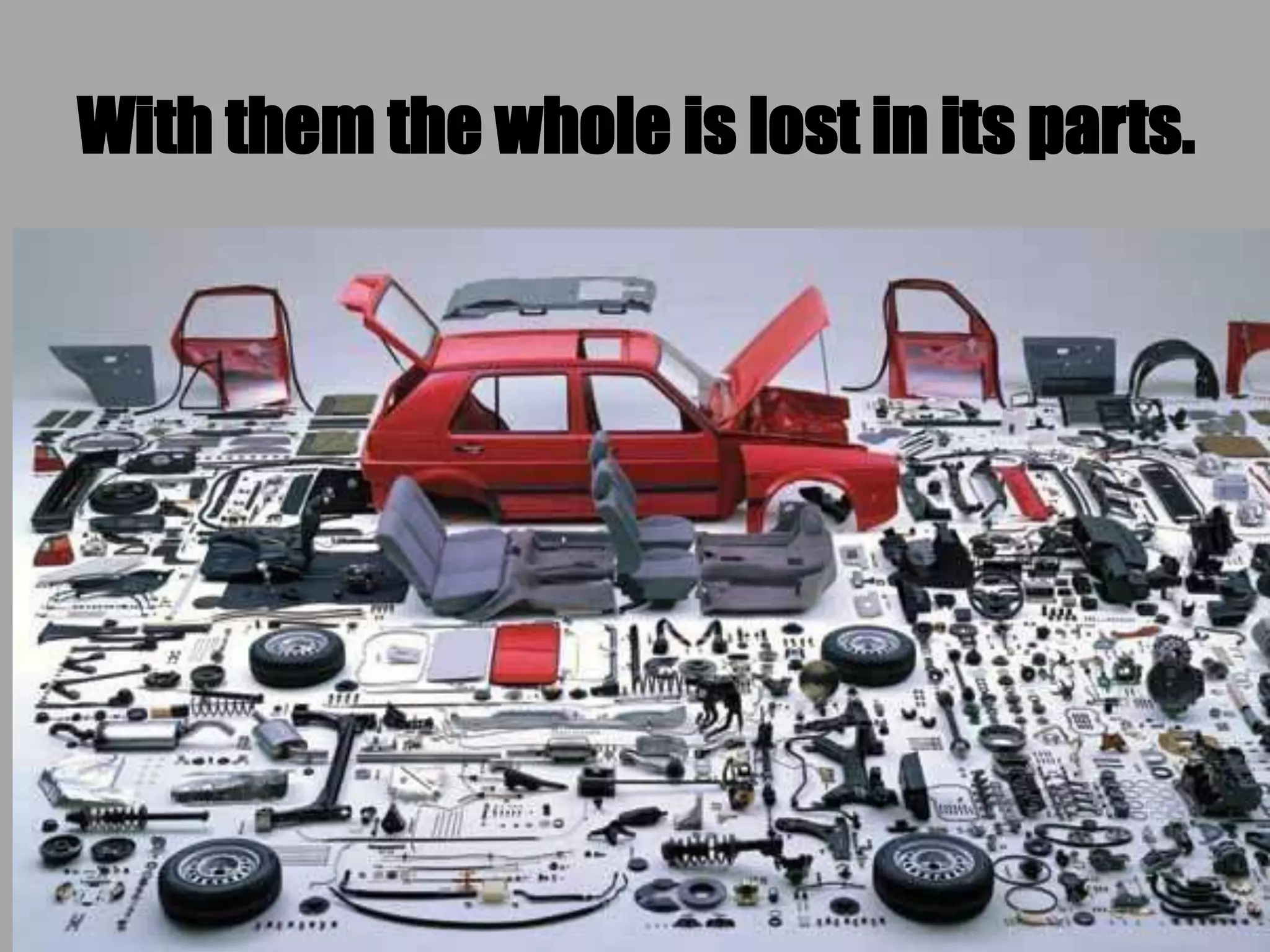
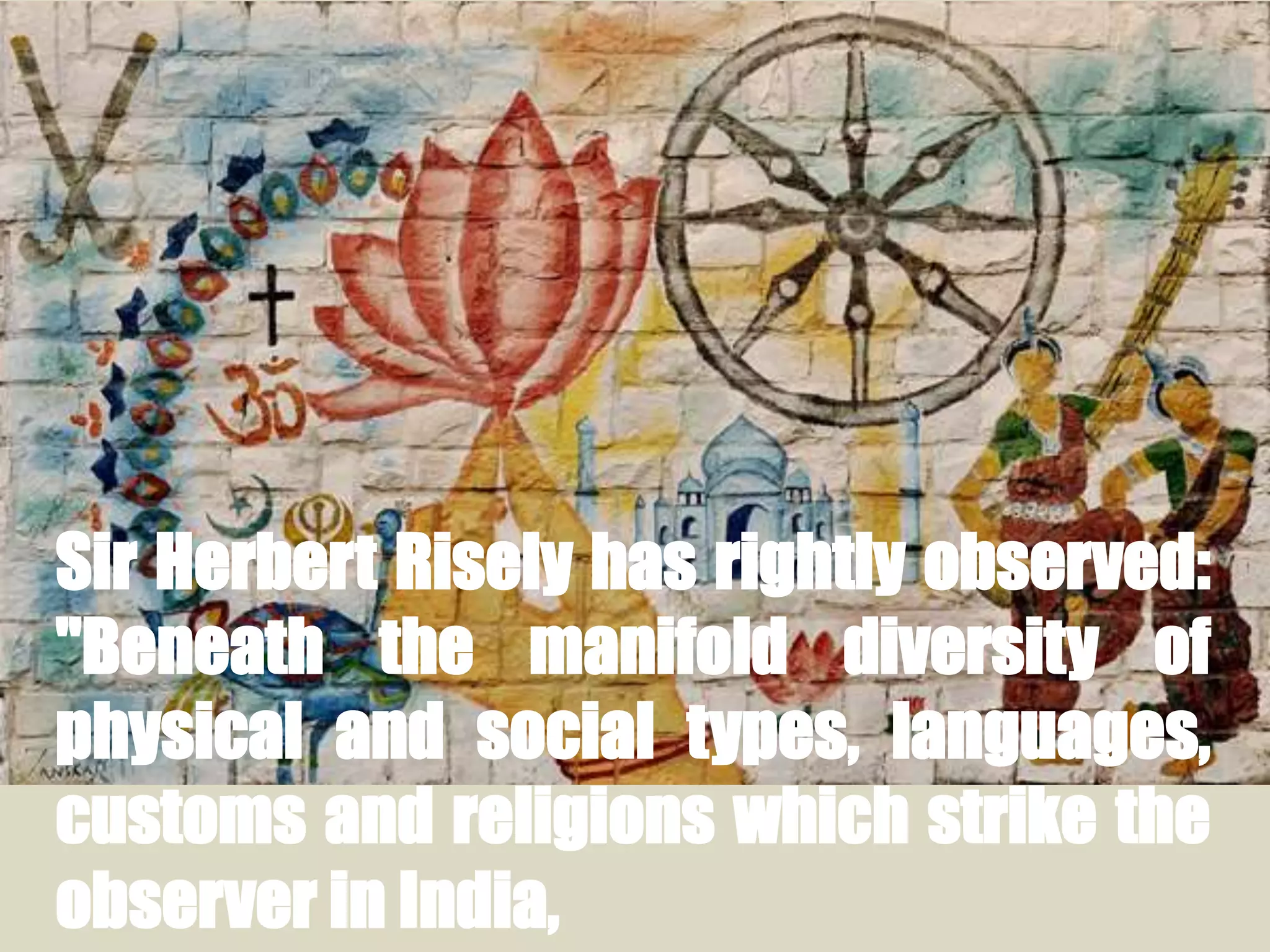
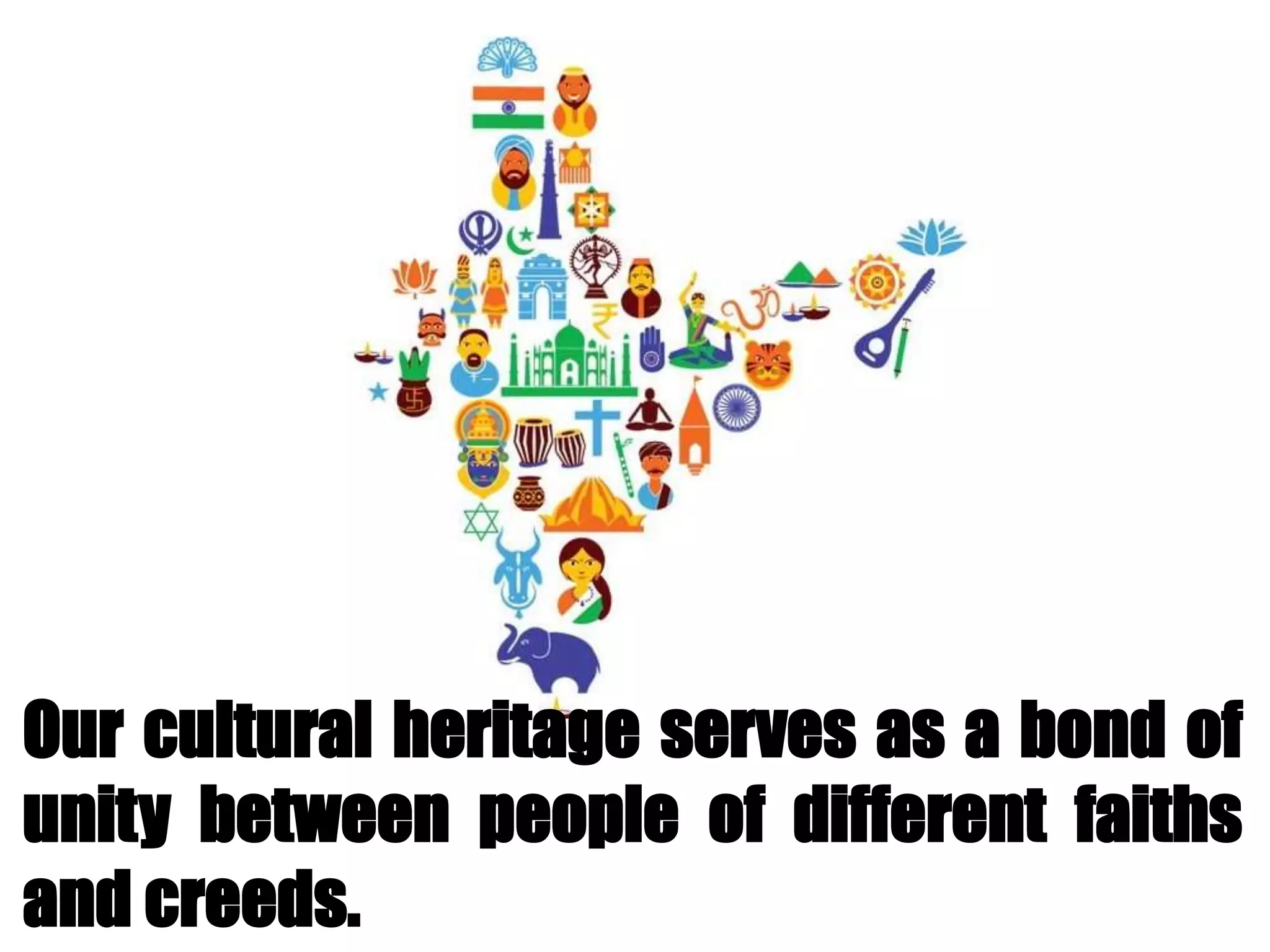
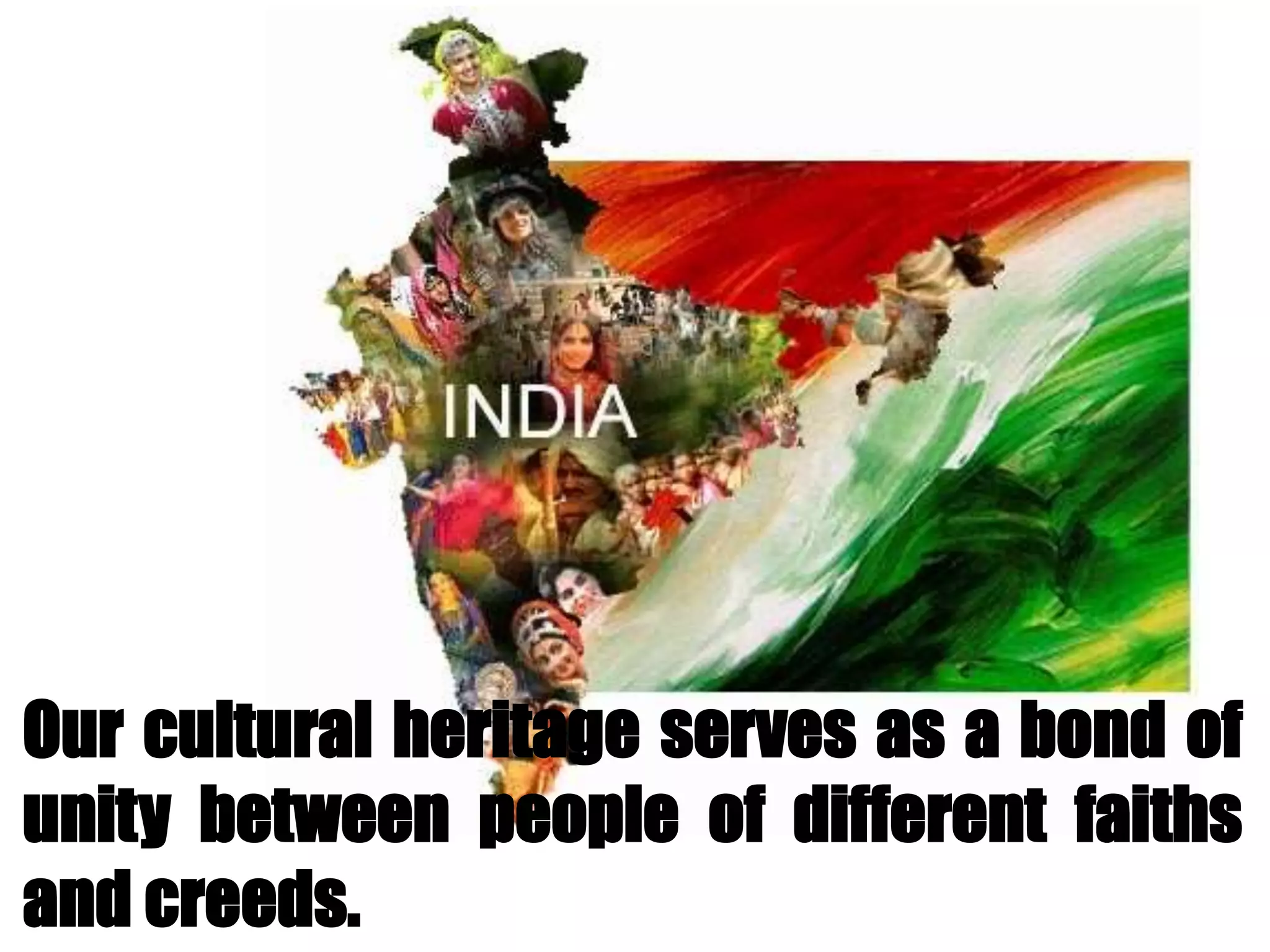
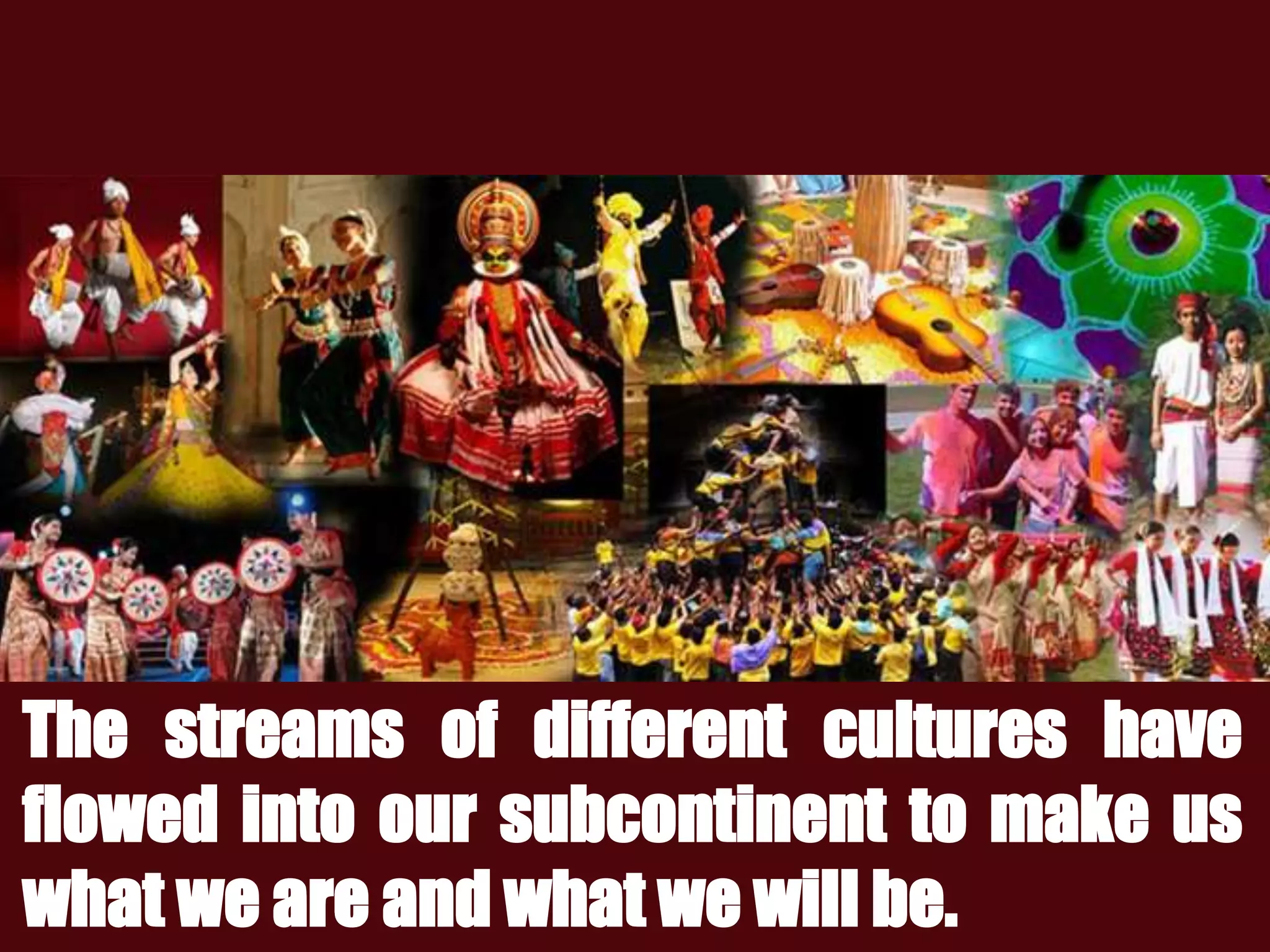
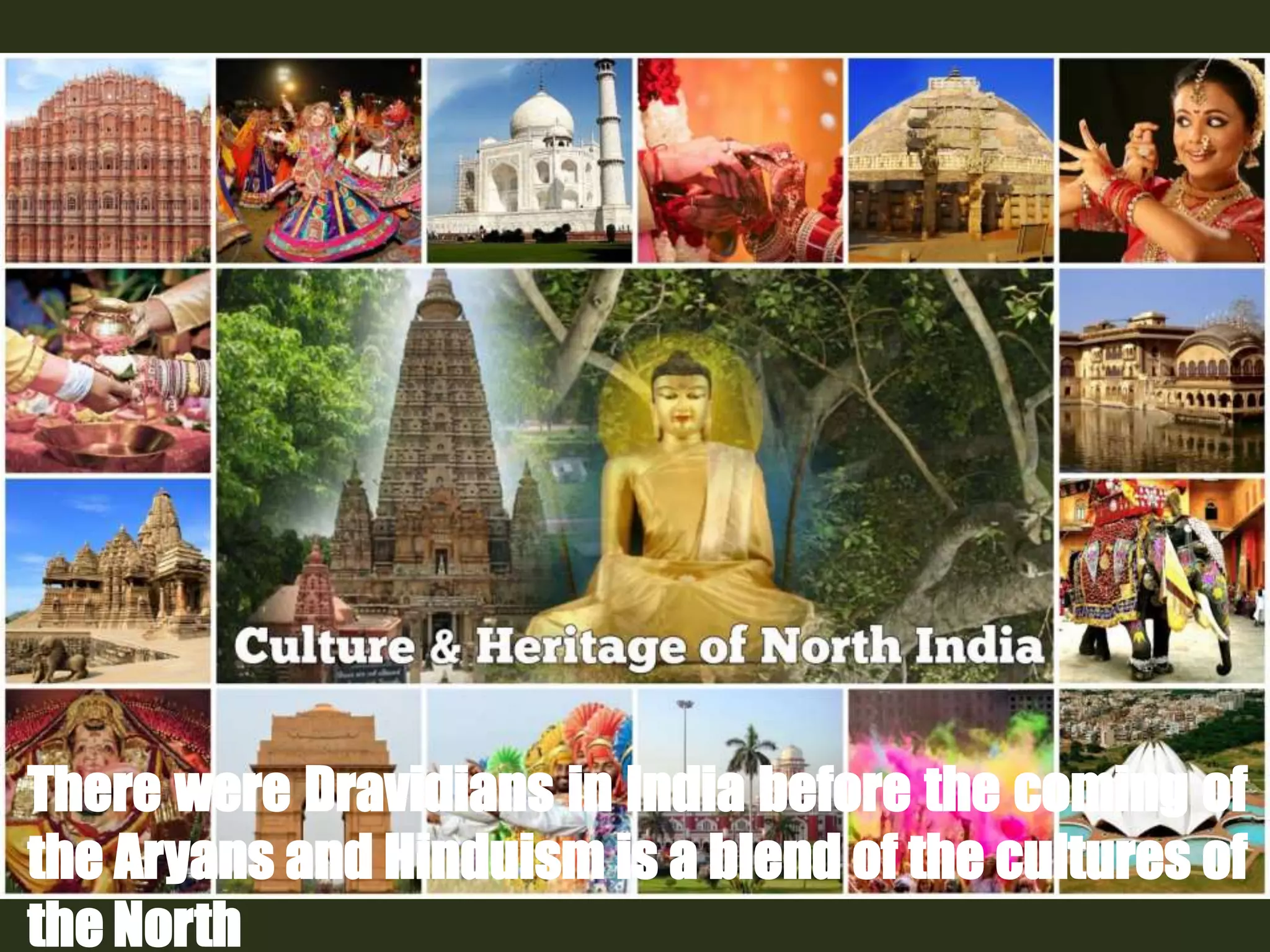
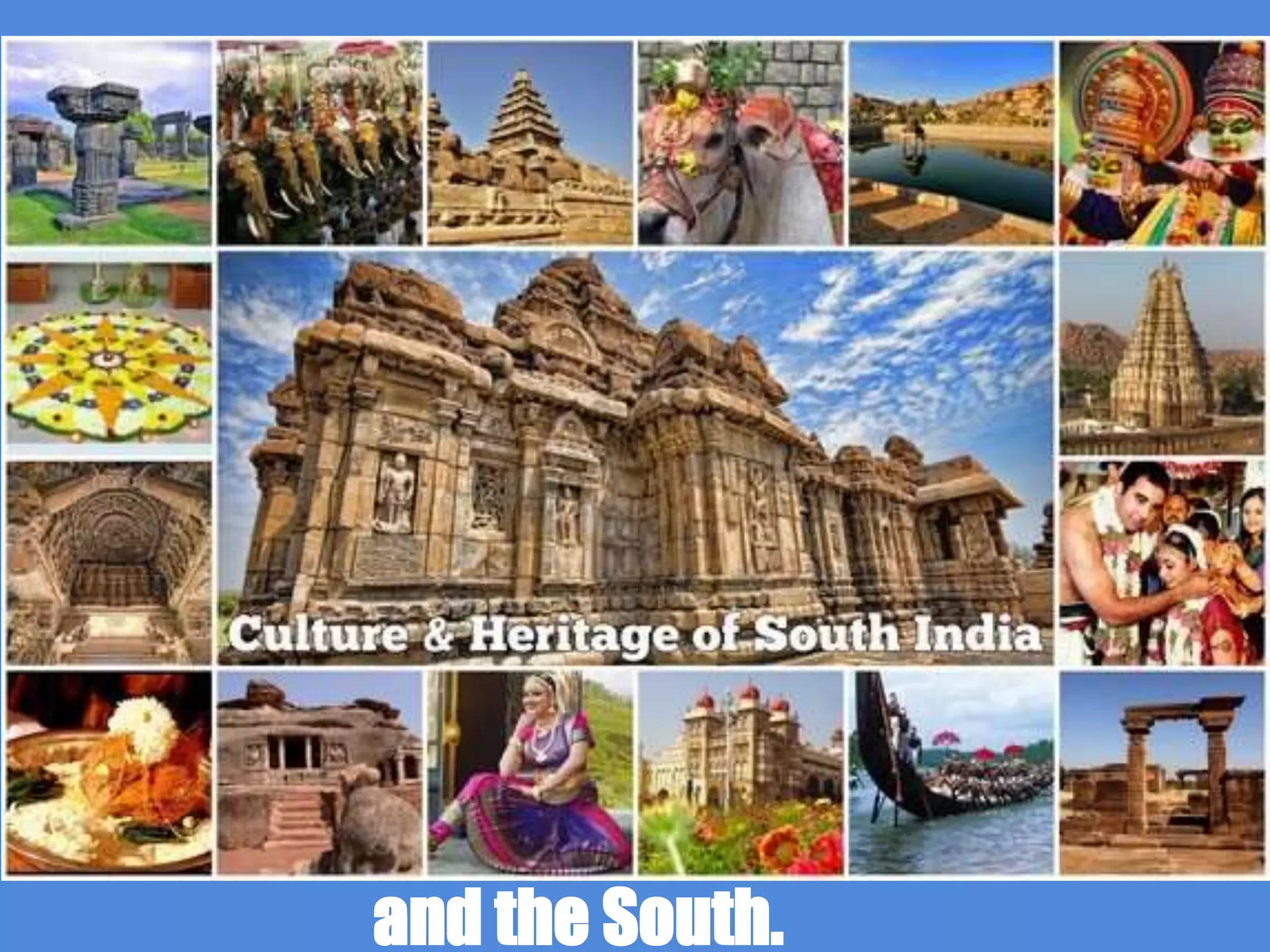
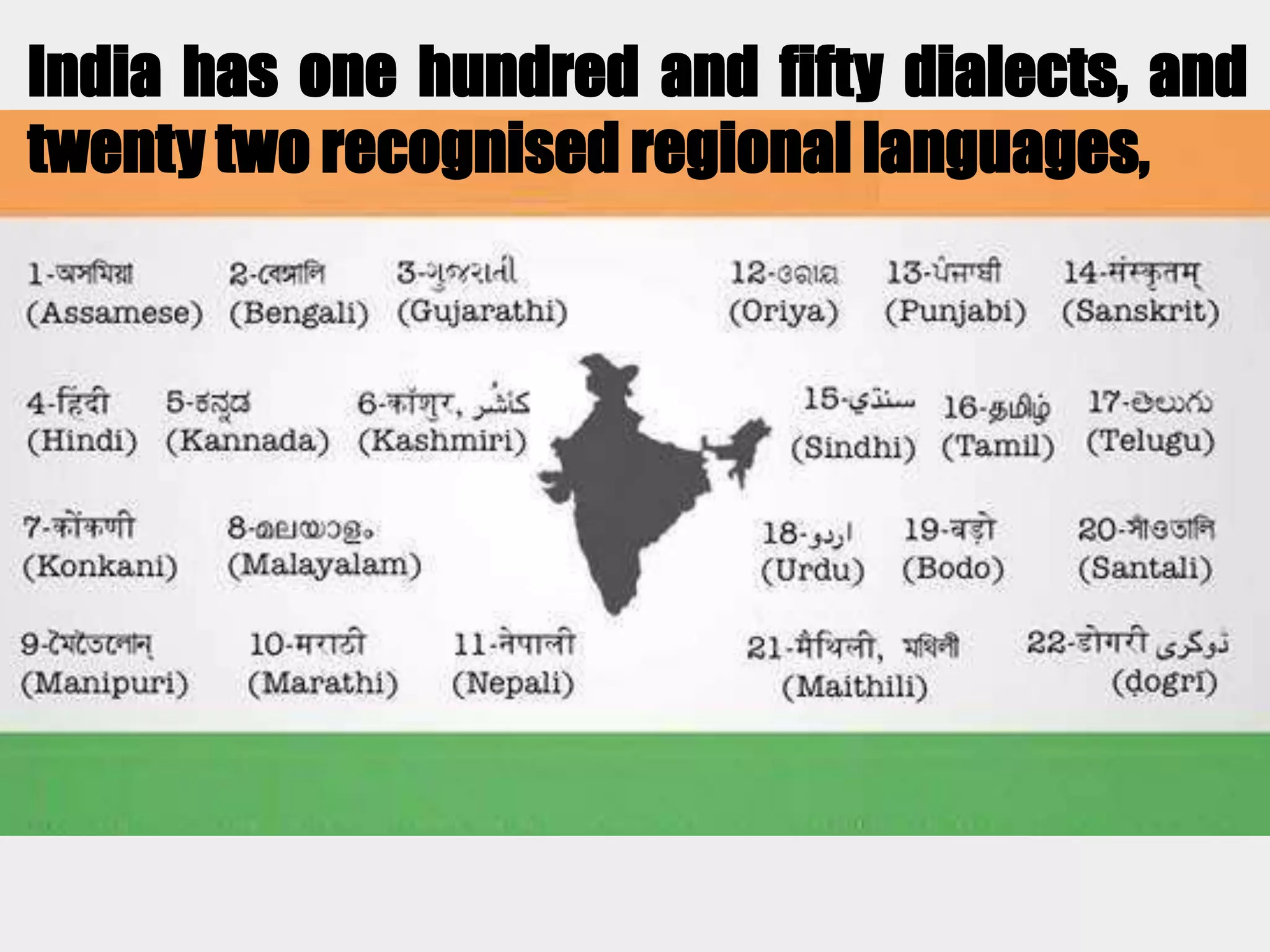
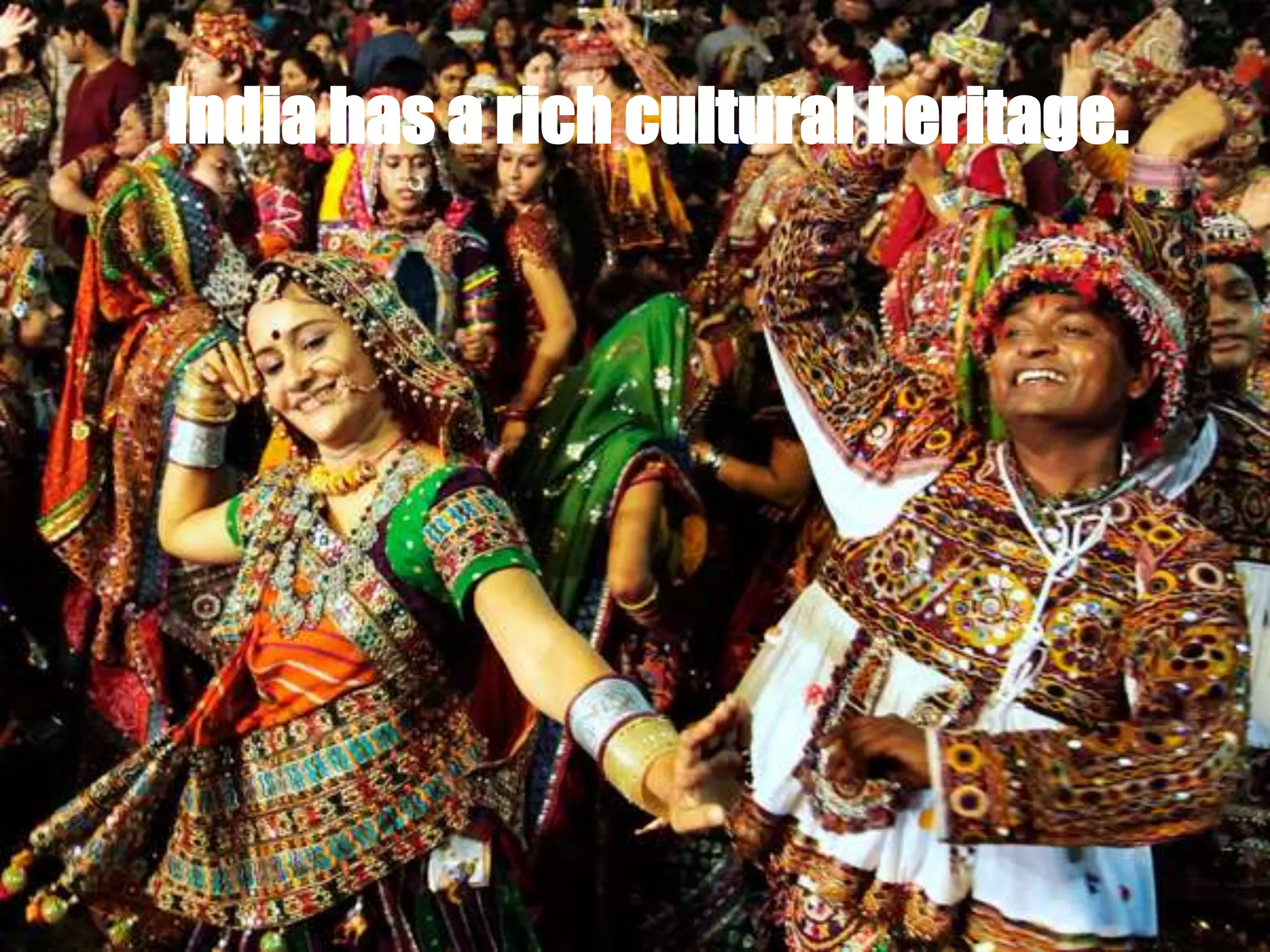
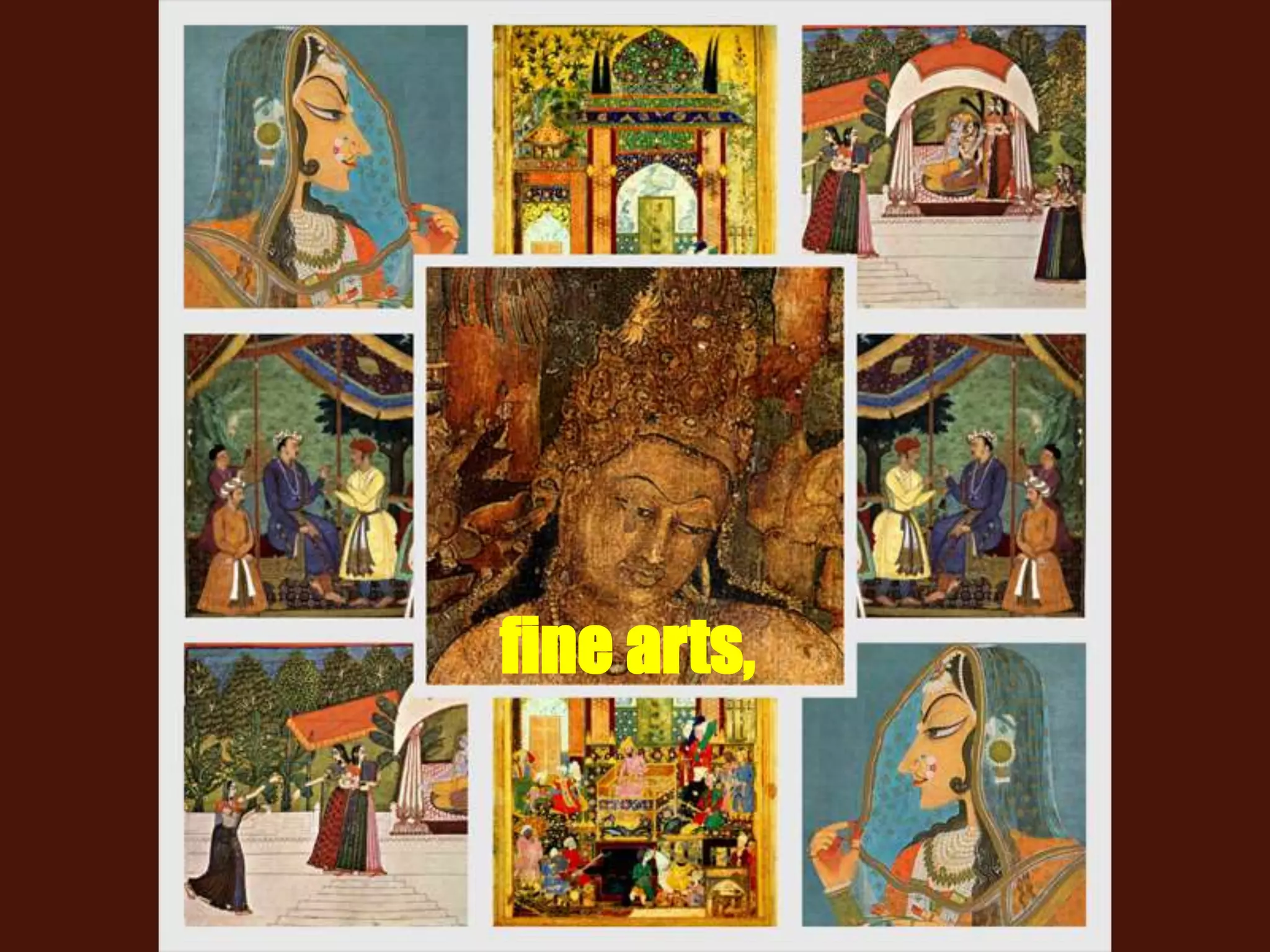
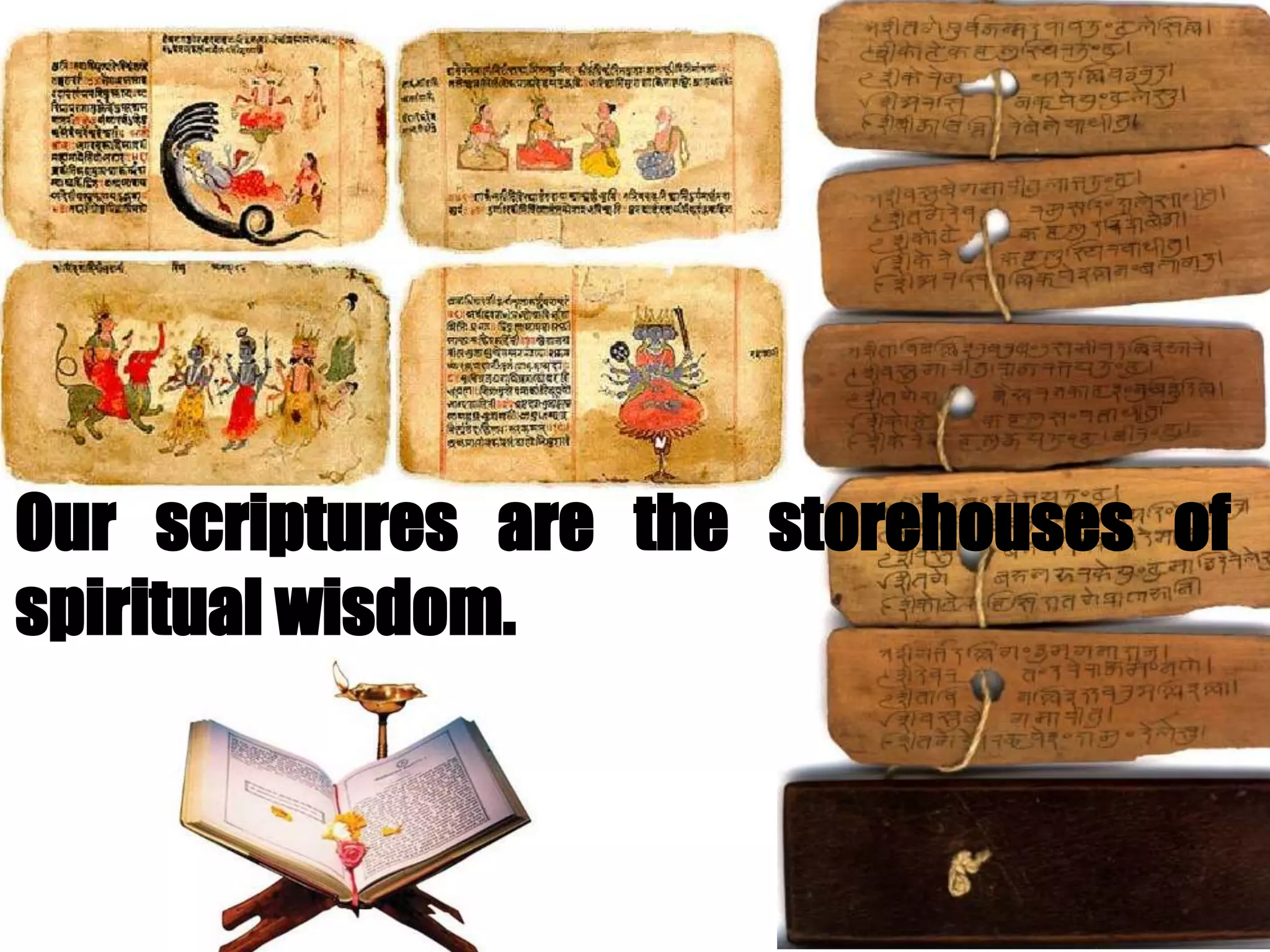
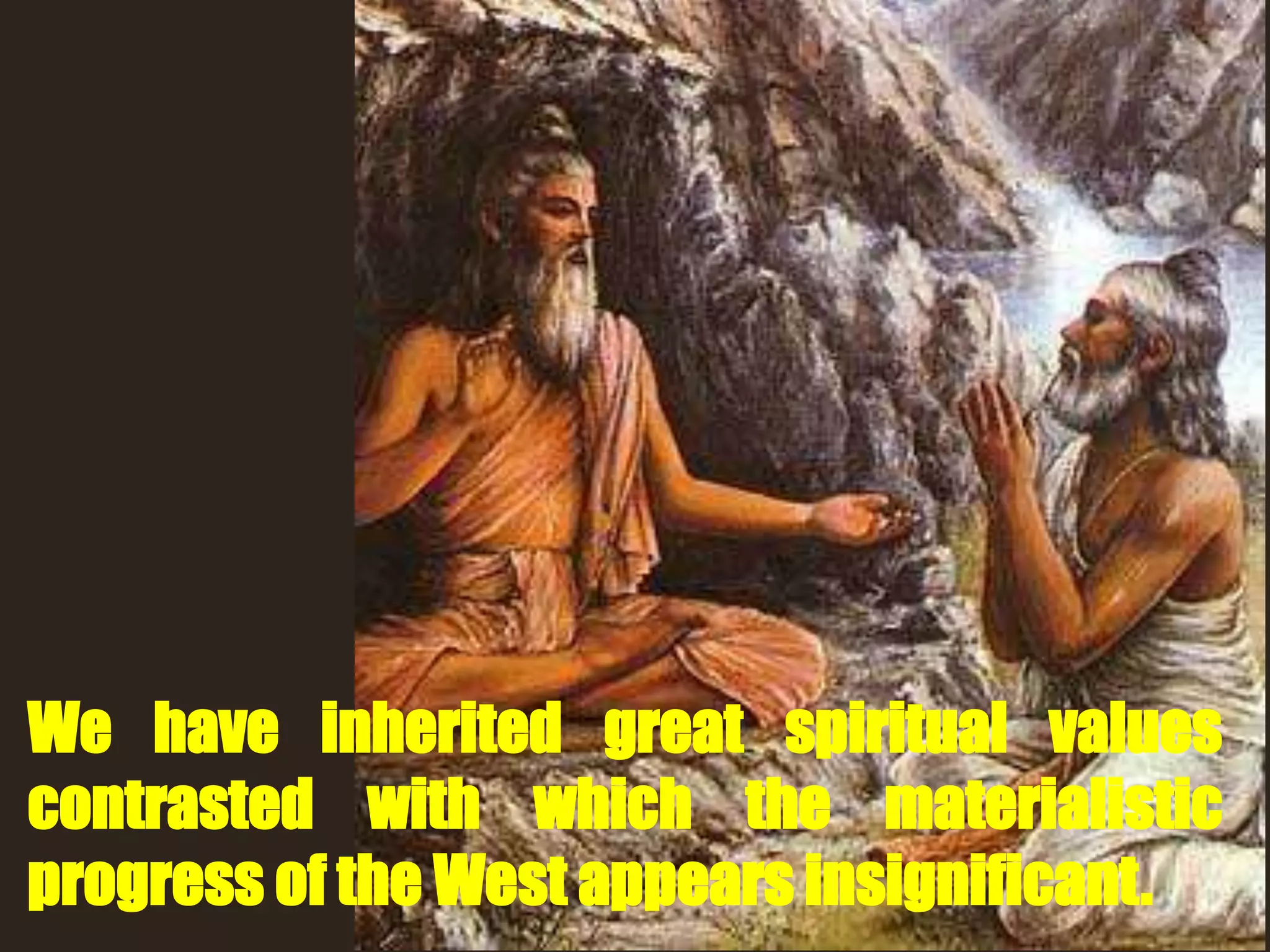
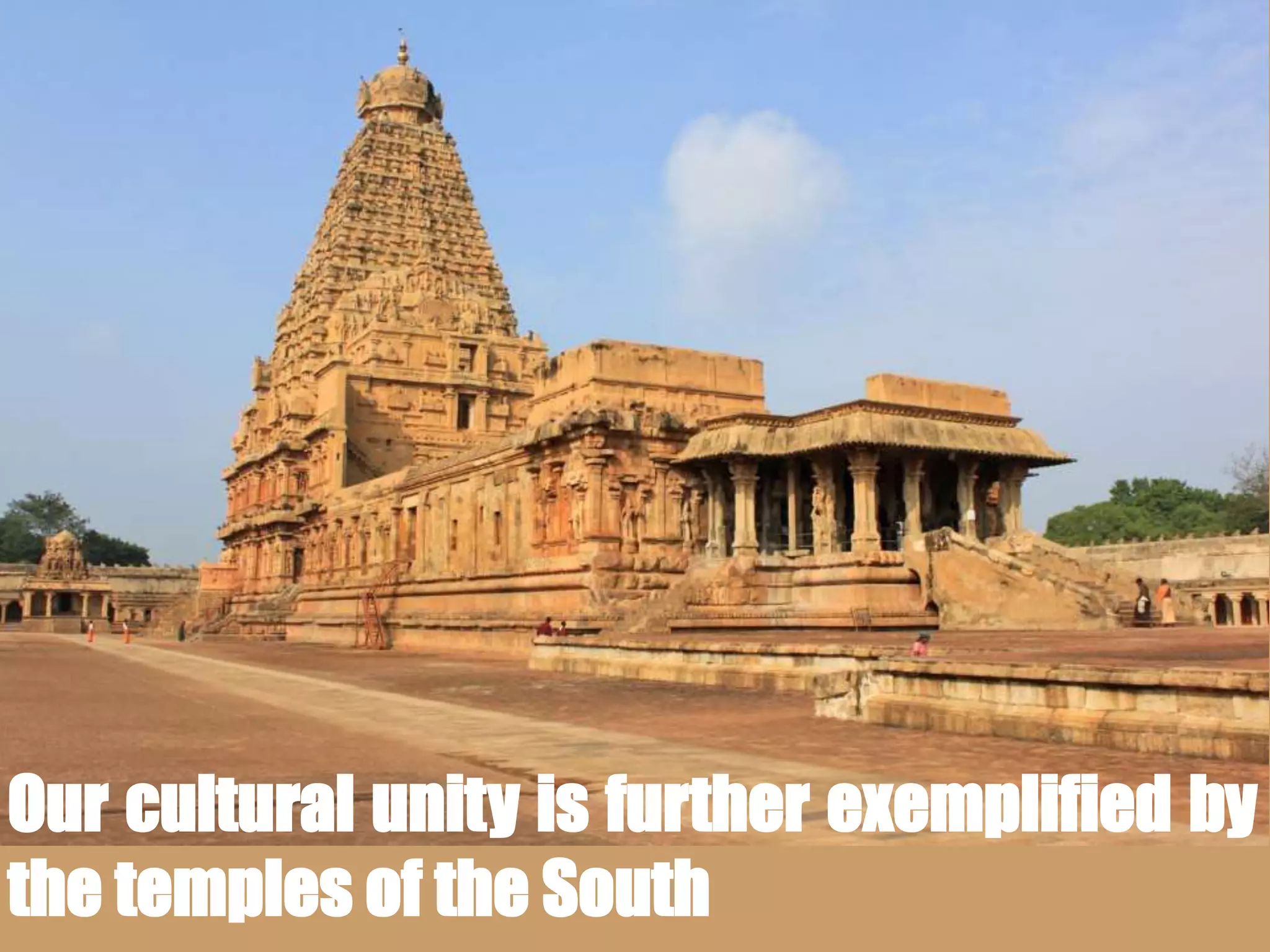
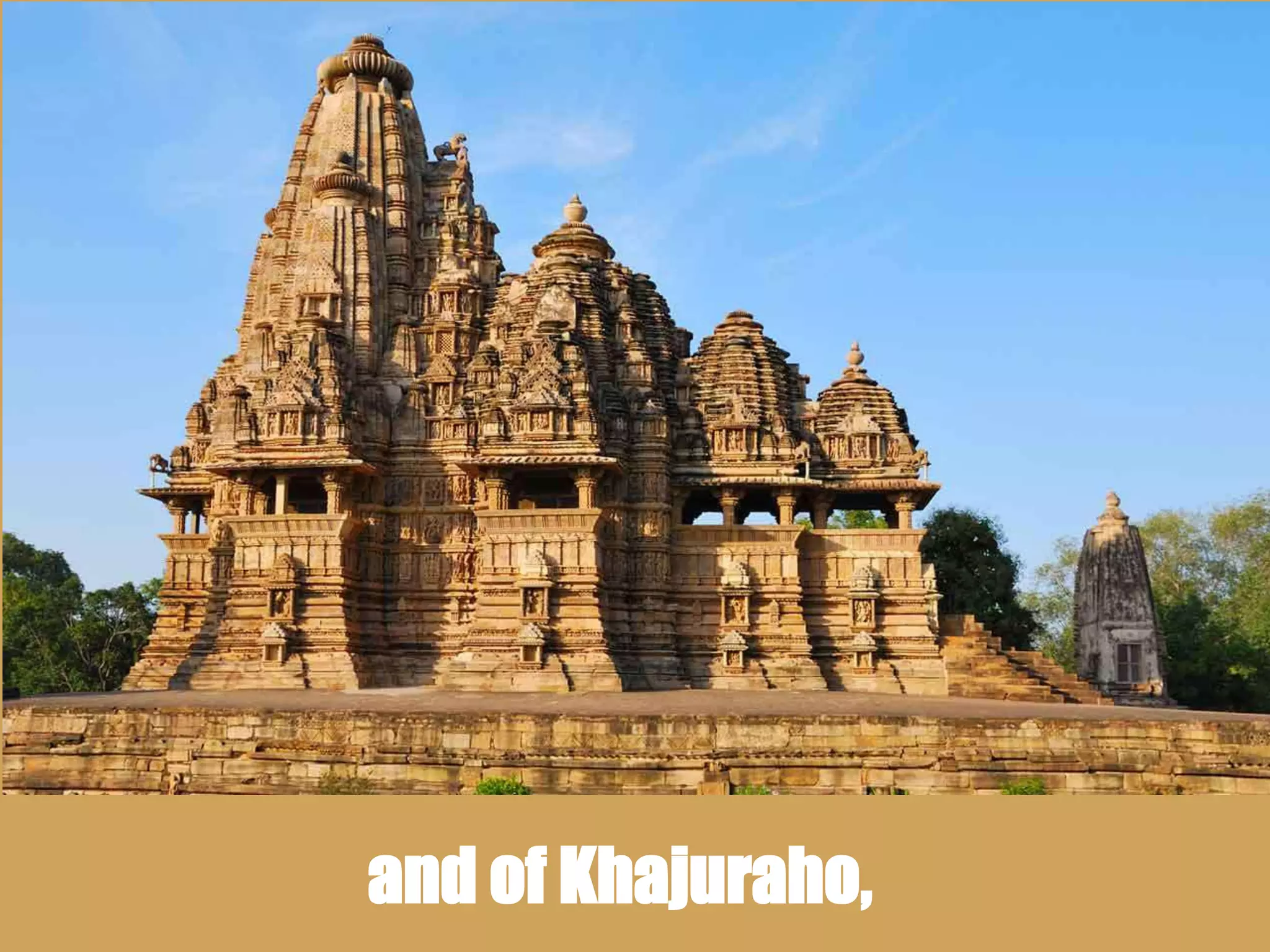
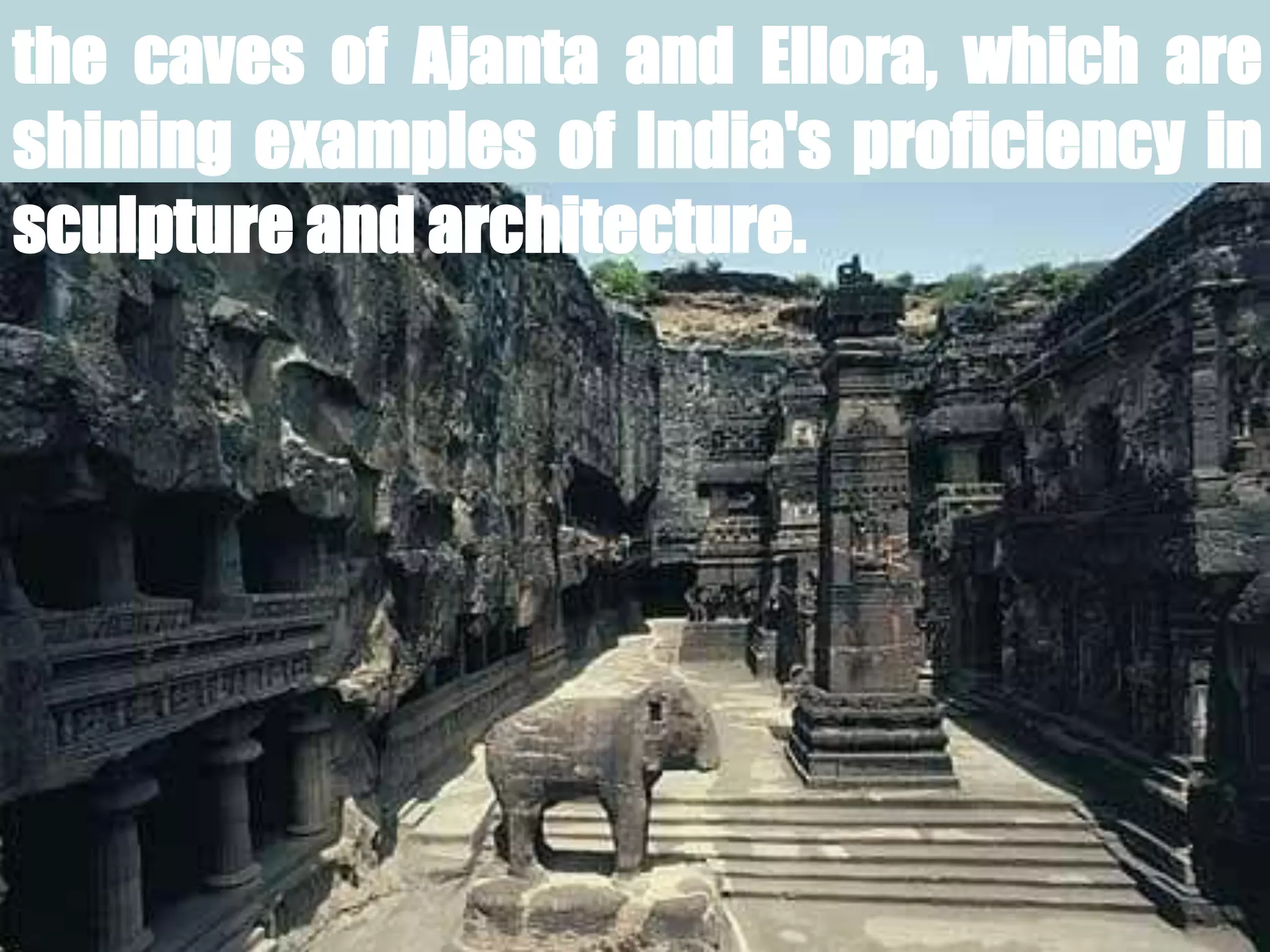
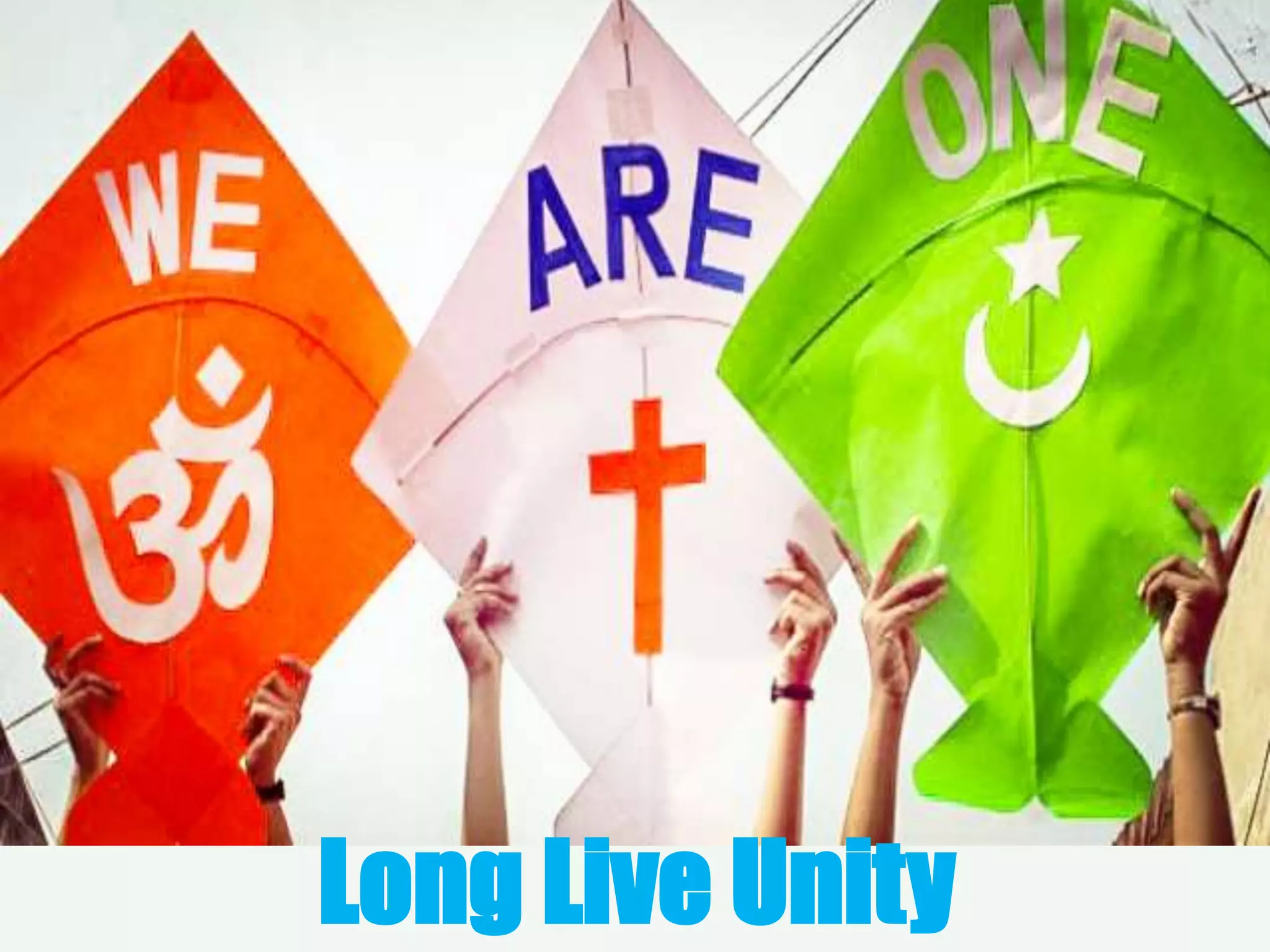
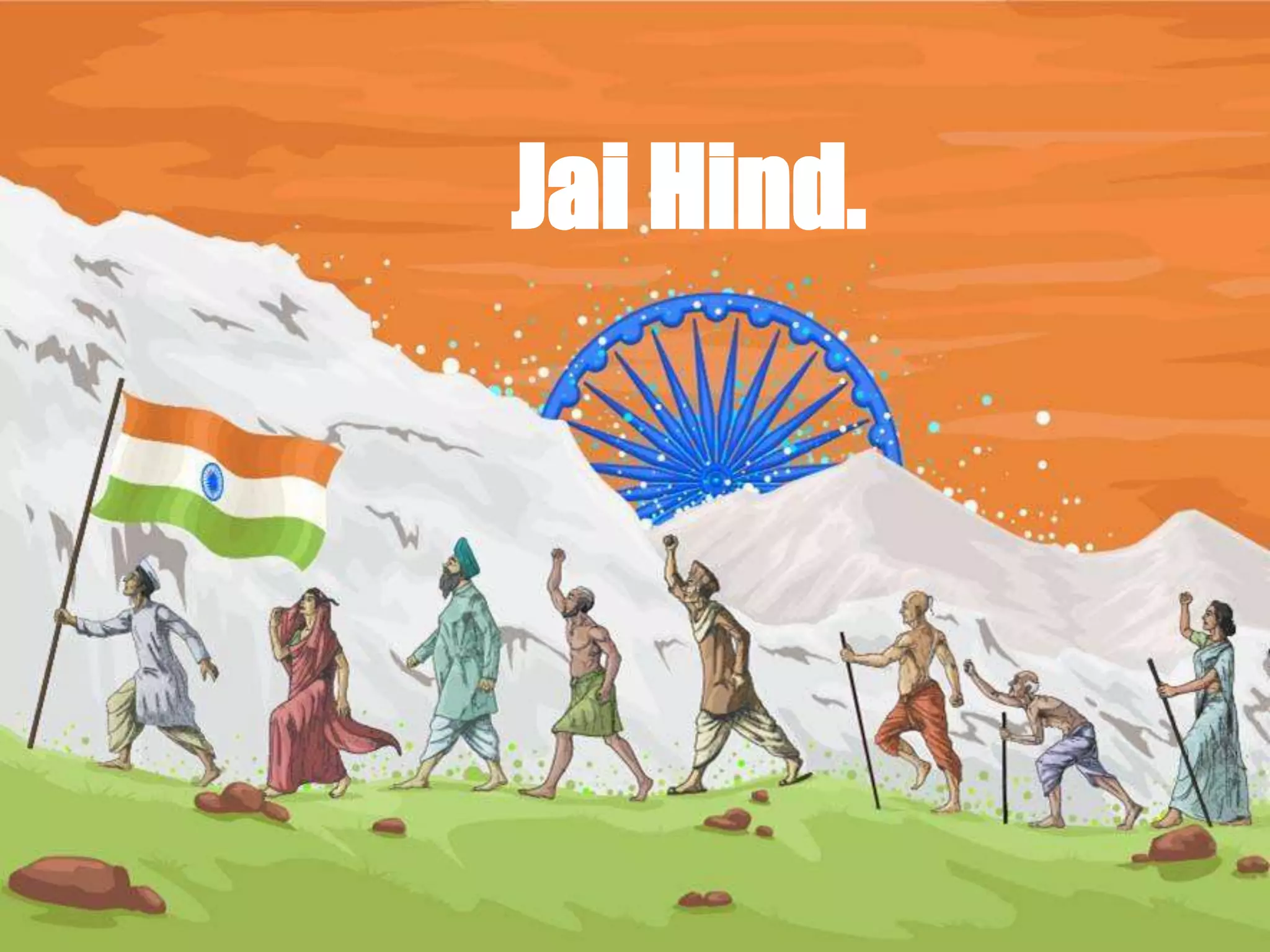
India has immense cultural and linguistic diversity due to its large size and history of many groups migrating to the region. However, beneath the surface diversity there remains a strong underlying cultural unity among Indians. This unity is reflected in shared cultural heritage across religions, common spiritual values and practices, and pan-Indian artistic and architectural traditions. It is this cultural unity that serves as an important bond between the diverse peoples of India.
Unity in Diversity
inIndia
Presentation by:
CVVMMK Dhaveji
School Assistant Science
Taylor High School
Narsapur 534275
Andhra Pradesh
muralidhaveji@yahoo.com
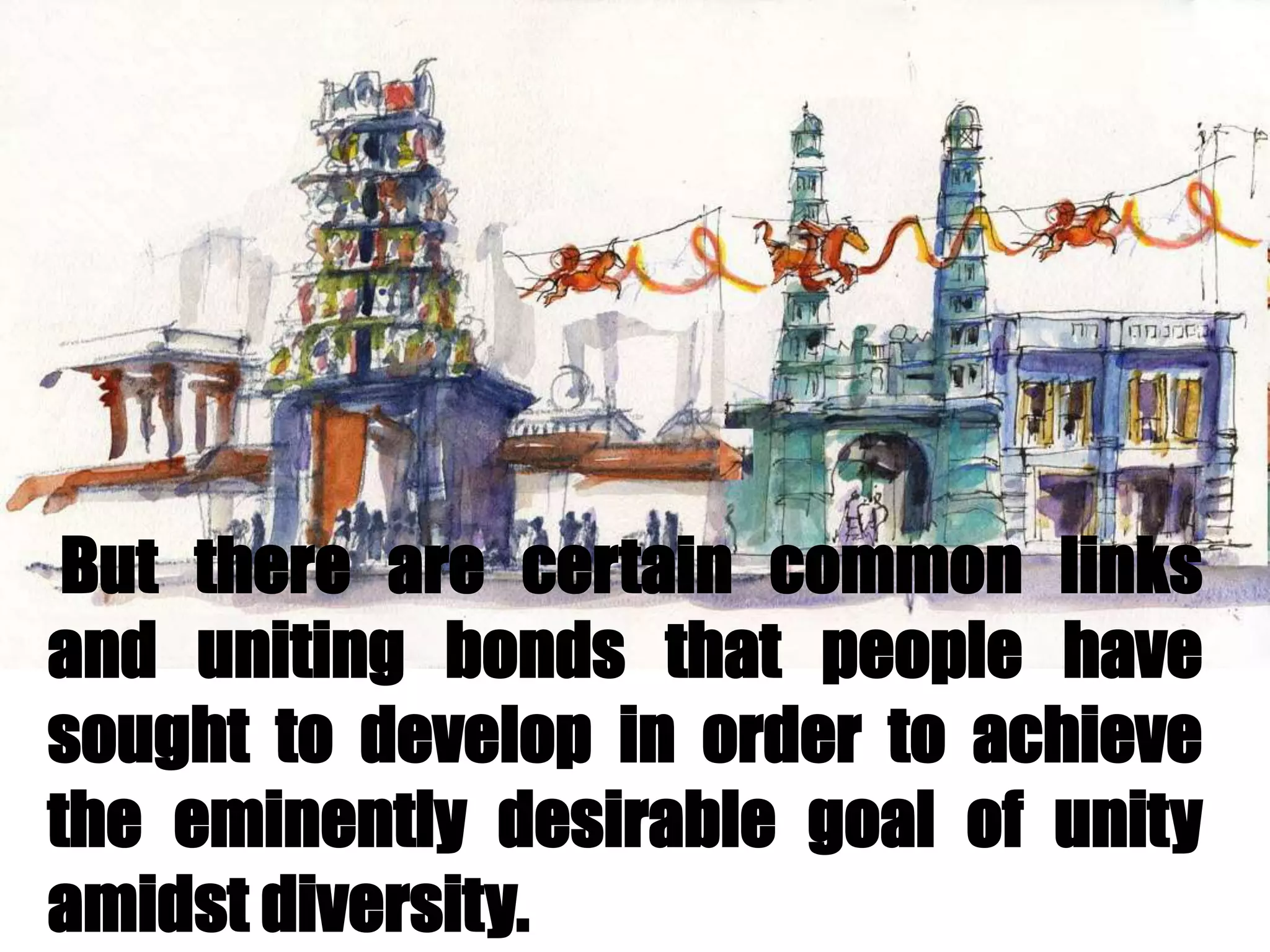
But there arecertain common links
and uniting bonds that people have
sought to develop in order to achieve
the eminently desirable goal of unity
amidst diversity.
10.
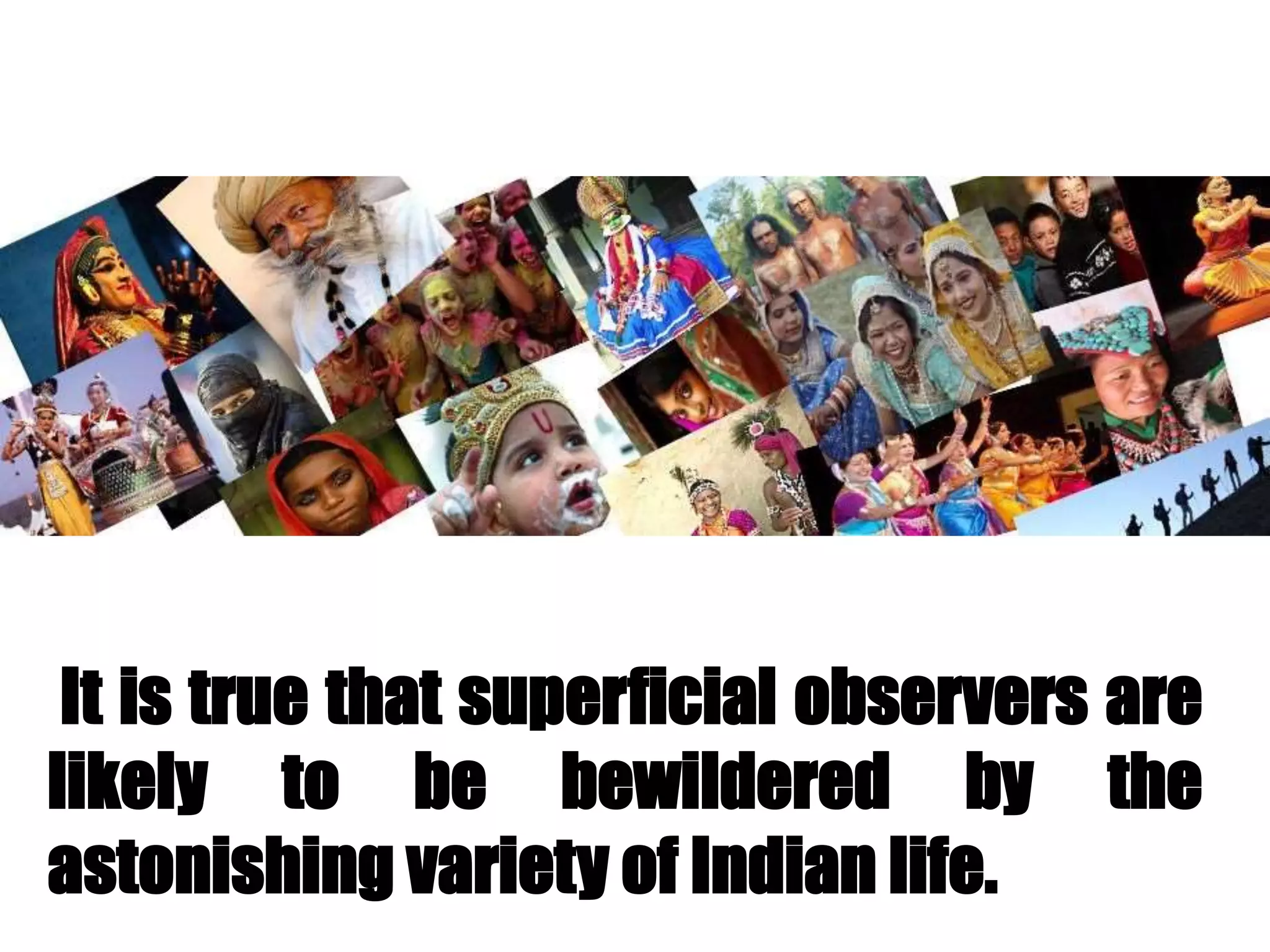
It is truethat superficial observers are
likely to be bewildered by the
astonishing variety of Indian life.
What is neededis the superior
interpretation, synthesis of the power
of the mind that can give rise to a vision
of the whole.
15.
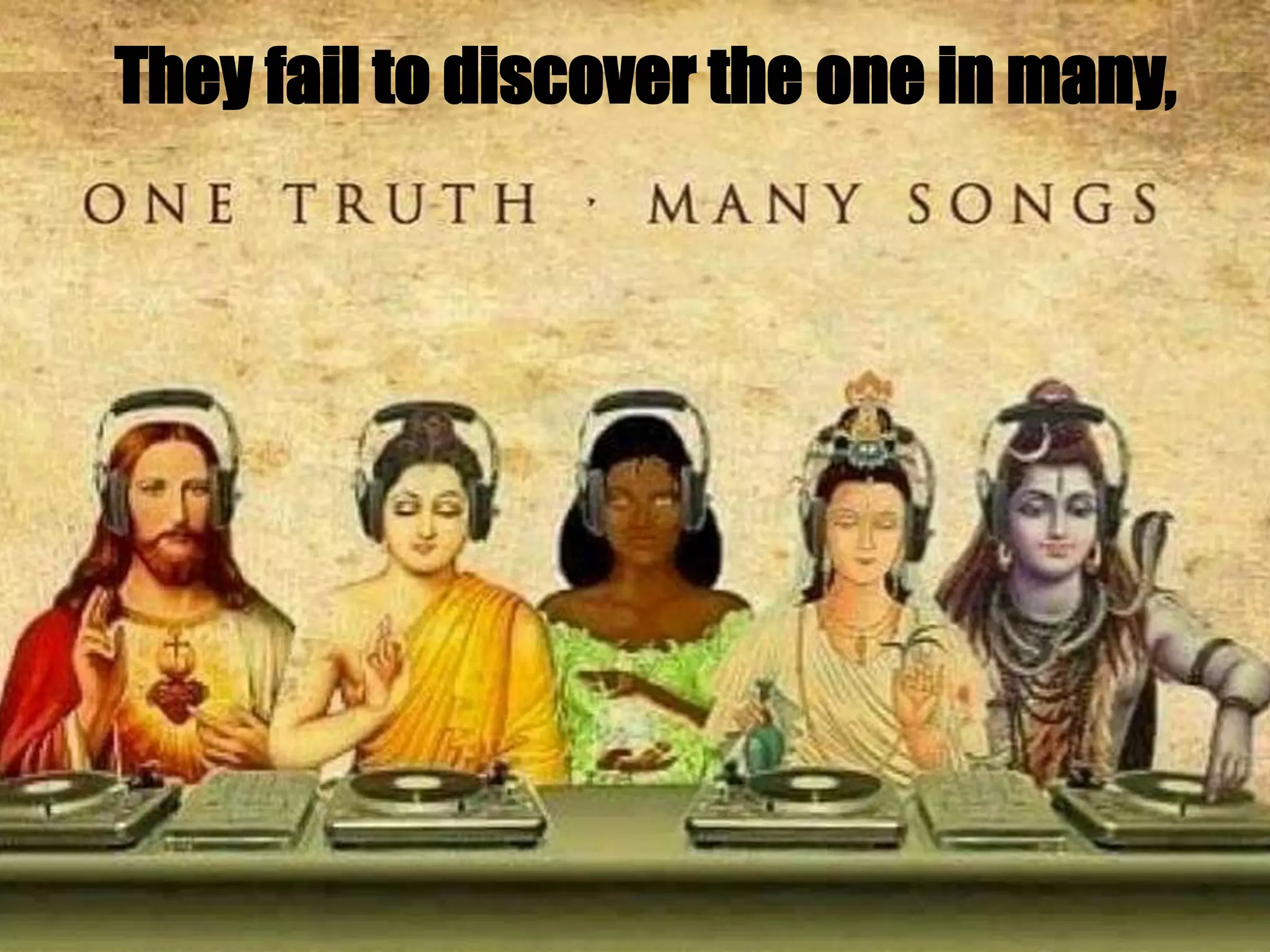
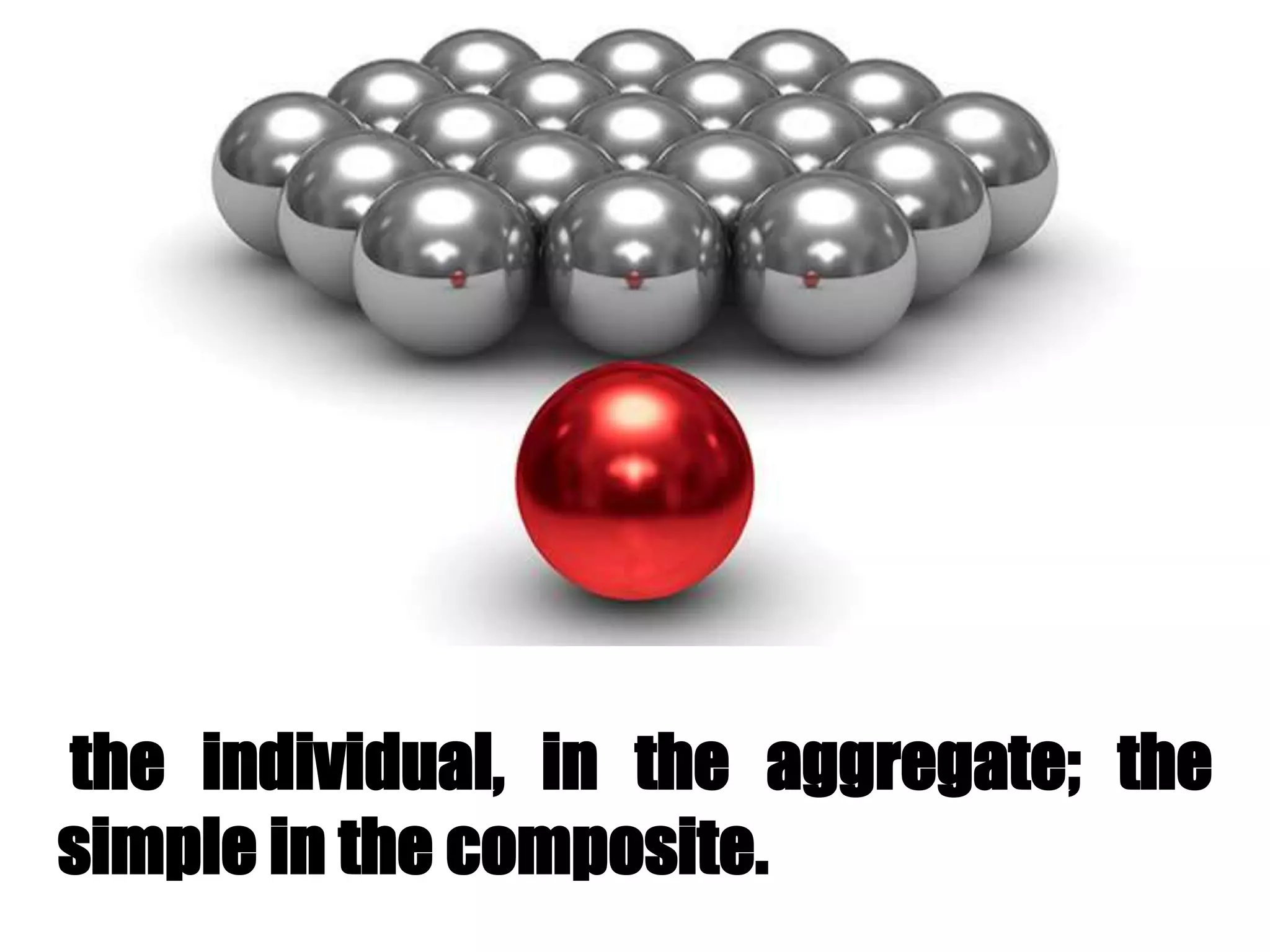
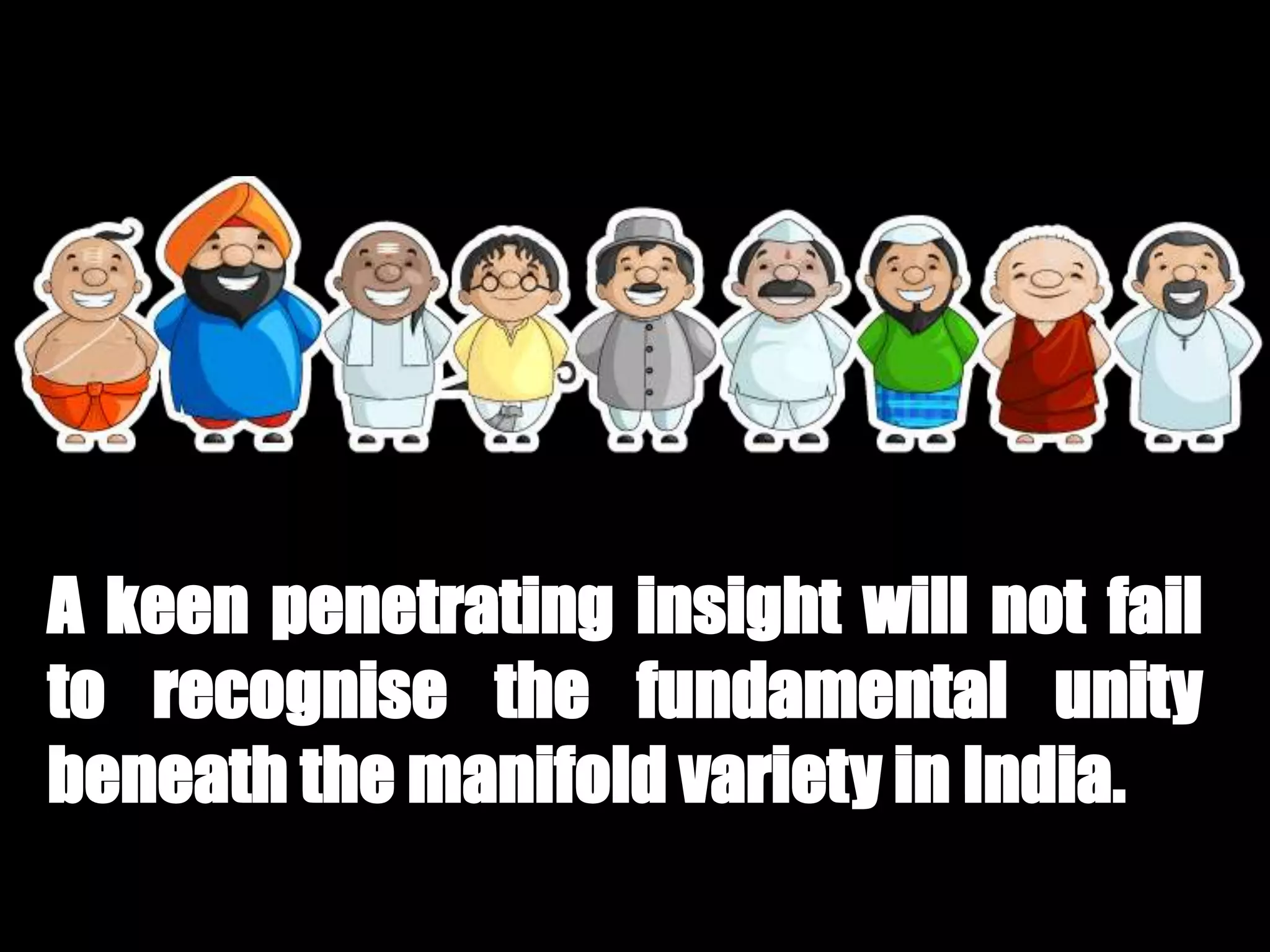
A keen penetratinginsight will not fail
to recognise the fundamental unity
beneath the manifold variety in India.
16.
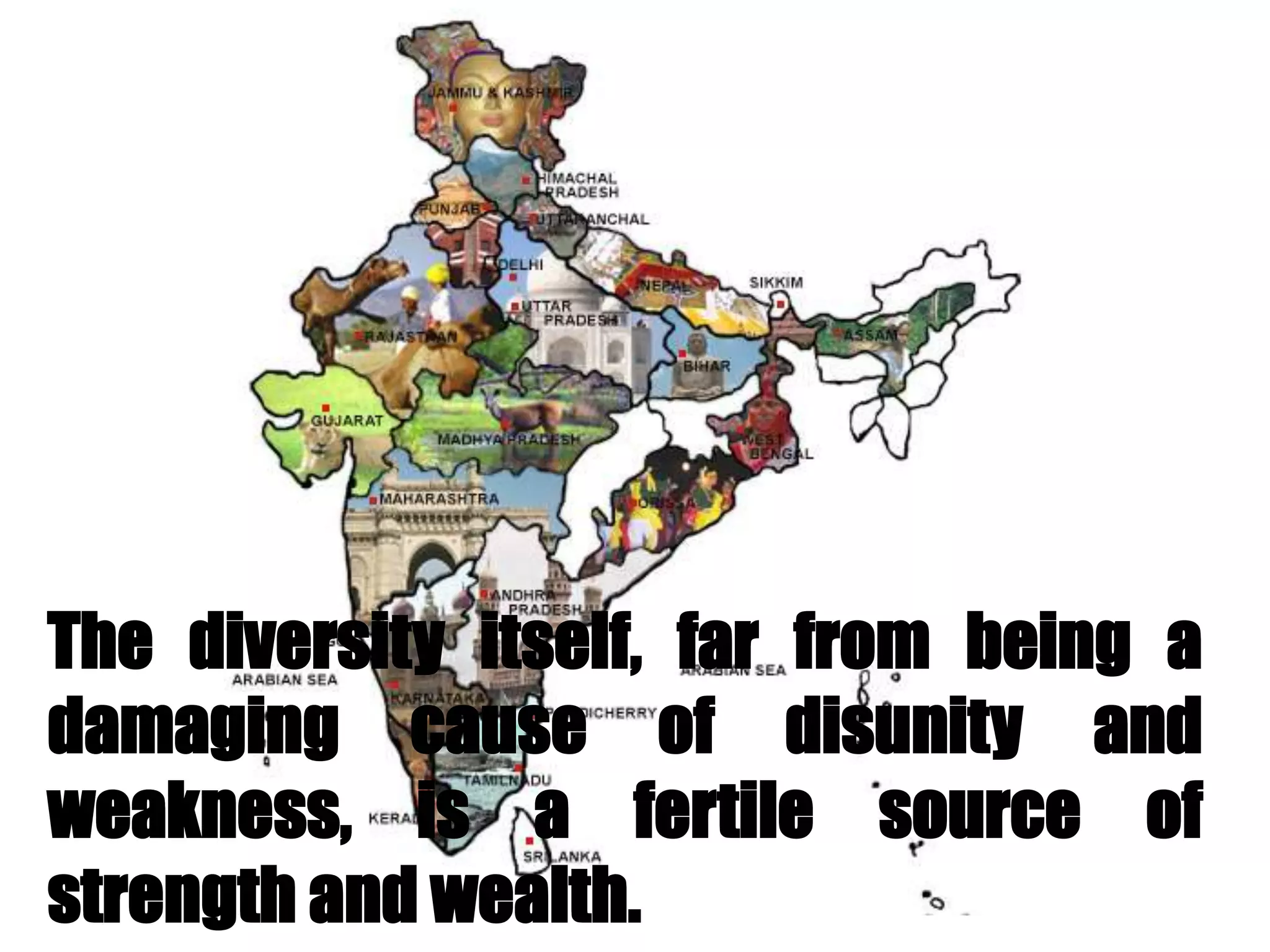
The diversity itself,far from being a
damaging cause of disunity and
weakness, is a fertile source of
strength and wealth.
17.
Sir Herbert Riselyhas rightly observed:
"Beneath the manifold diversity of
physical and social types, languages,
customs and religions which strike the
observer in India,
18.
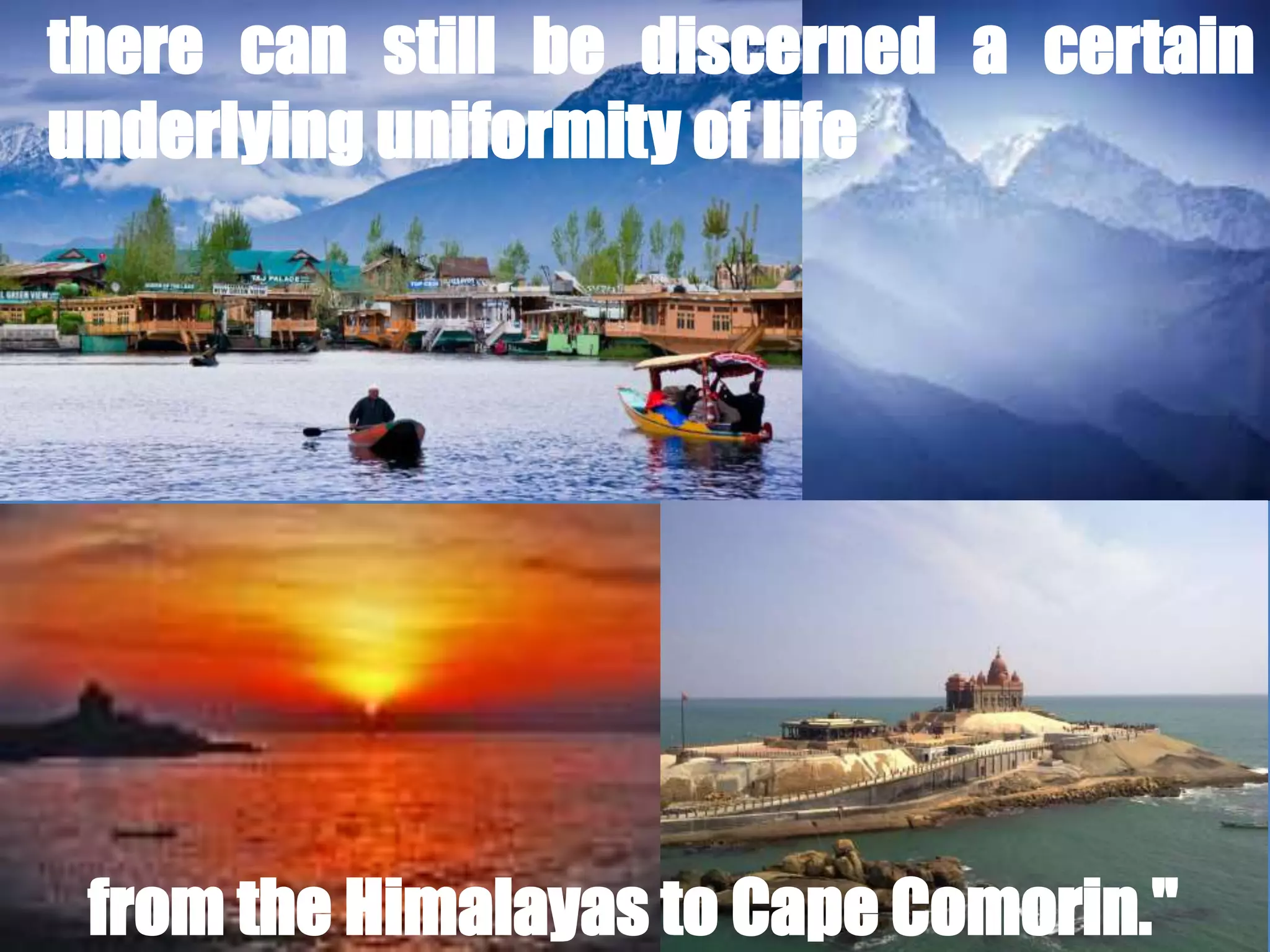
from the Himalayasto Cape Comorin."
there can still be discerned a certain
underlying uniformity of life
19.
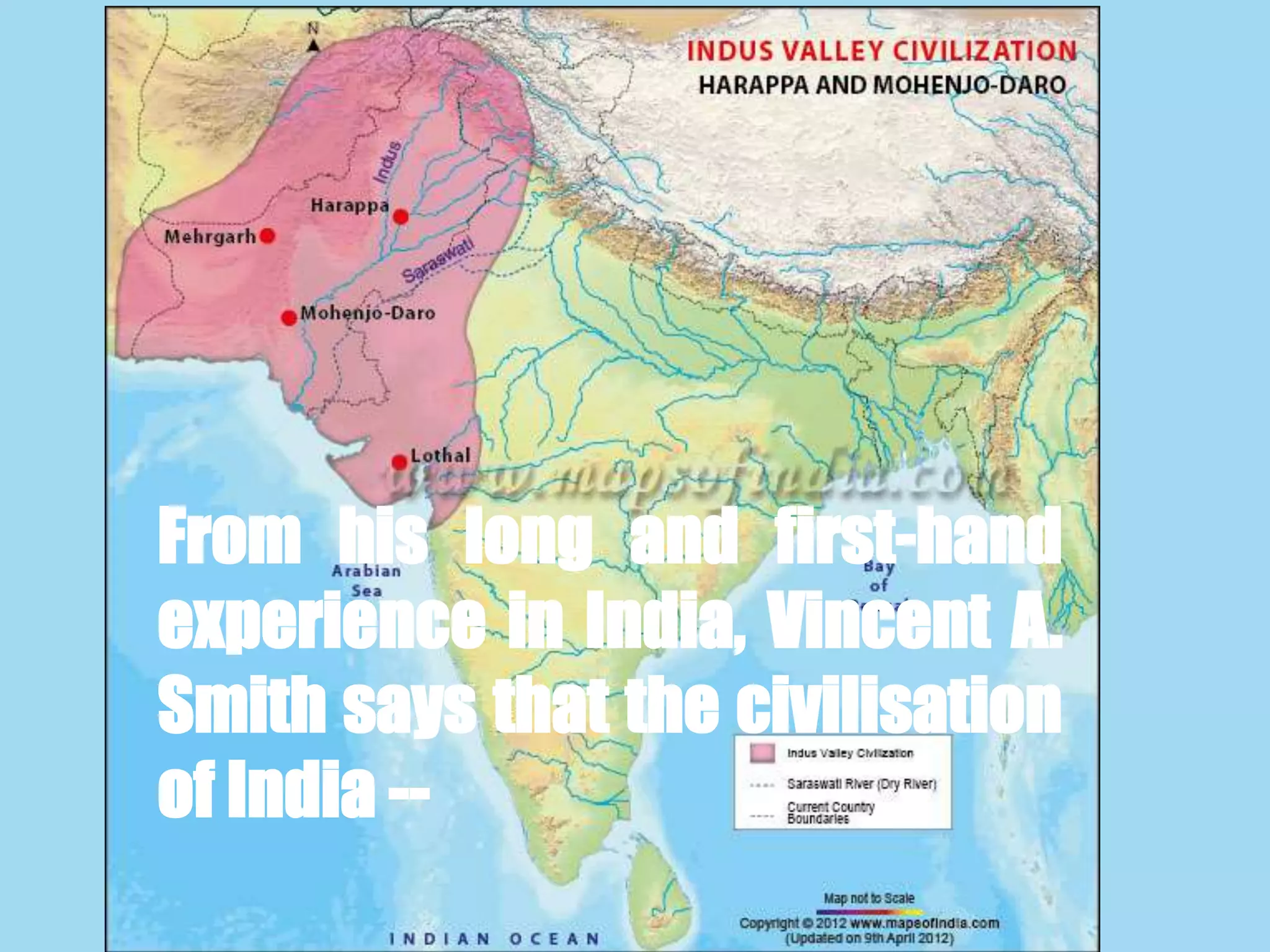
From his longand first-hand
experience in India, Vincent A.
Smith says that the civilisation
of India --
20.
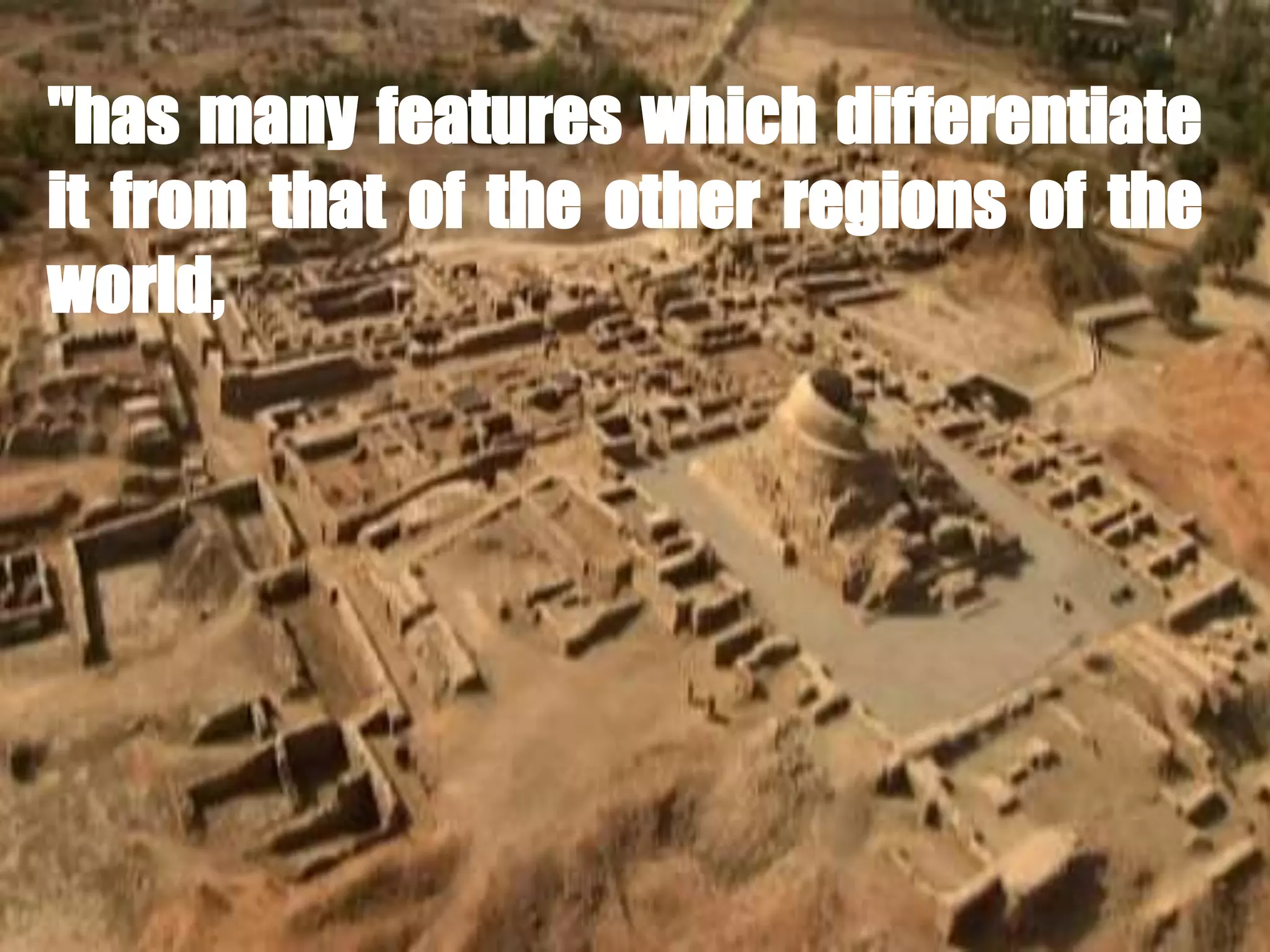
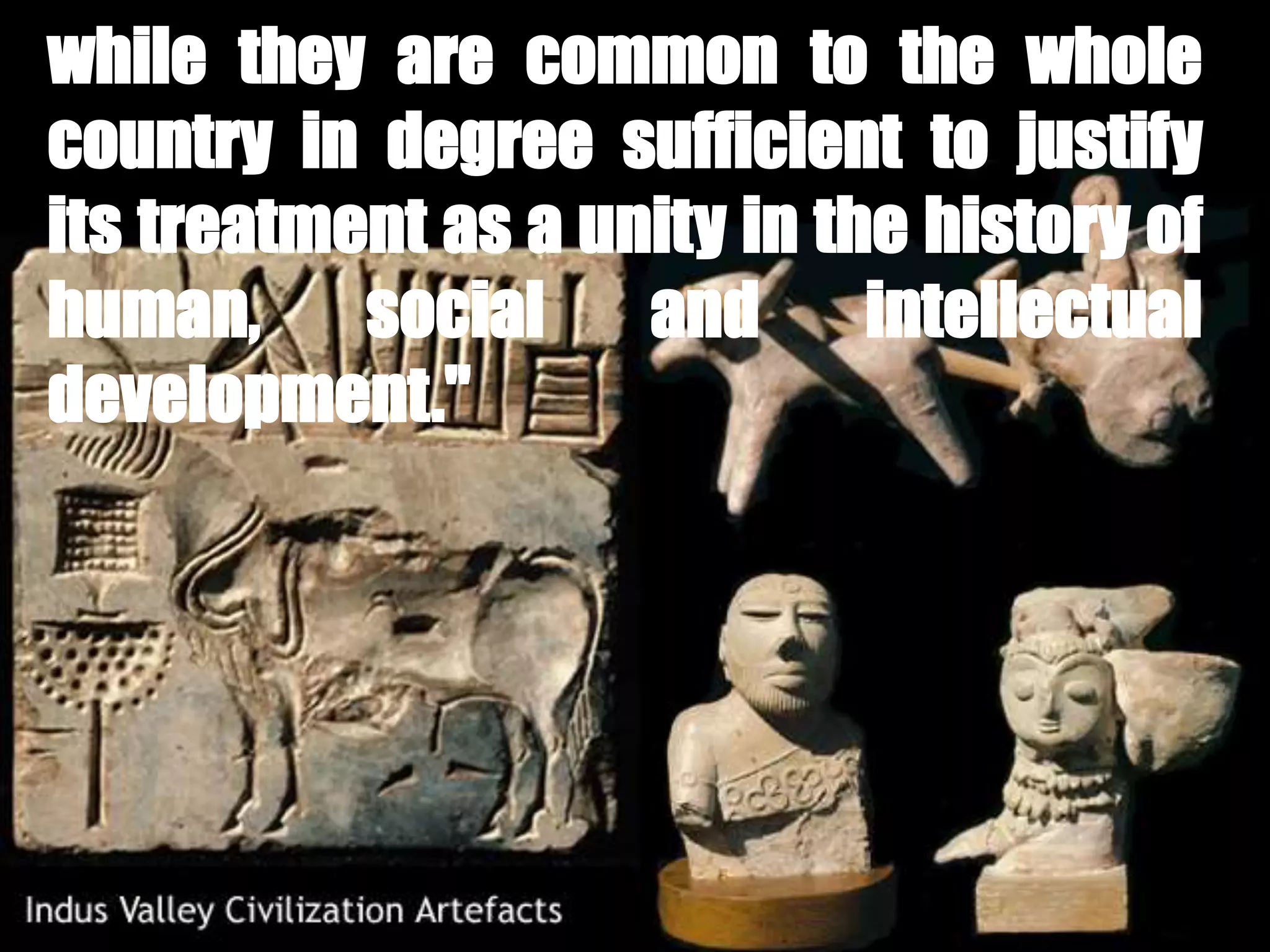
"has many featureswhich differentiate
it from that of the other regions of the
world,
21.
while they arecommon to the whole
country in degree sufficient to justify
its treatment as a unity in the history of
human, social and intellectual
development."
22.
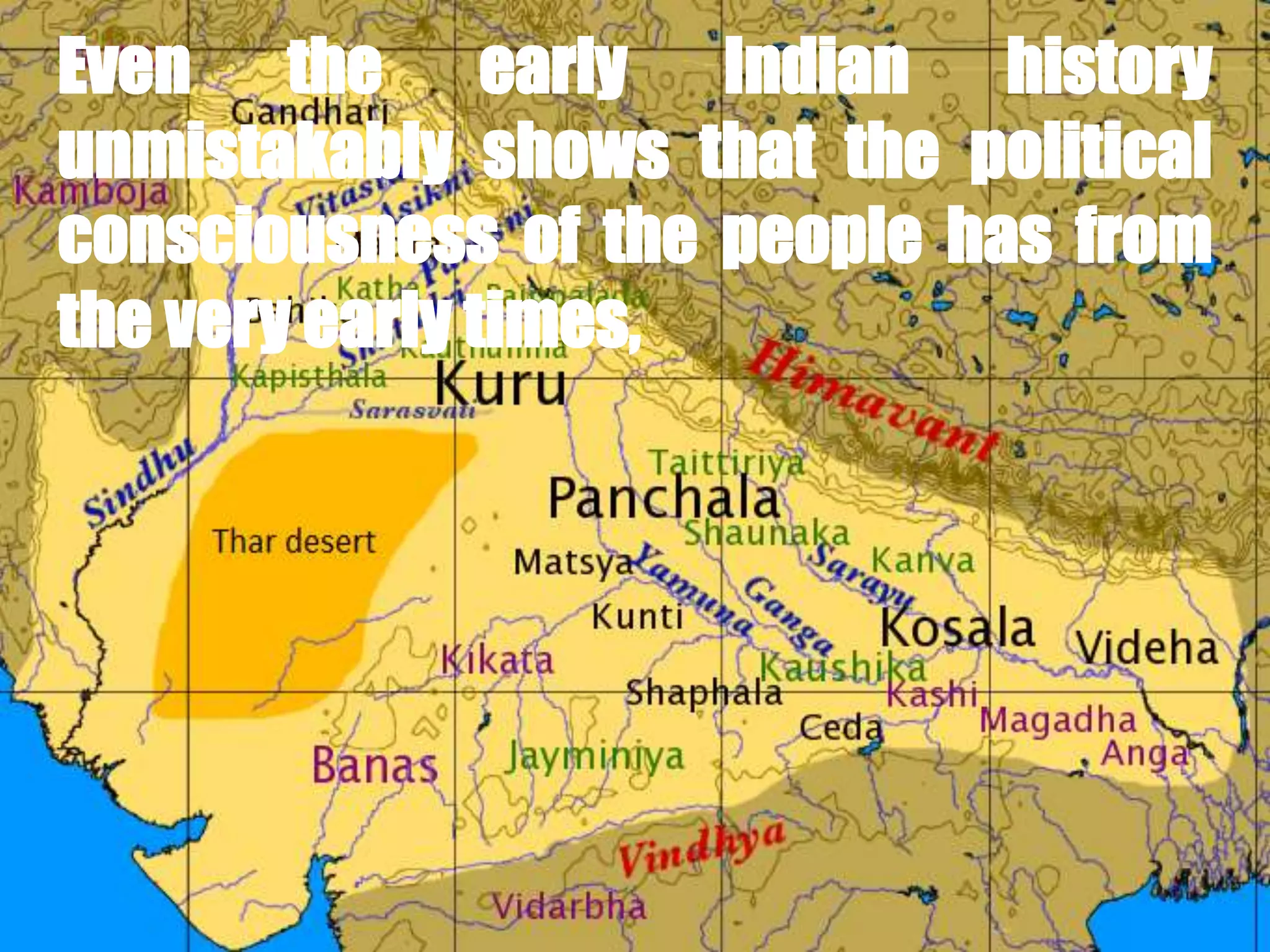
Even the earlyIndian history
unmistakably shows that the political
consciousness of the people has from
the very early times,
23.
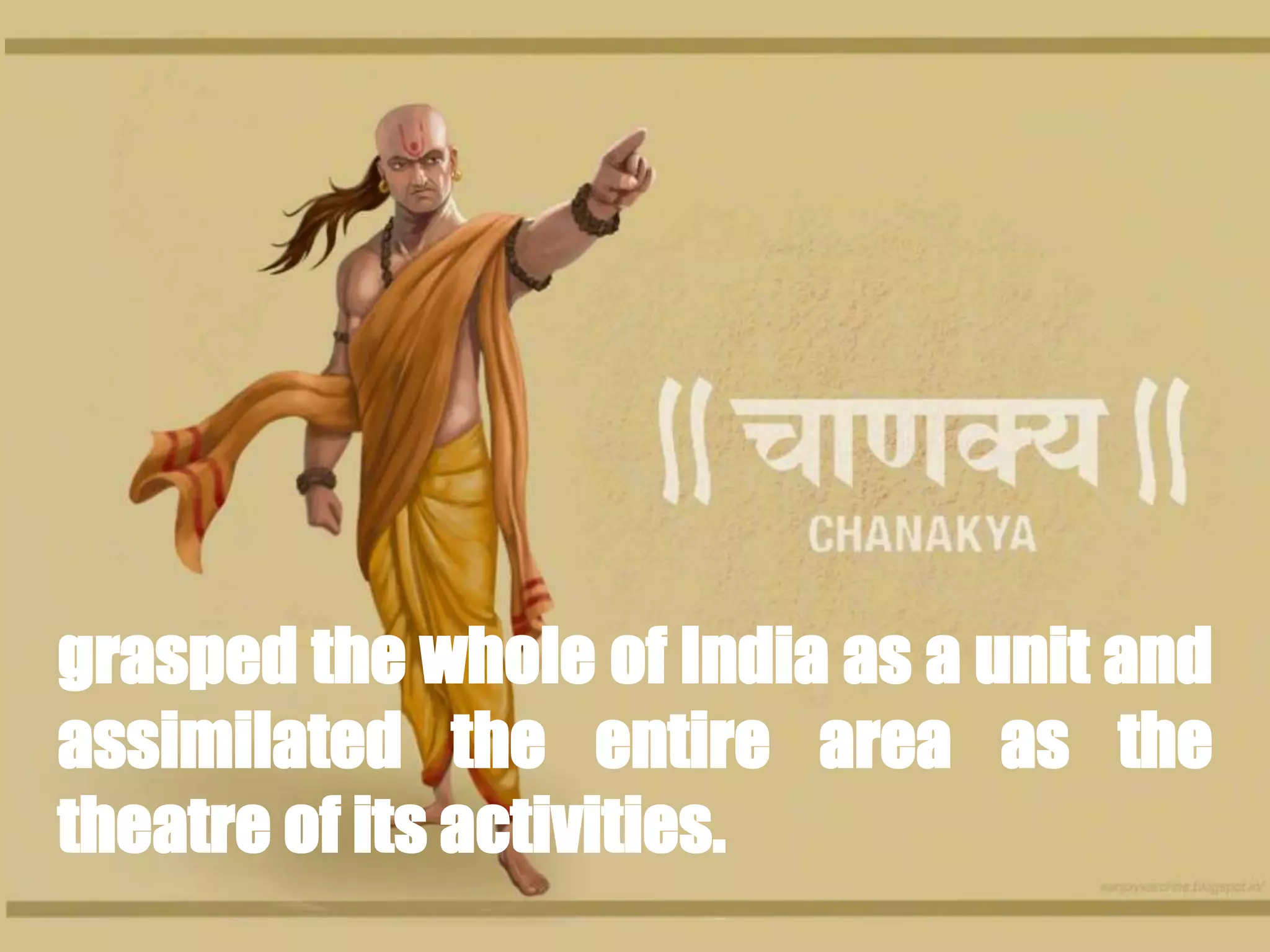
grasped the wholeof India as a unit and
assimilated the entire area as the
theatre of its activities.
24.
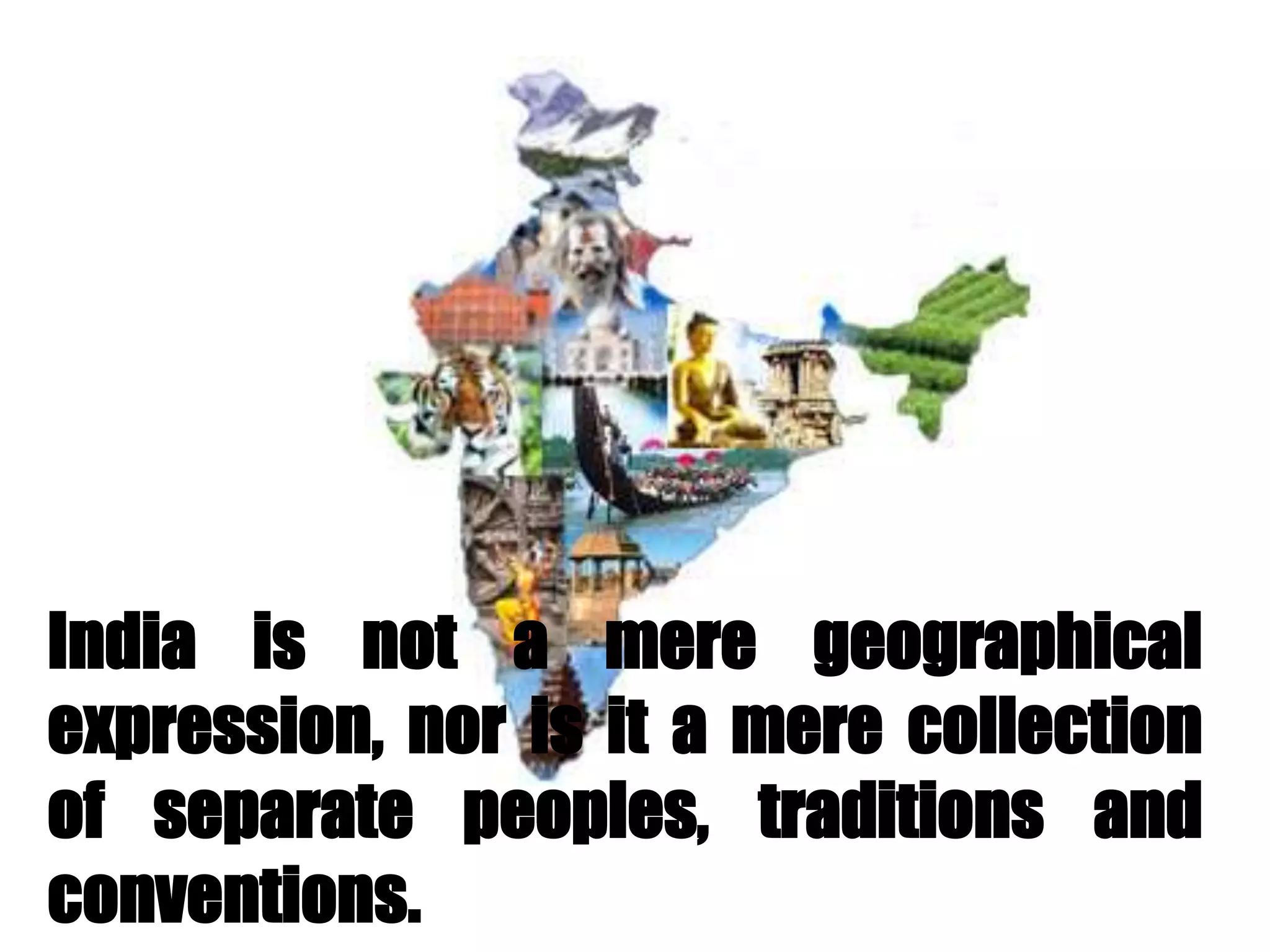
India is nota mere geographical
expression, nor is it a mere collection
of separate peoples, traditions and
conventions.
25.
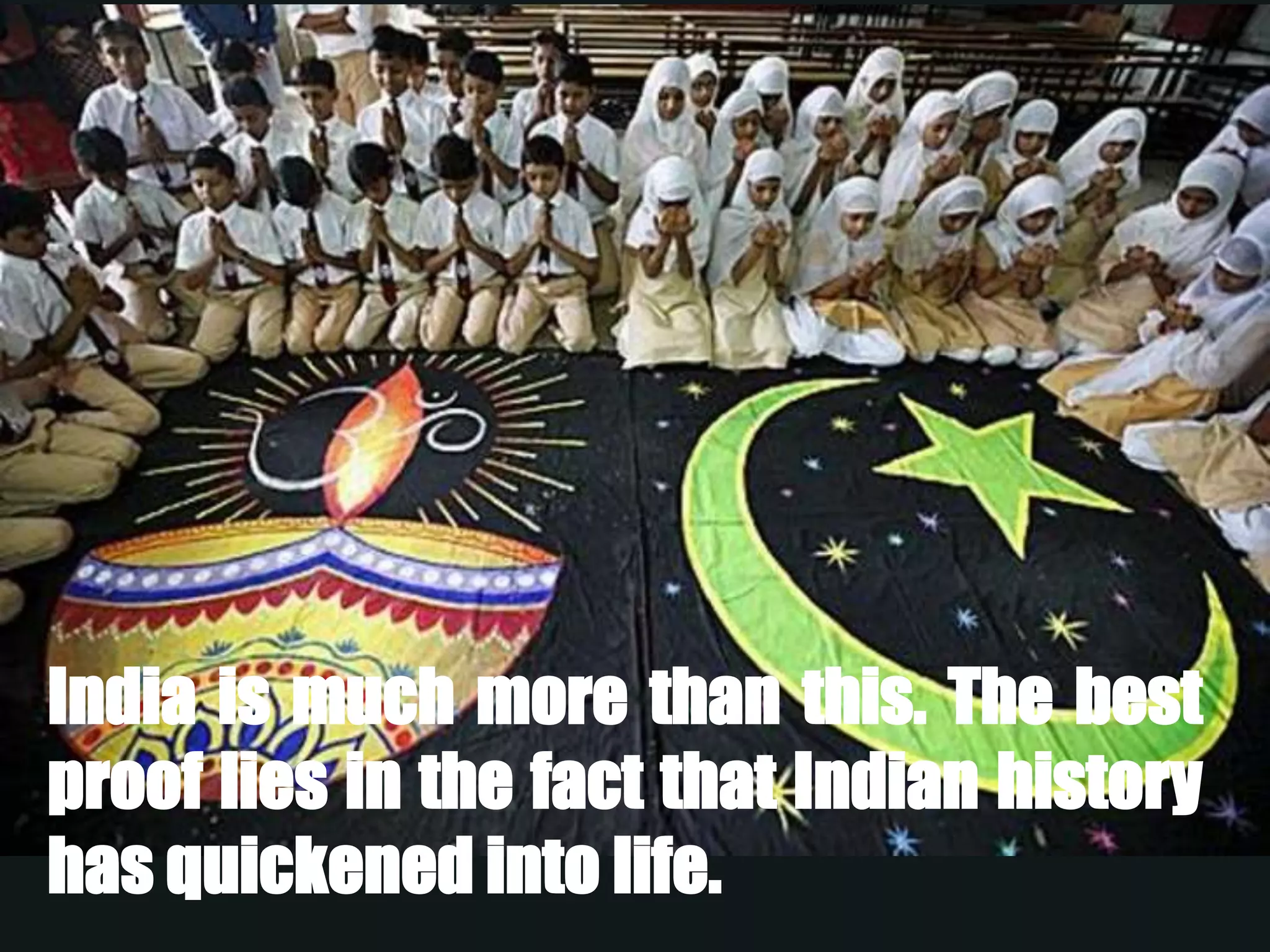
India is muchmore than this. The best
proof lies in the fact that Indian history
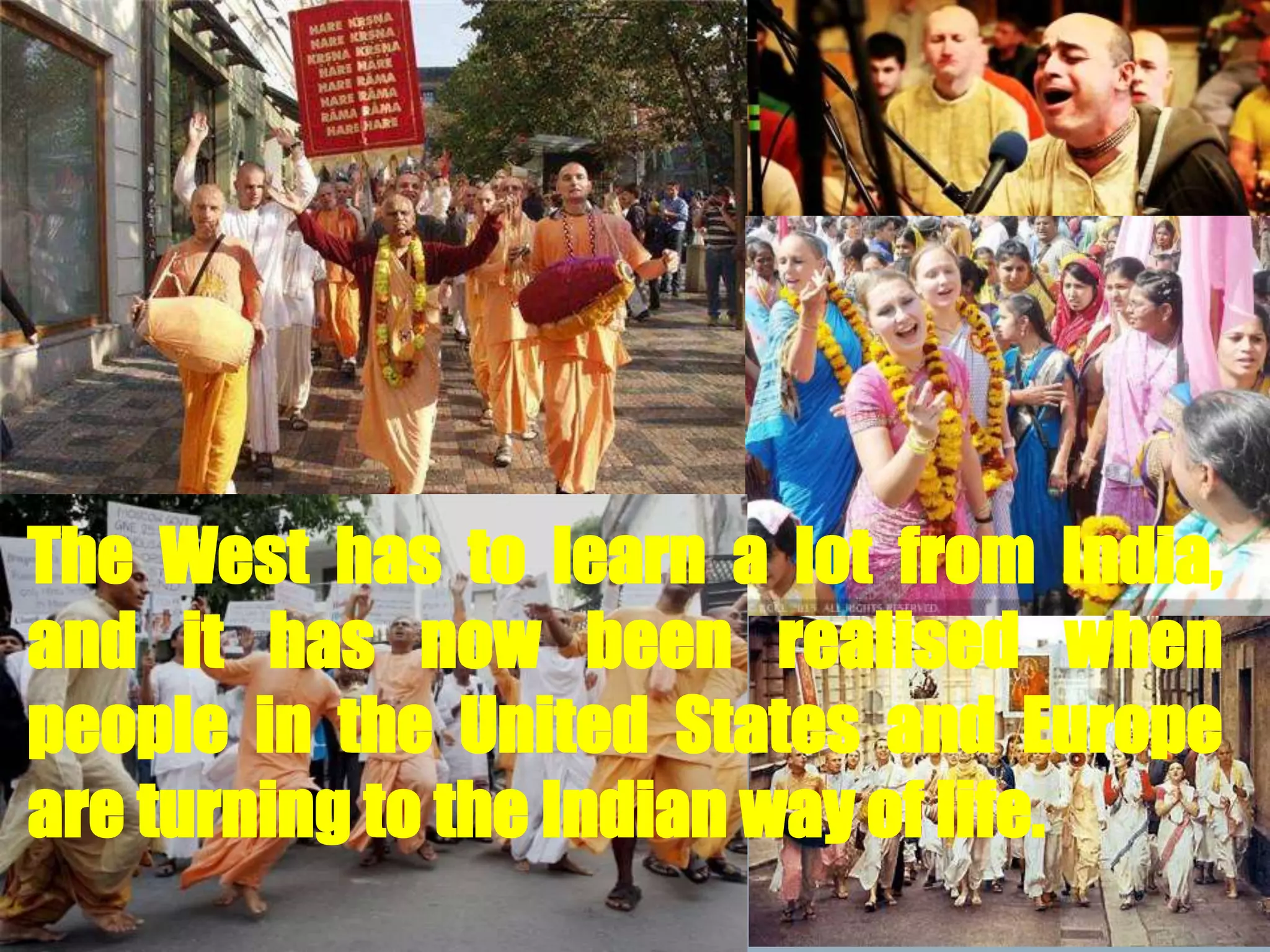
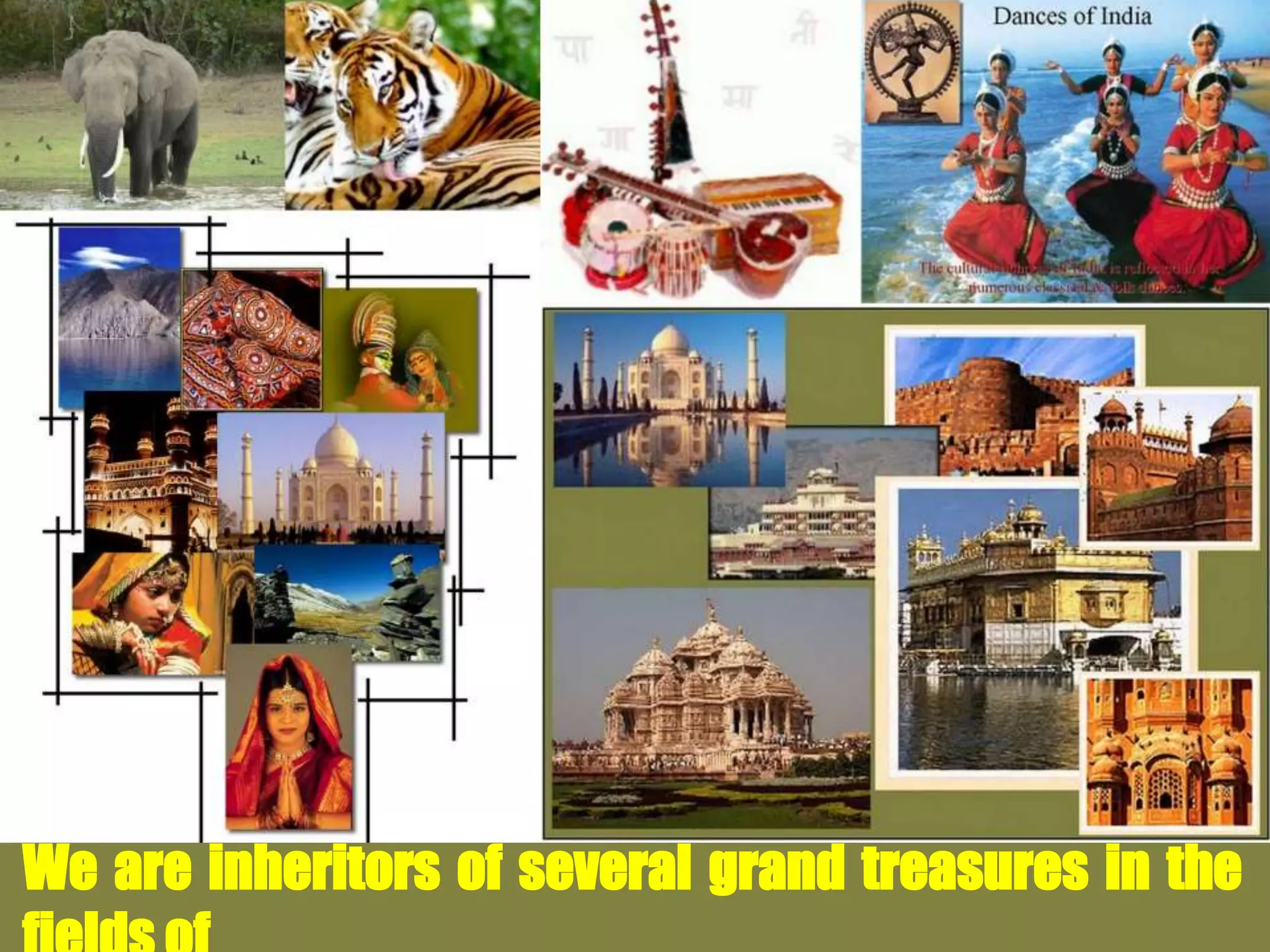
has quickened into life.
26.
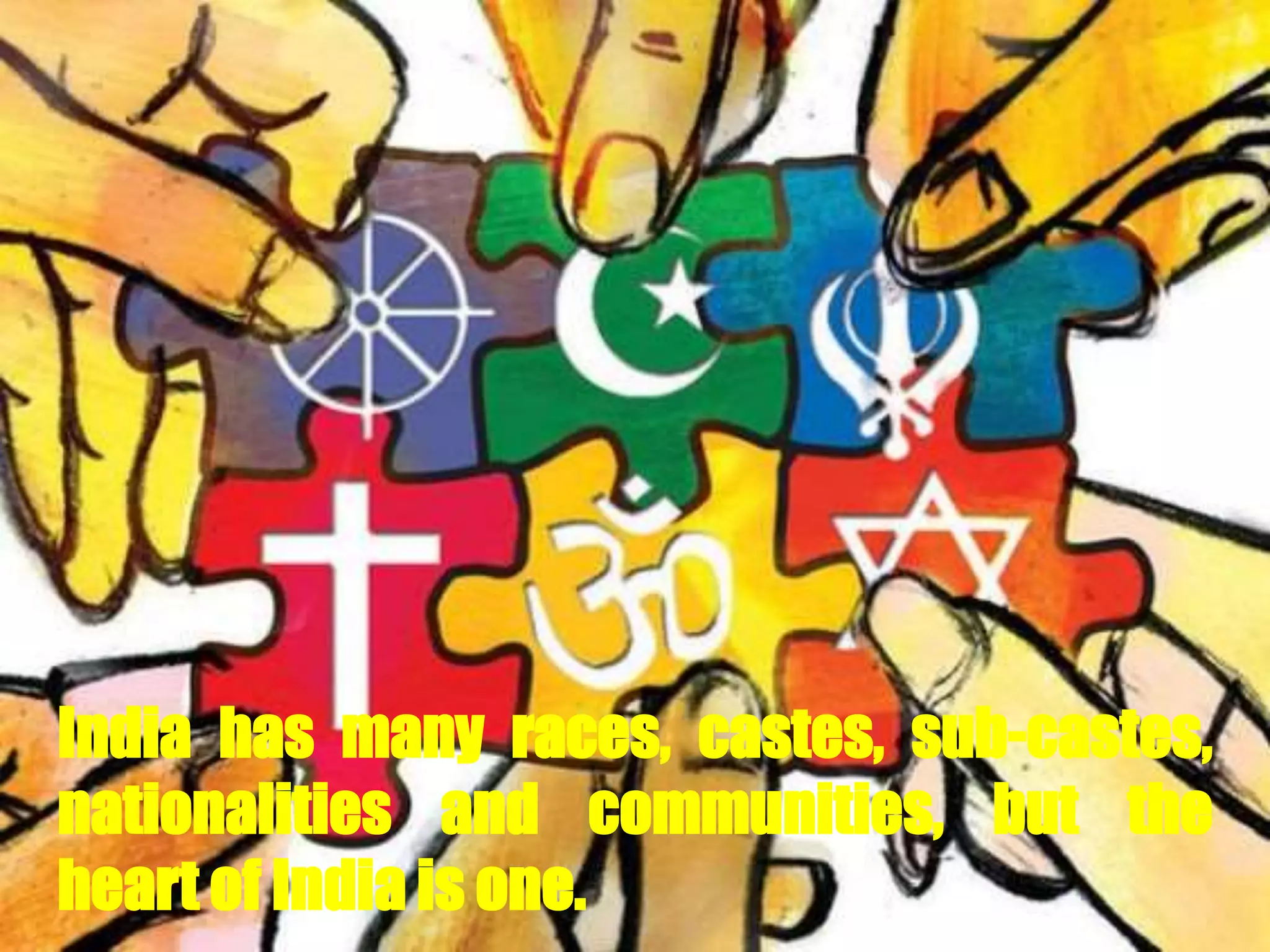
India has manyraces, castes, sub-castes,
nationalities and communities, but the
heart of India is one.
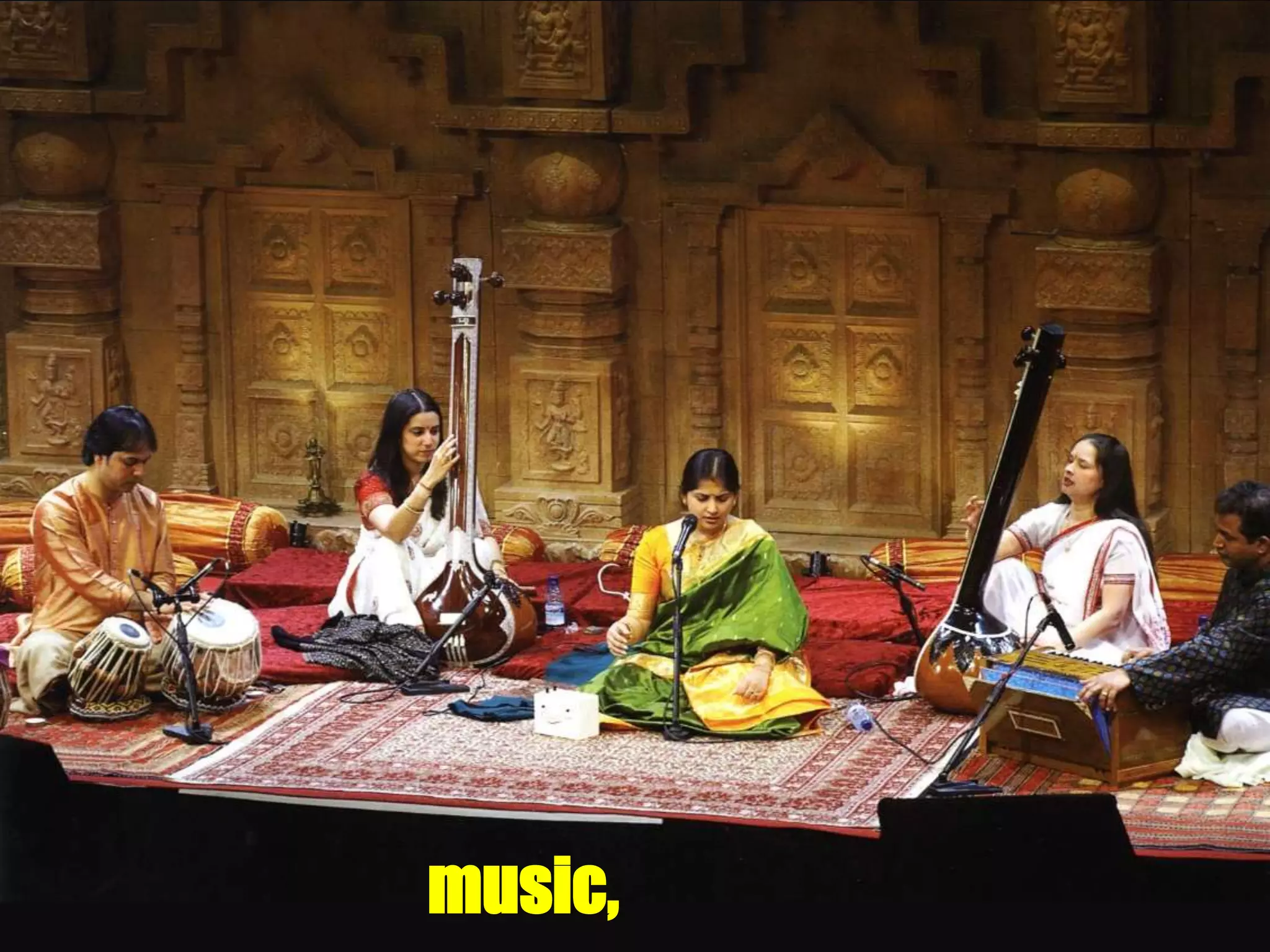
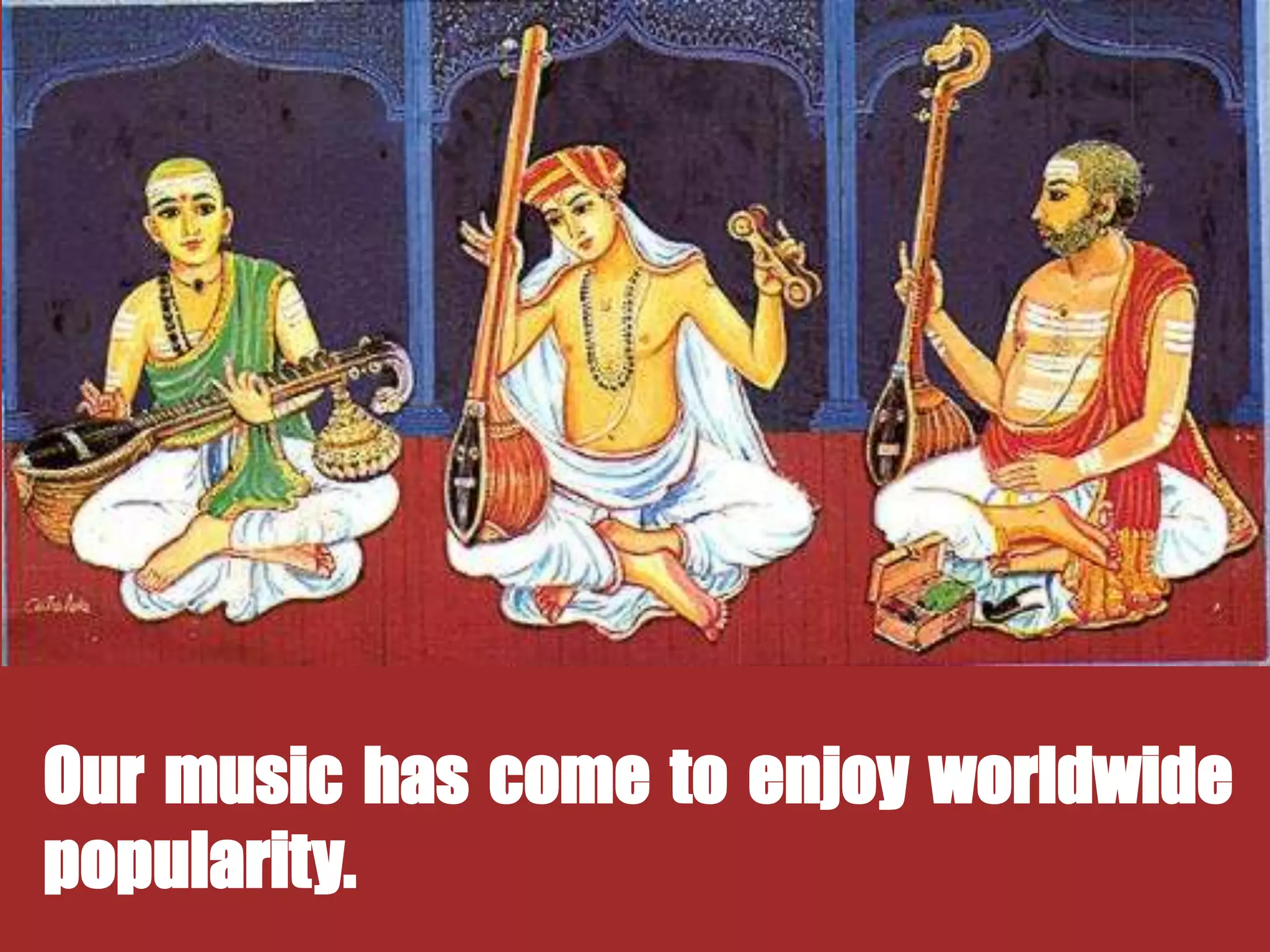
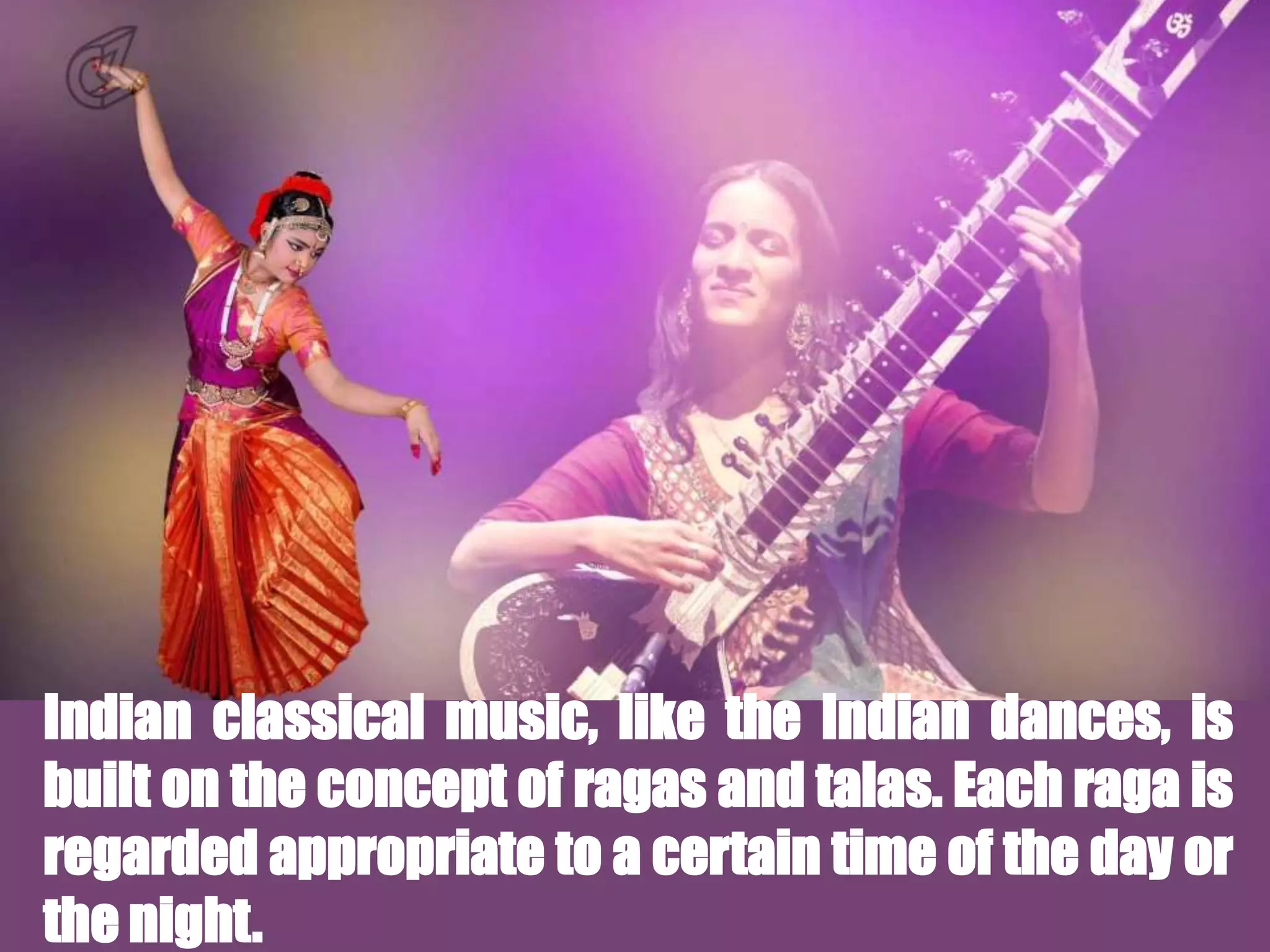
Indian classical music,like the Indian dances, is
built on the concept of ragas and talas. Each raga is
regarded appropriate to a certain time of the day or
the night.
66.
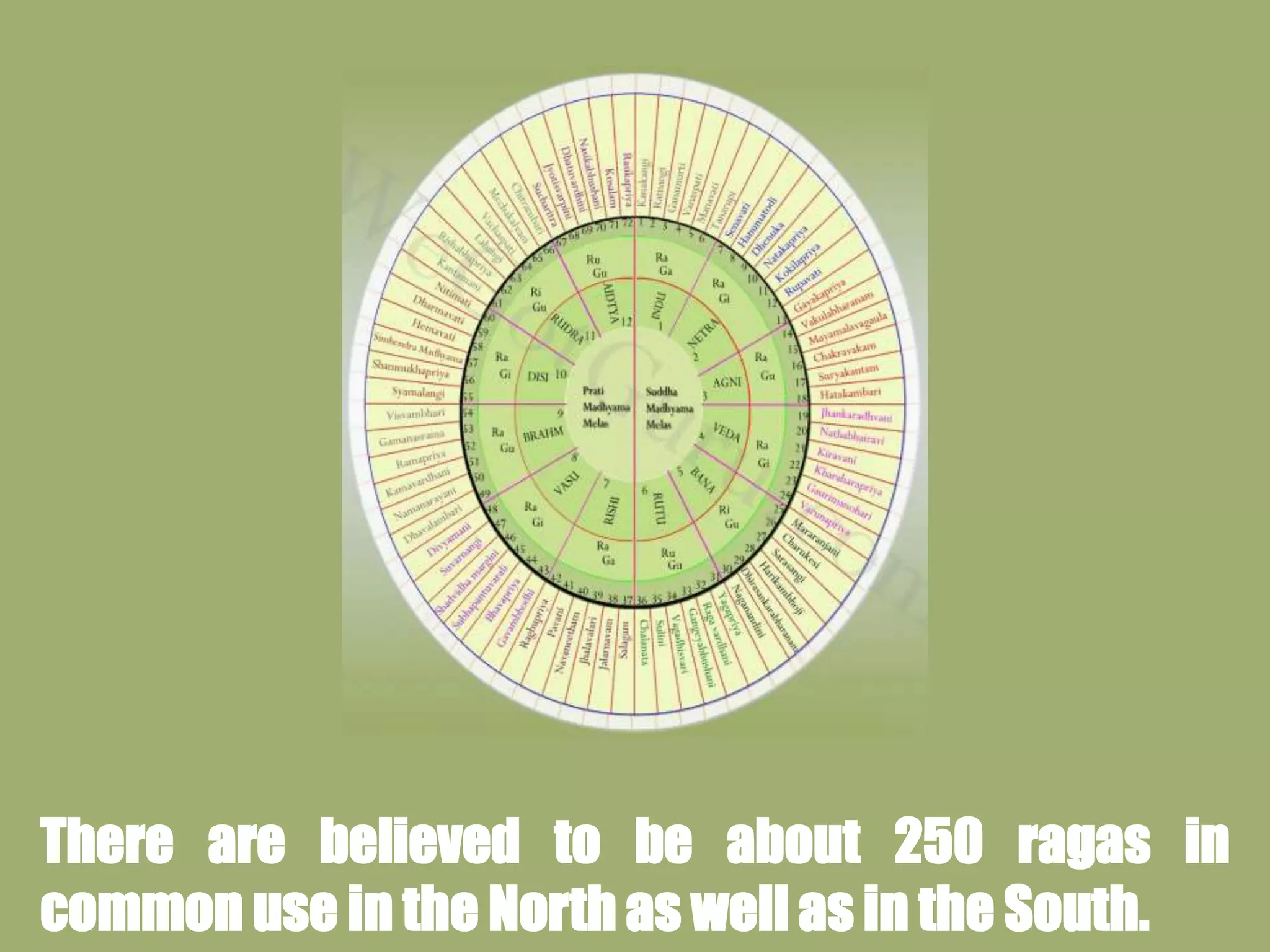
There are believedto be about 250 ragas in
common use in the North as well as in the South.
67.
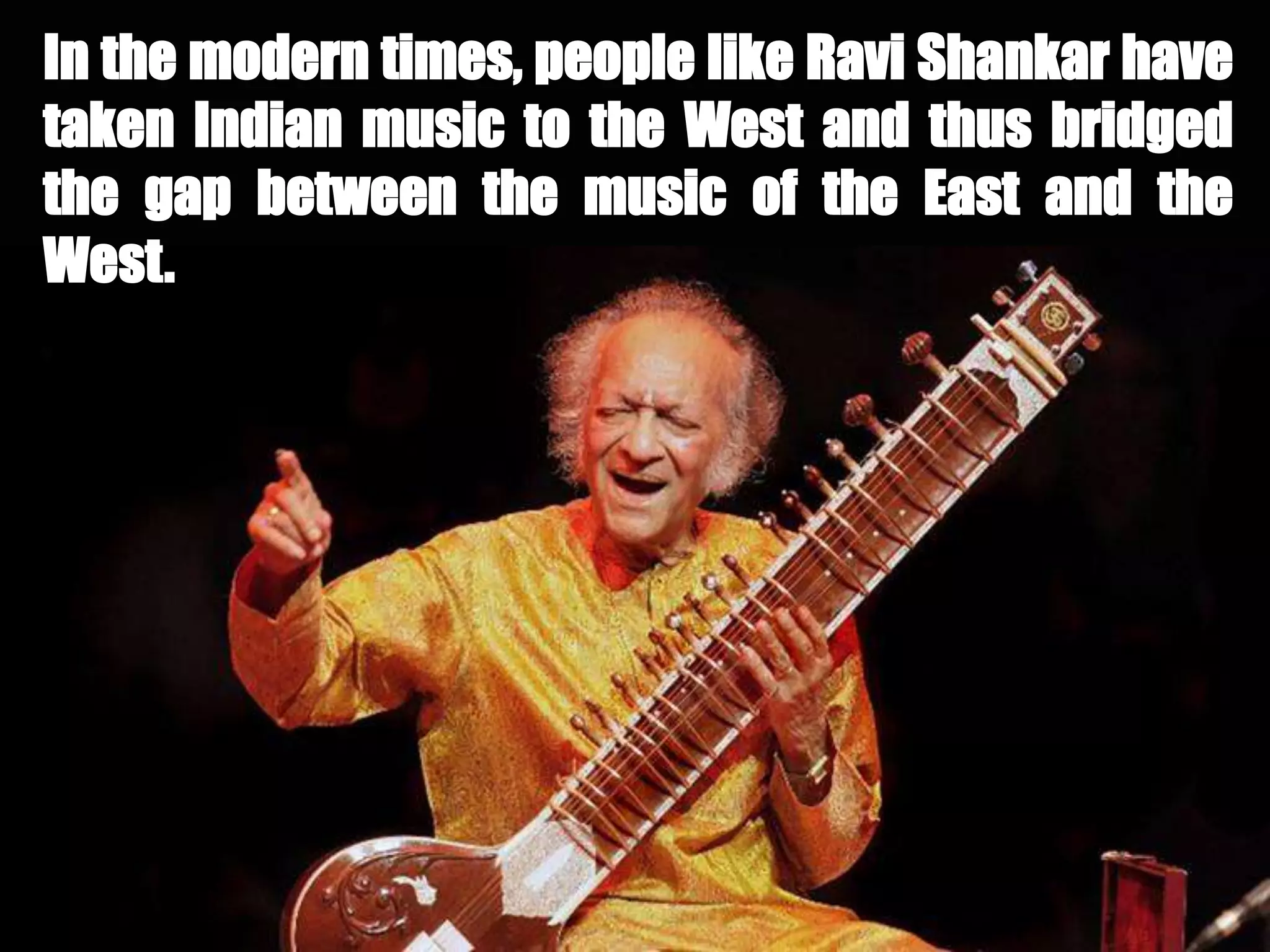
In the moderntimes, people like Ravi Shankar have
taken Indian music to the West and thus bridged
the gap between the music of the East and the
West.
68.
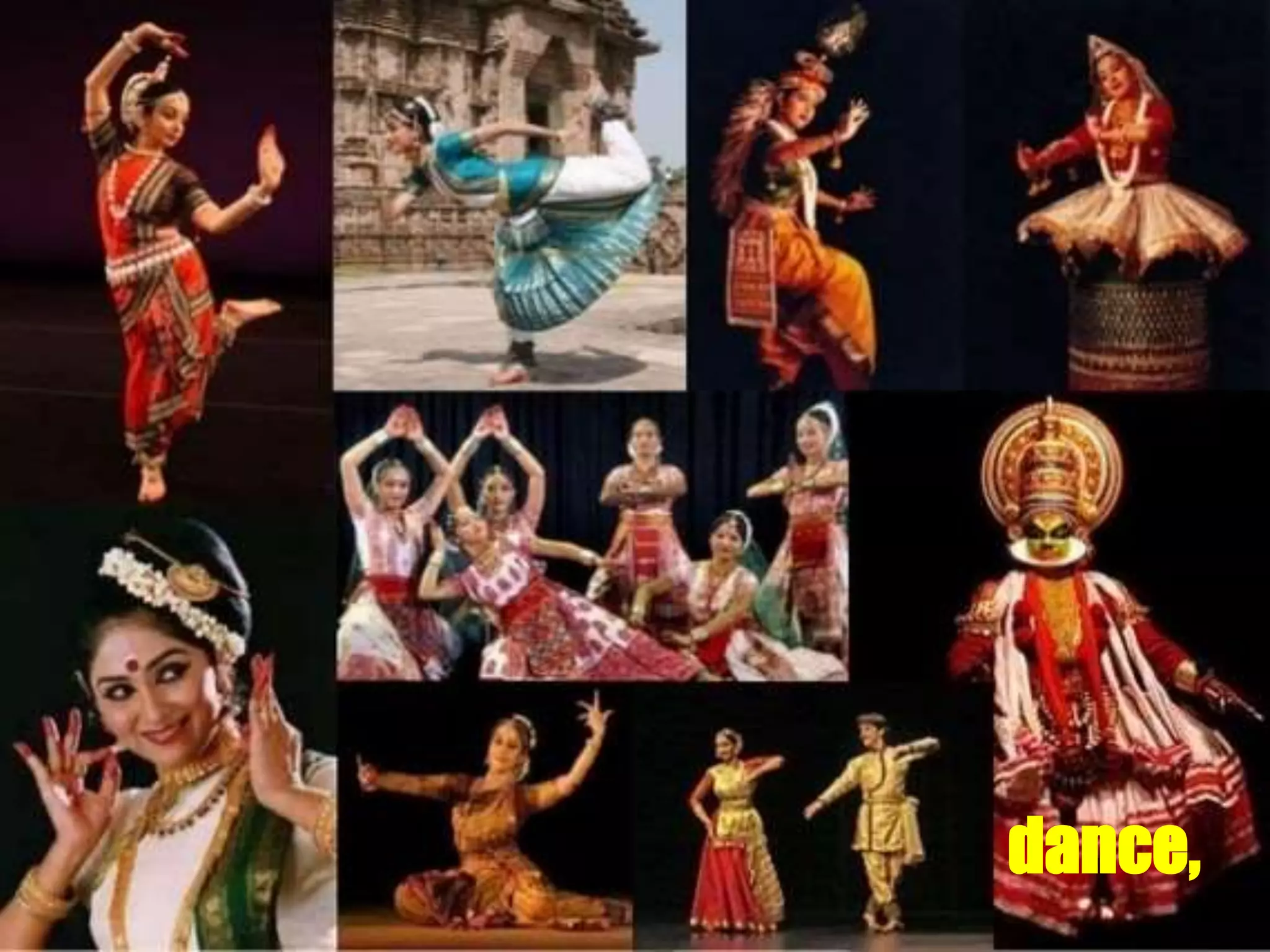
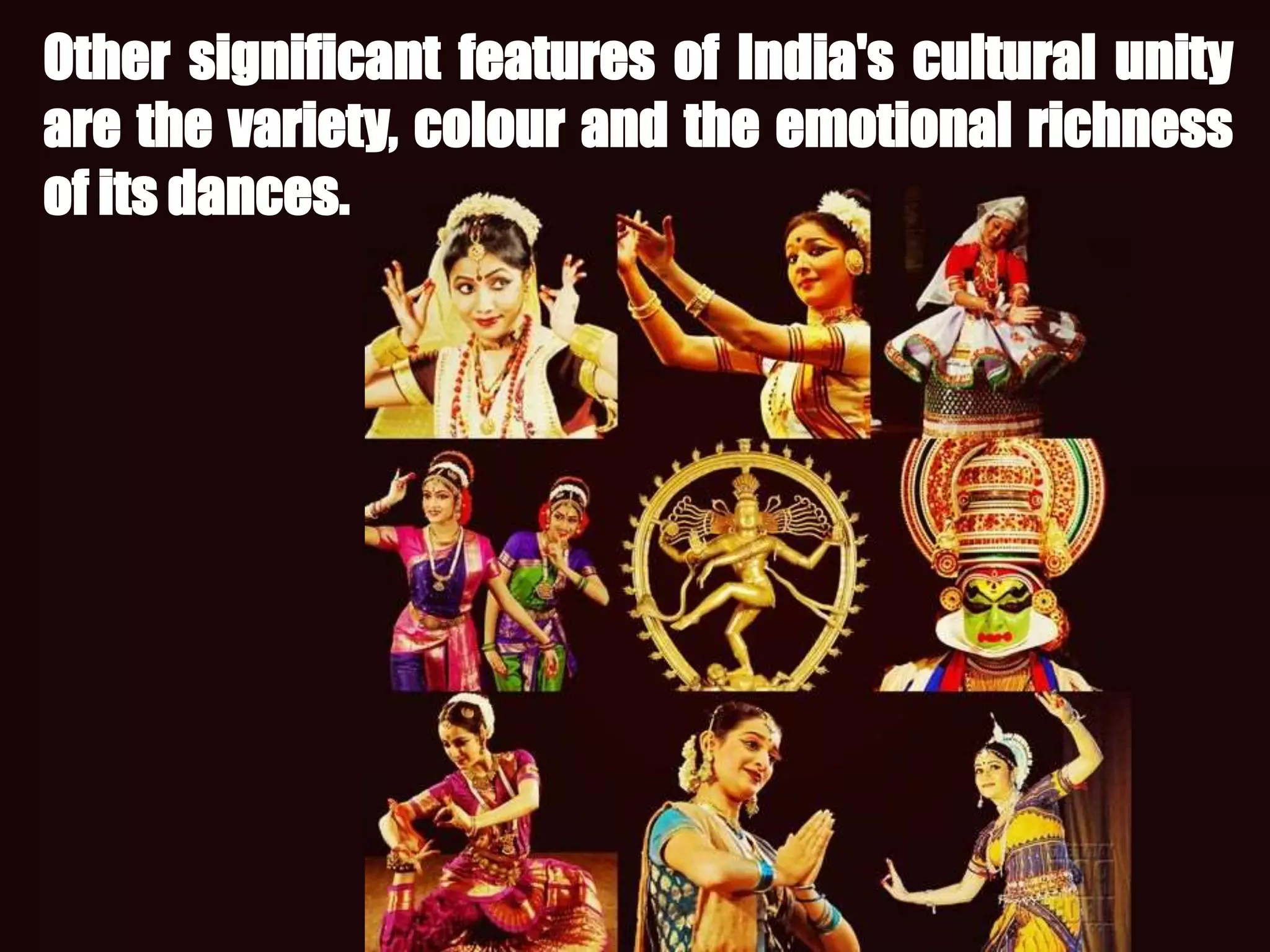
Other significant featuresof India's cultural unity
are the variety, colour and the emotional richness
of its dances.
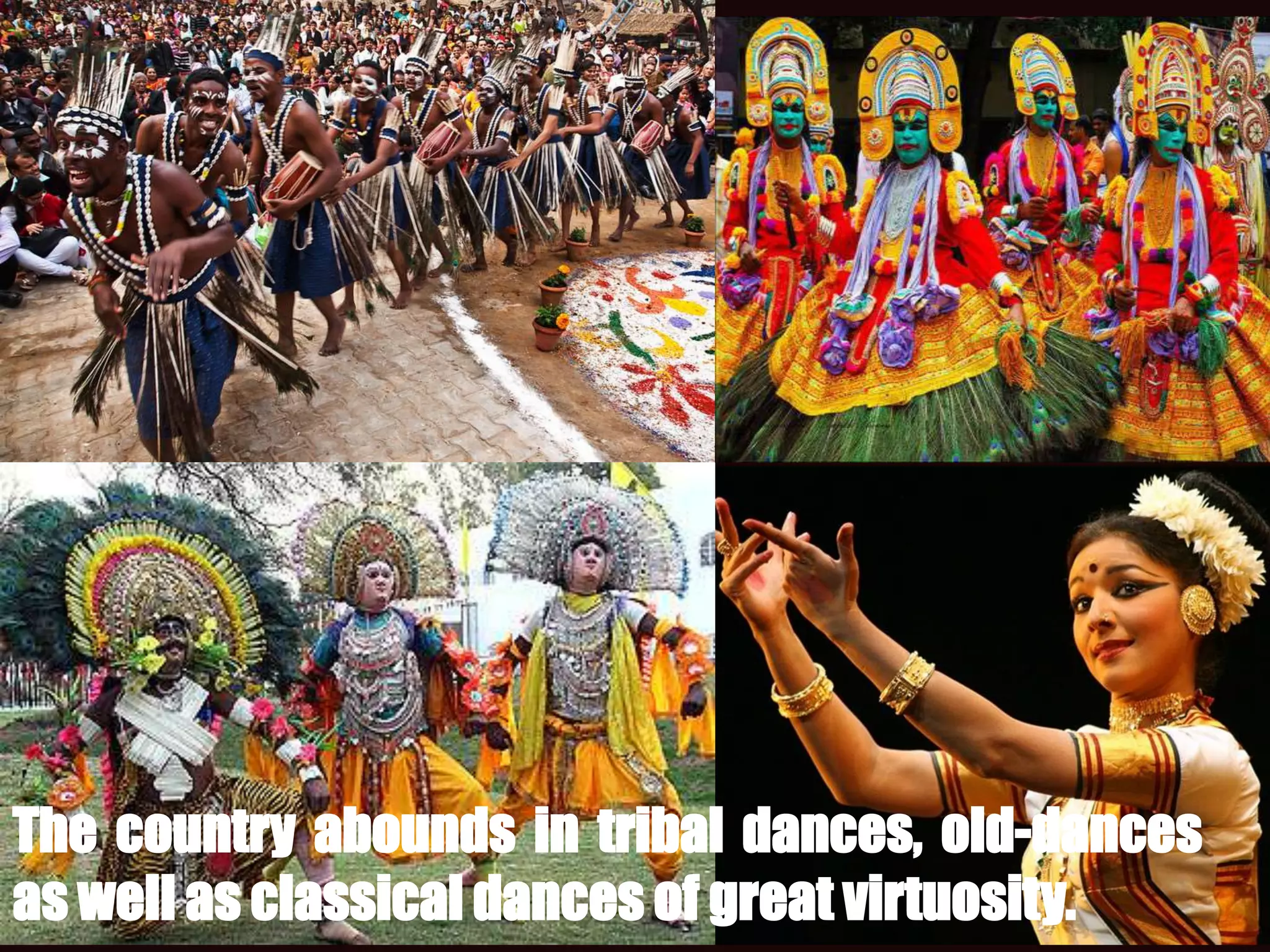
69.
The country aboundsin tribal dances, old-dances
as well as classical dances of great virtuosity.
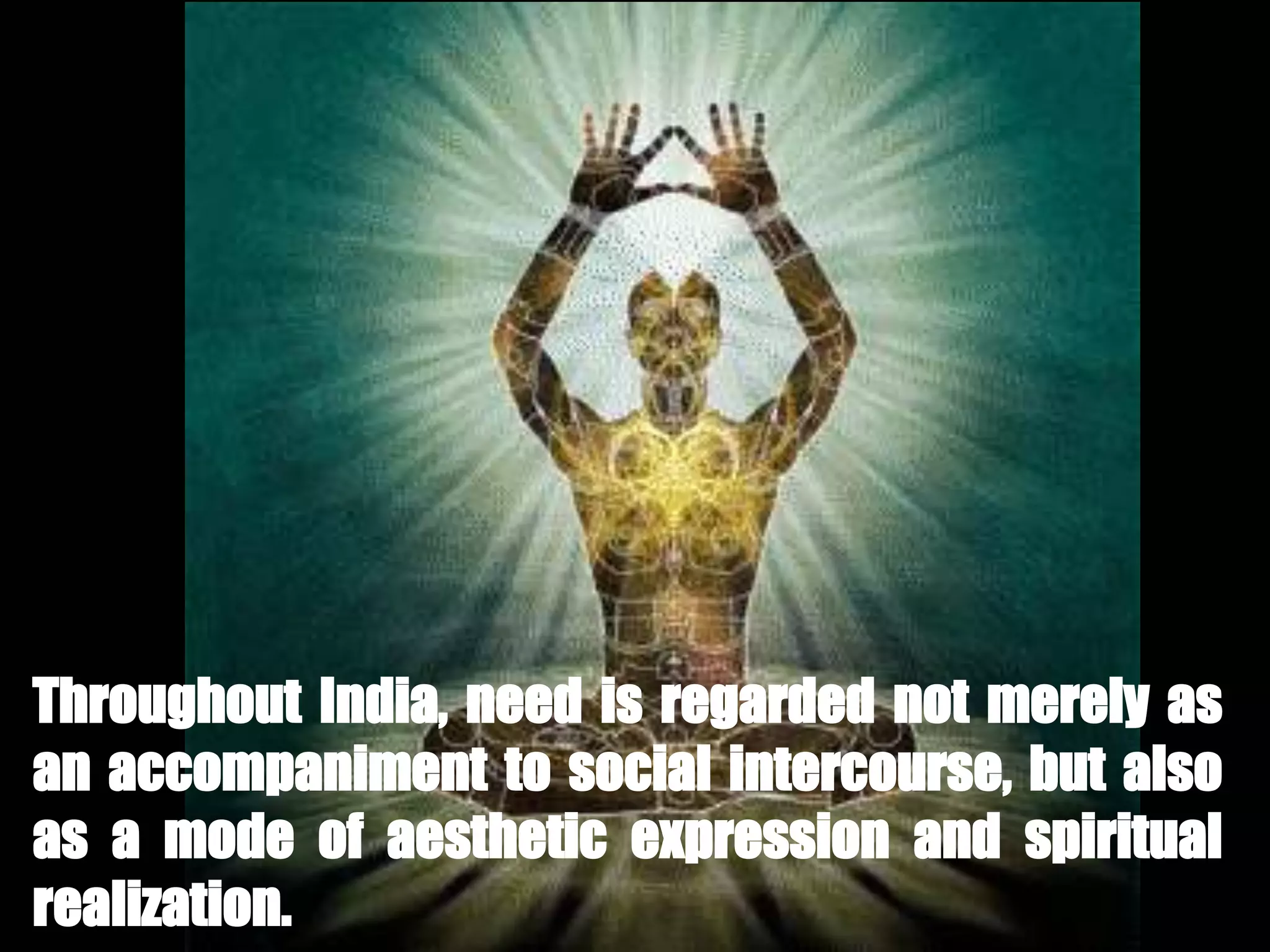
70.
Throughout India, needis regarded not merely as
an accompaniment to social intercourse, but also
as a mode of aesthetic expression and spiritual
realization.
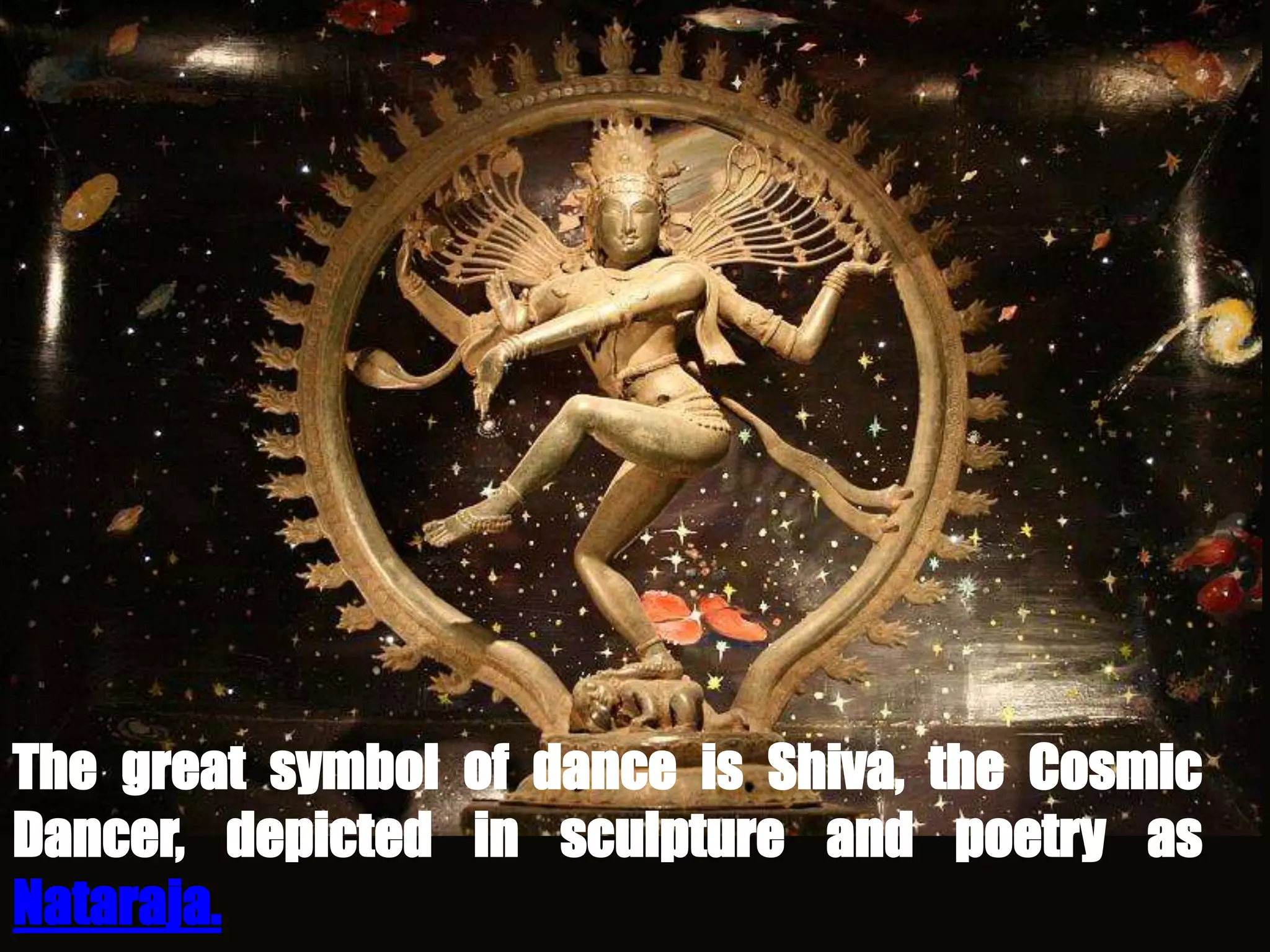
71.
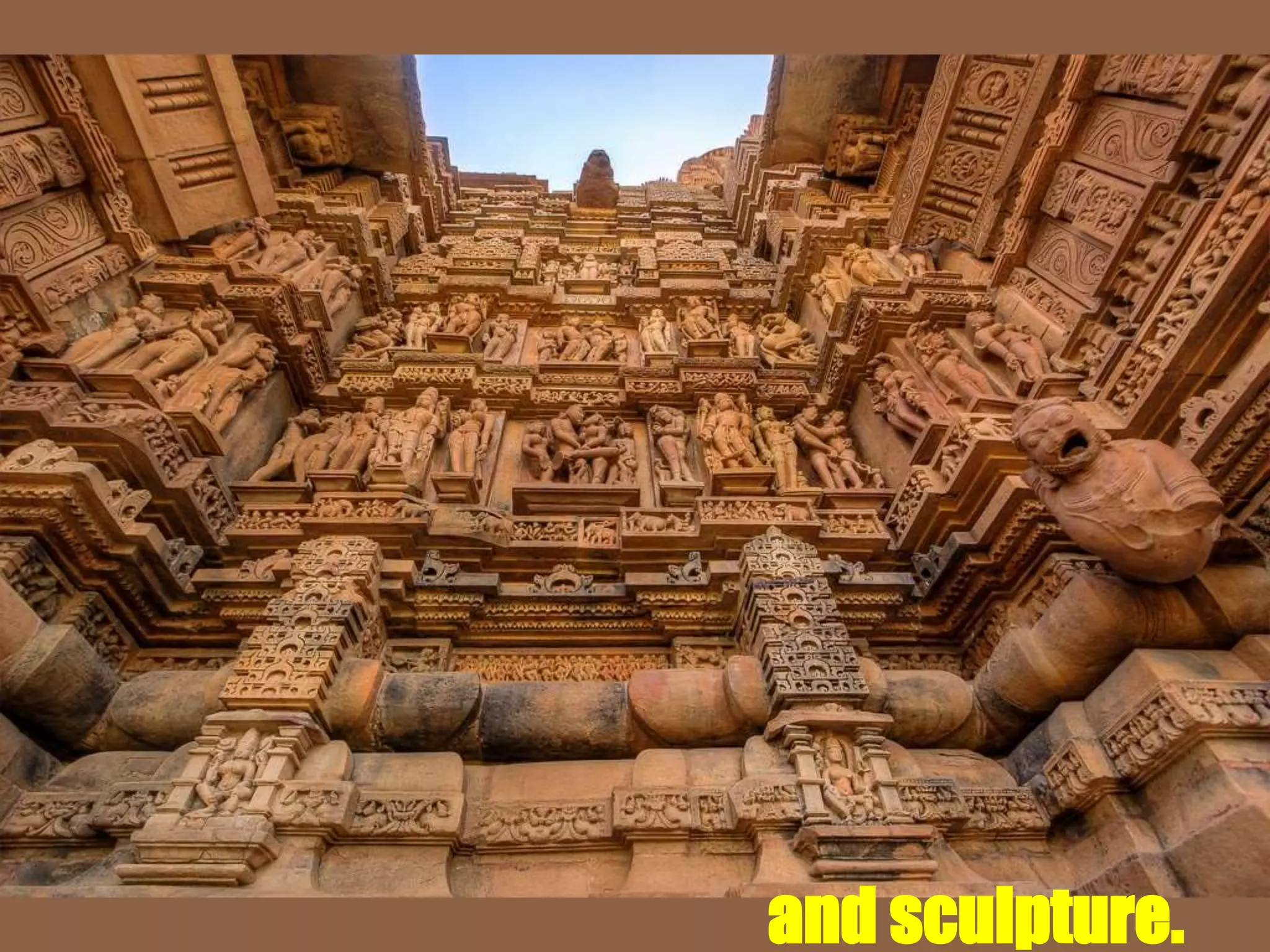
The great symbolof dance is Shiva, the Cosmic
Dancer, depicted in sculpture and poetry as
Nataraja.
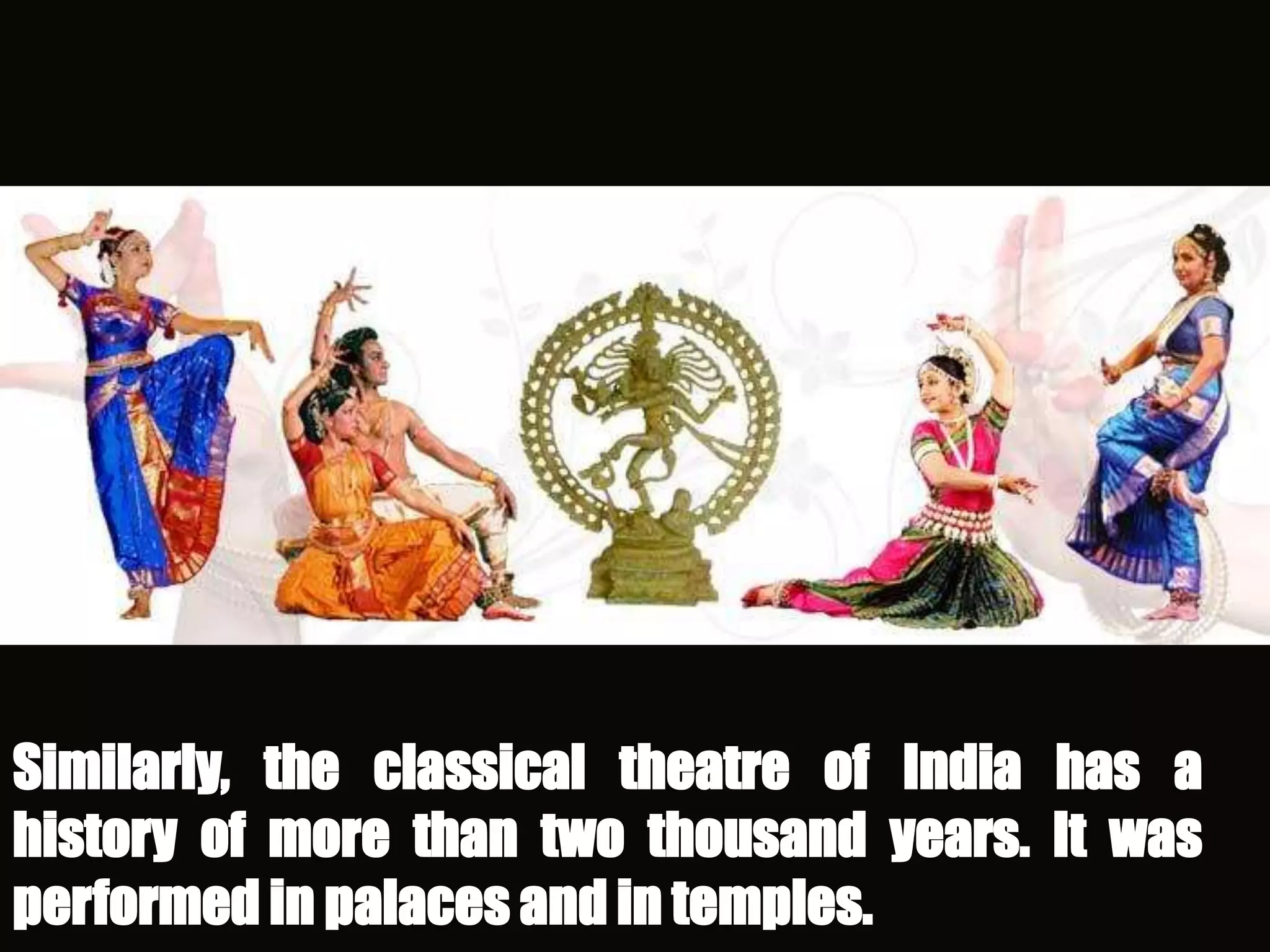
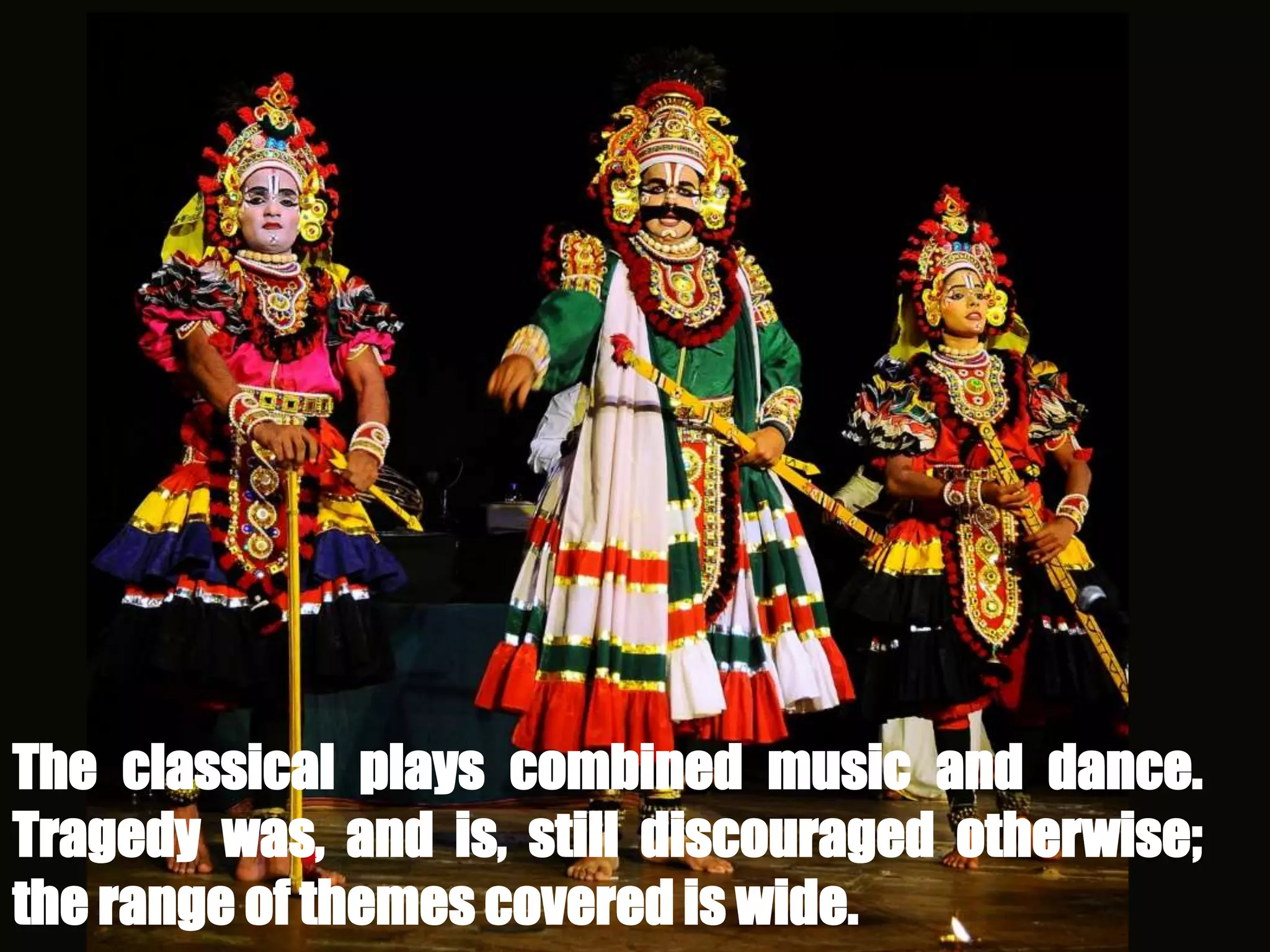
72.
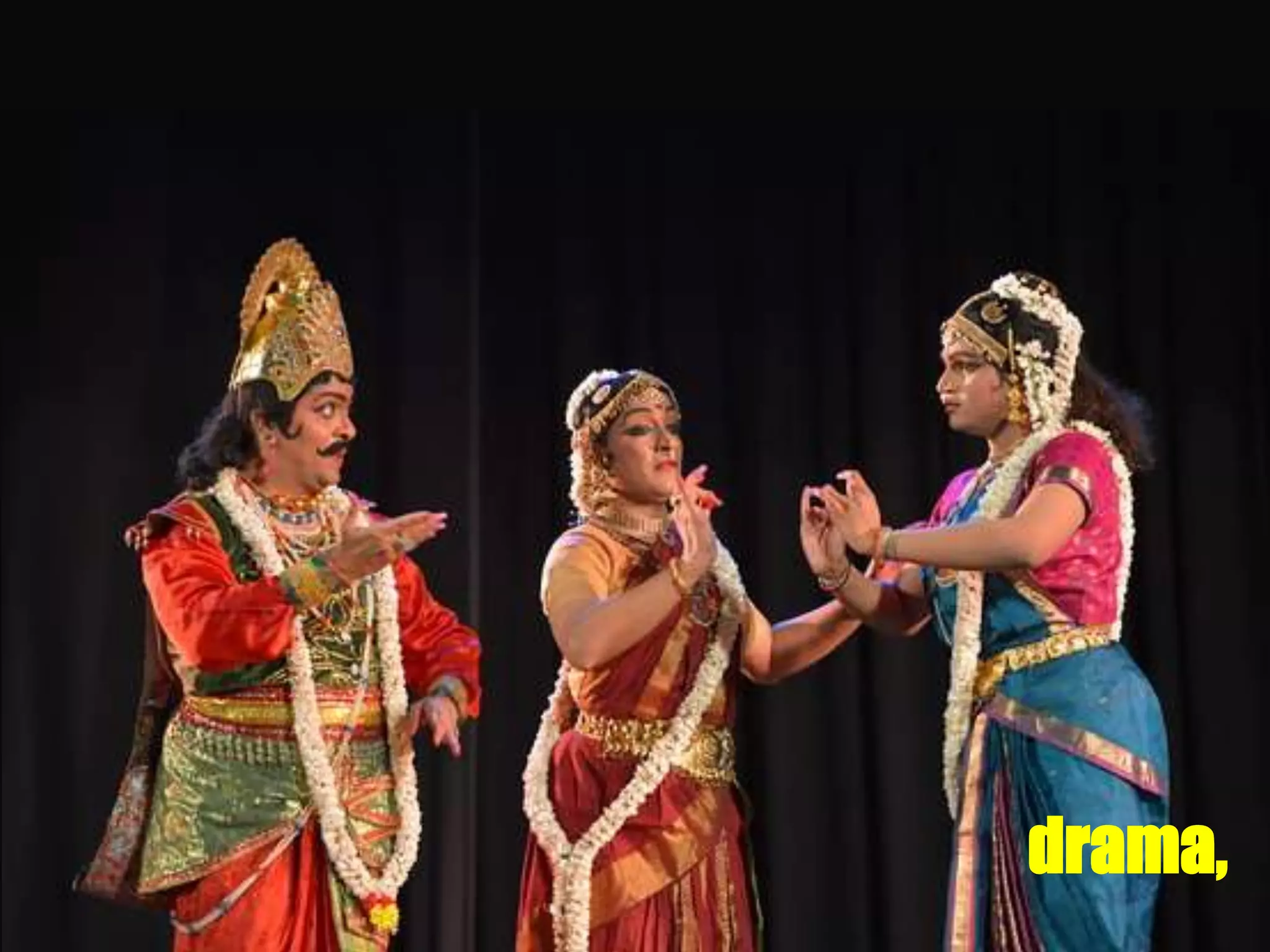
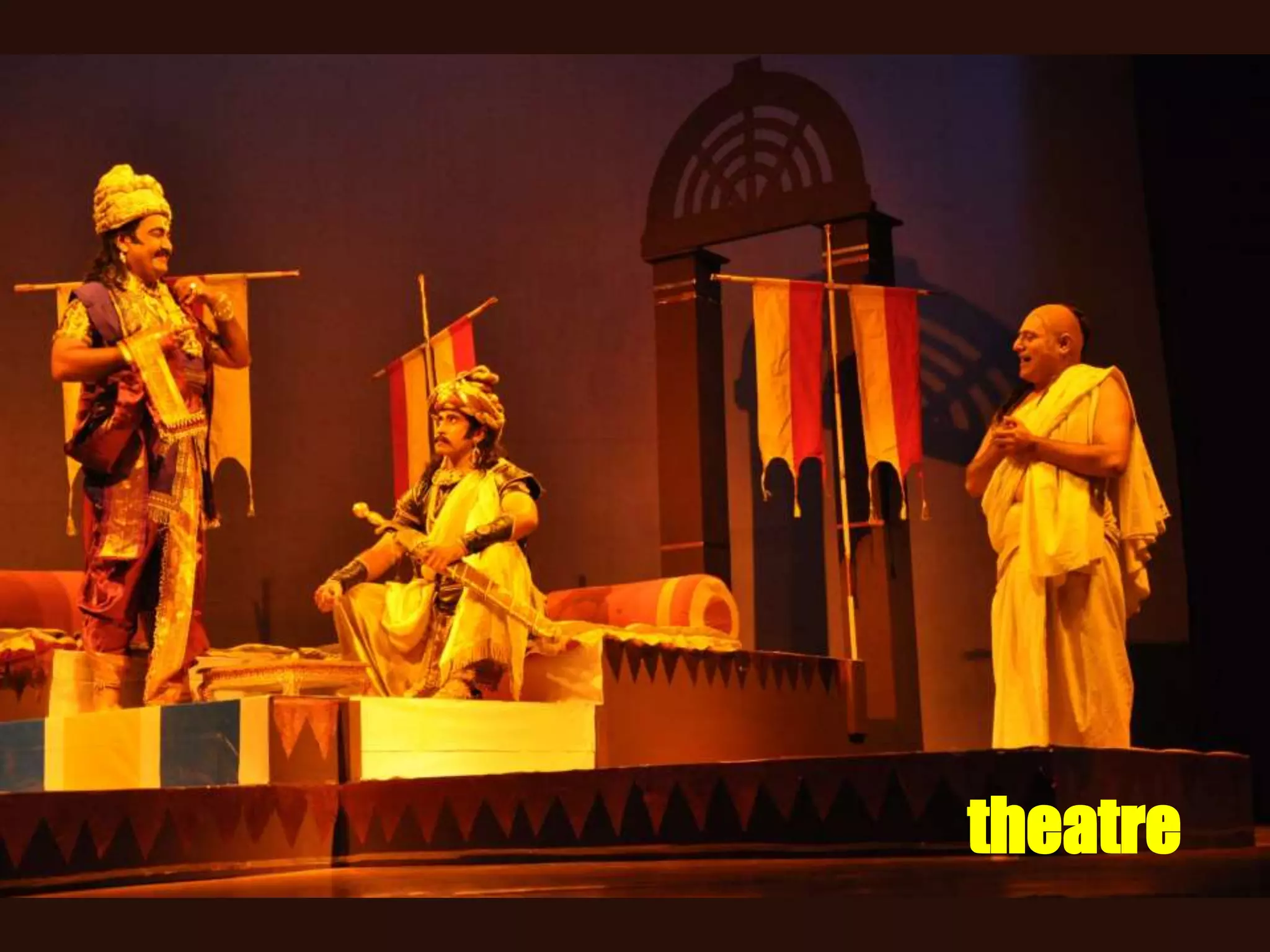
Similarly, the classicaltheatre of India has a
history of more than two thousand years. It was
performed in palaces and in temples.
73.
The classical playscombined music and dance.
Tragedy was, and is, still discouraged otherwise;
the range of themes covered is wide.
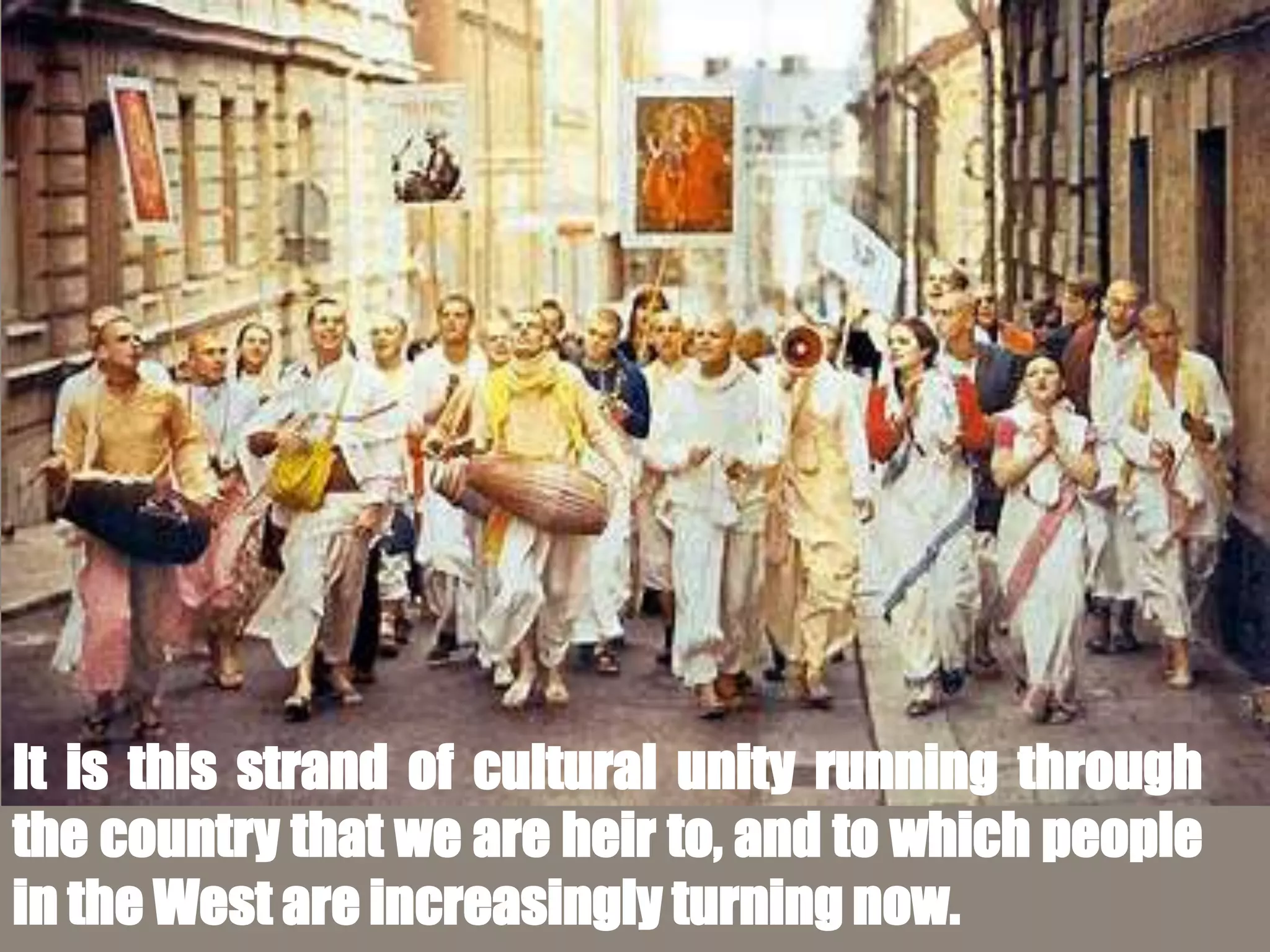
74.
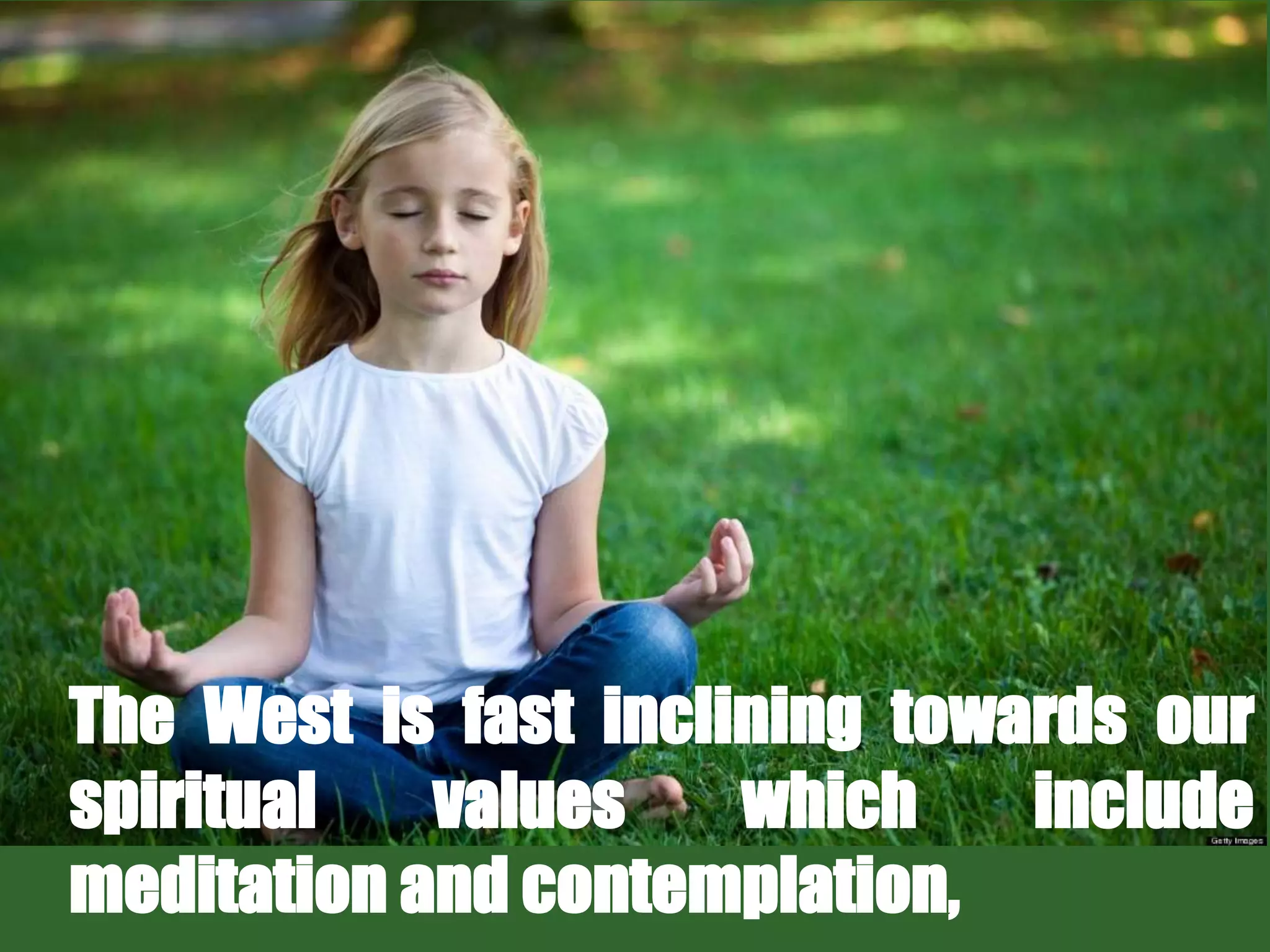
It is thisstrand of cultural unity running through
the country that we are heir to, and to which people
in the West are increasingly turning now.
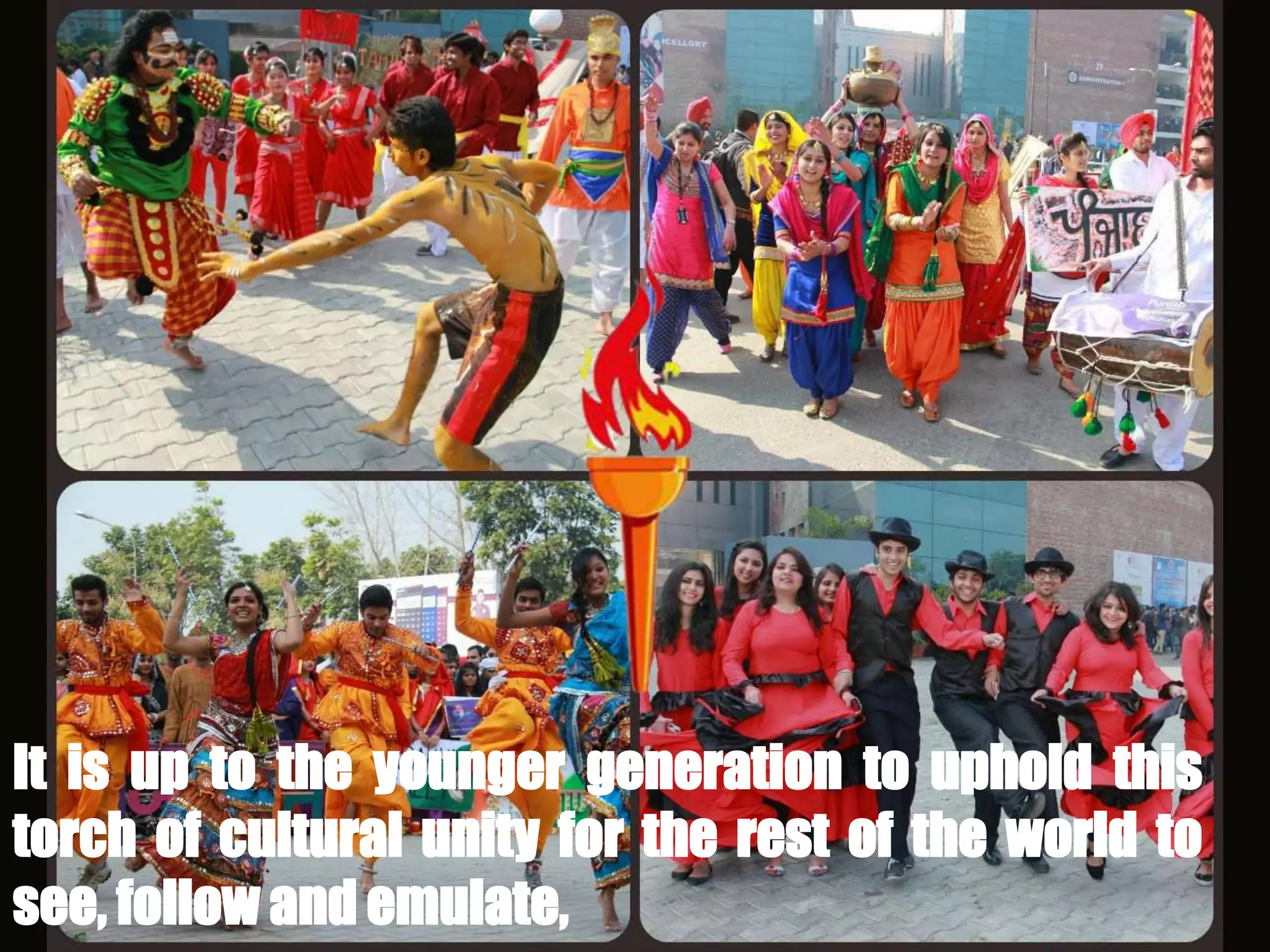
75.
It is upto the younger generation to uphold this
torch of cultural unity for the rest of the world to
see, follow and emulate,
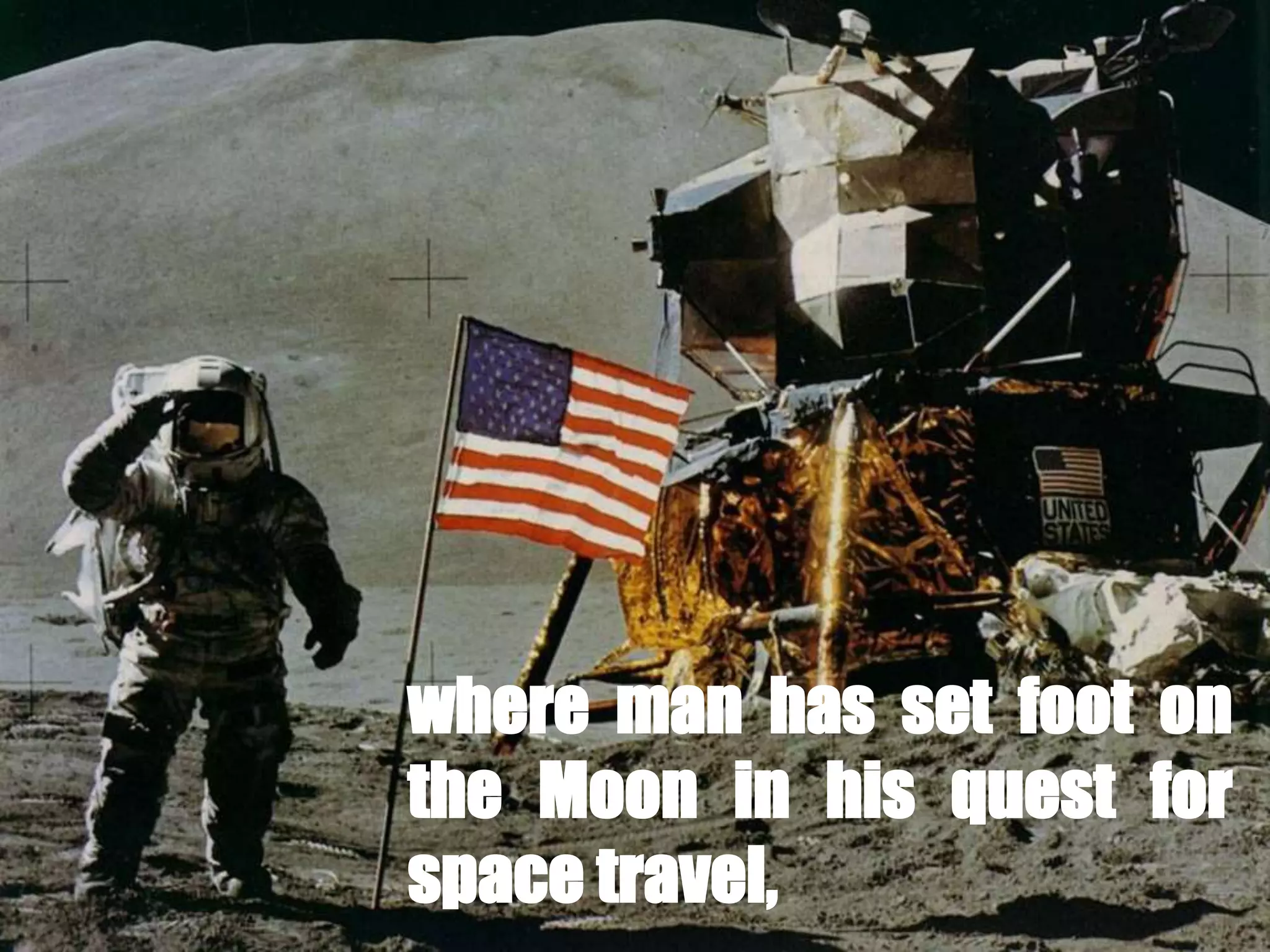
76.
and not getdazed by the superficial prosperity and
material achievement of the West,
77.
where man hasset foot on
the Moon in his quest for
space travel,