A low-cost MOOC production workflow for distributed teams
Rita Day, Brian Mulligan
Centre for Online Learning, IT Sligo
EdTEch2015 Conference 2015
What is a MOOC?
 “The opportunity to learn about a subject
from an expert, in the company of other
interested learners.”
What’s a MOOC?
 Massive Open Online Course – A model for delivery
learning content online to any person who wants to learn
more about a topic
 No limit on attendees
 Geographically diverse
 Free or reduced cost
 Variability in structure, content and
instruction
 1000’s of participants
 Between specified dates
 Material, Quizzes, Peer graded
assignments
Project outline
 A major reservation about Massive Open Online Courses
(MOOCs) is that they are extremely expensive to develop and
deliver and for most institutions this cannot be justified on a
sustainable financial basis.
 Intel Ireland have funded research on the development and
testing of a methodology for low-cost MOOC production.
 The development of four MOOCs in programming aimed at
secondary school and vocational students, where the key
developers are located outside IT Sligo.
Project Plan
 In this project Moodle has been used as an online
repository for the learning material; with a quality
checking mechanism facility rolled out in a pilot
programme from January 2015 and the re-run
planned for launch in September 2015.
 The pilot will be available to students within the
developers sector and through wider participation
with open availability to all by a registration
process.
Intel Ireland Coding MOOC Project
Funded by Intel Ireland
 Objective:
 To develop (4) free online courses in coding for
young people
 Leverage the amount of data in this field
 Measuring value
 Quality at low cost
 Led by IT Sligo
 Project Manager, Rita Day
Project Leader, Brian Mulligan
 Partners
 DIFE, DIT, CoderDojo,
FIT, SW College
Web Page Development
 Jessica Matthews, DIFE Drogheda Institute of
Further Education
 Currently piloting HTML, CSS
 Available Autumn 2015
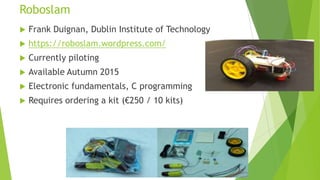
Roboslam
 Frank Duignan, Dublin Institute of Technology
 https://roboslam.wordpress.com/
 Currently piloting
 Available Autumn 2015
 Electronic fundamentals, C programming
 Requires ordering a kit (€250 / 10 kits)
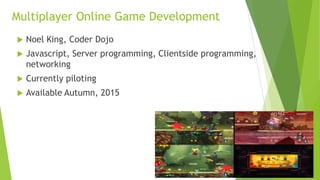
Multiplayer Online Game Development
 Noel King, Coder Dojo
 Javascript, Server programming, Clientside programming,
networking
 Currently piloting
 Available Autumn, 2015
Mobile Game Development
 Mark Taylor, Fast-track to IT (www.fit.ie)
 MIT AppInventor
 Pilot starts 13th April, 2015
 Available Autumn, 2015
Globalisation of MOOCs
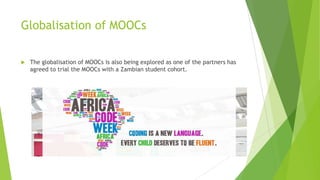
 The globalisation of MOOCs is also being explored as one of the partners has
agreed to trial the MOOCs with a Zambian student cohort.
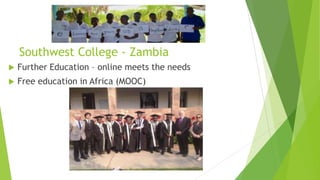
Southwest College - Zambia
 Further Education – online meets the needs
 Free education in Africa (MOOC)
Are MOOCs financially viable?
 The project will review the cost analysis per developer,
resources requirements for developing and delivering
MOOCs, the costs of MOOC production and delivery, a
time-by-task analysis, the sustainability of MOOCs and the
future direction through tracking of post-MOOC
longitudinal studies.
 Topics include Content Development and Sourcing,
Hosting Platforms, Pedagogical Approaches,
Communication and Support, Institutional Systems and
Services, Assessment and Accreditation.
How much does it cost to record and
publish a lecture?
 Recording set up.
 –Video
 –Audio
 –Screen capture
 –Etc.
 •Mixing
 •Editing
 •Post-processing
 •Publishing
 •Yale: €40k per course
Costs to Develop
 Instructors develop their own courses
 Course development 100+hours
 Course management 8-10hours per week
 Provider services
 $250,000+ per course
 $50,000+ every time the course is taught
 Free to participants
"Could it be cheaper? - IT Sligo Research"
 Target audience – young people learning to code
 Free platforms
 Low cost recording tools
 Open Education Resources
 Instructional branding
 Quality and standardisation
 LoCoMoTion Project moocs4all.eu
 How to build low-cost MOOCs
 MOOC starting June 2015
 IT Sligo, Technical U. of Delft, U. of Girona, Fachhochschule Bielefeld,
Bath Spa University
"Could it be cheaper? - IT Sligo Research"
The project aims will investigate:
 1. How were the students’ experiences in terms of the course
design (e.g. learning materials, activities and teaching support)?
 2. How effective was course with regard to students’ learning
outcomes?
 3. How do the outcomes differ from more expensive MOOCs?
 4. What were the costs involved in constructing the MOOCs?
 5. How were the instructors’ experiences in terms of the course
from production to execution?
Quantification of Developers effort
 Number of hours in course design (definition of topics and
content)
 Number of videos per week:
 Average length of video:
 Development of videos:
 Average time to:
 plan/design a video:
 Preparation / assemble materials
 record video
 carry out any processing before submission to IT Sligo
 Time spent authoring quizzes per week
 Number of assignments in course
 Average time writing the assignment

Useful
Ideas
 Simplify
 Recommended standard
 Templates & Design
Patterns
 Workflow
 Hardware
 Training (minimal)
 Support
What is the
Challenge?
 To maximise quality
 To minimise costs
 To minimise the
workload
skills required
on the Subject
Matter Expert
Useful Ideas
 Moderate ambitions
 Simplify processes – sample lean workflow
 Recommended standards – templates – course design,
slides, quizzes
 Minimal training
 Reliable hardware
 Responsive support
 Peer Assessment
 You Tube as the video platform
 Alignment of activities to the learning outcomes
Useful ideas continued…
 Criteria for selection
 Ease of recording
 Ease of publishing
 Scalability
 Cost of hosting
 Bandwidth requirements
 Recording, viewing
 Publishing options
 Output quality and formats
 Navigable recordings
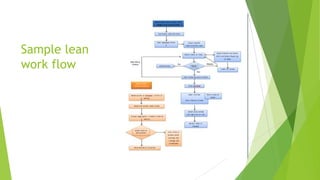
Sample lean
work flow
End of Course Survey
Thank you and acknowledgements
Any Questions?
www.itsligo.ie/online

A low-cost MOOC production workflow for distributed teams

  • 1.
    A low-cost MOOCproduction workflow for distributed teams Rita Day, Brian Mulligan Centre for Online Learning, IT Sligo EdTEch2015 Conference 2015
  • 2.
    What is aMOOC?  “The opportunity to learn about a subject from an expert, in the company of other interested learners.”
  • 3.
    What’s a MOOC? Massive Open Online Course – A model for delivery learning content online to any person who wants to learn more about a topic  No limit on attendees  Geographically diverse  Free or reduced cost  Variability in structure, content and instruction  1000’s of participants  Between specified dates  Material, Quizzes, Peer graded assignments
  • 4.
    Project outline  Amajor reservation about Massive Open Online Courses (MOOCs) is that they are extremely expensive to develop and deliver and for most institutions this cannot be justified on a sustainable financial basis.  Intel Ireland have funded research on the development and testing of a methodology for low-cost MOOC production.  The development of four MOOCs in programming aimed at secondary school and vocational students, where the key developers are located outside IT Sligo.
  • 5.
    Project Plan  Inthis project Moodle has been used as an online repository for the learning material; with a quality checking mechanism facility rolled out in a pilot programme from January 2015 and the re-run planned for launch in September 2015.  The pilot will be available to students within the developers sector and through wider participation with open availability to all by a registration process.
  • 6.
    Intel Ireland CodingMOOC Project Funded by Intel Ireland  Objective:  To develop (4) free online courses in coding for young people  Leverage the amount of data in this field  Measuring value  Quality at low cost  Led by IT Sligo  Project Manager, Rita Day Project Leader, Brian Mulligan  Partners  DIFE, DIT, CoderDojo, FIT, SW College
  • 7.
    Web Page Development Jessica Matthews, DIFE Drogheda Institute of Further Education  Currently piloting HTML, CSS  Available Autumn 2015
  • 8.
    Roboslam  Frank Duignan,Dublin Institute of Technology  https://roboslam.wordpress.com/  Currently piloting  Available Autumn 2015  Electronic fundamentals, C programming  Requires ordering a kit (€250 / 10 kits)
  • 9.
    Multiplayer Online GameDevelopment  Noel King, Coder Dojo  Javascript, Server programming, Clientside programming, networking  Currently piloting  Available Autumn, 2015
  • 10.
    Mobile Game Development Mark Taylor, Fast-track to IT (www.fit.ie)  MIT AppInventor  Pilot starts 13th April, 2015  Available Autumn, 2015
  • 11.
    Globalisation of MOOCs The globalisation of MOOCs is also being explored as one of the partners has agreed to trial the MOOCs with a Zambian student cohort.
  • 12.
    Southwest College -Zambia  Further Education – online meets the needs  Free education in Africa (MOOC)
  • 13.
    Are MOOCs financiallyviable?  The project will review the cost analysis per developer, resources requirements for developing and delivering MOOCs, the costs of MOOC production and delivery, a time-by-task analysis, the sustainability of MOOCs and the future direction through tracking of post-MOOC longitudinal studies.  Topics include Content Development and Sourcing, Hosting Platforms, Pedagogical Approaches, Communication and Support, Institutional Systems and Services, Assessment and Accreditation.
  • 14.
    How much doesit cost to record and publish a lecture?  Recording set up.  –Video  –Audio  –Screen capture  –Etc.  •Mixing  •Editing  •Post-processing  •Publishing  •Yale: €40k per course
  • 15.
    Costs to Develop Instructors develop their own courses  Course development 100+hours  Course management 8-10hours per week  Provider services  $250,000+ per course  $50,000+ every time the course is taught  Free to participants
  • 16.
    "Could it becheaper? - IT Sligo Research"  Target audience – young people learning to code  Free platforms  Low cost recording tools  Open Education Resources  Instructional branding  Quality and standardisation  LoCoMoTion Project moocs4all.eu  How to build low-cost MOOCs  MOOC starting June 2015  IT Sligo, Technical U. of Delft, U. of Girona, Fachhochschule Bielefeld, Bath Spa University
  • 17.
    "Could it becheaper? - IT Sligo Research" The project aims will investigate:  1. How were the students’ experiences in terms of the course design (e.g. learning materials, activities and teaching support)?  2. How effective was course with regard to students’ learning outcomes?  3. How do the outcomes differ from more expensive MOOCs?  4. What were the costs involved in constructing the MOOCs?  5. How were the instructors’ experiences in terms of the course from production to execution?
  • 18.
    Quantification of Developerseffort  Number of hours in course design (definition of topics and content)  Number of videos per week:  Average length of video:  Development of videos:  Average time to:  plan/design a video:  Preparation / assemble materials  record video  carry out any processing before submission to IT Sligo  Time spent authoring quizzes per week  Number of assignments in course  Average time writing the assignment 
  • 19.
    Useful Ideas  Simplify  Recommendedstandard  Templates & Design Patterns  Workflow  Hardware  Training (minimal)  Support
  • 20.
    What is the Challenge? To maximise quality  To minimise costs  To minimise the workload skills required on the Subject Matter Expert
  • 21.
    Useful Ideas  Moderateambitions  Simplify processes – sample lean workflow  Recommended standards – templates – course design, slides, quizzes  Minimal training  Reliable hardware  Responsive support  Peer Assessment  You Tube as the video platform  Alignment of activities to the learning outcomes
  • 22.
    Useful ideas continued… Criteria for selection  Ease of recording  Ease of publishing  Scalability  Cost of hosting  Bandwidth requirements  Recording, viewing  Publishing options  Output quality and formats  Navigable recordings
  • 23.
  • 24.
  • 25.
    Thank you andacknowledgements
  • 26.

Editor's Notes

  • #27 This is our objective. We are streaking ahead of other institutions in the country, particularly the Universities who do not seem to be interested.