week 11. understanding expressions of IOT

- Chen Ching Heng

How can we design an internet of
things for everyone? (not just alpha geeks)
- by Carla Diana (8/2013)
SUMMARY

How do we design for everyone?
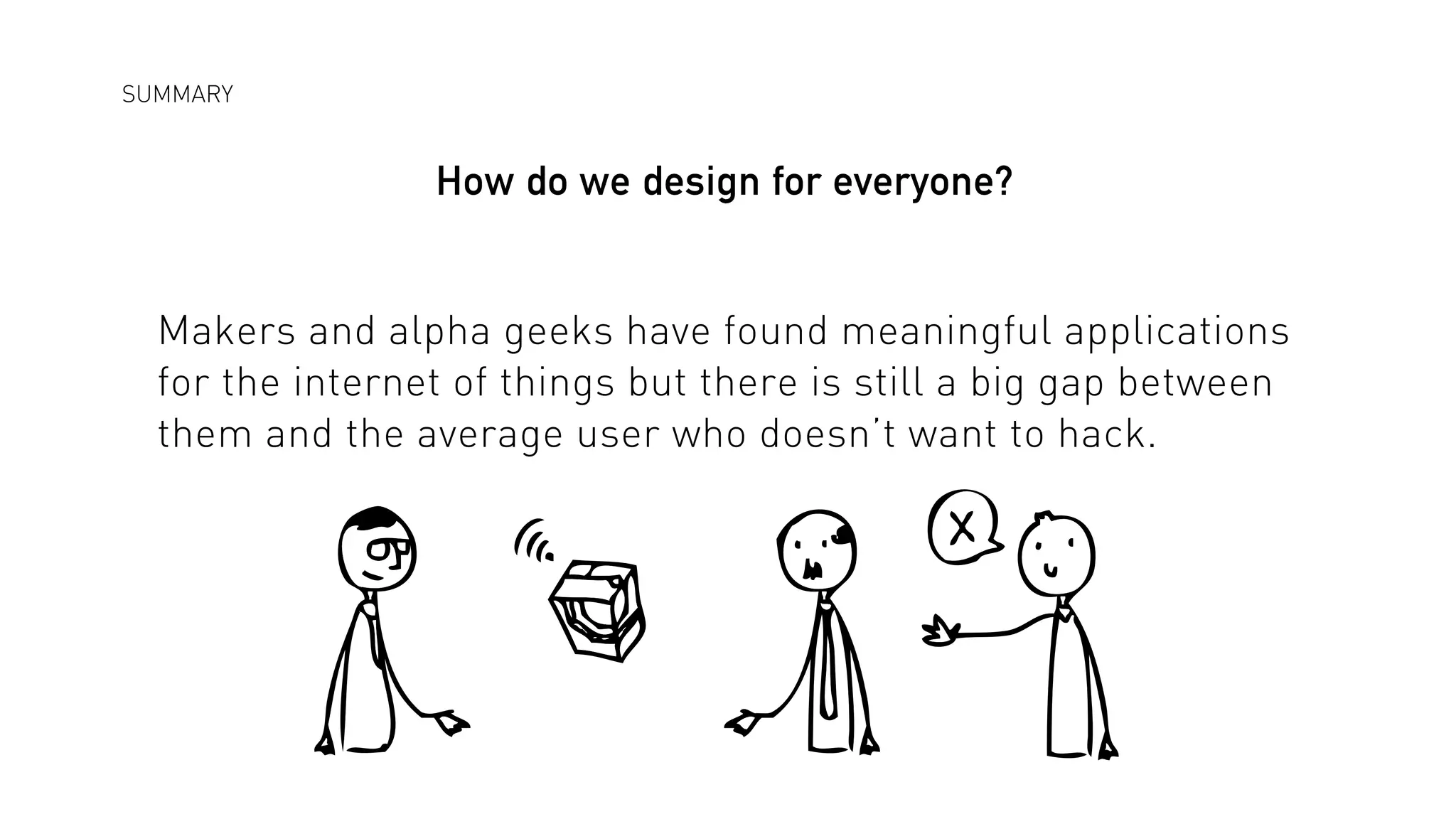
Makers and alpha geeks have found meaningful applications
for the internet of things but there is still a big gap between
them and the average user who doesn’t want to hack.
We are in a “blank slate” moment.

We know that connected devices are possible,
but we’re not exactly sure why we need them.
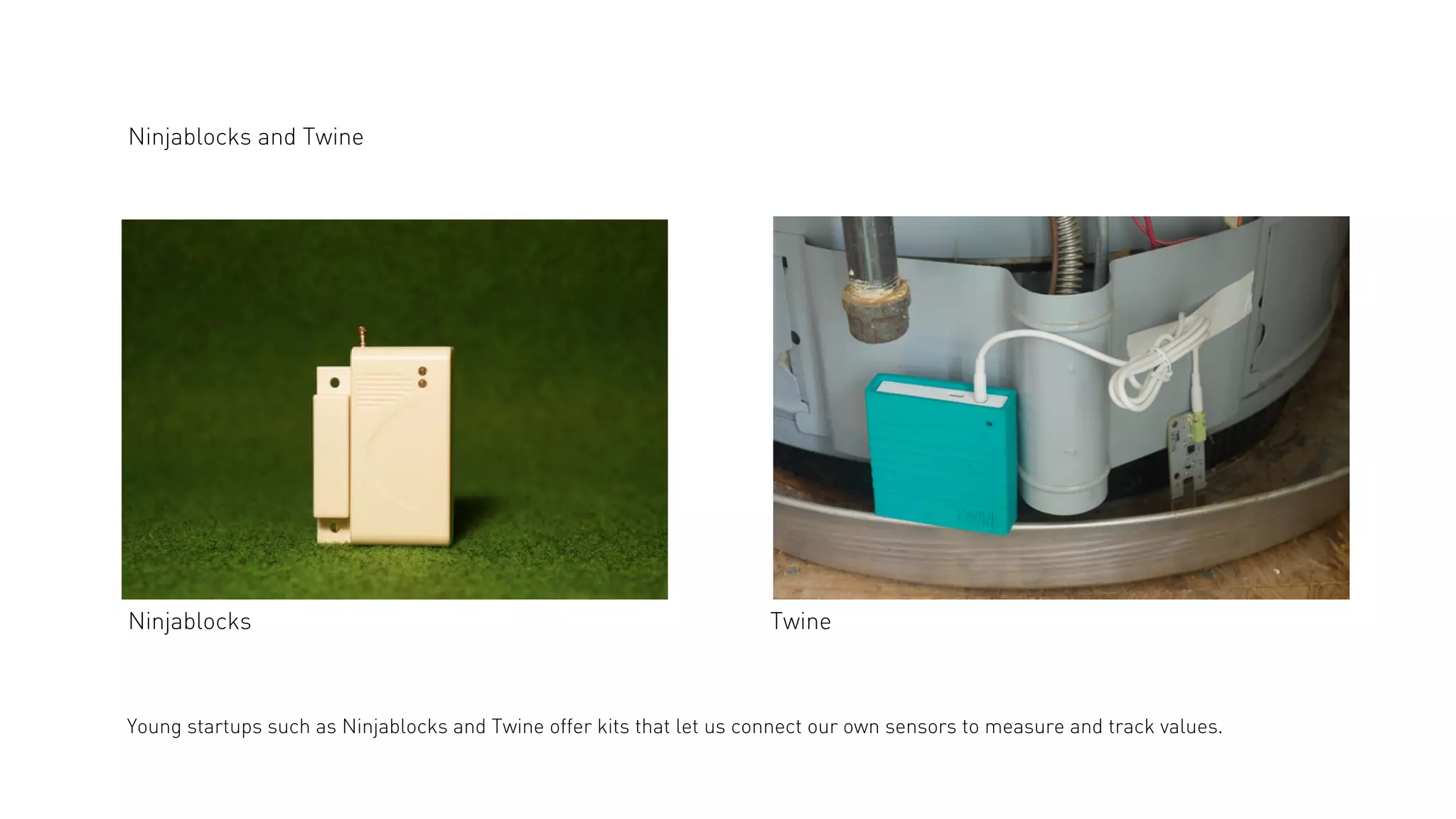
Ninjablocks and Twine

Ninjablocks

Twine

Young startups such as Ninjablocks and Twine offer kits that let us connect our own sensors to measure and track values.
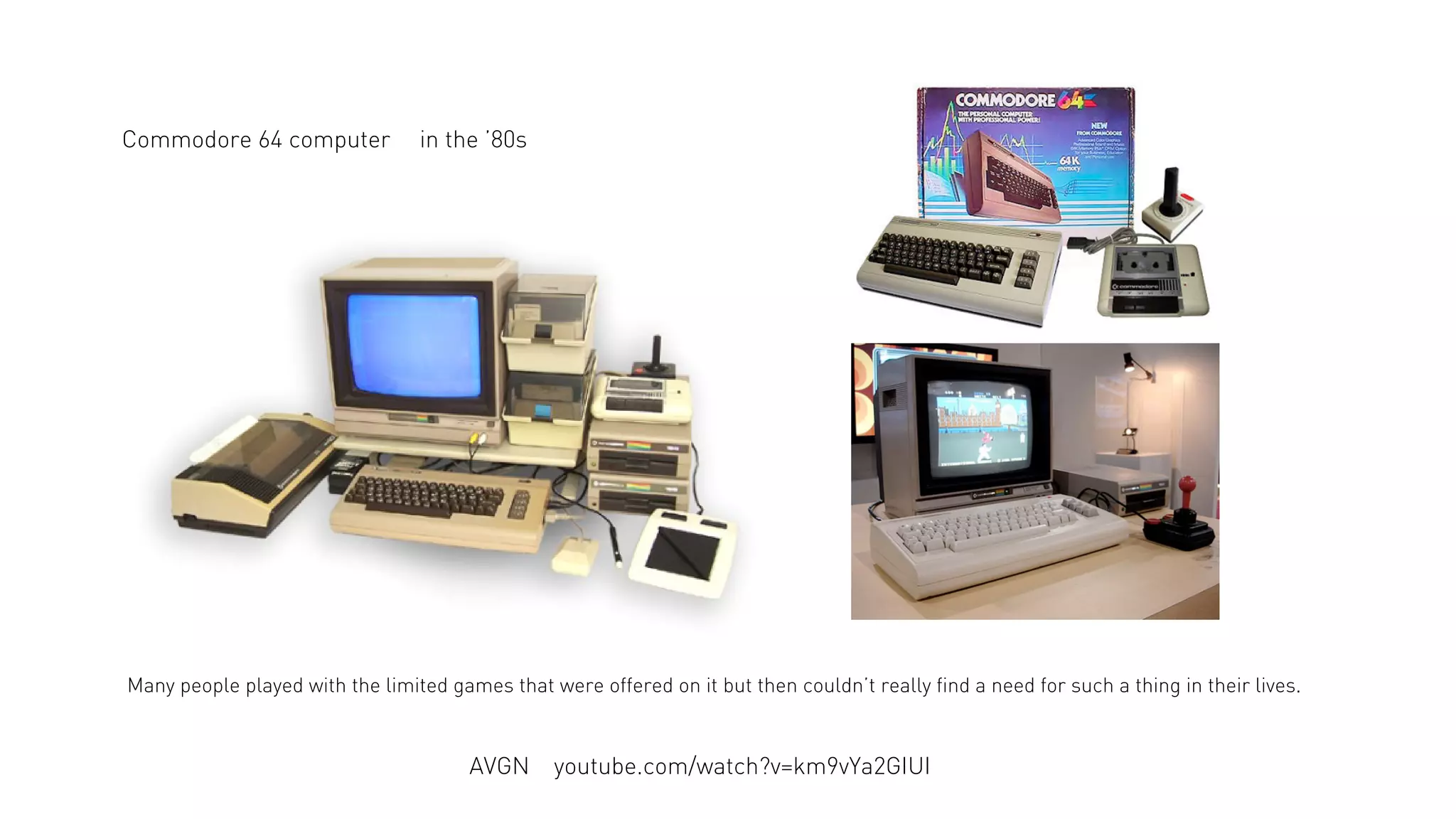
Commodore 64 computer

in the ’80s

Many people played with the limited games that were offered on it but then couldn’t really find a need for such a thing in their lives.

AVGN

youtube.com/watch?v=km9vYa2GIUI
A magic box or a bewildering toy?

What will people do with the new connected devices and tools that have just become available?
How should those tools evolve to best suit people’s needs?
What businesses will grow from the desire (and eventually the need) for them in our lives?
Watching companies who create the building blocks for today’s

“everything machines”
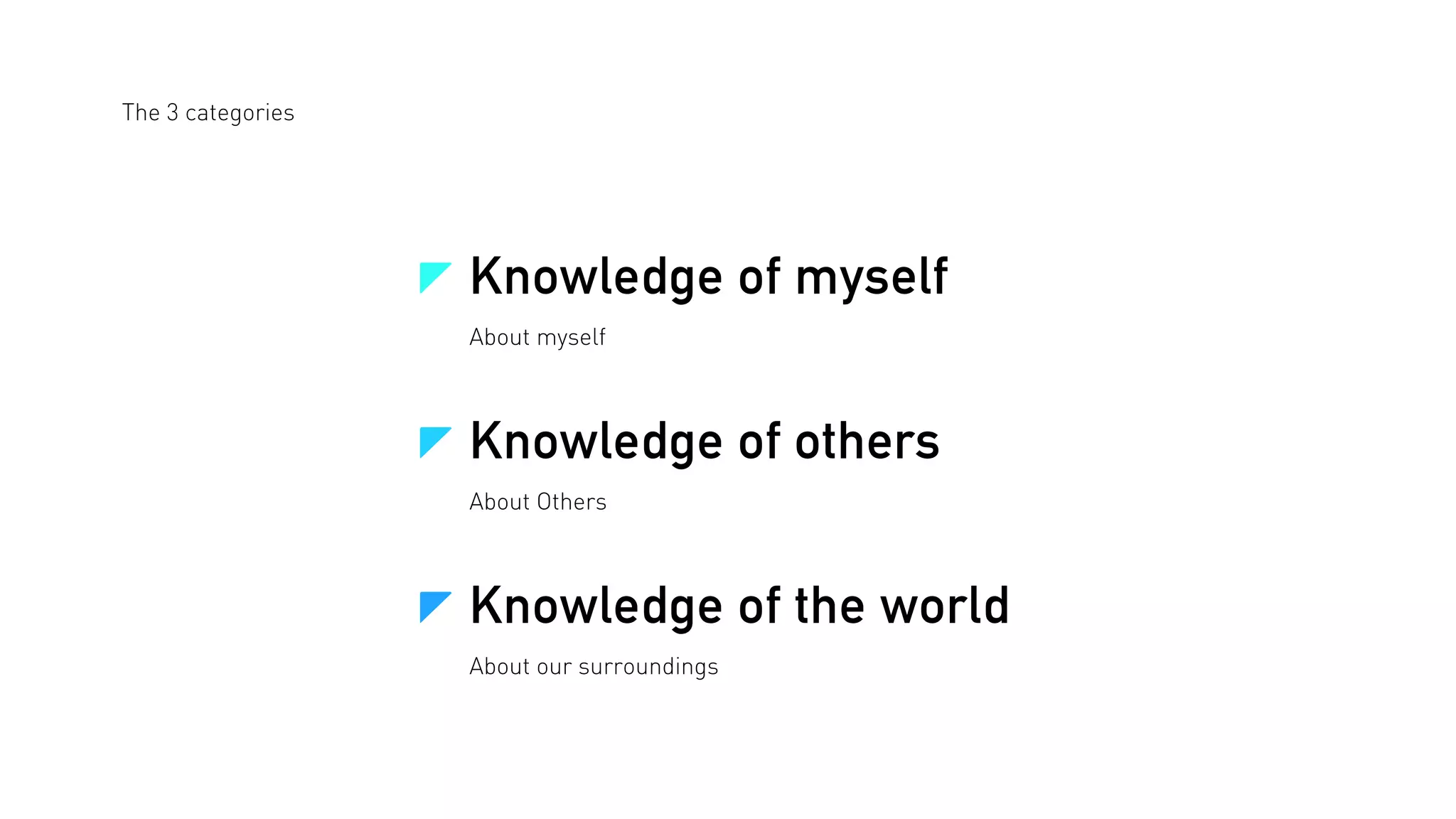
The 3 categories

Knowledge of myself
About myself

Knowledge of others
About Others

Knowledge of the world
About our surroundings
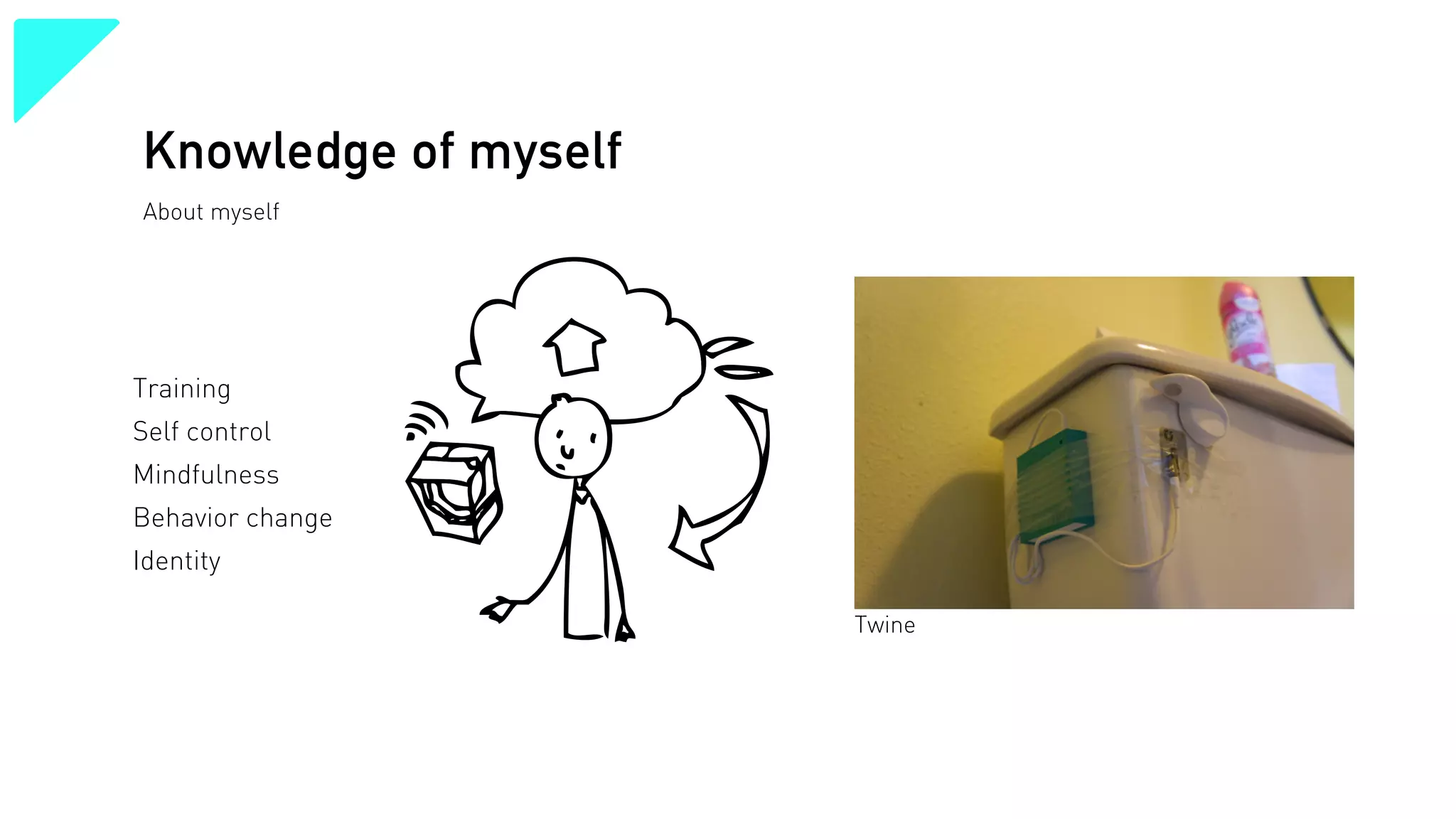
Knowledge of myself
About myself

Training
Self control
Mindfulness
Behavior change
Identity
Twine
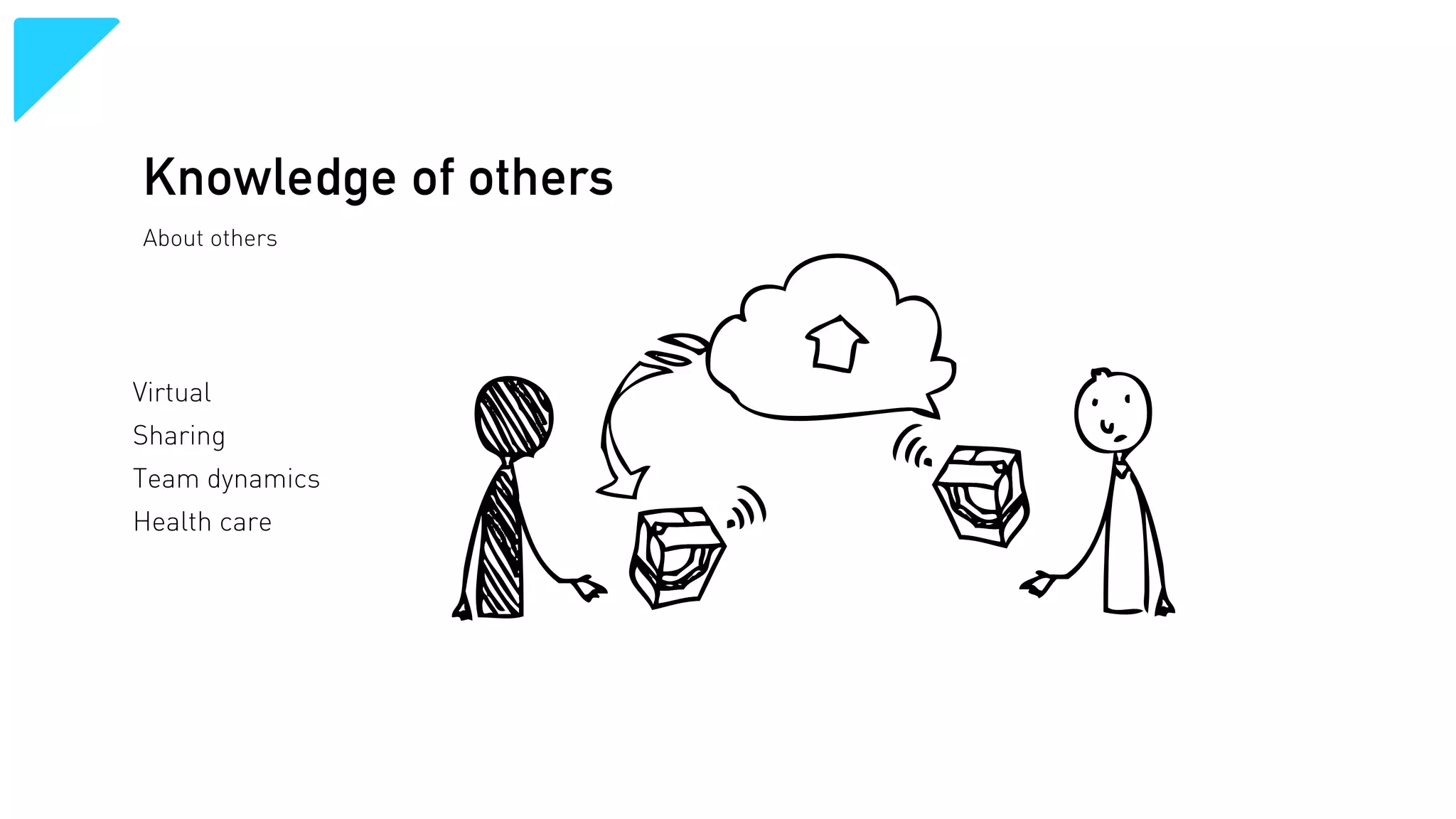
Knowledge of others
About others

Virtual
Sharing
Team dynamics
Health care
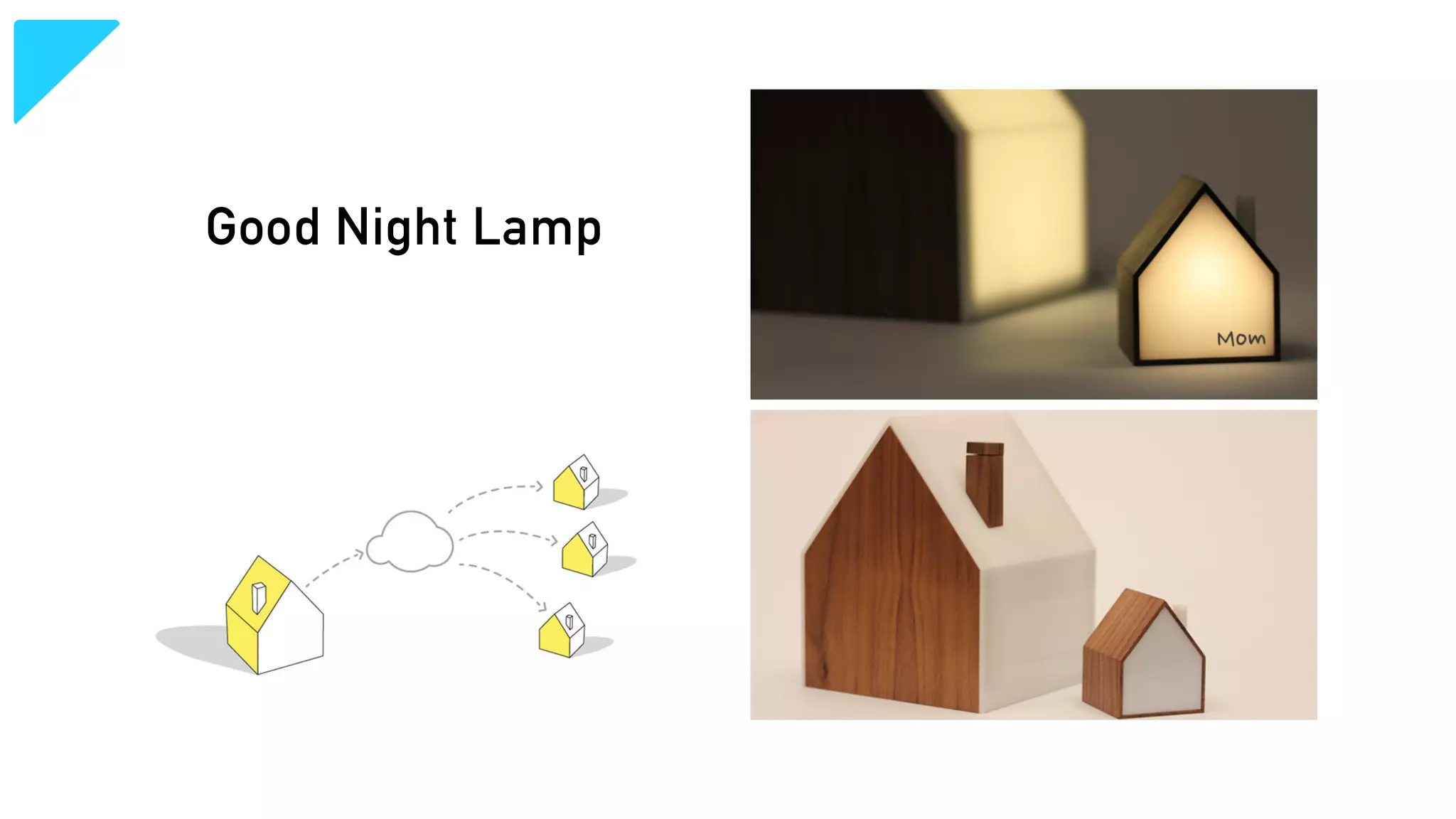
Good Night Lamp
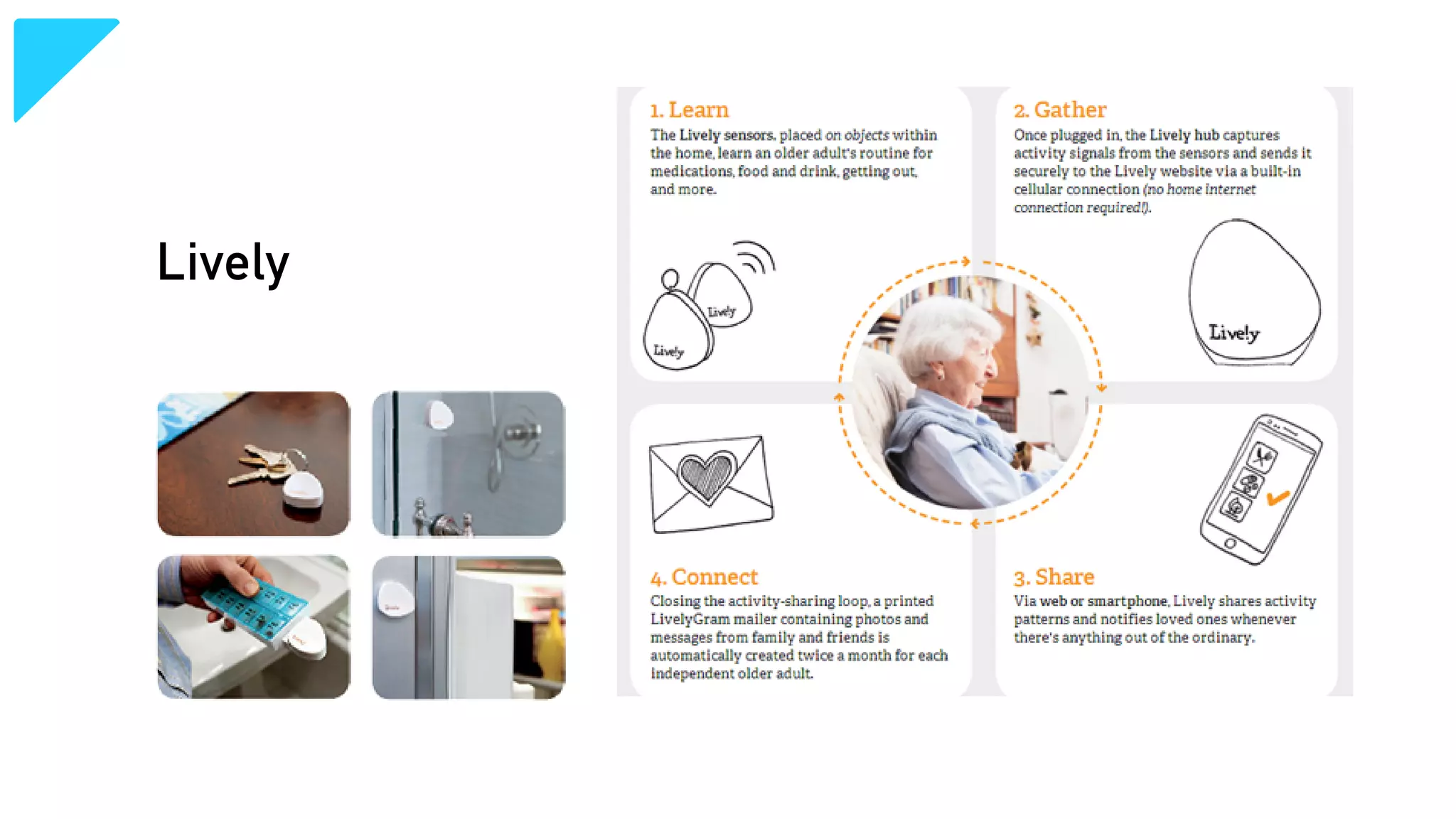
Lively
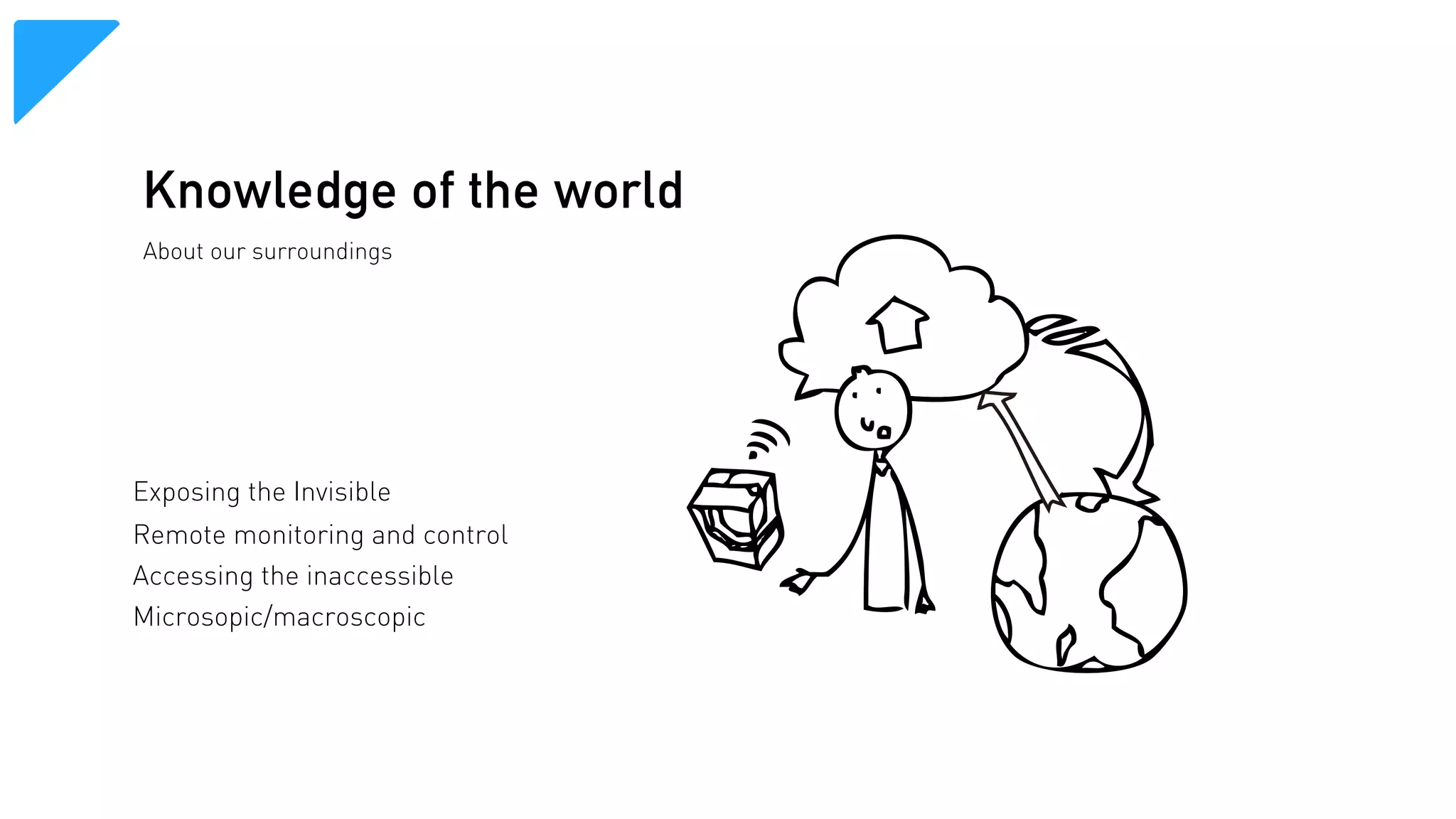
Knowledge of the world
About our surroundings

Exposing the Invisible
Remote monitoring and control
Accessing the inaccessible
Microsopic/macroscopic
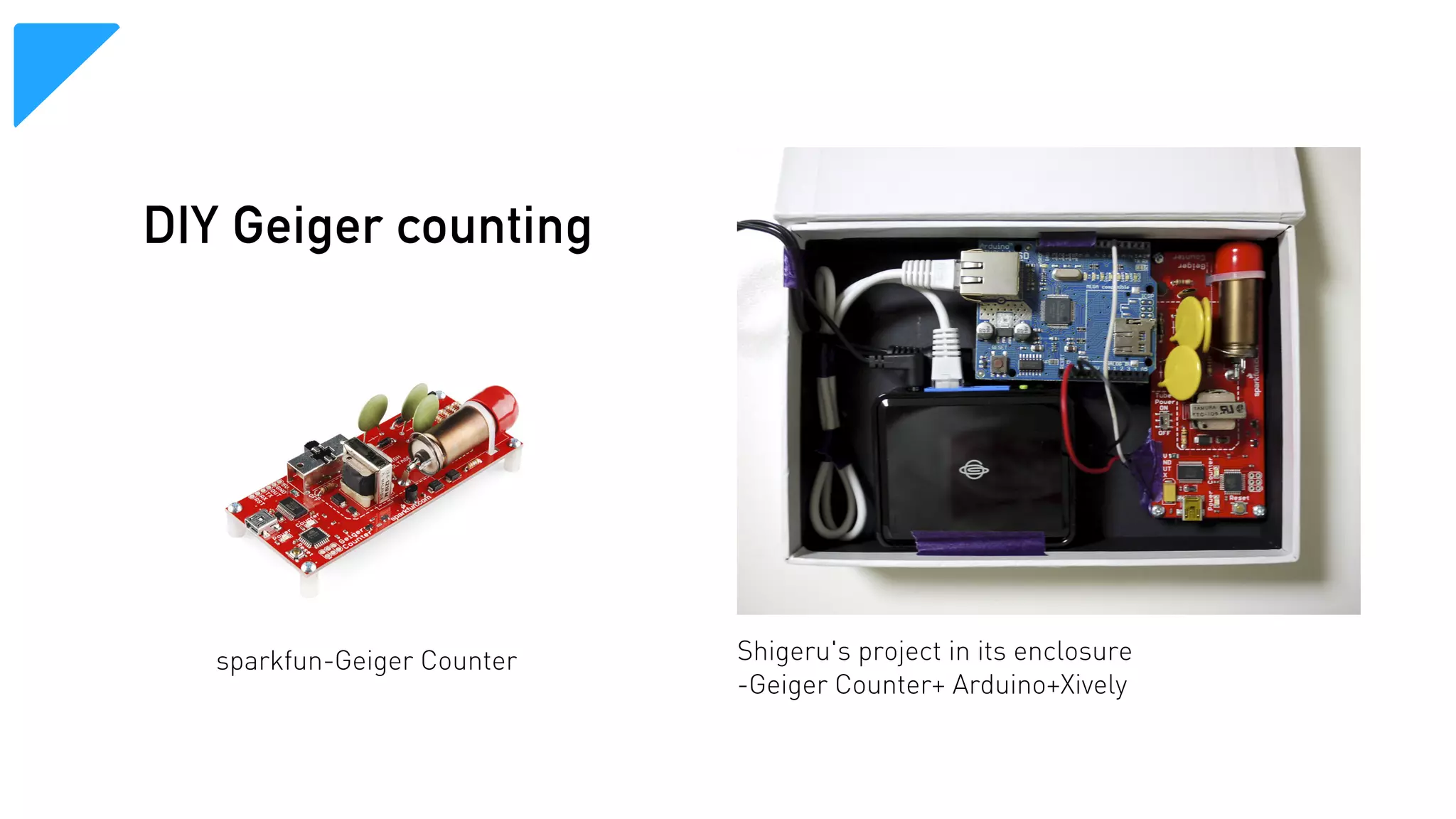
DIY Geiger counting

sparkfun-Geiger Counter

Shigeru's project in its enclosure
-Geiger Counter+ Arduino+Xively
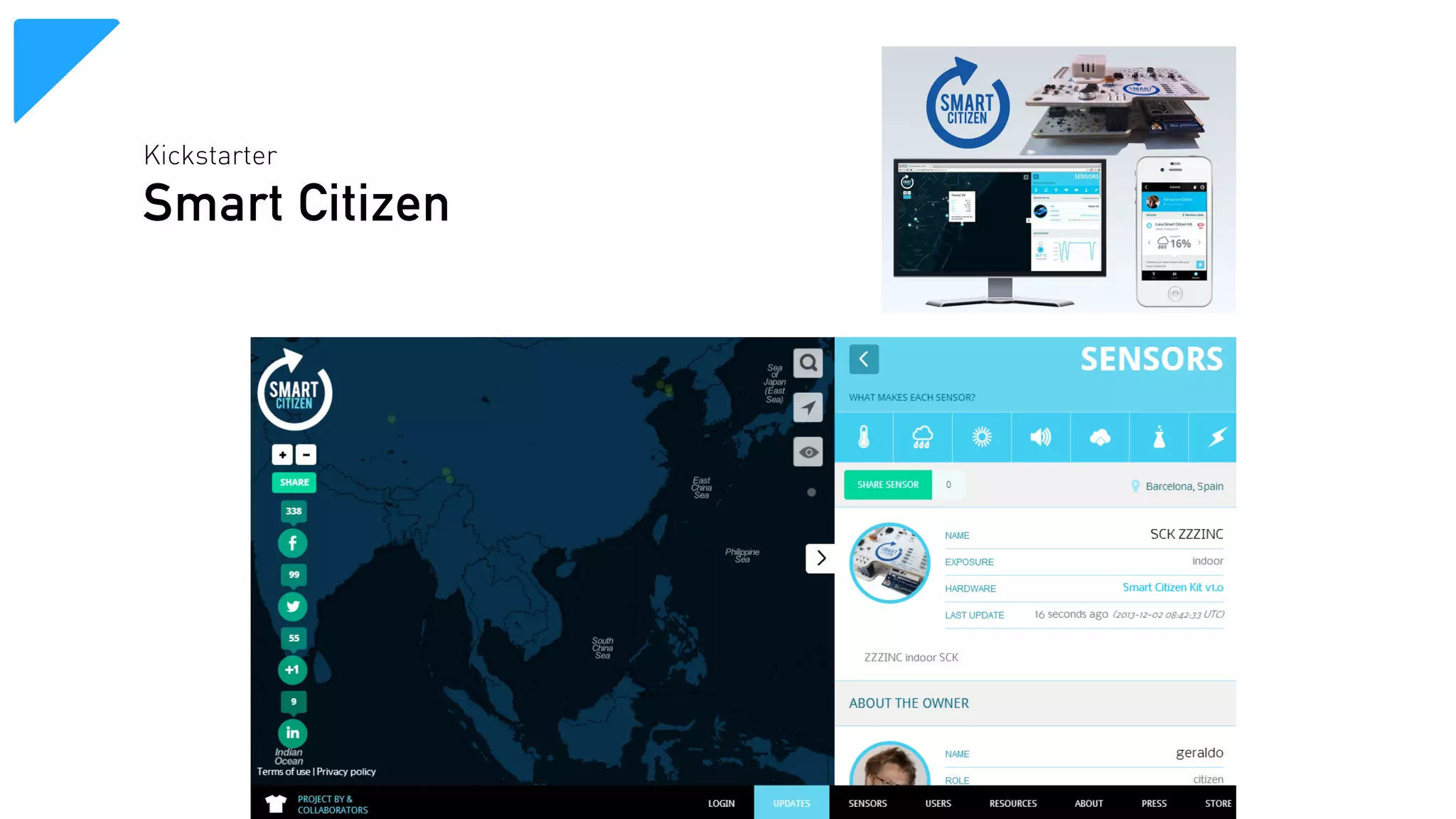
Kickstarter

Smart Citizen
Pulling it all together
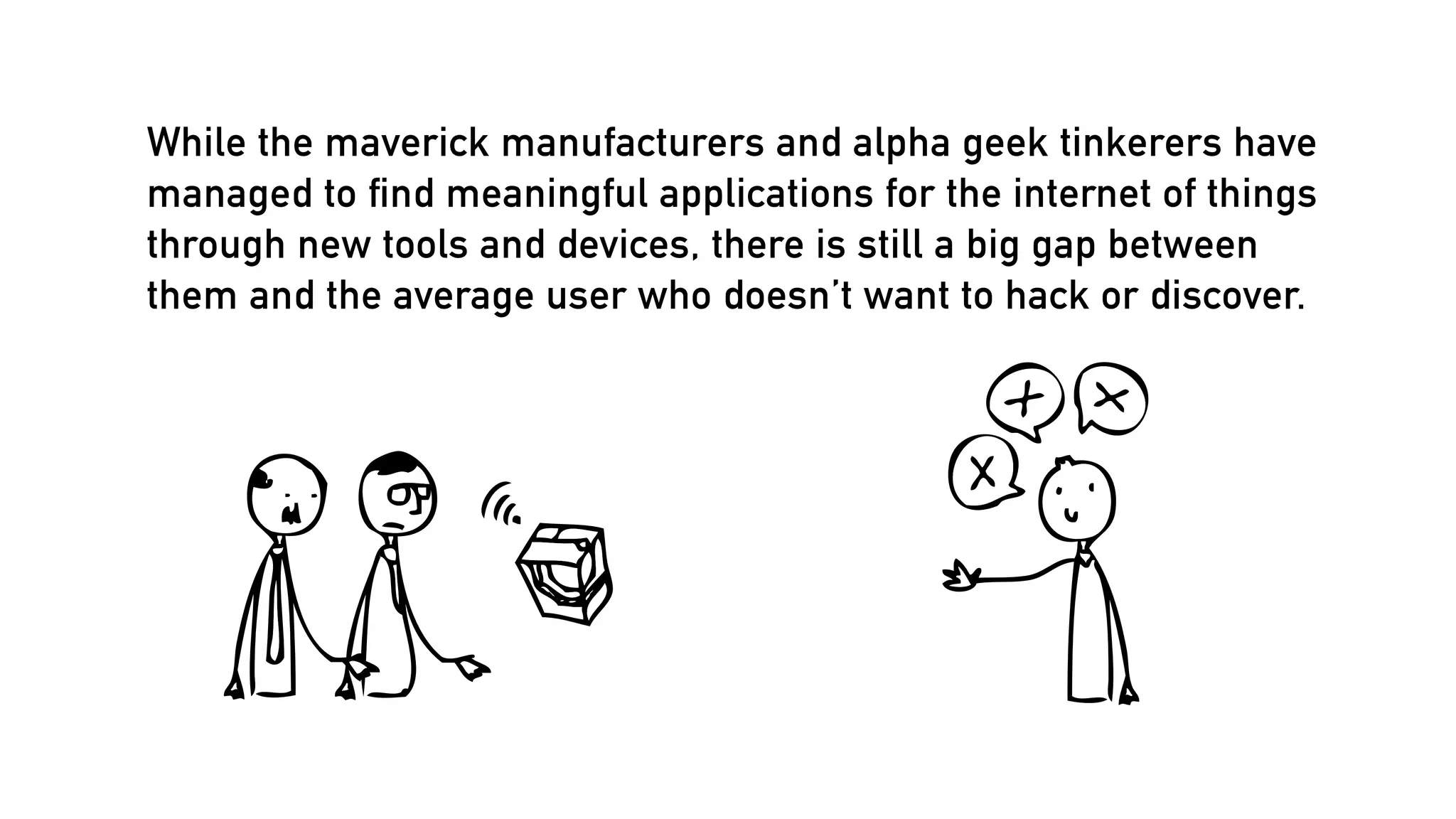
While the maverick manufacturers and alpha geek tinkerers have
managed to find meaningful applications for the internet of things
through new tools and devices, there is still a big gap between
them and the average user who doesn’t want to hack or discover.
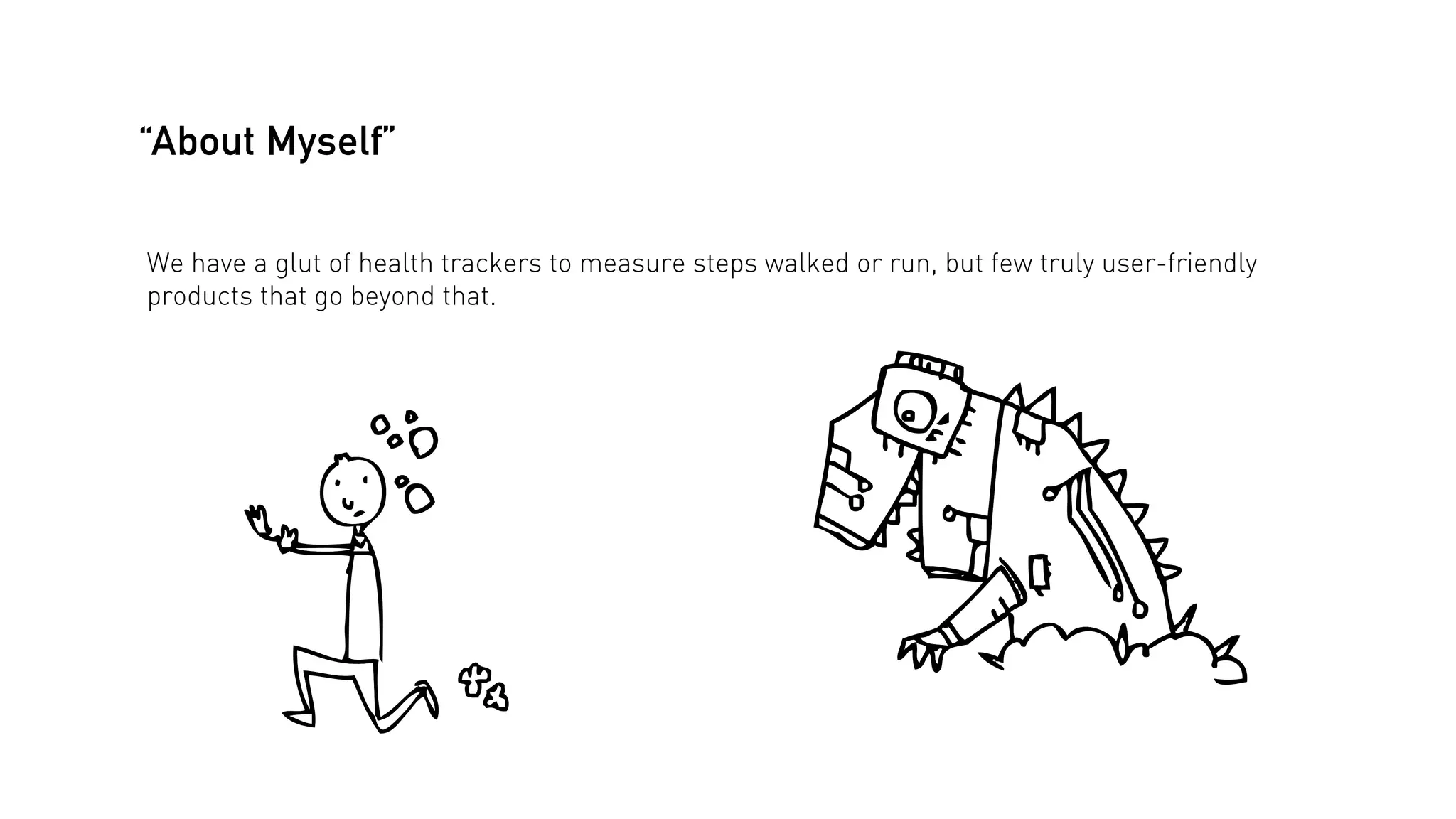
“About Myself”
We have a glut of health trackers to measure steps walked or run, but few truly user-friendly
products that go beyond that.
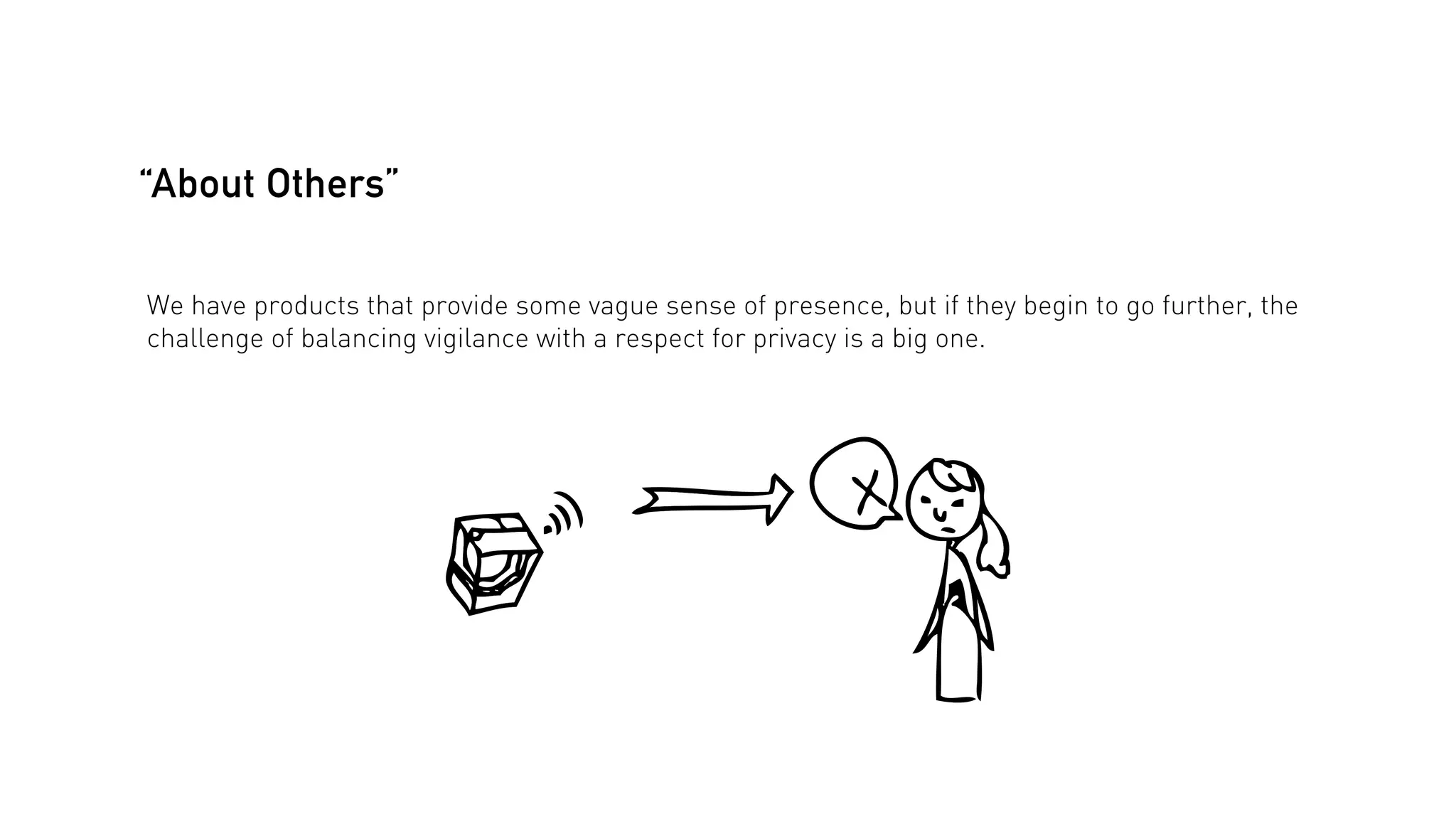
“About Others”
We have products that provide some vague sense of presence, but if they begin to go further, the
challenge of balancing vigilance with a respect for privacy is a big one.
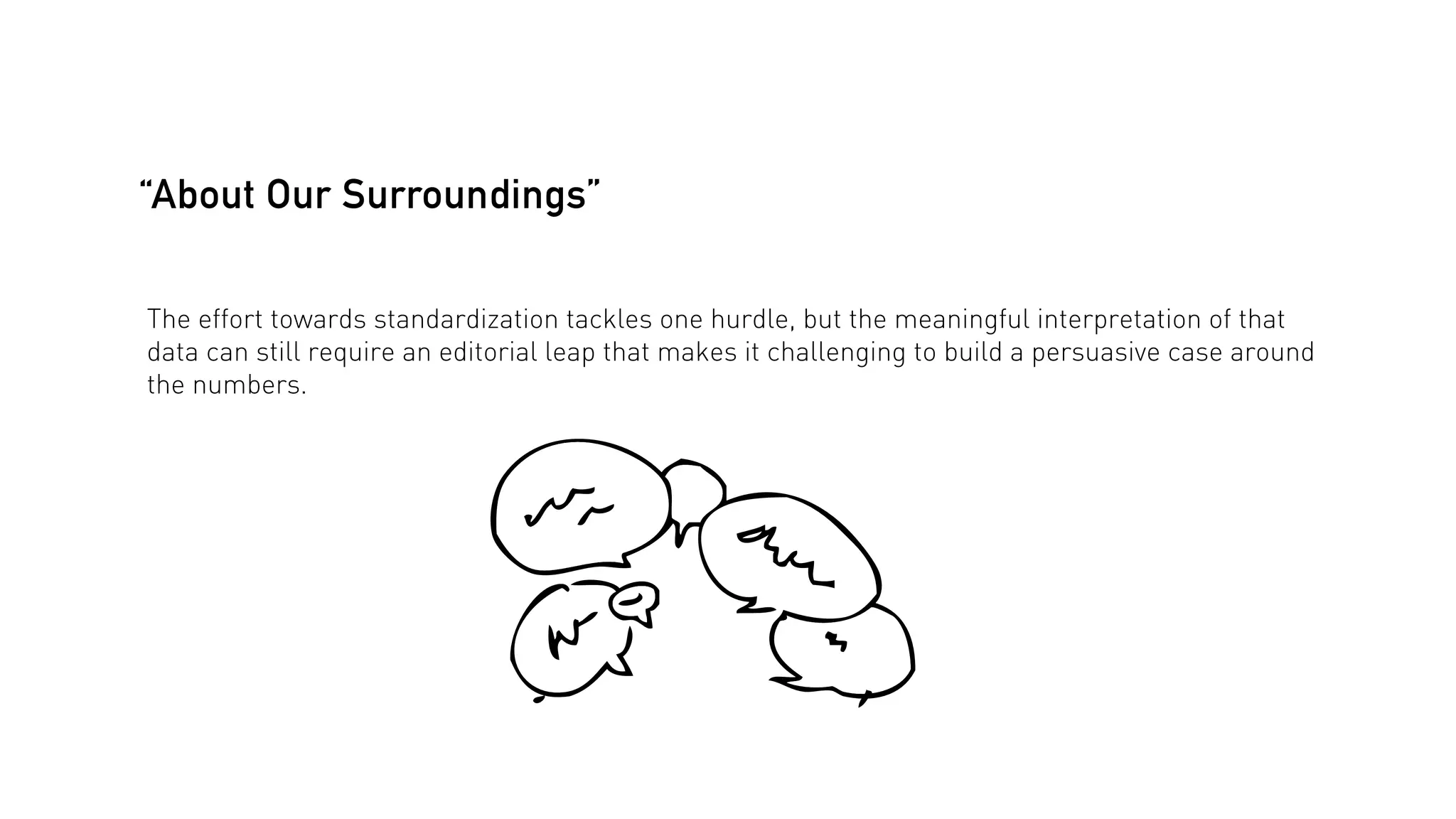
“About Our Surroundings”
The effort towards standardization tackles one hurdle, but the meaningful interpretation of that
data can still require an editorial leap that makes it challenging to build a persuasive case around
the numbers.
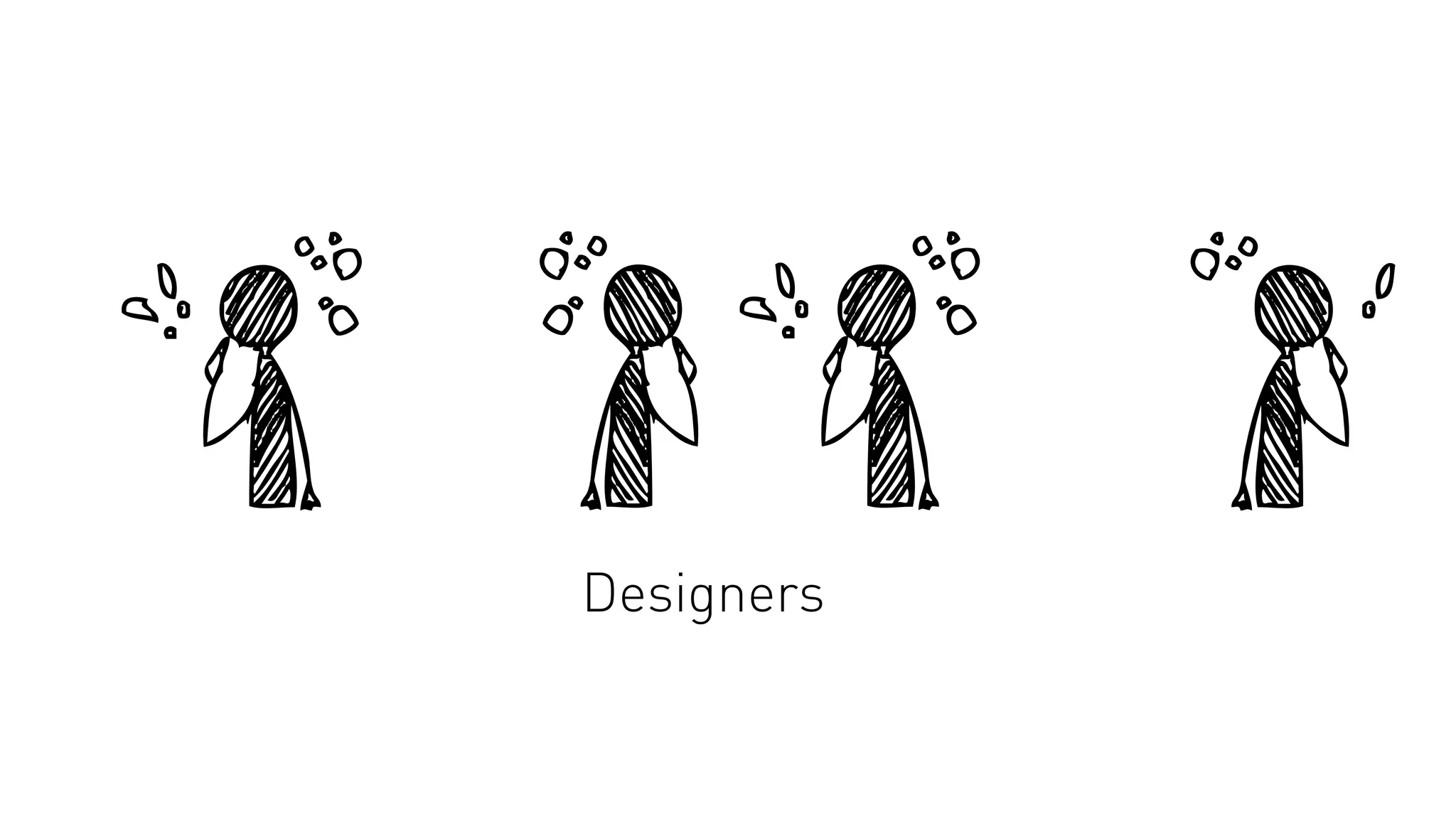
We have to design products that are intuitive
to install and easy to understand, giving us
feedback in a human language that tells us
things that matter in our everyday lives.
Designers
Related research
GigaOM Research highs and lows from CES 2013
January 2013
Analyzing the wearable computing market
July 2012
How can we design an internet of things for everyone (not just alpha geeks)?
by Carla Diana (8/2013)

Week 11_Cchen Ching Heng

  • 1.
    week 11. understandingexpressions of IOT - Chen Ching Heng How can we design an internet of things for everyone? (not just alpha geeks) - by Carla Diana (8/2013)
  • 2.
    SUMMARY How do wedesign for everyone? Makers and alpha geeks have found meaningful applications for the internet of things but there is still a big gap between them and the average user who doesn’t want to hack.
  • 3.
    We are ina “blank slate” moment. We know that connected devices are possible, but we’re not exactly sure why we need them.
  • 4.
    Ninjablocks and Twine Ninjablocks Twine Youngstartups such as Ninjablocks and Twine offer kits that let us connect our own sensors to measure and track values.
  • 5.
    Commodore 64 computer inthe ’80s Many people played with the limited games that were offered on it but then couldn’t really find a need for such a thing in their lives. AVGN youtube.com/watch?v=km9vYa2GIUI
  • 6.
    A magic boxor a bewildering toy? What will people do with the new connected devices and tools that have just become available? How should those tools evolve to best suit people’s needs? What businesses will grow from the desire (and eventually the need) for them in our lives?
  • 7.
    Watching companies whocreate the building blocks for today’s “everything machines”
  • 8.
    The 3 categories Knowledgeof myself About myself Knowledge of others About Others Knowledge of the world About our surroundings
  • 9.
    Knowledge of myself Aboutmyself Training Self control Mindfulness Behavior change Identity Twine
  • 10.
    Knowledge of others Aboutothers Virtual Sharing Team dynamics Health care
  • 11.
  • 12.
  • 13.
    Knowledge of theworld About our surroundings Exposing the Invisible Remote monitoring and control Accessing the inaccessible Microsopic/macroscopic
  • 14.
    DIY Geiger counting sparkfun-GeigerCounter Shigeru's project in its enclosure -Geiger Counter+ Arduino+Xively
  • 15.
  • 16.
  • 17.
    While the maverickmanufacturers and alpha geek tinkerers have managed to find meaningful applications for the internet of things through new tools and devices, there is still a big gap between them and the average user who doesn’t want to hack or discover.
  • 18.
    “About Myself” We havea glut of health trackers to measure steps walked or run, but few truly user-friendly products that go beyond that.
  • 19.
    “About Others” We haveproducts that provide some vague sense of presence, but if they begin to go further, the challenge of balancing vigilance with a respect for privacy is a big one.
  • 20.
    “About Our Surroundings” Theeffort towards standardization tackles one hurdle, but the meaningful interpretation of that data can still require an editorial leap that makes it challenging to build a persuasive case around the numbers.
  • 21.
    We have todesign products that are intuitive to install and easy to understand, giving us feedback in a human language that tells us things that matter in our everyday lives.
  • 22.
  • 23.
    Related research GigaOM Researchhighs and lows from CES 2013 January 2013 Analyzing the wearable computing market July 2012 How can we design an internet of things for everyone (not just alpha geeks)? by Carla Diana (8/2013)