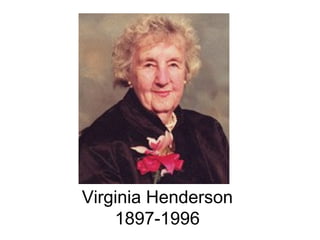
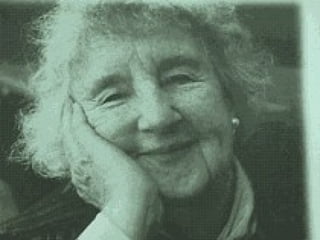
Virginia Henderson 1897-1996
 
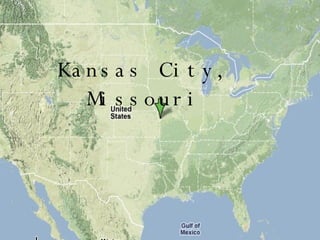
Kansas City, Missouri
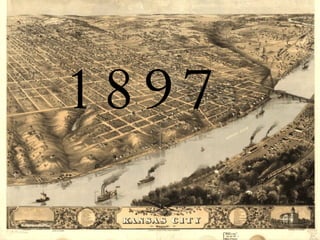
1897
 
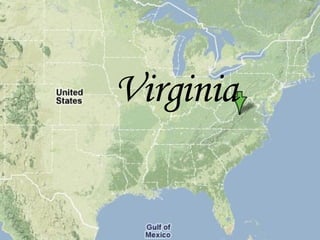
Virginia


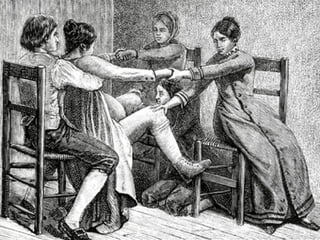
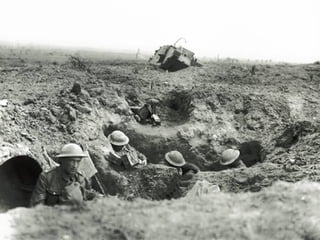
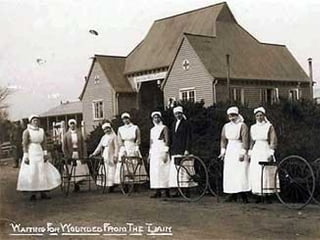
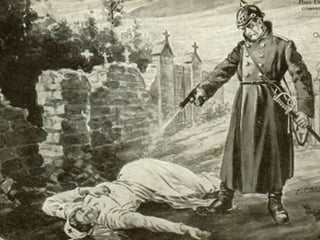
CALL FOR NURSES
 
 
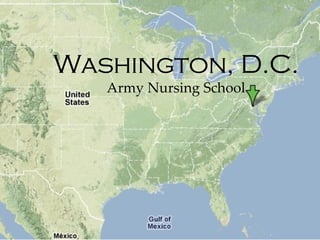
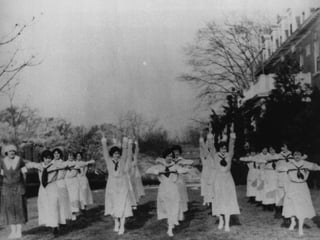
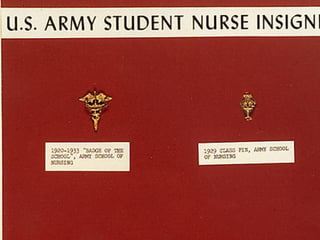
Washington, D.C. Army Nursing School
1921
 
 
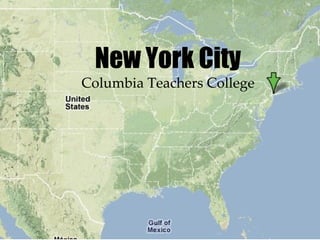
New York City Columbia Teachers College
1926
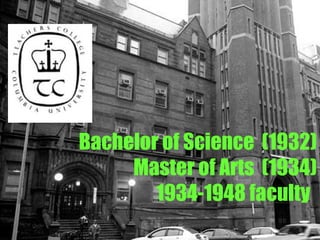
Bachelor of Science  (1932) Master of Arts  (1934) 1934-1948 faculty
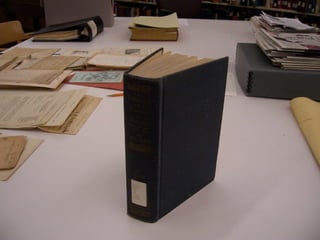
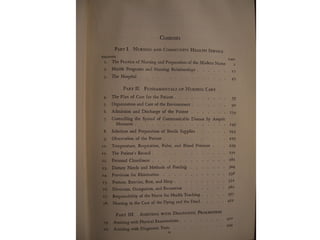
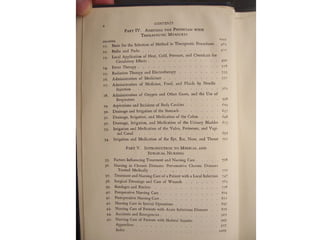
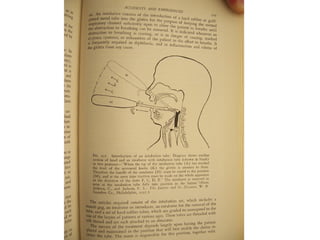
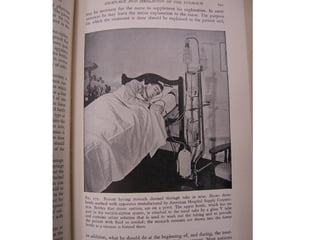
Textbook on the Principles and Practice of Nursing  (1939) with Bertha Harmer


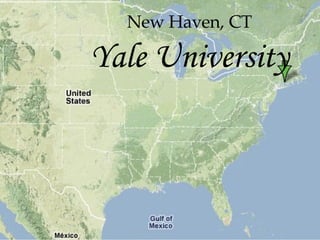
New Haven, CT Yale University
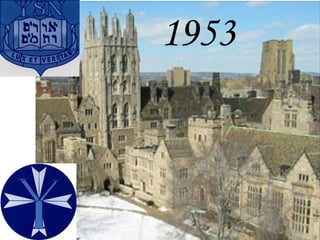
1953
 
cross-reference nursing research 1900-1960  Nursing Research: Survey and Assessment, 1964 Nursing Studies Index, 1972 (4 volumes)
 
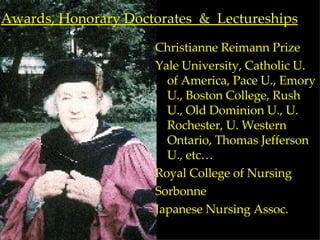
Awards, Honorary Doctorates  &  Lectureships Christianne Reimann Prize Yale University, Catholic U. of America, Pace U., Emory U., Boston College, Rush U., Old Dominion U., U. Rochester, U. Western Ontario, Thomas Jefferson U., etc… Royal College of Nursing Sorbonne Japanese Nursing Assoc.
Basic Principles of Nursing Care, 1960  The Nature of Nursing, 1966 Principles and Practice of Nursing, 1978
in the process of writing textbooks, Henderson was forced to define nursing  [7] …
Definition of Nursing “ The unique function of the nurse is to assist the individual, sick or well, in the performance of those activities contributing to health or its recovery (or to peaceful death) that he would perform unaided if he had the necessary strength, will, or knowledge, and to do this in such a way as to help him gain independence as rapidly as possible.”  [5]
“ It is my contention that the nurse is, and should be legally, an independent practitioner [as long as she is not performing the doctor’s duties.]  But the nurse is the authority on basic nursing care.  Perhaps I should explain that by  basic nursing care  I mean helping the patient with the following activities…”  [6]
14 Fundamental Needs  [5] Breathing normally Eating and drinking adequately Eliminating body wastes Moving and maintaining a desirable position Sleeping and resting Selecting suitable clothes Maintaining body temperature… by adjusting cothing and modifying the environment Keeping the body clean and well-groomed… Avoiding dangers in the environment and avoiding injuring others Communicating with others in expressing emotions, needs, fears, or opinions Worshipping according to one’s faith Working in such a way that one feels a sense of accomplishment Playing or participating in various forms of recreation Learning, discovering, or satisfying the curiosity that leads to normal development and health, and using available health facilities
Nurse’s role Substitutive : acting for a person Supplementary : assisting a person Complementary : working with the person “… with the goal of helping the person become as independent as possible.” [8]
“ Today I see the role of nurses as givers of ‘primary health care,’ as those who diagnose and treat when a doctor is unavailable… Nurses may be the general (medical) practitioners of tomorrow…”  [6]
but what is  Henderson’s  theory?
Henderson wrote her definition of nursing before the development of theoretical nursing [7] Henderson describes nursing roles in relation to patient needs instead of a general theory of nursing [7] Henderson’s work is useful for and used by nurses in different nations and cultures [1,7] , because her work is practical and based on her nursing experience
a critique of the nursing process by Henderson : the nursing assessment, diagnosis, plan, and evaluation parallels the doctors’ and general decision-making processes; therefore, what is uniquely nursing in the nursing process?  [7]
a critique of a 1989 conference on primary care by Henderson : nurses need more work on basic sciences and scientific method, application of science to nursing, financial management, policy-making, being assertive [7]
 
Question: Virginia Henderson’s major contributions to the nursing profession included: (A) creation of the nursing process (B) the promotion of nursing as a research-based profession (C) arranging Maslow’s need in a 14-step hierarchy (D) all of the above
[ 2 nd  question ]
http://query.nytimes.com/gst/fullpage.html?res=940DEED71739F931A15750C0A960958260 http://www.unc.edu/~ehallora/henderson.htm http://en.wikipedia.org/wiki/Virginia_Henderson http://www.nursinglibrary.org/Portal/Main.aspx?PageID=4017 Blais et al.  (2002).  Professional nursing practice: Concepts and perspectives  (4 th  ed.).  Upper Saddle River, NJ: Pearson Prentice Hall. D’Antonio et al. (eds.).  (2007).  Nurses’ work: Issues across time and place .  New York: Springer Publishing. George, J.B.  (ed.).  (1995).  Nursing theories: The base for professional nursing practice  (4 th  ed.).  Norwalk, CT: Appleton & Lange. http://www.enursescribe.com/Henderson.htm Harmer, B., & Henderson, V.  (1939).  Textbook of the principles and practice of nursing  (4 th  ed.).  New York: Macmillan.

Virginia Henderson

  • 1.
  • 2.
  • 3.
  • 4.
  • 5.
  • 6.
  • 7.
  • 8.
  • 9.
  • 10.
  • 11.
  • 12.
  • 13.
    Washington, D.C. ArmyNursing School
  • 14.
  • 15.
  • 16.
  • 17.
    New York CityColumbia Teachers College
  • 18.
  • 19.
    Bachelor of Science (1932) Master of Arts (1934) 1934-1948 faculty
  • 20.
    Textbook on thePrinciples and Practice of Nursing (1939) with Bertha Harmer
  • 21.
  • 22.
  • 23.
  • 24.
  • 25.
  • 26.
    New Haven, CTYale University
  • 27.
  • 28.
  • 29.
    cross-reference nursing research1900-1960 Nursing Research: Survey and Assessment, 1964 Nursing Studies Index, 1972 (4 volumes)
  • 30.
  • 31.
    Awards, Honorary Doctorates & Lectureships Christianne Reimann Prize Yale University, Catholic U. of America, Pace U., Emory U., Boston College, Rush U., Old Dominion U., U. Rochester, U. Western Ontario, Thomas Jefferson U., etc… Royal College of Nursing Sorbonne Japanese Nursing Assoc.
  • 32.
    Basic Principles ofNursing Care, 1960 The Nature of Nursing, 1966 Principles and Practice of Nursing, 1978
  • 33.
    in the processof writing textbooks, Henderson was forced to define nursing [7] …
  • 34.
    Definition of Nursing“ The unique function of the nurse is to assist the individual, sick or well, in the performance of those activities contributing to health or its recovery (or to peaceful death) that he would perform unaided if he had the necessary strength, will, or knowledge, and to do this in such a way as to help him gain independence as rapidly as possible.” [5]
  • 35.
    “ It ismy contention that the nurse is, and should be legally, an independent practitioner [as long as she is not performing the doctor’s duties.] But the nurse is the authority on basic nursing care. Perhaps I should explain that by basic nursing care I mean helping the patient with the following activities…” [6]
  • 36.
    14 Fundamental Needs [5] Breathing normally Eating and drinking adequately Eliminating body wastes Moving and maintaining a desirable position Sleeping and resting Selecting suitable clothes Maintaining body temperature… by adjusting cothing and modifying the environment Keeping the body clean and well-groomed… Avoiding dangers in the environment and avoiding injuring others Communicating with others in expressing emotions, needs, fears, or opinions Worshipping according to one’s faith Working in such a way that one feels a sense of accomplishment Playing or participating in various forms of recreation Learning, discovering, or satisfying the curiosity that leads to normal development and health, and using available health facilities
  • 37.
    Nurse’s role Substitutive: acting for a person Supplementary : assisting a person Complementary : working with the person “… with the goal of helping the person become as independent as possible.” [8]
  • 38.
    “ Today Isee the role of nurses as givers of ‘primary health care,’ as those who diagnose and treat when a doctor is unavailable… Nurses may be the general (medical) practitioners of tomorrow…” [6]
  • 39.
    but what is Henderson’s theory?
  • 40.
    Henderson wrote herdefinition of nursing before the development of theoretical nursing [7] Henderson describes nursing roles in relation to patient needs instead of a general theory of nursing [7] Henderson’s work is useful for and used by nurses in different nations and cultures [1,7] , because her work is practical and based on her nursing experience
  • 41.
    a critique ofthe nursing process by Henderson : the nursing assessment, diagnosis, plan, and evaluation parallels the doctors’ and general decision-making processes; therefore, what is uniquely nursing in the nursing process? [7]
  • 42.
    a critique ofa 1989 conference on primary care by Henderson : nurses need more work on basic sciences and scientific method, application of science to nursing, financial management, policy-making, being assertive [7]
  • 43.
  • 44.
    Question: Virginia Henderson’smajor contributions to the nursing profession included: (A) creation of the nursing process (B) the promotion of nursing as a research-based profession (C) arranging Maslow’s need in a 14-step hierarchy (D) all of the above
  • 45.
    [ 2 nd question ]
  • 46.
    http://query.nytimes.com/gst/fullpage.html?res=940DEED71739F931A15750C0A960958260 http://www.unc.edu/~ehallora/henderson.htm http://en.wikipedia.org/wiki/Virginia_Hendersonhttp://www.nursinglibrary.org/Portal/Main.aspx?PageID=4017 Blais et al. (2002). Professional nursing practice: Concepts and perspectives (4 th ed.). Upper Saddle River, NJ: Pearson Prentice Hall. D’Antonio et al. (eds.). (2007). Nurses’ work: Issues across time and place . New York: Springer Publishing. George, J.B. (ed.). (1995). Nursing theories: The base for professional nursing practice (4 th ed.). Norwalk, CT: Appleton & Lange. http://www.enursescribe.com/Henderson.htm Harmer, B., & Henderson, V. (1939). Textbook of the principles and practice of nursing (4 th ed.). New York: Macmillan.