FEATURE STORIES
PR Writing
What are Features?
• Features are “soft” news
• Provide additional background information
• Generate human interest
• Create understanding
• Generate publicity
• Service journalism
• What’s in it for me?
Planning a Feature
• How does something lend itself to feature treatment?
• Is the information interesting?
• Does the feature help achieve organizational objectives?
Planning a Feature
• Ways to Proceed:
• Write and distribute
• Exclusive feature for specific publication
• Pitch idea to journalist
• Post to website or blog
Types of Features
• Case study
• Product publicity
• Application story
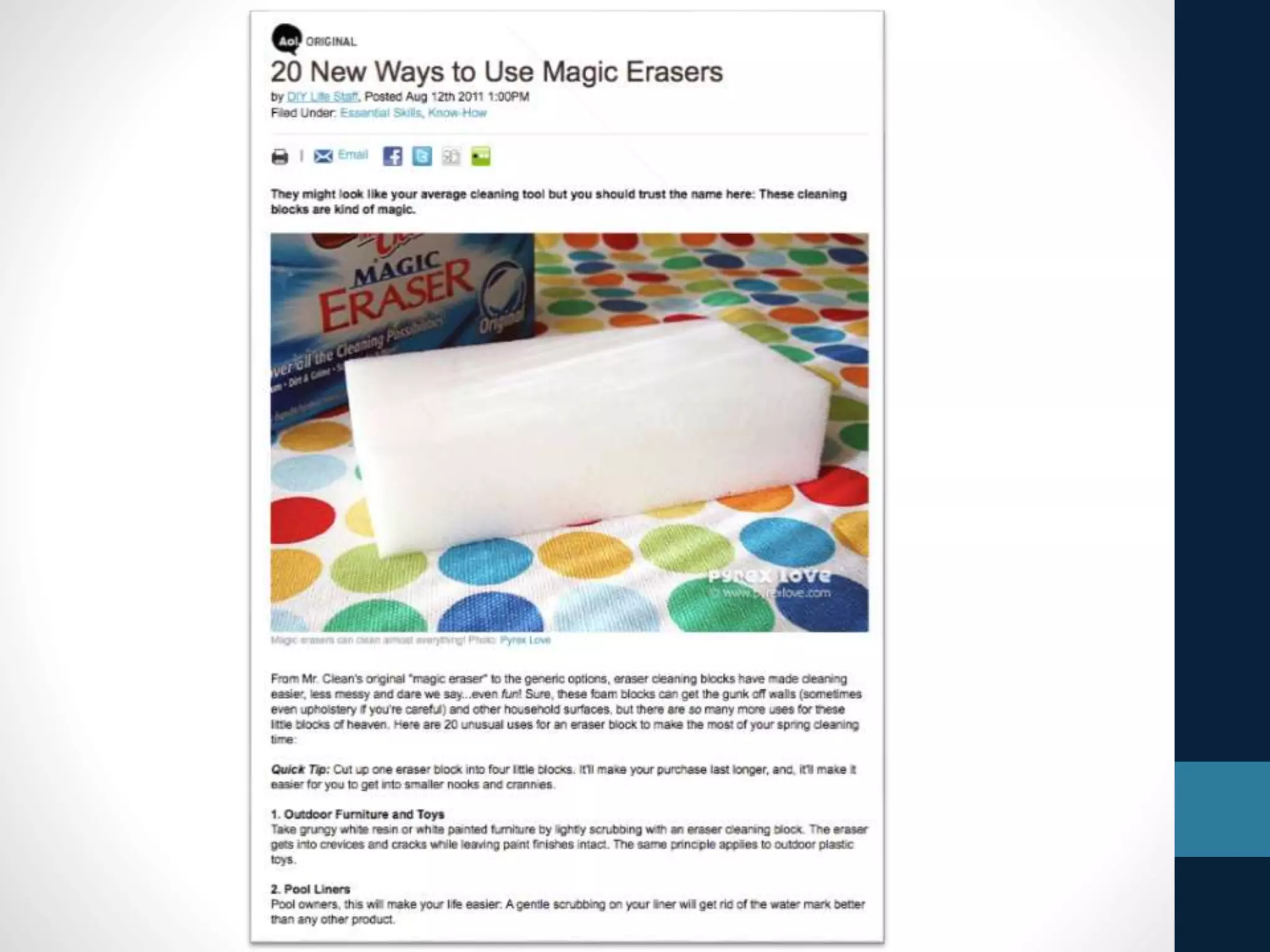
• New and innovative ways to use products
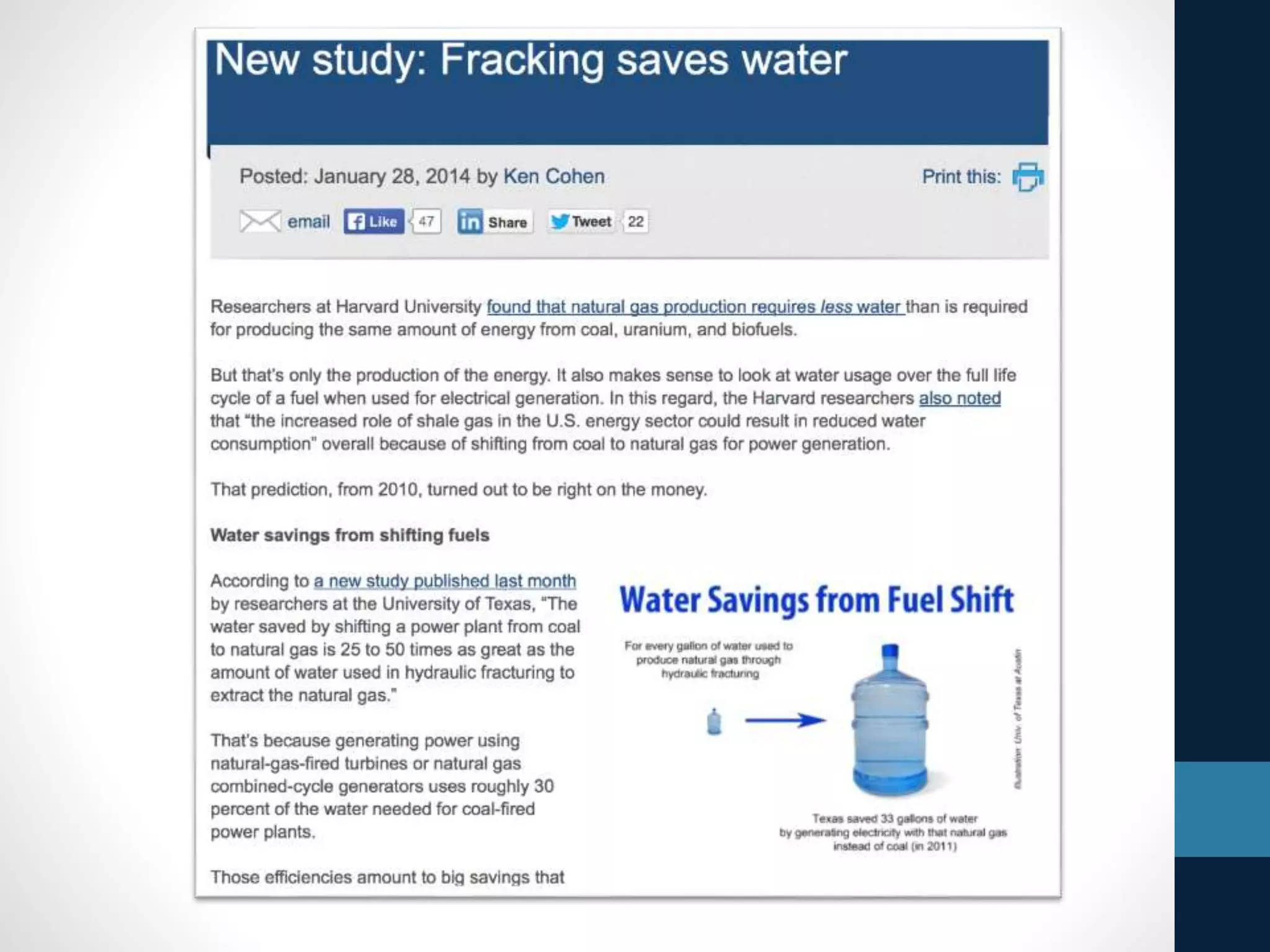
• Surveys and research studies
• Provide opportunities for features
• Backgrounder
• Problem-solving emphasis or product/technology evolution
• Personality profile
• Humanize celebrities, provide background on CEO
• Historical Piece
• Highlight milestones, convey merit
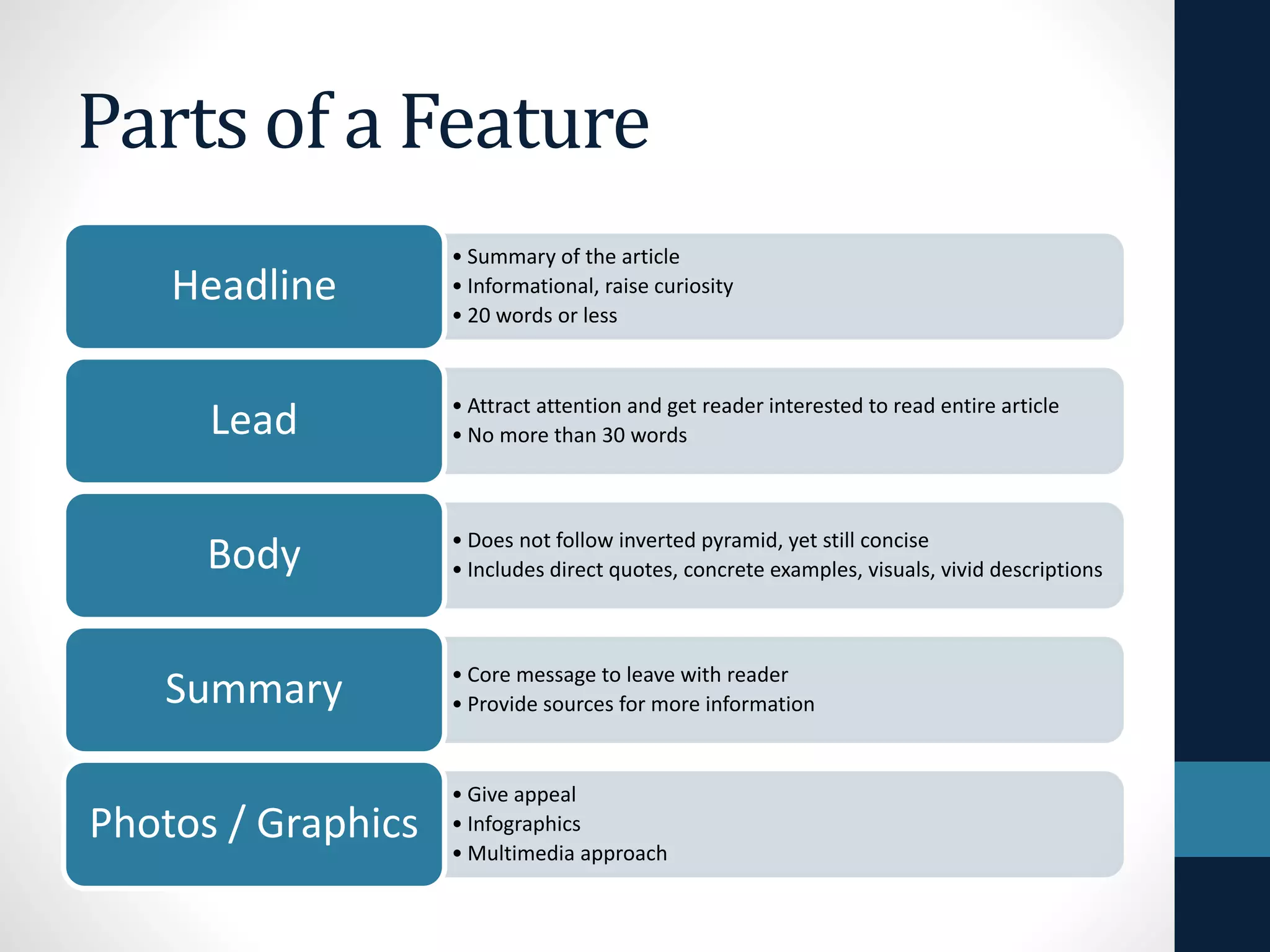
Parts of a Feature
• Summary of the article
• Informational, raise curiosity
• 20 words or less
Headline
• Attract attention and get reader interested to read entire article
• No more than 30 wordsLead
• Does not follow inverted pyramid, yet still concise
• Includes direct quotes, concrete examples, visuals, vivid descriptionsBody
• Core message to leave with reader
• Provide sources for more informationSummary
• Give appeal
• Infographics
• Multimedia approach
Photos / Graphics
Placement Opportunities
• Newspaper
• Special sections of daily newspapers
• General magazines
• “Popular” magazines such as, Glamour, Cosmopolitan, Travel &
Leisure and People
• Specialty/trade magazines
• Particular interest and hobby groups
• Specific trade, industry or business
Writing an Op-Ed
• Present a variety of views on current events
• Reach opinion leaders or “influentials”
• Short and to the point, about 400-750 words
• Research publication
• Audience and geographic reach
• Specific publication’s op-ed format
Letters to the Editor
• Focus on rebutting editorial, clarifying information, or adding
information
• Limit to 200 words or less
• Be temperate and factual
• Put subject in opening graph, theme in second graph
• Provide supporting evidence in body
• Include contact information in closing
Tips for Writing Features
• Limit to 500 words or less
• Use facts and statistics when appropriate
• Use appropriate quotes
• Consider your audience
• Who are the readers of the magazine /site you are pitching too?
• What are their interests?
• What are their specific information needs?
• What are they reading in the publication?
• Consider the medium the feature will appear on
EXAMPLES
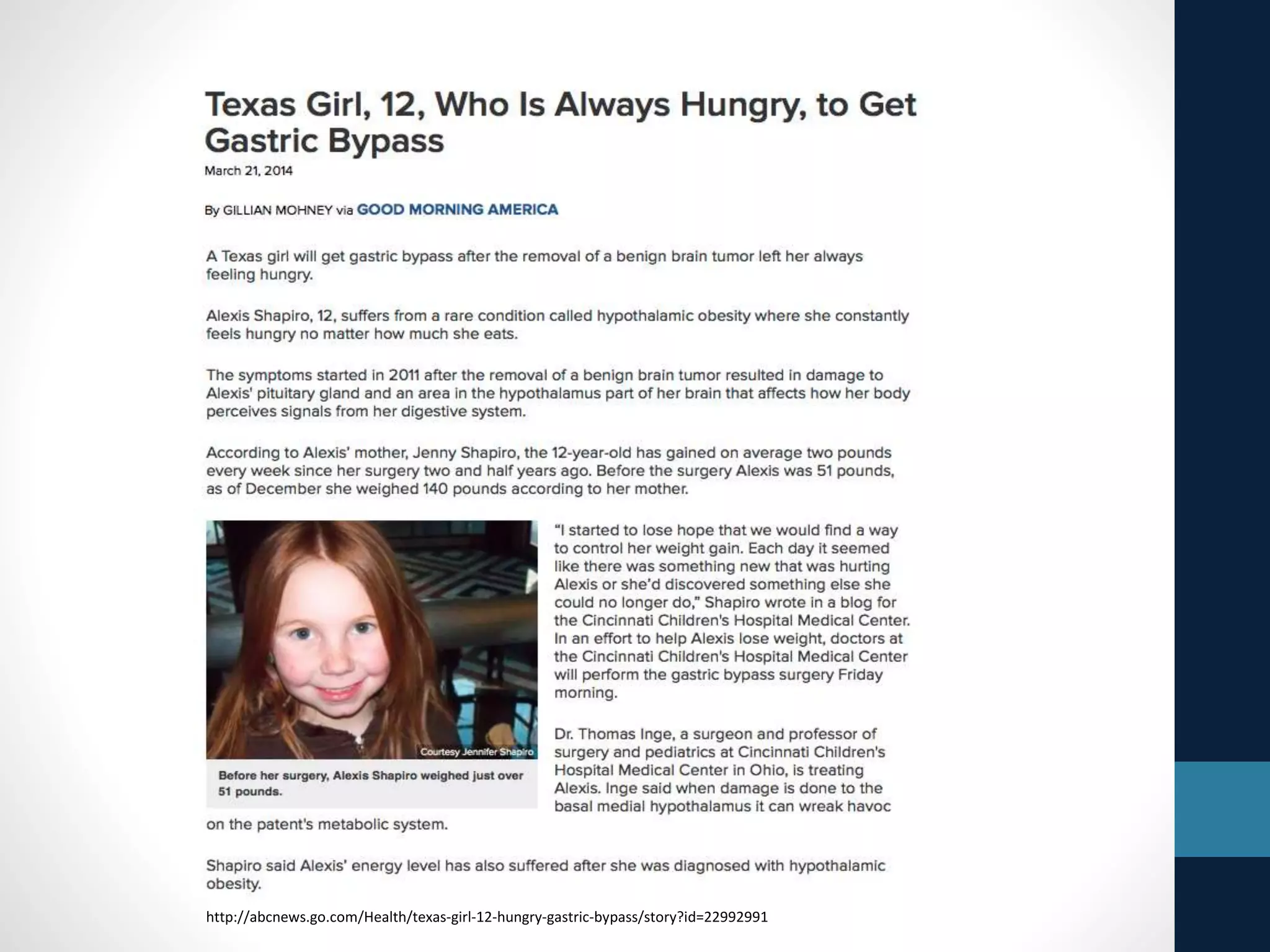
http://abcnews.go.com/Health/texas-girl-12-hungry-gastric-bypass/story?id=22992991
Feature Stories
Feature Stories

Feature Stories

  • 1.
  • 2.
    What are Features? •Features are “soft” news • Provide additional background information • Generate human interest • Create understanding • Generate publicity • Service journalism • What’s in it for me?
  • 3.
    Planning a Feature •How does something lend itself to feature treatment? • Is the information interesting? • Does the feature help achieve organizational objectives?
  • 4.
    Planning a Feature •Ways to Proceed: • Write and distribute • Exclusive feature for specific publication • Pitch idea to journalist • Post to website or blog
  • 5.
    Types of Features •Case study • Product publicity • Application story • New and innovative ways to use products • Surveys and research studies • Provide opportunities for features • Backgrounder • Problem-solving emphasis or product/technology evolution • Personality profile • Humanize celebrities, provide background on CEO • Historical Piece • Highlight milestones, convey merit
  • 6.
    Parts of aFeature • Summary of the article • Informational, raise curiosity • 20 words or less Headline • Attract attention and get reader interested to read entire article • No more than 30 wordsLead • Does not follow inverted pyramid, yet still concise • Includes direct quotes, concrete examples, visuals, vivid descriptionsBody • Core message to leave with reader • Provide sources for more informationSummary • Give appeal • Infographics • Multimedia approach Photos / Graphics
  • 7.
    Placement Opportunities • Newspaper •Special sections of daily newspapers • General magazines • “Popular” magazines such as, Glamour, Cosmopolitan, Travel & Leisure and People • Specialty/trade magazines • Particular interest and hobby groups • Specific trade, industry or business
  • 8.
    Writing an Op-Ed •Present a variety of views on current events • Reach opinion leaders or “influentials” • Short and to the point, about 400-750 words • Research publication • Audience and geographic reach • Specific publication’s op-ed format
  • 9.
    Letters to theEditor • Focus on rebutting editorial, clarifying information, or adding information • Limit to 200 words or less • Be temperate and factual • Put subject in opening graph, theme in second graph • Provide supporting evidence in body • Include contact information in closing
  • 10.
    Tips for WritingFeatures • Limit to 500 words or less • Use facts and statistics when appropriate • Use appropriate quotes • Consider your audience • Who are the readers of the magazine /site you are pitching too? • What are their interests? • What are their specific information needs? • What are they reading in the publication? • Consider the medium the feature will appear on
  • 11.
  • 12.