Make icons make sense Solving symbols for global audiences Patrick Hofmann  UX Designer • Sydney @phofmann gplus.to/pman facebook.com/phofmann [email_address]
Agenda 1 Guessing game 2 Simplification 3 Distinction 4 Landmarks 5 Age groups 6 Takeaways Make icons make sense Solving symbols for global audiences Patrick Hofmann  UX Designer • Sydney
Welcome!     My name is  Patrick Hofmann    I studied technical writing but have spent most of my career as a technical illustrator, visual interaction designer, and now a user experience designer in Sydney    Despite their challenges, I like icons Patrick Hofmann ?
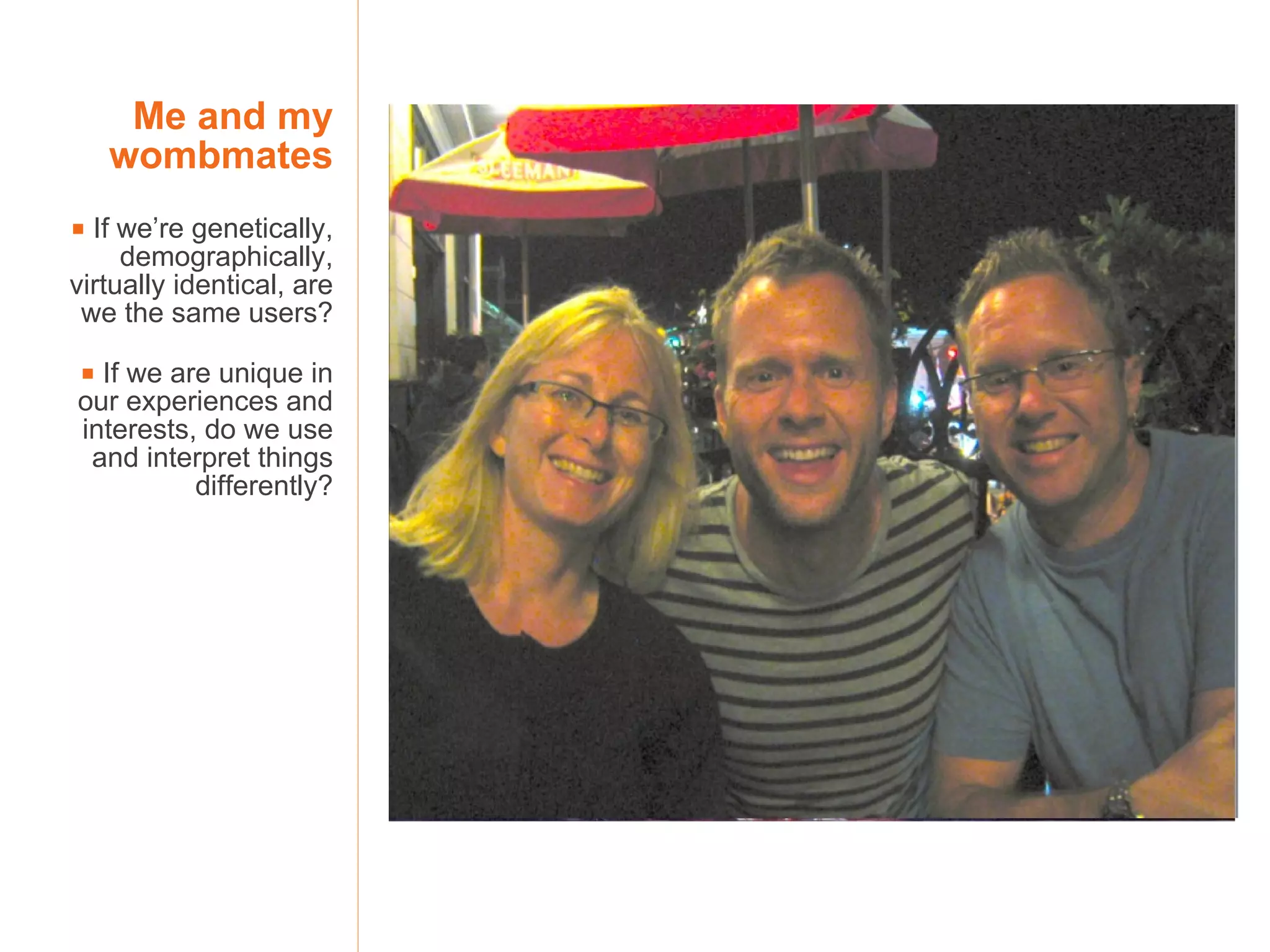
Me and my wombmates    If we’re genetically, demographically, virtually identical, are we the same users?    If we are unique in our experiences and interests, do we use and interpret things differently?
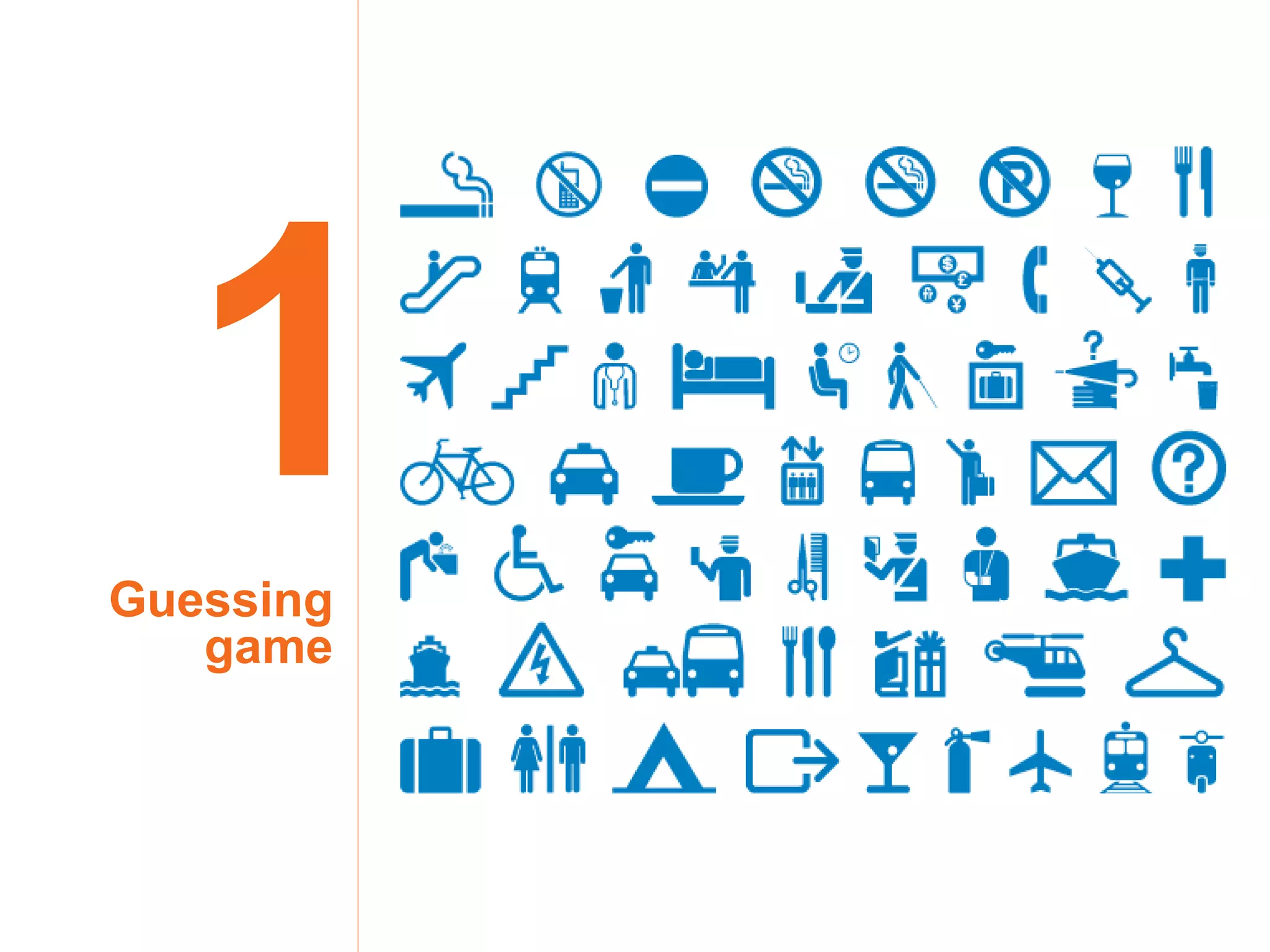
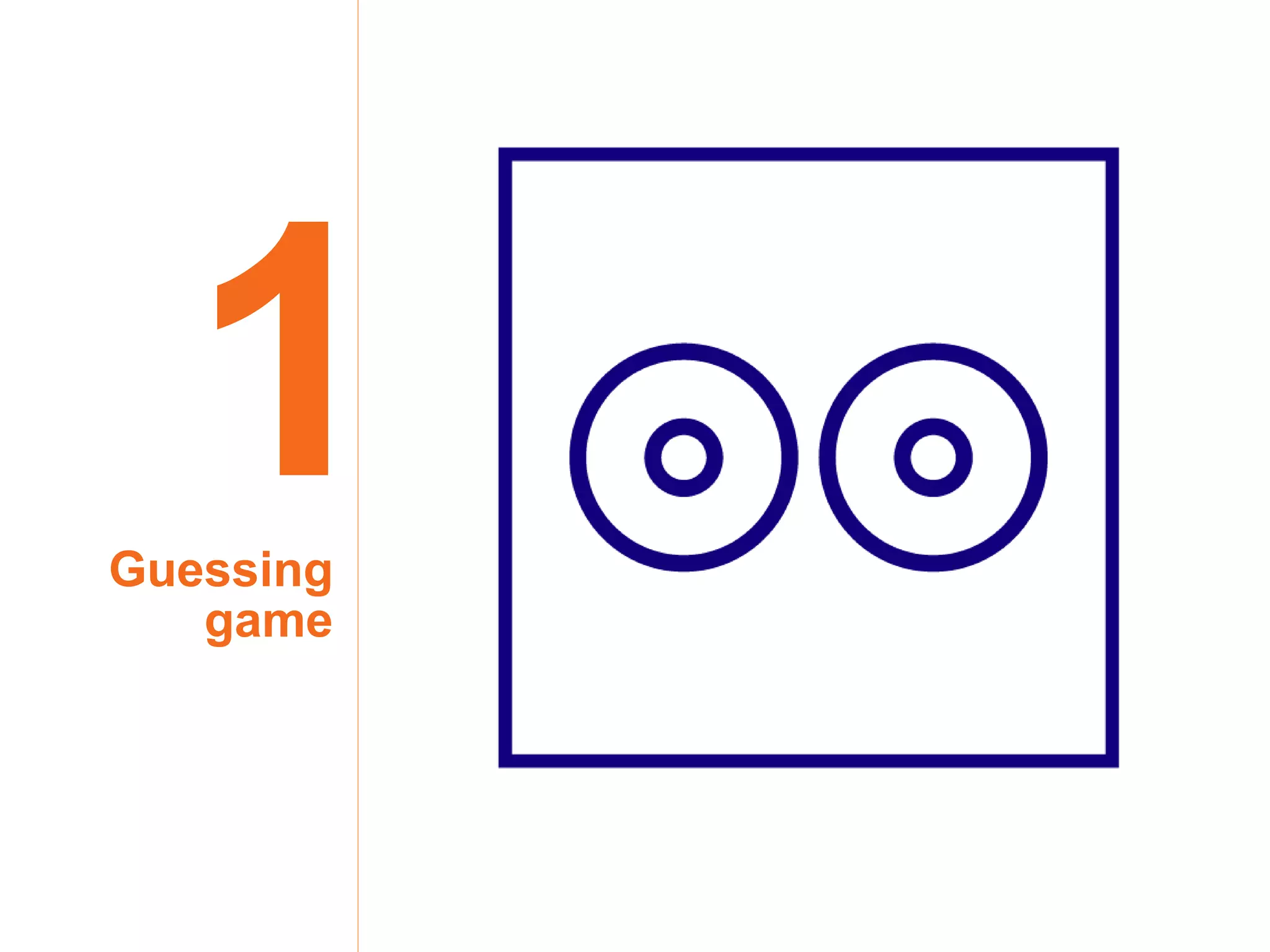
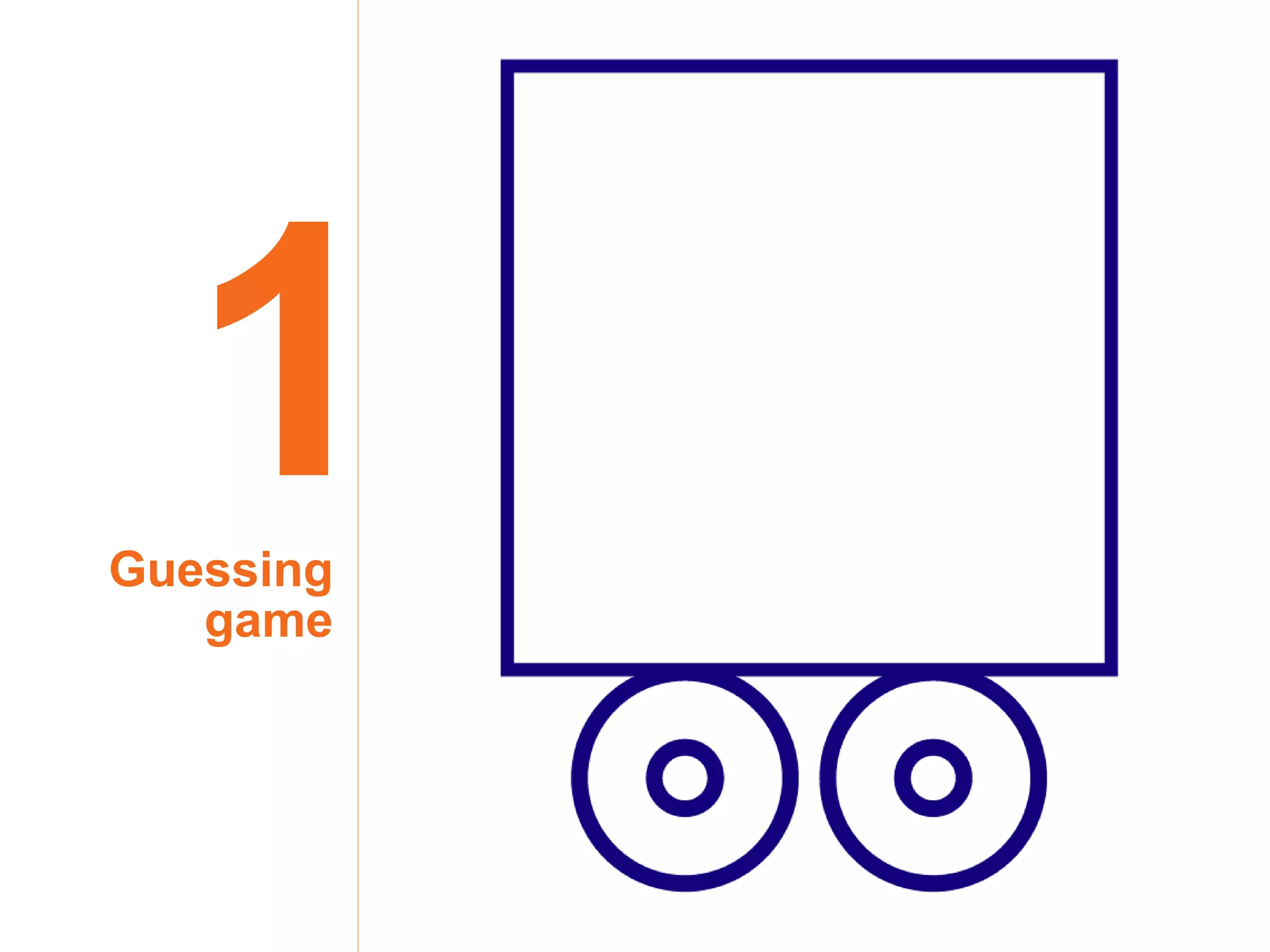
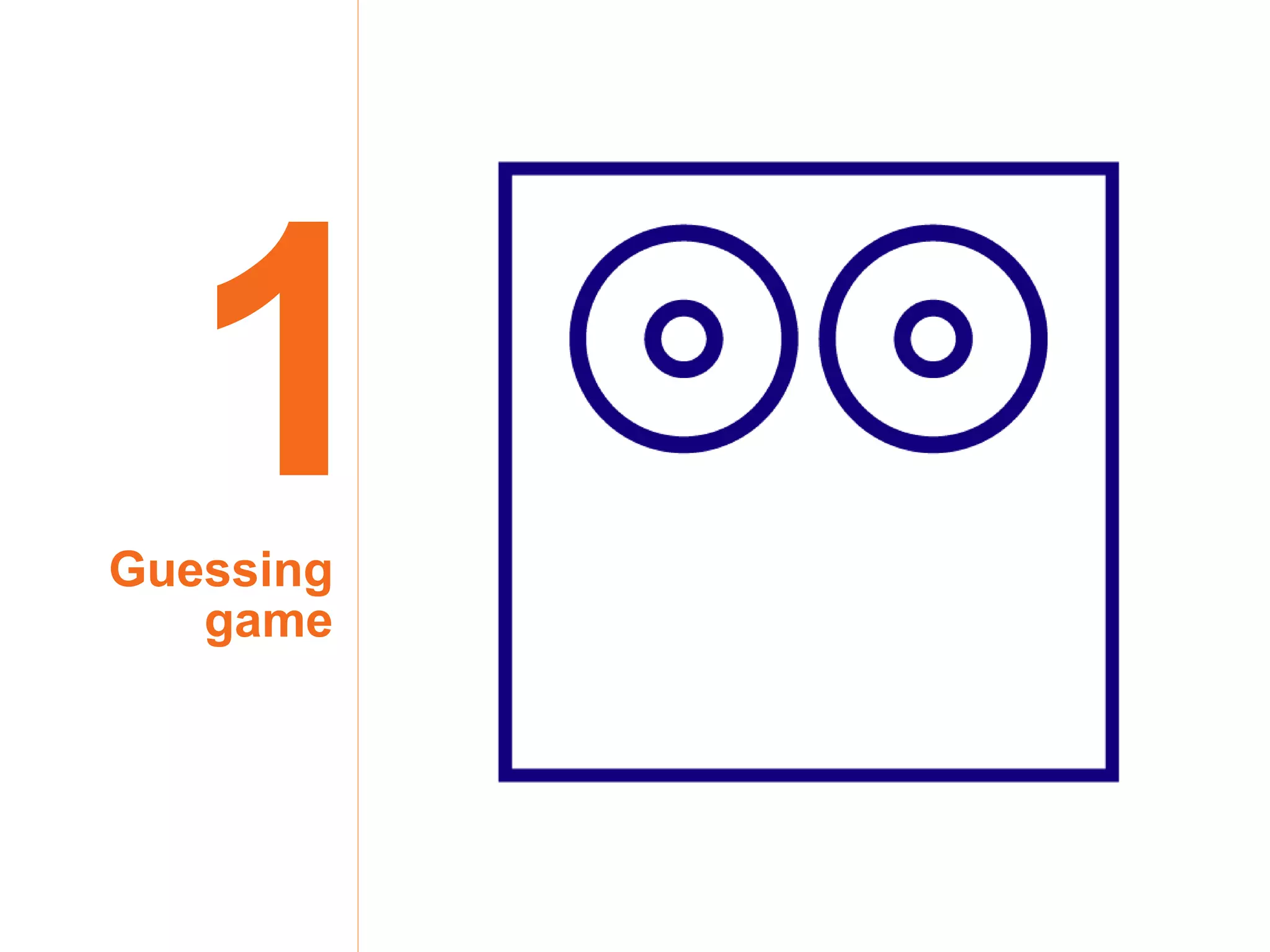
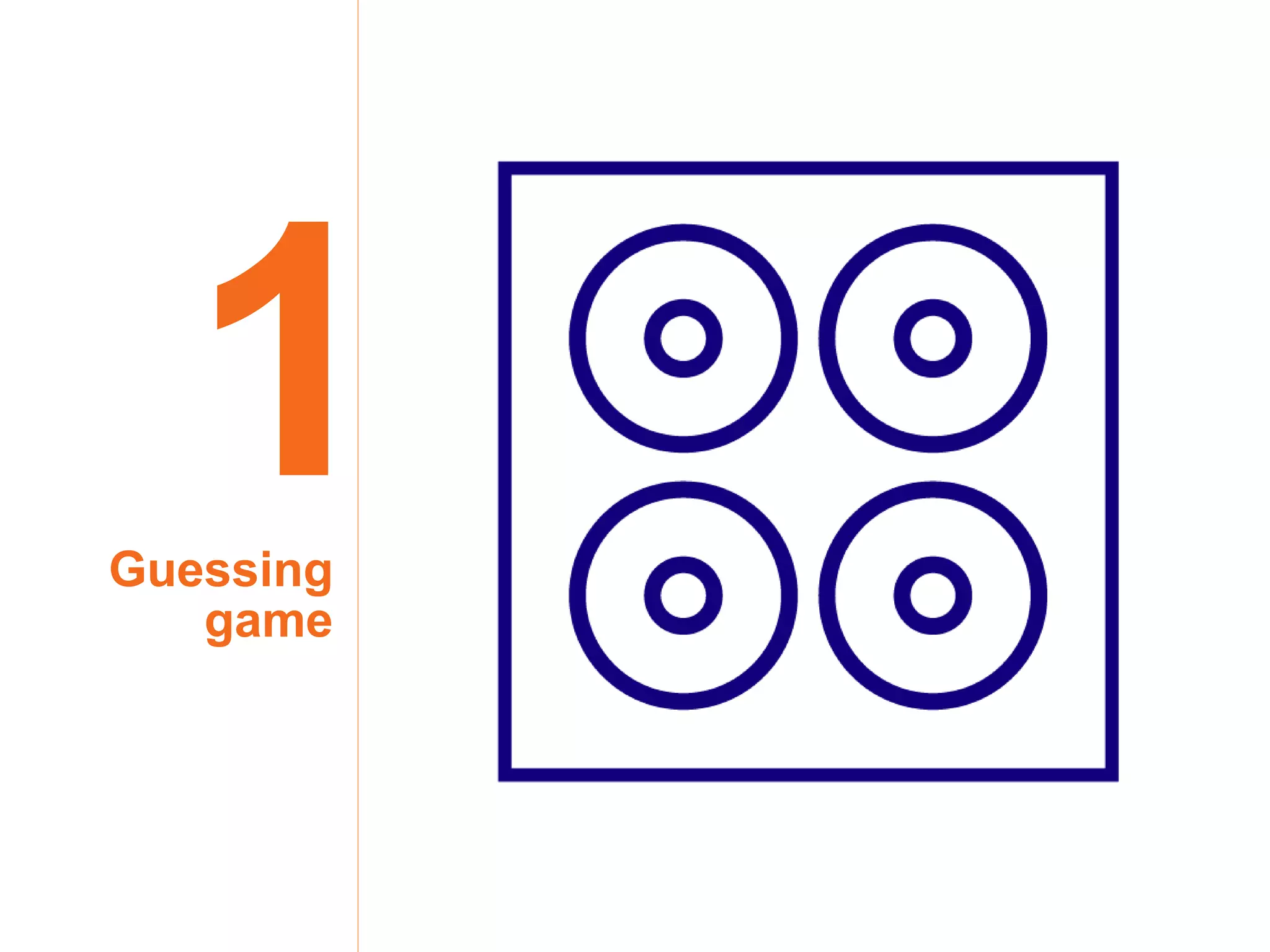
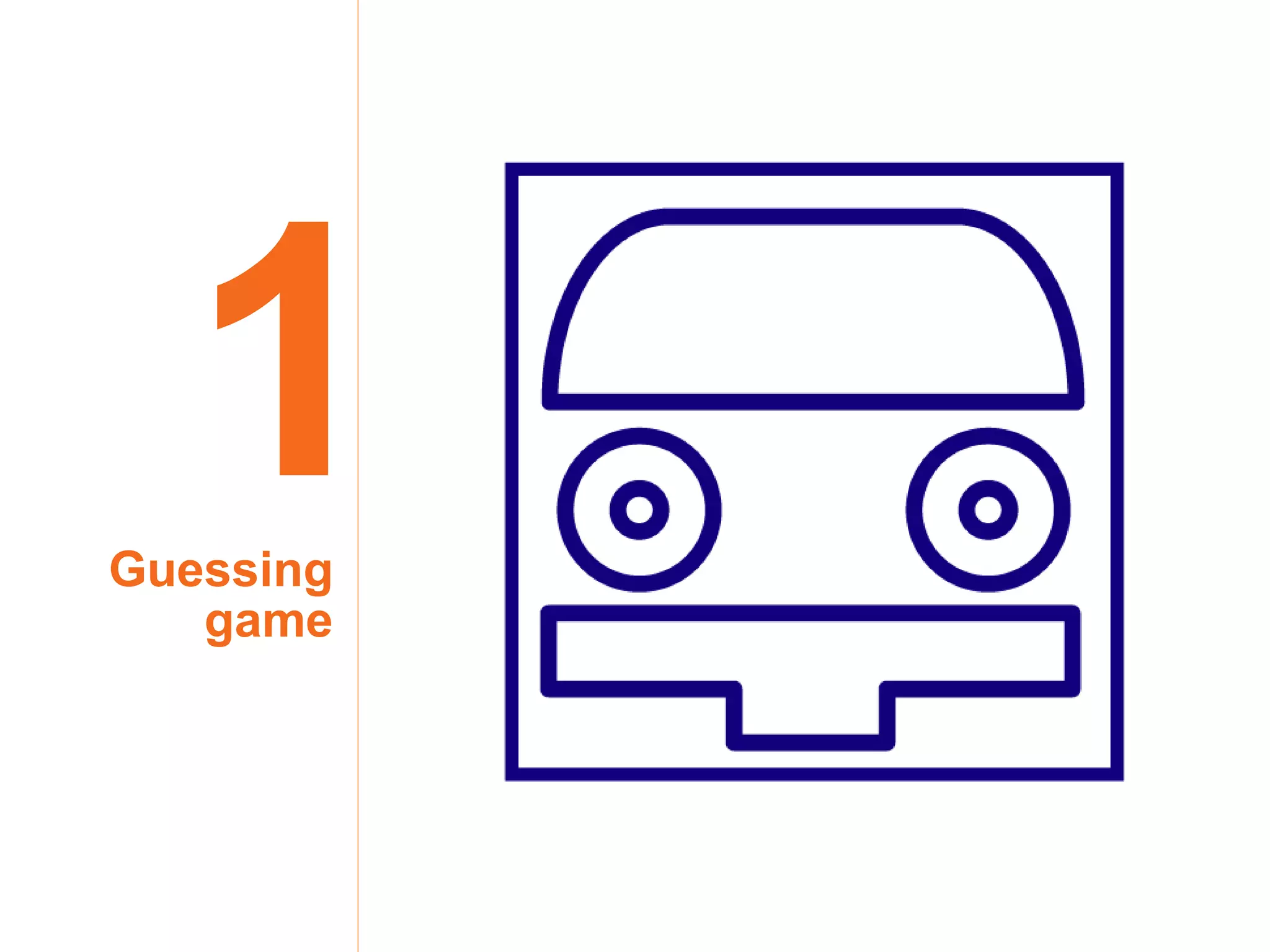
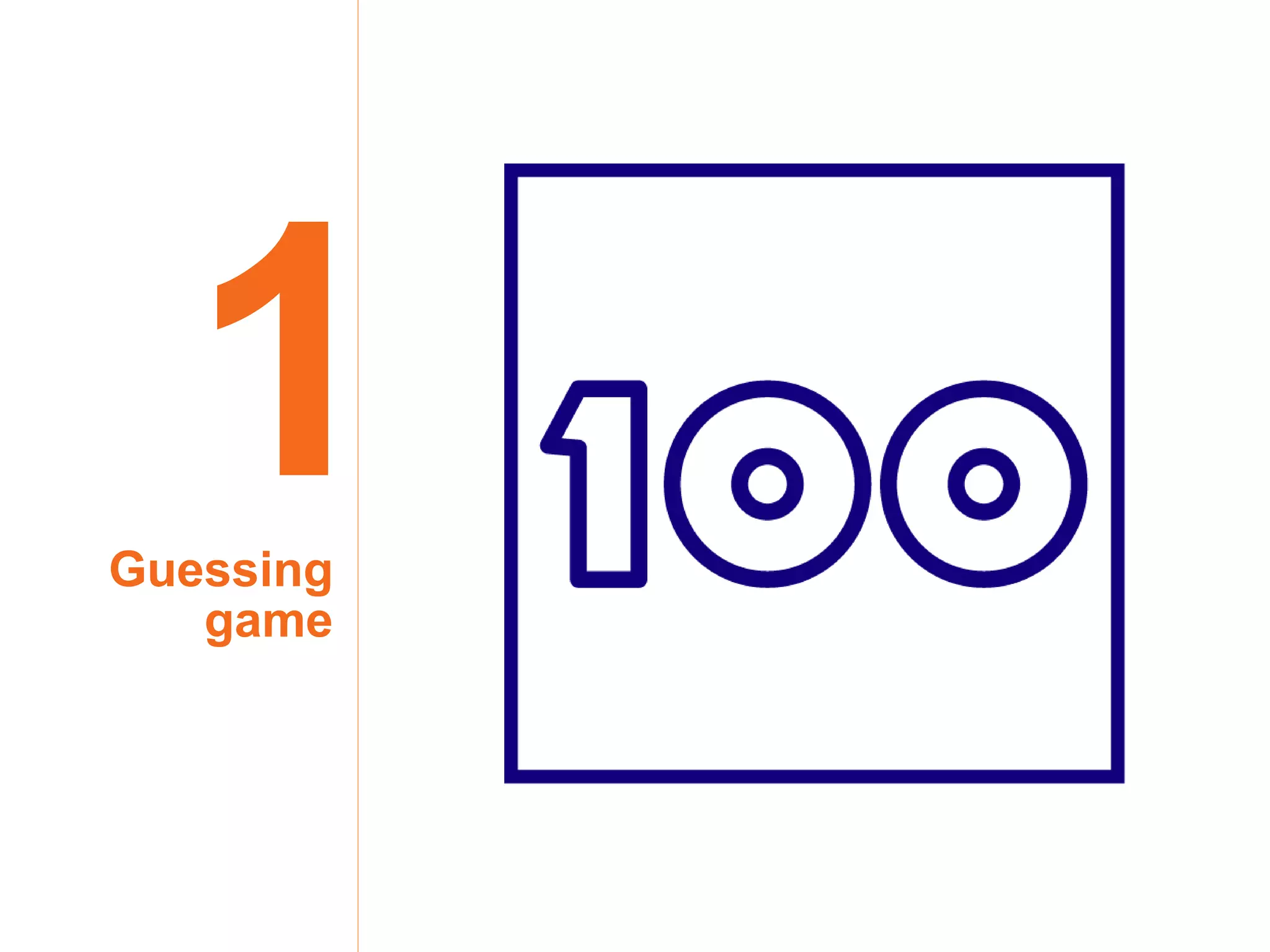
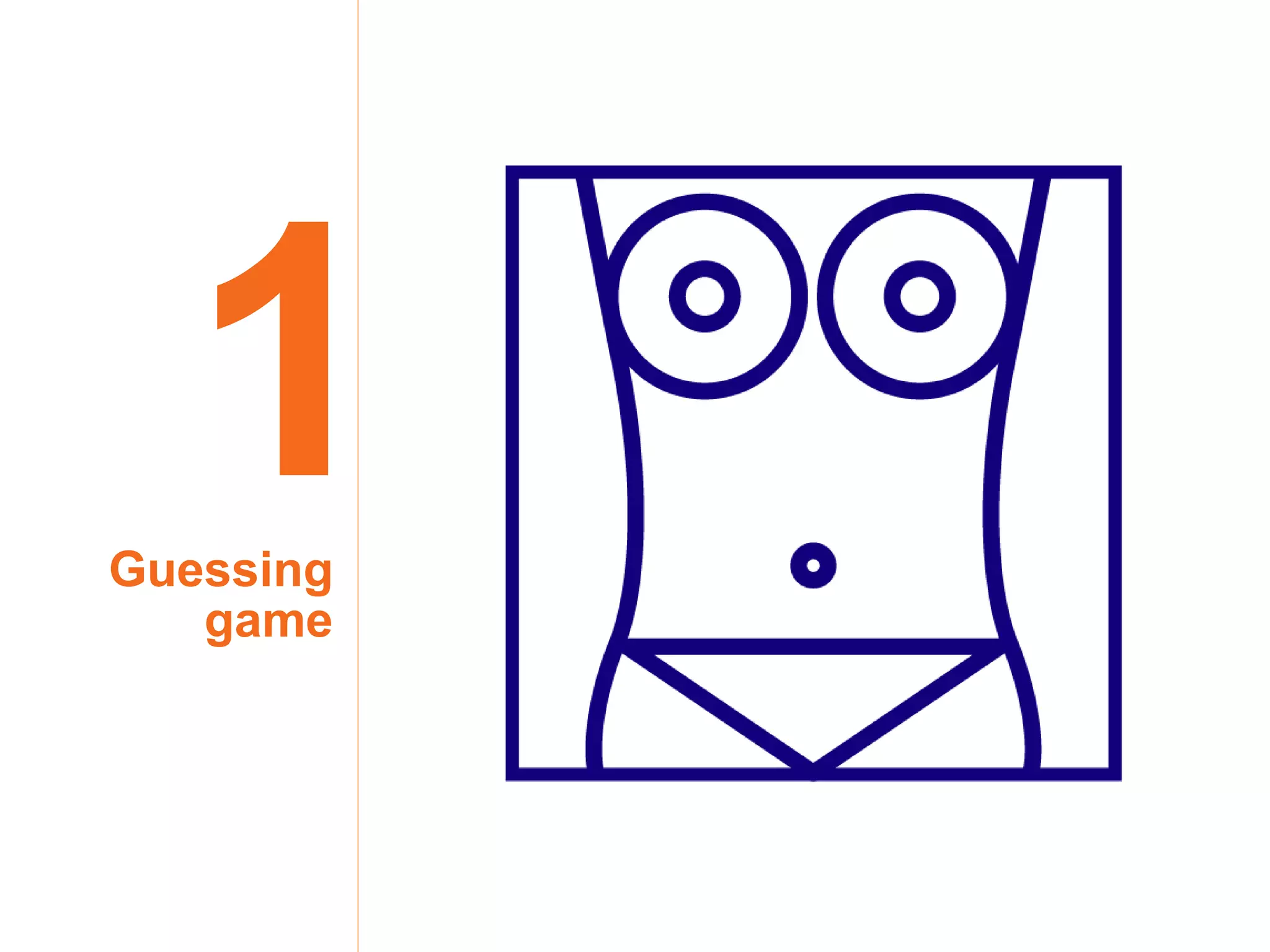
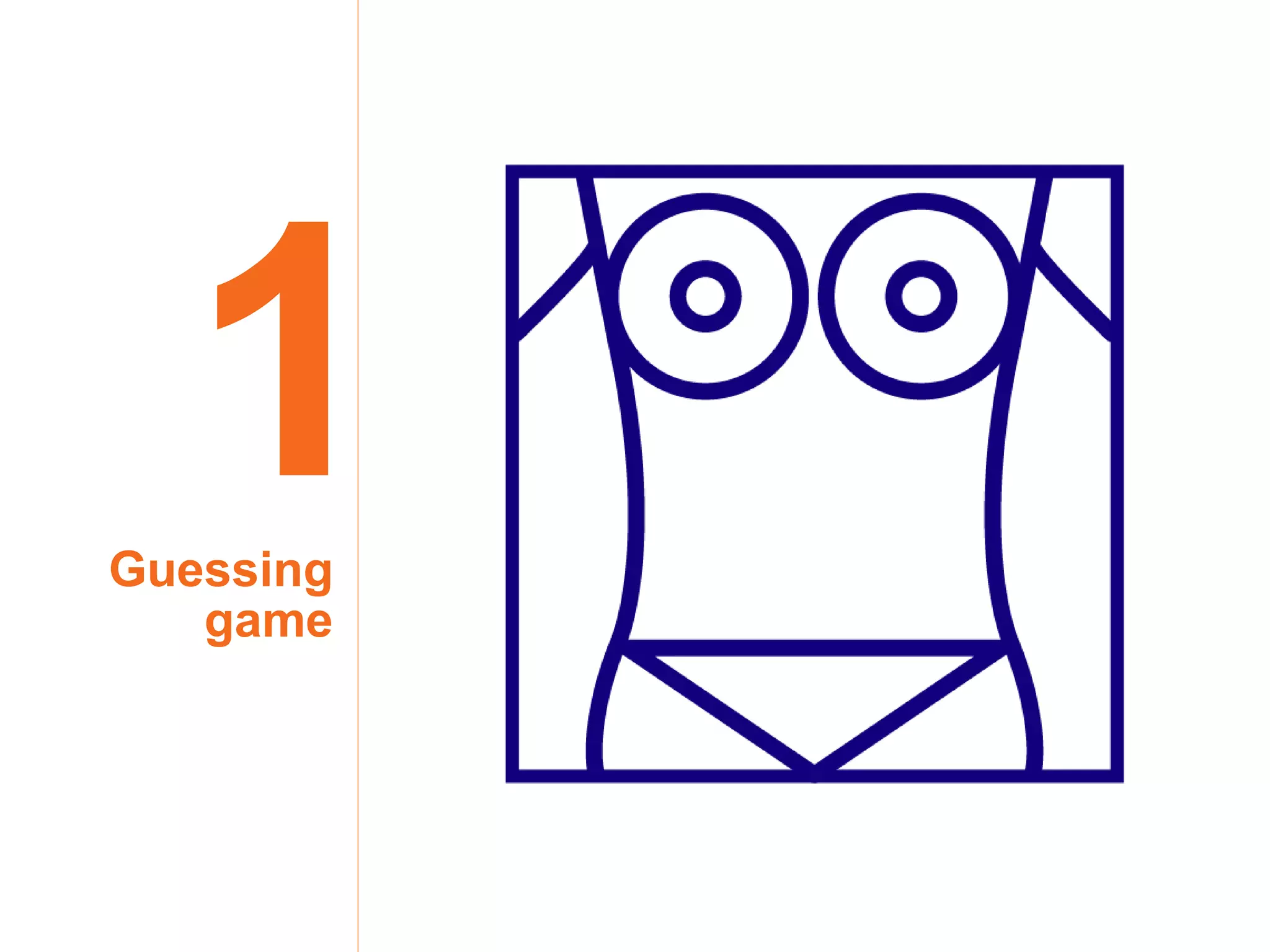
Guessing game 1
Guessing game 1
Guessing game 1
Guessing game 1
Guessing game 1
Guessing game 1
Guessing game 1
Guessing game 1
Guessing game 1
Guessing game 1
Guessing game 1
Guessing game 1
Guessing game 1
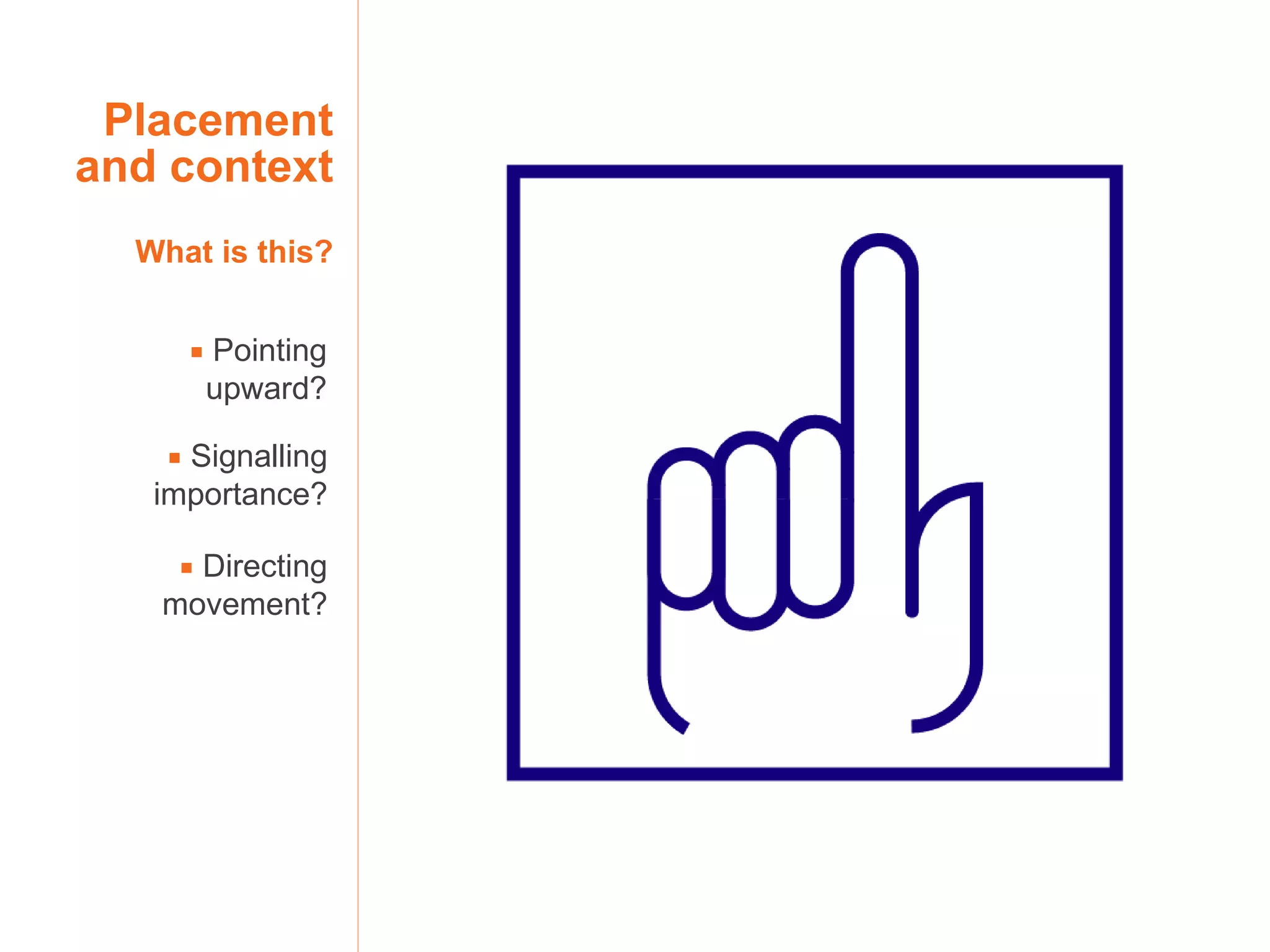
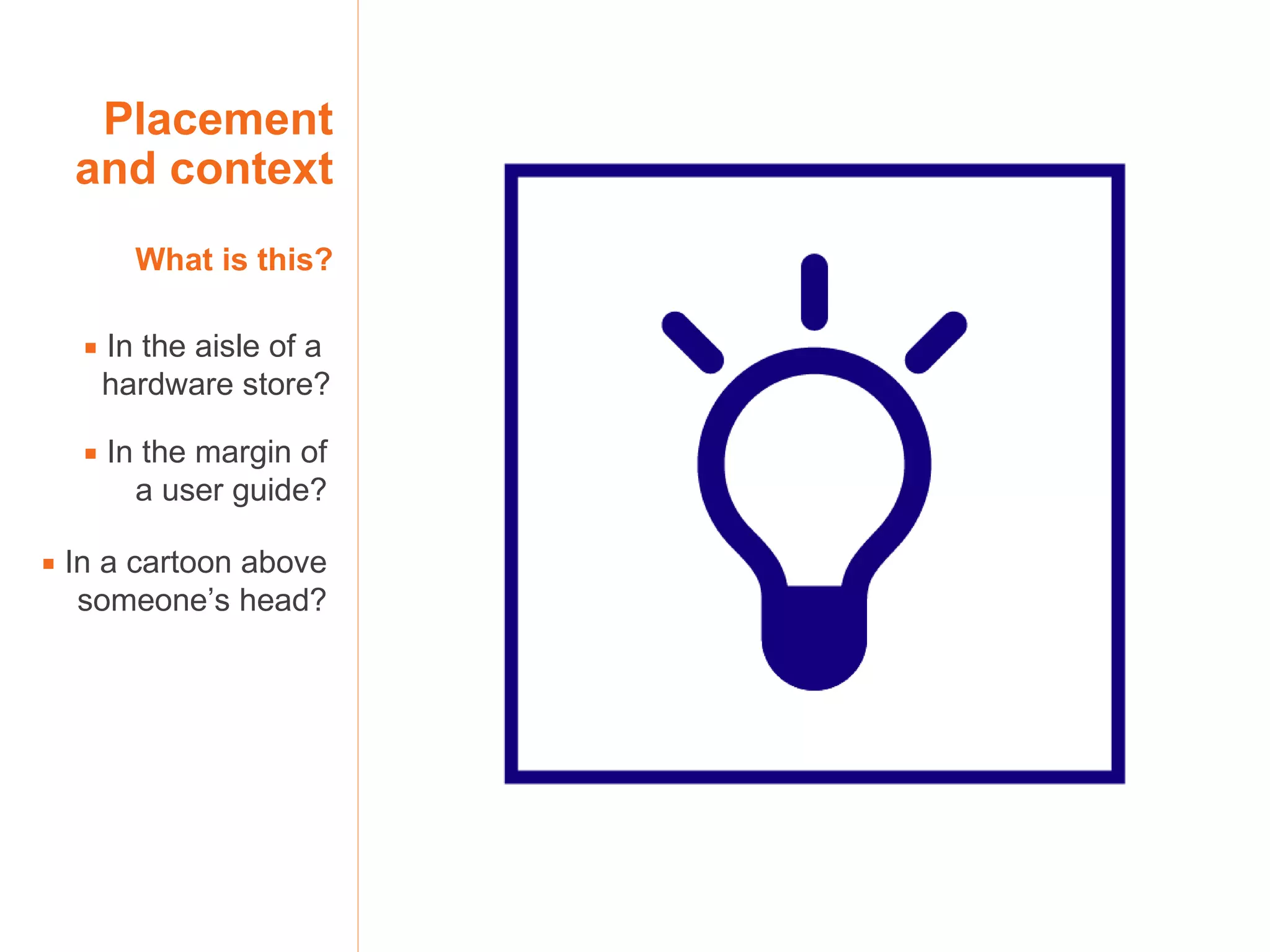
Placement and context What is this?    Pointing upward?    Signalling importance?    Directing movement?
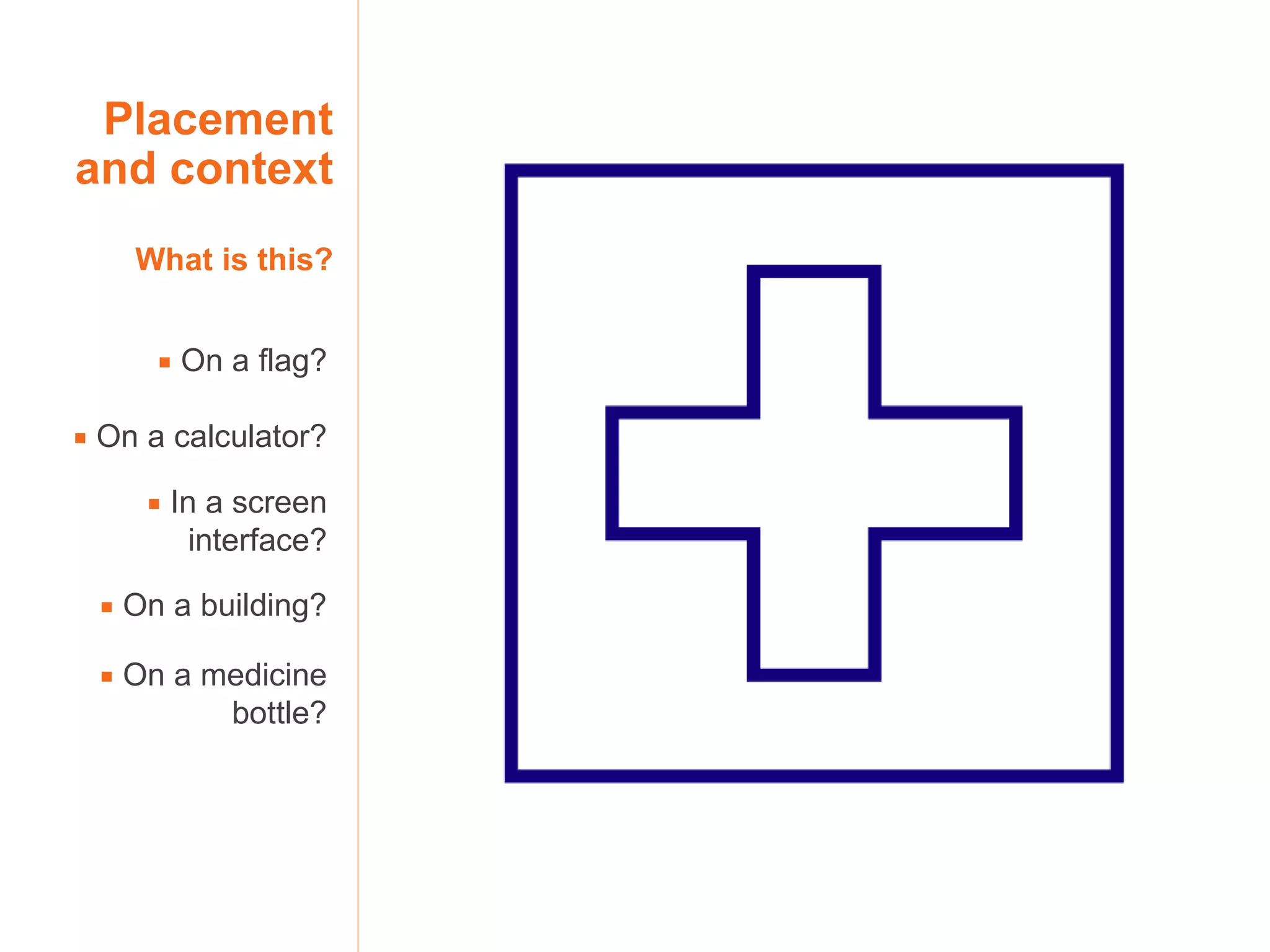
Placement and context What is this?    On a flag?    On a calculator?    In a screen interface?    On a building?    On a medicine bottle?
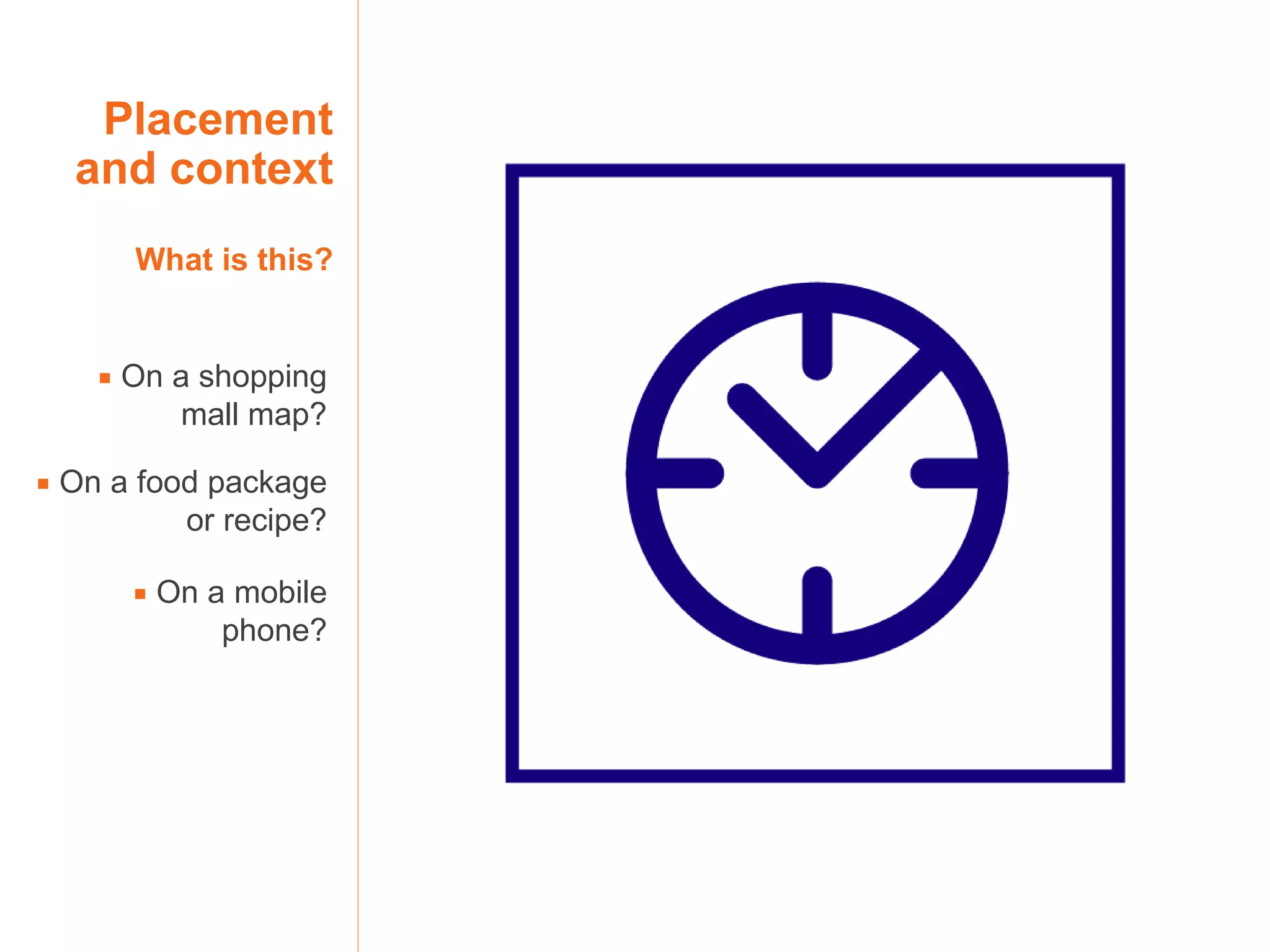
   On a shopping mall map?    On a food package or recipe?    On a mobile phone? Placement and context What is this?
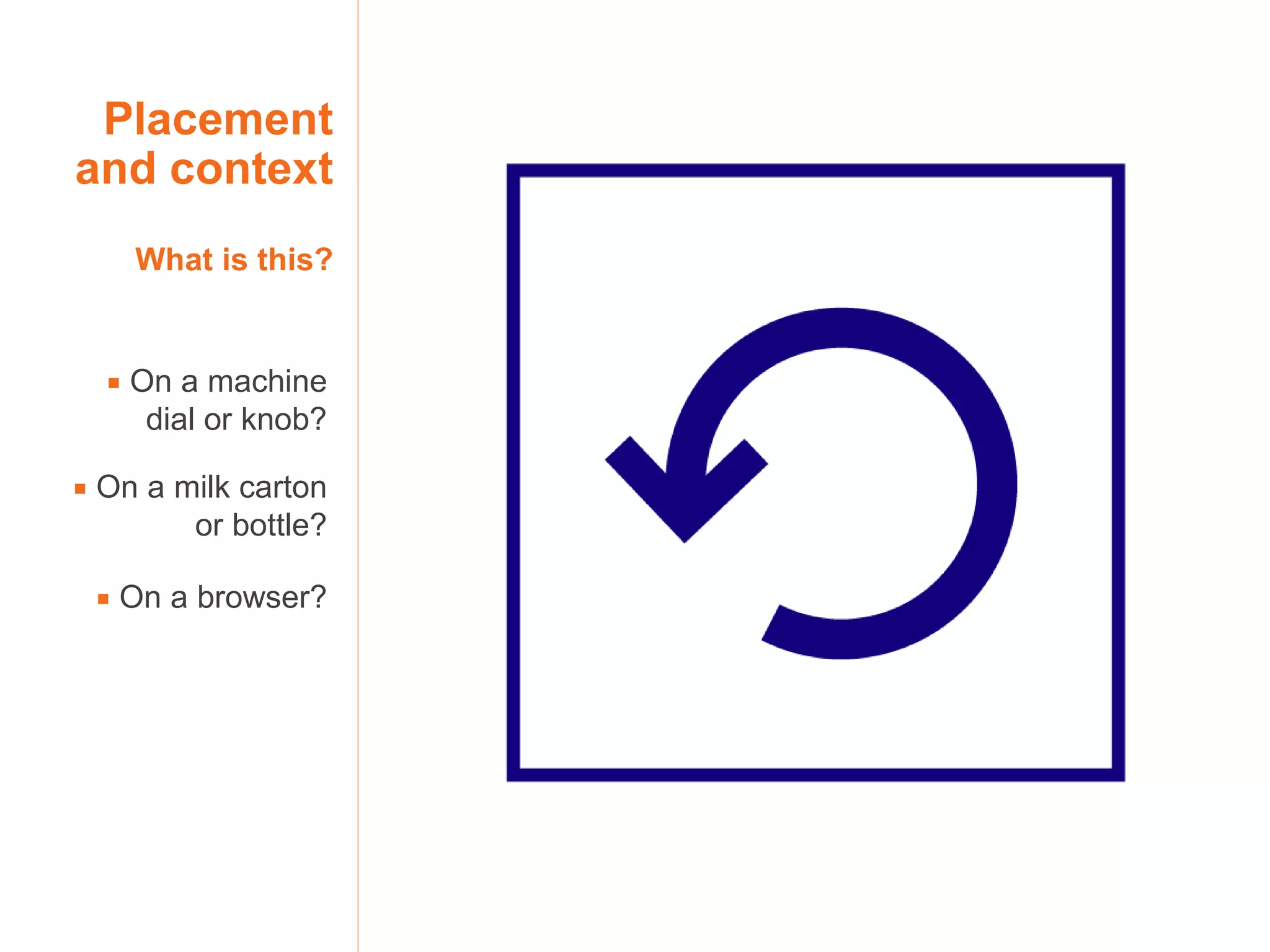
   On a machine dial or knob?    On a milk carton or bottle?    On a browser? Placement and context What is this?
Placement and context What is this?    In the aisle of a  hardware store?    In the margin of a user guide?    In a cartoon above someone’s head?
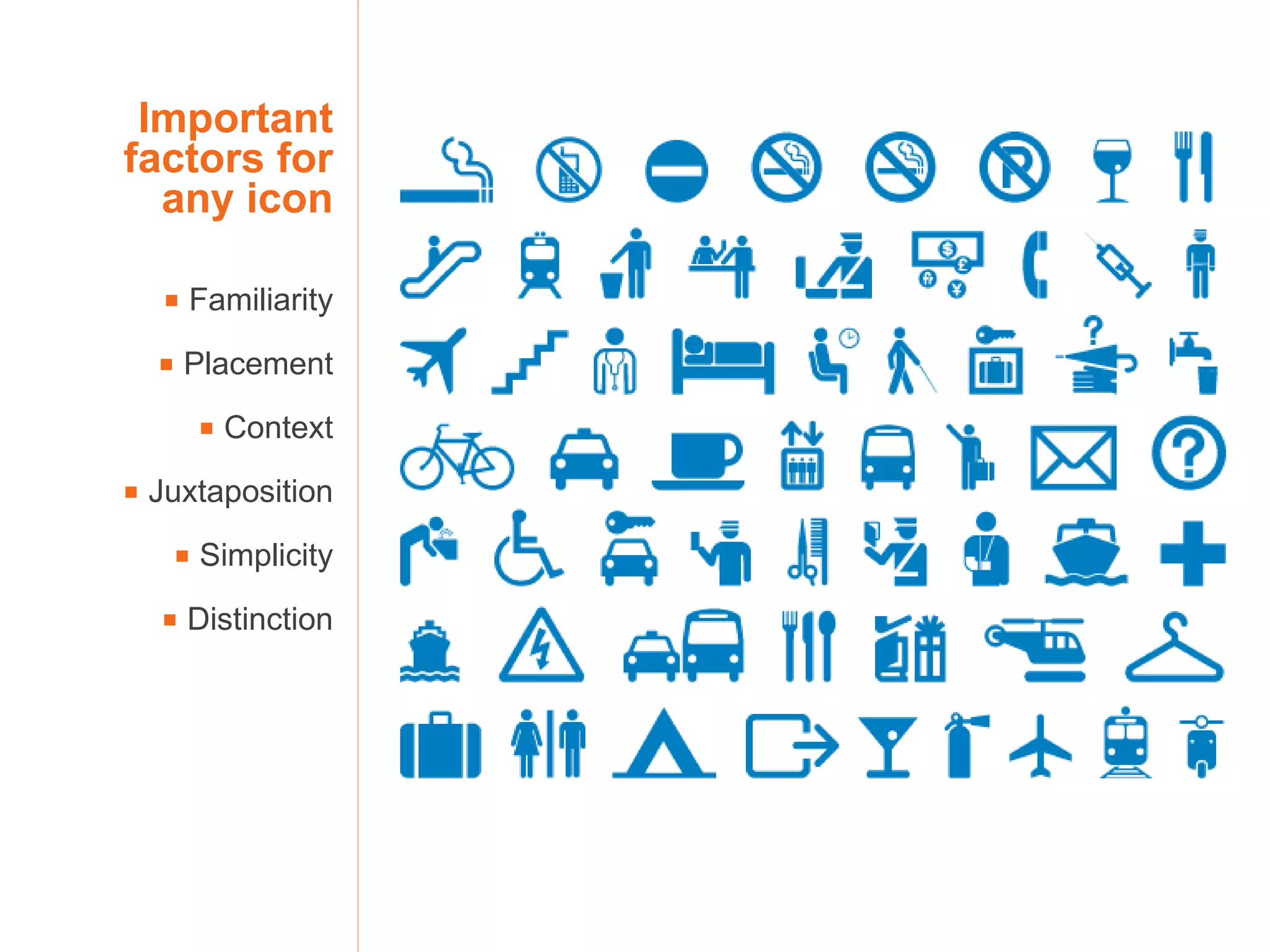
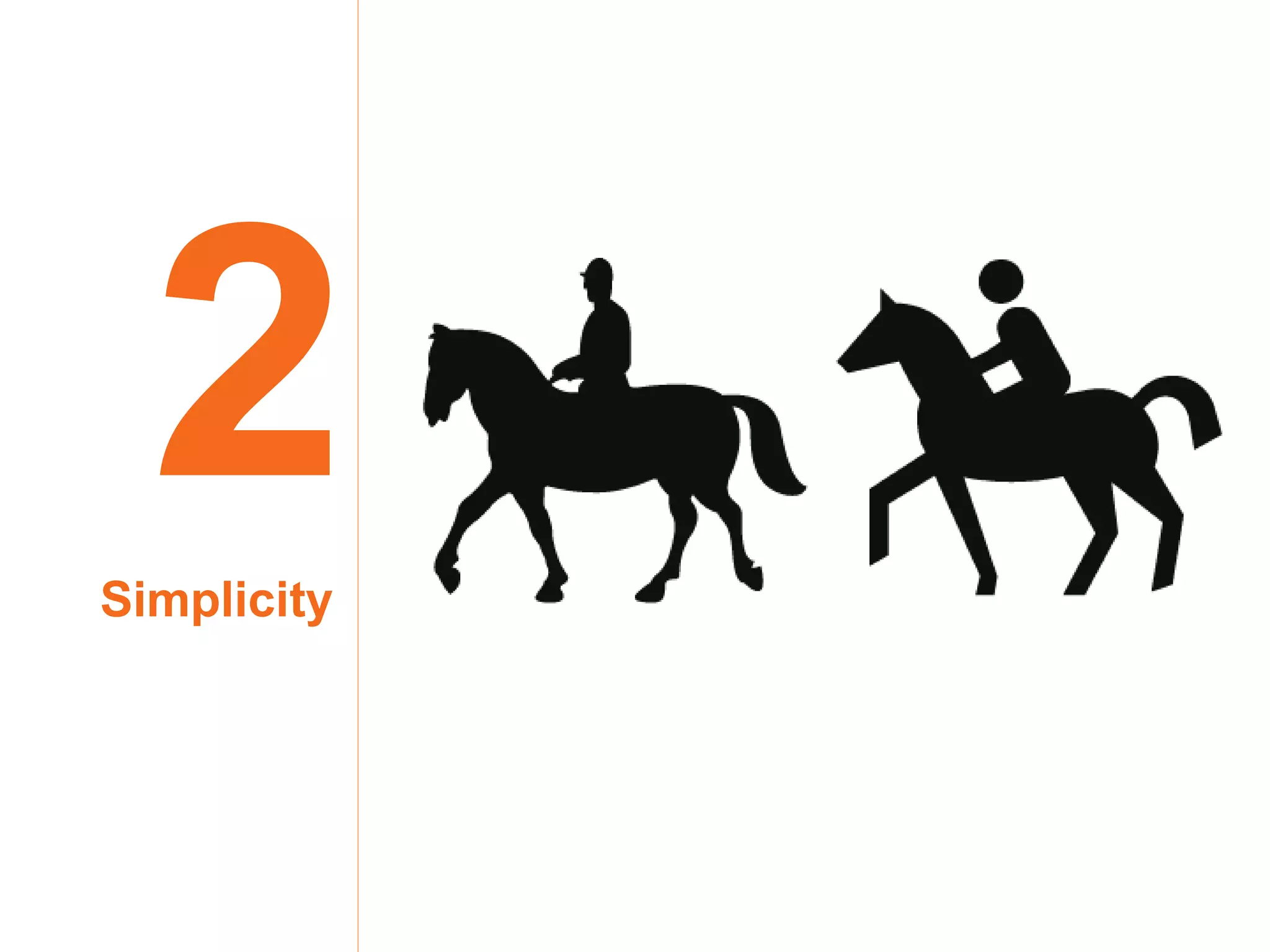
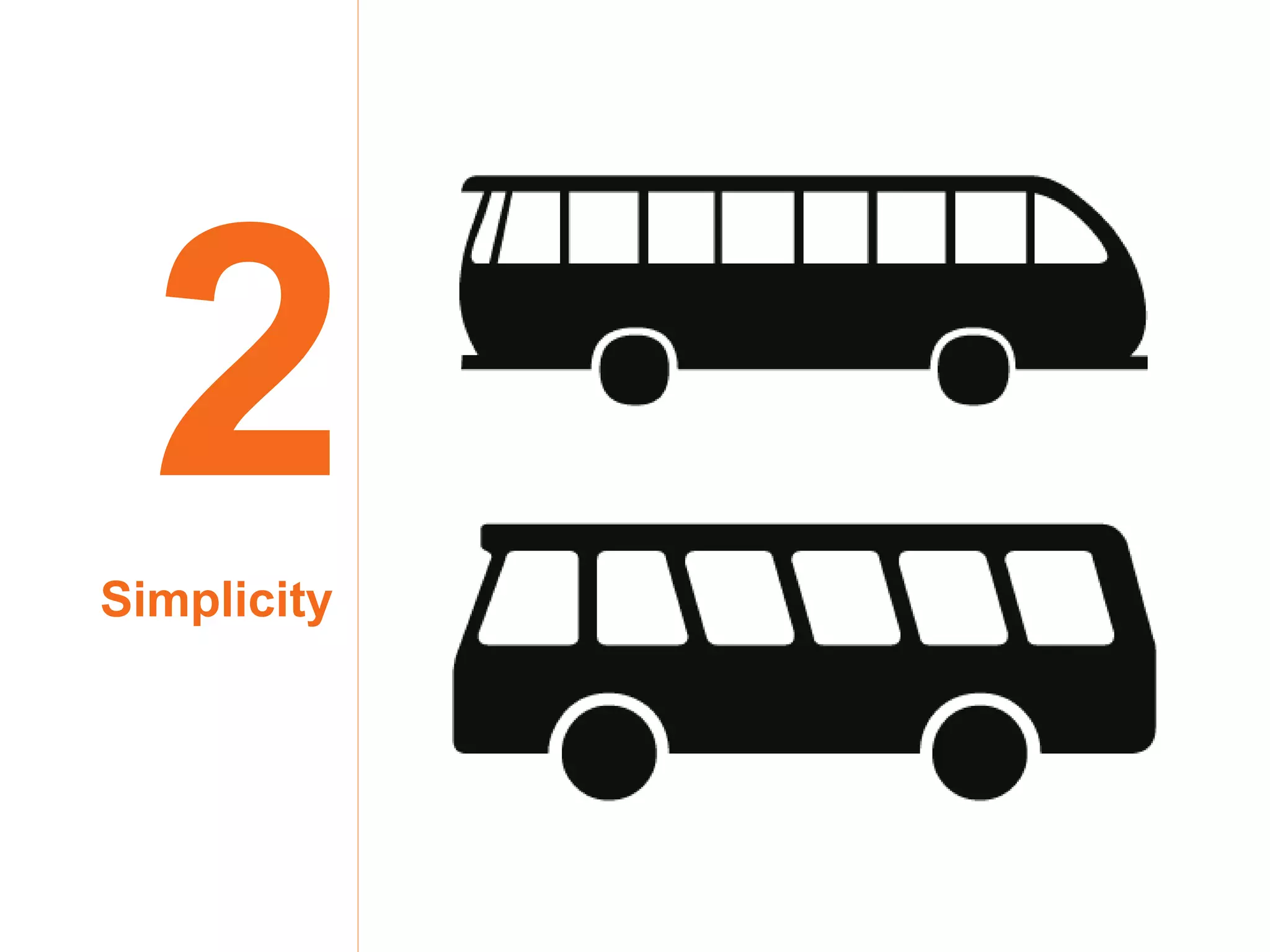
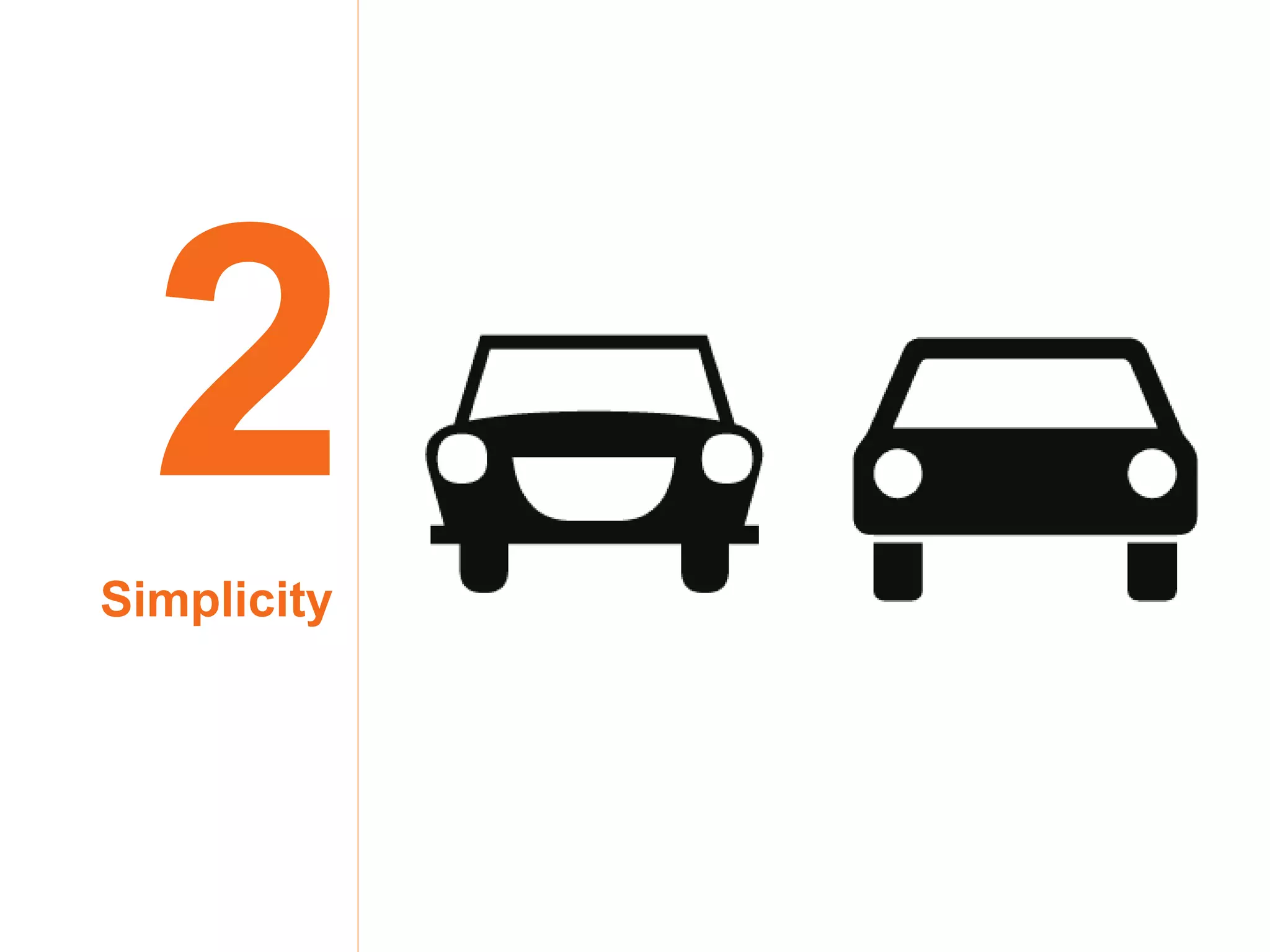
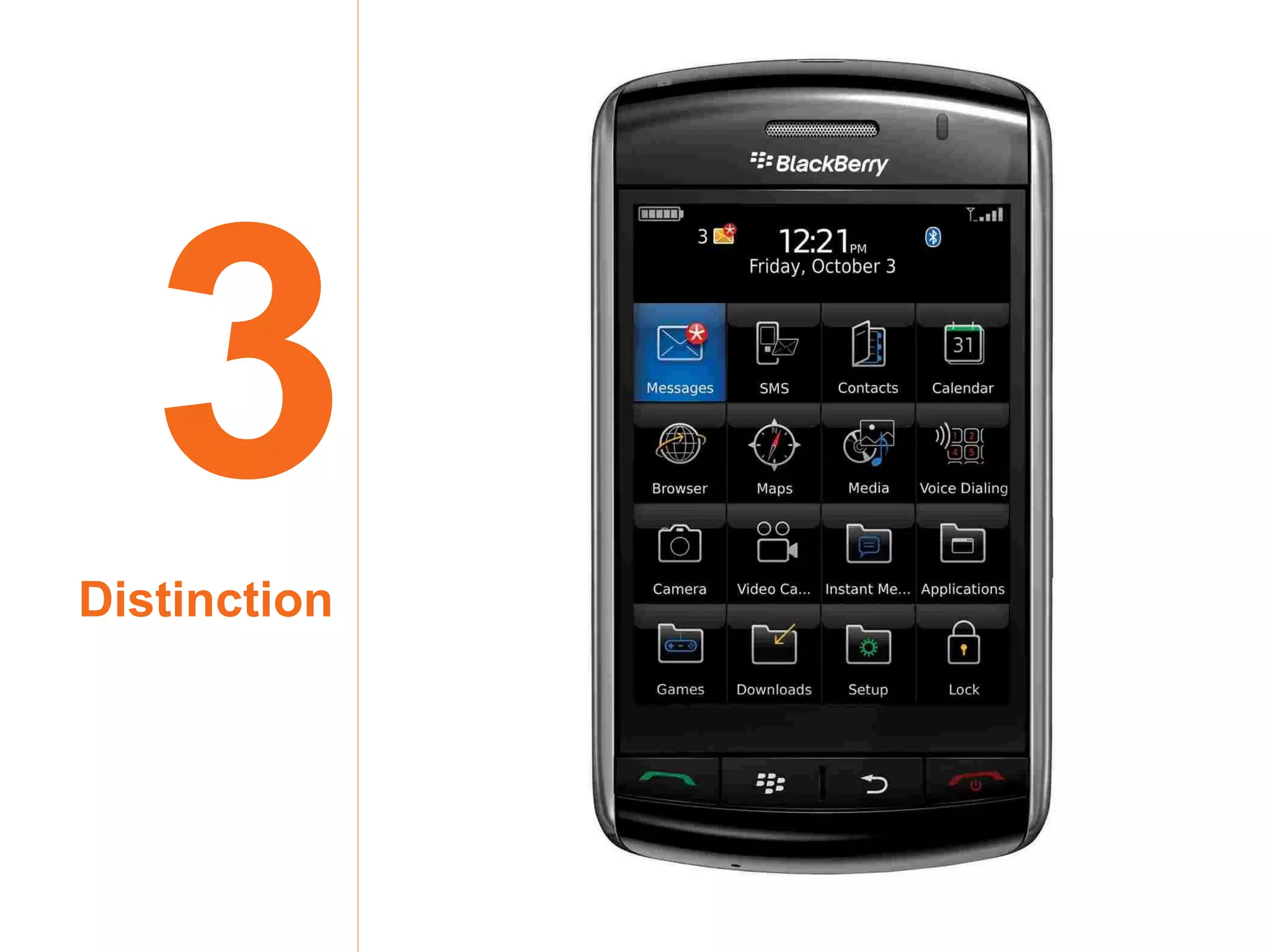
Important factors for any icon    Familiarity    Placement    Context    Juxtaposition    Simplicity   Distinction
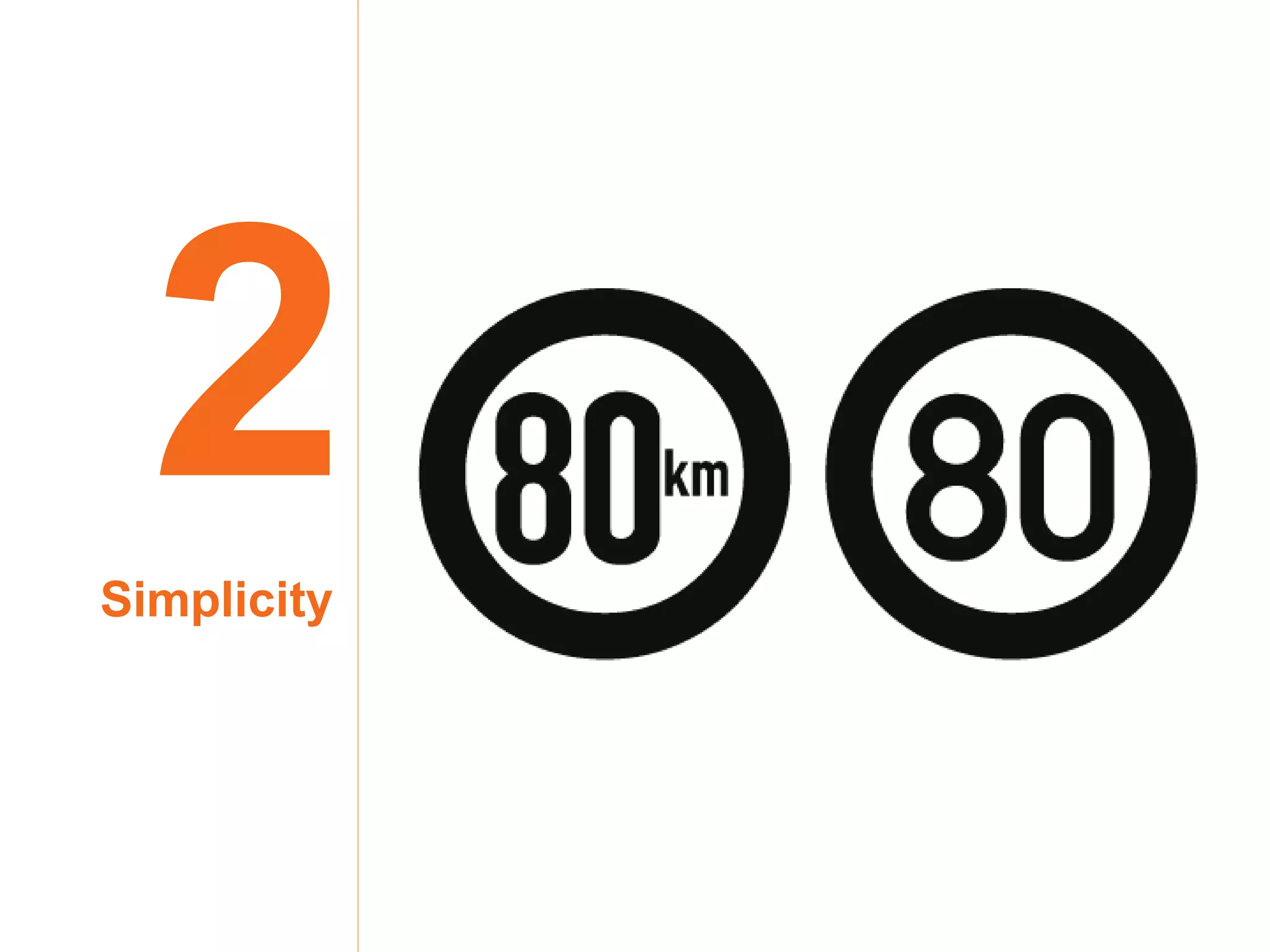
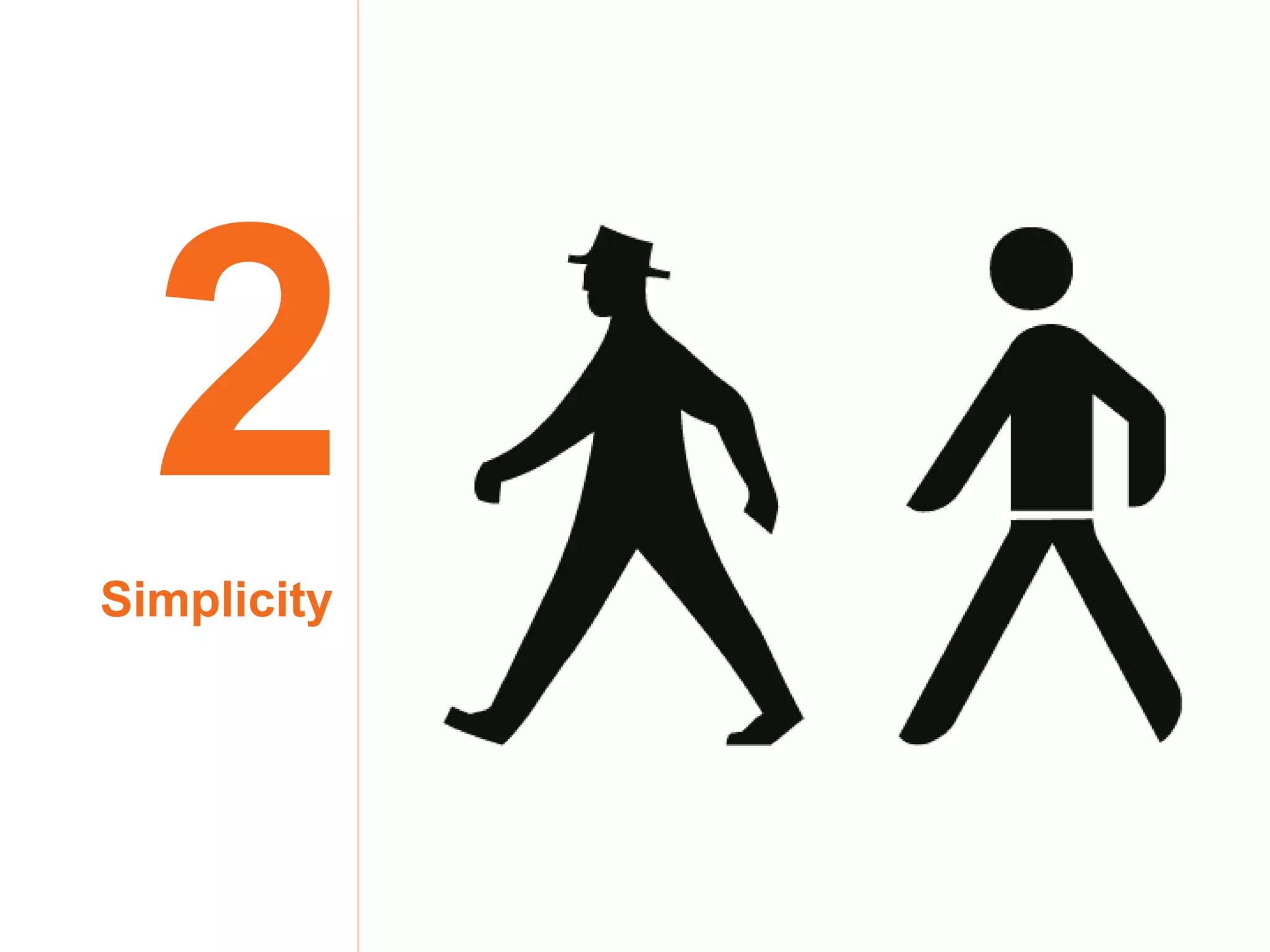
Simplicity 2
Simplicity 2
Simplicity 2
Simplicity 2
Simplicity 2
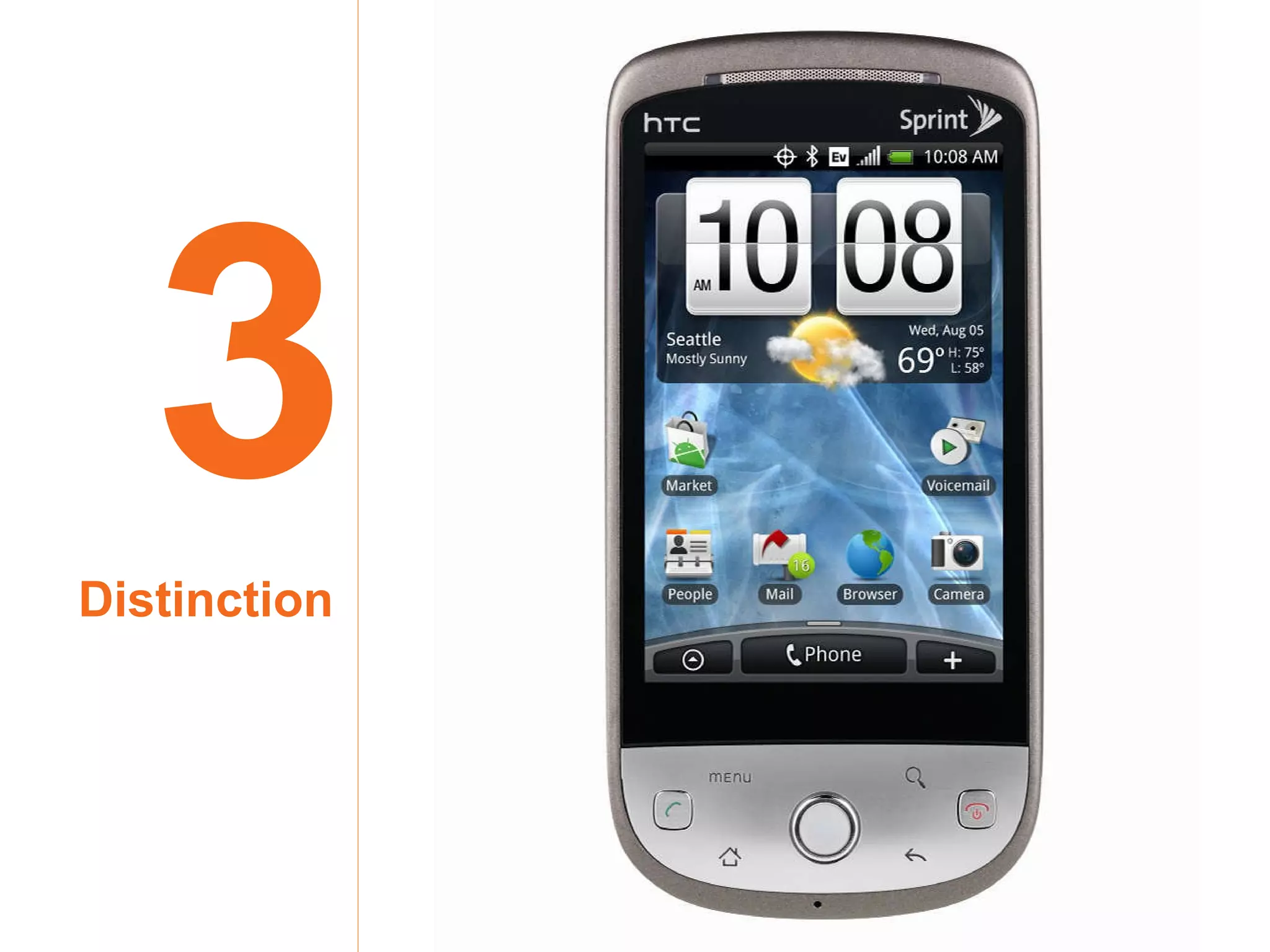
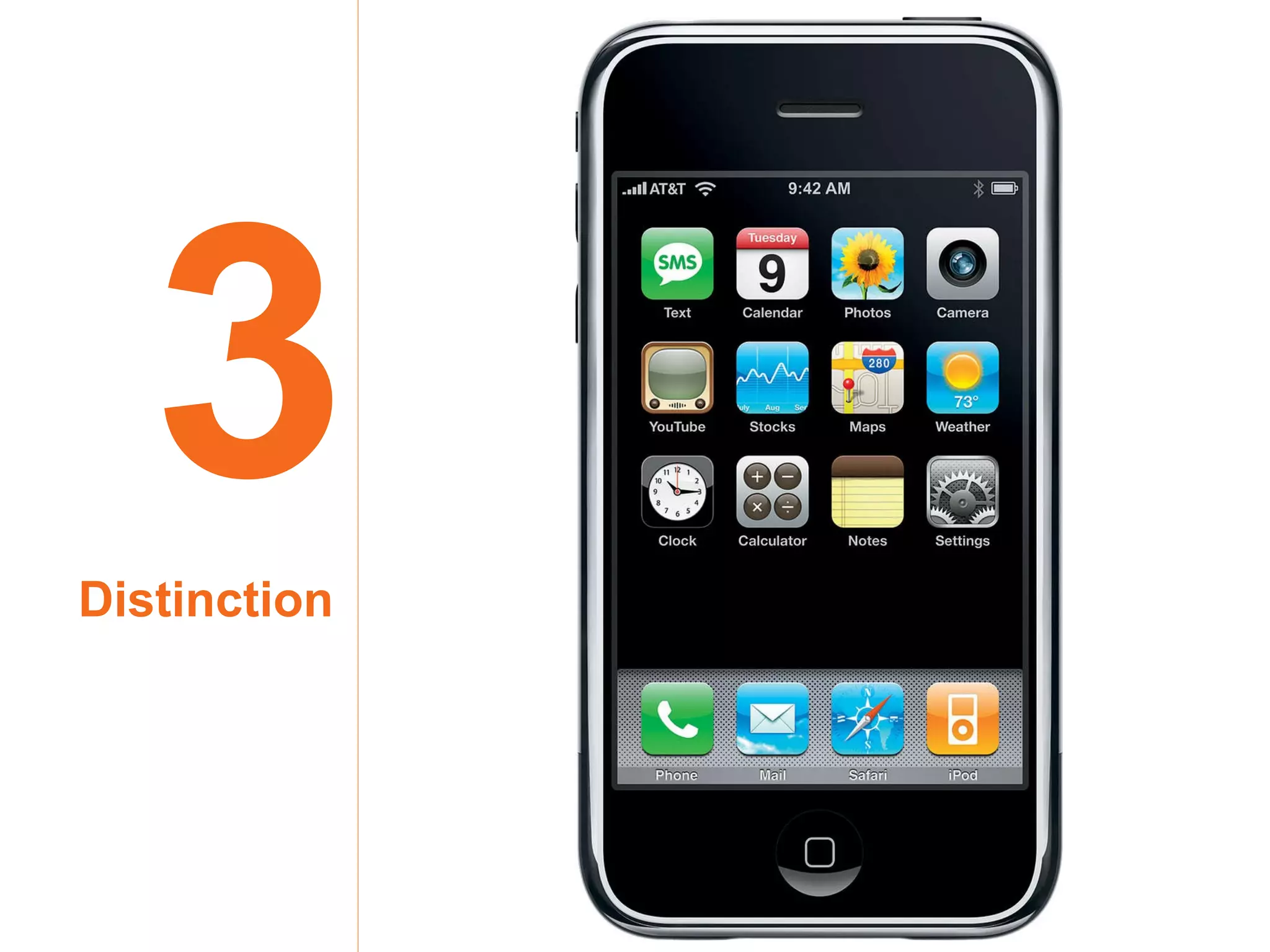
Distinction 3
Distinction 3
Distinction 3
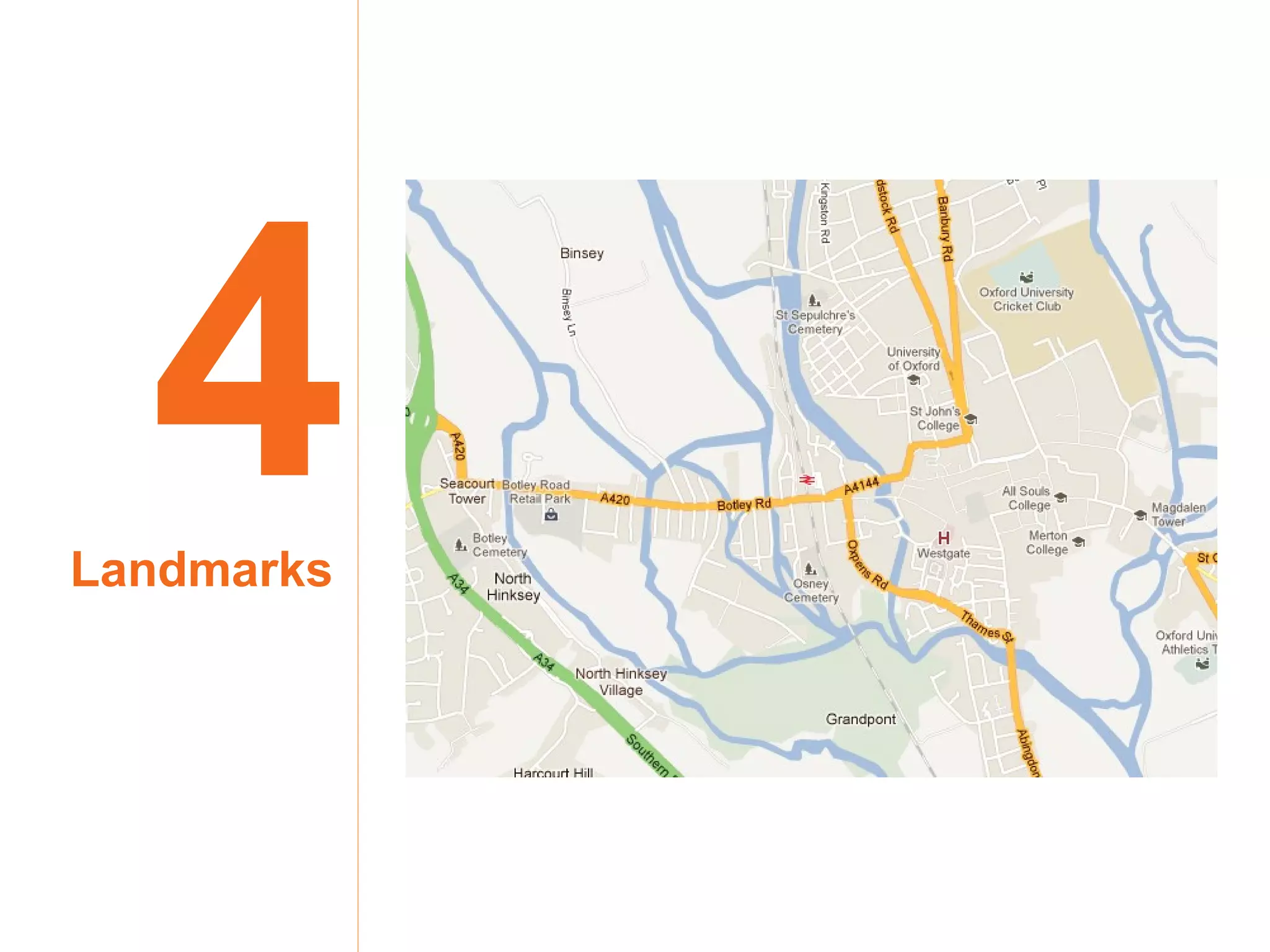
Landmarks 4
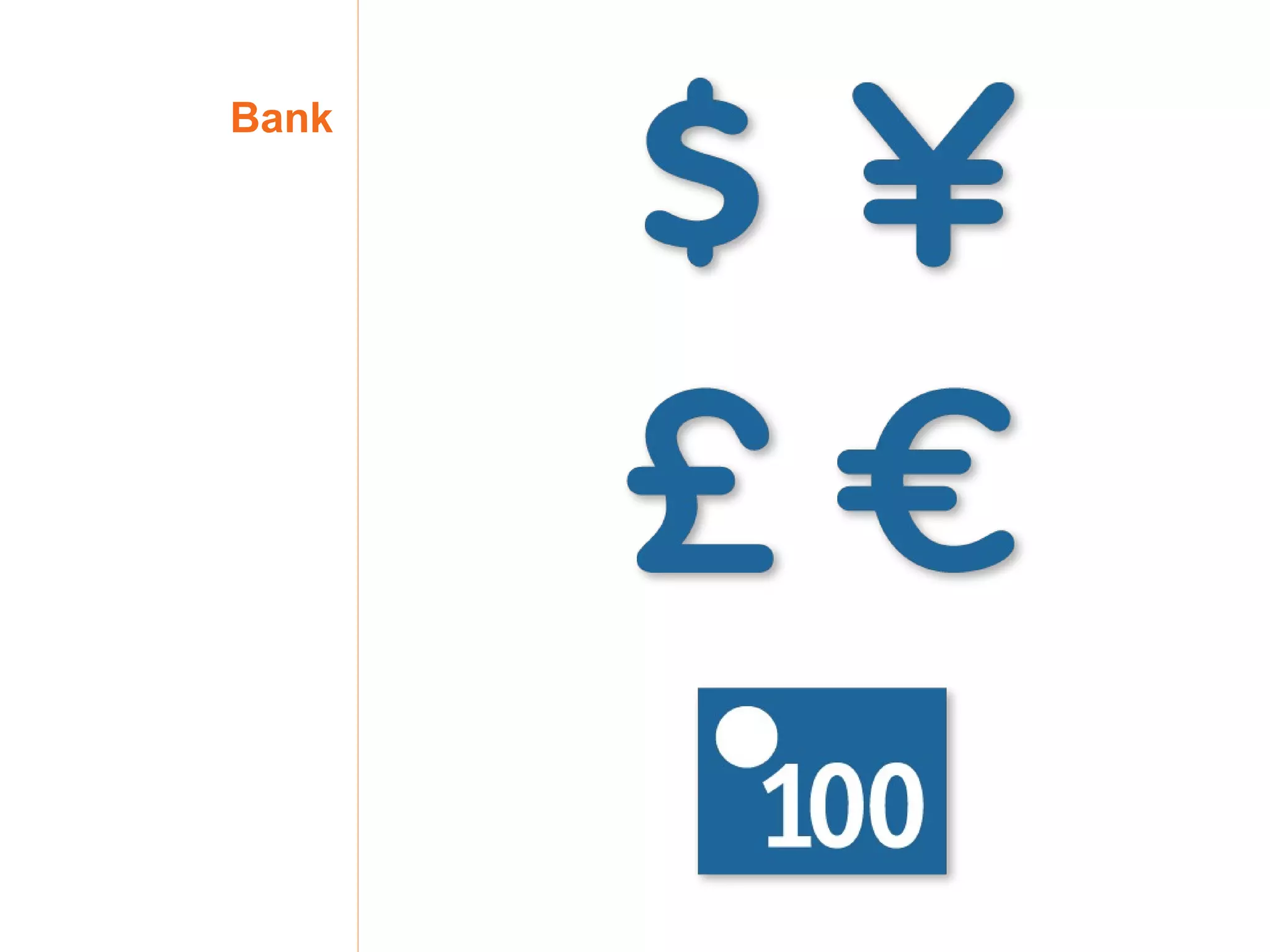
Bank
Hospital
Stadium
Business
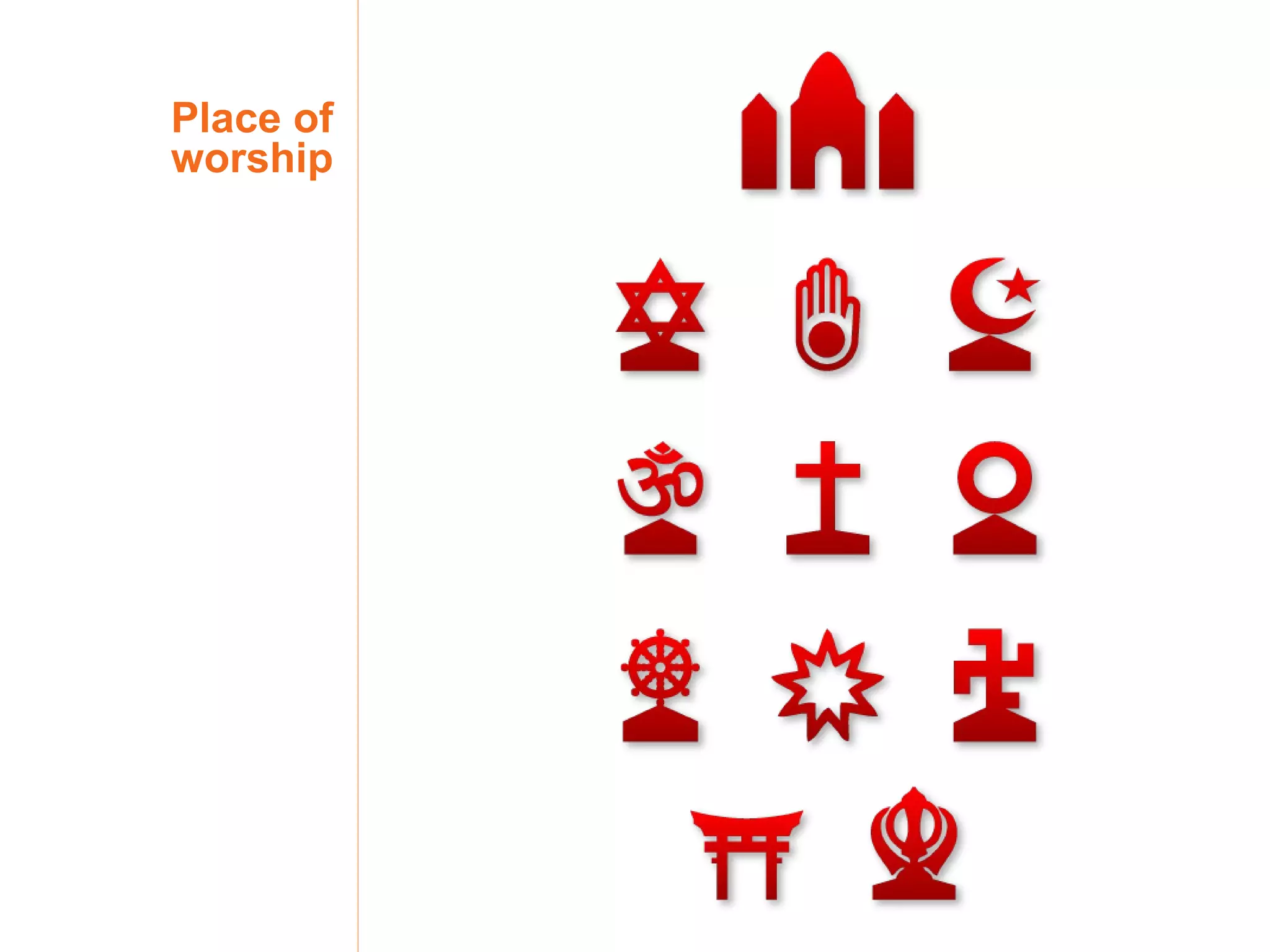
Place of worship
5 Age groups
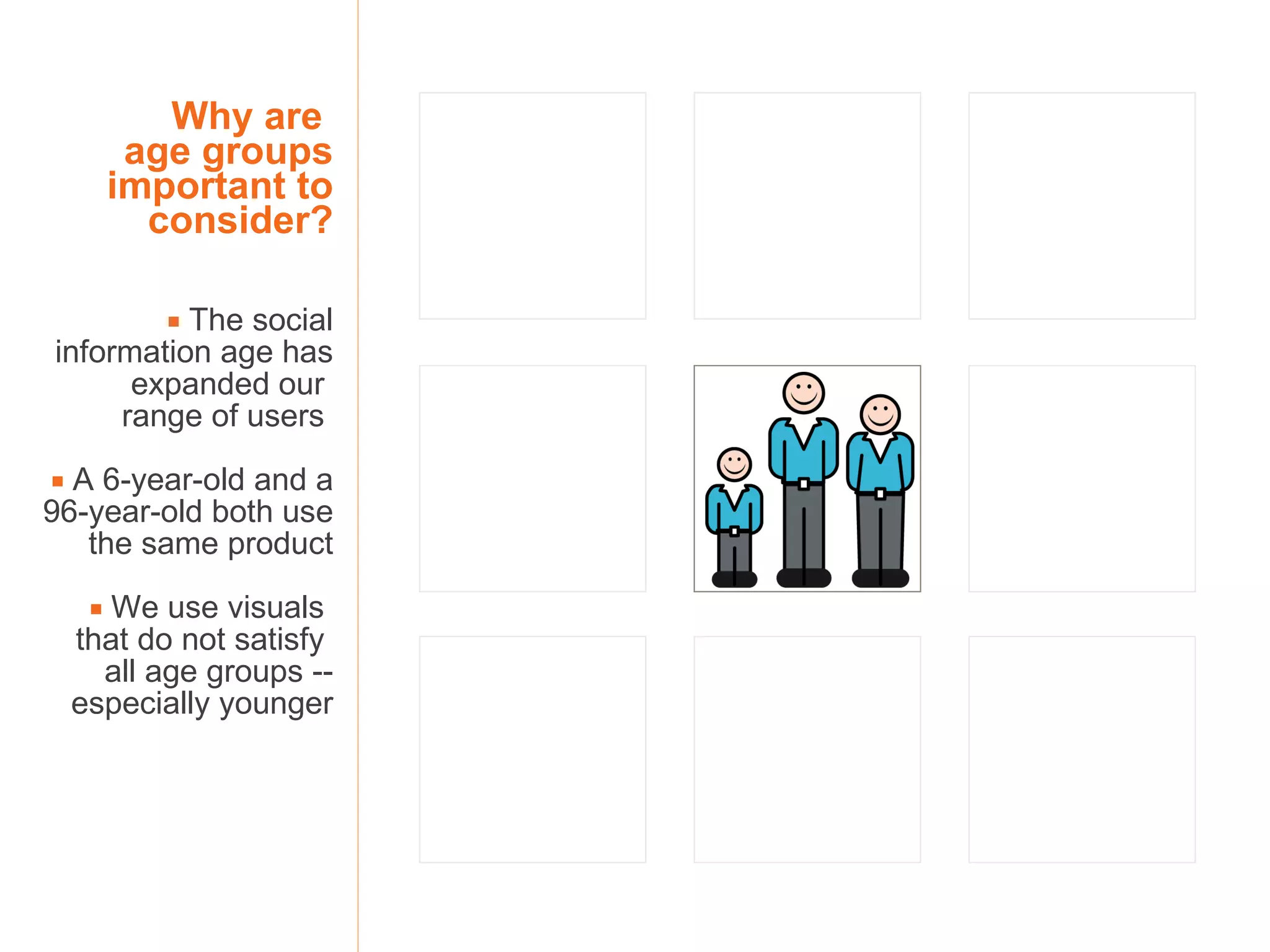
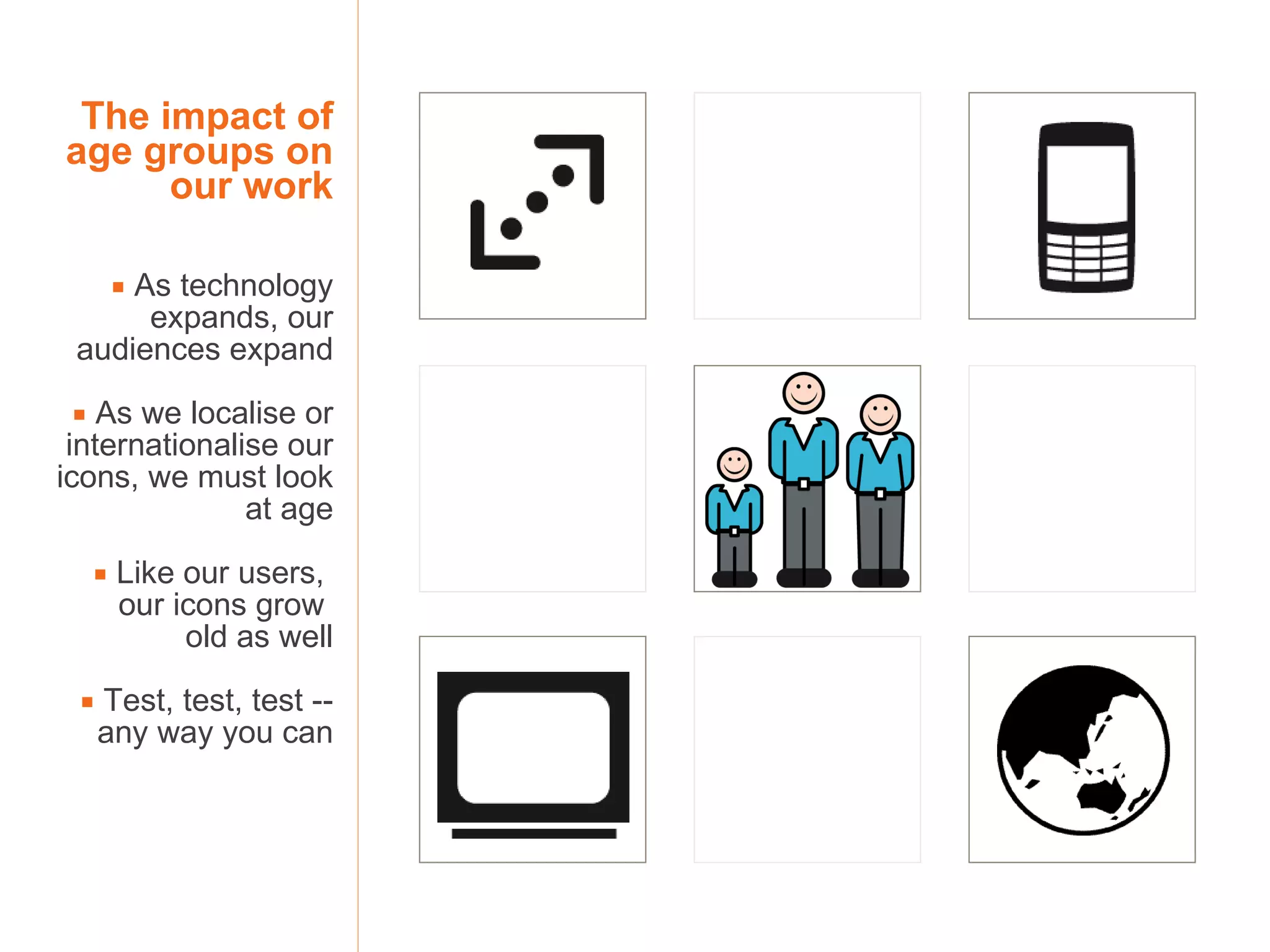
Why are  age groups important to consider?    The social information age has expanded our  range of users     A 6-year-old and a 96-year-old both use the same product    We use visuals  that do not satisfy  all age groups -- especially younger
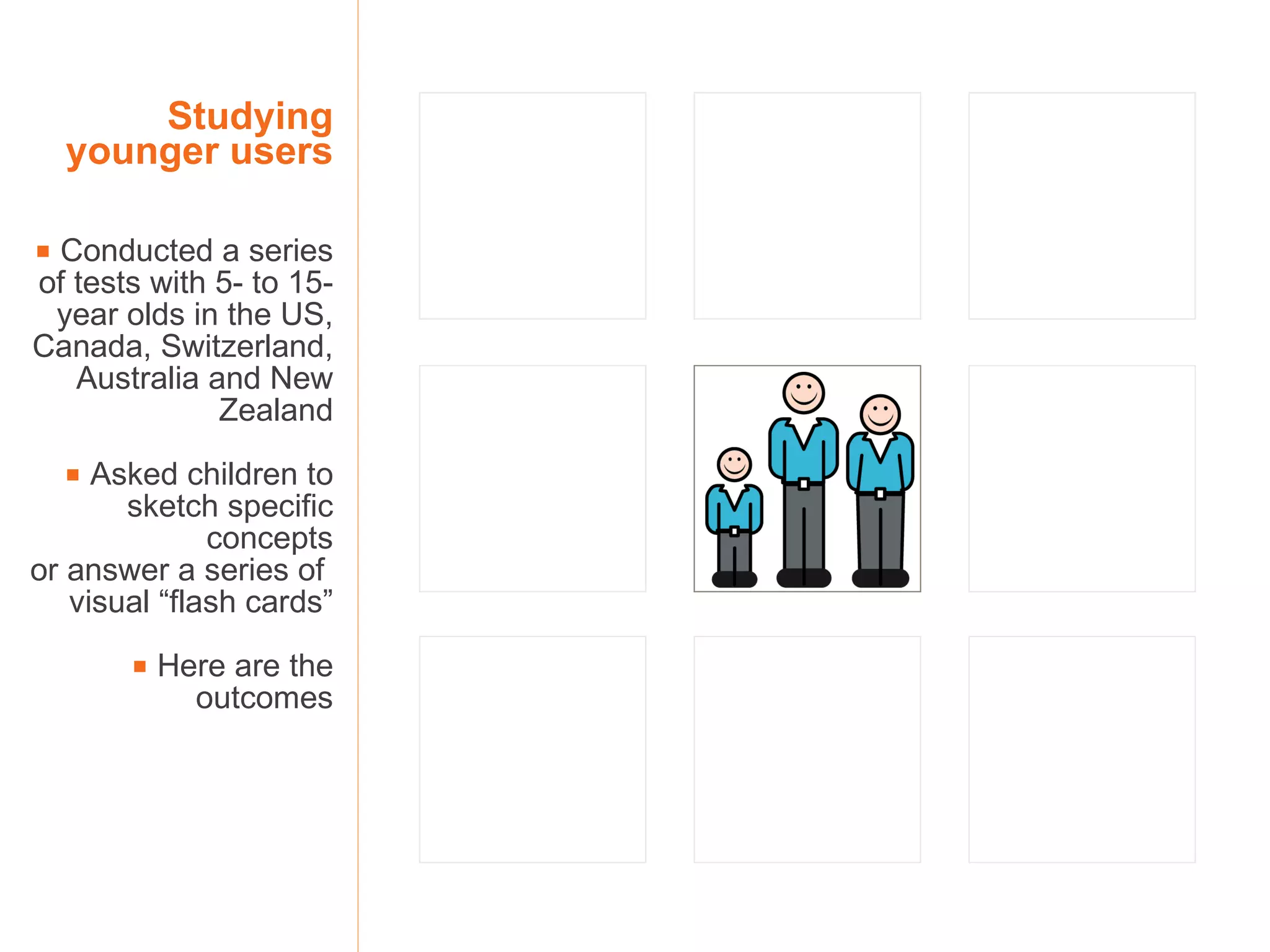
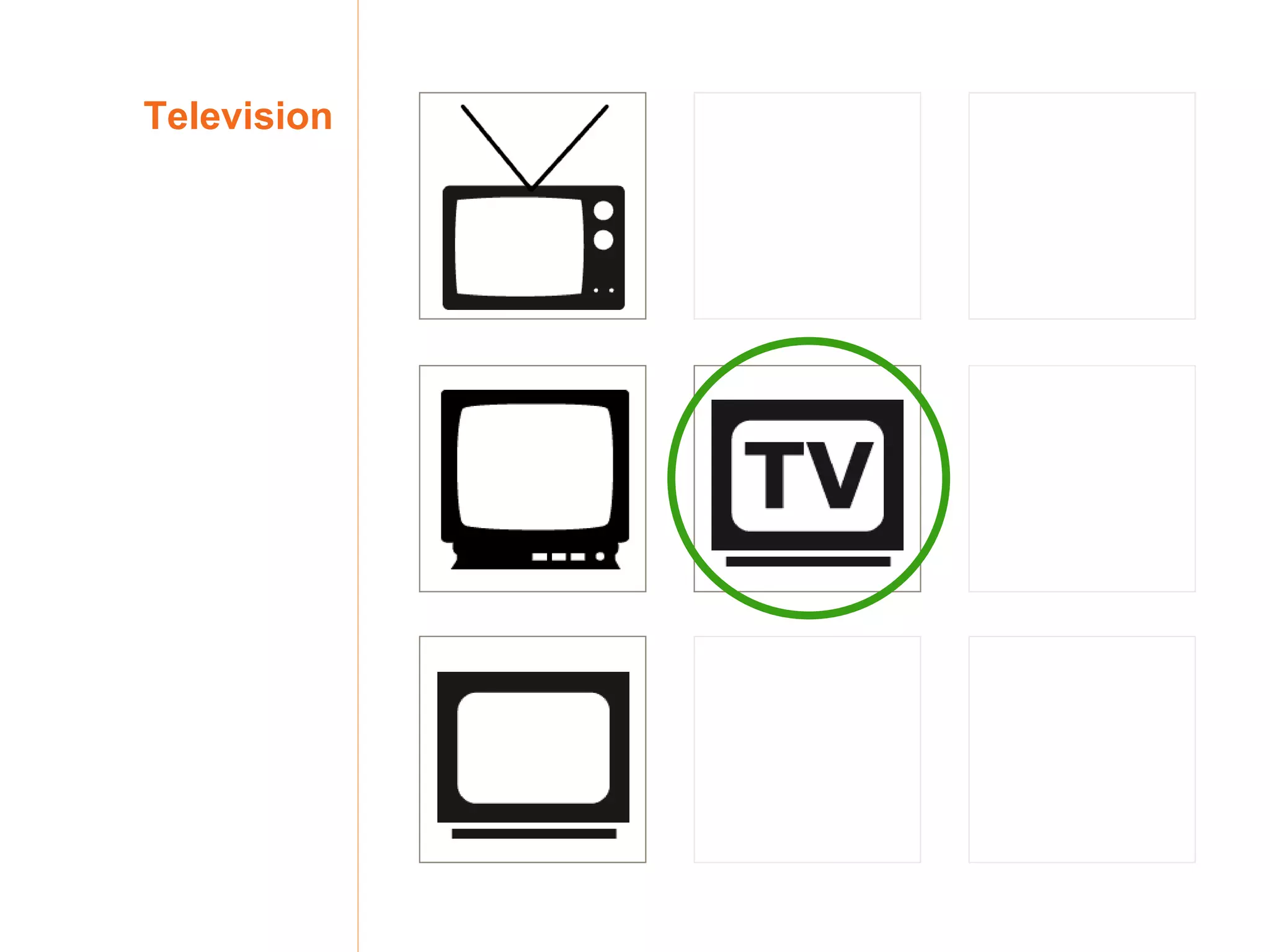
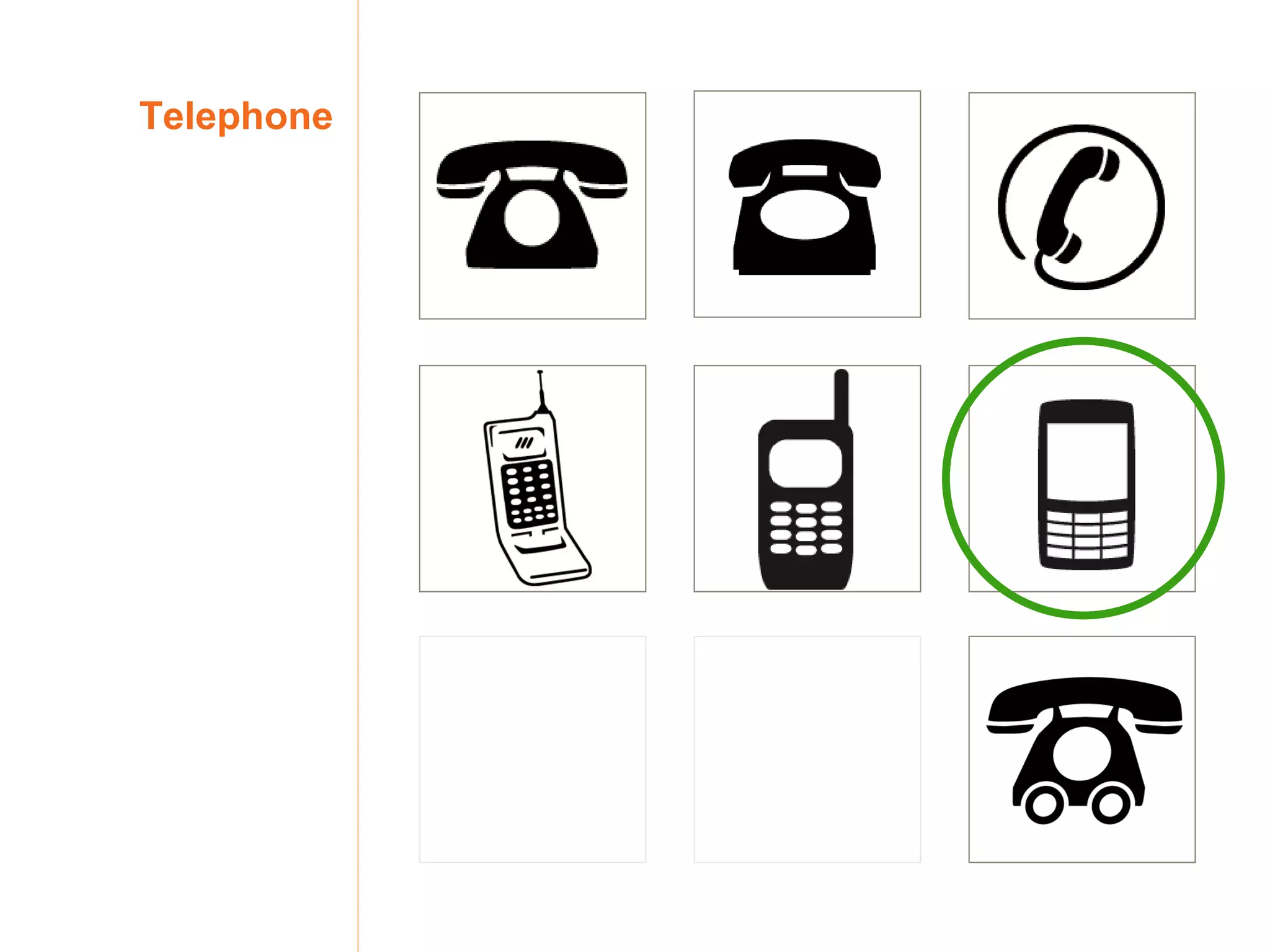
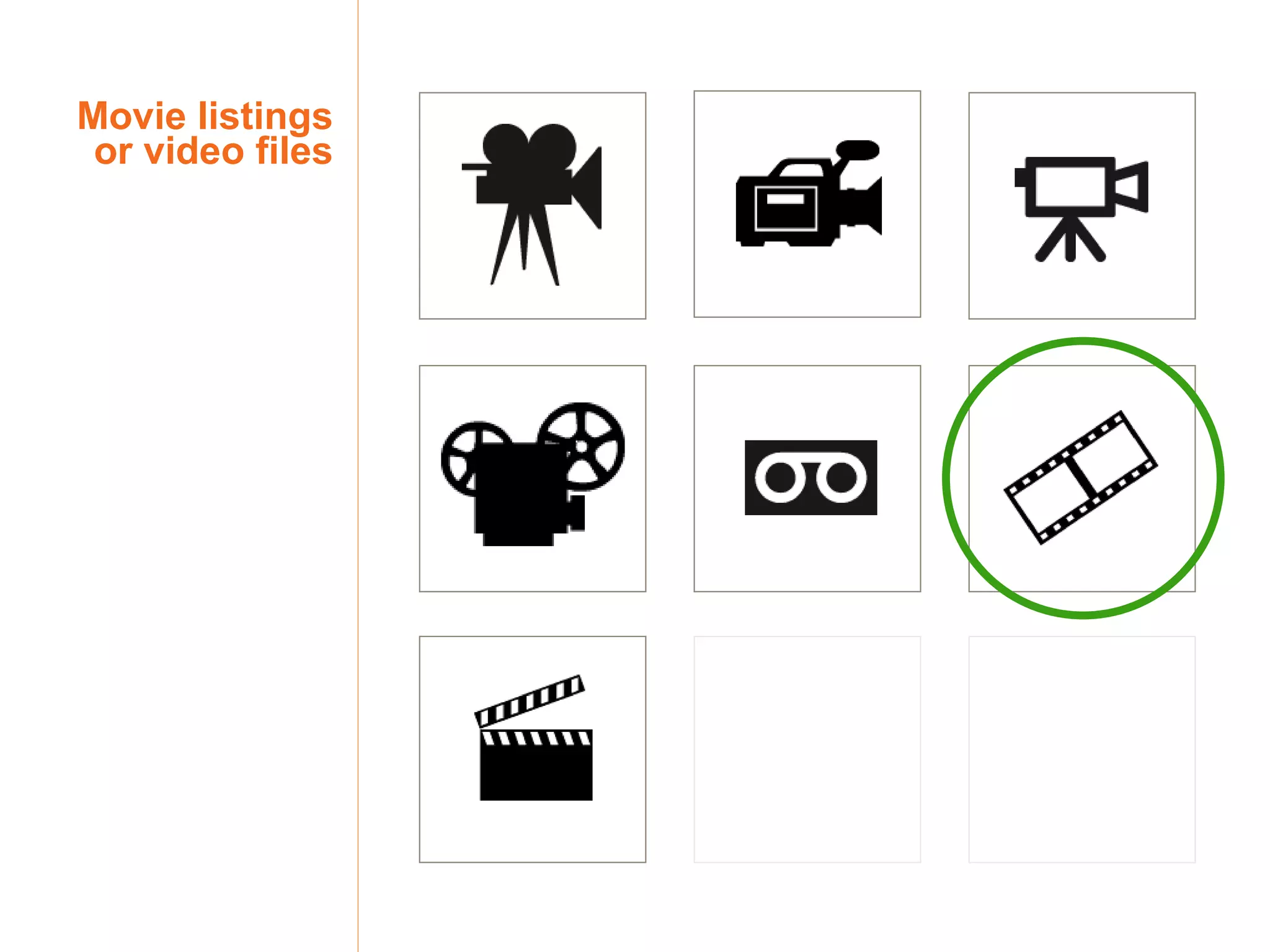
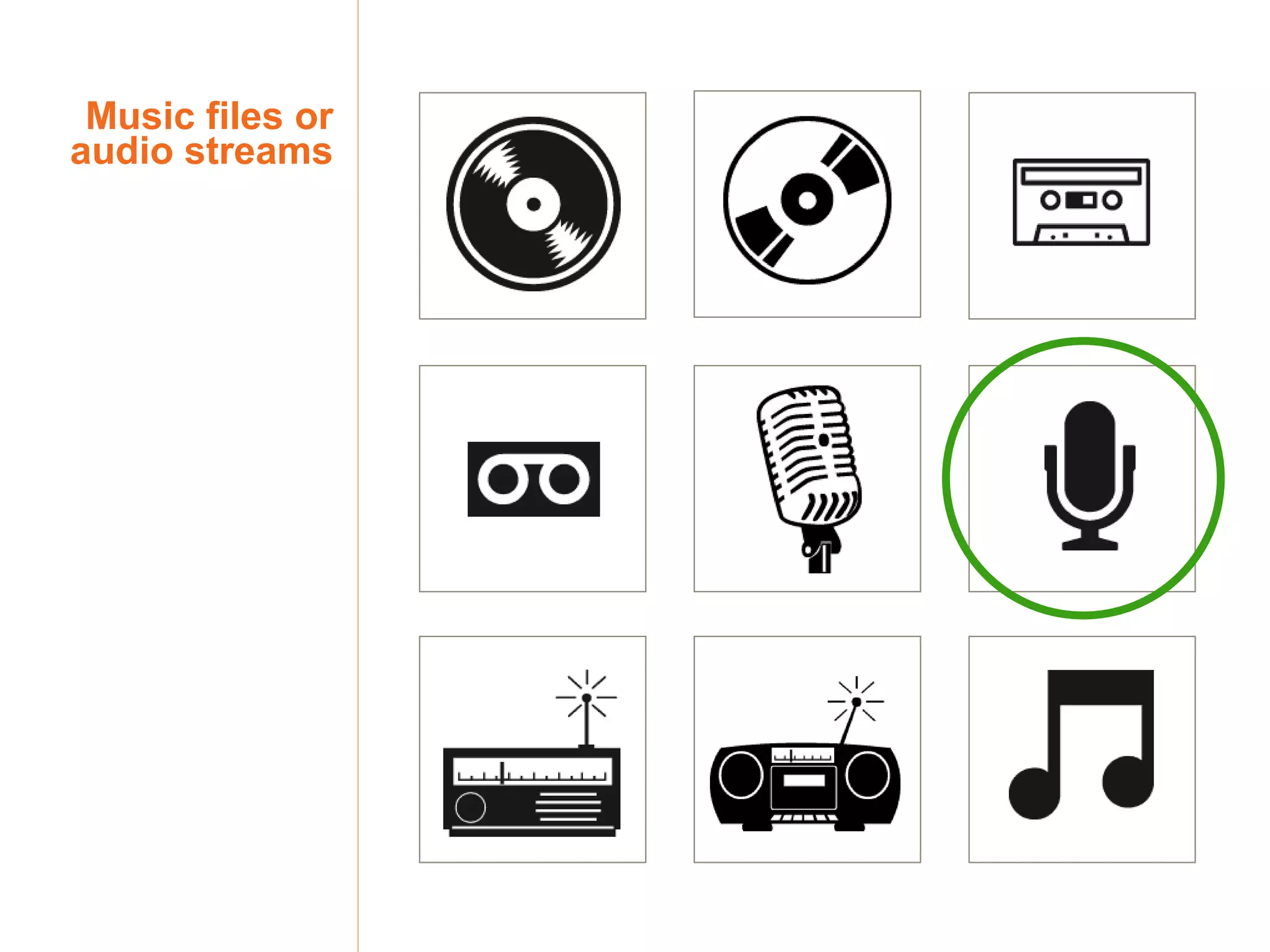
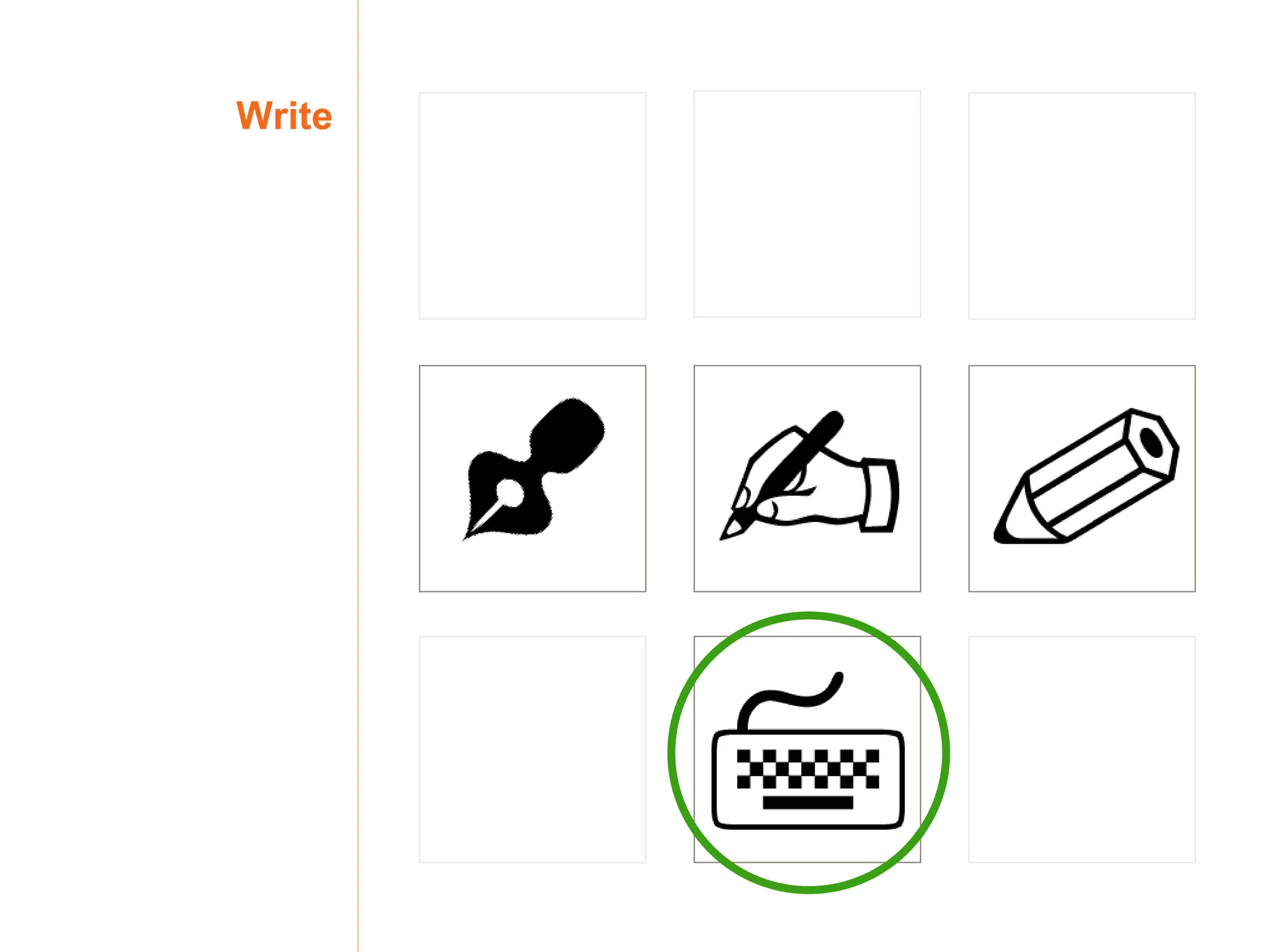
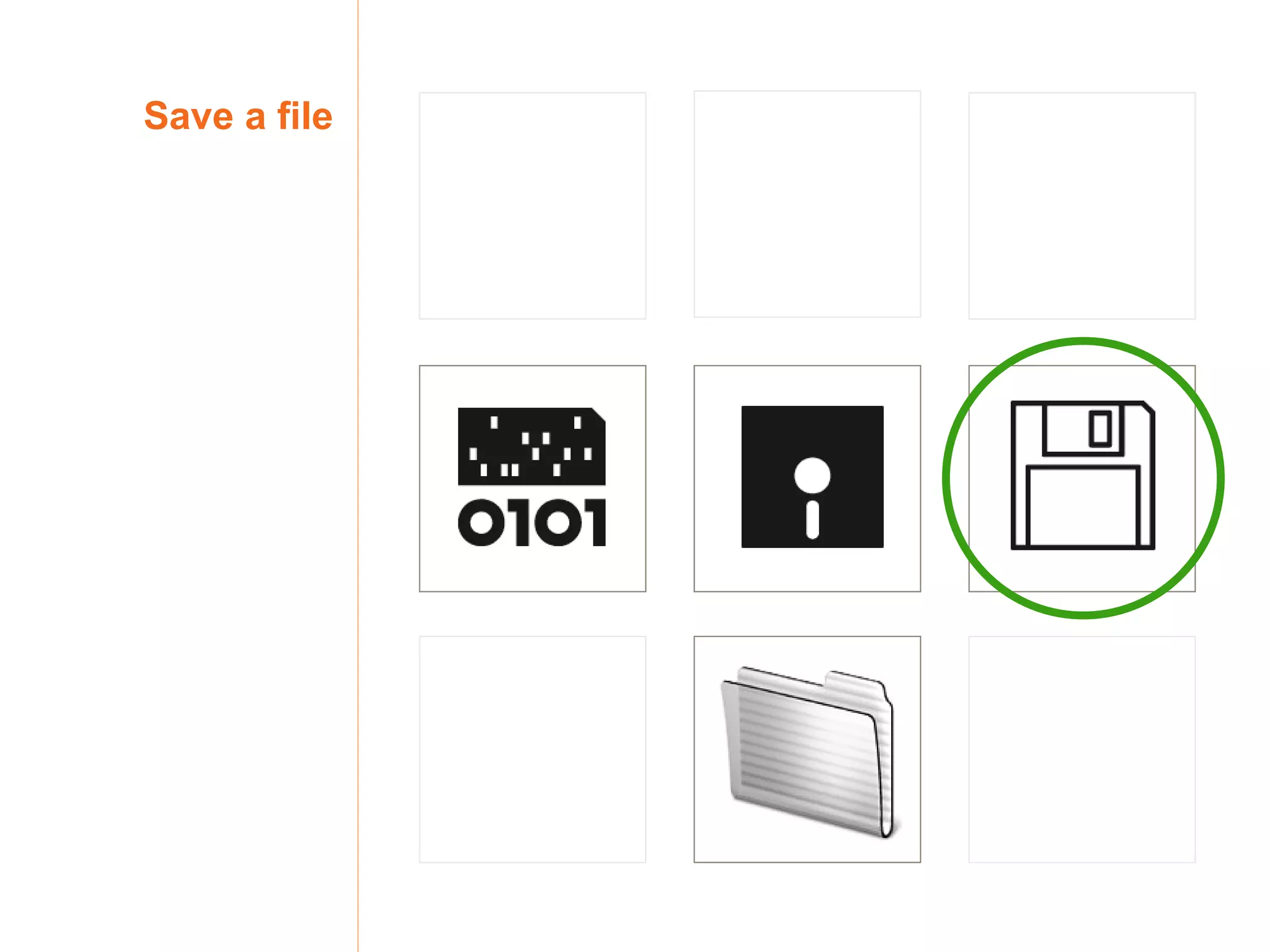
Studying younger users    Conducted a series of tests with 5- to 15-year olds in the US, Canada, Switzerland, Australia and New Zealand    Asked children to sketch specific concepts or answer a series of  visual “flash cards”    Here are the outcomes
Television
Telephone
Movie listings or video files
Music files or audio streams
Write
Save a file
The impact of age groups on our work    As technology expands, our audiences expand    As we localise or internationalise our icons, we must look at age    Like our users,  our icons grow  old as well    Test, test, test -- any way you can
6 Takeaways
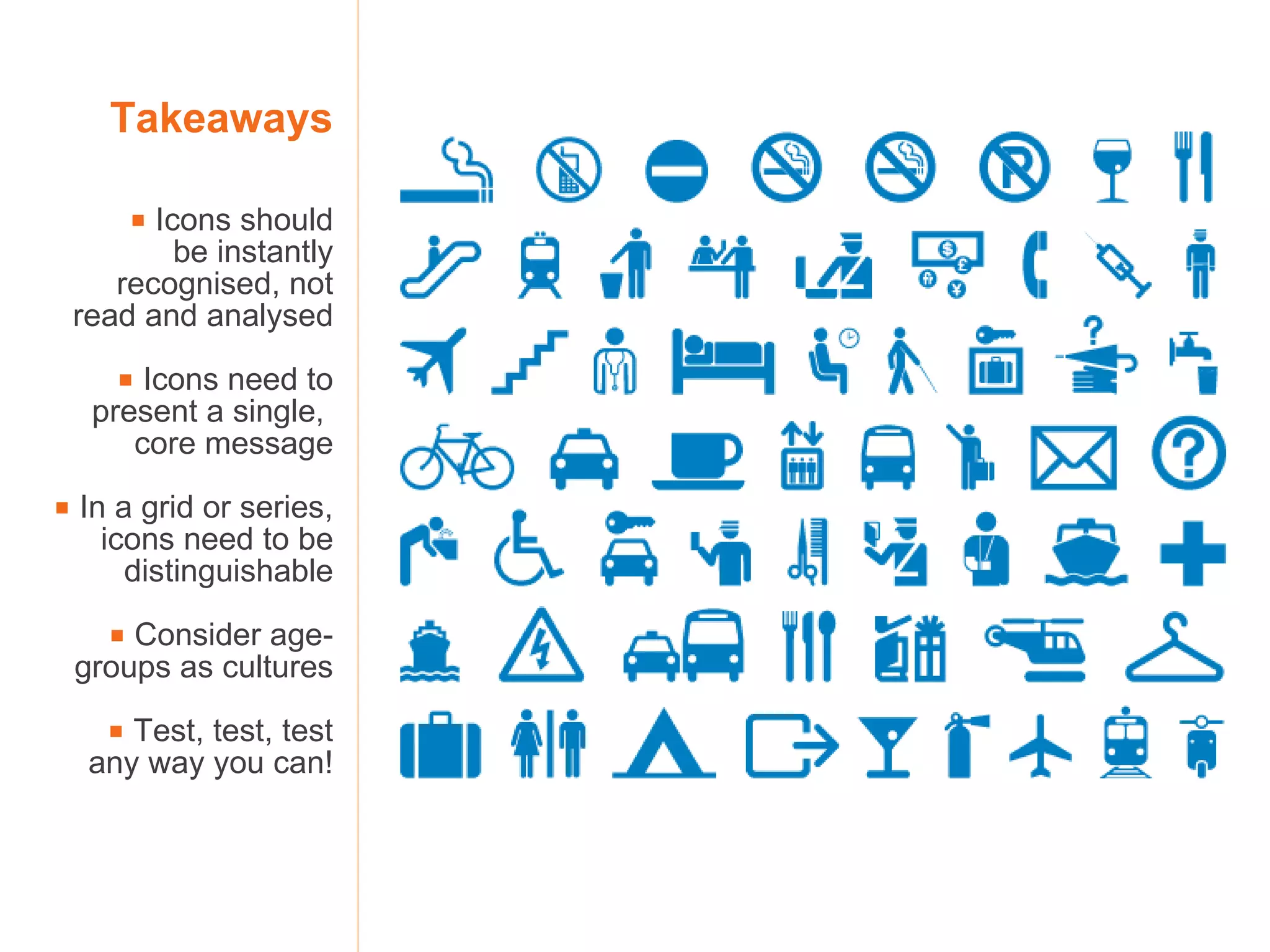
Takeaways    Icons should be instantly recognised, not read and analysed    Icons need to present a single,  core message    In a grid or series, icons need to be distinguishable    Consider age-groups as cultures    Test, test, test any way you can!
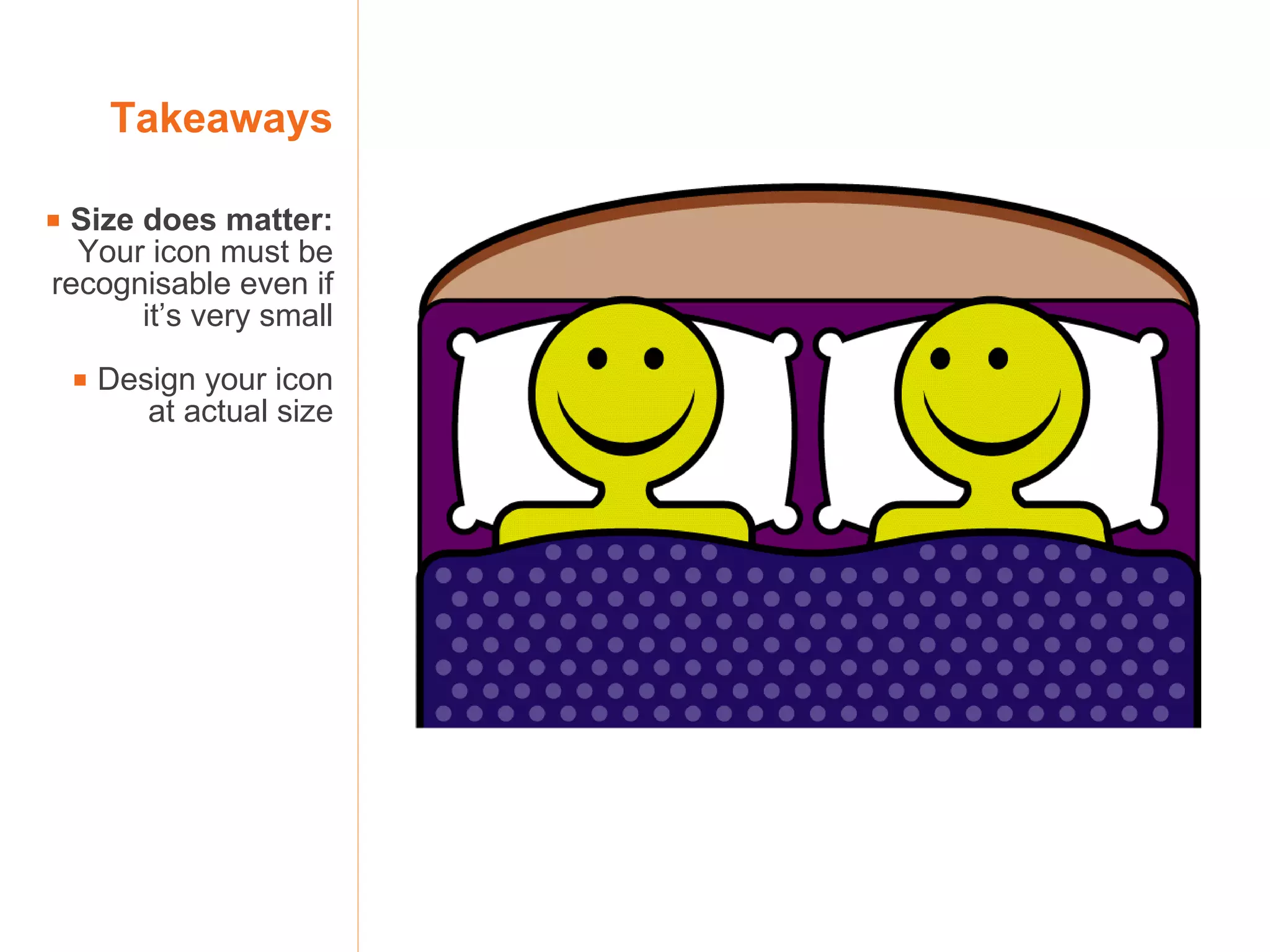
Takeaways    Size does matter:  Your icon must be recognisable even if it’s very small    Design your icon at actual size
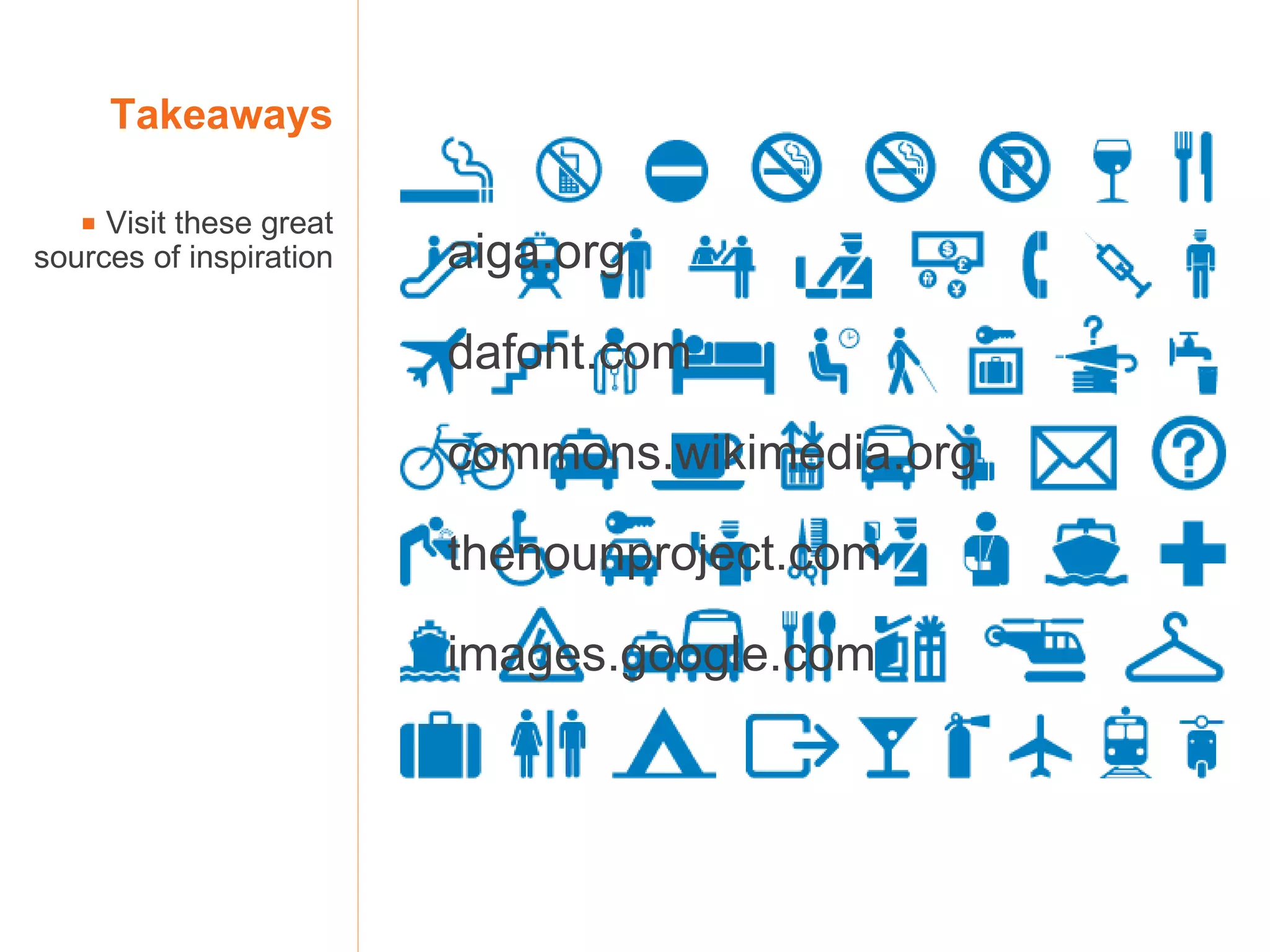
aiga.org dafont.com commons.wikimedia.org thenounproject.com images.google.com Takeaways    Visit these great sources of inspiration
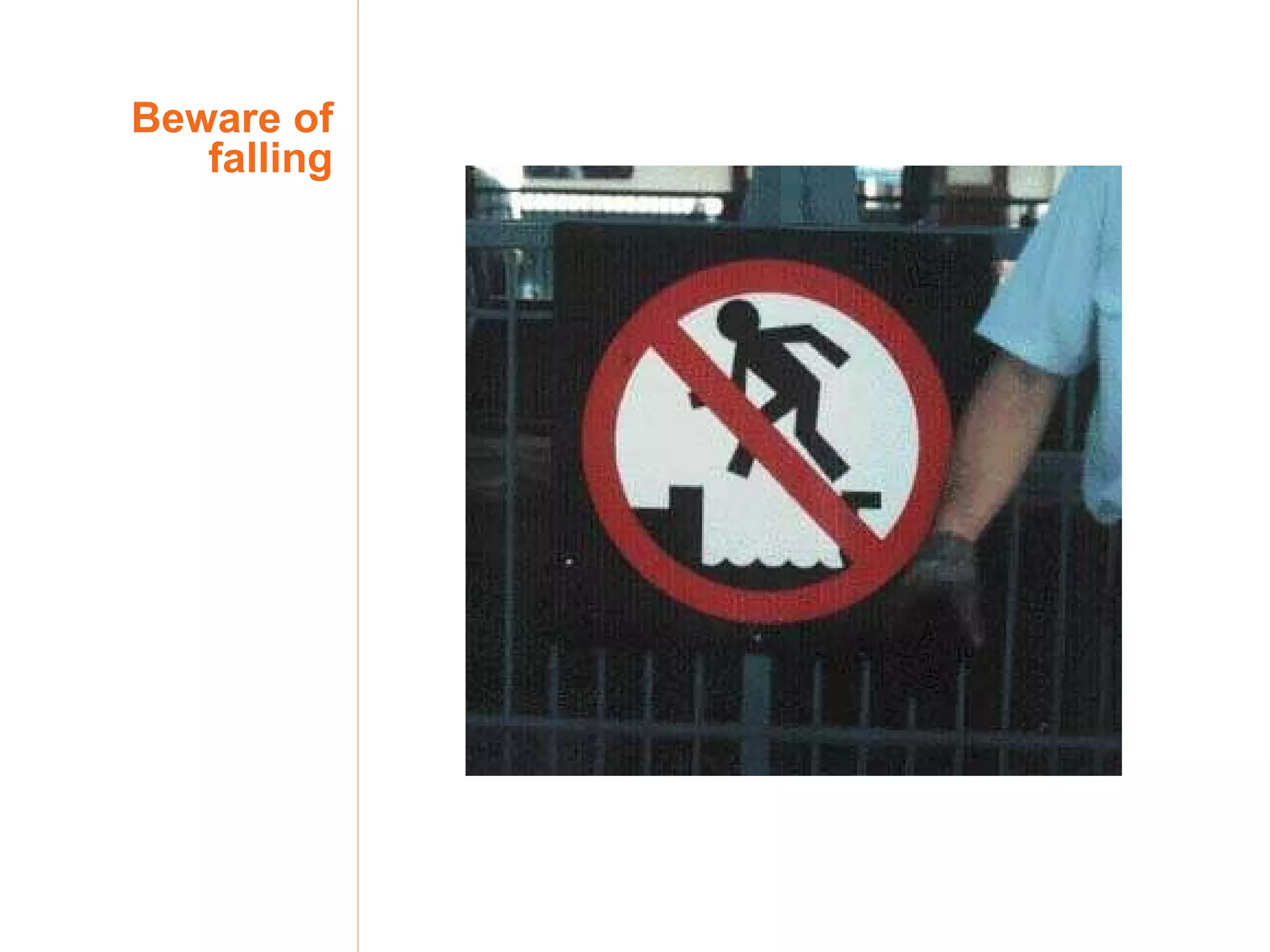
Beware of falling
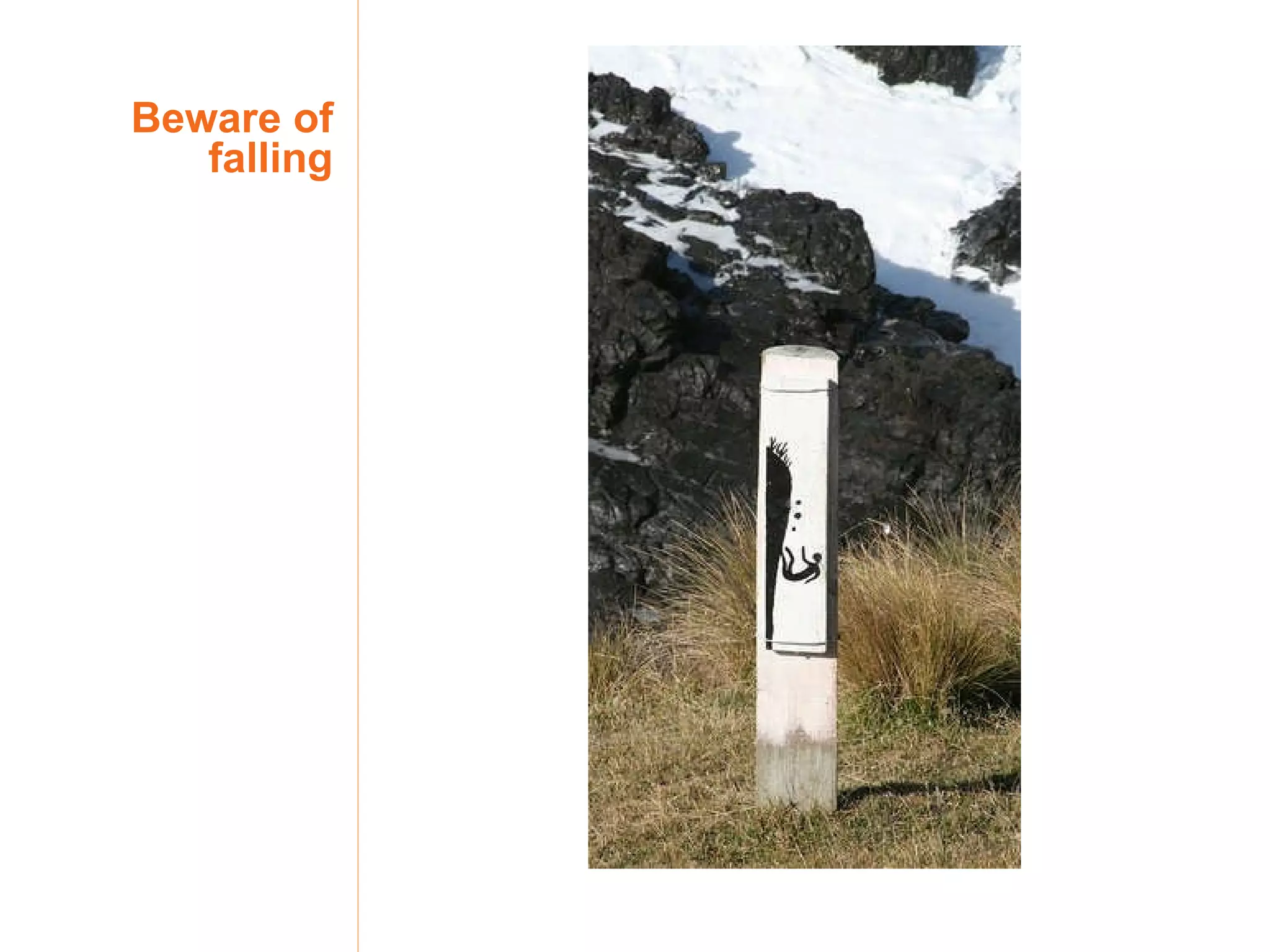
Beware of falling
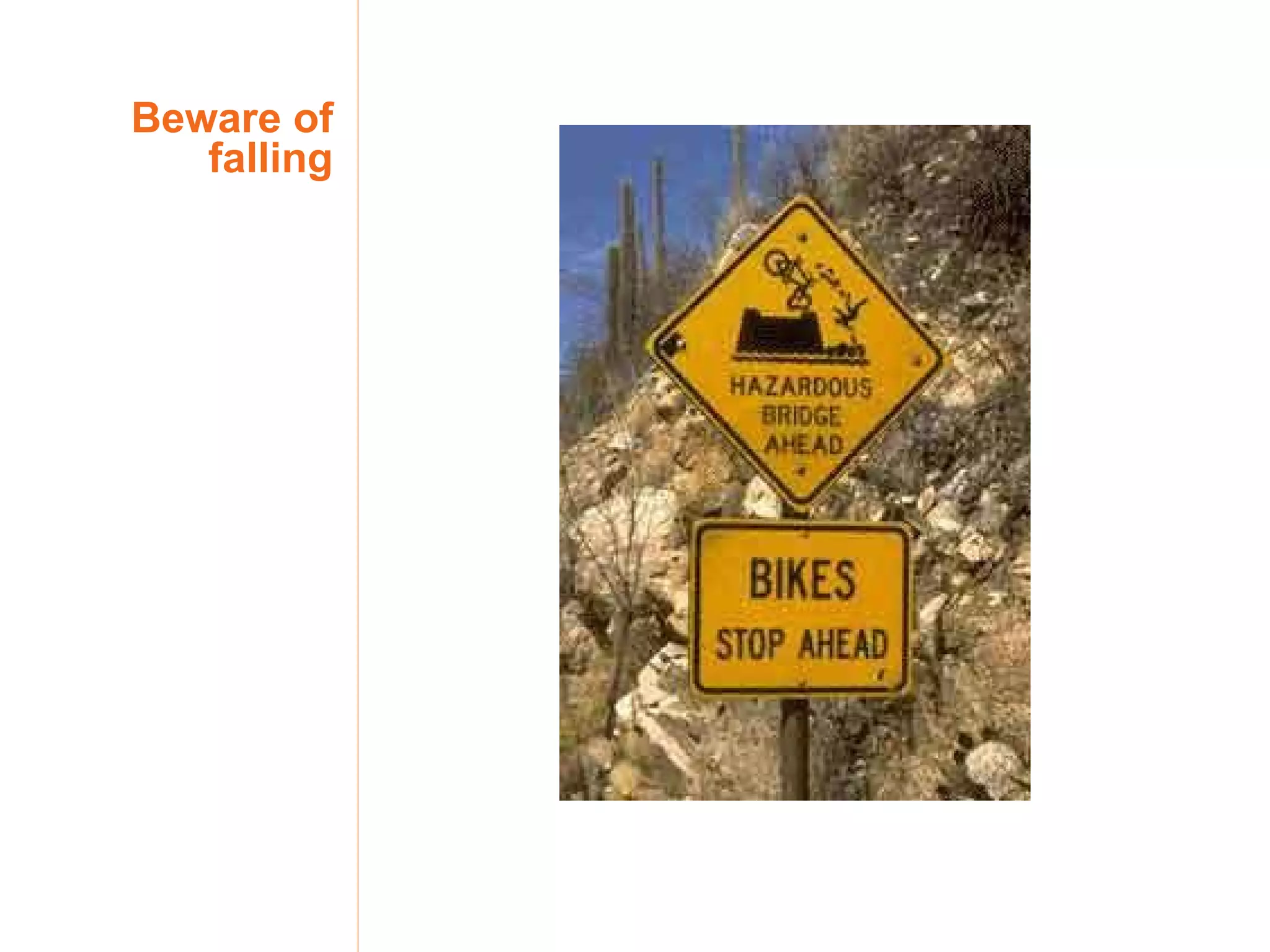
Beware of falling
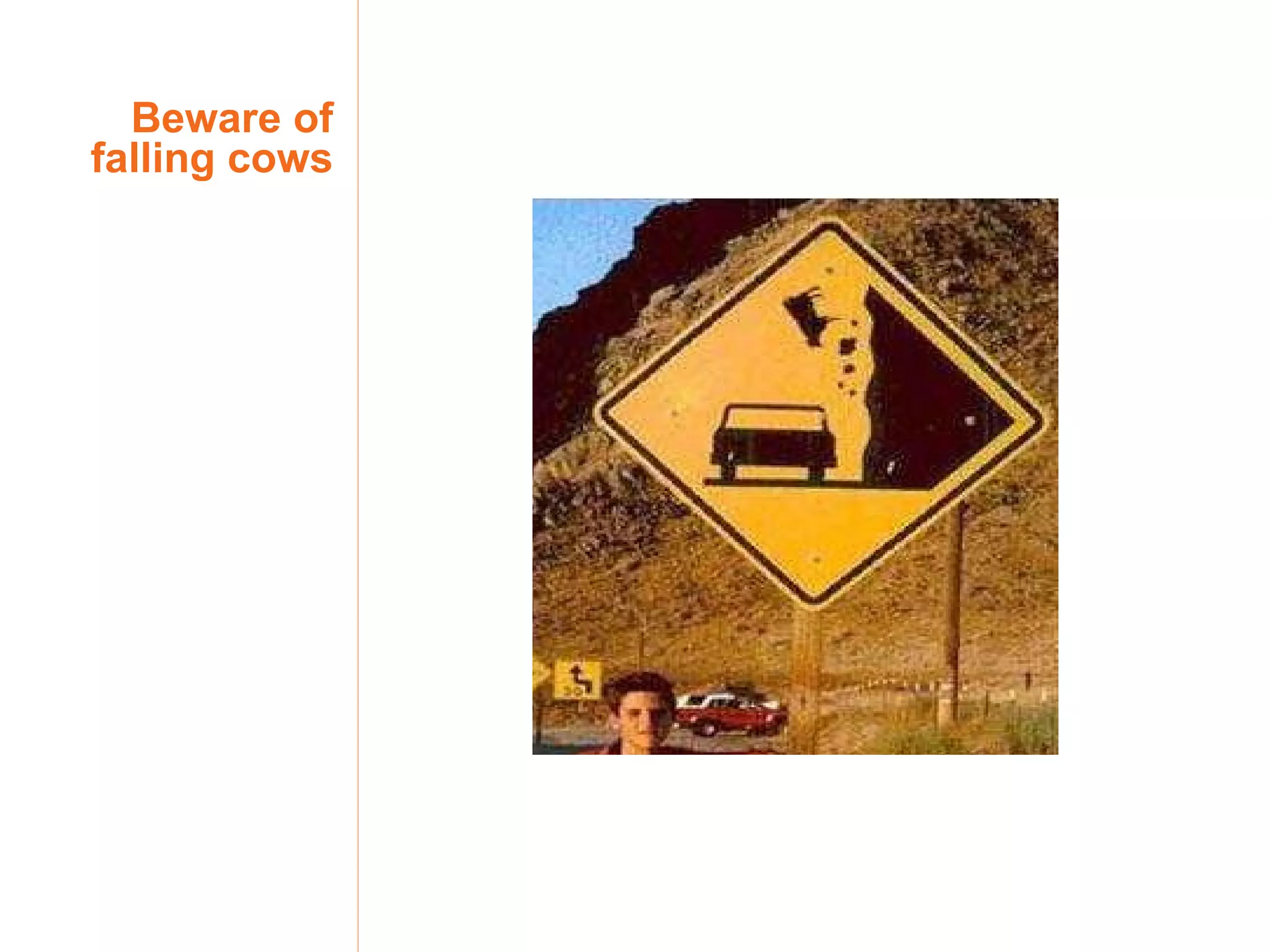
Beware of falling cows
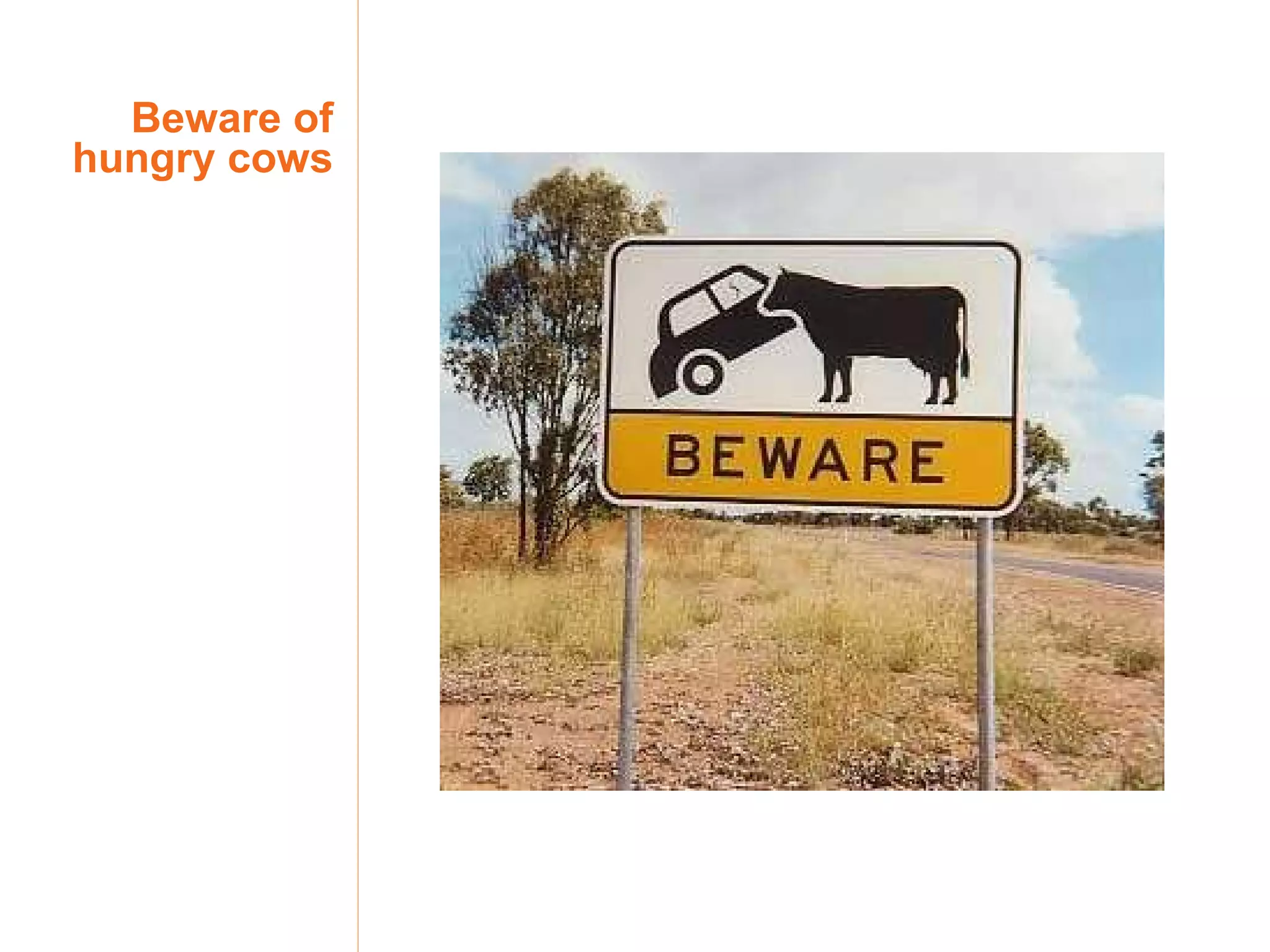
Beware of hungry cows
So...    Who’s learned something about icons?
So...    Who’s learned something about icons?    Who thinks I’m a nutter?
So...    Who’s learned something about icons?    Who thinks I’m a nutter?    Who thinks I’m charming?
Thanks   ! Questions? [email_address] @phofmann gplus.to/pman

Make icons make sense: solving symbols for global audiences