Teaching history in Thrace in digital age .
-An educational program for Greek Muslims students-
Makris Sotirios
High school History teacher in Xanthi
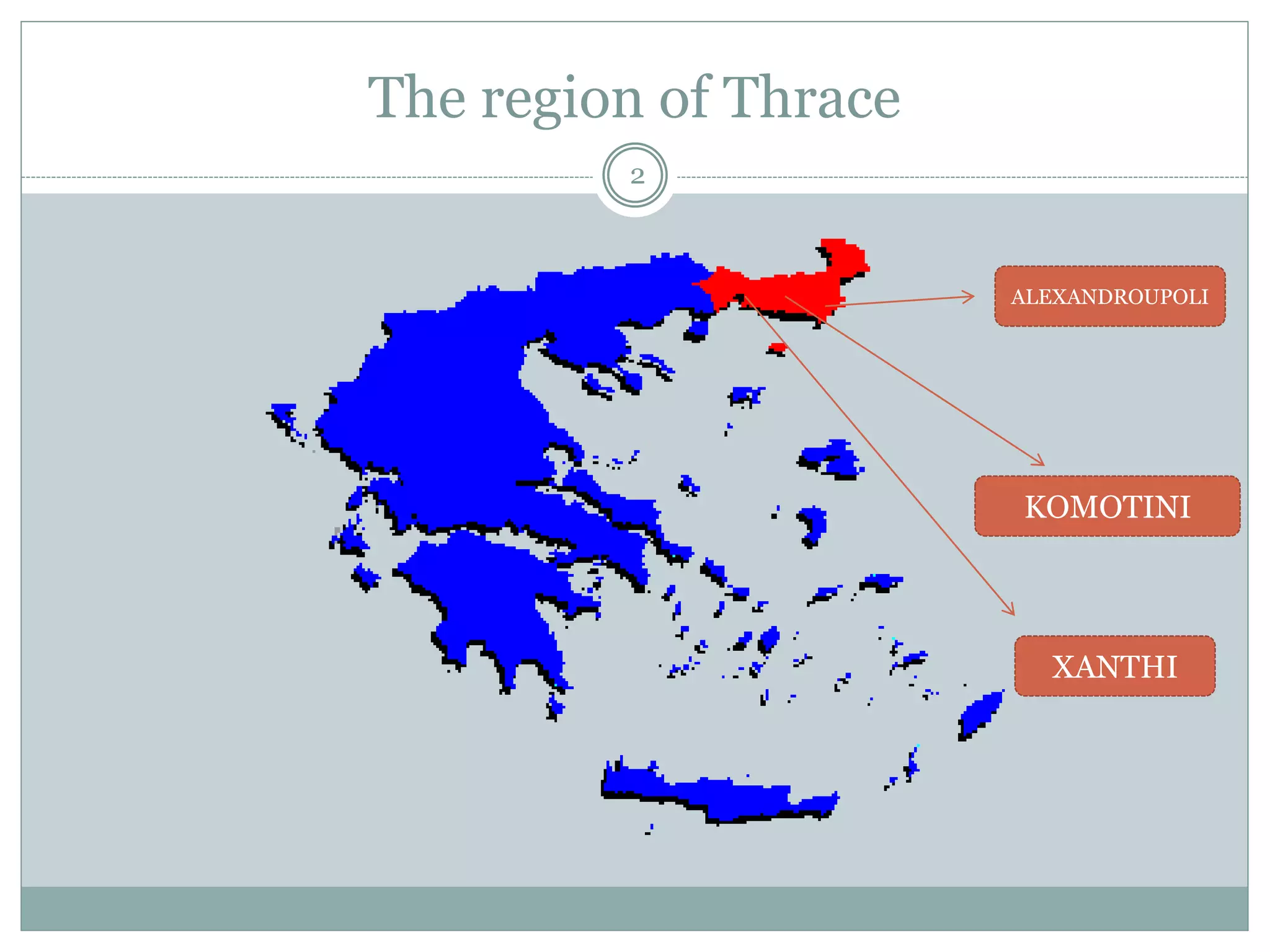
The region of Thrace
2
XANTHI
KOMOTINI
ALEXANDROUPOLI
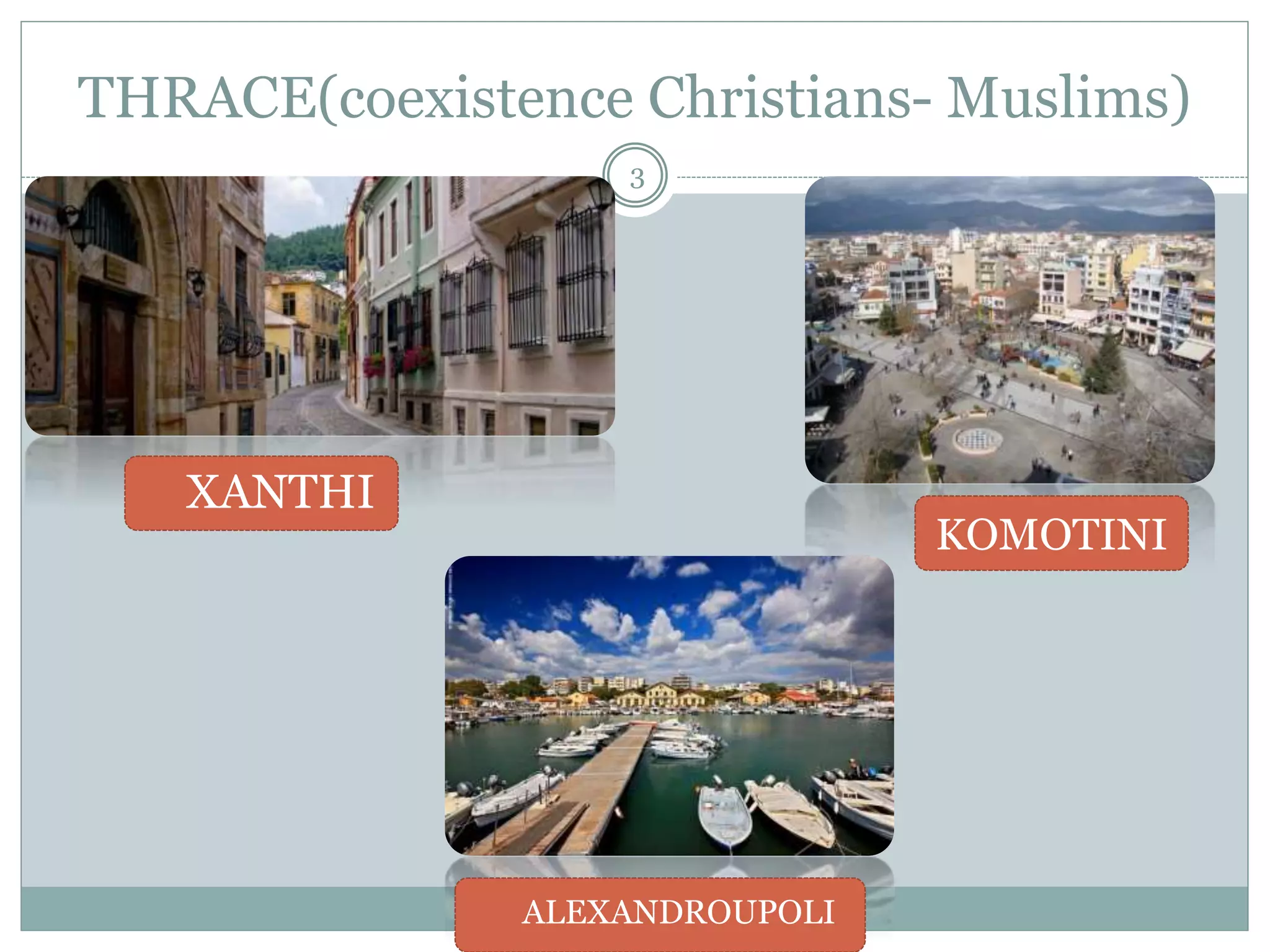
THRACE(coexistence Christians- Muslims)
3
 XANTHI
KOMOTINI
 ALEXANDROUPOLI
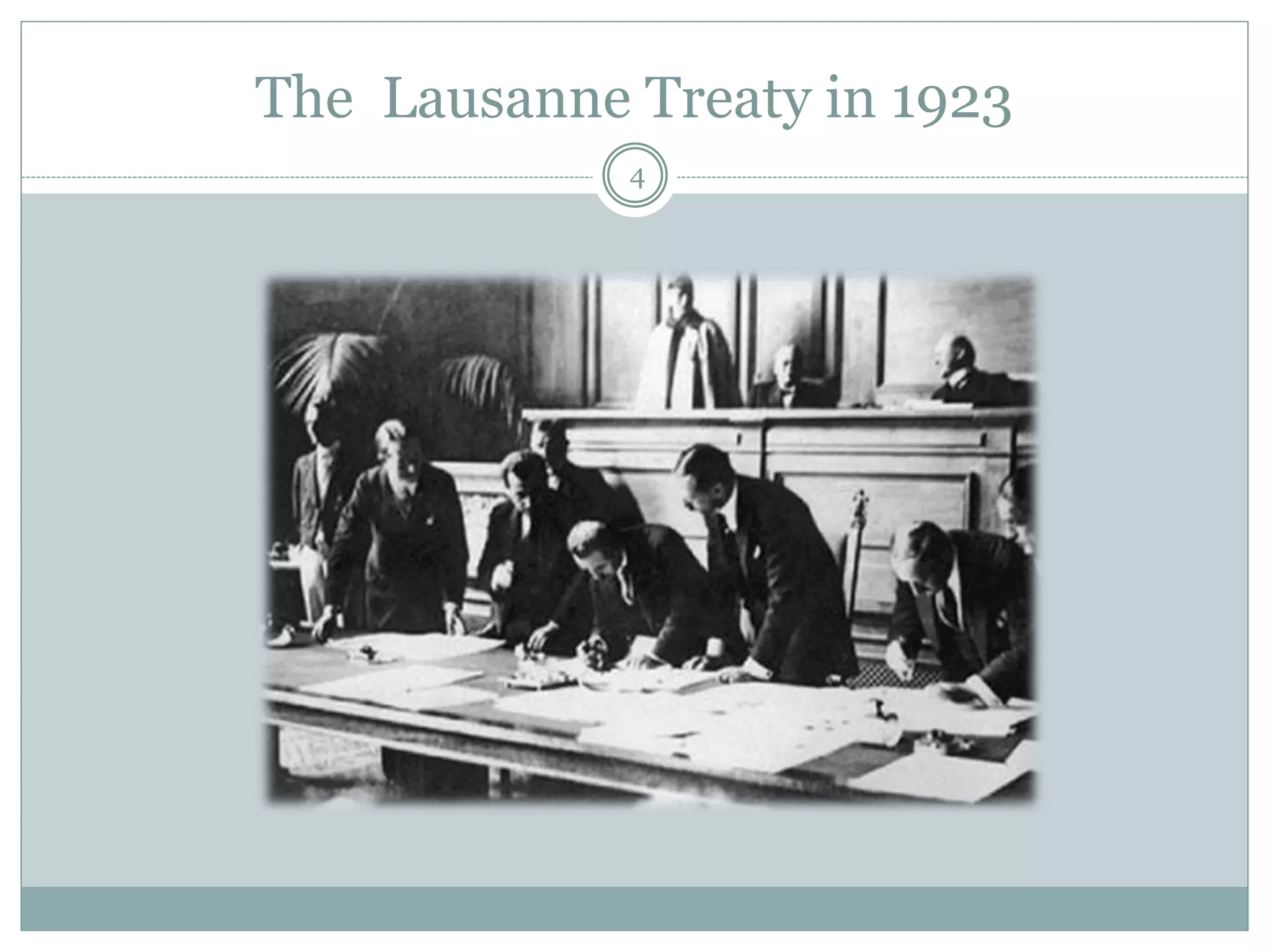
The Lausanne Treaty in 1923
4
TERMS OF TREATY
5
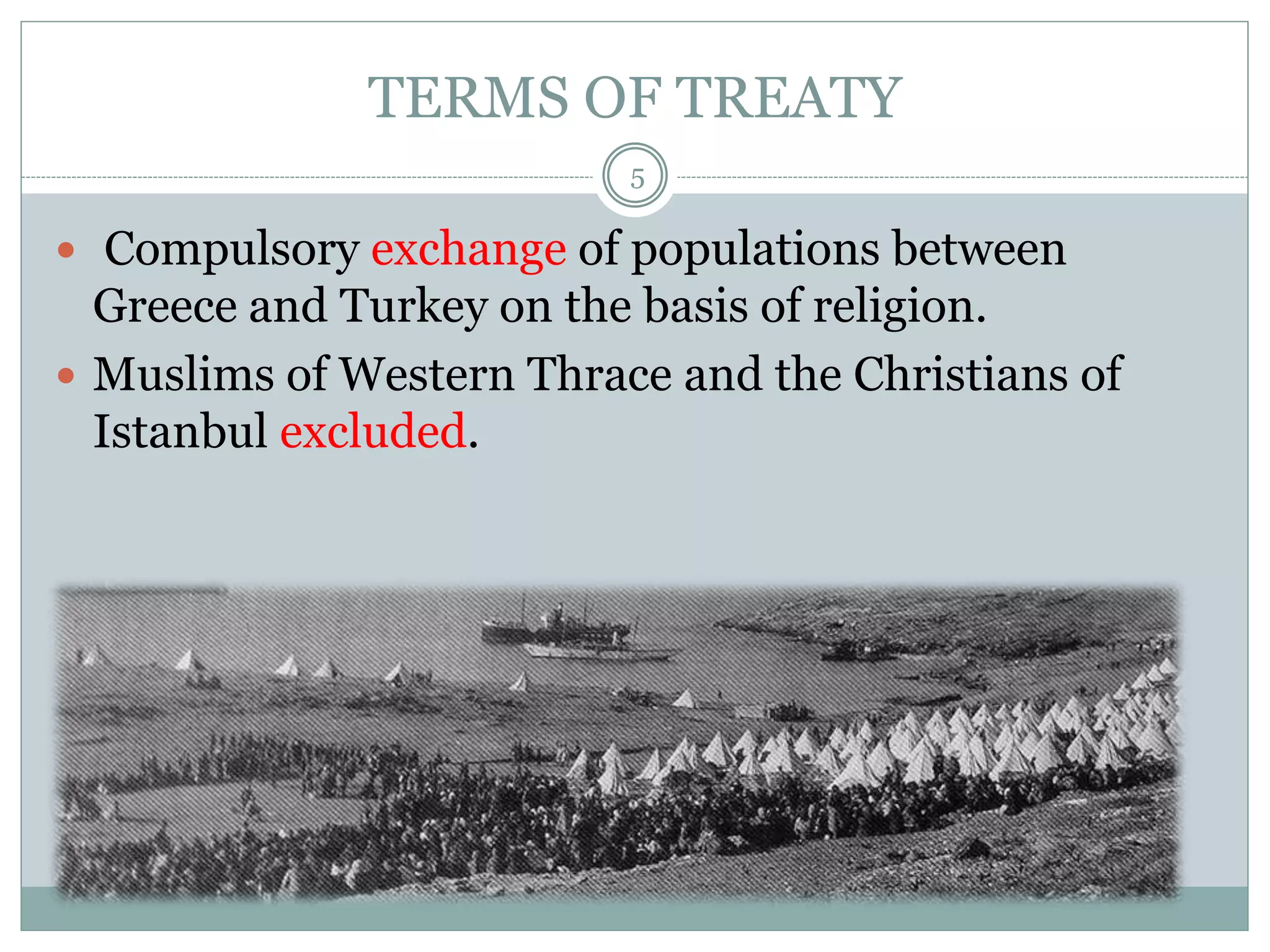
 Compulsory exchange of populations between
Greece and Turkey on the basis of religion.
 Muslims of Western Thrace and the Christians of
Istanbul excluded.
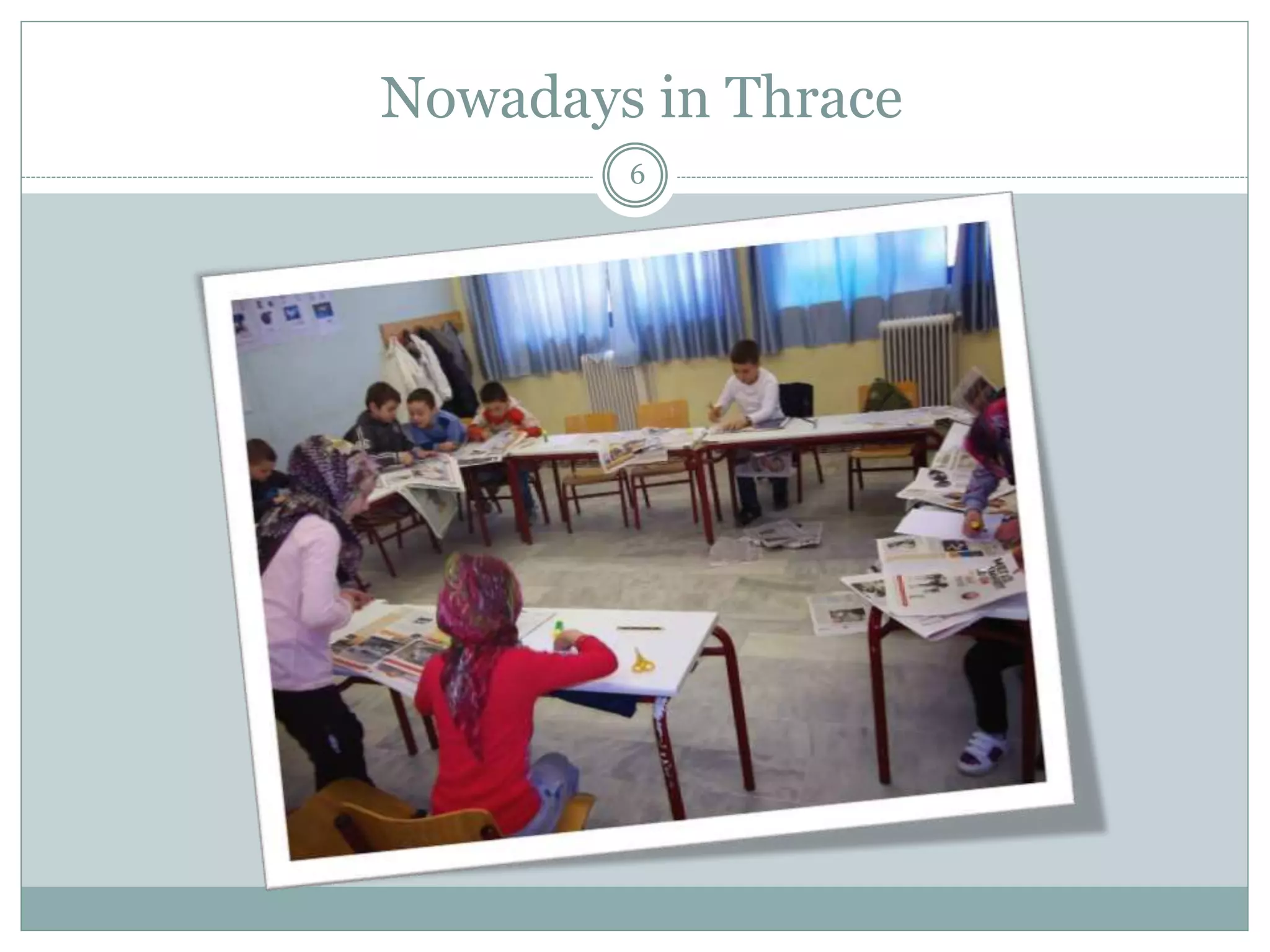
Nowadays in Thrace
6
The Muslim students educational program
7
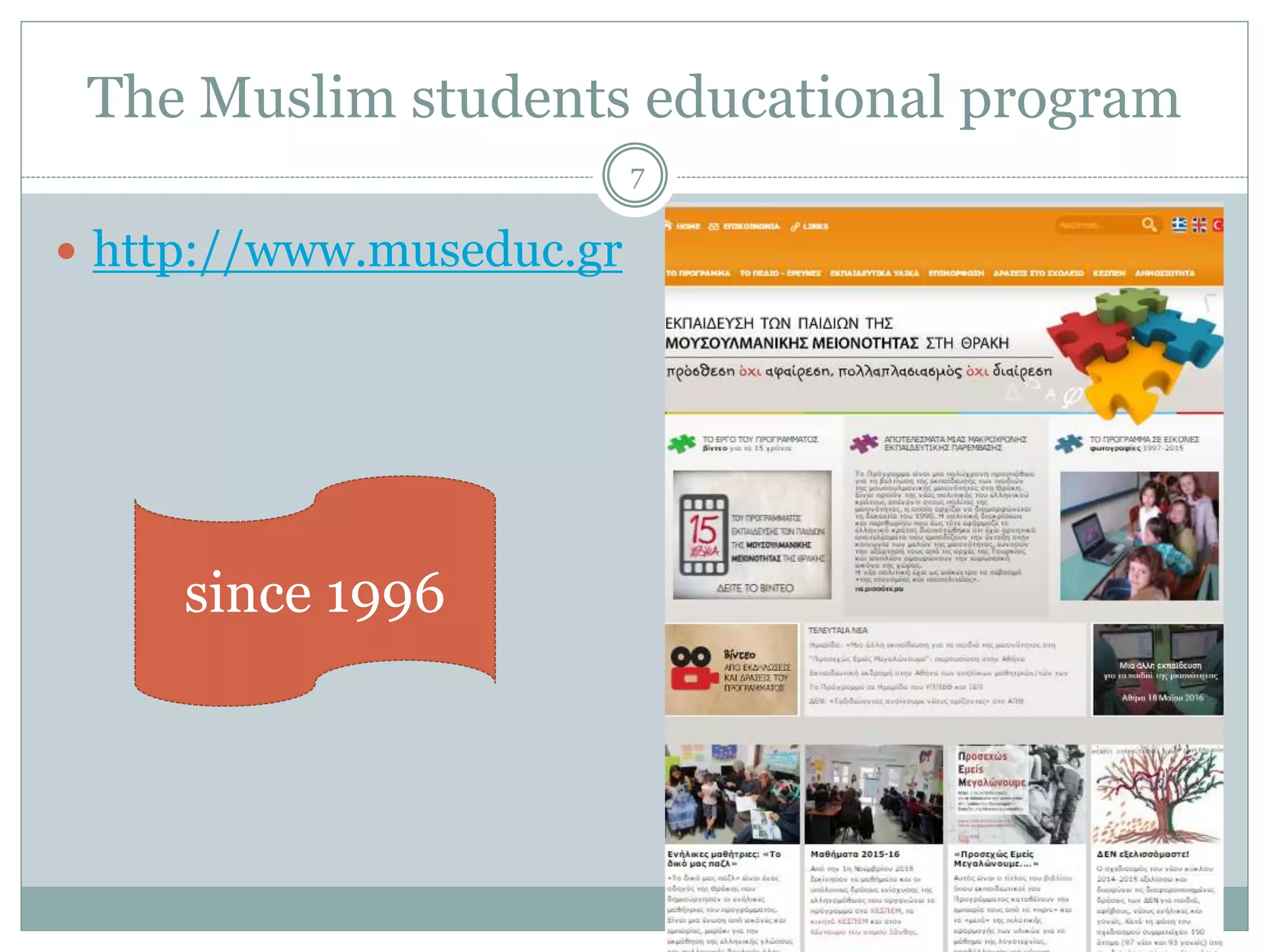
 http://www.museduc.gr
since 1996
Aims
8
 To improve the education of children of the Muslim
minority in Thrace
 To reinforce harmonious integration of children of
the Muslim minority in the Greek society and the
acceptance by the majority as equal citizens
Actions
9
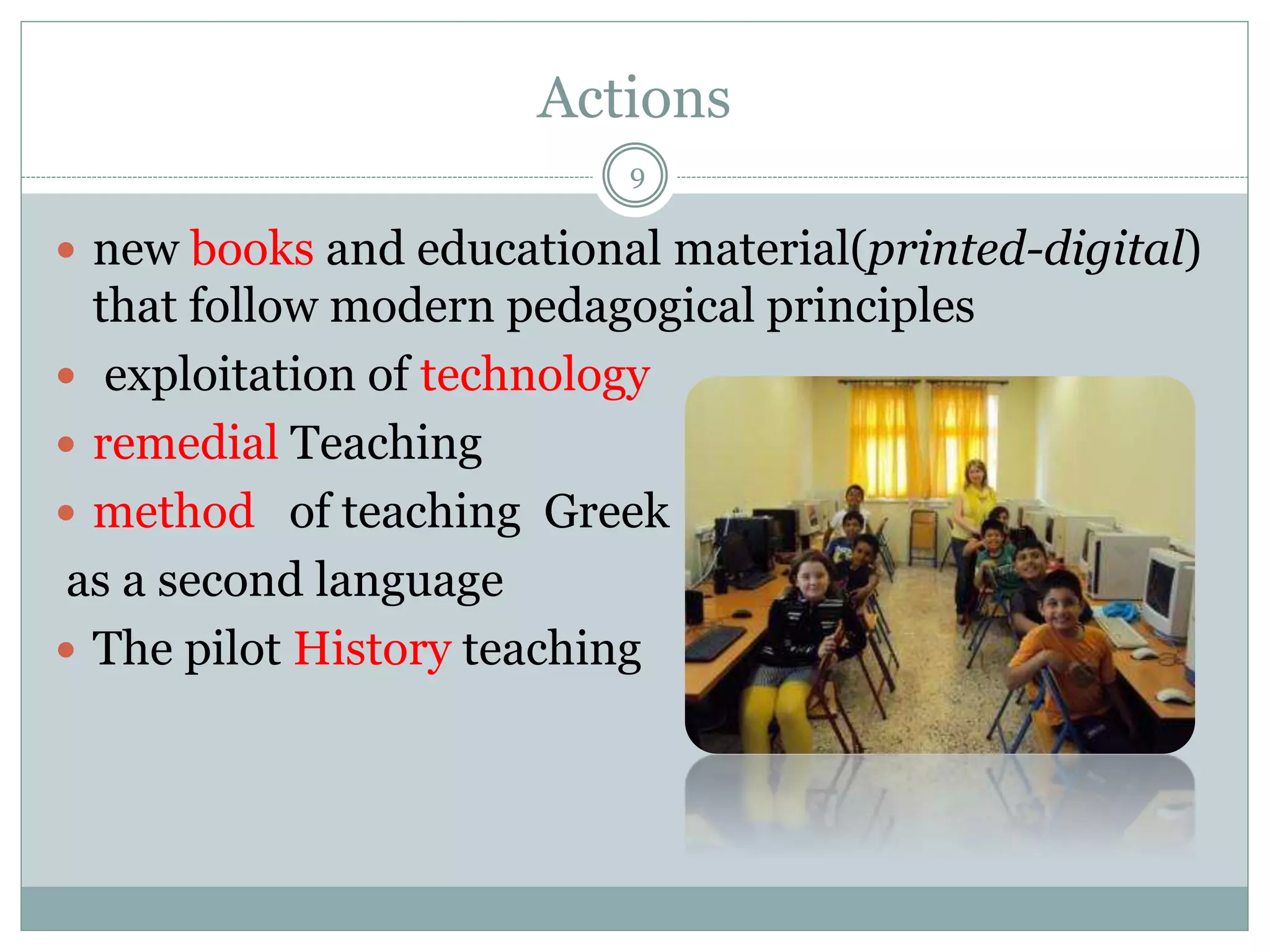
 new books and educational material(printed-digital)
that follow modern pedagogical principles
 exploitation of technology
 remedial Teaching
 method of teaching Greek
as a second language
 The pilot History teaching
The pilot History teaching
10
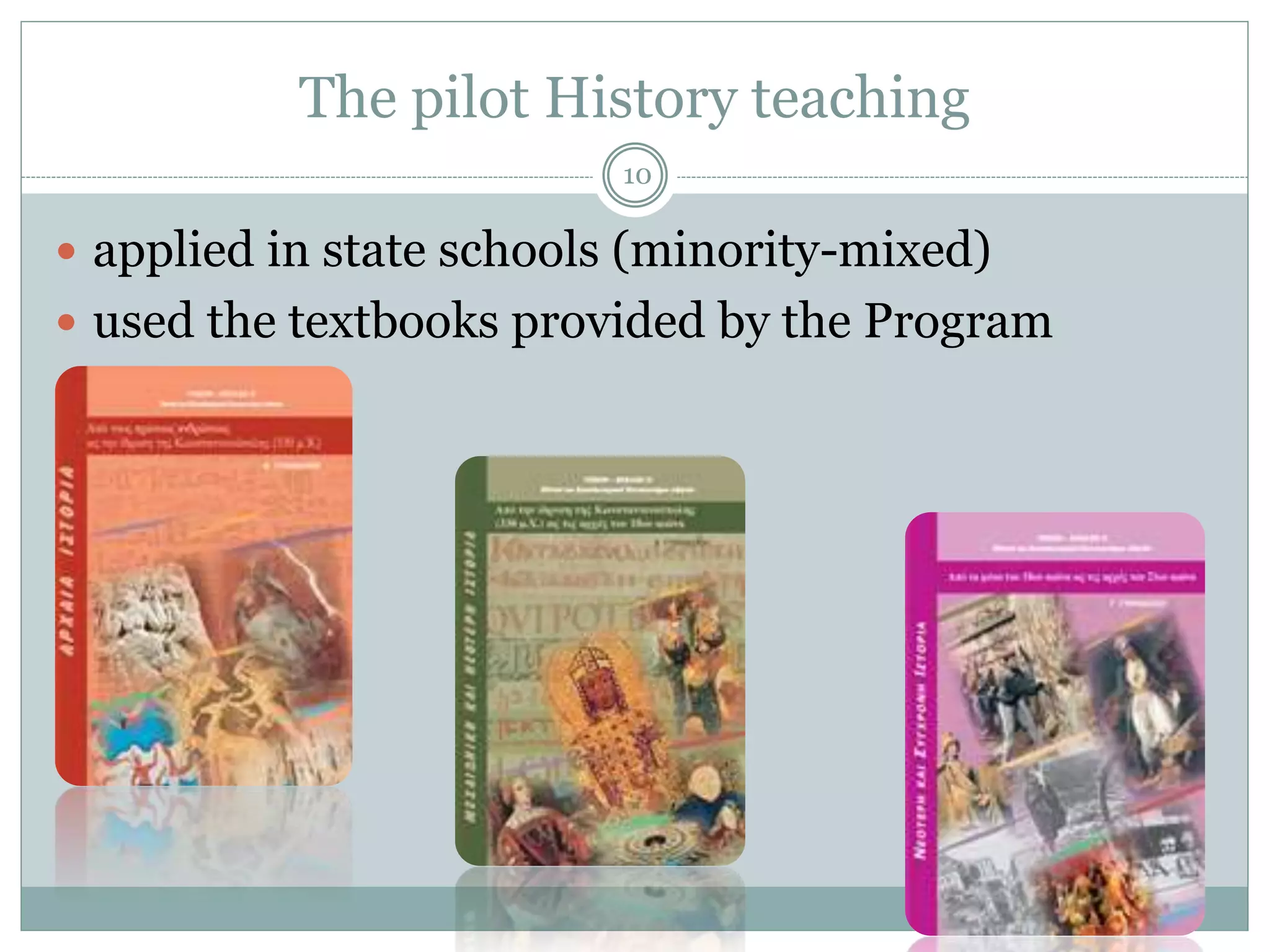
 applied in state schools (minority-mixed)
 used the textbooks provided by the Program
The aims of the educational material
11
 To be used as alternative content sources
implementing the curriculum,
 To promote differentiated teaching strategies in
History lesson , in mixed classes
 To encourage teachers practice the use of multiple
content sources
 To forward the production of further differentiated
teaching activities and lesson plans resulting in more
effective History teaching
The philosophy of History textbooks
12
 Promotion of the spirit of coexistence and
reconciliation of the nations
 Approach knowledge in a multi-perspective and
interdisciplinary way
 Form a new political identity, the identity of
citizens of a united, multi-cultural and
supranational Europe
 Submersion the ethnocentric approach of history.
 Critical process of historical sources.
 Multidimensional approach of historical events
History textbooks (specific features)
13
 Comprehensive language
 Rationalization of history and its conversion into
acquaintance material of the past on the basis of
critical process
 Emphasis on documentation
 Presentation of different historical interpretations
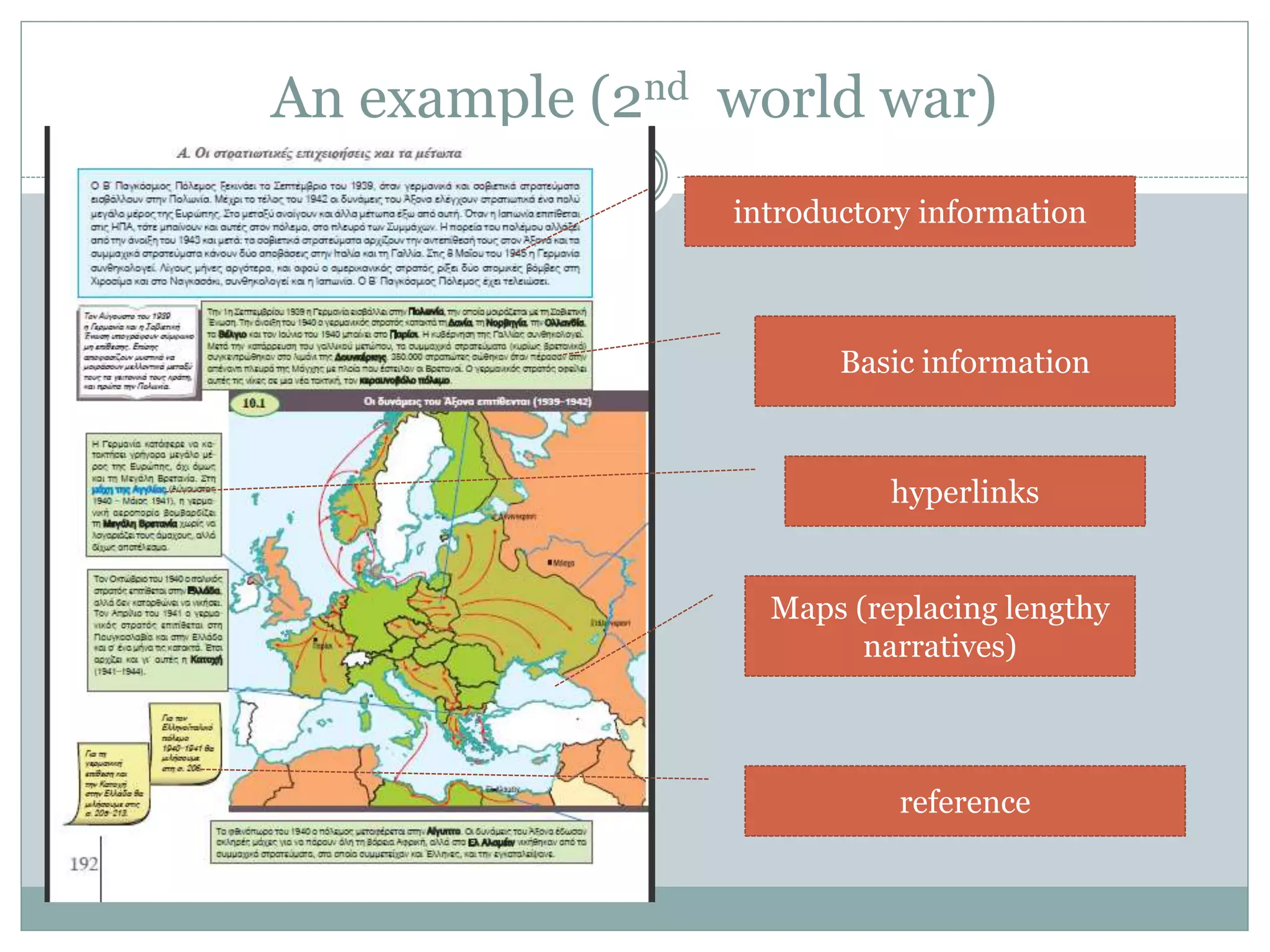
An example (2nd world war)
14
introductory information
Basic information
hyperlinks
reference
Maps (replacing lengthy
narratives)
15
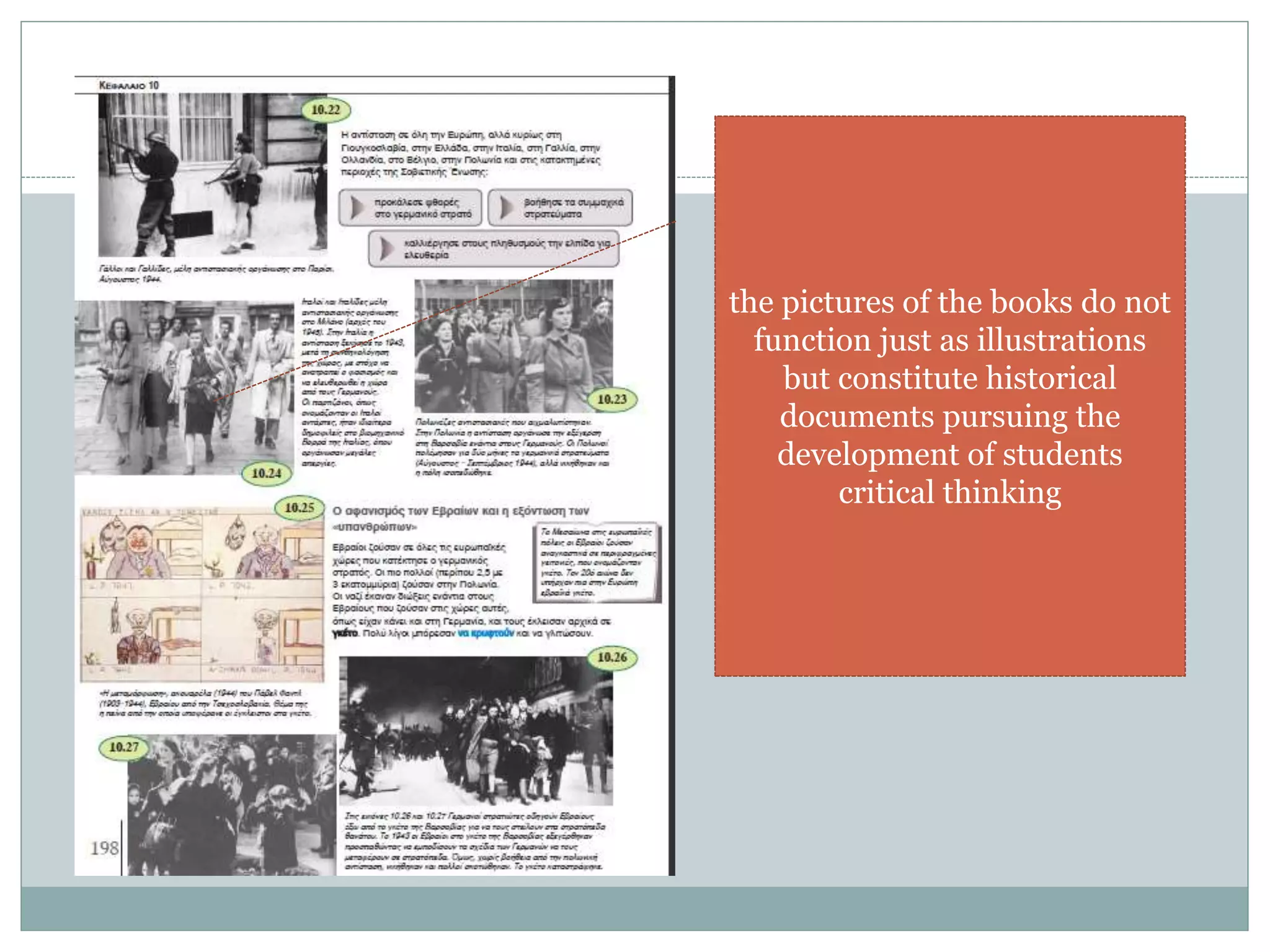
the pictures of the books do not
function just as illustrations
but constitute historical
documents pursuing the
development of students
critical thinking
16
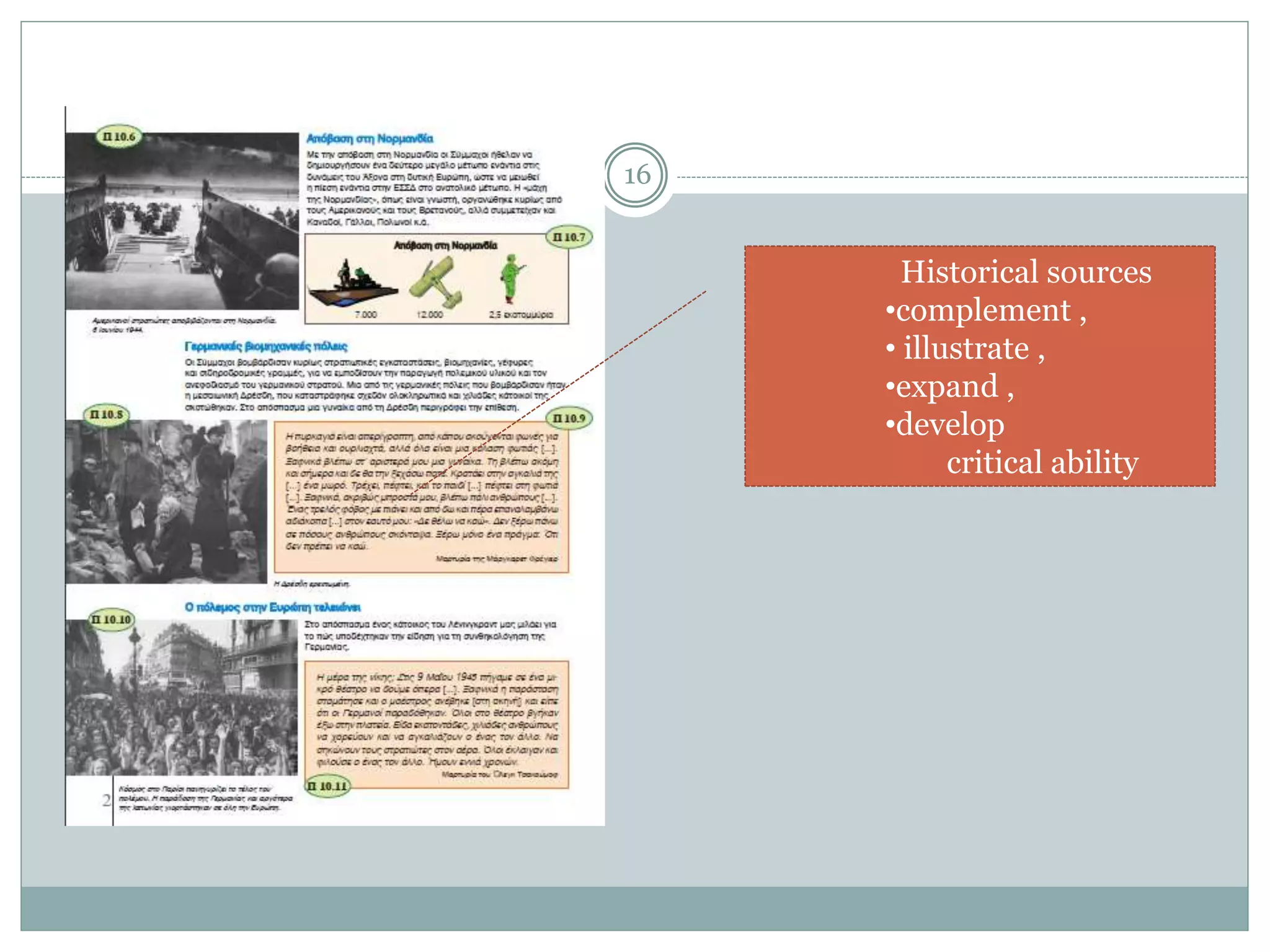
Historical sources
•complement ,
• illustrate ,
•expand ,
•develop
critical ability
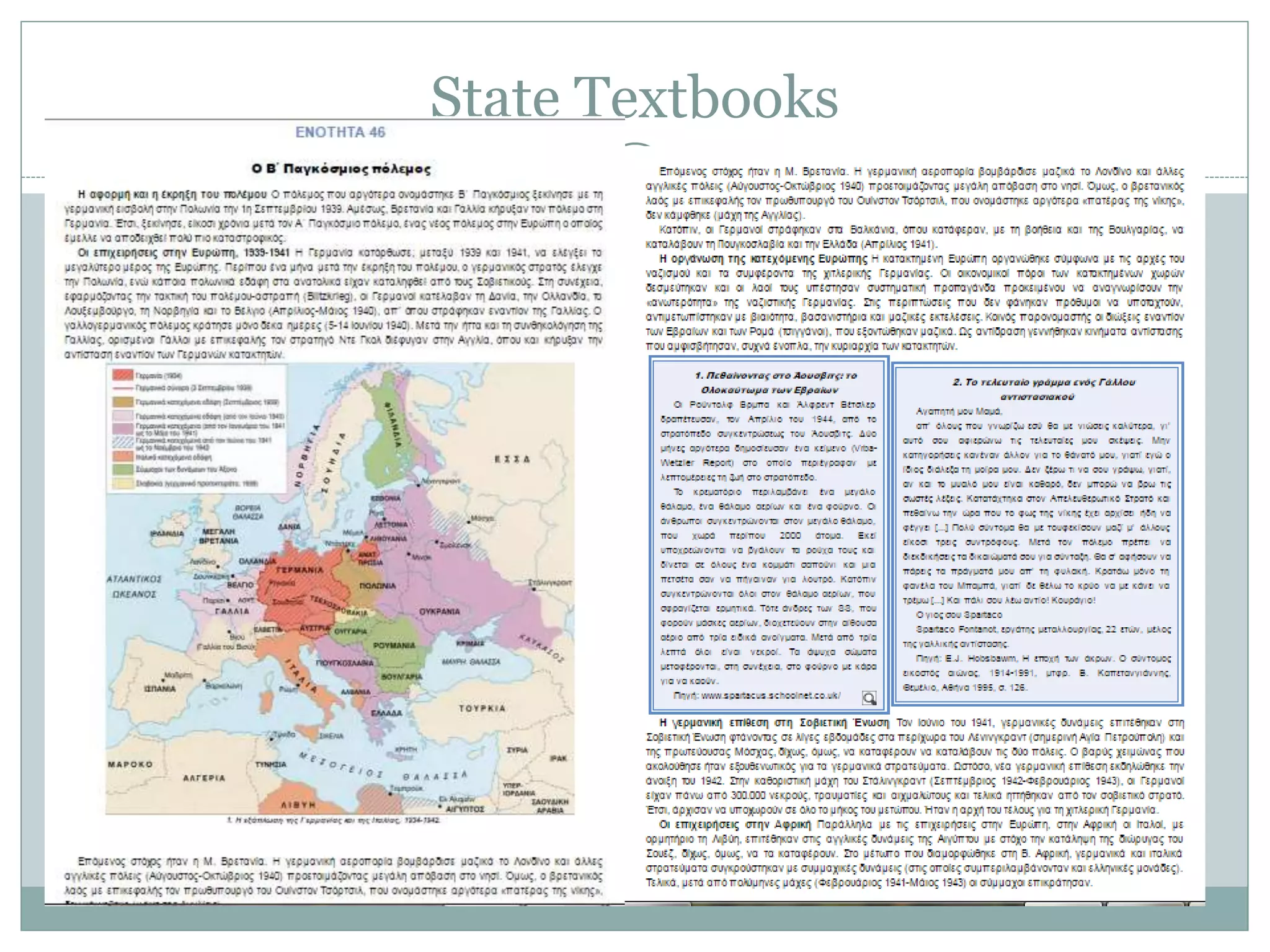
State Textbooks
17
21th century challenges
18
 Increasing diversity and mobility have been
changing European societies
 Economic and social inequalities
 Challenges to the concept and practice of living
together, including inter-ethnic, inter-cultural and
inter-religious tensions and the development and
dissemination of stereotypes
 Threats to political and social stability
 Changes in patterns of social networking and means
of communication
The pilot history teaching and its importance for the
region of Thrace
19
 Misinformation
 Manipulation
 Stereotype diffusion
 Intolerance
THE GREATEST
DANGERS IN
DIGITAL ERA
stressing the
importance
of history
teaching
Pilot history teaching ….
20
 assists students to cultivate historical thought
 acquires those skills that will allow students to
develop their critical ability so as to surf safely
through the digital “sea”.
 interfaces students with the essence of historical
research
 helps students to distinguish when information is
needed as well as to detect, evaluate and effectively
use each piece of information.
Example Questions
21
Read the text P 8.52 .
A. What kind of text is it? Who wrote it and when;
What is it about ? What does it refers to? Is
the text contemporary to the events referred
or is it later than the time described ? Justify
your answer .
B. Which are the informative points of our text ?
At which points do the author review the
information and give his personal opinion?
C. Which is his / her opinion? Justify your
answer .
D. Search in the internet sources with analog
content . Who is the author ? What is the
purpose of the text ? (Target Audience)
E. Do you recognize any similarities between
the different era ?Are they promoted different
Stereotypes ?
F. Send an email to which you are replying to the
author of the article.
Ο μη γερμανικός πληθυσμός των
ανατολικών εδαφών [οι Πολωνοί] δε
θα πρέπει να έχει οποιαδήποτε
εκπαίδευση ανώτερη από τη
στοιχειώδη [=τα βασικά, τα
απολύτως απαραίτητα] [...]. Θα
πρέπει να
διδάσκονται μόνο απλή αριθμητική
έως το 500 το πολύ, [να ξέρουν] πώς
να γράφουν το όνομά τους,
ότι είναι εντολή του Θεού να
υπακούνε τους Γερμανούς, να είναι
ειλικρινείς, να δουλεύουν σκληρά
και να φέρονται καλά. Βρίσκω
περιττή τη διδασκαλία της
ανάγνωσης.
Χάινριχ Χίμλερ, Υπόμνημα στο
Χίτλερ [για την κατάσταση στην
Πολωνία], Μάιος 1940
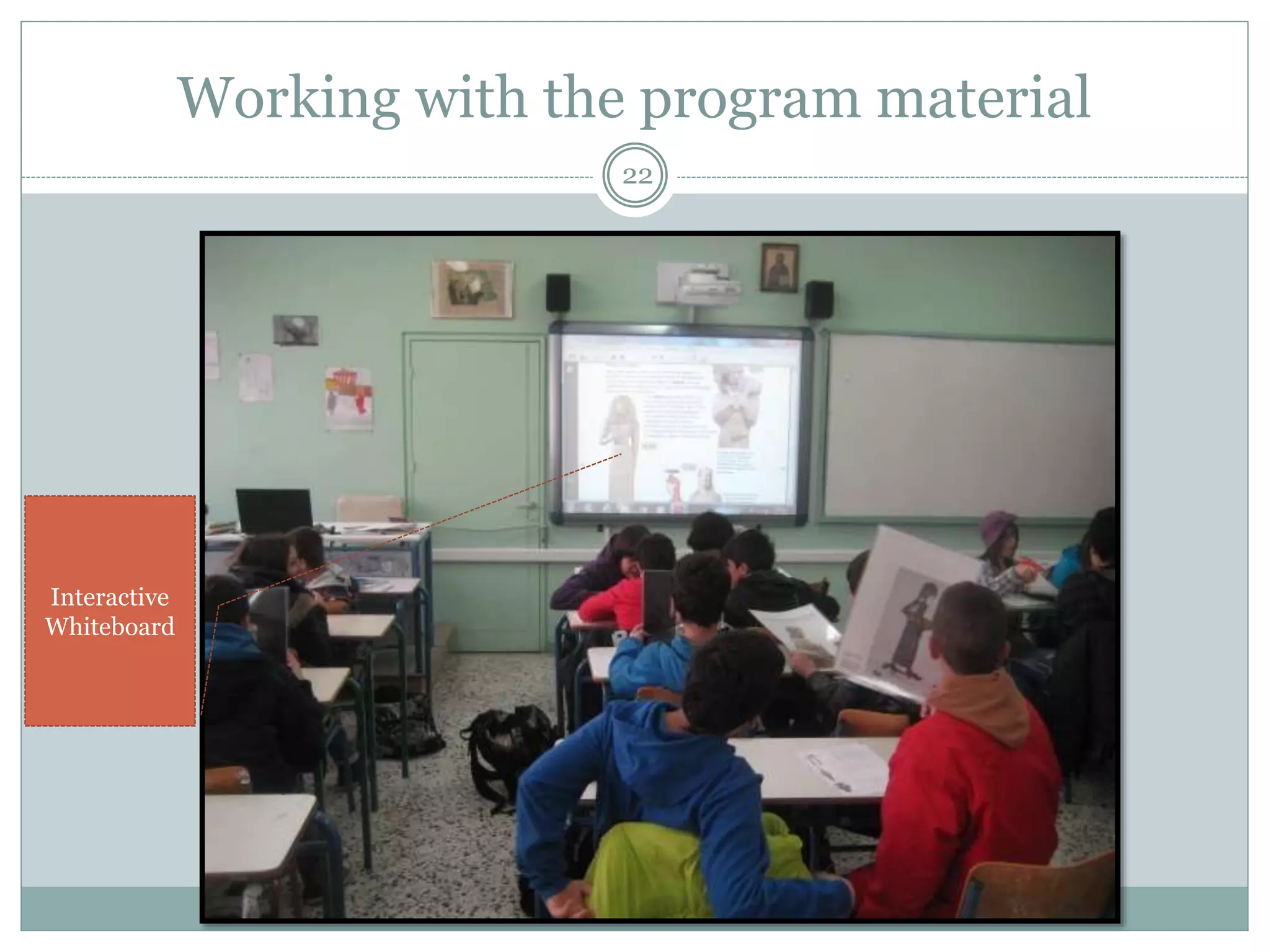
Working with the program material
22
Interactive
Whiteboard
Harnessing students digital experience
23
 to Digital scenarios the students:
realize their social
and cultural
conditions that
influence the
formation of
historical
interpretations
result in
valid
conclusion
acquire
communicativ
e and social
skills
(cooperation,
self-
motivation,
interaction)
Observe-
compare-
compose –
learn how
to learn
Involved
creative
Problem Solving
an example of intertemporal research of an issue by digital
documentation comparison
24
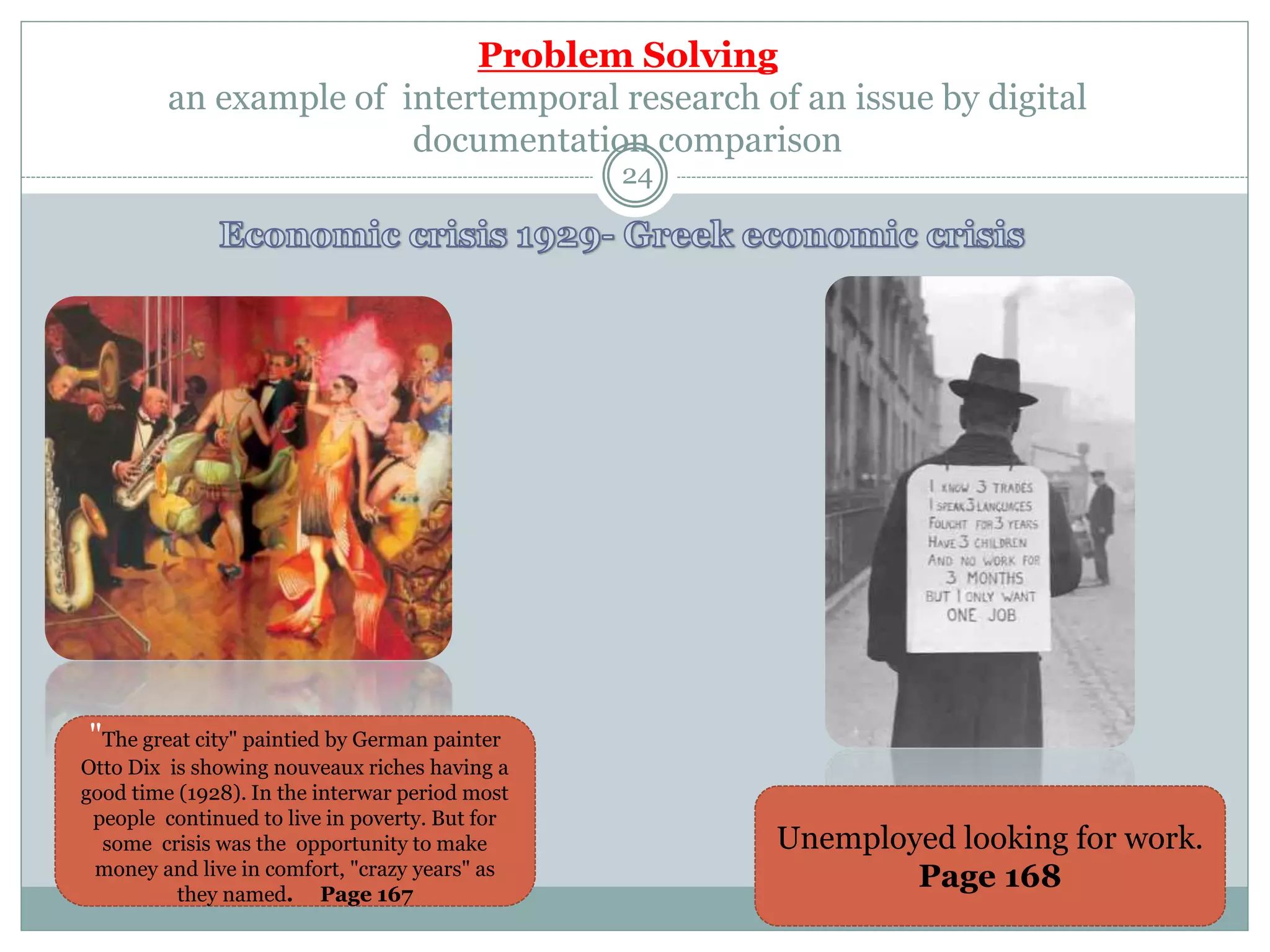
"The great city" paintied by German painter
Otto Dix is showing nouveaux riches having a
good time (1928). In the interwar period most
people continued to live in poverty. But for
some crisis was the opportunity to make
money and live in comfort, "crazy years" as
they named. Page 167
Unemployed looking for work.
Page 168
Activities (in IT classroom)
25
 Observe the two pictures.
What is their message ?
 research the internet pictures
with analog content. Are
there similarities?
 investigate the causes of the
problem
 compare two periods time
 Compose a presentation(ppt)
on the reasons leading to
financial crisis
Does the pilot history teaching develop critical
thinking in the digital era?
26
 To challenge and re-evaluate information
 To deeper understand historical issues and their
complexity
 To detect deliberate digital misinformation
 To recognise stereotypes in media
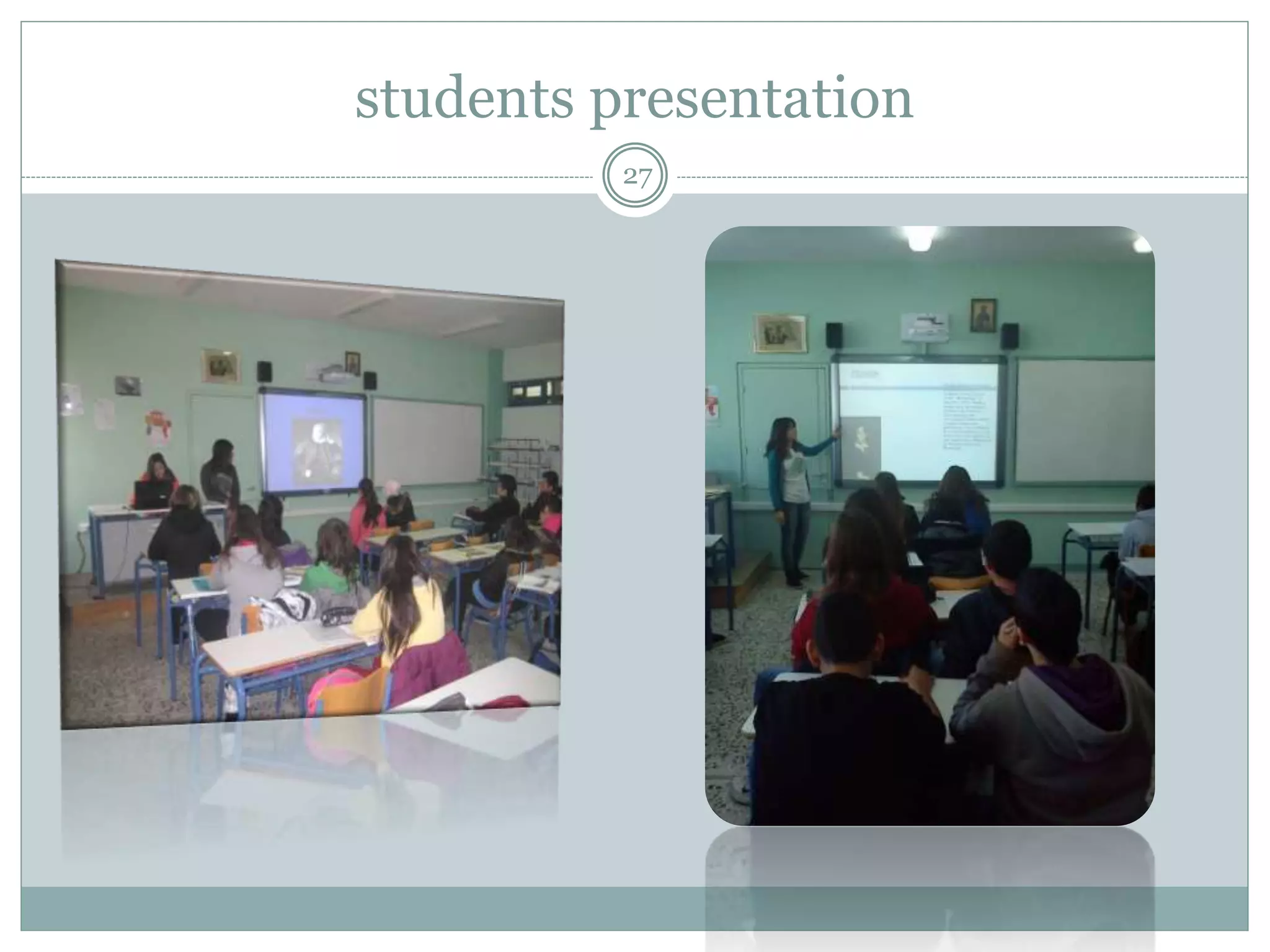
students presentation
27
Does the pilot history teaching develop critical
thinking in the digital era?
28
 To strengthen their resistance to manipulation
 To approach historical knowledge
 To involve students into the historical
 To compare and challenge the reliability of sources
 To think multidimentionally
Students assessment
 At all 1o%
 A little 22%
 enough 34%
 very 34%
Do the activities promote
active learning process
and engage the student in
critical ability ?
29
Conclusion
30
Curriculum (aims)
Material (digital-printed)
Philosophy(strategies-approach)
Digital citizenship education
31
 «ὄλβιος ὅστις ἱστορίης ἔσχεν μάθησιν»
Ευριπίδης , αρχαίος ποιητής (485 π.Χ- 406 π.Χ)
«happy is the man who has gained knowledge through
inquiry »
Euripides, ancient poet (485 bC- 406 bC)
«those who do not remember the past are
condemned to relive it».
George Santayana, 1863-1952, Spanish philosopher

Teaching history in thrace in digital age

  • 1.
    Teaching history inThrace in digital age . -An educational program for Greek Muslims students- Makris Sotirios High school History teacher in Xanthi
  • 2.
    The region ofThrace 2 XANTHI KOMOTINI ALEXANDROUPOLI
  • 3.
    THRACE(coexistence Christians- Muslims) 3 XANTHI KOMOTINI  ALEXANDROUPOLI
  • 4.
  • 5.
    TERMS OF TREATY 5 Compulsory exchange of populations between Greece and Turkey on the basis of religion.  Muslims of Western Thrace and the Christians of Istanbul excluded.
  • 6.
  • 7.
    The Muslim studentseducational program 7  http://www.museduc.gr since 1996
  • 8.
    Aims 8  To improvethe education of children of the Muslim minority in Thrace  To reinforce harmonious integration of children of the Muslim minority in the Greek society and the acceptance by the majority as equal citizens
  • 9.
    Actions 9  new booksand educational material(printed-digital) that follow modern pedagogical principles  exploitation of technology  remedial Teaching  method of teaching Greek as a second language  The pilot History teaching
  • 10.
    The pilot Historyteaching 10  applied in state schools (minority-mixed)  used the textbooks provided by the Program
  • 11.
    The aims ofthe educational material 11  To be used as alternative content sources implementing the curriculum,  To promote differentiated teaching strategies in History lesson , in mixed classes  To encourage teachers practice the use of multiple content sources  To forward the production of further differentiated teaching activities and lesson plans resulting in more effective History teaching
  • 12.
    The philosophy ofHistory textbooks 12  Promotion of the spirit of coexistence and reconciliation of the nations  Approach knowledge in a multi-perspective and interdisciplinary way  Form a new political identity, the identity of citizens of a united, multi-cultural and supranational Europe  Submersion the ethnocentric approach of history.  Critical process of historical sources.  Multidimensional approach of historical events
  • 13.
    History textbooks (specificfeatures) 13  Comprehensive language  Rationalization of history and its conversion into acquaintance material of the past on the basis of critical process  Emphasis on documentation  Presentation of different historical interpretations
  • 14.
    An example (2ndworld war) 14 introductory information Basic information hyperlinks reference Maps (replacing lengthy narratives)
  • 15.
    15 the pictures ofthe books do not function just as illustrations but constitute historical documents pursuing the development of students critical thinking
  • 16.
    16 Historical sources •complement , •illustrate , •expand , •develop critical ability
  • 17.
  • 18.
    21th century challenges 18 Increasing diversity and mobility have been changing European societies  Economic and social inequalities  Challenges to the concept and practice of living together, including inter-ethnic, inter-cultural and inter-religious tensions and the development and dissemination of stereotypes  Threats to political and social stability  Changes in patterns of social networking and means of communication
  • 19.
    The pilot historyteaching and its importance for the region of Thrace 19  Misinformation  Manipulation  Stereotype diffusion  Intolerance THE GREATEST DANGERS IN DIGITAL ERA stressing the importance of history teaching
  • 20.
    Pilot history teaching…. 20  assists students to cultivate historical thought  acquires those skills that will allow students to develop their critical ability so as to surf safely through the digital “sea”.  interfaces students with the essence of historical research  helps students to distinguish when information is needed as well as to detect, evaluate and effectively use each piece of information.
  • 21.
    Example Questions 21 Read thetext P 8.52 . A. What kind of text is it? Who wrote it and when; What is it about ? What does it refers to? Is the text contemporary to the events referred or is it later than the time described ? Justify your answer . B. Which are the informative points of our text ? At which points do the author review the information and give his personal opinion? C. Which is his / her opinion? Justify your answer . D. Search in the internet sources with analog content . Who is the author ? What is the purpose of the text ? (Target Audience) E. Do you recognize any similarities between the different era ?Are they promoted different Stereotypes ? F. Send an email to which you are replying to the author of the article. Ο μη γερμανικός πληθυσμός των ανατολικών εδαφών [οι Πολωνοί] δε θα πρέπει να έχει οποιαδήποτε εκπαίδευση ανώτερη από τη στοιχειώδη [=τα βασικά, τα απολύτως απαραίτητα] [...]. Θα πρέπει να διδάσκονται μόνο απλή αριθμητική έως το 500 το πολύ, [να ξέρουν] πώς να γράφουν το όνομά τους, ότι είναι εντολή του Θεού να υπακούνε τους Γερμανούς, να είναι ειλικρινείς, να δουλεύουν σκληρά και να φέρονται καλά. Βρίσκω περιττή τη διδασκαλία της ανάγνωσης. Χάινριχ Χίμλερ, Υπόμνημα στο Χίτλερ [για την κατάσταση στην Πολωνία], Μάιος 1940
  • 22.
    Working with theprogram material 22 Interactive Whiteboard
  • 23.
    Harnessing students digitalexperience 23  to Digital scenarios the students: realize their social and cultural conditions that influence the formation of historical interpretations result in valid conclusion acquire communicativ e and social skills (cooperation, self- motivation, interaction) Observe- compare- compose – learn how to learn Involved creative
  • 24.
    Problem Solving an exampleof intertemporal research of an issue by digital documentation comparison 24 "The great city" paintied by German painter Otto Dix is showing nouveaux riches having a good time (1928). In the interwar period most people continued to live in poverty. But for some crisis was the opportunity to make money and live in comfort, "crazy years" as they named. Page 167 Unemployed looking for work. Page 168
  • 25.
    Activities (in ITclassroom) 25  Observe the two pictures. What is their message ?  research the internet pictures with analog content. Are there similarities?  investigate the causes of the problem  compare two periods time  Compose a presentation(ppt) on the reasons leading to financial crisis
  • 26.
    Does the pilothistory teaching develop critical thinking in the digital era? 26  To challenge and re-evaluate information  To deeper understand historical issues and their complexity  To detect deliberate digital misinformation  To recognise stereotypes in media
  • 27.
  • 28.
    Does the pilothistory teaching develop critical thinking in the digital era? 28  To strengthen their resistance to manipulation  To approach historical knowledge  To involve students into the historical  To compare and challenge the reliability of sources  To think multidimentionally
  • 29.
    Students assessment  Atall 1o%  A little 22%  enough 34%  very 34% Do the activities promote active learning process and engage the student in critical ability ? 29
  • 30.
  • 31.
    31  «ὄλβιος ὅστιςἱστορίης ἔσχεν μάθησιν» Ευριπίδης , αρχαίος ποιητής (485 π.Χ- 406 π.Χ) «happy is the man who has gained knowledge through inquiry » Euripides, ancient poet (485 bC- 406 bC) «those who do not remember the past are condemned to relive it». George Santayana, 1863-1952, Spanish philosopher

Editor's Notes

  • #2 I have been teaching for 15 years in a high school in Xanthi. Xanthi is a small town nearby and belongs to region of Thrace
  • #3 In Thrace, a particular population diversity, unique throughout Greece is observed. Coexistence of Muslims and Christians Greek citizens
  • #4 I participated in an educational program targeting Muslim students .I want to talk about my experience and I intend to show inter alia how we used the IT and how helped students to evolve critical ability.
  • #5 This diversity is the result of the Lausanne Treaty in 1923
  • #6 Signed in Lausanne , Switzerland, on July 24, 1923 by Greece , Turkey and other countries that fought in the First World War and the Asia Minor military campaign ( 1919-1922 ) and participated in the Treaty of Sevres. Inter alia it provided for the compulsory exchange of populations between Greece and Turkey on the basis of religion. Muslims of Western Thrace and the Christians of Istanbul excluded .
  • #7  the treaty resulted in nowadays, the harmonious coexistence of these religious populations in Thrace creates an interesting environment for history teaching and upgrades its importance
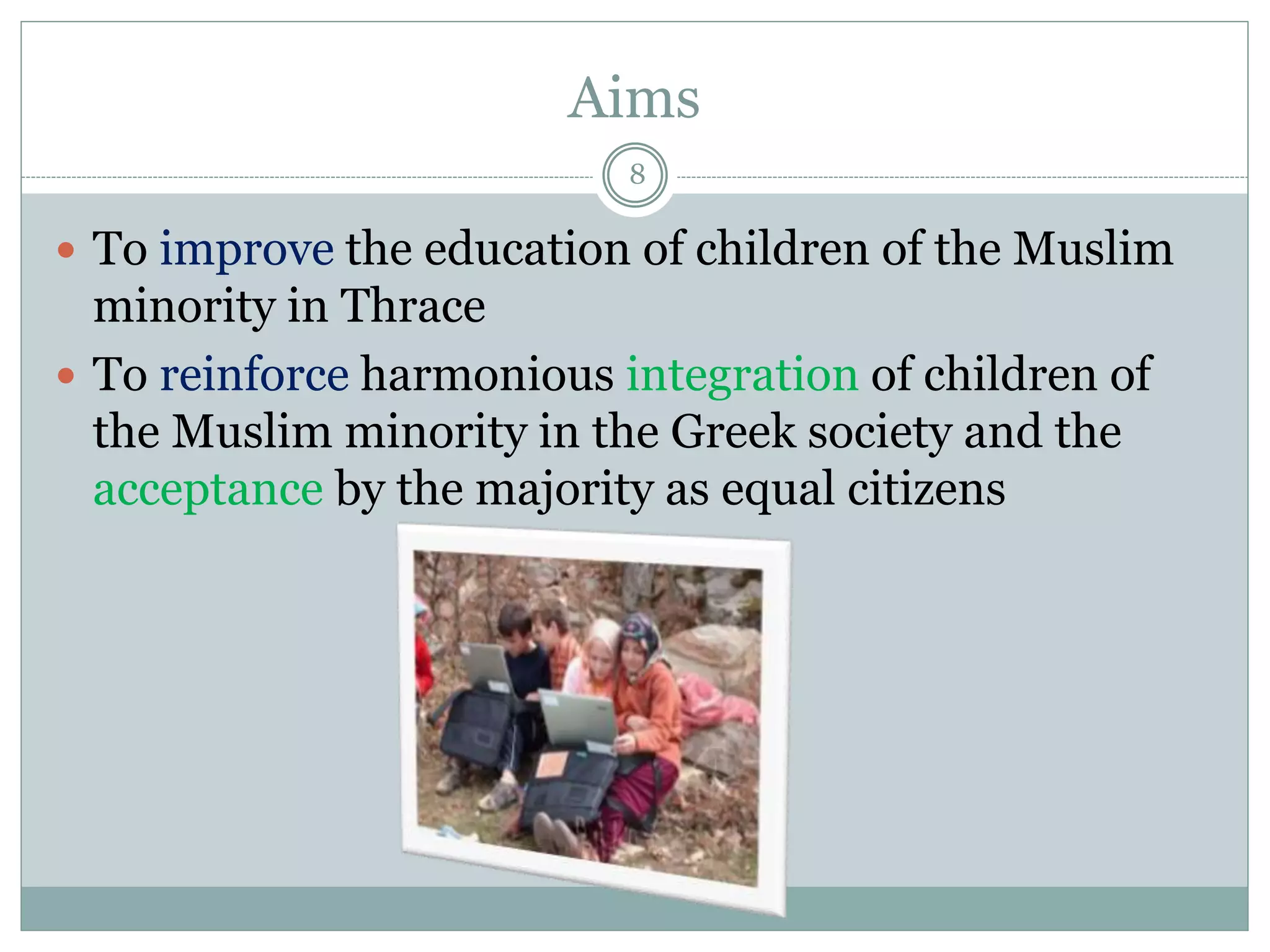
  • #8 I’m going to talk you about an educational program , where I participated too. A large part of the Muslim population considers Turkish to be their mother language. This arises a lot of educational issues. This Program http://www.museduc.gr/ was designed to upgrade Muslim children education in Thrace according to the principle of equality. ( in this photo you can see little muslim students using laptops by the river)
  • #10 the specific actions are new books and educational material that follow modern pedagogical principles exploitation of technology Remedial Teaching(extra courses to help students , understand the lesson taught) teaching method of Greek as a second language The pilot History teaching (which will be the topic , I’m going to talk you about)
  • #11 The pilot History teaching was first applied in state schools , using the textbooks provided by the Program. It was enriched furthermore by extra material(printed-digital) created in accordance to the philosophy of the Program.
  • #13 These new textbooks comply with the spirit of coexistence and reconciliation of the nations by approaching knowledge in a multi-perspective and interdisciplinary way. They enable students to form a new political identity, the identity of citizens of a united, multi-cultural and supranational Europe, submerging the ethnocentric approach of history. They also assist students thinking by the means of multidimentional approach of historical events and the critical process of historical sources.
  • #14 Textbooks are characterized by comprehensive language ,the rationalization of history and its conversion into acquaintance material of the past on the basis of critical process ,emphasis on documentation and presentation of different historical interpretations.
  • #15 Textbooks are comprehensive and organized in levels , so as to avoid the memorization and to encourage students exercising observation and the processing of resources necessary for the development of critical thinking
  • #16 the pictures of the books do not function just as illustrations but constitute historical documents pursuing the development of students critical thinking
  • #17 Historical sources complement , illustrate , expand and develop critical ability
  • #18 Although the last 10-15 years , the teaching of history in Greek secondary education has undergone major changes , with the challenges of a volatile international environment and the requirements of a unified and multi- cultural Europe , textbooks with lengthy narration , the incomprehensible language and the lack of active learning unable to exercise the critical ability of the students are often reminiscent of the ethnocentric approach of the past.
  • #19 . this pilot history teaching meets the 21st century challenges.On one hand the 21st century brings new opportunities; on the other hand it creates a basis for new challenges and threats.  
  • #20 Nowadays, in our digital era, the above mentioned are reinforced through media, social networks etc and consist the greatest danger especially in a region as Thrace with its sensitive political and religious diversity. Thus, the importance of History teaching is furthermore stressed.
  • #24 the heterogeneity of the school community was not treated as a problem but as an opportunity to enrich the learning process. Using the program material and the digital experience of pupils we prepared digital scenarios. With specific scenarios utilized multiple digital and non sources, submitted to critical scrutiny and intersection were identified bias, and students realize their social and cultural conditions that influence the formation of historical interpretations, resulting in valid conclusion. All this process demand the creative involvement as well as communicative and social skills (cooperation, self-motivation, interaction). Learn to observe, look, compare, compose
  • #27 History thinking in digital era is used: To challenge and re-evaluate information through selection To deeper understand historical issues and their complexity To detect deliberate digital misinformation To recognise stereotypes even in media or social networks
  • #29 To strengthen their resistance to manipulation from whatever source (eg. An “innocent” comment on facebook) To approach historical knowledge through interdisciplinary and holistic procedures, To involve students into the historical research and the management of history as an issue to be resolved rather than a narrative. To compare and challenge the reliability of sources, motives and interpretations thinking by the means of multidimensional approach of historical events and the critical process of historical sources.
  • #31 finally Navigating in the space created by technology has many advantages. But at the same time young people have to acquire the strong analytical and interpretation skills and the powers of judgement, which will permit them to travel constructively and safely in this virtual world. They need to be helped to develop the critical ability which will enable them to detect deliberate misinformation, recognise stereotypes . the curriculum the material and the philosophy of this program can meet the challenges of the digital world.
  • #32 Thank for your attention