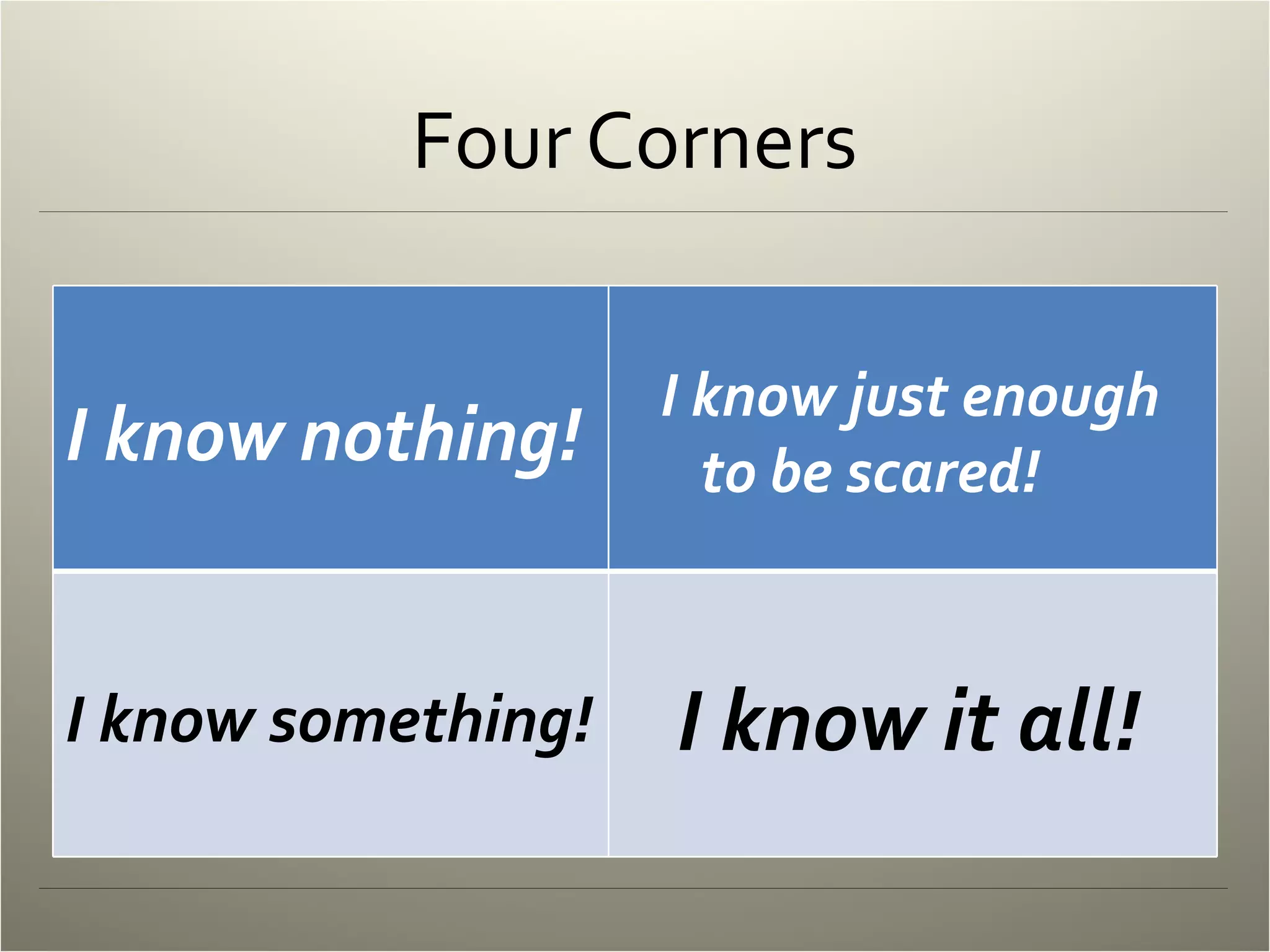
Four Corners I know nothing! I know just enough  to be scared! I know something! I know it all!
 
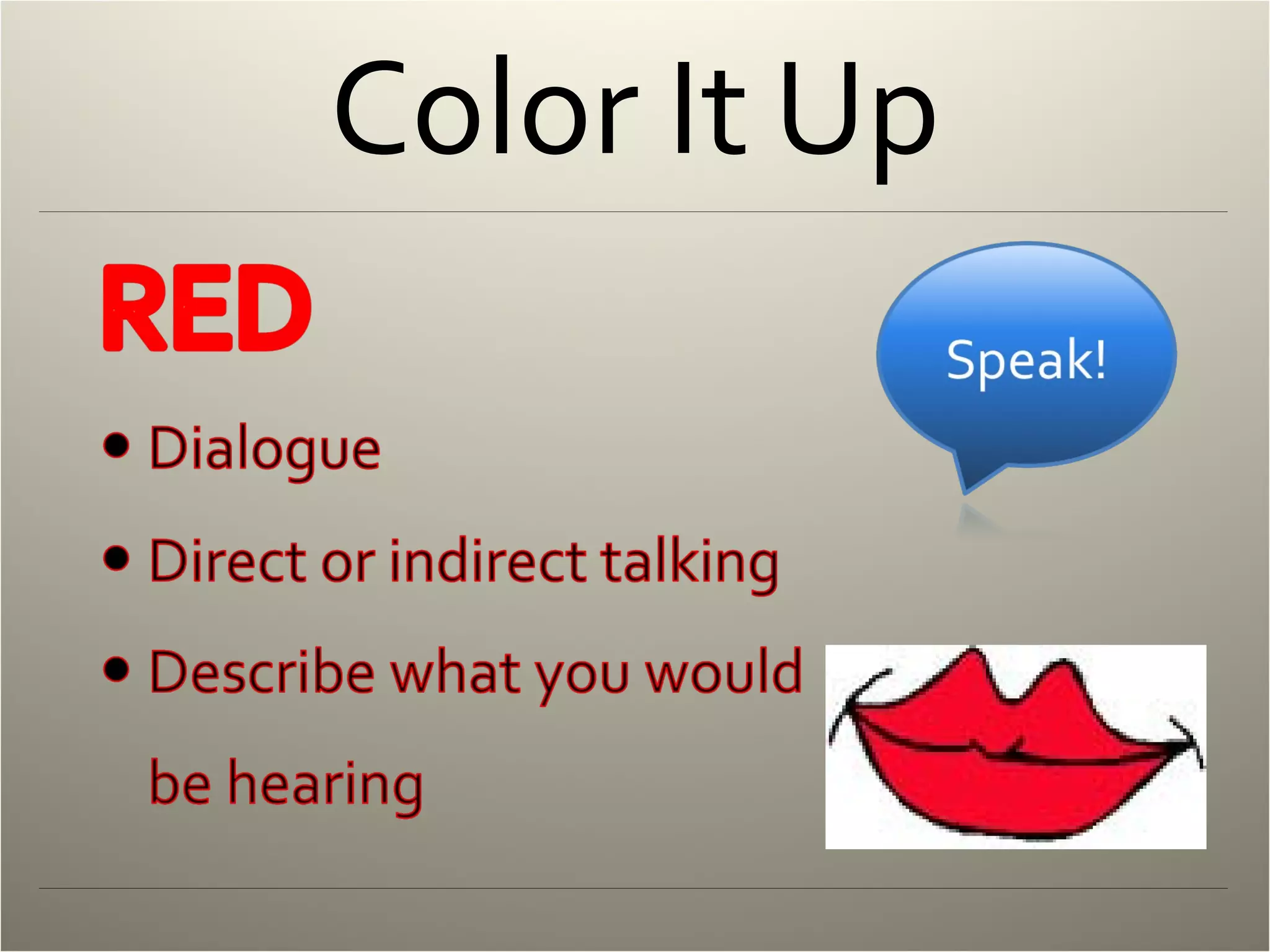
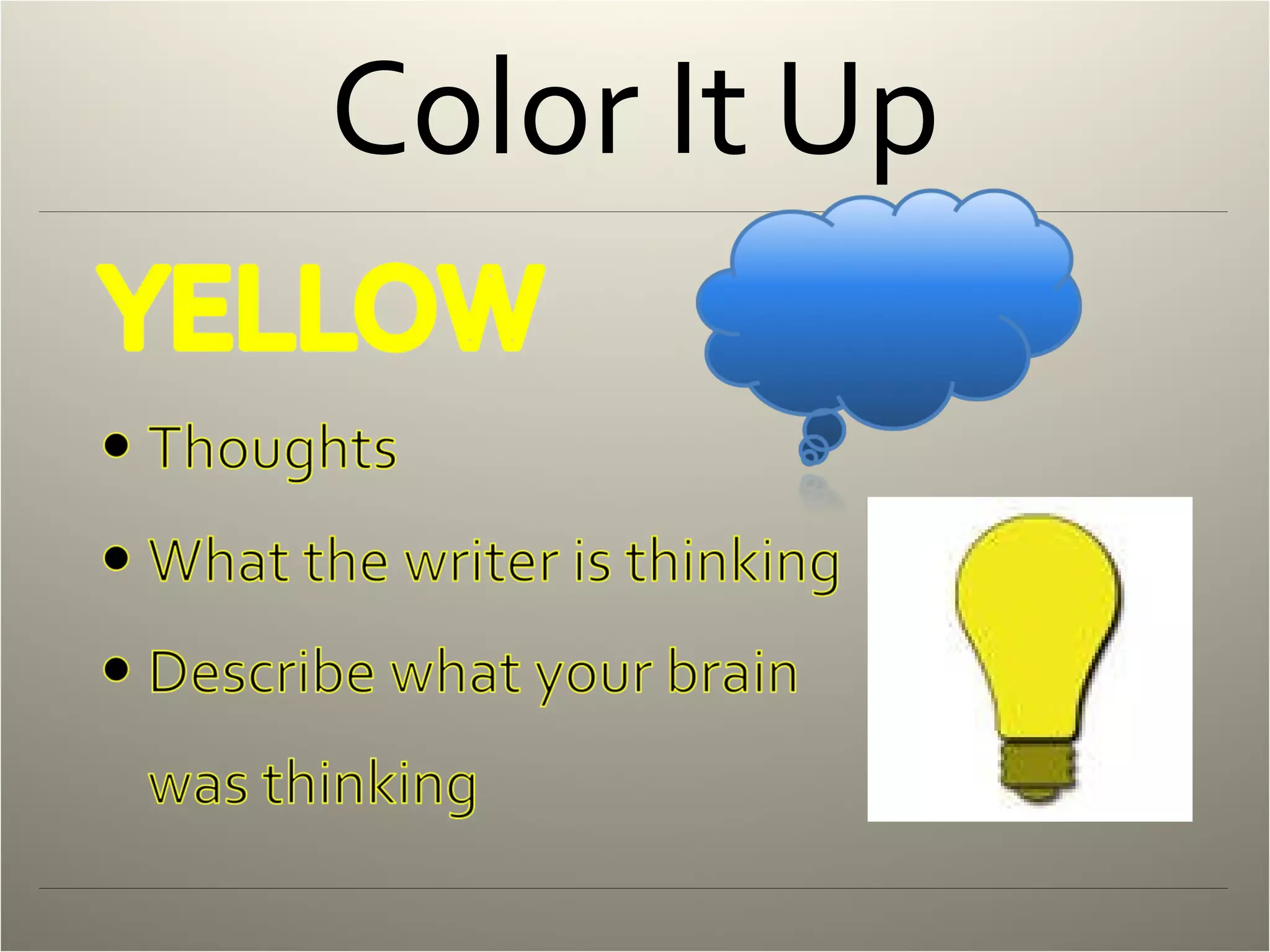
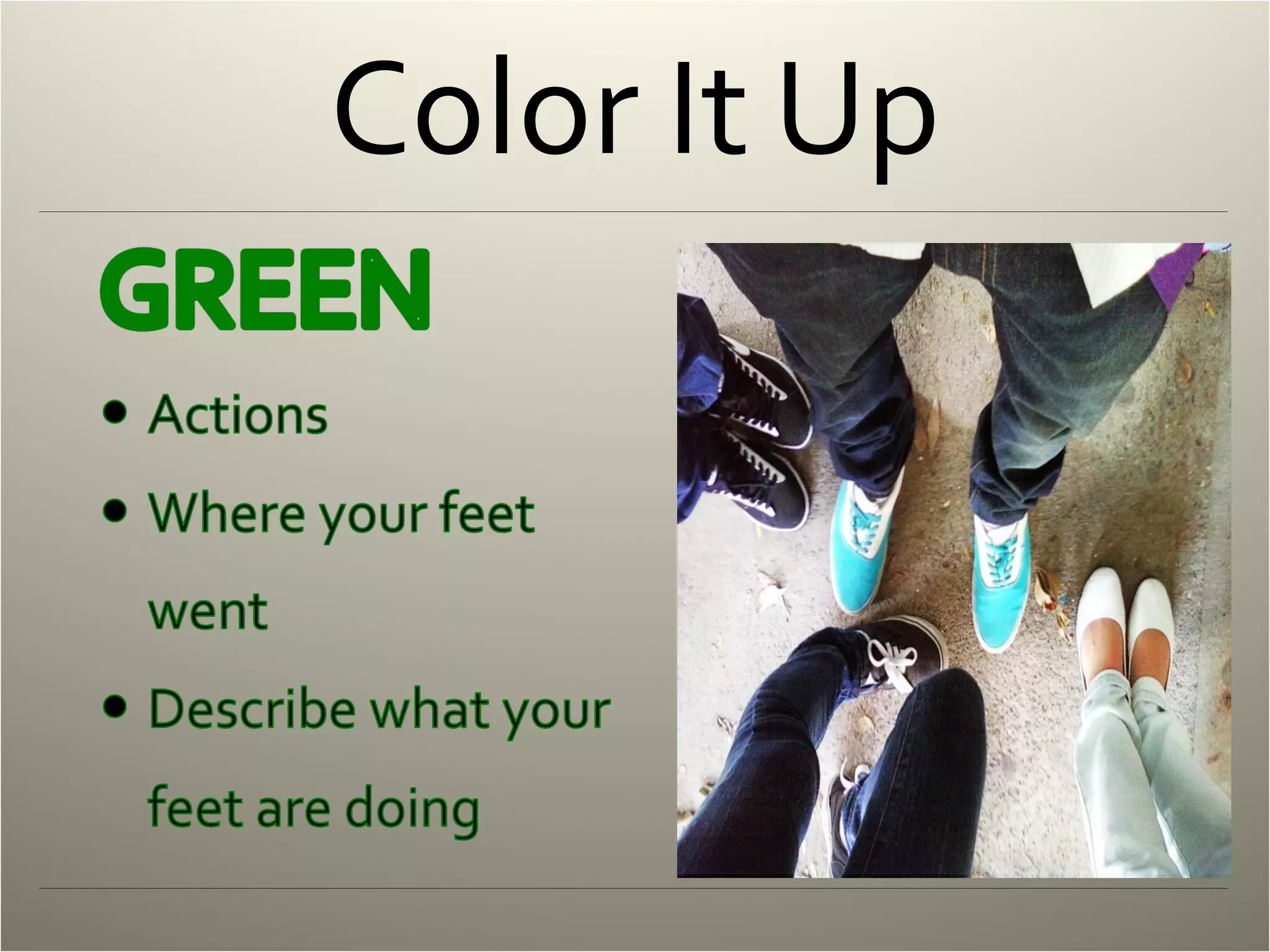
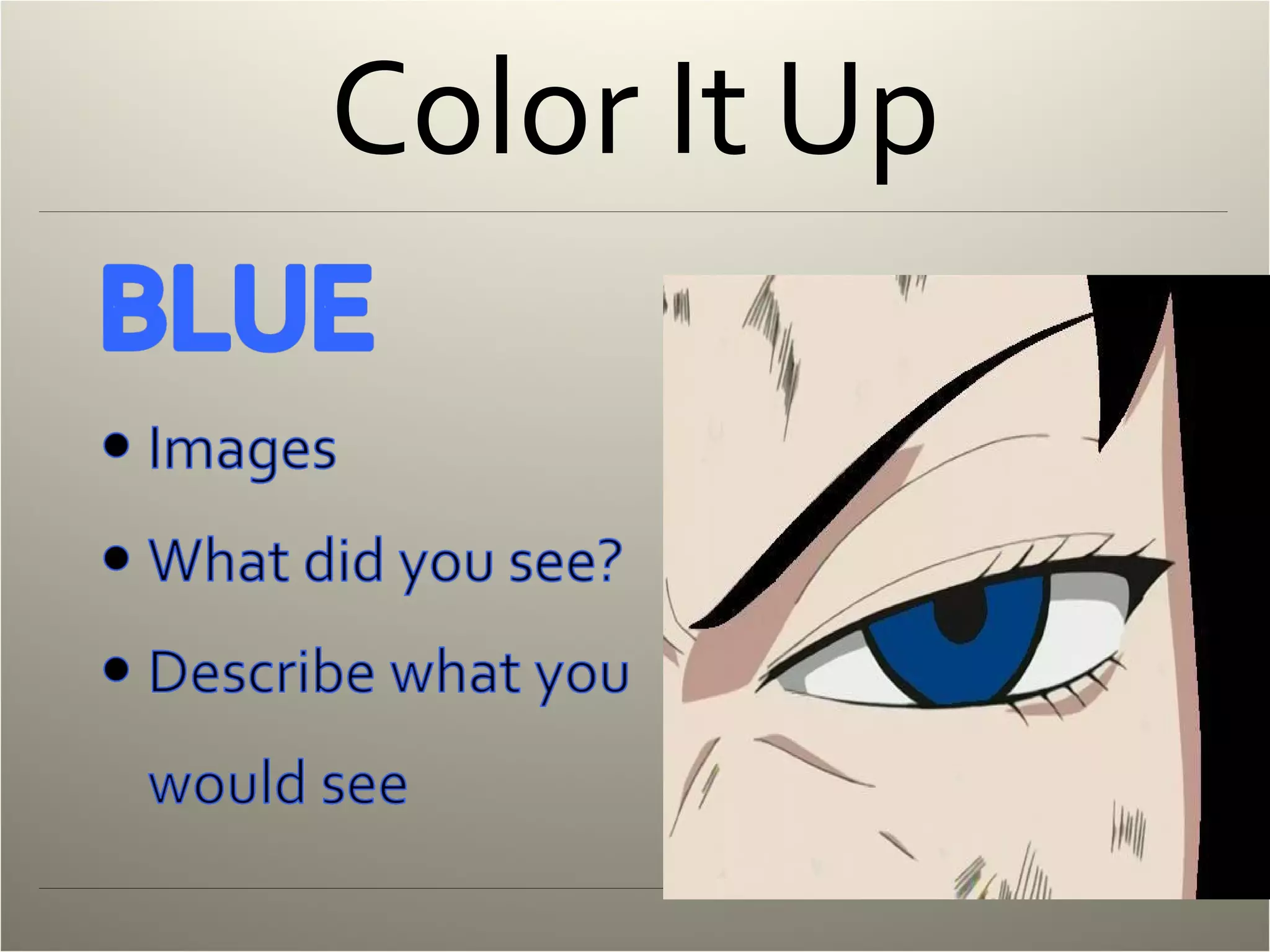
Color It Up
Color It Up
Color It Up
Color It Up
Color It Up
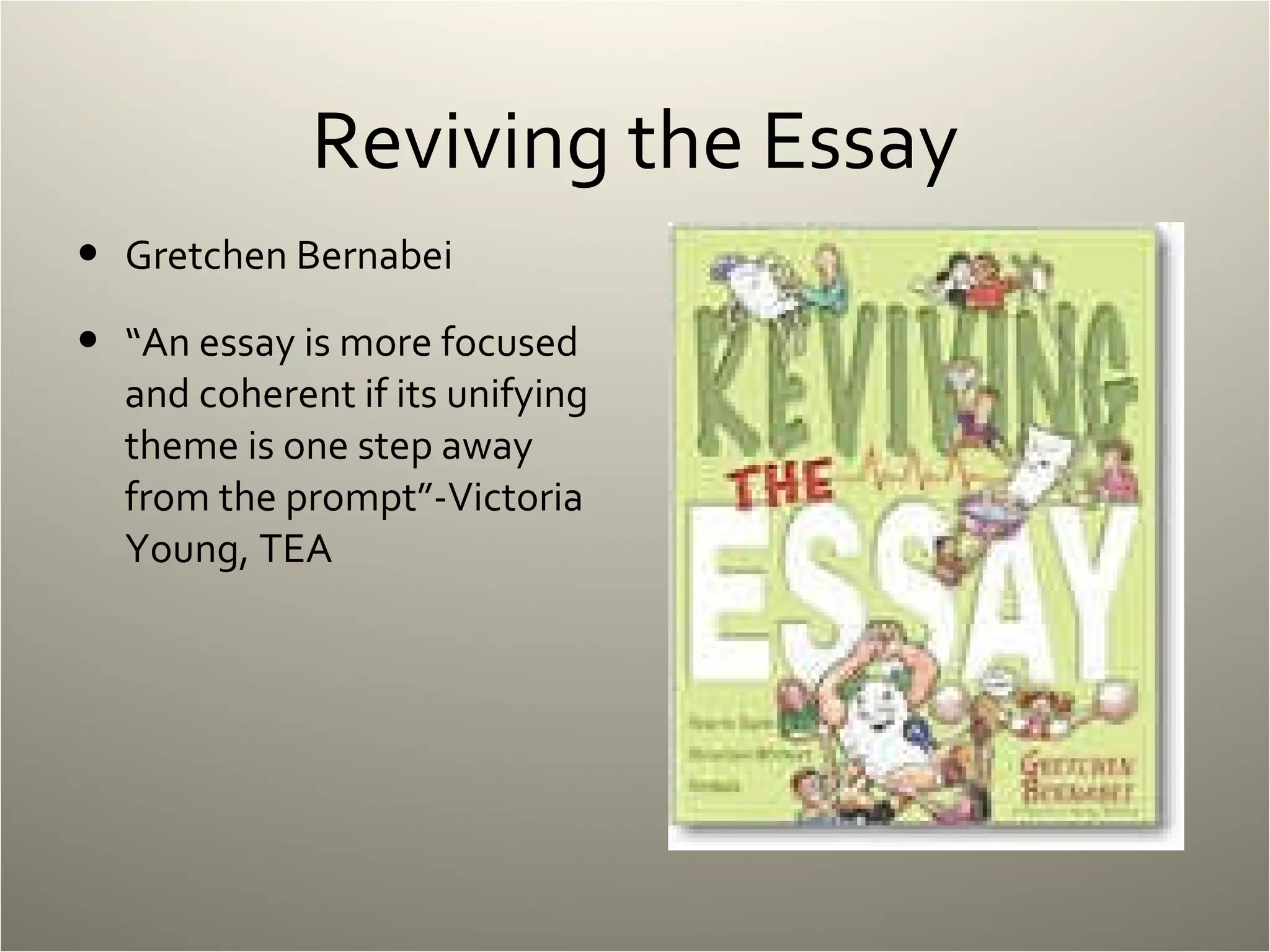
Reviving the Essay Gretchen Bernabei “ An essay is more focused and coherent if its unifying theme is one step away from the prompt”-Victoria Young, TEA
TAKS / STAAR Topics Surprise Tough Time Photo Reptile Moment ------------------------- Shopping List Conversation Pet Peeve
TAKS / STAAR Topics Eleven-Minute  Essay
Pet Peeve When a person starts a sentence with, “I hate it when…”, that person will finish the statement with his/her “pet peeve.”  A pet peeve is a minor annoyance specific to a person that may seem silly to others.  But  a  small annoyance often can make a big difference in a person’s life. Brainstorm and write for one minute to answer the question “what does this mean?”
Pet Peeve Brainstorm and write for three minutes answering the question “how do you know that’s true?” Think of a book or a story that proves that.  When you have a title in mind, write about the book/story supports the idea in the first paragraph.
Pet Peeve Brainstorm and write for three minutes about a movie that also proves the idea.  Use the name of the movie as you write about it.
Pet Peeve Brainstorm and write for three minutes about how the idea has been proven true in your life experiences. Since you’ve already given two of your pet peeves, choose one of those to prove this point.
Pet Peeve Brainstorm and write for one minute about one question that remains after all that you’re written.  Start with “I wonder” or “I think” or “Maybe, though” to get going.
Peer Edit
Revision
4—Personal Narrative & Expository 7—Personal Narrative with Extension & Expository 9—Literary & Expository 10—Expository & Persuasive 11—Persuasive & Analytical
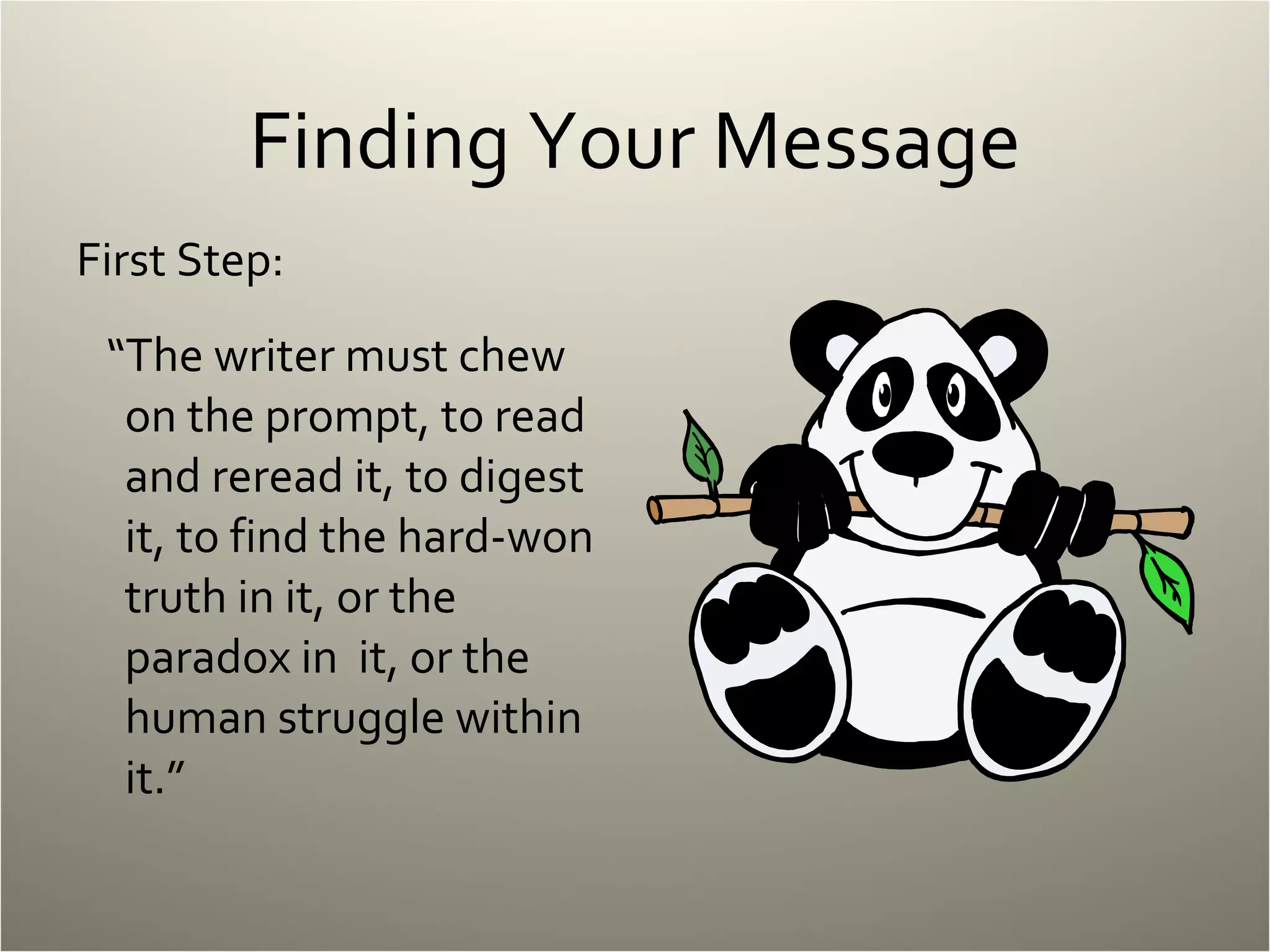
Finding Your Message First Step: “ The writer must chew on the prompt, to read and reread it, to digest it, to find the hard-won truth in it, or the paradox in  it, or the human struggle within it.”
What do we already know how to do?
Truisms
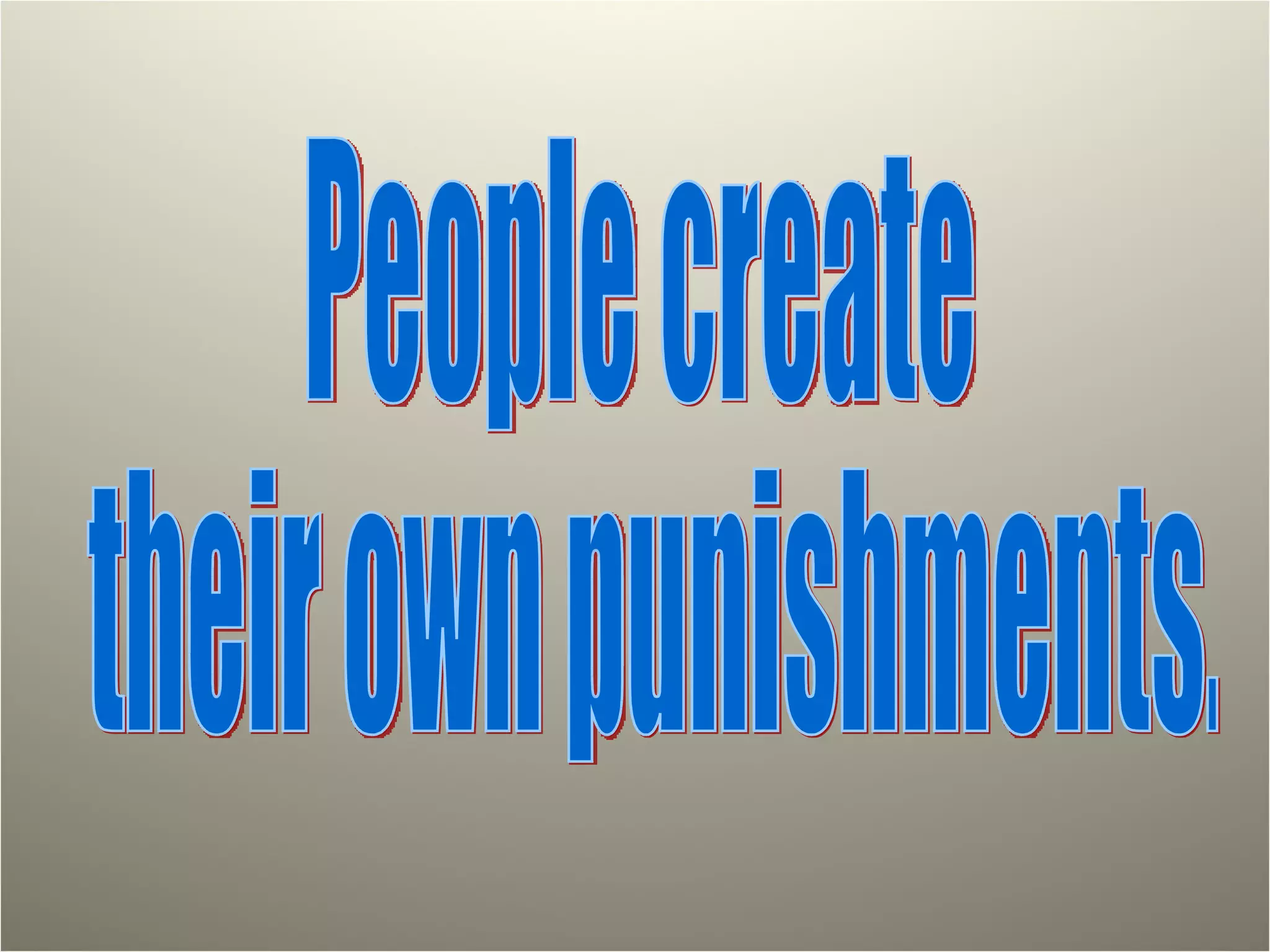
People create their own punishments.
 
Life's journey leads to surprising destinations.
 
 
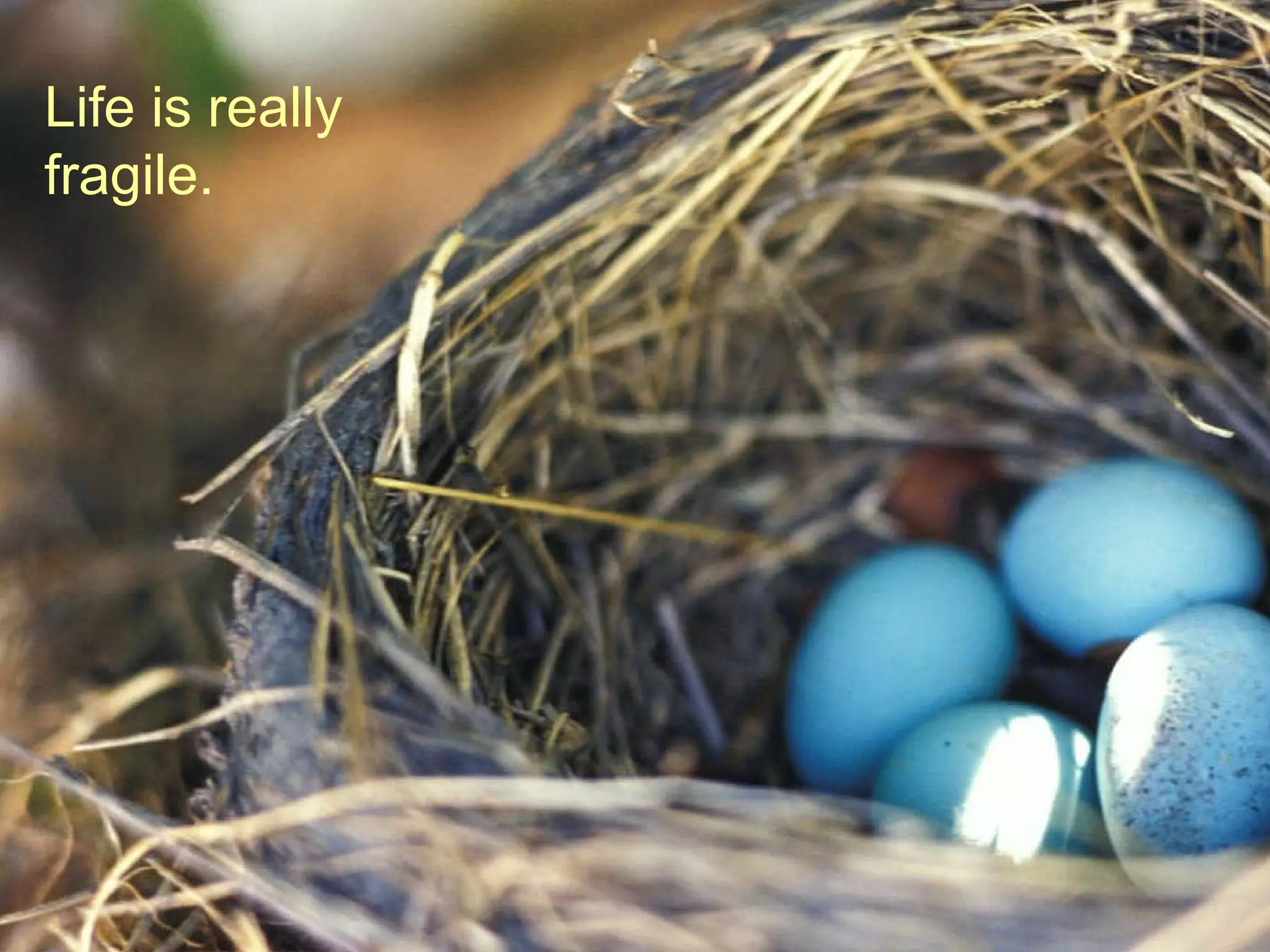
Life is really fragile.
 
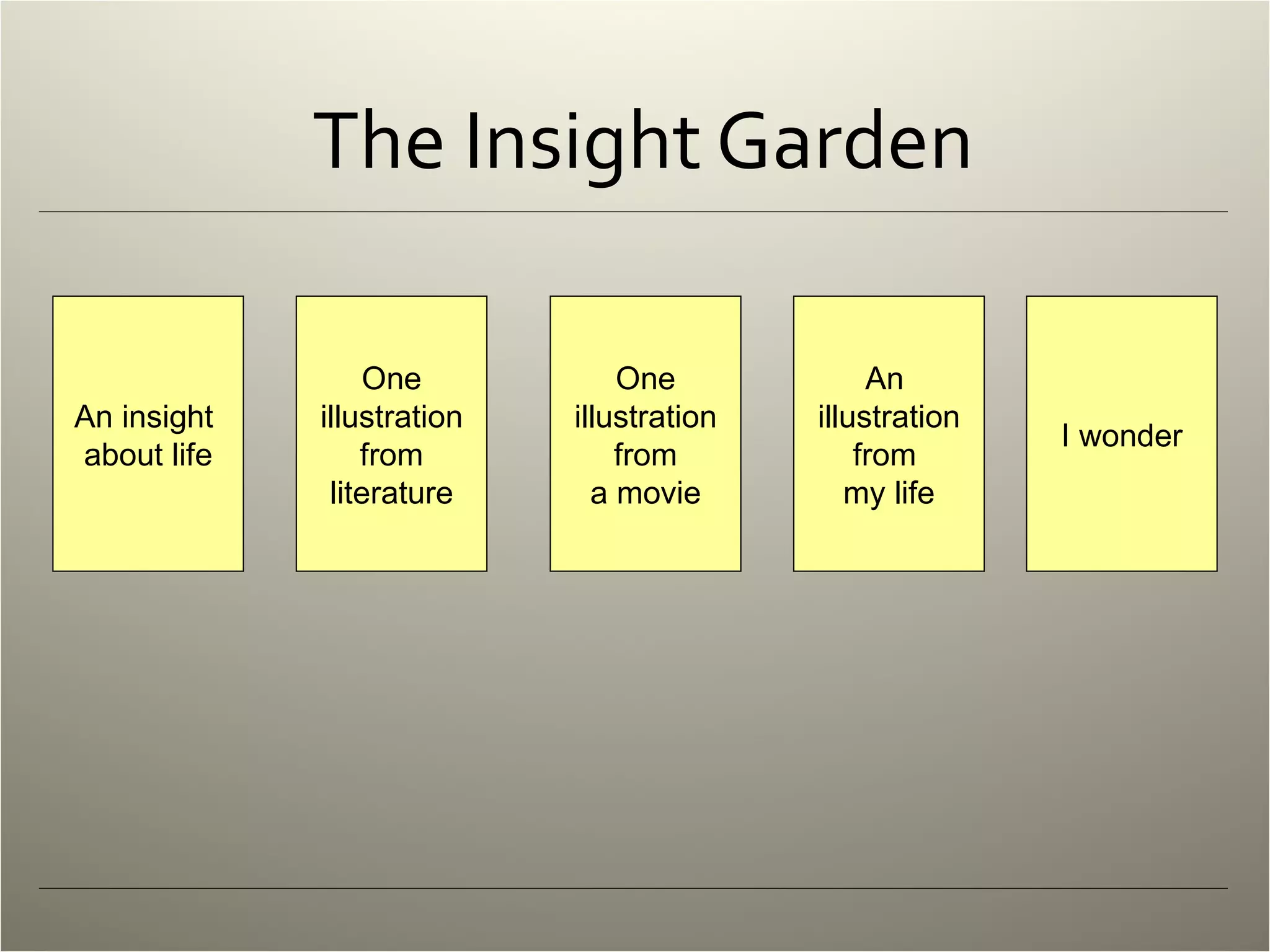
The Insight Garden An insight  about life One illustration from literature One illustration from a movie An  illustration from  my life I wonder
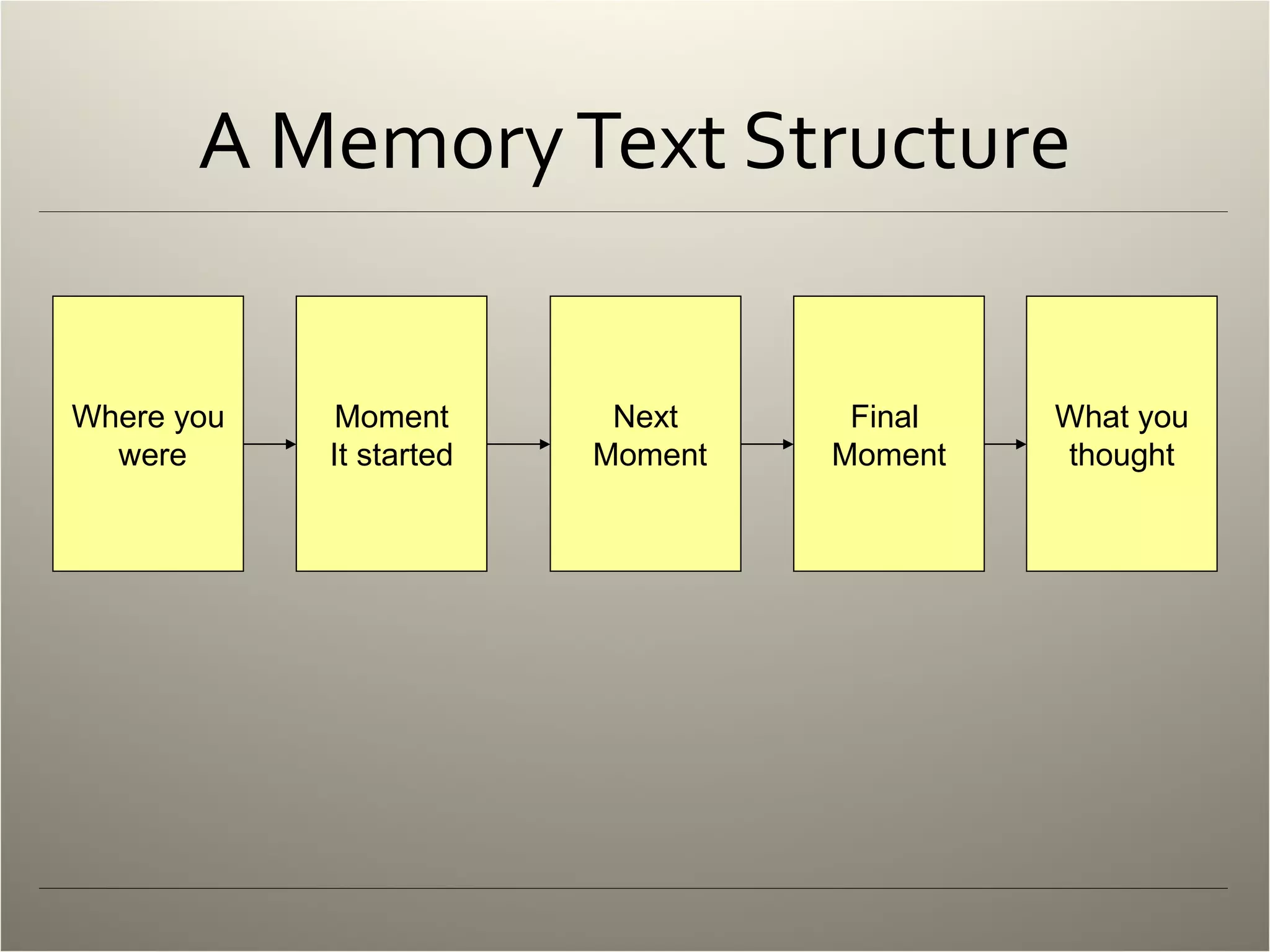
A Memory Text Structure Where you were Moment It started Next Moment Final  Moment What you thought
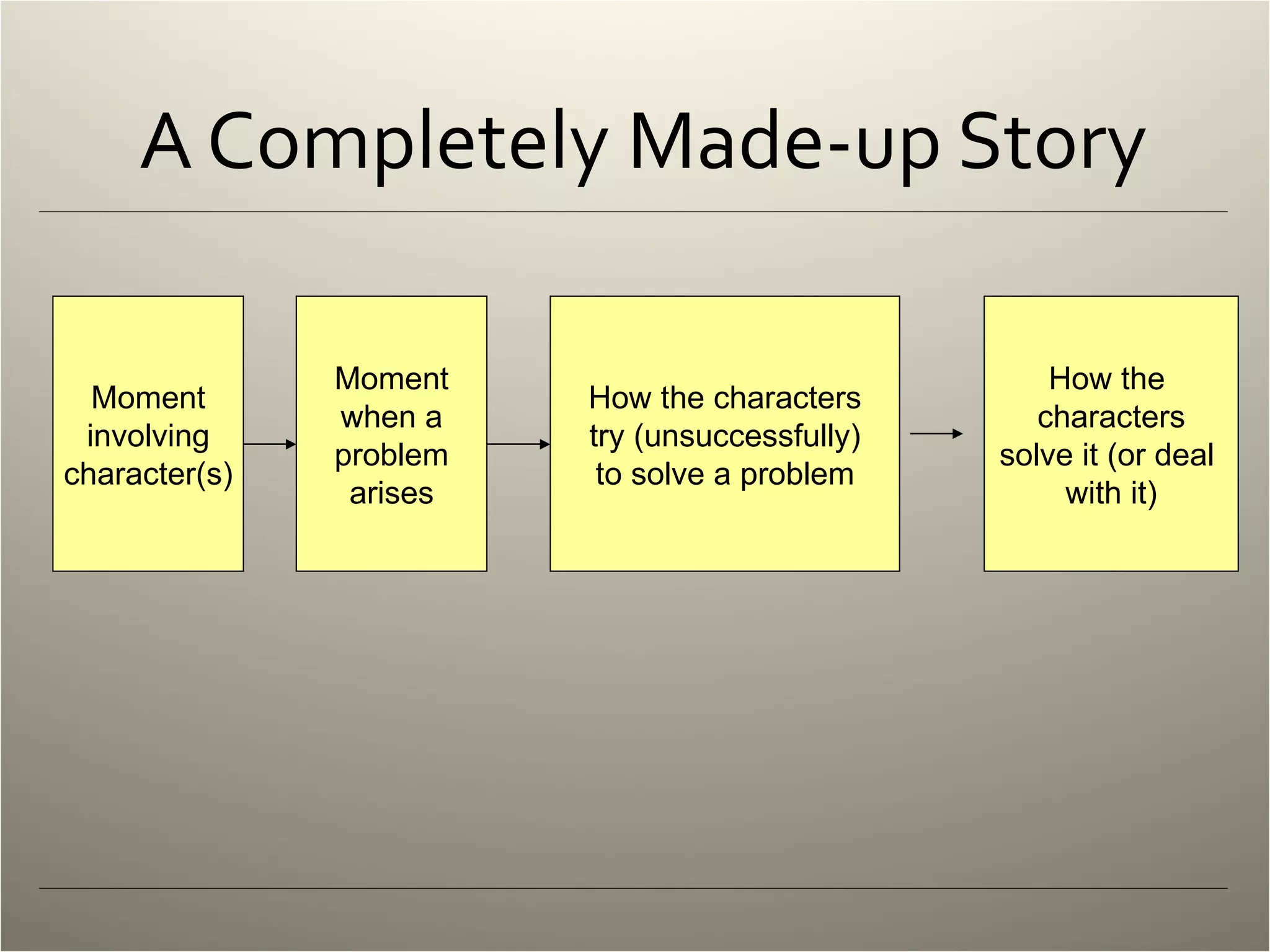
A Completely Made-up Story Moment involving character(s) Moment when a problem arises How the characters try (unsuccessfully) to solve a problem How the  characters solve it (or deal  with it)
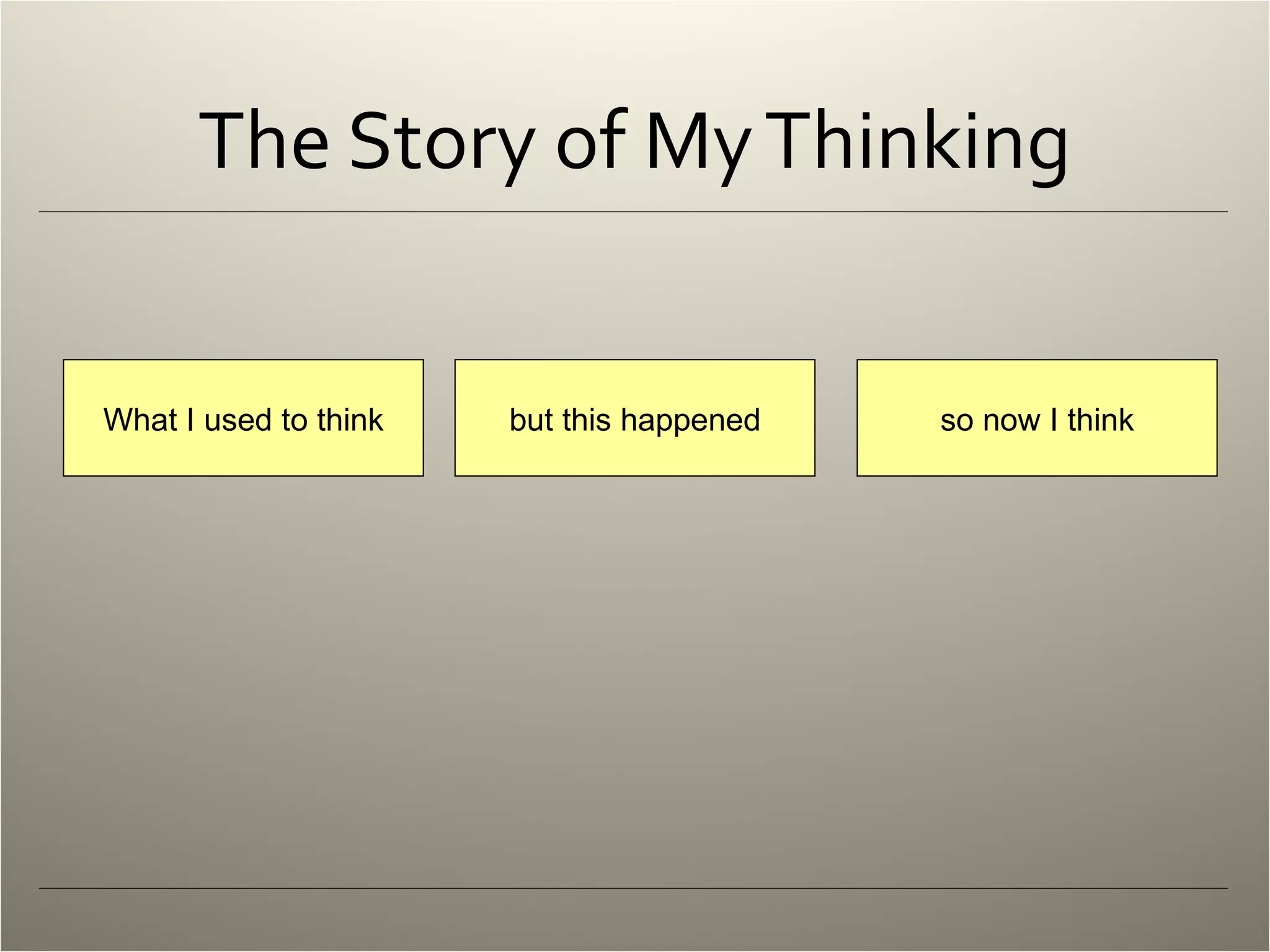
The Story of My Thinking but this happened so now I think What I used to think
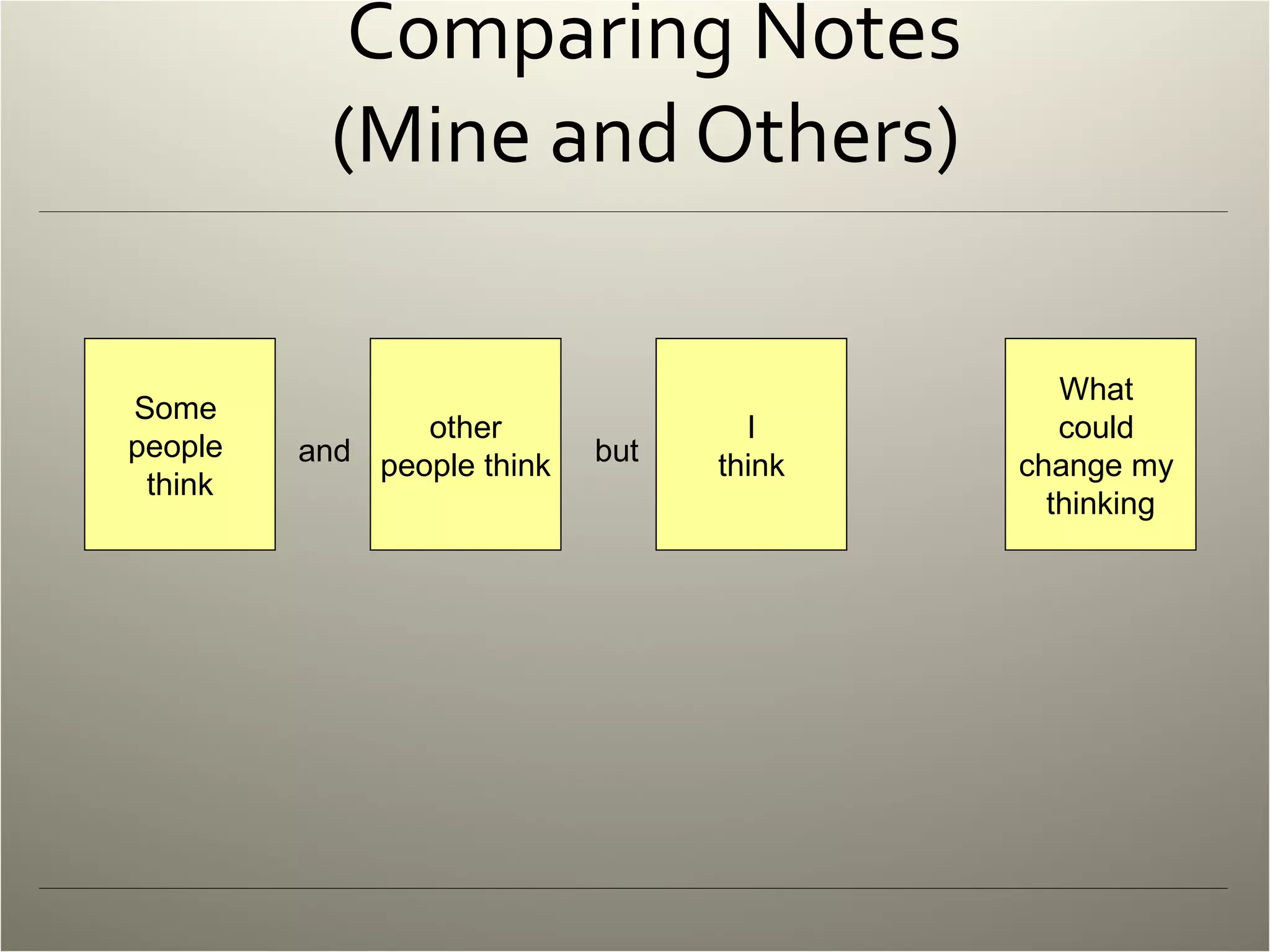
Comparing Notes (Mine and Others) Some  people  think other people think I think What  could  change my  thinking and but
Tribute to the Person who Taught Me Something What the lesson is Flashback to the lesson Description  of the person Lyrics or words you can  Remember that  person saying (on any subject) What I wish I could find out  now from that  person
Start with one sentence. Teach your students different approaches  to expand that sentence.  Glue these pages onto manila folders to  open and stand up around the room. Let the students pick and choose which  approach will work best for them.
Snapshot Challenge Look at your sentence. Imagine that you’re looking at a photograph (or snapshot) taken at that moment. Use words to describe everything you can see in the snapshot.
Thoughtshot Challenge Look at your sentence. Imagine that people could hear everything you were thinking at that moment. Write down everything that went through your head, and everything you though right then.
Senses Challenge Look at your sentence. Write details to show every one of the senses: What did you see? What did you hear? What did you smell? What did you feel? What did you taste?
Dialogue Challenge Look at your sentence. Imagine all of the conversation that went on at that moment. Write down everything everyone said.
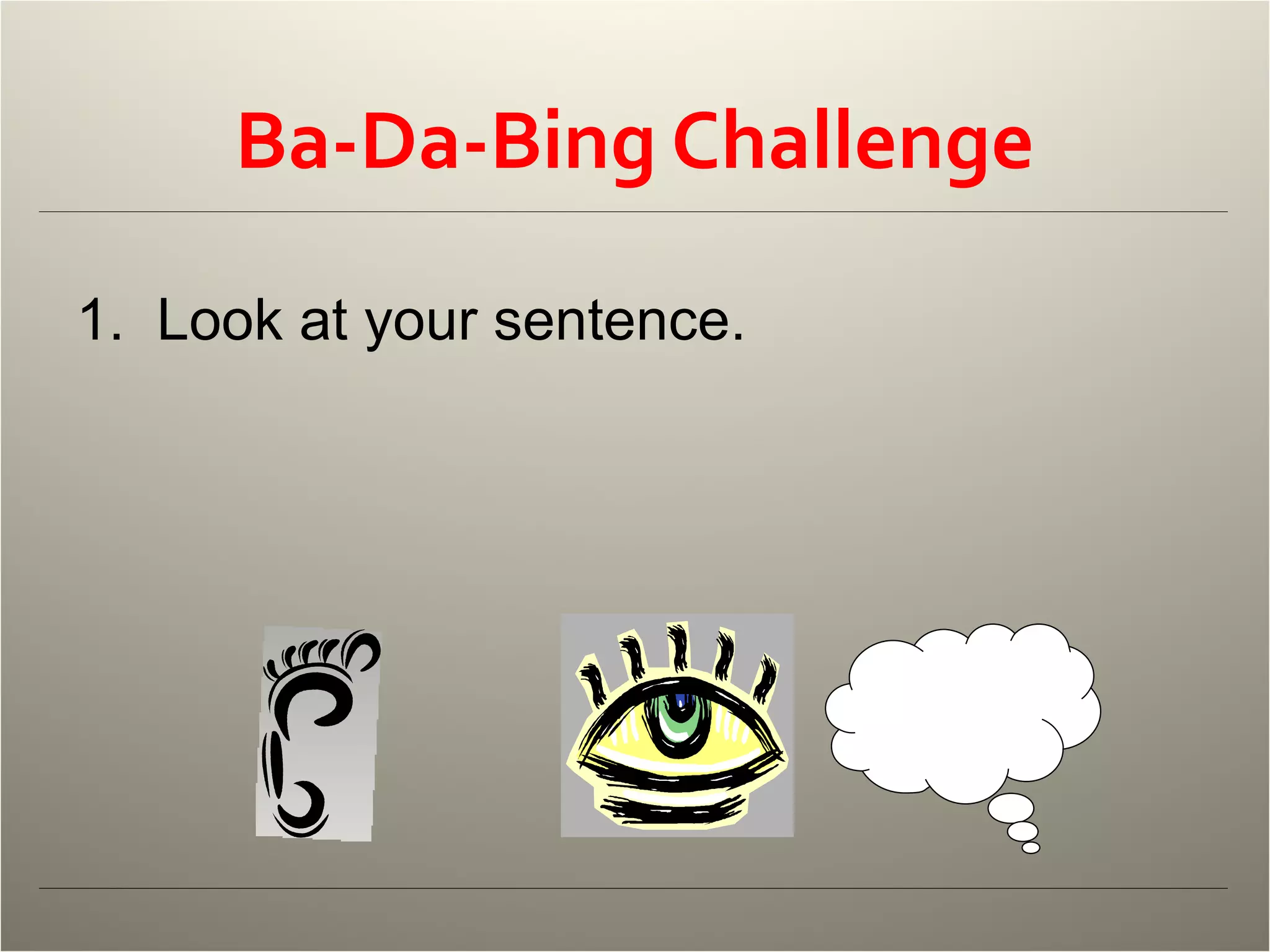
Ba-Da-Bing Challenge 1.  Look at your sentence.  2.  Write one ba-da-bing sentence for that moment, with these three parts :                               
 

Writing for TAKS and STAAR

  • 1.
  • 2.
    Four Corners Iknow nothing! I know just enough to be scared! I know something! I know it all!
  • 3.
  • 4.
  • 5.
  • 6.
  • 7.
  • 8.
  • 9.
    Reviving the EssayGretchen Bernabei “ An essay is more focused and coherent if its unifying theme is one step away from the prompt”-Victoria Young, TEA
  • 10.
    TAKS / STAARTopics Surprise Tough Time Photo Reptile Moment ------------------------- Shopping List Conversation Pet Peeve
  • 11.
    TAKS / STAARTopics Eleven-Minute Essay
  • 12.
    Pet Peeve Whena person starts a sentence with, “I hate it when…”, that person will finish the statement with his/her “pet peeve.” A pet peeve is a minor annoyance specific to a person that may seem silly to others. But a small annoyance often can make a big difference in a person’s life. Brainstorm and write for one minute to answer the question “what does this mean?”
  • 13.
    Pet Peeve Brainstormand write for three minutes answering the question “how do you know that’s true?” Think of a book or a story that proves that. When you have a title in mind, write about the book/story supports the idea in the first paragraph.
  • 14.
    Pet Peeve Brainstormand write for three minutes about a movie that also proves the idea. Use the name of the movie as you write about it.
  • 15.
    Pet Peeve Brainstormand write for three minutes about how the idea has been proven true in your life experiences. Since you’ve already given two of your pet peeves, choose one of those to prove this point.
  • 16.
    Pet Peeve Brainstormand write for one minute about one question that remains after all that you’re written. Start with “I wonder” or “I think” or “Maybe, though” to get going.
  • 17.
  • 18.
  • 19.
    4—Personal Narrative &Expository 7—Personal Narrative with Extension & Expository 9—Literary & Expository 10—Expository & Persuasive 11—Persuasive & Analytical
  • 20.
    Finding Your MessageFirst Step: “ The writer must chew on the prompt, to read and reread it, to digest it, to find the hard-won truth in it, or the paradox in it, or the human struggle within it.”
  • 21.
    What do wealready know how to do?
  • 22.
  • 23.
    People create theirown punishments.
  • 24.
  • 25.
    Life's journey leadsto surprising destinations.
  • 26.
  • 27.
  • 28.
  • 29.
  • 30.
    The Insight GardenAn insight about life One illustration from literature One illustration from a movie An illustration from my life I wonder
  • 31.
    A Memory TextStructure Where you were Moment It started Next Moment Final Moment What you thought
  • 32.
    A Completely Made-upStory Moment involving character(s) Moment when a problem arises How the characters try (unsuccessfully) to solve a problem How the characters solve it (or deal with it)
  • 33.
    The Story ofMy Thinking but this happened so now I think What I used to think
  • 34.
    Comparing Notes (Mineand Others) Some people think other people think I think What could change my thinking and but
  • 35.
    Tribute to thePerson who Taught Me Something What the lesson is Flashback to the lesson Description of the person Lyrics or words you can Remember that person saying (on any subject) What I wish I could find out now from that person
  • 36.
    Start with onesentence. Teach your students different approaches to expand that sentence. Glue these pages onto manila folders to open and stand up around the room. Let the students pick and choose which approach will work best for them.
  • 37.
    Snapshot Challenge Lookat your sentence. Imagine that you’re looking at a photograph (or snapshot) taken at that moment. Use words to describe everything you can see in the snapshot.
  • 38.
    Thoughtshot Challenge Lookat your sentence. Imagine that people could hear everything you were thinking at that moment. Write down everything that went through your head, and everything you though right then.
  • 39.
    Senses Challenge Lookat your sentence. Write details to show every one of the senses: What did you see? What did you hear? What did you smell? What did you feel? What did you taste?
  • 40.
    Dialogue Challenge Lookat your sentence. Imagine all of the conversation that went on at that moment. Write down everything everyone said.
  • 41.
    Ba-Da-Bing Challenge 1. Look at your sentence. 2. Write one ba-da-bing sentence for that moment, with these three parts :                            
  • 42.

Editor's Notes

  • #24 True?
  • #25 How does this picture relate?
  • #26 What picture might accompany this statement?
  • #28 What do you see going on in this picture? What is one true thing about the world that this photo shows?
  • #29 Timed guided writing on page 26