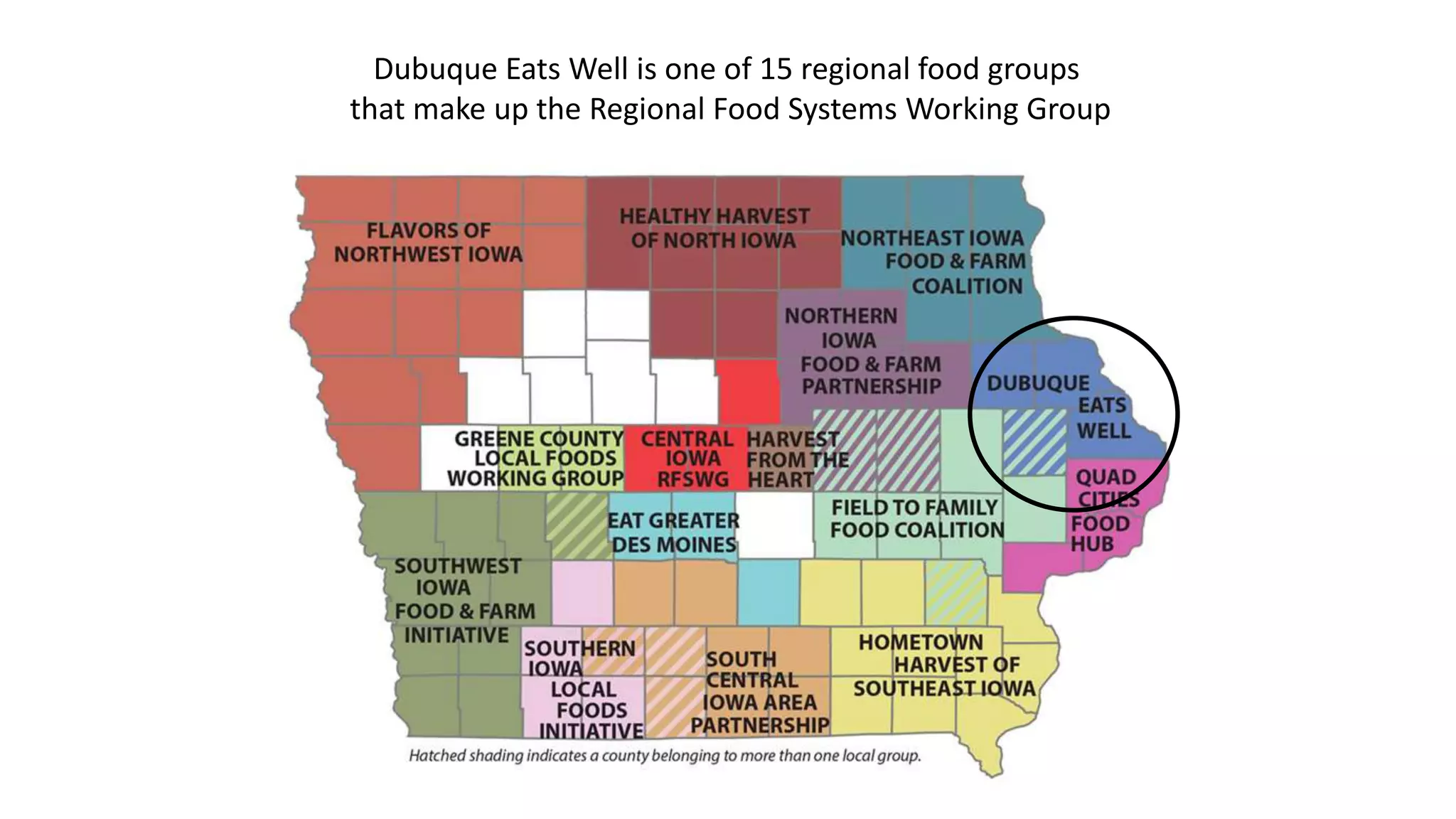
What is The Local Food Systems Working Group?
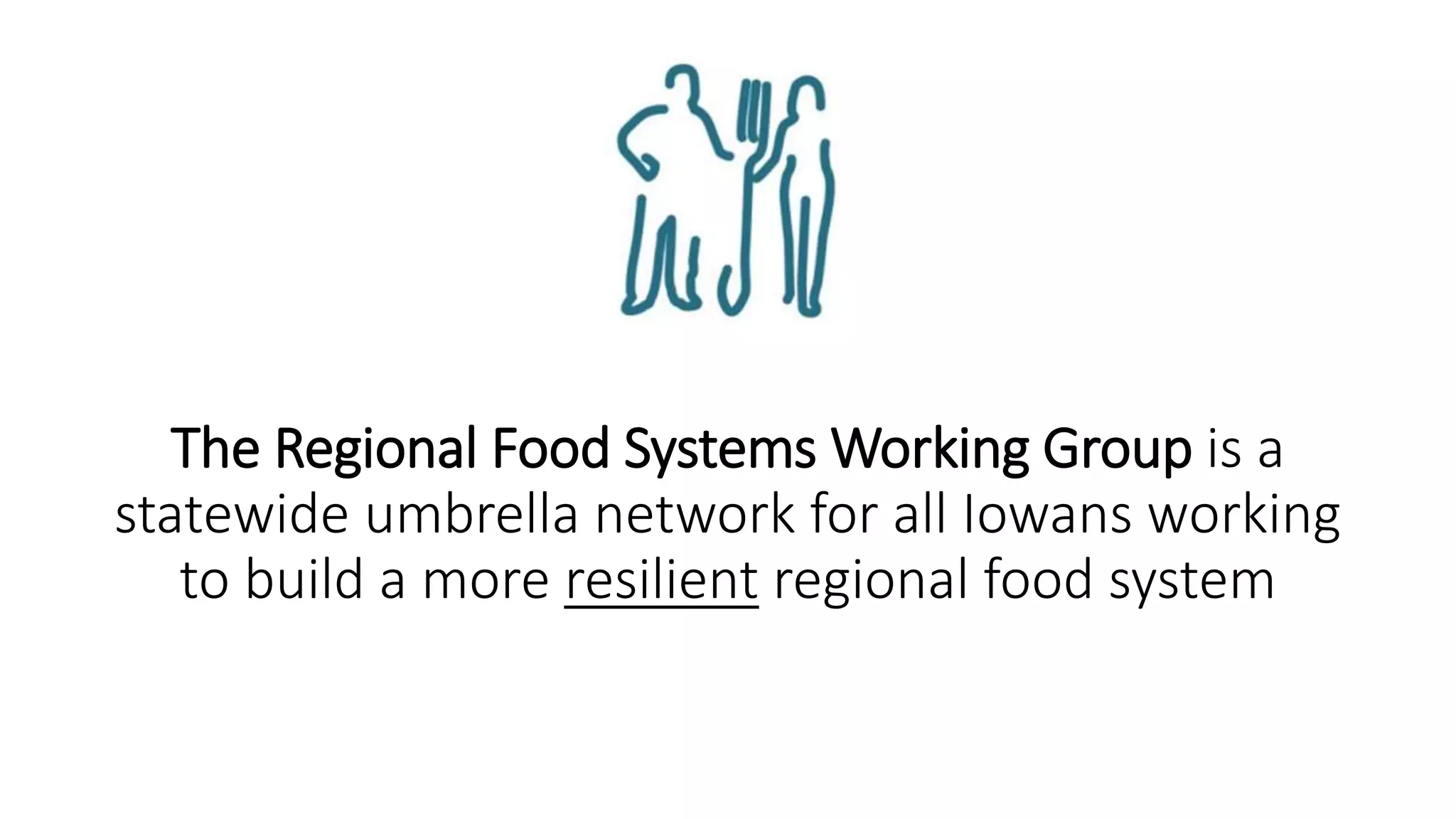
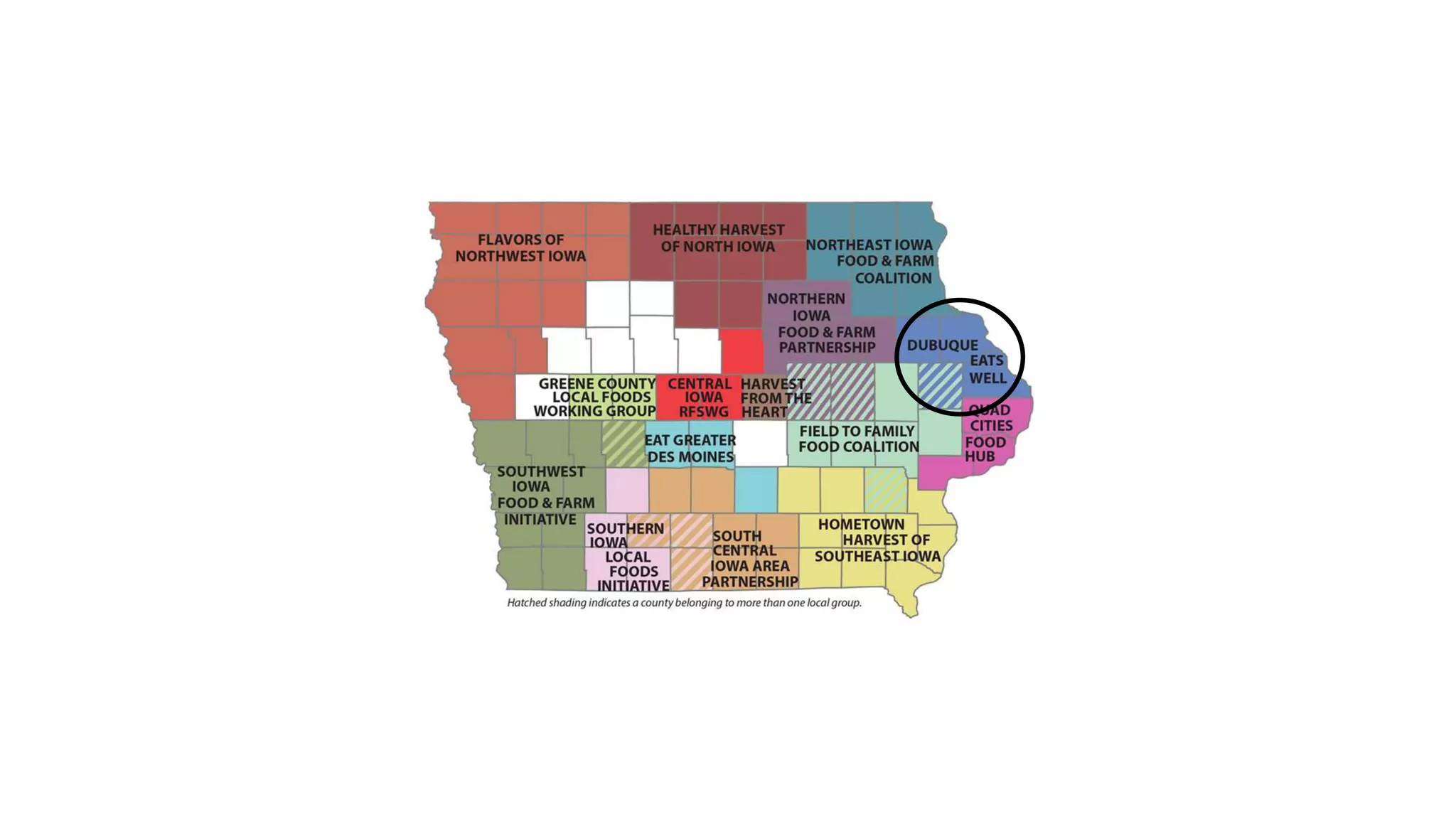
Dubuque Eats Well is one of 15 regional food groups 
that make up the Regional Food Systems Working Group
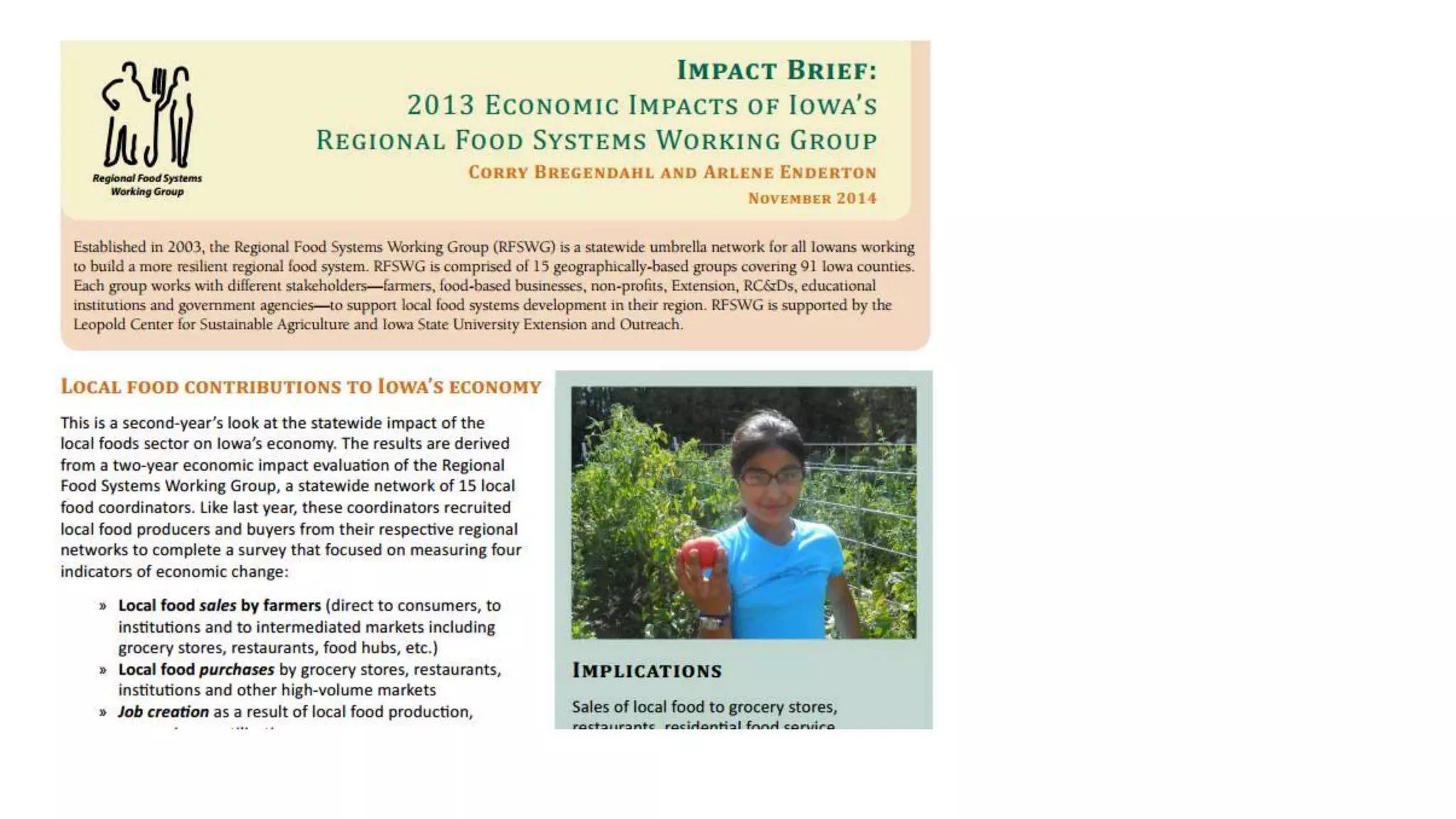
The Regional Food Systems Working Group is a 
statewide umbrella network for all Iowans working 
to build a more resilient regional food system
RFSWG Mission 
To conduct research, support education, 
and facilitate partnerships to increase 
investment & support of community-based, 
economically sustainable, and 
environmentally and socially responsible 
food enterprises.
Regional Food Working Groups
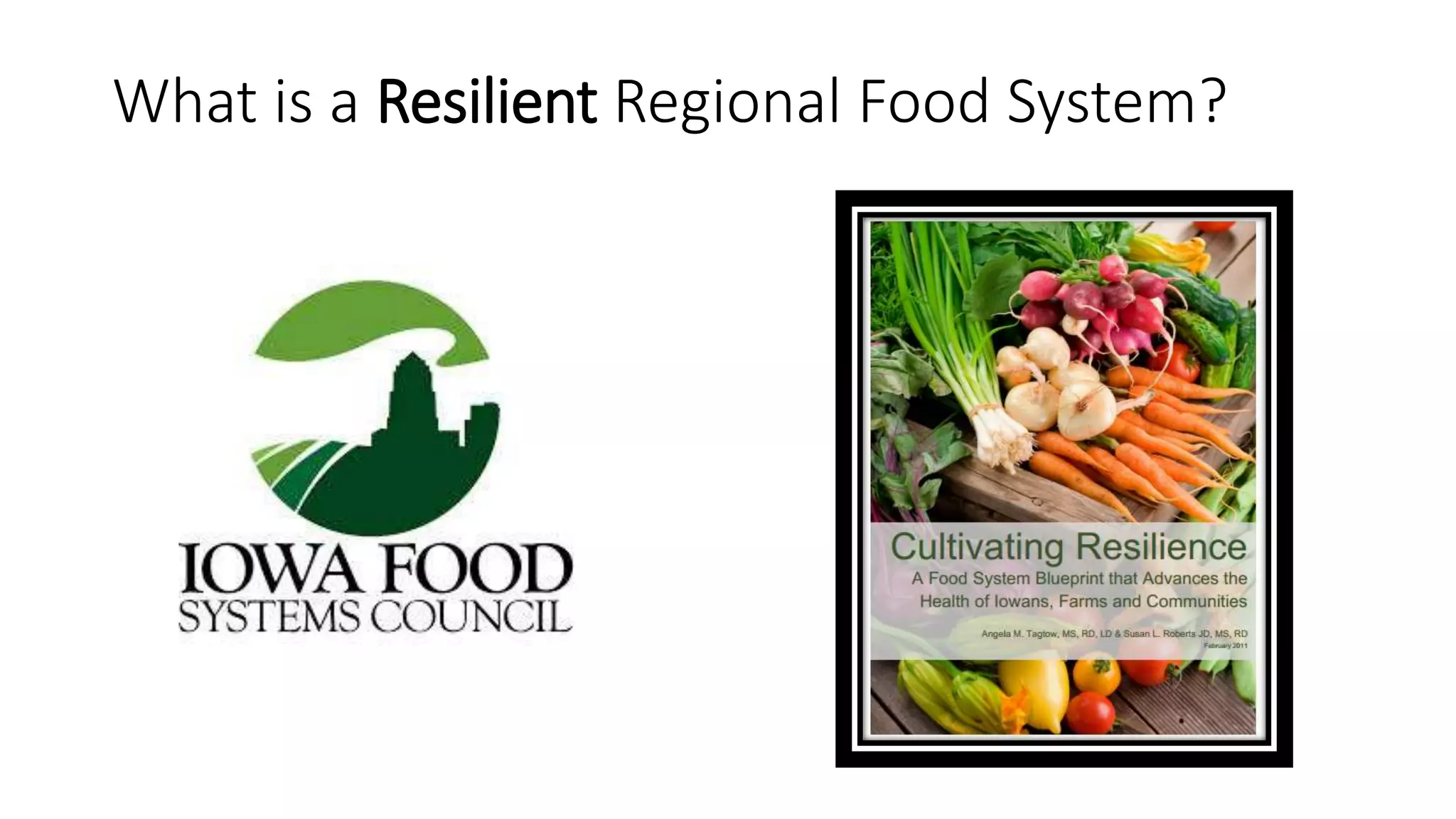
What is a Resilient Regional Food System?
Three Resiliency factors: 
• Economic 
• Ecological 
• Social
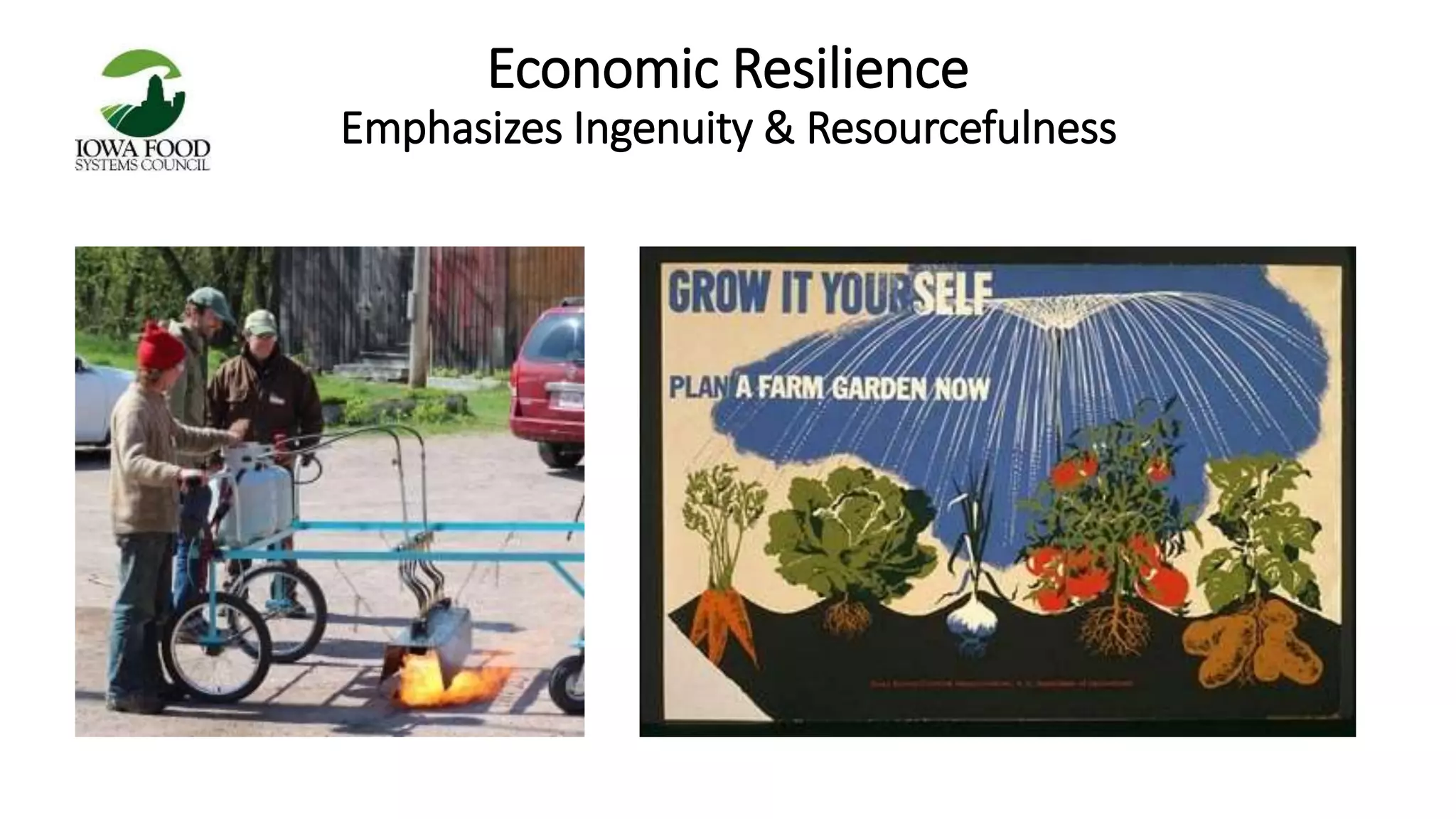
Economic Resilience 
Emphasizes Ingenuity & Resourcefulness
Economic Resilience 
The inherent and adaptive responses to disasters that enable 
Iowans, farms and communities to avoid potential financial 
losses. 
• All sectors of the food system adequately support livelihoods of families 
• Food system activities contribute to local and regional economic 
development 
• Equity: No one entity holds a disproportionate share of economic control 
over food production, transformation, distribution, access or consumption
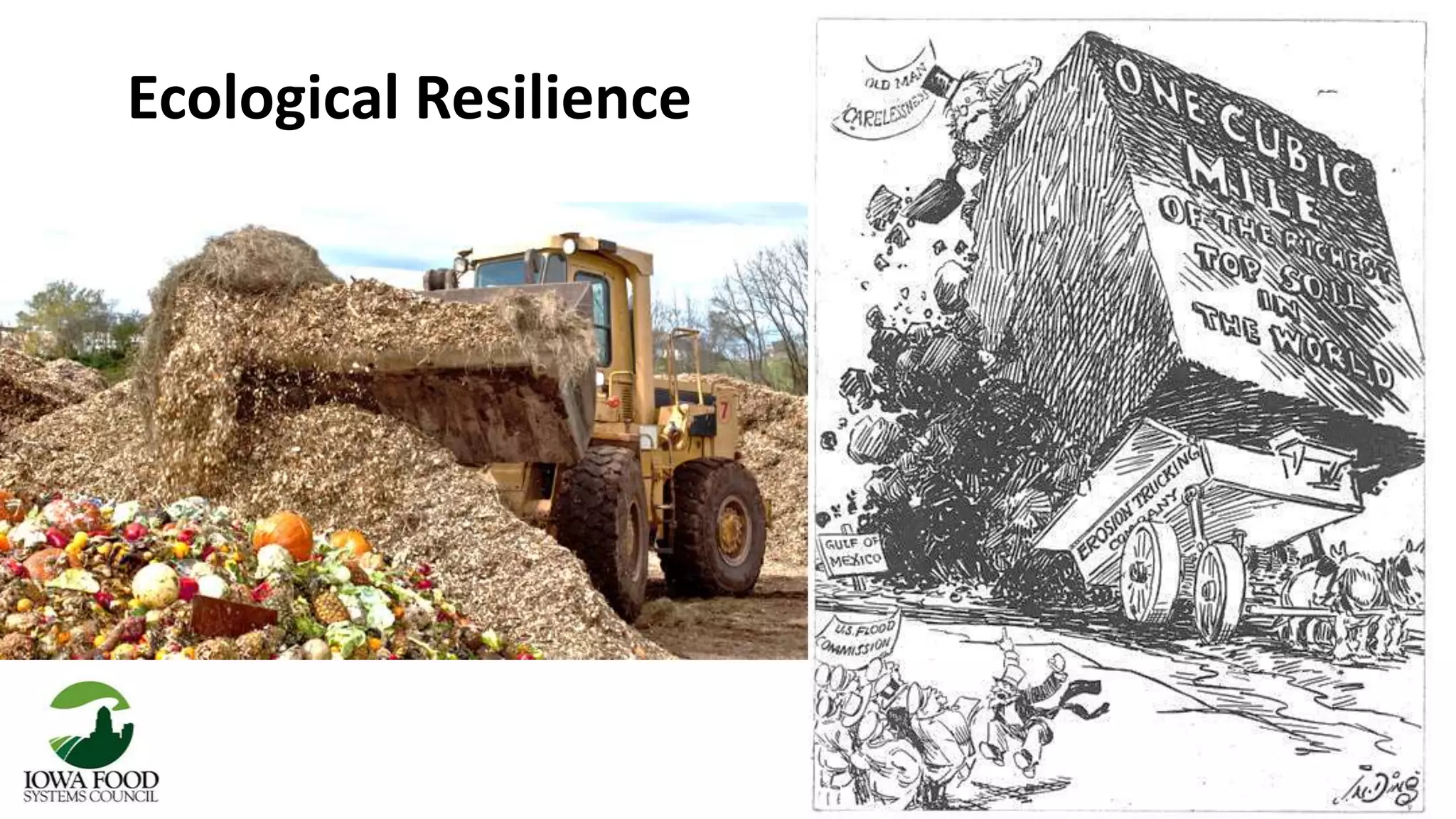
Ecological Resilience
Ecological Resilience 
The capacity for natural resource renewal in a dynamic 
environment providing an ecological buffer that protects food 
systems from failing to mitigate problems. 
Practices that support ecological resilience include: 
• Inputs are used in ways that conserve, regenerate or enhance 
natural resources (i.e., soil, water, air); 
• Genetic biodiversity is preserved 
• Renewable energy sources are used 
• Wastes are limited and recycled.
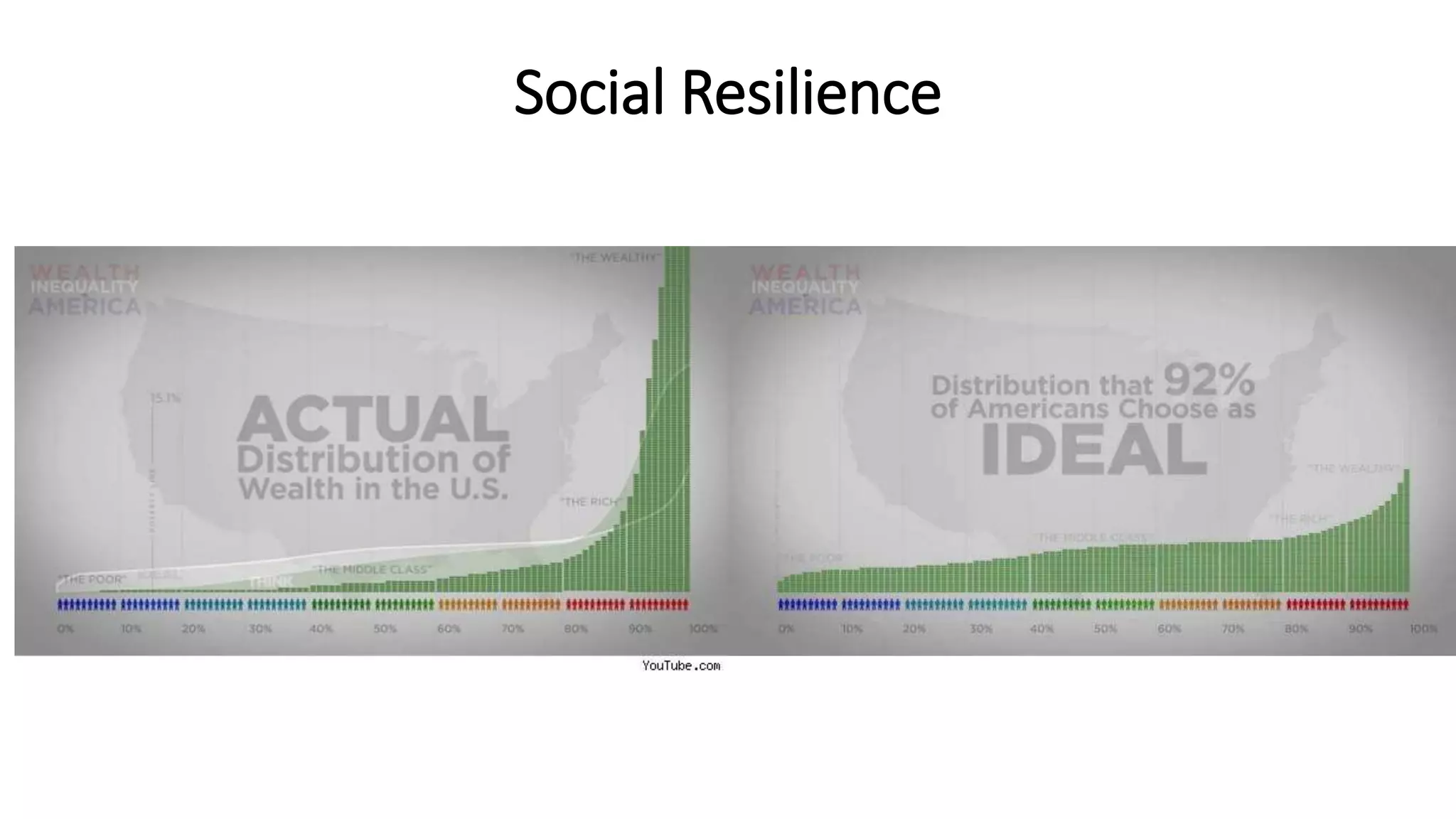
Social Resilience
Social Resilience 
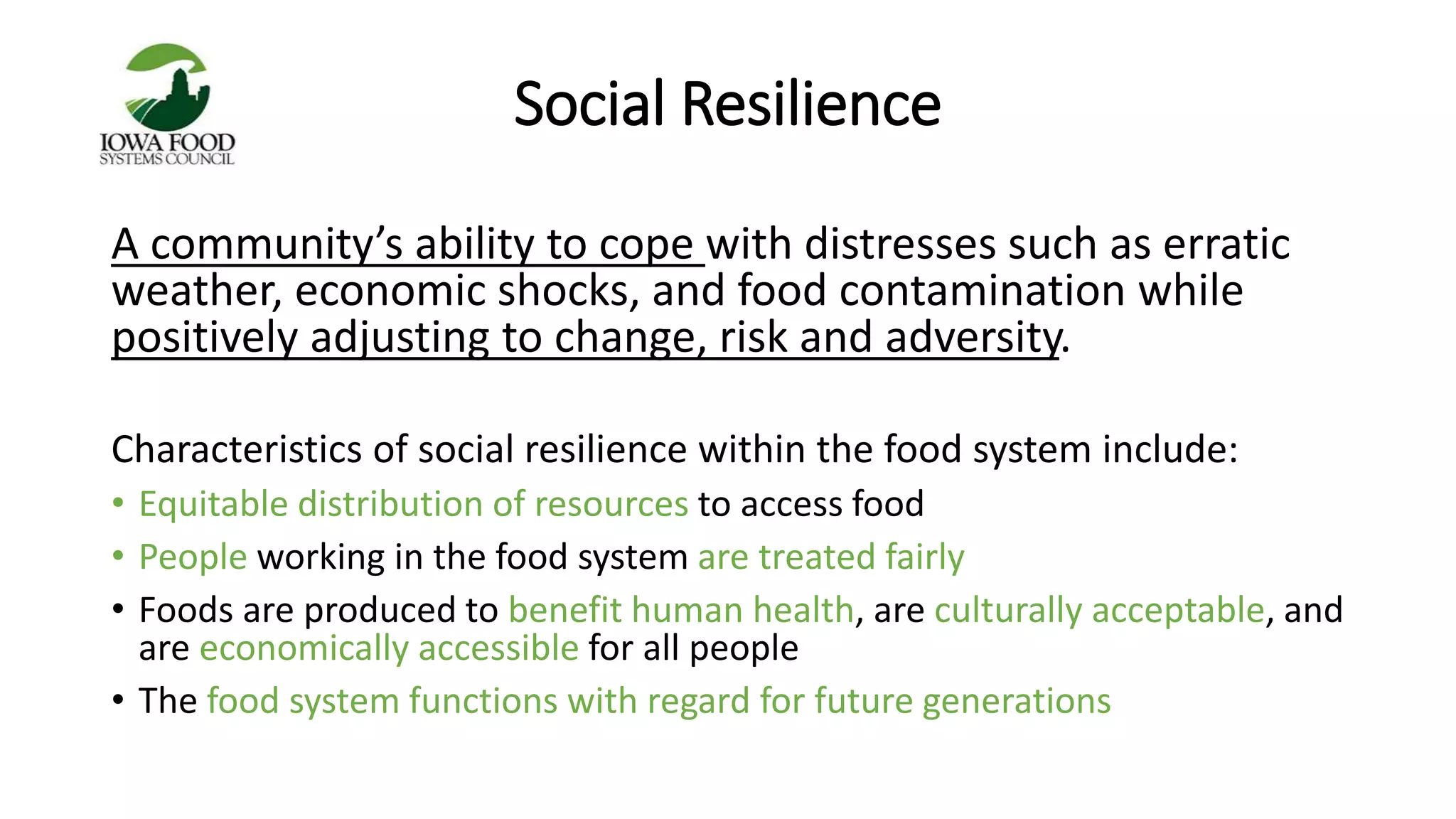
A community’s ability to cope with distresses such as erratic 
weather, economic shocks, and food contamination while 
positively adjusting to change, risk and adversity. 
Characteristics of social resilience within the food system include: 
• Equitable distribution of resources to access food 
• People working in the food system are treated fairly 
• Foods are produced to benefit human health, are culturally acceptable, and 
are economically accessible for all people 
• The food system functions with regard for future generations
LFSWG 
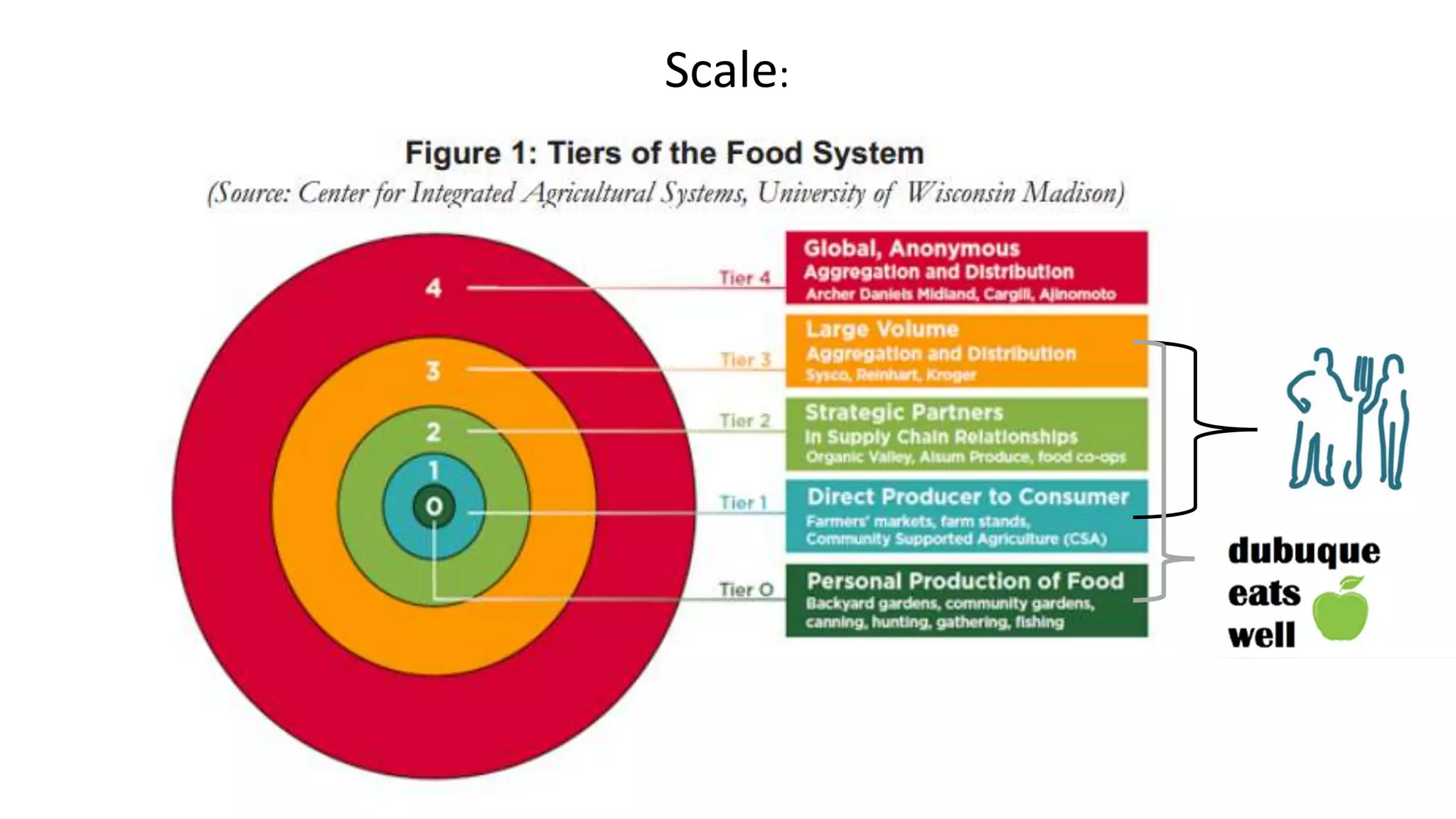
Scale:
How? 
Focus Areas
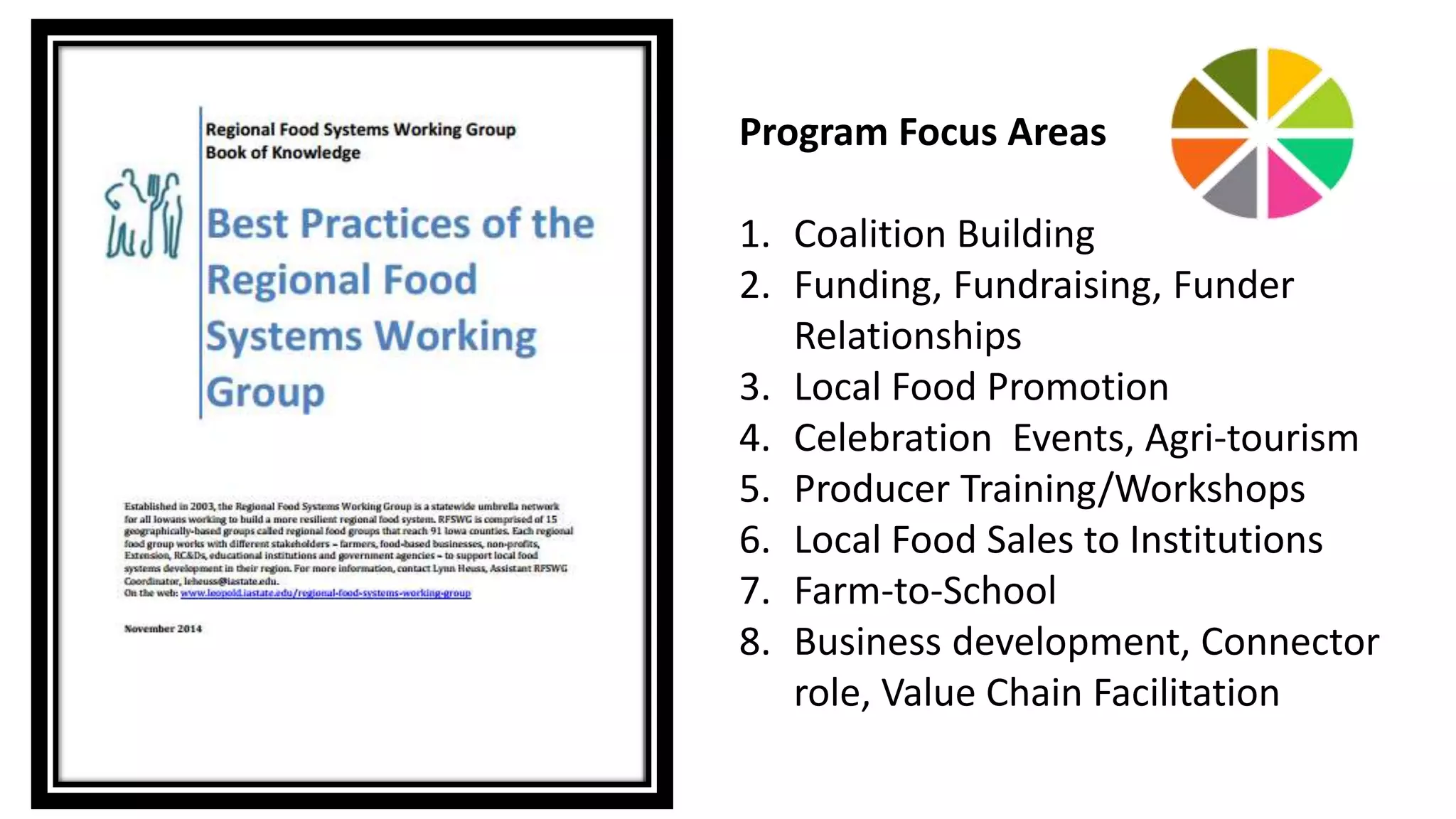
Program Focus Areas 
1. Coalition Building 
2. Funding, Fundraising, Funder 
Relationships 
3. Local Food Promotion 
4. Celebration Events, Agri‐tourism 
5. Producer Training/Workshops 
6. Local Food Sales to Institutions 
7. Farm-to-School 
8. Business development, Connector 
role, Value Chain Facilitation
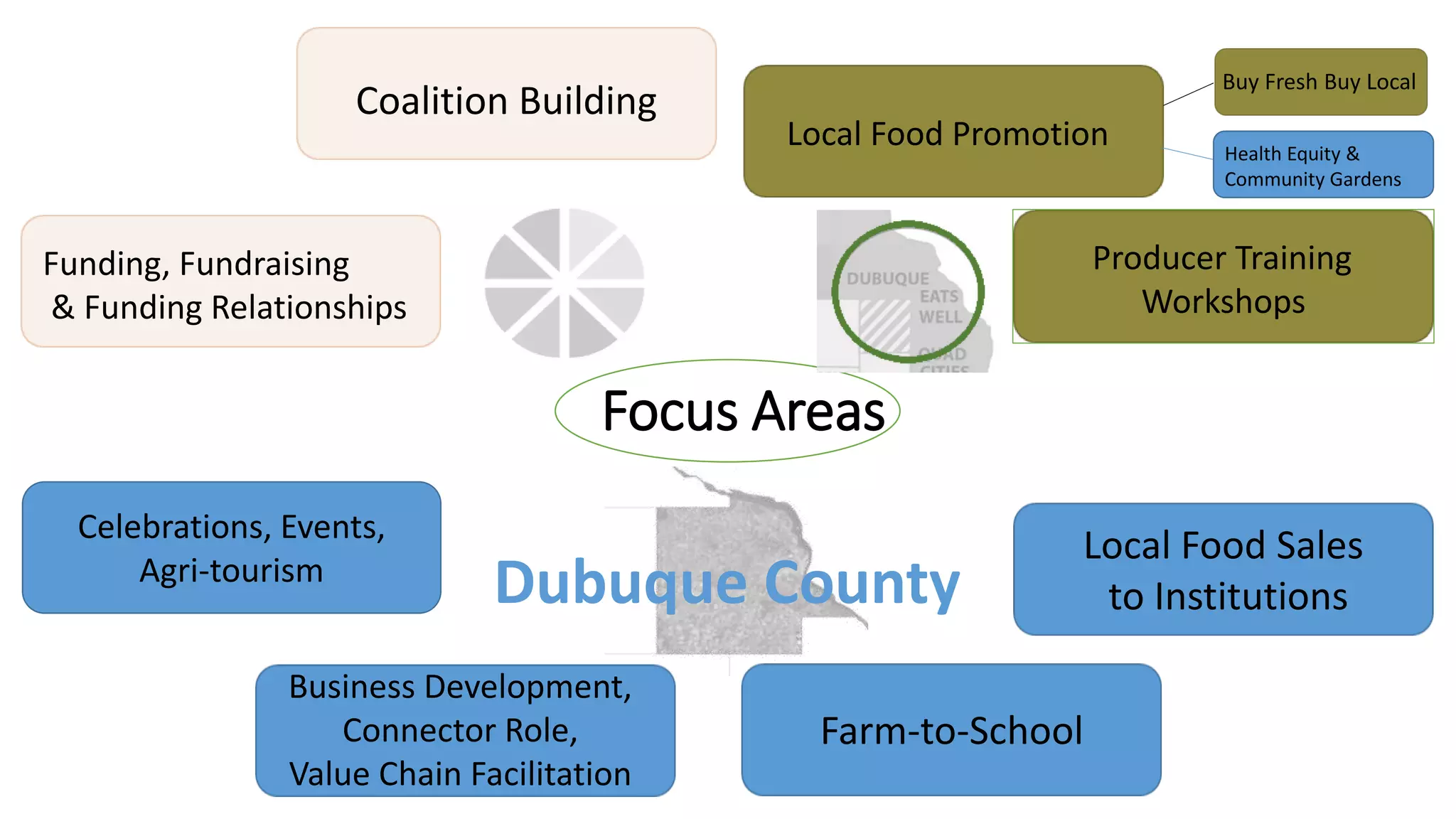
Focus Areas 
Celebrations, Events, 
Agri‐tourism 
Coalition Building 
Funding, Fundraising 
& Funding Relationships 
Local Food Promotion 
Buy Fresh Buy Local 
Producer Training 
Workshops 
Local Food Sales 
to Institutions 
Dubuque County 
Farm-to-School 
Business Development, 
Connector Role, 
Value Chain Facilitation 
Health Equity & 
Community Gardens
•What work have we done in these areas? 
• Where do our current projects fit in? 
• What are some future goals?
1. Coalition Building 
“Creating and managing a coalition brings expertise 
and experience together to implement and monitor 
food system activities”
2. Funding and Funding Relationships 
“Funding support for regional food system activities 
is necessary and a constant challenge to acquire. 
Some important steps regions can take to further 
their plans include developing grant writing skills, 
networking with funders, and creating the best 
pitch for funding support.”
3. Local Food Promotion 
“An early focus in building a regional food system is to 
increase awareness of the impact of local foods on the 
social, economic, environmental, and public health of 
communities. These promotional activities can be in 
the form of simple educational activities, public events, 
fundraisers, presentations, media campaigns and 
more…”
Celebrations, Events, Agritourism 
“Large, high‐exposure events draw a diverse 
audience and also work to connect consumers 
directly with their regional producers. Media 
members often are attracted to these events.”
Producer Trainings, Workshops 
“Producer‐focused regional trainings or workshops 
provide valuable educational opportunities for the 
region’s farmers/growers/producers. These trainings can 
assist producers in growing their operations and 
producing more fresh foods. Training topic areas may 
include business processes, farming techniques, financial 
management and capital building, and food safety 
practices.”
Institutional Sales and Relationships 
“A high‐level outcome of building the local food system is 
making fresh, local foods available and more widely 
accessible. Activities that further this goal include working 
directly with purchasers (such as school food service directors 
or chefs) to coordinate their relationships with producers. 
These business deals are generally at wholesale volume and 
prices. Coordination in several regions has become formally 
organized and incorporated through business entities such as 
food hubs”
Farm-to-school 
“Farm to School programming includes working with school 
leadership to provide seasonal, local foods from local farms, 
classroom presentations with farm field trips, campus 
education on local products, and support for school gardens. 
Many regions are working to teach students about where their 
food comes from, an encourage a greater appreciation and 
appetite for fresh, healthy foods.”
Value-Chain facilitation, Business 
Development 
“…can range from a simple introduction to assistance in 
negotiating price and delivery with the producer and 
purchaser. Buyers may be from restaurants, schools, 
universities, care facilities and hospitals.”

What is the Dubuque Eats Well? Intro to the Local Food Systems Working Group

  • 1.
    What is TheLocal Food Systems Working Group?
  • 2.
    Dubuque Eats Wellis one of 15 regional food groups that make up the Regional Food Systems Working Group
  • 3.
    The Regional FoodSystems Working Group is a statewide umbrella network for all Iowans working to build a more resilient regional food system
  • 4.
    RFSWG Mission Toconduct research, support education, and facilitate partnerships to increase investment & support of community-based, economically sustainable, and environmentally and socially responsible food enterprises.
  • 5.
  • 6.
    What is aResilient Regional Food System?
  • 7.
    Three Resiliency factors: • Economic • Ecological • Social
  • 8.
    Economic Resilience EmphasizesIngenuity & Resourcefulness
  • 9.
    Economic Resilience Theinherent and adaptive responses to disasters that enable Iowans, farms and communities to avoid potential financial losses. • All sectors of the food system adequately support livelihoods of families • Food system activities contribute to local and regional economic development • Equity: No one entity holds a disproportionate share of economic control over food production, transformation, distribution, access or consumption
  • 10.
  • 11.
    Ecological Resilience Thecapacity for natural resource renewal in a dynamic environment providing an ecological buffer that protects food systems from failing to mitigate problems. Practices that support ecological resilience include: • Inputs are used in ways that conserve, regenerate or enhance natural resources (i.e., soil, water, air); • Genetic biodiversity is preserved • Renewable energy sources are used • Wastes are limited and recycled.
  • 12.
  • 13.
    Social Resilience Acommunity’s ability to cope with distresses such as erratic weather, economic shocks, and food contamination while positively adjusting to change, risk and adversity. Characteristics of social resilience within the food system include: • Equitable distribution of resources to access food • People working in the food system are treated fairly • Foods are produced to benefit human health, are culturally acceptable, and are economically accessible for all people • The food system functions with regard for future generations
  • 16.
  • 17.
  • 18.
    Program Focus Areas 1. Coalition Building 2. Funding, Fundraising, Funder Relationships 3. Local Food Promotion 4. Celebration Events, Agri‐tourism 5. Producer Training/Workshops 6. Local Food Sales to Institutions 7. Farm-to-School 8. Business development, Connector role, Value Chain Facilitation
  • 19.
    Focus Areas Celebrations,Events, Agri‐tourism Coalition Building Funding, Fundraising & Funding Relationships Local Food Promotion Buy Fresh Buy Local Producer Training Workshops Local Food Sales to Institutions Dubuque County Farm-to-School Business Development, Connector Role, Value Chain Facilitation Health Equity & Community Gardens
  • 20.
    •What work havewe done in these areas? • Where do our current projects fit in? • What are some future goals?
  • 21.
    1. Coalition Building “Creating and managing a coalition brings expertise and experience together to implement and monitor food system activities”
  • 22.
    2. Funding andFunding Relationships “Funding support for regional food system activities is necessary and a constant challenge to acquire. Some important steps regions can take to further their plans include developing grant writing skills, networking with funders, and creating the best pitch for funding support.”
  • 23.
    3. Local FoodPromotion “An early focus in building a regional food system is to increase awareness of the impact of local foods on the social, economic, environmental, and public health of communities. These promotional activities can be in the form of simple educational activities, public events, fundraisers, presentations, media campaigns and more…”
  • 24.
    Celebrations, Events, Agritourism “Large, high‐exposure events draw a diverse audience and also work to connect consumers directly with their regional producers. Media members often are attracted to these events.”
  • 25.
    Producer Trainings, Workshops “Producer‐focused regional trainings or workshops provide valuable educational opportunities for the region’s farmers/growers/producers. These trainings can assist producers in growing their operations and producing more fresh foods. Training topic areas may include business processes, farming techniques, financial management and capital building, and food safety practices.”
  • 26.
    Institutional Sales andRelationships “A high‐level outcome of building the local food system is making fresh, local foods available and more widely accessible. Activities that further this goal include working directly with purchasers (such as school food service directors or chefs) to coordinate their relationships with producers. These business deals are generally at wholesale volume and prices. Coordination in several regions has become formally organized and incorporated through business entities such as food hubs”
  • 27.
    Farm-to-school “Farm toSchool programming includes working with school leadership to provide seasonal, local foods from local farms, classroom presentations with farm field trips, campus education on local products, and support for school gardens. Many regions are working to teach students about where their food comes from, an encourage a greater appreciation and appetite for fresh, healthy foods.”
  • 28.
    Value-Chain facilitation, Business Development “…can range from a simple introduction to assistance in negotiating price and delivery with the producer and purchaser. Buyers may be from restaurants, schools, universities, care facilities and hospitals.”