Hi Everyone! 
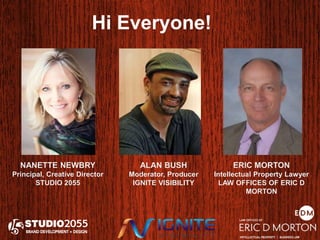
NANETTE NEWBRY 
Principal, Creative Director 
STUDIO 2055 
ALAN BUSH 
Moderator, Producer 
IGNITE VISIBILITY 
ERIC MORTON 
Intellectual Property Lawyer 
LAW OFFICES OF ERIC D 
MORTON
WE THOUGHT 
YOU WOULDN’T 
NOTICE 
TRADEMARKS AND COPYRIGHTS 
How To Protect Your Brand 
From Intellectual Property 
Infringement
BRAND/IDENTITY USE 
ONLINE 
• Websites, landing pages, videos, blogs, white 
papers, social media, press releases, banner ads 
OFFLINE 
• Collateral material, packaging, trade shows, 
environmental graphics, products, advertising, 
billboards, giveaways
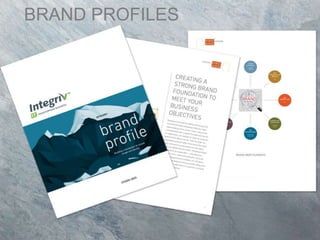
BRAND PROFILES
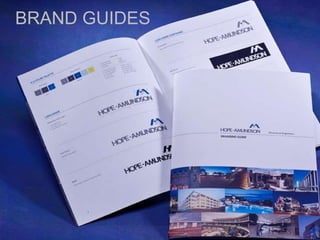
BRAND GUIDES
BRAND IDENTIIES 
AND TAGLINES
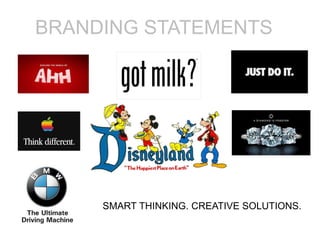
BRANDING STATEMENTS 
SMART THINKING. CREATIVE SOLUTIONS.
ERIC MORTON 
Intellectual Property Lawyer 
Business Lawyer 
Law Offices of Eric D. Morton
WHY INTELLECTUAL PROPERTY LAW IS 
IMPORTANT TO SMALL BUSINESS? 
All businesses have websites 
– Broadcasting to the world 
– 2 billion people use the Internet 
All business owners must be concerned about the 
legal issues around their websites.
IMPACT OF INTERNET ON LAW 
Copyright and Trademark Infringement and 
Defamation Laws all apply to cyberspace 
Powerful interests reacted strongly to the Internet: 
• Trademark Dilution Act of 1995 
• Digital Millennium Copyright Act of 1998 
• Copyright Term Extension Act of 1998 
• Napster cases
INCREASED LIKELIHOOD 
OF TROUBLE 
Sophisticated copyright and trademark 
enforcement technology 
Enhanced penalties for infringement
QUICK OVERVIEW 
OF TRADEMARK LAW 
ā€œA trademark includes any word, name, 
symbol, or device, or any combination, used, 
or intended to be used, in commerce to 
identify and distinguish the goods of one 
manufacturer or seller from goods 
manufactured or sold by others, and to 
indicate the source of the goods. In short, a 
trademark is a brand name.ā€
BRAND OWNERS’ TRADEMARK RIGHTS 
1. Common Law - valid in market 
– Acquired through use 
2. Local – presumed to be only valid user in county 
– Fictitious Business Name Statements 
– For names in use 
3. State – presumed to be only valid user in state 
– Registration with the Secretary of State 
– Must be in use 
4. Federal – presumed to be only valid user in U.S. 
– Registration with U.S. Patent and Trademark Office 
– Must be in use
1. BE QUIET! 
You do not have a right to your ideas. 
Your ā€œfriendsā€ and colleagues will steal 
your ideas 
If you need to share your idea with someone, 
get a non-disclosure agreement (NDA).
2. RESEARCH 
SEARCH THE WEB 
Check companies in the same industries 
Think! 
BE CREATIVE 
• Work with a professional and conduct surveys 
on appeal
3. CREATE 
BE ORIGINAL 
– Work with a professional 
– Avoid the generic or descriptive 
BE DECISIVE 
SECURE YOUR RIGHTS 
– ā€œWork for hireā€ contracts
4. TRADEMARK SEARCH 
OBTAIN FROM SEARCH COMPANY 
• Searches all databases 
• May be done before creation of logo/name 
• Comprehensive TM search will prevent 
claim of ā€œBad Faith Infringementā€
5. FILE TRADEMARK APPLICATION 
If not yet using mark, file ā€œIntent to Useā€ 
application 
• Filed with U.S. Patent and Trademark 
Office 
• Applicant has genuine intent to use mark 
in commerce 
• Can be filed as long as two years before 
registration
6. USE 
BE CONSISTENT 
• Do not significantly change mark or its use 
• Use Ā® symbol 
USE MARK CONTINUOUSLY 
• Can lose rights through non-use 
MAINTAIN REGISTRATIONS 
KEEP AN I.P. PORTFOLIO
WHAT IS A COPYRIGHT? 
A copyright is exactly what the name suggests, it 
is the exclusive right to make and distribute 
copies of an original work. 
– Copyright protect extends to software, art, 
photographs, written materials and many 
other works that express ideas.
WHO OWNS A COPYRIGHT? 
• The creator of an original work owns the copyright to that 
work. An employer owns the copyrights of original works 
under the ā€œwork for hireā€ or ā€œmade for hireā€ rule. Independent 
contractors do not fall under the work for hire rule. 
Furthermore, even employees might contest the work for hire 
assumption. 
• Derivative works (works based on an original work) are owned 
by the owner of the original work or are an infringement of the 
copyright of the original work.
HOW TO PROTECT? 
Copyrights are protected by notice and registration. The 
following steps should be taken to protect copyrights. 
1. Always place a copyright notice on any work owned: 
Copyright 2014, WXYZ, Inc. 
• Not legally necessary, but it gives persons immediate notice of 
the ownership of the work and gives grounds for greater 
damages for willful infringement (DMCA). 
2. Registration
REGISTRATION 
The U.S. Copyright Office makes the process of registering copyrights 
easy. To apply for registration one needs to give the U.S. Copyright 
Office three things 1) a completed application, 2) a deposit of the work 
to be registered, and 3) the filing fee. One can apply for a copyright 
one of two ways, electronically or by mail. 
The registration of copyrights is important for two reasons. 
First, registration gives public notice of ownership of a work. 
Second, (and most importantly) the only way to enforce a 
copyright is after registration.
AVOID INFRINGEMENT 
• Everything on website should be owned or licensed 
by website owner 
• If owner did not create content, then owner should 
have a ā€œwork for hireā€ contract with everyone who did 
(e.g. website developer) 
• If content is not owned, then owner needs a license 
to use (e.g. stock photographs) 
• Question everything
QUESTIONS?
RECAP
RESOURCES 
• The United States Patent and Trademark Office 
http://www.uspto.gov/ 
• Studio 2055’s blog 
http://studio2055.com/designwise/ 
• Law Office’s of Eric D Morton’s blog: 
http://www.ericmortonlaw.com/mm_latest.html 
• White Paper 
http://newscred.com/theacademy/learn/licensed-content- 
guide 
• White Papers/ Case Studies: 
http://www.brandprotect.com/online-brand-protection-resources. 
html
CONTACT US 
NANETTE NEWBRY, STUDIO 2055 
760.729.8205 
Web: studio2055.com | Blog: studio2055.com/designwise 
Join: Twitter, Facebook, Pinterest, Google+ and LinkedIn 
ERIC MORTON, LAW OFFICES OF ERIC D. MORTON 
760.722.6582 
Web: ericmortonlaw.com| Email: info@ericmortonlaw.com 
Join: Twitter, Facebook, Linkedin 
ALAN BUSH, IGNITE VISIBILITY 
619.752.1940 
Web: ignitevisibility.com| Email: alan@ignitevisibility.com 
Join: Twitter, Facebook, Linkedin
THANK YOU!

We-Thought-You-Wouldn't-Notice-Webinar

  • 2.
    Hi Everyone! NANETTENEWBRY Principal, Creative Director STUDIO 2055 ALAN BUSH Moderator, Producer IGNITE VISIBILITY ERIC MORTON Intellectual Property Lawyer LAW OFFICES OF ERIC D MORTON
  • 3.
    WE THOUGHT YOUWOULDN’T NOTICE TRADEMARKS AND COPYRIGHTS How To Protect Your Brand From Intellectual Property Infringement
  • 4.
    BRAND/IDENTITY USE ONLINE • Websites, landing pages, videos, blogs, white papers, social media, press releases, banner ads OFFLINE • Collateral material, packaging, trade shows, environmental graphics, products, advertising, billboards, giveaways
  • 5.
  • 6.
  • 7.
  • 8.
    BRANDING STATEMENTS SMARTTHINKING. CREATIVE SOLUTIONS.
  • 9.
    ERIC MORTON IntellectualProperty Lawyer Business Lawyer Law Offices of Eric D. Morton
  • 10.
    WHY INTELLECTUAL PROPERTYLAW IS IMPORTANT TO SMALL BUSINESS? All businesses have websites – Broadcasting to the world – 2 billion people use the Internet All business owners must be concerned about the legal issues around their websites.
  • 11.
    IMPACT OF INTERNETON LAW Copyright and Trademark Infringement and Defamation Laws all apply to cyberspace Powerful interests reacted strongly to the Internet: • Trademark Dilution Act of 1995 • Digital Millennium Copyright Act of 1998 • Copyright Term Extension Act of 1998 • Napster cases
  • 12.
    INCREASED LIKELIHOOD OFTROUBLE Sophisticated copyright and trademark enforcement technology Enhanced penalties for infringement
  • 13.
    QUICK OVERVIEW OFTRADEMARK LAW ā€œA trademark includes any word, name, symbol, or device, or any combination, used, or intended to be used, in commerce to identify and distinguish the goods of one manufacturer or seller from goods manufactured or sold by others, and to indicate the source of the goods. In short, a trademark is a brand name.ā€
  • 14.
    BRAND OWNERS’ TRADEMARKRIGHTS 1. Common Law - valid in market – Acquired through use 2. Local – presumed to be only valid user in county – Fictitious Business Name Statements – For names in use 3. State – presumed to be only valid user in state – Registration with the Secretary of State – Must be in use 4. Federal – presumed to be only valid user in U.S. – Registration with U.S. Patent and Trademark Office – Must be in use
  • 15.
    1. BE QUIET! You do not have a right to your ideas. Your ā€œfriendsā€ and colleagues will steal your ideas If you need to share your idea with someone, get a non-disclosure agreement (NDA).
  • 16.
    2. RESEARCH SEARCHTHE WEB Check companies in the same industries Think! BE CREATIVE • Work with a professional and conduct surveys on appeal
  • 17.
    3. CREATE BEORIGINAL – Work with a professional – Avoid the generic or descriptive BE DECISIVE SECURE YOUR RIGHTS – ā€œWork for hireā€ contracts
  • 18.
    4. TRADEMARK SEARCH OBTAIN FROM SEARCH COMPANY • Searches all databases • May be done before creation of logo/name • Comprehensive TM search will prevent claim of ā€œBad Faith Infringementā€
  • 19.
    5. FILE TRADEMARKAPPLICATION If not yet using mark, file ā€œIntent to Useā€ application • Filed with U.S. Patent and Trademark Office • Applicant has genuine intent to use mark in commerce • Can be filed as long as two years before registration
  • 20.
    6. USE BECONSISTENT • Do not significantly change mark or its use • Use Ā® symbol USE MARK CONTINUOUSLY • Can lose rights through non-use MAINTAIN REGISTRATIONS KEEP AN I.P. PORTFOLIO
  • 21.
    WHAT IS ACOPYRIGHT? A copyright is exactly what the name suggests, it is the exclusive right to make and distribute copies of an original work. – Copyright protect extends to software, art, photographs, written materials and many other works that express ideas.
  • 22.
    WHO OWNS ACOPYRIGHT? • The creator of an original work owns the copyright to that work. An employer owns the copyrights of original works under the ā€œwork for hireā€ or ā€œmade for hireā€ rule. Independent contractors do not fall under the work for hire rule. Furthermore, even employees might contest the work for hire assumption. • Derivative works (works based on an original work) are owned by the owner of the original work or are an infringement of the copyright of the original work.
  • 23.
    HOW TO PROTECT? Copyrights are protected by notice and registration. The following steps should be taken to protect copyrights. 1. Always place a copyright notice on any work owned: Copyright 2014, WXYZ, Inc. • Not legally necessary, but it gives persons immediate notice of the ownership of the work and gives grounds for greater damages for willful infringement (DMCA). 2. Registration
  • 24.
    REGISTRATION The U.S.Copyright Office makes the process of registering copyrights easy. To apply for registration one needs to give the U.S. Copyright Office three things 1) a completed application, 2) a deposit of the work to be registered, and 3) the filing fee. One can apply for a copyright one of two ways, electronically or by mail. The registration of copyrights is important for two reasons. First, registration gives public notice of ownership of a work. Second, (and most importantly) the only way to enforce a copyright is after registration.
  • 25.
    AVOID INFRINGEMENT •Everything on website should be owned or licensed by website owner • If owner did not create content, then owner should have a ā€œwork for hireā€ contract with everyone who did (e.g. website developer) • If content is not owned, then owner needs a license to use (e.g. stock photographs) • Question everything
  • 26.
  • 27.
  • 28.
    RESOURCES • TheUnited States Patent and Trademark Office http://www.uspto.gov/ • Studio 2055’s blog http://studio2055.com/designwise/ • Law Office’s of Eric D Morton’s blog: http://www.ericmortonlaw.com/mm_latest.html • White Paper http://newscred.com/theacademy/learn/licensed-content- guide • White Papers/ Case Studies: http://www.brandprotect.com/online-brand-protection-resources. html
  • 29.
    CONTACT US NANETTENEWBRY, STUDIO 2055 760.729.8205 Web: studio2055.com | Blog: studio2055.com/designwise Join: Twitter, Facebook, Pinterest, Google+ and LinkedIn ERIC MORTON, LAW OFFICES OF ERIC D. MORTON 760.722.6582 Web: ericmortonlaw.com| Email: info@ericmortonlaw.com Join: Twitter, Facebook, Linkedin ALAN BUSH, IGNITE VISIBILITY 619.752.1940 Web: ignitevisibility.com| Email: alan@ignitevisibility.com Join: Twitter, Facebook, Linkedin
  • 30.

Editor's Notes

  • #17Ā  ----- Meeting Notes (12/2/14 10:47) ----- Talk about how we release the rights to the logo, typography, taglines
  • #23Ā Important note: Always have employees and contractors sign work for hire agreements. Do not include them in employee handbooks but in a separate contract or separate clause of an employment contract, or a separate clause of a contractor’s agreement. Talk about the Andy Wahol piece