Download to read offline


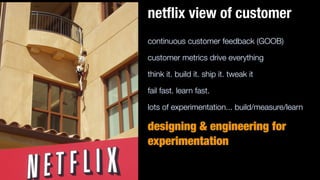





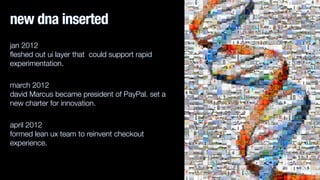
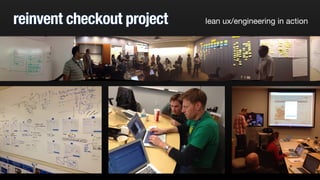
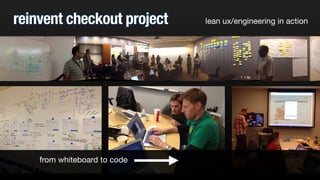
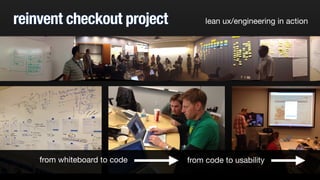
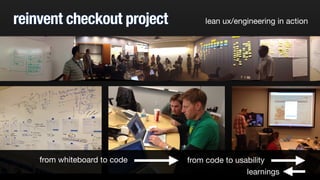
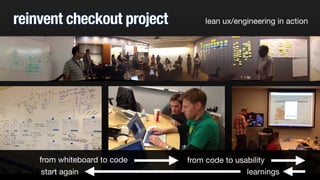
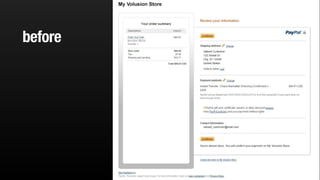


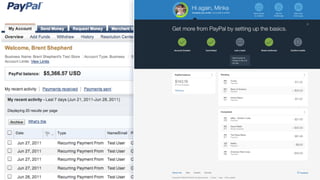


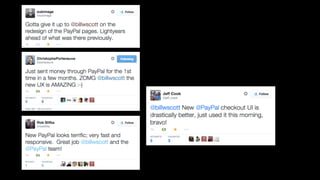
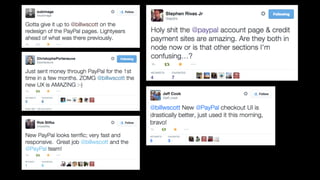
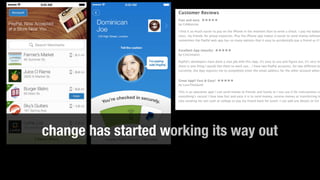

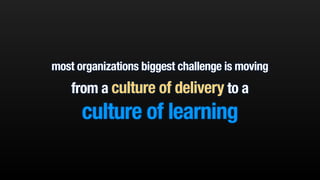
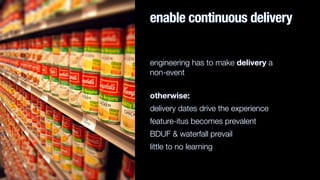

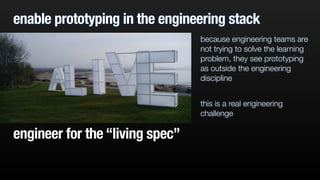
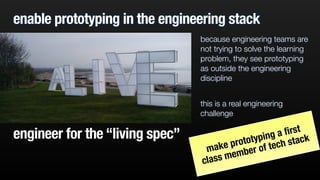
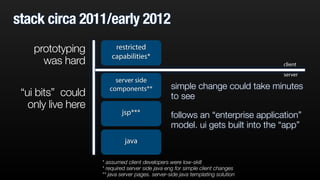
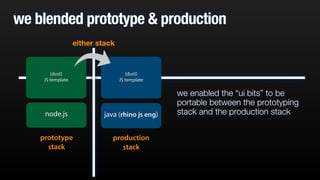
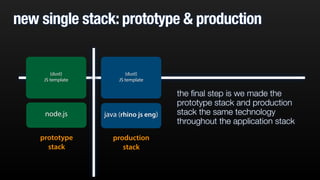
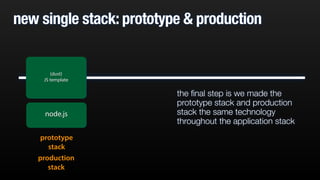
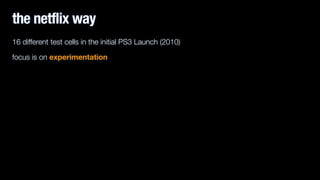
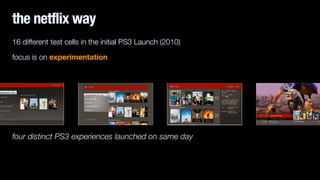

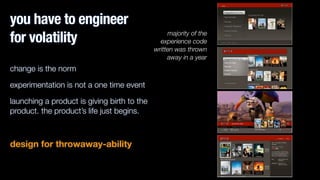
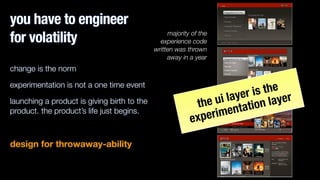

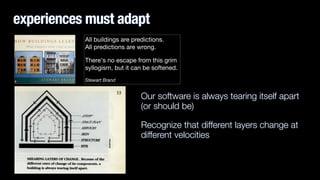
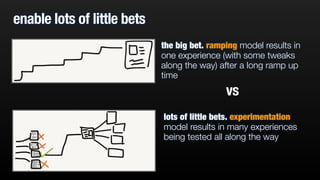



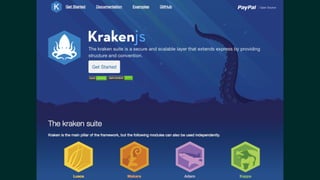
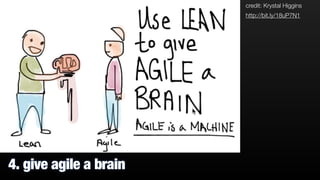
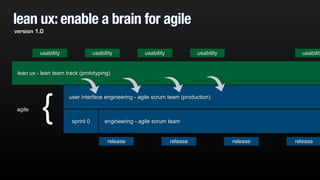
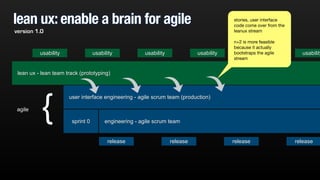

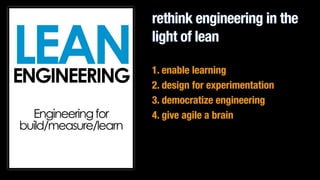


The document discusses how PayPal transitioned to a "lean engineering" model between 2011-2014 to better support rapid experimentation and continuous learning. It outlines four key principles of lean engineering: 1) Enable continuous learning through frequent delivery and prototyping. 2) Design for experimentation and frequent changes. 3) Democratize innovation by keeping teams small and using open source tools. 4) Use lean UX processes to give structure and feedback to agile development, treating users as the "brain" of engineering efforts. The document provides examples of how PayPal implemented these principles through techniques like continuous delivery, same-stack prototyping, open source development, and integrating lean UX processes with agile.


![[Tech talk] “The Future of Product Development” by Jean-Michel Lemieux, Vice ...](https://cdn.slidesharecdn.com/ss_thumbnails/vietnamaugust-futureofproductengineering-140814215142-phpapp01-thumbnail.jpg?width=640&height=640&fit=bounds)


![谷歌留痕技术 [ 𝙩𝙤𝙥 𝟮𝟯𝟯. 𝙘 𝙤𝙢 ]](https://cdn.slidesharecdn.com/ss_thumbnails/top233-260130174328-3833018c-thumbnail.jpg?width=640&height=640&fit=bounds)


