Watercolor and Ink 
Glenn Hirsch, Instructor
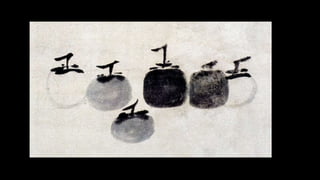
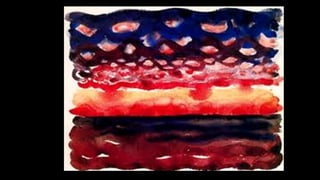
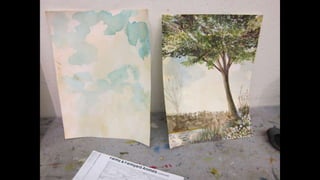
Learn to control the value of the ink by diluting it with water first – 
start with very light tones and only use dark at the end
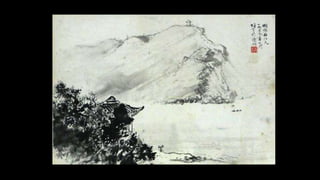
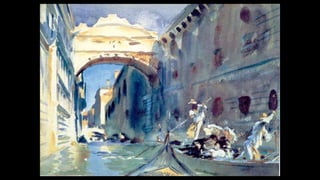
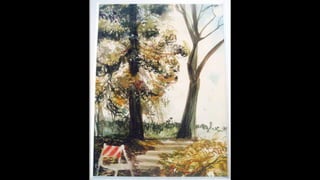
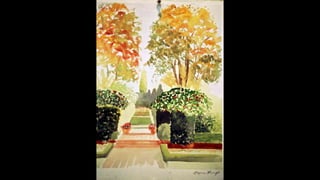
In a landscape, light tones recede and dark tones come forward
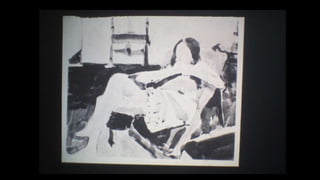
Shading with the brush on a line drawing after it’s dry

Try drawing lines with the brush too, you can achieve some beautiful 
line
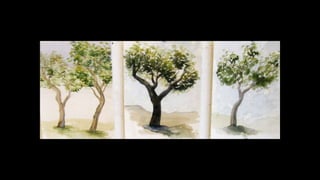
Claude Lorraine, ink study, 1630
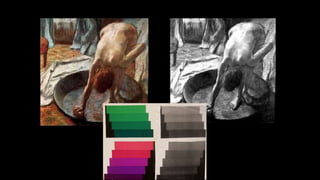
“value’ = the black-and-white 
of the color
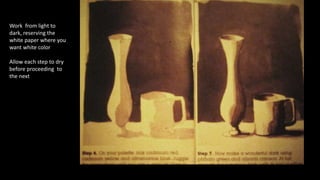
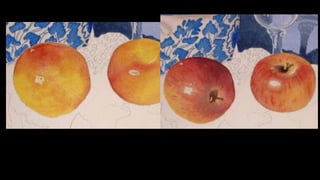
Work from light to 
dark, reserving the 
white paper where you 
want white color 
Allow each step to dry 
before proceeding to 
the next
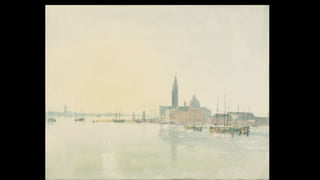
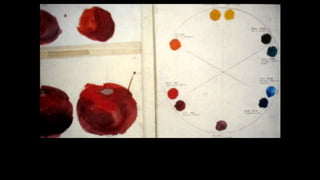
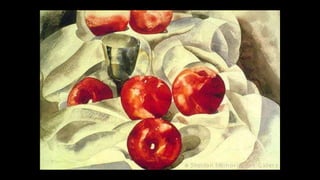
Since color is “relative,” we use warm and cool versions of each color to 
enhance the feeling of “light”
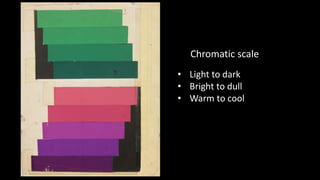
Chromatic scale 
• Light to dark 
• Bright to dull 
• Warm to cool
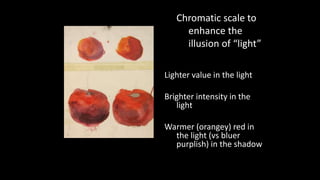
Chromatic scale to 
enhance the 
illusion of “light” 
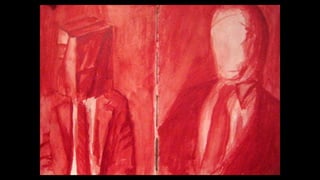
Lighter value in the light 
Brighter intensity in the 
light 
Warmer (orangey) red in 
the light (vs bluer 
purplish) in the shadow
Watercolor and Ink
Watercolor and Ink
Watercolor and Ink
Watercolor and Ink
Watercolor and Ink
Watercolor and Ink
Watercolor and Ink
Watercolor and Ink
Watercolor and Ink
Watercolor and Ink
Watercolor and Ink
Watercolor and Ink
Watercolor and Ink
Watercolor and Ink
Watercolor and Ink

Watercolor and Ink

  • 1.
    Watercolor and Ink Glenn Hirsch, Instructor
  • 2.
    Learn to controlthe value of the ink by diluting it with water first – start with very light tones and only use dark at the end
  • 3.
    In a landscape,light tones recede and dark tones come forward
  • 6.
    Shading with thebrush on a line drawing after it’s dry
  • 9.
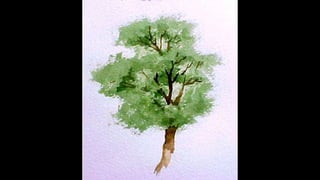
    Try drawing lineswith the brush too, you can achieve some beautiful line
  • 10.
  • 14.
    “value’ = theblack-and-white of the color
  • 19.
    Work from lightto dark, reserving the white paper where you want white color Allow each step to dry before proceeding to the next
  • 27.
    Since color is“relative,” we use warm and cool versions of each color to enhance the feeling of “light”
  • 28.
    Chromatic scale •Light to dark • Bright to dull • Warm to cool
  • 29.
    Chromatic scale to enhance the illusion of “light” Lighter value in the light Brighter intensity in the light Warmer (orangey) red in the light (vs bluer purplish) in the shadow