Downloaded 3,087 times
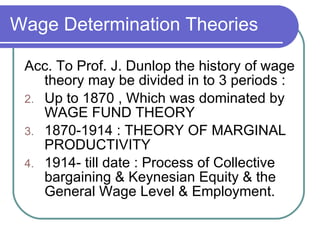
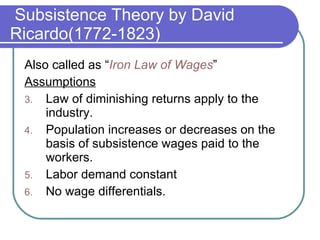
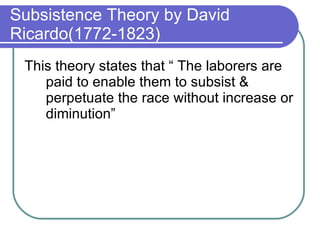
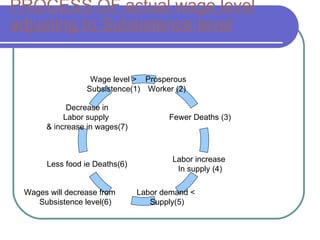
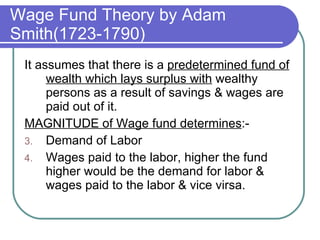
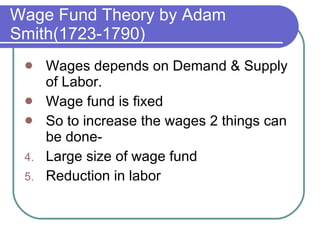



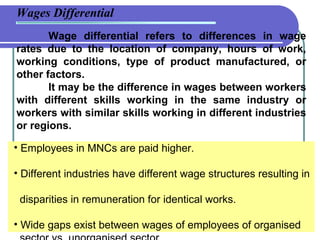
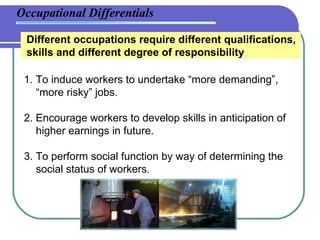
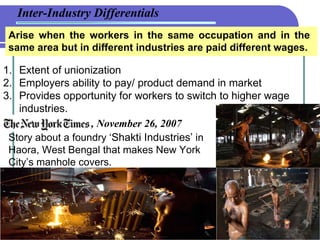
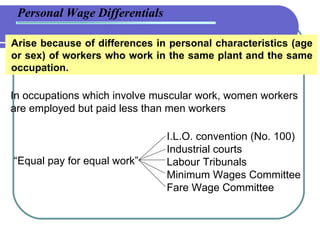




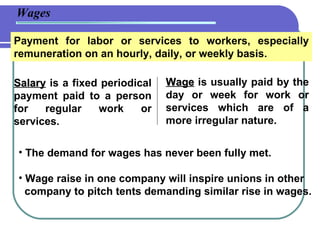

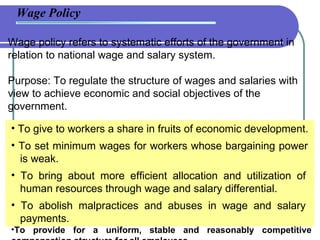
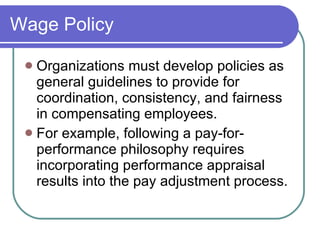
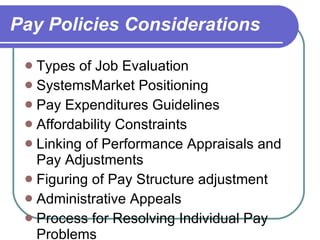
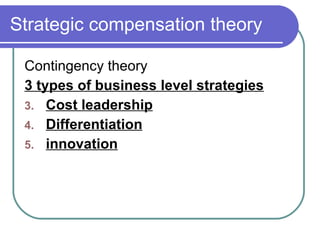
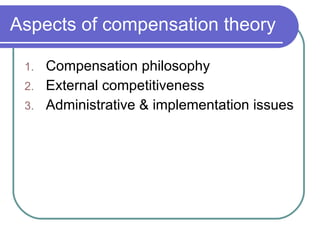
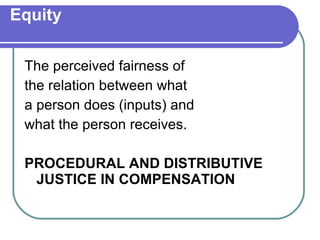
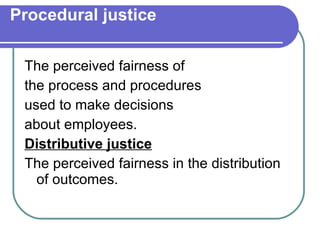
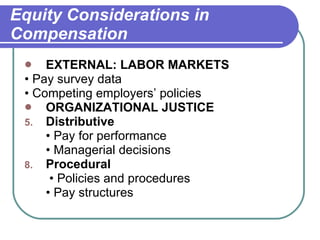
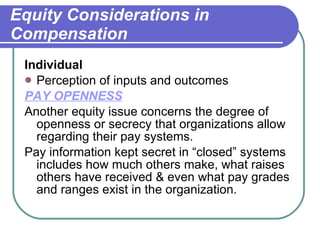
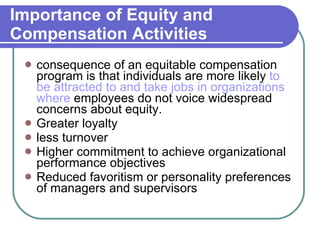

The document discusses various economic and behavioral theories of wages, including: 1) Early wage theories included the wage fund theory (1870-1914) and marginal productivity theory (1914-present), which involve wages being determined by demand and supply of labor. 2) Behavioral theories of motivation include equity theory, expectancy theory, and agency theory, which examine how motivation and wages can align employer and employee goals. 3) Wage differentials refer to differences in pay based on skills, industries, occupations, sectors, regions, and personal characteristics, and aim to incentivize workers.


