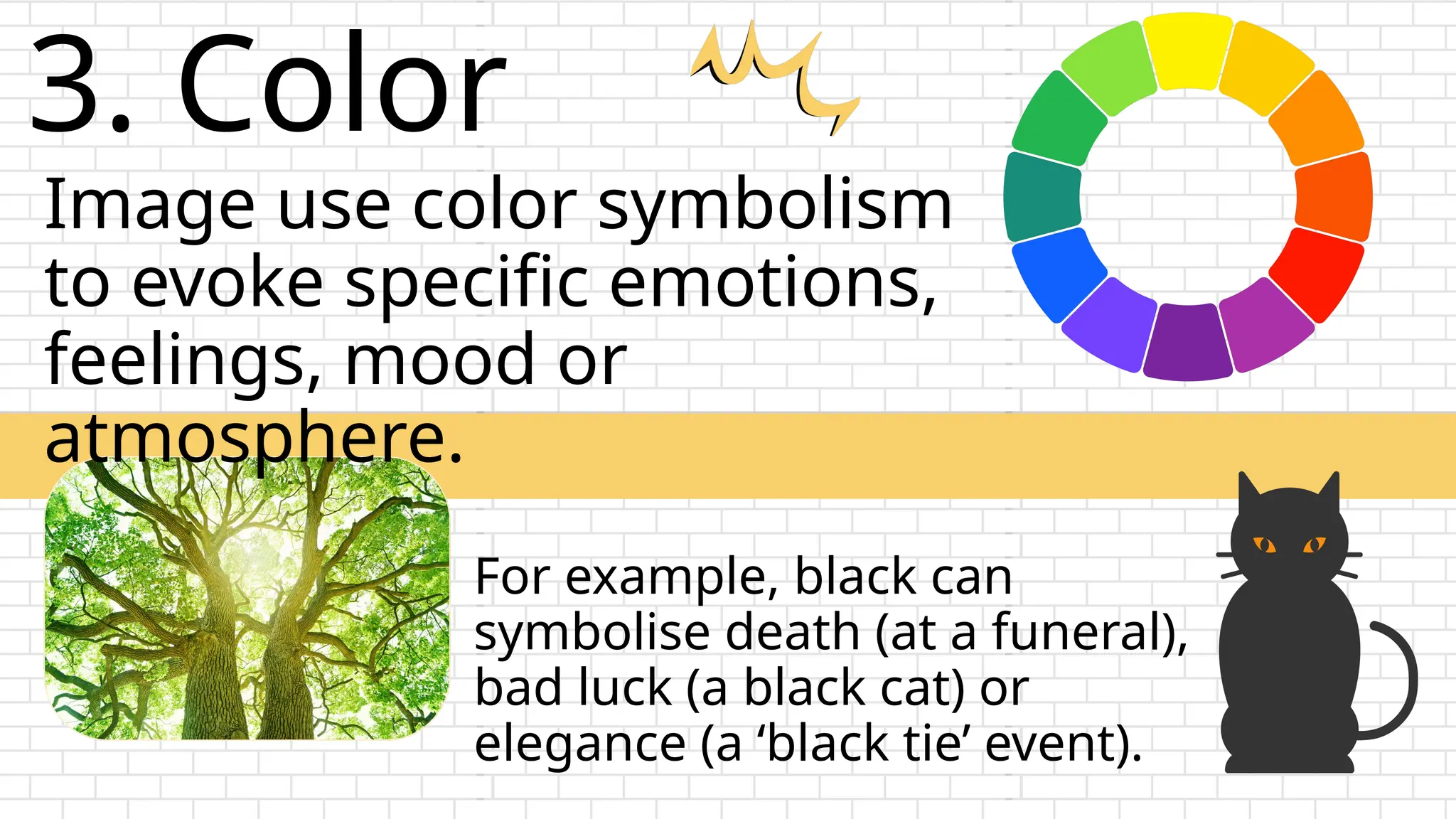
For example, blackcan
symbolise death (at a funeral),
bad luck (a black cat) or
elegance (a ‘black tie’ event).
3. Color
Image use color symbolism
to evoke specific emotions,
feelings, mood or
atmosphere.
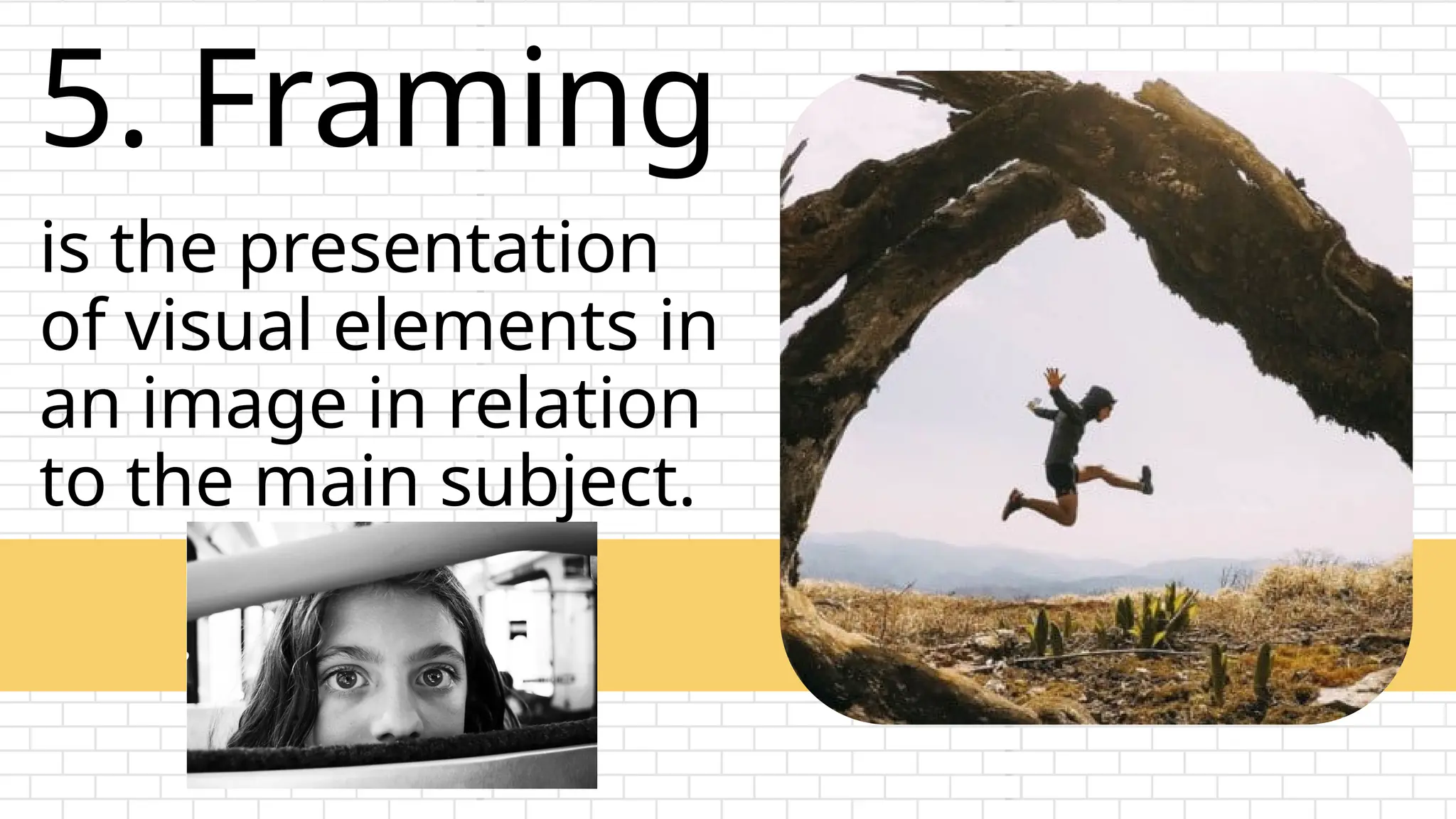
5. Framing
is thepresentation
of visual elements in
an image in relation
to the main subject.
13.
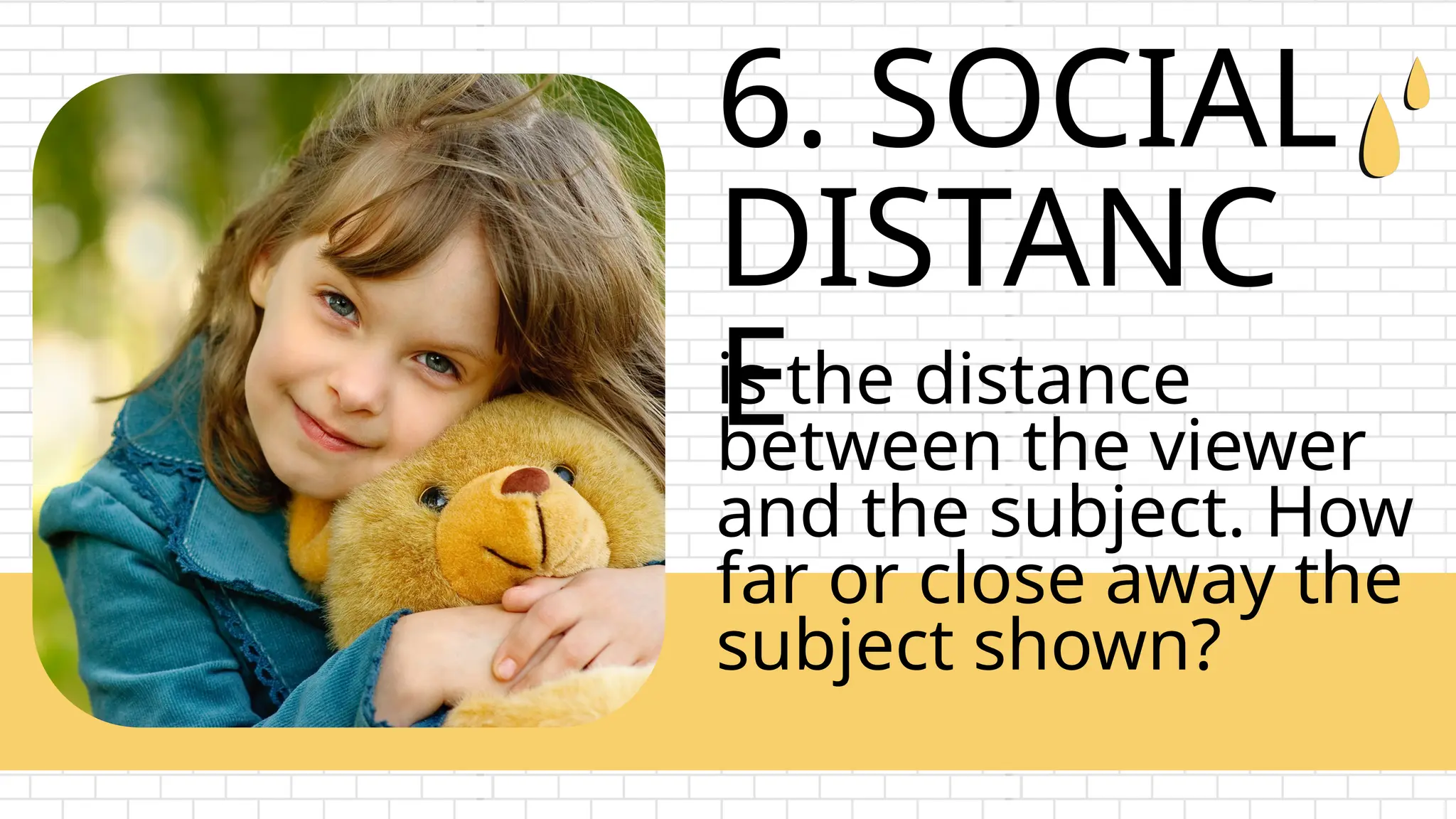
6. SOCIAL
DISTANC
E
is thedistance
between the viewer
and the subject. How
far or close away the
subject shown?
14.
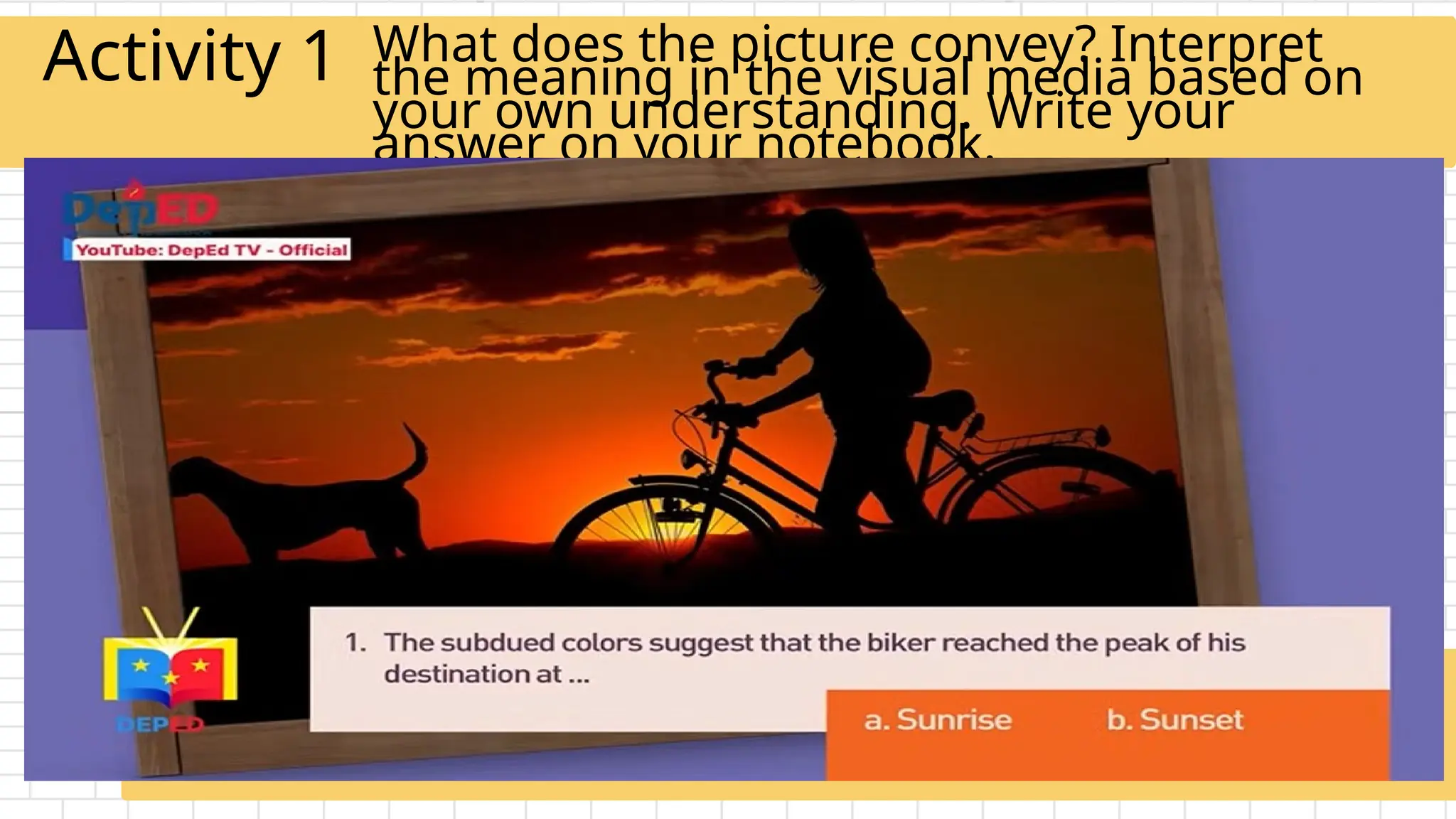
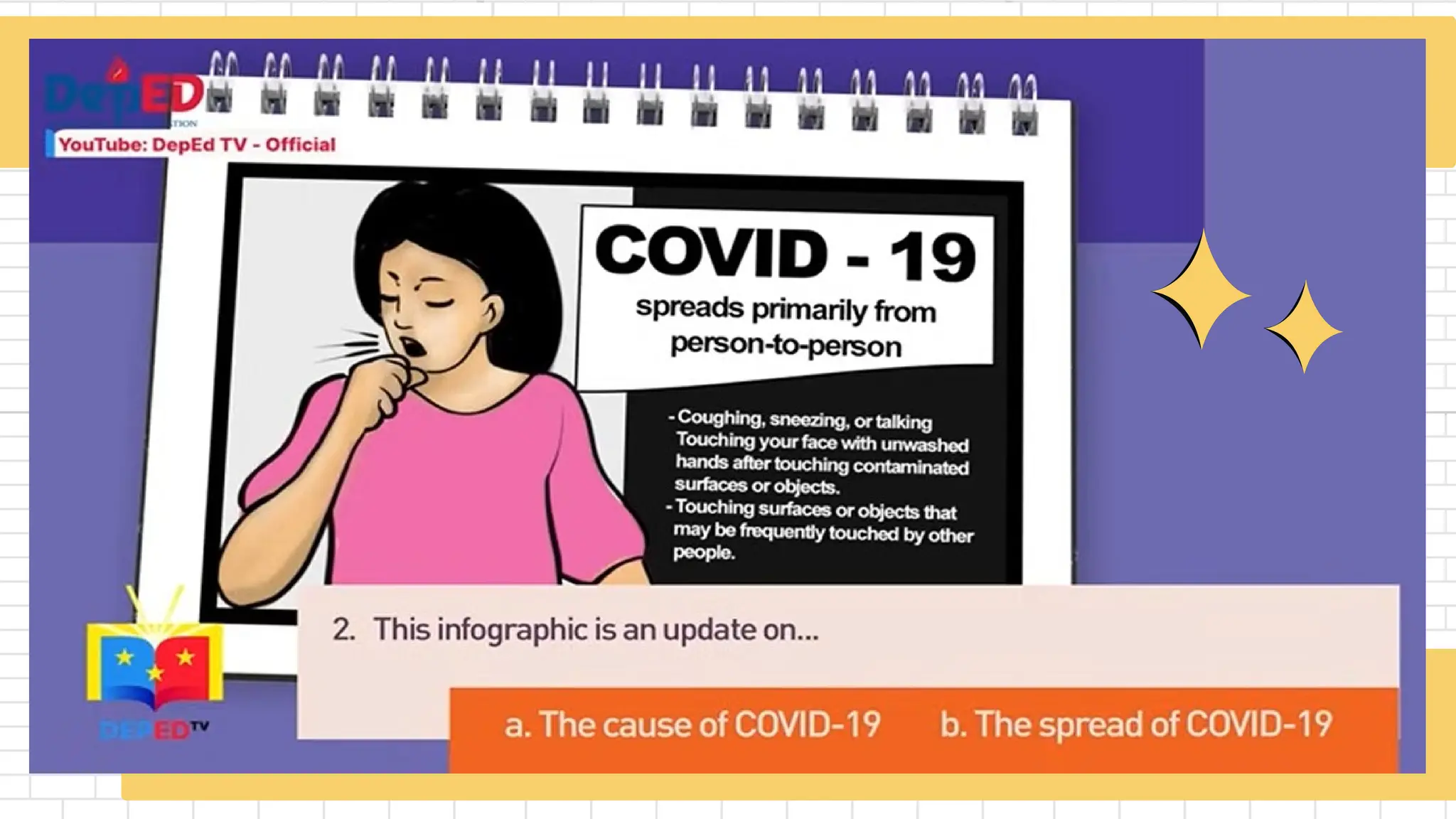
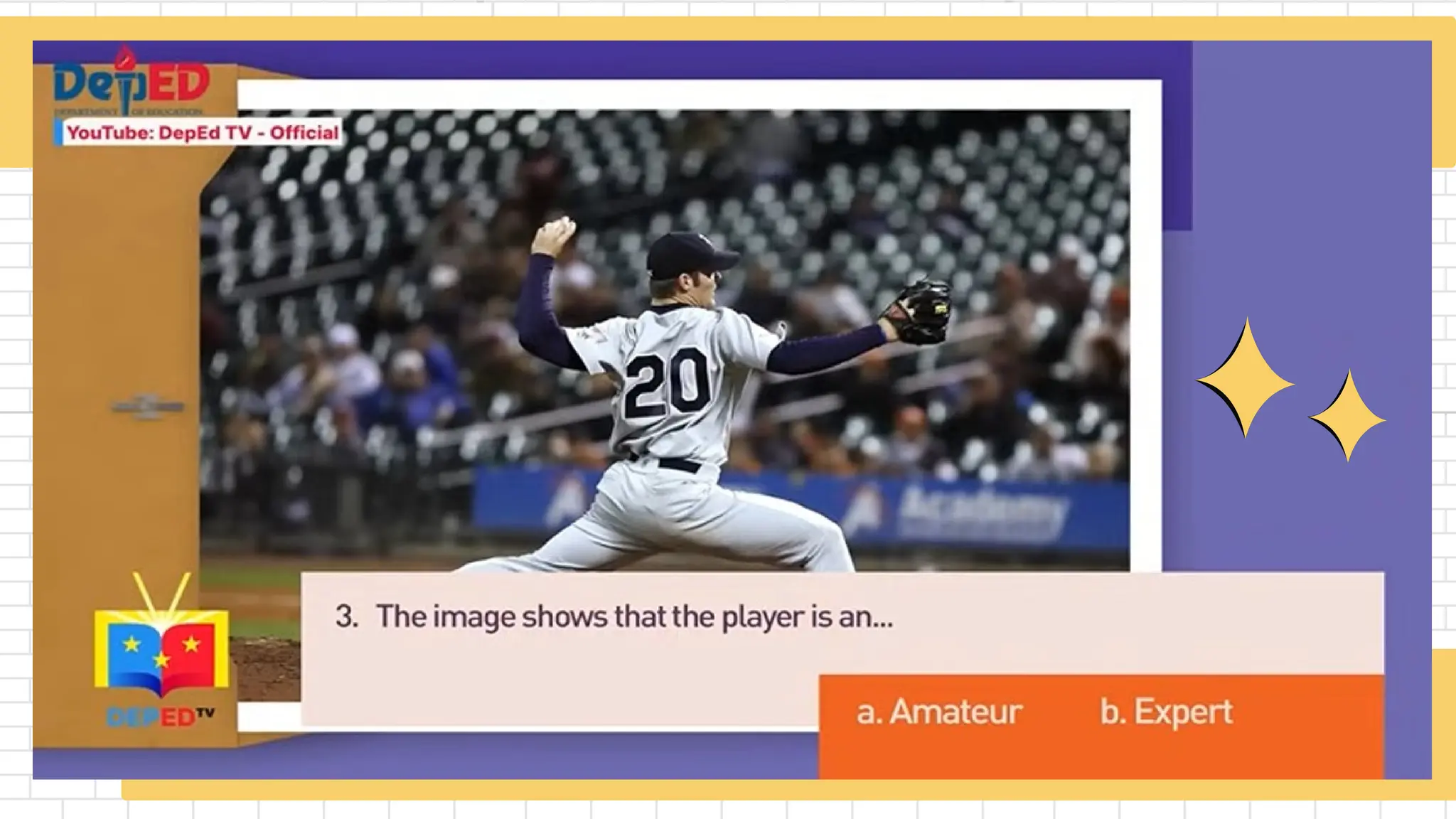
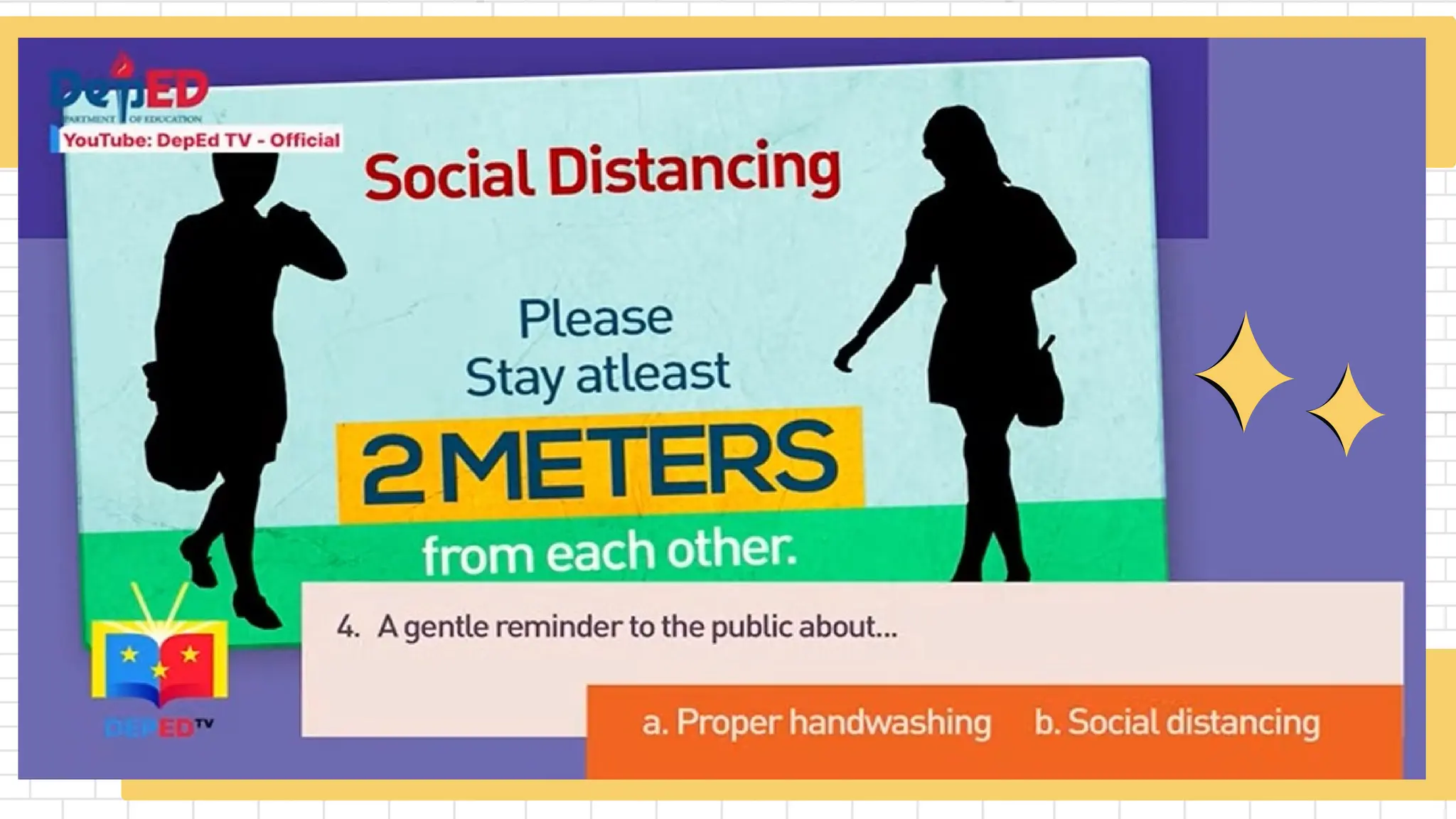
What does thepicture convey? Interpret
the meaning in the visual media based on
your own understanding. Write your
answer on your notebook.
Activity 1
19.
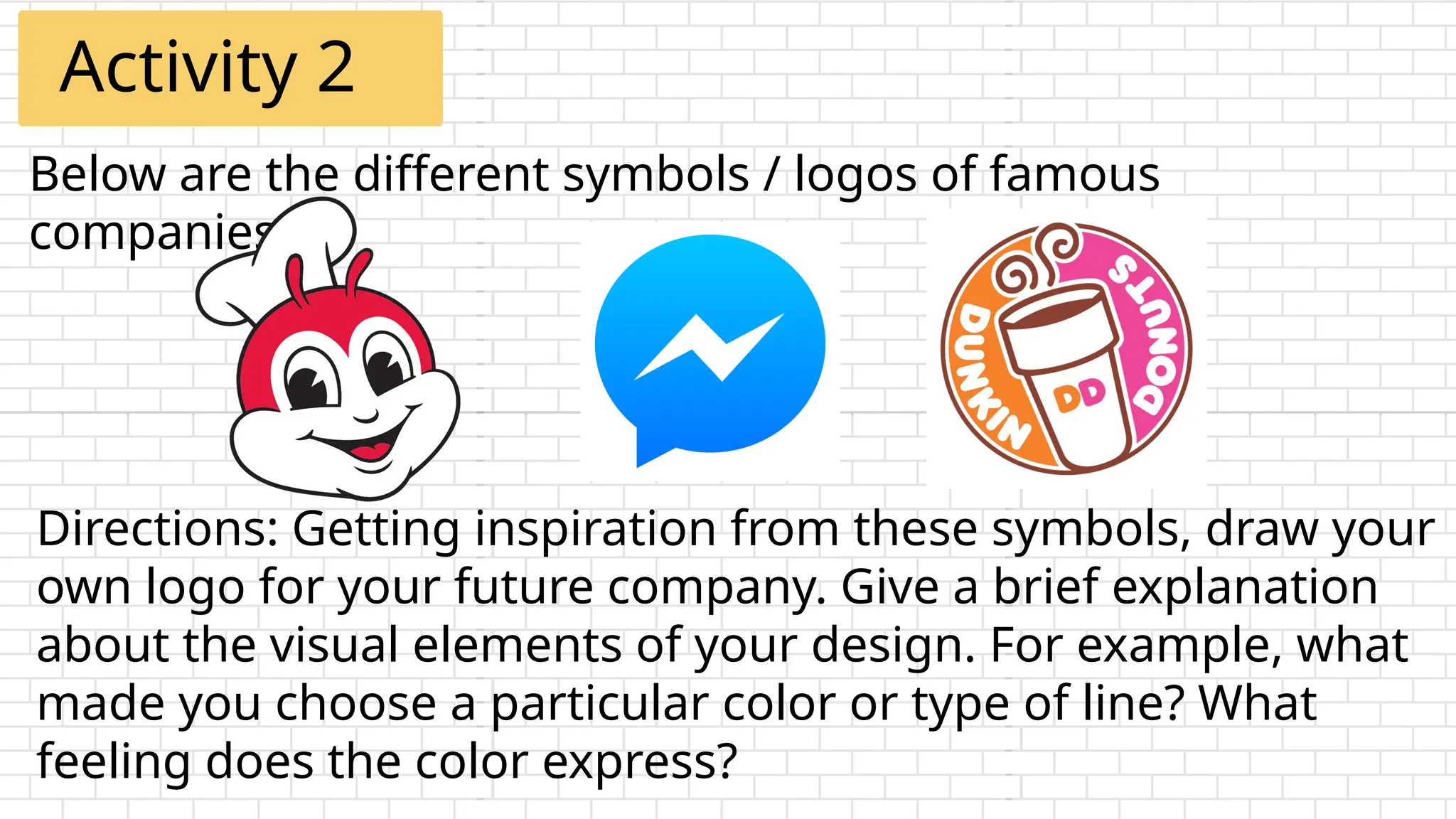
Below are thedifferent symbols / logos of famous
companies.
Activity 2
Directions: Getting inspiration from these symbols, draw your
own logo for your future company. Give a brief explanation
about the visual elements of your design. For example, what
made you choose a particular color or type of line? What
feeling does the color express?
20.
Assignment in English6:
In a short bond paper, draw
a symbol/logo that
represents you. To be
submitted tomorrow.
22.
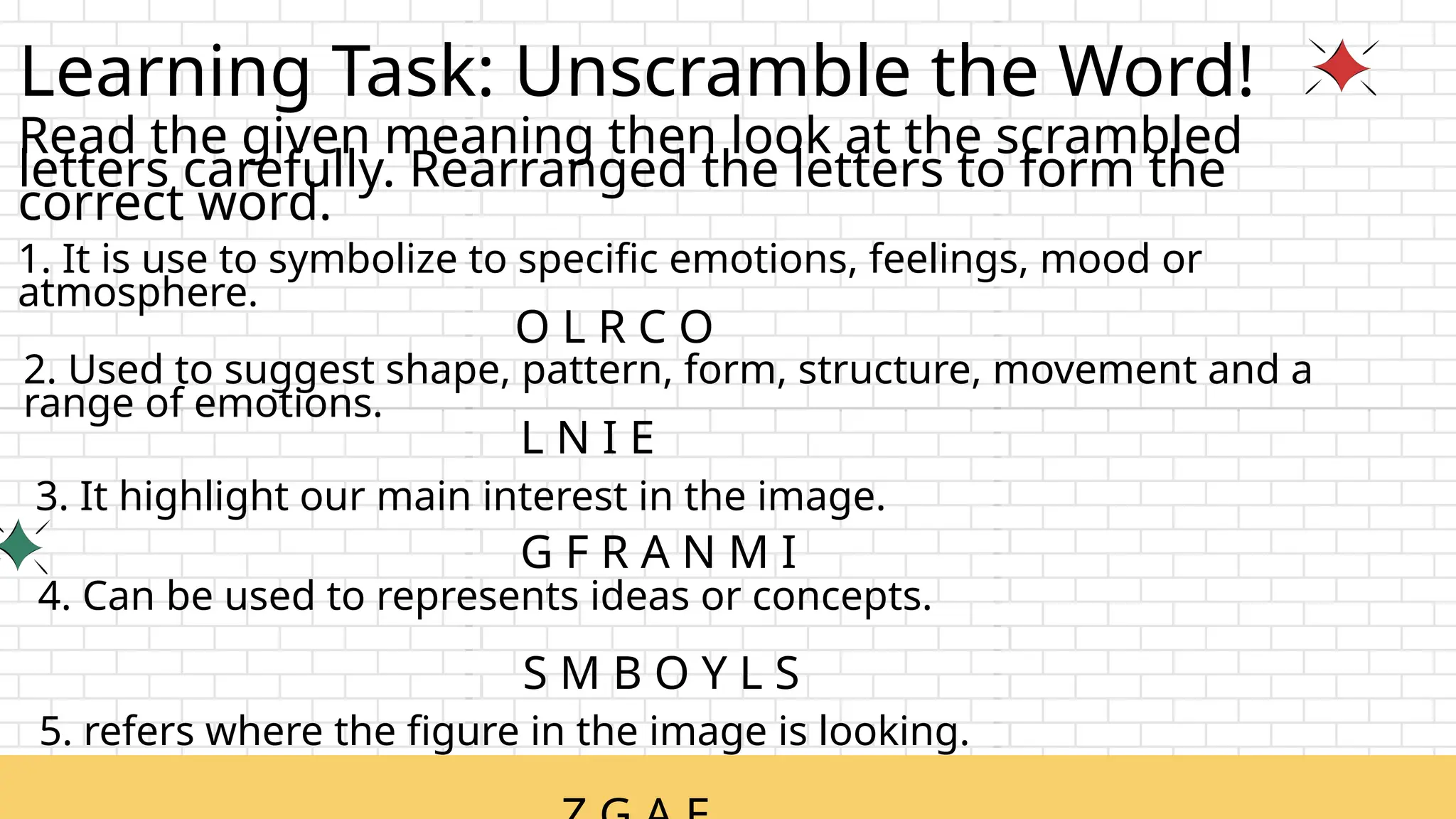
Learning Task: Unscramblethe Word!
Read the given meaning then look at the scrambled
letters carefully. Rearranged the letters to form the
correct word.
1. It is use to symbolize to specific emotions, feelings, mood or
atmosphere.
O L R C O
2. Used to suggest shape, pattern, form, structure, movement and a
range of emotions.
L N I E
4. Can be used to represents ideas or concepts.
G F R A N M I
3. It highlight our main interest in the image.
S M B O Y L S
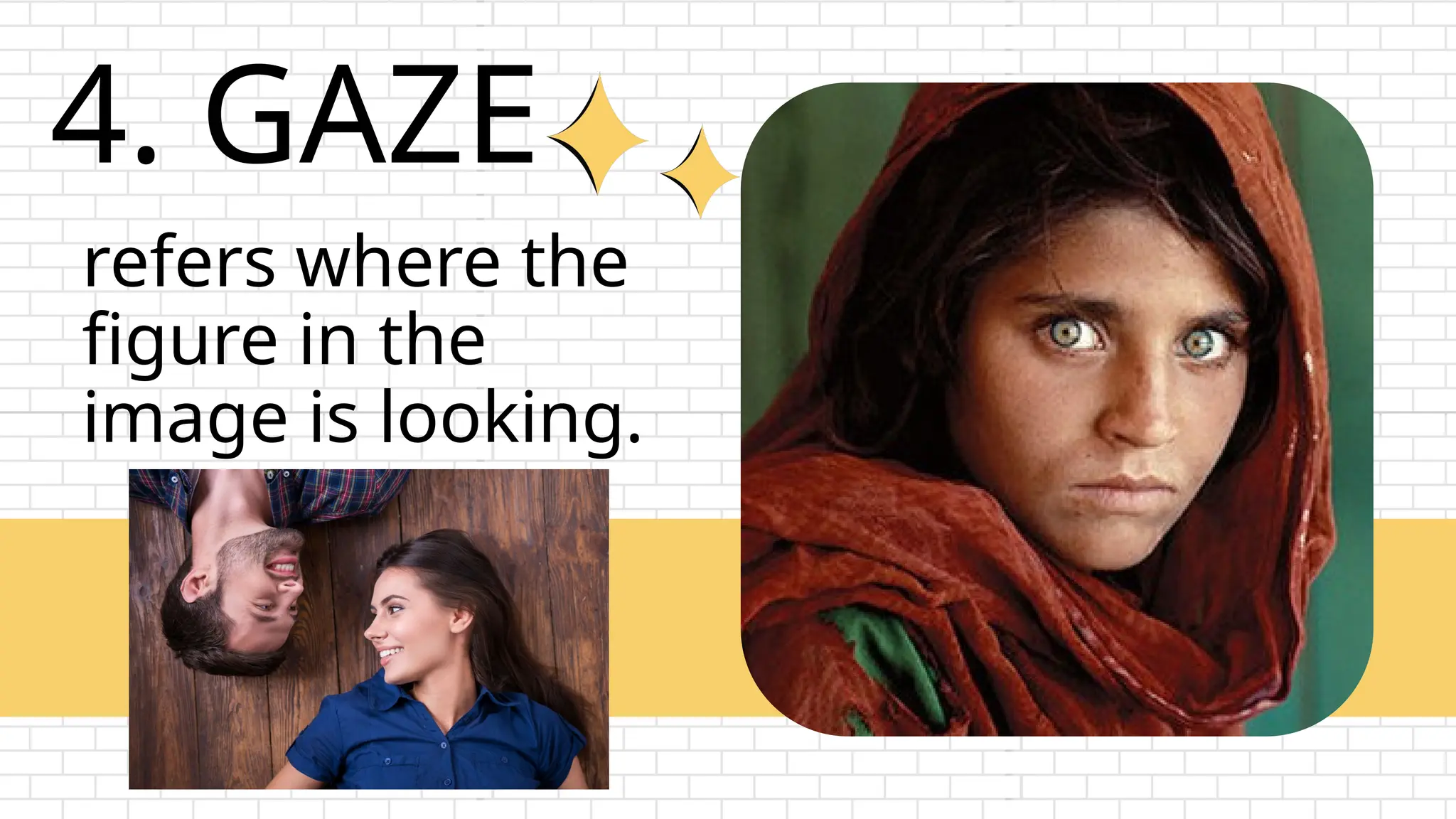
5. refers where the figure in the image is looking.
23.
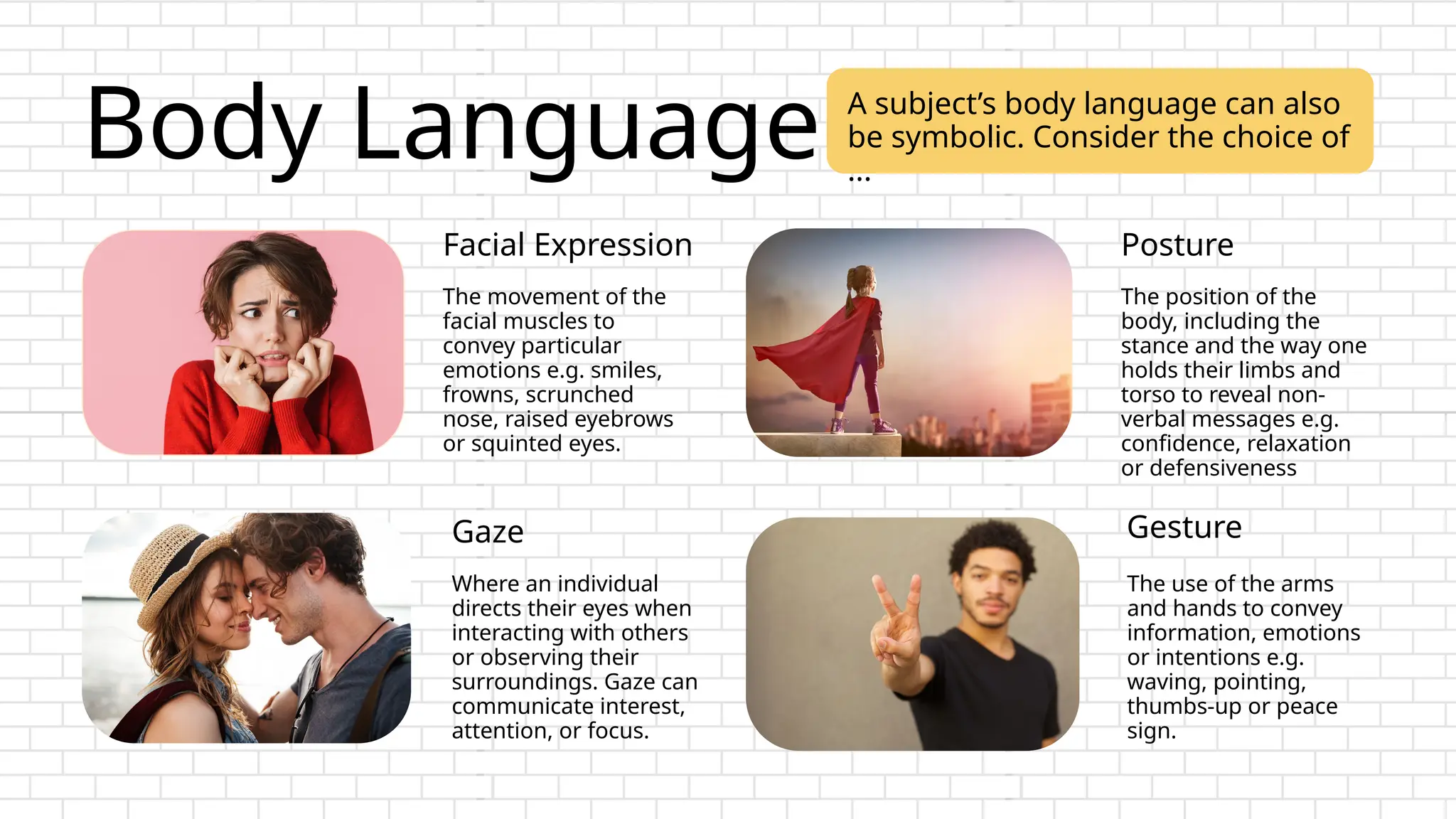
Body Language
The movementof the
facial muscles to
convey particular
emotions e.g. smiles,
frowns, scrunched
nose, raised eyebrows
or squinted eyes.
The use of the arms
and hands to convey
information, emotions
or intentions e.g.
waving, pointing,
thumbs-up or peace
sign.
The position of the
body, including the
stance and the way one
holds their limbs and
torso to reveal non-
verbal messages e.g.
confidence, relaxation
or defensiveness
Where an individual
directs their eyes when
interacting with others
or observing their
surroundings. Gaze can
communicate interest,
attention, or focus.
Facial Expression
Gesture
Posture
Gaze
A subject’s body language can also
be symbolic. Consider the choice of
...
24.
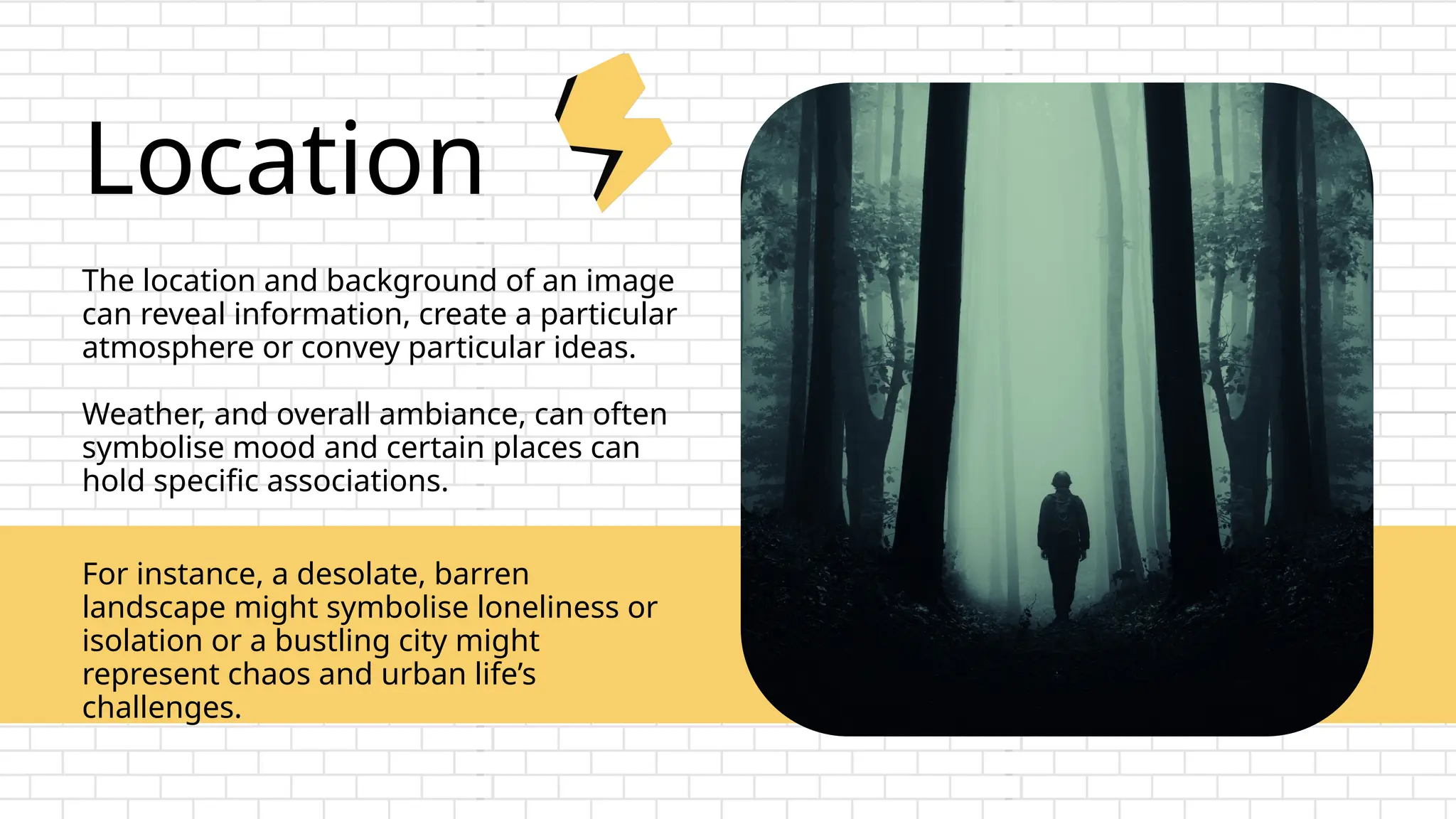
Location
The location andbackground of an image
can reveal information, create a particular
atmosphere or convey particular ideas.
Weather, and overall ambiance, can often
symbolise mood and certain places can
hold specific associations.
For instance, a desolate, barren
landscape might symbolise loneliness or
isolation or a bustling city might
represent chaos and urban life’s
challenges.
25.
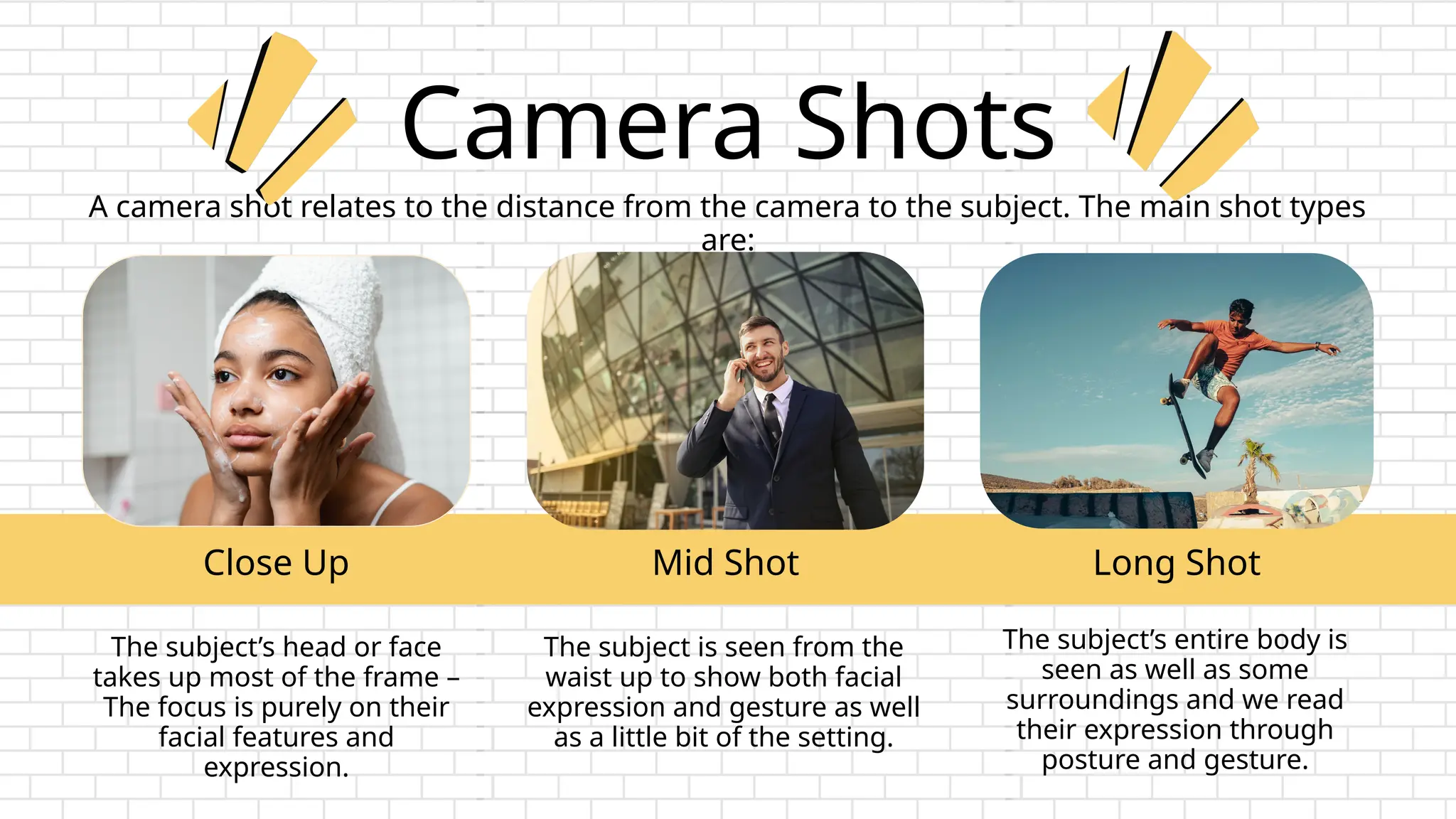
Camera Shots
Close UpLong Shot
A camera shot relates to the distance from the camera to the subject. The main shot types
are:
The subject’s head or face
takes up most of the frame –
The focus is purely on their
facial features and
expression.
The subject is seen from the
waist up to show both facial
expression and gesture as well
as a little bit of the setting.
The subject’s entire body is
seen as well as some
surroundings and we read
their expression through
posture and gesture.
Mid Shot
Editor's Notes
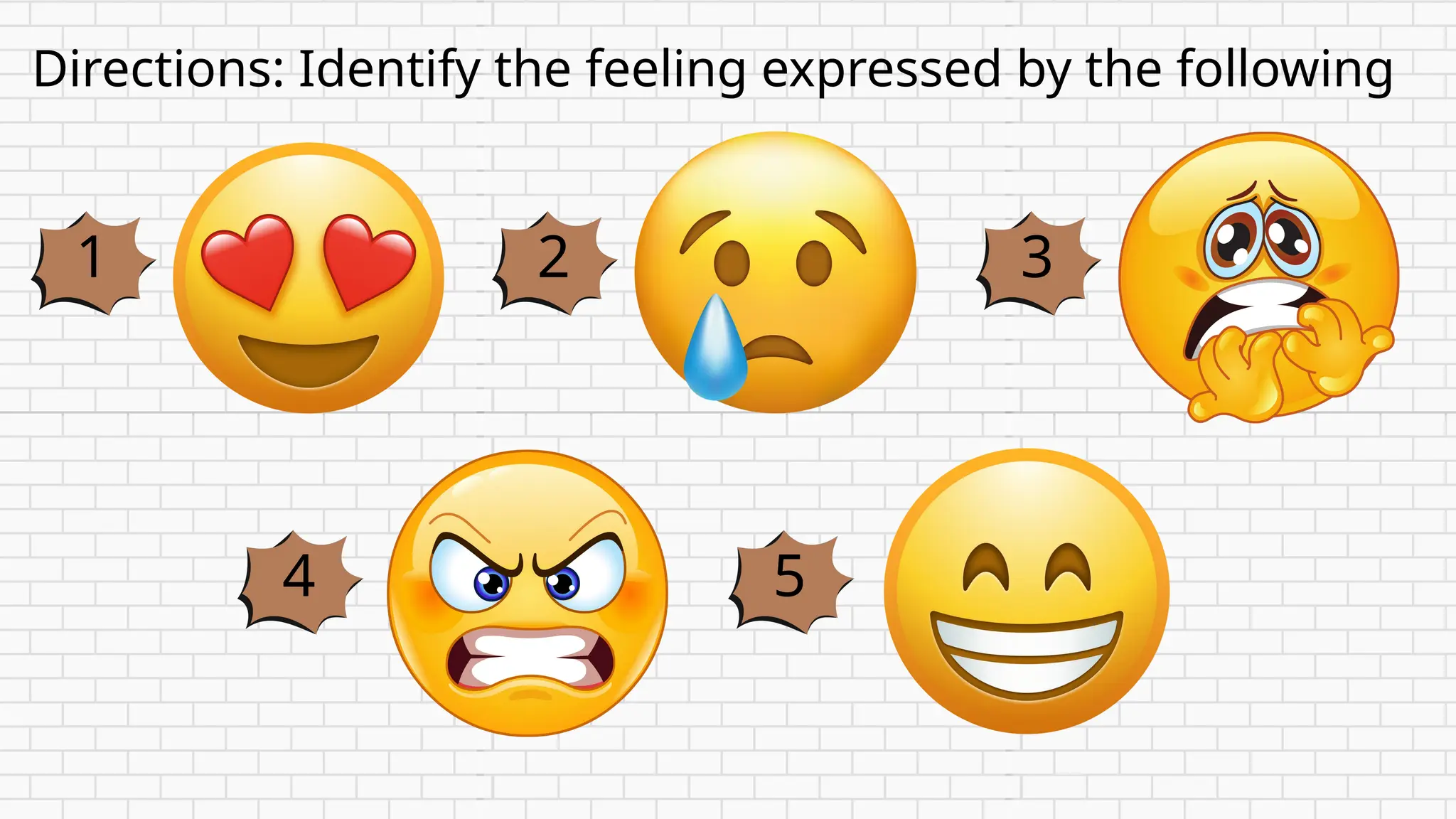
#2 After identifying the feelings or emotions, give some examples.
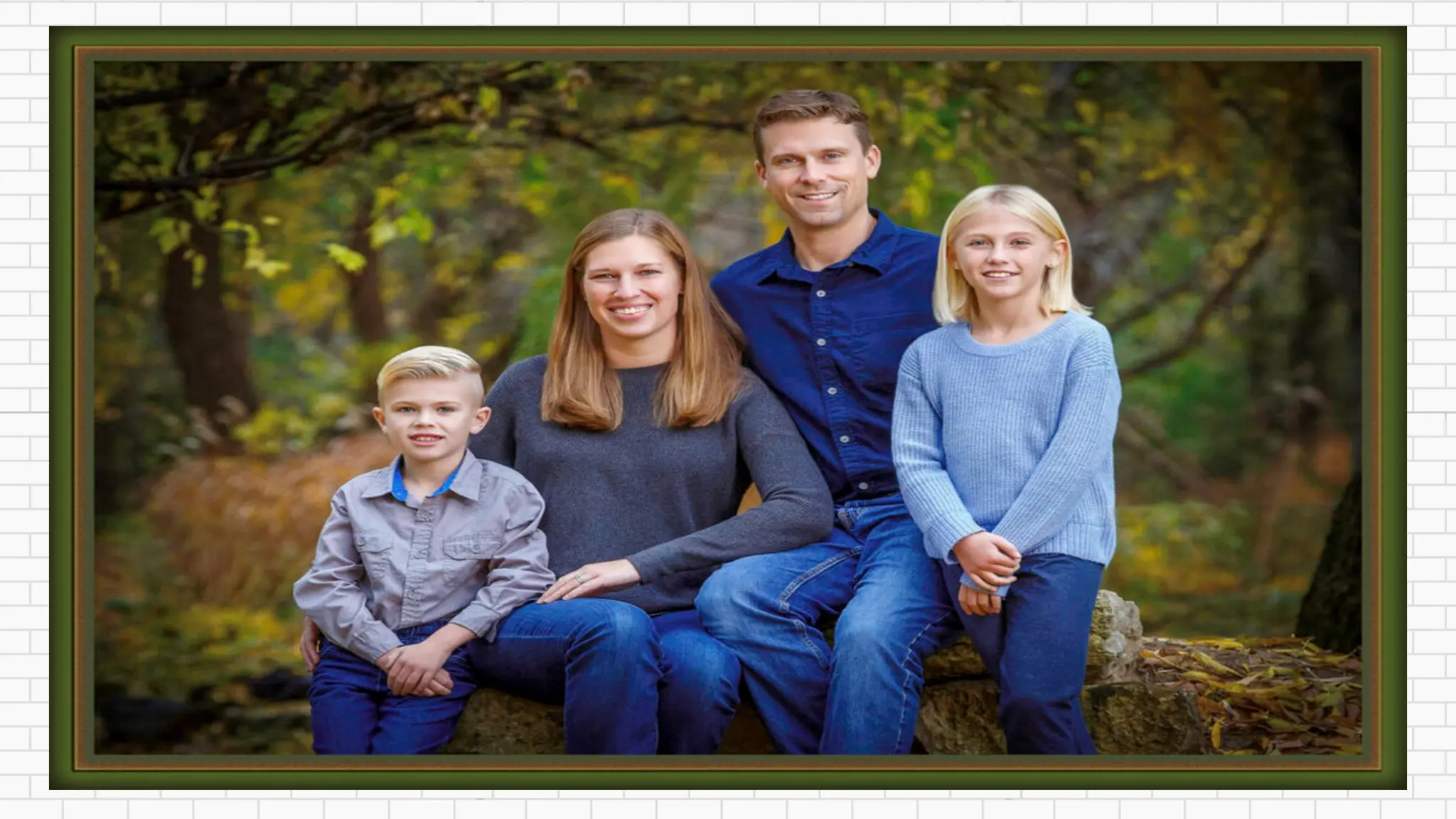
#3 Can you tell me what can you see? Describe the image. What do you think do they feel? Every time you see this king of picture what do you feel?
#4 a representation of reality captured through mediums like photographs or artwork
#6 Lines can be natural, formed by objects in the image or it could be created by the image maker.
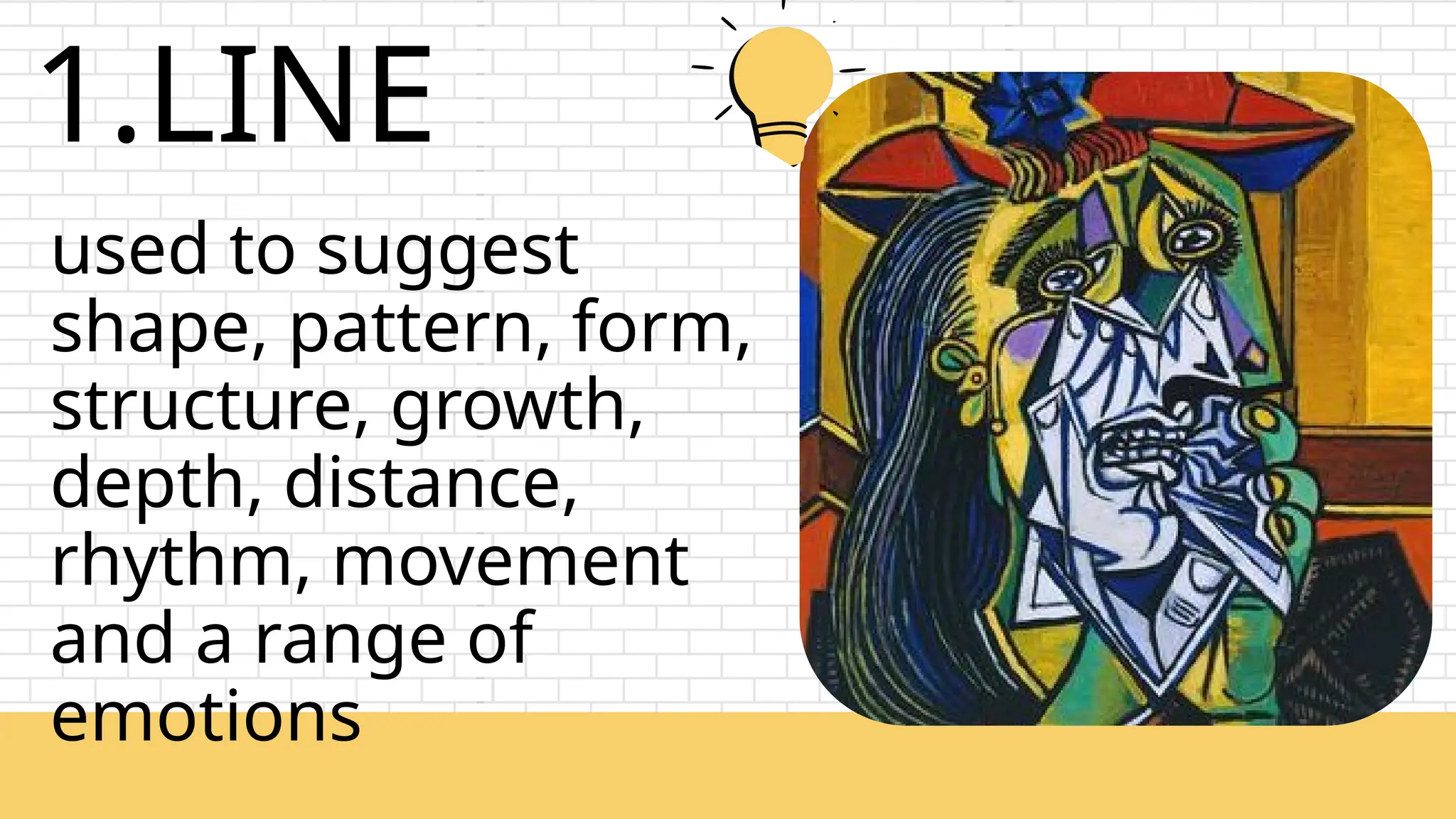
Picasso’s Weeping Woman with jagged lines
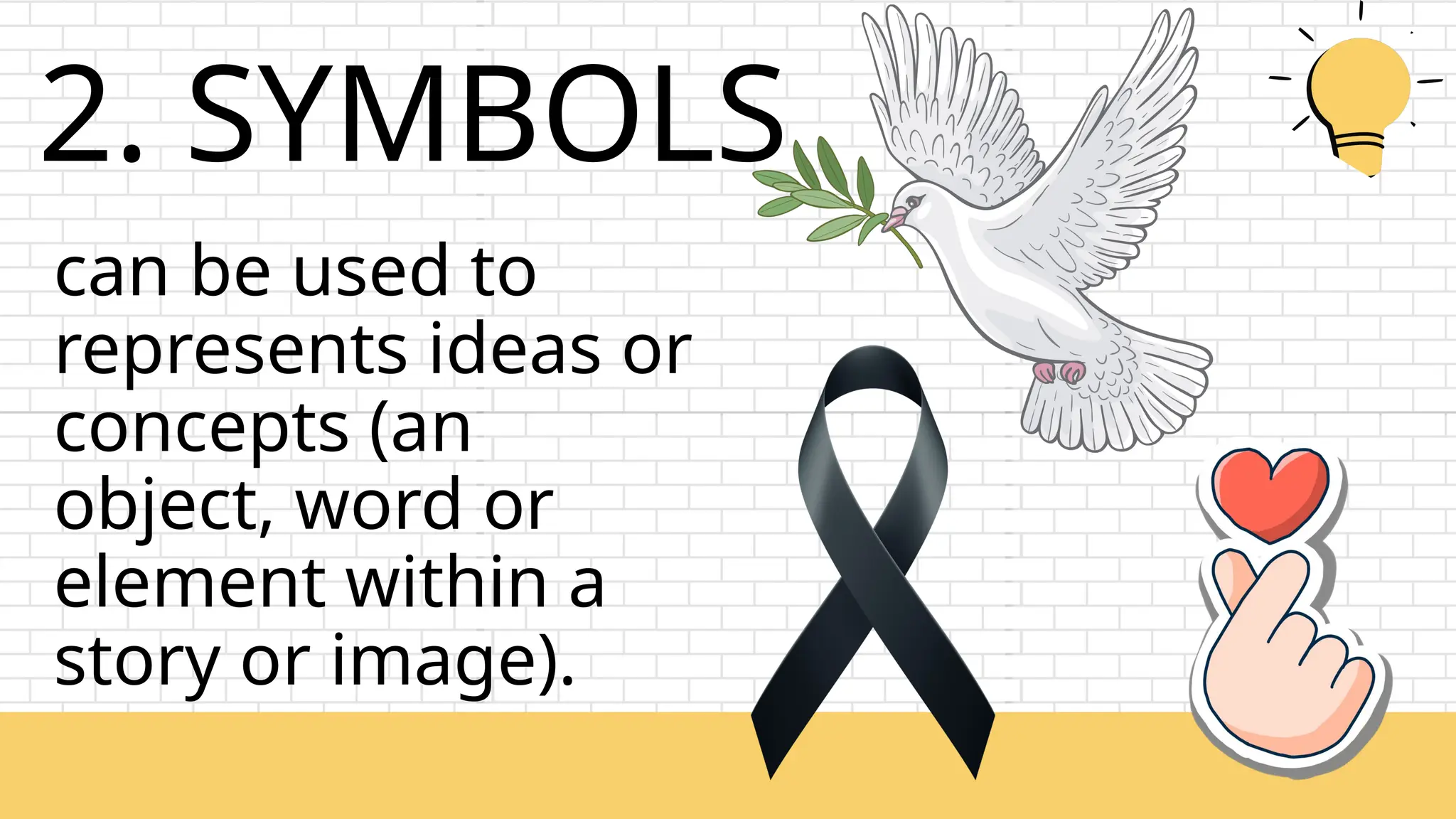
#8 B. Symbols – those symbols used to convey deeper meanings, emotions or messages.
It allows authors or creators to add depth and complexity to their work, encouraging readers or viewers to think critically and engage with the material on a deeper level.
#10 C. Color - For instance, red often represents passion or danger, while blue might symbolise calmness or sadness.
#11 When a figure in the image gazes directly out of the page or the responder it established a connection between subject and viewer.
#12 As well in visual arts framing is commonly used in photography to make more shot pleasing or it draw the attention of the viewer.
Framing helps us to highlight our main interest in the image.
#13 A close up is intimate and creates a connection with the viewer while a long shot creates/show objectivity and distance.