USING ENVIRONMENT AS A FRAMEWORK FOR URBAN DESIGN IN USME An Environmental Analysis, Critique of Metrovivienda’s Plan and Recommendations for Design Intervention
 
EARLY RESEARCH


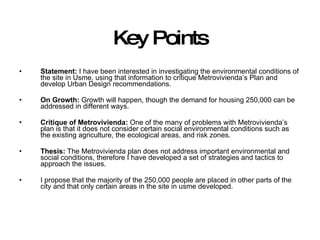
Key Points Statement:  I have been interested in investigating the environmental conditions of the site in Usme, using that information to critique Metrovivienda’s Plan and develop Urban Design recommendations. On Growth:  Growth will happen, though the demand for housing 250,000 can be addressed in different ways. Critique of Metrovivienda:  One of the many of problems with Metrovivienda’s plan is that it does not consider certain social environmental conditions such as the existing agriculture, the ecological areas, and risk zones. Thesis:  The Metrovivienda plan does not address important environmental and social conditions, therefore I have developed a set of strategies and tactics to approach the issues. I propose that the majority of the 250,000 people are placed in other parts of the city and that only certain areas in the site in usme developed.
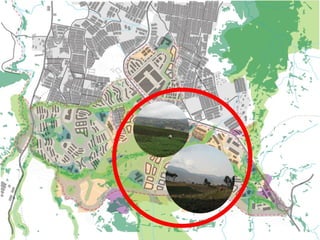
 
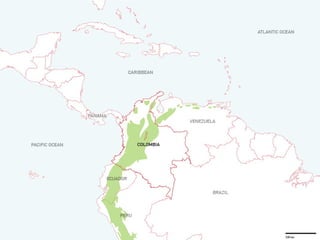
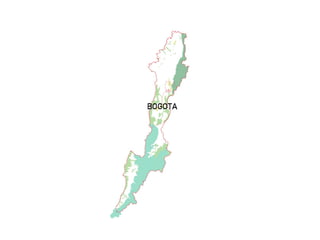
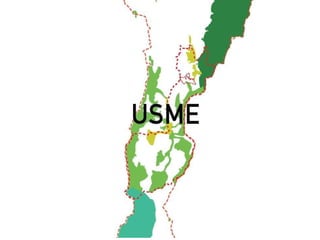
CONTEXT


EXISTING SITE
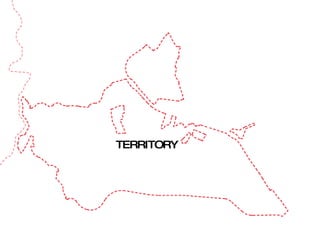
TERRITORY
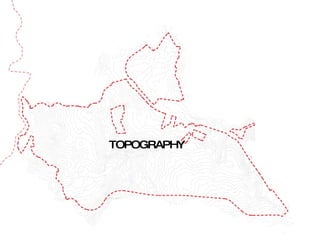
TOPOGRAPHY
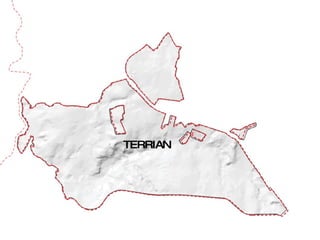
TERRIAN
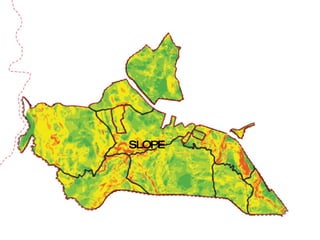
SLOPE
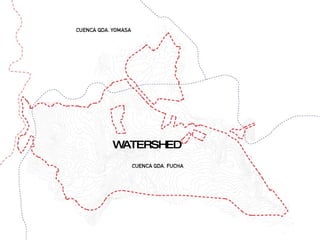
WATERSHED
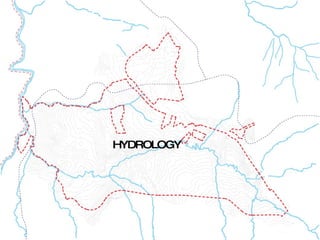
HYDROLOGY
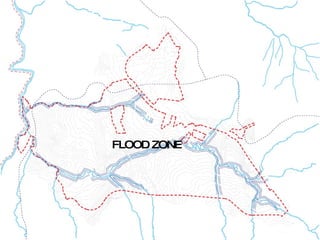
FLOOD ZONE
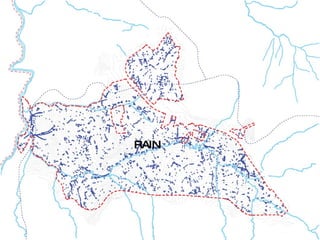
RAIN
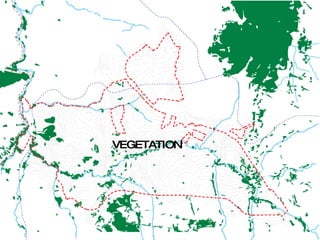
VEGETATION
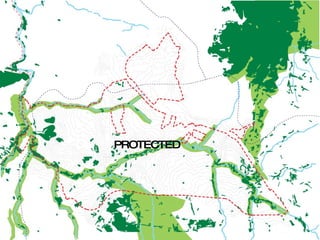
PROTECTED
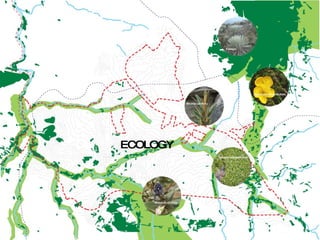
ECOLOGY
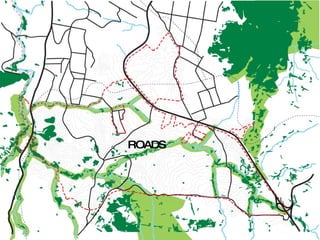
ROADS
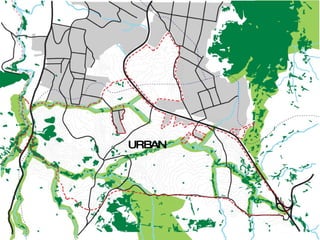
URBAN
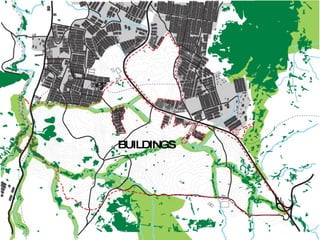
BUILDINGS
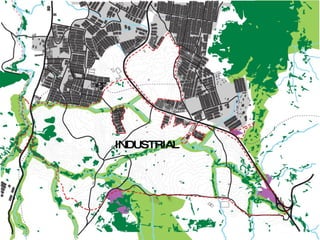
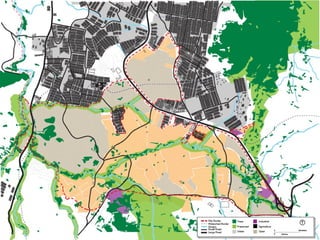
INDUSTRIAL
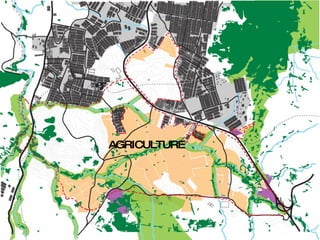
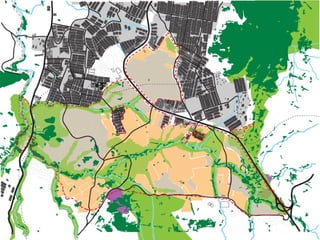
AGRICULTURE
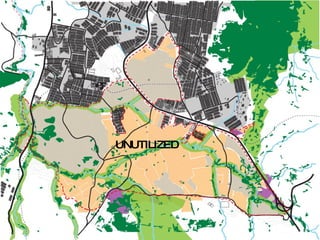
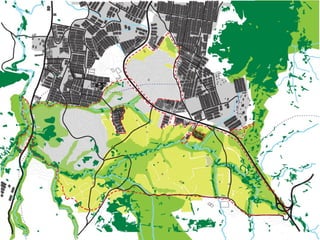
UNUTILIZED
 
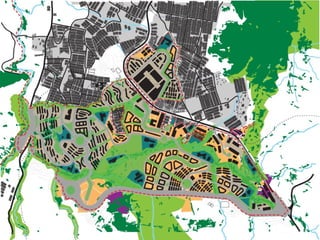
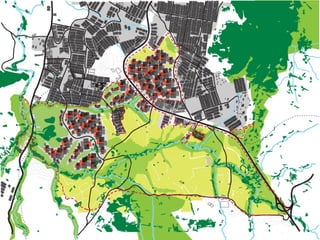
METROVIVIENDA’S PLAN
 
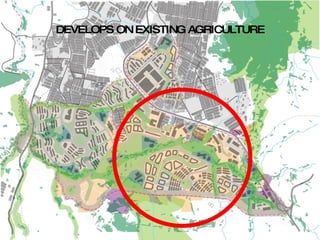
DEVELOPS ON EXISTING AGRICULTURE
 
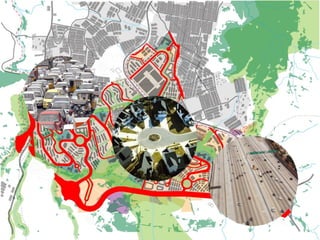
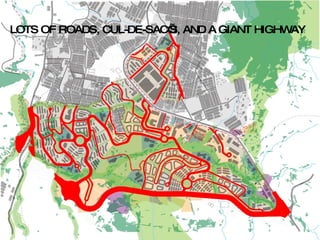
LOTS OF ROADS, CUL-DE-SAC’S, AND A GIANT HIGHWAY
 
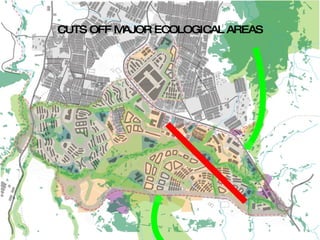
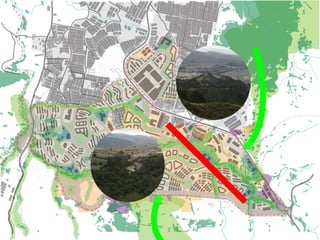
CUTS OFF MAJOR ECOLOGICAL AREAS
 
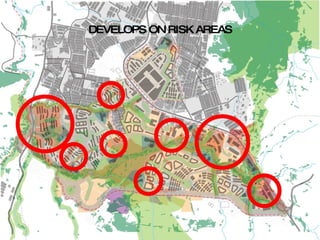
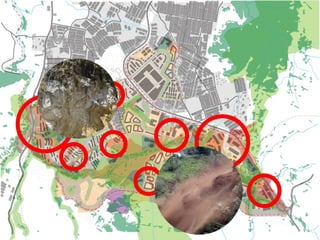
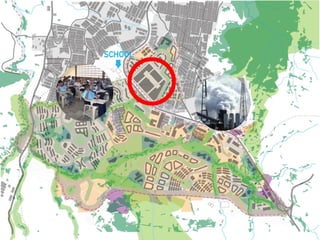
DEVELOPS ON RISK AREAS
 
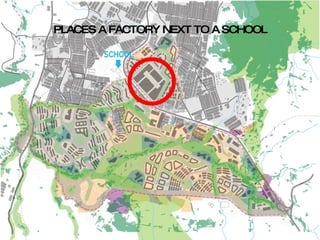
PLACES A FACTORY NEXT TO A SCHOOL
 
 
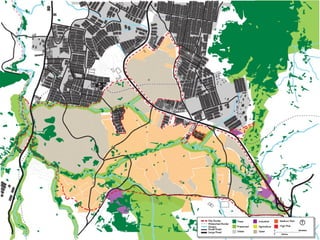
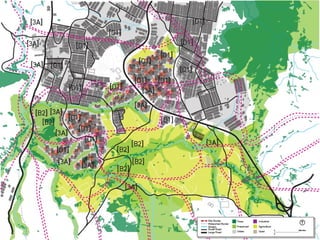
ALTERNATIVE PLAN
 
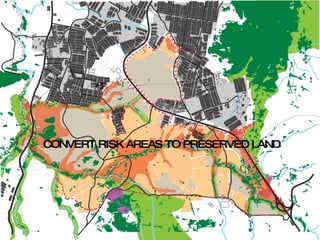
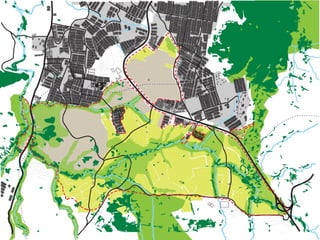
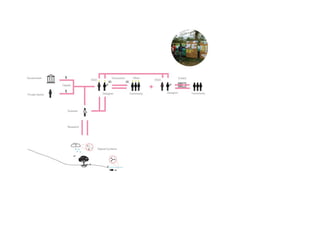
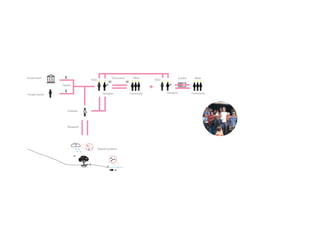
CONVERT RISK AREAS TO PRESERVED LAND
 
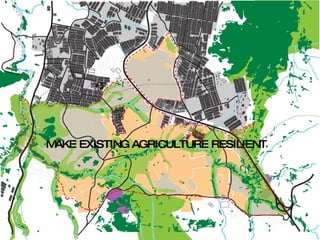
MAKE EXISTING AGRICULTURE RESILIENT
 
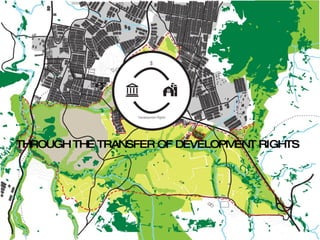
THROUGH THE TRANSFER OF DEVELOPMENT RIGHTS
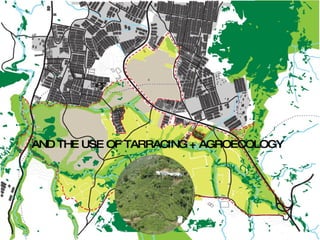
AND THE USE OF TARRACING + AGROECOLOGY
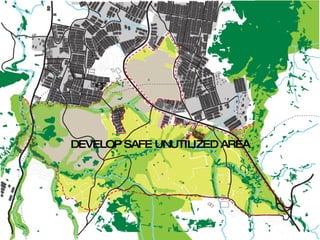
DEVELOP SAFE UNUTILIZED AREA
 
 
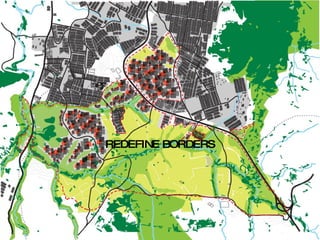
REDEFINE BORDERS
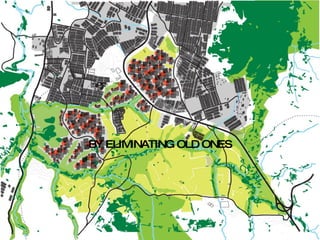
BY ELIMINATING OLD ONES
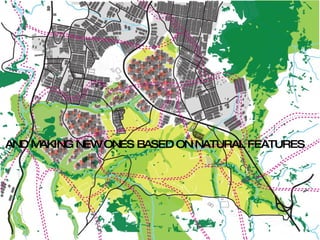
AND MAKING NEW ONES BASED ON NATURAL FEATURES
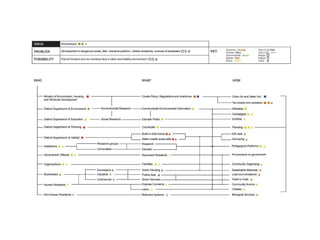
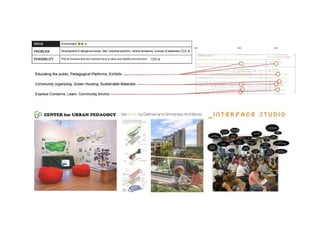
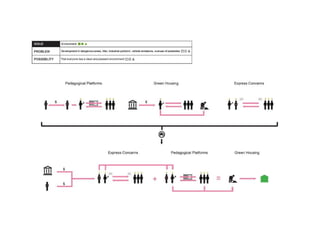
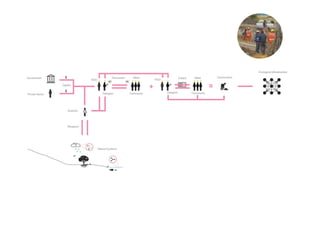
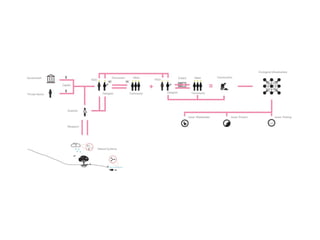
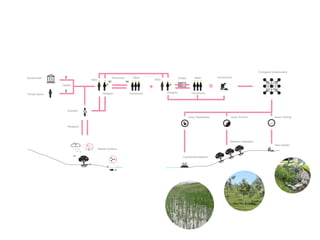
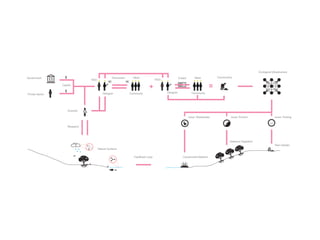
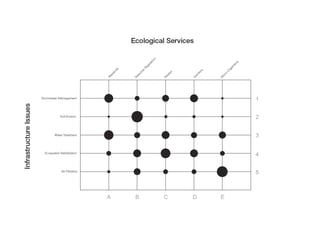
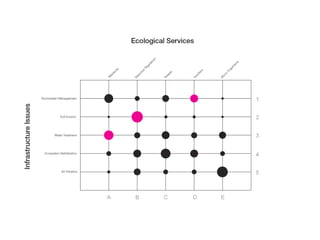
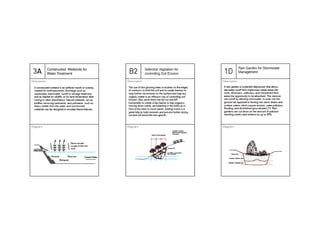
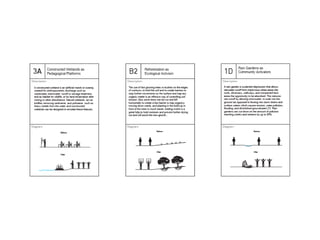
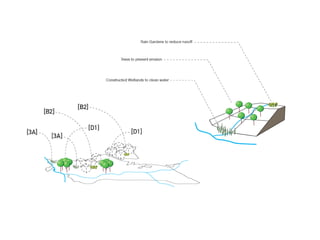
Implement Socio-Ecological Infrastructure
 
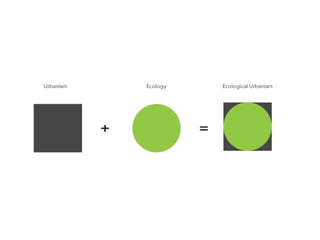
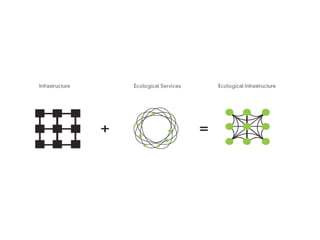
What is Socio-Ecological Infrastructure?


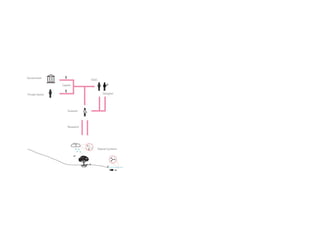
How it works?


¡GRACIAS!

Using Environment as a Framework for Urban Design