By: Maryam Banten
Yanbu University College –
Introduction
Good Language
Presentation’s
Outline
 Authentic materials
 Hypotheses of the study
 Objectives of the study
 Research tools
 Data analysis
 Conclusion
 Recommendations
Authentic Materials
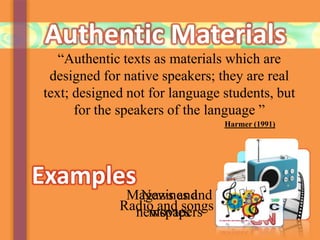
“Authentic texts as materials which are
designed for native speakers; they are real
text; designed not for language students, but
for the speakers of the language ”
Examples
Magazines and
newspapers
News and
moviesRadio and songs
Harmer (1991)
Hypotheses of the Study
1) Helps to improve vocabulary learning
process.
2) Increases students’ motivation to learn
English vocabulary.
Using authentic materials:
Objective of the Study
Investigating the effect of using authentic
materials in teaching vocabulary
on
Performance Motivation
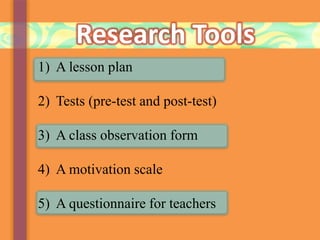
1) A lesson plan
2) Tests (pre-test and post-test)
3) A class observation form
4) A motivation scale
5) A questionnaire for teachers
Research Tools
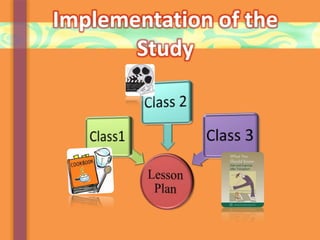
Implementation of the
Study
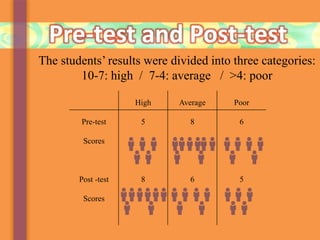
Pre-test and Post-test
The students’ results were divided into three categories:
10-7: high / 7-4: average / >4: poor
High Average Poor
Pre-test
Scores
Post -test
Scores
5
8
8
6
6
5
Students’ Performance in the
Pre-test and Post-test
High score Avarage score Poor score
Pre-test
Post-test
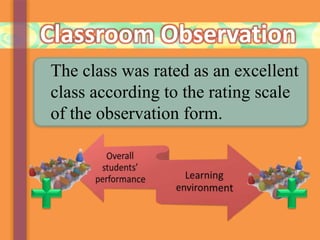
Classroom Observation
The class was rated as an excellent
class according to the rating scale
of the observation form.
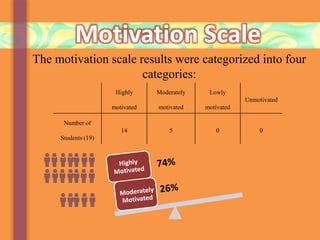
Highly
motivated
Moderately
motivated
Lowly
motivated
Unmotivated
Number of
Students (19)
14 5 0 0
Motivation Scale
The motivation scale results were categorized into four
categories:
Teachers’ Questionnaire
Students Teachers Learning
Process
Conclusion
Using authentic materials
positively enhances the
vocabulary learning process
The use of authentic materials
increases the students’
motivation to learn new
vocabulary
Authentic vocabulary
teaching creates a
positive classroom
environment
Recommendation
Authentic materials are
preferably to be used as
supplementary materials
It is very beneficial to
integrate technology with
the use of authentic
materials
Cultural and religious
appropriateness have to be
taken into consideration
Resources
Berardo, S. “The Use of Authentic Materials in the Teaching of Reading” The
Reading Matrix 6.2 (2006): 60-68
Harmer, J. The Practice of English Language Teaching. London and New York:
Longman,
1991
Nunan, D. Second Language Teaching and Learning. Bosten: Heinle and
Heinle, 1999
Peacock, M. “The Effect of the Authentic Materials on the motivation of EFL
Learners.” ELT Journal 51.2 (1997)
Sweeney, S.” How to Achieve a Sense of Authenticity in a Coursebook.”
Business English Special Interest Group (2007)
Thank you for listening!
Your questions are welcomed..
By: Maryam Banten
E-mail: linguistmaryam@hotmail.com
The presentation is uploaded to : http://slidesha.re/ZpTbYX

Using authentic materials in teaching second.foreign language vocabulary

  • 1.
    By: Maryam Banten YanbuUniversity College –
  • 2.
  • 3.
    Presentation’s Outline  Authentic materials Hypotheses of the study  Objectives of the study  Research tools  Data analysis  Conclusion  Recommendations
  • 4.
    Authentic Materials “Authentic textsas materials which are designed for native speakers; they are real text; designed not for language students, but for the speakers of the language ” Examples Magazines and newspapers News and moviesRadio and songs Harmer (1991)
  • 5.
    Hypotheses of theStudy 1) Helps to improve vocabulary learning process. 2) Increases students’ motivation to learn English vocabulary. Using authentic materials:
  • 6.
    Objective of theStudy Investigating the effect of using authentic materials in teaching vocabulary on Performance Motivation
  • 7.
    1) A lessonplan 2) Tests (pre-test and post-test) 3) A class observation form 4) A motivation scale 5) A questionnaire for teachers Research Tools
  • 8.
  • 9.
    Pre-test and Post-test Thestudents’ results were divided into three categories: 10-7: high / 7-4: average / >4: poor High Average Poor Pre-test Scores Post -test Scores 5 8 8 6 6 5
  • 10.
    Students’ Performance inthe Pre-test and Post-test High score Avarage score Poor score Pre-test Post-test
  • 11.
    Classroom Observation The classwas rated as an excellent class according to the rating scale of the observation form.
  • 12.
    Highly motivated Moderately motivated Lowly motivated Unmotivated Number of Students (19) 145 0 0 Motivation Scale The motivation scale results were categorized into four categories:
  • 13.
  • 14.
    Conclusion Using authentic materials positivelyenhances the vocabulary learning process The use of authentic materials increases the students’ motivation to learn new vocabulary Authentic vocabulary teaching creates a positive classroom environment
  • 15.
    Recommendation Authentic materials are preferablyto be used as supplementary materials It is very beneficial to integrate technology with the use of authentic materials Cultural and religious appropriateness have to be taken into consideration
  • 16.
    Resources Berardo, S. “TheUse of Authentic Materials in the Teaching of Reading” The Reading Matrix 6.2 (2006): 60-68 Harmer, J. The Practice of English Language Teaching. London and New York: Longman, 1991 Nunan, D. Second Language Teaching and Learning. Bosten: Heinle and Heinle, 1999 Peacock, M. “The Effect of the Authentic Materials on the motivation of EFL Learners.” ELT Journal 51.2 (1997) Sweeney, S.” How to Achieve a Sense of Authenticity in a Coursebook.” Business English Special Interest Group (2007)
  • 17.
    Thank you forlistening! Your questions are welcomed.. By: Maryam Banten E-mail: linguistmaryam@hotmail.com The presentation is uploaded to : http://slidesha.re/ZpTbYX