UNIVERSIDAD DE PANAMA 
CENTRO UNIVERSITARIO REGIONAL DE AZUERO 
FACULTAD DE HUMANIDADES 
METODOLOGIA DE LA INVESTIGACION 320 A 
TITULO: “USING DIALOGUES CAN DEVELOP 
ENGLISH SKILLS” 
PARTICIPANTES: 
CEDEÑO, YARINETH 7-705-1578 
ESPINOSA, EDILBERTO 9-734-293 
PROFESORA: 
DAYRA CONSUEGRA, M.A
Introduction 
Through the research on the lack of methods 
for teaching English as a second language in 
our schools, we have analyzed one of the most 
effective tools to increase the English skills.
Statement of the problem 
ď‚› In our country, Panama high schools and primary schools, the use of this useful 
tool is not well developed because we always want to learn English writing and 
reading without learning speaking and listening skills, so this research will 
intend to point out the importance of using dialogues to promote conversation. 
ď‚› Many professors do not use dialogues to teach English because they think this 
technique is bored and the students are afraid when the teacher assigns a 
dialogue.
Justification ď‚› The necessity of dialogues is to learn English language in the 
easiest way, fluently and simply. It is valuable to invest time 
and effort in the study of dialogues because nowadays is 
necessary to speak English to function in the labor, social and 
professional sphere. 
ď‚› We have selected dialogues because we consider it as an 
important way to implement this tool to improve our 
knowledge and it is pertinent to know and applying it when 
we are learning. 
ď‚› We have seen many problems as the lock of dialogues 
technique and students show a low level of English knowledge 
and they dislike when the professor assigns them the 
dialogues.
General Objective 
ď‚› To demonstrate how useful dialogues can help in 
learning English and to evaluate the importance of 
using new methods such as dialogues to promote 
language learning.
Specific objective 
ď‚› -To employ the dialogues knowledge to make a fluent 
conservation. 
ď‚› -To determine how dialogues can make students able 
to pronounce more clearly. 
ď‚› -To analyze how the use of dialogues develops 
language skills such as speaking, listening and then 
reading and writing.
Fundamental Research Question 
ď‚› Primary Question: 
How can the use of dialogues help students when learning English 
and what is the importance of using them?
Secondary Questions: 
ď‚› -How do we teach the students to get a good classroom 
environment to practice a good pronunciation? 
ď‚› -How can we recognize dialogues importance for 
improving pronunciation in students? 
ď‚› - How can we employ dialogues for developing a good 
pronunciation? 
ď‚› -Why is the use of dialogues good for developing 
language skills?
Hypotheses 
 “Dialogues constitute one of the most effective 
approaches to foreign language instruction.” 
 “When students speak about a daily situation through a 
dialogue, it creates a natural interaction.” 
 “Dialogues reduce the levels of stress among students 
because it is not a hard test, it is only a conversation.”
Key terms 
ď‚› Learning: the acquisition of knowledge or skills through study, 
experience, or being taught. 
ď‚› Knowledge: facts, information, and skills acquired by a person 
through experience or education; the theoretical or practical 
understanding of a subject. 
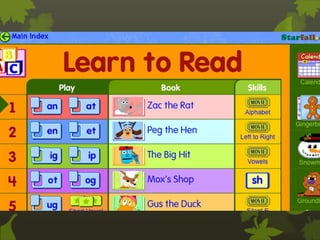
ď‚› Reading: is the process of constructing meaning from written texts, 
it is a complex skill requiring the coordination of a number of 
interrelated sources of information.
ď‚› Advantages: 
ď‚› Dialogues can help the students to obtain the foundation 
for language after they can develop their own work, 
using others words because they will be able to 
familiarize with a topic. Thus creating a conversation or 
a dialogue will be easiest. 
ď‚› Using dialogues in the classrooms helps students to 
improve and increase the language skills and then they 
can use the knowledge when they have to create their 
own conversation according to the moment or situation.
How to use dialogues in the classroom? 
ď‚› Inside of the classroom there are many forms to implement 
dialogues as a good way to learn English. To know new words and it 
helps students to acquire experience and to learn new terms and 
different meanings of new words. 
ď‚› Teachers can apply oral and listening tests. The students can 
dramatize the dialogues like role-plays. A way to increase the 
wordbook and listening skills the students can memorize some 
dialogues.
Universidad de panama

Universidad de panama

  • 1.
    UNIVERSIDAD DE PANAMA CENTRO UNIVERSITARIO REGIONAL DE AZUERO FACULTAD DE HUMANIDADES METODOLOGIA DE LA INVESTIGACION 320 A TITULO: “USING DIALOGUES CAN DEVELOP ENGLISH SKILLS” PARTICIPANTES: CEDEÑO, YARINETH 7-705-1578 ESPINOSA, EDILBERTO 9-734-293 PROFESORA: DAYRA CONSUEGRA, M.A
  • 2.
    Introduction Through theresearch on the lack of methods for teaching English as a second language in our schools, we have analyzed one of the most effective tools to increase the English skills.
  • 3.
    Statement of theproblem ď‚› In our country, Panama high schools and primary schools, the use of this useful tool is not well developed because we always want to learn English writing and reading without learning speaking and listening skills, so this research will intend to point out the importance of using dialogues to promote conversation. ď‚› Many professors do not use dialogues to teach English because they think this technique is bored and the students are afraid when the teacher assigns a dialogue.
  • 4.
    Justification ď‚› Thenecessity of dialogues is to learn English language in the easiest way, fluently and simply. It is valuable to invest time and effort in the study of dialogues because nowadays is necessary to speak English to function in the labor, social and professional sphere. ď‚› We have selected dialogues because we consider it as an important way to implement this tool to improve our knowledge and it is pertinent to know and applying it when we are learning. ď‚› We have seen many problems as the lock of dialogues technique and students show a low level of English knowledge and they dislike when the professor assigns them the dialogues.
  • 5.
    General Objective ď‚›To demonstrate how useful dialogues can help in learning English and to evaluate the importance of using new methods such as dialogues to promote language learning.
  • 6.
    Specific objective ď‚›-To employ the dialogues knowledge to make a fluent conservation. ď‚› -To determine how dialogues can make students able to pronounce more clearly. ď‚› -To analyze how the use of dialogues develops language skills such as speaking, listening and then reading and writing.
  • 7.
    Fundamental Research Question ď‚› Primary Question: How can the use of dialogues help students when learning English and what is the importance of using them?
  • 8.
    Secondary Questions: ď‚›-How do we teach the students to get a good classroom environment to practice a good pronunciation? ď‚› -How can we recognize dialogues importance for improving pronunciation in students? ď‚› - How can we employ dialogues for developing a good pronunciation? ď‚› -Why is the use of dialogues good for developing language skills?
  • 9.
    Hypotheses  “Dialoguesconstitute one of the most effective approaches to foreign language instruction.”  “When students speak about a daily situation through a dialogue, it creates a natural interaction.”  “Dialogues reduce the levels of stress among students because it is not a hard test, it is only a conversation.”
  • 10.
    Key terms ď‚›Learning: the acquisition of knowledge or skills through study, experience, or being taught. ď‚› Knowledge: facts, information, and skills acquired by a person through experience or education; the theoretical or practical understanding of a subject. ď‚› Reading: is the process of constructing meaning from written texts, it is a complex skill requiring the coordination of a number of interrelated sources of information.
  • 12.
    ď‚› Advantages: ď‚›Dialogues can help the students to obtain the foundation for language after they can develop their own work, using others words because they will be able to familiarize with a topic. Thus creating a conversation or a dialogue will be easiest. ď‚› Using dialogues in the classrooms helps students to improve and increase the language skills and then they can use the knowledge when they have to create their own conversation according to the moment or situation.
  • 13.
    How to usedialogues in the classroom? ď‚› Inside of the classroom there are many forms to implement dialogues as a good way to learn English. To know new words and it helps students to acquire experience and to learn new terms and different meanings of new words. ď‚› Teachers can apply oral and listening tests. The students can dramatize the dialogues like role-plays. A way to increase the wordbook and listening skills the students can memorize some dialogues.