2D
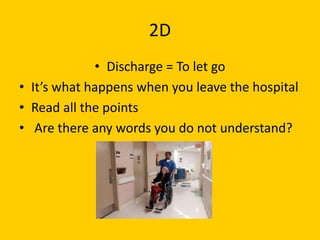
             • Discharge = To let go
• It’s what happens when you leave the hospital
• Read all the points
• Are there any words you do not understand?
2E
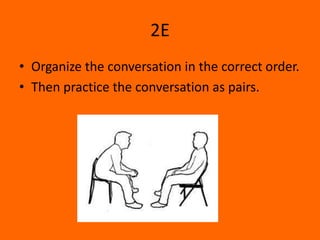
• Organize the conversation in the correct order.
• Then practice the conversation as pairs.
BBC: Alternative Therapies Video
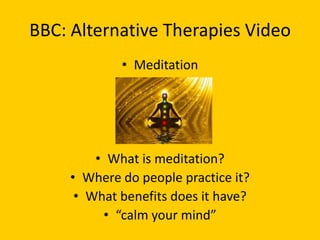
             • Meditation


         • What is meditation?
     • Where do people practice it?
      • What benefits does it have?
          • “calm your mind”
Video Pt. 1
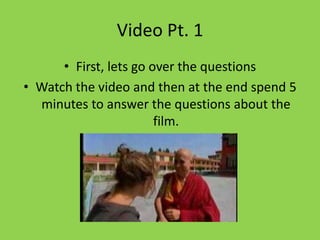
      • First, lets go over the questions
• Watch the video and then at the end spend 5
  minutes to answer the questions about the
                        film.
3A
         • Everyone, take a Bingo Board.

• Robert is a medical intern and is taking care of a
               patient Mr. Legrange

• Take 5 minutes to read the notes by yourselves.
  Look for any vocabulary you do not understand.

 • Write the following words down in your Bingo
          Boards; Translate if necessary…..
Vocabulary 3A:
   Previous
Hypotensive


• Low blood pressure
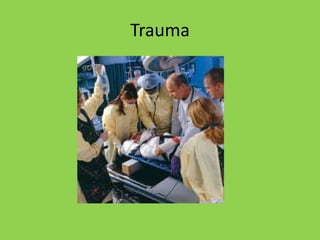
Trauma
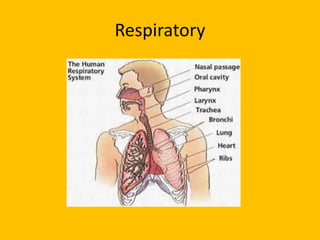
Respiratory
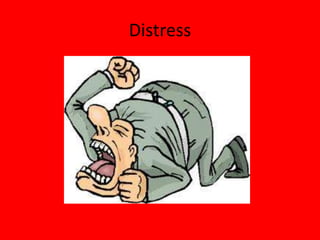
Distress
Pale
Awaken
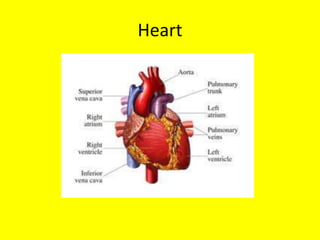
Heart
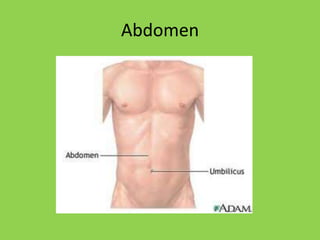
Abdomen
Moderately
3A: Write questions
• Patient Report Fact: Semi-Conscious on arrival, is
  drowsy

• Example Question: Has Mr. Legrange had fainting
  attacks like this before?
• Fainting = passing out, unconscious .


• Write 5 questions individually and then compare
  your questions with a partner.
5 Minute Break
Back to the Board: Vocabulary Game
• 2 Teams
• Word written on the board that person siting
  in front must say.
• First team to get their teammate sitting with
  their back to the board to say the word wins.
Brainstorm Racing Game
• 2 teams, write as many words as you can
  related to the topic.
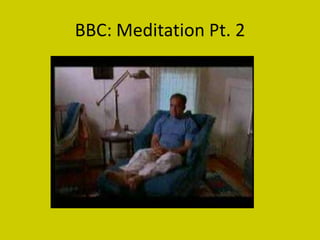
BBC: Meditation Pt. 2
Past Perfect Tense
• The Past Perfect expresses the idea that
  something occurred before another action in
  the past.
• It can also show that something happened
  before a specific time in the past
Form: Past Perfect
        (had + past participle)
                       • Examples:
 • I had never seen such a beautiful beach before I went
                          to Kauai.
• I did not have any money because I had lost my wallet.
• Tony knew Istanbul so well because he had visited the
                     city several times.
   • Had Susan ever studied Thai before she moved to
                          Thailand?
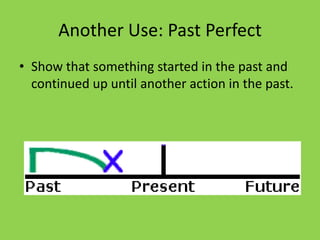
Another Use: Past Perfect
• Show that something started in the past and
  continued up until another action in the past.
Examples:
• By the time Alex finished his studies, he had
  been in London for over eight years.
• They felt bad about selling the house because
  they had owned it for more than forty years.
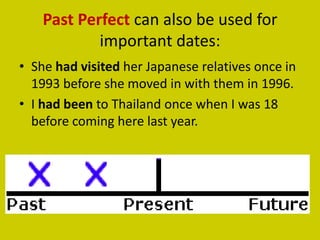
Past Perfect can also be used for
            important dates:
• She had visited her Japanese relatives once in
  1993 before she moved in with them in 1996.
• I had been to Thailand once when I was 18
  before coming here last year.
p.81
• Complete the past perfect exercise
The auxiliary verb: “Would”
Would is an auxiliary verb. We use would mainly to:

•     talk about the past
•     talk about the future in the past
•     express the conditional mood

• We also use would for other functions, such as:

•     expressing desire, polite requests and
    questions, opinion or hope, wish and regret…
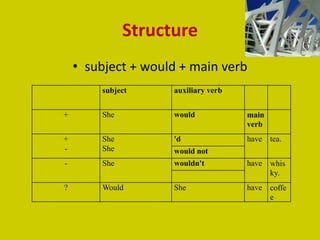
Structure
    • subject + would + main verb
        subject     auxiliary verb


+       She         would            main
                                     verb
+       She         'd               have tea.
-       She         would not
-       She         wouldn't         have whis
                                          ky.
?       Would       She              have coffe
                                          e
“Would have” as a conditional in the
              past

     • “She would have” (past tense)
• Conditionals, a requirement that has to be
                     met.
                     • =
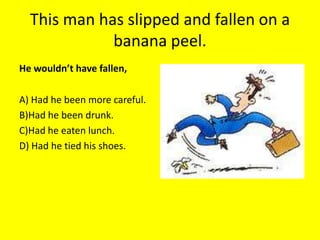
This man has slipped and fallen on a
             banana peel.
He wouldn’t have fallen,

A) Had he been more careful.
B)Had he been drunk.
C)Had he eaten lunch.
D) Had he tied his shoes.
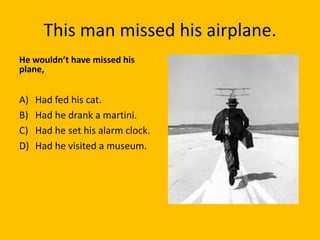
This man missed his airplane.
He wouldn’t have missed his
plane,


A)   Had fed his cat.
B)   Had he drank a martini.
C)   Had he set his alarm clock.
D)   Had he visited a museum.
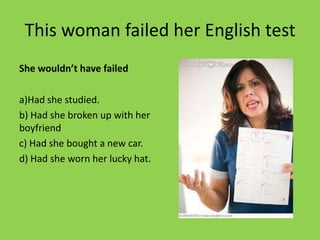
This woman failed her English test
She wouldn’t have failed

a)Had she studied.
b) Had she broken up with her
boyfriend
c) Had she bought a new car.
d) Had she worn her lucky hat.
He locked himself out the house
He wouldn’t have been locked
out


•   Had he eaten cereal.
•   Had he brought his key.
•   Had he tried to relax.
•   Had he needed gas.
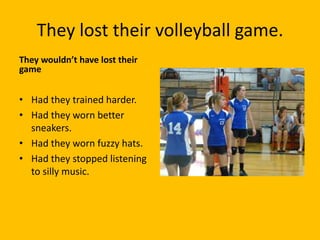
They lost their volleyball game.
They wouldn’t have lost their
game


• Had they trained harder.
• Had they worn better
  sneakers.
• Had they worn fuzzy hats.
• Had they stopped listening
  to silly music.
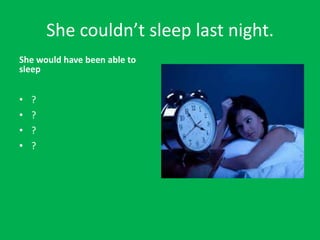
She couldn’t sleep last night.
She would have been able to
sleep


•   ?
•   ?
•   ?
•   ?
They were lost in Bangkok.
They wouldn’t have been lost…


•   ?
•   ?
•   ?
•   ?
This man’s wife is angry with him.
This boy broke his arm.
Grammar Review Worksheet
              • Present Tense
• Simple Past (-ed endings, irregular verbs)
        • Present Continuous (-ing)
  • Simple Future (going to or will + verb)
   • Past Perfect (had + simple past verb)
Write the following words from
Exercise 3D in your Bingo Boards
Contact
Swelling
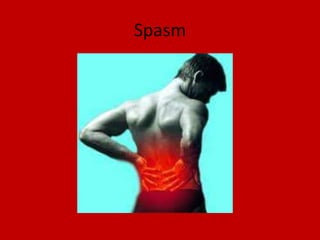
Spasm
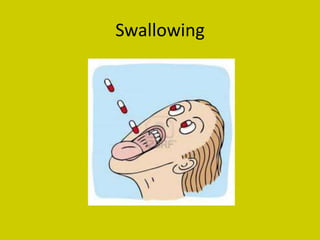
Swallowing
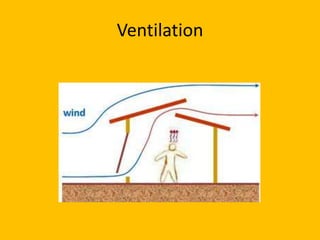
Ventilation
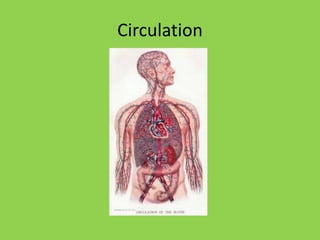
Circulation
Observation
Mediators
Read Article : Anaphylactic Shock
• 1st Reading: 10 Minutes, What is the article
  about?

• What are the symptoms of Anaphylactic
  Shock?
2nd Reading
• 5 minutes
• Look closely at vocabulary you do not
  understand

• Is it possible to get anaphylactic shock on first
  contact with an allergen? Give reasons?
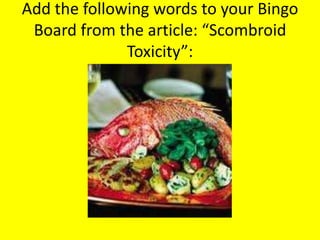
Add the following words to your Bingo
 Board from the article: “Scombroid
              Toxicity”:
Fresh
Convert
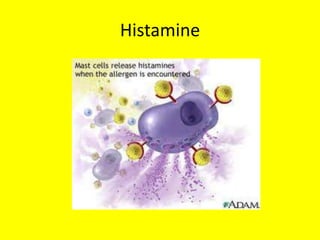
Histamine
Healed
Cascade
Recovery
Let’s Play Bingo!
1st Reading: “Scombroid Toxicity”
               • 5 minutes
  • What are the symptoms of scombroid
                  toxicity?
2nd Reading 5 minutes
• Pay attention to words you do not understand.
• Would cooking fish prevent scombroid
  toxicity?
BBC: Meditation Pt. 3
Summary

• BBC Meditation
  Documentary
• Past Perfect Tense
• “Would”
• Anaphylactic Shock +
Scombroid Toxicity Article
• Vocabulary Bingo

Unit 2 lesson 3 medical practice

  • 1.
    2D • Discharge = To let go • It’s what happens when you leave the hospital • Read all the points • Are there any words you do not understand?
  • 2.
    2E • Organize theconversation in the correct order. • Then practice the conversation as pairs.
  • 3.
    BBC: Alternative TherapiesVideo • Meditation • What is meditation? • Where do people practice it? • What benefits does it have? • “calm your mind”
  • 4.
    Video Pt. 1 • First, lets go over the questions • Watch the video and then at the end spend 5 minutes to answer the questions about the film.
  • 5.
    3A • Everyone, take a Bingo Board. • Robert is a medical intern and is taking care of a patient Mr. Legrange • Take 5 minutes to read the notes by yourselves. Look for any vocabulary you do not understand. • Write the following words down in your Bingo Boards; Translate if necessary…..
  • 6.
  • 7.
  • 8.
  • 9.
  • 10.
  • 11.
  • 12.
  • 13.
  • 14.
  • 15.
  • 16.
    3A: Write questions •Patient Report Fact: Semi-Conscious on arrival, is drowsy • Example Question: Has Mr. Legrange had fainting attacks like this before? • Fainting = passing out, unconscious . • Write 5 questions individually and then compare your questions with a partner.
  • 17.
  • 18.
    Back to theBoard: Vocabulary Game • 2 Teams • Word written on the board that person siting in front must say. • First team to get their teammate sitting with their back to the board to say the word wins.
  • 19.
    Brainstorm Racing Game •2 teams, write as many words as you can related to the topic.
  • 20.
  • 21.
    Past Perfect Tense •The Past Perfect expresses the idea that something occurred before another action in the past. • It can also show that something happened before a specific time in the past
  • 22.
    Form: Past Perfect (had + past participle) • Examples: • I had never seen such a beautiful beach before I went to Kauai. • I did not have any money because I had lost my wallet. • Tony knew Istanbul so well because he had visited the city several times. • Had Susan ever studied Thai before she moved to Thailand?
  • 23.
    Another Use: PastPerfect • Show that something started in the past and continued up until another action in the past.
  • 24.
    Examples: • By thetime Alex finished his studies, he had been in London for over eight years. • They felt bad about selling the house because they had owned it for more than forty years.
  • 25.
    Past Perfect canalso be used for important dates: • She had visited her Japanese relatives once in 1993 before she moved in with them in 1996. • I had been to Thailand once when I was 18 before coming here last year.
  • 26.
    p.81 • Complete thepast perfect exercise
  • 27.
    The auxiliary verb:“Would” Would is an auxiliary verb. We use would mainly to: • talk about the past • talk about the future in the past • express the conditional mood • We also use would for other functions, such as: • expressing desire, polite requests and questions, opinion or hope, wish and regret…
  • 28.
    Structure • subject + would + main verb subject auxiliary verb + She would main verb + She 'd have tea. - She would not - She wouldn't have whis ky. ? Would She have coffe e
  • 29.
    “Would have” asa conditional in the past • “She would have” (past tense) • Conditionals, a requirement that has to be met. • =
  • 30.
    This man hasslipped and fallen on a banana peel. He wouldn’t have fallen, A) Had he been more careful. B)Had he been drunk. C)Had he eaten lunch. D) Had he tied his shoes.
  • 31.
    This man missedhis airplane. He wouldn’t have missed his plane, A) Had fed his cat. B) Had he drank a martini. C) Had he set his alarm clock. D) Had he visited a museum.
  • 32.
    This woman failedher English test She wouldn’t have failed a)Had she studied. b) Had she broken up with her boyfriend c) Had she bought a new car. d) Had she worn her lucky hat.
  • 33.
    He locked himselfout the house He wouldn’t have been locked out • Had he eaten cereal. • Had he brought his key. • Had he tried to relax. • Had he needed gas.
  • 34.
    They lost theirvolleyball game. They wouldn’t have lost their game • Had they trained harder. • Had they worn better sneakers. • Had they worn fuzzy hats. • Had they stopped listening to silly music.
  • 35.
    She couldn’t sleeplast night. She would have been able to sleep • ? • ? • ? • ?
  • 36.
    They were lostin Bangkok. They wouldn’t have been lost… • ? • ? • ? • ?
  • 37.
    This man’s wifeis angry with him.
  • 38.
  • 39.
    Grammar Review Worksheet • Present Tense • Simple Past (-ed endings, irregular verbs) • Present Continuous (-ing) • Simple Future (going to or will + verb) • Past Perfect (had + simple past verb)
  • 40.
    Write the followingwords from Exercise 3D in your Bingo Boards
  • 41.
  • 42.
  • 43.
  • 44.
  • 45.
  • 46.
  • 47.
  • 48.
  • 49.
    Read Article :Anaphylactic Shock • 1st Reading: 10 Minutes, What is the article about? • What are the symptoms of Anaphylactic Shock?
  • 50.
    2nd Reading • 5minutes • Look closely at vocabulary you do not understand • Is it possible to get anaphylactic shock on first contact with an allergen? Give reasons?
  • 51.
    Add the followingwords to your Bingo Board from the article: “Scombroid Toxicity”:
  • 52.
  • 53.
  • 54.
  • 55.
  • 56.
  • 57.
  • 58.
  • 59.
    1st Reading: “ScombroidToxicity” • 5 minutes • What are the symptoms of scombroid toxicity?
  • 60.
    2nd Reading 5minutes • Pay attention to words you do not understand. • Would cooking fish prevent scombroid toxicity?
  • 61.
  • 62.
    Summary • BBC Meditation Documentary • Past Perfect Tense • “Would” • Anaphylactic Shock + Scombroid Toxicity Article • Vocabulary Bingo