Aorto-occlusive disease Major Vascular Surgery Peripheral Arterial Disease Carotidendarterectomy
 
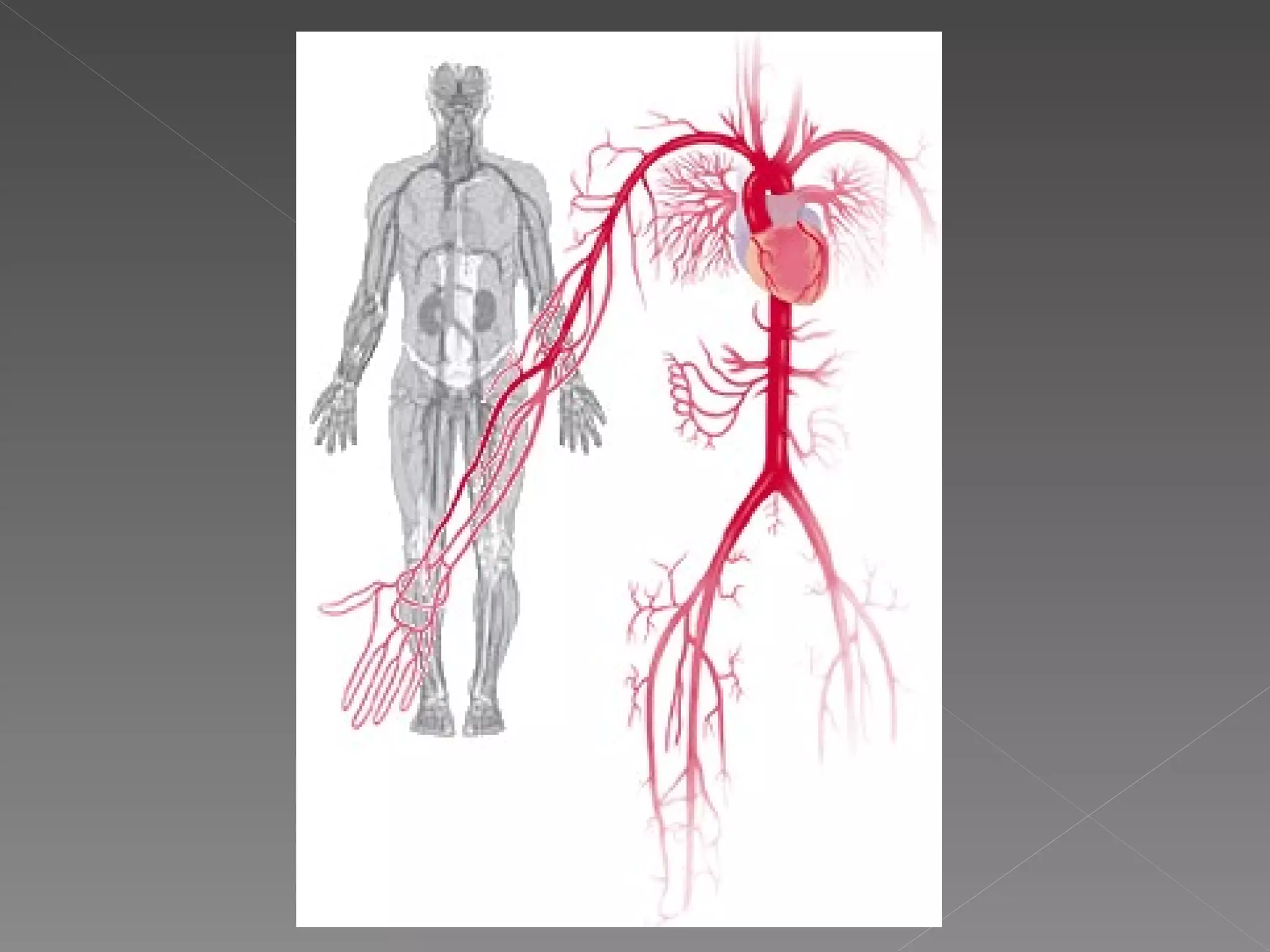
Aorto-occlusive disease is characterized by pathophysiologic, atherosclerotic changes within the aorta that extends into the iliac and/or femoral arteries and results in inadequate perfusion of vital organs and the lower extremities
Myocardial dysfunction remains the single most important cause of morbidity following vascular surgery A mortality rate of about 5% is associated with elective abdominal aortic aneurysm (AAA) repair (j Patients presenting for surgery with poorly controlled CHF have a 20% mortality with a AAA repair
The majority of these patients present in their fifth decade or older Coronary artery disease is present in 25-65% of this population Additional comorbidities include: Angina pectoris Hypertension H/O myocardial infarction Congestive heart failure Pulmonary disease Diabetes mellitus Renal insufficiency Cerebrovascular disease
PreOp evaluation of the ECG is more often abnormal than not in elderly patients and does not appear to be independently associated with adverse events Patients who have survived recent coronary revascularization (CABG < 5 years, PTCA < 2 years) have fewer cardiac complications after vascular surgery Perioperative MI may occur from rupture of atherosclerotic plaque (50%) or due to a prolonged imbalance between myocardial oxygen supply and demand in the setting of CAD Myocardial oxygen supply may be diminished by anemia or hypotension, whereas oxygen demand may be increased by tachycardia and hypertension Studies have consistently identified CHF, previous MI, advanced age, severely limited exercise tolerance, chronic renal insufficiency, and diabetes as risk factors for the development of perioperative cardiac morbidity. The presence of three or more of these risk factors makes an individual patient a “high risk” for surgery
Age Gender (male) Smoking Diabetes mellitus Hypertension Hyperlipidemia Obesity Physical inactivity The strongest association is with smoking and diabetes
The goals of perioperative cardiac monitoring are to detect myocardial ischemia and to identify abnormalities of preload, afterload, and ventricular function ECG monitoring  The mainstay of perioperative detection of myocardial ischemia Evidence of ST segment depression is a more common indicator of myocardial ischemia than ST elevation during vascular surgery Pulmonary capillary wedge pressure Has low sensitivity and specificity for detecting ischemia PCWP elevations tend to be associated with tachycardia and hypertension (suggestive of inadequate anesthesia) PCWP remained normal in 80% of patients who developed wall motion abnormalities on TEE Transesophageal Echocardiography (TEE) When myocardial ischemia is produced, mechanical dysfunction precedes surface ECG changes Though regional wall motion abnormalities are more sensitive than ST segment changes in detecting intraoperative ischemia, TEE during noncardiac surgery appears to have little incremental clinical value
 
 
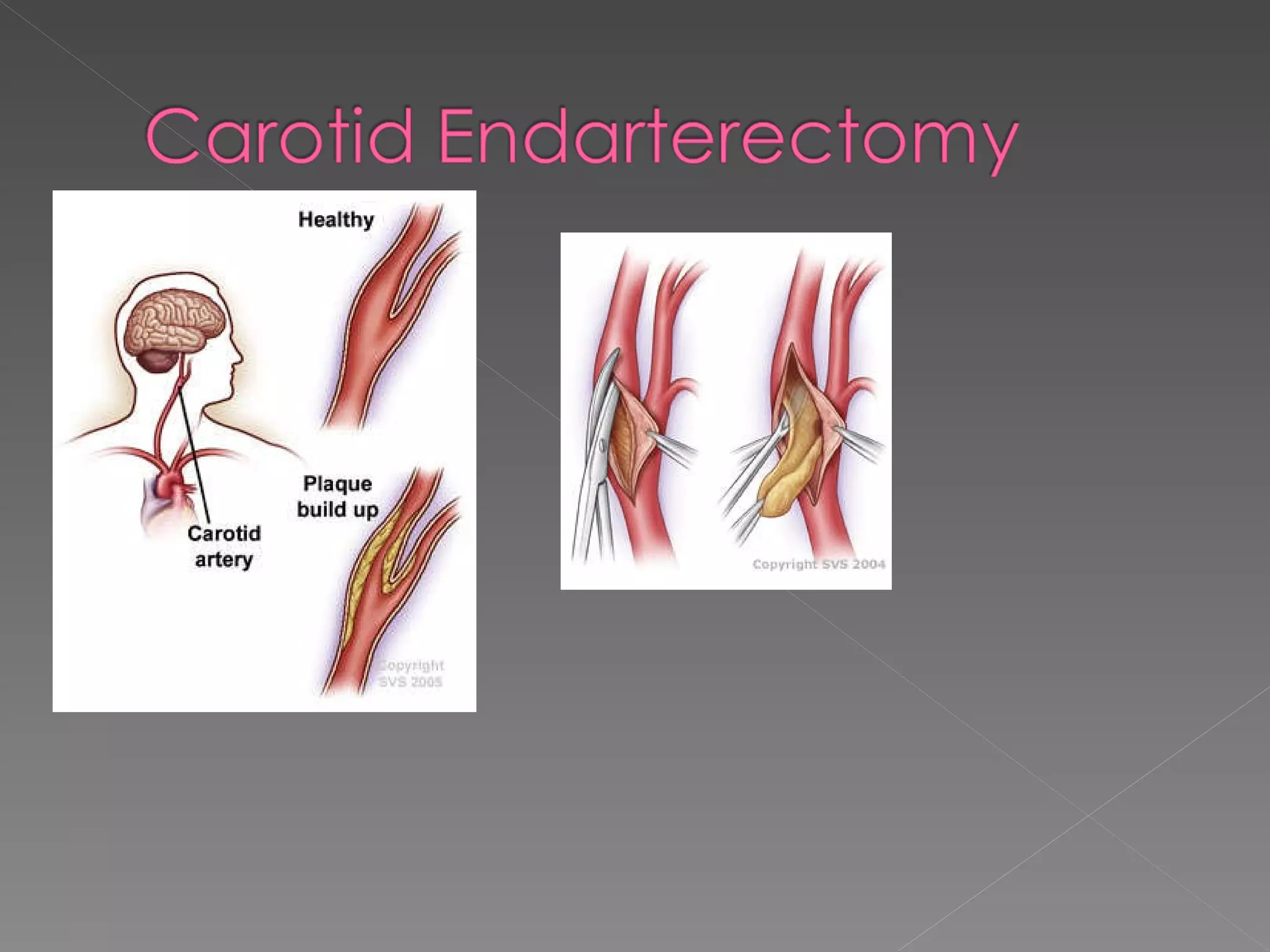
Carotid atherosclerosis is the leading cause of extracranial vascular cerebral events The disease is primarily a problem of embolization and rarely occlusion or insufficiency Plaque rupture or embolization can lead to Transient ischemic attack (TIA) or cerebrovascular accident (CVA) Carotid disease may manifest itself as an asymptomatic bruit, or as transient attacks of monocular blindness Amaurosis fugax (from the Greek &quot;amaurosis,&quot; meaning dark, and the Latin &quot;fugax,&quot; meaning fleeting) Anesthetic management attempts to optimize cerebral perfusion in patients with a high prevalence of Coronary artery disease
The two main goals of intraoperative management are to protect the brain and to protect the heart; these two goals often conflict Increasing arterial blood pressure to augment cerebral blood flow can increase afterload or myocardial contractility, thus increasing myocardial oxygen demand A high-normal blood pressure may be best to balance these two goals
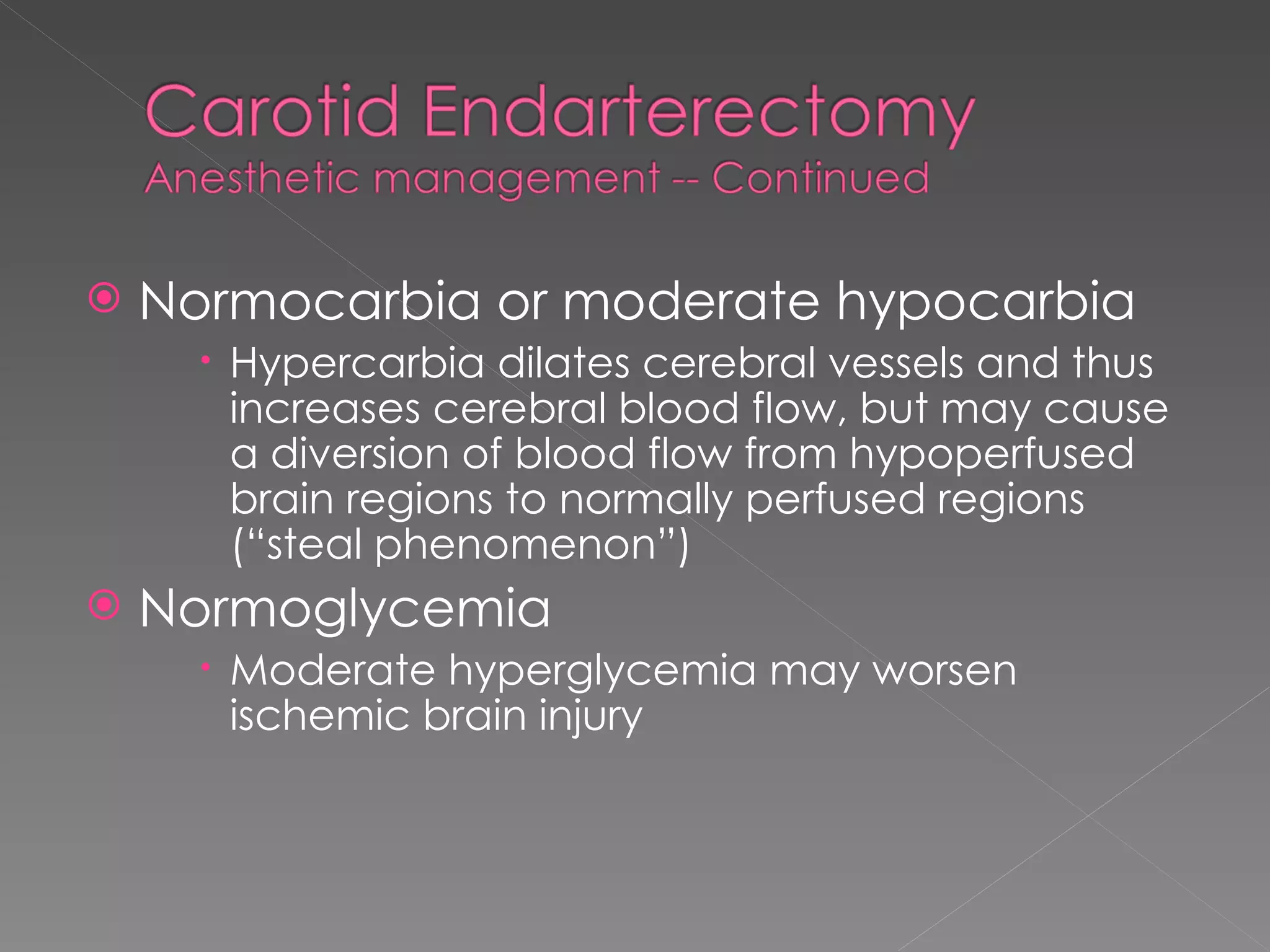
Normocarbia or moderate hypocarbia Hypercarbia dilates cerebral vessels and thus increases cerebral blood flow, but may cause a diversion of blood flow from hypoperfused brain regions to normally perfused regions (“steal phenomenon”) Normoglycemia Moderate hyperglycemia may worsen ischemic brain injury
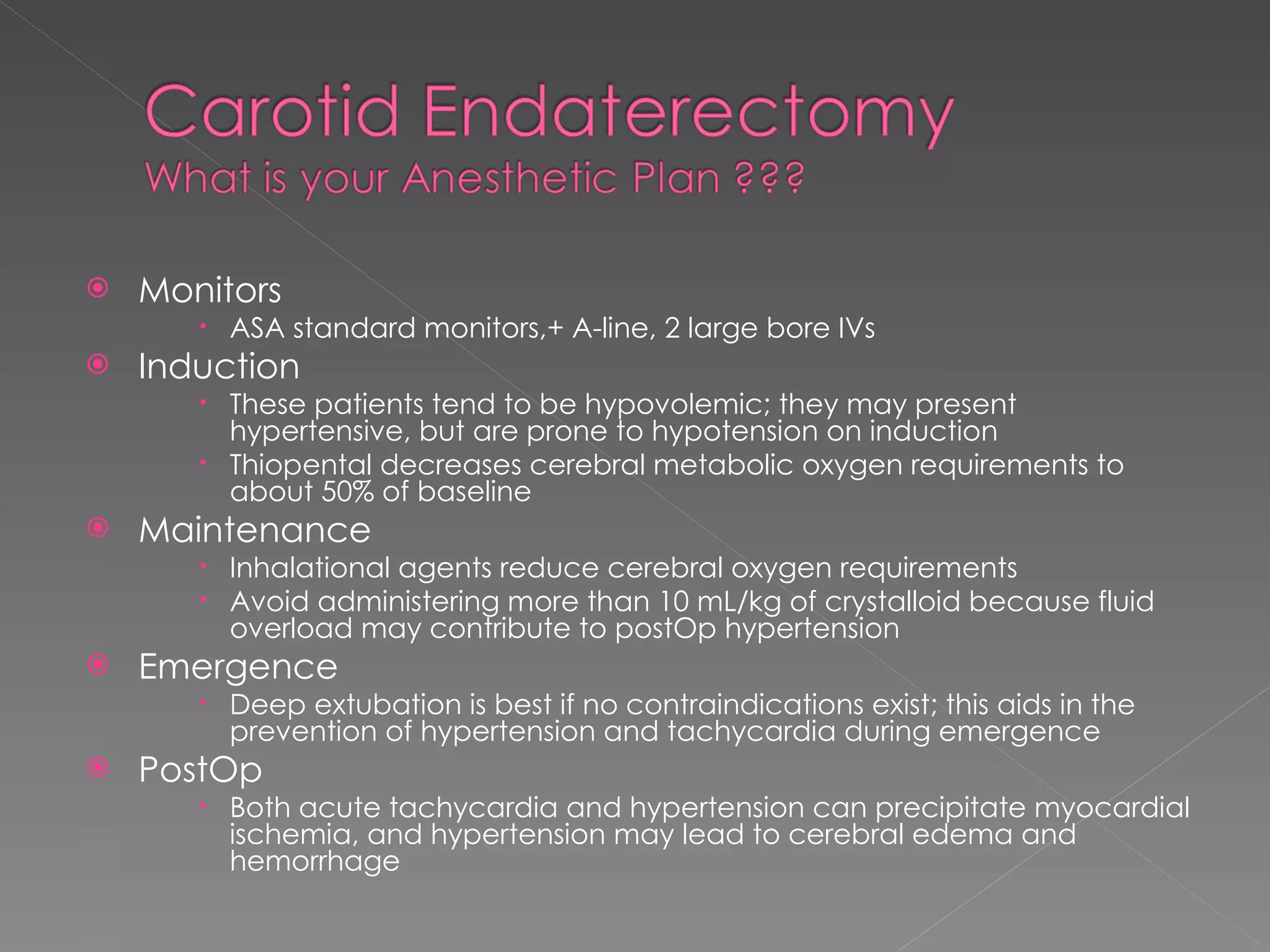
Monitors  ASA standard monitors,+ A-line, 2 large bore IVs Induction These patients tend to be hypovolemic; they may present hypertensive, but are prone to hypotension on induction Thiopental decreases cerebral metabolic oxygen requirements to about 50% of baseline Maintenance Inhalational agents reduce cerebral oxygen requirements Avoid administering more than 10 mL/kg of crystalloid because fluid overload may contribute to postOp hypertension Emergence Deep extubation is best if no contraindications exist; this aids in the prevention of hypertension and tachycardia during emergence PostOp Both acute tachycardia and hypertension can precipitate myocardial ischemia, and hypertension may lead to cerebral edema and hemorrhage
 
 
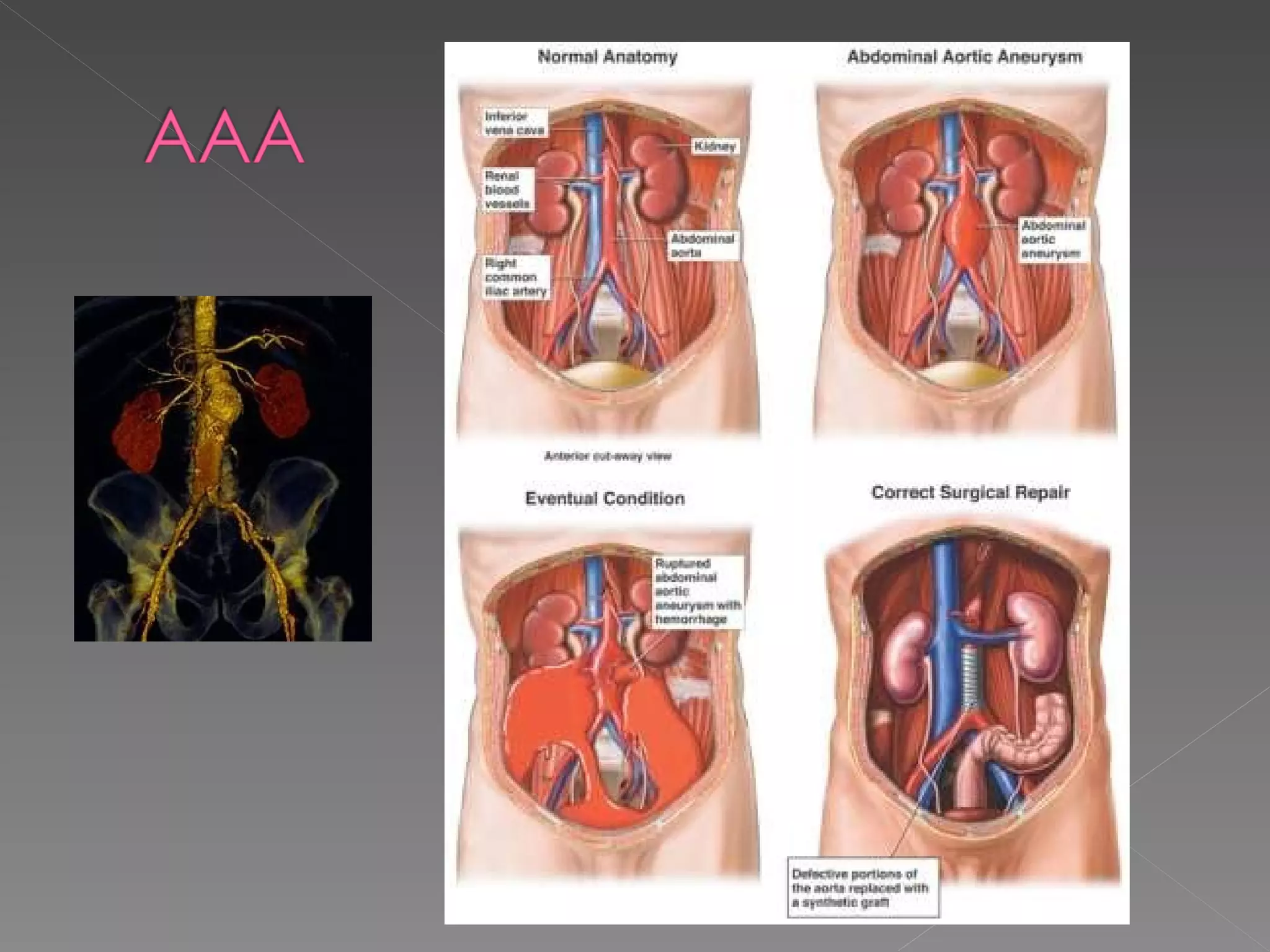
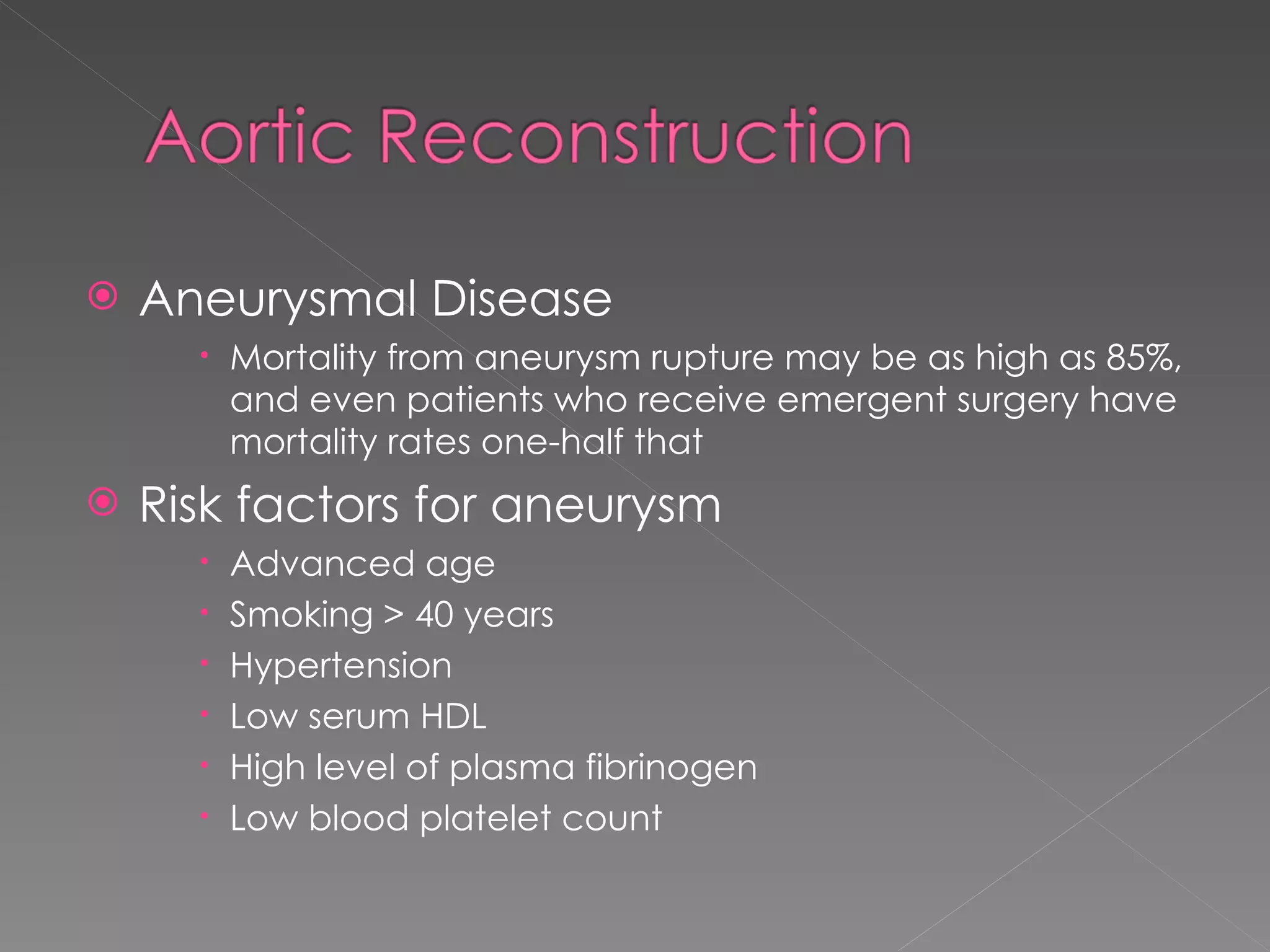
Aneurysmal Disease Mortality from aneurysm rupture may be as high as 85%, and even patients who receive emergent surgery have mortality rates one-half that Risk factors for aneurysm Advanced age Smoking > 40 years Hypertension Low serum HDL High level of plasma fibrinogen Low blood platelet count
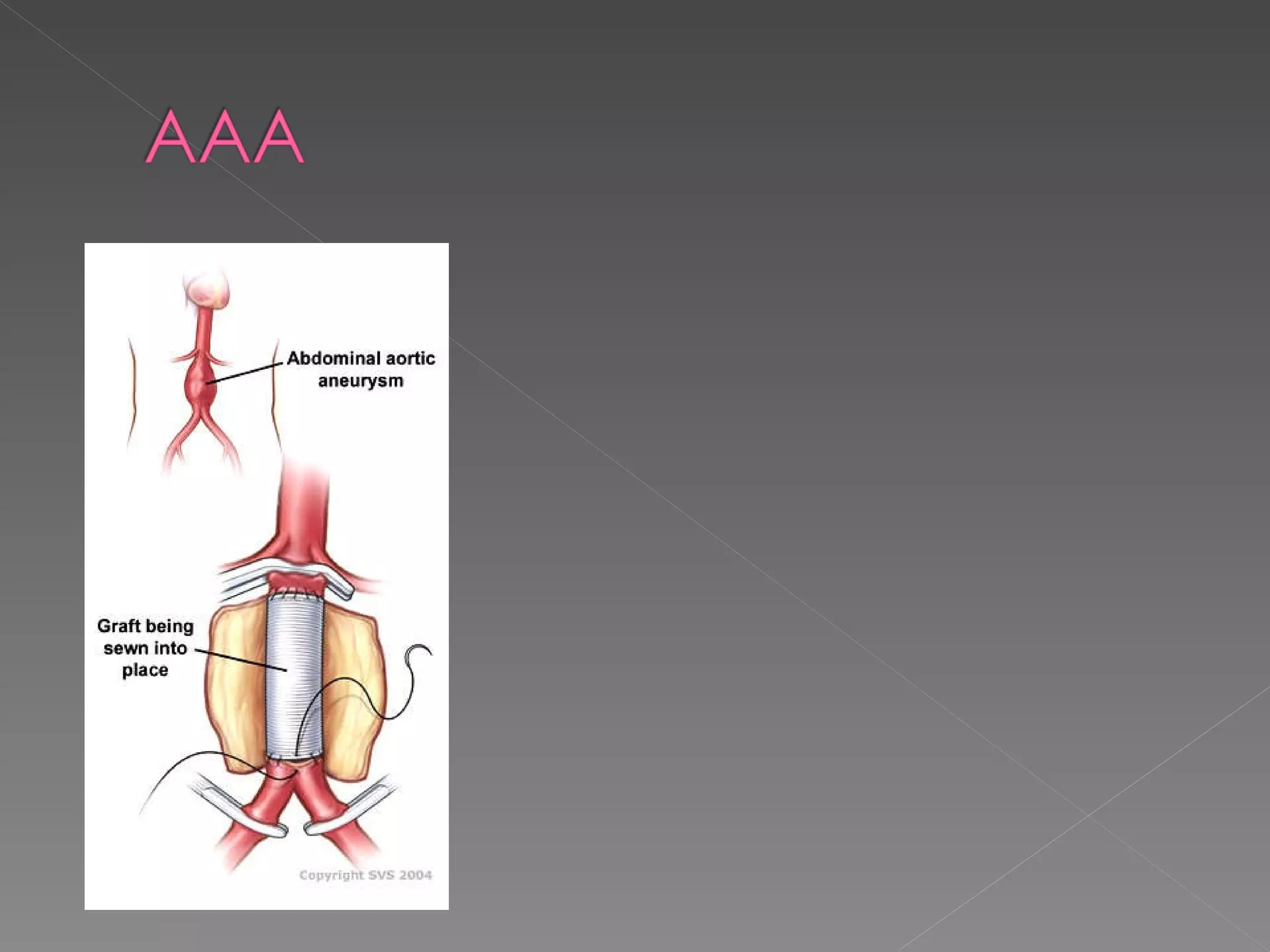
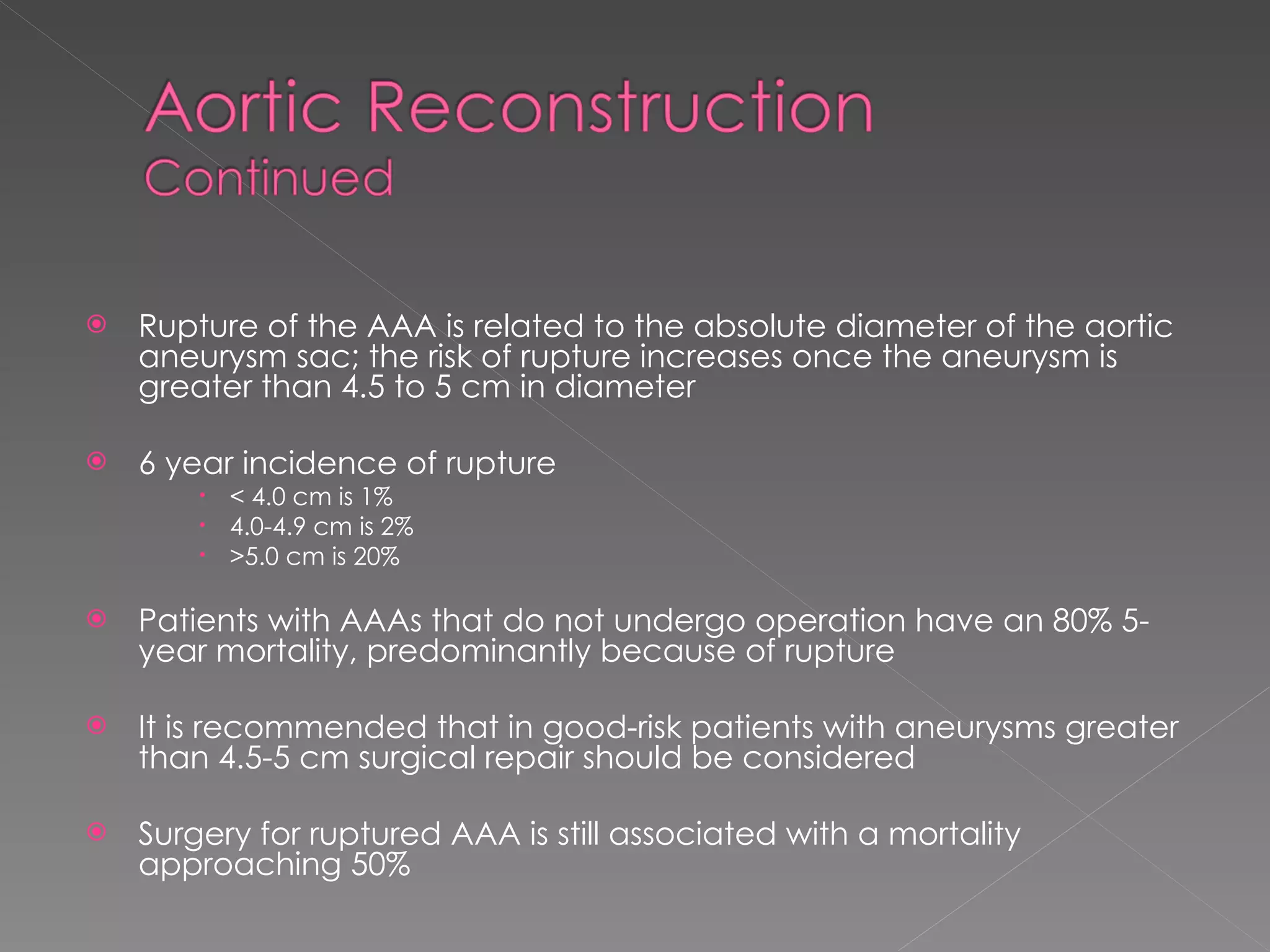
Rupture of the AAA is related to the absolute diameter of the aortic aneurysm sac; the risk of rupture increases once the aneurysm is greater than 4.5 to 5 cm in diameter 6 year incidence of rupture  < 4.0 cm is 1% 4.0-4.9 cm is 2% >5.0 cm is 20% Patients with AAAs that do not undergo operation have an 80% 5-year mortality, predominantly because of rupture It is recommended that in good-risk patients with aneurysms greater than 4.5-5 cm surgical repair should be considered  Surgery for ruptured AAA is still associated with a mortality approaching 50%
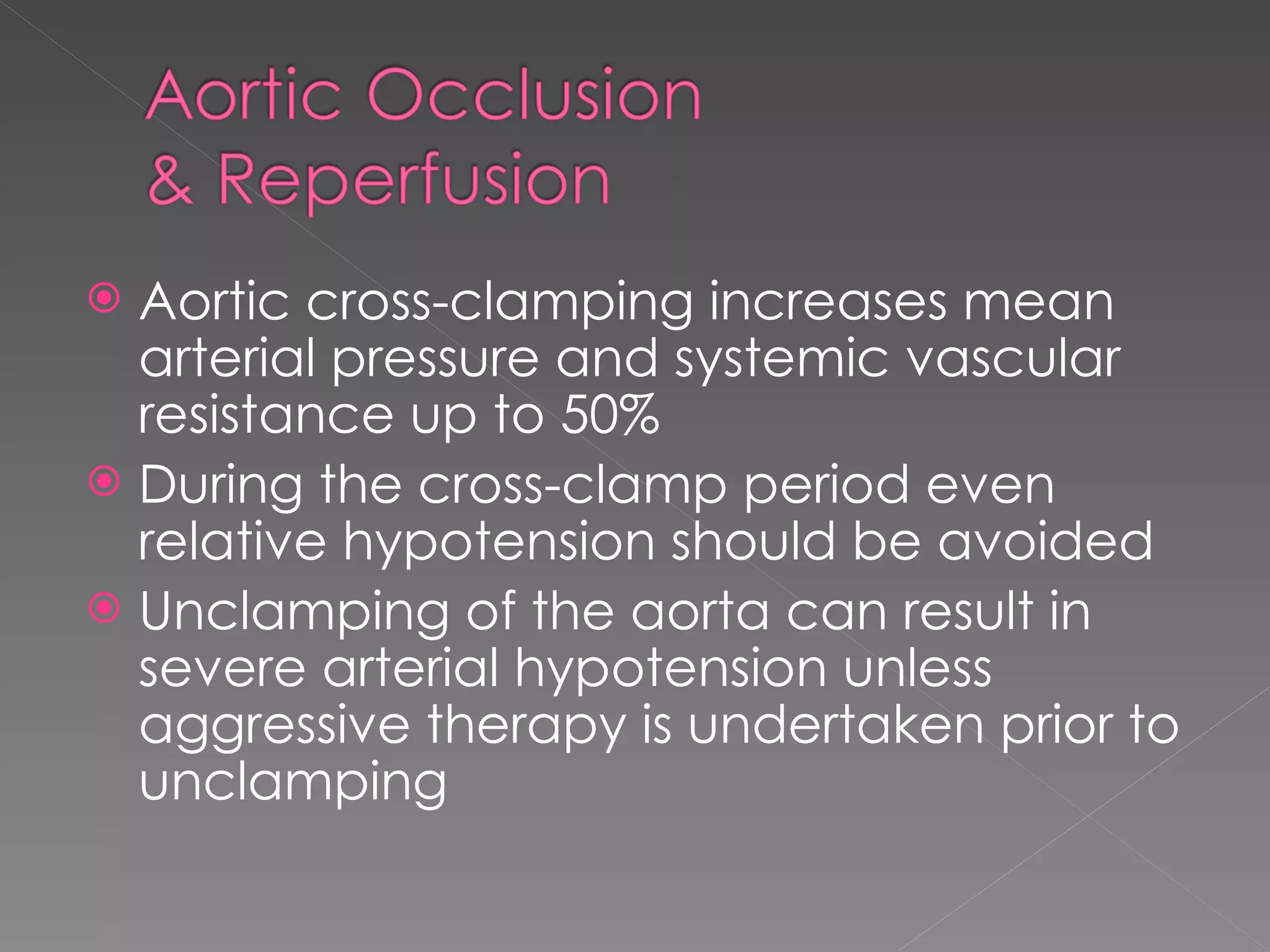
Aortic cross-clamping increases mean arterial pressure and systemic vascular resistance up to 50% During the cross-clamp period even relative hypotension should be avoided Unclamping of the aorta can result in severe arterial hypotension unless aggressive therapy is undertaken prior to unclamping
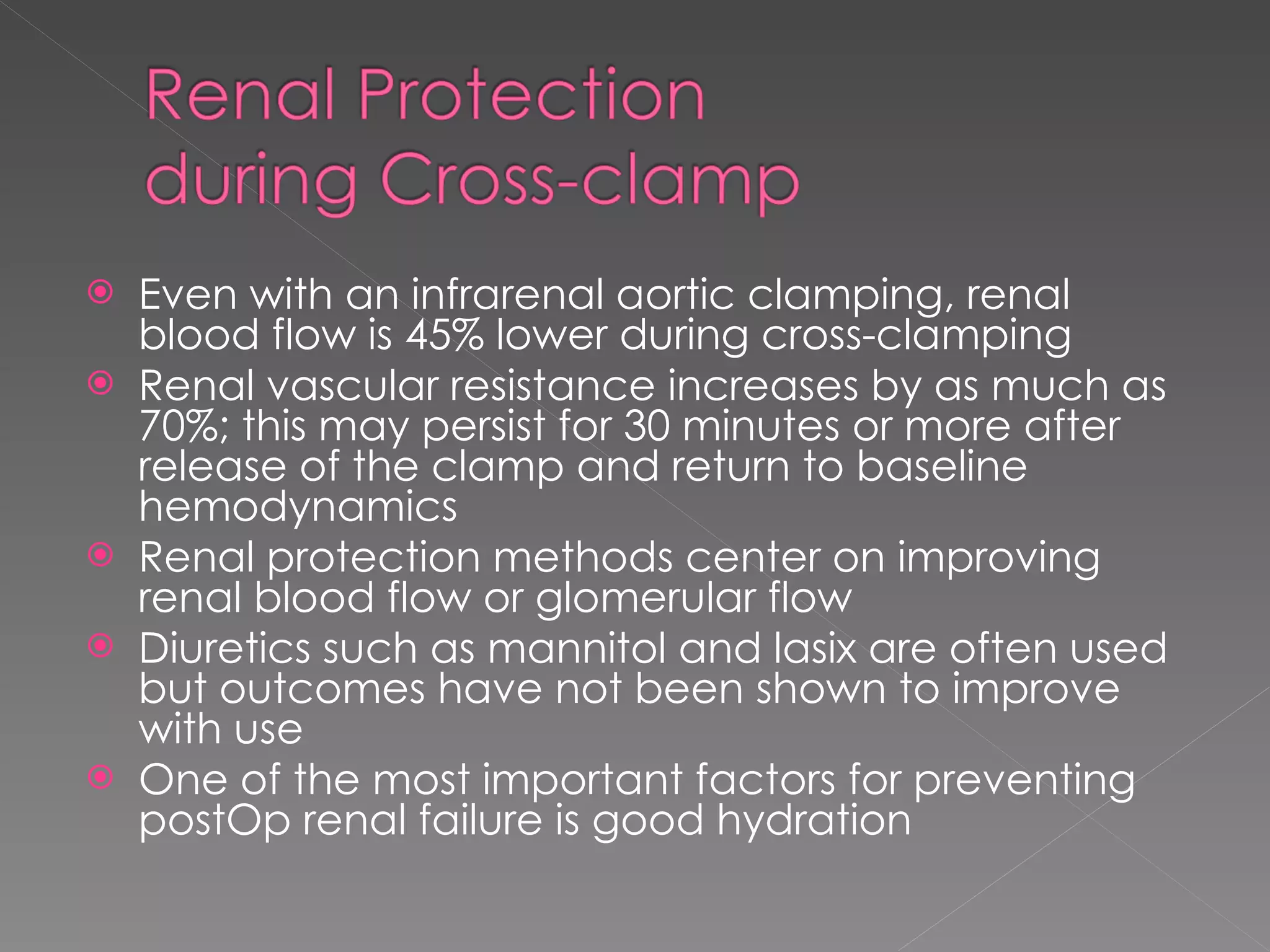
Even with an infrarenal aortic clamping, renal blood flow is 45% lower during cross-clamping Renal vascular resistance increases by as much as 70%; this may persist for 30 minutes or more after release of the clamp and return to baseline hemodynamics Renal protection methods center on improving renal blood flow or glomerular flow Diuretics such as mannitol and lasix are often used but outcomes have not been shown to improve with use One of the most important factors for preventing postOp renal failure is good hydration
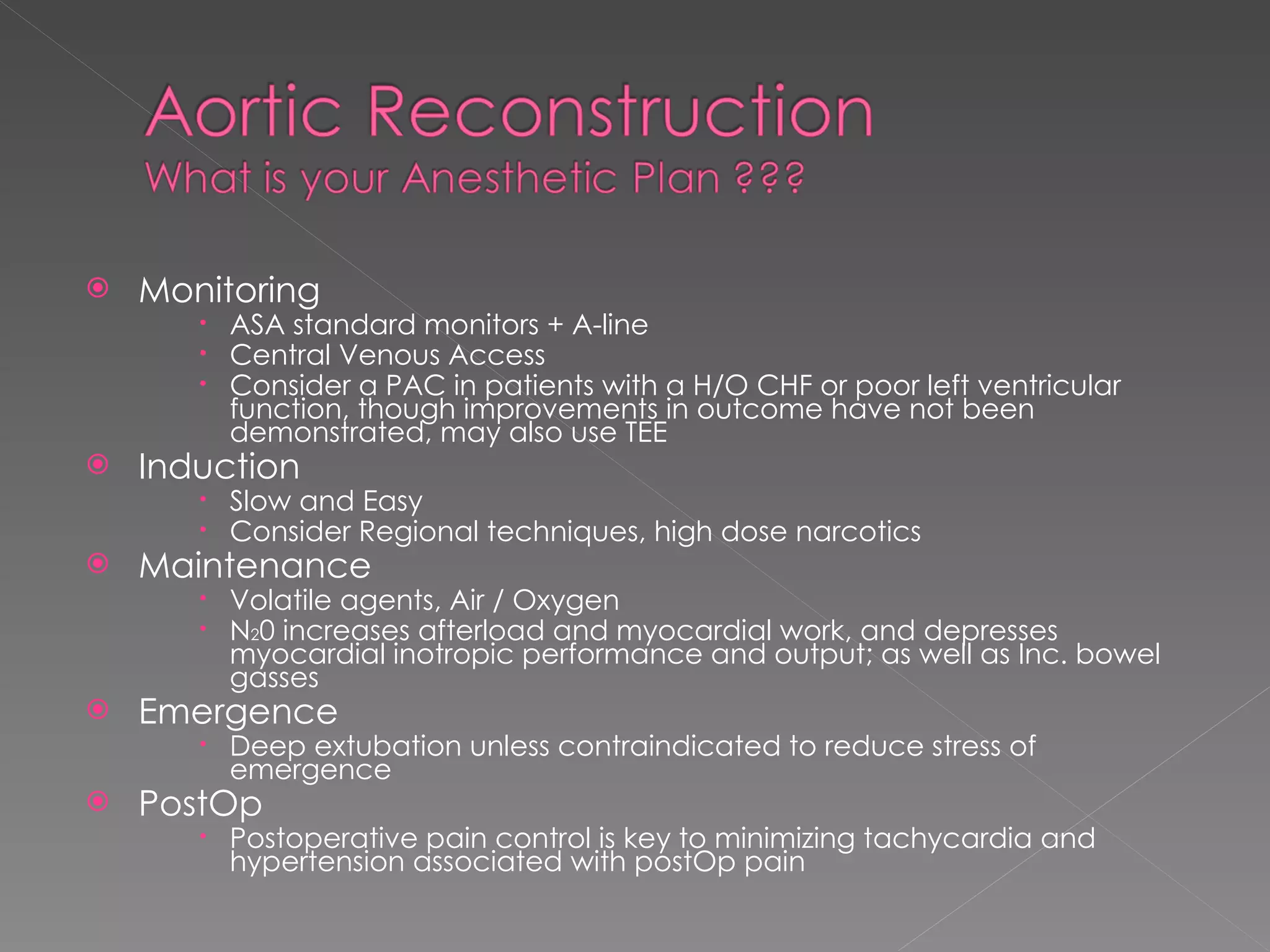
Monitoring ASA standard monitors + A-line Central Venous Access Consider a PAC in patients with a H/O CHF or poor left ventricular function, though improvements in outcome have not been demonstrated, may also use TEE Induction Slow and Easy Consider Regional techniques, high dose narcotics Maintenance Volatile agents, Air / Oxygen N 2 0 increases afterload and myocardial work, and depresses myocardial inotropic performance and output; as well as Inc. bowel gasses Emergence Deep extubation unless contraindicated to reduce stress of emergence PostOp Postoperative pain control is key to minimizing tachycardia and hypertension associated with postOp pain
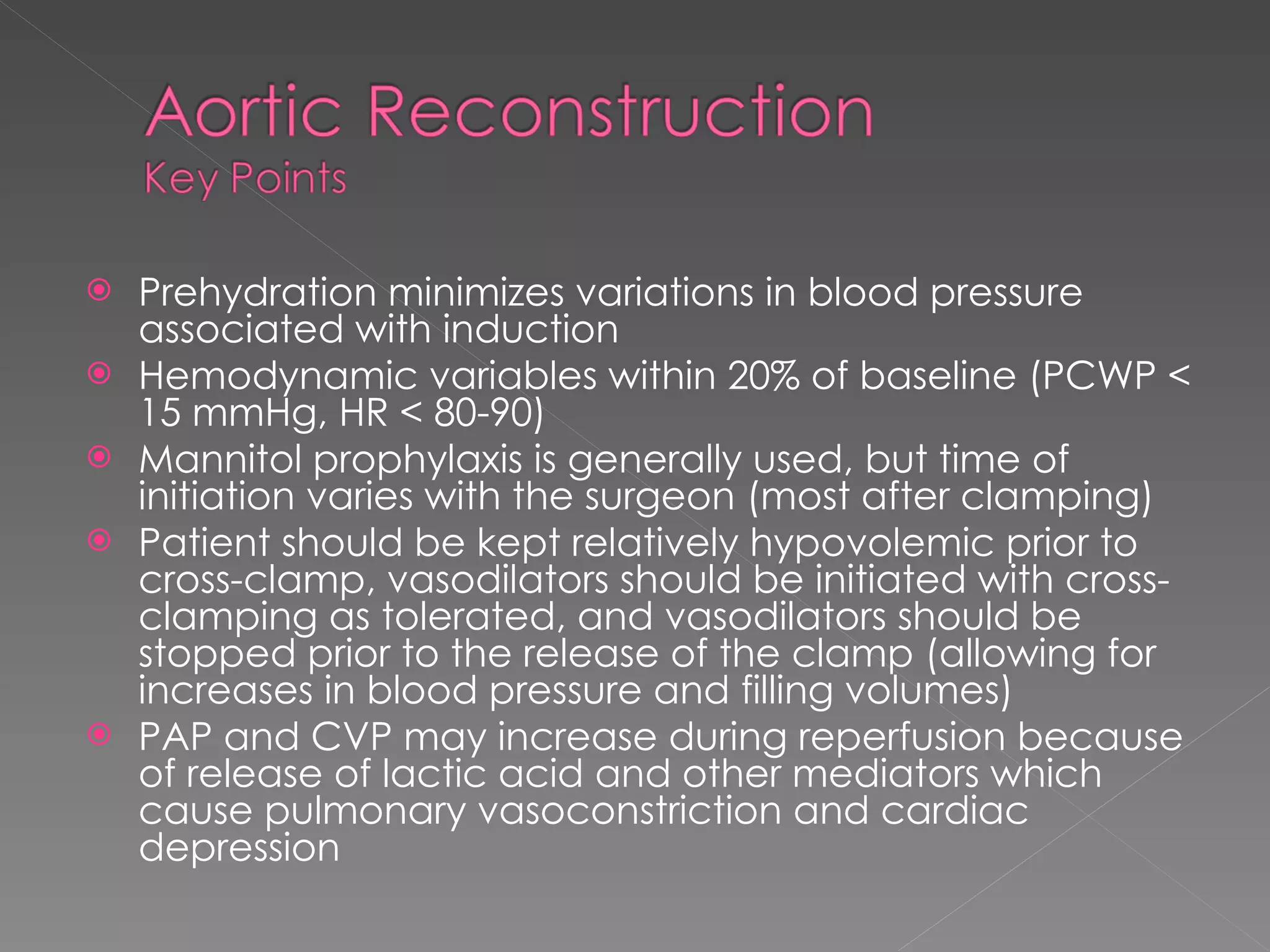
Prehydration minimizes variations in blood pressure associated with induction Hemodynamic variables within 20% of baseline (PCWP < 15 mmHg, HR < 80-90) Mannitol prophylaxis is generally used, but time of initiation varies with the surgeon (most after clamping) Patient should be kept relatively hypovolemic prior to cross-clamp, vasodilators should be initiated with cross-clamping as tolerated, and vasodilators should be stopped prior to the release of the clamp (allowing for increases in blood pressure and filling volumes) PAP and CVP may increase during reperfusion because of release of lactic acid and other mediators which cause pulmonary vasoconstriction and cardiac depression
Unlike the elective AAA in which preserving myocardial function is the primary goal, the crucial factor for patient survival is control of blood loss, reversal of hypotension, and then preservation of myocardial function Rapid control of the proximal portion of the aorta is more important than optimizing the patient Volume resuscitation with crystalloid, colloid, and blood products is essential
 
 
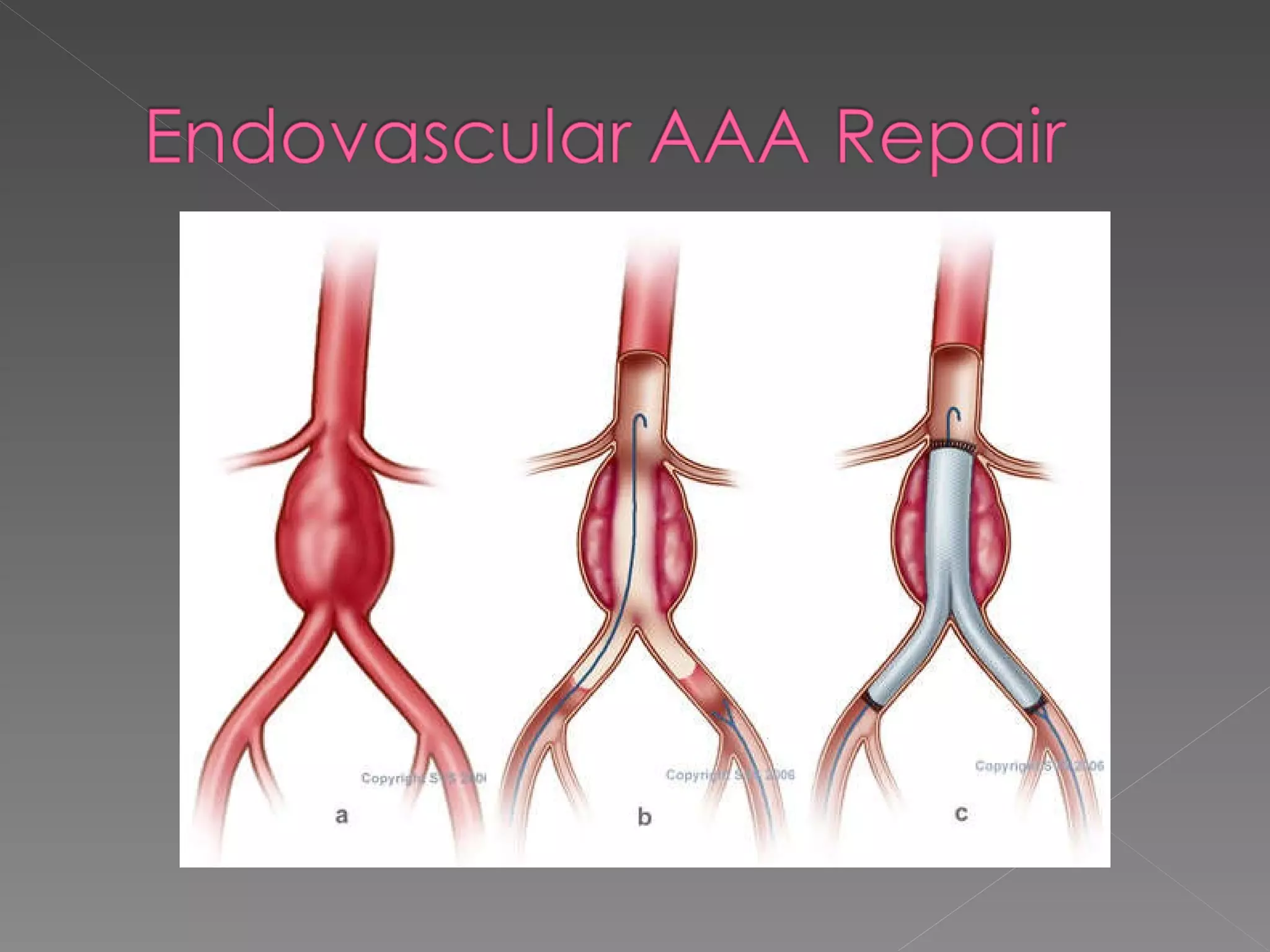
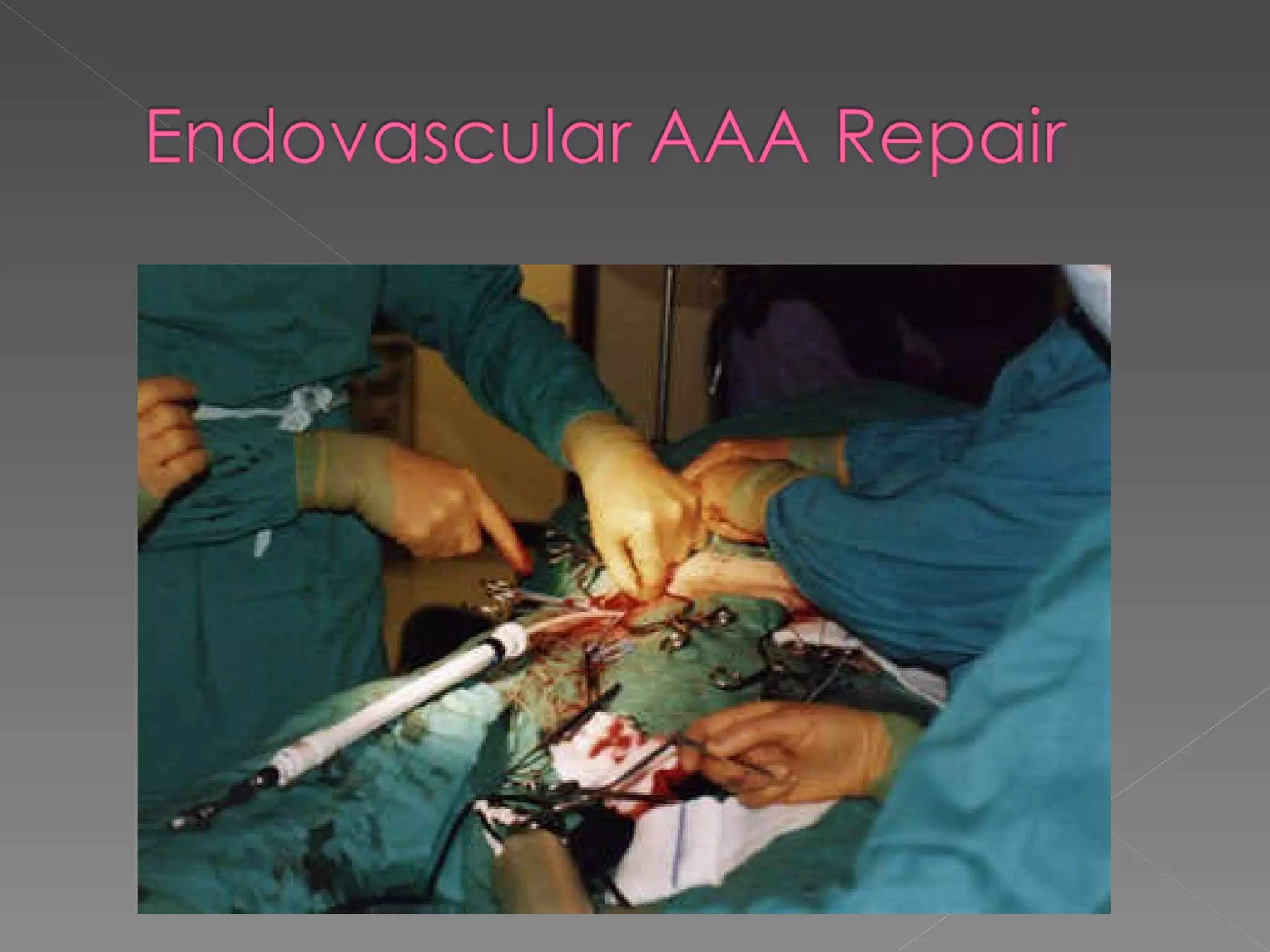
Current trend with minimally invasive technique Both femoral arteries are accessed by cut down to “float” a gortex graft into place in the aneurysmal sac. Graft will provide the lumen for blood flow and the sac will shrink over time Potential for “leaking” is ~14%  May need to return to the OR for further repair Must be prepared to convert to an open AAA Not as painful nor as long as a recovery period Not all patients are a candidate for this procedure
 
 
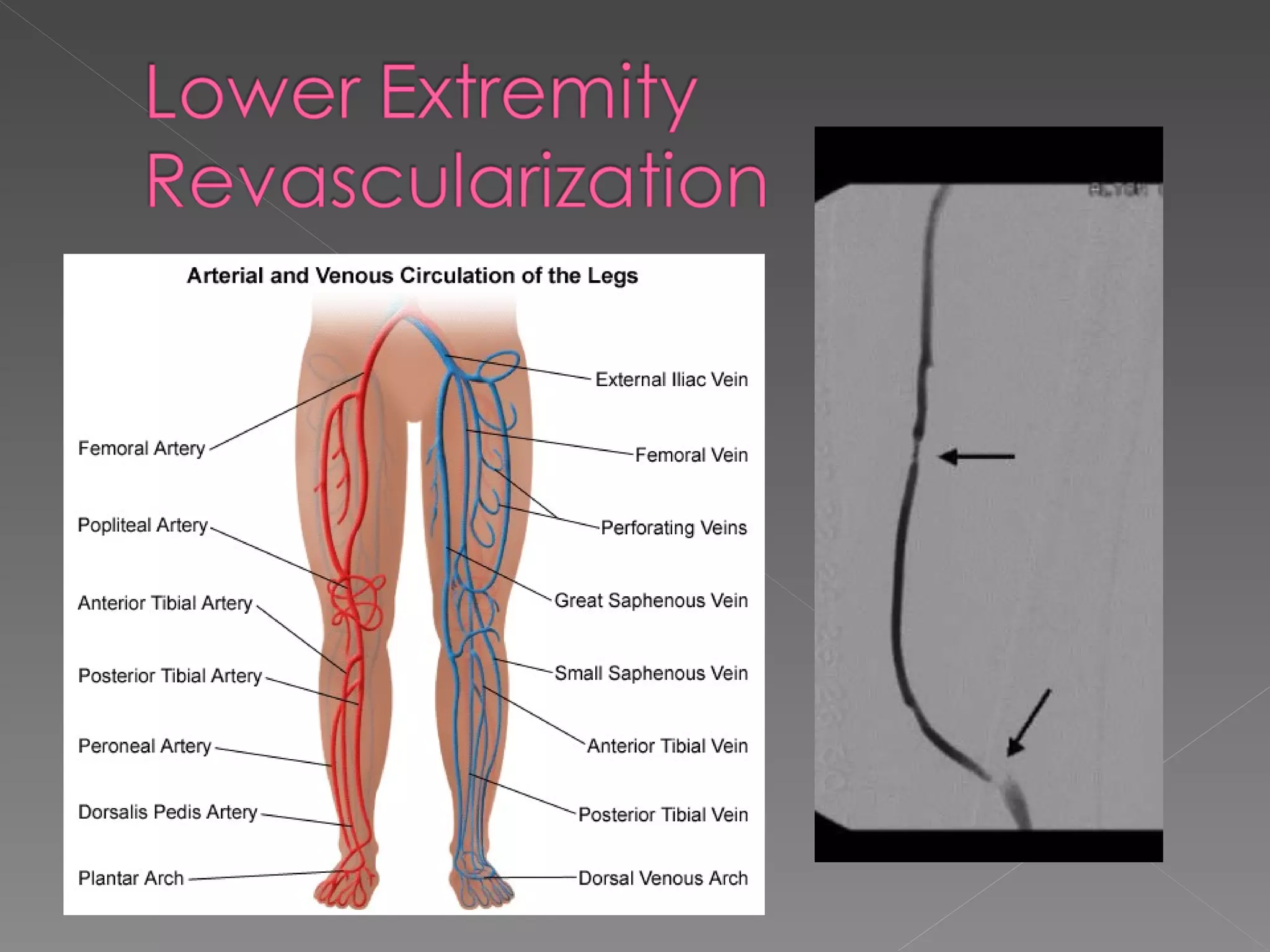
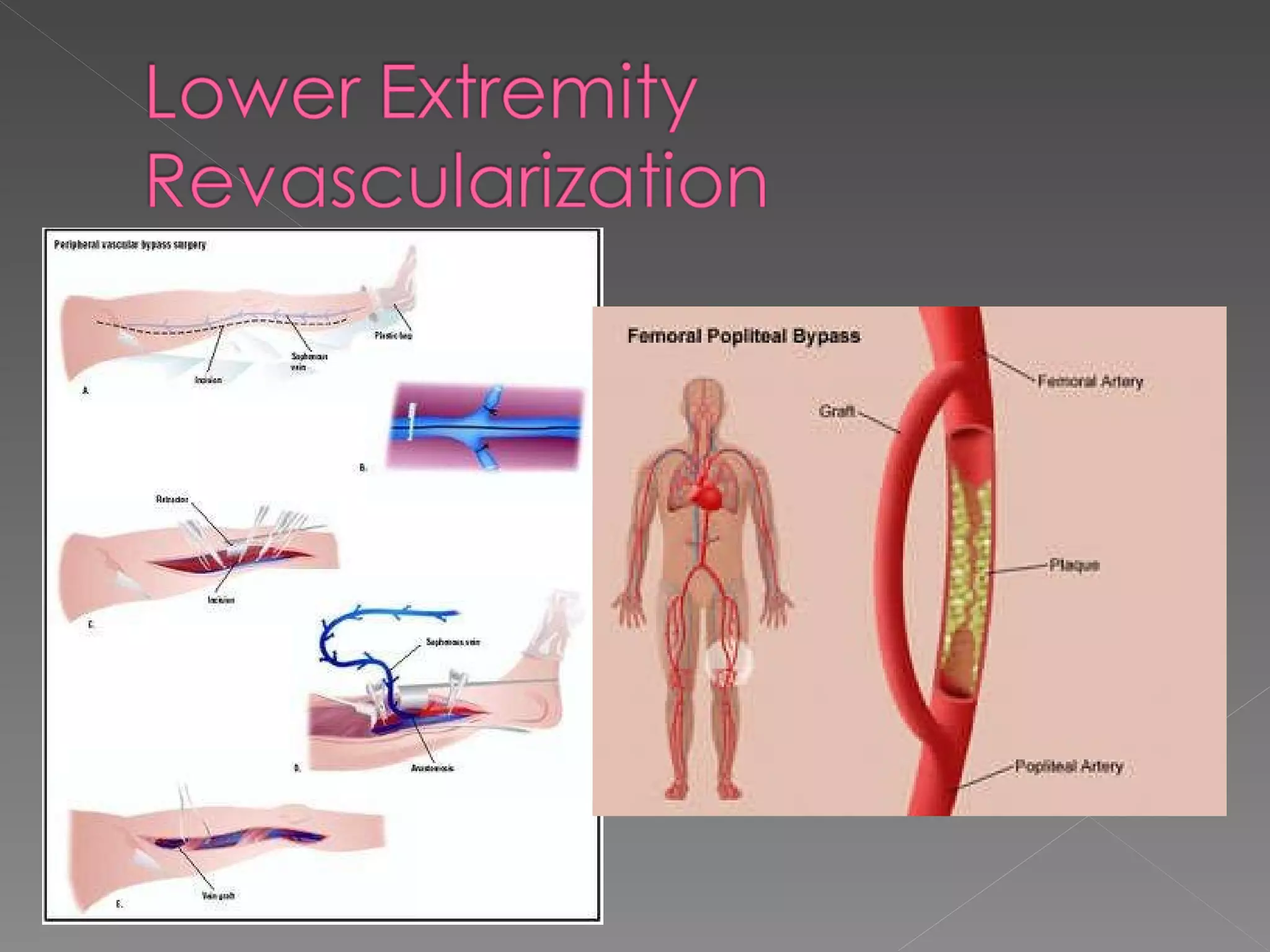
The incidence of cardiac morbidity after infrainguinal procedures may exceed that associated with abdominal aortic procedures because patients for distal procedures often have more preoperative risk factors Patients undergoing lower-extremity revascularization may receive less attentive care; “it is just a spinal case”
These procedures are often done utilizing regional technique which can lead to hypotension Patients are most often hydrated, and sometimes over hydrated in response to the venodilatation caused by the spinal sympathectomy As the sympathetic effect wears off, an “autotransfusion” can lead to CHF in a susceptible patient Length of surgical time varies and use caution with a single shot RA technique Usually patient is typical “vasculopath” and has prior vascular associated procedures
Acts as an anticoagulant, preventing the formation of clots and extension of existing clots within the blood While heparin does not break down clots that have already formed (unlike  tissue plasminogen activator ), it allows the body's natural  clot lysis  mechanisms to work normally to break down clots that have not yet formed Provided in “units” with varying concentrations - ***must use caution*** Given either IV or SC ½ life is ~60 min Dosing varies with goal (50-150 units/kg) Results measured with aPTT or ACT
Reversal of Heparin Highly cationic molecule Forms inactive complex with heparin Can cause a massive histamine release if administered quickly (hypotension, bronchoconstriction, tachycardia) 1mg of protamine to reverse 100units of heparin
Lab test to determine the effectiveness of heparin dose or reversal Blood sample drawn 2 min after heparin administered or 5 minutes after protamine Specimen requirement is 2 mL of whole blood collected in a celite activated glass vacutainer tube, mixed, and immediately inserted into the instrument
Sheath pull <150 to <250 Extracorporeal circulation 180  to 220 Catheterization/ vascular surgery >180  to >200 Angioplasty without ReoPro >300  to >350 Angioplasty with ReoPro 200 to 300 CABG >400 CABG with aprotinin >480 to >600 Reference range is 99 - 130 seconds
 

Trauma & Burns

  • 1.
  • 2.
    Aorto-occlusive disease MajorVascular Surgery Peripheral Arterial Disease Carotidendarterectomy
  • 3.
  • 4.
    Aorto-occlusive disease ischaracterized by pathophysiologic, atherosclerotic changes within the aorta that extends into the iliac and/or femoral arteries and results in inadequate perfusion of vital organs and the lower extremities
  • 5.
    Myocardial dysfunction remainsthe single most important cause of morbidity following vascular surgery A mortality rate of about 5% is associated with elective abdominal aortic aneurysm (AAA) repair (j Patients presenting for surgery with poorly controlled CHF have a 20% mortality with a AAA repair
  • 6.
    The majority ofthese patients present in their fifth decade or older Coronary artery disease is present in 25-65% of this population Additional comorbidities include: Angina pectoris Hypertension H/O myocardial infarction Congestive heart failure Pulmonary disease Diabetes mellitus Renal insufficiency Cerebrovascular disease
  • 7.
    PreOp evaluation ofthe ECG is more often abnormal than not in elderly patients and does not appear to be independently associated with adverse events Patients who have survived recent coronary revascularization (CABG < 5 years, PTCA < 2 years) have fewer cardiac complications after vascular surgery Perioperative MI may occur from rupture of atherosclerotic plaque (50%) or due to a prolonged imbalance between myocardial oxygen supply and demand in the setting of CAD Myocardial oxygen supply may be diminished by anemia or hypotension, whereas oxygen demand may be increased by tachycardia and hypertension Studies have consistently identified CHF, previous MI, advanced age, severely limited exercise tolerance, chronic renal insufficiency, and diabetes as risk factors for the development of perioperative cardiac morbidity. The presence of three or more of these risk factors makes an individual patient a “high risk” for surgery
  • 8.
    Age Gender (male)Smoking Diabetes mellitus Hypertension Hyperlipidemia Obesity Physical inactivity The strongest association is with smoking and diabetes
  • 9.
    The goals ofperioperative cardiac monitoring are to detect myocardial ischemia and to identify abnormalities of preload, afterload, and ventricular function ECG monitoring The mainstay of perioperative detection of myocardial ischemia Evidence of ST segment depression is a more common indicator of myocardial ischemia than ST elevation during vascular surgery Pulmonary capillary wedge pressure Has low sensitivity and specificity for detecting ischemia PCWP elevations tend to be associated with tachycardia and hypertension (suggestive of inadequate anesthesia) PCWP remained normal in 80% of patients who developed wall motion abnormalities on TEE Transesophageal Echocardiography (TEE) When myocardial ischemia is produced, mechanical dysfunction precedes surface ECG changes Though regional wall motion abnormalities are more sensitive than ST segment changes in detecting intraoperative ischemia, TEE during noncardiac surgery appears to have little incremental clinical value
  • 10.
  • 11.
  • 12.
    Carotid atherosclerosis isthe leading cause of extracranial vascular cerebral events The disease is primarily a problem of embolization and rarely occlusion or insufficiency Plaque rupture or embolization can lead to Transient ischemic attack (TIA) or cerebrovascular accident (CVA) Carotid disease may manifest itself as an asymptomatic bruit, or as transient attacks of monocular blindness Amaurosis fugax (from the Greek &quot;amaurosis,&quot; meaning dark, and the Latin &quot;fugax,&quot; meaning fleeting) Anesthetic management attempts to optimize cerebral perfusion in patients with a high prevalence of Coronary artery disease
  • 13.
    The two maingoals of intraoperative management are to protect the brain and to protect the heart; these two goals often conflict Increasing arterial blood pressure to augment cerebral blood flow can increase afterload or myocardial contractility, thus increasing myocardial oxygen demand A high-normal blood pressure may be best to balance these two goals
  • 14.
    Normocarbia or moderatehypocarbia Hypercarbia dilates cerebral vessels and thus increases cerebral blood flow, but may cause a diversion of blood flow from hypoperfused brain regions to normally perfused regions (“steal phenomenon”) Normoglycemia Moderate hyperglycemia may worsen ischemic brain injury
  • 15.
    Monitors ASAstandard monitors,+ A-line, 2 large bore IVs Induction These patients tend to be hypovolemic; they may present hypertensive, but are prone to hypotension on induction Thiopental decreases cerebral metabolic oxygen requirements to about 50% of baseline Maintenance Inhalational agents reduce cerebral oxygen requirements Avoid administering more than 10 mL/kg of crystalloid because fluid overload may contribute to postOp hypertension Emergence Deep extubation is best if no contraindications exist; this aids in the prevention of hypertension and tachycardia during emergence PostOp Both acute tachycardia and hypertension can precipitate myocardial ischemia, and hypertension may lead to cerebral edema and hemorrhage
  • 16.
  • 17.
  • 18.
    Aneurysmal Disease Mortalityfrom aneurysm rupture may be as high as 85%, and even patients who receive emergent surgery have mortality rates one-half that Risk factors for aneurysm Advanced age Smoking > 40 years Hypertension Low serum HDL High level of plasma fibrinogen Low blood platelet count
  • 19.
    Rupture of theAAA is related to the absolute diameter of the aortic aneurysm sac; the risk of rupture increases once the aneurysm is greater than 4.5 to 5 cm in diameter 6 year incidence of rupture < 4.0 cm is 1% 4.0-4.9 cm is 2% >5.0 cm is 20% Patients with AAAs that do not undergo operation have an 80% 5-year mortality, predominantly because of rupture It is recommended that in good-risk patients with aneurysms greater than 4.5-5 cm surgical repair should be considered Surgery for ruptured AAA is still associated with a mortality approaching 50%
  • 20.
    Aortic cross-clamping increasesmean arterial pressure and systemic vascular resistance up to 50% During the cross-clamp period even relative hypotension should be avoided Unclamping of the aorta can result in severe arterial hypotension unless aggressive therapy is undertaken prior to unclamping
  • 21.
    Even with aninfrarenal aortic clamping, renal blood flow is 45% lower during cross-clamping Renal vascular resistance increases by as much as 70%; this may persist for 30 minutes or more after release of the clamp and return to baseline hemodynamics Renal protection methods center on improving renal blood flow or glomerular flow Diuretics such as mannitol and lasix are often used but outcomes have not been shown to improve with use One of the most important factors for preventing postOp renal failure is good hydration
  • 22.
    Monitoring ASA standardmonitors + A-line Central Venous Access Consider a PAC in patients with a H/O CHF or poor left ventricular function, though improvements in outcome have not been demonstrated, may also use TEE Induction Slow and Easy Consider Regional techniques, high dose narcotics Maintenance Volatile agents, Air / Oxygen N 2 0 increases afterload and myocardial work, and depresses myocardial inotropic performance and output; as well as Inc. bowel gasses Emergence Deep extubation unless contraindicated to reduce stress of emergence PostOp Postoperative pain control is key to minimizing tachycardia and hypertension associated with postOp pain
  • 23.
    Prehydration minimizes variationsin blood pressure associated with induction Hemodynamic variables within 20% of baseline (PCWP < 15 mmHg, HR < 80-90) Mannitol prophylaxis is generally used, but time of initiation varies with the surgeon (most after clamping) Patient should be kept relatively hypovolemic prior to cross-clamp, vasodilators should be initiated with cross-clamping as tolerated, and vasodilators should be stopped prior to the release of the clamp (allowing for increases in blood pressure and filling volumes) PAP and CVP may increase during reperfusion because of release of lactic acid and other mediators which cause pulmonary vasoconstriction and cardiac depression
  • 24.
    Unlike the electiveAAA in which preserving myocardial function is the primary goal, the crucial factor for patient survival is control of blood loss, reversal of hypotension, and then preservation of myocardial function Rapid control of the proximal portion of the aorta is more important than optimizing the patient Volume resuscitation with crystalloid, colloid, and blood products is essential
  • 25.
  • 26.
  • 27.
    Current trend withminimally invasive technique Both femoral arteries are accessed by cut down to “float” a gortex graft into place in the aneurysmal sac. Graft will provide the lumen for blood flow and the sac will shrink over time Potential for “leaking” is ~14% May need to return to the OR for further repair Must be prepared to convert to an open AAA Not as painful nor as long as a recovery period Not all patients are a candidate for this procedure
  • 28.
  • 29.
  • 30.
    The incidence ofcardiac morbidity after infrainguinal procedures may exceed that associated with abdominal aortic procedures because patients for distal procedures often have more preoperative risk factors Patients undergoing lower-extremity revascularization may receive less attentive care; “it is just a spinal case”
  • 31.
    These procedures areoften done utilizing regional technique which can lead to hypotension Patients are most often hydrated, and sometimes over hydrated in response to the venodilatation caused by the spinal sympathectomy As the sympathetic effect wears off, an “autotransfusion” can lead to CHF in a susceptible patient Length of surgical time varies and use caution with a single shot RA technique Usually patient is typical “vasculopath” and has prior vascular associated procedures
  • 32.
    Acts as ananticoagulant, preventing the formation of clots and extension of existing clots within the blood While heparin does not break down clots that have already formed (unlike tissue plasminogen activator ), it allows the body's natural clot lysis mechanisms to work normally to break down clots that have not yet formed Provided in “units” with varying concentrations - ***must use caution*** Given either IV or SC ½ life is ~60 min Dosing varies with goal (50-150 units/kg) Results measured with aPTT or ACT
  • 33.
    Reversal of HeparinHighly cationic molecule Forms inactive complex with heparin Can cause a massive histamine release if administered quickly (hypotension, bronchoconstriction, tachycardia) 1mg of protamine to reverse 100units of heparin
  • 34.
    Lab test todetermine the effectiveness of heparin dose or reversal Blood sample drawn 2 min after heparin administered or 5 minutes after protamine Specimen requirement is 2 mL of whole blood collected in a celite activated glass vacutainer tube, mixed, and immediately inserted into the instrument
  • 35.
    Sheath pull <150to <250 Extracorporeal circulation 180  to 220 Catheterization/ vascular surgery >180  to >200 Angioplasty without ReoPro >300  to >350 Angioplasty with ReoPro 200 to 300 CABG >400 CABG with aprotinin >480 to >600 Reference range is 99 - 130 seconds
  • 36.