Topic #8: Build it 
and they will learn 
How will you design an environment so 
that learning takes place? 
Let’s Review
Design an anti-bullying 
environment 
What can you do? 
What can your students do?
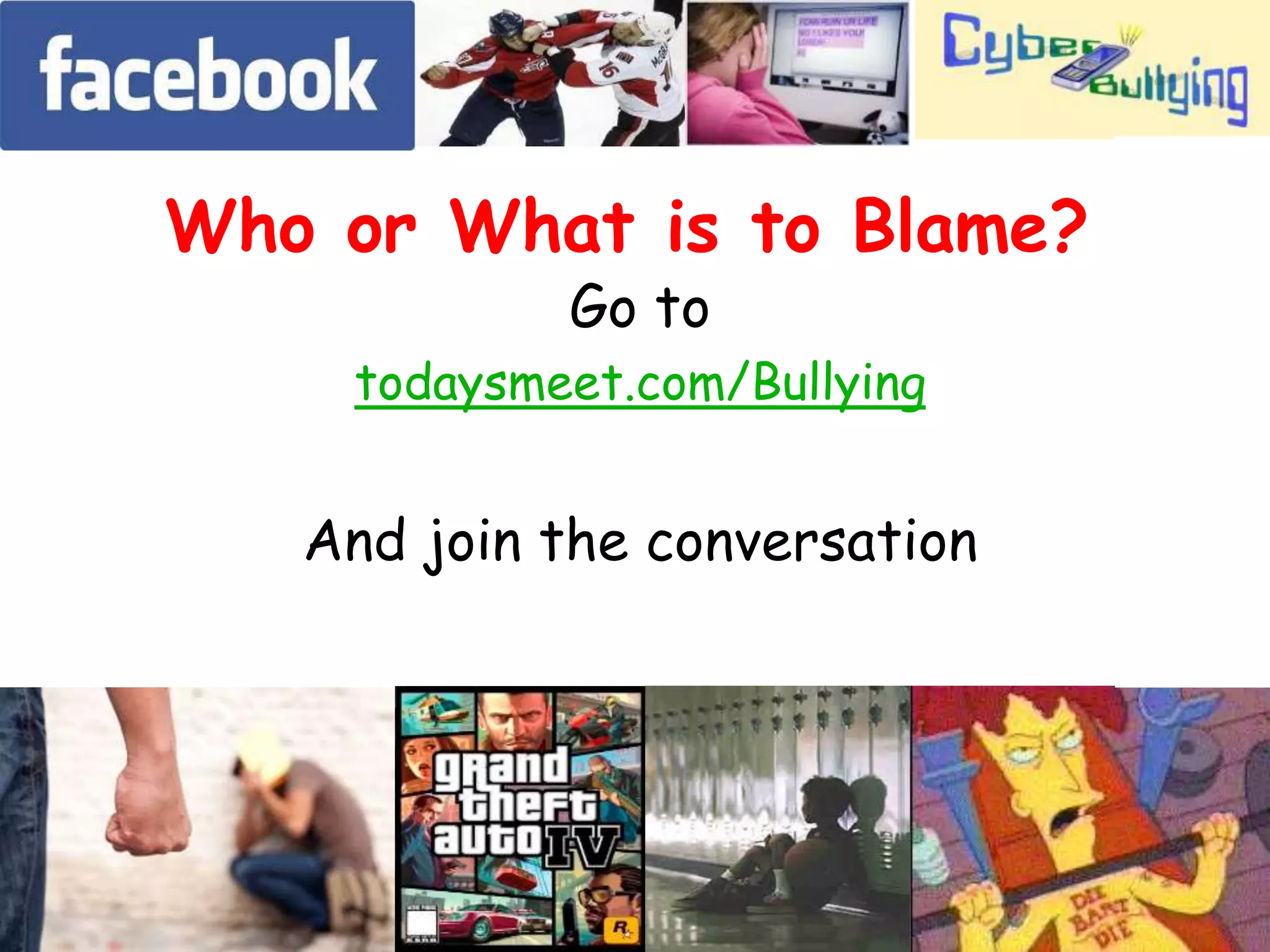
Who or What is to Blame? 
Go to 
todaysmeet.com/Bullying 
And join the conversation
10 Warning Signs: 
1. Lack of Interest in School. Self isolation from 
family and/or friends. 
2. Seeing self as always the victim. 
3. Persistent disregard for rules. 
4. Cruelty to pets or other animals. 
5. Artwork or writing that is bleak, violent or that 
depicts isolation or anger. 
6. Talking constantly about weapons or violence. 
Talk about bringing weapons to school. Bringing a 
weapon to school. 
7. Obsession with violent games/television 
8. Depression or mood swings. Misplaced or 
unwarranted jealousy. 
9. History of bullying. 
10. Involvement/interest in gangs.
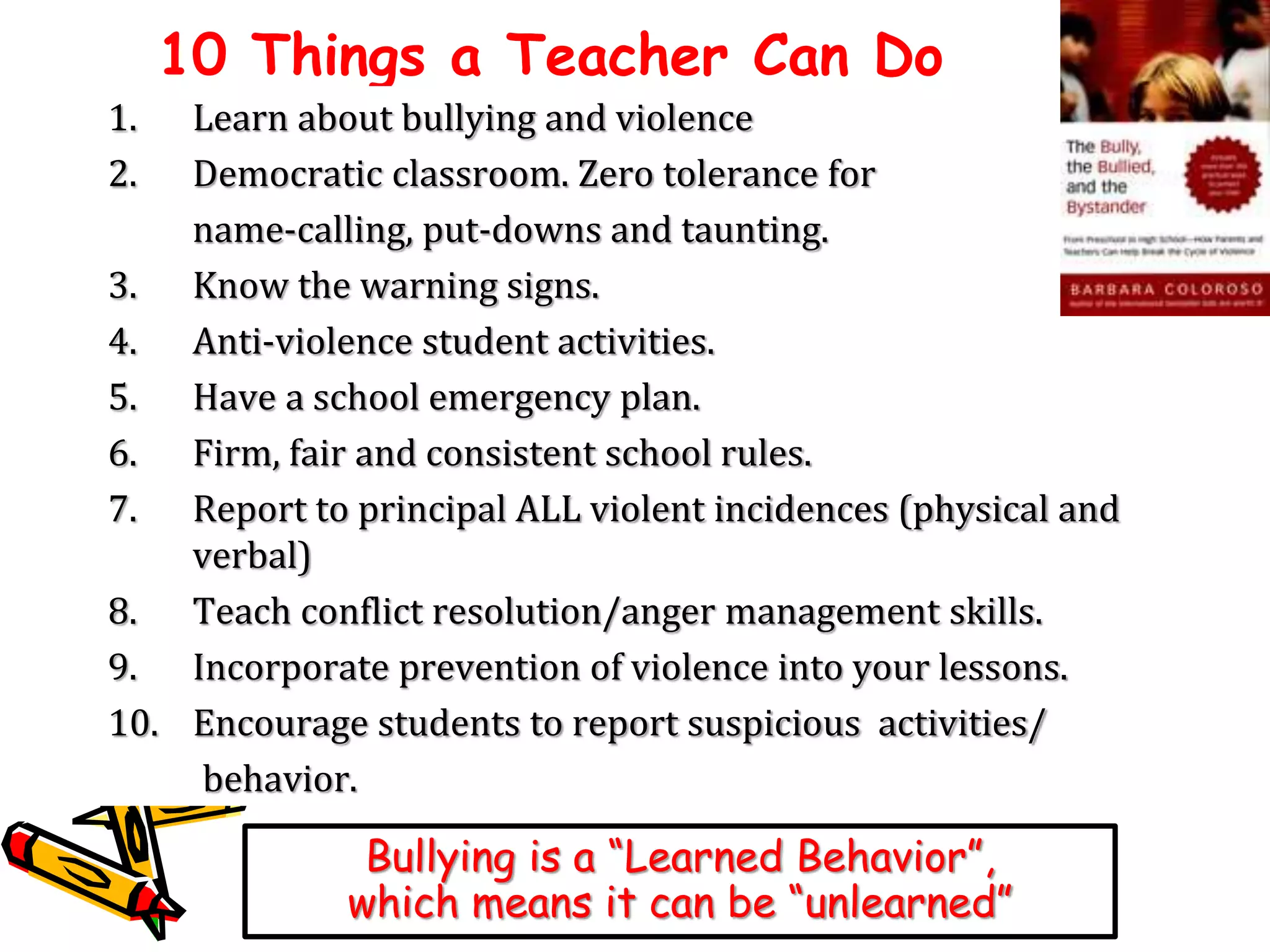
10 Things a Teacher Can Do 
1. Learn about bullying and violence 
2. Democratic classroom. Zero tolerance for 
name-calling, put-downs and taunting. 
3. Know the warning signs. 
4. Anti-violence student activities. 
5. Have a school emergency plan. 
6. Firm, fair and consistent school rules. 
7. Report to principal ALL violent incidences (physical and 
verbal) 
8. Teach conflict resolution/anger management skills. 
9. Incorporate prevention of violence into your lessons. 
10. Encourage students to report suspicious activities/ 
behavior. 
Bullying is a “Learned Behavior”, 
which means it can be “unlearned”
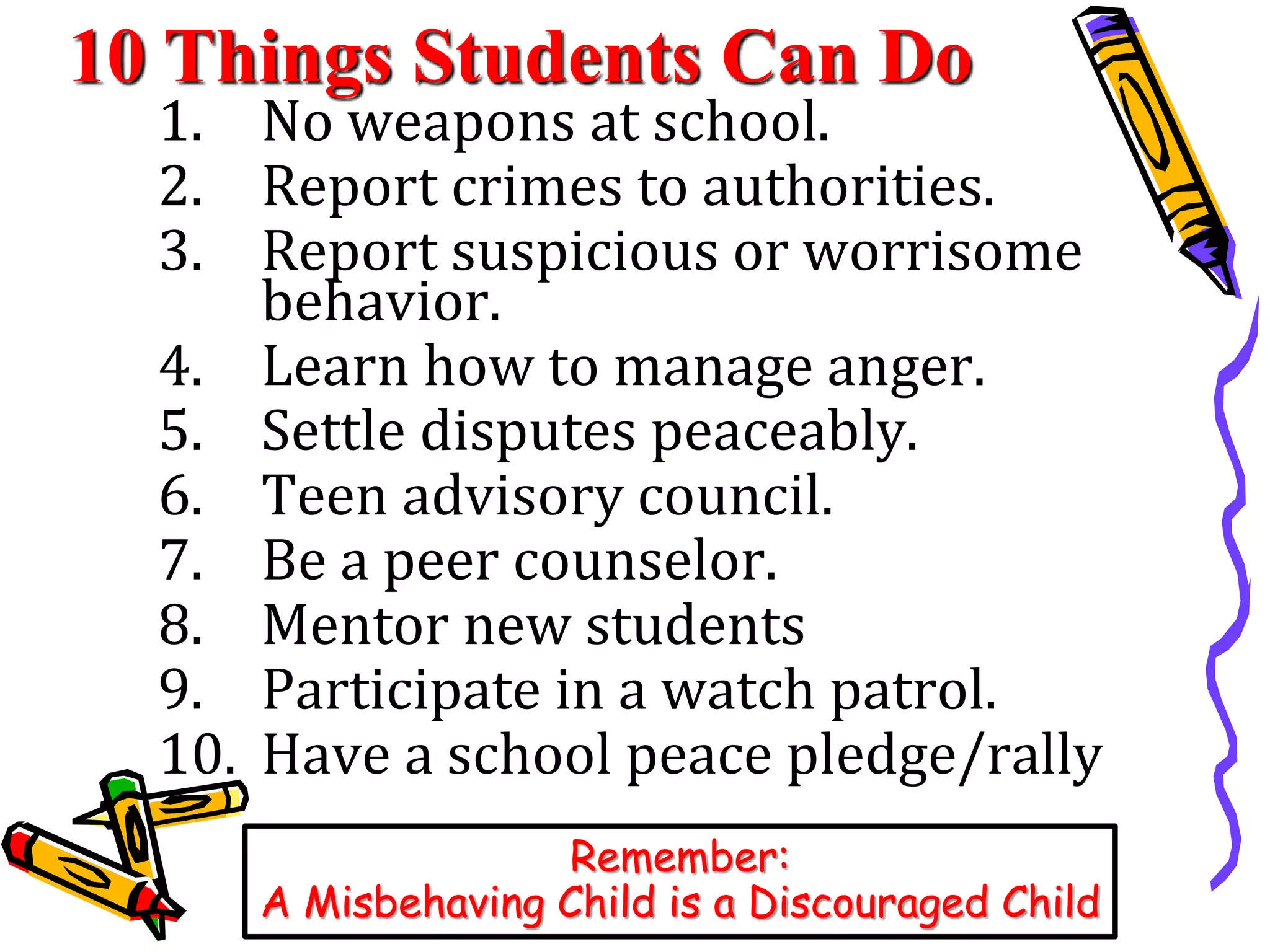
10 Things Students Can Do 
1. No weapons at school. 
2. Report crimes to authorities. 
3. Report suspicious or worrisome 
behavior. 
4. Learn how to manage anger. 
5. Settle disputes peaceably. 
6. Teen advisory council. 
7. Be a peer counselor. 
8. Mentor new students 
9. Participate in a watch patrol. 
10. Have a school peace pledge/rally 
Remember: 
A Misbehaving Child is a Discouraged Child
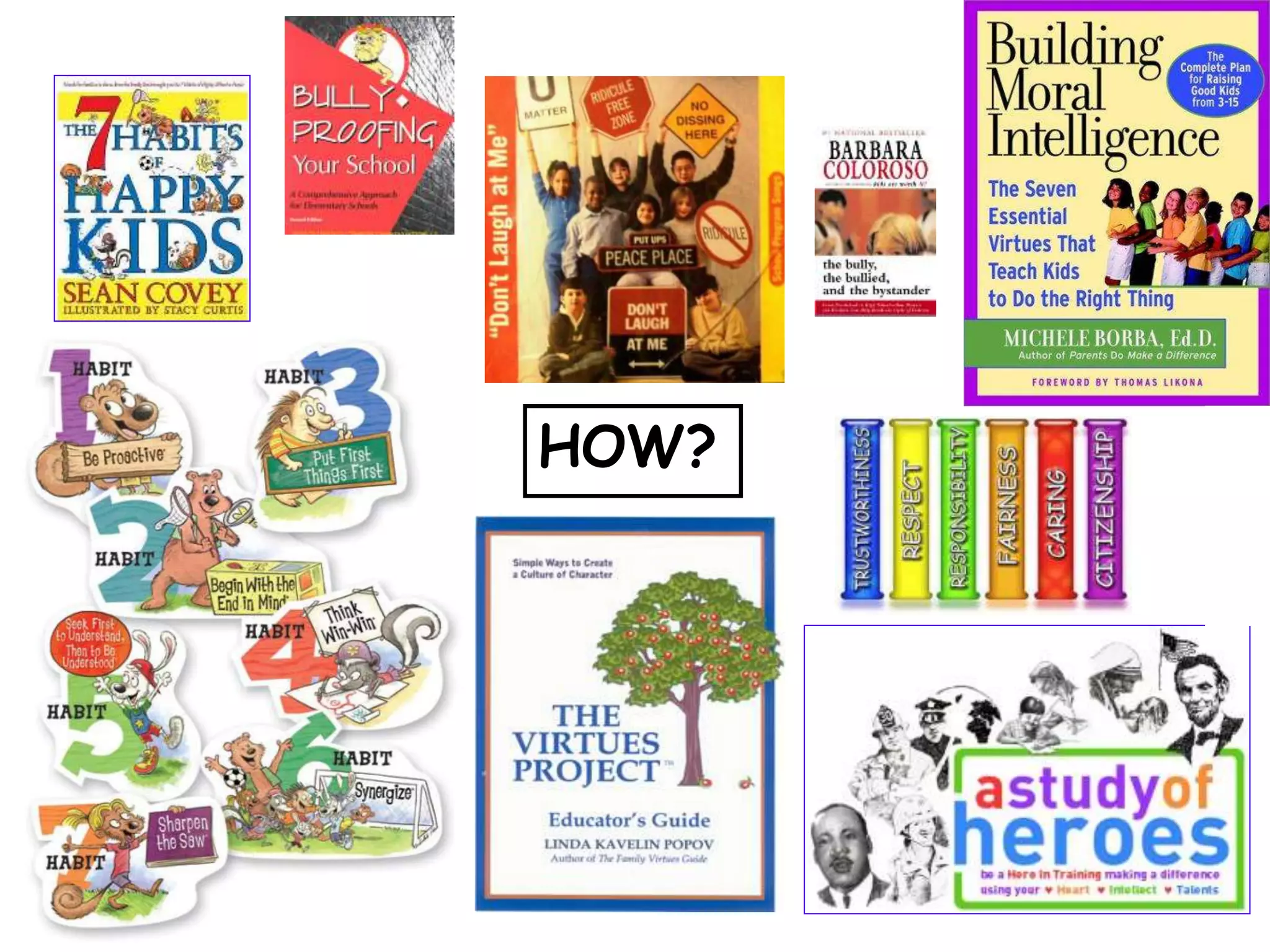
HOW?
Design an environment 
that meets the needs of 
young adolescents 
Review: Myth or Reality
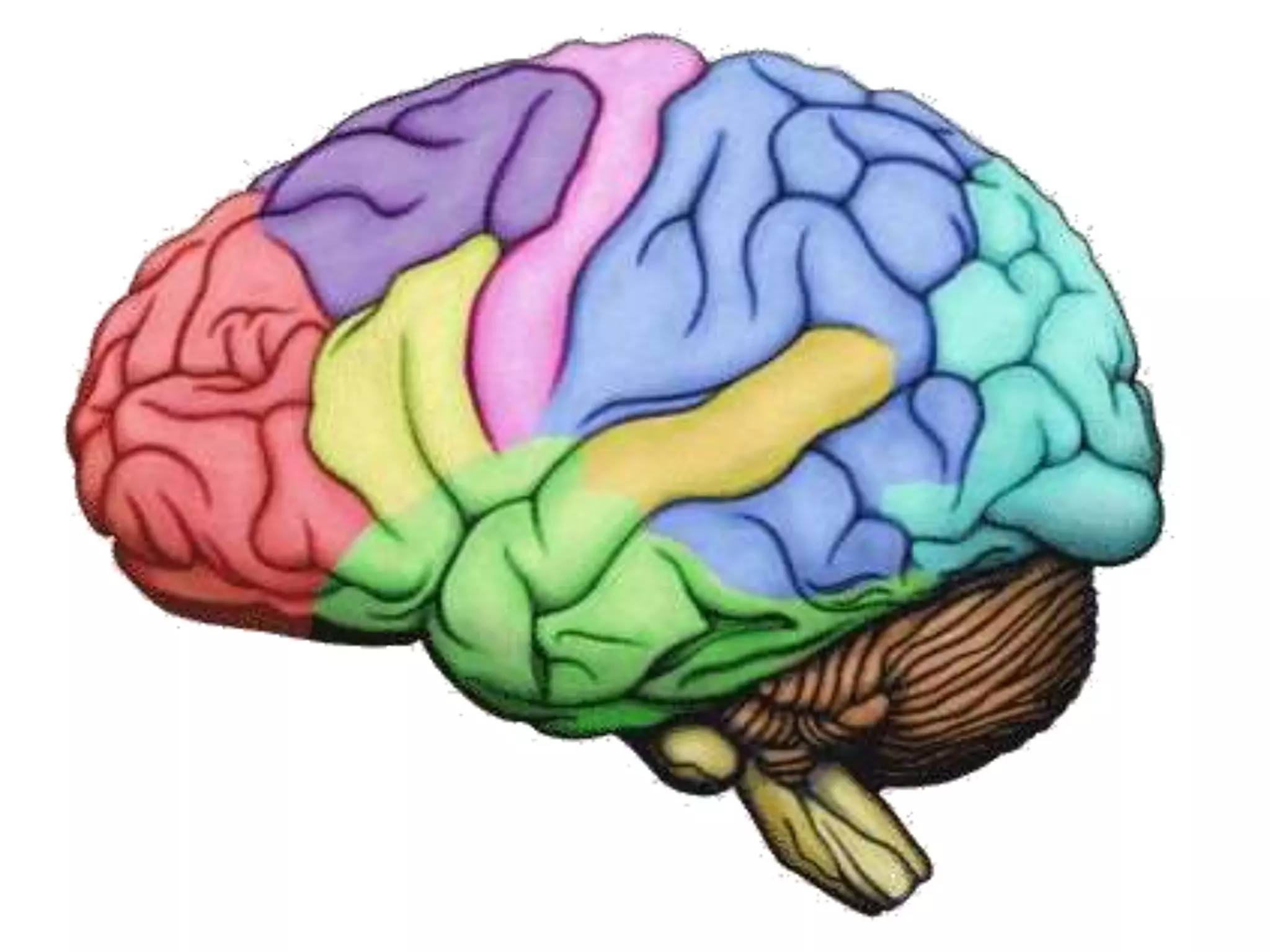
Design an environment 
that honors how the 
brain learns best 
Review: The Brain....
Design an environment 
centered on the 
best ways to learn 
Review: The Learning Pyramid
Design an environment 
where students have 
voice and choice 
Review: Cracking the Code
Design an environment 
where learning is 
engaging 
Review: Acronyms
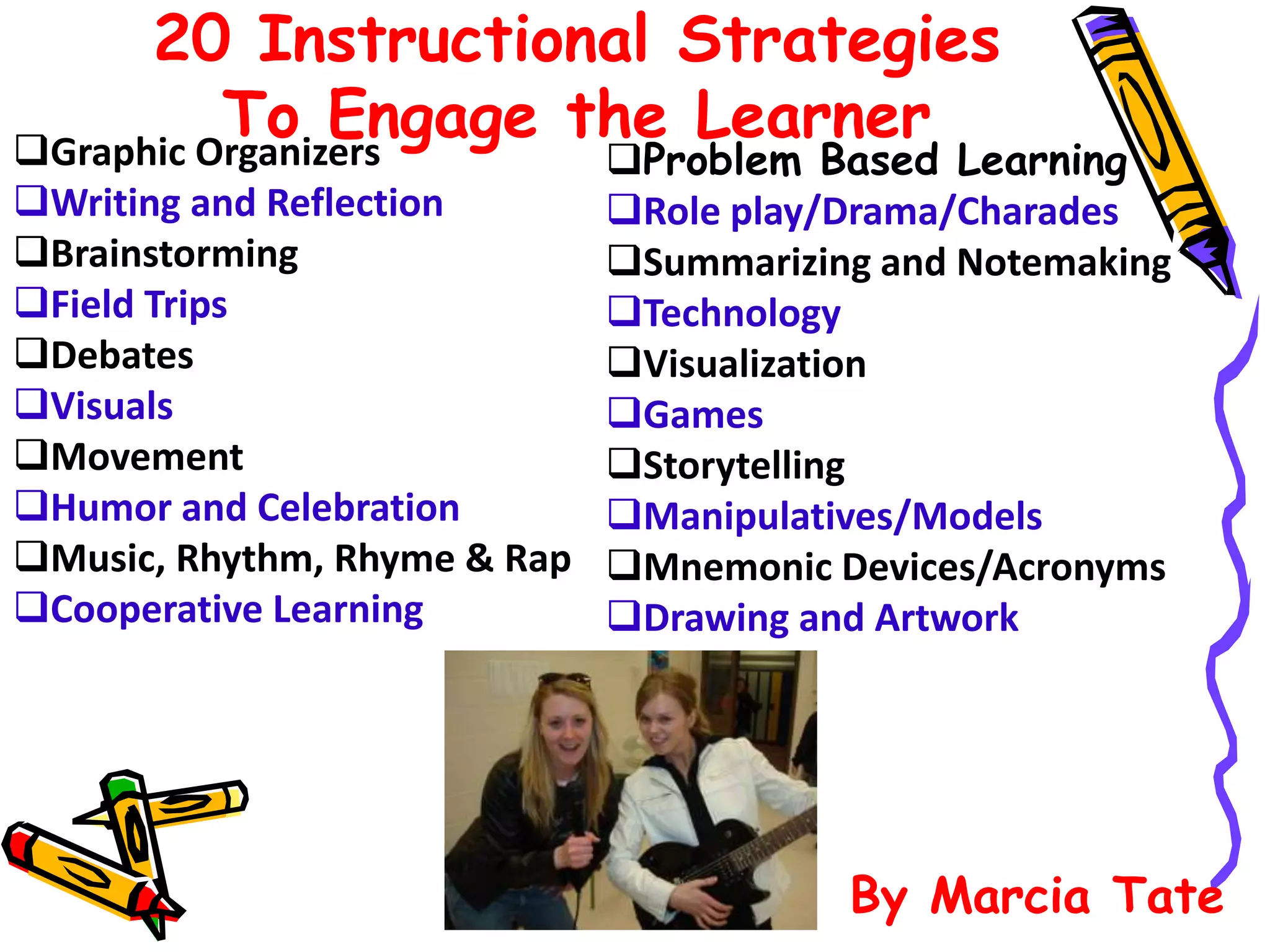
20 Instructional Strategies 
To Engage the Learner Graphic Organizers 
Writing and Reflection 
Brainstorming 
Field Trips 
Debates 
Visuals 
Movement 
Humor and Celebration 
Music, Rhythm, Rhyme & Rap 
Cooperative Learning 
Problem Based Learning 
Role play/Drama/Charades 
Summarizing and Notemaking 
Technology 
Visualization 
Games 
Storytelling 
Manipulatives/Models 
Mnemonic Devices/Acronyms 
Drawing and Artwork 
By Marcia Tate
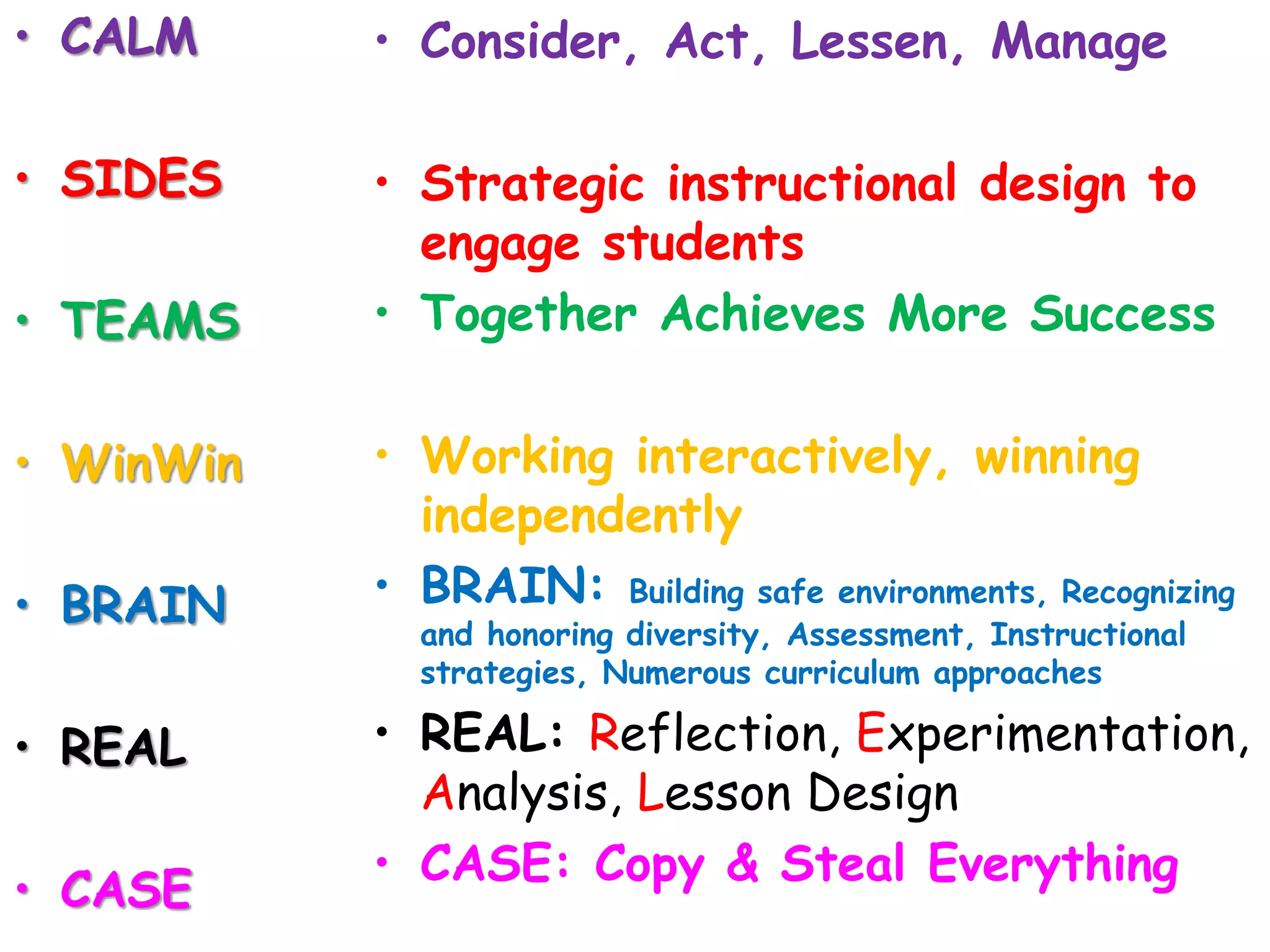
• CALM 
• SIDES 
• TEAMS 
• WinWin 
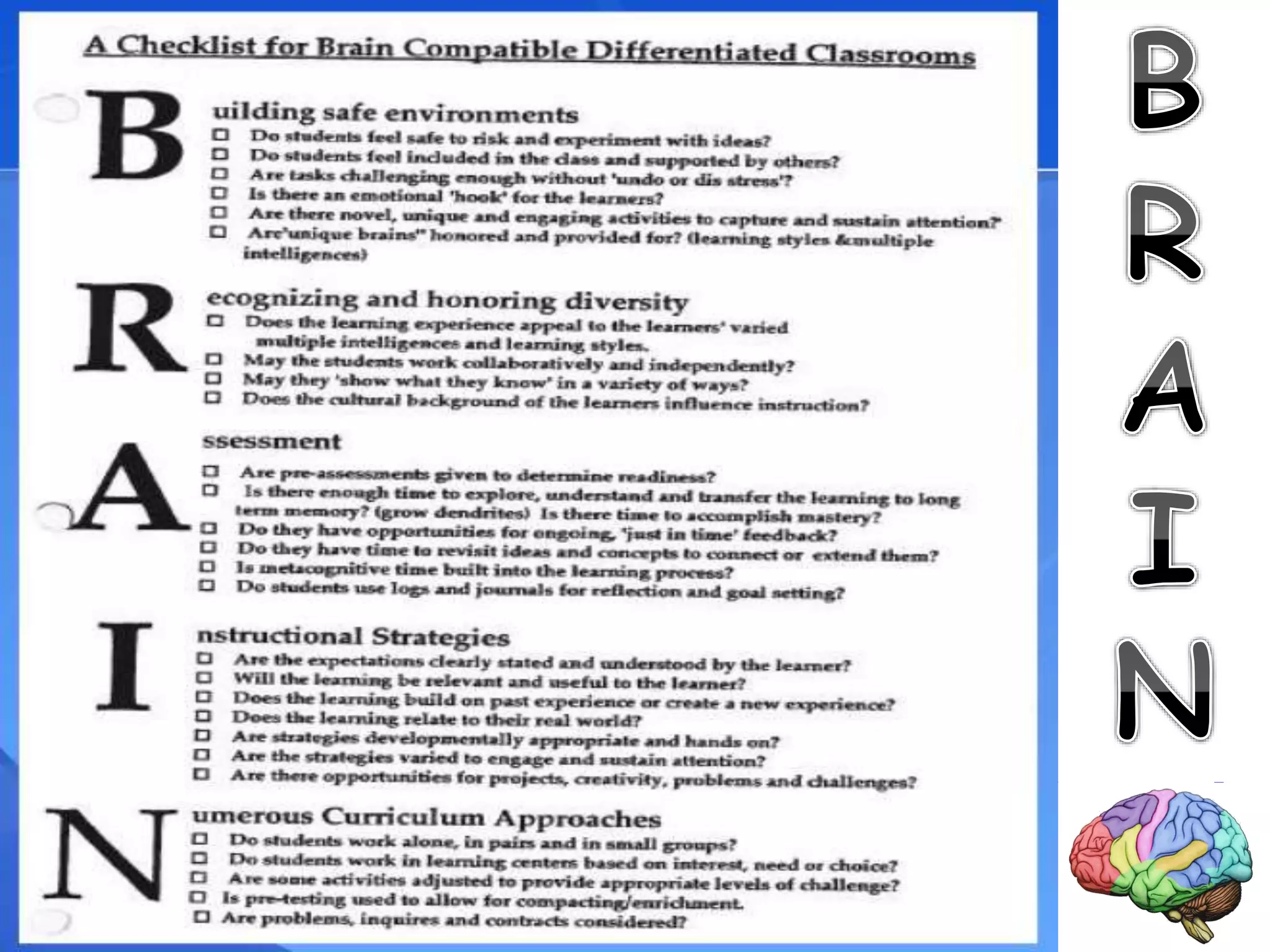
• BRAIN 
• REAL 
• CASE 
• Consider, Act, Lessen, Manage 
• Strategic instructional design to 
engage students 
• Together Achieves More Success 
• Working interactively, winning 
independently 
• BRAIN: Building safe environments, Recognizing 
and honoring diversity, Assessment, Instructional 
strategies, Numerous curriculum approaches 
• REAL: Reflection, Experimentation, 
Analysis, Lesson Design 
• CASE: Copy & Steal Everything
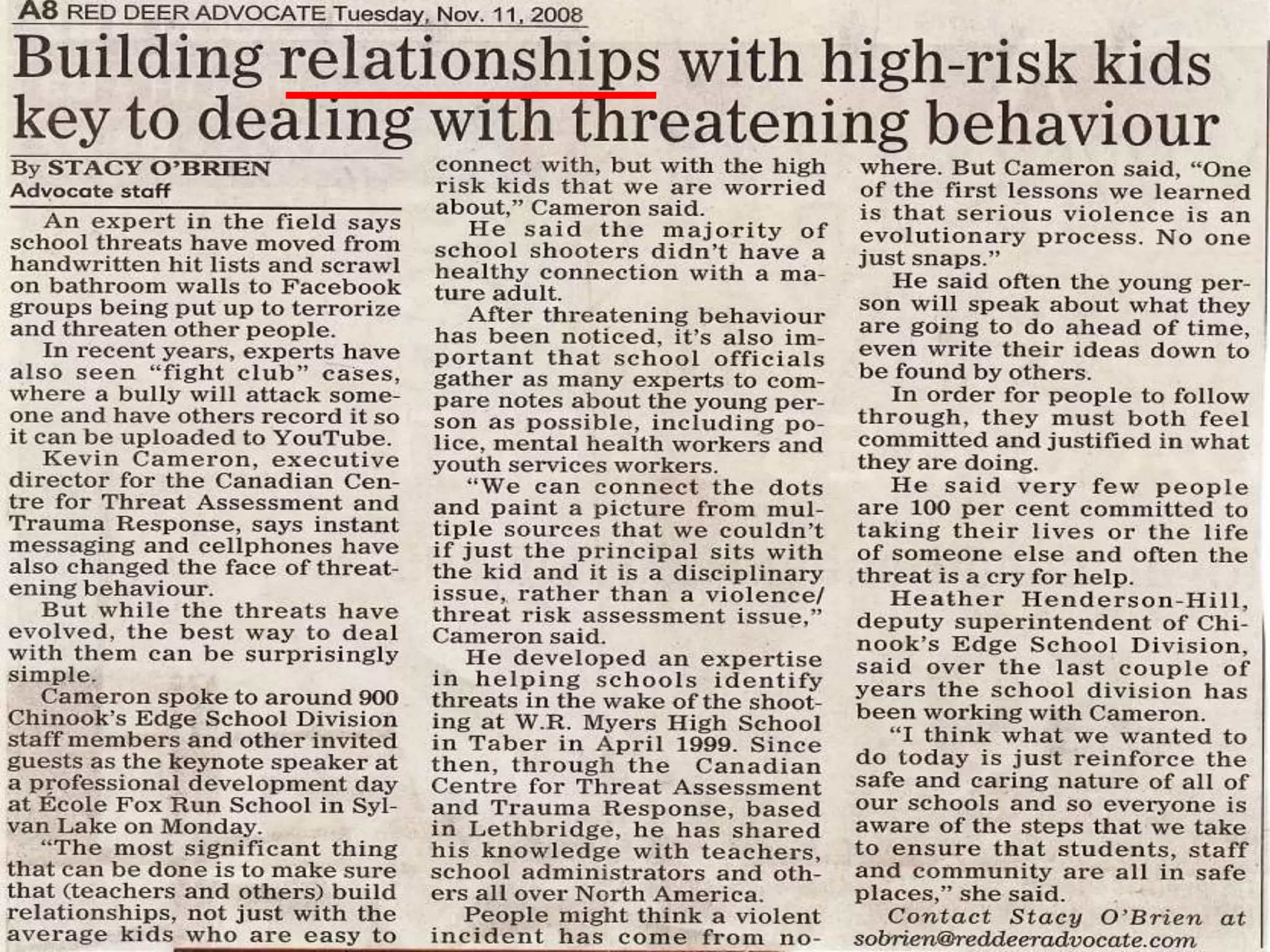
Design an environment 
where RELATIONSHIPS 
are key to learning 
Review:Classroom Management Role Plays
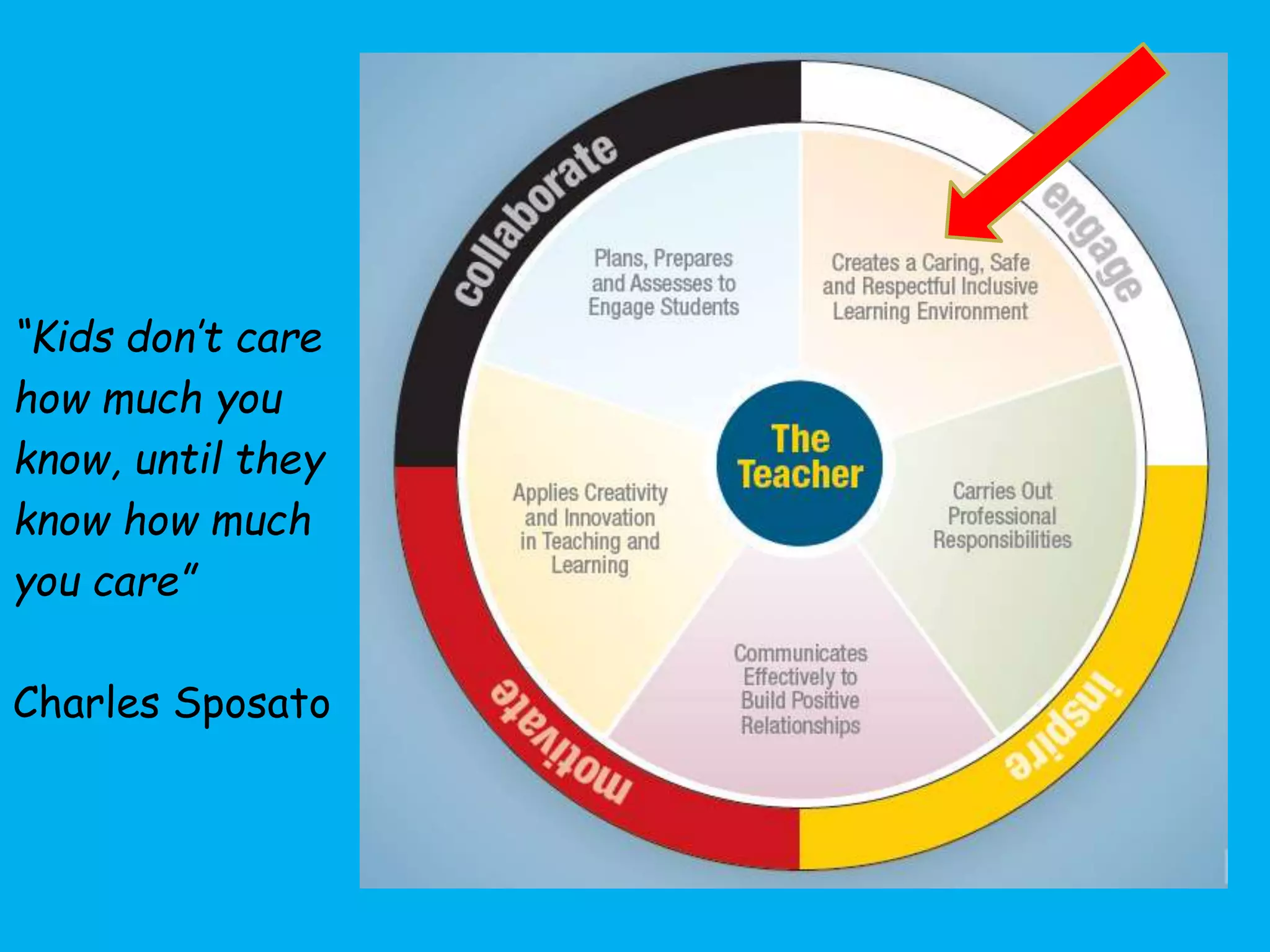
“Kids don’t care 
how much you 
know, until they 
know how much 
you care” 
Charles Sposato
The Rest of the Story: 
One more trip to the Galloway Vault 
• Revisit: Itinerant Cases 
• Revisit: Classroom Management Role-plays 
• Housekeeping: 
-Hand in Course Participation 
-Hand out: Take home “synthesis paper” 
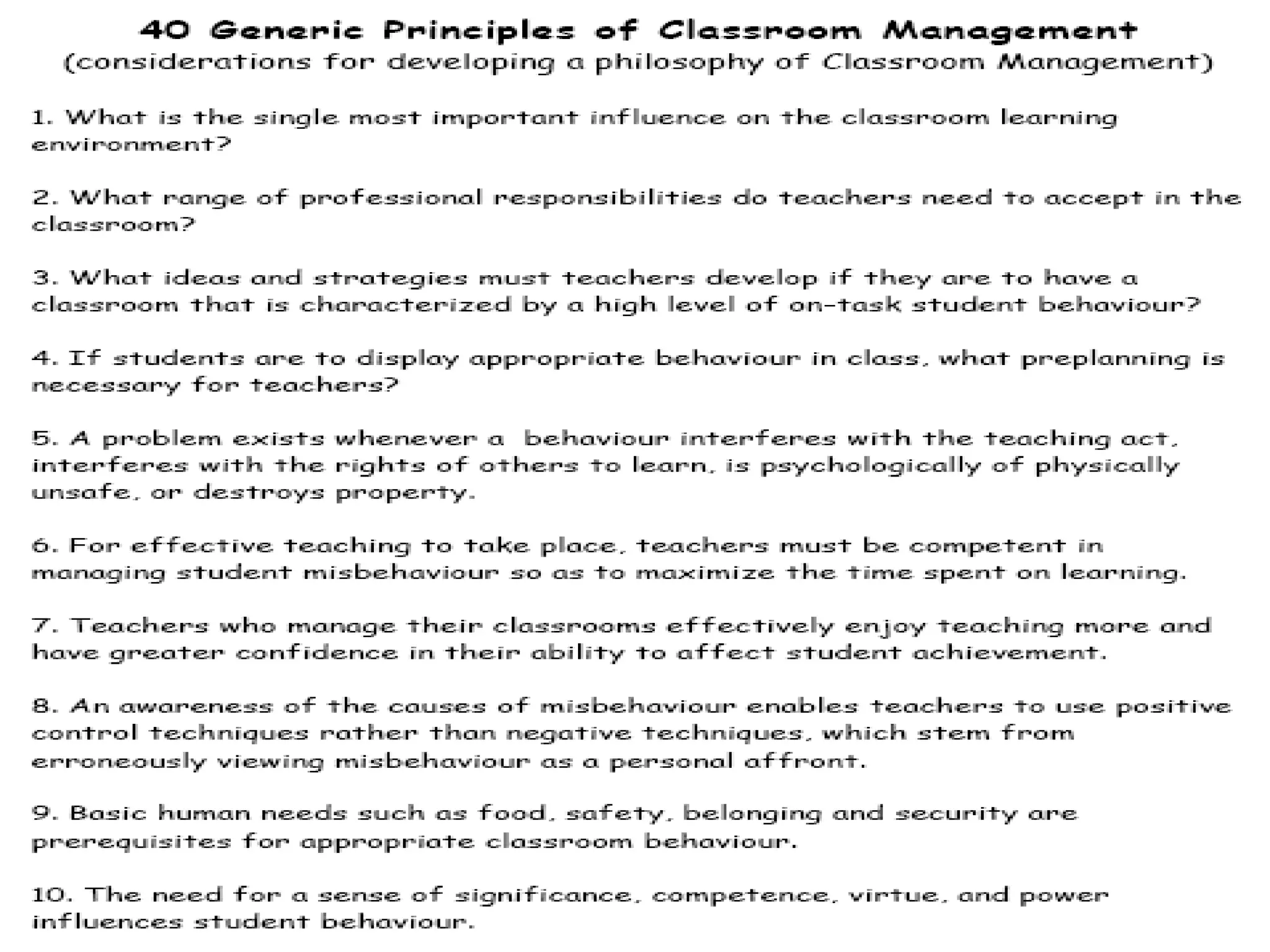
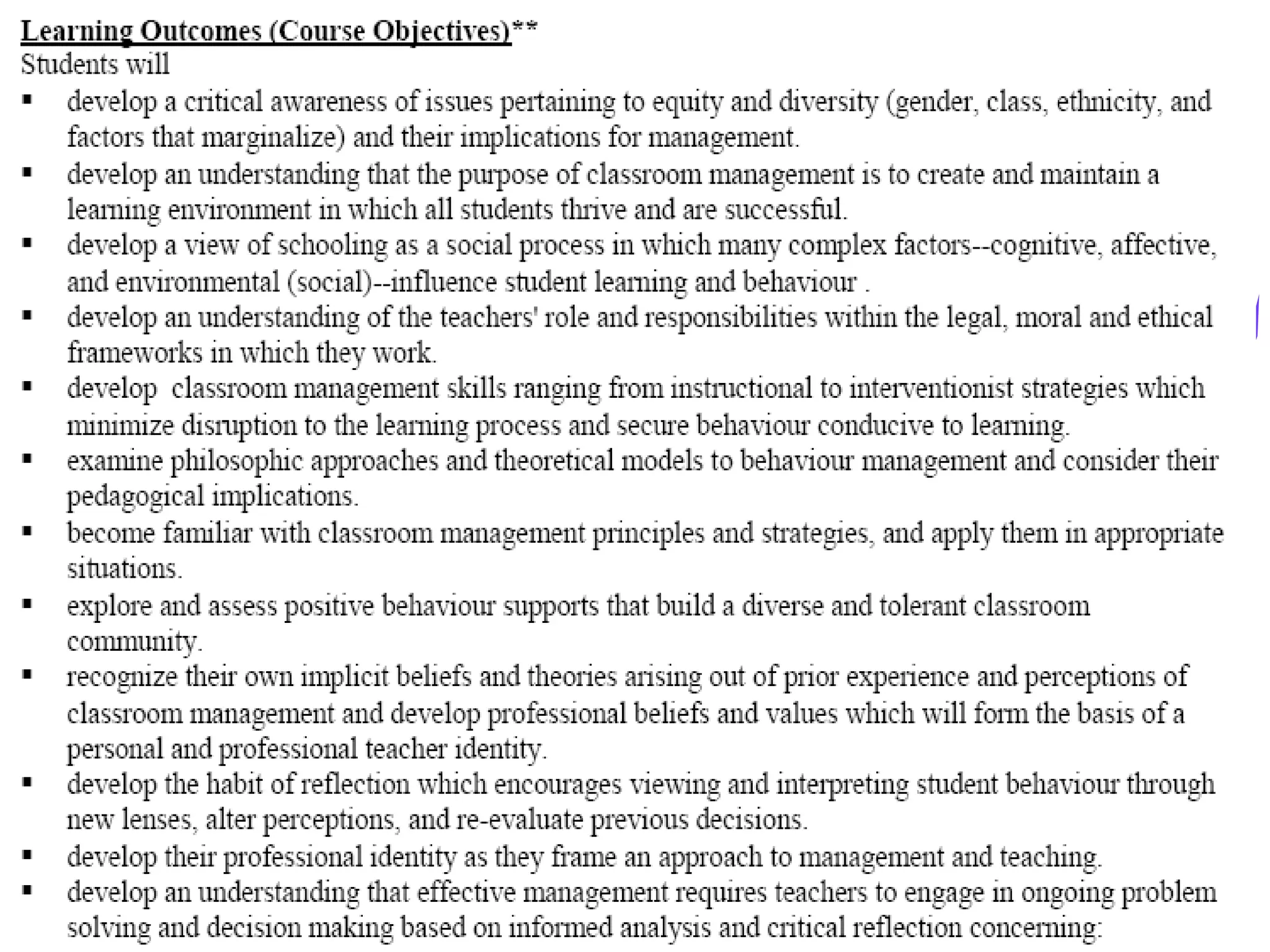
-Review: 40 Generic Principles of Classroom Management/Classroom 
Management Resources (Google Site, Classroom Management Mantras, 
Course Learning Outcomes) 
-Final Exam (Tuesday, Nov. 4th, 1:30 to 3:30 p.m.), Room 913A 
• Brent’s Best Practices: 3 Best “In Class” Practices/3 Best “Whole 
School” Practices 
• The Final Word: Believe in yourself and your power to teach 
• Seeing: Dalton Sherman “Do you believe in me?” 
• Wise Words
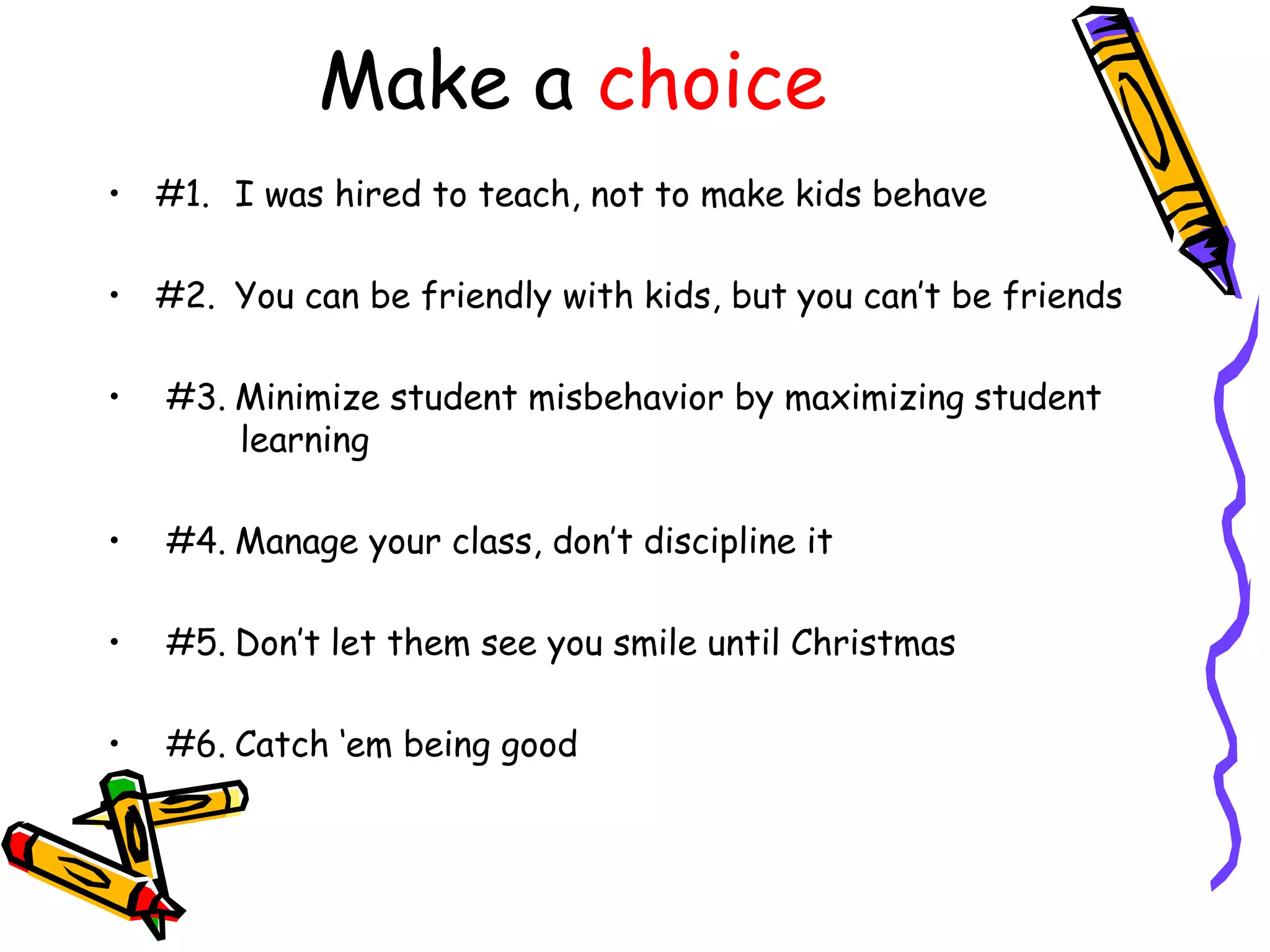
Make a choice 
• #1. I was hired to teach, not to make kids behave 
• #2. You can be friendly with kids, but you can’t be friends 
• #3. Minimize student misbehavior by maximizing student 
learning 
• #4. Manage your class, don’t discipline it 
• #5. Don’t let them see you smile until Christmas 
• #6. Catch ‘em being good
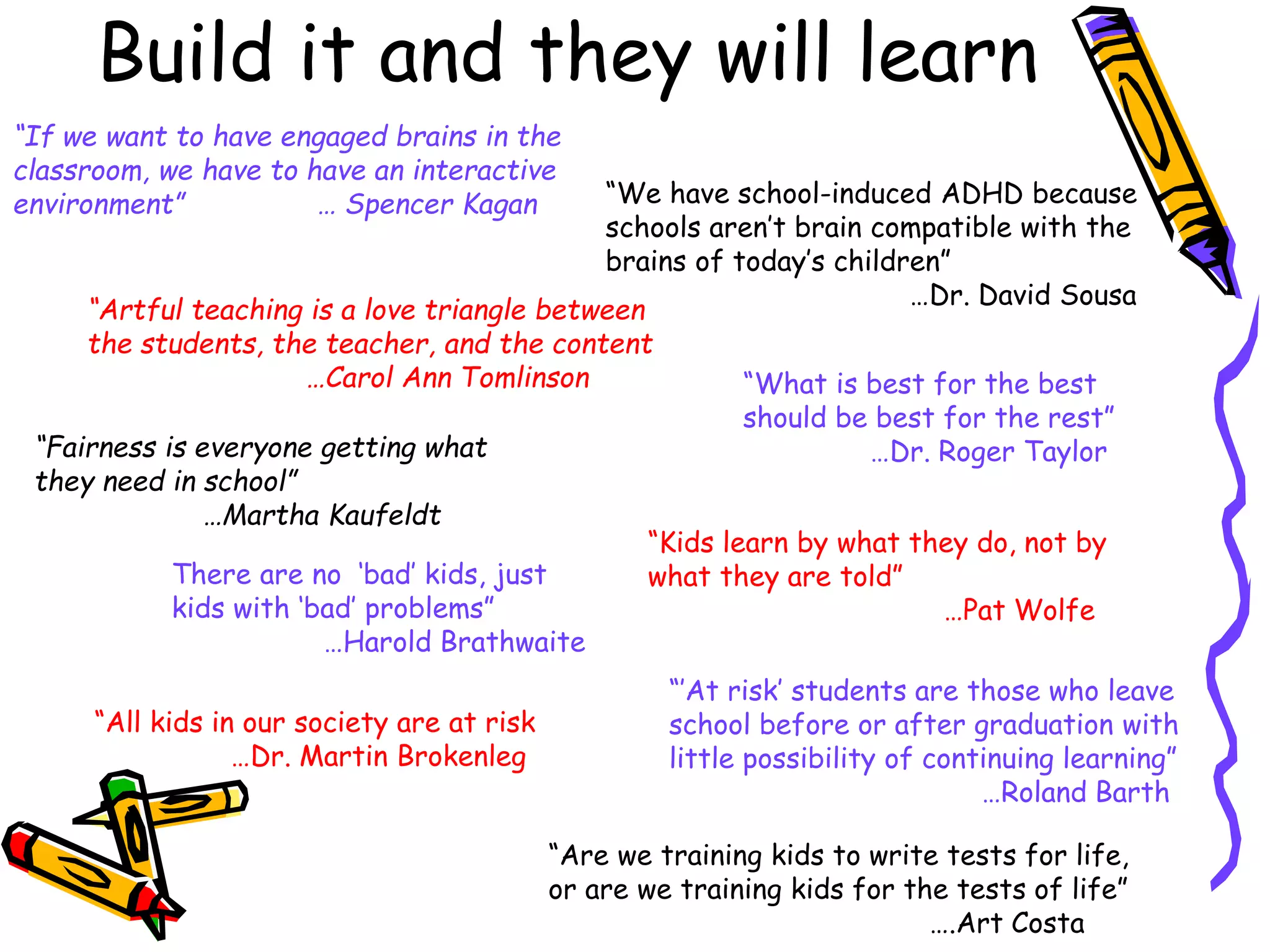
Build it and they will learn 
“If we want to have engaged brains in the 
classroom, we have to have an interactive 
environment” … Spencer Kagan 
“Artful teaching is a love triangle between 
the students, the teacher, and the content 
…Carol Ann Tomlinson 
“Fairness is everyone getting what 
they need in school” 
…Martha Kaufeldt 
“All kids in our society are at risk 
…Dr. Martin Brokenleg 
“We have school-induced ADHD because 
schools aren’t brain compatible with the 
brains of today’s children” 
…Dr. David Sousa 
“What is best for the best 
should be best for the rest” 
…Dr. Roger Taylor 
“Kids learn by what they do, not by 
what they are told” 
…Pat Wolfe 
“Are we training kids to write tests for life, 
or are we training kids for the tests of life” 
….Art Costa 
There are no ‘bad’ kids, just 
kids with ‘bad’ problems” 
…Harold Brathwaite 
“’At risk’ students are those who leave 
school before or after graduation with 
little possibility of continuing learning” 
…Roland Barth

Topic 8: Design it and They Will Learn

  • 1.
    Topic #8: Buildit and they will learn How will you design an environment so that learning takes place? Let’s Review
  • 2.
    Design an anti-bullying environment What can you do? What can your students do?
  • 4.
    Who or Whatis to Blame? Go to todaysmeet.com/Bullying And join the conversation
  • 5.
    10 Warning Signs: 1. Lack of Interest in School. Self isolation from family and/or friends. 2. Seeing self as always the victim. 3. Persistent disregard for rules. 4. Cruelty to pets or other animals. 5. Artwork or writing that is bleak, violent or that depicts isolation or anger. 6. Talking constantly about weapons or violence. Talk about bringing weapons to school. Bringing a weapon to school. 7. Obsession with violent games/television 8. Depression or mood swings. Misplaced or unwarranted jealousy. 9. History of bullying. 10. Involvement/interest in gangs.
  • 6.
    10 Things aTeacher Can Do 1. Learn about bullying and violence 2. Democratic classroom. Zero tolerance for name-calling, put-downs and taunting. 3. Know the warning signs. 4. Anti-violence student activities. 5. Have a school emergency plan. 6. Firm, fair and consistent school rules. 7. Report to principal ALL violent incidences (physical and verbal) 8. Teach conflict resolution/anger management skills. 9. Incorporate prevention of violence into your lessons. 10. Encourage students to report suspicious activities/ behavior. Bullying is a “Learned Behavior”, which means it can be “unlearned”
  • 7.
    10 Things StudentsCan Do 1. No weapons at school. 2. Report crimes to authorities. 3. Report suspicious or worrisome behavior. 4. Learn how to manage anger. 5. Settle disputes peaceably. 6. Teen advisory council. 7. Be a peer counselor. 8. Mentor new students 9. Participate in a watch patrol. 10. Have a school peace pledge/rally Remember: A Misbehaving Child is a Discouraged Child
  • 8.
  • 9.
    Design an environment that meets the needs of young adolescents Review: Myth or Reality
  • 10.
    Design an environment that honors how the brain learns best Review: The Brain....
  • 12.
    Design an environment centered on the best ways to learn Review: The Learning Pyramid
  • 13.
    Design an environment where students have voice and choice Review: Cracking the Code
  • 14.
    Design an environment where learning is engaging Review: Acronyms
  • 15.
    20 Instructional Strategies To Engage the Learner Graphic Organizers Writing and Reflection Brainstorming Field Trips Debates Visuals Movement Humor and Celebration Music, Rhythm, Rhyme & Rap Cooperative Learning Problem Based Learning Role play/Drama/Charades Summarizing and Notemaking Technology Visualization Games Storytelling Manipulatives/Models Mnemonic Devices/Acronyms Drawing and Artwork By Marcia Tate
  • 16.
    • CALM •SIDES • TEAMS • WinWin • BRAIN • REAL • CASE • Consider, Act, Lessen, Manage • Strategic instructional design to engage students • Together Achieves More Success • Working interactively, winning independently • BRAIN: Building safe environments, Recognizing and honoring diversity, Assessment, Instructional strategies, Numerous curriculum approaches • REAL: Reflection, Experimentation, Analysis, Lesson Design • CASE: Copy & Steal Everything
  • 19.
    Design an environment where RELATIONSHIPS are key to learning Review:Classroom Management Role Plays
  • 21.
    “Kids don’t care how much you know, until they know how much you care” Charles Sposato
  • 22.
    The Rest ofthe Story: One more trip to the Galloway Vault • Revisit: Itinerant Cases • Revisit: Classroom Management Role-plays • Housekeeping: -Hand in Course Participation -Hand out: Take home “synthesis paper” -Review: 40 Generic Principles of Classroom Management/Classroom Management Resources (Google Site, Classroom Management Mantras, Course Learning Outcomes) -Final Exam (Tuesday, Nov. 4th, 1:30 to 3:30 p.m.), Room 913A • Brent’s Best Practices: 3 Best “In Class” Practices/3 Best “Whole School” Practices • The Final Word: Believe in yourself and your power to teach • Seeing: Dalton Sherman “Do you believe in me?” • Wise Words
  • 23.
    Make a choice • #1. I was hired to teach, not to make kids behave • #2. You can be friendly with kids, but you can’t be friends • #3. Minimize student misbehavior by maximizing student learning • #4. Manage your class, don’t discipline it • #5. Don’t let them see you smile until Christmas • #6. Catch ‘em being good
  • 26.
    Build it andthey will learn “If we want to have engaged brains in the classroom, we have to have an interactive environment” … Spencer Kagan “Artful teaching is a love triangle between the students, the teacher, and the content …Carol Ann Tomlinson “Fairness is everyone getting what they need in school” …Martha Kaufeldt “All kids in our society are at risk …Dr. Martin Brokenleg “We have school-induced ADHD because schools aren’t brain compatible with the brains of today’s children” …Dr. David Sousa “What is best for the best should be best for the rest” …Dr. Roger Taylor “Kids learn by what they do, not by what they are told” …Pat Wolfe “Are we training kids to write tests for life, or are we training kids for the tests of life” ….Art Costa There are no ‘bad’ kids, just kids with ‘bad’ problems” …Harold Brathwaite “’At risk’ students are those who leave school before or after graduation with little possibility of continuing learning” …Roland Barth