JOURNAL PRESENTATION
Dr. Kazi Zakir Hossain
Resident-Phase B
Yellow unit
Dept. of Hepatology
BSMMU
Title
Clinical efficacy of tolvaptan for treatment of
refractory ascites in liver cirrhosis patients
Introduction
• Ascites is one of the most common complications of liver
cirrhosis.
• Refractory ascites occur in 15%-20% of all ascites patients.
• Refractory ascites are associated with a poor prognosis, and
are difficult to treat because of limited treatment options
• Definition of Refractory Ascites(AASLD guidelines
2012) -
• Ascites not satisfactorily controlled after a patient had either
(1) 1 wk of sodium intake restrictions (< 6 g/d), intermittent
albumin infusion (10-20 g per treatment) and high doses of
diuretics (more than 160 mg/d of furosemide and 200 mg/d
of spironolactone); or
• (2) 2 wk of therapeutic paracentesis (3000-5000 mL per
treatment).
Introduction(cont)
• Tolvaptan is a new, oral, selective vasopressin V2-receptor
antagonist approved for treating hypervolemic and
euvolemic hyponatremia
• Blockage of V2-receptors by tolvaptan prevents the insertion
of aquaporin-2 water channels into the apical cell membrane
of the collecting duct, increasing free water excretion without
significantly affecting urinary sodium and potassium
excretion.
• As a result, there is reduced water retention with elevated
serum sodium levels.
• The mechanism of action of tolvaptan indicates that it is
effective for treating hyponatremia and has a significant role
in promoting aquaresis.
Rationale of study
• Numerous studies have reported the efficacy and safety of
tolvaptan for treating ascites and edema in patients with
decompensated cirrhosis.
• The efficacy and safety of this drug for treating refractory
ascites in cirrhotic patients remains unknown.
• Furthermore, the use of tolvaptan in the subset of patients
with complications, such as hepatorenal syndrome and/or
hepatocellular carcinoma, has not been explored previously.
Objective of study
• To evaluate the efficacy and safety of tolvaptan to treat
refractory ascites in decompensated liver cirrhosis patients
with or without further complications, such as hepatorenal
syndrome and/or hepatocellular carcinoma.
MATERIALS AND METHODS
• Study design A single center, open-label,
observational study was conducted in China between
May 2012 and July 2013. Patients were recruited
between May 2012 and March 2013
Inclusion criteria
• (1) history of chronic hepatitis and/or signs with various
causes
• (2) abnormal liver function accompanied by portal
hypertension, such as ascites, encephalopathy or esophageal
or gastric variceal bleeding
• (3) B-ultrasound scan and four-phase computed tomography
(CT) scan results consistent with the signs of liver cirrhosis.
• Patients with hepatocellular carcinoma were diagnosed using
CT or dynamic contrast enhanced magnetic resonance
imaging
Exclusion criteria
• Patients were excluded if they had severe cardiovascular,
pulmonary, cerebral or hematological complications or severe
mental illness.
Ethics
• The ethics committee of Beijing You’an Hospital, Capital
Medical University approved the current study
• it was performed in accordance with the ethical standards
set forth in the 1964 Declaration of Helsinki and its later
amendments.
• Informed consent was obtained from patients and their
families before study participation.
Therapeutic Protocol
• All patients received oral tolvaptan (15 mg/d for 5-14 d) in
addition to a concurrent treatment regimen of sodium intake
restrictions (< 6 g/d), intermittent albumin infusion (10-20 g
per treatment) and standard diuretic therapy (40-80 mg/d of
furosemide and 80-160 mg/d of spironolactone).
• Patients with abdominal infections were given antibiotics
before tolvaptan treatment,
• A follow-up assessment was conducted 1-month post-
tolvaptan treatment for all patients.
Efficacy Assessment
• For assessment of ascites-
24 hours urine volume
Abdominal circumference
Leg edema
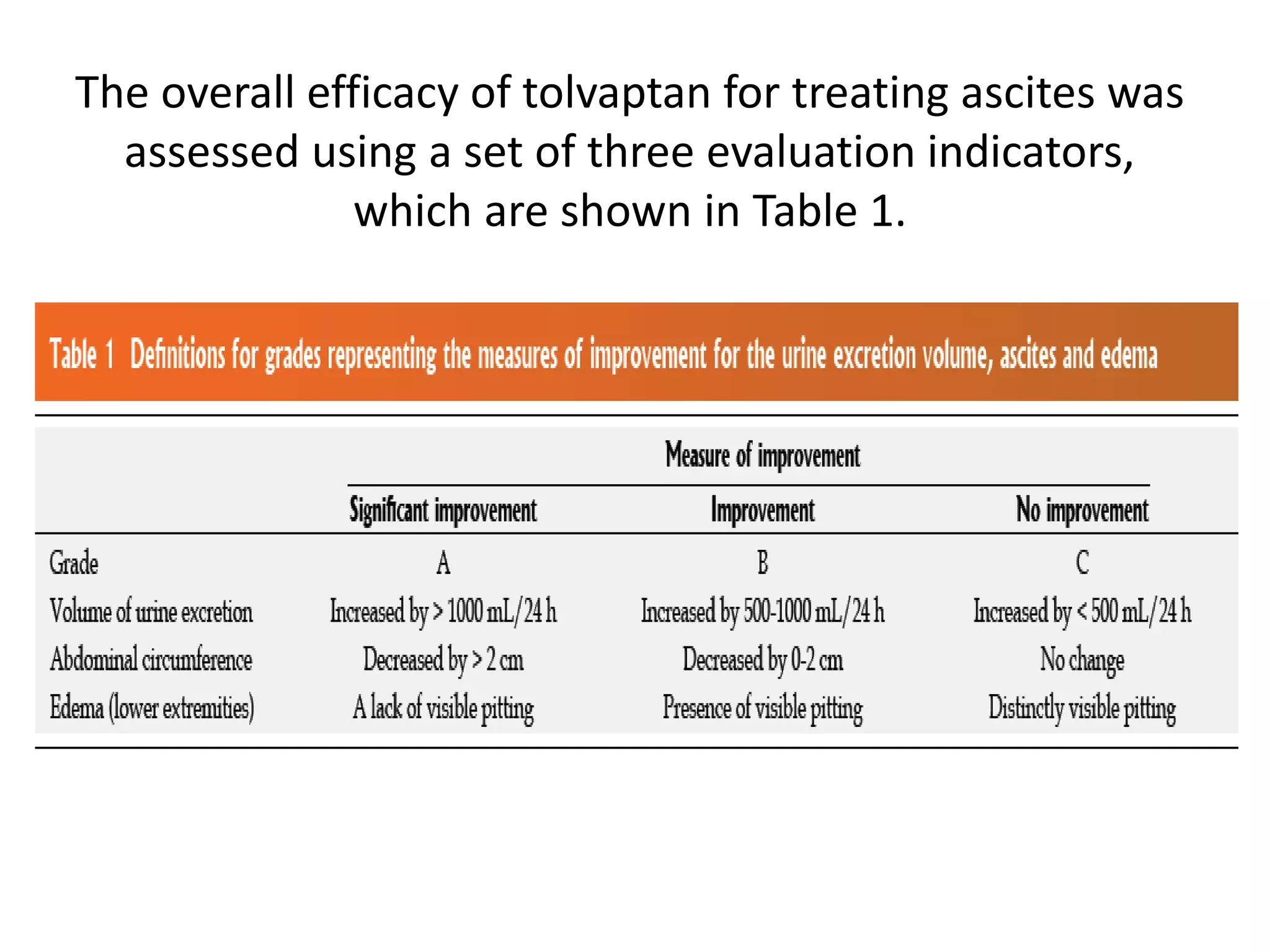
The overall efficacy of tolvaptan for treating ascites was
assessed using a set of three evaluation indicators,
which are shown in Table 1.
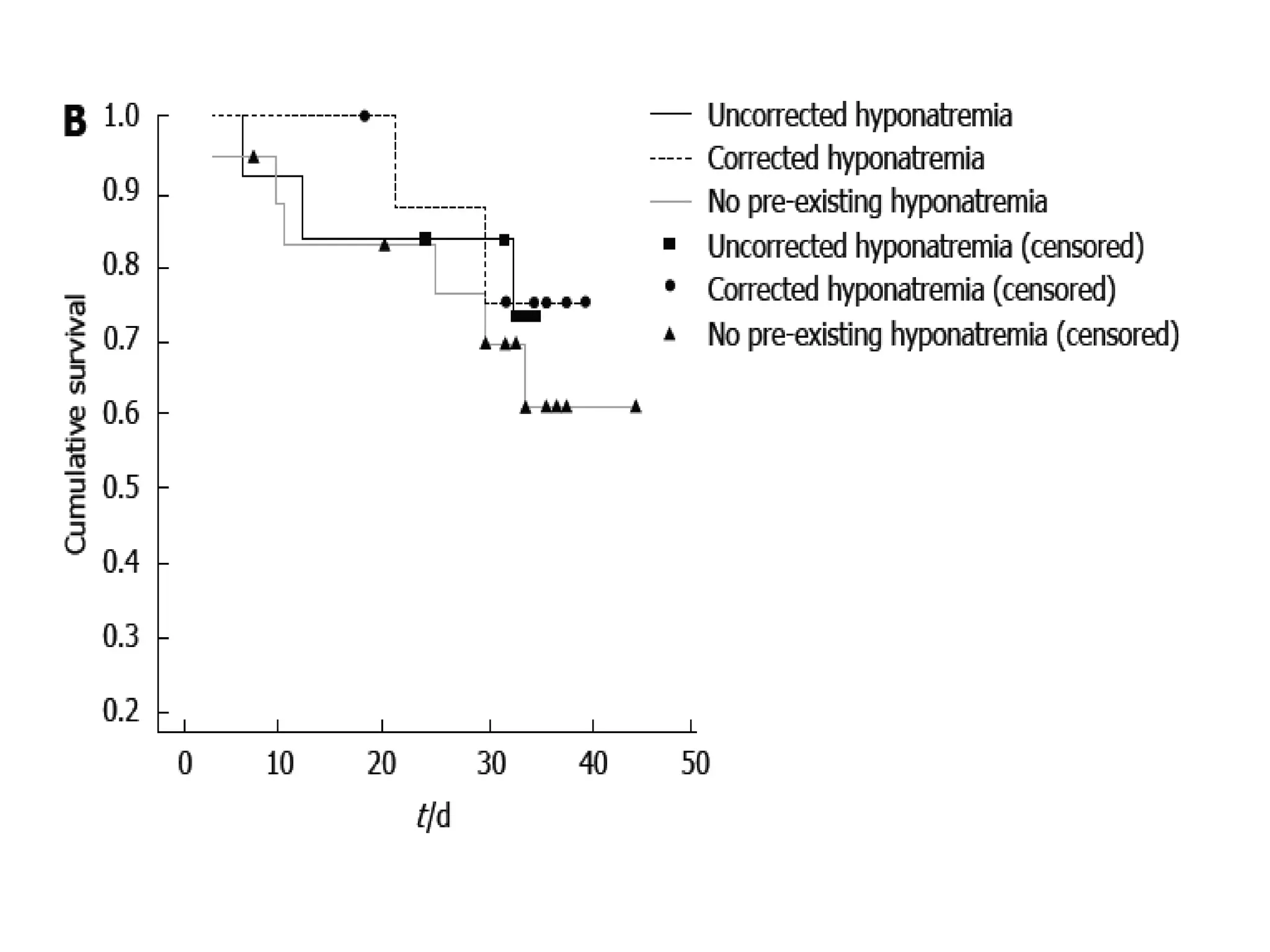
Survival
• The number of patients who survived after 1 month was
recorded to examine the relationship between the short term
correction of hyponatremia and prognostic improvement.
Safety Assessment
• Patients were monitored throughout the study period, and
any occurrences of adverse events and deaths were recorded.
Statistical analysis
• Parametric data are expressed as the mean ± standard
deviation (mean ± SD) and were assessed using two-tailed t-
tests.
• Categorical data were compared using the Pearson’s χ 2 test.
• P-values < 0.05 were considered statistically significant.
• All statistical analyses were performed using IBM SPSS
Statistics software (IBM, version 12.0).
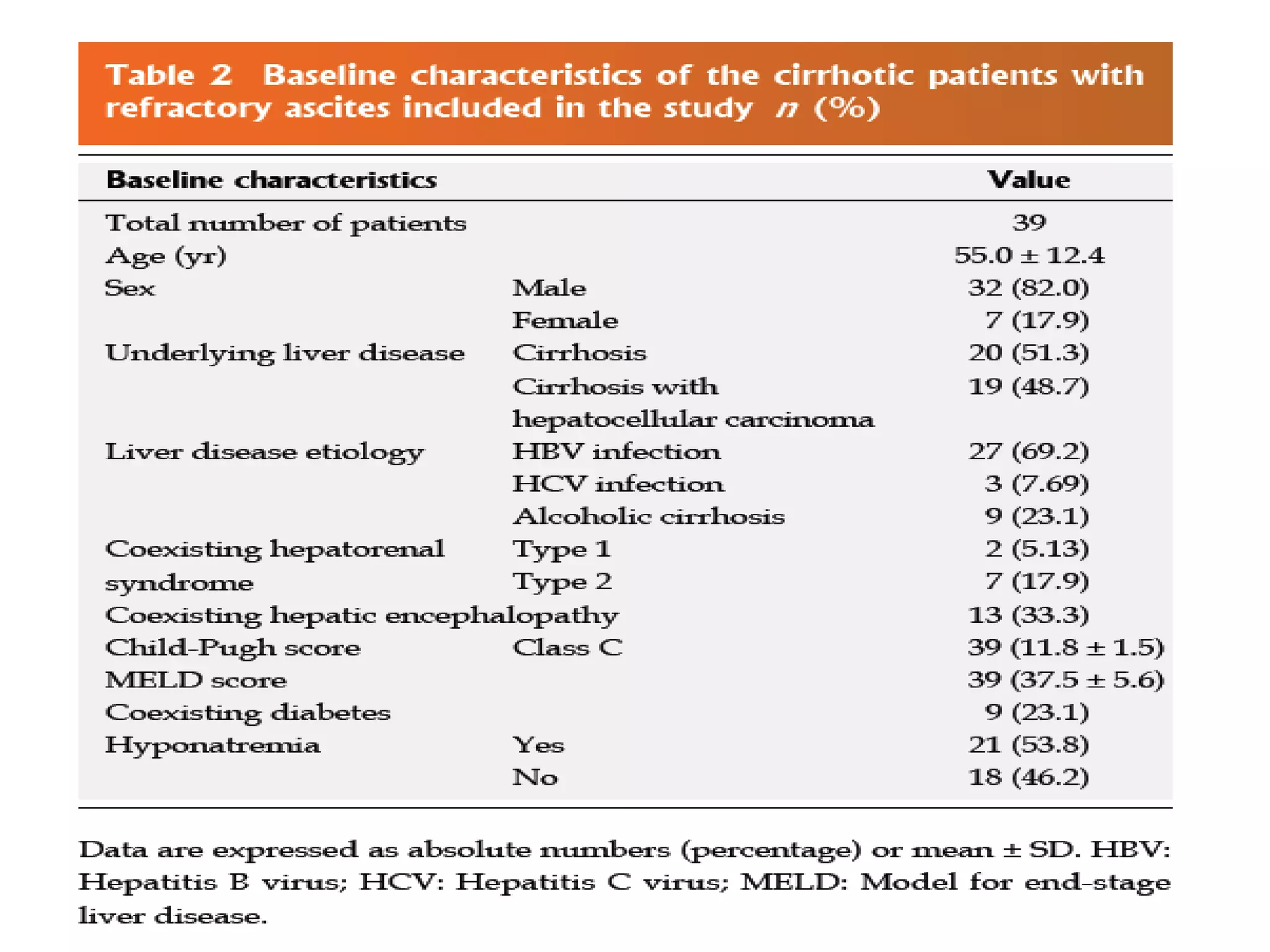
RESULTS-Patient Characterstics
• Thirty-nine patients who met the study’s eligibility
requirements were included. The demographics and other
baseline characteristics of these patients are shown in Table 2.
Result-Ascites and Edema
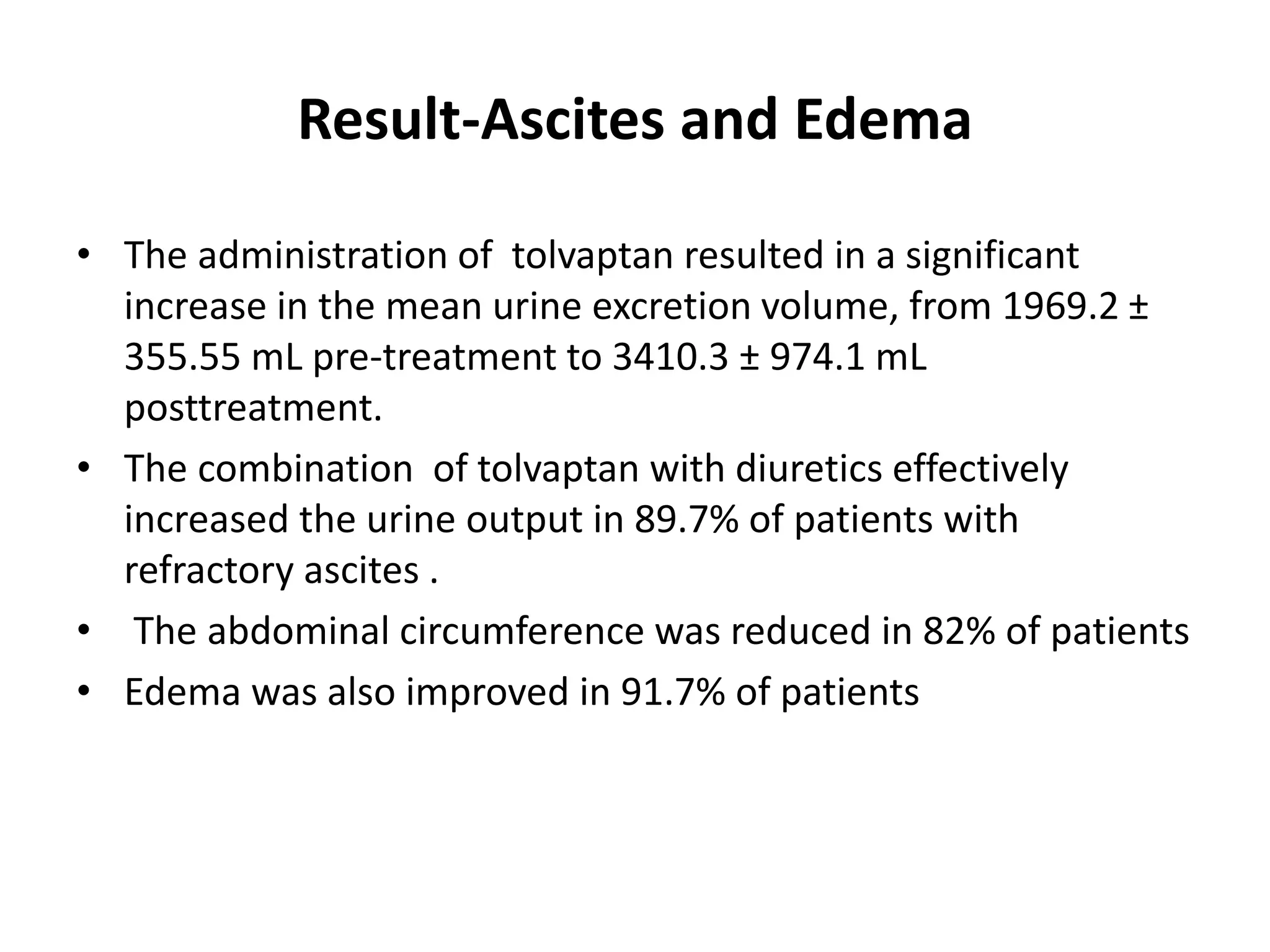
• The administration of tolvaptan resulted in a significant
increase in the mean urine excretion volume, from 1969.2 ±
355.55 mL pre-treatment to 3410.3 ± 974.1 mL
posttreatment.
• The combination of tolvaptan with diuretics effectively
increased the urine output in 89.7% of patients with
refractory ascites .
• The abdominal circumference was reduced in 82% of patients
• Edema was also improved in 91.7% of patients
Result-Ascites and Edema
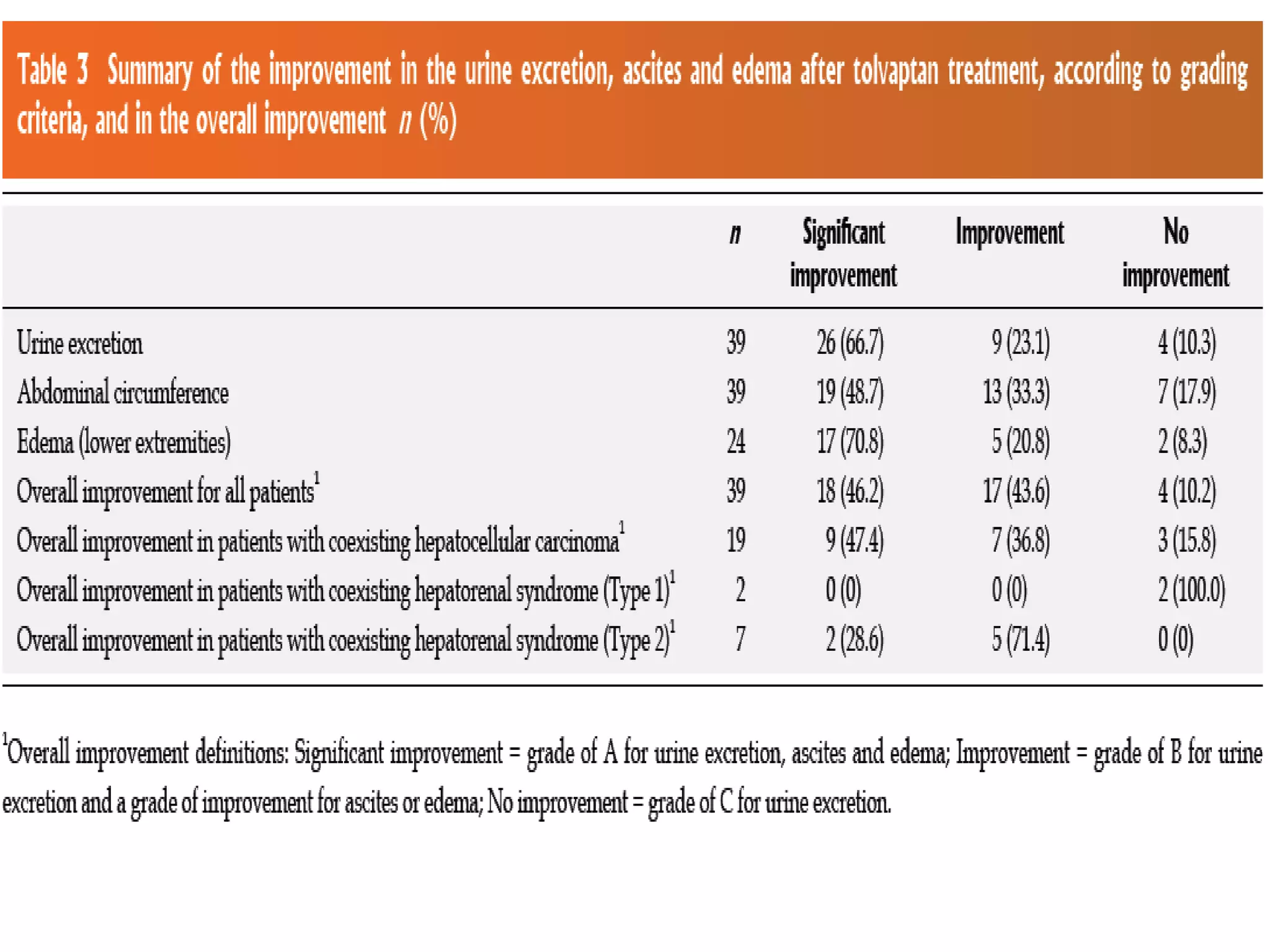
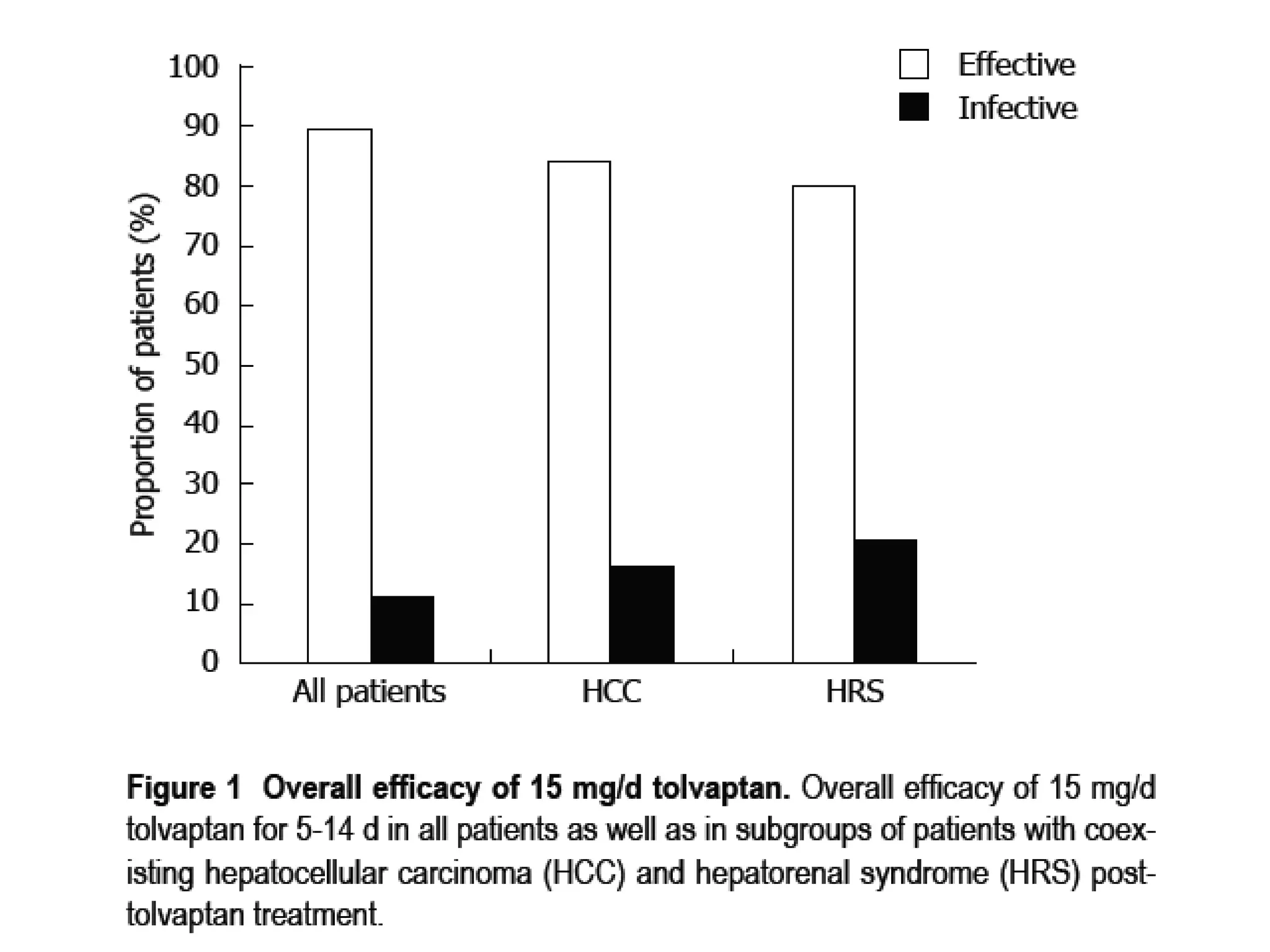
• The overall efficacy of tolvaptan was 89.7% (n = 35) in all
patients
• 46.2% (n = 18) of these patients had significant improvement
.
• The overall efficacy of tolvaptan in patients with coexisting
hepatocellular carcinoma was 84.2% (n = 19)
• The efficacy for patients with coexisting hepatorenal
syndrome was 77.8%
• Tolvaptan was not effective to treat refractory ascites in
patients with coexisting Type 1 hepatorenal syndrome.
Result-Hyponatraemia
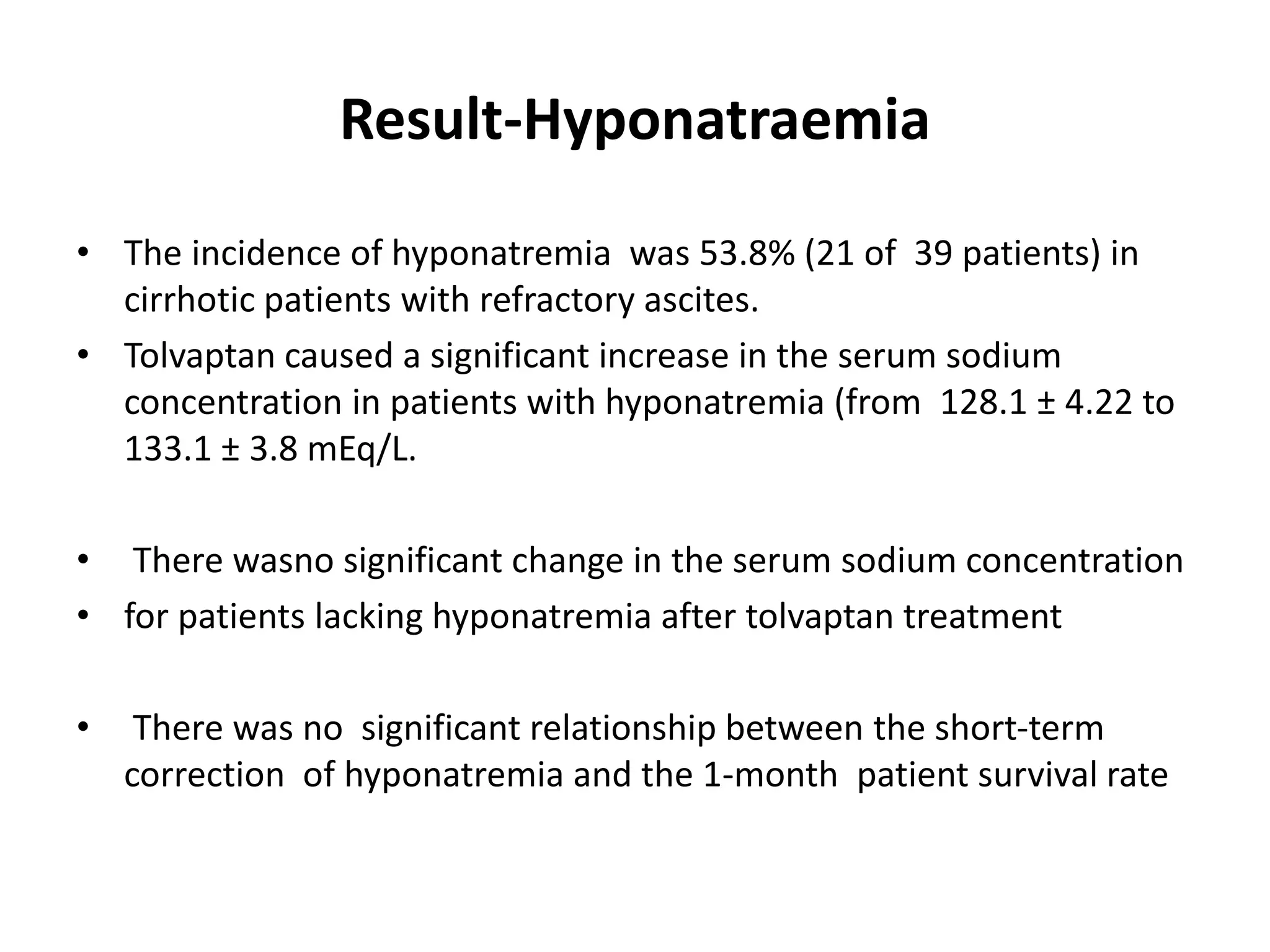
• The incidence of hyponatremia was 53.8% (21 of 39 patients) in
cirrhotic patients with refractory ascites.
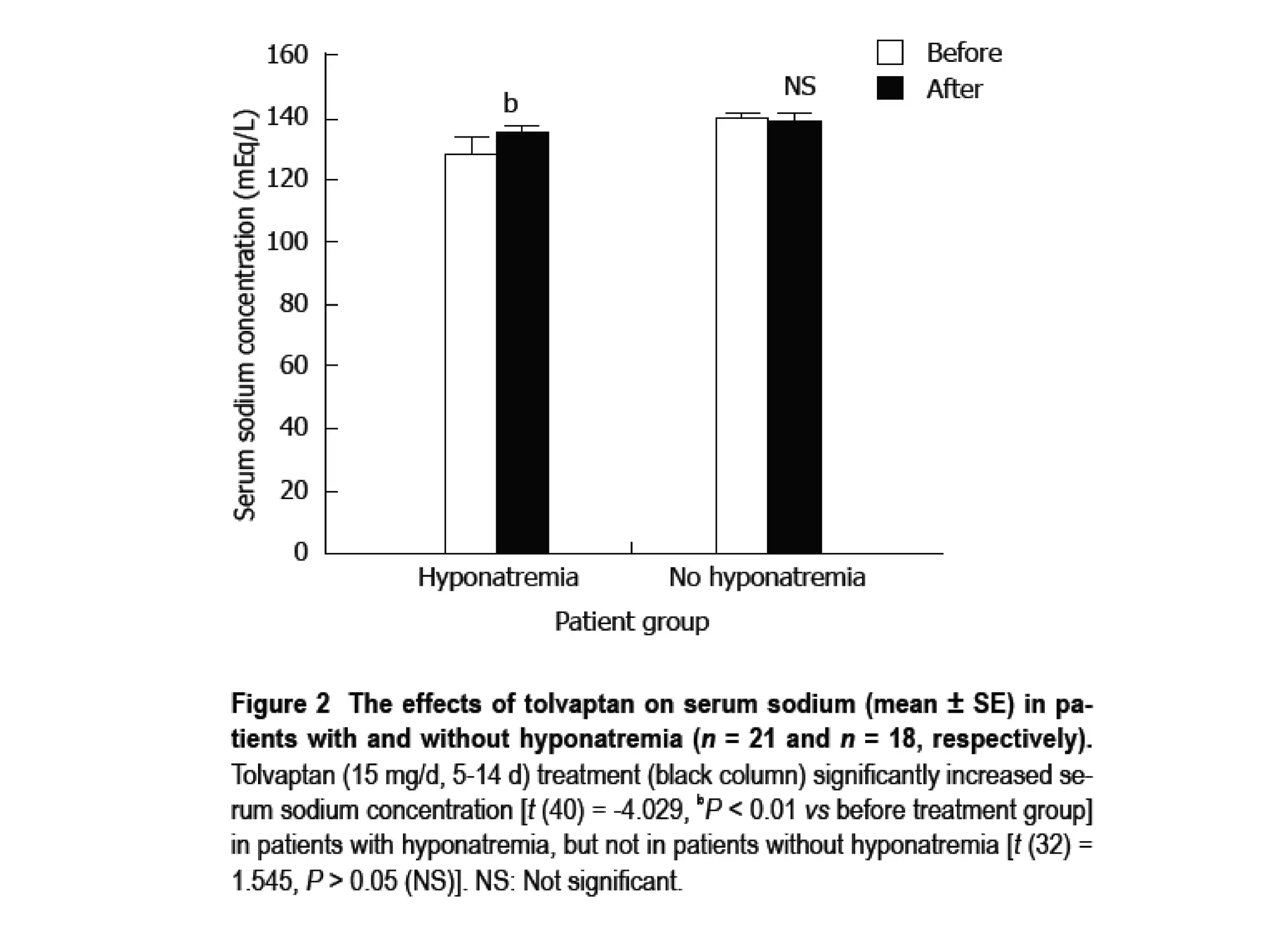
• Tolvaptan caused a significant increase in the serum sodium
concentration in patients with hyponatremia (from 128.1 ± 4.22 to
133.1 ± 3.8 mEq/L.
• There wasno significant change in the serum sodium concentration
• for patients lacking hyponatremia after tolvaptan treatment
• There was no significant relationship between the short-term
correction of hyponatremia and the 1-month patient survival rate
Result-Adverse Events
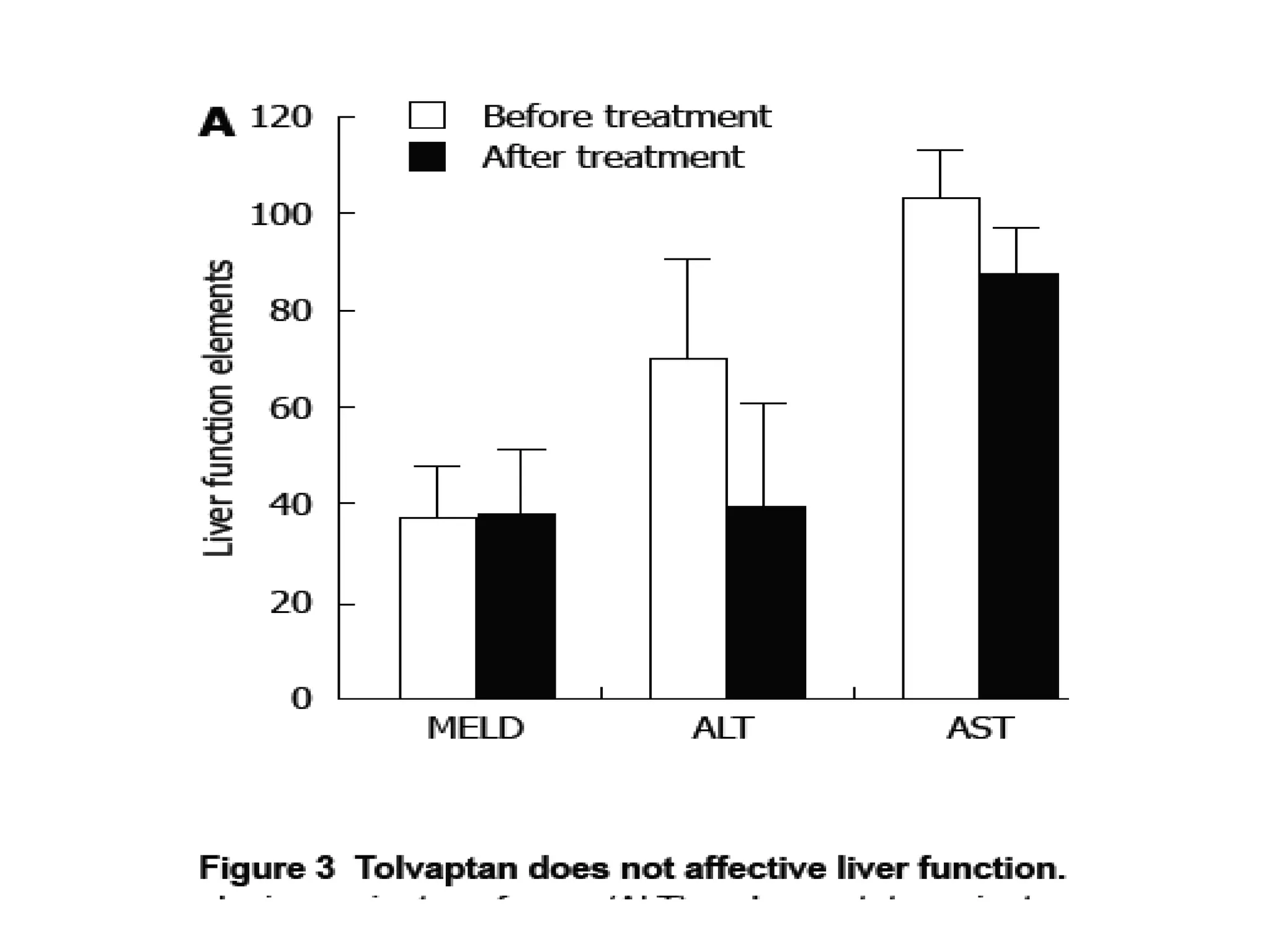
• Mild adverse events (thirst and dry mouth) associated with
tolvaptan treatment were reported in four and two patients,
respectively. No other drug-related adverse events or liver
function abnormalities were observed in this study.
DISCUSSION
• Tolvaptan improves ascites and edema in patients with
decompensated liver disease
• Its efficacy has not been explored previously in the subset of
patients with refractory ascites.
• In the current study, the combination of tolvaptan with
diuretics was effective in increasing urine output, decreasing
abdominal circumference and reducing edema in patients
with refractory ascites.
DISCUSSION(cont)
In this study, tolvaptan significantly increased the serum
sodium levels of patients with hyponatremia
• no significant difference was observed for patients lacking
hyponatremia, supporting the efficacy of this drug in end-
stage cirrhotic patients with refractory ascites and
hyponatremia.
• A 1-month follow-up assessment revealed that this
treatment regimen corrected hyponatremia in 9 of 21
patients (42.9%). This observation is supported by reports
from Berl et al(2010).
DISCUSSION(cont)
• In January 2013, the US FDA issued a warning for tolvaptan
use because of the potential risks of liver injury that were
identified during a clinical trial of tolvaptan to treat
autosomal dominant polycystic kidney disease.
• The study found that 3 of 1445 cases treated with tolvaptan
had significantly higher serum bilirubin and ALT. However, the
dose and duration of tolvaptan (120 mg/d for 3 years) was
significantly higher.
Conclusion
• In summary, the results of this observational study show that
tolvaptan is effective to treat refractory ascites and/or edema
in decompensated cirrhotic patients and is a promising
aquaretic agent.
THANK YOU

Tolvaptan

  • 1.
    JOURNAL PRESENTATION Dr. KaziZakir Hossain Resident-Phase B Yellow unit Dept. of Hepatology BSMMU
  • 2.
    Title Clinical efficacy oftolvaptan for treatment of refractory ascites in liver cirrhosis patients
  • 4.
    Introduction • Ascites isone of the most common complications of liver cirrhosis. • Refractory ascites occur in 15%-20% of all ascites patients. • Refractory ascites are associated with a poor prognosis, and are difficult to treat because of limited treatment options
  • 5.
    • Definition ofRefractory Ascites(AASLD guidelines 2012) - • Ascites not satisfactorily controlled after a patient had either (1) 1 wk of sodium intake restrictions (< 6 g/d), intermittent albumin infusion (10-20 g per treatment) and high doses of diuretics (more than 160 mg/d of furosemide and 200 mg/d of spironolactone); or • (2) 2 wk of therapeutic paracentesis (3000-5000 mL per treatment).
  • 6.
    Introduction(cont) • Tolvaptan isa new, oral, selective vasopressin V2-receptor antagonist approved for treating hypervolemic and euvolemic hyponatremia • Blockage of V2-receptors by tolvaptan prevents the insertion of aquaporin-2 water channels into the apical cell membrane of the collecting duct, increasing free water excretion without significantly affecting urinary sodium and potassium excretion.
  • 7.
    • As aresult, there is reduced water retention with elevated serum sodium levels. • The mechanism of action of tolvaptan indicates that it is effective for treating hyponatremia and has a significant role in promoting aquaresis.
  • 8.
    Rationale of study •Numerous studies have reported the efficacy and safety of tolvaptan for treating ascites and edema in patients with decompensated cirrhosis. • The efficacy and safety of this drug for treating refractory ascites in cirrhotic patients remains unknown. • Furthermore, the use of tolvaptan in the subset of patients with complications, such as hepatorenal syndrome and/or hepatocellular carcinoma, has not been explored previously.
  • 9.
    Objective of study •To evaluate the efficacy and safety of tolvaptan to treat refractory ascites in decompensated liver cirrhosis patients with or without further complications, such as hepatorenal syndrome and/or hepatocellular carcinoma.
  • 10.
    MATERIALS AND METHODS •Study design A single center, open-label, observational study was conducted in China between May 2012 and July 2013. Patients were recruited between May 2012 and March 2013
  • 11.
    Inclusion criteria • (1)history of chronic hepatitis and/or signs with various causes • (2) abnormal liver function accompanied by portal hypertension, such as ascites, encephalopathy or esophageal or gastric variceal bleeding • (3) B-ultrasound scan and four-phase computed tomography (CT) scan results consistent with the signs of liver cirrhosis. • Patients with hepatocellular carcinoma were diagnosed using CT or dynamic contrast enhanced magnetic resonance imaging
  • 12.
    Exclusion criteria • Patientswere excluded if they had severe cardiovascular, pulmonary, cerebral or hematological complications or severe mental illness.
  • 13.
    Ethics • The ethicscommittee of Beijing You’an Hospital, Capital Medical University approved the current study • it was performed in accordance with the ethical standards set forth in the 1964 Declaration of Helsinki and its later amendments. • Informed consent was obtained from patients and their families before study participation.
  • 14.
    Therapeutic Protocol • Allpatients received oral tolvaptan (15 mg/d for 5-14 d) in addition to a concurrent treatment regimen of sodium intake restrictions (< 6 g/d), intermittent albumin infusion (10-20 g per treatment) and standard diuretic therapy (40-80 mg/d of furosemide and 80-160 mg/d of spironolactone). • Patients with abdominal infections were given antibiotics before tolvaptan treatment, • A follow-up assessment was conducted 1-month post- tolvaptan treatment for all patients.
  • 15.
    Efficacy Assessment • Forassessment of ascites- 24 hours urine volume Abdominal circumference Leg edema
  • 16.
    The overall efficacyof tolvaptan for treating ascites was assessed using a set of three evaluation indicators, which are shown in Table 1.
  • 17.
    Survival • The numberof patients who survived after 1 month was recorded to examine the relationship between the short term correction of hyponatremia and prognostic improvement.
  • 18.
    Safety Assessment • Patientswere monitored throughout the study period, and any occurrences of adverse events and deaths were recorded.
  • 19.
    Statistical analysis • Parametricdata are expressed as the mean ± standard deviation (mean ± SD) and were assessed using two-tailed t- tests. • Categorical data were compared using the Pearson’s χ 2 test. • P-values < 0.05 were considered statistically significant. • All statistical analyses were performed using IBM SPSS Statistics software (IBM, version 12.0).
  • 20.
    RESULTS-Patient Characterstics • Thirty-ninepatients who met the study’s eligibility requirements were included. The demographics and other baseline characteristics of these patients are shown in Table 2.
  • 22.
    Result-Ascites and Edema •The administration of tolvaptan resulted in a significant increase in the mean urine excretion volume, from 1969.2 ± 355.55 mL pre-treatment to 3410.3 ± 974.1 mL posttreatment. • The combination of tolvaptan with diuretics effectively increased the urine output in 89.7% of patients with refractory ascites . • The abdominal circumference was reduced in 82% of patients • Edema was also improved in 91.7% of patients
  • 25.
    Result-Ascites and Edema •The overall efficacy of tolvaptan was 89.7% (n = 35) in all patients • 46.2% (n = 18) of these patients had significant improvement . • The overall efficacy of tolvaptan in patients with coexisting hepatocellular carcinoma was 84.2% (n = 19) • The efficacy for patients with coexisting hepatorenal syndrome was 77.8% • Tolvaptan was not effective to treat refractory ascites in patients with coexisting Type 1 hepatorenal syndrome.
  • 26.
    Result-Hyponatraemia • The incidenceof hyponatremia was 53.8% (21 of 39 patients) in cirrhotic patients with refractory ascites. • Tolvaptan caused a significant increase in the serum sodium concentration in patients with hyponatremia (from 128.1 ± 4.22 to 133.1 ± 3.8 mEq/L. • There wasno significant change in the serum sodium concentration • for patients lacking hyponatremia after tolvaptan treatment • There was no significant relationship between the short-term correction of hyponatremia and the 1-month patient survival rate
  • 28.
    Result-Adverse Events • Mildadverse events (thirst and dry mouth) associated with tolvaptan treatment were reported in four and two patients, respectively. No other drug-related adverse events or liver function abnormalities were observed in this study.
  • 31.
    DISCUSSION • Tolvaptan improvesascites and edema in patients with decompensated liver disease • Its efficacy has not been explored previously in the subset of patients with refractory ascites. • In the current study, the combination of tolvaptan with diuretics was effective in increasing urine output, decreasing abdominal circumference and reducing edema in patients with refractory ascites.
  • 32.
    DISCUSSION(cont) In this study,tolvaptan significantly increased the serum sodium levels of patients with hyponatremia • no significant difference was observed for patients lacking hyponatremia, supporting the efficacy of this drug in end- stage cirrhotic patients with refractory ascites and hyponatremia. • A 1-month follow-up assessment revealed that this treatment regimen corrected hyponatremia in 9 of 21 patients (42.9%). This observation is supported by reports from Berl et al(2010).
  • 33.
    DISCUSSION(cont) • In January2013, the US FDA issued a warning for tolvaptan use because of the potential risks of liver injury that were identified during a clinical trial of tolvaptan to treat autosomal dominant polycystic kidney disease. • The study found that 3 of 1445 cases treated with tolvaptan had significantly higher serum bilirubin and ALT. However, the dose and duration of tolvaptan (120 mg/d for 3 years) was significantly higher.
  • 34.
    Conclusion • In summary,the results of this observational study show that tolvaptan is effective to treat refractory ascites and/or edema in decompensated cirrhotic patients and is a promising aquaretic agent.
  • 35.