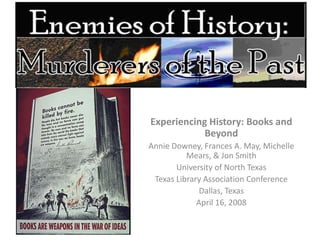
Experiencing History: Books and BeyondAnnie Downey, Frances A. May, Michelle Mears, & Jon SmithUniversity of North TexasTexas Library Association ConferenceDallas, TexasApril 16, 2008
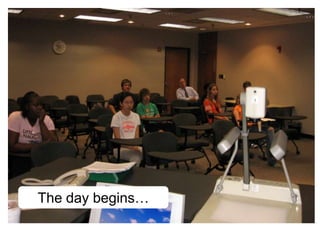
The day begins…
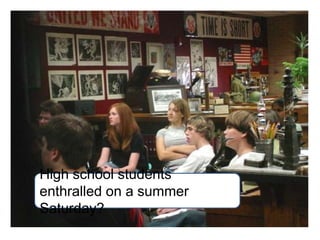
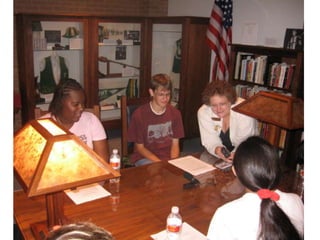
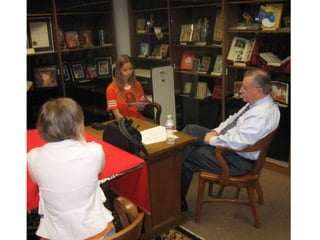
High school students enthralled on a summer Saturday?
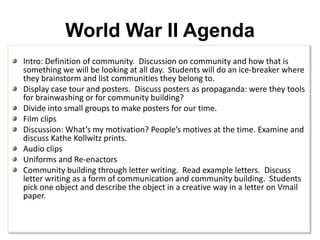
World War II AgendaIntro: Definition of community.  Discussion on community and how that is something we will be looking at all day.  Students will do an ice-breaker where they brainstorm and list communities they belong to.  Display case tour and posters.  Discuss posters as propaganda: were they tools for brainwashing or for community building?Divide into small groups to make posters for our time.  Film clipsDiscussion: What’s my motivation? People’s motives at the time. Examine and discuss Kathe Kollwitz prints.Audio clipsUniforms and Re-enactorsCommunity building through letter writing.  Read example letters.  Discuss letter writing as a form of communication and community building.  Students pick one object and describe the object in a creative way in a letter on Vmail paper.
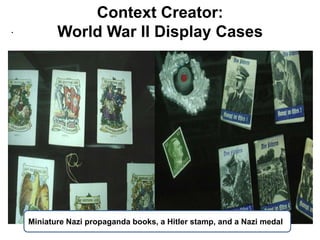
Context Creator:World War II Display Cases.Miniature Nazi propaganda books, a Hitler stamp, and a Nazi medal
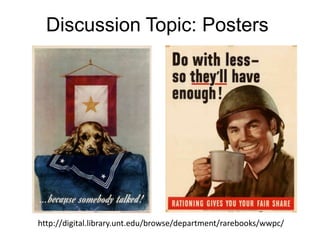
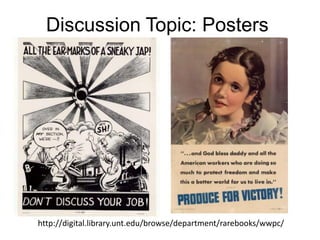
Discussion Topic: Postershttp://digital.library.unt.edu/browse/department/rarebooks/wwpc/
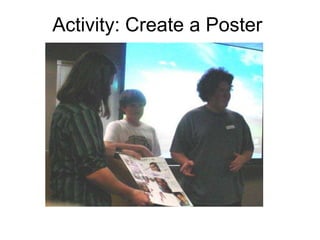
Activity: Create a Poster
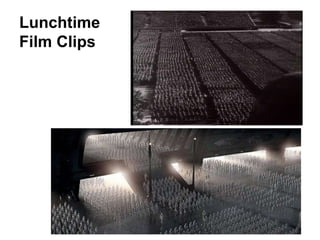
Lunchtime Film Clips
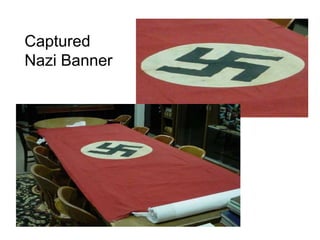
Captured Nazi Banner
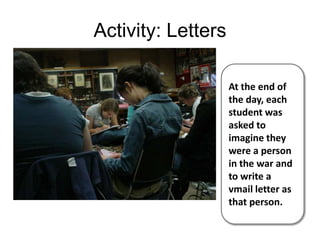
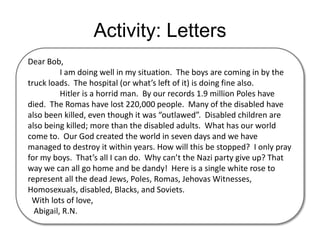
Activity: LettersAt the end of the day, each student was asked to imagine they were a person in the war and to write a vmail letter as that person.
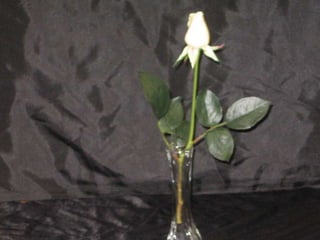
Activity: LettersDear Bob,	I am doing well in my situation.  The boys are coming in by the truck loads.  The hospital (or what’s left of it) is doing fine also. 	Hitler is a horrid man.  By our records 1.9 million Poles have died.  The Romas have lost 220,000 people.  Many of the disabled have also been killed, even though it was “outlawed”.  Disabled children are also being killed; more than the disabled adults.  What has our world come to.  Our God created the world in seven days and we have managed to destroy it within years. How will this be stopped?  I only pray for my boys.  That’s all I can do.  Why can’t the Nazi party give up? That way we can all go home and be dandy!  Here is a single white rose to represent all the dead Jews, Poles, Romas, Jehovas Witnesses, Homosexuals, disabled, Blacks, and Soviets.  With lots of love,   Abigail, R.N.
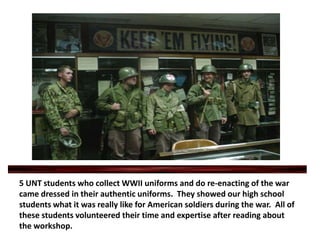
5 UNT students who collect WWII uniforms and do re-enacting of the war came dressed in their authentic uniforms.  They showed our high school students what it was really like for American soldiers during the war.  All of these students volunteered their time and expertise after reading about the workshop.
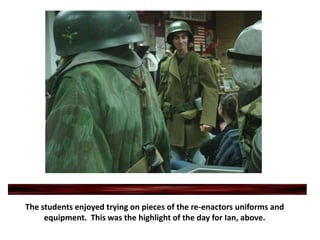
The students enjoyed trying on pieces of the re-enactors uniforms and equipment.  This was the highlight of the day for Ian, above.
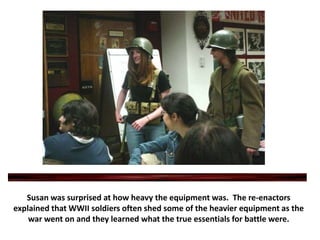
Susan was surprised at how heavy the equipment was.  The re-enactors explained that WWII soldiers often shed some of the heavier equipment as the war went on and they learned what the true essentials for battle were.
Enemies of History AgendaIntro: Definition of preservation and how it relates to the study of history.Film clipsStamps and coinsComic booksWedding dresses / fabricOral historyPhotography and digital imagesBooks
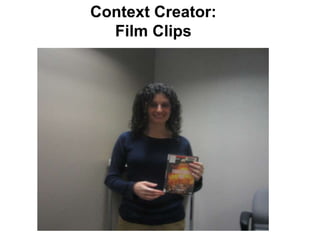
Context Creator:Film Clips
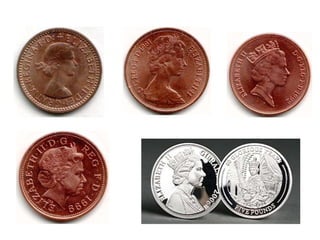
Discussion Topic:  Stamps & CoinsIn the Beginning……there were coins (after sheep, goats, horses, and 	cows, of course.)
  Originated around 700 BC, in Lydia or the Aegean 	Islands and in China
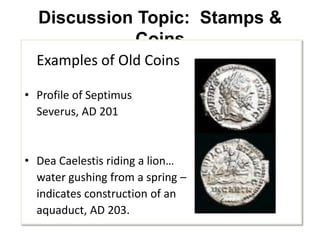
  Struck with the images of rulers of the timeDiscussion Topic:  Stamps & CoinsExamples of Old CoinsProfile of SeptimusSeverus, AD 201DeaCaelestis riding a lion…water gushing from a spring – indicates construction of an aquaduct, AD 203.
Advent of Paper MoneyInvented by Chinese around 1000 years agoFirst wide-spread use in the West in early 1700s in FranceEasier to carry than coins (or horses, cows, sheep, goats….you get the picture.)
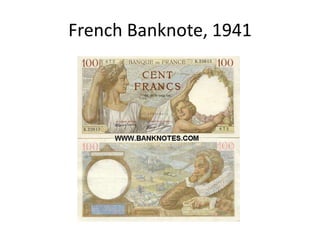
French Banknote, 1941
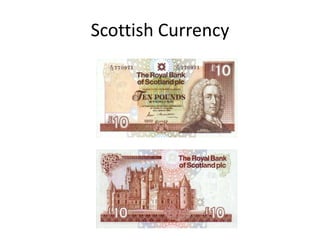
Scottish Currency
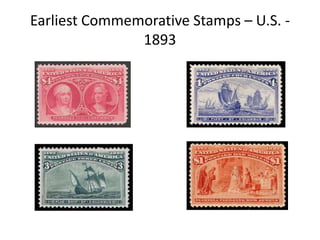
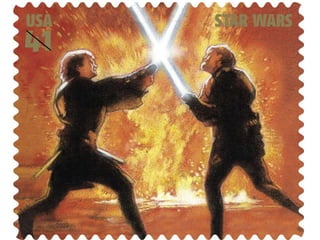
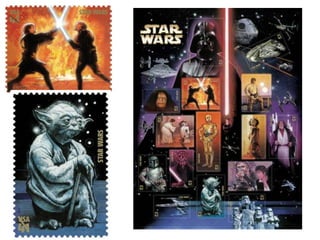
StampsFirst postage stamp created by Great Britain in 1840US printed postage stamps in 1847First US commemorative stamps in 1893
Earliest Commemorative Stamps – U.S. - 1893
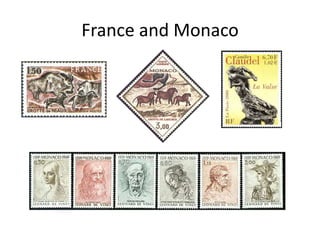
France and Monaco
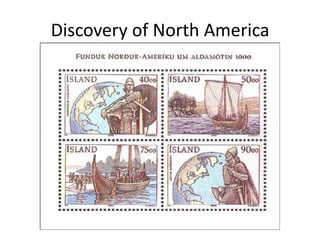
Discovery of North America
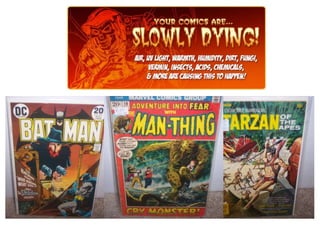
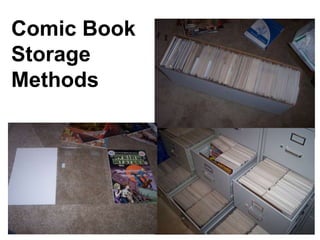
Comic Book Storage Methods
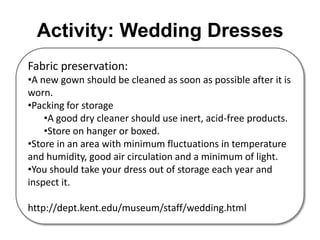
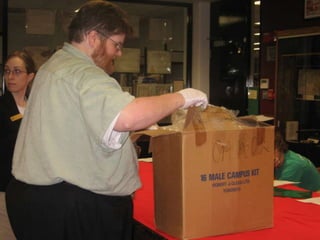
Activity: Wedding DressesFabric preservation:A new gown should be cleaned as soon as possible after it is worn.
Packing for storage
A good dry cleaner should use inert, acid-free products.
Store on hanger or boxed.
Store in an area with minimum fluctuations in temperature and humidity, good air circulation and a minimum of light.
You should take your dress out of storage each year and inspect it.http://dept.kent.edu/museum/staff/wedding.html
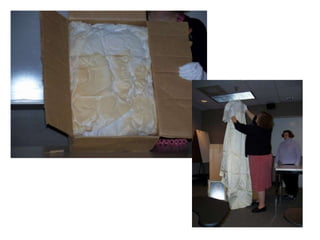
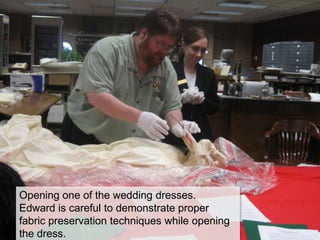
Opening one of the wedding dresses.  Edward is careful to demonstrate proper fabric preservation techniques while opening the dress.
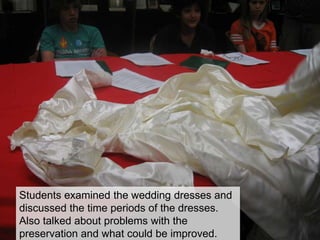
Students examined the wedding dresses and discussed the time periods of the dresses.  Also talked about problems with the preservation and what could be improved.
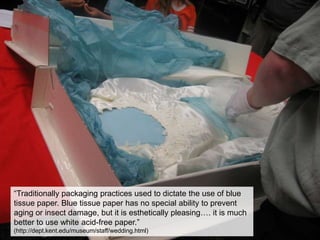
“Traditionally packaging practices used to dictate the use of blue tissue paper. Blue tissue paper has no special ability to prevent aging or insect damage, but it is esthetically pleasing…. it is much better to use white acid-free paper.” (http://dept.kent.edu/museum/staff/wedding.html)
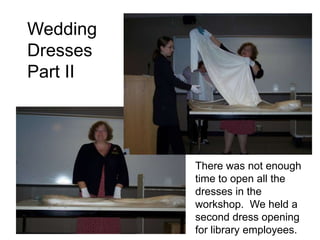
Wedding Dresses Part IIThere was not enough time to open all the dresses in the workshop.  We held a second dress opening for library employees.
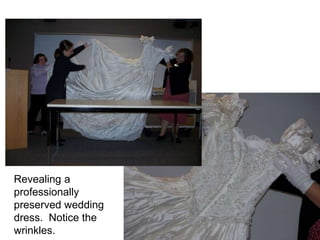
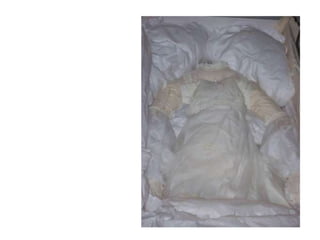
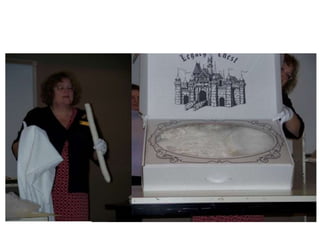
Revealing a professionally preserved wedding dress.  Notice the wrinkles.

Experiencing History: Books and Beyond

  • 1.
    Experiencing History: Booksand BeyondAnnie Downey, Frances A. May, Michelle Mears, & Jon SmithUniversity of North TexasTexas Library Association ConferenceDallas, TexasApril 16, 2008
  • 2.
  • 3.
    High school studentsenthralled on a summer Saturday?
  • 4.
    World War IIAgendaIntro: Definition of community. Discussion on community and how that is something we will be looking at all day. Students will do an ice-breaker where they brainstorm and list communities they belong to. Display case tour and posters. Discuss posters as propaganda: were they tools for brainwashing or for community building?Divide into small groups to make posters for our time. Film clipsDiscussion: What’s my motivation? People’s motives at the time. Examine and discuss Kathe Kollwitz prints.Audio clipsUniforms and Re-enactorsCommunity building through letter writing. Read example letters. Discuss letter writing as a form of communication and community building. Students pick one object and describe the object in a creative way in a letter on Vmail paper.
  • 5.
    Context Creator:World WarII Display Cases.Miniature Nazi propaganda books, a Hitler stamp, and a Nazi medal
  • 6.
  • 7.
  • 8.
  • 9.
  • 10.
  • 11.
    Activity: LettersAt theend of the day, each student was asked to imagine they were a person in the war and to write a vmail letter as that person.
  • 13.
    Activity: LettersDear Bob, Iam doing well in my situation. The boys are coming in by the truck loads. The hospital (or what’s left of it) is doing fine also. Hitler is a horrid man. By our records 1.9 million Poles have died. The Romas have lost 220,000 people. Many of the disabled have also been killed, even though it was “outlawed”. Disabled children are also being killed; more than the disabled adults. What has our world come to. Our God created the world in seven days and we have managed to destroy it within years. How will this be stopped? I only pray for my boys. That’s all I can do. Why can’t the Nazi party give up? That way we can all go home and be dandy! Here is a single white rose to represent all the dead Jews, Poles, Romas, Jehovas Witnesses, Homosexuals, disabled, Blacks, and Soviets. With lots of love, Abigail, R.N.
  • 14.
    5 UNT studentswho collect WWII uniforms and do re-enacting of the war came dressed in their authentic uniforms. They showed our high school students what it was really like for American soldiers during the war. All of these students volunteered their time and expertise after reading about the workshop.
  • 15.
    The students enjoyedtrying on pieces of the re-enactors uniforms and equipment. This was the highlight of the day for Ian, above.
  • 16.
    Susan was surprisedat how heavy the equipment was. The re-enactors explained that WWII soldiers often shed some of the heavier equipment as the war went on and they learned what the true essentials for battle were.
  • 17.
    Enemies of HistoryAgendaIntro: Definition of preservation and how it relates to the study of history.Film clipsStamps and coinsComic booksWedding dresses / fabricOral historyPhotography and digital imagesBooks
  • 18.
  • 19.
    Discussion Topic: Stamps & CoinsIn the Beginning……there were coins (after sheep, goats, horses, and cows, of course.)
  • 20.
    Originatedaround 700 BC, in Lydia or the Aegean Islands and in China
  • 21.
    Struckwith the images of rulers of the timeDiscussion Topic: Stamps & CoinsExamples of Old CoinsProfile of SeptimusSeverus, AD 201DeaCaelestis riding a lion…water gushing from a spring – indicates construction of an aquaduct, AD 203.
  • 23.
    Advent of PaperMoneyInvented by Chinese around 1000 years agoFirst wide-spread use in the West in early 1700s in FranceEasier to carry than coins (or horses, cows, sheep, goats….you get the picture.)
  • 24.
  • 25.
  • 26.
    StampsFirst postage stampcreated by Great Britain in 1840US printed postage stamps in 1847First US commemorative stamps in 1893
  • 27.
  • 28.
  • 29.
  • 33.
  • 34.
    Activity: Wedding DressesFabricpreservation:A new gown should be cleaned as soon as possible after it is worn.
  • 35.
  • 36.
    A good drycleaner should use inert, acid-free products.
  • 37.
  • 38.
    Store in anarea with minimum fluctuations in temperature and humidity, good air circulation and a minimum of light.
  • 39.
    You should takeyour dress out of storage each year and inspect it.http://dept.kent.edu/museum/staff/wedding.html
  • 41.
    Opening one ofthe wedding dresses. Edward is careful to demonstrate proper fabric preservation techniques while opening the dress.
  • 42.
    Students examined thewedding dresses and discussed the time periods of the dresses. Also talked about problems with the preservation and what could be improved.
  • 43.
    “Traditionally packaging practicesused to dictate the use of blue tissue paper. Blue tissue paper has no special ability to prevent aging or insect damage, but it is esthetically pleasing…. it is much better to use white acid-free paper.” (http://dept.kent.edu/museum/staff/wedding.html)
  • 44.
    Wedding Dresses PartIIThere was not enough time to open all the dresses in the workshop. We held a second dress opening for library employees.
  • 46.
    Revealing a professionallypreserved wedding dress. Notice the wrinkles.