There Are Many Accidents
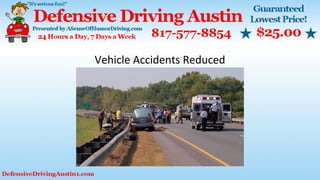
On late Sunday night there is rarely any traffic, but for some
reason the highway has come to a standstill.
You hear sirens of cop cars, ambulances and fire trucks as
they make their way past all the traffic.
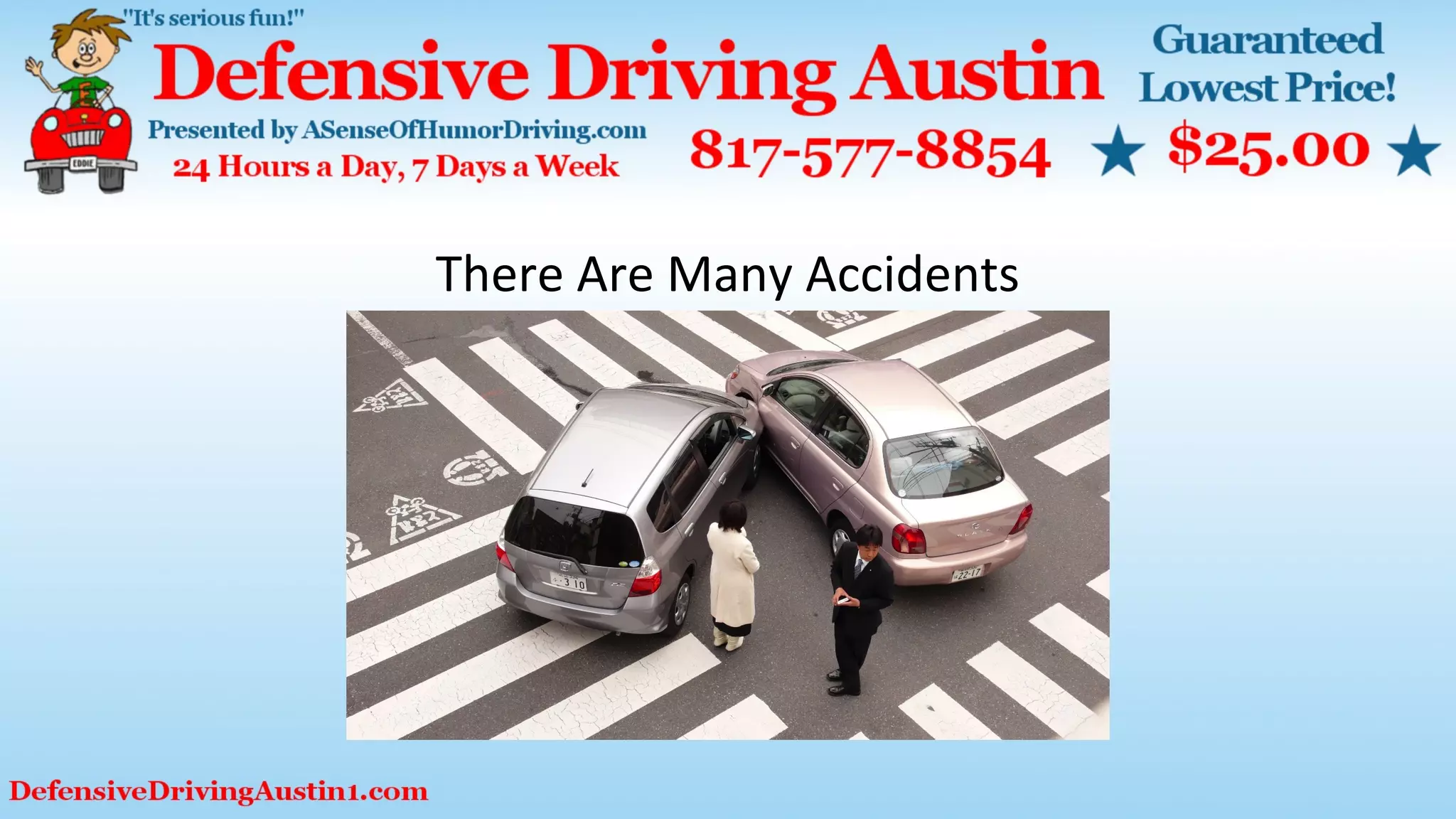
There was a bad accident that happened on the highway.
Once I got close enough I could make out what had
happened.
There was a motorcycle that was almost completely
disintegrated and the back of a car that was smashed in.
As I got closer I saw there was a body covered with a tarp
and a couple of other people standing off to the side.
I am assuming that the motorcycle rider died on impact
while the people in the car were still alive.
There are accidents happening all the time you never know
when one could happen next.
That is why you should be careful when you drive and
always remember that anything can happen to you.
Who Are Involved in Accidents
Reports find that individuals aged 15-29 are at the highest
risk for motor vehicle crash related injuries.
They alone make up almost 1 million of the 2.5 million, or
38 percent, documented injuries for 2014.
However, the highest percentage of hospitalized
individuals came from the 80 years or older group of
people, where 33 percent of them ended up requiring
hospitalization.
The average cost for an emergency room visit was around
$3,300 while the average hospitalization bill was
approximately $57,000 over the course of a lifetime.
75 percent of these costs were accrued in the first 18
months after the crash.
Despite the findings, there is good news.
Vehicle Accidents Reduced
Compared to 2002, there were 400,000 fewer emergency
room visits and 5,700 fewer hospital stays in 2014.
The CDC estimates that $1.7 billion was saved in medical
costs and $2.3 billion was saved in work loss due to efforts
over the years to enhance driver safety.
Although vehicle crashes have reduced in volume over the
years, there is still quite a bit of room for improvement.
What Have We Done to Reduce Accidents
Some examples of ways to reduce accidents are setting up
sobriety checkpoints and ignition locks for convicted
drinking and driving, a more comprehensive driver licensing
system for teens, improved child safety with required
car/booster seats for children under 8 or less than 57 inches
tall, and seat belt laws for everyone in the car.
Equipped with these suggested state safety regulations and
safer and smarter cars on the road, motor vehicle crashes
should be primed to see a significant decrease in lifetime
emergency room and hospitalization costs in the future.

There are many accidents

  • 1.
    There Are ManyAccidents
  • 2.
    On late Sundaynight there is rarely any traffic, but for some reason the highway has come to a standstill.
  • 3.
    You hear sirensof cop cars, ambulances and fire trucks as they make their way past all the traffic.
  • 4.
    There was abad accident that happened on the highway.
  • 5.
    Once I gotclose enough I could make out what had happened.
  • 6.
    There was amotorcycle that was almost completely disintegrated and the back of a car that was smashed in.
  • 7.
    As I gotcloser I saw there was a body covered with a tarp and a couple of other people standing off to the side.
  • 8.
    I am assumingthat the motorcycle rider died on impact while the people in the car were still alive.
  • 9.
    There are accidentshappening all the time you never know when one could happen next.
  • 10.
    That is whyyou should be careful when you drive and always remember that anything can happen to you.
  • 11.
    Who Are Involvedin Accidents
  • 12.
    Reports find thatindividuals aged 15-29 are at the highest risk for motor vehicle crash related injuries.
  • 13.
    They alone makeup almost 1 million of the 2.5 million, or 38 percent, documented injuries for 2014.
  • 14.
    However, the highestpercentage of hospitalized individuals came from the 80 years or older group of people, where 33 percent of them ended up requiring hospitalization.
  • 15.
    The average costfor an emergency room visit was around $3,300 while the average hospitalization bill was approximately $57,000 over the course of a lifetime.
  • 16.
    75 percent ofthese costs were accrued in the first 18 months after the crash.
  • 17.
    Despite the findings,there is good news.
  • 18.
  • 19.
    Compared to 2002,there were 400,000 fewer emergency room visits and 5,700 fewer hospital stays in 2014.
  • 20.
    The CDC estimatesthat $1.7 billion was saved in medical costs and $2.3 billion was saved in work loss due to efforts over the years to enhance driver safety.
  • 21.
    Although vehicle crasheshave reduced in volume over the years, there is still quite a bit of room for improvement.
  • 22.
    What Have WeDone to Reduce Accidents
  • 23.
    Some examples ofways to reduce accidents are setting up sobriety checkpoints and ignition locks for convicted drinking and driving, a more comprehensive driver licensing system for teens, improved child safety with required car/booster seats for children under 8 or less than 57 inches tall, and seat belt laws for everyone in the car.
  • 24.
    Equipped with thesesuggested state safety regulations and safer and smarter cars on the road, motor vehicle crashes should be primed to see a significant decrease in lifetime emergency room and hospitalization costs in the future.