The Roaring Twenties
Issues in Postwar
Society
• Women’s Roles
• Urban Migration
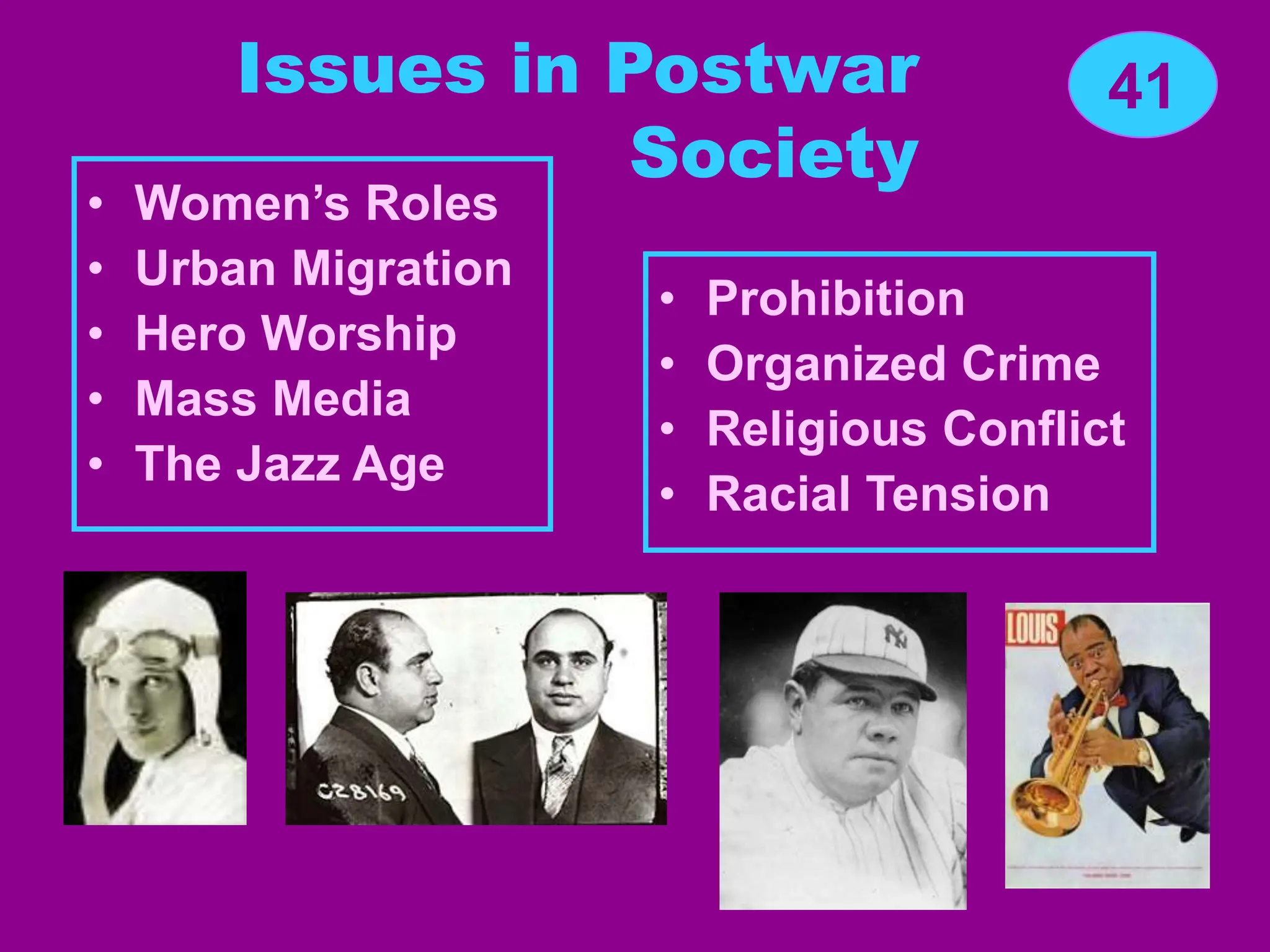
• Hero Worship
• Mass Media
• The Jazz Age
• Prohibition
• Organized Crime
• Religious Conflict
• Racial Tension
41
Women’s Roles
Change
• More women
working
• Higher paying jobs
• 1920 – Suffrage
• Drastic changes in
clothing, hairstyle,
and manners
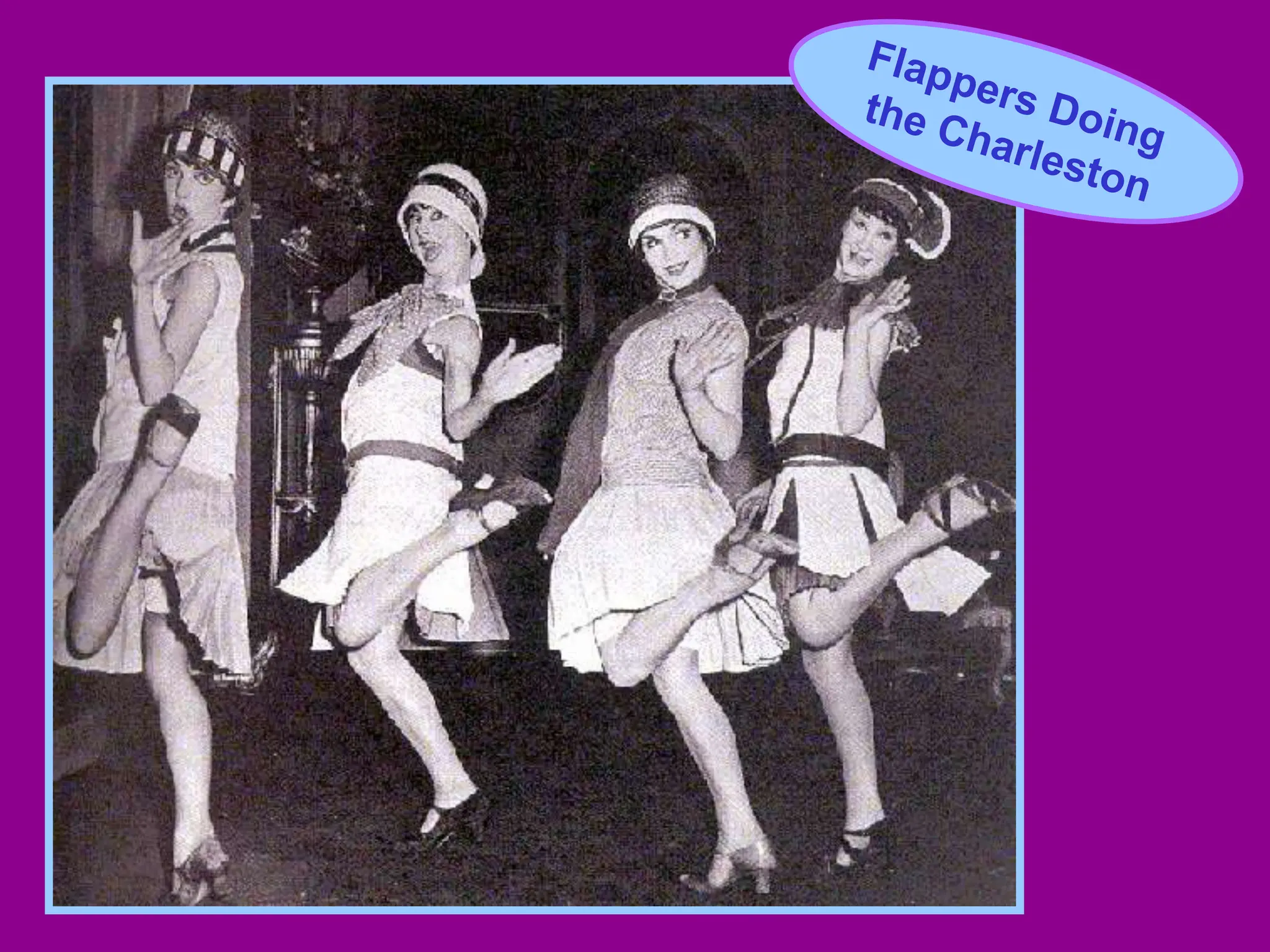
• “Flappers”
– Rebellious, bold,
fun-loving
– Knee-length dresses
– Short “bobbed” hair
– Tight bell-shaped
hats
– Drank hard liquor
– Smoked cigarettes
42
Vintage
Flapper
Dresses
Fashion Advice for the Flapper
15,000 new hair
salons opened in
the 1920’s
Elegant Women’s Fashions
Flappers
Changing
Demographics
Statistics that describe
a population:
• Age
• Gender
• Race
• Income
43
Urban Migration
• Farmers moved from rural to urban
areas as farm prices fell after WWI
• “Great Migration” of blacks from the
South to the North continued
• Mexican immigrants came to farms and
cities in California and Texas and
created barrios, Spanish speaking
neighborhoods
44
Heroes
of the
1920’s
Charles Lindbergh
• May 1927 - Flew solo across the
Atlantic
• New York to Paris - 33 hr. 10 min.
• Spirit of St. Louis
• Admired for his solid moral values
& humility
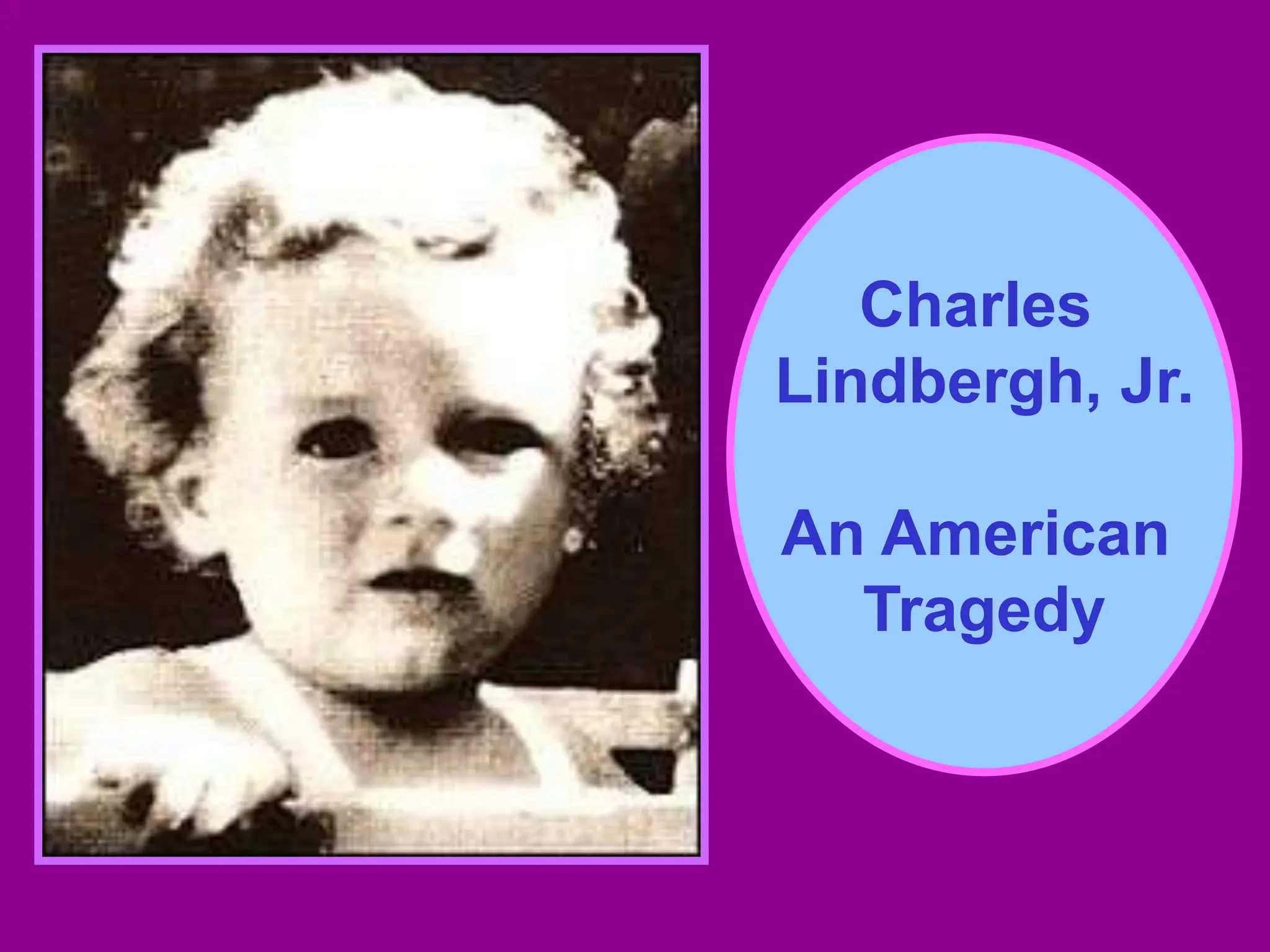
• His son was later kidnapped from
his crib and murdered
45
“Lucky Lindy”
An American
Hero
Lucky Lindy
and the Spirit
of St. Louis
Charles Lindbergh
1902 - 1974
Lindbergh Baby Kidnapping –
March 1932
Charles
Lindbergh, Jr.
An American
Tragedy
Charles Lindbergh
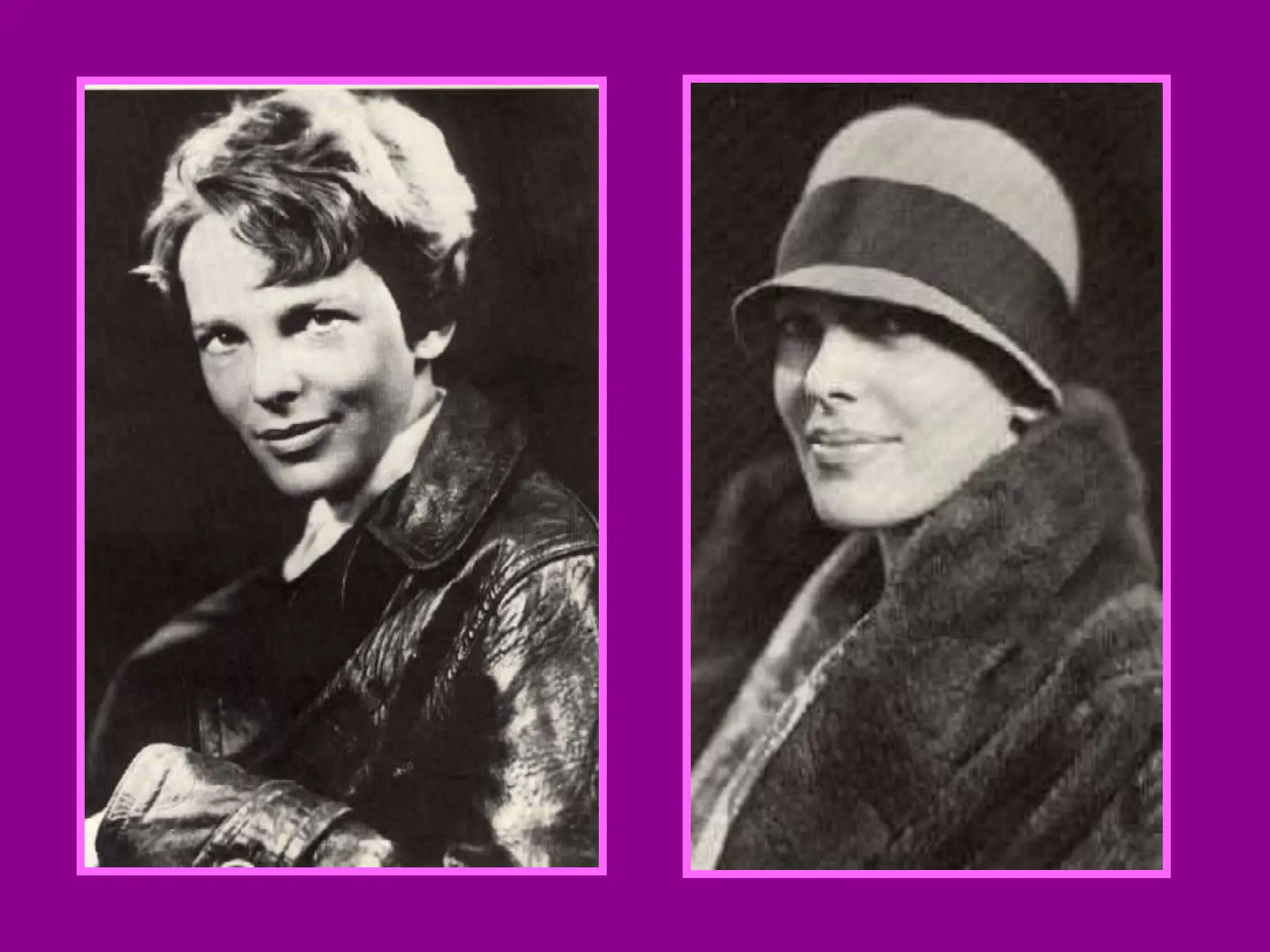
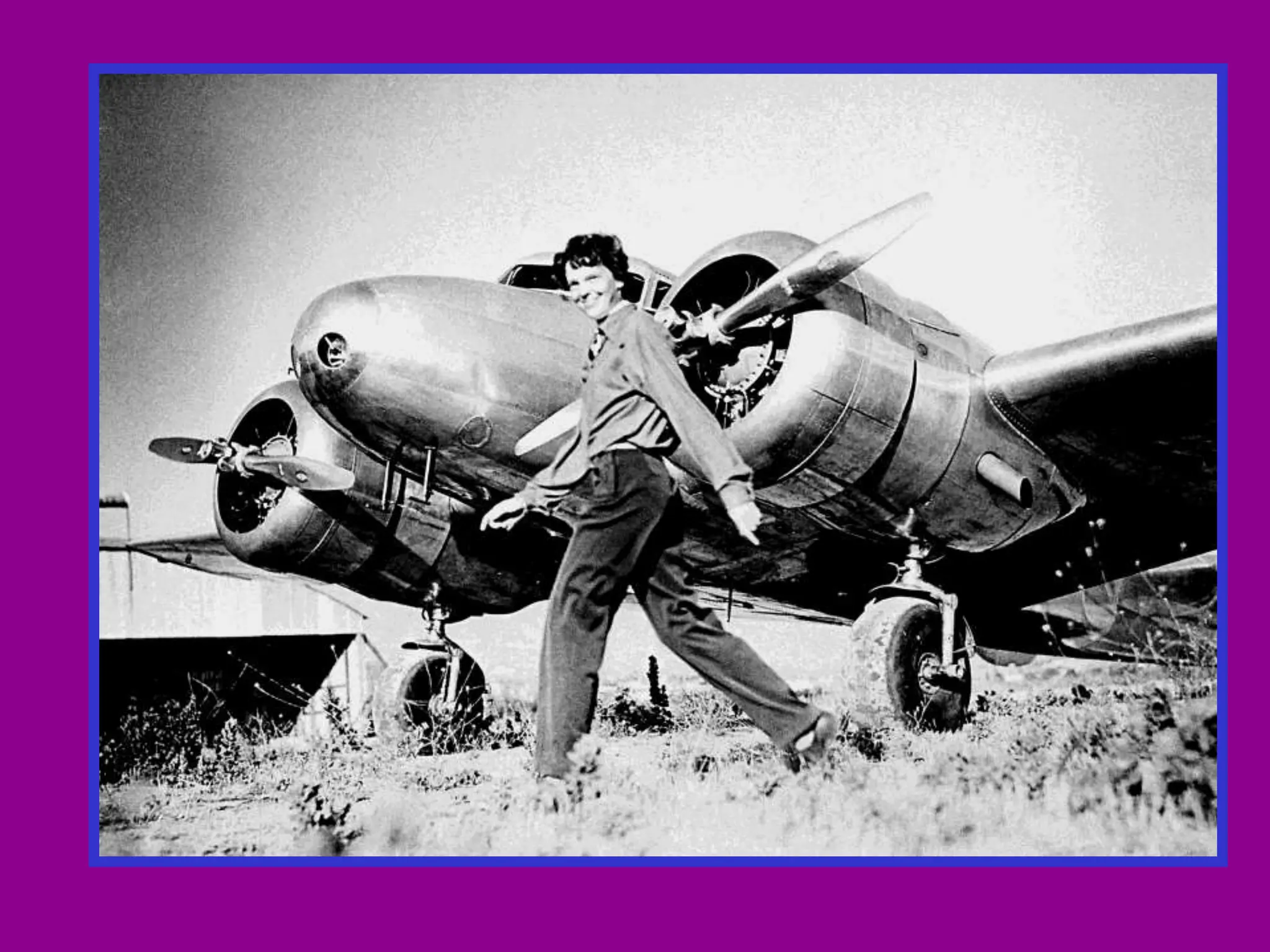
Amelia Earhart
• Helped open the field of aviation to
more women
• First woman to fly solo across the
Atlantic (1932)
• First to fly solo from Hawaii to
California
• Attempted to fly around the world
• Plane was lost over the Pacific
after 2/3 of the trip (1937)
46
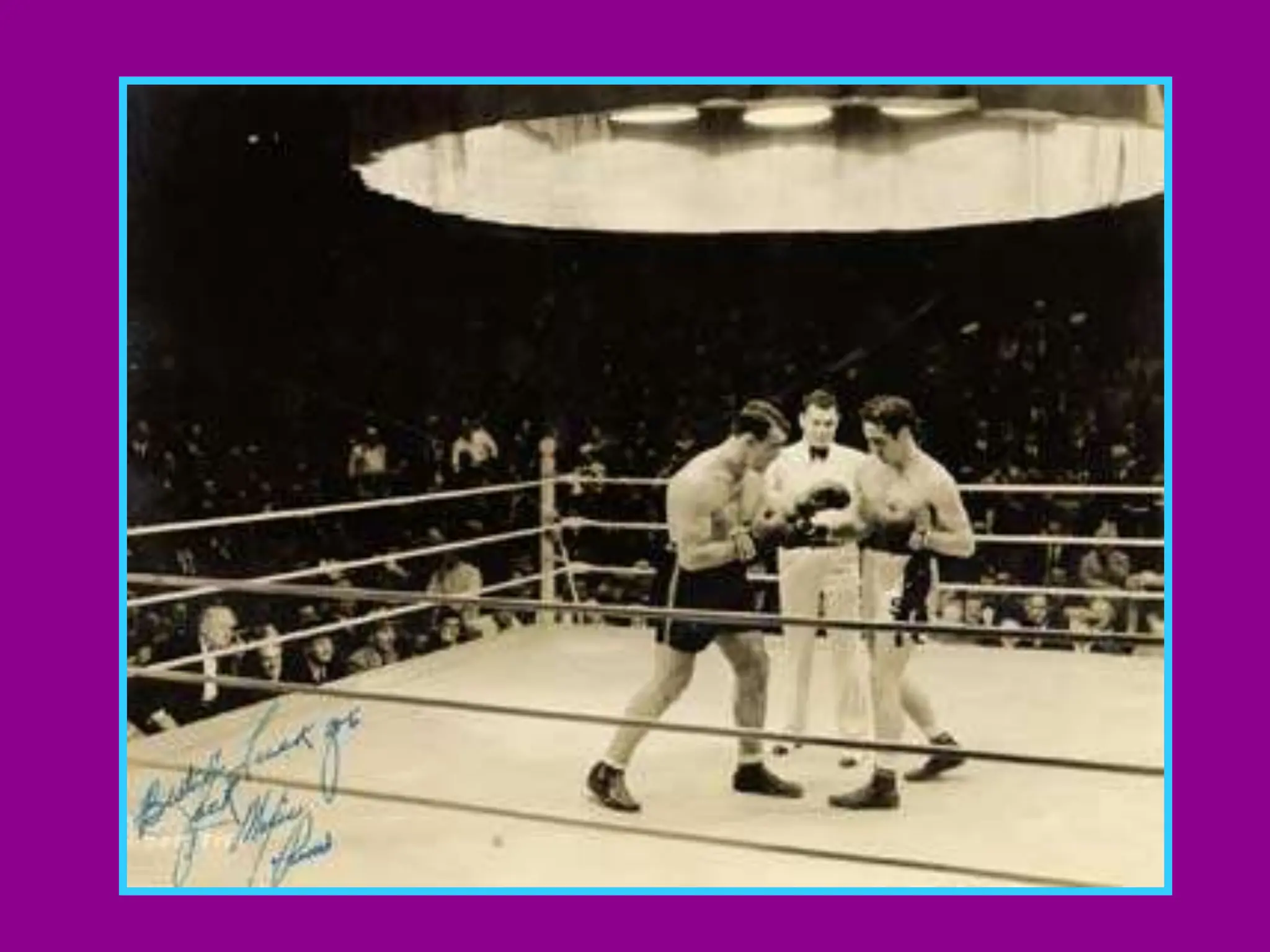
Jack Dempsey
• 1921 - Won the Heavy Weight
World Championship of boxing
• Highly publicized fight broke the
record for ticket sales
• First fight to be heard on radio
• Boxing became big business
47
Jack Dempsey
Heavy Weight
Champion
1921
Jim Thorpe
• Native American
• Won Olympic decathlon and
pentathlon gold medals
• Pro baseball player
• Pro football player
• First President of the National
Football League
48
Jim
Thorpe
1912
Olympic
Gold
Jim
Thorpe
New York
Giants
Jim
Thorpe
1925
Pro
Football
Age 37
George Herman Ruth
• “The Babe”
• “The Sultan of Swat”
• Career with Boston Red Sox and New
York Yankees
• Record career 714 home runs
• Record 60 home runs in a 154 game
season
49
“The Babe”
Mass Media
Print, film, and broadcast
methods of communicating
information to large
numbers of people
50
Movies
• 1890 to 1927 - Silent films
• 1927 – First “talkie” was The Jazz
Singer - included speech, music
and sound effects
• 1930 – 22,500 theaters, 80 million
tickets sold per week
51
Early Stars of the
Silver Screen
Al Jolson
Star of
The Jazz
Singer
Greta Garbo Lillian Gish
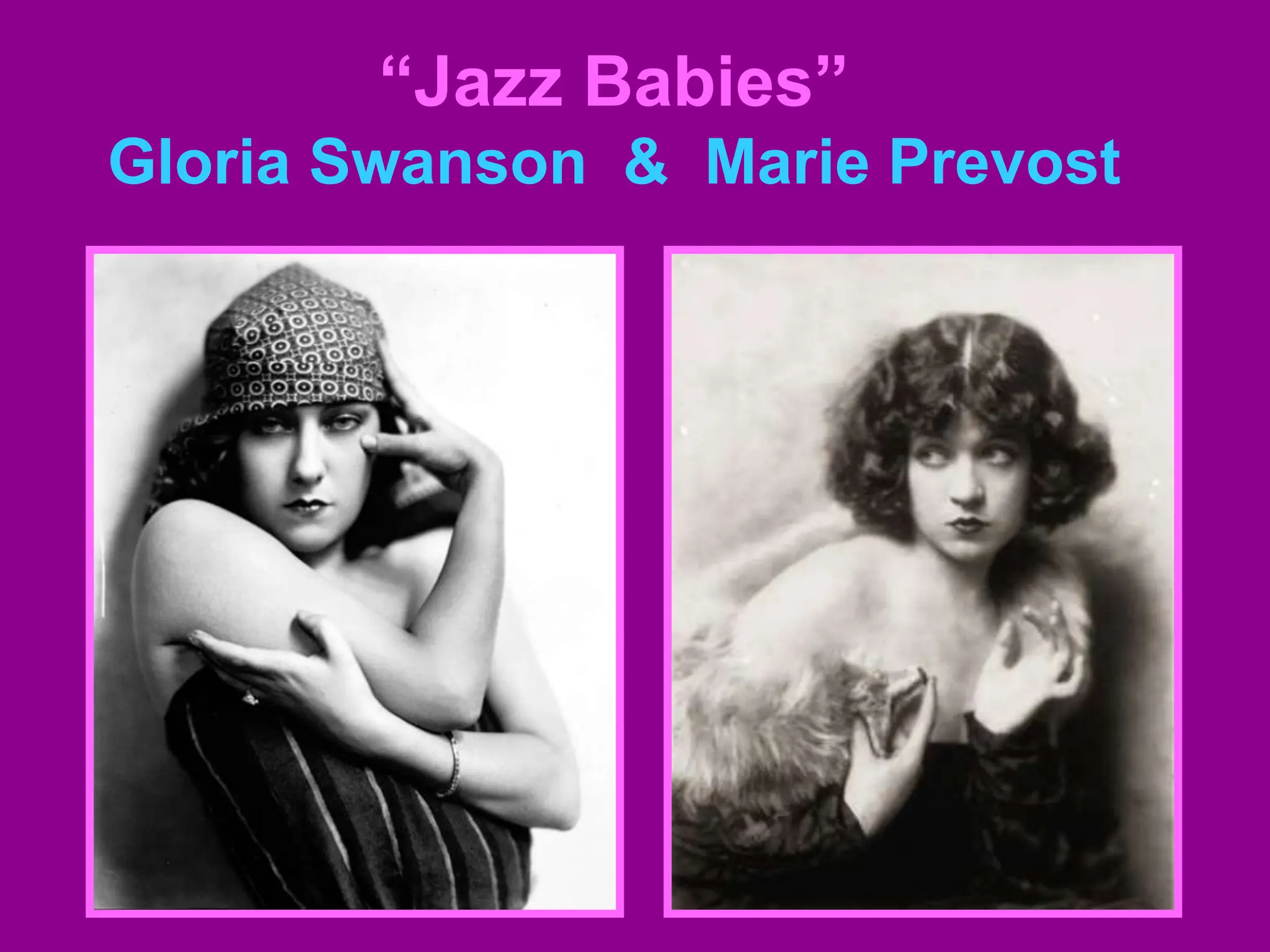
“Jazz Babies”
Gloria Swanson & Marie Prevost
Charlie Chaplin
• Silent screen movie star
• Created character “The Little Tramp” -
tattered suit, derby hat and cane
• Later very successful in the “talkies”
using music to continue his soundless
portrayal of the “little tramp”
52
Leisure in 20’s
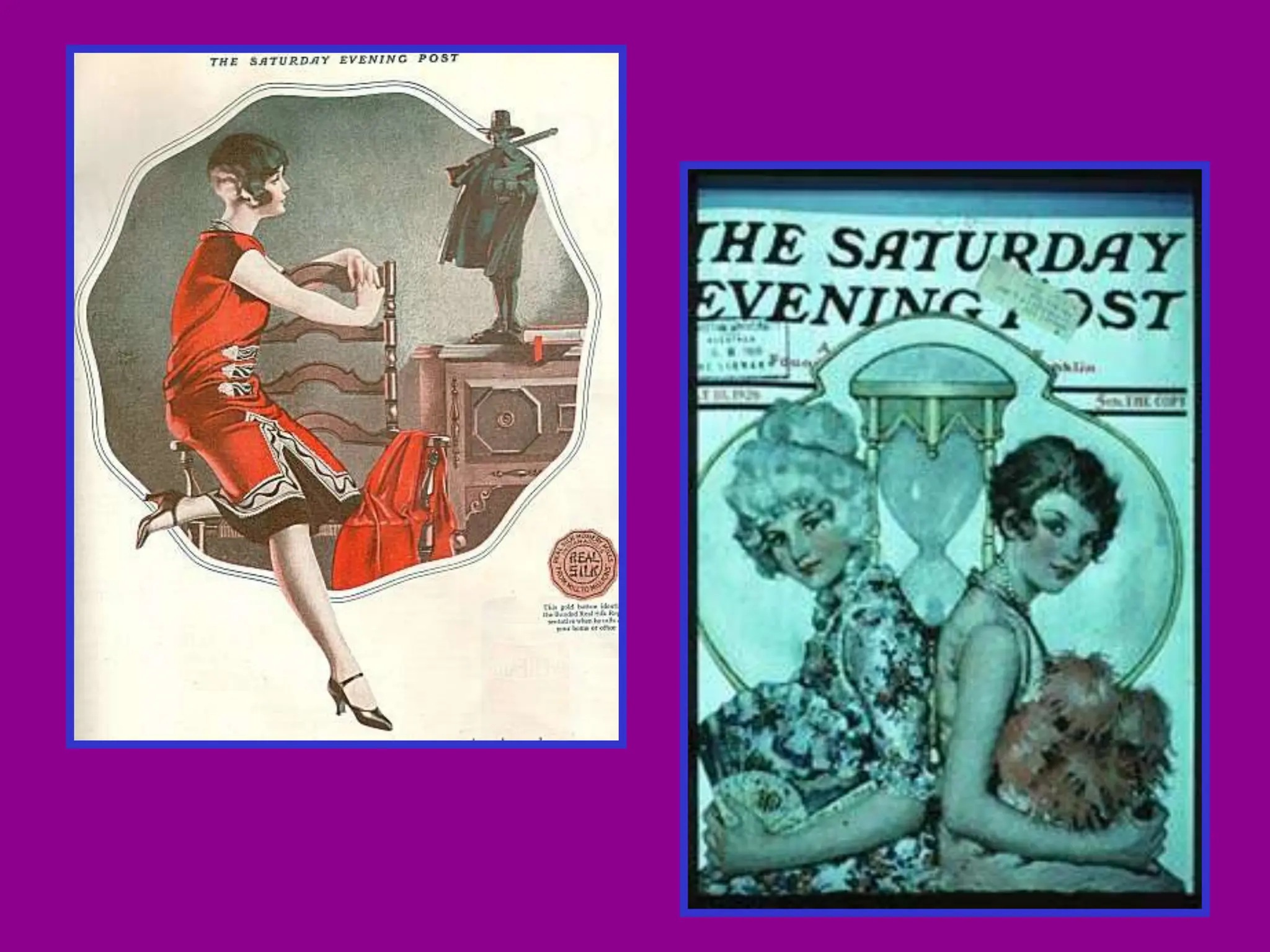
Magazines
200 Million Copies Sold in
1929
• Readers’ Digest
• Saturday Evening Post
• Ladies’ Home Journal
• Time
53
Radio
• 1920 - First radio broadcast
from a Westinghouse Electric
Company engineer’s garage in
Pittsburg
• 1922 – 500 radio stations in U.S.
54
1921
Cathedral
Style
Radio
$20
1922
Westinghouse RC
2 piece radio set
KDKA – First Radio Station
The First Radio News Broadcast –
1920 Election Results
Jazz & The Jazz Age
• Jazz came from African
American music of the South
• New Orleans
• Syncopated rhythms
• Improvisation
• Harlem – 500 jazz clubs
• Black performers
• White audiences
55
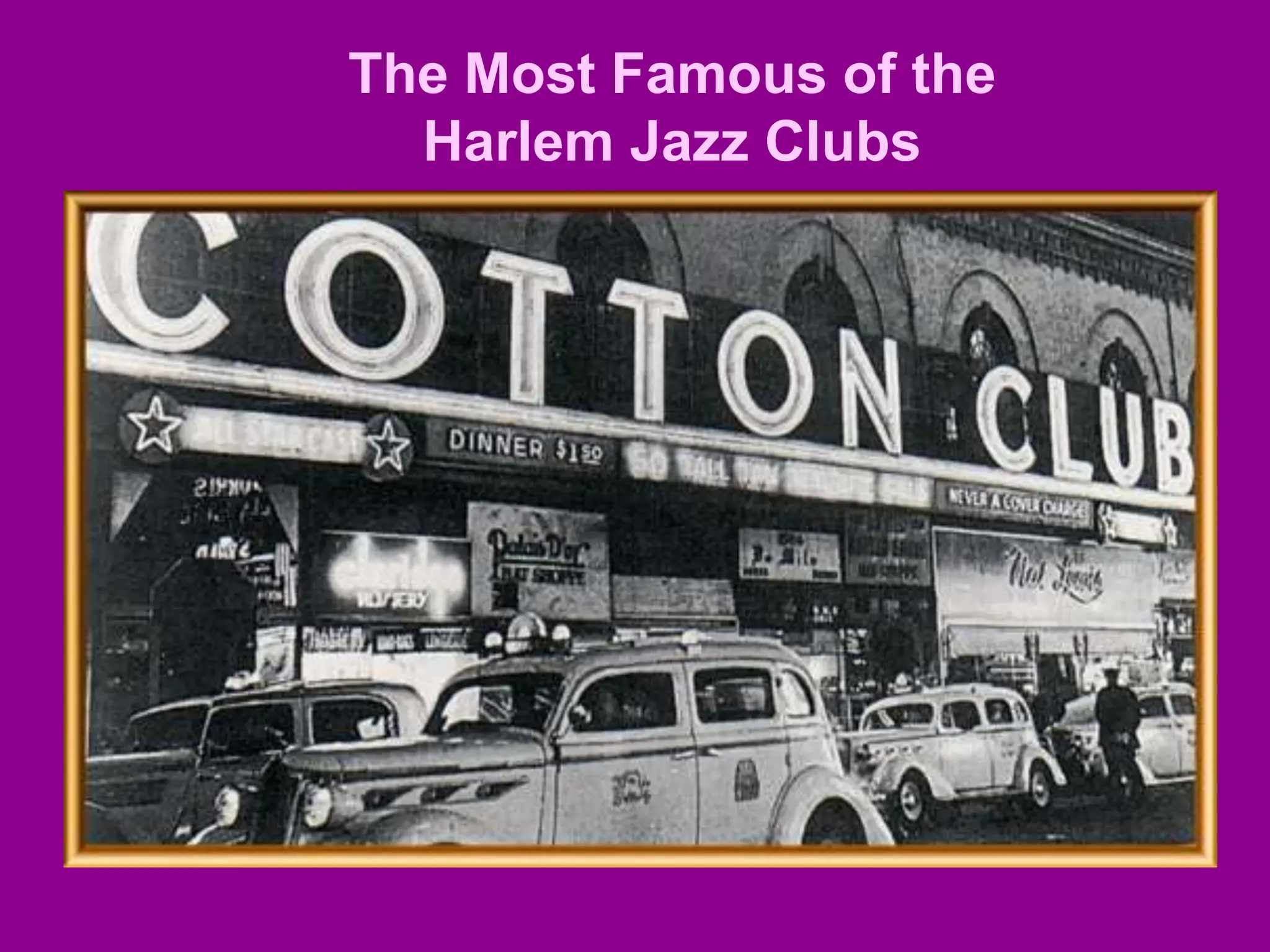
The Most Famous of the
Harlem Jazz Clubs
Duke Ellington
Pianist, Band Leader,
Arranger, Composer
56
Duke Ellington &
His Cotton Club Orchestra
1927
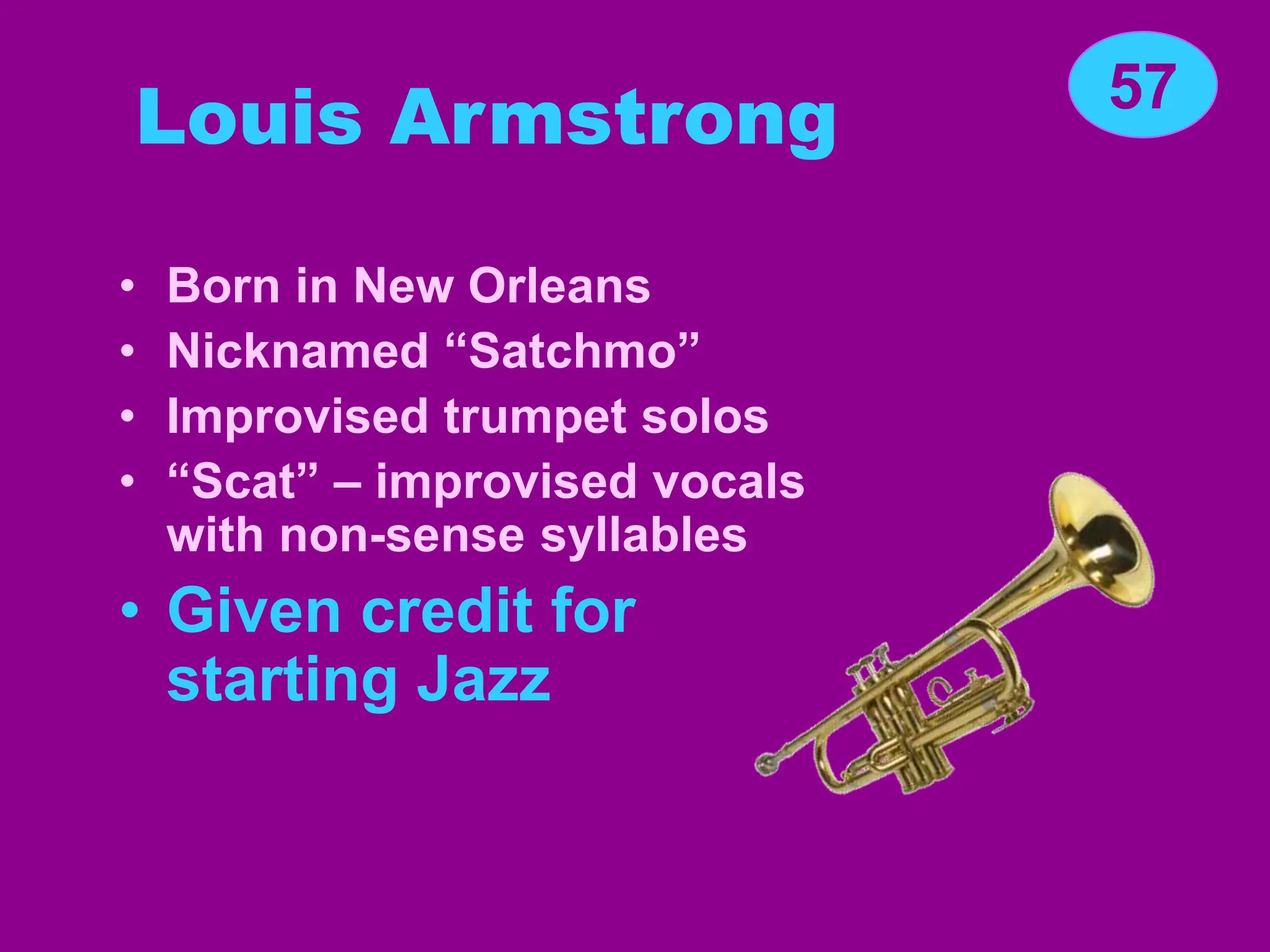
Louis Armstrong
• Born in New Orleans
• Nicknamed “Satchmo”
• Improvised trumpet solos
• “Scat” – improvised vocals
with non-sense syllables
• Given credit for
starting Jazz
57
Louis Armstrong
“Satchmo”
Georgia O’Keeffe
• 1887 - 1986
• Jazz Age painter
• Painted natural objects and
landscapes
Taos Mountain, New Mexico
58
Oriental Poppies
Blue
Morning
Glories
Pink and Green Mountain
Shell
No. 1
Jazz Age
The Lost Generation
Writers
Expatriates
• Group of American writers
• Unhappy with American popular
culture in the 1920’s
• Rejected the materialism and
shallow values of American
society
• Moved to Europe
59
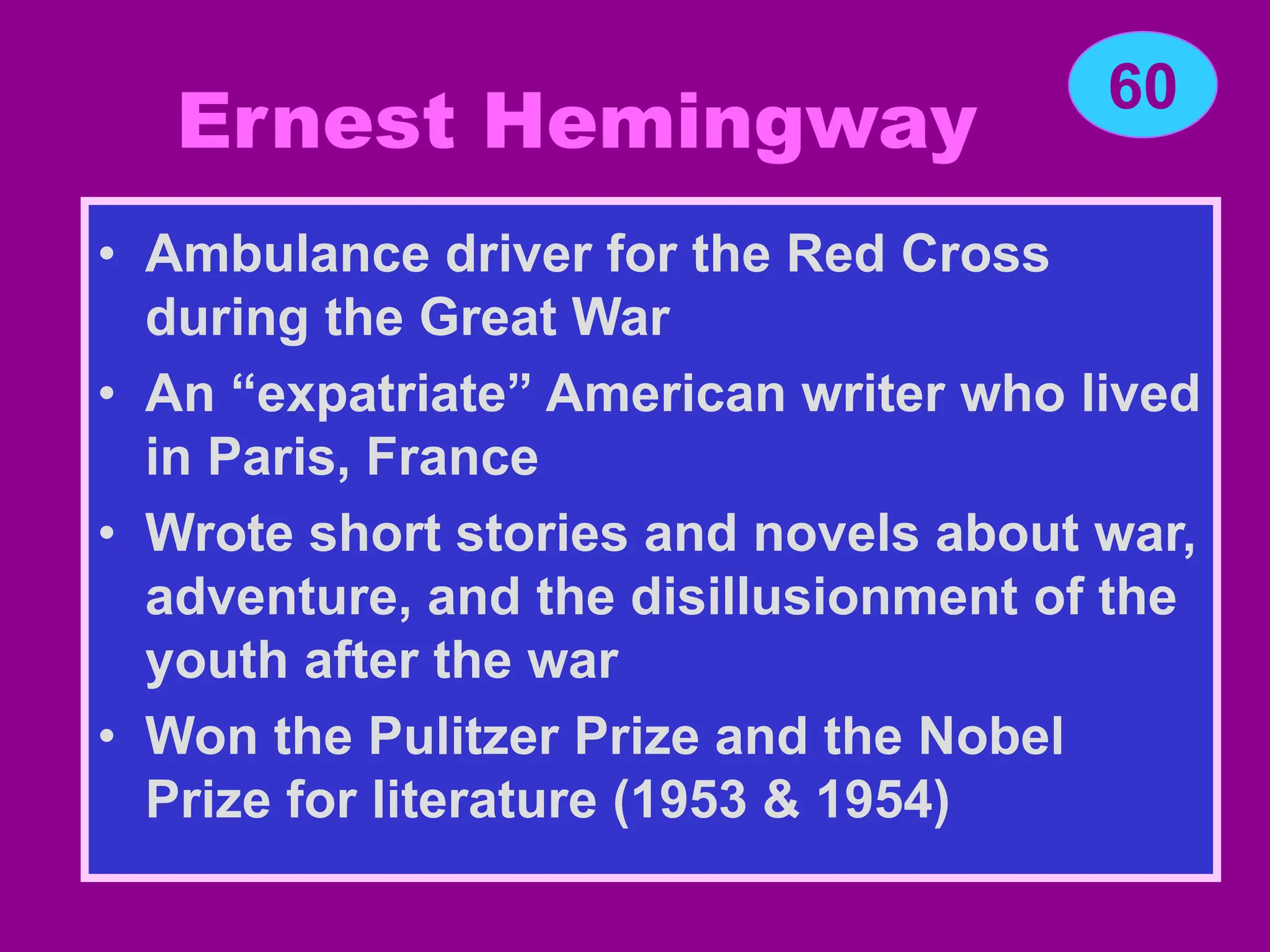
Ernest Hemingway
• Ambulance driver for the Red Cross
during the Great War
• An “expatriate” American writer who lived
in Paris, France
• Wrote short stories and novels about war,
adventure, and the disillusionment of the
youth after the war
• Won the Pulitzer Prize and the Nobel
Prize for literature (1953 & 1954)
60
Hemingway Novels
• The Sun Also Rises
• A Farewell to Arms
• For Whom the Bell Tolls
• The Old Man and the Sea
61
Ernest
Hemingway
World War I
Hemingway and Fidel Castro
Ernest
Hemingway
1899 - 1961
Suicide by
shotgun
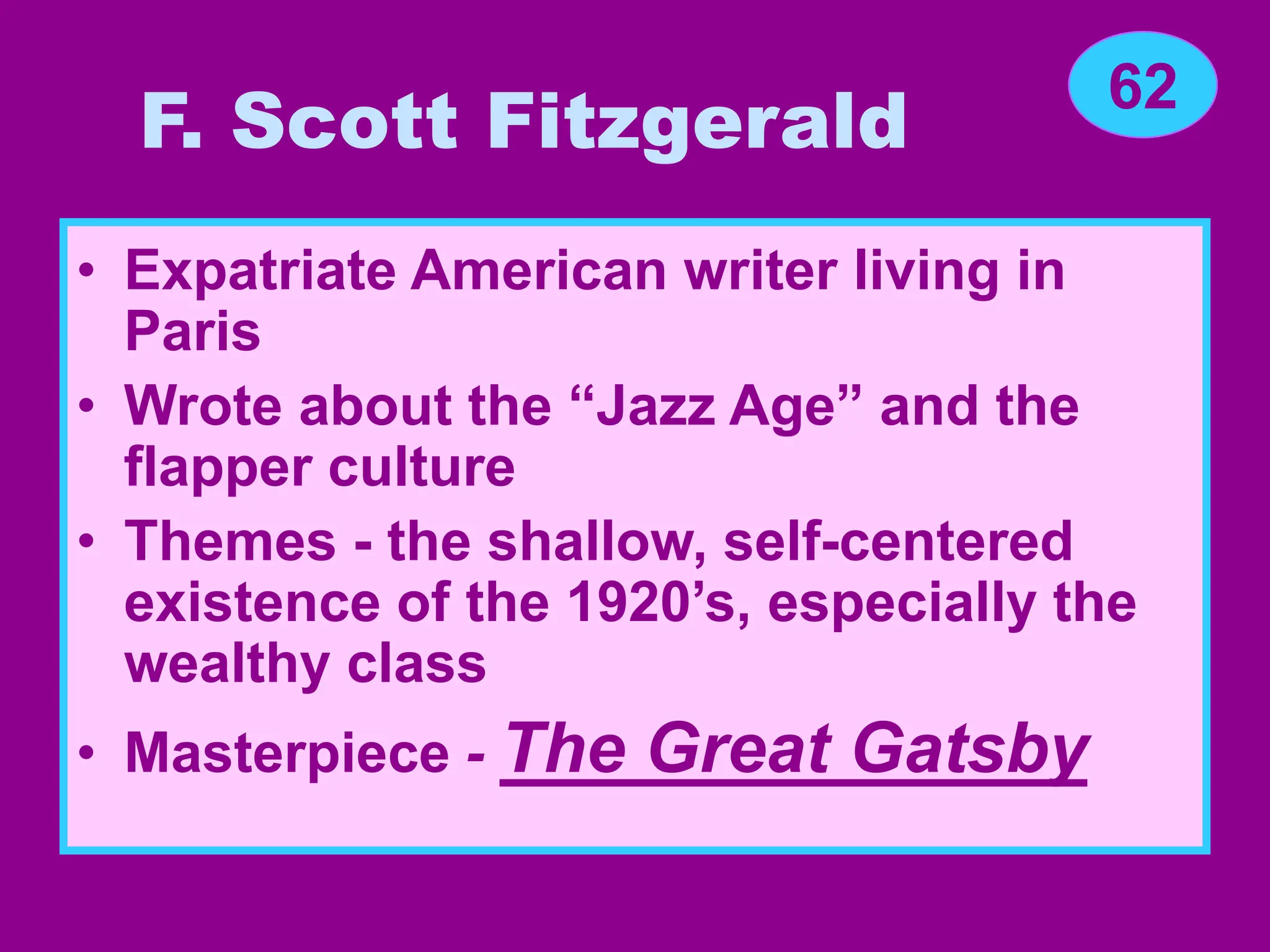
F. Scott Fitzgerald
• Expatriate American writer living in
Paris
• Wrote about the “Jazz Age” and the
flapper culture
• Themes - the shallow, self-centered
existence of the 1920’s, especially the
wealthy class
• Masterpiece - The Great Gatsby
62
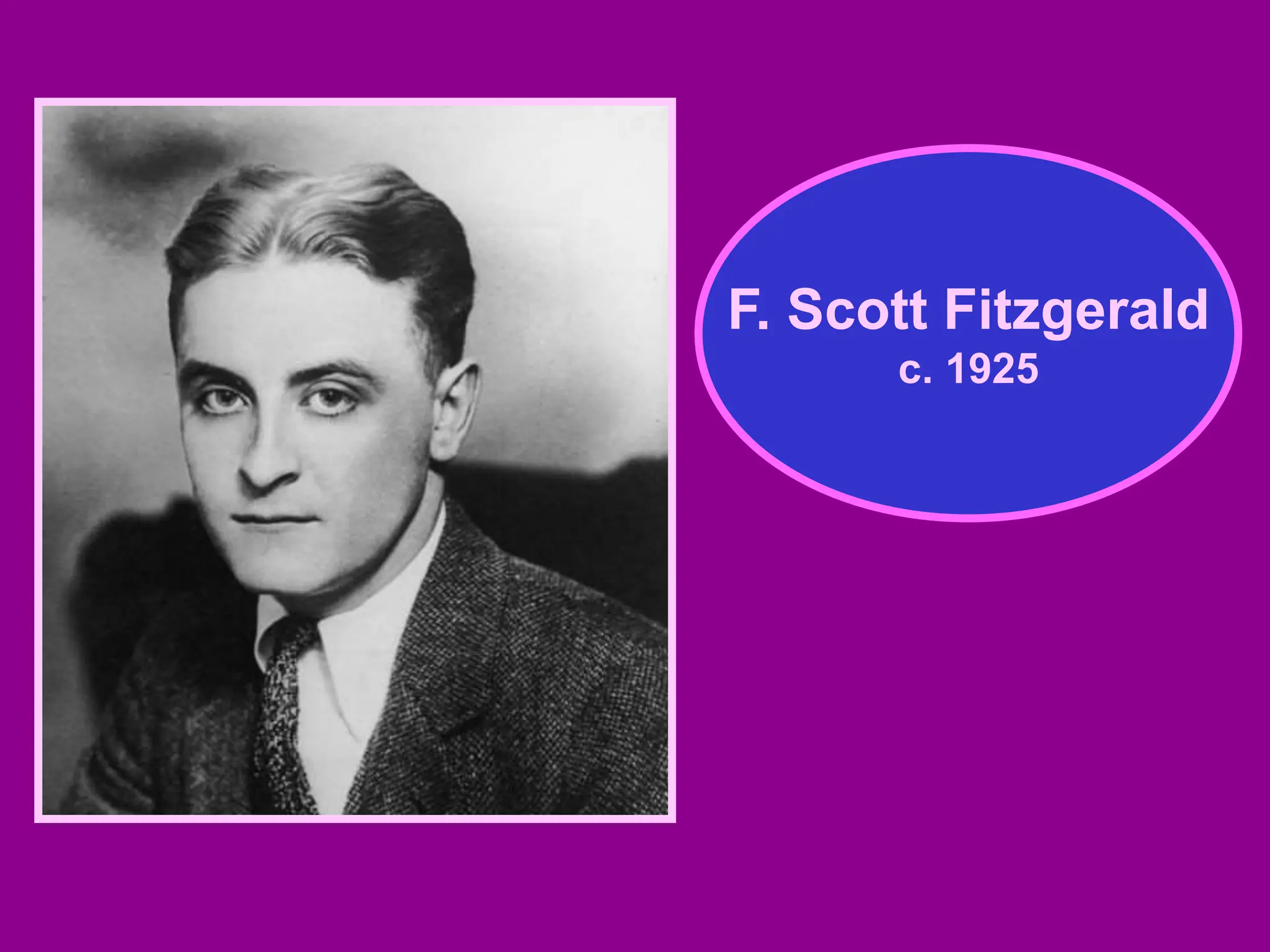
F. Scott Fitzgerald
c. 1925
Scott & Zelda
Fitzgerald
Symbols of the
Jazz Age
Lost Generation
Harlem Renaissance 63
African American
literary awakening
of the 1920’s
Reasons for the Harlem
Renaissance
• Search for identity
• Universal Negro Improvement
Association was formed to
promote black pride and unity
.
Harlem Renaissance
Writers
• James Weldon Johnson
• Zora Neale Hurston
• Langston Hughes
64
Langston
Hughes
Harlem Renaissance
Cultural Conflicts
in the 1920’s
Prohibition
• 18th Amendment banned alcohol in
January 1920
• Goal was to reduce
–Family abuse and violence
–Prostitution, gambling and other
vice in saloons
–Missed time and accidents in the
work place
65
How to Support Prohibition
• Volstead Act was passed to
enforce Prohibition
Bootleggers
• Suppliers of illegal alcohol
• Originally was the term for
drinkers who secretly hid
flasks of alcohol in the leg
of their boots
66
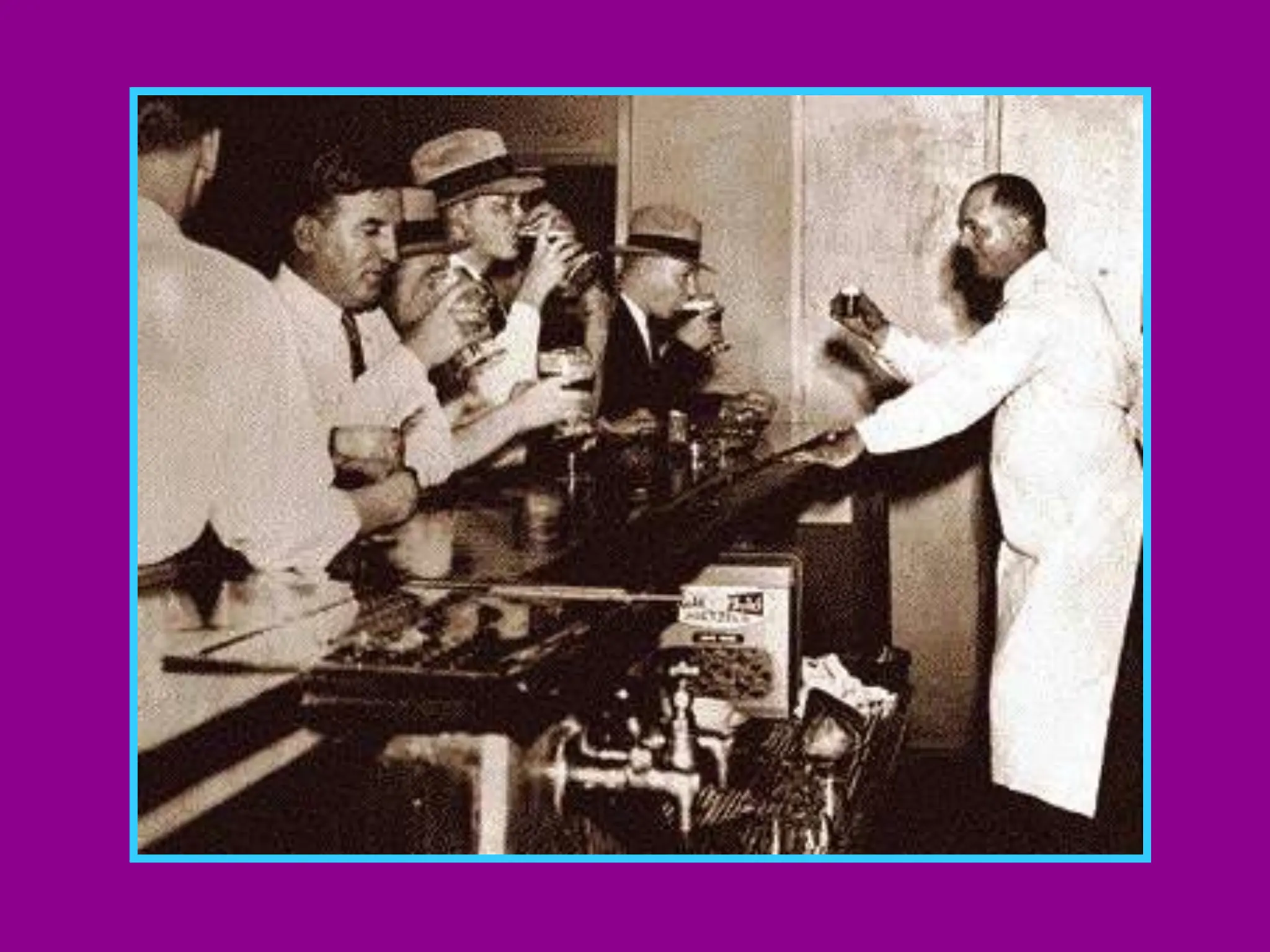
Speakeasies
• Secret illegal bars that served
alcohol
• There were more than twice as
many speakeasies operating
than there had been legal
saloons before Prohibition
67
Speakeasy Membership Cards
House Rules
at one
Speakeasy
Organized Crime
• Local gangsters combined forces to
run complex bootlegging operations
• Also involved in gambling and
prostitution
• Racketeering –
– Police and government officials were
bribed to ignore the illegal activities
– Shop owners were forced to pay fees
for “protection” from mobsters
68
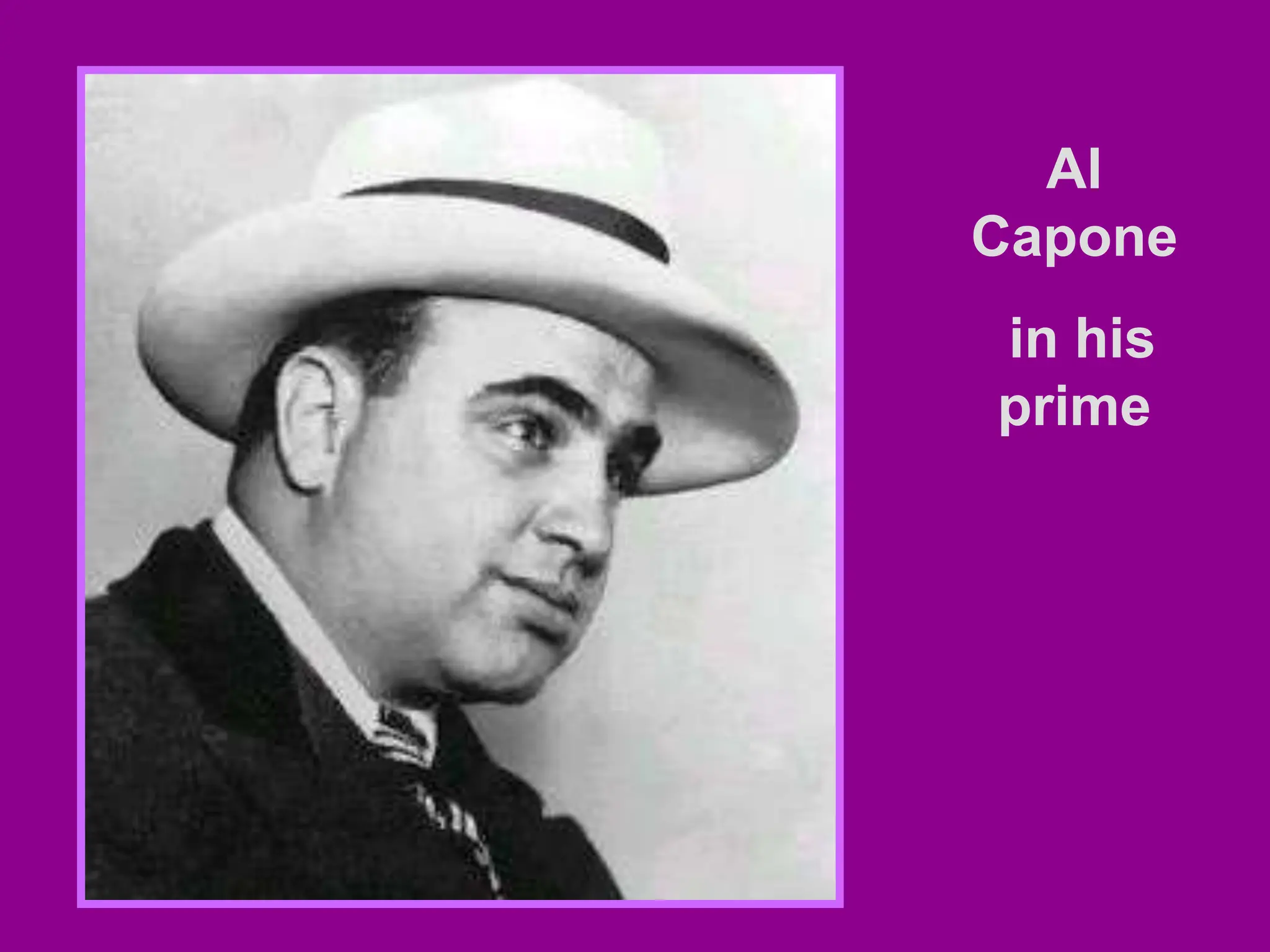
Al Capone
• “Scarface”
• 1925 - Rose to the top of Chicago’s mob
• Committed or ordered 100’s of murders
• Made 100’s of millions illegally
• 1931 - Convicted of income tax evasion
• Served 8 years of 11 year sentence
• Released early for good behavior
69
Al
Capone
in his
prime
Capone’s Florida Mansion
Arrested in Philadelphia on
a gun charge - 1929
Capone
1939
After 8
years at
Alcatraz
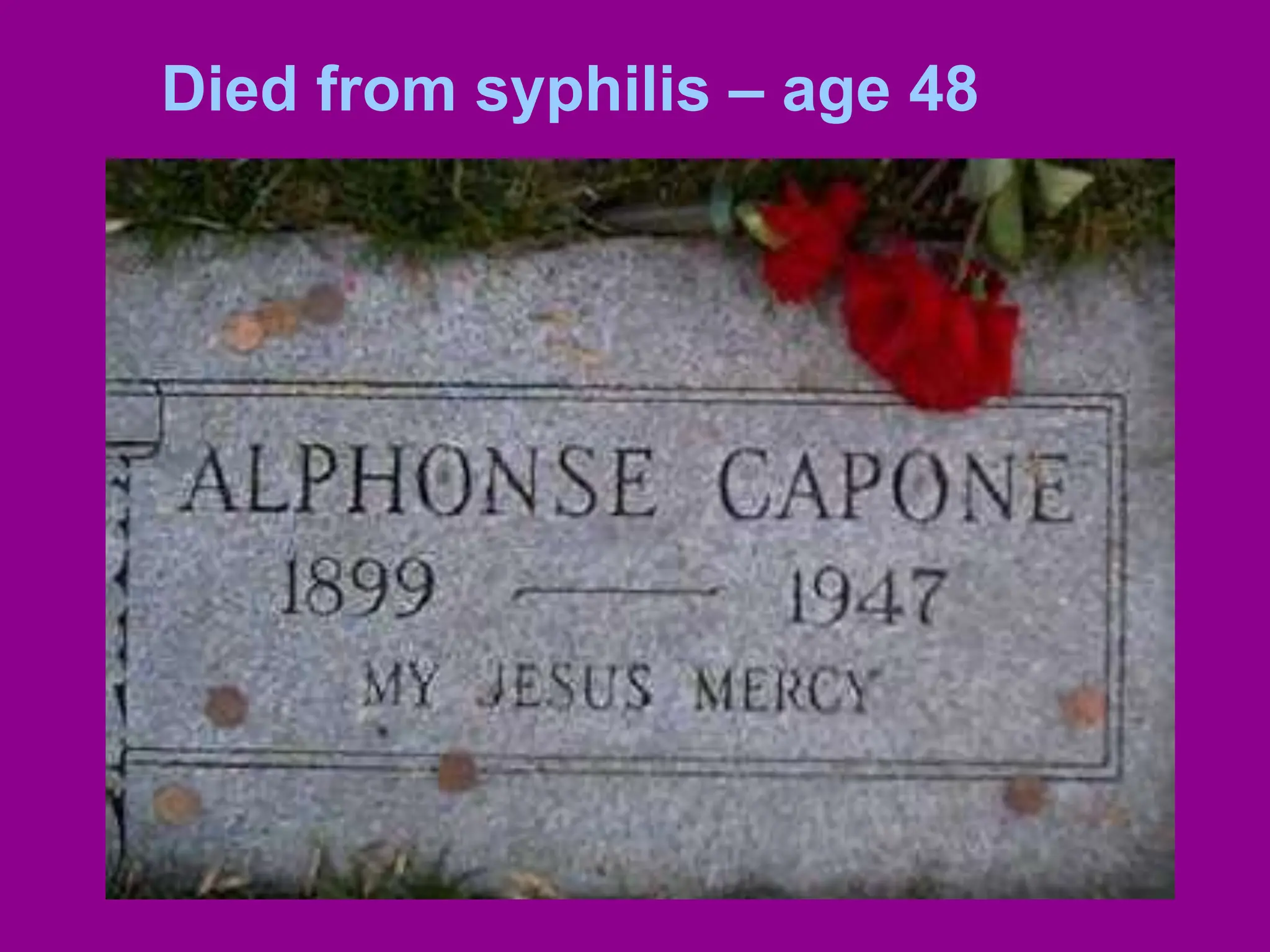
Died from syphilis – age 48
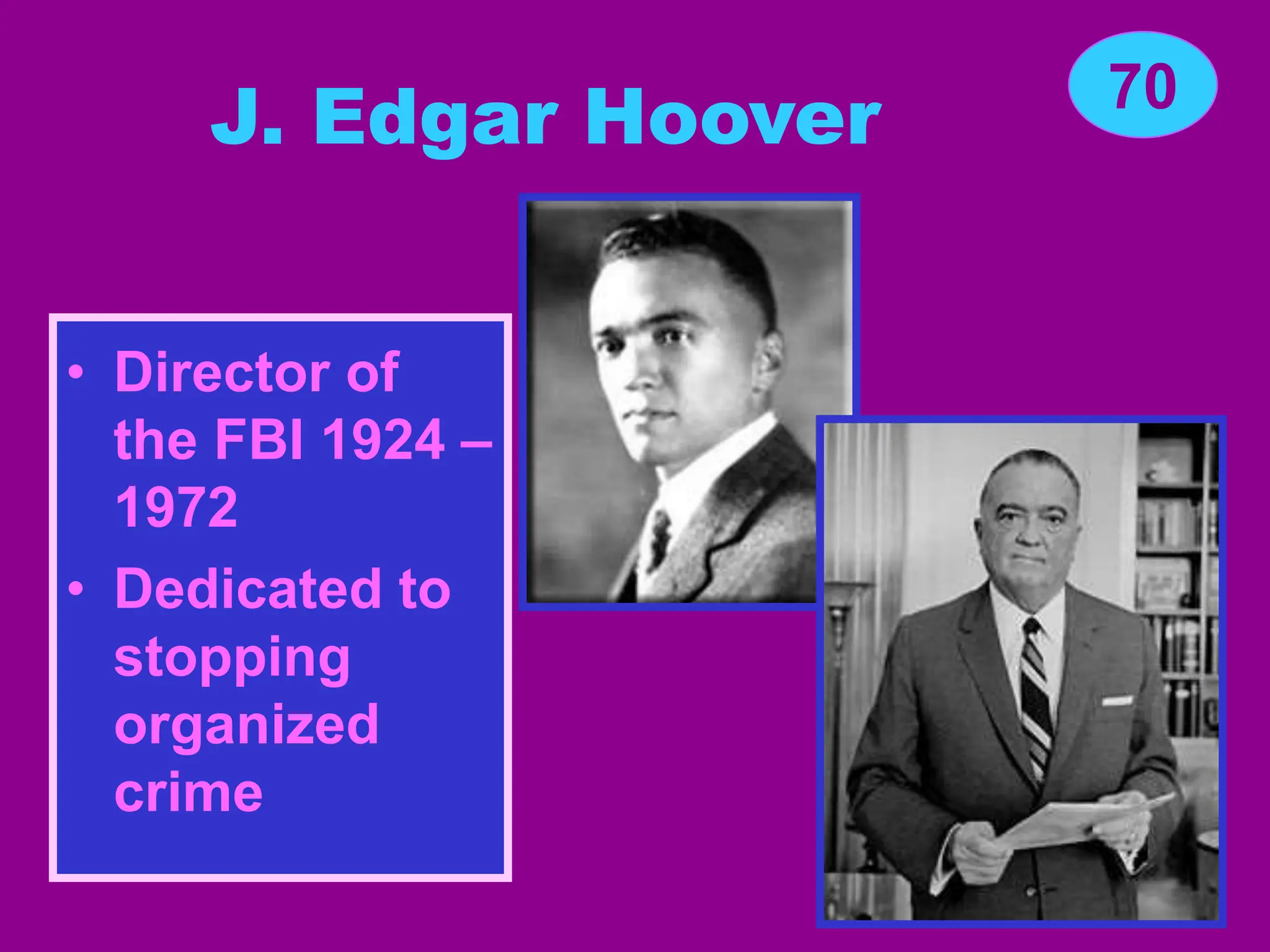
J. Edgar Hoover
• Director of
the FBI 1924 –
1972
• Dedicated to
stopping
organized
crime
70
Prohibition and Gangs
Fundamentalism
• Belief in traditional
Christian teachings
• Belief that the Bible is
literally true and cannot
contain any errors
71
Billy Sunday
• Preacher who
preached against
the evils of
alcohol, evolution,
and gambling
• Held over 300
revival meetings
• Made a fortune
72
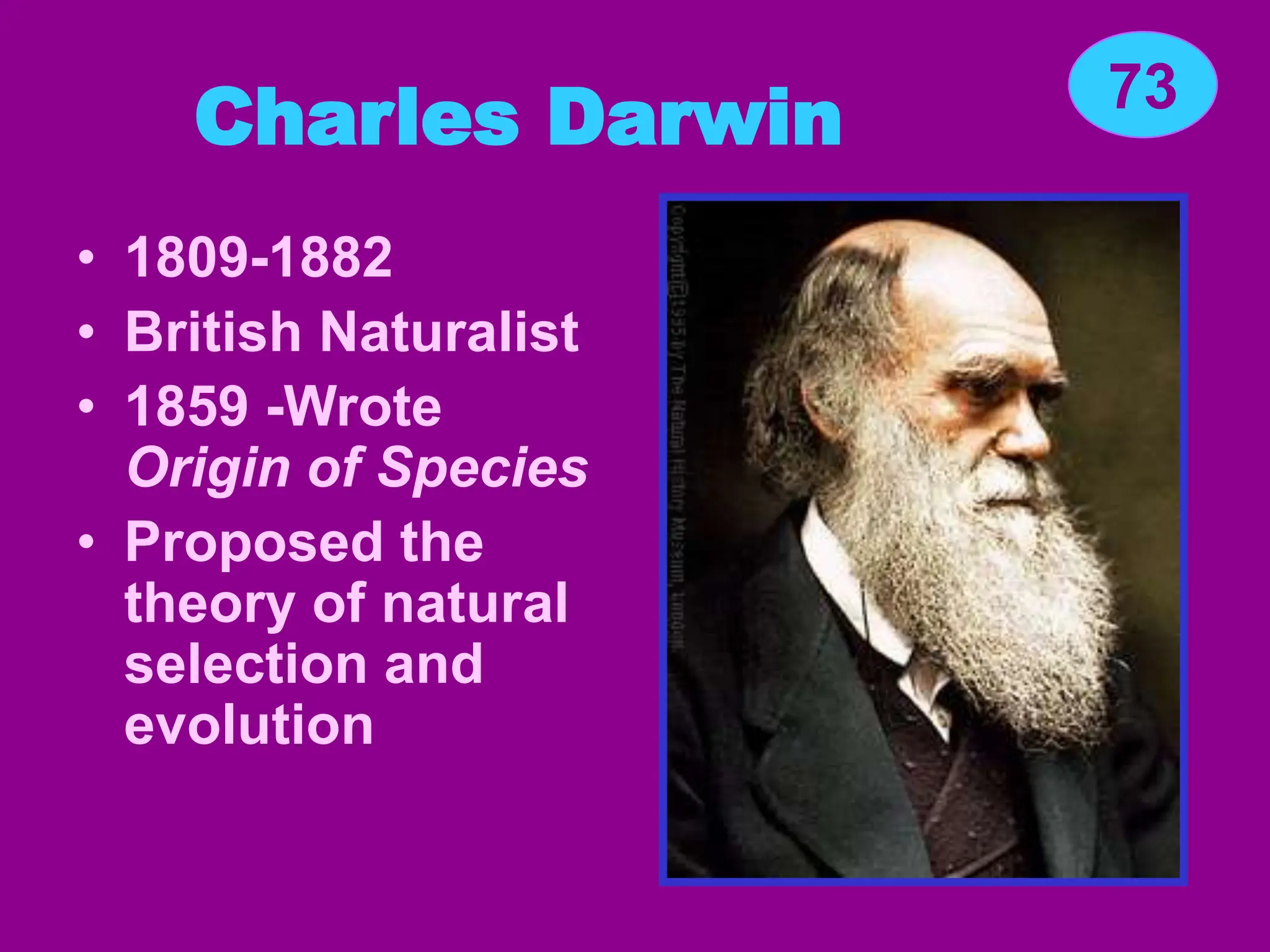
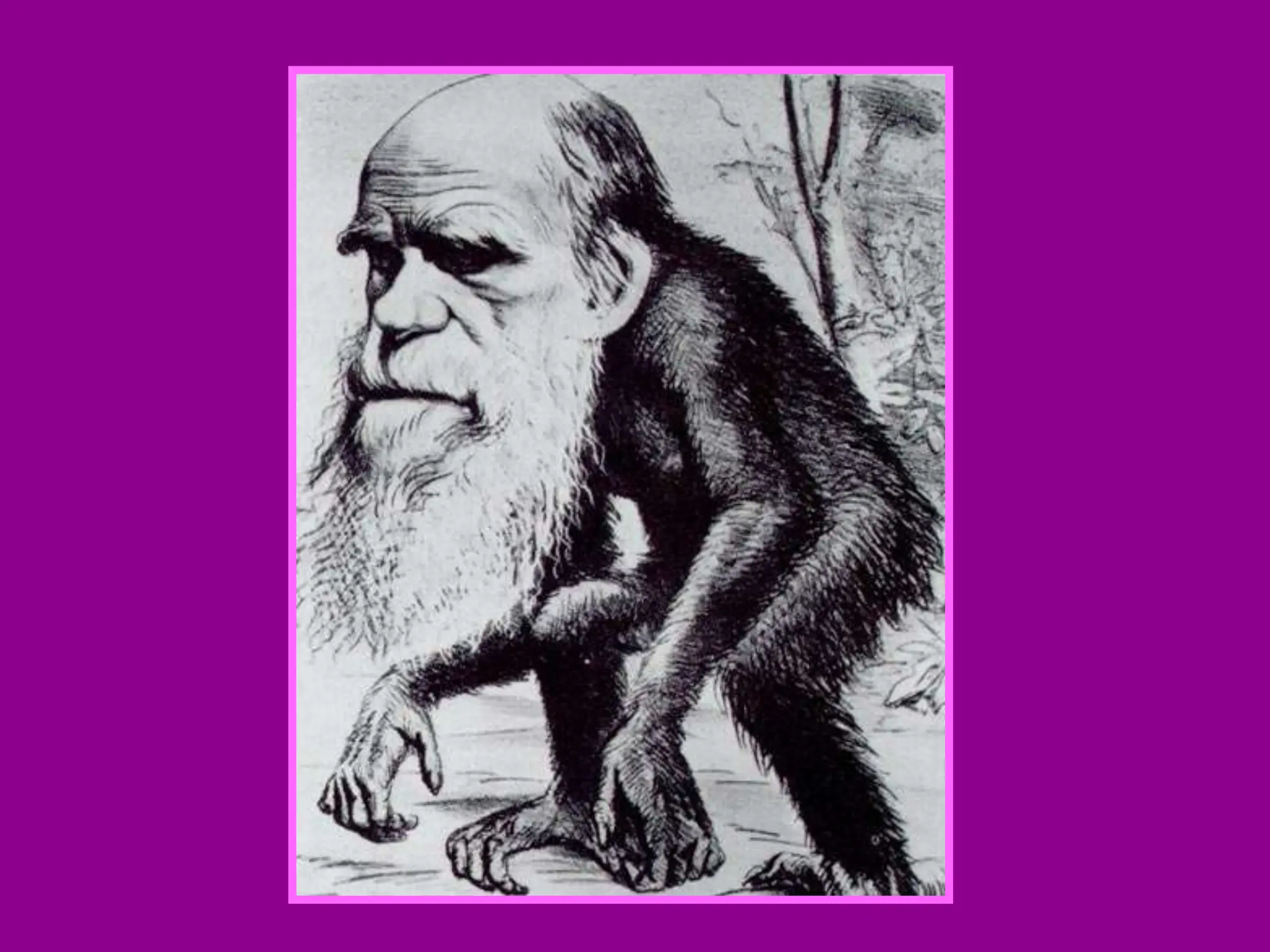
Charles Darwin
• 1809-1882
• British Naturalist
• 1859 -Wrote
Origin of Species
• Proposed the
theory of natural
selection and
evolution
73
Scopes Trial
• The “Monkey Trial”
• John Scopes – Tennessee science
teacher
• 1925 - Arrested for teaching evolution
• Clarence Darrow- defense attorney
• William Jennings Bryan – prosecuting
attorney
• Scopes found guilty and paid $100 fine
74
John
Scopes
Tennessee
Science
Teacher
Clarence Darrow & William Jennings Bryan
Importance of the
Scopes Case
• Showed the growing division
between modern scientific ideas
and traditional religious beliefs
• Many saw the trial as a victory for
science even though Scopes lost
75
Monkey Trial
Growing Racial
Tensions
Revival of the Klan
• KKK disappeared during Reconstruction
• 1915 – Revived by a Methodist preacher
• 1922 – 100,000 members
• 1924 – 4,000,000 members
• Defended white Protestant culture
against anything “un-American”
• Terrorized Blacks, Catholics, Jews, and
immigrants
76
KKK con’t
• Membership began to decline because of
scandals involving its leaders.
KKK Rally (You do not want to be the guest of honor here)
NAACP
• lobbying efforts influenced the House of
Representatives to pass, in 1922 anti-
lynching legislation.
• First group that succeeded
Marcus Garvey
• African American nationalist who
created a “back to Africa movement”
• Wanted African Americans to create a
self-governing nation in Africa
• Called for separation of the races rather
than integration
• Went to jail on fraud and later was
deported to Jamaica
77
Marcus
Garvey
Post WWI Intolerance

The Roaring Twenties Power Point Presentation