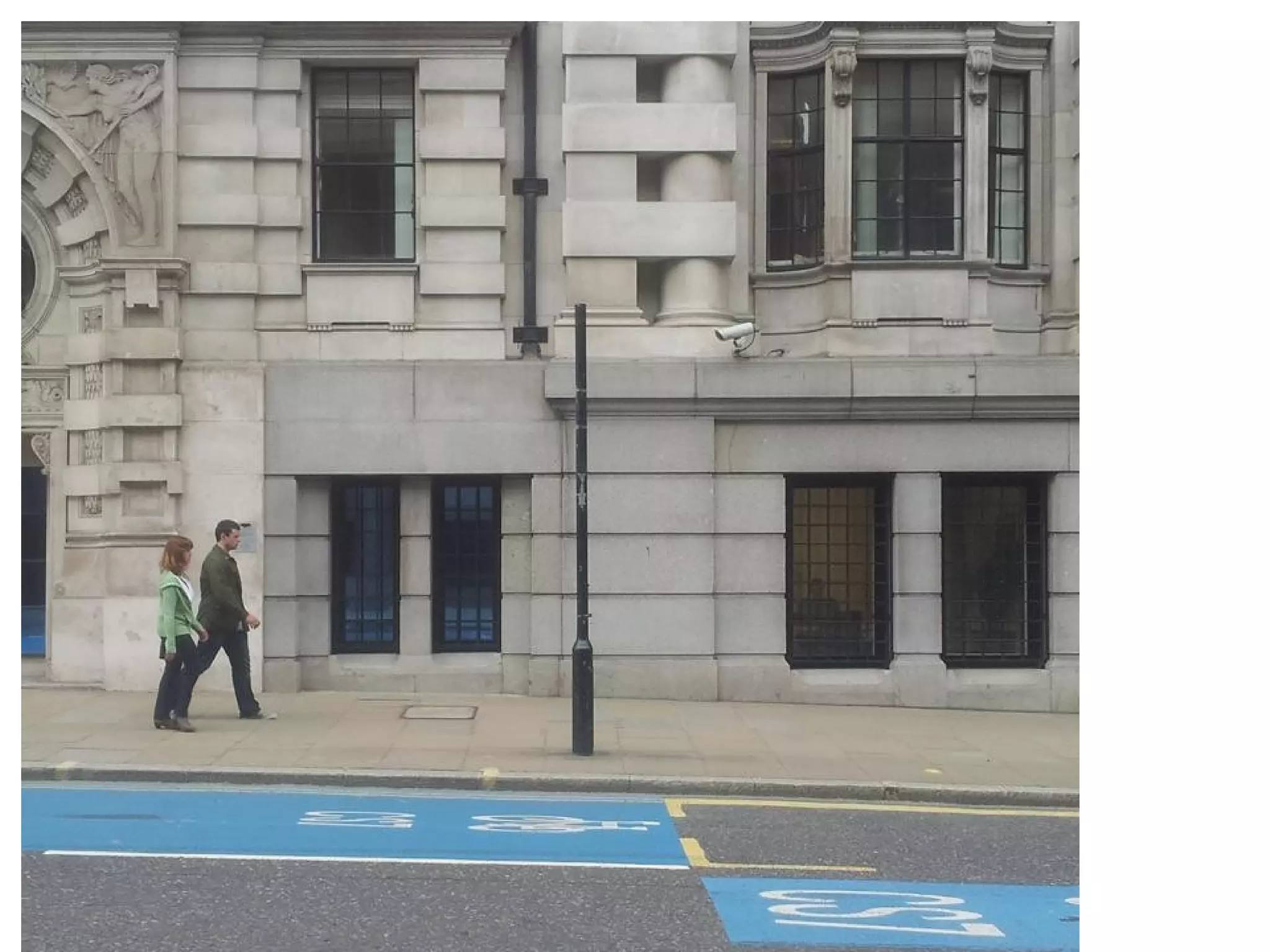
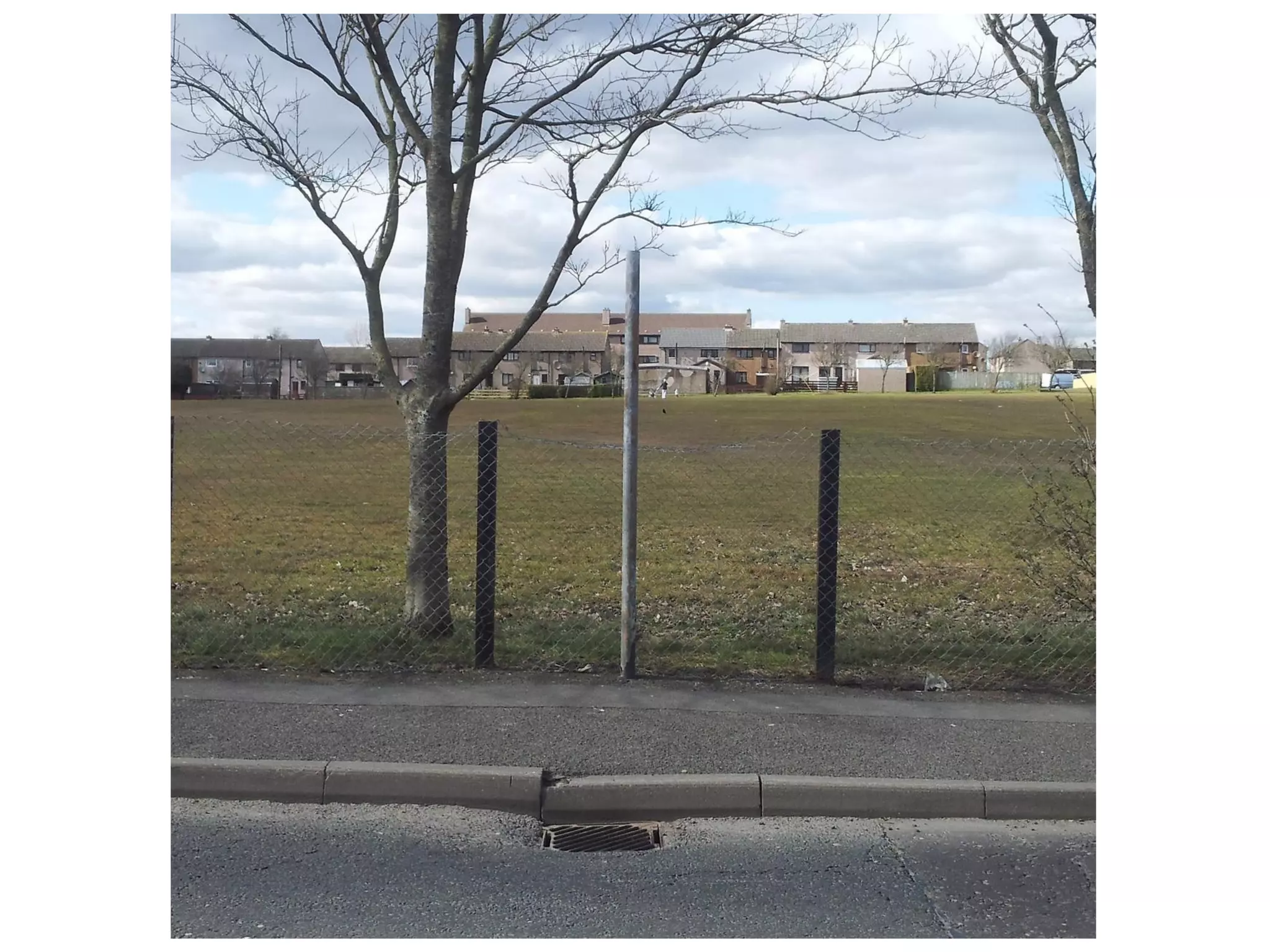
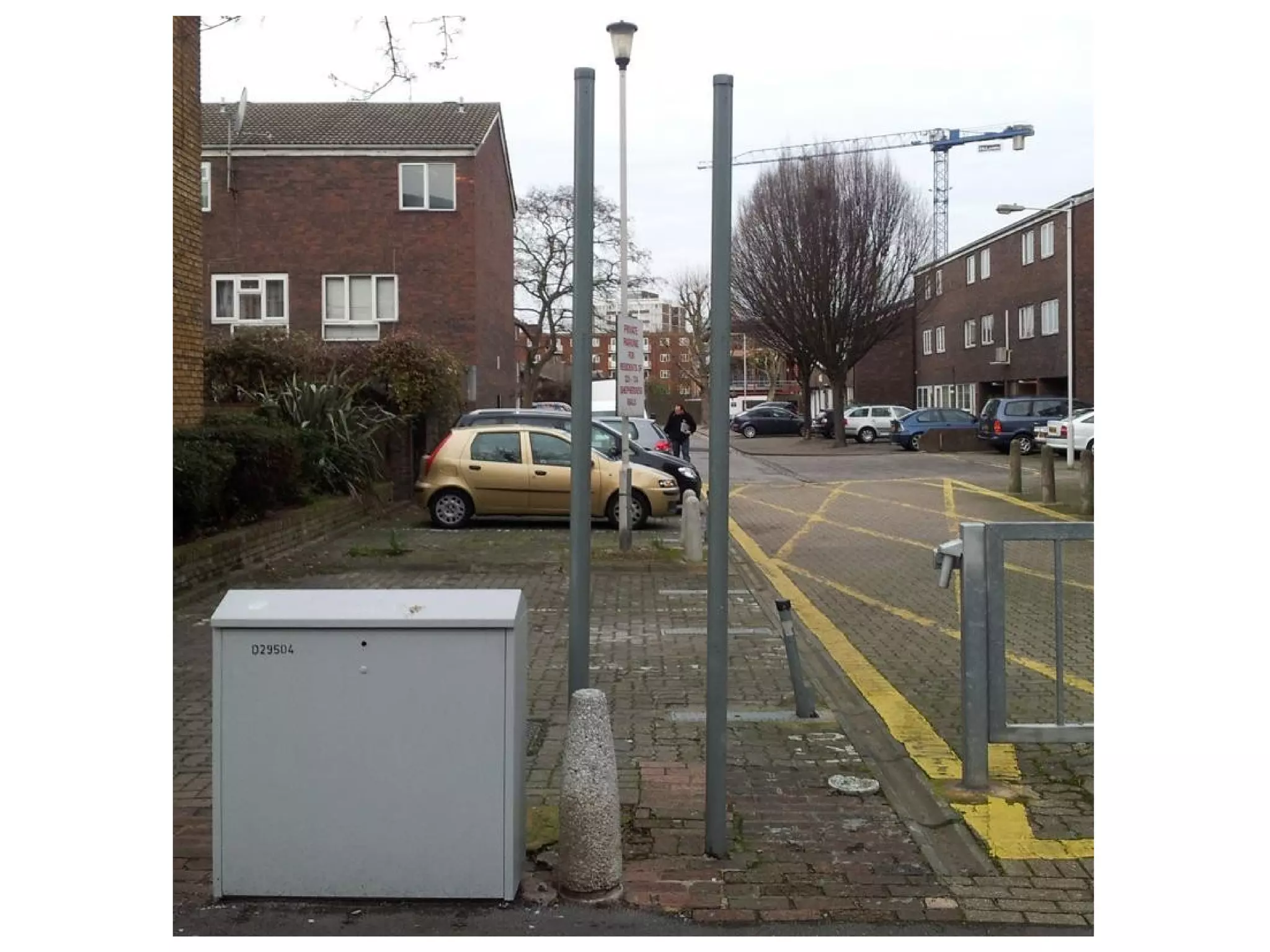
The map is not
what's there.
Psychogeography
and OSM.
Chippy – Tim Waters - @tim_waters
No time for questions
We go outside for bit.
Debrief after break – in
break room.
Psychogeography
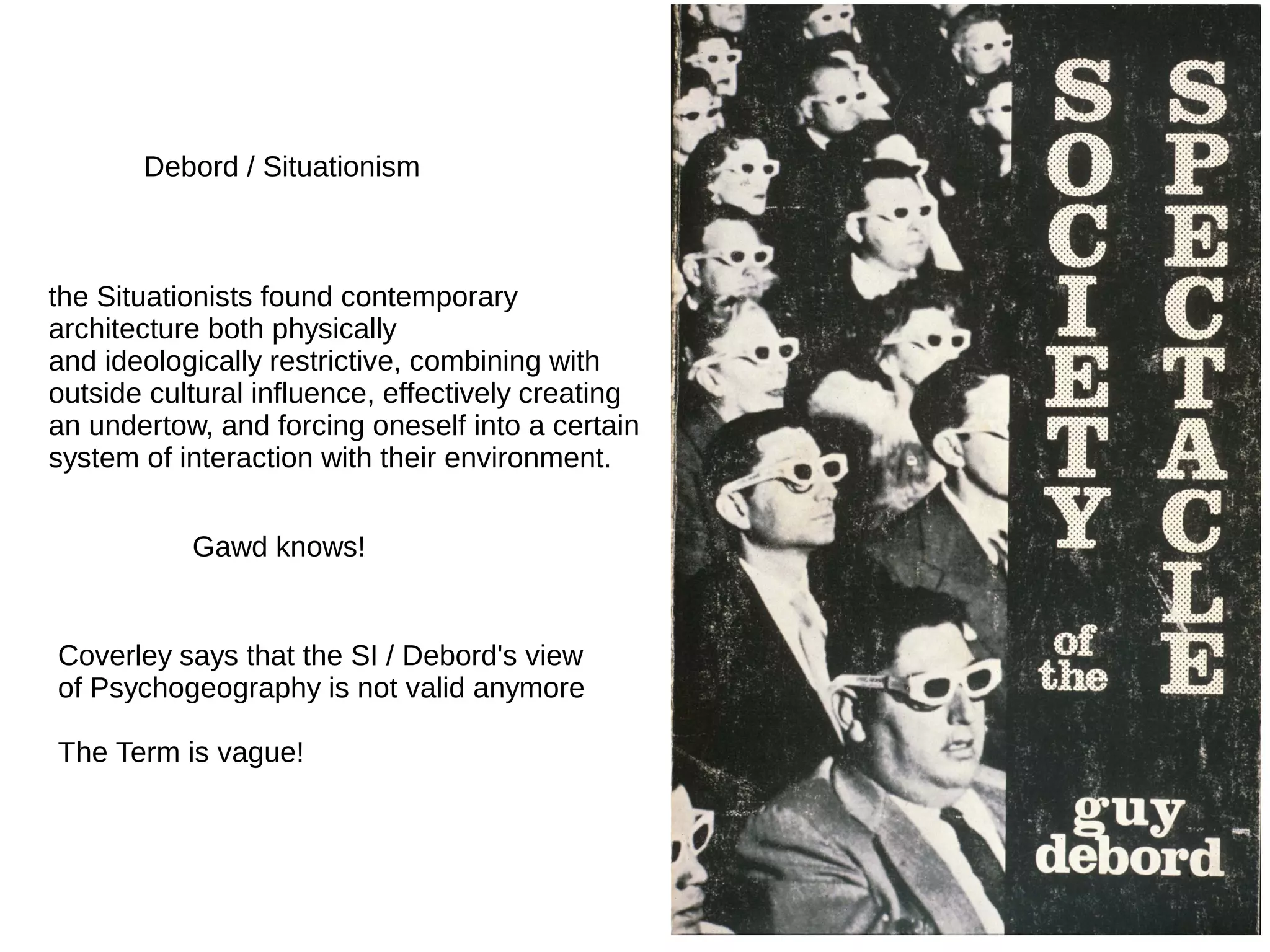
Debord / Situationism
the Situationists found contemporary
architecture both physically
and ideologically restrictive, combining with
outside cultural influence, effectively creating
an undertow, and forcing oneself into a certain
system of interaction with their environment.
Gawd knows!
Coverley says that the SI / Debord's view
of Psychogeography is not valid anymore
The Term is vague!
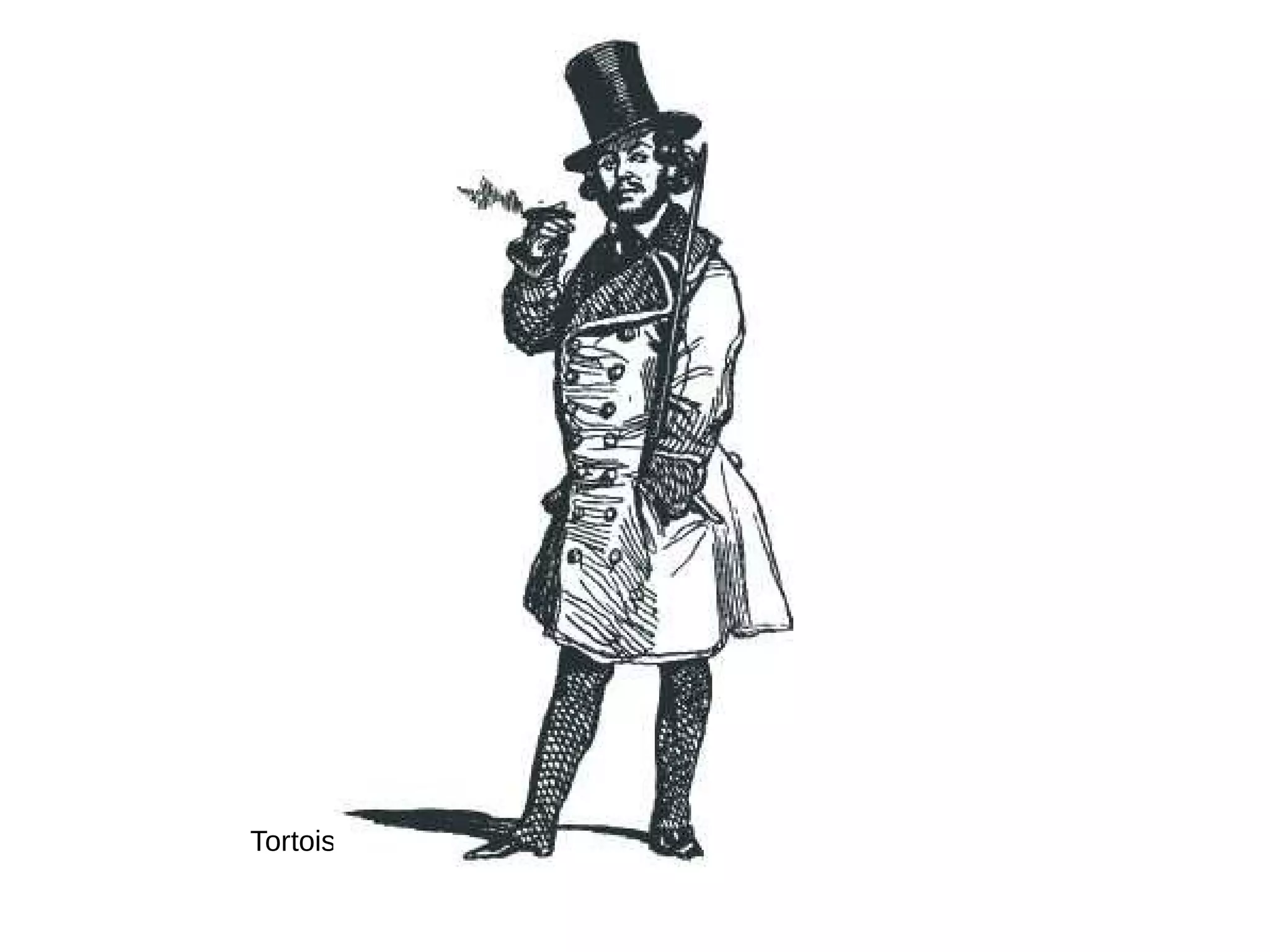
Tortoise
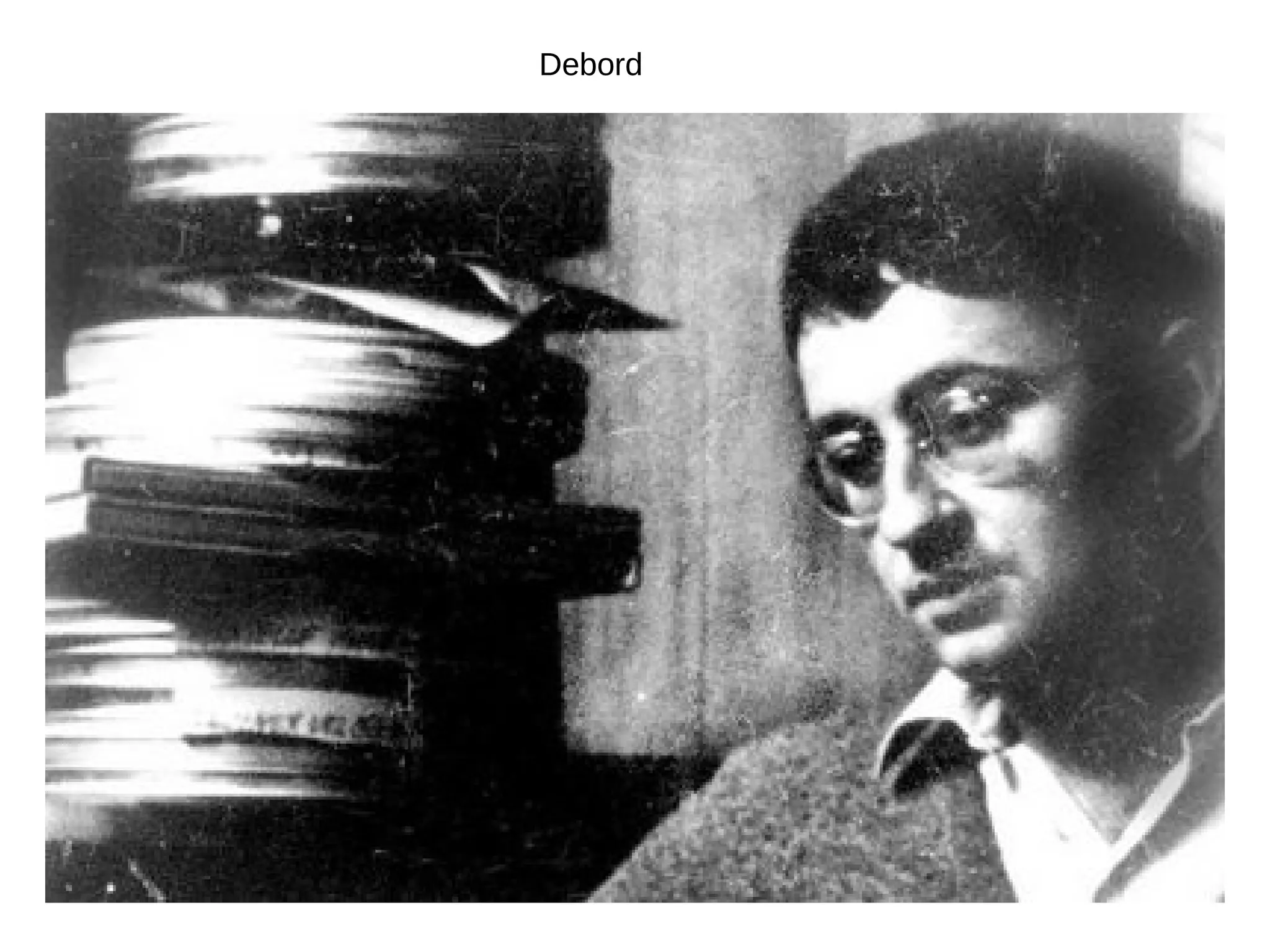
Debord
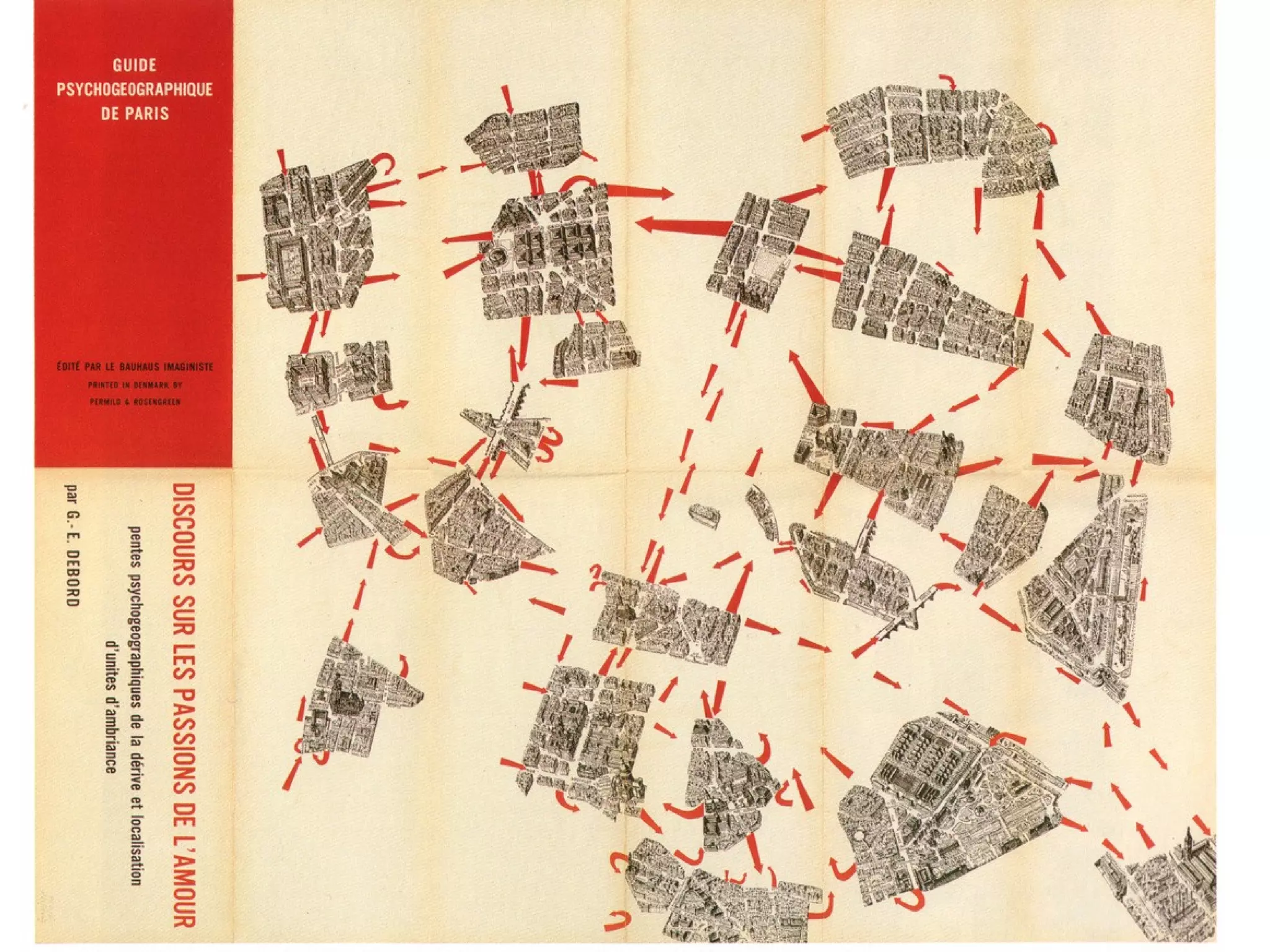
The Theory of the Derive
One of the basic situationist practices is the dérive [literally: “drifting”],
a technique of rapid passage through varied ambiances. Dérives involve playful-
constructive behavior and awareness of psychogeographical effects, and are thus
quite different from the classic notions of journey or stroll.
In a dérive one or more persons during a certain period drop their relations,
their work and leisure activities, and all their other usual motives for
movement and action, and let themselves be drawn by the attractions of
the terrain and the encounters they find there. Chance is a less important
factor in this activity than one might think: from a dérive point of view cities have
psychogeographical contours, with constant currents, fixed points and
vortexes that strongly discourage entry into or exit from certain zones.
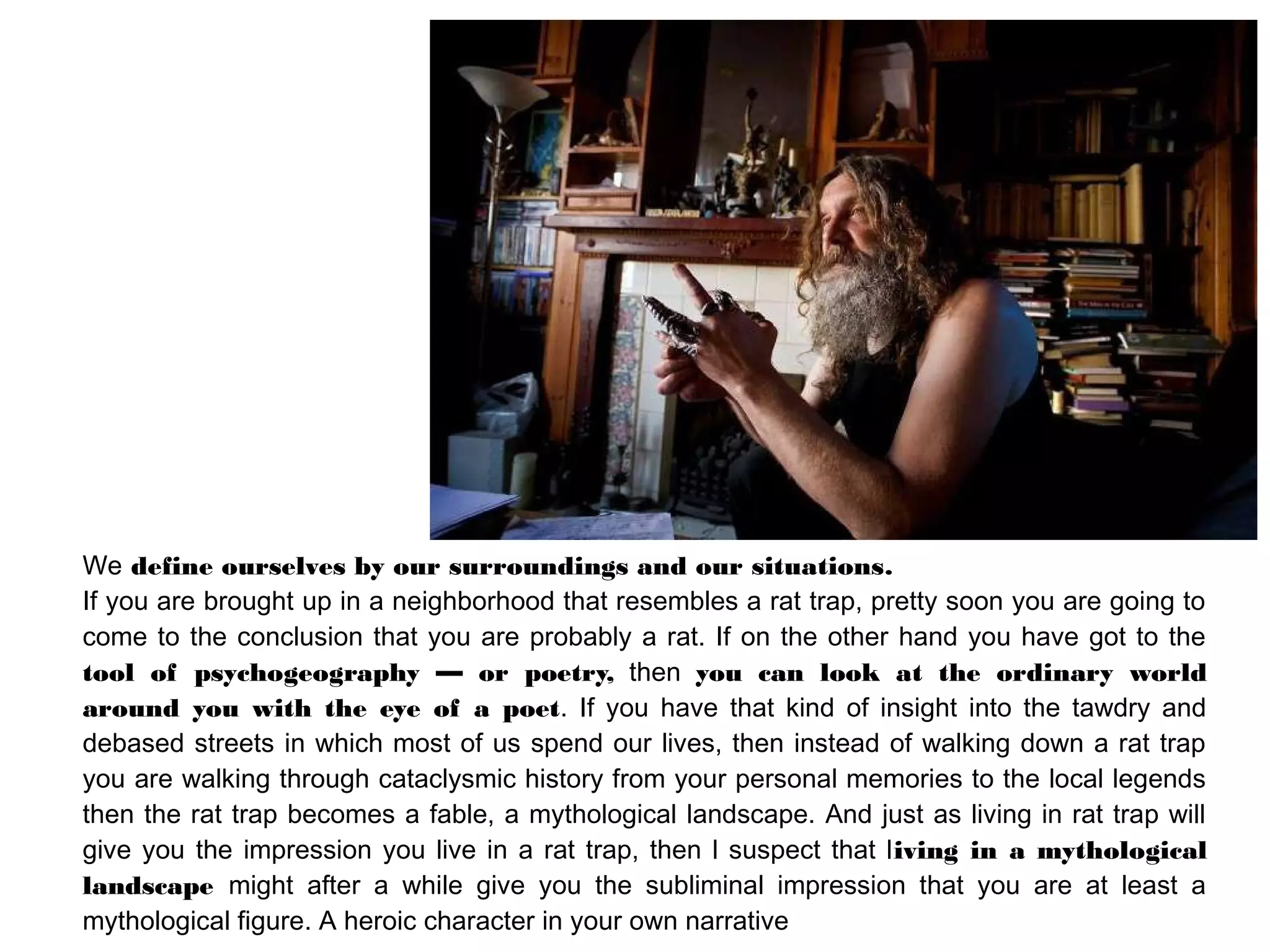
We define ourselves by our surroundings and our situations.
If you are brought up in a neighborhood that resembles a rat trap, pretty soon you are going to
come to the conclusion that you are probably a rat. If on the other hand you have got to the
tool of psychogeography — or poetry, then you can look at the ordinary world
around you with the eye of a poet. If you have that kind of insight into the tawdry and
debased streets in which most of us spend our lives, then instead of walking down a rat trap
you are walking through cataclysmic history from your personal memories to the local legends
then the rat trap becomes a fable, a mythological landscape. And just as living in rat trap will
give you the impression you live in a rat trap, then l suspect that living in a mythological
landscape might after a while give you the subliminal impression that you are at least a
mythological figure. A heroic character in your own narrative
Denis Wood
Two types of psychogeography
Debordian / Situationist
Lynchian
Why?
Because the cities and towns where we live are increasingly militarised and made
banal. Because there is a conspiracy of boredom against the city. Because the
Great God Pan, the rural deity, is long dead and we need different myths now.
Because the city is chopped and parcelled up like a rack of commodities. Because
the city is streamlined for ignorance and meaninglessness. Because hidden inside
the functionality of the city are the secrets of texture and grain. Because the lost
or stolen symbols of the city are still available for stealing back. Because the
self-possession of the non-rich has always been a work of imagination. Because
of the erosion of public space. Because no matter how much is planned and how
much is subject to opportunism, this is only goes to producing accidental
playgrounds and launch pads and caves. Because of violence, property, loss and
neglect – of people and space. Because we are mobile. For the sake of remnants
and traces. To be prepared and spontaneous. Because we are prepared to be
spontaneous. Because we are poised.
http://www.triarchypress.com/pages/Sardine-Street-Box-of-Tricks.htm
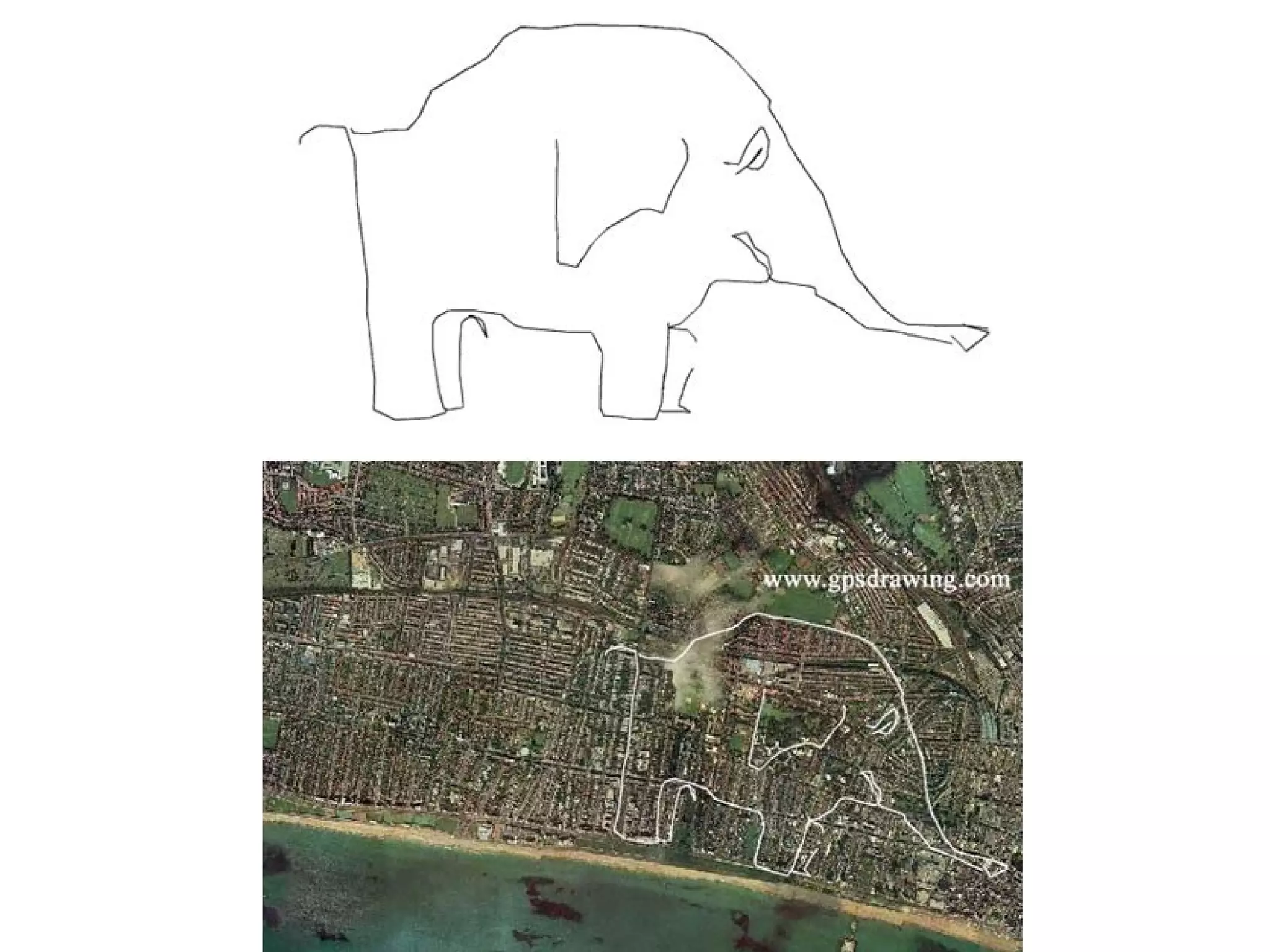
Examples
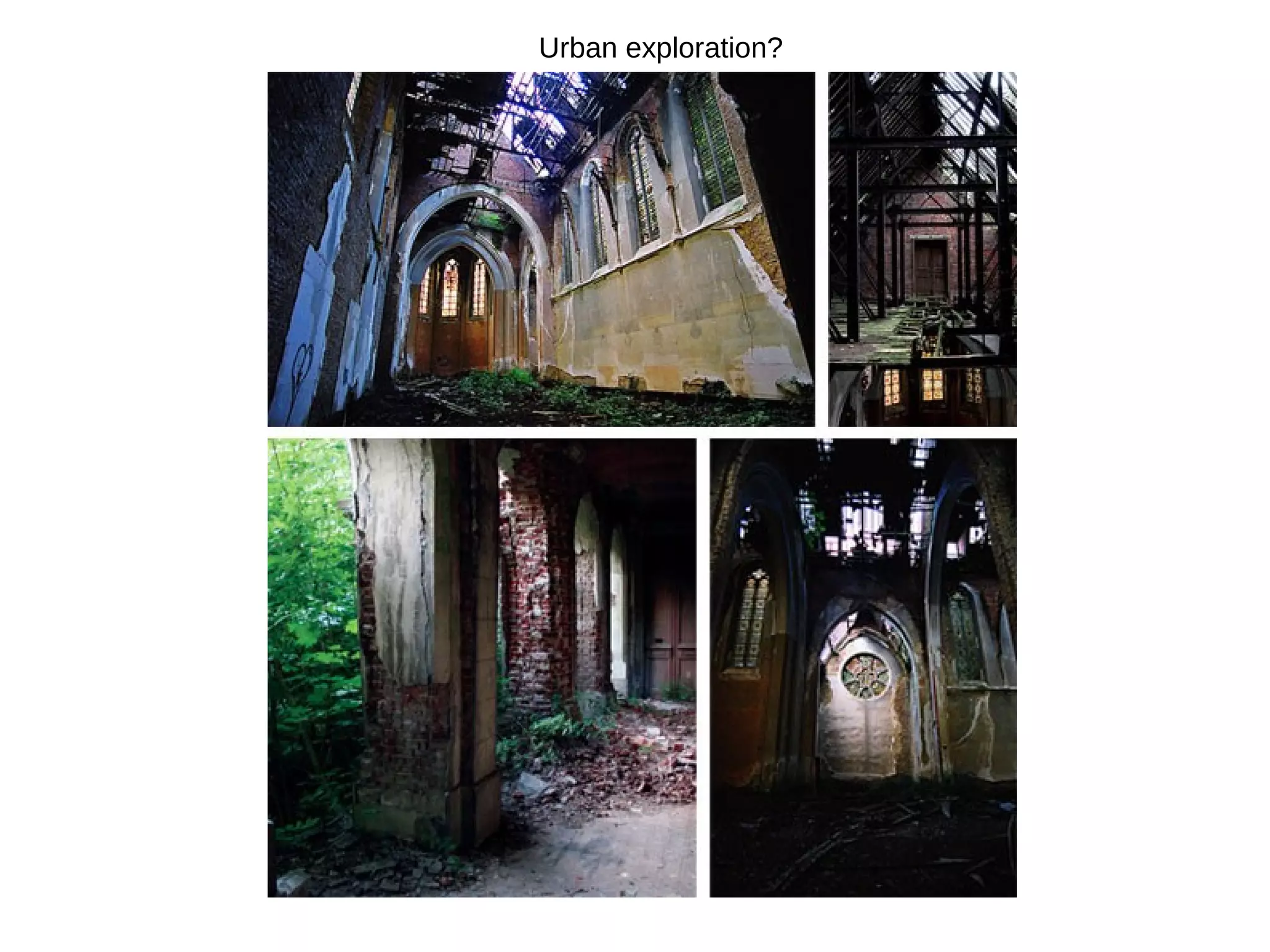
Urban exploration?
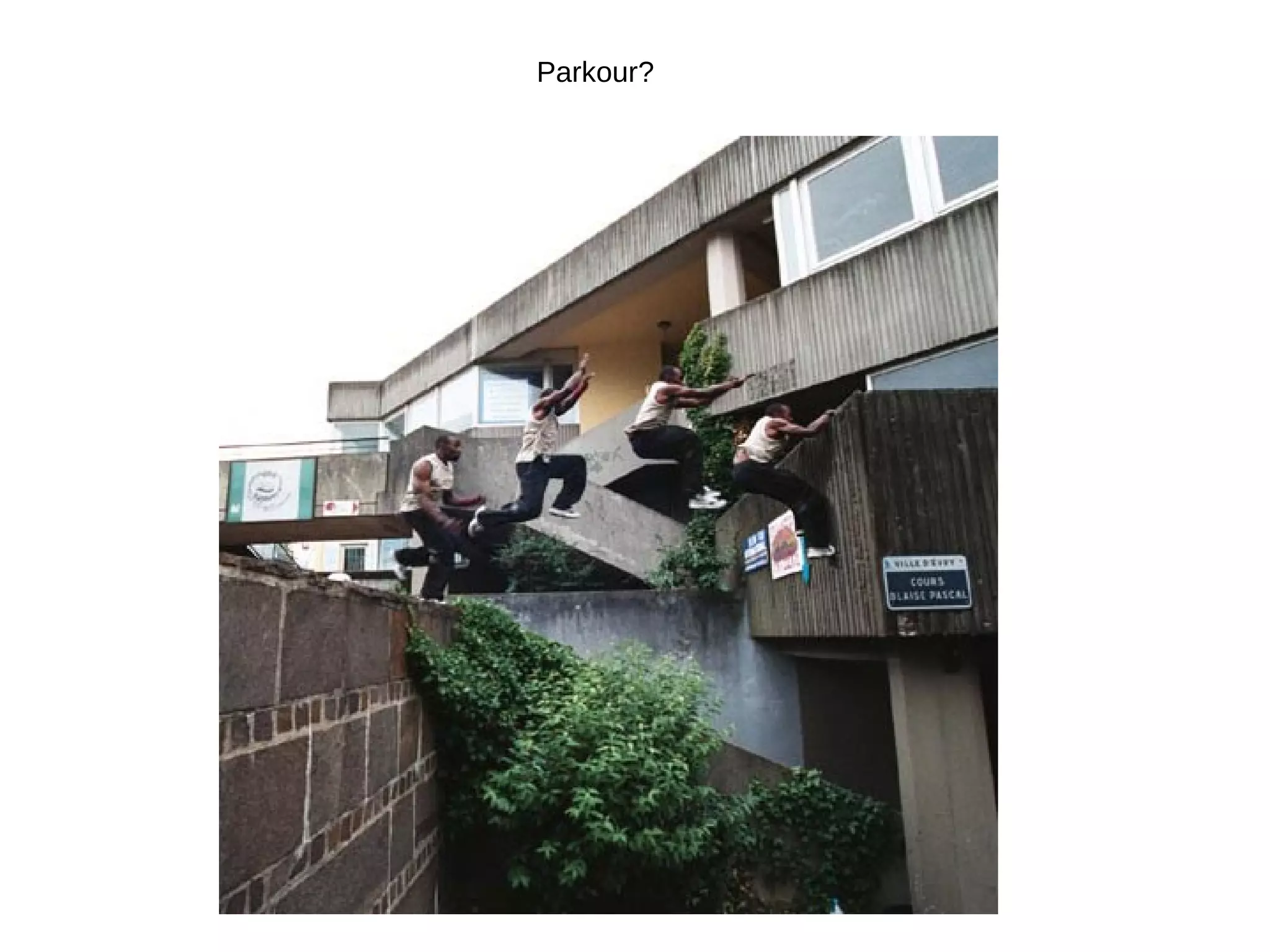
Parkour?
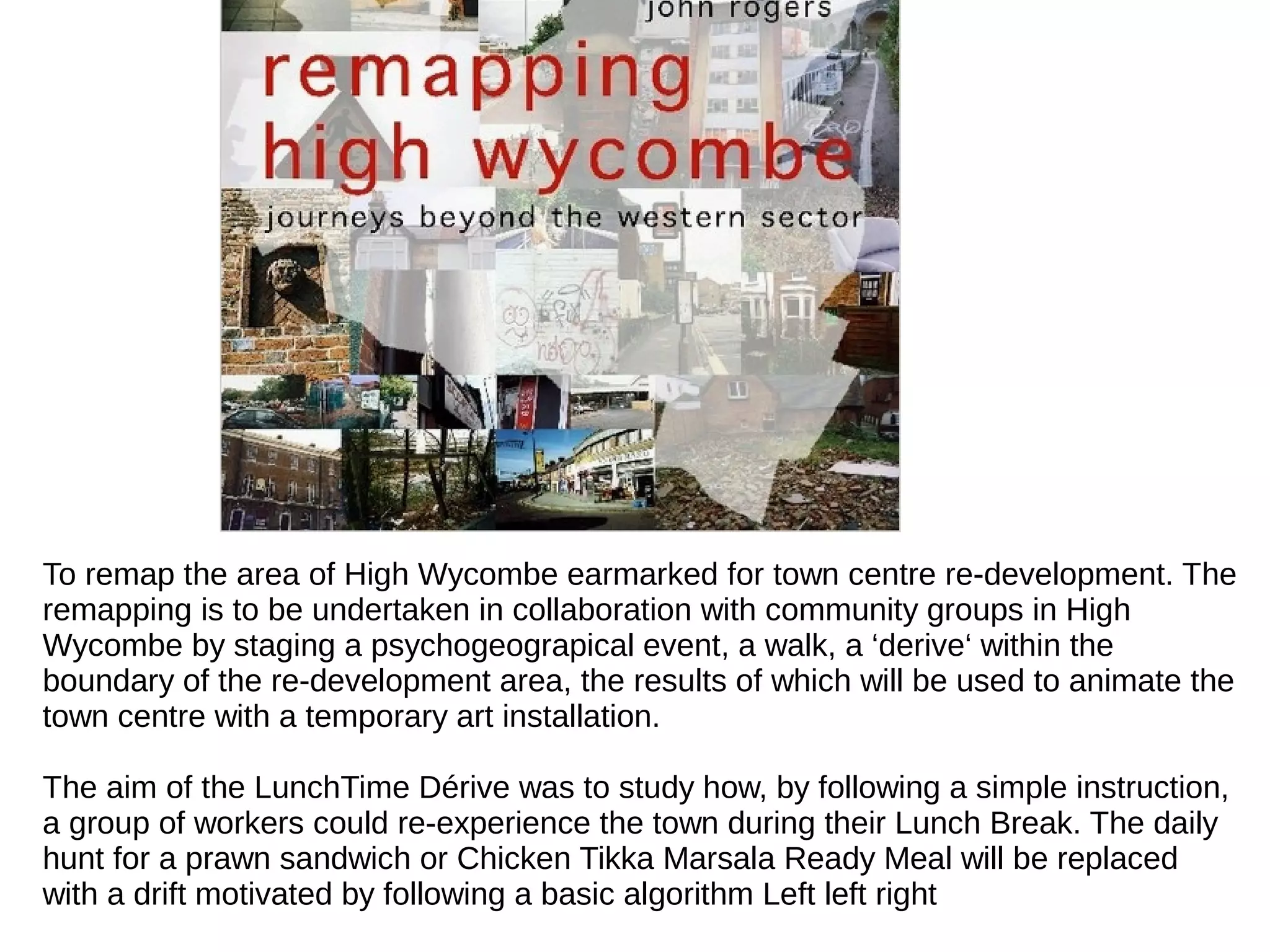
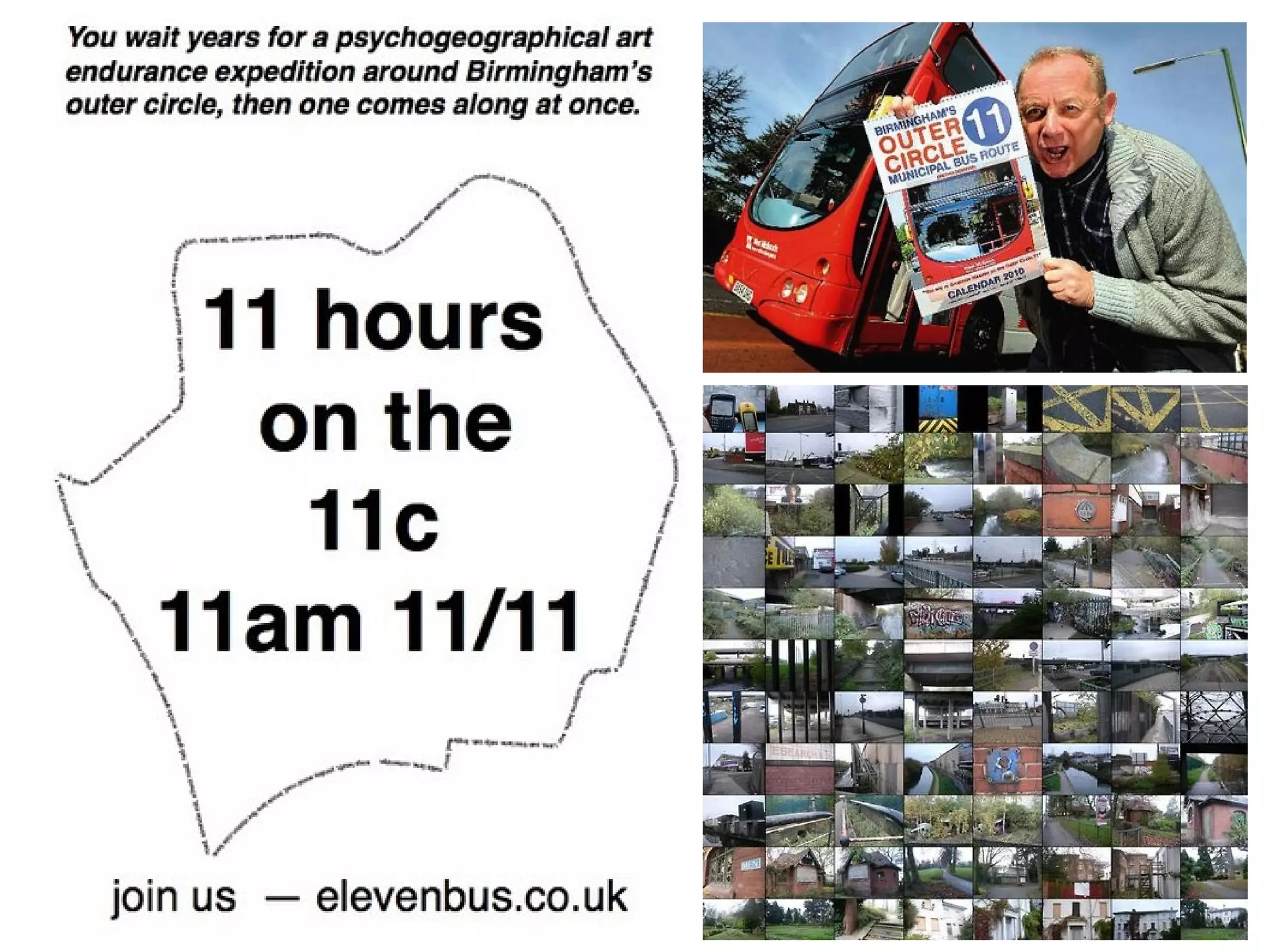
To remap the area of High Wycombe earmarked for town centre re-development. The
remapping is to be undertaken in collaboration with community groups in High
Wycombe by staging a psychogeograpical event, a walk, a ‘derive‘ within the
boundary of the re-development area, the results of which will be used to animate the
town centre with a temporary art installation.
The aim of the LunchTime Dérive was to study how, by following a simple instruction,
a group of workers could re-experience the town during their Lunch Break. The daily
hunt for a prawn sandwich or Chicken Tikka Marsala Ready Meal will be replaced
with a drift motivated by following a basic algorithm Left left right
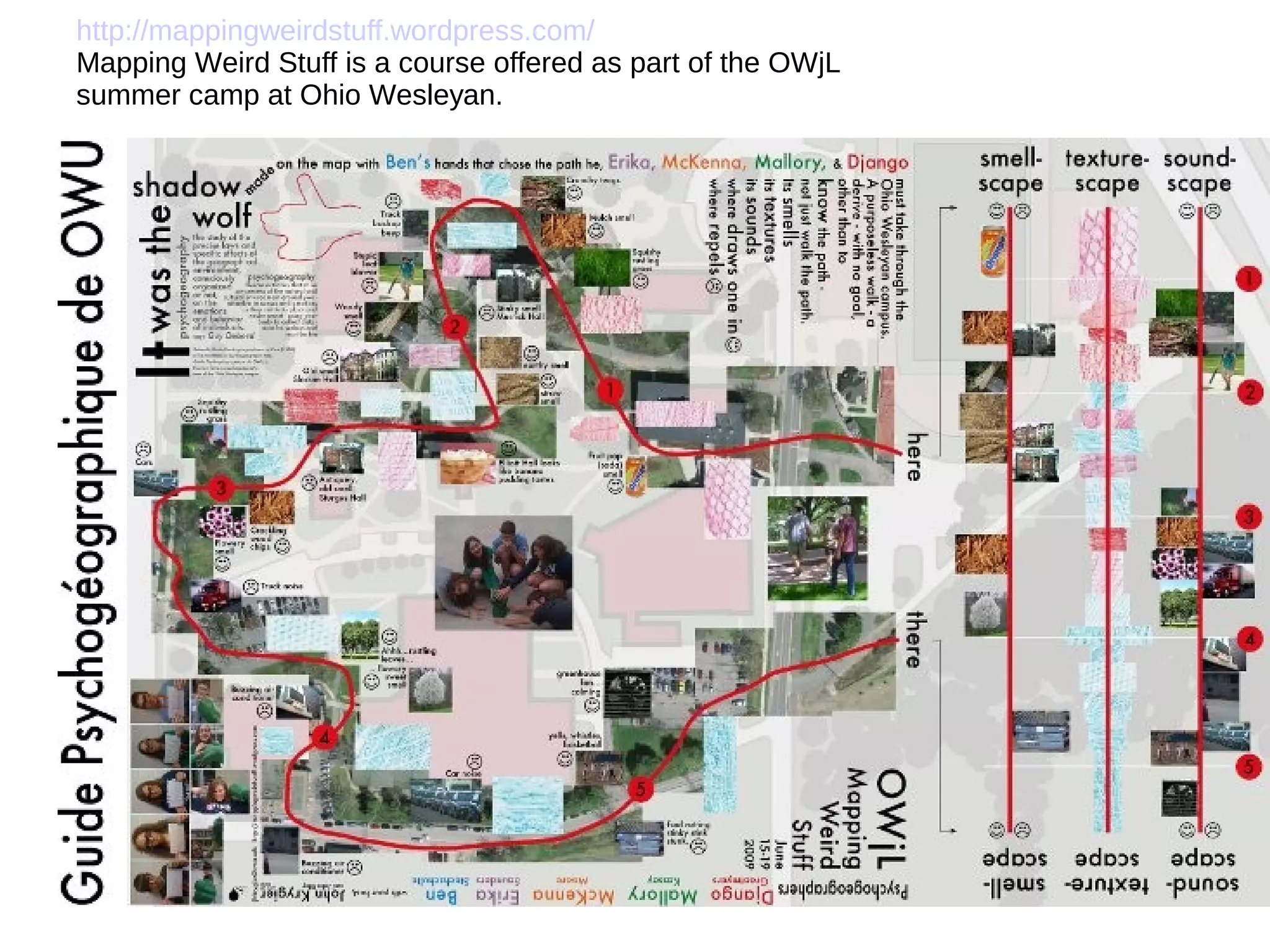
http://mappingweirdstuff.wordpress.com/
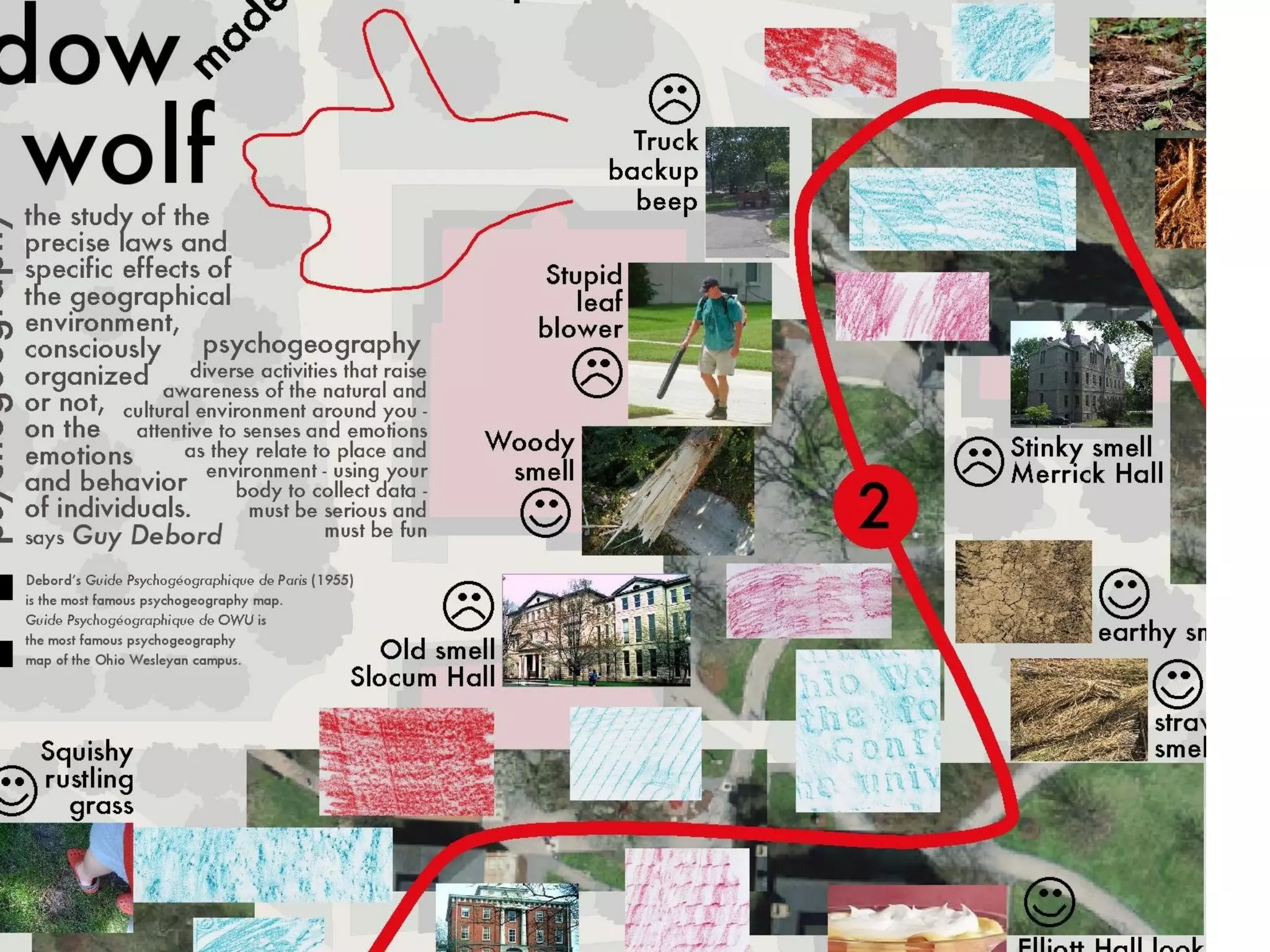
Mapping Weird Stuff is a course offered as part of the OWjL
summer camp at Ohio Wesleyan.
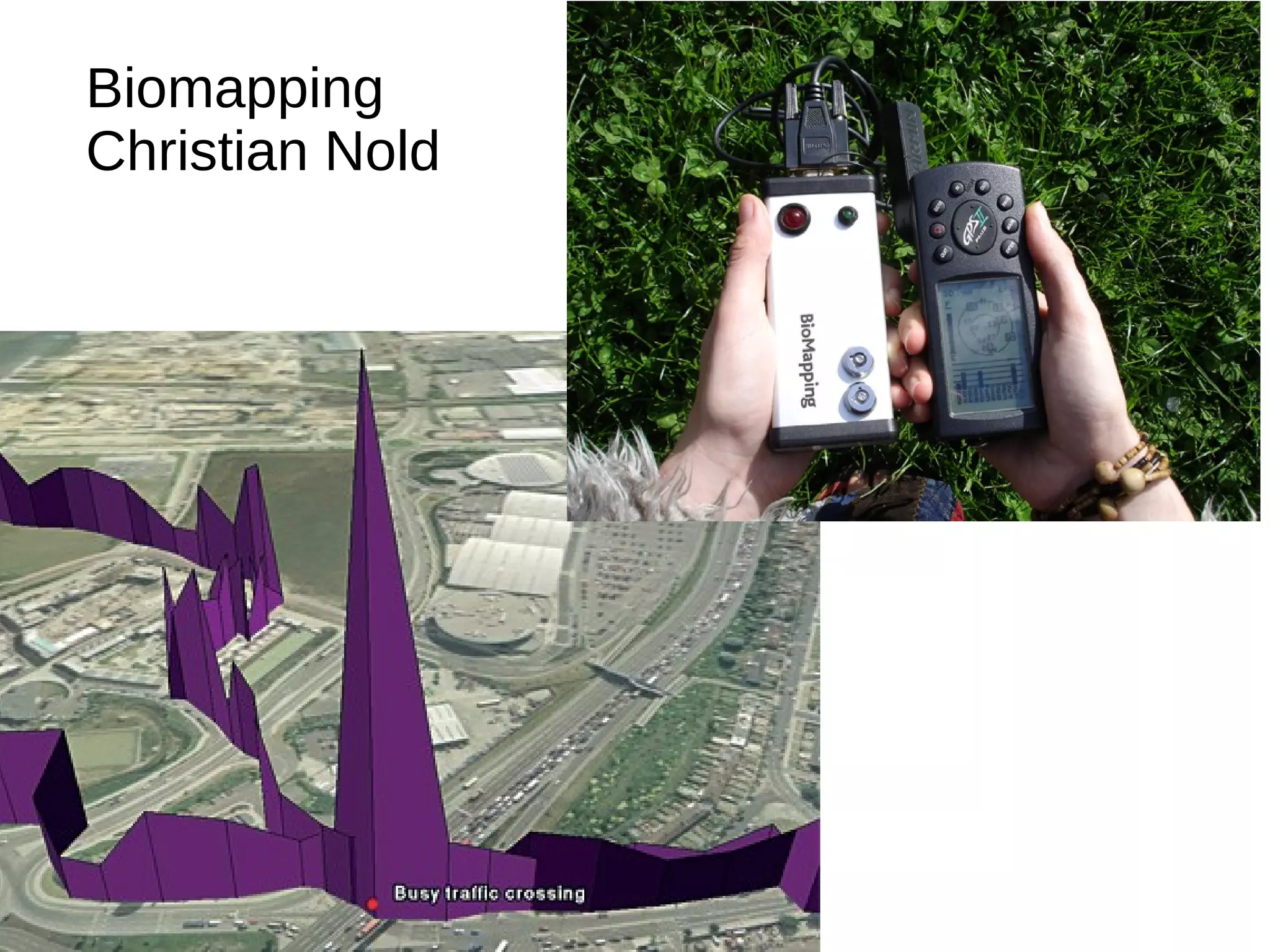
Biomapping
Christian Nold
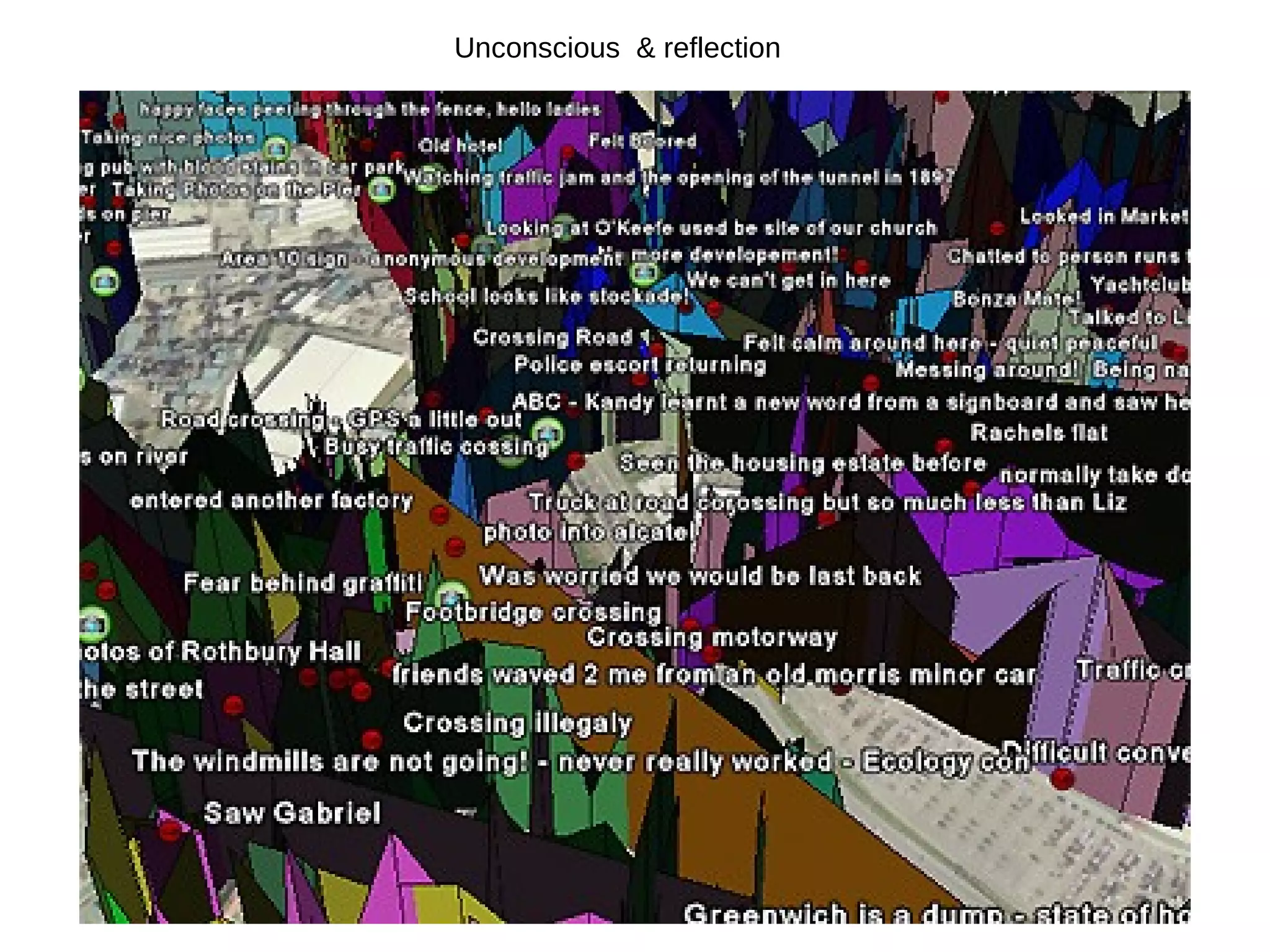
Unconscious & reflection
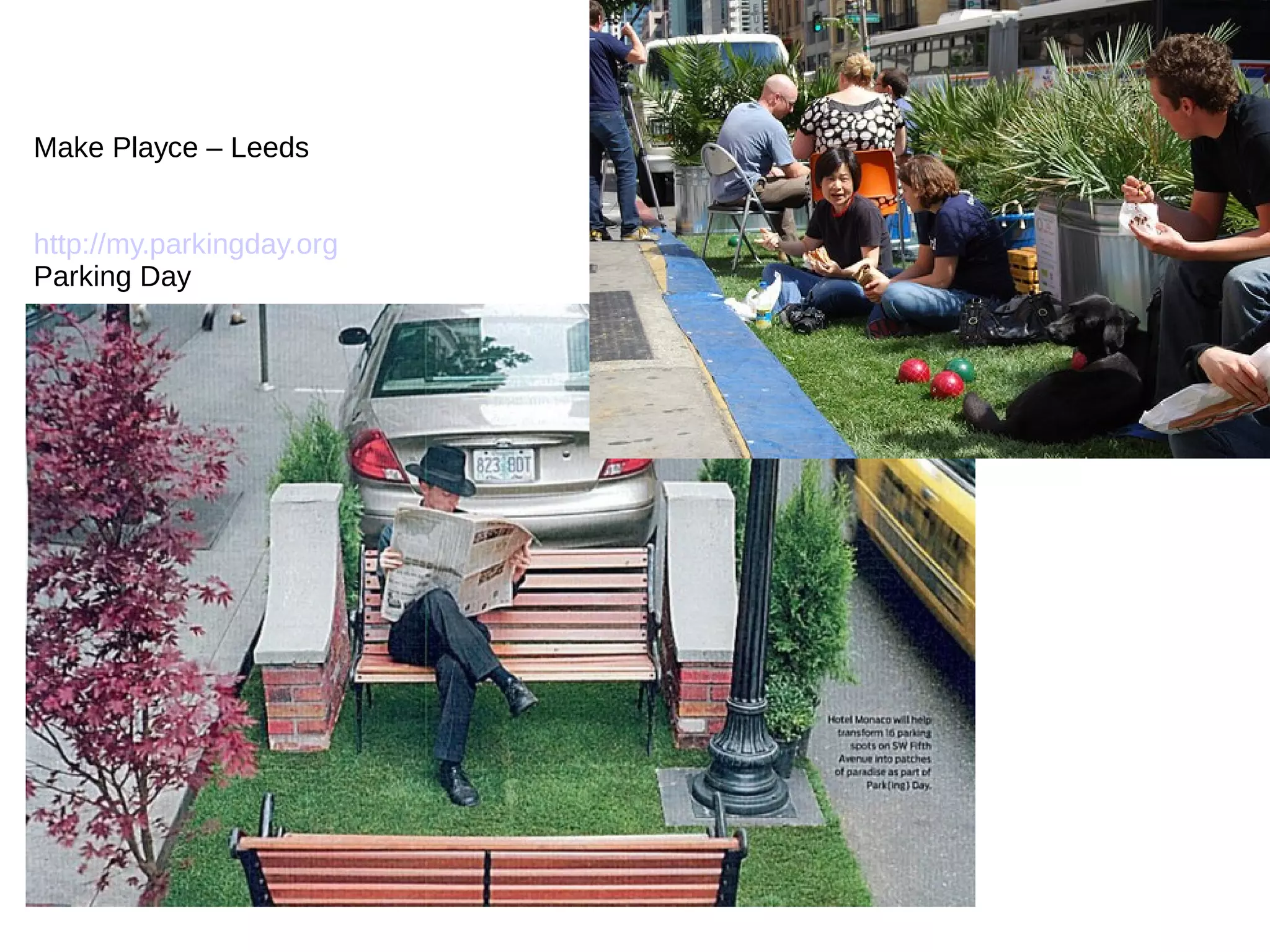
Make Playce – Leeds
http://my.parkingday.org
Parking Day
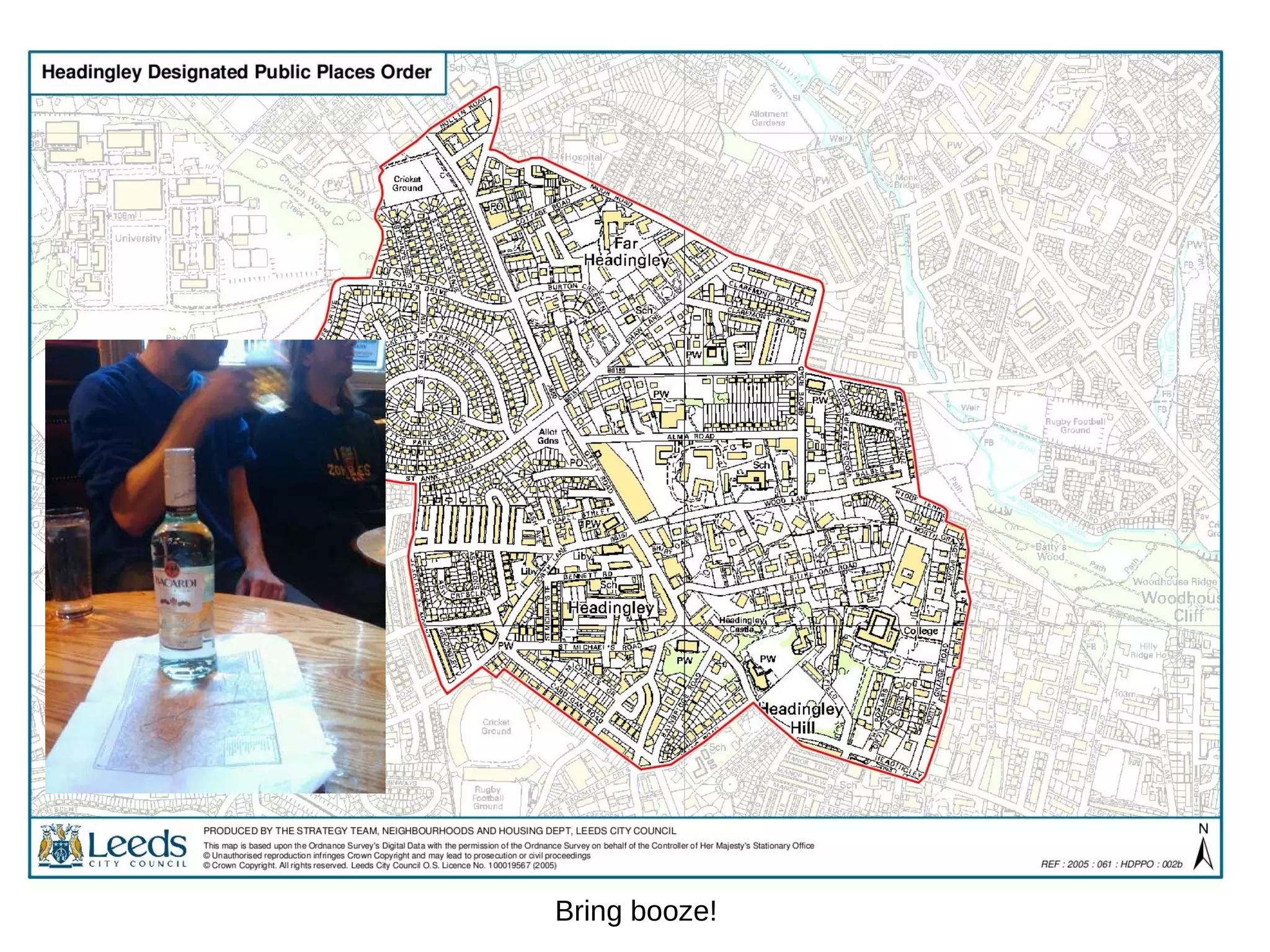
Beating the bounds
Bring booze!
Power of Maps
Classic Examples
ordnance survey
aldermaston
in Brazil, Google said it “would tweak the site’s [Google
Maps'] design, namely its text size and district labeling to
show favela names only after users zoomed in on those
areas.”
Map Kibera
dwelling and the act of mapping dwelling and equalyl the
act of not mapping dwelling and instead labelling them
vacant land is therefore all about power
maps dont merely represent space, they shape
arguments, they set discursive boundaries and identify
objects to be considered.
when individuals make their own maps, they offer and
expression of what they consider important what they
consider to be of interest and for which they are willing
to fight for.
challenge to presumed neutrality of the mapmaker.
Maps are made by
people.
Reflect our interests.
OSM mapping as
a form of “derive”
Exploration.
Discovery.
Not regular / allowed
activity.
Maps are made by
people.
Reflect our interests.
Gender
Baby Hatch
Pub
Creche
Childcare
wedothisbecauseweforget
What’s there?
Permanent?
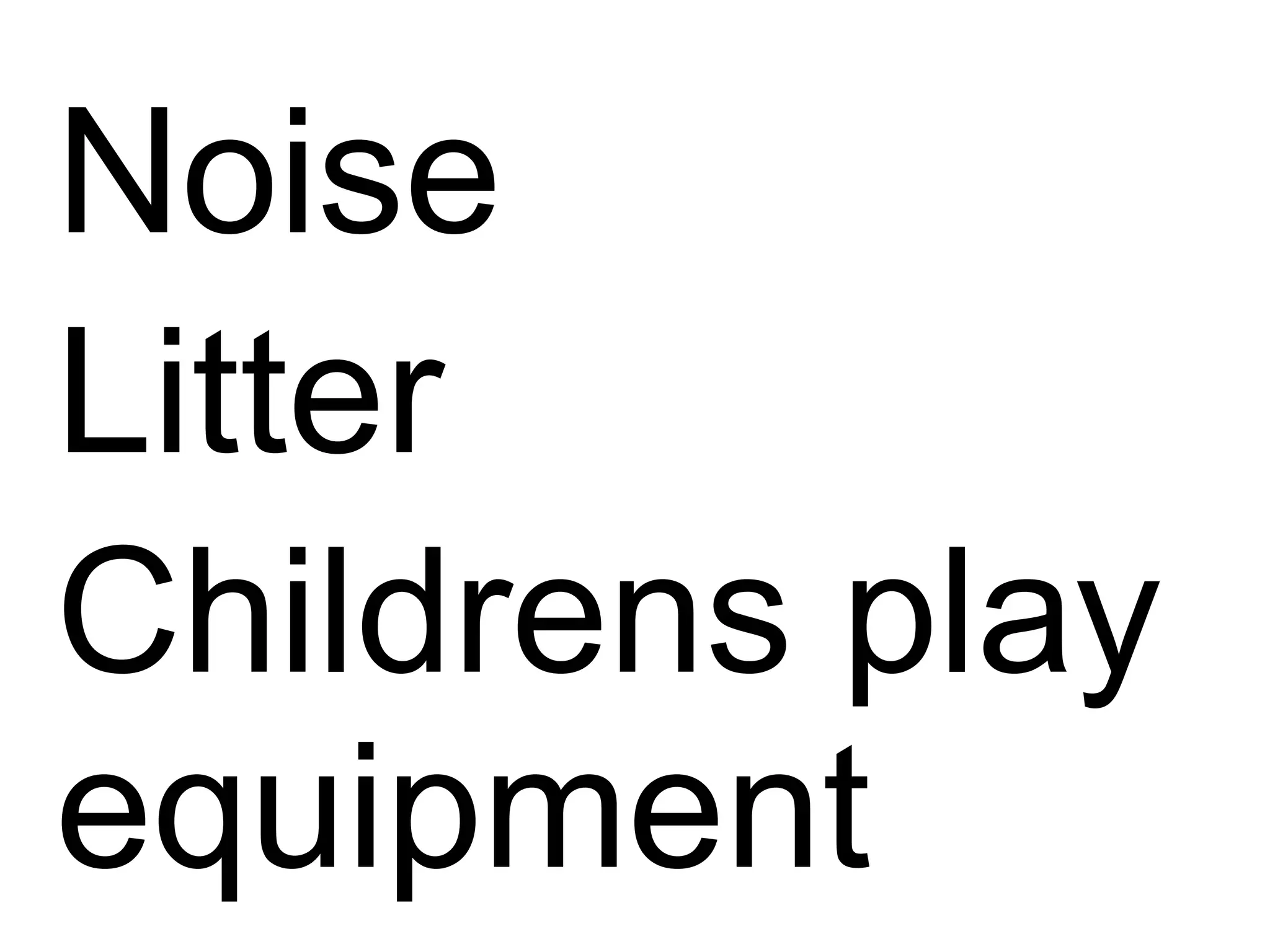
Noise
Litter
Childrens play
equipment
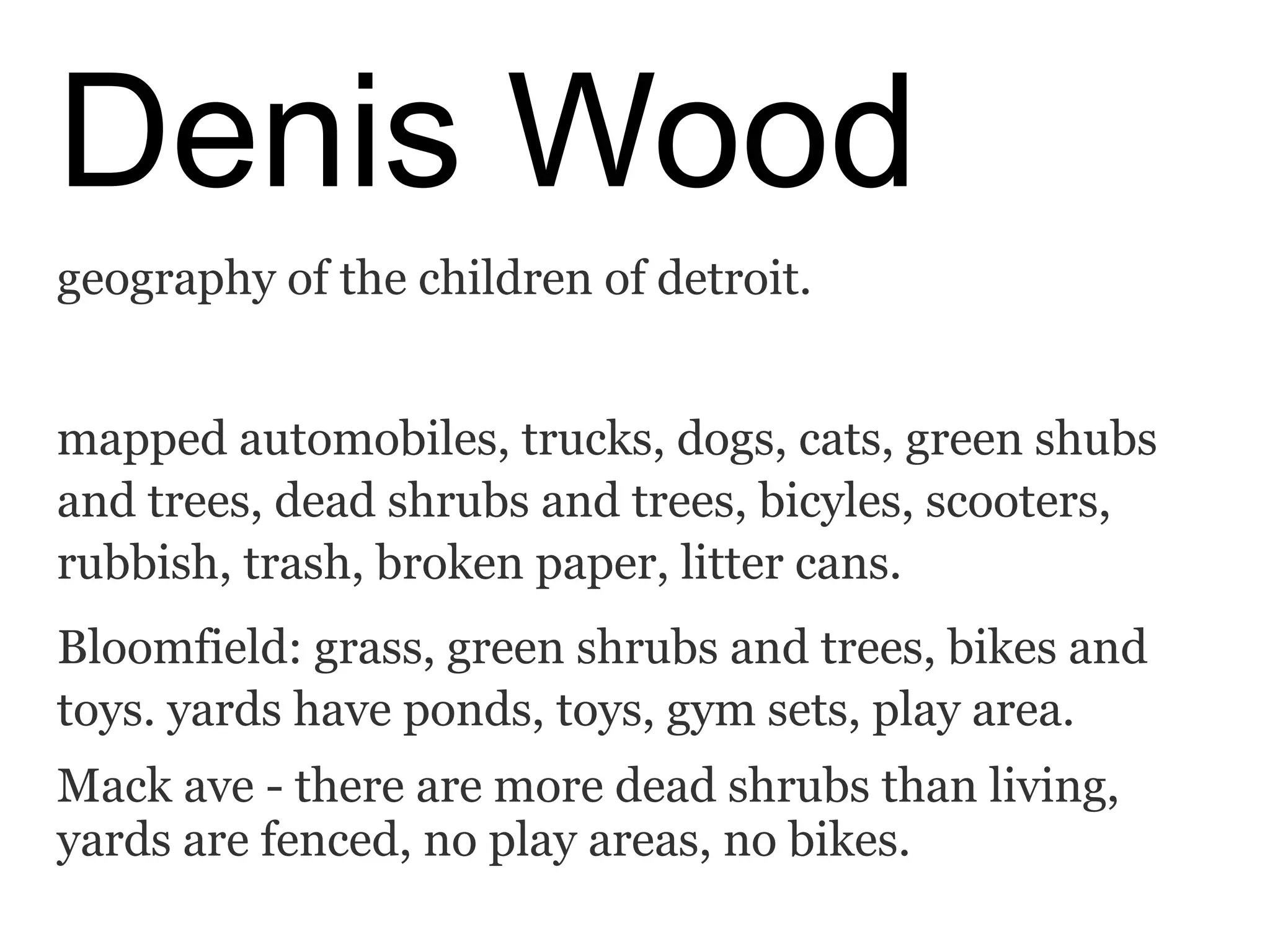
Denis Wood
geography of the children of detroit.
mapped automobiles, trucks, dogs, cats, green shubs
and trees, dead shrubs and trees, bicyles, scooters,
rubbish, trash, broken paper, litter cans.
Bloomfield: grass, green shrubs and trees, bikes and
toys. yards have ponds, toys, gym sets, play area.
Mack ave - there are more dead shrubs than living,
yards are fenced, no play areas, no bikes.
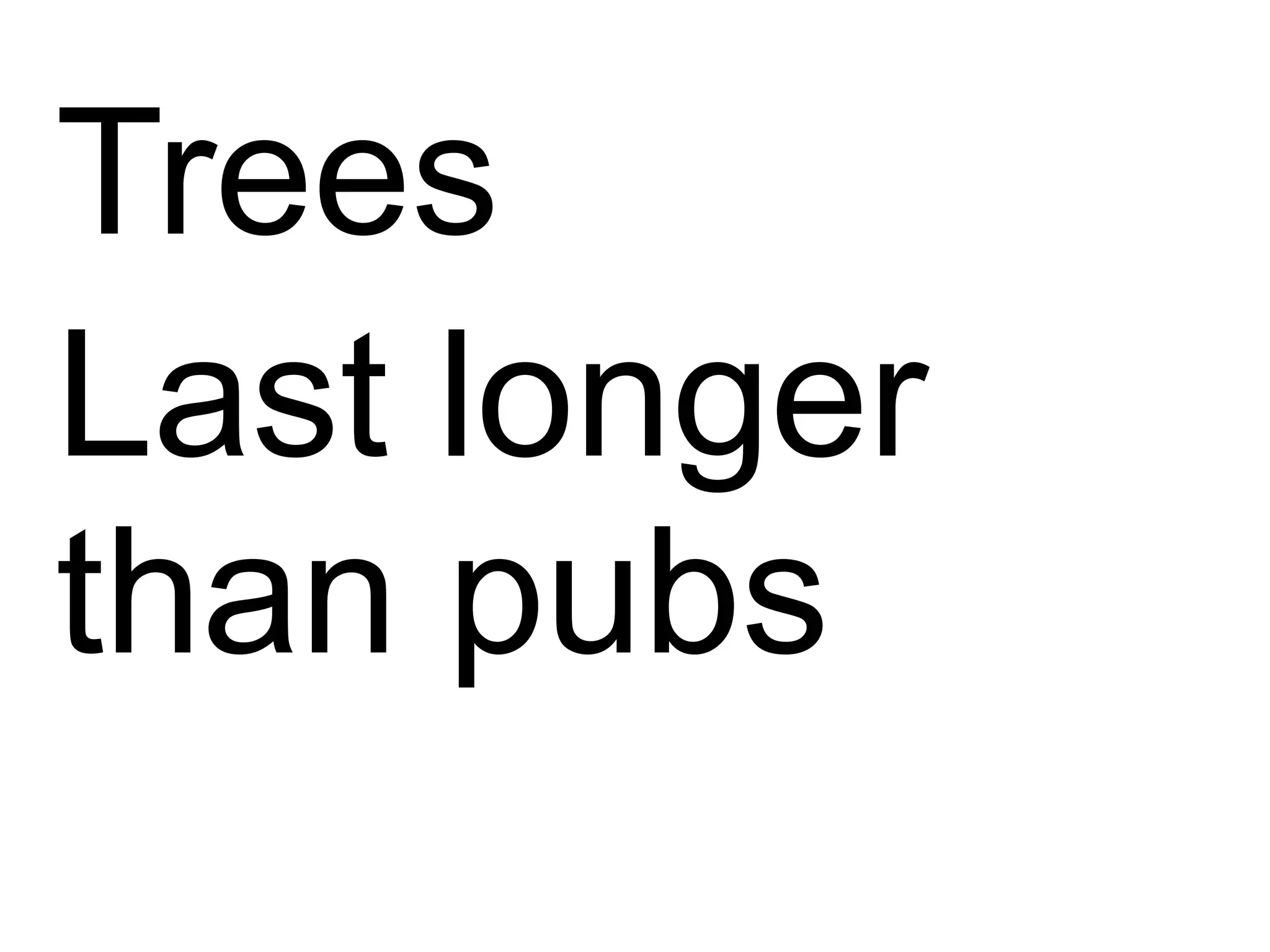
Trees
Last longer
than pubs
Bins
Litter
Rubbish collection routes
Landfills
waste trade - international
recycling & sustainability
The end of the talking bit
Go Outside
(I'd recommend starting outside the campus, but)
Break
Meet up in break room after for debrief
if you want
1. Get into a group of MAX 3 people
2. Pick up a task – one per group
3. Head outside for a little bit

The map is not whats there - psychogeography and openstreetmap

  • 1.
    The map isnot what's there. Psychogeography and OSM. Chippy – Tim Waters - @tim_waters
  • 2.
    No time forquestions We go outside for bit. Debrief after break – in break room.
  • 3.
  • 4.
    Debord / Situationism theSituationists found contemporary architecture both physically and ideologically restrictive, combining with outside cultural influence, effectively creating an undertow, and forcing oneself into a certain system of interaction with their environment. Gawd knows! Coverley says that the SI / Debord's view of Psychogeography is not valid anymore The Term is vague!
  • 5.
  • 6.
  • 7.
    The Theory ofthe Derive One of the basic situationist practices is the dérive [literally: “drifting”], a technique of rapid passage through varied ambiances. Dérives involve playful- constructive behavior and awareness of psychogeographical effects, and are thus quite different from the classic notions of journey or stroll. In a dérive one or more persons during a certain period drop their relations, their work and leisure activities, and all their other usual motives for movement and action, and let themselves be drawn by the attractions of the terrain and the encounters they find there. Chance is a less important factor in this activity than one might think: from a dérive point of view cities have psychogeographical contours, with constant currents, fixed points and vortexes that strongly discourage entry into or exit from certain zones.
  • 9.
    We define ourselvesby our surroundings and our situations. If you are brought up in a neighborhood that resembles a rat trap, pretty soon you are going to come to the conclusion that you are probably a rat. If on the other hand you have got to the tool of psychogeography — or poetry, then you can look at the ordinary world around you with the eye of a poet. If you have that kind of insight into the tawdry and debased streets in which most of us spend our lives, then instead of walking down a rat trap you are walking through cataclysmic history from your personal memories to the local legends then the rat trap becomes a fable, a mythological landscape. And just as living in rat trap will give you the impression you live in a rat trap, then l suspect that living in a mythological landscape might after a while give you the subliminal impression that you are at least a mythological figure. A heroic character in your own narrative
  • 10.
    Denis Wood Two typesof psychogeography Debordian / Situationist Lynchian
  • 11.
  • 12.
    Because the citiesand towns where we live are increasingly militarised and made banal. Because there is a conspiracy of boredom against the city. Because the Great God Pan, the rural deity, is long dead and we need different myths now. Because the city is chopped and parcelled up like a rack of commodities. Because the city is streamlined for ignorance and meaninglessness. Because hidden inside the functionality of the city are the secrets of texture and grain. Because the lost or stolen symbols of the city are still available for stealing back. Because the self-possession of the non-rich has always been a work of imagination. Because of the erosion of public space. Because no matter how much is planned and how much is subject to opportunism, this is only goes to producing accidental playgrounds and launch pads and caves. Because of violence, property, loss and neglect – of people and space. Because we are mobile. For the sake of remnants and traces. To be prepared and spontaneous. Because we are prepared to be spontaneous. Because we are poised. http://www.triarchypress.com/pages/Sardine-Street-Box-of-Tricks.htm
  • 13.
  • 15.
  • 16.
  • 17.
    To remap thearea of High Wycombe earmarked for town centre re-development. The remapping is to be undertaken in collaboration with community groups in High Wycombe by staging a psychogeograpical event, a walk, a ‘derive‘ within the boundary of the re-development area, the results of which will be used to animate the town centre with a temporary art installation. The aim of the LunchTime Dérive was to study how, by following a simple instruction, a group of workers could re-experience the town during their Lunch Break. The daily hunt for a prawn sandwich or Chicken Tikka Marsala Ready Meal will be replaced with a drift motivated by following a basic algorithm Left left right
  • 18.
    http://mappingweirdstuff.wordpress.com/ Mapping Weird Stuffis a course offered as part of the OWjL summer camp at Ohio Wesleyan.
  • 20.
  • 21.
  • 23.
    Make Playce –Leeds http://my.parkingday.org Parking Day
  • 24.
  • 27.
  • 28.
    Classic Examples ordnance survey aldermaston inBrazil, Google said it “would tweak the site’s [Google Maps'] design, namely its text size and district labeling to show favela names only after users zoomed in on those areas.” Map Kibera dwelling and the act of mapping dwelling and equalyl the act of not mapping dwelling and instead labelling them vacant land is therefore all about power
  • 29.
    maps dont merelyrepresent space, they shape arguments, they set discursive boundaries and identify objects to be considered. when individuals make their own maps, they offer and expression of what they consider important what they consider to be of interest and for which they are willing to fight for. challenge to presumed neutrality of the mapmaker.
  • 30.
    Maps are madeby people. Reflect our interests.
  • 31.
    OSM mapping as aform of “derive”
  • 32.
  • 33.
    Maps are madeby people. Reflect our interests.
  • 34.
  • 35.
  • 39.
  • 40.
  • 41.
  • 42.
    Denis Wood geography ofthe children of detroit. mapped automobiles, trucks, dogs, cats, green shubs and trees, dead shrubs and trees, bicyles, scooters, rubbish, trash, broken paper, litter cans. Bloomfield: grass, green shrubs and trees, bikes and toys. yards have ponds, toys, gym sets, play area. Mack ave - there are more dead shrubs than living, yards are fenced, no play areas, no bikes.
  • 43.
  • 44.
    Bins Litter Rubbish collection routes Landfills wastetrade - international recycling & sustainability
  • 45.
    The end ofthe talking bit
  • 46.
    Go Outside (I'd recommendstarting outside the campus, but) Break Meet up in break room after for debrief if you want 1. Get into a group of MAX 3 people 2. Pick up a task – one per group 3. Head outside for a little bit