The Latest and Greatest Golden Helix
CancerKB 4.0 and Somatic Analysis within
VSClinical
December 18, 2024
Presented by: Julia Love, Associate Director of Product Quality
2
The Latest and Greatest Golden Helix
CancerKB 4.0 and Somatic Analysis within
VSClinical
December 18, 2024
Presented by: Julia Love, Associate Director of Product Quality
NIH Grant Funding Acknowledgments
4
• Research reported in this publication was supported by the National Institute Of General Medical Sciences of
the National Institutes of Health under:
o Award Number R43GM128485-01
o Award Number R43GM128485-02
o Award Number 2R44 GM125432-01
o Award Number 2R44 GM125432-02
o Montana SMIR/STTR Matching Funds Program Grant Agreement Number 19-51-RCSBIR-005
o NIH SBIR Grant 1R43HG013456-01
• PI is Dr. Andreas Scherer, CEO of Golden Helix.
• The content is solely the responsibility of the authors and does not necessarily represent the official views of
the National Institutes of Health.
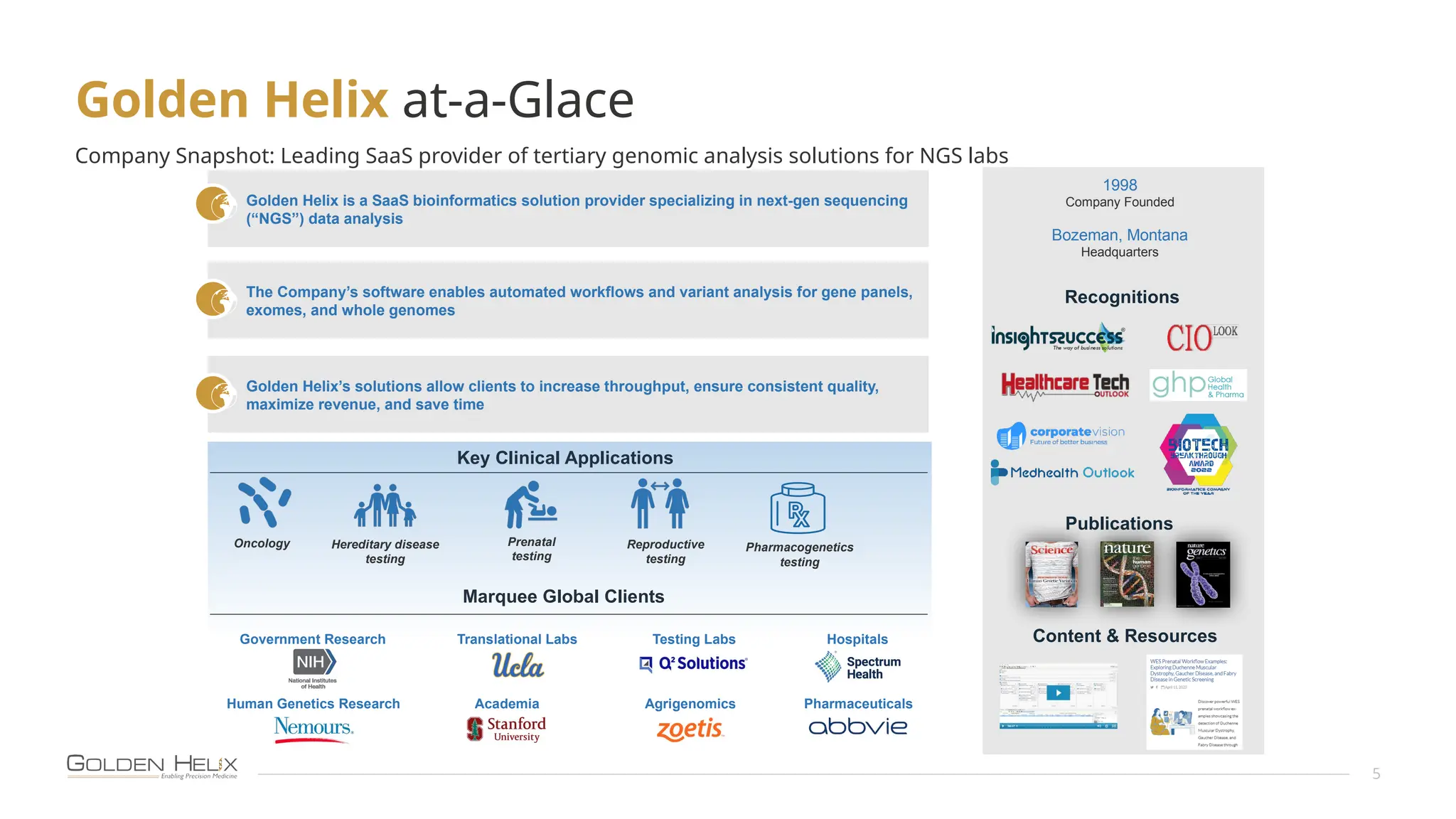
Golden Helix at-a-Glace
5
Company Snapshot: Leading SaaS provider of tertiary genomic analysis solutions for NGS labs
Golden Helix is a SaaS bioinformatics solution provider specializing in next-gen sequencing
(“NGS”) data analysis

The Company’s software enables automated workflows and variant analysis for gene panels,
exomes, and whole genomes

Key Clinical Applications
Prenatal
testing
Hereditary disease
testing
Reproductive
testing
Oncology
Marquee Global Clients
Golden Helix’s solutions allow clients to increase throughput, ensure consistent quality,
maximize revenue, and save time

1998
Company Founded
Bozeman, Montana
Headquarters
Recognitions
Government Research
Pharmaceuticals
Agrigenomics
Testing Labs
Translational Labs
Human Genetics Research
Hospitals
Academia
Publications
Content & Resources
Pharmacogenetics
testing
6
Confidential |
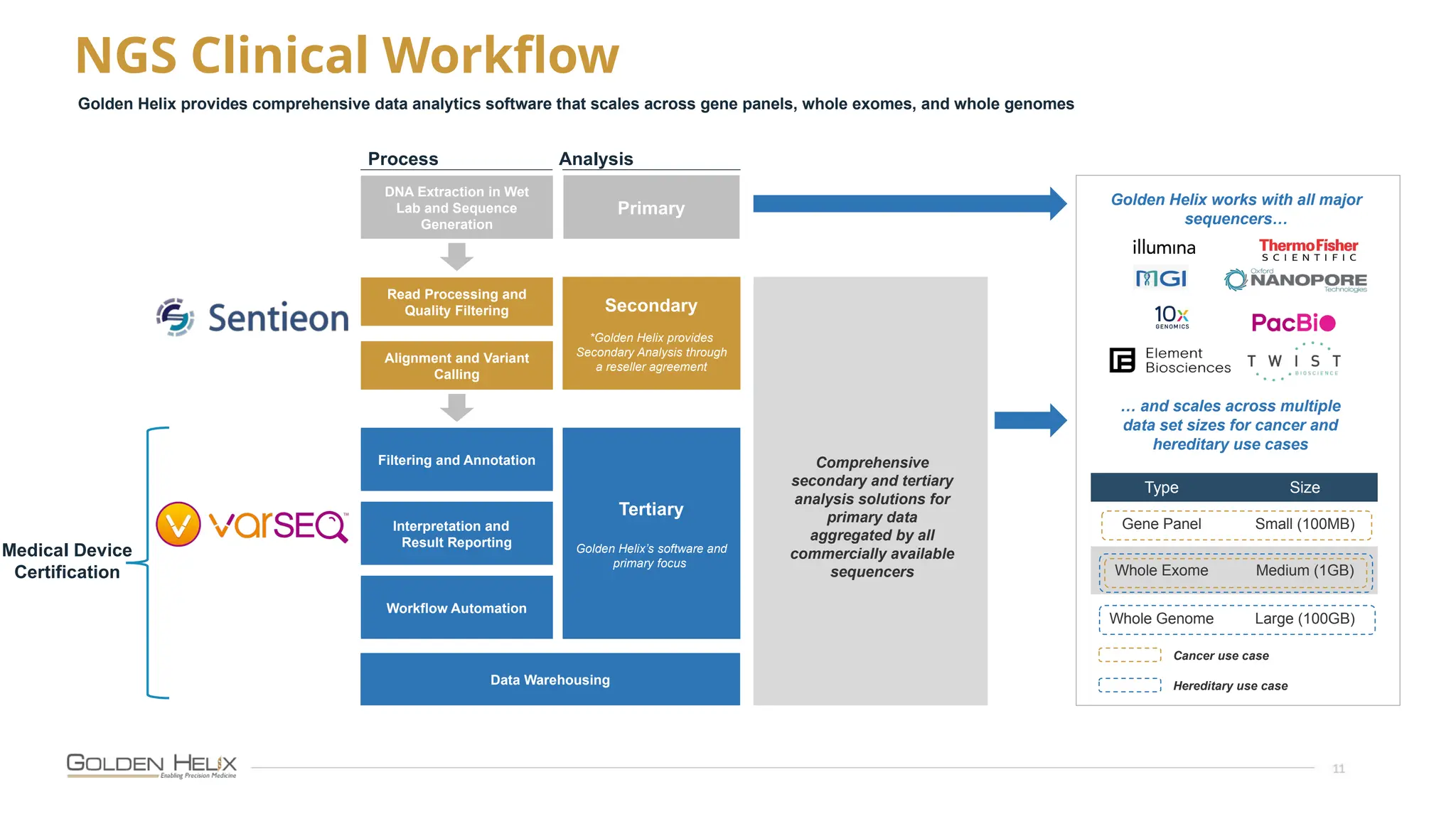
NGS Clinical Workflow
Golden Helix provides comprehensive data analytics software that scales across gene panels, whole exomes, and whole genomes
DNA Extraction in Wet
Lab and Sequence
Generation
Interpretation and
Result Reporting
Primary
Read Processing and
Quality Filtering
Alignment and Variant
Calling
Secondary
*Golden Helix provides
Secondary Analysis through
a reseller agreement
Tertiary
Golden Helix’s software and
primary focus
Comprehensive
secondary and tertiary
analysis solutions for
primary data
aggregated by all
commercially available
sequencers
Type Size
Gene Panel Small (100MB)
Whole Exome Medium (1GB)
Whole Genome Large (100GB)
Cancer use case
Hereditary use case
Process Analysis
… and scales across multiple
data set sizes for cancer and
hereditary use cases
Filtering and Annotation
Data Warehousing
Workflow Automation
Golden Helix works with all major
sequencers…
Medical Device
Certification
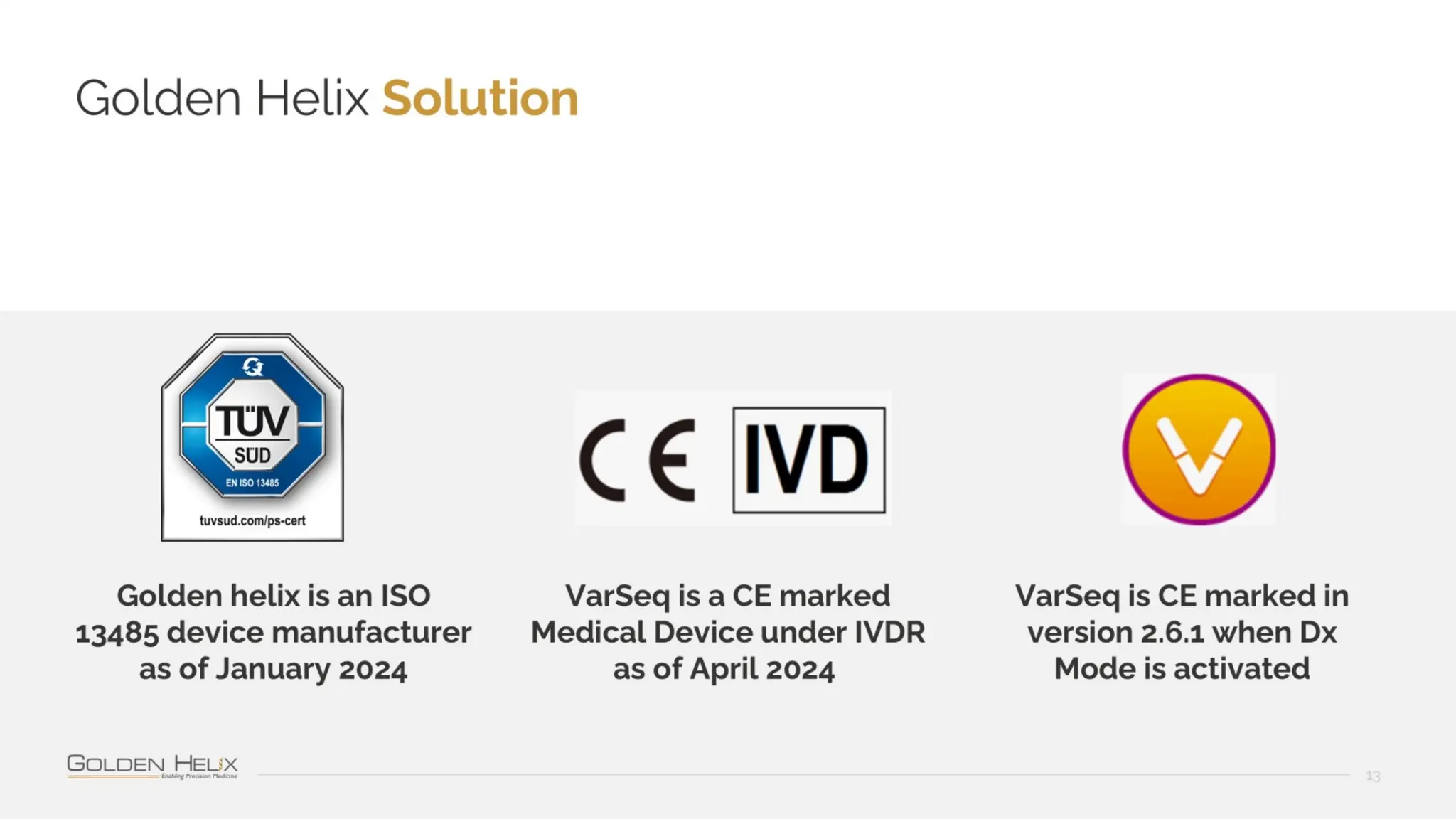
Secured CE Mark for EU
7
• VarSeq Dx
• VarSeq Dx is designed with compliance and reliability for your
clinical analysis.
• VarSeq Dx is our flagship software, VarSeq, that is CE marked
to meet the European In Vitro Diagnostic Regulation (IVDR
2017/746) requirements. VarSeq Dx satisfies the IVDR
requirements within the European Economic Area (EEA).
• Verification
• CE MARK
• ISO Certification
• Our customers will work with our Field Application Scientist to
verify the installation and ensure proper usage of the
software. This can be used for ISO QMS software validation
documentation.
8
9
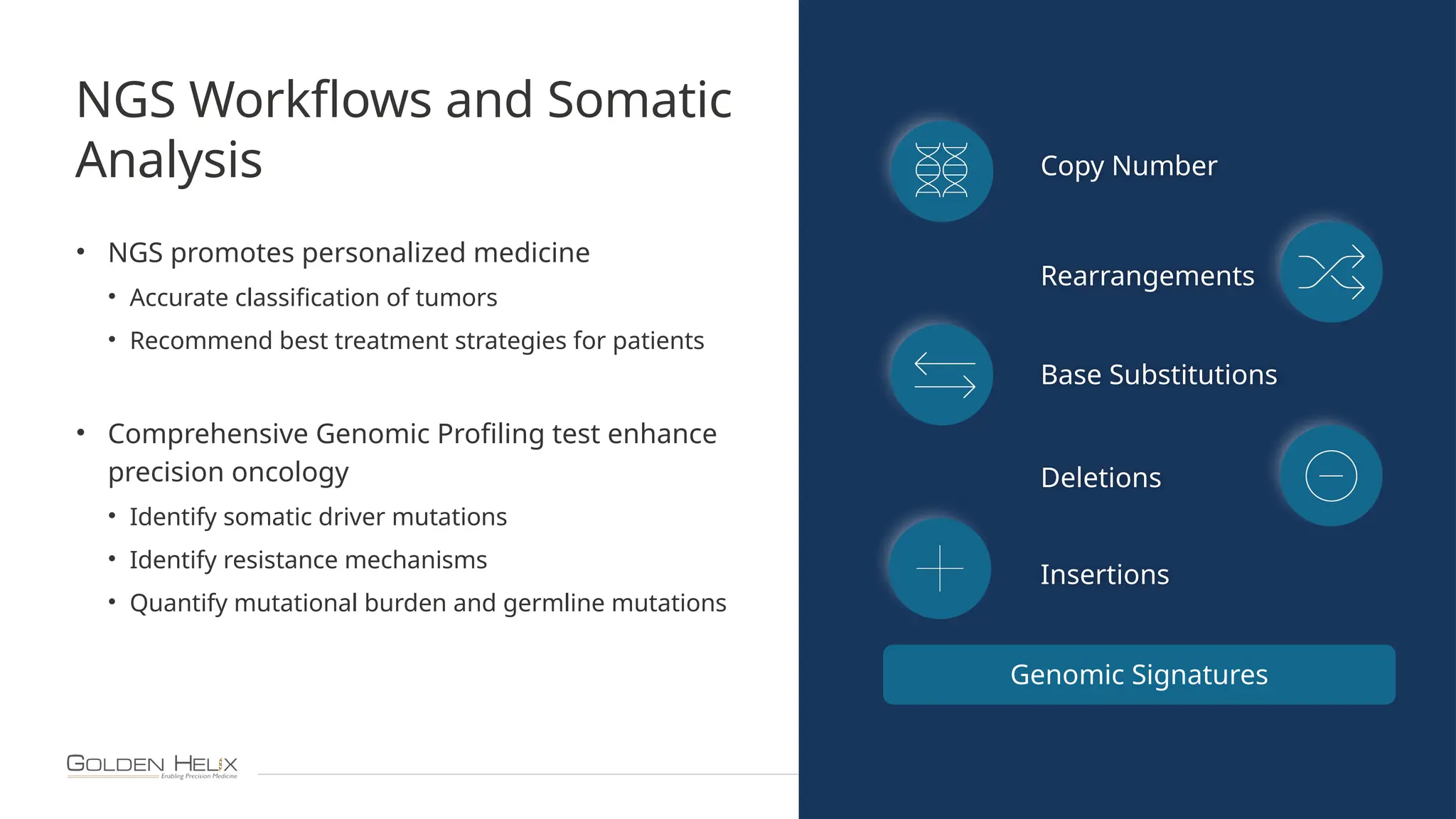
NGS Workflows and Somatic
Analysis
• NGS promotes personalized medicine
• Accurate classification of tumors
• Recommend best treatment strategies for patients
• Comprehensive Genomic Profiling test enhance
precision oncology
• Identify somatic driver mutations
• Identify resistance mechanisms
• Quantify mutational burden and germline mutations
Copy Number
Rearrangements
Base Substitutions
Deletions
Insertions
Genomic Signatures
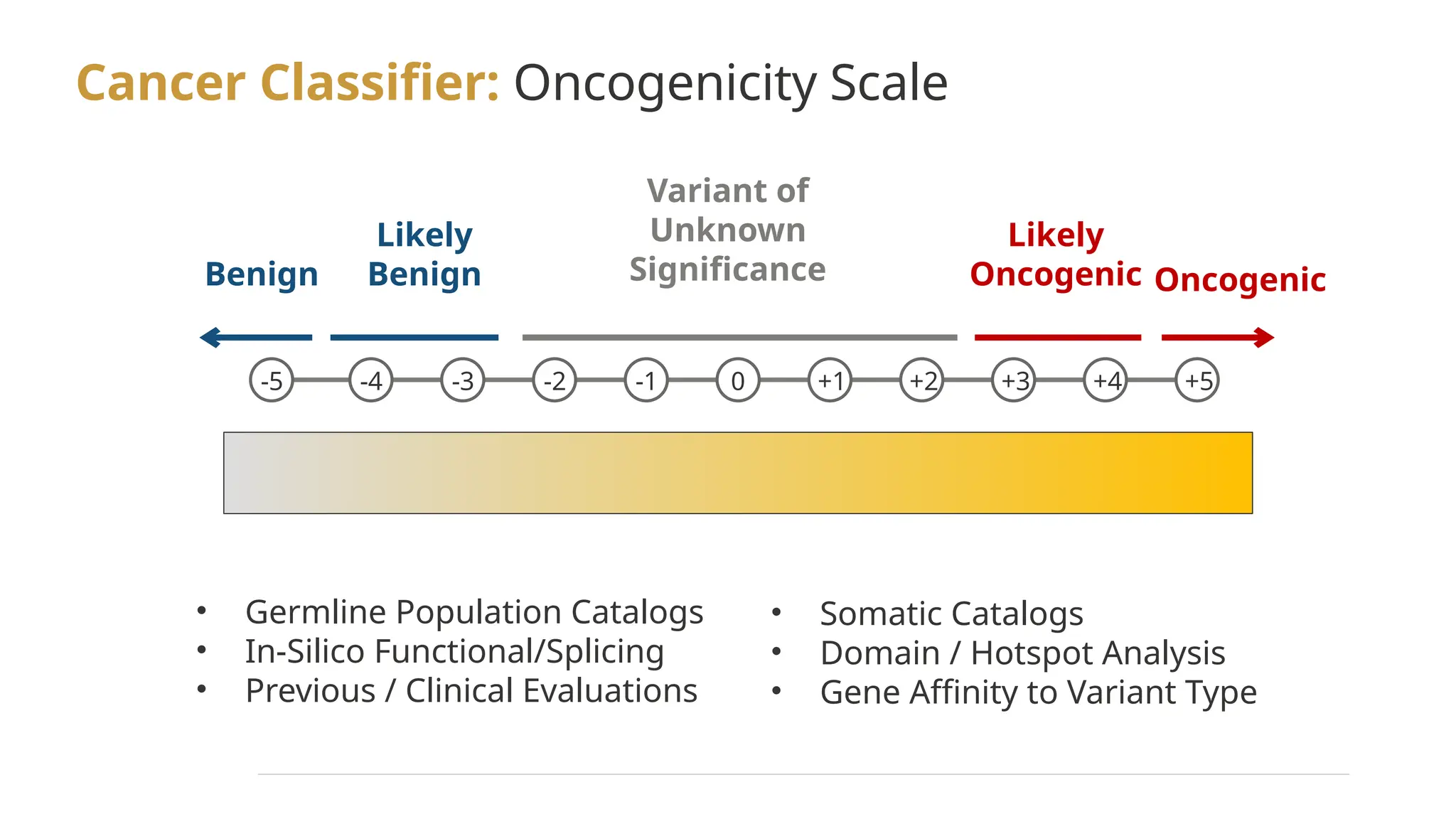
Cancer Classifier: Oncogenicity Scale
Oncogenic
Likely
Oncogenic
Likely
Benign
Benign
-5 0 +3 +5
-4 +2
-2 +1 +4
-1
-3
Variant of
Unknown
Significance
• Germline Population Catalogs
• In-Silico Functional/Splicing
• Previous / Clinical Evaluations
• Somatic Catalogs
• Domain / Hotspot Analysis
• Gene Affinity to Variant Type
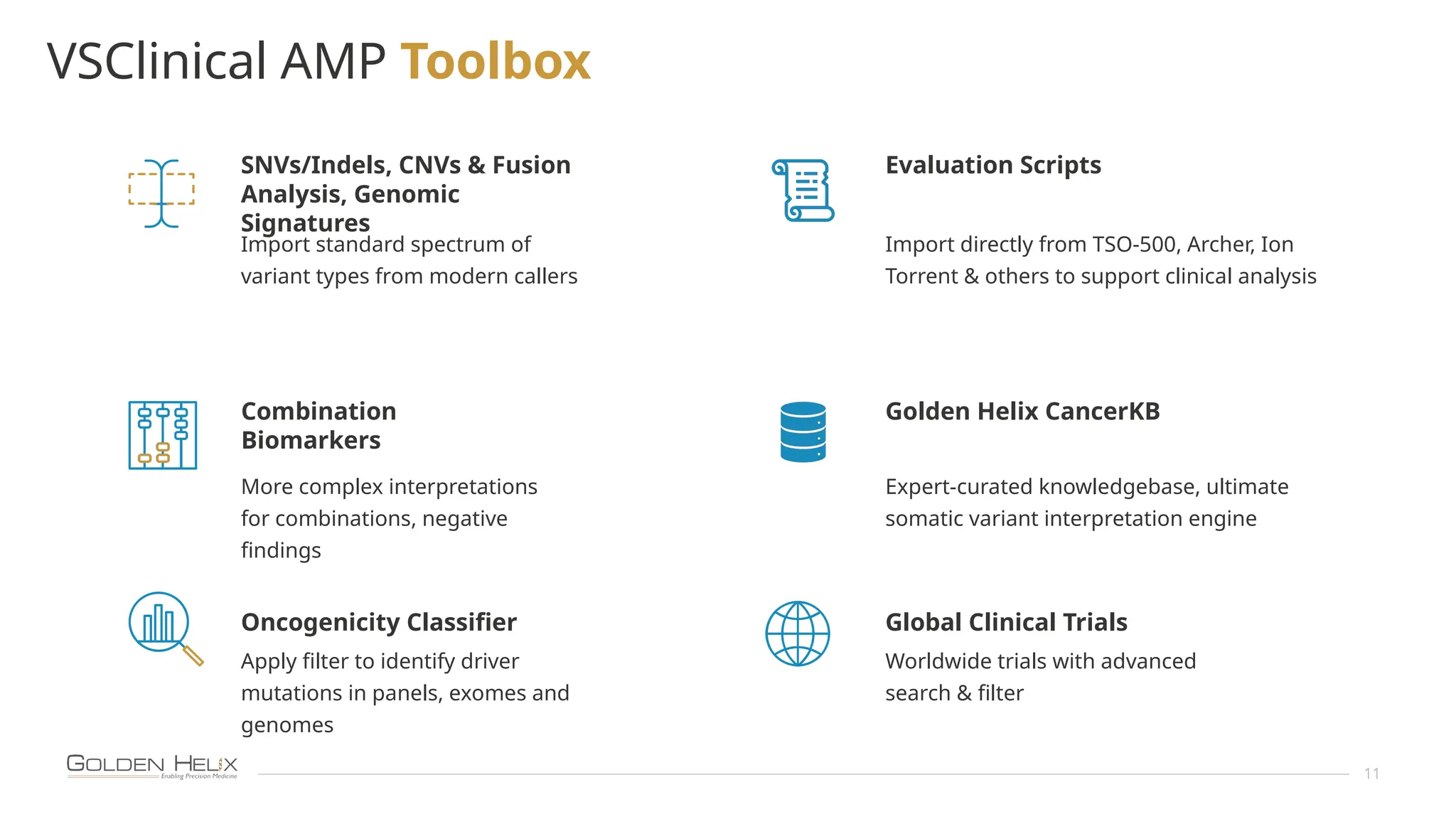
VSClinical AMP Toolbox
SNVs/Indels, CNVs & Fusion
Analysis, Genomic
Signatures
Import standard spectrum of
variant types from modern callers
Golden Helix CancerKB
Expert-curated knowledgebase, ultimate
somatic variant interpretation engine
Combination
Biomarkers
More complex interpretations
for combinations, negative
findings
Global Clinical Trials
Worldwide trials with advanced
search & filter
11
Evaluation Scripts
Import directly from TSO-500, Archer, Ion
Torrent & others to support clinical analysis
Oncogenicity Classifier
Apply filter to identify driver
mutations in panels, exomes and
genomes
12
Golden Helix CancerKB database
• What is Golden Helix CancerKB?
• CancerKB is a database that contains written clinical
interpretations for prominent biomarkers and cancer
genes.
• Systematically curated with up-to-date literature and
resources available in the cancer field
• Integrate CancerKB with the Cancer Classifier and
automate report generation within in VSClinical
• How CancerKB improves your cancer workflow
• Saves you time
• Reduces user error
• Expands variant knowledgebase
Enhance your somatic workflow
13
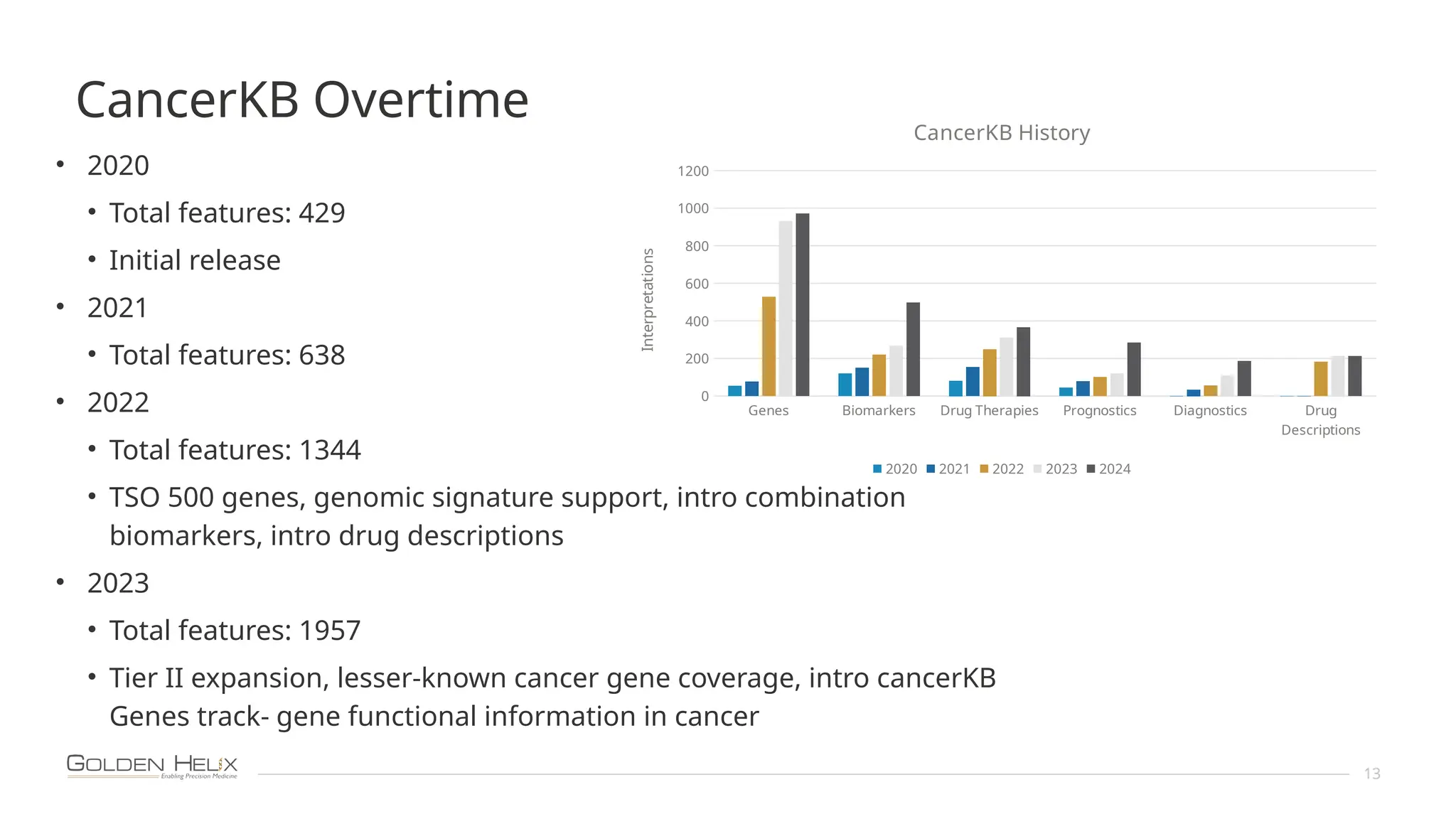
CancerKB Overtime
• 2020
• Total features: 429
• Initial release
• 2021
• Total features: 638
• 2022
• Total features: 1344
• TSO 500 genes, genomic signature support, intro combination
biomarkers, intro drug descriptions
• 2023
• Total features: 1957
• Tier II expansion, lesser-known cancer gene coverage, intro cancerKB
Genes track- gene functional information in cancer
Genes Biomarkers Drug Therapies Prognostics Diagnostics Drug
Descriptions
0
200
400
600
800
1000
1200
CancerKB History
2020 2021 2022 2023 2024
Interpretations
14
NGS and Hematological
Cancers
• NGS now plays a central role in identifying the
molecular characteristics of hematologic
malignancies.
• Liquid biopsy provides diagnosis and
monitoring of hematological malignancies
over time.
• World Health Organization 2022 classification
have expanded the subtypes defined by
genetic aberrations
• Roughly 9.5% of new cancer cases a year are
either leukemia, lymphoma or myeloma
15
Golden Helix CancerKB v4
• CancerKB v4 has revamped diagnostic and
prognostic evidence.
• Applies NGS biomarkers to diagnose specific
tumors
• Provides patient prognosis based on treatment
availability and tumor aggression
• Hematological focus
• Provide diagnosis and prognosis interpretations for
the most prominent and complex blood cancers
such as B-Cell Lymphomas, ALL and MPN
• All FDA approved and NCCN Guideline
recommended drug treatments are available for all
hematological cancers
The hematological cancer release
16
Golden Helix CancerKB v4
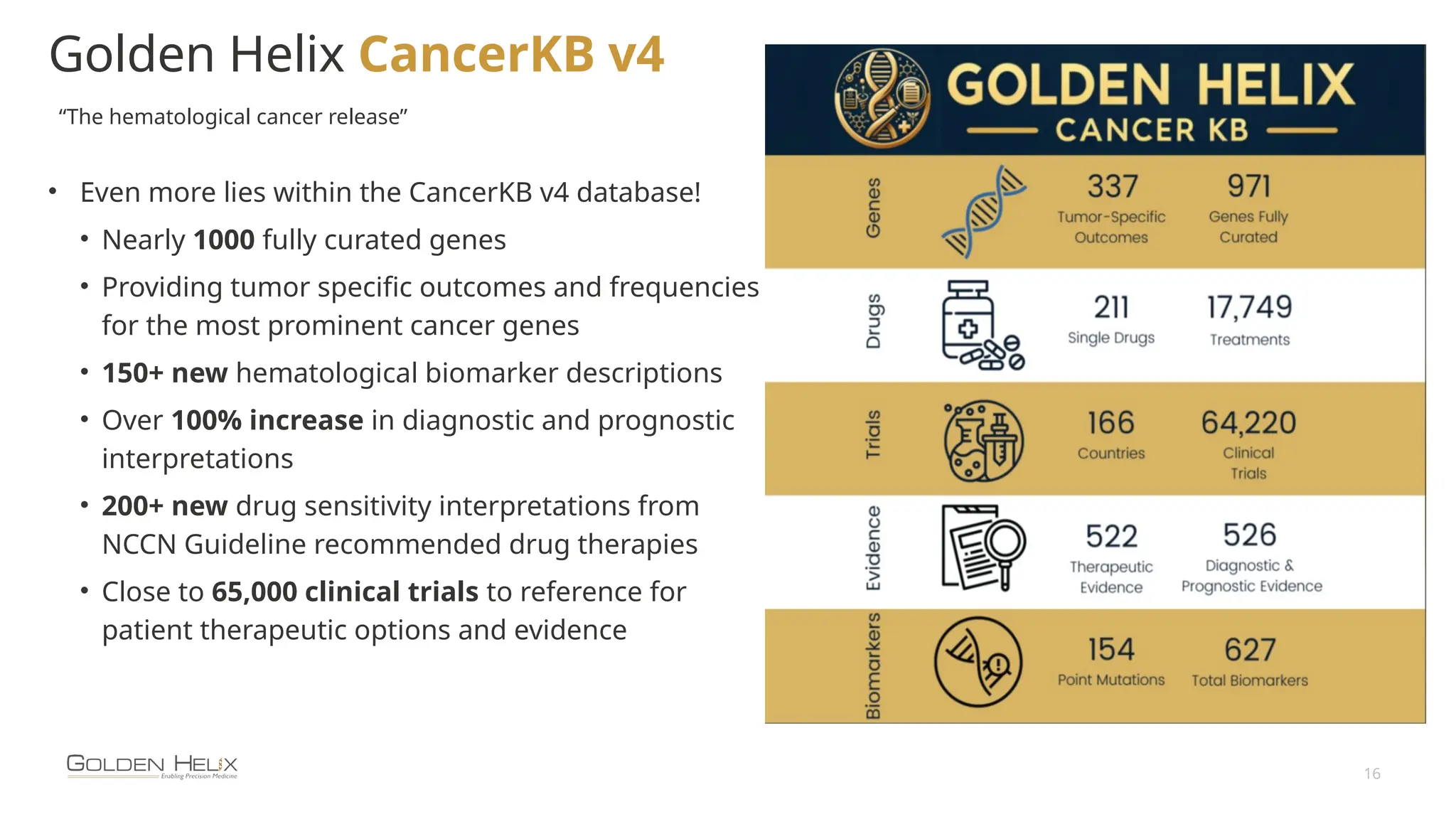
• Even more lies within the CancerKB v4 database!
• Nearly 1000 fully curated genes
• Providing tumor specific outcomes and frequencies
for the most prominent cancer genes
• 150+ new hematological biomarker descriptions
• Over 100% increase in diagnostic and prognostic
interpretations
• 200+ new drug sensitivity interpretations from
NCCN Guideline recommended drug therapies
• Close to 65,000 clinical trials to reference for
patient therapeutic options and evidence
“The hematological cancer release”
17
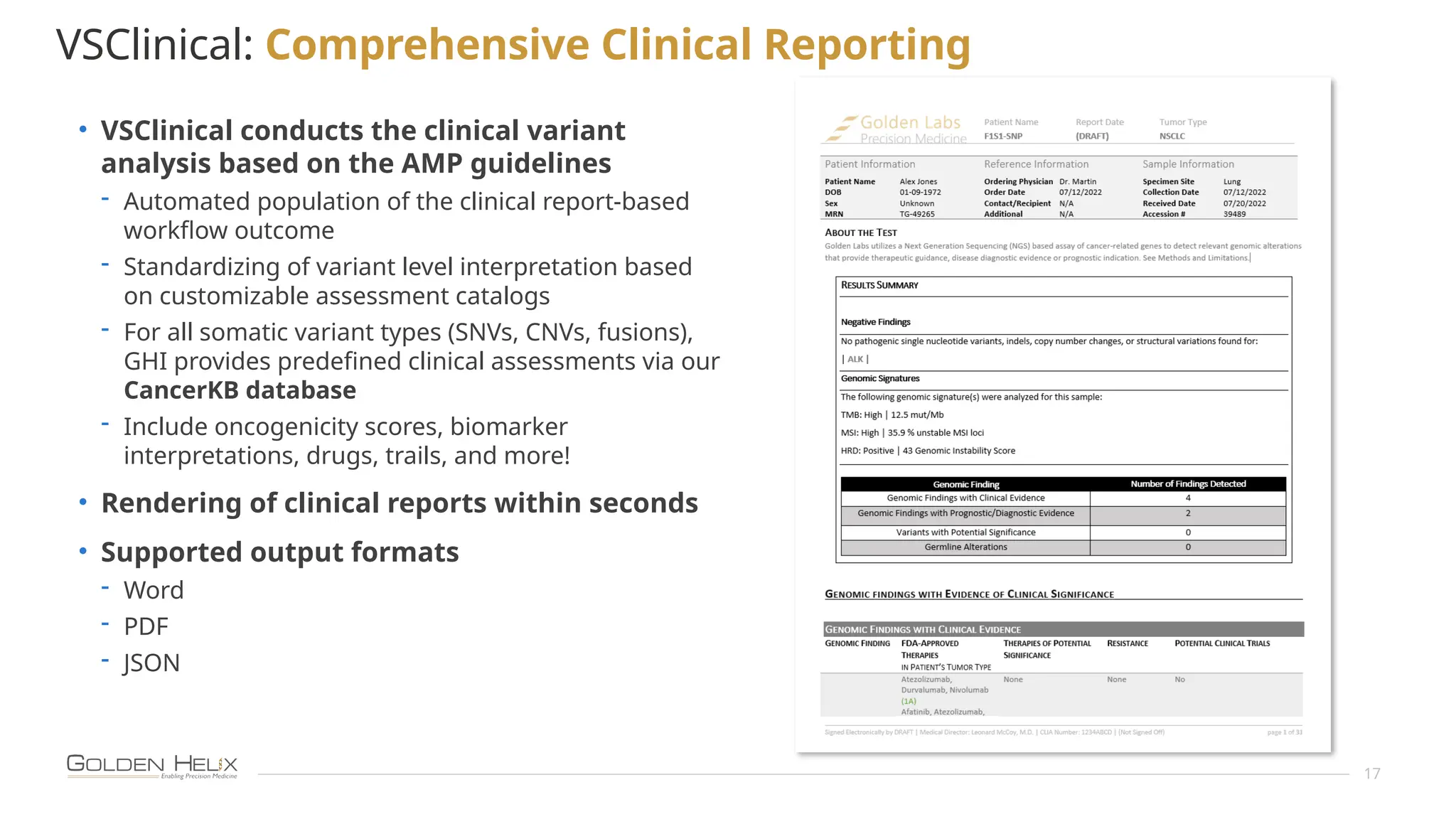
VSClinical: Comprehensive Clinical Reporting
• VSClinical conducts the clinical variant
analysis based on the AMP guidelines
- Automated population of the clinical report-based
workflow outcome
- Standardizing of variant level interpretation based
on customizable assessment catalogs
- For all somatic variant types (SNVs, CNVs, fusions),
GHI provides predefined clinical assessments via our
CancerKB database
- Include oncogenicity scores, biomarker
interpretations, drugs, trails, and more!
• Rendering of clinical reports within seconds
• Supported output formats
- Word
- PDF
- JSON
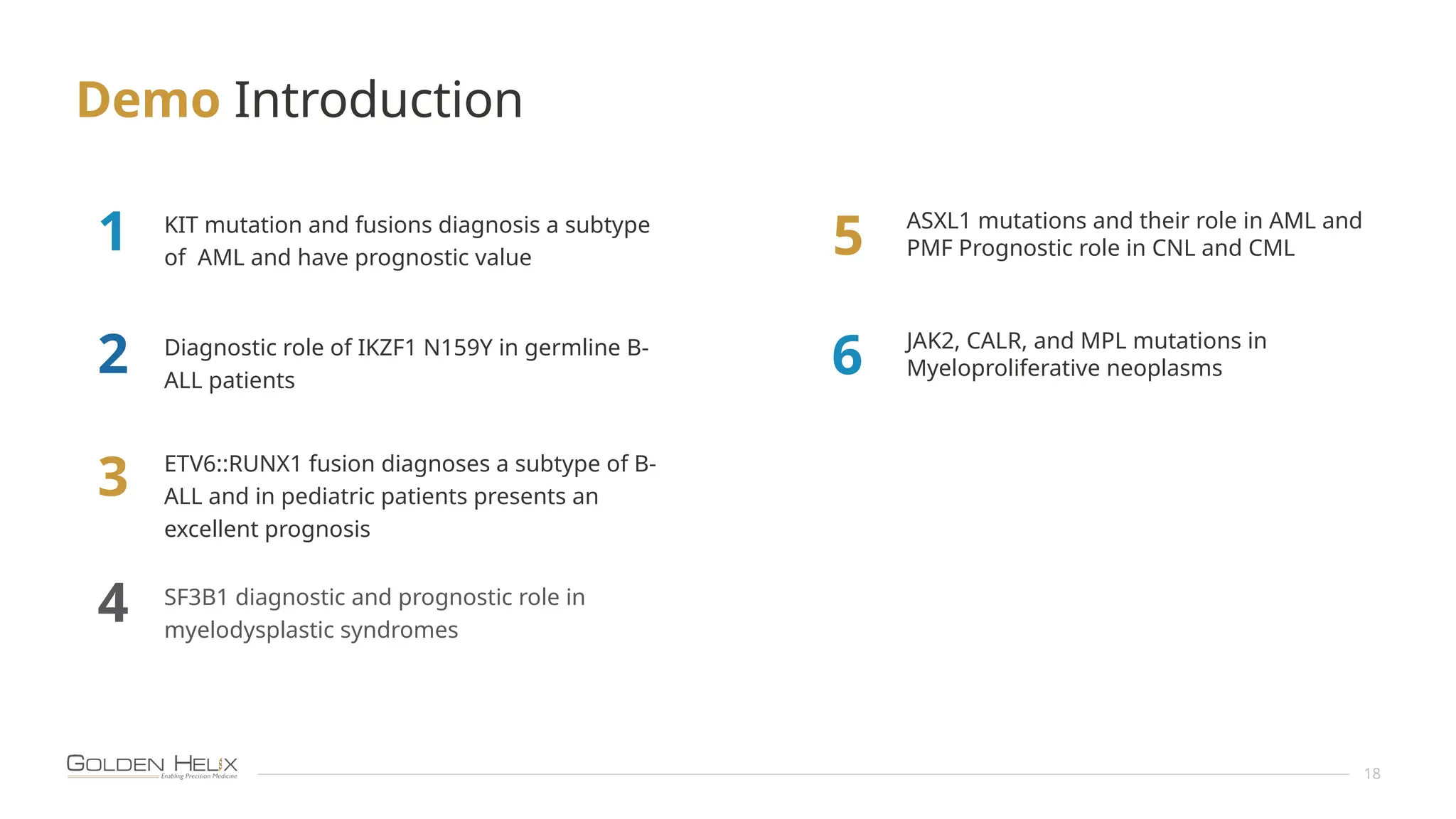
Demo Introduction
18
KIT mutation and fusions diagnosis a subtype
of AML and have prognostic value
ETV6::RUNX1 fusion diagnoses a subtype of B-
ALL and in pediatric patients presents an
excellent prognosis
Diagnostic role of IKZF1 N159Y in germline B-
ALL patients
SF3B1 diagnostic and prognostic role in
myelodysplastic syndromes
1
2
3
4
JAK2, CALR, and MPL mutations in
Myeloproliferative neoplasms
5
6
ASXL1 mutations and their role in AML and
PMF Prognostic role in CNL and CML
19
Product Demo
NIH Grant Funding Acknowledgments
20
• Research reported in this publication was supported by the National Institute Of General Medical Sciences of
the National Institutes of Health under:
o Award Number R43GM128485-01
o Award Number R43GM128485-02
o Award Number 2R44 GM125432-01
o Award Number 2R44 GM125432-02
o Montana SMIR/STTR Matching Funds Program Grant Agreement Number 19-51-RCSBIR-005
o NIH SBIR Grant 1R43HG013456-01
• PI is Dr. Andreas Scherer, CEO of Golden Helix.
• The content is solely the responsibility of the authors and does not necessarily represent the official views of
the National Institutes of Health.
21
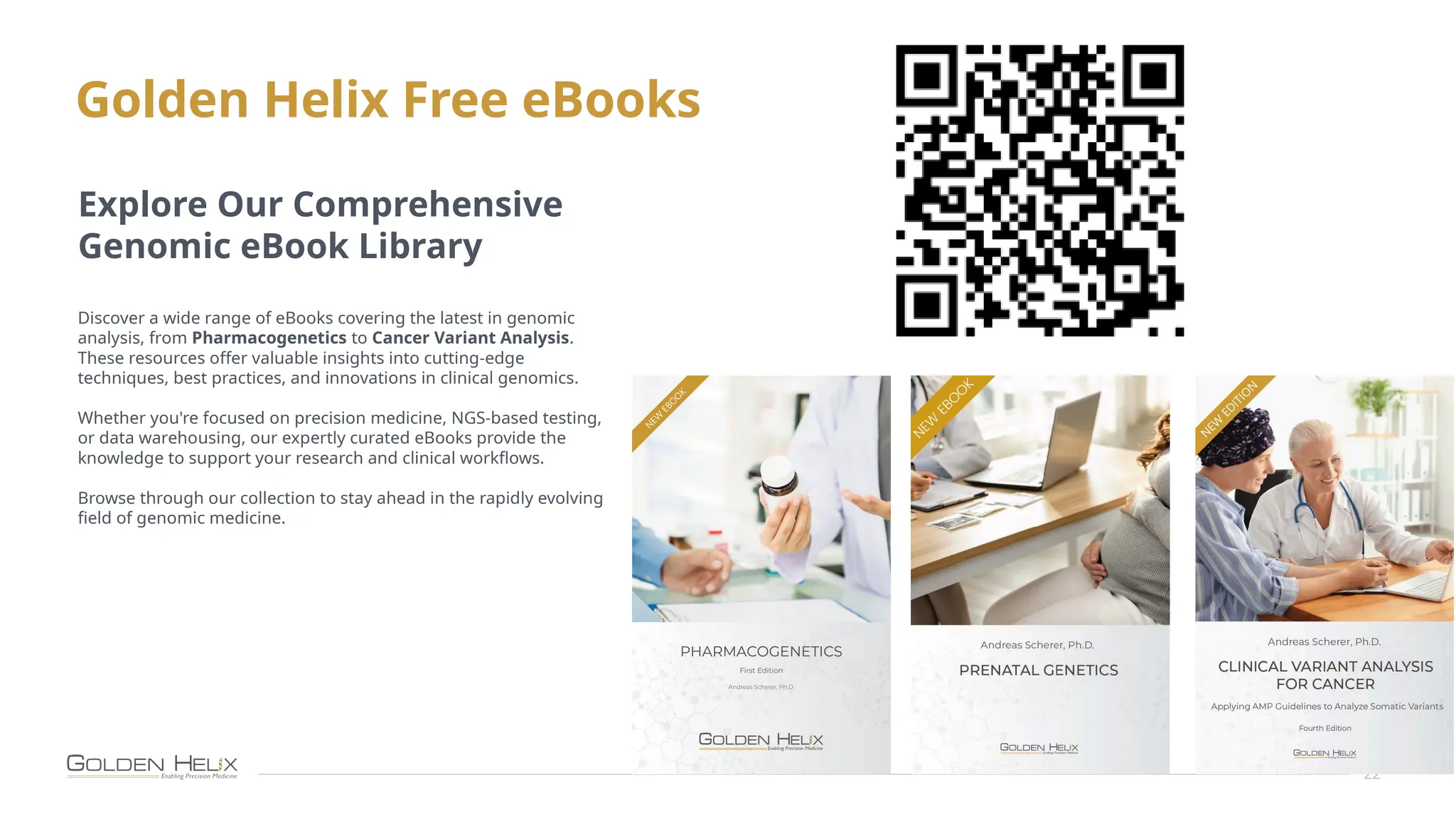
Golden Helix Free eBooks
22
Explore Our Comprehensive
Genomic eBook Library
Discover a wide range of eBooks covering the latest in genomic
analysis, from Pharmacogenetics to Cancer Variant Analysis.
These resources offer valuable insights into cutting-edge
techniques, best practices, and innovations in clinical genomics.
Whether you're focused on precision medicine, NGS-based testing,
or data warehousing, our expertly curated eBooks provide the
knowledge to support your research and clinical workflows.
Browse through our collection to stay ahead in the rapidly evolving
field of genomic medicine.
23

The Latest and Greatest Golden Helix CancerKB 4.0 and Somatic Analysis within VSClinical

  • 1.
    The Latest andGreatest Golden Helix CancerKB 4.0 and Somatic Analysis within VSClinical December 18, 2024 Presented by: Julia Love, Associate Director of Product Quality
  • 2.
  • 3.
    The Latest andGreatest Golden Helix CancerKB 4.0 and Somatic Analysis within VSClinical December 18, 2024 Presented by: Julia Love, Associate Director of Product Quality
  • 4.
    NIH Grant FundingAcknowledgments 4 • Research reported in this publication was supported by the National Institute Of General Medical Sciences of the National Institutes of Health under: o Award Number R43GM128485-01 o Award Number R43GM128485-02 o Award Number 2R44 GM125432-01 o Award Number 2R44 GM125432-02 o Montana SMIR/STTR Matching Funds Program Grant Agreement Number 19-51-RCSBIR-005 o NIH SBIR Grant 1R43HG013456-01 • PI is Dr. Andreas Scherer, CEO of Golden Helix. • The content is solely the responsibility of the authors and does not necessarily represent the official views of the National Institutes of Health.
  • 5.
    Golden Helix at-a-Glace 5 CompanySnapshot: Leading SaaS provider of tertiary genomic analysis solutions for NGS labs Golden Helix is a SaaS bioinformatics solution provider specializing in next-gen sequencing (“NGS”) data analysis  The Company’s software enables automated workflows and variant analysis for gene panels, exomes, and whole genomes  Key Clinical Applications Prenatal testing Hereditary disease testing Reproductive testing Oncology Marquee Global Clients Golden Helix’s solutions allow clients to increase throughput, ensure consistent quality, maximize revenue, and save time  1998 Company Founded Bozeman, Montana Headquarters Recognitions Government Research Pharmaceuticals Agrigenomics Testing Labs Translational Labs Human Genetics Research Hospitals Academia Publications Content & Resources Pharmacogenetics testing
  • 6.
    6 Confidential | NGS ClinicalWorkflow Golden Helix provides comprehensive data analytics software that scales across gene panels, whole exomes, and whole genomes DNA Extraction in Wet Lab and Sequence Generation Interpretation and Result Reporting Primary Read Processing and Quality Filtering Alignment and Variant Calling Secondary *Golden Helix provides Secondary Analysis through a reseller agreement Tertiary Golden Helix’s software and primary focus Comprehensive secondary and tertiary analysis solutions for primary data aggregated by all commercially available sequencers Type Size Gene Panel Small (100MB) Whole Exome Medium (1GB) Whole Genome Large (100GB) Cancer use case Hereditary use case Process Analysis … and scales across multiple data set sizes for cancer and hereditary use cases Filtering and Annotation Data Warehousing Workflow Automation Golden Helix works with all major sequencers… Medical Device Certification
  • 7.
    Secured CE Markfor EU 7 • VarSeq Dx • VarSeq Dx is designed with compliance and reliability for your clinical analysis. • VarSeq Dx is our flagship software, VarSeq, that is CE marked to meet the European In Vitro Diagnostic Regulation (IVDR 2017/746) requirements. VarSeq Dx satisfies the IVDR requirements within the European Economic Area (EEA). • Verification • CE MARK • ISO Certification • Our customers will work with our Field Application Scientist to verify the installation and ensure proper usage of the software. This can be used for ISO QMS software validation documentation.
  • 8.
  • 9.
    9 NGS Workflows andSomatic Analysis • NGS promotes personalized medicine • Accurate classification of tumors • Recommend best treatment strategies for patients • Comprehensive Genomic Profiling test enhance precision oncology • Identify somatic driver mutations • Identify resistance mechanisms • Quantify mutational burden and germline mutations Copy Number Rearrangements Base Substitutions Deletions Insertions Genomic Signatures
  • 10.
    Cancer Classifier: OncogenicityScale Oncogenic Likely Oncogenic Likely Benign Benign -5 0 +3 +5 -4 +2 -2 +1 +4 -1 -3 Variant of Unknown Significance • Germline Population Catalogs • In-Silico Functional/Splicing • Previous / Clinical Evaluations • Somatic Catalogs • Domain / Hotspot Analysis • Gene Affinity to Variant Type
  • 11.
    VSClinical AMP Toolbox SNVs/Indels,CNVs & Fusion Analysis, Genomic Signatures Import standard spectrum of variant types from modern callers Golden Helix CancerKB Expert-curated knowledgebase, ultimate somatic variant interpretation engine Combination Biomarkers More complex interpretations for combinations, negative findings Global Clinical Trials Worldwide trials with advanced search & filter 11 Evaluation Scripts Import directly from TSO-500, Archer, Ion Torrent & others to support clinical analysis Oncogenicity Classifier Apply filter to identify driver mutations in panels, exomes and genomes
  • 12.
    12 Golden Helix CancerKBdatabase • What is Golden Helix CancerKB? • CancerKB is a database that contains written clinical interpretations for prominent biomarkers and cancer genes. • Systematically curated with up-to-date literature and resources available in the cancer field • Integrate CancerKB with the Cancer Classifier and automate report generation within in VSClinical • How CancerKB improves your cancer workflow • Saves you time • Reduces user error • Expands variant knowledgebase Enhance your somatic workflow
  • 13.
    13 CancerKB Overtime • 2020 •Total features: 429 • Initial release • 2021 • Total features: 638 • 2022 • Total features: 1344 • TSO 500 genes, genomic signature support, intro combination biomarkers, intro drug descriptions • 2023 • Total features: 1957 • Tier II expansion, lesser-known cancer gene coverage, intro cancerKB Genes track- gene functional information in cancer Genes Biomarkers Drug Therapies Prognostics Diagnostics Drug Descriptions 0 200 400 600 800 1000 1200 CancerKB History 2020 2021 2022 2023 2024 Interpretations
  • 14.
    14 NGS and Hematological Cancers •NGS now plays a central role in identifying the molecular characteristics of hematologic malignancies. • Liquid biopsy provides diagnosis and monitoring of hematological malignancies over time. • World Health Organization 2022 classification have expanded the subtypes defined by genetic aberrations • Roughly 9.5% of new cancer cases a year are either leukemia, lymphoma or myeloma
  • 15.
    15 Golden Helix CancerKBv4 • CancerKB v4 has revamped diagnostic and prognostic evidence. • Applies NGS biomarkers to diagnose specific tumors • Provides patient prognosis based on treatment availability and tumor aggression • Hematological focus • Provide diagnosis and prognosis interpretations for the most prominent and complex blood cancers such as B-Cell Lymphomas, ALL and MPN • All FDA approved and NCCN Guideline recommended drug treatments are available for all hematological cancers The hematological cancer release
  • 16.
    16 Golden Helix CancerKBv4 • Even more lies within the CancerKB v4 database! • Nearly 1000 fully curated genes • Providing tumor specific outcomes and frequencies for the most prominent cancer genes • 150+ new hematological biomarker descriptions • Over 100% increase in diagnostic and prognostic interpretations • 200+ new drug sensitivity interpretations from NCCN Guideline recommended drug therapies • Close to 65,000 clinical trials to reference for patient therapeutic options and evidence “The hematological cancer release”
  • 17.
    17 VSClinical: Comprehensive ClinicalReporting • VSClinical conducts the clinical variant analysis based on the AMP guidelines - Automated population of the clinical report-based workflow outcome - Standardizing of variant level interpretation based on customizable assessment catalogs - For all somatic variant types (SNVs, CNVs, fusions), GHI provides predefined clinical assessments via our CancerKB database - Include oncogenicity scores, biomarker interpretations, drugs, trails, and more! • Rendering of clinical reports within seconds • Supported output formats - Word - PDF - JSON
  • 18.
    Demo Introduction 18 KIT mutationand fusions diagnosis a subtype of AML and have prognostic value ETV6::RUNX1 fusion diagnoses a subtype of B- ALL and in pediatric patients presents an excellent prognosis Diagnostic role of IKZF1 N159Y in germline B- ALL patients SF3B1 diagnostic and prognostic role in myelodysplastic syndromes 1 2 3 4 JAK2, CALR, and MPL mutations in Myeloproliferative neoplasms 5 6 ASXL1 mutations and their role in AML and PMF Prognostic role in CNL and CML
  • 19.
  • 20.
    NIH Grant FundingAcknowledgments 20 • Research reported in this publication was supported by the National Institute Of General Medical Sciences of the National Institutes of Health under: o Award Number R43GM128485-01 o Award Number R43GM128485-02 o Award Number 2R44 GM125432-01 o Award Number 2R44 GM125432-02 o Montana SMIR/STTR Matching Funds Program Grant Agreement Number 19-51-RCSBIR-005 o NIH SBIR Grant 1R43HG013456-01 • PI is Dr. Andreas Scherer, CEO of Golden Helix. • The content is solely the responsibility of the authors and does not necessarily represent the official views of the National Institutes of Health.
  • 21.
  • 22.
    Golden Helix FreeeBooks 22 Explore Our Comprehensive Genomic eBook Library Discover a wide range of eBooks covering the latest in genomic analysis, from Pharmacogenetics to Cancer Variant Analysis. These resources offer valuable insights into cutting-edge techniques, best practices, and innovations in clinical genomics. Whether you're focused on precision medicine, NGS-based testing, or data warehousing, our expertly curated eBooks provide the knowledge to support your research and clinical workflows. Browse through our collection to stay ahead in the rapidly evolving field of genomic medicine.
  • 23.

Editor's Notes

  • #1 Casey’s intro
  • #3 Casey’s intro
  • #4 To get started today, I want to first express our appreciation for our grant funding from the NIH. The research and development efforts for a number of our software capabilities have been supported by the National institute of general medical sciences of the national institutes of health under the listed awards, as well as local grant funding from the state of Montana. Our PI is Dr. Andreas Scherer who is also the CEO at Golden Helix. I must mention here that the content described today is the responsibility of the authors and does not officially represent the views of the NIH.
  • #5 Before diving into the topic of today’s webcast I would like to take a moment to give our attendees, especially those that may be new to Golden Helix, a brief introduction to our company. Golden Helix is a bioinformatics software company based out of Bozeman Montana that has been serving customers all over globe for over 25 years. We began by providing research focused software for array-based analysis but early on shifted our focus to next generation sequencing applications and we have emerged as market leaders in the NGS space and now our focus is to provide high quality bioinformatic software that specifically enables our customers to conduct routine clinical applications for their NGS analyses. Our tertiary software solutions are scalable for routine work with gene panels all the way to whole genomes and are highly automatable to facilitate high throughput operations where large numbers of samples are being processed. This combined with our subscription-based business model, allows users to freely process an unlimited number of samples as needed, without the concerns about scaling costs that would be experienced with most per sample applications on the market. The assays designed in our software are flexible and user refined, and span a wide spectrum of applications, including somatic workflows for oncology-based analyses, germline workflows for hereditary cancer, inherited and rare diseases, prenatal testing, carrier screening analysis, family based analysis, and pharmacogenomics analysis. Taking advantage of these capabilities is our very wide-spread global customer base – our users span government and testing labs, hospitals, universities, and many research and pharmaceutical labs. Our communication with our customers informs our software development as we aim to stay abreast of the most important features to develop, edge cases and different data types that we can support, and through this partnership our software has been regularly cited in reputable scientific journals, which is a testament to the work of our customer base.
  • #6 Now that we have discussed some uses cases for our software, let’s review where our tools fit into the bigger picture of an NGS Workflow. Generally speaking, the NGS workflow is divided into 3 stages where primary analysis encompasses everything from sample collection to sequencing, secondary analysis describes the processes for read alignment and variant calling, and the tertiary stage is where variant evaluation and reporting take place. VarSeq is a tertiary analysis tool that is designed to be agnostic to upstream sequencing platforms and secondary analysis pipelines, which means we accept NGS variant calling and alignment files from the various platforms and pipelines that are commonly used, provided that these adhere to standard VCF and alignment file formats. These upstream pipelines include Illumina and ThermoFisher, some of the emerging sources like MGI and we accommodate PacBio and Oxford Nanopore long read technologies, in fact we are endorsed as PacBio tertiary analysis. We also have a long-standing partnership with Sentieon to provide labs with a secondary analysis solution as needed. VarSeq is one of the few platforms that can handle the range of variant calling outputs from upstream analysis pipelines, tackling both short and long read data, and scaling from small targeted panels all the way to complete whole genomes to accommodate the large number of variants analyzed and the increase in computational and storage demands. The graphical user interface of VarSeq serves as the front end for annotation and filtering, as well as clinical interpretation and reporting for variants, CNVs and fusions. However, we couple this GUI with our command-line-interface workflow automation tool - VSPipeline - for higher throughput processing for each component of tertiary analysis. Lastly, we provide robust data warehousing solutions via VSWarehouse which serves as a repository for aggregating and storing variant frequency data from your own cohorts over time. Warehouse facilitates efficient data management and enables easy retrieval of variant assessments or interpretations that can be applied to a growing cohort of samples and is deployed locally in your environment to enable data security. To learn more about automation and warehousing with Golden Helix, or any of the components of our software, we encourage you to review the collection of webcasts hosted on our site.
  • #7 Each of the applications we just discussed has been diligently developed by our team here at Golden Helix, and we adhere to a highly structured and thoroughly documented manufacturing process. As a result of this commitment to quality Golden Helix is now an ISO 13485 certified medical device manufacturer as of January 2024, and is a CE marked medical device under IVDR as of April 2024 . This certification holds significant value for laboratories seeking their own ISO certification and IVDR compliance, especially those within the EU or those processing European samples, as the software can more easily be incorporated into a lab’s quality management systems and processes. Our certification and continued adherence to a rubost QMS assures reproducibility of our quality specifications and manuals thus simplifying the validation process for any lab using current and future versions of our software. It is important to note that VarSeq is not CE marked for users by default – if a user desires to use VarSeq as CE marked medical device we have developed VarSeq Dx Mode which is available in VarSeq 2.6.1 and all future versions. When implementing this feature, we have a certification process which users must complete, and our support staff is ready to guide you accordingly through our user onboarding, installation and verification process and proficiency certification process as we move through the workflow validation process together.
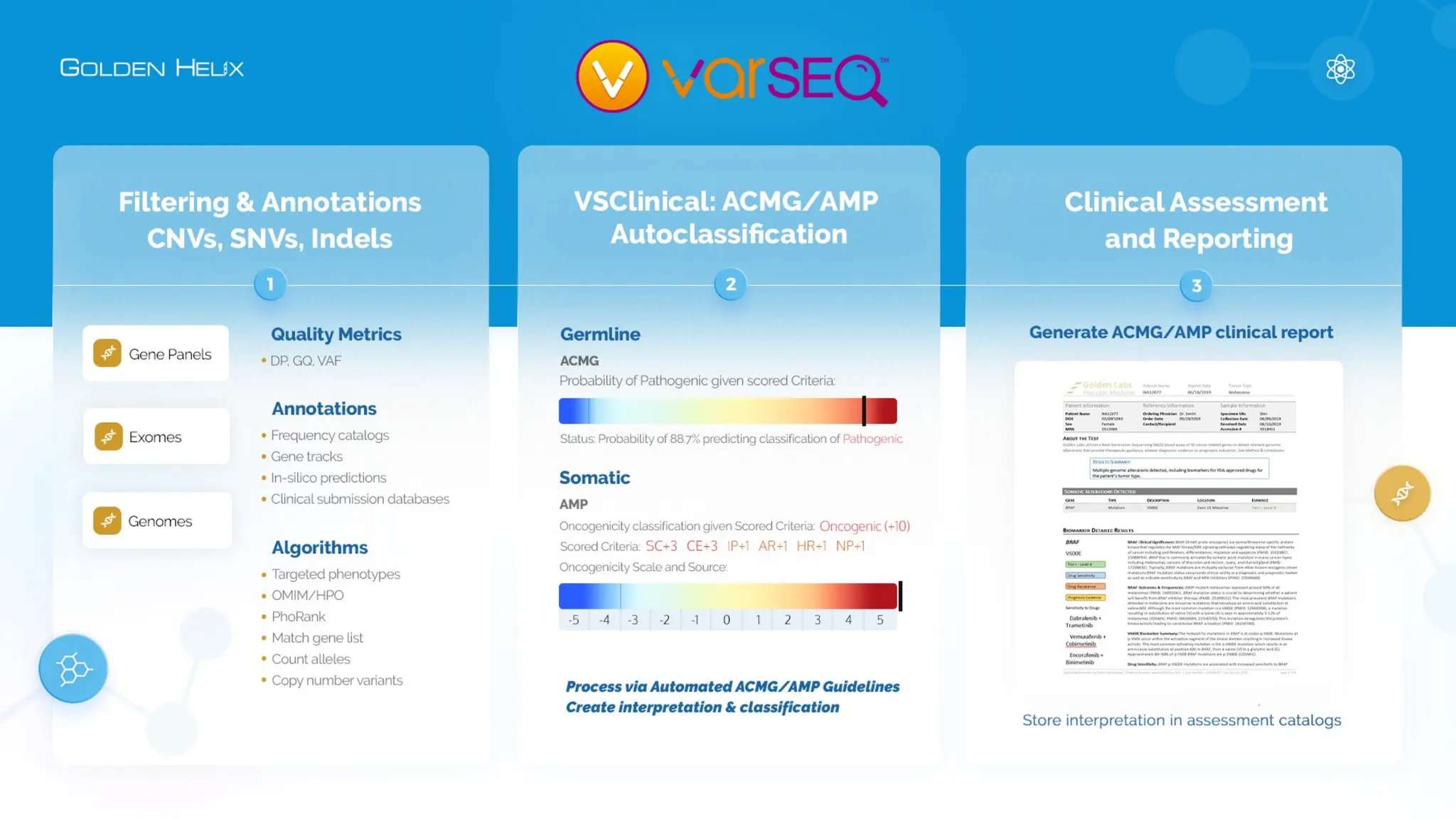
  • #8 So now regardless of the sequencing approach you take, VarSeq gives you a streamlined way to conduct tertiary analyses as efficiently as possible. VarSeq software provides the interface that can create comprehensive workflows on both short and long read data, and our partnership with Sentieon also has you covered on the secondary analysis front if needed. It’s simplest to separate VarSeq into three steps. Step 1 is to import the full list of variants, SNPs and indels, and CNVs and SVs, from both long and short read pipelines. Imprted variants can then be annotated against several data resources that are available within the software to build a variant filtering strategy. In this step we also enable you to see variant phasing and look at other features such as methylated regions. The goal is then by the end of step 1, there are a select few that are carried into the VSClinical interpretation hub in Step 2. VSClinical houses the automated ACMG and AMP guidelines for evaluation of your germline and somatic variants. Here you will assess every available layer of evidence for a variant, draft and catalog comprehensive interpretations and ultimately complete step 3 which is to render your customized clinical reports. We ship a number of example report templates but know that users have a wide spectrum of report customization options that are rendered with a click of a button.
  • #9 Traditionally genetic tests in cancer have focused on small gene panels that include just the most common 50 or so genes, where the test is only looking at small gene mutations such as BRAF V600E. However, there are many other classes of variants that we can’t capture with these small gene panels. In general, in the NGS space, both genome and exome sequencing are becoming very cost effective and with this increase in affordability, we are naturally seeing a trend toward whole exome and genome sequencing, away from small gene panels. The decrease in sample sequencing cost has also resulted in a surge in tumor normal workflows. Tumor normal analysis has been able to provide the most accurate TMB calculations. In addition, there is new generation of genomic tests in cancer called Comprehensive Genomic Profiling Tests. These tests are looking at more than one type of mutation that can drive oncogenesis. In some cases we are looking for specific mutations that activate oncogenes. These can be missense mutations and in-frame insertions or deletions but can also include gene fusions and copy number amplifications. These tests also look for mutations that inhibit tumor suppressor genes, such as full gene deletions, nonsense or frameshift mutations, and disabling fusions. Finally, there is the question of what is going on at the genome scale for this tumor. This information is quantified using metrics called genomic signatures, which provide useful supporting information about how the cancer can be treated. This includes metrics like tumor mutational burden, which was mentioned earlier, and microsatellite instability. All of these can play into the final drug recommendations to patients driving persomized medicine and precision oncology. And of course all of this data can be rendered into the final clinical report.
  • #10 Here I wanted to highlight one of the tools that help expedite variant filtration and prioritization, whether you are working with a tumor only workflow, or a tumor and normal pair. The cancery classifier was added in VarSeq version 2.5.0. It functions similarly to how our ACMG classifier works, the cancer classifier will leverage various data sources, from population catalogs, to in-silico functional prediction tools to help you easily identify driver mutations and filter out variants that are likely benign. This classifier is based on an additive scoring system in which a variant is categorized into one of four classification based on a set of thresholds. Specifically, scores exceeding a threshold of 3 are classified as likely oncogenic or oncogenic, while scores falling below a threshold of -3 are classified as benign or likely benign. If you would like to learn more about our cancer classifier, please see our September 2023 webcast which does an excellent job breaking down these scoring metrics. With our different tools, including the cancer classifier, we are able to develop any workflow we need with VarSeq.
  • #11 Let’s take a look at the other levels of diagnostic information we can apply inside of VSClinical. Within VSClinical, we can interpret our filtered set of somatic variants, import comprehensive genomic signatures, and apply our proprietary CancerKB database for expert level interpretations. As you can imagine, capturing all of the relevant evidence to determine the tier level of a given biomarker is a large undertaking, which is why having a tool like VSClinical is vital to performing these evaluations in a streamlined way. Our developers always endeavor to stay ahead of the curve with updates in the cancer genomics field, so users don’t have to worry about building bioinformatic pipelines to keep up with the latest tests and technology. As mentioned, VSClinical AMP supports the range of comprehensive genomic profiling and we provide custom evaluation scripts built in with the software to bring in the output from your TSO-500 kits and others such as Ion Torrent, Archer and more.   VSClinical presents the relevant clinical evidence in a streamlined user-friendly interface and our cancer classifier guides the user through an assessment of each variant’s oncogenicity through a series of easy-to-understand questions which will be automatically answered whenever possible.   We are going to be talking about this a lot for the remainder of the presentation but in brief, CancerKB is our variant interpretation database containing high-quality expert-curated gene, and biomarker interpretations in various human cancers along with clinical information such as drug sensitivity, resistance, prognostic and diagnostic implications for those biomarkers. Coupled with our CancerKB driven biomarker analysis, VSClinical also incorporates automated matching for global clinical trials. 
  • #12 The CancerKB database is used for both the Cancer Classifier and within VSClinical, but let’s talk about the data within the database. CancerKB contains written clinical interpretations for cancer biomarkers and cancer genes. These professional and report-ready interpretations include tumor type specific outcomes and frequencies, NGS and genomic signature biomarker summaries, clinical drug sensitivity, drug resistance, prognostic and diagnostic evidence with assigned tier levels in concordance with the AMP Guidelines. For cancer genes specifically, the CancerKB genes track includes per gene cancer hallmarks, oncogene or tumor suppressor role designations, and relevant germline and somatic tumor types. CancerKB is systematically curated with the latest literature and resources in cancer field by our in-house team of expert curators, who have extensive experience in clinical oncology. Part of the systematic curation process is releasing an updated version of the database every month to include new and changed FDA approvals and changes in patient treatment information from professional guidelines. The goal of CancerKB is to save you time and increase lab throughput ultimately helping to get patients a comprehensive personalized list of treatments and clinical trials as efficiently as possible. This is accomplished by VSClinical automating the application of cancerKb so once a variant is added to an evaluation, all available interpretations about that gene and biomarker along with treatment options will automatically fill in. It helps to reduce the risk of human error, thus reducing the amount of re-work associated with generating evaluations and reports. CancerKb’s high quality write ups from experts in the field are consistently formatted and phrased in report ready language. Using other systems, there may be multiple competing write ups, then users are faced with a decision of which do I choose? CancerKb helps to avoid this issue as information in the interpretations has already been consolidated and the database is kept up-do-date.   The CancerKB database is designed to allow the expansion of your variant knowledge base and harmonize the variant interpretations. Once these interpretations are saved into your assessment catalogs, each user within the lab will be applying the same interpretations consistently in evaluations and reports. I think its worth taking a look at CancerKB over its lifetime to highlight what kind of interpretations are inside the database and how it has evolved to keep up with advancements and changes in the cancer field.
  • #13 CancerKB was released almost 5 years ago and has been keeping up with the ever-growing cancer knowledge and advancements in the cancer field. Initially starting with 429 total features or interpretations. Early on, CancerKB focused on key cancer biomarkers and drug sensitivities and resistances. In the following year, 2021, We can see in the graph represented by the dark blue bar steady growth in CancerKB interpretations and in particular we introduced diagnostic interpretations for cancerKB. In 2022, looking at the gold bar in the graph, CancerKB interpretations more than doubled. This was due to the introduction of the TSO 500 assay so CancerKB the housed interpretations for all of the genes covered by the TSO 500 kits. This also resulted in the need to cover combination biomarkers and the introduction of genomic signature interpretations like MSI, TMB and HRD. The final addition to CancerKB in that year was to create drug specific interpretations to pair with the drug therapy interpretations. In 2023 the focus for CancerKB was to capture lesser known cancer genes and expandi the knowledgebases’s tier II level interpretations. 2023 also introduced the genes track to capture the functional role and cancer hallmarks for cancer genes. And now we will focus on whats happened in 2024 with CancerKB. We have been focused on strengthening the diagnostic and prognostic interpretations.
  • #14 Since we will be focused on hematological malignancies going forward, I want to emphasize how relevant these cancers are in the NGS space. According to the American Cancer Society facts and figures approximately every 3 minutes one person in the US alone is diagnosed with leukemia, lymphoma or myeloma representing 10% of new cancer cases a year. Because of cancer research and advancements in cancer treatments survival rates are climbing for the most prominent blood cancers. NGS now plays a central role in hematological cancers as Liquid biopsy has emerged as a groundbreaking approach in the diagnosis, disease monitoring, and treatment planning for patients with cancer. In 2022 the World Health Organization updated their classifications specifically in hematological cancers to expand classifications to subtypes defined by genetic abberations, which we will see in a few of our example cases in the demo later in the presentation.
  • #15 Over the years, we heard from many of our customers that diagnostic and prognostic information in CancerKB is highly sought after because it saved them from having to scour the NCCN and WHO guidelines and the International Consensus Classification (ICC) for the latest information on tumor classification, diagnostics and outcomes as this is a very time consuming process. It also can be very difficult to interpret and harmonize between the different classifications from NCCN, WHO and ICC as well. So this past year the curation team prioritized generating these diagnostic and prognostic interpretations. We started with the most prominent hematological cancers because they are historically more difficult to classify and diagnose than solid tumors, but this will of course be an ongoing process in which we hope to also generate these interpretations more completely for solid tumors as well. The diagnostic interpretations contain information about the presence or absence of a specific biomarker for disease as well as additional tests that may aid in diagnosis. The prognostic interpretations will address if a mutation is associated with improved or worse overall or 5 year survival, a more aggressive tumor, and risk for disease transformation. All of the information to build the interpretations was derived from the NCCN Guidelines, WHO guidelines and ICC with support publications for the most prominent and most complex blood cancers namely, AML-Acute myeloid Leukemia ALL- Acute Lymphoid Leukemia MPN- Myeloproliferative Neoplasms MDS- Myelodysplastic Syndromes CLL- Chronic Lymphocytic leukemia CML- Chronic Myelogenous Leukemia To accompany these new diagnostic and prognostic interpretations, we curated all FDA approved and NCCN guidelines recommended drug treatments for all hematological cancers, not just the most prominent that I just listed, thus why this released has been termed the hematological release.
  • #16 Guided by the new diagnostic/prognostic and therapeutic interpretations, CancerKB 4.0 expanded in other ways too! This graphic shows us that the diagnostic evidence added to CancerKB doubled the number of interprtations that were in the 3.0 release. In addition coverage of both the FDA and NCCn guidelines for drug therapies resulted int over 200 more interpretations. As we added these new therapeutic interpretations this prompted the addition of new cancer genes and biomarkers bringing up the total umber of genes to nearly 1000 and we added over 150 new biomarkers since the last release of CancerKB. So to bring everything full circle, everything I have discussed in the past couple of slides is made available to you within VSClinical by applying CancerKB to your workflow so you can easily generate clinical reports!
  • #17 Following variant interpretation and classification the user can easily and quickly create standardized clinical reports. All the relevant annotation and cataloged evidence for a variant is automatically populated into the report which is critical for eliminating copy and paste errors, and the reports are entirely customizable. As I mentioned earlier, the time to reporting is reduced even more when taking advantage of the CancerKB database with your internal assessment catalog containg predefined clinical assessments.
  • #18 Ok we have finally arrived to the best part of the webinar, the VSClinical demonstration showing CancerKB 4.0 in all of its glory! I have selected a handful of examples that I think do a nice job of showing the value and necessity of both the diagnostic and prognostic interpretations. I will start with some more straightforward examples and then show 2 more complex examples. First, we will take a look at a mutation in the KIT gene paired with a fusion which diagnostically defines a subtype of AML- AML with recurrent abnormalities. Next we will move into the world of B-ALL and first look at an ETV6::RUNX1 fusion which diagnoses a subtype of B-ALL and see our first prognostic interpretation example in pediatric patients. In the second B-ALL example, we will look at the well known N159Y mutation in the IKZF1 gene, which is a key diagnostic feature indicating a germline predisposition to B-ALL. In the next example we will see how SF3B1 mutations have both diagnostic and prognostic value in MDS The first more complex example we will explore is ASXL1 in a couple different myeloid neoplasms. In general ASXL1 in myeloid neoplasms is associated with a poor prognosis and disease progression overall but has interesting disease specific prognostic and diagnostic intricacies for certain cancer types. The second complex and final example we will see is the role of JAK2, CALR, and MPL mutations in Myeloproliferative neoplasms. Alright enough talking about it, let’s go be about it!
  • #20 Before we start diving into the subject, I wanted mention our appreciation for our grant funding from NIH. The research reported in this publication was supported by the National institute of general medical sciences of the national institutes of health under the listed awards. We are also grateful to have received local grant funding from the state of Montana. Our PI is Dr. Andreas Scherer who is also the CEO at Golden Helix and the content described today is the responsibility of the authors and does not officially represent the views of the NIH. So with that covered, Before diving into today's topic, I'd like to offer some background and context on what Golden Helix brings to the table as a company