“Student Mental Health- Challenges &
Needs”
“Our youth love fun and luxury: they have bad manners, contempt for
authority; they show disrespect for elders and like chattering in place of
work. Children are now tyrants, not the servants of their
households. They no longer rise to their feet when elders enter the
room. They contradict their parents, gobble up their food and tyrannize
their teachers.”
Socrates;- 300B.C
Stress has created some changes in youths life
style or vice versa ....lifestyle has created stress
in youth
Academic dysfunction, reasons and
management
Studies have shown that about 50% students suffer
from health problems. 15% Psychological problems
Psychological problems affect academics,
relationships, and personality development of
students
Academic problems Psychological problems
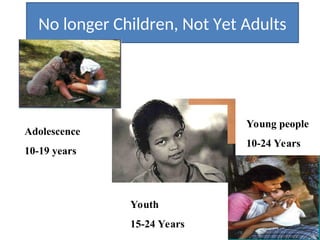
No longer Children, Not Yet Adults
Adolescence
10-19 years
Youth
15-24 Years
Young people
10-24 Years
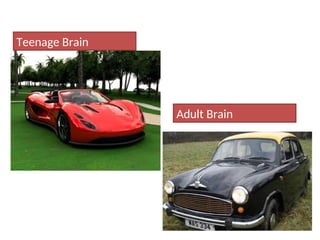
Teenage Brain
Adult Brain
PRESSURE
• Pressure to perform
• Pressure to conform
• Pressure to reform
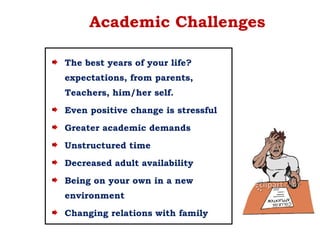
Academic Challenges
The best years of your life?
expectations, from parents,
Teachers, him/her self.
Even positive change is stressful
Greater academic demands
Unstructured time
Decreased adult availability
Being on your own in a new
environment
Changing relations with family
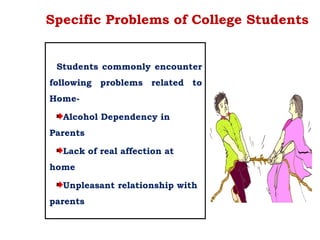
Specific Problems of College Students
Students commonly encounter
following problems related to
Home-
Alcohol Dependency in
Parents
Lack of real affection at
home
Unpleasant relationship with
parents
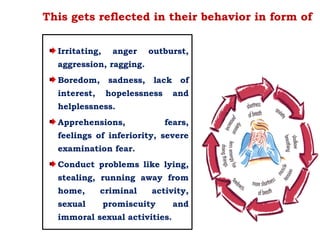
This gets reflected in their behavior in form of
Irritating, anger outburst,
aggression, ragging.
Boredom, sadness, lack of
interest, hopelessness and
helplessness.
Apprehensions, fears,
feelings of inferiority, severe
examination fear.
Conduct problems like lying,
stealing, running away from
home, criminal activity,
sexual promiscuity and
immoral sexual activities.
Alcohol and substance
abuse and addictions.
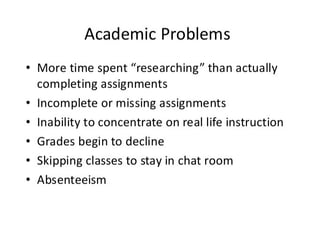
Absenteeism, irregular to
attend the class dropping
out from the college, poor
performance or failure in
examinations.
Having medically
unexplained somatic
symptoms, often getting
sick.
Suicidal attempts.
Cont….
Common Psychological Causes of academic
dysfunction
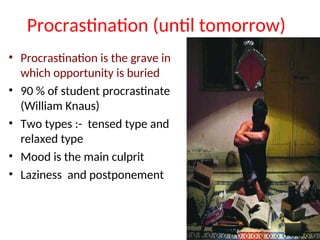
Procrastination (until tomorrow)
• Procrastination is the grave in
which opportunity is buried
• 90 % of student procrastinate
(William Knaus)
• Two types :- tensed type and
relaxed type
• Mood is the main culprit
• Laziness and postponement
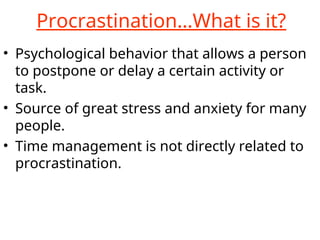
Procrastination…What is it?
• Psychological behavior that allows a person
to postpone or delay a certain activity or
task.
• Source of great stress and anxiety for many
people.
• Time management is not directly related to
procrastination.
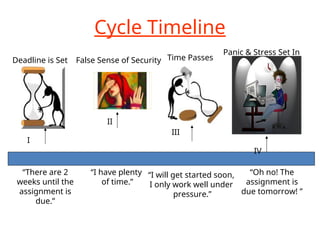
Cycle Timeline
“There are 2
weeks until the
assignment is
due.”
I
II
III
IV
False Sense of Security
Deadline is Set
“I have plenty
of time.”
“I will get started soon,
I only work well under
pressure.”
“Oh no! The
assignment is
due tomorrow! ”
Panic & Stress Set In
Time Passes
Negative Effects of Procrastination
• Stress/Anxiety
• Neglecting their Health
• Irritability/Bad Mood
• Not Achieving their Full
Potential
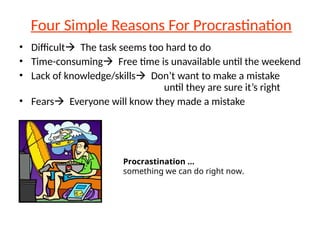
Four Simple Reasons For Procrastination
• Difficult The task seems too hard to do
• Time-consuming Free time is unavailable until the weekend
• Lack of knowledge/skills Don’t want to make a mistake
until they are sure it’s right
• Fears Everyone will know they made a mistake
Procrastination ...
something we can do right now.
Four Complex Reasons For
Procrastination
• Perfectionism 1. “If you can’t do it right, don’t do it at all”
2. May delay starting a project
3. Creates dissatisfaction & frustration
• Anger/Hostility 1. Withhold best efforts out of spite
2. Getting Even
• Low Frustration Tolerance 1. Feeling
overwhelmed
2. Unfairness
• Self-Downing 1. Minimize your skills/abilities
2. Attribute success to luck
3. Cannot accept praise for work accomplished
Helpful Techniques
• Write down your tasks in a visible place with their due dates
• Make the tasks look easy in your mind
• Have a 5 minute plan: start a task for 5 minutes, eventually you
will want to complete it
• Break the task into components
• Tackle each component separately
• Modify your environment to encourage accomplishing the task
• Tell your family/friends about your goal; they will motivate you
along the way
• REWARD yourself for a job well done!
Other tips…
Do’s:
• Change your thoughts
• Engage in physical activity
(exercise)
• Give yourself some alone time
(15 – 30 min. without
distractions)
• Increase alertness by changing
your position or stretching for a
few minutes (important thing is
movement!)
Don’ts:
• Criticize yourself!
• Anticipate catastrophe
• Focus on faults,
inadequacies, things left
undone
What is exam stress/anxiety?
• Exam anxiety can manifest in several ways:
• Pre-exam stress/anxiety (intense worry, tension, disturbed
sleep, uneasiness and agitation in the lead up to exams)
or
• Within-exam stress/anxiety (feeling anxious in the exam,
going blank or being unable to recall information that they
know , having difficulty breathing or panicking when they
don’t know the answer to a question)
»Or both!
Reasons for examination anxiety
• Lack of preparation
• Past experiences of blanking out or performing
badly in exams
• Focusing too much on outcome
• Focusing too much on how other classmates
and friends are doing
• Issues outside of school distracting him from
studying for or concentrating on exam
Cont…
• Lack of confidence or low self-esteem.
• Pressure from family or teachers in their past or present
• Having perfectionistic expectations of them self
• A general fear of failure.
• A fear of getting anxious, in other words, they have developed a fear
of fear.
• They usually worry that they won’t remember under pressure
Symptoms you might experience
• Physical Symptoms
• Behavioural Symptoms
• Emotional Symptoms
• Cognitive Symptoms
Not all stress/anxiety is bad!
• Good stress/anxiety: Motivates them to stay focused
on study
• Bad stress/anxiety: Interferes with their preparing for
exams and conveying what they know in the exam
room
• REMEMBER: Anxiety is unpleasant but it can’t hurt
them. Accepting anxiety helps them to cope better
with it.
• If they focus on relaxing, anxiety recedes
Managing pre-exam anxiety…
• Relaxation
• Healthy lifestyle
• Time management
• Practical preparation
• Get a good night’s sleep the night before
• Get there in good time
• Visualise success
• Make positive self-statements
Managing within-exam anxiety…
• Relaxation/deep breathing
• Focusing
• Thought stopping
• Positive self-statements
The role of the Cognitive-Affective Behavioural Cycle
• This means that the way we
» THINK
• Affects the way we
» FEEL
• And this influences how we
» BEHAVE
So, unhelpful ways of thinking…
• Self critical thoughts:
• I know I’ve messed up
• I am not ready
• I must be stupid
• I can’t do this
• It’s not going well
Helpless and hopeless
thoughts:
• What’s the use?
• Why am I doing this?
• I have no future in this
• I don’t have enough time
• There’s too much to cover
Medications
Medications relieve Anxiety
Medications are used when
1. Anxiety is very severe
2. There is a past history of absence from exams because of extreme
anxiety
3. Suicidal attempts due to anxiety
 Medications are temporary and tapered and stopped after the exams
 Medications work better if started at least one month before exams
 In a known case of examination anxiety, relaxation exercises are
taught, to be practiced regularly. thinking errors are identified and
rectified.
 Mock exams to improve confidence are conducted
 Advice regarding regular sleep and eating habits are given and
monitored.
Poor study skills contribute to
• Poor college performance
• Examination anxiety
• Study skills are never taught in any course
life style changes
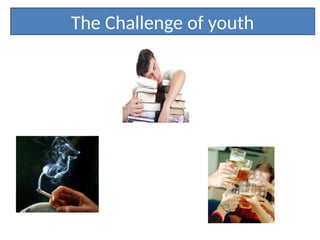
The Challenge of youth
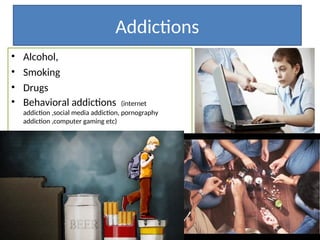
Addictions
• Alcohol,
• Smoking
• Drugs
• Behavioral addictions (internet
addiction ,social media addiction, pornography
addiction ,computer gaming etc)
Substance Abuse
Alcoholism
Tobacco abuse: chewing & smoking tobacco
Drugs abuse:
 Narcotic – opium, morphine, heroin, brown sugar
 Stimulants – cocaine, amphetamines, crack
 Hallucinogens – LSD, marijuana, ganja, bhang,
hashish, charas
 OPIOIDS – heroin, morphine, pethidine, methadone,
Cannabis
 Others – Xerox ink, petrol, nail polish remover, Iodex
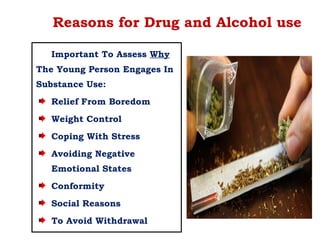
Reasons for Drug and Alcohol use
Important To Assess Why
The Young Person Engages In
Substance Use:
Relief From Boredom
Weight Control
Coping With Stress
Avoiding Negative
Emotional States
Conformity
Social Reasons
To Avoid Withdrawal
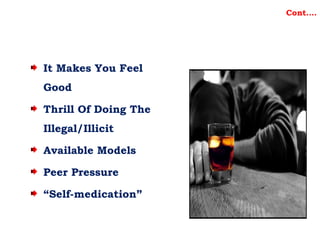
It Makes You Feel
Good
Thrill Of Doing The
Illegal/Illicit
Available Models
Peer Pressure
“Self-medication”
Cont….
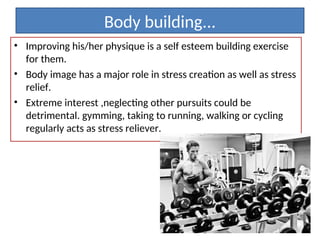
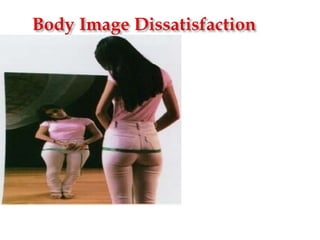
Body building...
• Improving his/her physique is a self esteem building exercise
for them.
• Body image has a major role in stress creation as well as stress
relief.
• Extreme interest ,neglecting other pursuits could be
detrimental. gymming, taking to running, walking or cycling
regularly acts as stress reliever.
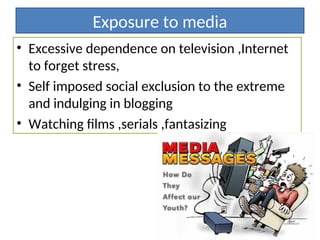
Exposure to media
• Excessive dependence on television ,Internet
to forget stress,
• Self imposed social exclusion to the extreme
and indulging in blogging
• Watching films ,serials ,fantasizing
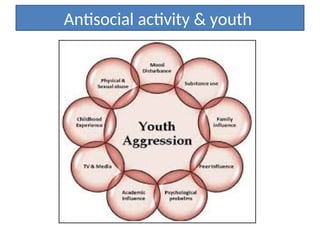
Antisocial activity & youth
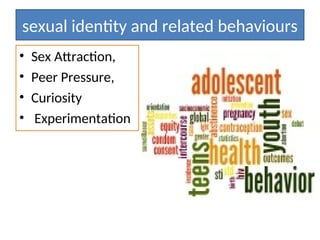
sexual identity and related behaviours
• Sex Attraction,
• Peer Pressure,
• Curiosity
• Experimentation
Behavioural Addiction
Mind during Online
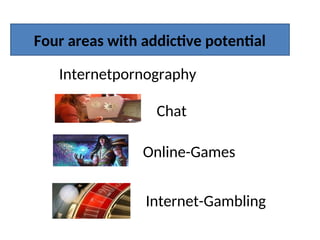
Four areas with addictive potential
Internetpornography
Chat
Online-Games
Internet-Gambling
Types of Internet Addiction
• Web surfer
• Pornography/Cybersexual
• Chat rooms/online dating/social
networking
• Gaming (video/computer) and online
gambling
Signs of Addiction
• Four common symptoms
– Obsession
– Loss of control
– Negative consequences
– Denial
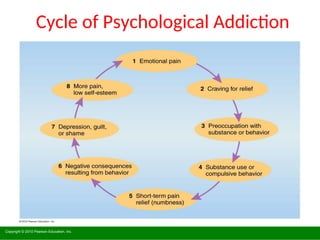
Cycle of Psychological Addiction
Copyright © 2010 Pearson Education, Inc.
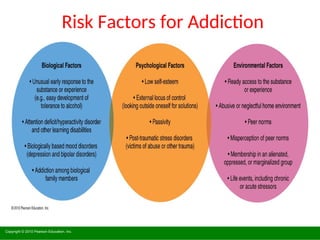
Risk Factors for Addiction
Copyright © 2010 Pearson Education, Inc.
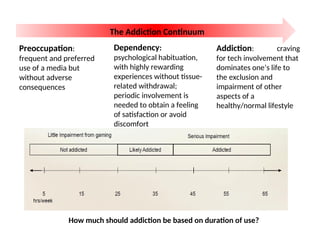
Dependency:
psychological habituation,
with highly rewarding
experiences without tissue-
related withdrawal;
periodic involvement is
needed to obtain a feeling
of satisfaction or avoid
discomfort
Addiction: craving
for tech involvement that
dominates one’s life to
the exclusion and
impairment of other
aspects of a
healthy/normal lifestyle
Preoccupation:
frequent and preferred
use of a media but
without adverse
consequences
The Addiction Continuum
How much should addiction be based on duration of use?
How Addiction Affects Family and Friends
• In codependence, a person is “addicted to the
addict”; the person assumes responsibility for
meeting the addict’s need and neglects his or her
own needs.
• Enablers are people who knowingly or
unknowingly protect addicts from the natural
consequences of their actions.
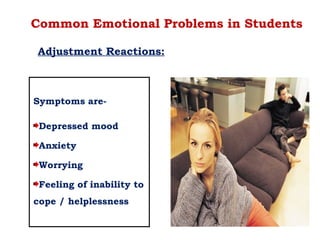
Common Emotional Problems in Students
Adjustment Reactions:
Symptoms are-
Depressed mood
Anxiety
Worrying
Feeling of inability to
cope / helplessness
Dramatic & attention seeking behavior
Outburst of anger & violence, suicidal attempts
Antisocial behaviors
The onset is usually with in one month of the
occurrence of the stressful event or life
change. It lasts for short period only.
Cont….
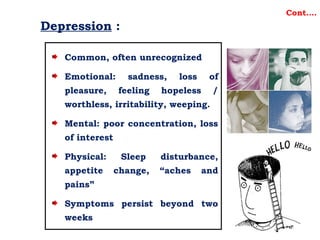
Depression :
Common, often unrecognized
Emotional: sadness, loss of
pleasure, feeling hopeless /
worthless, irritability, weeping.
Mental: poor concentration, loss
of interest
Physical: Sleep disturbance,
appetite change, “aches and
pains”
Symptoms persist beyond two
weeks
Cont….
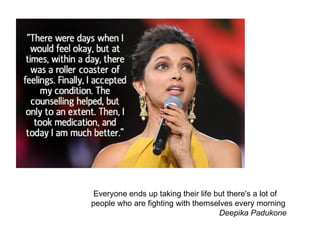
Everyone ends up taking their life but there's a lot of
people who are fighting with themselves every morning
Deepika Padukone
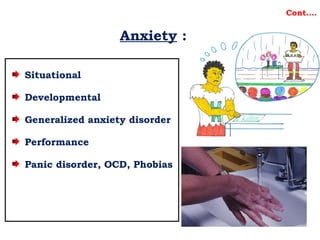
Anxiety :
Situational
Developmental
Generalized anxiety disorder
Performance
Panic disorder, OCD, Phobias
Cont….
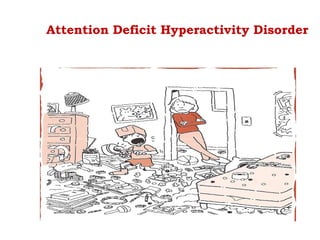
Attention Deficit Hyperactivity Disorder
What is ADD?
• ADD is a brain-based disorder
• It is characterized by inattention and/or
hyperactivity
• It interfere with one’s academic achievement, self-
esteem, and professional and personal
relationships
• Approximately one to three percent of college
students affected
• More common in males
Inattention
• Difficulty organizing tasks
• Problems with misplacing things needed for
tasks
• Becoming easily distracted by external stimuli
• Difficulty remembering daily activities
Hyperactivity
Hyperactivity
• Experiences restlessness
• Difficulty to remaining
• Difficulty to listening to others
• Becomes easily distracted while reading
Impulsiveness
• Speaks or acts without considering the
consequence talks excessively
• Has difficulty taking turns
• Has need for high stimulus activity
Problem s for ADD students in
College
• ADD student requires three times as much
study time as the average student
• Performance usually does not match
knowledge/ability in ADD students
• Have problems in paper pencil examination
• Have disruptive behaviour in class
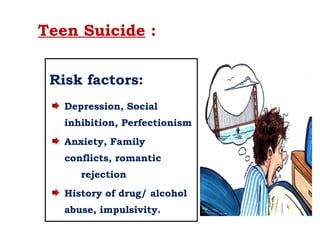
Teen Suicide :
Risk factors:
Depression, Social
inhibition, Perfectionism
Anxiety, Family
conflicts, romantic
rejection
History of drug/ alcohol
abuse, impulsivity.
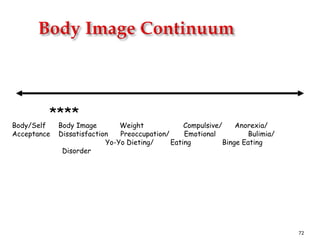
72
****
Body/Self Body Image Weight Compulsive/ Anorexia/
Acceptance Dissatisfaction Preoccupation/ Emotional Bulimia/
Yo-Yo Dieting/ Eating Binge Eating
Disorder
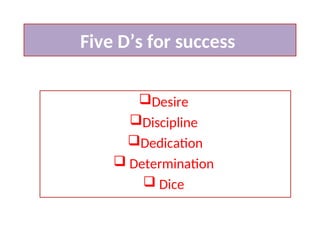
Five D’s for success
Desire
Discipline
Dedication
 Determination
 Dice
Take Home message
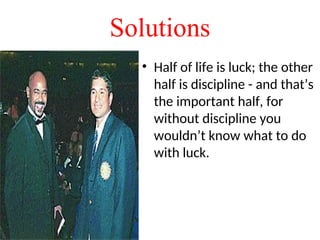
• Half of life is luck; the other
half is discipline - and that’s
the important half, for
without discipline you
wouldn’t know what to do
with luck.
Solutions
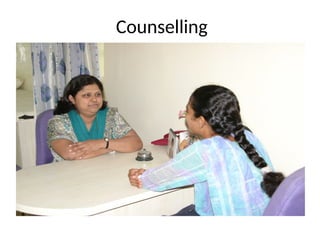
Counselling
Questions
THANK
YOU

Student Mental Health- Challenges & Needs.ppt

  • 1.
    “Student Mental Health-Challenges & Needs”
  • 2.
    “Our youth lovefun and luxury: they have bad manners, contempt for authority; they show disrespect for elders and like chattering in place of work. Children are now tyrants, not the servants of their households. They no longer rise to their feet when elders enter the room. They contradict their parents, gobble up their food and tyrannize their teachers.” Socrates;- 300B.C
  • 4.
    Stress has createdsome changes in youths life style or vice versa ....lifestyle has created stress in youth
  • 5.
    Academic dysfunction, reasonsand management Studies have shown that about 50% students suffer from health problems. 15% Psychological problems Psychological problems affect academics, relationships, and personality development of students Academic problems Psychological problems
  • 6.
    No longer Children,Not Yet Adults Adolescence 10-19 years Youth 15-24 Years Young people 10-24 Years
  • 7.
  • 8.
    PRESSURE • Pressure toperform • Pressure to conform • Pressure to reform
  • 9.
    Academic Challenges The bestyears of your life? expectations, from parents, Teachers, him/her self. Even positive change is stressful Greater academic demands Unstructured time Decreased adult availability Being on your own in a new environment Changing relations with family
  • 10.
    Specific Problems ofCollege Students Students commonly encounter following problems related to Home- Alcohol Dependency in Parents Lack of real affection at home Unpleasant relationship with parents
  • 11.
    This gets reflectedin their behavior in form of Irritating, anger outburst, aggression, ragging. Boredom, sadness, lack of interest, hopelessness and helplessness. Apprehensions, fears, feelings of inferiority, severe examination fear. Conduct problems like lying, stealing, running away from home, criminal activity, sexual promiscuity and immoral sexual activities.
  • 12.
    Alcohol and substance abuseand addictions. Absenteeism, irregular to attend the class dropping out from the college, poor performance or failure in examinations. Having medically unexplained somatic symptoms, often getting sick. Suicidal attempts. Cont….
  • 13.
    Common Psychological Causesof academic dysfunction
  • 14.
    Procrastination (until tomorrow) •Procrastination is the grave in which opportunity is buried • 90 % of student procrastinate (William Knaus) • Two types :- tensed type and relaxed type • Mood is the main culprit • Laziness and postponement
  • 15.
    Procrastination…What is it? •Psychological behavior that allows a person to postpone or delay a certain activity or task. • Source of great stress and anxiety for many people. • Time management is not directly related to procrastination.
  • 16.
    Cycle Timeline “There are2 weeks until the assignment is due.” I II III IV False Sense of Security Deadline is Set “I have plenty of time.” “I will get started soon, I only work well under pressure.” “Oh no! The assignment is due tomorrow! ” Panic & Stress Set In Time Passes
  • 17.
    Negative Effects ofProcrastination • Stress/Anxiety • Neglecting their Health • Irritability/Bad Mood • Not Achieving their Full Potential
  • 18.
    Four Simple ReasonsFor Procrastination • Difficult The task seems too hard to do • Time-consuming Free time is unavailable until the weekend • Lack of knowledge/skills Don’t want to make a mistake until they are sure it’s right • Fears Everyone will know they made a mistake Procrastination ... something we can do right now.
  • 19.
    Four Complex ReasonsFor Procrastination • Perfectionism 1. “If you can’t do it right, don’t do it at all” 2. May delay starting a project 3. Creates dissatisfaction & frustration • Anger/Hostility 1. Withhold best efforts out of spite 2. Getting Even • Low Frustration Tolerance 1. Feeling overwhelmed 2. Unfairness • Self-Downing 1. Minimize your skills/abilities 2. Attribute success to luck 3. Cannot accept praise for work accomplished
  • 20.
    Helpful Techniques • Writedown your tasks in a visible place with their due dates • Make the tasks look easy in your mind • Have a 5 minute plan: start a task for 5 minutes, eventually you will want to complete it • Break the task into components • Tackle each component separately • Modify your environment to encourage accomplishing the task • Tell your family/friends about your goal; they will motivate you along the way • REWARD yourself for a job well done!
  • 21.
    Other tips… Do’s: • Changeyour thoughts • Engage in physical activity (exercise) • Give yourself some alone time (15 – 30 min. without distractions) • Increase alertness by changing your position or stretching for a few minutes (important thing is movement!) Don’ts: • Criticize yourself! • Anticipate catastrophe • Focus on faults, inadequacies, things left undone
  • 22.
    What is examstress/anxiety? • Exam anxiety can manifest in several ways: • Pre-exam stress/anxiety (intense worry, tension, disturbed sleep, uneasiness and agitation in the lead up to exams) or • Within-exam stress/anxiety (feeling anxious in the exam, going blank or being unable to recall information that they know , having difficulty breathing or panicking when they don’t know the answer to a question) »Or both!
  • 23.
    Reasons for examinationanxiety • Lack of preparation • Past experiences of blanking out or performing badly in exams • Focusing too much on outcome • Focusing too much on how other classmates and friends are doing • Issues outside of school distracting him from studying for or concentrating on exam
  • 24.
    Cont… • Lack ofconfidence or low self-esteem. • Pressure from family or teachers in their past or present • Having perfectionistic expectations of them self • A general fear of failure. • A fear of getting anxious, in other words, they have developed a fear of fear. • They usually worry that they won’t remember under pressure
  • 25.
    Symptoms you mightexperience • Physical Symptoms • Behavioural Symptoms • Emotional Symptoms • Cognitive Symptoms
  • 26.
    Not all stress/anxietyis bad! • Good stress/anxiety: Motivates them to stay focused on study • Bad stress/anxiety: Interferes with their preparing for exams and conveying what they know in the exam room • REMEMBER: Anxiety is unpleasant but it can’t hurt them. Accepting anxiety helps them to cope better with it. • If they focus on relaxing, anxiety recedes
  • 27.
    Managing pre-exam anxiety… •Relaxation • Healthy lifestyle • Time management • Practical preparation • Get a good night’s sleep the night before • Get there in good time • Visualise success • Make positive self-statements
  • 28.
    Managing within-exam anxiety… •Relaxation/deep breathing • Focusing • Thought stopping • Positive self-statements
  • 29.
    The role ofthe Cognitive-Affective Behavioural Cycle • This means that the way we » THINK • Affects the way we » FEEL • And this influences how we » BEHAVE
  • 30.
    So, unhelpful waysof thinking… • Self critical thoughts: • I know I’ve messed up • I am not ready • I must be stupid • I can’t do this • It’s not going well Helpless and hopeless thoughts: • What’s the use? • Why am I doing this? • I have no future in this • I don’t have enough time • There’s too much to cover
  • 31.
    Medications Medications relieve Anxiety Medicationsare used when 1. Anxiety is very severe 2. There is a past history of absence from exams because of extreme anxiety 3. Suicidal attempts due to anxiety  Medications are temporary and tapered and stopped after the exams  Medications work better if started at least one month before exams  In a known case of examination anxiety, relaxation exercises are taught, to be practiced regularly. thinking errors are identified and rectified.  Mock exams to improve confidence are conducted  Advice regarding regular sleep and eating habits are given and monitored.
  • 32.
    Poor study skillscontribute to • Poor college performance • Examination anxiety • Study skills are never taught in any course
  • 33.
  • 34.
  • 35.
    Addictions • Alcohol, • Smoking •Drugs • Behavioral addictions (internet addiction ,social media addiction, pornography addiction ,computer gaming etc)
  • 36.
    Substance Abuse Alcoholism Tobacco abuse:chewing & smoking tobacco Drugs abuse:  Narcotic – opium, morphine, heroin, brown sugar  Stimulants – cocaine, amphetamines, crack  Hallucinogens – LSD, marijuana, ganja, bhang, hashish, charas  OPIOIDS – heroin, morphine, pethidine, methadone, Cannabis  Others – Xerox ink, petrol, nail polish remover, Iodex
  • 37.
    Reasons for Drugand Alcohol use Important To Assess Why The Young Person Engages In Substance Use: Relief From Boredom Weight Control Coping With Stress Avoiding Negative Emotional States Conformity Social Reasons To Avoid Withdrawal
  • 38.
    It Makes YouFeel Good Thrill Of Doing The Illegal/Illicit Available Models Peer Pressure “Self-medication” Cont….
  • 39.
    Body building... • Improvinghis/her physique is a self esteem building exercise for them. • Body image has a major role in stress creation as well as stress relief. • Extreme interest ,neglecting other pursuits could be detrimental. gymming, taking to running, walking or cycling regularly acts as stress reliever.
  • 40.
    Exposure to media •Excessive dependence on television ,Internet to forget stress, • Self imposed social exclusion to the extreme and indulging in blogging • Watching films ,serials ,fantasizing
  • 41.
  • 42.
    sexual identity andrelated behaviours • Sex Attraction, • Peer Pressure, • Curiosity • Experimentation
  • 43.
  • 44.
  • 45.
    Four areas withaddictive potential Internetpornography Chat Online-Games Internet-Gambling
  • 46.
    Types of InternetAddiction • Web surfer • Pornography/Cybersexual • Chat rooms/online dating/social networking • Gaming (video/computer) and online gambling
  • 47.
    Signs of Addiction •Four common symptoms – Obsession – Loss of control – Negative consequences – Denial
  • 48.
    Cycle of PsychologicalAddiction Copyright © 2010 Pearson Education, Inc.
  • 49.
    Risk Factors forAddiction Copyright © 2010 Pearson Education, Inc.
  • 52.
    Dependency: psychological habituation, with highlyrewarding experiences without tissue- related withdrawal; periodic involvement is needed to obtain a feeling of satisfaction or avoid discomfort Addiction: craving for tech involvement that dominates one’s life to the exclusion and impairment of other aspects of a healthy/normal lifestyle Preoccupation: frequent and preferred use of a media but without adverse consequences The Addiction Continuum How much should addiction be based on duration of use?
  • 57.
    How Addiction AffectsFamily and Friends • In codependence, a person is “addicted to the addict”; the person assumes responsibility for meeting the addict’s need and neglects his or her own needs. • Enablers are people who knowingly or unknowingly protect addicts from the natural consequences of their actions.
  • 59.
    Common Emotional Problemsin Students Adjustment Reactions: Symptoms are- Depressed mood Anxiety Worrying Feeling of inability to cope / helplessness
  • 60.
    Dramatic & attentionseeking behavior Outburst of anger & violence, suicidal attempts Antisocial behaviors The onset is usually with in one month of the occurrence of the stressful event or life change. It lasts for short period only. Cont….
  • 61.
    Depression : Common, oftenunrecognized Emotional: sadness, loss of pleasure, feeling hopeless / worthless, irritability, weeping. Mental: poor concentration, loss of interest Physical: Sleep disturbance, appetite change, “aches and pains” Symptoms persist beyond two weeks Cont….
  • 62.
    Everyone ends uptaking their life but there's a lot of people who are fighting with themselves every morning Deepika Padukone
  • 63.
    Anxiety : Situational Developmental Generalized anxietydisorder Performance Panic disorder, OCD, Phobias Cont….
  • 64.
  • 65.
    What is ADD? •ADD is a brain-based disorder • It is characterized by inattention and/or hyperactivity • It interfere with one’s academic achievement, self- esteem, and professional and personal relationships • Approximately one to three percent of college students affected • More common in males
  • 66.
    Inattention • Difficulty organizingtasks • Problems with misplacing things needed for tasks • Becoming easily distracted by external stimuli • Difficulty remembering daily activities
  • 67.
    Hyperactivity Hyperactivity • Experiences restlessness •Difficulty to remaining • Difficulty to listening to others • Becomes easily distracted while reading
  • 68.
    Impulsiveness • Speaks oracts without considering the consequence talks excessively • Has difficulty taking turns • Has need for high stimulus activity
  • 69.
    Problem s forADD students in College • ADD student requires three times as much study time as the average student • Performance usually does not match knowledge/ability in ADD students • Have problems in paper pencil examination • Have disruptive behaviour in class
  • 70.
    Teen Suicide : Riskfactors: Depression, Social inhibition, Perfectionism Anxiety, Family conflicts, romantic rejection History of drug/ alcohol abuse, impulsivity.
  • 72.
    72 **** Body/Self Body ImageWeight Compulsive/ Anorexia/ Acceptance Dissatisfaction Preoccupation/ Emotional Bulimia/ Yo-Yo Dieting/ Eating Binge Eating Disorder
  • 73.
    Five D’s forsuccess Desire Discipline Dedication  Determination  Dice
  • 75.
  • 76.
    • Half oflife is luck; the other half is discipline - and that’s the important half, for without discipline you wouldn’t know what to do with luck. Solutions
  • 77.
  • 78.
  • 79.

Editor's Notes

  • #47 (1) Compulsion is distinguished by obsession, or excessive preoccupation with the behavior and an overwhelming need to perform it. (2) Loss of control is the inability to reliably predict whether any isolated occurrence of the behavior will be healthy or damaging. (3) Negative consequences, such as physical damage, legal trouble, financial problems, academic failure, and family dissolution, do not occur with healthy involvement in any behavior. (4) Denial is the inability to perceive that the behavior is self-destructive.
  • #72  It is helpful to situate the range of eating and body image problems on a continuum. This chart enables us to see that body image issues vary in severity and effect. At one end of the continuum are healthy body and self-esteem which represent the goal of body and self-acceptance. Dissatisfaction with body image follows, then weight preoccupation, yo-yo dieting (and the resulting dieting induced overweight), and then compulsive and emotional and eating. Finally, on the far end of the continuum are eating disorders such as anorexia and bulimia.