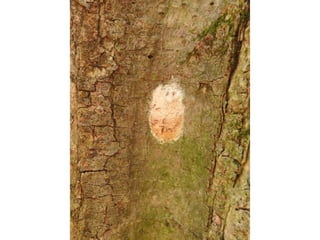
Spotted Lanternfly and Gypsy Moth
Berks County, PA
Spring 2019
Richard Gardner
rtgardner3@yahoo.com
Throughout these slides I include biological markers to serve
as indications of the time of season the photos were taken.
Biological markers are a good indication, (the simplest but not
the best), of when SLF egg masses will hatch and proceed
through different life stages.
These slides may be copied and used in talks, publications or
otherwise as long as I am cited as follows:
Richard Gardner, Spring 2019.
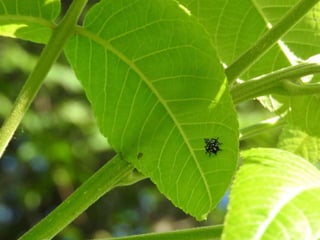
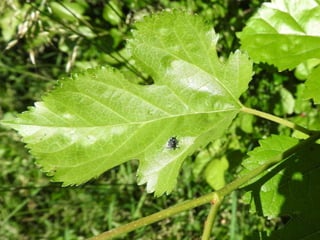
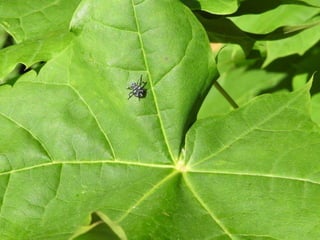
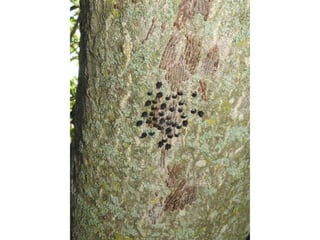
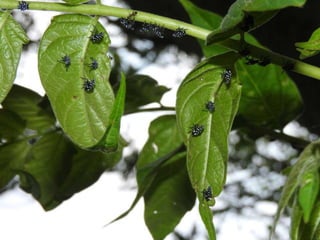
Spotted Lanternfly
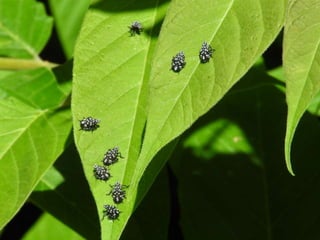
Mile 5, Blue Marsh
May 21, 2019
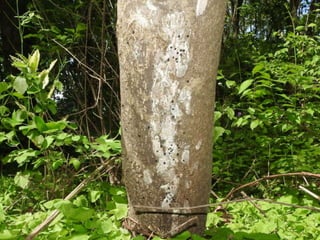
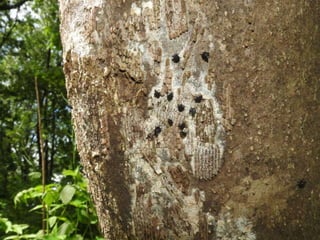
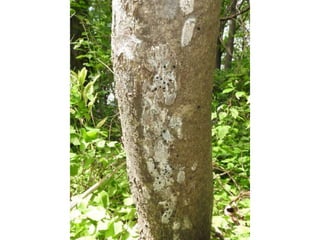
Mile 5 and Highland Road Loop, Blue Marsh
May 24, 2019
Mile 5, Blue Marsh
May 30, 2019
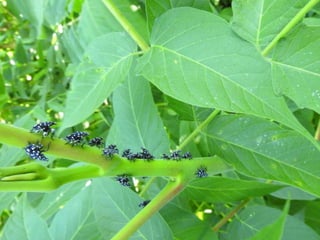
Mile 5 and Highland Road, Blue Marsh
June 4, 2019
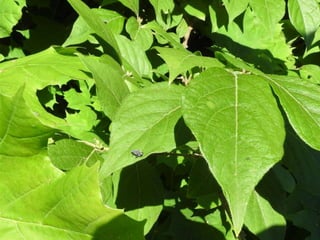
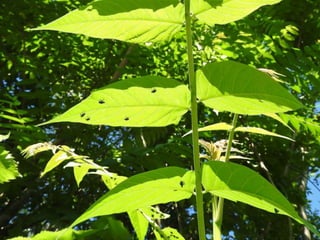
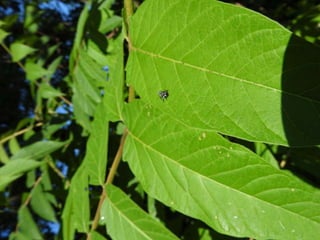
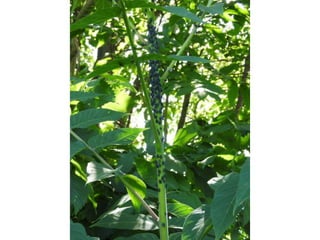
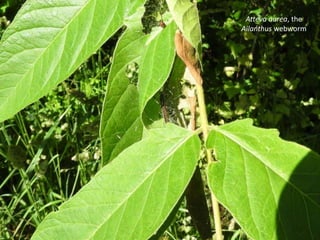
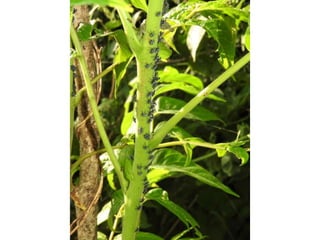
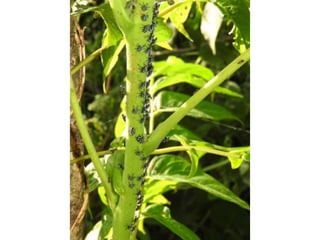
Atteva aurea, the
Ailanthus webworm
Highland Road, Blue Marsh
June 11 and 12, 2019
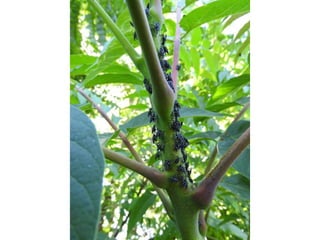
Highland Road, Blue Marsh
June 14, 2019
Shartlesville
May 25, 2019
Shartlesville
May 26, 2019
Shartlesville
May 27, 2019
Shartlesville
May 29, 2019
Shartlesville
June 8, 2019
SGL 110-10 near AT
June 3, 2019
N. Northkill Rd.
SGL110-10
June 2, 2019
Appalachian Trail
Rt. 183 south
June 3, 4, 5, 6 & 7, 2019
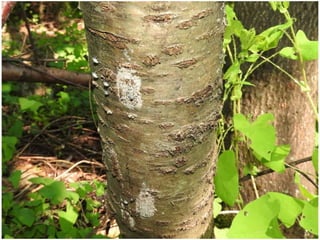
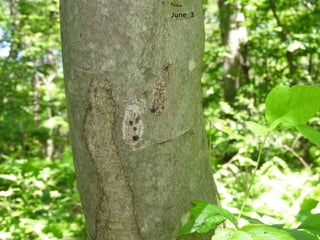
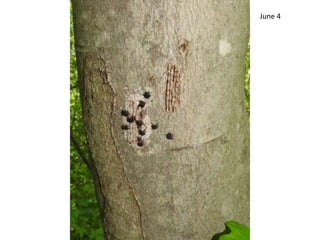
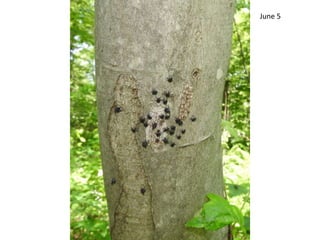
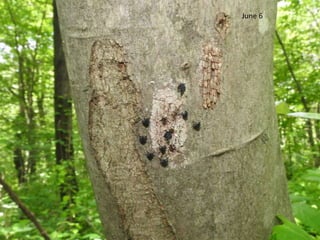
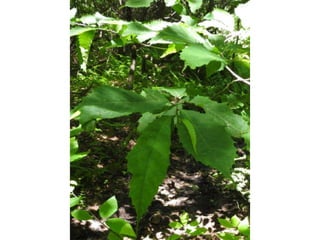
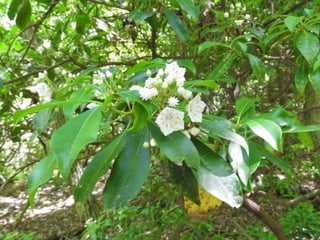
This is the same tree on five consecutive days. Wild grape is the most
probable food as there are no Ailanthus within the area and wild grape is
attached to this and other trees in the immediate area and I saw adult SLF
feeding on wild grape within 30 yards of this tree last fall.
Therefore, Ailanthus does not appear to be necessary for successful
reproduction, just a high quality food source such as wild grape.
South side of tree.
June 3
June 4
June 5
June 6
June 7
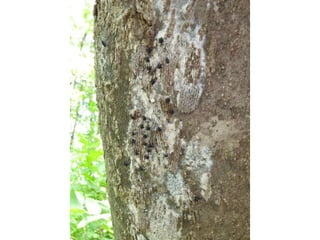
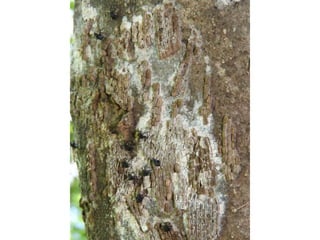
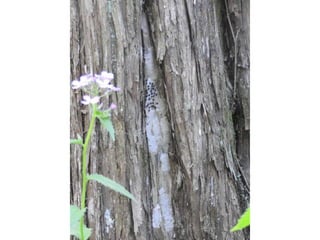
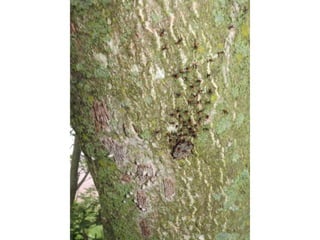
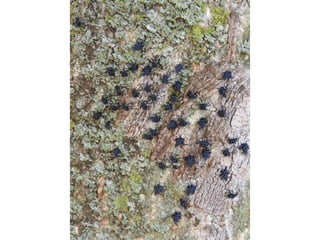
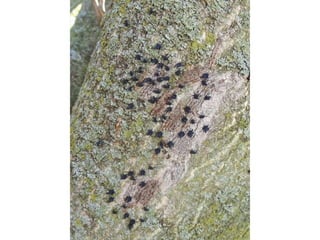
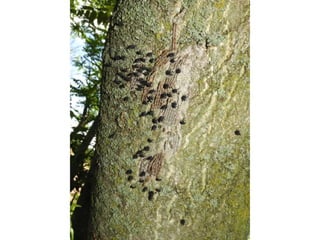
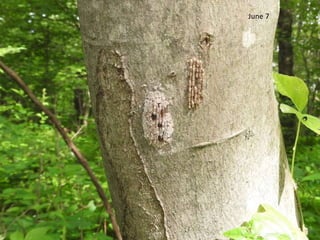
Appalachian Trail
Rt. 183 south
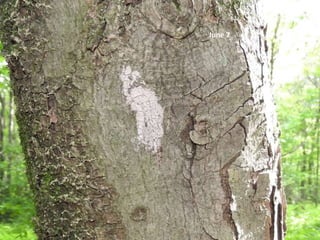
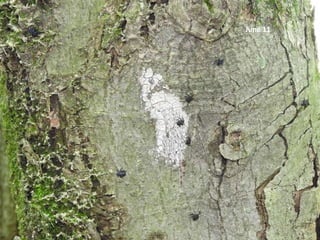
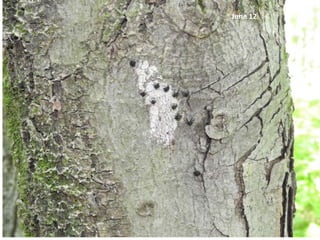
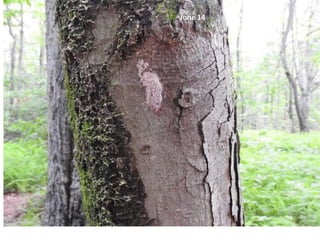
June 7, 11, 12 & 14, 2019
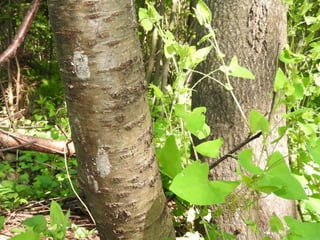
This is the same tree about 50 yards from the earlier
tree with the set of five days. Wild grape is the most
probable food as there are no Ailanthus within the
area, wild grape is nearby and SLF was on wild grape
within 30 yards of this egg mass last fall.
West side of a tree.
June 7
June 11
June 12
June 14
NOTES
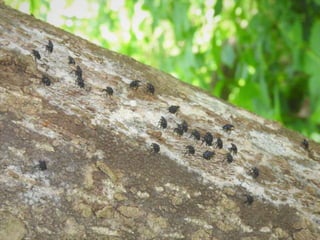
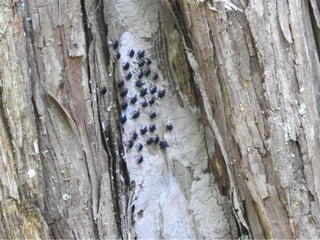
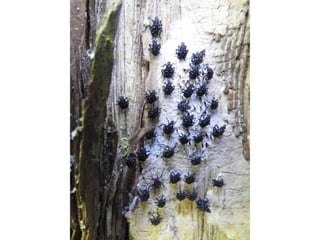
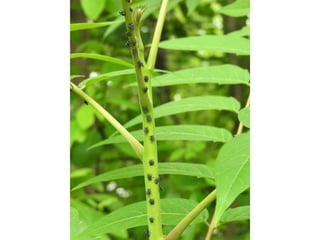
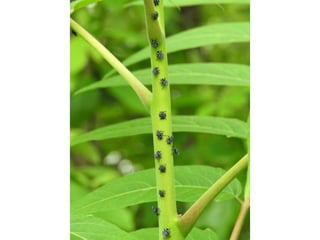
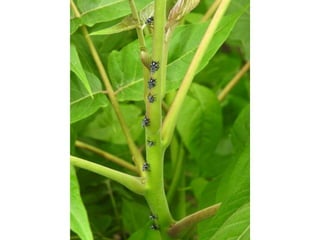
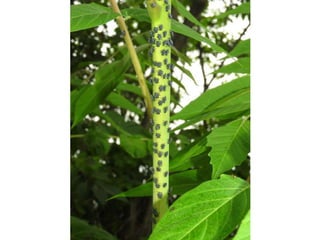
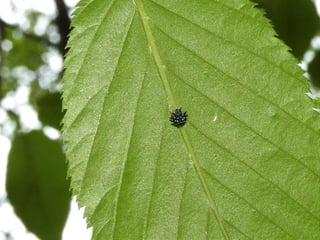
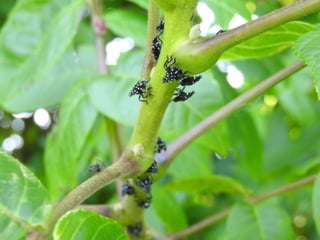
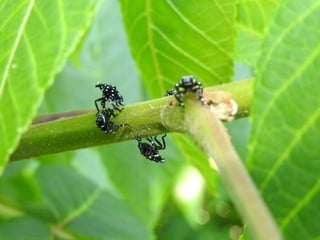
The SLF nymphs appear to hatch at night, stay put throughout the day and then move the next night or so.
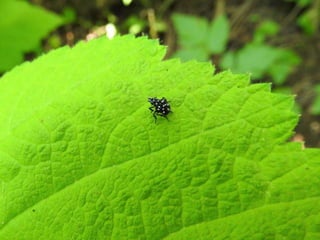
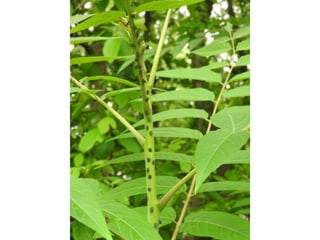
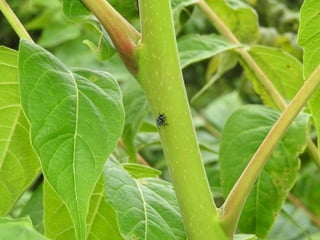
The nymphs appear to seek the foliage and new stems of food plants and stay there until changing to adults. I have yet to
see a nymph on the trunk of a tree very long after hatching.
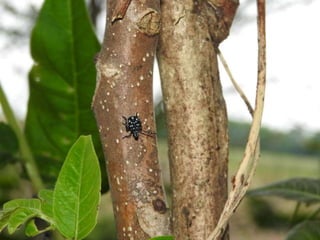
Adults seek the branches and trunks of food sources, not the foliage like the nymphs.
At the Highland Road site, I have seen at least 2 instars of SLF simultaneously.
Hatching appears to be related to heat. Egg masses in sun appear to hatch sooner than those in shade. Egg masses on the
north or shade side of trees may hatch later than those on the sun side. Calculating “degree days” from January 1st of a
given year may be the best way of predicting when an egg mass will hatch and in general when egg masses in a specific area
will hatch. To be a totally accurate predictor, sun exposure of an individual egg mass must be accounted for.
Egg masses appear to hatch as a whole over several days or not at all.
There appears to be a low egg mass hatch rate this year, perhaps 30% or lower, regardless of apparent food source or
substrate egg masses are laid on. I am not sure if this is the normal hatch rate.
I am not sure if there is a hatching success difference between “naked” egg masses and those coated with matrix.
SLF is a phenomenal disperser due to its fast movement and being a nymph as opposed to a caterpillar.
This past couple years has been unusually wet locally with rapid temperature swings . Significant snows each year have
occurred in March. This may be a large factor in what happens with SLF, especially the hatching of egg masses.
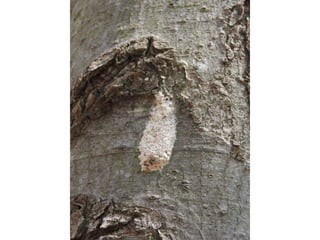
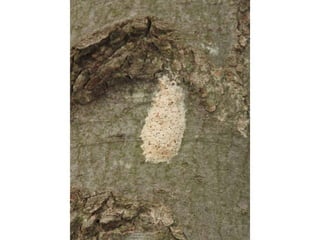
Gypsy Moth
From field observations beginning when I was fifteen years old around the fall of 1973 to the present it
is apparent to me that the Gypsy moth is a much greater threat to our forests and ecosystems than the
Spotted Lanternfly because the SLF feeds on a limited number of foods and is limited in its habitat, not
penetrating deep forests. The Gypsy Moth is everywhere from deep forests to urban forests and eats
almost every tree that it can find.
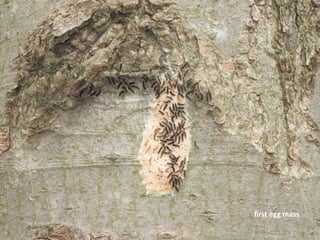
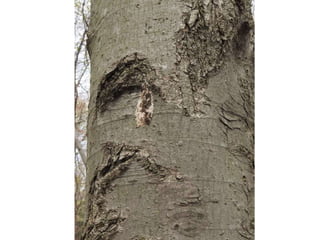
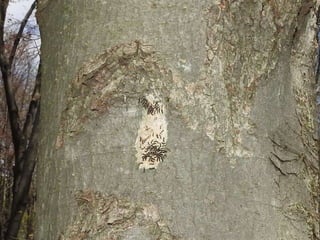
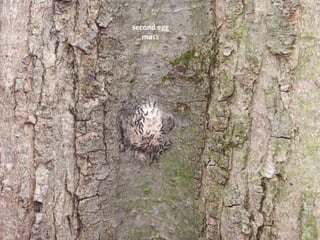
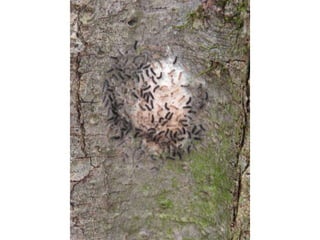
Appalachian Trail
Rt. 183 south
April 19 – May 3, 2019
There was about a week between the hatching of
the first egg mass and the second egg mass.
first egg mass
These slides may be copied and used in talks, publications or
otherwise as long as I am cited as follows:
Richard Gardner, Spring 2019.

Spotted Lanternfly and Gypsy Moth, Spring 2019

  • 1.
    Spotted Lanternfly andGypsy Moth Berks County, PA Spring 2019 Richard Gardner rtgardner3@yahoo.com
  • 2.
    Throughout these slidesI include biological markers to serve as indications of the time of season the photos were taken. Biological markers are a good indication, (the simplest but not the best), of when SLF egg masses will hatch and proceed through different life stages.
  • 3.
    These slides maybe copied and used in talks, publications or otherwise as long as I am cited as follows: Richard Gardner, Spring 2019.
  • 4.
  • 5.
    Mile 5, BlueMarsh May 21, 2019
  • 11.
    Mile 5 andHighland Road Loop, Blue Marsh May 24, 2019
  • 20.
    Mile 5, BlueMarsh May 30, 2019
  • 26.
    Mile 5 andHighland Road, Blue Marsh June 4, 2019
  • 36.
  • 37.
    Highland Road, BlueMarsh June 11 and 12, 2019
  • 44.
    Highland Road, BlueMarsh June 14, 2019
  • 48.
  • 53.
  • 58.
  • 63.
  • 70.
  • 79.
    SGL 110-10 nearAT June 3, 2019
  • 83.
  • 85.
    Appalachian Trail Rt. 183south June 3, 4, 5, 6 & 7, 2019 This is the same tree on five consecutive days. Wild grape is the most probable food as there are no Ailanthus within the area and wild grape is attached to this and other trees in the immediate area and I saw adult SLF feeding on wild grape within 30 yards of this tree last fall. Therefore, Ailanthus does not appear to be necessary for successful reproduction, just a high quality food source such as wild grape. South side of tree.
  • 86.
  • 87.
  • 88.
  • 89.
  • 90.
  • 94.
    Appalachian Trail Rt. 183south June 7, 11, 12 & 14, 2019 This is the same tree about 50 yards from the earlier tree with the set of five days. Wild grape is the most probable food as there are no Ailanthus within the area, wild grape is nearby and SLF was on wild grape within 30 yards of this egg mass last fall. West side of a tree.
  • 95.
  • 96.
  • 97.
  • 98.
  • 99.
    NOTES The SLF nymphsappear to hatch at night, stay put throughout the day and then move the next night or so. The nymphs appear to seek the foliage and new stems of food plants and stay there until changing to adults. I have yet to see a nymph on the trunk of a tree very long after hatching. Adults seek the branches and trunks of food sources, not the foliage like the nymphs. At the Highland Road site, I have seen at least 2 instars of SLF simultaneously. Hatching appears to be related to heat. Egg masses in sun appear to hatch sooner than those in shade. Egg masses on the north or shade side of trees may hatch later than those on the sun side. Calculating “degree days” from January 1st of a given year may be the best way of predicting when an egg mass will hatch and in general when egg masses in a specific area will hatch. To be a totally accurate predictor, sun exposure of an individual egg mass must be accounted for. Egg masses appear to hatch as a whole over several days or not at all. There appears to be a low egg mass hatch rate this year, perhaps 30% or lower, regardless of apparent food source or substrate egg masses are laid on. I am not sure if this is the normal hatch rate. I am not sure if there is a hatching success difference between “naked” egg masses and those coated with matrix. SLF is a phenomenal disperser due to its fast movement and being a nymph as opposed to a caterpillar. This past couple years has been unusually wet locally with rapid temperature swings . Significant snows each year have occurred in March. This may be a large factor in what happens with SLF, especially the hatching of egg masses.
  • 100.
    Gypsy Moth From fieldobservations beginning when I was fifteen years old around the fall of 1973 to the present it is apparent to me that the Gypsy moth is a much greater threat to our forests and ecosystems than the Spotted Lanternfly because the SLF feeds on a limited number of foods and is limited in its habitat, not penetrating deep forests. The Gypsy Moth is everywhere from deep forests to urban forests and eats almost every tree that it can find.
  • 101.
    Appalachian Trail Rt. 183south April 19 – May 3, 2019 There was about a week between the hatching of the first egg mass and the second egg mass.
  • 102.
  • 110.
    These slides maybe copied and used in talks, publications or otherwise as long as I am cited as follows: Richard Gardner, Spring 2019.