Lessons from Four Years of Chasing the
Wild American Chestnut,
Castanea dentata
ESA
Mid-Atlantic Chapter
April 2019
Richard Gardner
(rtgardner3@yahoo.com)
The 2018 field season was my fourth studying Castanea dentata (American chestnut). This
was the last field season I plan to focus on this tree before moving on to other phytoecology
issues as there is not much more to learn. Over the last 4 years I walked the Appalachian
Trail from the Delaware Water Gap to Wertzville Road on the west side of the Susquehanna
River, along with parts of other trails such as the Darlington Trail, the Conestoga Trail, the
Tuscarora Trail and numerous smaller trails and documented over 10,000 stems with
numerous fertile ones. My remaining goal is to grow C. dentata trees from the seedlings
and saplings in our yard through two generations. This presentation is a summary of what I
learned.
2018 summary
21 fertile chestnuts counted in 2018 on the AT
and service road with related trails in SGL110
between Rt. 183 and the end of the service
road where the AT goes to Port Clinton
502 total chestnut stems counted in 2018 in
SGL110 on the AT and service road with
related trails between Rt. 183 and Port Clinton
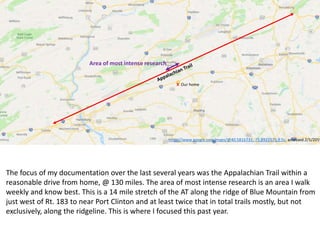
https://www.google.com/maps/@40.5816733,-75.8922575,9.5z, accessed 2/1/2019
X Our home
Area of most intense research
The focus of my documentation over the last several years was the Appalachian Trail within a
reasonable drive from home, @ 130 miles. The area of most intense research is an area I walk
weekly and know best. This is a 14 mile stretch of the AT along the ridge of Blue Mountain from
just west of Rt. 183 to near Port Clinton and at least twice that in total trails mostly, but not
exclusively, along the ridgeline. This is where I focused this past year.
In four field seasons I have chased C. dentata over thousands of miles on trails and dirt
roads, through forests and across fields. In that time I have logged with a GPS equipped
camera at least 10,500 C. dentata trunks and found close to 100 fertile trees. These are the
lessons I learned:
1. C. dentata is not in danger of going extinct from the blight.
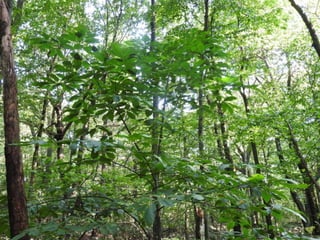
2. To produce seeds mature C. dentata only needs sunlight on the apical ends of its
branches.
3. No matter how much a hybrid is back-crossed it is still a non-native plant and
will cause problems for native specialists including extinction.
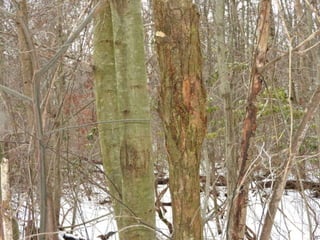
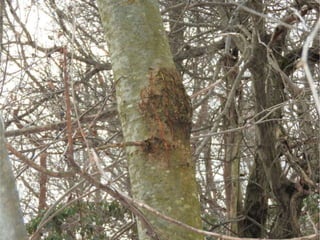
4. C. dentata is still getting blight, but many trees grow through the blight to
reproduce.
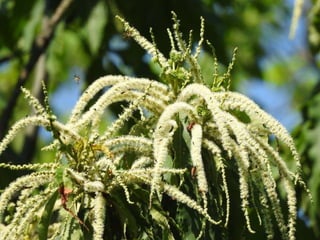
5. There is a vibrant community of pollinators on C. dentata flowers.
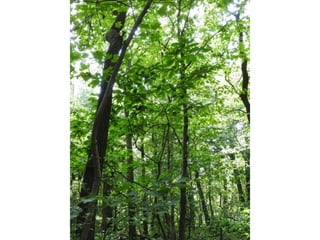
6. When there is a break in the forest canopy C. dentata grows through it.
7. Age of C. dentata and onset of blight do not appear to be related.
8. Trails are refuges for C. dentata.
9. Reservoirs are refuges for C. dentata.
10. Scientists are as much like sheep and as gullible as anyone else – they often do not
put on their shoes to check if a doctrine is true.
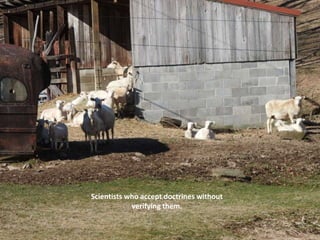
Scientists who accept doctrines without
verifying them.
My goal is to grow several C. dentata
from seeds through two fertile
generations.
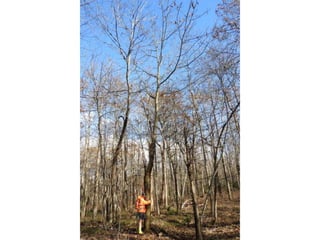
One our favorite trees and the
most visited:
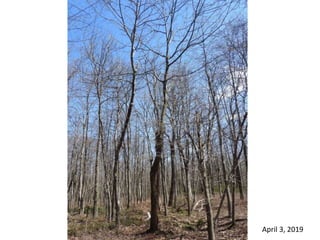
DBH Nov. 8, 2017 = 11.1”
height Oct. 29, 2017 = 37’, 36’
April 3, 2019
Blight
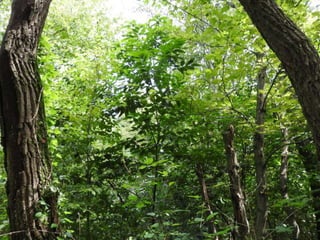
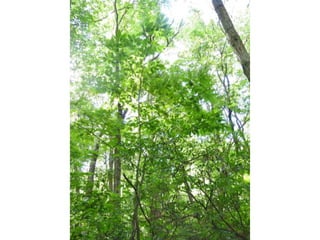
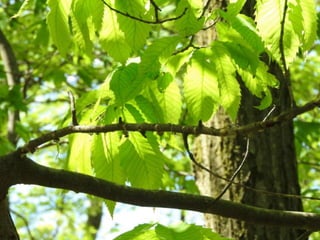
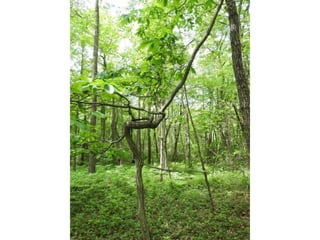
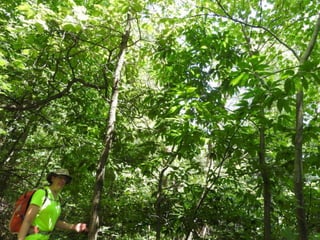
Growing into the canopy
Due to the huge number of assaults our native
forests are taking from pollution, diseases, pests
and invasive plants which create holes in the
forest canopy my experience and expectation is
that C. dentata will again become a dominant
part of our forests without our interference.
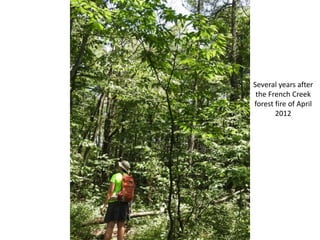
Several years after
the French Creek
forest fire of April
2012
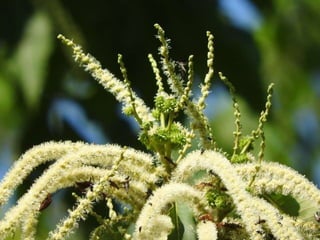
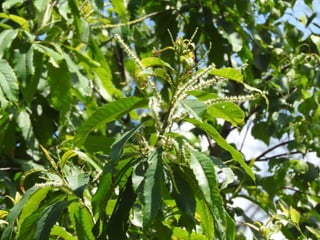
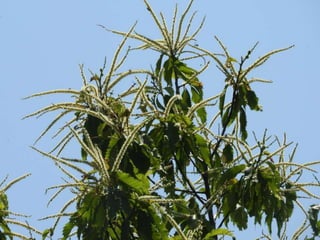
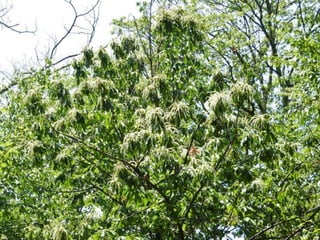
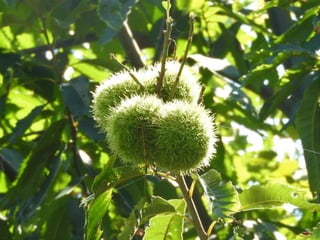
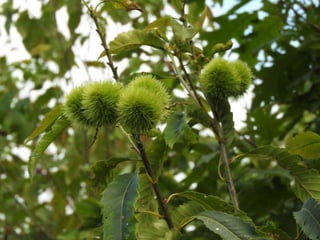
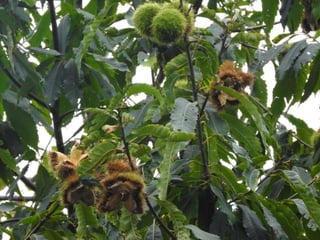
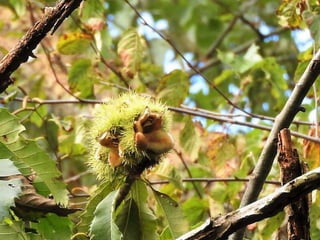
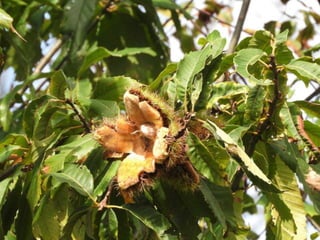
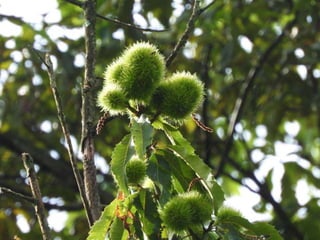
Pollinators, flowers, burrs and
nuts
Home
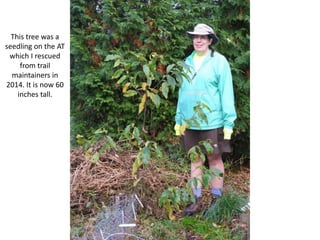
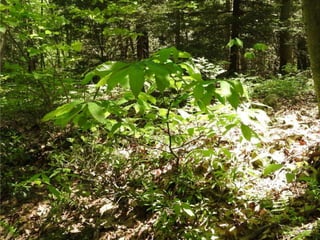
This tree was a
seedling on the AT
which I rescued
from trail
maintainers in
2014. It is now 60
inches tall.
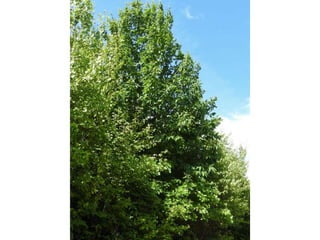
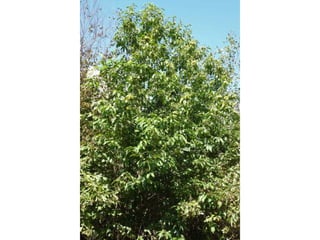
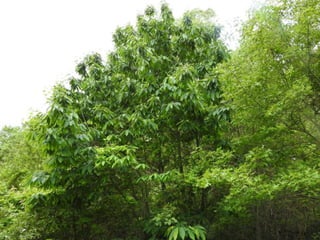
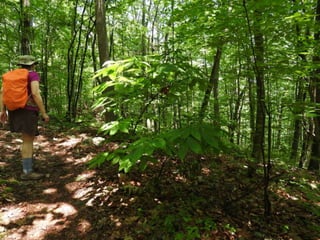
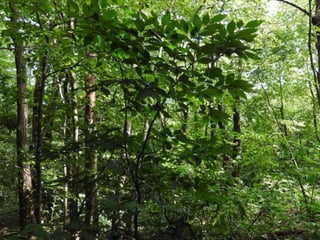
Trees along trails and dirt roads
in the gamelands near home
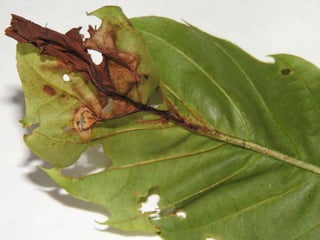
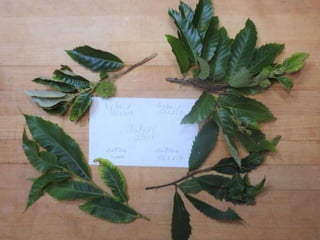
Leaf borer, a problem for
natives and hybrids
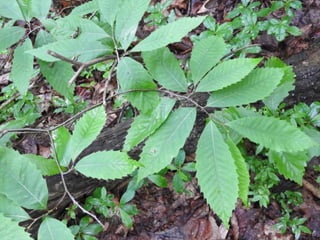
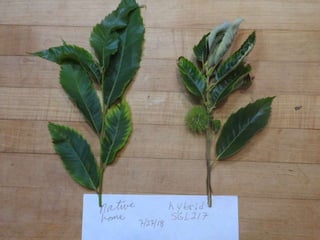
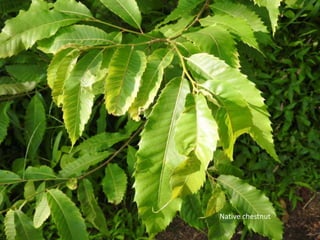
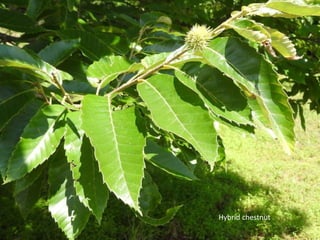
Native vs non-native (hybrid)
Native chestnut
Hybrid chestnut
One future project I want to do if I
can find collaborators is to talk
about “mad” scientists, such as Sir
Isaac Newton, and our contribution
to Science.
WALK MORE
TINKER LESS

Chestnuts 2019

  • 1.
    Lessons from FourYears of Chasing the Wild American Chestnut, Castanea dentata ESA Mid-Atlantic Chapter April 2019
  • 2.
  • 4.
    The 2018 fieldseason was my fourth studying Castanea dentata (American chestnut). This was the last field season I plan to focus on this tree before moving on to other phytoecology issues as there is not much more to learn. Over the last 4 years I walked the Appalachian Trail from the Delaware Water Gap to Wertzville Road on the west side of the Susquehanna River, along with parts of other trails such as the Darlington Trail, the Conestoga Trail, the Tuscarora Trail and numerous smaller trails and documented over 10,000 stems with numerous fertile ones. My remaining goal is to grow C. dentata trees from the seedlings and saplings in our yard through two generations. This presentation is a summary of what I learned.
  • 5.
    2018 summary 21 fertilechestnuts counted in 2018 on the AT and service road with related trails in SGL110 between Rt. 183 and the end of the service road where the AT goes to Port Clinton 502 total chestnut stems counted in 2018 in SGL110 on the AT and service road with related trails between Rt. 183 and Port Clinton
  • 6.
    https://www.google.com/maps/@40.5816733,-75.8922575,9.5z, accessed 2/1/2019 XOur home Area of most intense research The focus of my documentation over the last several years was the Appalachian Trail within a reasonable drive from home, @ 130 miles. The area of most intense research is an area I walk weekly and know best. This is a 14 mile stretch of the AT along the ridge of Blue Mountain from just west of Rt. 183 to near Port Clinton and at least twice that in total trails mostly, but not exclusively, along the ridgeline. This is where I focused this past year.
  • 7.
    In four fieldseasons I have chased C. dentata over thousands of miles on trails and dirt roads, through forests and across fields. In that time I have logged with a GPS equipped camera at least 10,500 C. dentata trunks and found close to 100 fertile trees. These are the lessons I learned: 1. C. dentata is not in danger of going extinct from the blight. 2. To produce seeds mature C. dentata only needs sunlight on the apical ends of its branches. 3. No matter how much a hybrid is back-crossed it is still a non-native plant and will cause problems for native specialists including extinction. 4. C. dentata is still getting blight, but many trees grow through the blight to reproduce. 5. There is a vibrant community of pollinators on C. dentata flowers. 6. When there is a break in the forest canopy C. dentata grows through it. 7. Age of C. dentata and onset of blight do not appear to be related. 8. Trails are refuges for C. dentata. 9. Reservoirs are refuges for C. dentata. 10. Scientists are as much like sheep and as gullible as anyone else – they often do not put on their shoes to check if a doctrine is true.
  • 8.
    Scientists who acceptdoctrines without verifying them.
  • 9.
    My goal isto grow several C. dentata from seeds through two fertile generations.
  • 10.
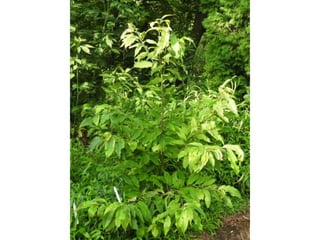
    One our favoritetrees and the most visited: DBH Nov. 8, 2017 = 11.1” height Oct. 29, 2017 = 37’, 36’
  • 13.
  • 14.
  • 17.
  • 18.
    Due to thehuge number of assaults our native forests are taking from pollution, diseases, pests and invasive plants which create holes in the forest canopy my experience and expectation is that C. dentata will again become a dominant part of our forests without our interference.
  • 21.
    Several years after theFrench Creek forest fire of April 2012
  • 22.
  • 37.
  • 38.
    This tree wasa seedling on the AT which I rescued from trail maintainers in 2014. It is now 60 inches tall.
  • 40.
    Trees along trailsand dirt roads in the gamelands near home
  • 53.
    Leaf borer, aproblem for natives and hybrids
  • 55.
  • 58.
  • 59.
  • 60.
    One future projectI want to do if I can find collaborators is to talk about “mad” scientists, such as Sir Isaac Newton, and our contribution to Science.
  • 61.