Material	
  Selection	
  and	
  Design	
  for	
  
Sustainable	
  Material	
  Innovation	
  
Sharon	
  Prendeville:	


Research	
  Assistant	
  &	
  PhD	
  Candidate	


Element	
  of	
  wider	
  PhD	
  research	
  
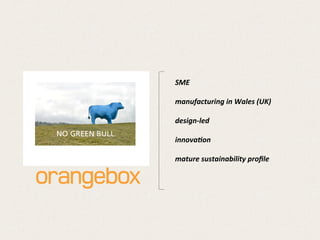
SME	


manufacturing	
  in	
  Wales	
  (UK)	


design-­‐led	


innovaDon	


mature	
  sustainability	
  profile	


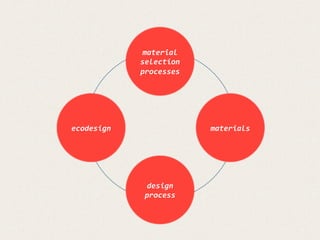
materials	
  ecodesign	
  
material	
  
selection	
  
processes	
  
design	
  
process	
  
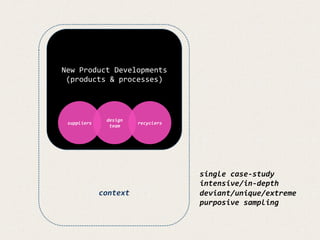
single	
  case-­‐study	
  
intensive/in-­‐depth	
  
deviant/unique/extreme	
  
purposive	
  sampling	


context	
  
New	
  Product	
  Developments	
  
(products	
  &	
  processes)	
  
suppliers	
  
design	
  
team	
  
recyclers	
  
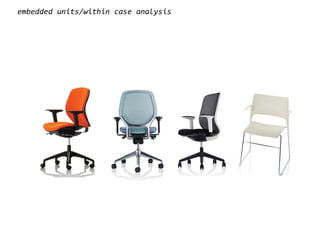
embedded	
  units/within	
  case	
  analysis	
  
Cradle to Cradle
“rema
make things” thinking about the materia
our products are designed and assembled,
of use with our customers.
No matter how good your products are, the
when their first useful life comes to an end
product life cycles Cradle to Cradle asks us
commonplace approach of “take, make &
prompted us to act.
During the early stages of the design of Ara w
relationship with one of Cradle to Cradle’s aut
industrial chemist Micheal Braungart. Through
development we have been working with EPEA
organisation based in Hamburg.
We’ve always very carefully considered the mat
in our products but our aim in working with E
that what we’re using is truly safe, for h
environment alike, and successful in technica
This means looking in much more detail a
ingredient in the materials we use; to determ
this aim and need to be substituted or remove
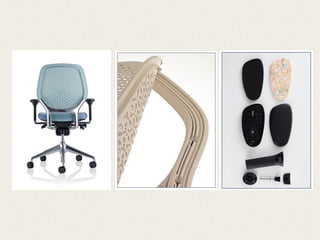
Armsupport
Ourgoalwas
thanever,usin
moreeffective
withasepara
armrestthat’s
we’veeverma
Dosomething
recyclable.
Notthemostc
ourselvesthe
plasticchairba
sensetheyare
collarmoulded
thebase.Grea
notsogreatw
difficulttorem
Smartdesigna
abasewithou
otherplasticb
testeditlikem
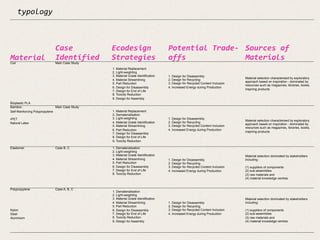
typology	
  
Material	
  
Case	
  
Identified	
  
Ecodesign	
  
Strategies	
  
Potential	
  Trade-­‐
offs	
  
Sources	
  of	
  
Materials	
  
Coir Main Case Study
1. Material Replacement
2. Light-weighting
3. Material Grade Identification
4. Material Streamlining
5. Part Reduction
6. Design for Disassembly
7. Design for End of Life
8. Toxicity Reduction
9. Design for Assembly
1. Design for Disassembly
2. Design for Recycling
3. Design for Recycled Content Inclusion
4. Increased Energy during Production
Material selection characterised by exploratory
approach based on inspiration - dominated by
resources such as magazines, libraries, books,
inspiring products
Bioplastic PLA
Bamboo Main Case Study
1. Material Replacement
2. Dematerialisation
3. Light-weighting
4. Material Grade Identification
5. Material Streamlining
6. Part Reduction
7. Design for Disassembly
8. Design for End of Life
9. Toxicity Reduction
1. Design for Disassembly
2. Design for Recycling
3. Design for Recycled Content Inclusion
4. Increased Energy during Production
Material selection characterised by exploratory
approach based on inspiration - dominated by
resources such as magazines, libraries, books,
inspiring products
Self-Reinforcing Polypropylene
rPET
Natural Latex
Elastomer Case B, C 1. Dematerialisation
2. Light-weighting
3. Material Grade Identification
4. Material Streamlining
5. Part Reduction
6. Design for Disassembly
7. Design for End of Life
8. Toxicity Reduction
1. Design for Disassembly
2. Design for Recycling
3. Design for Recycled Content Inclusion
4. Increased Energy during Production
Material selection dominated by stakeholders
including:
(1) suppliers of components
(2) sub-assemblies
(3) raw materials and
(4) material knowledge centres
Polypropylene Case A, B, C
1. Dematerialisation
2. Light-weighting
3. Material Grade Identification
4. Material Streamlining
5. Part Reduction
6. Design for Disassembly
7. Design for End of Life
8. Toxicity Reduction
9. Design for Assembly
1. Design for Disassembly
2. Design for Recycling
3. Design for Recycled Content Inclusion
4. Increased Energy during Production
Material selection dominated by stakeholders
including:
(1) suppliers of components
(2) sub-assemblies
(3) raw materials and
(4) material knowledge centres
Nylon
Steel
Aluminium
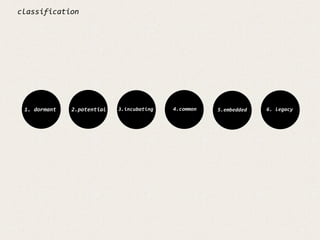
classification	
  
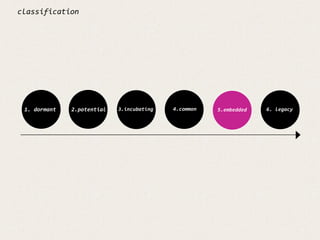
classification	
  
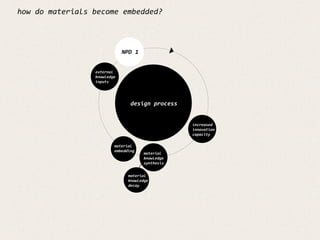
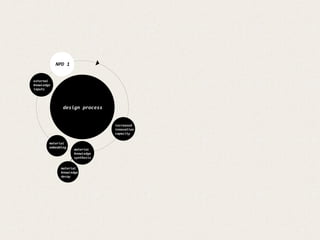
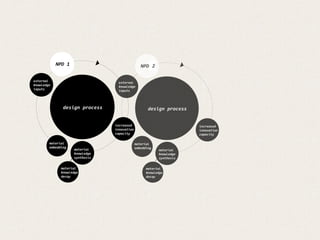
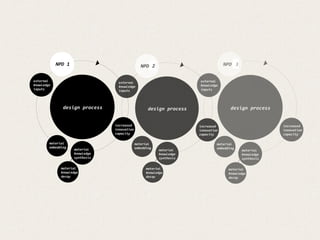
how	
  do	
  materials	
  become	
  embedded?	
  
2	
  
2	
   3	
  
next	
  stages…	
  
Integration	
  of	
  typology	
  with	
  Environmental	
  Assessment	
  
results	


Development	
  of	
  explorative	
  embedded	
  (material)	
  
knowledge	
  research	


Sharon	
  Prendeville	
  
Research	
  Assistant-­‐	
  Ecodesign	
  Centre	
  
sharon@edcw.org	
  	
  
@ecodesigncentre	
  
www.ecodesigncentre.org	


permission	
  of	
  Oangebox	
  

Material Selection and Design for Sustainable Material Innovation - Presentation 'Crafting the Future' 2013

  • 1.
    Material  Selection  and  Design  for   Sustainable  Material  Innovation  
  • 2.
    Sharon  Prendeville:     Research  Assistant  &  PhD  Candidate     Element  of  wider  PhD  research  
  • 3.
    SME     manufacturing  in  Wales  (UK)     design-­‐led     innovaDon     mature  sustainability  profile    
  • 4.
    materials  ecodesign   material   selection   processes   design   process  
  • 5.
    single  case-­‐study   intensive/in-­‐depth   deviant/unique/extreme   purposive  sampling                               context   New  Product  Developments   (products  &  processes)   suppliers   design   team   recyclers  
  • 6.
  • 7.
    Cradle to Cradle “rema makethings” thinking about the materia our products are designed and assembled, of use with our customers. No matter how good your products are, the when their first useful life comes to an end product life cycles Cradle to Cradle asks us commonplace approach of “take, make & prompted us to act. During the early stages of the design of Ara w relationship with one of Cradle to Cradle’s aut industrial chemist Micheal Braungart. Through development we have been working with EPEA organisation based in Hamburg. We’ve always very carefully considered the mat in our products but our aim in working with E that what we’re using is truly safe, for h environment alike, and successful in technica This means looking in much more detail a ingredient in the materials we use; to determ this aim and need to be substituted or remove Armsupport Ourgoalwas thanever,usin moreeffective withasepara armrestthat’s we’veeverma Dosomething recyclable. Notthemostc ourselvesthe plasticchairba sensetheyare collarmoulded thebase.Grea notsogreatw difficulttorem Smartdesigna abasewithou otherplasticb testeditlikem
  • 9.
    typology   Material   Case   Identified   Ecodesign   Strategies   Potential  Trade-­‐ offs   Sources  of   Materials   Coir Main Case Study 1. Material Replacement 2. Light-weighting 3. Material Grade Identification 4. Material Streamlining 5. Part Reduction 6. Design for Disassembly 7. Design for End of Life 8. Toxicity Reduction 9. Design for Assembly 1. Design for Disassembly 2. Design for Recycling 3. Design for Recycled Content Inclusion 4. Increased Energy during Production Material selection characterised by exploratory approach based on inspiration - dominated by resources such as magazines, libraries, books, inspiring products Bioplastic PLA Bamboo Main Case Study 1. Material Replacement 2. Dematerialisation 3. Light-weighting 4. Material Grade Identification 5. Material Streamlining 6. Part Reduction 7. Design for Disassembly 8. Design for End of Life 9. Toxicity Reduction 1. Design for Disassembly 2. Design for Recycling 3. Design for Recycled Content Inclusion 4. Increased Energy during Production Material selection characterised by exploratory approach based on inspiration - dominated by resources such as magazines, libraries, books, inspiring products Self-Reinforcing Polypropylene rPET Natural Latex Elastomer Case B, C 1. Dematerialisation 2. Light-weighting 3. Material Grade Identification 4. Material Streamlining 5. Part Reduction 6. Design for Disassembly 7. Design for End of Life 8. Toxicity Reduction 1. Design for Disassembly 2. Design for Recycling 3. Design for Recycled Content Inclusion 4. Increased Energy during Production Material selection dominated by stakeholders including: (1) suppliers of components (2) sub-assemblies (3) raw materials and (4) material knowledge centres Polypropylene Case A, B, C 1. Dematerialisation 2. Light-weighting 3. Material Grade Identification 4. Material Streamlining 5. Part Reduction 6. Design for Disassembly 7. Design for End of Life 8. Toxicity Reduction 9. Design for Assembly 1. Design for Disassembly 2. Design for Recycling 3. Design for Recycled Content Inclusion 4. Increased Energy during Production Material selection dominated by stakeholders including: (1) suppliers of components (2) sub-assemblies (3) raw materials and (4) material knowledge centres Nylon Steel Aluminium
  • 10.
  • 11.
  • 13.
    how  do  materials  become  embedded?  
  • 15.
  • 16.
  • 17.
    next  stages…   Integration  of  typology  with  Environmental  Assessment   results     Development  of  explorative  embedded  (material)   knowledge  research          
  • 18.
      Sharon  Prendeville   Research  Assistant-­‐  Ecodesign  Centre   sharon@edcw.org     @ecodesigncentre   www.ecodesigncentre.org     permission  of  Oangebox