HELPING PATIENTS
KEEP IT CONFIDENTIAL
Kelli Soto, Community Engagement & Policy Advocate
ACLU of Southern California
How Did We Get Here?:
ACLU SoCal & Sex Ed
Minor Consent
Minors of Any Age
 Contraception + EC
 Abortion
 Rape/abuse/assault
services
Minors 12 and Older
 STD /HIV/AIDS
 Mental Health
 Drug/Alcohol
*No parental notification needed
Confidential Medical Release
 Young people 12 years of age or older have the right to leave
school to seek confidential medical services
 These services can include but are not limited to:
 HIV or Sexually transmitted infection (STI) testing
 Mental health or counseling services
 Drug or alcohol treatment/ counseling
 Abortion care
 Obtaining birth control & EC
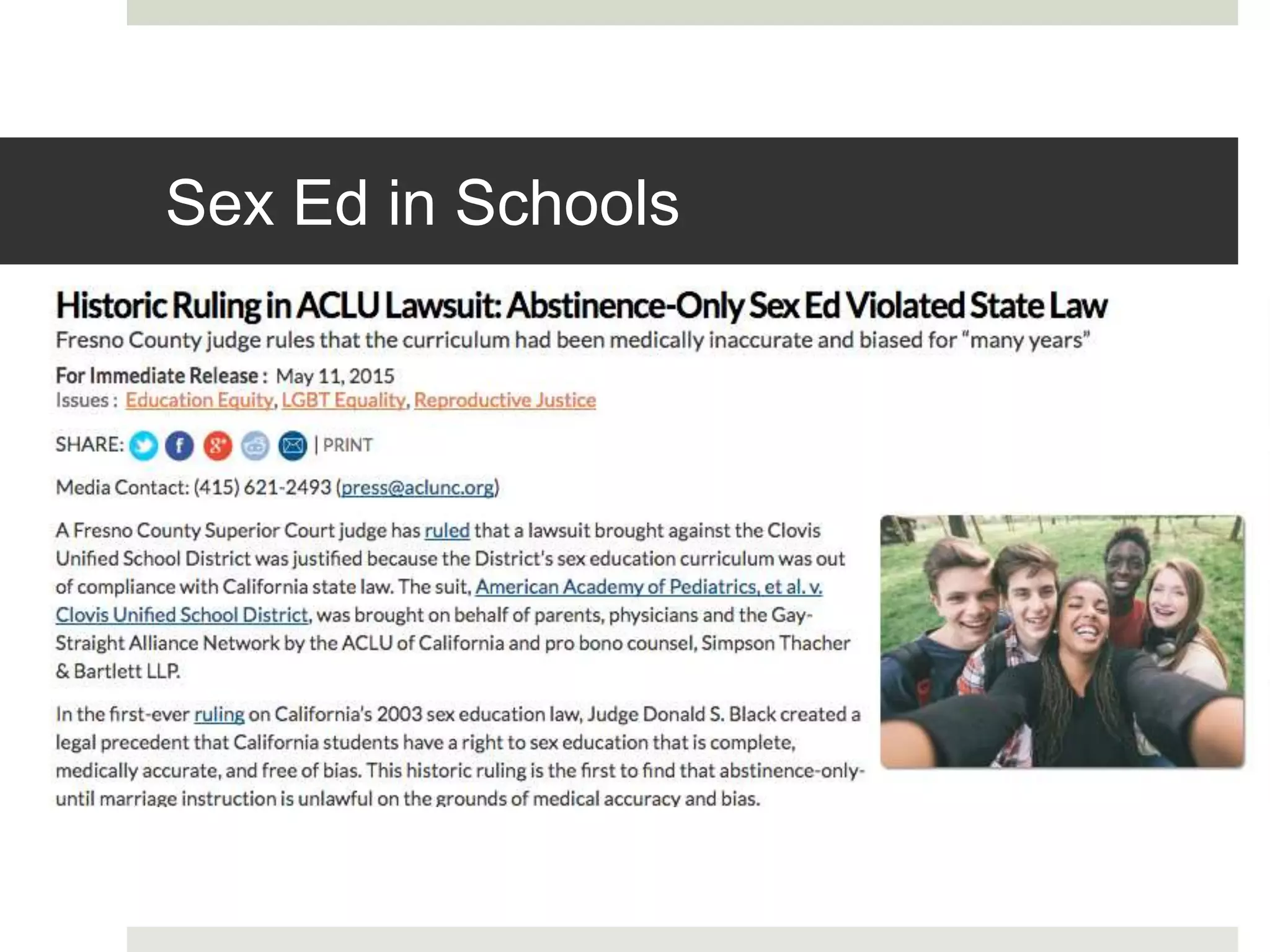
Sex Ed in Schools
HIV Mandate
 Required HIV education at least once in middle school OR high school
 Inaccurate information
 Biased Information
 Inconsistent across schools
 Didn’t address many practical issues that students were facing in their
personal relationships
Sex Ed in Schools
Sex Ed in Schools
The California Healthy Youth Act (AB 329)
 Took affect January 1, 2016
 Makes comprehensive sexual health education a requirement
 Must be appropriate for students of all sexual orientations and genders
 Focus on healthy attitudes, healthy behaviors, and healthy relationships
Sex Ed in Schools
 Preventing and treating STIs/HIV
 Dispels myths and stereotypes about HIV
 Relationships – healthy and unhealthy
 Abuse
 Rape, sexual assault and consent
 All FDA approved forms of birth control
 Options if a person does become pregnant
 Sexual Harassment
 Sex Trafficking
 Gender Stereotypes
 Appropriate for all sexual orientations and gender identities
Sex Ed in Schools
Let us know what’s going on in your school!
 Submit a complaint anonymously
 Take our survey:
https://action.aclu.org/secure/sex-ed-checklist
 Visit myschoolmyrights.com/sex-ed for more information
Thank you!
Kelli Soto
 ksoto@aclusocal.org
 213.977.5268
CALIFORNIA HEALTHY YOUTH
ACT
Moving Implementation Forward-What Still Needs To
Be Done
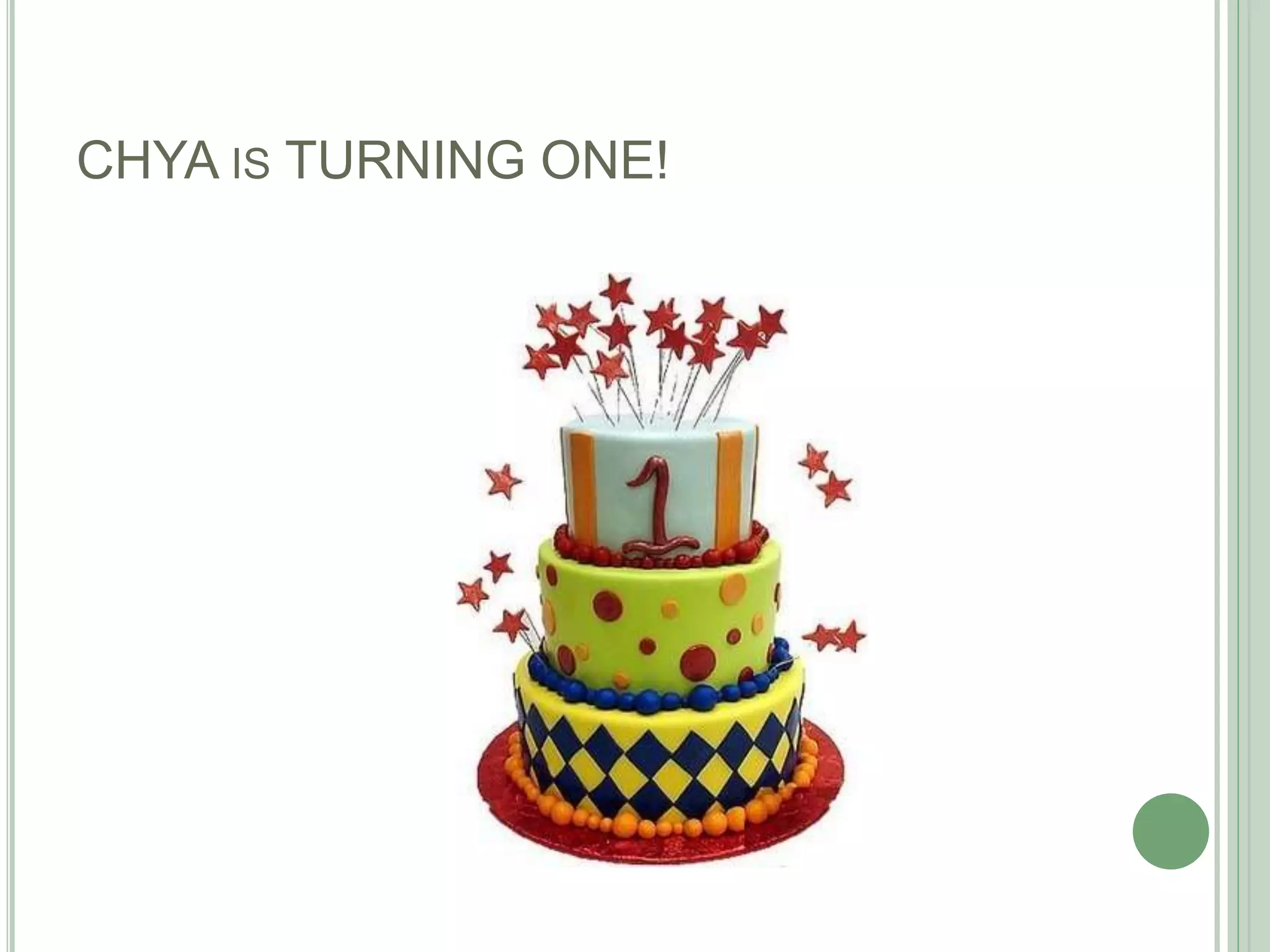
CHYA IS TURNING ONE!
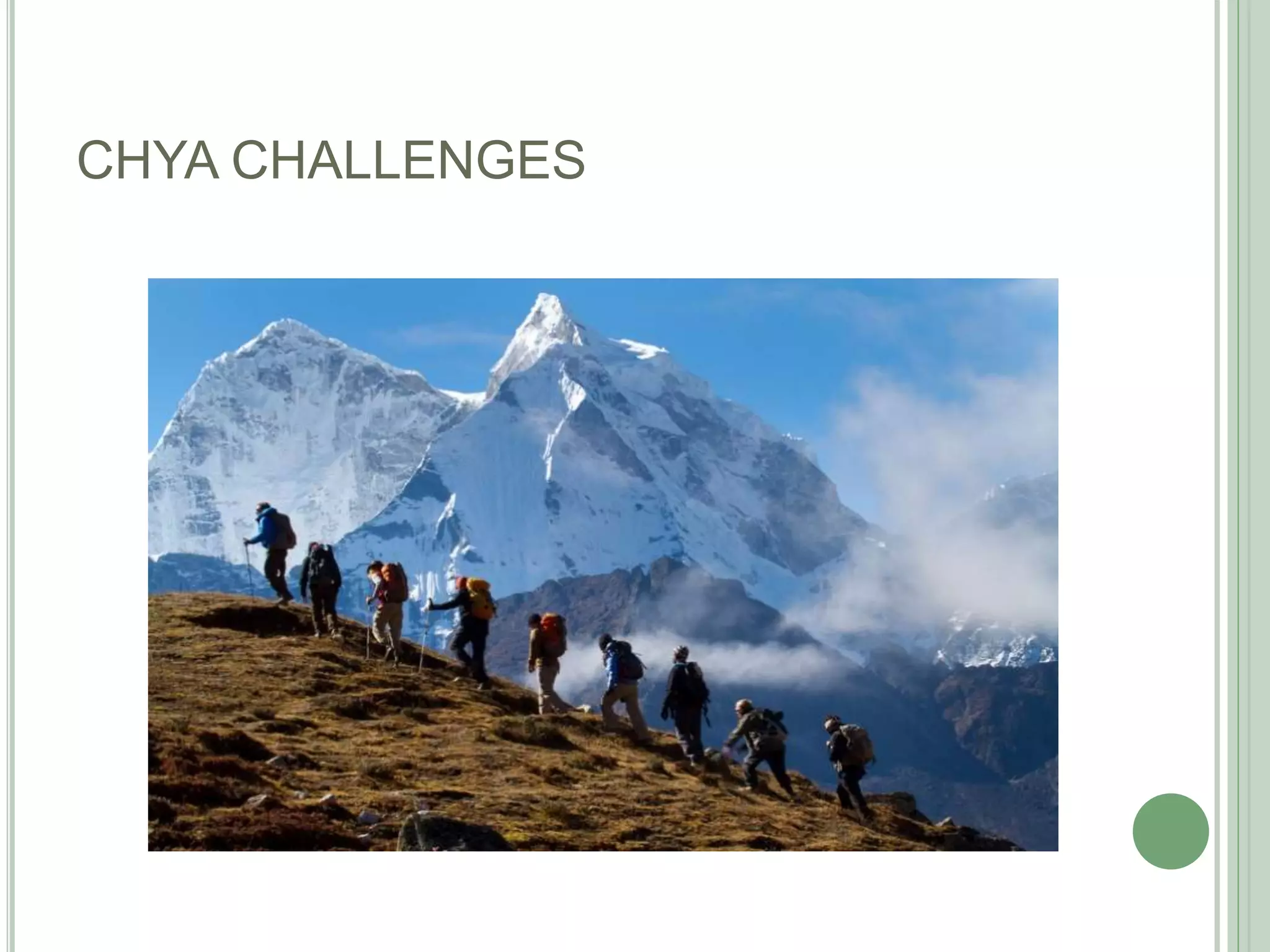
CHYA CHALLENGES
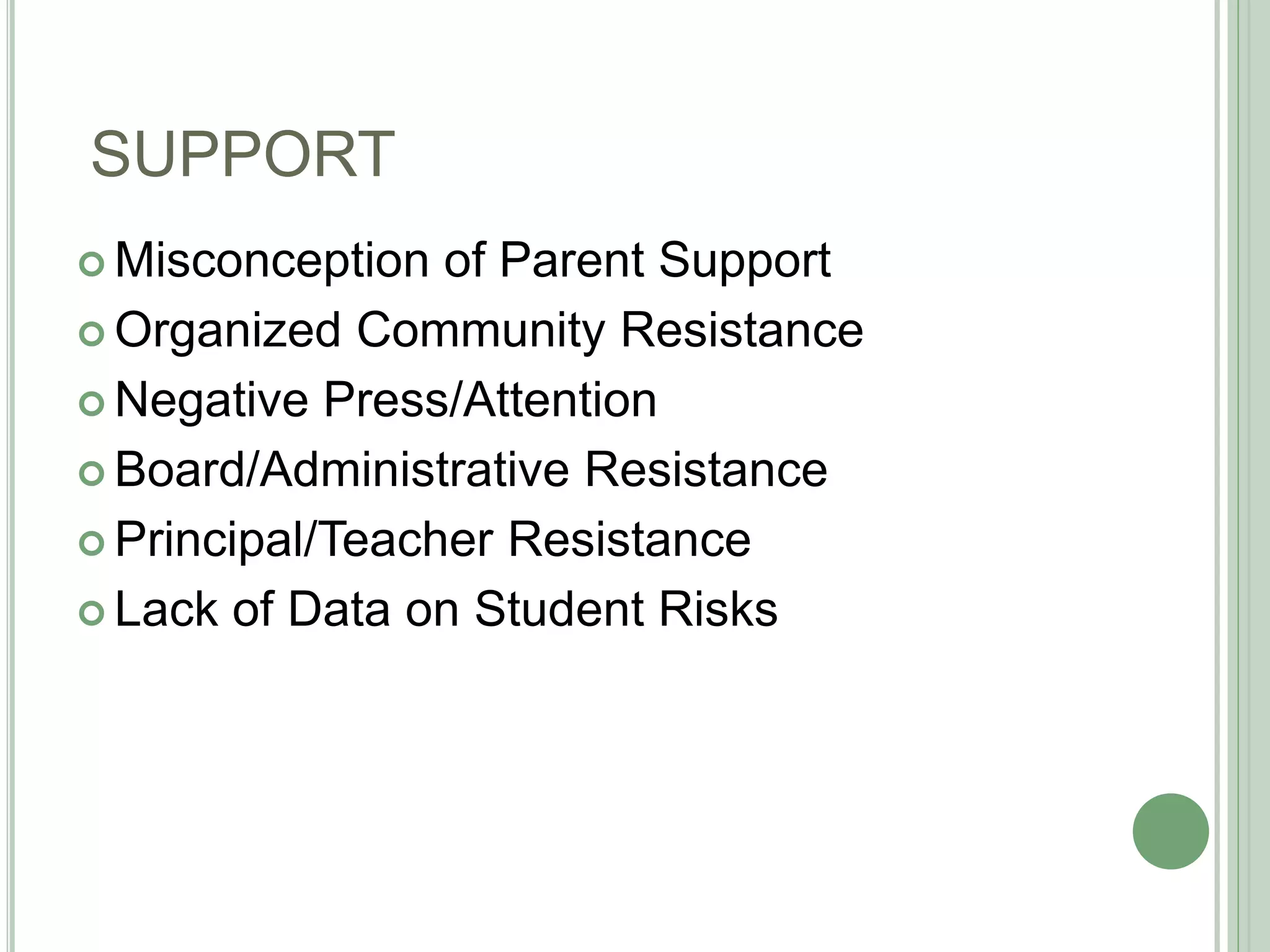
SUPPORT
 Misconception of Parent Support
 Organized Community Resistance
 Negative Press/Attention
 Board/Administrative Resistance
 Principal/Teacher Resistance
 Lack of Data on Student Risks
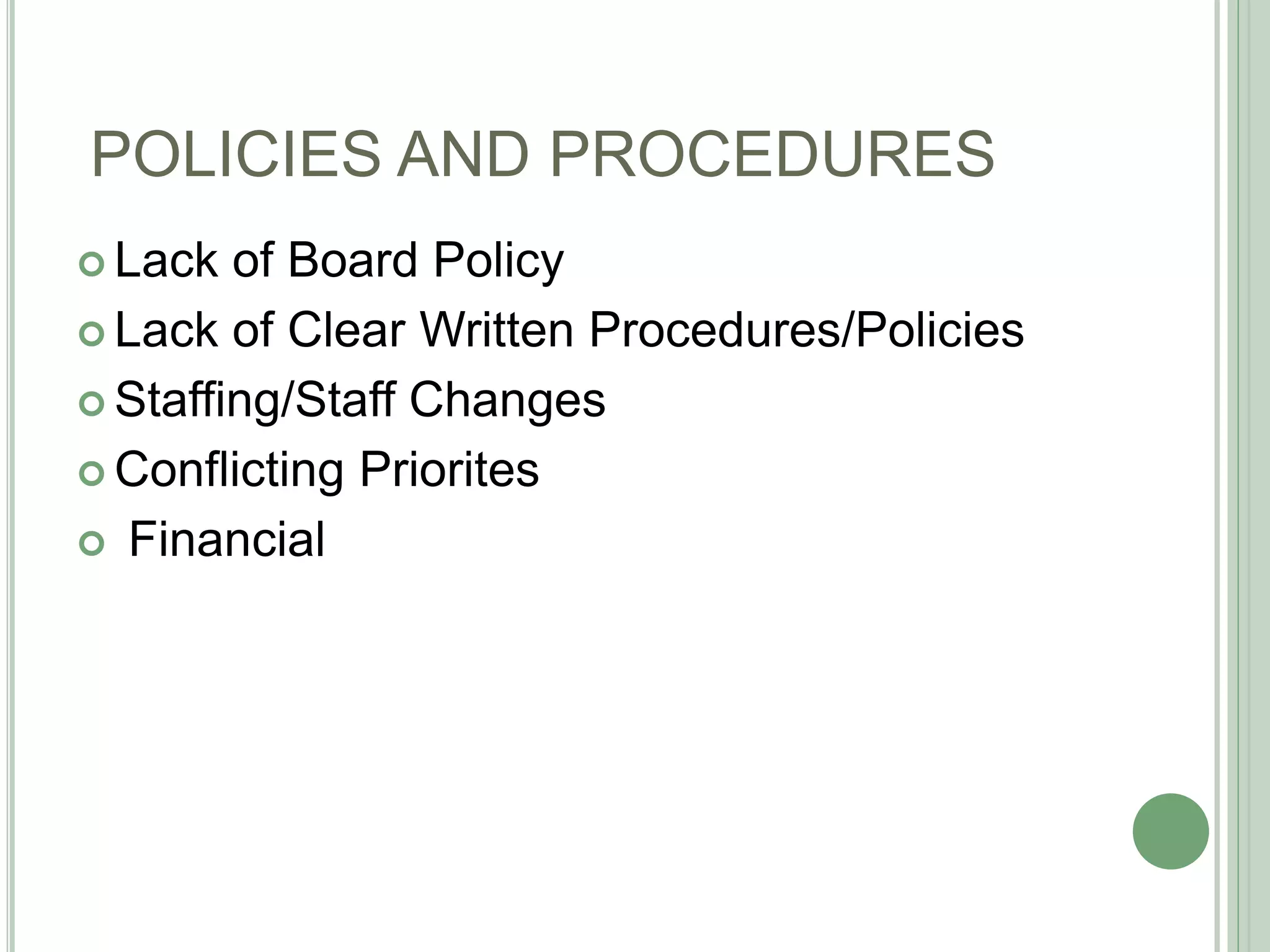
POLICIES AND PROCEDURES
 Lack of Board Policy
 Lack of Clear Written Procedures/Policies
 Staffing/Staff Changes
 Conflicting Priorites
 Financial
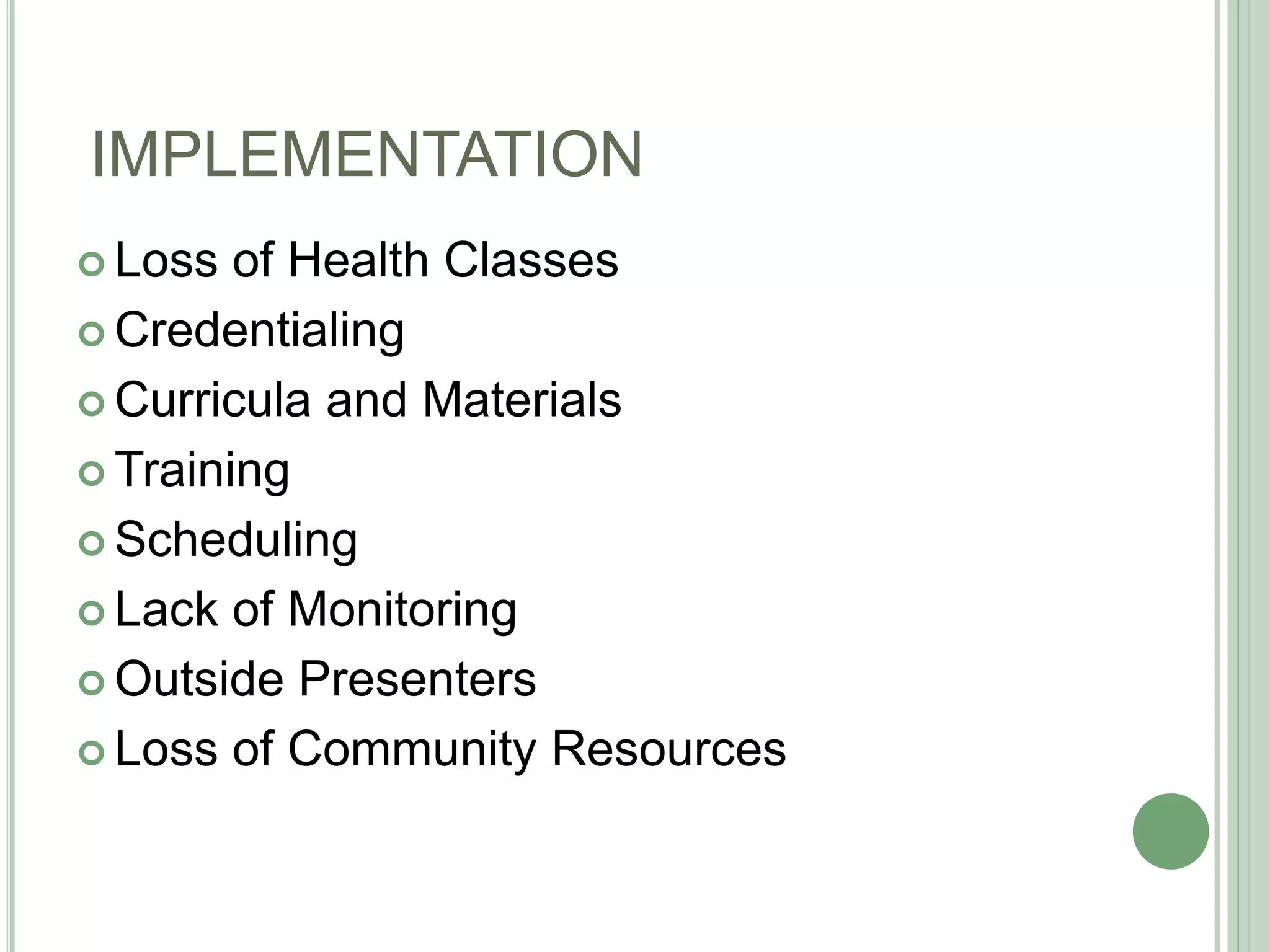
IMPLEMENTATION
 Loss of Health Classes
 Credentialing
 Curricula and Materials
 Training
 Scheduling
 Lack of Monitoring
 Outside Presenters
 Loss of Community Resources
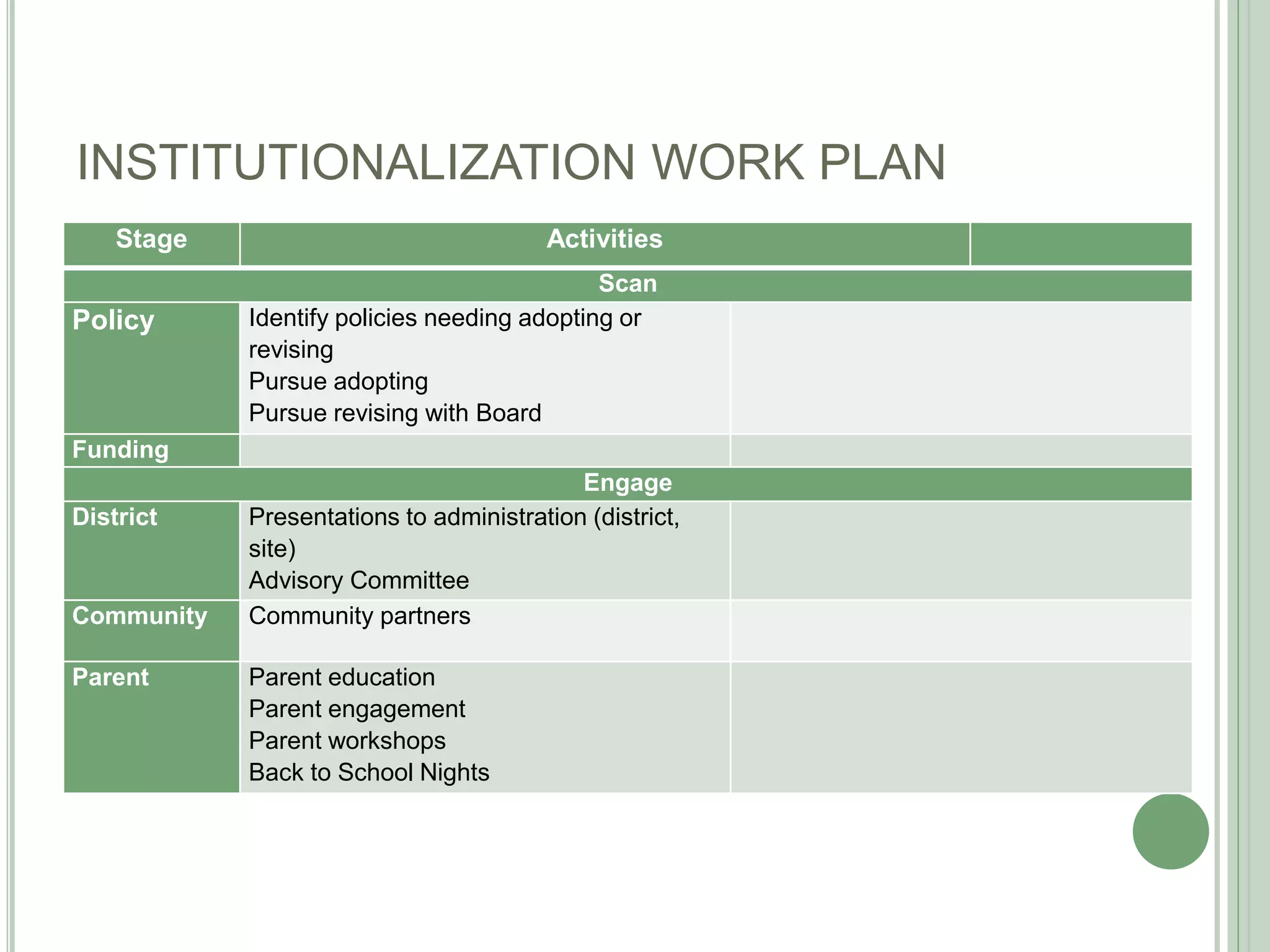
INSTITUTIONALIZATION WORK PLAN
XCouStage Activities
Scan
Policy Identify policies needing adopting or
revising
Pursue adopting
Pursue revising with Board
Funding
Engage
District Presentations to administration (district,
site)
Advisory Committee
Community Community partners
Parent Parent education
Parent engagement
Parent workshops
Back to School Nights
INSTITUTIONALIZATION WORK PLAN
Planning Implementation planning
Who, what, where when and how
Working with Department Chairs
Curriculum Identifying
Mapping
Adapting
Training Core Skills Training
Curriculum Training
Content Training
LGBT Training
INSTITUTIONALIZATION WORK PLAN
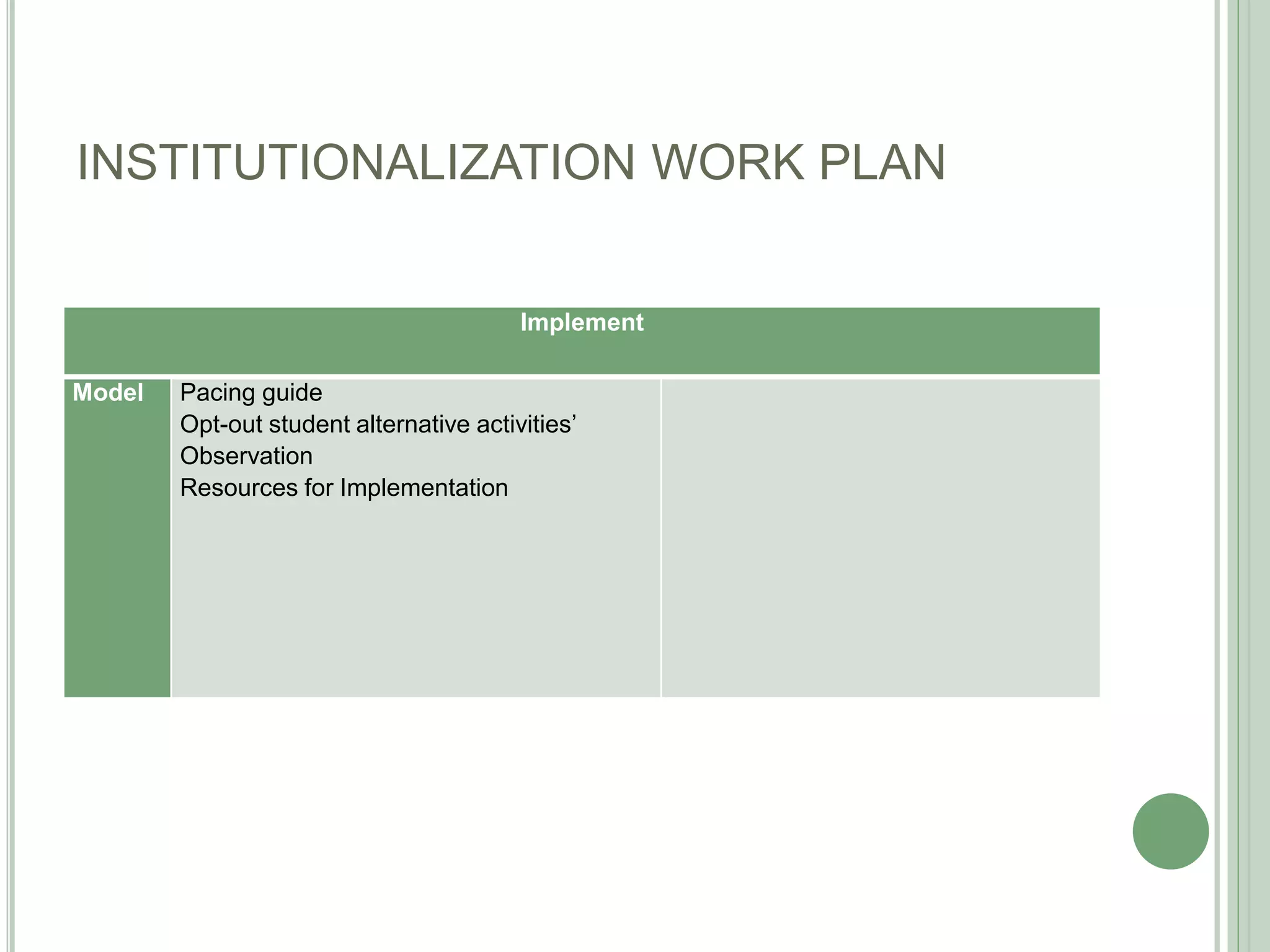
Implement
Model Pacing guide
Opt-out student alternative activities’
Observation
Resources for Implementation
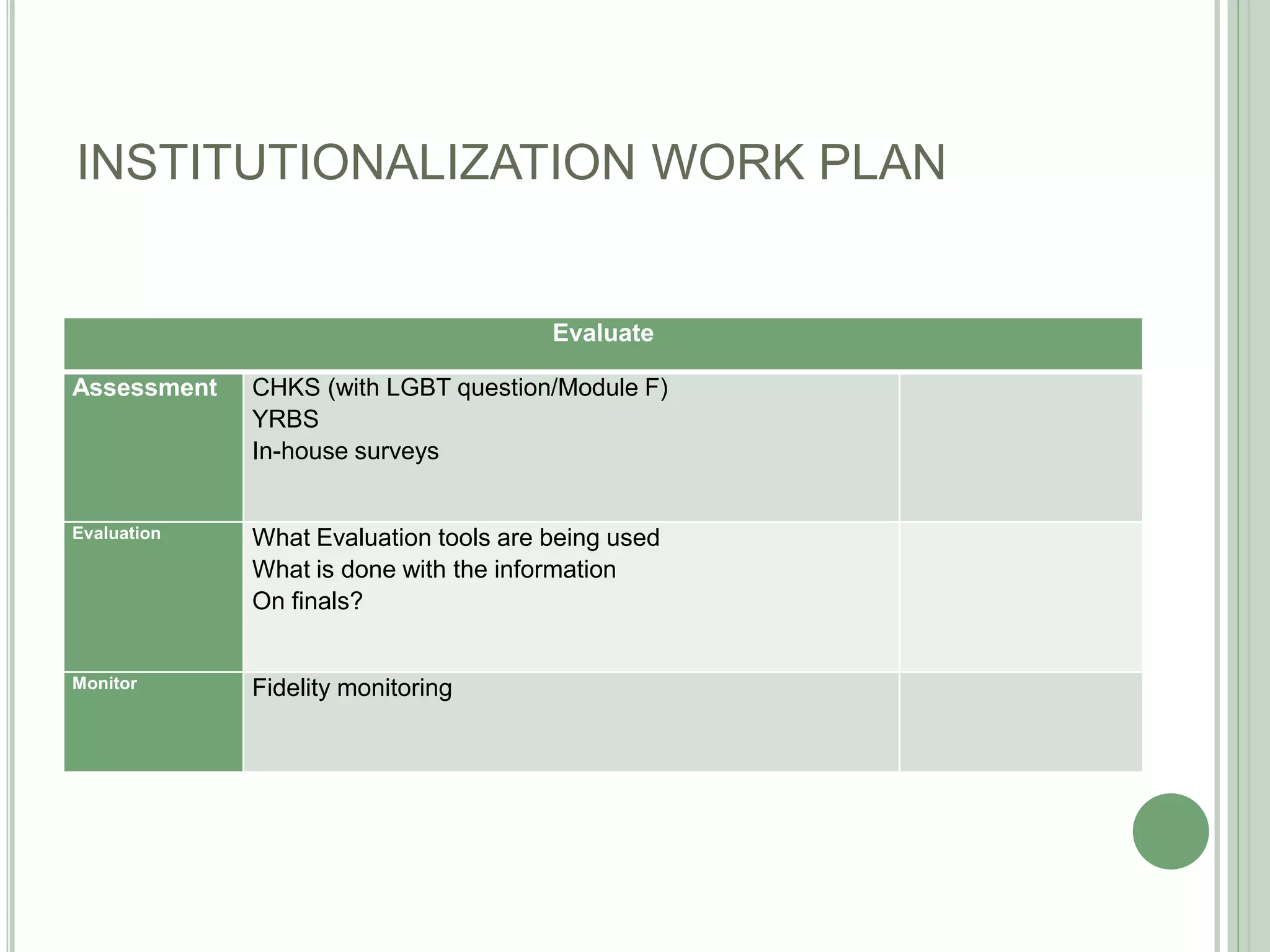
INSTITUTIONALIZATION WORK PLAN
Evaluate
Assessment CHKS (with LGBT question/Module F)
YRBS
In-house surveys
Evaluation What Evaluation tools are being used
What is done with the information
On finals?
Monitor Fidelity monitoring
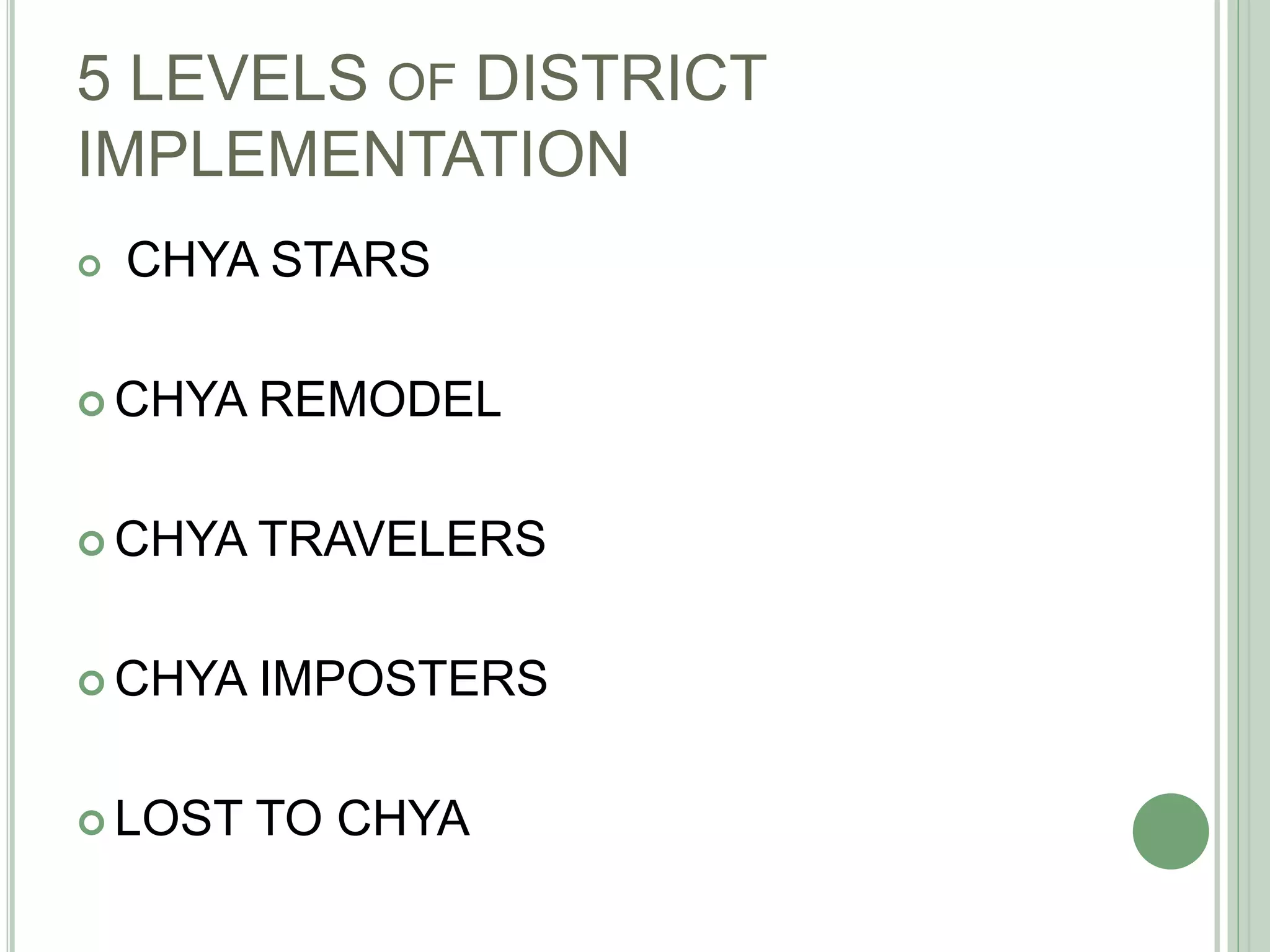
5 LEVELS OF DISTRICT
IMPLEMENTATION
 CHYA STARS
 CHYA REMODEL
 CHYA TRAVELERS
 CHYA IMPOSTERS
 LOST TO CHYA
CHALLENGES-SUPPORT
 FUNDING
 DISTRICT SUPPORT
 COMMUNITY SUPPORT
 PARENT SUPPORT
 NO HEALTH TEACHER/CLASS

VETTED LIST OF CHYA COMPLIANT
CURRICULUM
CURRICULUM REVIEW
ASHWG ad hoc work group project
INITIAL ORGANIZATION
 Open call via Adolescent Sexual Health Work
Group (ASHWG)
 Application process
 Excluded publishers and those affiliated with publishers.
 Group selected by CDE & Lidia as ad hoc lead
 Review tool developed - granular
INITIAL ORGANIZATION
 Open call via Adolescent Sexual Health Work
Group (ASHWG)
 Application process
 Excluded publishers and those affiliated with publishers.
 Group selected by CDE & Lidia as ad hoc lead
 Review tool developed - granular
FINAL REVIEW GROUP
 Cielo Avalos, CDPH Maternal, Child, Adolescent Health
 Tara Beeston, San Diego County Health and Human
Services Agency
 Phyllida Burlingame, ACLU Northern California
 Jasmin Delgado, CDPH STD Control Branch
 Sandee Differding, Essential Access (former CFHC)
 Melisa Price, UCSF
 Kelli Soto, ACLU Southern California
 Sharla Smith, CA Department of Education
______________________________________________
______
 Melissa Papp-Green, LA County DHSP
 Lidia Carlton, CDPH STD Control Branch
FINAL CURRICULUM LIST
Be Real. Be Ready. (HS)
• San Francisco Unified School District
FLASH (MS & HS)
• King County, Washington
Positive Prevention Plus (MS & HS)
• Clark/Ridley
Making Proud Choices (CA version – MS & HS same)
• ETR Associates
Teen Talk (MS & HS)
• Health Connected
Rights, Respect, Responsibility (7-12)
• Advocates for Youth
LIMITATIONS
 No teachers
 Time
 Limited staff resources
 Reviewer participation
 Timeline bias
 Technological challenges
 No review of special population programs
 No review of English learner materials
PROGRESS
 All the group reviews are complete.
 Medical reviews are in progress.
 Report editing is happening now.
 Results will be posted for all curricula at the same
time.
 Will be posted to www.ashwg.org & other sites as
possible.
MOVING FORWARD
 ASSESSMENT OF WHERE THEY ARE/WHAT
THEY NEED
 FUNDING
 ACLU LETTER TO DISTRICTS
 IMPROVE SUPPORT BASED ON RESULTS OF
SURVEY
 SASS PROJECT

Soto lecture aclu_11-29-2016

  • 1.
    HELPING PATIENTS KEEP ITCONFIDENTIAL Kelli Soto, Community Engagement & Policy Advocate ACLU of Southern California How Did We Get Here?: ACLU SoCal & Sex Ed
  • 2.
    Minor Consent Minors ofAny Age  Contraception + EC  Abortion  Rape/abuse/assault services Minors 12 and Older  STD /HIV/AIDS  Mental Health  Drug/Alcohol *No parental notification needed
  • 3.
    Confidential Medical Release Young people 12 years of age or older have the right to leave school to seek confidential medical services  These services can include but are not limited to:  HIV or Sexually transmitted infection (STI) testing  Mental health or counseling services  Drug or alcohol treatment/ counseling  Abortion care  Obtaining birth control & EC
  • 4.
    Sex Ed inSchools HIV Mandate  Required HIV education at least once in middle school OR high school  Inaccurate information  Biased Information  Inconsistent across schools  Didn’t address many practical issues that students were facing in their personal relationships
  • 5.
    Sex Ed inSchools
  • 6.
    Sex Ed inSchools The California Healthy Youth Act (AB 329)  Took affect January 1, 2016  Makes comprehensive sexual health education a requirement  Must be appropriate for students of all sexual orientations and genders  Focus on healthy attitudes, healthy behaviors, and healthy relationships
  • 7.
    Sex Ed inSchools  Preventing and treating STIs/HIV  Dispels myths and stereotypes about HIV  Relationships – healthy and unhealthy  Abuse  Rape, sexual assault and consent  All FDA approved forms of birth control  Options if a person does become pregnant  Sexual Harassment  Sex Trafficking  Gender Stereotypes  Appropriate for all sexual orientations and gender identities
  • 8.
    Sex Ed inSchools Let us know what’s going on in your school!  Submit a complaint anonymously  Take our survey: https://action.aclu.org/secure/sex-ed-checklist  Visit myschoolmyrights.com/sex-ed for more information
  • 9.
    Thank you! Kelli Soto ksoto@aclusocal.org  213.977.5268
  • 10.
    CALIFORNIA HEALTHY YOUTH ACT MovingImplementation Forward-What Still Needs To Be Done
  • 11.
  • 12.
  • 13.
    SUPPORT  Misconception ofParent Support  Organized Community Resistance  Negative Press/Attention  Board/Administrative Resistance  Principal/Teacher Resistance  Lack of Data on Student Risks
  • 14.
    POLICIES AND PROCEDURES Lack of Board Policy  Lack of Clear Written Procedures/Policies  Staffing/Staff Changes  Conflicting Priorites  Financial
  • 15.
    IMPLEMENTATION  Loss ofHealth Classes  Credentialing  Curricula and Materials  Training  Scheduling  Lack of Monitoring  Outside Presenters  Loss of Community Resources
  • 16.
    INSTITUTIONALIZATION WORK PLAN XCouStageActivities Scan Policy Identify policies needing adopting or revising Pursue adopting Pursue revising with Board Funding Engage District Presentations to administration (district, site) Advisory Committee Community Community partners Parent Parent education Parent engagement Parent workshops Back to School Nights
  • 17.
    INSTITUTIONALIZATION WORK PLAN PlanningImplementation planning Who, what, where when and how Working with Department Chairs Curriculum Identifying Mapping Adapting Training Core Skills Training Curriculum Training Content Training LGBT Training
  • 18.
    INSTITUTIONALIZATION WORK PLAN Implement ModelPacing guide Opt-out student alternative activities’ Observation Resources for Implementation
  • 19.
    INSTITUTIONALIZATION WORK PLAN Evaluate AssessmentCHKS (with LGBT question/Module F) YRBS In-house surveys Evaluation What Evaluation tools are being used What is done with the information On finals? Monitor Fidelity monitoring
  • 20.
    5 LEVELS OFDISTRICT IMPLEMENTATION  CHYA STARS  CHYA REMODEL  CHYA TRAVELERS  CHYA IMPOSTERS  LOST TO CHYA
  • 21.
    CHALLENGES-SUPPORT  FUNDING  DISTRICTSUPPORT  COMMUNITY SUPPORT  PARENT SUPPORT  NO HEALTH TEACHER/CLASS  VETTED LIST OF CHYA COMPLIANT CURRICULUM
  • 22.
    CURRICULUM REVIEW ASHWG adhoc work group project
  • 23.
    INITIAL ORGANIZATION  Opencall via Adolescent Sexual Health Work Group (ASHWG)  Application process  Excluded publishers and those affiliated with publishers.  Group selected by CDE & Lidia as ad hoc lead  Review tool developed - granular
  • 24.
    INITIAL ORGANIZATION  Opencall via Adolescent Sexual Health Work Group (ASHWG)  Application process  Excluded publishers and those affiliated with publishers.  Group selected by CDE & Lidia as ad hoc lead  Review tool developed - granular
  • 25.
    FINAL REVIEW GROUP Cielo Avalos, CDPH Maternal, Child, Adolescent Health  Tara Beeston, San Diego County Health and Human Services Agency  Phyllida Burlingame, ACLU Northern California  Jasmin Delgado, CDPH STD Control Branch  Sandee Differding, Essential Access (former CFHC)  Melisa Price, UCSF  Kelli Soto, ACLU Southern California  Sharla Smith, CA Department of Education ______________________________________________ ______  Melissa Papp-Green, LA County DHSP  Lidia Carlton, CDPH STD Control Branch
  • 26.
    FINAL CURRICULUM LIST BeReal. Be Ready. (HS) • San Francisco Unified School District FLASH (MS & HS) • King County, Washington Positive Prevention Plus (MS & HS) • Clark/Ridley Making Proud Choices (CA version – MS & HS same) • ETR Associates Teen Talk (MS & HS) • Health Connected Rights, Respect, Responsibility (7-12) • Advocates for Youth
  • 27.
    LIMITATIONS  No teachers Time  Limited staff resources  Reviewer participation  Timeline bias  Technological challenges  No review of special population programs  No review of English learner materials
  • 28.
    PROGRESS  All thegroup reviews are complete.  Medical reviews are in progress.  Report editing is happening now.  Results will be posted for all curricula at the same time.  Will be posted to www.ashwg.org & other sites as possible.
  • 29.
    MOVING FORWARD  ASSESSMENTOF WHERE THEY ARE/WHAT THEY NEED  FUNDING  ACLU LETTER TO DISTRICTS  IMPROVE SUPPORT BASED ON RESULTS OF SURVEY  SASS PROJECT

Editor's Notes

  • #3 Since about half of you are in California here is some more detailed information on other SRH services here in CA Consent without Parental Notification Other states see Advocates for Youth website
  • #4 Alejandro
  • #11 We are coming up the 1st birthday of
  • #12 CHYA went into effect on Jan 1st, 2016 and Los Angeles County Office of Education held it’s first and second Comprehensive Sex Education Network meeting on Jan 8th and April 15th. The LAC CSE Network is a collaboration of schools and public and community agencies formed to aid in the implementation of CHYA related policies in LAC’s 47 secondary and unified school districts. and 22 of them sent representatives to at least one of the two meetings. The two meetings included presentations on the importance of sexual health for L.A. County youth, CHYA, challenges in implementing comprehensive sexual health education, and resources available to schools — including navigation of state and federal funding streams. The third meeting on September 27th featured curriculum Be Real Be Ready, It’s Your Game…Keep it Real, Making Proud Choices, Positive Prevention Plus, Get Real, iMatter, FLASH, Puberty: The Wonder Years, 2015, Rights, Respect, Responsibility, K-12 and Teen Talk. And I hate to break it to you but Nor Cal is ahead of us on this one. They have well established CSE Networks, although they are much smaller and were spearheaded by Jeff Gould from Cardea and WISE Working to Institutionalize Sex Education.
  • #15 Curriculum on the Office of Adolescent Health Evidence-Based Intervention List are NOT necessarily CHYA compliant because they
  • #16 Curriculum on the Office of Adolescent Health Evidence-Based Intervention List are NOT necessarily CHYA compliant because they
  • #17 Implementation is much more complicated than it seems… The next slides are from Jeff Gould at Cardea Services and a version was presented at the 2nd LA CSE meeting on Jan
  • #20 Very few people are in this phase
  • #21   Took on the new law, reviewed and choose curriculum and are moving forward with a plan (Burbank, Montebello) Had solid foundation and seem to be in compliance on paper but there could be issues when you start to look into the walls Coming to CSE meetings. Working with their districts to set a policy, reviewing curriculum, moving in the right direction but need more support (Compton)   Actively using an out of date, medically inaccurate curriculum (Inglewood)   Not at the table-Unknown (Culver City)
  • #22 Curriculum on the Office of Adolescent Health Evidence-Based Intervention List are NOT necessarily CHYA compliant because they
  • #23 One major project we took on with ASHWG has been a curriculum review process to assess how certain curricula, out of the most popular available in the State, are compliant with the new California Healthy Youth Act. This has been one of the most requested pieces of information we have heard from school districts and providers. Without some kind of formal review process, we have relied on the publishers themselves to provide information. We have found that all publishers aim for compliance but they have fallen short. Partly because the California Department of Education has not provided clear guidance yet on interpretation of the education code. This project forced us to look at interpretation while also providing valuable information to districts.
  • #24 The review tool was the process where we helped to really define what the expectations are for school districts. I think Jasmin can speak to this process if there are questions. She was really IN it as a reviewer.
  • #25 The review tool was the process where we helped to really define what the expectations are for school districts. I think Jasmin can speak to this process if there are questions. She was really IN it as a reviewer.
  • #26 Cielo Avalos from MCAH had to drop out early in the process due to shifting roles at work and new competing priorities.
  • #28 We had a very aggressive schedule – one week per curriculum. Doctors had limited availability. Everything was just very tight. We had calls at least every two weeks to reconcile scoring. The volume of documents circulating in this project is enormous. There are at least 50 documents (not pages, just lessons) that have been sent for medical review. Each curriculum is generally well over 100 pages of content. That is over 1000 pages of content we have been managing in this process. I’m going to do a count once this is all complete.
  • #29 Medical reviews hit a snag when Karen Scott put in her notice (she did the reviews for family planning and contraception information) but we have secured help from the Office of Family Planning to complete the remainder of the reviews. This is an excellent new opportunity to work with OFP in a primary prevention capacity. I want to give special recognition to Janet Brazil who helped me pull together the comments to compile the reports. This was a huge help.
  • #30 LAC CSE Sending out another letter and survey in Jan 2017 Continue to work with schools to look at their LCAP