Earth Science
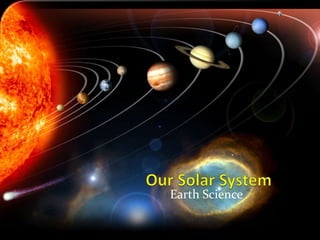
Our solar system can be grouped
into two main categories:
 The 4 inner planets are terrestrial

planets. (rocky)
 The next 4 are called gas giants.
II. The Inner Planets
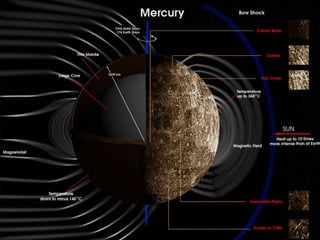
1. Mercury is the closest planet to the sun.
a. It has the slowest rotation. It takes 1407 hours to spin on its
axis once.
b. It does not have an atmosphere. What little does it exist is
composed of oxygen (O) and Sodium (Na).
c. Daytime temperatures can reach 700K (427⁰ C). Nighttime
temperatures can reach 100K (-173⁰ C).
d. Like our moon, its surface is to be formed by lava flows and is
covered with craters.
e. 42% of the planets volume is composed of nickle and iron.
f. This planet does not have moons.
 Mercury was a

messenger,[1] and a god
of trade, profit and
commerce, the son of
Maia Maiestas, also
known as Ops, the
Roman version of Rhea,
and Jupiter.
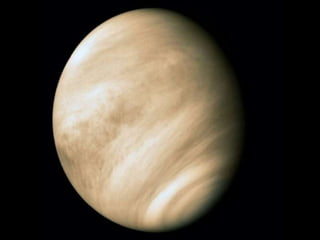
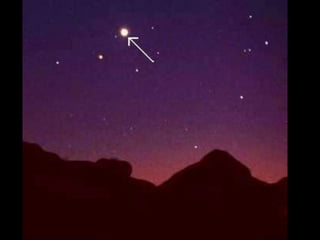
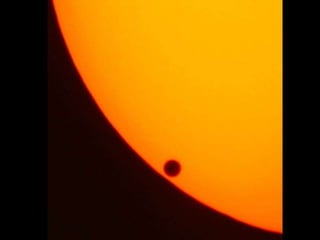
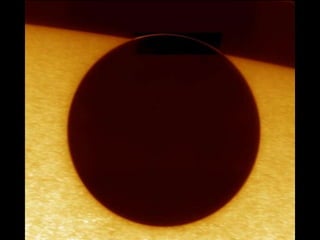
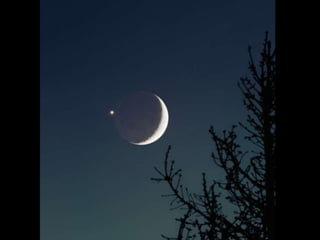
2. Venus is the second planet from the sun and is
the brightest planet in Earth’s nighttime sky
a) Venus is very hot and rotates very slowly.
b) One day is equivalent to 243 Earth days.
c) Unlike most planets, Venus rotates around it axis

backwards, which is called retrograde motion.
The sun would rise to the west and set at the east.
d) Known as “Earth’s twin” because of its similarity in
mass and density. But it differs because:
e) Average surface temps are
K(
⁰ C).
Venus cont…
f) Exhibits a greenhouse effect. This is due because:
g) The atmosphere is primarily composed on Carbon

Dioxide (Earth’s greenhouse gas) and nitrogen.
h) The surface had been smoothed out by lava flows.
i) There is little evidence of tectonic activity and no
well-defined system of crustal movement.
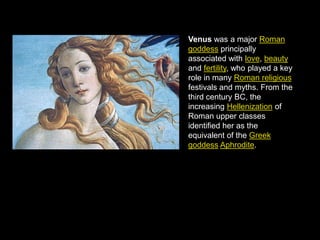
Venus was a major Roman
goddess principally
associated with love, beauty
and fertility, who played a key
role in many Roman religious
festivals and myths. From the
third century BC, the
increasing Hellenization of
Roman upper classes
identified her as the
equivalent of the Greek
goddess Aphrodite.
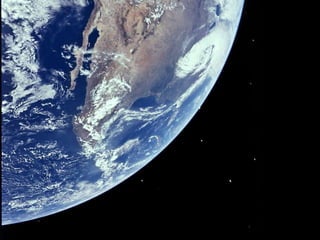
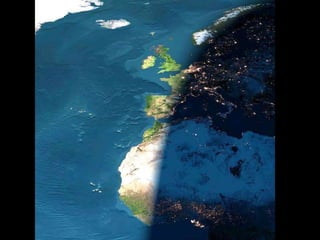
3. Earth is the third planet from the sun.
a. It has many unique properties:

i. Nearly circular orbit, which will allow water to exist in
all 3 states: solid, liquid, and gas.
ii. Has water, which is important for life.
iii. Atmosphere is composed of Nitrogen and Oxygen.
iv. Axis is tilted and “wobbles.” This is called precession.
For one complete cycle, it takes 26,000 years.
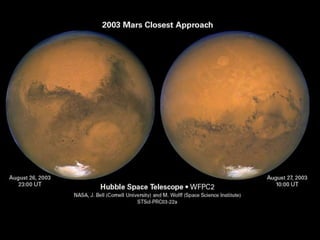
4. Mars is the fourth planet from the sun.
Often called the red planet due to the high iron content
in the soil.
b. It has 2 moons
c. Composed of carbon dioxide, but does not exhibit the
greenhouse effect. (Low atmospheric density and
pressure).
d. The northern hemisphere is heavily cratered and the
southern hemisphere is dominated by plains.
e. Wind storms are frequent.
f. 4 shield volcanoes exist on the northern hemisphere and
include: Olympus Mons, the largest mountain of the
solar system. Its base can cover the entire state of
Colorado.
a.
II. The Gas Giants
 The interiors are composed of Iron and

have Nickel cores.
 They are primarily composed of
Hydrogen, Helium, Carbon, nitrogen,
and Oxygen.
 They have many moon and ring
systems.
 15 to 300 times the mass of Earth.
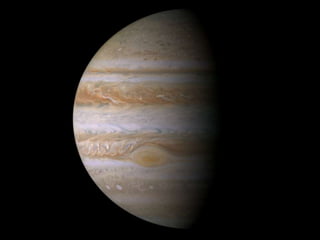
1. Jupiter is the 5th planet from the sun and it

is the largest planet of our solar system.
a. Diameter is 11 times bigger than Earth’s.
b. Shows banding due to flows patterns in
its atmosphere.
c. Atmosphere is composed of primarily
hydrogen and helium.
d. Rotation is extremely fast. It spins on its
axis once in 10 hours. As a result, it forms
its characteristic bands.
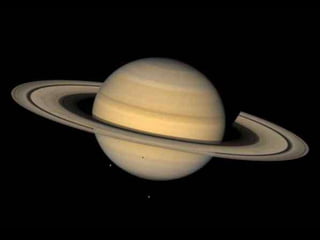
2. Saturn is the 6th planet from the sun.
a. 2nd largest planet of our solar system.
b. Rotates quickly. It has banding.
c. Atmosphere is composed on hydrogen and

helium.
d. Striking feature is its ring system, which is
composed of hydrogen and helium. Their
sizes can range from a microscopic piece of
dust to a size of a house.
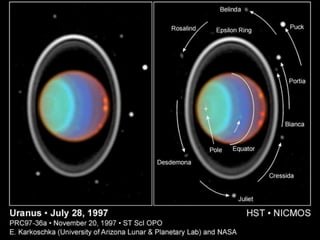
3. Uranus is the 7th planet from the Sun.
 Discovered accidently in 1781.
 Blue in appearance. Due to methane gas in

its atmosphere.
 Atmosphere also contains hydrogen and
helium.
 Has 18 moons and 10 rings.
 Axis is on its side. It is hypothesized Uranus
was knocked on its side by a massive
collision.
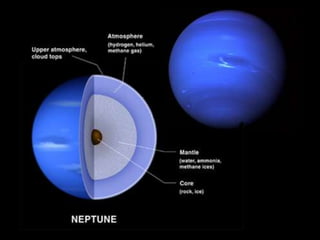
4. Neptune is the 8th planet from the sun.

a. Has the similar atmospheric
composition of Uranus.
b. However, unlike Uranus, it has

distinctive rings and atmospheric
belts.
c. Has 8 moons.
d. Has 6 rings.
Neptune (Latin:
Neptūnus) is the god
of water and the sea
in Roman mythology,
a brother of Jupiter
and Pluto. He is
analogous with but
not identical to the
god Poseidon of
Greek mythology.[1]
The Roman
conception of
Neptune owed a
great deal to the
Etruscan god
Nethuns.[2]
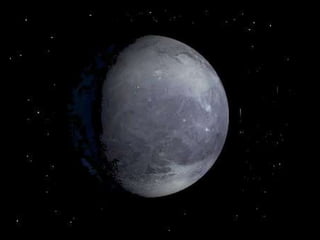
5. Pluto is the one of the many
DWARF planets from the sun.
a. Discovered in 1930.
b. Not classified as a terrestrial planet

because of it low density and size.
c. Orbit is eccentric. Ranges from 50 to
30 AU around the sun.
d. Has 1 moon and they are synchronous
in motion.
Solar System

Solar System

  • 1.
  • 2.
    Our solar systemcan be grouped into two main categories:  The 4 inner planets are terrestrial planets. (rocky)  The next 4 are called gas giants.
  • 3.
    II. The InnerPlanets 1. Mercury is the closest planet to the sun. a. It has the slowest rotation. It takes 1407 hours to spin on its axis once. b. It does not have an atmosphere. What little does it exist is composed of oxygen (O) and Sodium (Na). c. Daytime temperatures can reach 700K (427⁰ C). Nighttime temperatures can reach 100K (-173⁰ C). d. Like our moon, its surface is to be formed by lava flows and is covered with craters. e. 42% of the planets volume is composed of nickle and iron. f. This planet does not have moons.
  • 4.
     Mercury wasa messenger,[1] and a god of trade, profit and commerce, the son of Maia Maiestas, also known as Ops, the Roman version of Rhea, and Jupiter.
  • 6.
    2. Venus isthe second planet from the sun and is the brightest planet in Earth’s nighttime sky a) Venus is very hot and rotates very slowly. b) One day is equivalent to 243 Earth days. c) Unlike most planets, Venus rotates around it axis backwards, which is called retrograde motion. The sun would rise to the west and set at the east. d) Known as “Earth’s twin” because of its similarity in mass and density. But it differs because: e) Average surface temps are K( ⁰ C).
  • 7.
    Venus cont… f) Exhibitsa greenhouse effect. This is due because: g) The atmosphere is primarily composed on Carbon Dioxide (Earth’s greenhouse gas) and nitrogen. h) The surface had been smoothed out by lava flows. i) There is little evidence of tectonic activity and no well-defined system of crustal movement.
  • 8.
    Venus was amajor Roman goddess principally associated with love, beauty and fertility, who played a key role in many Roman religious festivals and myths. From the third century BC, the increasing Hellenization of Roman upper classes identified her as the equivalent of the Greek goddess Aphrodite.
  • 14.
    3. Earth isthe third planet from the sun. a. It has many unique properties: i. Nearly circular orbit, which will allow water to exist in all 3 states: solid, liquid, and gas. ii. Has water, which is important for life. iii. Atmosphere is composed of Nitrogen and Oxygen. iv. Axis is tilted and “wobbles.” This is called precession. For one complete cycle, it takes 26,000 years.
  • 17.
    4. Mars isthe fourth planet from the sun. Often called the red planet due to the high iron content in the soil. b. It has 2 moons c. Composed of carbon dioxide, but does not exhibit the greenhouse effect. (Low atmospheric density and pressure). d. The northern hemisphere is heavily cratered and the southern hemisphere is dominated by plains. e. Wind storms are frequent. f. 4 shield volcanoes exist on the northern hemisphere and include: Olympus Mons, the largest mountain of the solar system. Its base can cover the entire state of Colorado. a.
  • 19.
    II. The GasGiants  The interiors are composed of Iron and have Nickel cores.  They are primarily composed of Hydrogen, Helium, Carbon, nitrogen, and Oxygen.  They have many moon and ring systems.  15 to 300 times the mass of Earth.
  • 20.
    1. Jupiter isthe 5th planet from the sun and it is the largest planet of our solar system. a. Diameter is 11 times bigger than Earth’s. b. Shows banding due to flows patterns in its atmosphere. c. Atmosphere is composed of primarily hydrogen and helium. d. Rotation is extremely fast. It spins on its axis once in 10 hours. As a result, it forms its characteristic bands.
  • 22.
    2. Saturn isthe 6th planet from the sun. a. 2nd largest planet of our solar system. b. Rotates quickly. It has banding. c. Atmosphere is composed on hydrogen and helium. d. Striking feature is its ring system, which is composed of hydrogen and helium. Their sizes can range from a microscopic piece of dust to a size of a house.
  • 24.
    3. Uranus isthe 7th planet from the Sun.  Discovered accidently in 1781.  Blue in appearance. Due to methane gas in its atmosphere.  Atmosphere also contains hydrogen and helium.  Has 18 moons and 10 rings.  Axis is on its side. It is hypothesized Uranus was knocked on its side by a massive collision.
  • 26.
    4. Neptune isthe 8th planet from the sun. a. Has the similar atmospheric composition of Uranus. b. However, unlike Uranus, it has distinctive rings and atmospheric belts. c. Has 8 moons. d. Has 6 rings.
  • 28.
    Neptune (Latin: Neptūnus) isthe god of water and the sea in Roman mythology, a brother of Jupiter and Pluto. He is analogous with but not identical to the god Poseidon of Greek mythology.[1] The Roman conception of Neptune owed a great deal to the Etruscan god Nethuns.[2]
  • 29.
    5. Pluto isthe one of the many DWARF planets from the sun. a. Discovered in 1930. b. Not classified as a terrestrial planet because of it low density and size. c. Orbit is eccentric. Ranges from 50 to 30 AU around the sun. d. Has 1 moon and they are synchronous in motion.