In-cell thermodynamics and a new role for
protein surfaces
Austin E. Smitha
, Larry Z. Zhoua
, Annelise H. Gorenseka
, Michael Senskeb
, and Gary J. Pielaka,c,d,1
a
Department of Chemistry, University of North Carolina at Chapel Hill, Chapel Hill, NC 27599; b
Department of Physical Chemistry II, Ruhr-Universität
Bochum, 44780 Bochum, Germany; c
Department of Biochemistry and Biophysics, University of North Carolina at Chapel Hill, Chapel Hill, NC 27599;
and d
Lineberger Comprehensive Cancer Center, University of North Carolina at Chapel Hill, Chapel Hill, NC 27599
Edited by Martin Gruebele, University of Illinois at Urbana–Champaign, Urbana, IL, and approved December 14, 2015 (received for review September
21, 2015)
There is abundant, physiologically relevant knowledge about pro-
tein cores; they are hydrophobic, exquisitely well packed, and
nearly all hydrogen bonds are satisfied. An equivalent understand-
ing of protein surfaces has remained elusive because proteins are
almost exclusively studied in vitro in simple aqueous solutions.
Here, we establish the essential physiological roles played by
protein surfaces by measuring the equilibrium thermodynamics
and kinetics of protein folding in the complex environment of living
Escherichia coli cells, and under physiologically relevant in vitro con-
ditions. Fluorine NMR data on the 7-kDa globular N-terminal SH3
domain of Drosophila signal transduction protein drk (SH3) show
that charge–charge interactions are fundamental to protein stability
and folding kinetics in cells. Our results contradict predictions from
accepted theories of macromolecular crowding and show that coso-
lutes commonly used to mimic the cellular interior do not yield
physiologically relevant information. As such, we provide the foun-
dation for a complete picture of protein chemistry in cells.
protein NMR | protein thermodynamics | protein folding | in-cell NMR
Classic theories about the effects of complex environments
consider only hard-core repulsions (volume exclusion) and
so predict entropy-driven protein stabilization (1-3). Here, we
use the 7-kDa globular N-terminal SH3 domain of Drosophila
signal transduction protein drk (SH3) as a model to test this idea
in living cells. SH3 exists in a dynamic equilibrium between
the folded state and the unfolded ensemble (4). This two-state
behavior (5) is ideal for NMR-based studies of folding.
Fluorine labeling (6) of its sole tryptophan leads to only two
19
F resonances (7): one from the folded state, the other from
the unfolded ensemble (Fig. 1A). The area under each resonance
is proportional to its population, ρf and ρu, respectively. These
populations are used to quantify protein stability via the modi-
fied standard state free energy of unfolding,
ΔG°′
U,T = −RTln
ρU
ρF
, [1]
where R is the gas constant and T is the absolute temperature.
Furthermore, the width at half height of each resonance is pro-
portional to the transverse relaxation rate, which is an approx-
imate measure of intermolecular interactions (8–10). Thus, this
simple system yields both quantitative thermodynamic knowl-
edge and information about interactions involving the folded
state and the unfolded ensemble.
To assess the enthalpic (ΔH°′
U) and entropic (ΔS°′
U) components,
we measured the temperature dependence of ΔG°′
U. These data
were fitted to the integrated Gibbs–Helmholtz equation (11), as-
suming a constant heat capacity of unfolding, ΔC°
p,U:
ΔG°′
U,T = ΔH°′
U,Tref
− TΔS°′
U,Tref
+ ΔC°′
p,U T − Tref − T ln
T
Tref
!
, [2]
where Tref is either the melting temperature, Tm (where ρf = ρu), or
the temperature of maximum stability, Ts (where ΔS°′
U = 0) (11).
Results and Discussion
Stability in Buffer. In buffer at pH 7.2 and 298 K, ΔG°′
U is 0.52 ±
0.03 kcal/mol, ΔH°′
U is 10 ± 1 kcal/mol, TΔS°′
U is 10 ± 1 kcal/mol, and
ΔC°′
p,U is 0.87 ± 0.06 kcal/mol/K (Fig. 1C and SI Appendix, Tables S1
and S2). ΔG°′
U is concentration independent from 11 μM to 1.1 mM
(SI Appendix, Fig. S1) and consistent with reported values (4, 7).
ΔC°′
p,U is also consistent with predictions (11, 12).
Stability in Cells. Spectra were then acquired in E. coli (Fig. 1B).
We know from cell lysate spectra that a 19
F-labeled metabolite
is present under the peak from the unfolded ensemble (Fig. 2).
Two approaches were used to account for this metabolite in
calculations of ΔG°′
U,  T.
At one extreme, no correction was made, such that the equilib-
rium constant for unfolding equals the area of the composite in-cell
(IC) unfolded peak (
R
UIC) over the area of the folded form (
R
FIC):
ΔG°′
U,raw = −RTln
R
UIC
R
FIC
. [3]
This approach overestimates the population of the unfolded
ensemble, and thus gives a minimum value for ΔG°′
U,  T (Eq. 3,
green curve in Fig. 1C).
The second method accounts for the metabolite by using the
following equations, which are described below:
  Ufrac =
R
Ulysate
R
Ulysate +
R
Mlysate
, [4]
  ΔG°′
U,corr = −RTln
À R
UIC −
R
S
Á
  ×   Ufrac
R
FIC
. [5]
The first step removes the contribution from any leaked metabolite.
This was accomplished by examining the supernatant spectrum,
Significance
Understanding protein thermodynamics as it occurs inside cells is a
fundamental goal of biophysics, and, from a practical point of
view, will facilitate the design and improvement of protein-based
drugs and catalysts. By measuring the temperature dependence of
protein stability inside Escherichia coli cells, we show, contrary to
predictions, that proteins are not necessarily stabilized inside cells
compared with buffer alone. We also show that crowding-
induced charge–charge interactions slow folding because of pref-
erential interactions with the unfolded ensemble, and reducing
these interactions increases protein stability.
Author contributions: A.E.S. and G.J.P. designed research; A.E.S., L.Z.Z., A.H.G., and M.S.
performed research; A.E.S., L.Z.Z., A.H.G., M.S., and G.J.P. analyzed data; and A.E.S., L.Z.Z.,
A.H.G., M.S., and G.J.P. wrote the paper.
The authors declare no conflict of interest.
This article is a PNAS Direct Submission.
1
To whom correspondence should be addressed. Email: gary_pielak@unc.edu.
This article contains supporting information online at www.pnas.org/lookup/suppl/doi:10.
1073/pnas.1518620113/-/DCSupplemental.
www.pnas.org/cgi/doi/10.1073/pnas.1518620113 PNAS Early Edition | 1 of 6
CHEMISTRY
which does not contain any SH3 protein, folded or unfolded. The
area of the metabolite resonance in the supernatant spectrum
(
R
S, Fig. 2 B and E) was subtracted from the area of the com-
posite peak in the in-cell spectrum (
R
UIC) to yield
R
UIC −
R
S.
The second step estimates Ufrac (Eq. 4), the fraction of the com-
posite in-cell peak, UIC, that represents the unfolded ensemble.
This estimation was accomplished by using the spectrum of the
cell lysate (Fig. 2 C and F), which contains resolved peaks for the
metabolite plus the unfolded ensemble in the lysate. The ratio of
the area of the unfolded peak (
R
Ulysate) to the total upfield peak
[
R
(Ulysate + Mlysate)] provides Ufrac (Eq. 4). The product of the two
terms [(
R
UIC −
R
S) * Ufrac] divided by the area from the reso-
nance of the folded form in cells (
R
FIC) gives a metabolite-cor-
rected approximation of the equilibrium constant that was used
to estimate ΔG°′
U,  T in cells (Eq. 5, red curve in Fig. 1C).
Using Ufrac to correct the in-cell data is only an approximation
because it assumes the population of the unfolded ensemble does not
change on cell lysis. This approach probably overestimates ΔG°′
U,  T
(gives the maximum stability, “cells-corrected” in Fig. 1C) because
in vitro studies with protein crowders as well as in-cell studies show
that destabilizing weak attractive interactions often dominate stabi-
lizing hard-core excluded volume effect (13–15). We expect the true
ΔG°′
U,  T lies between the two values.
Both curves indicate that SH3 is not stabilized in cells (Fig. 1C).
Tm and ΔG°′
U either decreased or were unchanged compared with
buffer (SI Appendix, Tables S1 and S2), consistent with other
studies,(13, 15–18) but inconsistent with previously accepted
crowding theory (1, 2). ΔC°′
p,U is the same in buffer and in cells (SI
Appendix, Table S1). The stability decrease from the uncorrected
data (0.53 ± 0.07 kcal/mol at 298 K) arises from a decrease in ΔH°′
U
(SI Appendix, Table S3), which is also inconsistent with theory. The
corrected data indicate no change in ΔH°′
U,  T. Further, diluted cell
lysates and 100 gdry/L reconstituted lysate (14, 19) had little effect
on SH3 stability (SI Appendix, Fig. S2). Because stabilizing hard-
core repulsions are always present, our data show that these re-
pulsions can be completely offset by attractive interactions in cells.
Charge–Charge Interactions. To probe electrostatic interactions
between SH3 (pIcalc 5, Fig. 1 D–F) and protein crowders, we then
performed in vitro experiments at several pH values in 100-g/L
solutions of BSA (66 kDa, pIcalc 6) or lysozyme (14 kDa, pIcalc 9).
At pH 7.2, lysozyme destabilized SH3 relative to buffer
(ΔΔG°′
U,298  K = −0.92 ± 0.03 kcal/mol, Fig. 1D) and broadened its
resonances (Fig. 3A and SI Appendix, Table S2). We attribute both
effects primarily to attractive, nonspecific, charge–charge interac-
tions between the protein surfaces. Consistent with this idea, adding
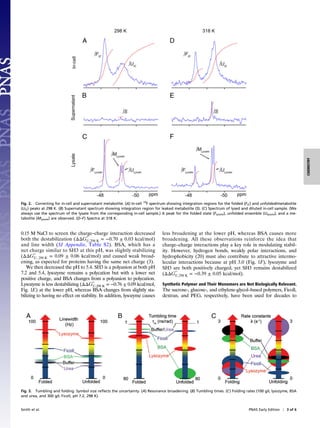
Fig. 1. Fluorine spectra acquired at 298 K, in buffer (A) and cells (B). The blue trace is from the postexperiment supernatant and shows that the red spectrum
arises from protein inside cells. Stability curves (C) in buffer (black), in cells (red and green), and in 100 g/L urea (magenta). In-cell metabolite correction and
analysis of uncertainties are discussed in Results and Discussion and Materials and Methods, respectively. Shaded regions are 95% confidence intervals. Error
bars for buffer are smaller than the labels and represent the SD of three trials. Error bars for the in-cell data at 273, 298, and 313 K represent the SD of three
trials. Stability in buffer (black) and solutions of 100 g/L BSA (blue) and lysozyme (red) at different pH values (D–F). The curve for buffer from C is reproduced
in D. The net charges on SH3, BSA, and lysozyme (based on sequence) are shown. Error bars (298 K) represent the SD from three trials. Appearance of new
resonances in the pH 3 BSA sample prevented extraction of thermodynamic parameters.
2 of 6 | www.pnas.org/cgi/doi/10.1073/pnas.1518620113 Smith et al.
0.15 M NaCl to screen the charge–charge interaction decreased
both the destabilization (ΔΔG°′
U,298  K = −0.70 ± 0.03 kcal/mol)
and line width (SI Appendix, Table S2). BSA, which has a
net charge similar to SH3 at this pH, was slightly stabilizing
(ΔΔG°′
U,  298  K = 0.09 ± 0.06 kcal/mol) and caused weak broad-
ening, as expected for proteins having the same net charge (3).
We then decreased the pH to 5.4. SH3 is a polyanion at both pH
7.2 and 5.4, lysozyme remains a polycation but with a lower net
positive charge, and BSA changes from a polyanion to polycation.
Lysozyme is less destabilizing (ΔΔG°′
U,298  K = −0.76 ± 0.09 kcal/mol,
Fig. 1E) at the lower pH, whereas BSA changes from slightly sta-
bilizing to having no effect on stability. In addition, lysozyme causes
less broadening at the lower pH, whereas BSA causes more
broadening. All these observations reinforce the idea that
charge–charge interactions play a key role in modulating stabil-
ity. However, hydrogen bonds, weakly polar interactions, and
hydrophobicity (20) must also contribute to attractive intermo-
lecular interactions because at pH 3.0 (Fig. 1F), lysozyme and
SH3 are both positively charged, yet SH3 remains destabilized
(ΔΔG°′
U,298  K = −0.39 ± 0.05 kcal/mol).
Synthetic Polymer and Their Monomers are Not Biologically Relevant.
The sucrose-, glucose-, and ethylene-glycol–based polymers, Ficoll,
dextran, and PEG, respectively, have been used for decades to
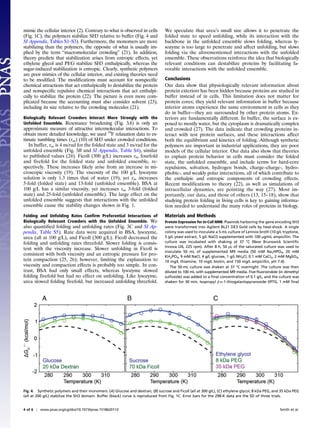
Fig. 2. Correcting for in-cell and supernatant metabolite. (A) In-cell 19
F spectrum showing integration regions for the folded (FIC) and unfolded/metabolite
(UIC) peaks at 298 K. (B) Supernatant spectrum showing integration region for leaked metabolite (S). (C) Spectrum of lysed and diluted in-cell sample. (We
always use the spectrum of the lysate from the corresponding in-cell sample.) A peak for the folded state (Flysate), unfolded ensemble (Ulysate), and a me-
tabolite (Mlysate) are observed. (D–F) Spectra at 318 K.
Fig. 3. Tumbling and folding. Symbol size reflects the uncertainty. (A) Resonance broadening. (B) Tumbling times. (C) Folding rates (100 g/L lysozyme, BSA
and urea, and 300 g/L Ficoll, pH 7.2, 298 K).
Smith et al. PNAS Early Edition | 3 of 6
CHEMISTRY
mimic the cellular interior (2). Contrary to what is observed in cells
(Fig. 1C), the polymers stabilize SH3 relative to buffer (Fig. 4 and
SI Appendix, Tables S1–S3). Furthermore, the monomers are more
stabilizing than the polymers, the opposite of what is usually im-
plied by the term “macromolecular crowding” (21). In addition,
theory predicts that stabilization arises from entropic effects, yet
ethylene glycol and PEG stabilize SH3 enthalpically, whereas the
sugar-induced stabilization is entropic. Clearly, synthetic polymers
are poor mimics of the cellular interior, and existing theories need
to be modified. The modifications must account for nonspecific
chemical attractions that act enthalpically to destabilize the protein
and nonspecific repulsive chemical interactions that act enthalpi-
cally to stabilize the protein (22). The picture is even more com-
plicated because the accounting must also consider solvent (23),
including its size relative to the crowding molecules (21).
Biologically Relevant Crowders Interact More Strongly with the
Unfolded Ensemble. Resonance broadening (Fig. 3A) is only an
approximate measure of attractive intermolecular interactions. To
obtain more detailed knowledge, we used 19
F relaxation data to es-
timate tumbling times (τm) (10) of SH3 under crowded conditions.
In buffer, τm is 4 ns/rad for the folded state and 3 ns/rad for the
unfolded ensemble (Fig. 3B and SI Appendix, Table S4), similar
to published values (24). Ficoll (300 g/L) increases τm fourfold
and fivefold for the folded state and unfolded ensemble, re-
spectively. These increases likely arise from an increase in mi-
croscopic viscosity (19). The viscosity of the 100 g/L lysozyme
solution is only 1.3 times that of water (19), yet τm increases
5-fold (folded state) and 13-fold (unfolded ensemble). BSA at
100 g/L has a similar viscosity, yet increases τm 3-fold (folded
state) and 25-fold (unfolded ensemble). The large effect on the
unfolded ensemble suggests that interactions with the unfolded
ensemble cause the stability changes shown in Fig. 1.
Folding and Unfolding Rates Confirm Preferential Interactions of
Biologically Relevant Crowders with the Unfolded Ensemble. We
also quantified folding and unfolding rates (Fig. 3C and SI Ap-
pendix, Table S5). Rate data were acquired in BSA, lysozyme,
urea (all at 100 g/L), and Ficoll (300 g/L). Ficoll decreased the
folding and unfolding rates threefold. Slower folding is consis-
tent with the viscosity increase. Slower unfolding in Ficoll is
consistent with both viscosity and an entropic pressure for pro-
tein compaction (25, 26); however, limiting the explanation to
viscosity and compaction effects is probably too simple. In con-
trast, BSA had only small effects, whereas lysozyme slowed
folding fivefold but had no effect on unfolding. Like lysozyme,
urea slowed folding fivefold, but increased unfolding threefold.
We speculate that urea’s small size allows it to penetrate the
folded state to speed unfolding, while its interaction with the
backbone in the unfolded ensemble slows folding, whereas ly-
sozyme is too large to penetrate and affect unfolding, but slows
folding via the aforementioned interactions with the unfolded
ensemble. These observations reinforce the idea that biologically
relevant conditions can destabilize proteins by facilitating fa-
vorable interactions with the unfolded ensemble.
Conclusions
Our data show that physiologically relevant information about
protein exteriors has been hidden because proteins are studied in
buffer instead of in cells. This limitation does not matter for
protein cores; they yield relevant information in buffer because
interior atoms experience the same environment in cells as they
do in buffer––they are surrounded by other protein atoms. Ex-
teriors are fundamentally different. In buffer, the surface is ex-
posed to mostly water, but the cytoplasm is dramatically complex
and crowded (27). The data indicate that crowding proteins in-
teract with test protein surfaces, and these interactions affect
both the equilibrium and kinetics of folding. Although synthetic
polymers are important in industrial applications, they are poor
models of the cellular interior. Our data also show that theories
to explain protein behavior in cells must consider the folded
state, the unfolded ensemble, and include terms for hard-core
repulsions, solvation, hydrogen bonds, charge–charge-, hydro-
phobic-, and weakly polar interactions, all of which contribute to
the enthalpic and entropic components of crowding effects.
Recent modifications to theory (22), as well as simulations of
intracellular dynamics, are pointing the way (27). Most im-
portantly, our data, and those of others (13, 15–18), show that
studying protein folding in living cells is key to gaining informa-
tion needed to understand the many roles of proteins in biology.
Materials and Methods
Protein Expression for In-Cell NMR. Plasmids harboring the gene encoding SH3
were transformed into Agilent BL21 DE3 Gold cells by heat-shock. A single
colony was used to inoculate a 5-mL culture of Lennox broth (10 g/L tryptone,
5 g/L yeast extract, 5 g/L NaCl) supplemented with 100 μg/mL ampicillin. The
culture was incubated with shaking at 37 °C (New Brunswick Scientific
Innova I26, 225 rpm). After 8 h, 50 μL of the saturated culture was used to
inoculate 50 mL of supplemented M9 media (50 mM Na2HPO4, 20 mM
KH2PO4, 9 mM NaCl, 4 g/L glucose, 1 g/L NH4Cl, 0.1 mM CaCl2, 2 mM MgSO4,
10 mg/L thiamine, 10 mg/L biotin, and 150 mg/L ampicillin, pH 7.4).
The 50-mL culture was shaken at 37 °C overnight. The culture was then
diluted to 100 mL with supplemented M9 media. Five-fluoroindole (in dimethyl
sulfoxide) was added to a final concentration of 0.1 g/L, and the culture was
shaken for 30 min. Isopropyl β-D-1-thiogalactopyranoside (IPTG, 1 mM final
Fig. 4. Synthetic polymers and their monomers. (A) Glucose and dextran, (B) sucrose and Ficoll (all at 300 g/L), (C) ethylene glycol, 8 kDa PEG, and 35 kDa PEG
(all at 200 g/L) stabilize the SH3 domain. Buffer (black) curve is reproduced from Fig. 1C. Error bars for the 298-K data are the SD of three trials.
4 of 6 | www.pnas.org/cgi/doi/10.1073/pnas.1518620113 Smith et al.
concentration) was used to induce expression. After 45 min, cells were pel-
leted at 1,000 × g and resuspended in M9 media without 5-fluoroindole, and
expression was again induced to ensure efficient incorporation of the label.
After 45 min, the cells were pelleted at 1,000 × g and washed three times
with in-cell NMR buffer (200 mM Hepes, 100 mM bis-Tris propane, 50 μg/mL
chloramphenicol, 150 μg/mL ampicillin, pH ∼7.6). Chloramphenicol was used
to halt protein expression before NMR. Cell pellets were resuspended in
300 μL of in-cell NMR buffer and loaded into standard 5-mm NMR tubes.
Typical cell slurries were 50% wet cells by volume.
Protein Expression for Purification. Transformation and growth were per-
formed as described in the first paragraph of the previous section.
The 50-mL cultures were shaken at 37 °C overnight, diluted to 1 L with
supplemented M9 media, and shaken until the optical density at 600 nm
reached 0.6. Five-fluoroindole was added (0.1 g/L final concentration) and
the culture shaken for an additional 30 min. IPTG (1 mM final concen-
tration) was used to induce expression. After 1 h, cells were pelleted at
1,000 g at 10 °C for 30 min, resuspended in 50 mM Tris (pH 7.5), and
frozen at −80 °C.
Protease inhibitors [Sigma-Aldrich P-2714, containing 4-(2-aminoethyl)
benzenesulfonyl fluoride, aprotinin, bestatin, E-64, EDTA, and leupeptin]
were added before lysis. Cells were lysed by sonication (Fisher Scientific
Sonic Dismembrator model 500, 15% amplitude, 15 min, 67% duty cycle)
on ice. Cell debris was removed by centrifugation at 16,000 × g at 10 °C for
30 min, and the sample was passed through a 0.45-μm filter. Purification
involved two chromatography steps using a GE AKTA FPLC. The first step
was anion exchange (GE Q column, 5–45% gradient, 50 mM Tris wash
buffer, 50 mM Tris/1 M NaCl eluant buffer, pH 7.5). SH3 binds weakly to
anion exchange media. Protease inhibitors were added to the SH3-containing
fractions, and the sample was passed through a 0.22-μm filter. The second
step was size exclusion chromatography (GE Superdex 75 column eluted
with 50 mM K2HPO4, 150 mM NaCl, 1 mM EDTA, pH 7.2). Purified protein
was dialyzed against 17 MΩ cm−1
H2O for 4 h at room temperature and/or
overnight at 5 °C. Buffer was changed every 1.5–2 h. After dialysis and fil-
tration through a 0.22-μm filter, the sample was flash frozen in a dry-ice/
ethanol bath and lyophilized for 12 h (Labconco FreeZone). Mass spectral
analysis showed a single mass of 6,880 Da, consistent with expected mass of
the fluorine-labeled protein, indicating the absence of the metabolite ob-
served in cells (see below).
NMR. In-cell samples were prepared as described above. For in vitro ex-
periments, purified fluorine-labeled protein was added to NMR buffer
(50 mM acetic acid/sodium acetate, Hepes, bis-Tris propane, pH 7.2) containing
the stated concentration of cosolute. The concentration of BSA/lysozyme
was verified by UV-visible spectroscopy (NanoDrop ND-1000). Polymer and
lysate crowders were weighed (Ohaus PA64). One experiment used NMR
buffer plus 150 mM NaCl, to assess salt dependence. Fluorine spectra were
acquired at 4 °C (5 °C for in-cell experiments), 10 °C, 15 °C, 20 °C, 25 °C, 30 °C,
35 °C, 40 °C, and 45 °C with a Bruker Avance III HD spectrometer operating
at a 19
F Larmor frequency of 470 MHz running Topspin Version 3.2 and
equipped with a Bruker QCI cryoprobe. Resonances were referenced to
trifluoroacetic acid (0.1%) in D2O placed in a coaxial insert inside the NMR
tube. The D2O also served to lock the spectrometer. The temperature was
calibrated with a two-point standard curve using deuterated methanol.
The total relaxation delay for one-dimensional experiments was 5 s. The
sweep width was 70 ppm. The number of scans depended on cosolute
and ranged from 32 to 256. Carr–Purcell–Meiboom–Gill-based spin–spin
relaxation time (T2) measurements used mixing times (tmix) of 1.0, 2.1,4.2
(×3), 6.3, 8.4, 16.8, 33.5, and 67.0 ms. A 955-Hz effective field was used
to negate effects of chemical exchange. The transmitter was placed on-
resonance to prevent ineffective refocusing. Spin-lattice relaxation times
(T1) were measured using an inversion recovery sequence [tmix: 0, 0.05 (×3),
0.10, 0.25, 0.50, 0.80, 1.00, and 1.50 s]. A Bruker library NOESY experiment
[tmix: 1.5, 50, 90, 150, 225, 300, 600, and 1,000 ms for buffer and 1.5, 70,
140 (×3), 210, 300, 500, and 800 ms for crowded samples] with a 2-s re-
laxation delay was used to measure folding/unfolding rates. Sweep widths
were 70 ppm in both dimensions; 1,024 complex points were collected
during t2 with 64 or 72 complex points in t1 at each tmix. Sixteen transients
were acquired per increment.
Fluorine spectra were acquired before and after the relaxation and ex-
change experiments to assess sample integrity and reversibility. Populations
of the folded and unfolded states remained constant, or the dataset was
discarded. For the in-cell samples, the cell slurry was removed after the
experiment and gently pelleted. The supernatant was diluted twofold.
The cells were resuspended in 0.4 mL of in-cell NMR buffer plus protease
inhibitors, lysed by sonication, and clarified at 16,000 × g. Spectra were ac-
quired on the supernatant to assess protein leakage and on the lysates to
assess the effect of lysates on stability. No protein leakage was observed.
Data Processing. Data were processed with Topspin 3.2. For temperature
variation experiments, free induction decays (fids, 50,000 points each) were
subjected to a 10–15-Hz broadening function before zero filling (to 131,000
points) and Fourier transformation. For T1 and T2 experiments, fids (50,000
points) were subjected to a 10- to 15-Hz broadening function before zero-
filling to 131,000 points. For exchange spectroscopy, t2 data (1,024 complex
points) were subjected to a cosine-squared bell function before zero filling
to 4,096 points. t1 data were linear predicted to 256 points before applica-
tion of a cosine-squared bell function. Subsequent zero filling to 512 points
and Fourier transformation yielded the final spectra.
Resonance intensities were extracted for relaxation experiments. For
temperature variation experiments, peaks were integrated. Peak volumes
were fitted as described. Published assignments were used (7).
Fluorine T1 (1/R1) and T2 (1/R2) data were fit using Model Free formalism
to calculate rotational correlation times (τm) (28, 29). The internal correlation
time (τe) and the order parameter (S2
) were set to 20 ps and 0.82 for the
folded state and 1,200 ps and 0.34 for the unfolded state, respectively (24).
Chemical shift anisotropy and asymmetry terms were set to −93.5 ppm
and 0.24, respectively (30). No μs-ms motion was observed in buffer, and a
950-Hz effective field was used for the R2 measurements. Therefore,
chemical exchange was not included in fitting. The average 19
F-1
H distances
(r) and τm were then minimized based on fitting the R1 and R2 data.
Analysis of Uncertainties. Triplicate datasets, using three different batches of
purified protein, were acquired for the pH 7.2 buffer dataset. The sample SDs
depended on temperature (±52 cal/mol, ±45 cal/mol, ±59 cal/mol, ±31
cal/mol, ±31 cal/mol, ±66 cal/mol, ±61 cal/mol, ±14 cal/mol, ±35 cal/mol at 4 °C,
10 °C, 15 °C, 20 °C, 25 °C, 30 °C, 35 °C, 40 °C, and 45 °C, respectively). For
buffer, we used these SDs to drive Monte Carlo error analysis. One thousand
randomly generated datasets were fitted to the integrated Gibbs–Helmholtz
equation at Tref. To extrapolate H°′
U,  Tref
and ΔS°′
U,  Tref
, and their uncertainties,
to 298 K, the average and sample SDs of ΔH°′
U,  Tref
, Tref, and ΔC°′
p,U from this
analysis were used to drive another Monte Carlo analysis (n = 106
) using
Kirchhoff’s relations. The uncertainties in ΔH°′
U,  298  K and ΔS°′
U,  298  K are larger
than the uncertainty in ΔG°′
U,  298  K because the enthalpy and entropy of
unfolding are derived from for three variables (ΔH°′
U,  Tref
, Tref, and ΔC°′
p,U) and
their uncertainties.
For the in-cell data, a similar method was used. Triplicate data were
obtained for the 10 °C, 25 °C, and 40 °C datasets. For the other datasets
uncertainties from the nearest-neighbor triplicate dataset were used to
drive the analysis. For example, the 5 °C and 15 °C used the uncertainty
associated with the 10 °C dataset.
For in vitro experiments in the presence of crowders, triplicate 25 °C data
were acquired on the same sample. The SD was used to scale the uncer-
tainties at other temperatures based on the SDs of the buffer dataset.
These scaled values were used to drive the Monte Carlo analysis.
For in vitro relaxation rates, one mixing time was acquired three times. The
sample SD was used to drive Monte Carlo analysis (n = 1,000) to obtain R1 and
R2. The mean and SDs from this analysis were used to drive another Monte
Carlo analysis (n = 1,000) using the Model Free approach (28, 29) to obtain r,
τm, and their uncertainties. Fitted r values varied from 1.8 to 2.1 Å for the
folded state and from 2.0 to 2.4 Å for the unfolded state.
Folding rate data in buffer were acquired in triplicate and fitted as
described (31). The uncertainty is the sample SD. For in vitro folding rates,
one mixing time was acquired three times. The sample SD was used to
drive Monte Carlo analysis (n = 100). For folding rates, R1 was fixed to
the value acquired from inversion recovery experiments for in vitro
crowded conditions.
In-Cell pH. Purified protein was resuspended in 50 mM citrate, 50 mM bis-Tris
propane, 50 mM Hepes, 50 mM borate, 5% D2O, 0.1% DSS (pH values: 5.0,
5.8, 6.5, 6.9, and 7.5). Data were acquired from 10 °C to 40 °C in 5 °C in-
crements. The difference in the 19
F chemical shifts between the two states is
sensitive to pH (SI Appendix, Fig. S3). These experiments were combined
with two NMR buffer experiments [50 mM acetate, 50 mM Hepes, 50 mM
bis-Tris at pH 7.2 (with and without 0.15 M NaCl)] to assess salt effects, which
were minimal. The shift change as a function of pH was fitted to a second-
order polynomial to produce a standard curve. Shift differences from in-cell
data sets were then compared with this standard curve to obtain the pH in
cells. The pH in cells, 7.2, compares favorably to the external meter reading
minus 0.4 pH units, as previously described (32, 33).
Smith et al. PNAS Early Edition | 5 of 6
CHEMISTRY
ACKNOWLEDGMENTS. We thank Linda L. Spremulli for inspiring us to study
protein in cells, Paul J. Sapienza and Andrew L. Lee for assistance with
relaxation analysis, Alex J. Gusman for help with mass spectrometry, Matthew
R. Redinbo and Elizabeth Pielak for helpful comments, and Gregory B. Young
for spectrometer maintenance. This work was supported by the National Sci-
ence Foundation (MCB 1410854) and the Cluster of Excellence RESOLV
(EXC1069) funded by the Deutsche Forschungsgemeinschaft. M.S. acknowl-
edges financial support from the Verband der Chemischen Industrie.
1. Minton AP (1981) Excluded volume as a determinant of macromolecular structure and
reactivity. Biopolymers 20(10):2093–2120.
2. Ellis RJ (2001) Macromolecular crowding: Obvious but underappreciated. Trends
Biochem Sci 26(10):597–604.
3. Sarkar M, Li C, Pielak GJ (2013) Soft interactions and crowding. Biophys Rev 5(2):
187–194.
4. Zhang O, Forman-Kay JD (1995) Structural characterization of folded and unfolded
states of an SH3 domain in equilibrium in aqueous buffer. Biochemistry 34(20):
6784–6794.
5. Anfinsen CB (1973) Principles that govern the folding of protein chains. Science
181(4096):223–230.
6. Crowley PB, Kyne C, Monteith WB (2012) Simple and inexpensive incorporation
of 19F-tryptophan for protein NMR spectroscopy. Chem Commun (Camb) 48(86):
10681–10683.
7. Evanics F, et al. (2006) Tryptophan solvent exposure in folded and unfolded states of
an SH3 domain by 19
F and 1
H NMR. Biochemistry 45(47):14120–14128.
8. Li C, Pielak GJ (2009) Using NMR to distinguish viscosity effects from nonspecific
protein binding under crowded conditions. J Am Chem Soc 131(4):1368–1369.
9. Li C, Wang Y, Pielak GJ (2009) Translational and rotational diffusion of a small
globular protein under crowded conditions. J Phys Chem B 113(40):13390–13392.
10. Ye Y, et al. (2013) (19)
F NMR spectroscopy as a probe of cytoplasmic viscosity and weak
protein interactions in living cells. Chemistry 19(38):12705–12710.
11. Becktel WJ, Schellman JA (1987) Protein stability curves. Biopolymers 26(11):
1859–1877.
12. Gómez J, Hilser VJ, Xie D, Freire E (1995) The heat capacity of proteins. Proteins 22(4):
404–412.
13. Monteith WB, Cohen RD, Smith AE, Guzman-Cisneros E, Pielak GJ (2015) Quinary
structure modulates protein stability in cells. Proc Natl Acad Sci USA 112(6):
1739–1742.
14. Sarkar M, Smith AE, Pielak GJ (2013) Impact of reconstituted cytosol on protein sta-
bility. Proc Natl Acad Sci USA 110(48):19342–19347.
15. Danielsson J, et al. (2015) Thermodynamics of protein destabilization in live cells. Proc
Natl Acad Sci USA 112(40):12402–12407.
16. Ebbinghaus S, Dhar A, McDonald JD, Gruebele M (2010) Protein folding stability and
dynamics imaged in a living cell. Nat Methods 7(4):319–323.
17. Inomata K, et al. (2009) High-resolution multi-dimensional NMR spectroscopy of
proteins in human cells. Nature 458(7234):106–109.
18. Ignatova Z, et al. (2007) From the test tube to the cell: Exploring the folding and
aggregation of a β-clam protein. Biopolymers 88(2):157–163.
19. Wang Y, Li C, Pielak GJ (2010) Effects of proteins on protein diffusion. J Am Chem Soc
132(27):9392–9397.
20. Wang Q, Zhuravleva A, Gierasch LM (2011) Exploring weak, transient protein–protein
interactions in crowded in vivo environments by in-cell nuclear magnetic resonance
spectroscopy. Biochemistry 50(43):9225–9236.
21. Sharp KA (2015) Analysis of the size dependence of macromolecular crowding shows
that smaller is better. Proc Natl Acad Sci USA 112(26):7990–7995.
22. Sapir L, Harries D (2015) Is the depletion force entropic? Molecular crowding beyond
steric interactions. Curr Opin Colloid Interface Sci 20(1):3–10.
23. Sukenik S, Sapir L, Gilman-Politi R, Harries D (2013) Diversity in the mechanisms of
cosolute action on biomolecular processes. Faraday Discuss 160:225–237, discussion
311–327.
24. Farrow NA, Zhang O, Forman-Kay JD, Kay LE (1995) Comparison of the backbone
dynamics of a folded and an unfolded SH3 domain existing in equilibrium in aqueous
buffer. Biochemistry 34(3):868–878.
25. Hong J, Gierasch LM (2010) Macromolecular crowding remodels the energy landscape
of a protein by favoring a more compact unfolded state. J Am Chem Soc 132(30):
10445–10452.
26. Ai X, Zhou Z, Bai Y, Choy W-Y (2006) 15
N NMR spin relaxation dispersion study of the
molecular crowding effects on protein folding under native conditions. J Am Chem
Soc 128(12):3916–3917.
27. McGuffee SR, Elcock AH (2010) Diffusion, crowding and protein stability in a dynamic
molecular model of the bacterial cytoplasm. PLOS Comput Biol 6(3):e1000694.
28. Lipari G, Szabo A (1982) Model-free approach to the interpretation of nuclear
magnetic resonance relaxation in macromolecules. 1. Theory and range of validity.
J Am Chem Soc 104(17):4546–4559.
29. Lipari G, Szabo A (1982) Model-free approach to the interpretation of nuclear
magnetic resonance relaxation in macromolecules. 2. Analysis of experimental results.
J Am Chem Soc 104(17):4559–4570.
30. Luck LA, Vance JE, O’Connell TM, London RE (1996) 19
F NMR relaxation studies on
5-fluorotryptophan- and tetradeutero-5-fluorotryptophan-labeled E. coli glucose/
galactose receptor. J Biomol NMR 7(4):261–272.
31. Farrow NA, Zhang O, Forman-Kay JD, Kay LE (1994) A heteronuclear correlation ex-
periment for simultaneous determination of 15
N longitudinal decay and chemical
exchange rates of systems in slow equilibrium. J Biomol NMR 4(5):727–734.
32. Smith AE, Zhou LZ, Pielak GJ (2015) Hydrogen exchange of disordered proteins in
Escherichia coli. Protein Sci 24(5):706–713.
33. Waudby CA, et al. (2013) In-cell NMR characterization of the secondary structure
populations of a disordered conformation of α-synuclein within E. coli cells. PLoS One
8(8):e72286.
6 of 6 | www.pnas.org/cgi/doi/10.1073/pnas.1518620113 Smith et al.

Smith_PNAS_2016

  • 1.
    In-cell thermodynamics anda new role for protein surfaces Austin E. Smitha , Larry Z. Zhoua , Annelise H. Gorenseka , Michael Senskeb , and Gary J. Pielaka,c,d,1 a Department of Chemistry, University of North Carolina at Chapel Hill, Chapel Hill, NC 27599; b Department of Physical Chemistry II, Ruhr-Universität Bochum, 44780 Bochum, Germany; c Department of Biochemistry and Biophysics, University of North Carolina at Chapel Hill, Chapel Hill, NC 27599; and d Lineberger Comprehensive Cancer Center, University of North Carolina at Chapel Hill, Chapel Hill, NC 27599 Edited by Martin Gruebele, University of Illinois at Urbana–Champaign, Urbana, IL, and approved December 14, 2015 (received for review September 21, 2015) There is abundant, physiologically relevant knowledge about pro- tein cores; they are hydrophobic, exquisitely well packed, and nearly all hydrogen bonds are satisfied. An equivalent understand- ing of protein surfaces has remained elusive because proteins are almost exclusively studied in vitro in simple aqueous solutions. Here, we establish the essential physiological roles played by protein surfaces by measuring the equilibrium thermodynamics and kinetics of protein folding in the complex environment of living Escherichia coli cells, and under physiologically relevant in vitro con- ditions. Fluorine NMR data on the 7-kDa globular N-terminal SH3 domain of Drosophila signal transduction protein drk (SH3) show that charge–charge interactions are fundamental to protein stability and folding kinetics in cells. Our results contradict predictions from accepted theories of macromolecular crowding and show that coso- lutes commonly used to mimic the cellular interior do not yield physiologically relevant information. As such, we provide the foun- dation for a complete picture of protein chemistry in cells. protein NMR | protein thermodynamics | protein folding | in-cell NMR Classic theories about the effects of complex environments consider only hard-core repulsions (volume exclusion) and so predict entropy-driven protein stabilization (1-3). Here, we use the 7-kDa globular N-terminal SH3 domain of Drosophila signal transduction protein drk (SH3) as a model to test this idea in living cells. SH3 exists in a dynamic equilibrium between the folded state and the unfolded ensemble (4). This two-state behavior (5) is ideal for NMR-based studies of folding. Fluorine labeling (6) of its sole tryptophan leads to only two 19 F resonances (7): one from the folded state, the other from the unfolded ensemble (Fig. 1A). The area under each resonance is proportional to its population, ρf and ρu, respectively. These populations are used to quantify protein stability via the modi- fied standard state free energy of unfolding, ΔG°′ U,T = −RTln ρU ρF , [1] where R is the gas constant and T is the absolute temperature. Furthermore, the width at half height of each resonance is pro- portional to the transverse relaxation rate, which is an approx- imate measure of intermolecular interactions (8–10). Thus, this simple system yields both quantitative thermodynamic knowl- edge and information about interactions involving the folded state and the unfolded ensemble. To assess the enthalpic (ΔH°′ U) and entropic (ΔS°′ U) components, we measured the temperature dependence of ΔG°′ U. These data were fitted to the integrated Gibbs–Helmholtz equation (11), as- suming a constant heat capacity of unfolding, ΔC° p,U: ΔG°′ U,T = ΔH°′ U,Tref − TΔS°′ U,Tref + ΔC°′ p,U T − Tref − T ln T Tref ! , [2] where Tref is either the melting temperature, Tm (where ρf = ρu), or the temperature of maximum stability, Ts (where ΔS°′ U = 0) (11). Results and Discussion Stability in Buffer. In buffer at pH 7.2 and 298 K, ΔG°′ U is 0.52 ± 0.03 kcal/mol, ΔH°′ U is 10 ± 1 kcal/mol, TΔS°′ U is 10 ± 1 kcal/mol, and ΔC°′ p,U is 0.87 ± 0.06 kcal/mol/K (Fig. 1C and SI Appendix, Tables S1 and S2). ΔG°′ U is concentration independent from 11 μM to 1.1 mM (SI Appendix, Fig. S1) and consistent with reported values (4, 7). ΔC°′ p,U is also consistent with predictions (11, 12). Stability in Cells. Spectra were then acquired in E. coli (Fig. 1B). We know from cell lysate spectra that a 19 F-labeled metabolite is present under the peak from the unfolded ensemble (Fig. 2). Two approaches were used to account for this metabolite in calculations of ΔG°′ U,  T. At one extreme, no correction was made, such that the equilib- rium constant for unfolding equals the area of the composite in-cell (IC) unfolded peak ( R UIC) over the area of the folded form ( R FIC): ΔG°′ U,raw = −RTln R UIC R FIC . [3] This approach overestimates the population of the unfolded ensemble, and thus gives a minimum value for ΔG°′ U,  T (Eq. 3, green curve in Fig. 1C). The second method accounts for the metabolite by using the following equations, which are described below:   Ufrac = R Ulysate R Ulysate + R Mlysate , [4]   ΔG°′ U,corr = −RTln À R UIC − R S Á   ×   Ufrac R FIC . [5] The first step removes the contribution from any leaked metabolite. This was accomplished by examining the supernatant spectrum, Significance Understanding protein thermodynamics as it occurs inside cells is a fundamental goal of biophysics, and, from a practical point of view, will facilitate the design and improvement of protein-based drugs and catalysts. By measuring the temperature dependence of protein stability inside Escherichia coli cells, we show, contrary to predictions, that proteins are not necessarily stabilized inside cells compared with buffer alone. We also show that crowding- induced charge–charge interactions slow folding because of pref- erential interactions with the unfolded ensemble, and reducing these interactions increases protein stability. Author contributions: A.E.S. and G.J.P. designed research; A.E.S., L.Z.Z., A.H.G., and M.S. performed research; A.E.S., L.Z.Z., A.H.G., M.S., and G.J.P. analyzed data; and A.E.S., L.Z.Z., A.H.G., M.S., and G.J.P. wrote the paper. The authors declare no conflict of interest. This article is a PNAS Direct Submission. 1 To whom correspondence should be addressed. Email: gary_pielak@unc.edu. This article contains supporting information online at www.pnas.org/lookup/suppl/doi:10. 1073/pnas.1518620113/-/DCSupplemental. www.pnas.org/cgi/doi/10.1073/pnas.1518620113 PNAS Early Edition | 1 of 6 CHEMISTRY
  • 2.
    which does notcontain any SH3 protein, folded or unfolded. The area of the metabolite resonance in the supernatant spectrum ( R S, Fig. 2 B and E) was subtracted from the area of the com- posite peak in the in-cell spectrum ( R UIC) to yield R UIC − R S. The second step estimates Ufrac (Eq. 4), the fraction of the com- posite in-cell peak, UIC, that represents the unfolded ensemble. This estimation was accomplished by using the spectrum of the cell lysate (Fig. 2 C and F), which contains resolved peaks for the metabolite plus the unfolded ensemble in the lysate. The ratio of the area of the unfolded peak ( R Ulysate) to the total upfield peak [ R (Ulysate + Mlysate)] provides Ufrac (Eq. 4). The product of the two terms [( R UIC − R S) * Ufrac] divided by the area from the reso- nance of the folded form in cells ( R FIC) gives a metabolite-cor- rected approximation of the equilibrium constant that was used to estimate ΔG°′ U,  T in cells (Eq. 5, red curve in Fig. 1C). Using Ufrac to correct the in-cell data is only an approximation because it assumes the population of the unfolded ensemble does not change on cell lysis. This approach probably overestimates ΔG°′ U,  T (gives the maximum stability, “cells-corrected” in Fig. 1C) because in vitro studies with protein crowders as well as in-cell studies show that destabilizing weak attractive interactions often dominate stabi- lizing hard-core excluded volume effect (13–15). We expect the true ΔG°′ U,  T lies between the two values. Both curves indicate that SH3 is not stabilized in cells (Fig. 1C). Tm and ΔG°′ U either decreased or were unchanged compared with buffer (SI Appendix, Tables S1 and S2), consistent with other studies,(13, 15–18) but inconsistent with previously accepted crowding theory (1, 2). ΔC°′ p,U is the same in buffer and in cells (SI Appendix, Table S1). The stability decrease from the uncorrected data (0.53 ± 0.07 kcal/mol at 298 K) arises from a decrease in ΔH°′ U (SI Appendix, Table S3), which is also inconsistent with theory. The corrected data indicate no change in ΔH°′ U,  T. Further, diluted cell lysates and 100 gdry/L reconstituted lysate (14, 19) had little effect on SH3 stability (SI Appendix, Fig. S2). Because stabilizing hard- core repulsions are always present, our data show that these re- pulsions can be completely offset by attractive interactions in cells. Charge–Charge Interactions. To probe electrostatic interactions between SH3 (pIcalc 5, Fig. 1 D–F) and protein crowders, we then performed in vitro experiments at several pH values in 100-g/L solutions of BSA (66 kDa, pIcalc 6) or lysozyme (14 kDa, pIcalc 9). At pH 7.2, lysozyme destabilized SH3 relative to buffer (ΔΔG°′ U,298  K = −0.92 ± 0.03 kcal/mol, Fig. 1D) and broadened its resonances (Fig. 3A and SI Appendix, Table S2). We attribute both effects primarily to attractive, nonspecific, charge–charge interac- tions between the protein surfaces. Consistent with this idea, adding Fig. 1. Fluorine spectra acquired at 298 K, in buffer (A) and cells (B). The blue trace is from the postexperiment supernatant and shows that the red spectrum arises from protein inside cells. Stability curves (C) in buffer (black), in cells (red and green), and in 100 g/L urea (magenta). In-cell metabolite correction and analysis of uncertainties are discussed in Results and Discussion and Materials and Methods, respectively. Shaded regions are 95% confidence intervals. Error bars for buffer are smaller than the labels and represent the SD of three trials. Error bars for the in-cell data at 273, 298, and 313 K represent the SD of three trials. Stability in buffer (black) and solutions of 100 g/L BSA (blue) and lysozyme (red) at different pH values (D–F). The curve for buffer from C is reproduced in D. The net charges on SH3, BSA, and lysozyme (based on sequence) are shown. Error bars (298 K) represent the SD from three trials. Appearance of new resonances in the pH 3 BSA sample prevented extraction of thermodynamic parameters. 2 of 6 | www.pnas.org/cgi/doi/10.1073/pnas.1518620113 Smith et al.
  • 3.
    0.15 M NaClto screen the charge–charge interaction decreased both the destabilization (ΔΔG°′ U,298  K = −0.70 ± 0.03 kcal/mol) and line width (SI Appendix, Table S2). BSA, which has a net charge similar to SH3 at this pH, was slightly stabilizing (ΔΔG°′ U,  298  K = 0.09 ± 0.06 kcal/mol) and caused weak broad- ening, as expected for proteins having the same net charge (3). We then decreased the pH to 5.4. SH3 is a polyanion at both pH 7.2 and 5.4, lysozyme remains a polycation but with a lower net positive charge, and BSA changes from a polyanion to polycation. Lysozyme is less destabilizing (ΔΔG°′ U,298  K = −0.76 ± 0.09 kcal/mol, Fig. 1E) at the lower pH, whereas BSA changes from slightly sta- bilizing to having no effect on stability. In addition, lysozyme causes less broadening at the lower pH, whereas BSA causes more broadening. All these observations reinforce the idea that charge–charge interactions play a key role in modulating stabil- ity. However, hydrogen bonds, weakly polar interactions, and hydrophobicity (20) must also contribute to attractive intermo- lecular interactions because at pH 3.0 (Fig. 1F), lysozyme and SH3 are both positively charged, yet SH3 remains destabilized (ΔΔG°′ U,298  K = −0.39 ± 0.05 kcal/mol). Synthetic Polymer and Their Monomers are Not Biologically Relevant. The sucrose-, glucose-, and ethylene-glycol–based polymers, Ficoll, dextran, and PEG, respectively, have been used for decades to Fig. 2. Correcting for in-cell and supernatant metabolite. (A) In-cell 19 F spectrum showing integration regions for the folded (FIC) and unfolded/metabolite (UIC) peaks at 298 K. (B) Supernatant spectrum showing integration region for leaked metabolite (S). (C) Spectrum of lysed and diluted in-cell sample. (We always use the spectrum of the lysate from the corresponding in-cell sample.) A peak for the folded state (Flysate), unfolded ensemble (Ulysate), and a me- tabolite (Mlysate) are observed. (D–F) Spectra at 318 K. Fig. 3. Tumbling and folding. Symbol size reflects the uncertainty. (A) Resonance broadening. (B) Tumbling times. (C) Folding rates (100 g/L lysozyme, BSA and urea, and 300 g/L Ficoll, pH 7.2, 298 K). Smith et al. PNAS Early Edition | 3 of 6 CHEMISTRY
  • 4.
    mimic the cellularinterior (2). Contrary to what is observed in cells (Fig. 1C), the polymers stabilize SH3 relative to buffer (Fig. 4 and SI Appendix, Tables S1–S3). Furthermore, the monomers are more stabilizing than the polymers, the opposite of what is usually im- plied by the term “macromolecular crowding” (21). In addition, theory predicts that stabilization arises from entropic effects, yet ethylene glycol and PEG stabilize SH3 enthalpically, whereas the sugar-induced stabilization is entropic. Clearly, synthetic polymers are poor mimics of the cellular interior, and existing theories need to be modified. The modifications must account for nonspecific chemical attractions that act enthalpically to destabilize the protein and nonspecific repulsive chemical interactions that act enthalpi- cally to stabilize the protein (22). The picture is even more com- plicated because the accounting must also consider solvent (23), including its size relative to the crowding molecules (21). Biologically Relevant Crowders Interact More Strongly with the Unfolded Ensemble. Resonance broadening (Fig. 3A) is only an approximate measure of attractive intermolecular interactions. To obtain more detailed knowledge, we used 19 F relaxation data to es- timate tumbling times (τm) (10) of SH3 under crowded conditions. In buffer, τm is 4 ns/rad for the folded state and 3 ns/rad for the unfolded ensemble (Fig. 3B and SI Appendix, Table S4), similar to published values (24). Ficoll (300 g/L) increases τm fourfold and fivefold for the folded state and unfolded ensemble, re- spectively. These increases likely arise from an increase in mi- croscopic viscosity (19). The viscosity of the 100 g/L lysozyme solution is only 1.3 times that of water (19), yet τm increases 5-fold (folded state) and 13-fold (unfolded ensemble). BSA at 100 g/L has a similar viscosity, yet increases τm 3-fold (folded state) and 25-fold (unfolded ensemble). The large effect on the unfolded ensemble suggests that interactions with the unfolded ensemble cause the stability changes shown in Fig. 1. Folding and Unfolding Rates Confirm Preferential Interactions of Biologically Relevant Crowders with the Unfolded Ensemble. We also quantified folding and unfolding rates (Fig. 3C and SI Ap- pendix, Table S5). Rate data were acquired in BSA, lysozyme, urea (all at 100 g/L), and Ficoll (300 g/L). Ficoll decreased the folding and unfolding rates threefold. Slower folding is consis- tent with the viscosity increase. Slower unfolding in Ficoll is consistent with both viscosity and an entropic pressure for pro- tein compaction (25, 26); however, limiting the explanation to viscosity and compaction effects is probably too simple. In con- trast, BSA had only small effects, whereas lysozyme slowed folding fivefold but had no effect on unfolding. Like lysozyme, urea slowed folding fivefold, but increased unfolding threefold. We speculate that urea’s small size allows it to penetrate the folded state to speed unfolding, while its interaction with the backbone in the unfolded ensemble slows folding, whereas ly- sozyme is too large to penetrate and affect unfolding, but slows folding via the aforementioned interactions with the unfolded ensemble. These observations reinforce the idea that biologically relevant conditions can destabilize proteins by facilitating fa- vorable interactions with the unfolded ensemble. Conclusions Our data show that physiologically relevant information about protein exteriors has been hidden because proteins are studied in buffer instead of in cells. This limitation does not matter for protein cores; they yield relevant information in buffer because interior atoms experience the same environment in cells as they do in buffer––they are surrounded by other protein atoms. Ex- teriors are fundamentally different. In buffer, the surface is ex- posed to mostly water, but the cytoplasm is dramatically complex and crowded (27). The data indicate that crowding proteins in- teract with test protein surfaces, and these interactions affect both the equilibrium and kinetics of folding. Although synthetic polymers are important in industrial applications, they are poor models of the cellular interior. Our data also show that theories to explain protein behavior in cells must consider the folded state, the unfolded ensemble, and include terms for hard-core repulsions, solvation, hydrogen bonds, charge–charge-, hydro- phobic-, and weakly polar interactions, all of which contribute to the enthalpic and entropic components of crowding effects. Recent modifications to theory (22), as well as simulations of intracellular dynamics, are pointing the way (27). Most im- portantly, our data, and those of others (13, 15–18), show that studying protein folding in living cells is key to gaining informa- tion needed to understand the many roles of proteins in biology. Materials and Methods Protein Expression for In-Cell NMR. Plasmids harboring the gene encoding SH3 were transformed into Agilent BL21 DE3 Gold cells by heat-shock. A single colony was used to inoculate a 5-mL culture of Lennox broth (10 g/L tryptone, 5 g/L yeast extract, 5 g/L NaCl) supplemented with 100 μg/mL ampicillin. The culture was incubated with shaking at 37 °C (New Brunswick Scientific Innova I26, 225 rpm). After 8 h, 50 μL of the saturated culture was used to inoculate 50 mL of supplemented M9 media (50 mM Na2HPO4, 20 mM KH2PO4, 9 mM NaCl, 4 g/L glucose, 1 g/L NH4Cl, 0.1 mM CaCl2, 2 mM MgSO4, 10 mg/L thiamine, 10 mg/L biotin, and 150 mg/L ampicillin, pH 7.4). The 50-mL culture was shaken at 37 °C overnight. The culture was then diluted to 100 mL with supplemented M9 media. Five-fluoroindole (in dimethyl sulfoxide) was added to a final concentration of 0.1 g/L, and the culture was shaken for 30 min. Isopropyl β-D-1-thiogalactopyranoside (IPTG, 1 mM final Fig. 4. Synthetic polymers and their monomers. (A) Glucose and dextran, (B) sucrose and Ficoll (all at 300 g/L), (C) ethylene glycol, 8 kDa PEG, and 35 kDa PEG (all at 200 g/L) stabilize the SH3 domain. Buffer (black) curve is reproduced from Fig. 1C. Error bars for the 298-K data are the SD of three trials. 4 of 6 | www.pnas.org/cgi/doi/10.1073/pnas.1518620113 Smith et al.
  • 5.
    concentration) was usedto induce expression. After 45 min, cells were pel- leted at 1,000 × g and resuspended in M9 media without 5-fluoroindole, and expression was again induced to ensure efficient incorporation of the label. After 45 min, the cells were pelleted at 1,000 × g and washed three times with in-cell NMR buffer (200 mM Hepes, 100 mM bis-Tris propane, 50 μg/mL chloramphenicol, 150 μg/mL ampicillin, pH ∼7.6). Chloramphenicol was used to halt protein expression before NMR. Cell pellets were resuspended in 300 μL of in-cell NMR buffer and loaded into standard 5-mm NMR tubes. Typical cell slurries were 50% wet cells by volume. Protein Expression for Purification. Transformation and growth were per- formed as described in the first paragraph of the previous section. The 50-mL cultures were shaken at 37 °C overnight, diluted to 1 L with supplemented M9 media, and shaken until the optical density at 600 nm reached 0.6. Five-fluoroindole was added (0.1 g/L final concentration) and the culture shaken for an additional 30 min. IPTG (1 mM final concen- tration) was used to induce expression. After 1 h, cells were pelleted at 1,000 g at 10 °C for 30 min, resuspended in 50 mM Tris (pH 7.5), and frozen at −80 °C. Protease inhibitors [Sigma-Aldrich P-2714, containing 4-(2-aminoethyl) benzenesulfonyl fluoride, aprotinin, bestatin, E-64, EDTA, and leupeptin] were added before lysis. Cells were lysed by sonication (Fisher Scientific Sonic Dismembrator model 500, 15% amplitude, 15 min, 67% duty cycle) on ice. Cell debris was removed by centrifugation at 16,000 × g at 10 °C for 30 min, and the sample was passed through a 0.45-μm filter. Purification involved two chromatography steps using a GE AKTA FPLC. The first step was anion exchange (GE Q column, 5–45% gradient, 50 mM Tris wash buffer, 50 mM Tris/1 M NaCl eluant buffer, pH 7.5). SH3 binds weakly to anion exchange media. Protease inhibitors were added to the SH3-containing fractions, and the sample was passed through a 0.22-μm filter. The second step was size exclusion chromatography (GE Superdex 75 column eluted with 50 mM K2HPO4, 150 mM NaCl, 1 mM EDTA, pH 7.2). Purified protein was dialyzed against 17 MΩ cm−1 H2O for 4 h at room temperature and/or overnight at 5 °C. Buffer was changed every 1.5–2 h. After dialysis and fil- tration through a 0.22-μm filter, the sample was flash frozen in a dry-ice/ ethanol bath and lyophilized for 12 h (Labconco FreeZone). Mass spectral analysis showed a single mass of 6,880 Da, consistent with expected mass of the fluorine-labeled protein, indicating the absence of the metabolite ob- served in cells (see below). NMR. In-cell samples were prepared as described above. For in vitro ex- periments, purified fluorine-labeled protein was added to NMR buffer (50 mM acetic acid/sodium acetate, Hepes, bis-Tris propane, pH 7.2) containing the stated concentration of cosolute. The concentration of BSA/lysozyme was verified by UV-visible spectroscopy (NanoDrop ND-1000). Polymer and lysate crowders were weighed (Ohaus PA64). One experiment used NMR buffer plus 150 mM NaCl, to assess salt dependence. Fluorine spectra were acquired at 4 °C (5 °C for in-cell experiments), 10 °C, 15 °C, 20 °C, 25 °C, 30 °C, 35 °C, 40 °C, and 45 °C with a Bruker Avance III HD spectrometer operating at a 19 F Larmor frequency of 470 MHz running Topspin Version 3.2 and equipped with a Bruker QCI cryoprobe. Resonances were referenced to trifluoroacetic acid (0.1%) in D2O placed in a coaxial insert inside the NMR tube. The D2O also served to lock the spectrometer. The temperature was calibrated with a two-point standard curve using deuterated methanol. The total relaxation delay for one-dimensional experiments was 5 s. The sweep width was 70 ppm. The number of scans depended on cosolute and ranged from 32 to 256. Carr–Purcell–Meiboom–Gill-based spin–spin relaxation time (T2) measurements used mixing times (tmix) of 1.0, 2.1,4.2 (×3), 6.3, 8.4, 16.8, 33.5, and 67.0 ms. A 955-Hz effective field was used to negate effects of chemical exchange. The transmitter was placed on- resonance to prevent ineffective refocusing. Spin-lattice relaxation times (T1) were measured using an inversion recovery sequence [tmix: 0, 0.05 (×3), 0.10, 0.25, 0.50, 0.80, 1.00, and 1.50 s]. A Bruker library NOESY experiment [tmix: 1.5, 50, 90, 150, 225, 300, 600, and 1,000 ms for buffer and 1.5, 70, 140 (×3), 210, 300, 500, and 800 ms for crowded samples] with a 2-s re- laxation delay was used to measure folding/unfolding rates. Sweep widths were 70 ppm in both dimensions; 1,024 complex points were collected during t2 with 64 or 72 complex points in t1 at each tmix. Sixteen transients were acquired per increment. Fluorine spectra were acquired before and after the relaxation and ex- change experiments to assess sample integrity and reversibility. Populations of the folded and unfolded states remained constant, or the dataset was discarded. For the in-cell samples, the cell slurry was removed after the experiment and gently pelleted. The supernatant was diluted twofold. The cells were resuspended in 0.4 mL of in-cell NMR buffer plus protease inhibitors, lysed by sonication, and clarified at 16,000 × g. Spectra were ac- quired on the supernatant to assess protein leakage and on the lysates to assess the effect of lysates on stability. No protein leakage was observed. Data Processing. Data were processed with Topspin 3.2. For temperature variation experiments, free induction decays (fids, 50,000 points each) were subjected to a 10–15-Hz broadening function before zero filling (to 131,000 points) and Fourier transformation. For T1 and T2 experiments, fids (50,000 points) were subjected to a 10- to 15-Hz broadening function before zero- filling to 131,000 points. For exchange spectroscopy, t2 data (1,024 complex points) were subjected to a cosine-squared bell function before zero filling to 4,096 points. t1 data were linear predicted to 256 points before applica- tion of a cosine-squared bell function. Subsequent zero filling to 512 points and Fourier transformation yielded the final spectra. Resonance intensities were extracted for relaxation experiments. For temperature variation experiments, peaks were integrated. Peak volumes were fitted as described. Published assignments were used (7). Fluorine T1 (1/R1) and T2 (1/R2) data were fit using Model Free formalism to calculate rotational correlation times (τm) (28, 29). The internal correlation time (τe) and the order parameter (S2 ) were set to 20 ps and 0.82 for the folded state and 1,200 ps and 0.34 for the unfolded state, respectively (24). Chemical shift anisotropy and asymmetry terms were set to −93.5 ppm and 0.24, respectively (30). No μs-ms motion was observed in buffer, and a 950-Hz effective field was used for the R2 measurements. Therefore, chemical exchange was not included in fitting. The average 19 F-1 H distances (r) and τm were then minimized based on fitting the R1 and R2 data. Analysis of Uncertainties. Triplicate datasets, using three different batches of purified protein, were acquired for the pH 7.2 buffer dataset. The sample SDs depended on temperature (±52 cal/mol, ±45 cal/mol, ±59 cal/mol, ±31 cal/mol, ±31 cal/mol, ±66 cal/mol, ±61 cal/mol, ±14 cal/mol, ±35 cal/mol at 4 °C, 10 °C, 15 °C, 20 °C, 25 °C, 30 °C, 35 °C, 40 °C, and 45 °C, respectively). For buffer, we used these SDs to drive Monte Carlo error analysis. One thousand randomly generated datasets were fitted to the integrated Gibbs–Helmholtz equation at Tref. To extrapolate H°′ U,  Tref and ΔS°′ U,  Tref , and their uncertainties, to 298 K, the average and sample SDs of ΔH°′ U,  Tref , Tref, and ΔC°′ p,U from this analysis were used to drive another Monte Carlo analysis (n = 106 ) using Kirchhoff’s relations. The uncertainties in ΔH°′ U,  298  K and ΔS°′ U,  298  K are larger than the uncertainty in ΔG°′ U,  298  K because the enthalpy and entropy of unfolding are derived from for three variables (ΔH°′ U,  Tref , Tref, and ΔC°′ p,U) and their uncertainties. For the in-cell data, a similar method was used. Triplicate data were obtained for the 10 °C, 25 °C, and 40 °C datasets. For the other datasets uncertainties from the nearest-neighbor triplicate dataset were used to drive the analysis. For example, the 5 °C and 15 °C used the uncertainty associated with the 10 °C dataset. For in vitro experiments in the presence of crowders, triplicate 25 °C data were acquired on the same sample. The SD was used to scale the uncer- tainties at other temperatures based on the SDs of the buffer dataset. These scaled values were used to drive the Monte Carlo analysis. For in vitro relaxation rates, one mixing time was acquired three times. The sample SD was used to drive Monte Carlo analysis (n = 1,000) to obtain R1 and R2. The mean and SDs from this analysis were used to drive another Monte Carlo analysis (n = 1,000) using the Model Free approach (28, 29) to obtain r, τm, and their uncertainties. Fitted r values varied from 1.8 to 2.1 Å for the folded state and from 2.0 to 2.4 Å for the unfolded state. Folding rate data in buffer were acquired in triplicate and fitted as described (31). The uncertainty is the sample SD. For in vitro folding rates, one mixing time was acquired three times. The sample SD was used to drive Monte Carlo analysis (n = 100). For folding rates, R1 was fixed to the value acquired from inversion recovery experiments for in vitro crowded conditions. In-Cell pH. Purified protein was resuspended in 50 mM citrate, 50 mM bis-Tris propane, 50 mM Hepes, 50 mM borate, 5% D2O, 0.1% DSS (pH values: 5.0, 5.8, 6.5, 6.9, and 7.5). Data were acquired from 10 °C to 40 °C in 5 °C in- crements. The difference in the 19 F chemical shifts between the two states is sensitive to pH (SI Appendix, Fig. S3). These experiments were combined with two NMR buffer experiments [50 mM acetate, 50 mM Hepes, 50 mM bis-Tris at pH 7.2 (with and without 0.15 M NaCl)] to assess salt effects, which were minimal. The shift change as a function of pH was fitted to a second- order polynomial to produce a standard curve. Shift differences from in-cell data sets were then compared with this standard curve to obtain the pH in cells. The pH in cells, 7.2, compares favorably to the external meter reading minus 0.4 pH units, as previously described (32, 33). Smith et al. PNAS Early Edition | 5 of 6 CHEMISTRY
  • 6.
    ACKNOWLEDGMENTS. We thankLinda L. Spremulli for inspiring us to study protein in cells, Paul J. Sapienza and Andrew L. Lee for assistance with relaxation analysis, Alex J. Gusman for help with mass spectrometry, Matthew R. Redinbo and Elizabeth Pielak for helpful comments, and Gregory B. Young for spectrometer maintenance. This work was supported by the National Sci- ence Foundation (MCB 1410854) and the Cluster of Excellence RESOLV (EXC1069) funded by the Deutsche Forschungsgemeinschaft. M.S. acknowl- edges financial support from the Verband der Chemischen Industrie. 1. Minton AP (1981) Excluded volume as a determinant of macromolecular structure and reactivity. Biopolymers 20(10):2093–2120. 2. Ellis RJ (2001) Macromolecular crowding: Obvious but underappreciated. Trends Biochem Sci 26(10):597–604. 3. Sarkar M, Li C, Pielak GJ (2013) Soft interactions and crowding. Biophys Rev 5(2): 187–194. 4. Zhang O, Forman-Kay JD (1995) Structural characterization of folded and unfolded states of an SH3 domain in equilibrium in aqueous buffer. Biochemistry 34(20): 6784–6794. 5. Anfinsen CB (1973) Principles that govern the folding of protein chains. Science 181(4096):223–230. 6. Crowley PB, Kyne C, Monteith WB (2012) Simple and inexpensive incorporation of 19F-tryptophan for protein NMR spectroscopy. Chem Commun (Camb) 48(86): 10681–10683. 7. Evanics F, et al. (2006) Tryptophan solvent exposure in folded and unfolded states of an SH3 domain by 19 F and 1 H NMR. Biochemistry 45(47):14120–14128. 8. Li C, Pielak GJ (2009) Using NMR to distinguish viscosity effects from nonspecific protein binding under crowded conditions. J Am Chem Soc 131(4):1368–1369. 9. Li C, Wang Y, Pielak GJ (2009) Translational and rotational diffusion of a small globular protein under crowded conditions. J Phys Chem B 113(40):13390–13392. 10. Ye Y, et al. (2013) (19) F NMR spectroscopy as a probe of cytoplasmic viscosity and weak protein interactions in living cells. Chemistry 19(38):12705–12710. 11. Becktel WJ, Schellman JA (1987) Protein stability curves. Biopolymers 26(11): 1859–1877. 12. Gómez J, Hilser VJ, Xie D, Freire E (1995) The heat capacity of proteins. Proteins 22(4): 404–412. 13. Monteith WB, Cohen RD, Smith AE, Guzman-Cisneros E, Pielak GJ (2015) Quinary structure modulates protein stability in cells. Proc Natl Acad Sci USA 112(6): 1739–1742. 14. Sarkar M, Smith AE, Pielak GJ (2013) Impact of reconstituted cytosol on protein sta- bility. Proc Natl Acad Sci USA 110(48):19342–19347. 15. Danielsson J, et al. (2015) Thermodynamics of protein destabilization in live cells. Proc Natl Acad Sci USA 112(40):12402–12407. 16. Ebbinghaus S, Dhar A, McDonald JD, Gruebele M (2010) Protein folding stability and dynamics imaged in a living cell. Nat Methods 7(4):319–323. 17. Inomata K, et al. (2009) High-resolution multi-dimensional NMR spectroscopy of proteins in human cells. Nature 458(7234):106–109. 18. Ignatova Z, et al. (2007) From the test tube to the cell: Exploring the folding and aggregation of a β-clam protein. Biopolymers 88(2):157–163. 19. Wang Y, Li C, Pielak GJ (2010) Effects of proteins on protein diffusion. J Am Chem Soc 132(27):9392–9397. 20. Wang Q, Zhuravleva A, Gierasch LM (2011) Exploring weak, transient protein–protein interactions in crowded in vivo environments by in-cell nuclear magnetic resonance spectroscopy. Biochemistry 50(43):9225–9236. 21. Sharp KA (2015) Analysis of the size dependence of macromolecular crowding shows that smaller is better. Proc Natl Acad Sci USA 112(26):7990–7995. 22. Sapir L, Harries D (2015) Is the depletion force entropic? Molecular crowding beyond steric interactions. Curr Opin Colloid Interface Sci 20(1):3–10. 23. Sukenik S, Sapir L, Gilman-Politi R, Harries D (2013) Diversity in the mechanisms of cosolute action on biomolecular processes. Faraday Discuss 160:225–237, discussion 311–327. 24. Farrow NA, Zhang O, Forman-Kay JD, Kay LE (1995) Comparison of the backbone dynamics of a folded and an unfolded SH3 domain existing in equilibrium in aqueous buffer. Biochemistry 34(3):868–878. 25. Hong J, Gierasch LM (2010) Macromolecular crowding remodels the energy landscape of a protein by favoring a more compact unfolded state. J Am Chem Soc 132(30): 10445–10452. 26. Ai X, Zhou Z, Bai Y, Choy W-Y (2006) 15 N NMR spin relaxation dispersion study of the molecular crowding effects on protein folding under native conditions. J Am Chem Soc 128(12):3916–3917. 27. McGuffee SR, Elcock AH (2010) Diffusion, crowding and protein stability in a dynamic molecular model of the bacterial cytoplasm. PLOS Comput Biol 6(3):e1000694. 28. Lipari G, Szabo A (1982) Model-free approach to the interpretation of nuclear magnetic resonance relaxation in macromolecules. 1. Theory and range of validity. J Am Chem Soc 104(17):4546–4559. 29. Lipari G, Szabo A (1982) Model-free approach to the interpretation of nuclear magnetic resonance relaxation in macromolecules. 2. Analysis of experimental results. J Am Chem Soc 104(17):4559–4570. 30. Luck LA, Vance JE, O’Connell TM, London RE (1996) 19 F NMR relaxation studies on 5-fluorotryptophan- and tetradeutero-5-fluorotryptophan-labeled E. coli glucose/ galactose receptor. J Biomol NMR 7(4):261–272. 31. Farrow NA, Zhang O, Forman-Kay JD, Kay LE (1994) A heteronuclear correlation ex- periment for simultaneous determination of 15 N longitudinal decay and chemical exchange rates of systems in slow equilibrium. J Biomol NMR 4(5):727–734. 32. Smith AE, Zhou LZ, Pielak GJ (2015) Hydrogen exchange of disordered proteins in Escherichia coli. Protein Sci 24(5):706–713. 33. Waudby CA, et al. (2013) In-cell NMR characterization of the secondary structure populations of a disordered conformation of α-synuclein within E. coli cells. PLoS One 8(8):e72286. 6 of 6 | www.pnas.org/cgi/doi/10.1073/pnas.1518620113 Smith et al.