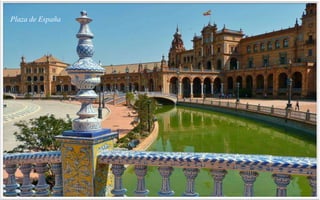
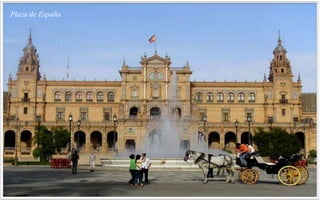
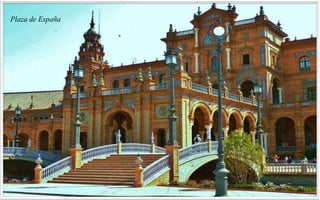
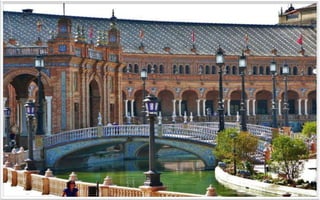
Plaza de España
Plaza de España
Plaza de España
Plaza de España
Plaza de España
Plaza de España
Plaza de España
Plaza de España
Plaza de España
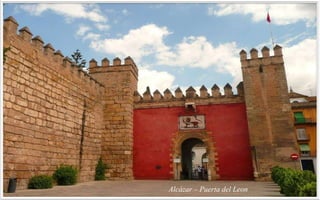
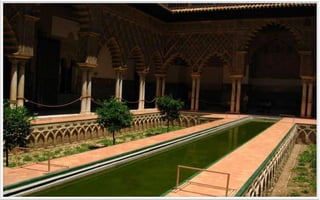
Alcázar
Alcázar – Puerta del Leon
Alcázar
Alcázar
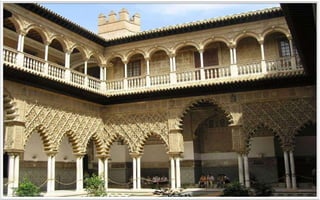
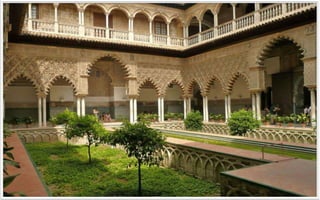
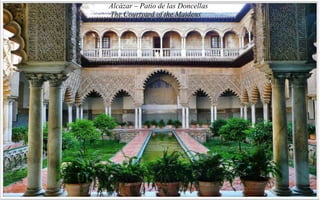
Alcázar – Patio de las Doncellas
The Courtyard of the Maidens
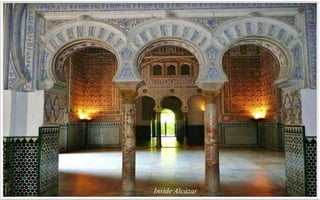
Inside Alcázar
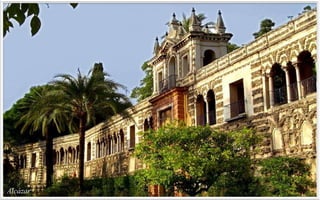
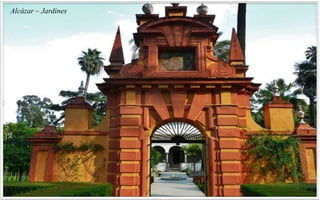
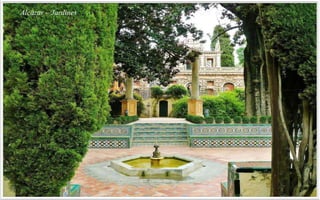
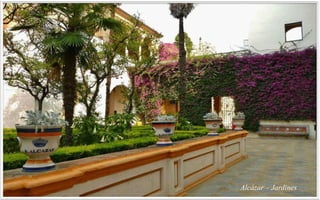
Alcázar – Jardines
Alcázar – Jardines


                     Las jardines de real alcazar
Alcázar – Jardines
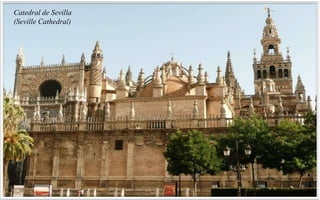
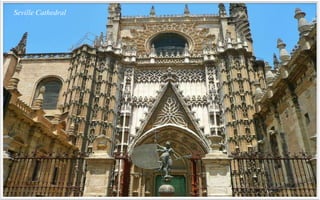
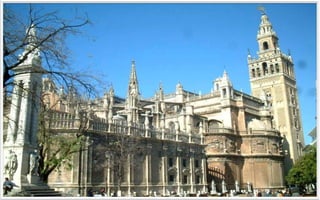
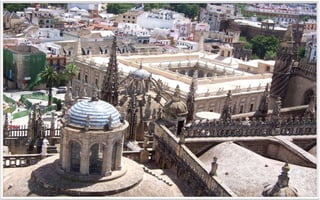
Catedral de Sevilla
(Seville Cathedral)
Seville Cathedral
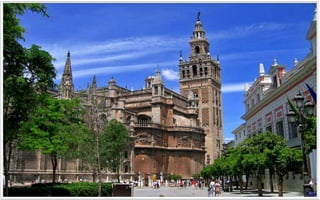
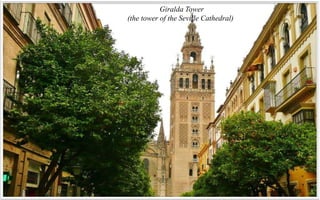
Giralda Tower
(the tower of the Seville Cathedral))
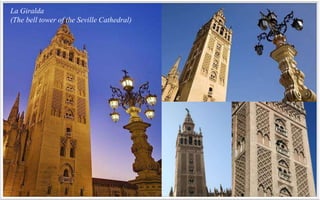
La Giralda
(The bell tower of the Seville Cathedral)
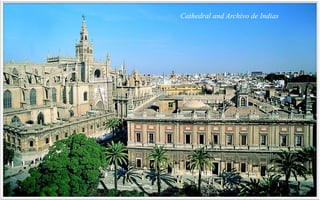
Cathedral and Archivo de Indias
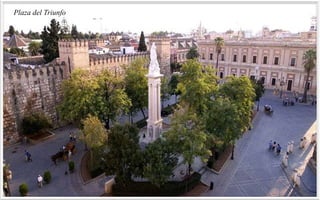
Plaza del Triunfo
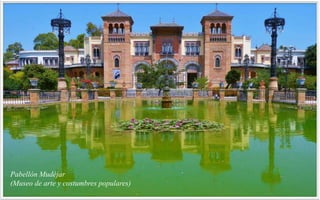
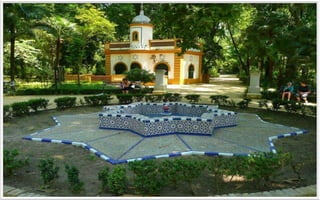
Pabellón Mudéjar
(Museo de arte y costumbres populares)
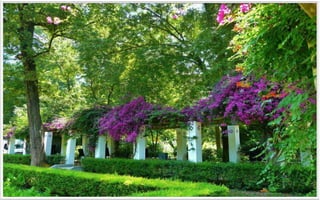
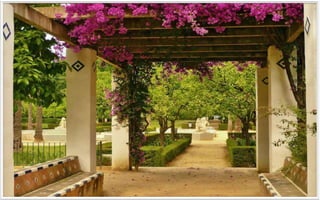
El parque Maria Louisa
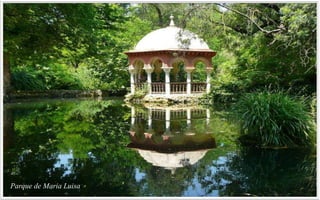
Parque de Maria Luisa
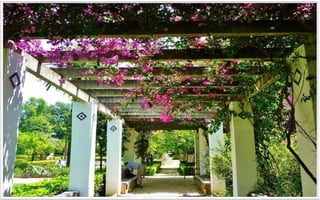
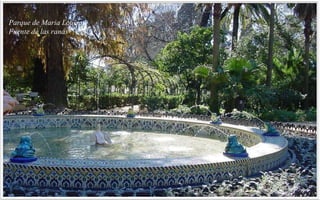
Parque de Maria Louisa
Fuente de las ranas
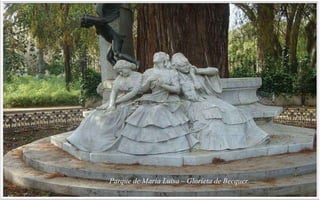
Parque de Maria Luisa – Glorieta de Becquer
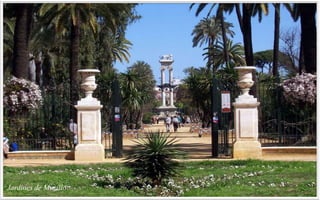
Jardines de Murillo
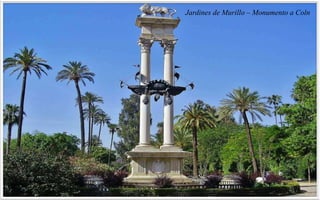
Jardines de Murillo – Monumento a Coln
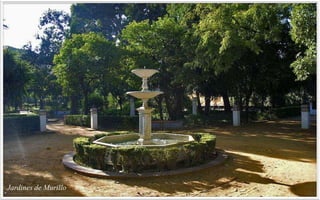
Jardines de Murillo
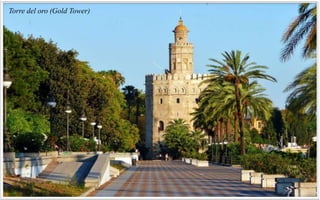
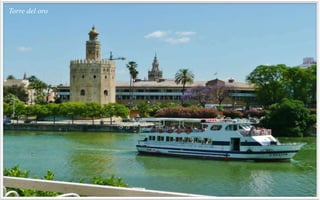
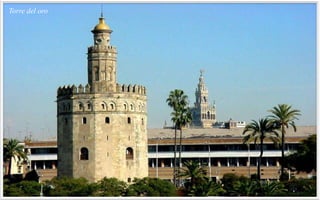
Torre del oro (Gold Tower)
Torre del oro
Torre del oro
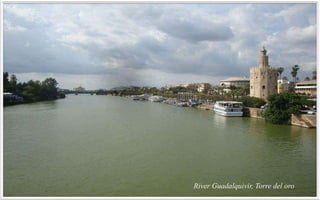
River Guadalquivir, Torre del oro
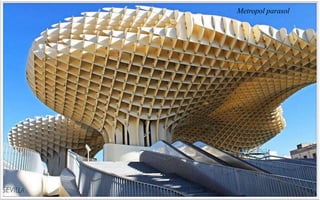
Metropol parasol
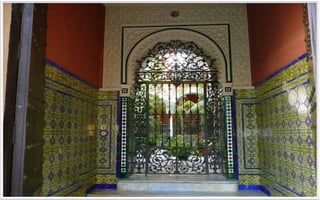
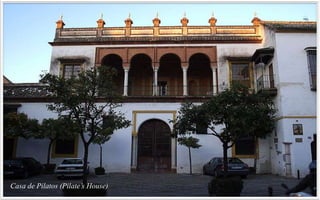
Casa de Pilatos (Pilate’s House)
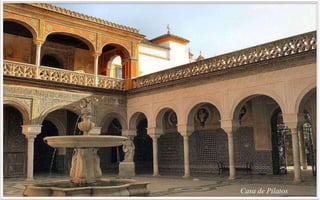
Casa de Pilatos
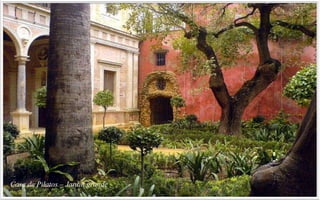
Casa de Pilatos – Jardin grande
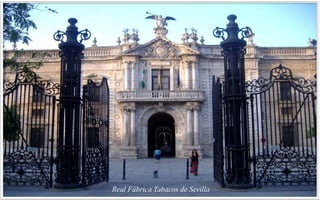
Real Fábrica Tabacos de Sevilla
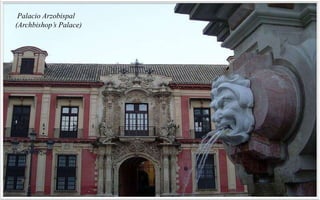
Palacio Arzobispal
(Archbishop’s Palace)
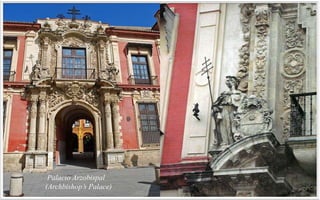
Palacio Arzobispal
(Archbishop’s Palace)
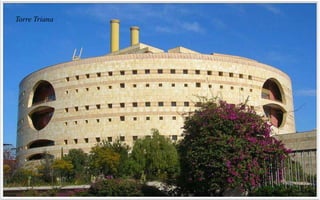
Torre Triana
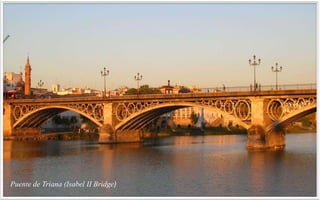
Puente de Triana (Isabel II Bridge)
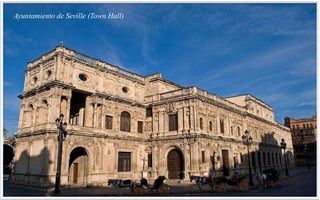
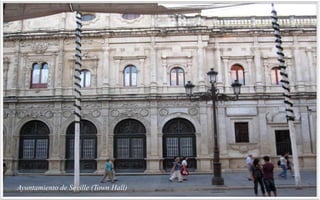
Ayuntamiento de Seville (Town Hall)
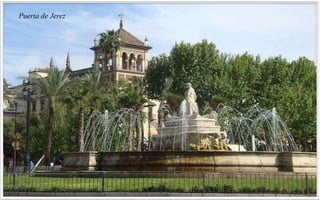
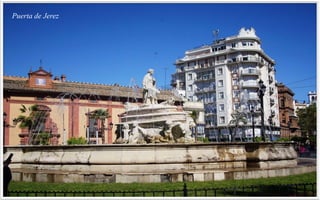
Puerta de Jerez
Puerta de Jerez
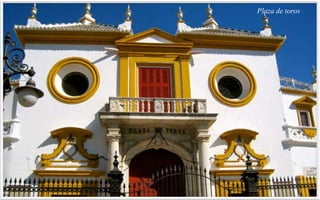
Plaza de toros
Images and text: Internet
     Music: Albeniz
 “Tango” and “Pavane”

                  Adriana
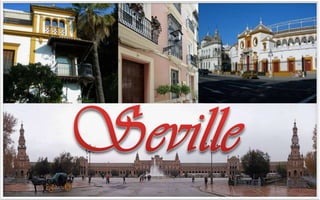
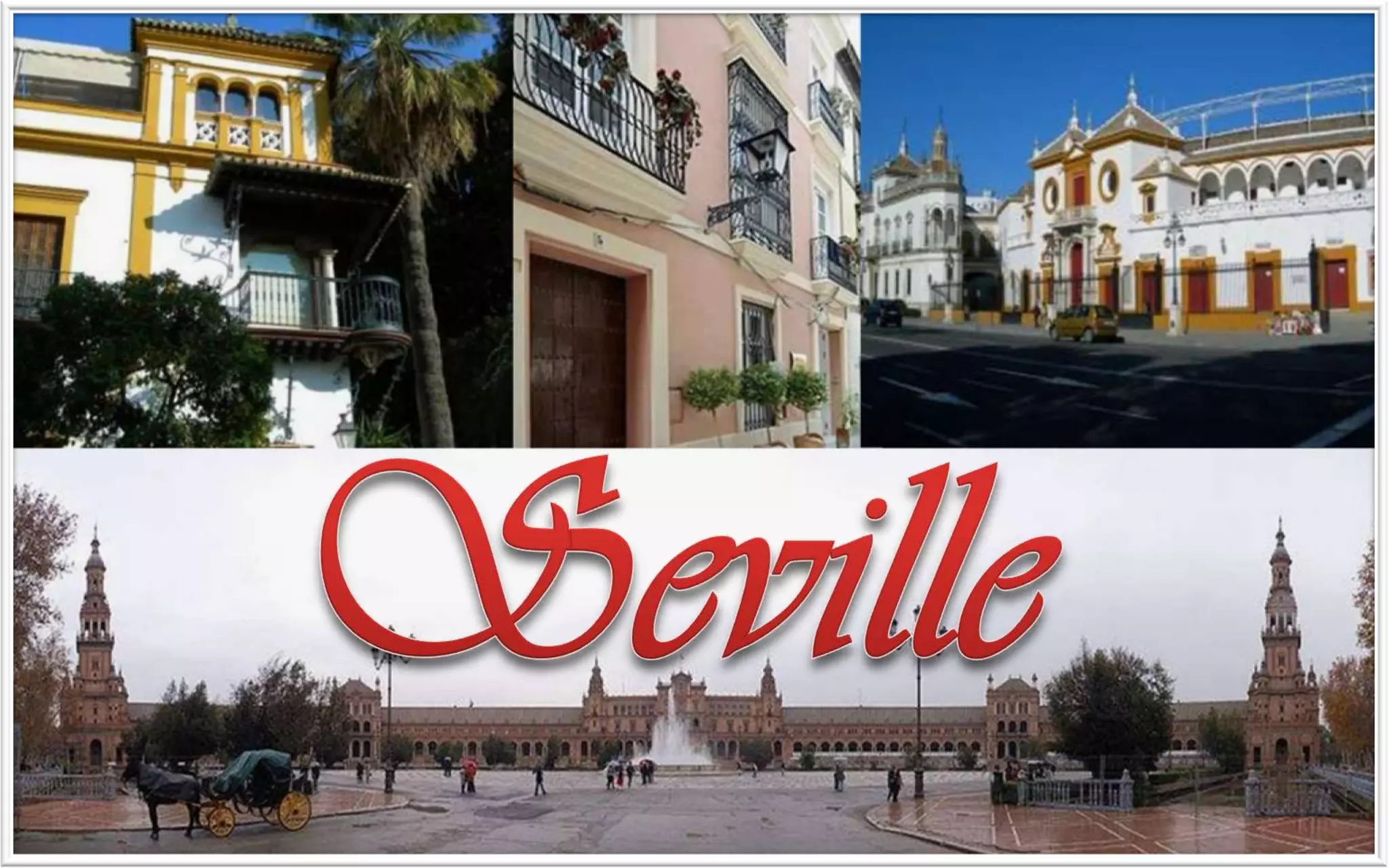
Seville is the capital of the autonomous community of Andalucia and of the
province of Seville, Spain. It is situated on the plain of the River Guadalquivir, with
an average elevation of 7 metres (23 ft) above sea level. The inhabitants of the city
are known as sevillanos (feminine form: sevillanas) or hispalenses, following the
Roman name of the city, Hispalis.

Seville is the fourth largest city of Spain with a municipal population of about 703
thousand as of 2011, and a metropolitan population (including satellite towns) of
about 1.5 million, making it the 31st most populous municipality in the European
Union. Its old town is the largest in Spain (covering almost four square
kilometers), and is one of the three largest in Europe along with Venice and Genoa.
The Seville harbor, located about 80 km from the Atlantic Ocean, is the only river
port in Spain.


                                    (Click to advance)
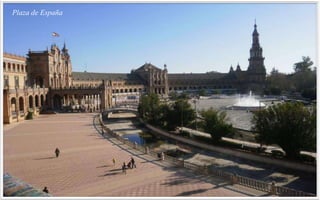
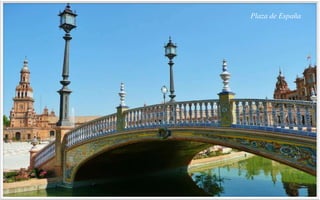
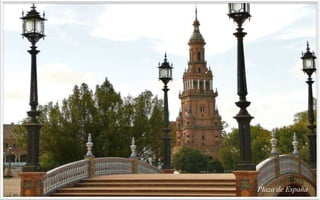
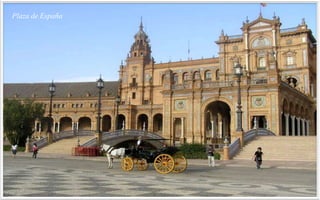
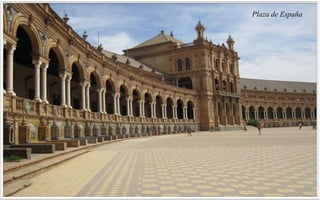
The Plaza de España ("Spain Square", in English) is a plaza located in the Parque de María Luisa
(Maria Luisa Park), in Seville, Spain built in 1928 for the Ibero-American Exposition of 1929. It is a
landmark example of the Renaissance Revival style in Spanish architecture.


The Town Hall (Ayuntamiento) of Seville was built in the 16th century in Renaissance style on the
remains of the former San Francisco monastery. The construction works were started by architect
Diego de Riaño in 1527, who at the same time also added new parts to the Cathedral of Seville.
Seville's Town Hall is a beautiful building with two very different façades - the Plaza Nueva side is
Neo-classical while the Plaza San Francisco side is Renaissance. The Renaissance style is unfinished -
the left-hand side is very ornate but it peters out as you get to the right. This is because the architect
who designed it died during the building process, taking his vision with him.

Seville Cathedral. Founded in 1403 on the site of a former mosque, the Cathedral, built in Gothic and
Renaissance style, covers seven centuries of history. With its five naves it is the largest Gothic building
in Europe. Its bell tower, the Giralda, was the former minaret of the mosque, a masterpiece of
Almohad architecture and now is important example of the cultural syncretism thanks to the top
section of the tower, designed in the Renaissance period by Hernán Ruiz.
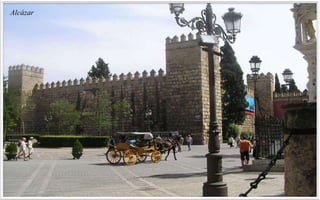
The Alcazar is a fortified palace the construction of which was ordered by Abd Al Ramn III in the year
913. Built and rebuilt from the early Middle Ages right up to our times, it consists of a group of palatial
buildings and extensive gardens. The Alcázar embraces a rare compendium of cultures where areas of
the original Almohad palace - such as the "Patio del Yeso" or the "Jardines del Crucero" - coexist with
the Palacio de Pedro I representing Spanish Mudejar art, together with other constructions displaying
every cultural style from the Renaissance to the Neoclassical. Because of it's beauty it was chosen as
residence by many monarchs in the centuries that followed. It now is the residence of His Royal
Majesty Juan Carlos when he visits Seville.

The Archivo de Indias building was constructed in 1585 to house the Casa Lonja or Consulado de
Mercaderes de Sevilla (Consulate of the merchants of Seville). It became the Archivo General de
Indias in 1785, and since then it has become home to the greatest collection of documentation
concerning the discovery of and relations with the New World. The Archivo de Indias, designed by the
architect responsible for completing El Escorial, Juan de Herrera, is one of the clearest examples of
Spanish Renaissance architecture. An enormous influence on Baroque Andalusian architecture and on
Spanish neoclassicism, it symbolizes the link between the Old and the New World.

La Casa de Pilatos (Pilate's House) is an Andalusian palace in Seville, Spain, which serves as the
permanent residence of the Dukes of Medinaceli. The building is a mixture of Renaissance Italian and
Mudéjar Spanish styles. It is considered the prototype of the Andalusian palace.

Seville (Andalucia, Spain)

  • 2.
  • 3.
  • 4.
  • 5.
  • 6.
  • 7.
  • 8.
  • 9.
  • 10.
  • 11.
  • 12.
  • 13.
  • 14.
  • 16.
    Alcázar – Patiode las Doncellas The Courtyard of the Maidens
  • 17.
  • 20.
  • 21.
    Alcázar – Jardines Las jardines de real alcazar
  • 22.
  • 23.
  • 24.
  • 28.
    Giralda Tower (the towerof the Seville Cathedral))
  • 29.
    La Giralda (The belltower of the Seville Cathedral)
  • 30.
  • 31.
  • 32.
    Pabellón Mudéjar (Museo dearte y costumbres populares)
  • 33.
    El parque MariaLouisa Parque de Maria Luisa
  • 38.
    Parque de MariaLouisa Fuente de las ranas
  • 39.
    Parque de MariaLuisa – Glorieta de Becquer
  • 40.
  • 41.
    Jardines de Murillo– Monumento a Coln
  • 42.
  • 43.
    Torre del oro(Gold Tower)
  • 44.
  • 45.
  • 46.
  • 47.
  • 48.
    Casa de Pilatos(Pilate’s House)
  • 49.
  • 50.
    Casa de Pilatos– Jardin grande
  • 51.
  • 53.
  • 54.
  • 56.
  • 57.
    Puente de Triana(Isabel II Bridge)
  • 58.
  • 59.
  • 60.
  • 61.
  • 63.
  • 64.
    Images and text:Internet Music: Albeniz “Tango” and “Pavane” Adriana
  • 65.
    Seville is thecapital of the autonomous community of Andalucia and of the province of Seville, Spain. It is situated on the plain of the River Guadalquivir, with an average elevation of 7 metres (23 ft) above sea level. The inhabitants of the city are known as sevillanos (feminine form: sevillanas) or hispalenses, following the Roman name of the city, Hispalis. Seville is the fourth largest city of Spain with a municipal population of about 703 thousand as of 2011, and a metropolitan population (including satellite towns) of about 1.5 million, making it the 31st most populous municipality in the European Union. Its old town is the largest in Spain (covering almost four square kilometers), and is one of the three largest in Europe along with Venice and Genoa. The Seville harbor, located about 80 km from the Atlantic Ocean, is the only river port in Spain. (Click to advance)
  • 66.
    The Plaza deEspaña ("Spain Square", in English) is a plaza located in the Parque de María Luisa (Maria Luisa Park), in Seville, Spain built in 1928 for the Ibero-American Exposition of 1929. It is a landmark example of the Renaissance Revival style in Spanish architecture. The Town Hall (Ayuntamiento) of Seville was built in the 16th century in Renaissance style on the remains of the former San Francisco monastery. The construction works were started by architect Diego de Riaño in 1527, who at the same time also added new parts to the Cathedral of Seville. Seville's Town Hall is a beautiful building with two very different façades - the Plaza Nueva side is Neo-classical while the Plaza San Francisco side is Renaissance. The Renaissance style is unfinished - the left-hand side is very ornate but it peters out as you get to the right. This is because the architect who designed it died during the building process, taking his vision with him. Seville Cathedral. Founded in 1403 on the site of a former mosque, the Cathedral, built in Gothic and Renaissance style, covers seven centuries of history. With its five naves it is the largest Gothic building in Europe. Its bell tower, the Giralda, was the former minaret of the mosque, a masterpiece of Almohad architecture and now is important example of the cultural syncretism thanks to the top section of the tower, designed in the Renaissance period by Hernán Ruiz.
  • 67.
    The Alcazar isa fortified palace the construction of which was ordered by Abd Al Ramn III in the year 913. Built and rebuilt from the early Middle Ages right up to our times, it consists of a group of palatial buildings and extensive gardens. The Alcázar embraces a rare compendium of cultures where areas of the original Almohad palace - such as the "Patio del Yeso" or the "Jardines del Crucero" - coexist with the Palacio de Pedro I representing Spanish Mudejar art, together with other constructions displaying every cultural style from the Renaissance to the Neoclassical. Because of it's beauty it was chosen as residence by many monarchs in the centuries that followed. It now is the residence of His Royal Majesty Juan Carlos when he visits Seville. The Archivo de Indias building was constructed in 1585 to house the Casa Lonja or Consulado de Mercaderes de Sevilla (Consulate of the merchants of Seville). It became the Archivo General de Indias in 1785, and since then it has become home to the greatest collection of documentation concerning the discovery of and relations with the New World. The Archivo de Indias, designed by the architect responsible for completing El Escorial, Juan de Herrera, is one of the clearest examples of Spanish Renaissance architecture. An enormous influence on Baroque Andalusian architecture and on Spanish neoclassicism, it symbolizes the link between the Old and the New World. La Casa de Pilatos (Pilate's House) is an Andalusian palace in Seville, Spain, which serves as the permanent residence of the Dukes of Medinaceli. The building is a mixture of Renaissance Italian and Mudéjar Spanish styles. It is considered the prototype of the Andalusian palace.