Our journey – our learning from research,
experience and observations
The importance of making connections with
children and their families


 Possibilities for what your Full Day
 Kindergarten or K/1 classroom will look like


                     It’s a Journey…
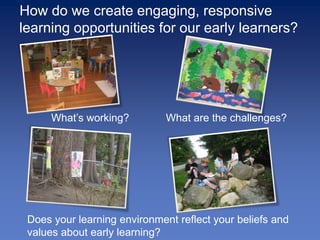
How do we create engaging, responsive
learning opportunities for our early learners?


      What’s working?         What are the challenges?


 Does your learning environment reflect your beliefs and
 values about early learning?
Coquitlam’s vision
Kindergarten children learn best with their
whole bodies, their minds and their hearts.
They learn best when….

The adults in their world -
teachers, families, school and
community members - work
together to support them. p. 8
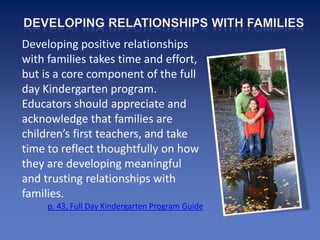
Developing positive relationships
with families takes time and effort,
but is a core component of the full
day Kindergarten program.
Educators should appreciate and
acknowledge that families are
children’s first teachers, and take
time to reflect thoughtfully on how
they are developing meaningful
and trusting relationships with
families.
     p. 43, Full Day Kindergarten Program Guide
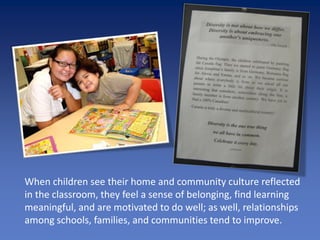
When children see their home and community culture reflected
in the classroom, they feel a sense of belonging, find learning
meaningful, and are motivated to do well; as well, relationships
among schools, families, and communities tend to improve.
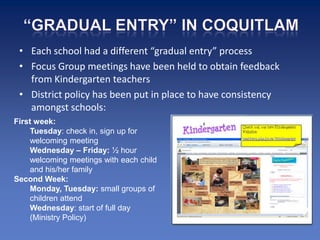
• Each school had a different “gradual entry” process
 • Focus Group meetings have been held to obtain feedback
   from Kindergarten teachers
 • District policy has been put in place to have consistency
   amongst schools:
First week:
     Tuesday: check in, sign up for
     welcoming meeting
     Wednesday – Friday: ½ hour
     welcoming meetings with each child
     and his/her family
Second Week:
     Monday, Tuesday: small groups of
     children attend
     Wednesday: start of full day
     (Ministry Policy)
Let each person (child, parent, teacher):
• Tell a story or share an object from the
  summer.
• Show a family photo or album and the stories
  will just emerge!
• Go for a walk and tour the school.

                Your ideas…
Self-regulation is…
•   Paying attention even when it’s hard
•   Waiting for a turn
•   Sharing ideas and solving problems together
•   Managing powerful emotions
•   Struggling through the hard parts to learn something new
•   Planning ahead and planning with others
•   Getting along with others
•   Using a number of strategies to reach a goal
•   Being interested and curious
•   Remembering on purpose
•   Using language to resolve conflicts
•   Taking safe physical risks
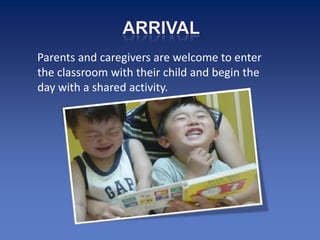
Parents and caregivers are welcome to enter
the classroom with their child and begin the
day with a shared activity.
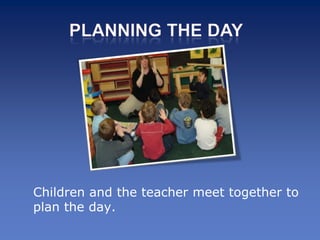
Children and the teacher meet together to
plan the day.
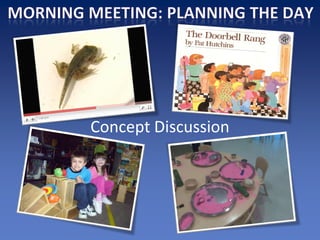
Concept Discussion
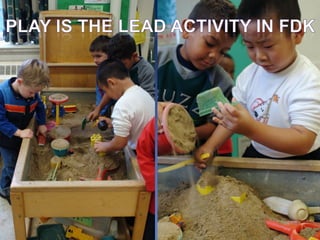
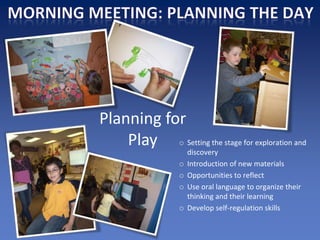
Planning for
    Play     Setting the stage for exploration and
                   
                       discovery
                      Introduction of new materials
                      Opportunities to reflect
                      Use oral language to organize their
                       thinking and their learning
                      Develop self-regulation skills
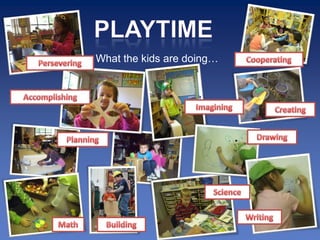
What the kids are doing…
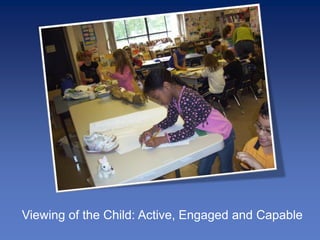
Viewing of the Child: Active, Engaged and Capable
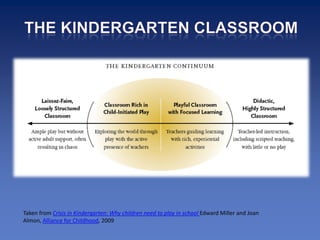
Taken from Crisis in Kindergarten: Why children need to play in school Edward Miller and Joan
Almon, Alliance for Childhood, 2009
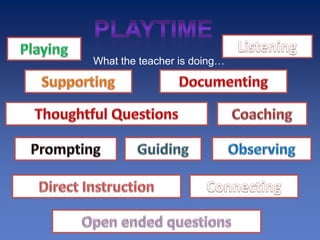
What the teacher is doing…
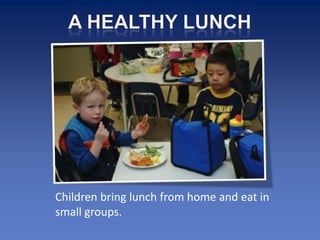
Children bring lunch from home and eat in
small groups.
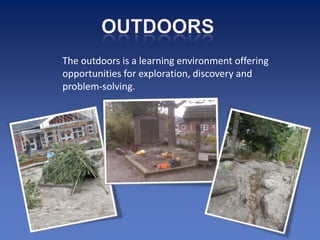
The outdoors is a learning environment offering
opportunities for exploration, discovery and
problem-solving.
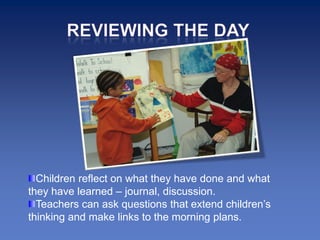
Children reflect on what they have done and what
they have learned – journal, discussion.
  Teachers can ask questions that extend children’s
thinking and make links to the morning plans.
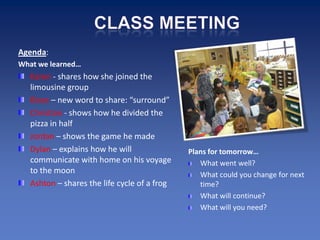
Agenda:
What we learned…
   Karen - shares how she joined the
   limousine group
   Blaze – new word to share: “surround”
   Christian - shows how he divided the
   pizza in half
   Jordan – shows the game he made
   Dylan – explains how he will               Plans for tomorrow…
   communicate with home on his voyage           What went well?
   to the moon                                   What could you change for next
   Ashton – shares the life cycle of a frog      time?
                                                 What will continue?
                                                 What will you need?
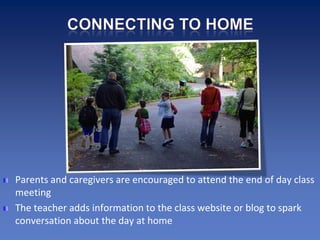
Parents and caregivers are encouraged to attend the end of day class
meeting
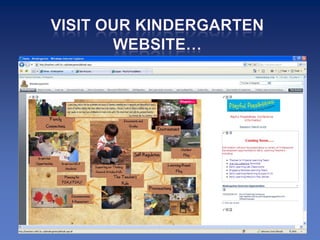
The teacher adds information to the class website or blog to spark
conversation about the day at home
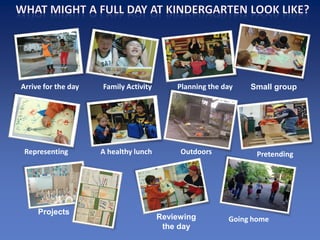
Arrive for the day   Family Activity       Planning the day   Small group


 Representing        A healthy lunch        Outdoors            Pretending


     Projects
                                       Reviewing         Going home
                                        the day
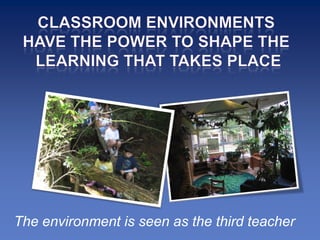
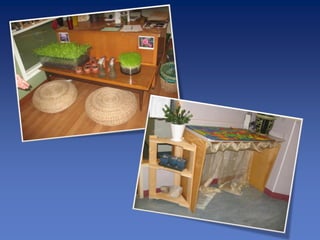
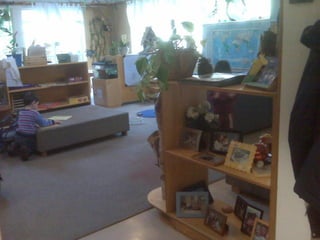
The environment is seen as the third teacher
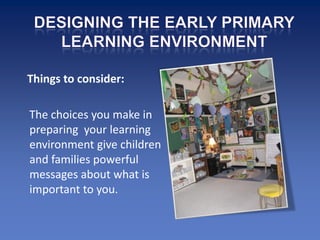
Things to consider:

The choices you make in
preparing your learning
environment give children
and families powerful
messages about what is
important to you.
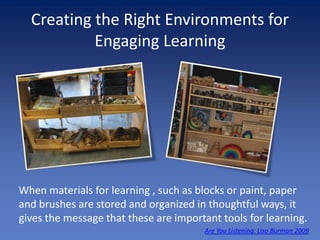
Creating the Right Environments for
           Engaging Learning


When materials for learning , such as blocks or paint, paper
and brushes are stored and organized in thoughtful ways, it
gives the message that these are important tools for learning.
                                       Are You Listening: Lisa Burman 2009
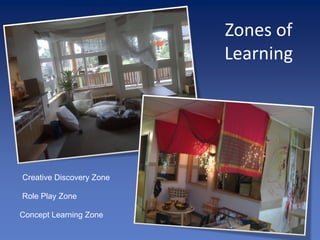
Zones of
                          Learning


Creative Discovery Zone
Role Play Zone
Concept Learning Zone
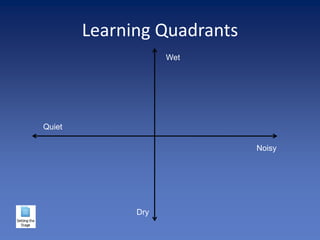
Learning Quadrants
                    Wet


Quiet

                             Noisy


              Dry
Tell about something you
  are doing in your day that
     provides for active,
    engaged and capable
          children.


Where will your
Journey Begin…
                                 Tell about something you are
                                 planning to add to or change
                               about your program for next year

Setting the stage.webslides

  • 3.
    Our journey –our learning from research, experience and observations The importance of making connections with children and their families Possibilities for what your Full Day Kindergarten or K/1 classroom will look like It’s a Journey…
  • 4.
    How do wecreate engaging, responsive learning opportunities for our early learners? What’s working? What are the challenges? Does your learning environment reflect your beliefs and values about early learning?
  • 5.
  • 7.
    Kindergarten children learnbest with their whole bodies, their minds and their hearts. They learn best when…. The adults in their world - teachers, families, school and community members - work together to support them. p. 8
  • 8.
    Developing positive relationships withfamilies takes time and effort, but is a core component of the full day Kindergarten program. Educators should appreciate and acknowledge that families are children’s first teachers, and take time to reflect thoughtfully on how they are developing meaningful and trusting relationships with families. p. 43, Full Day Kindergarten Program Guide
  • 9.
    When children seetheir home and community culture reflected in the classroom, they feel a sense of belonging, find learning meaningful, and are motivated to do well; as well, relationships among schools, families, and communities tend to improve.
  • 10.
    • Each schoolhad a different “gradual entry” process • Focus Group meetings have been held to obtain feedback from Kindergarten teachers • District policy has been put in place to have consistency amongst schools: First week: Tuesday: check in, sign up for welcoming meeting Wednesday – Friday: ½ hour welcoming meetings with each child and his/her family Second Week: Monday, Tuesday: small groups of children attend Wednesday: start of full day (Ministry Policy)
  • 11.
    Let each person(child, parent, teacher): • Tell a story or share an object from the summer. • Show a family photo or album and the stories will just emerge! • Go for a walk and tour the school. Your ideas…
  • 13.
    Self-regulation is… • Paying attention even when it’s hard • Waiting for a turn • Sharing ideas and solving problems together • Managing powerful emotions • Struggling through the hard parts to learn something new • Planning ahead and planning with others • Getting along with others • Using a number of strategies to reach a goal • Being interested and curious • Remembering on purpose • Using language to resolve conflicts • Taking safe physical risks
  • 14.
    Parents and caregiversare welcome to enter the classroom with their child and begin the day with a shared activity.
  • 15.
    Children and theteacher meet together to plan the day.
  • 16.
  • 17.
    Planning for Play Setting the stage for exploration and  discovery  Introduction of new materials  Opportunities to reflect  Use oral language to organize their thinking and their learning  Develop self-regulation skills
  • 18.
    What the kidsare doing…
  • 19.
    Viewing of theChild: Active, Engaged and Capable
  • 20.
    Taken from Crisisin Kindergarten: Why children need to play in school Edward Miller and Joan Almon, Alliance for Childhood, 2009
  • 21.
    What the teacheris doing…
  • 22.
    Children bring lunchfrom home and eat in small groups.
  • 23.
    The outdoors isa learning environment offering opportunities for exploration, discovery and problem-solving.
  • 24.
    Children reflect onwhat they have done and what they have learned – journal, discussion. Teachers can ask questions that extend children’s thinking and make links to the morning plans.
  • 25.
    Agenda: What we learned… Karen - shares how she joined the limousine group Blaze – new word to share: “surround” Christian - shows how he divided the pizza in half Jordan – shows the game he made Dylan – explains how he will Plans for tomorrow… communicate with home on his voyage What went well? to the moon What could you change for next Ashton – shares the life cycle of a frog time? What will continue? What will you need?
  • 27.
    Parents and caregiversare encouraged to attend the end of day class meeting The teacher adds information to the class website or blog to spark conversation about the day at home
  • 28.
    Arrive for theday Family Activity Planning the day Small group Representing A healthy lunch Outdoors Pretending Projects Reviewing Going home the day
  • 29.
    The environment isseen as the third teacher
  • 30.
    Things to consider: Thechoices you make in preparing your learning environment give children and families powerful messages about what is important to you.
  • 31.
    Creating the RightEnvironments for Engaging Learning When materials for learning , such as blocks or paint, paper and brushes are stored and organized in thoughtful ways, it gives the message that these are important tools for learning. Are You Listening: Lisa Burman 2009
  • 36.
    Zones of Learning Creative Discovery Zone Role Play Zone Concept Learning Zone
  • 37.
    Learning Quadrants Wet Quiet Noisy Dry
  • 38.
    Tell about somethingyou are doing in your day that provides for active, engaged and capable children. Where will your Journey Begin… Tell about something you are planning to add to or change about your program for next year