Contaminants of Emerging Concern
Known knowns
Known unknowns
Unknown unknowns
Thomas Backhaus
University of Gothenburg
thomas.backhaus@gu.se
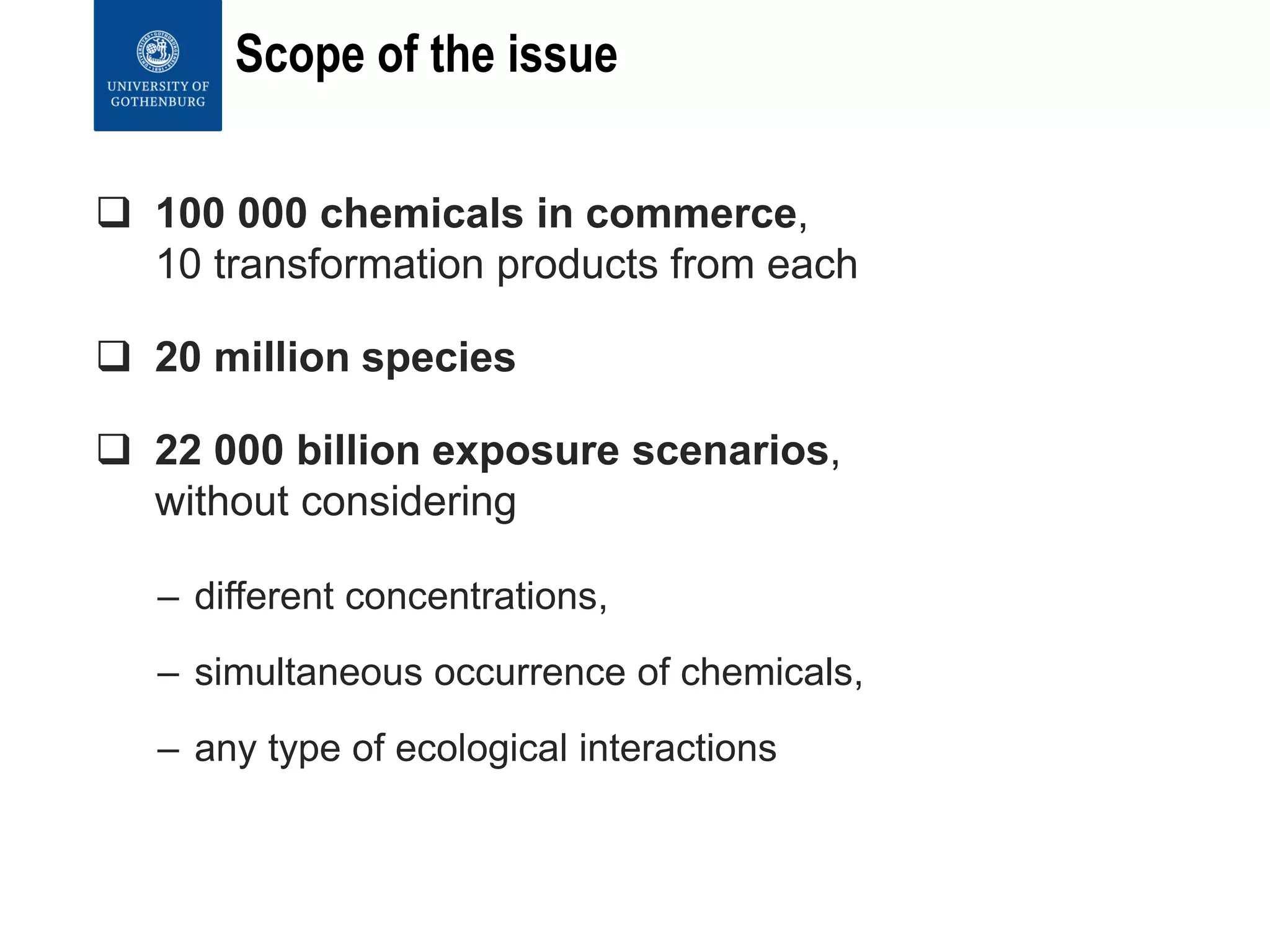
 100 000 chemicals in commerce,
10 transformation products from each
 20 million species
 22 000 billion exposure scenarios,
without considering
– different concentrations,
– simultaneous occurrence of chemicals,
– any type of ecological interactions
Scope of the issue
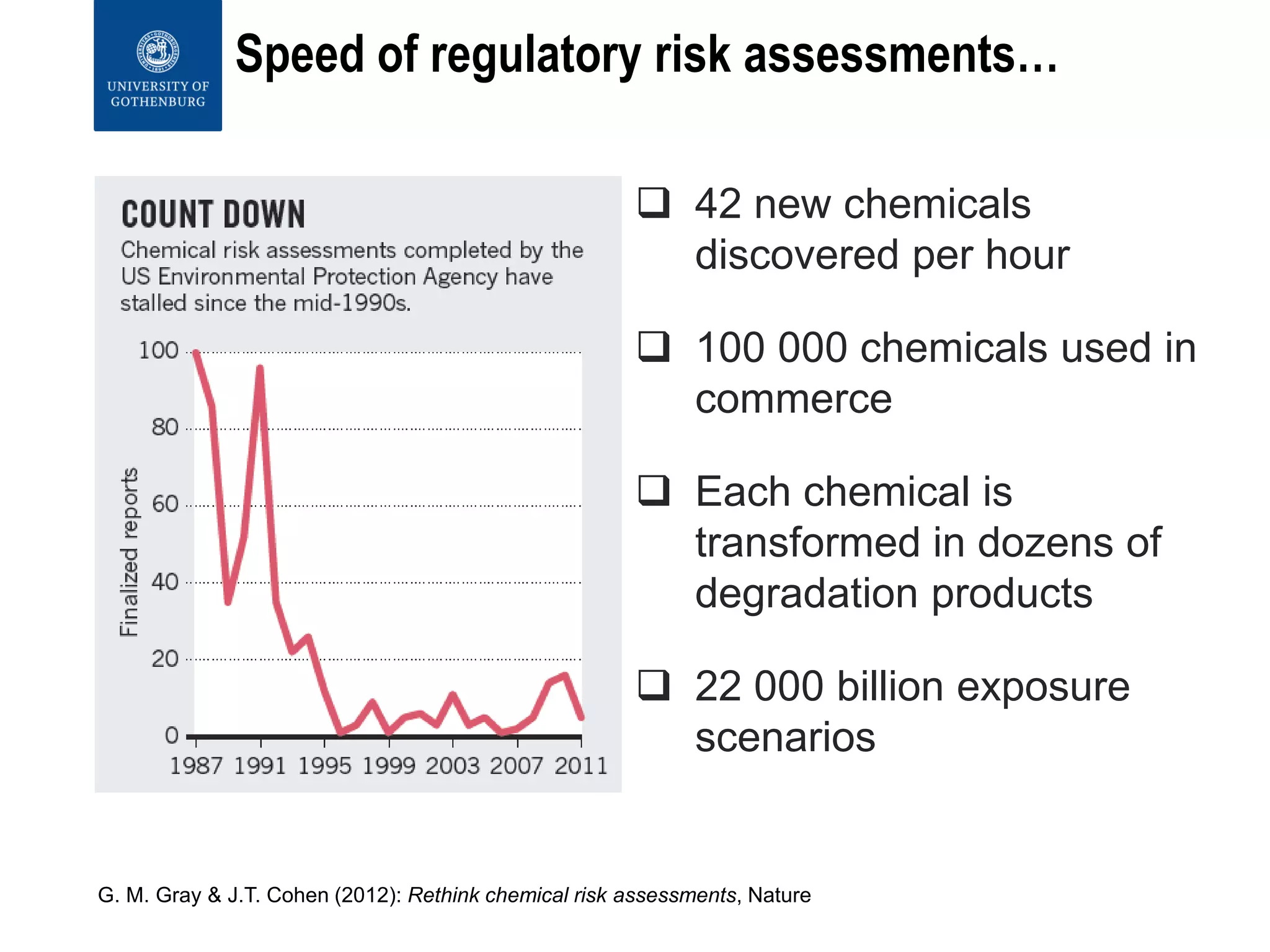
Speed of regulatory risk assessments…
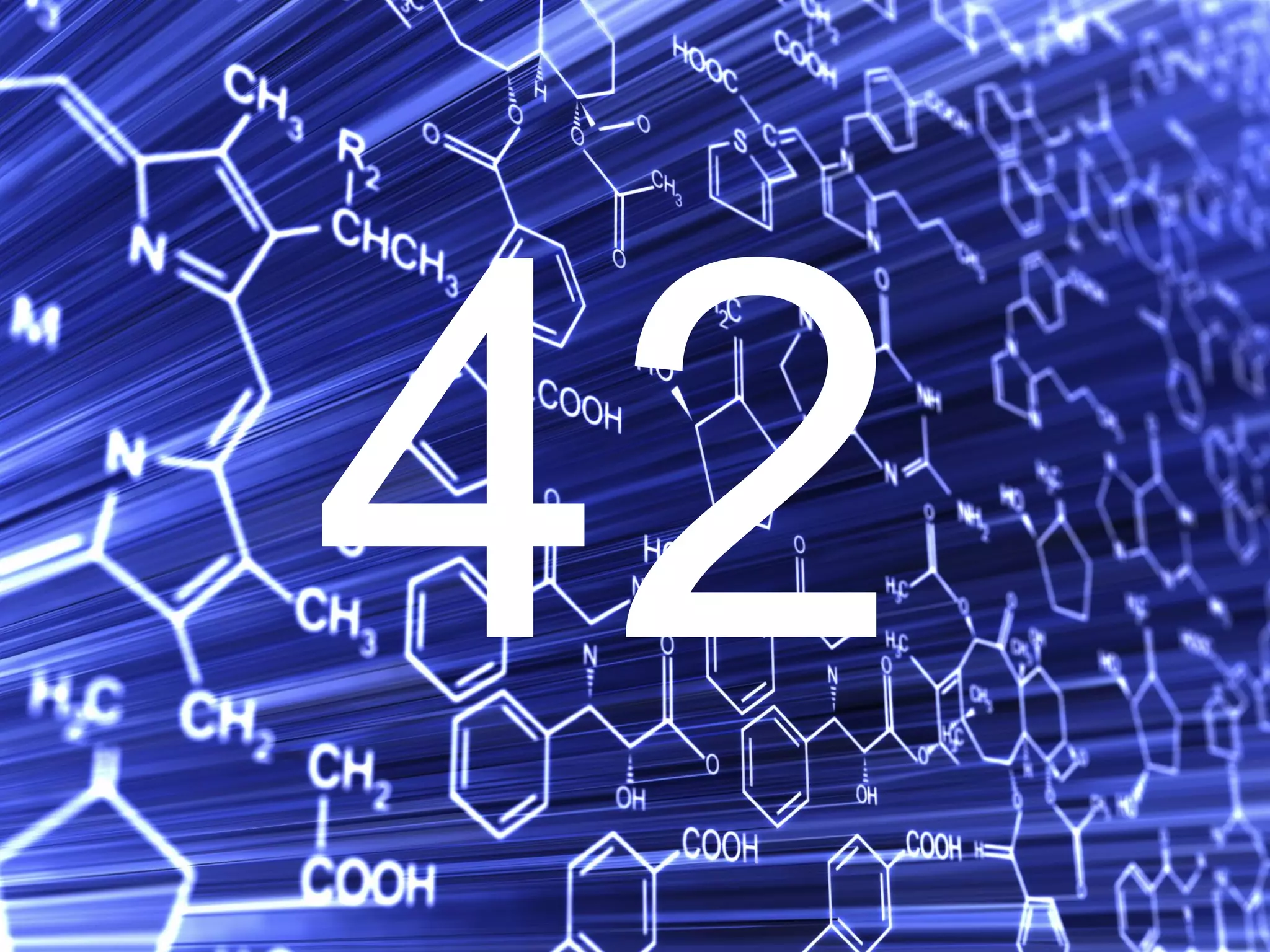
 42 new chemicals
discovered per hour
 100 000 chemicals used in
commerce
 Each chemical is
transformed in dozens of
degradation products
 22 000 billion exposure
scenarios
G. M. Gray & J.T. Cohen (2012): Rethink chemical risk assessments, Nature
 Compliance Review of 1814 REACH dossiers for high-
production volume chemicals by the German Institute for
Risk Evaluation / Environmental Protection Agency
(BfR/UBA)
 Number of fully REACH-compliant datasets: 1
 42% are „complex“, i.e. an assessment was not possible
 58% showed definite deficiencies
Quality of risk assessments…
7
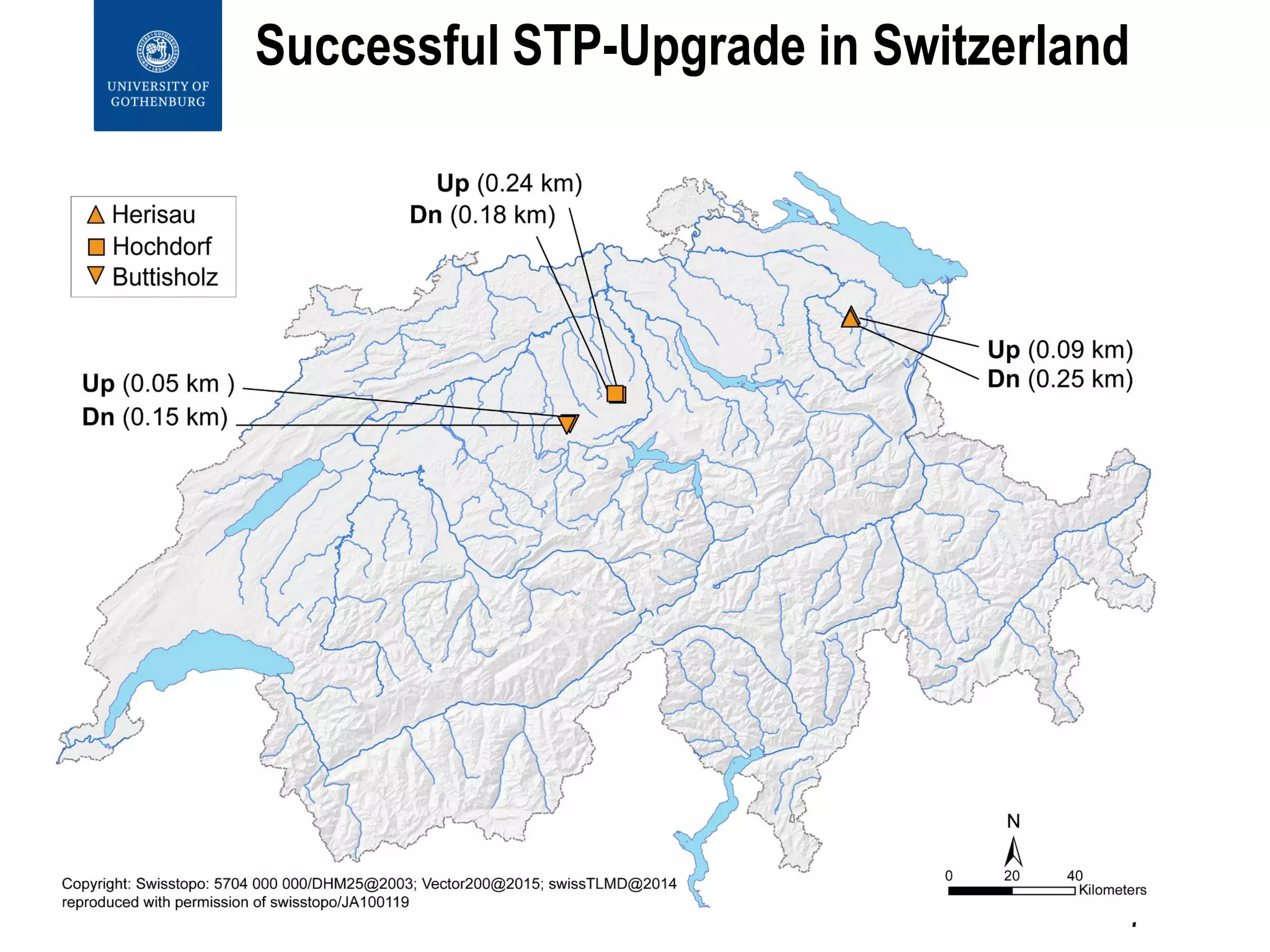
Successful STP-Upgrade in Switzerland
8
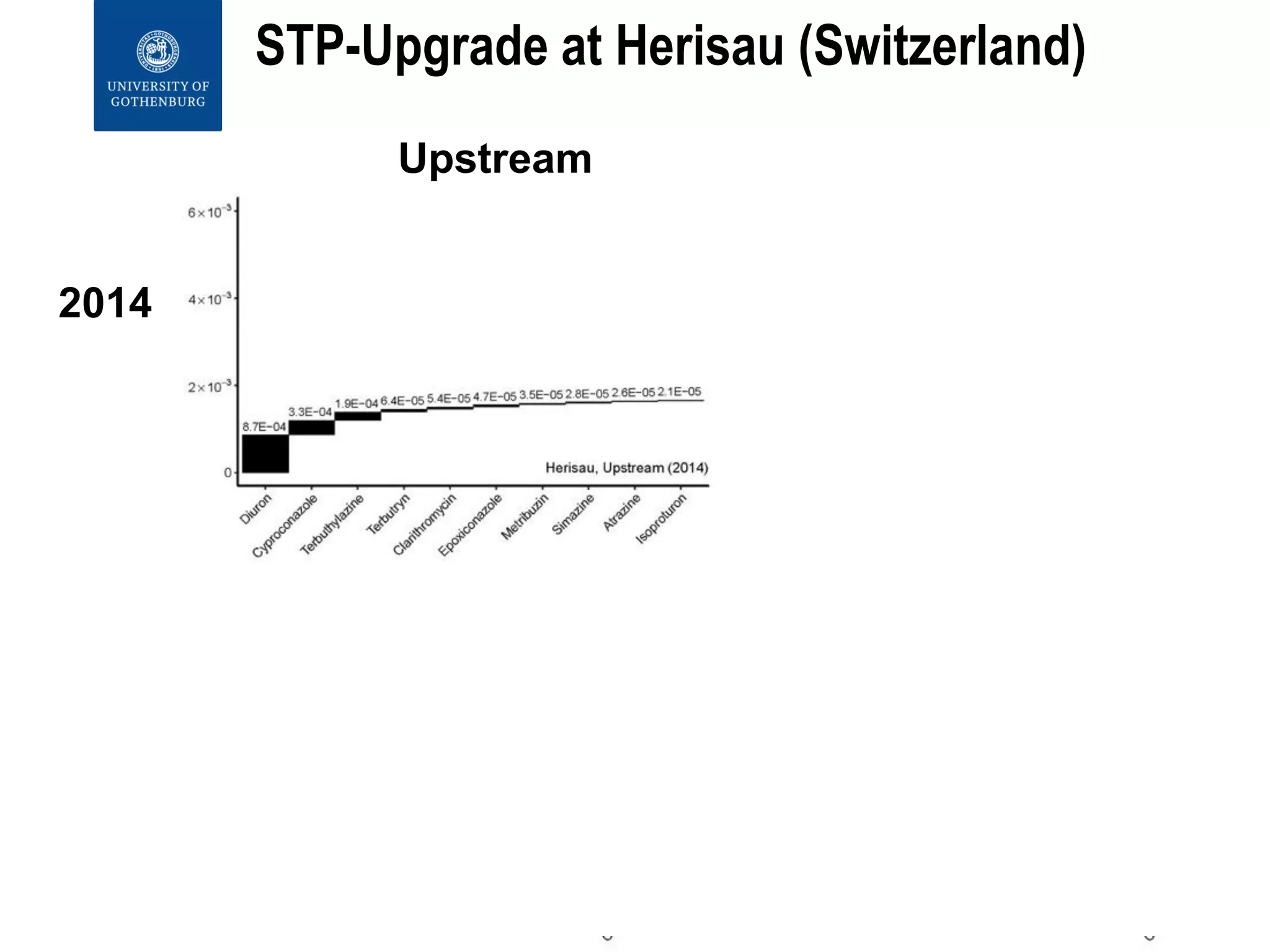
STP-Upgrade at Herisau (Switzerland)
2014
2016
DownstreamUpstream
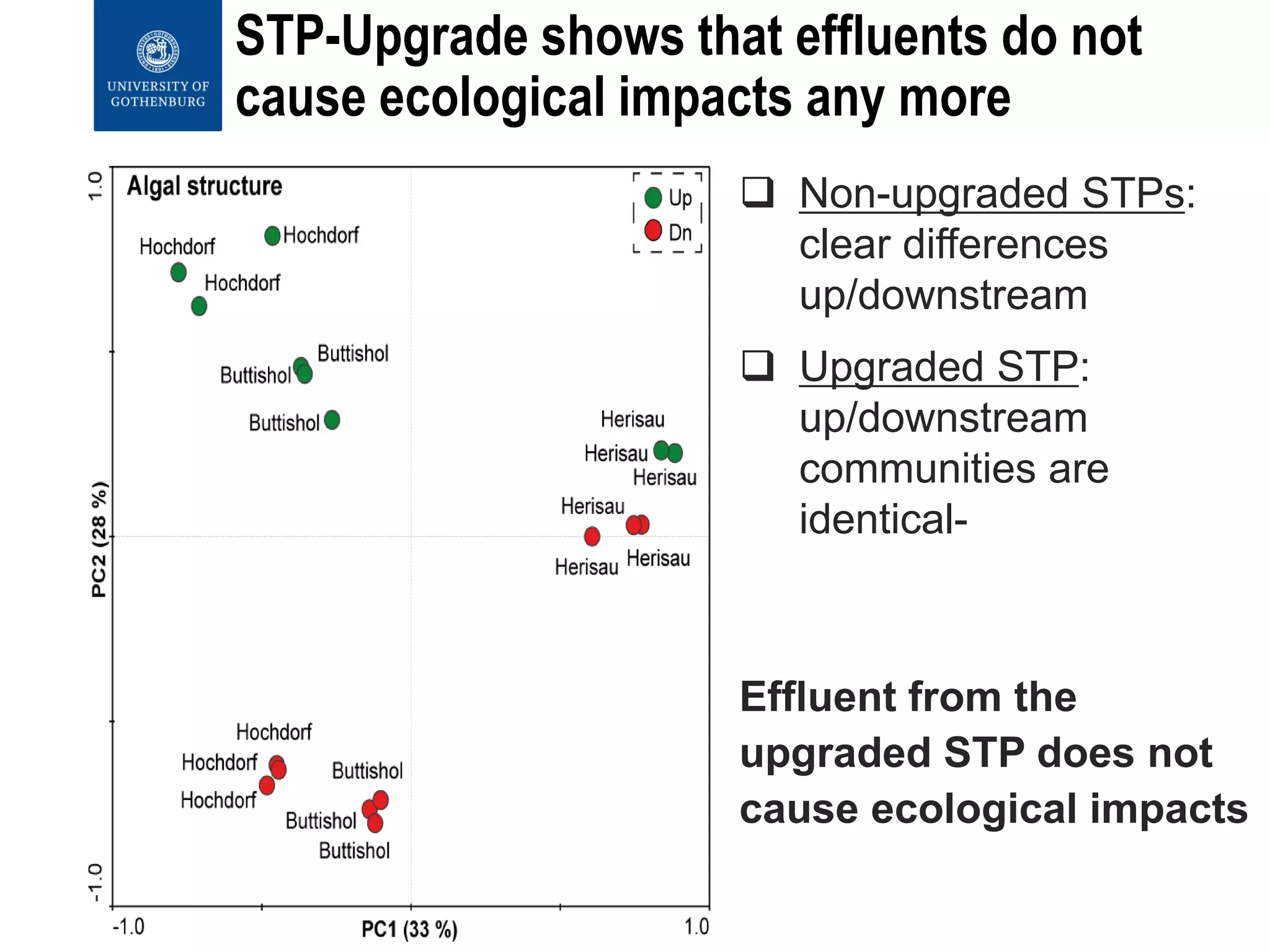
STP-Upgrade shows that effluents do not
cause ecological impacts any more
 Non-upgraded STPs:
clear differences
up/downstream
 Upgraded STP:
up/downstream
communities are
identical-
Effluent from the
upgraded STP does not
cause ecological impacts
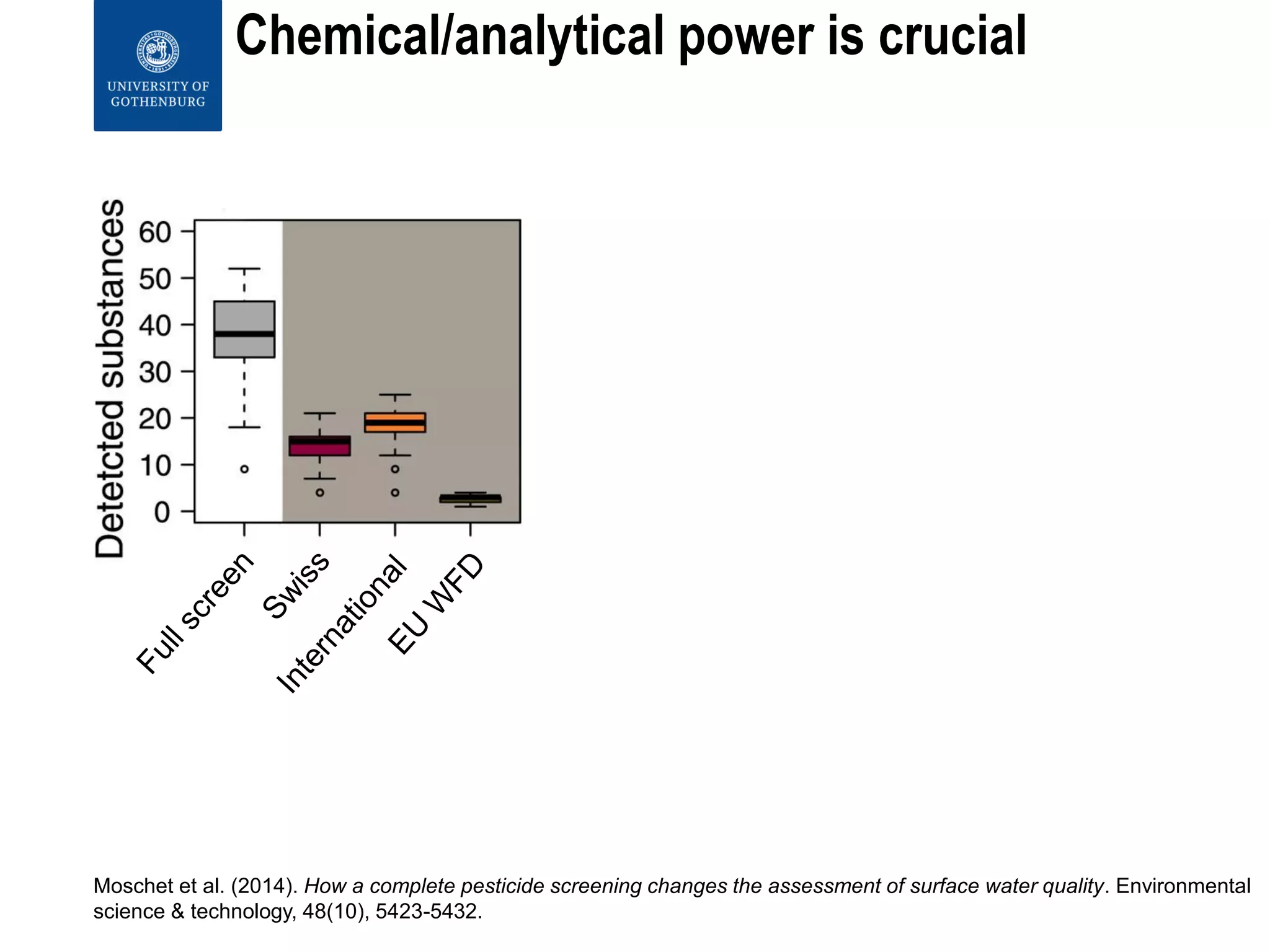
Chemical/analytical power is crucial
Moschet et al. (2014). How a complete pesticide screening changes the assessment of surface water quality. Environmental
science & technology, 48(10), 5423-5432.
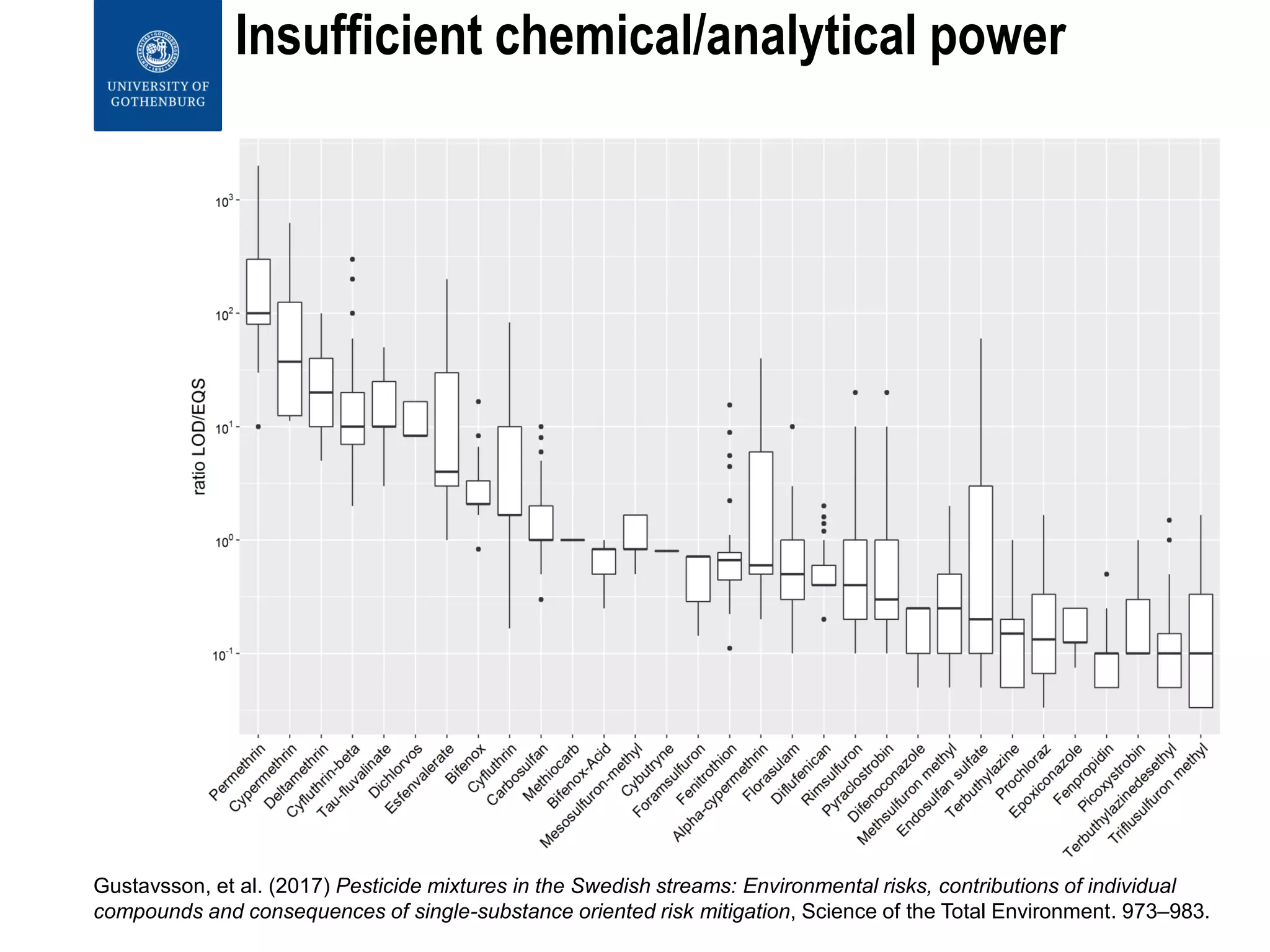
Insufficient chemical/analytical power
Gustavsson, et al. (2017) Pesticide mixtures in the Swedish streams: Environmental risks, contributions of individual
compounds and consequences of single-substance oriented risk mitigation, Science of the Total Environment. 973–983.
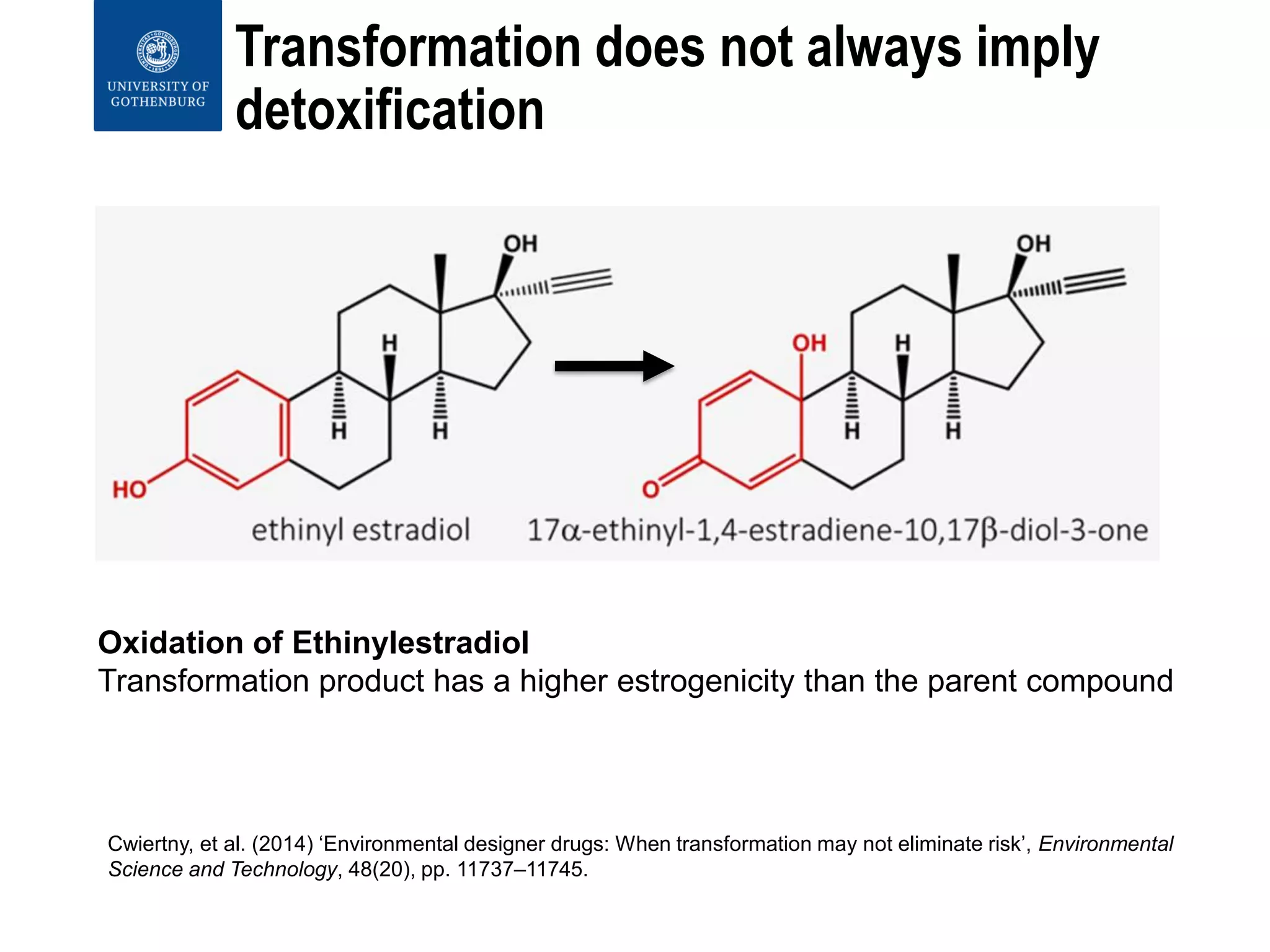
Transformation does not always imply
detoxification
Oxidation of Ethinylestradiol
Transformation product has a higher estrogenicity than the parent compound
Cwiertny, et al. (2014) ‘Environmental designer drugs: When transformation may not eliminate risk’, Environmental
Science and Technology, 48(20), pp. 11737–11745.
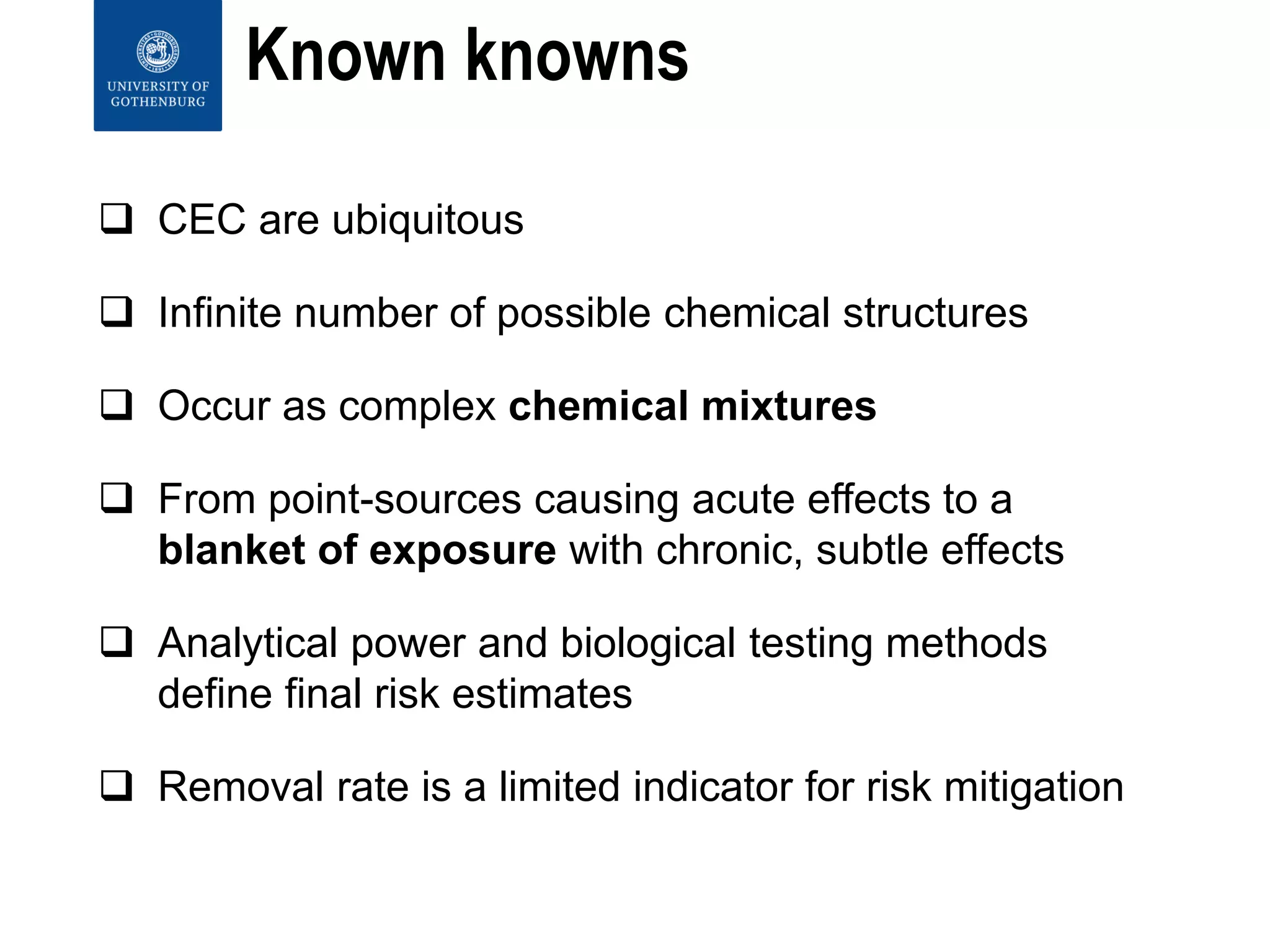
Known knowns
 CEC are ubiquitous
 Infinite number of possible chemical structures
 Occur as complex chemical mixtures
 From point-sources causing acute effects to a
blanket of exposure with chronic, subtle effects
 Analytical power and biological testing methods
define final risk estimates
 Removal rate is a limited indicator for risk mitigation
Known unknowns
 Chemical structures
 Toxicology and ecotoxicology
 Use & emission pathways
 Exposure
 Risk
Conclusions – known unknowns
 Simplifications needed
• (eco)TTC
• QSAR/read-across
• Groupwise assessment
• Lead compounds
 Publically available data repositories
 Data quality
 Holistic approaches
 Better harmonization
 Water systems “binning”
Unknown unknowns
How to act on Unknown Unknowns
 Chemicovigilance, incidence reporting, postmarket
monitoring
 Adaptive management
 Publically available quality-assured data
 Science communication
 Toxicant-free environment vs. non-toxic environment
 Cost-benefit assessments
Contaminants of Emerging Concern
–
From Point Source Priority Pollutants
to
Life, the Universe and Everything Else
Thomas Backhaus
University of Gothenburg
thomas.backhaus@gu.se
@ThoBaSwe

Setting the scene - Thomas Backhaus

  • 1.
    Contaminants of EmergingConcern Known knowns Known unknowns Unknown unknowns Thomas Backhaus University of Gothenburg thomas.backhaus@gu.se
  • 2.
     100 000chemicals in commerce, 10 transformation products from each  20 million species  22 000 billion exposure scenarios, without considering – different concentrations, – simultaneous occurrence of chemicals, – any type of ecological interactions Scope of the issue
  • 4.
    Speed of regulatoryrisk assessments…  42 new chemicals discovered per hour  100 000 chemicals used in commerce  Each chemical is transformed in dozens of degradation products  22 000 billion exposure scenarios G. M. Gray & J.T. Cohen (2012): Rethink chemical risk assessments, Nature
  • 5.
     Compliance Reviewof 1814 REACH dossiers for high- production volume chemicals by the German Institute for Risk Evaluation / Environmental Protection Agency (BfR/UBA)  Number of fully REACH-compliant datasets: 1  42% are „complex“, i.e. an assessment was not possible  58% showed definite deficiencies Quality of risk assessments…
  • 6.
  • 7.
    8 STP-Upgrade at Herisau(Switzerland) 2014 2016 DownstreamUpstream
  • 8.
    STP-Upgrade shows thateffluents do not cause ecological impacts any more  Non-upgraded STPs: clear differences up/downstream  Upgraded STP: up/downstream communities are identical- Effluent from the upgraded STP does not cause ecological impacts
  • 9.
    Chemical/analytical power iscrucial Moschet et al. (2014). How a complete pesticide screening changes the assessment of surface water quality. Environmental science & technology, 48(10), 5423-5432.
  • 10.
    Insufficient chemical/analytical power Gustavsson,et al. (2017) Pesticide mixtures in the Swedish streams: Environmental risks, contributions of individual compounds and consequences of single-substance oriented risk mitigation, Science of the Total Environment. 973–983.
  • 11.
    Transformation does notalways imply detoxification Oxidation of Ethinylestradiol Transformation product has a higher estrogenicity than the parent compound Cwiertny, et al. (2014) ‘Environmental designer drugs: When transformation may not eliminate risk’, Environmental Science and Technology, 48(20), pp. 11737–11745.
  • 12.
    Known knowns  CECare ubiquitous  Infinite number of possible chemical structures  Occur as complex chemical mixtures  From point-sources causing acute effects to a blanket of exposure with chronic, subtle effects  Analytical power and biological testing methods define final risk estimates  Removal rate is a limited indicator for risk mitigation
  • 13.
    Known unknowns  Chemicalstructures  Toxicology and ecotoxicology  Use & emission pathways  Exposure  Risk
  • 14.
    Conclusions – knownunknowns  Simplifications needed • (eco)TTC • QSAR/read-across • Groupwise assessment • Lead compounds  Publically available data repositories  Data quality  Holistic approaches  Better harmonization  Water systems “binning”
  • 15.
  • 16.
    How to acton Unknown Unknowns  Chemicovigilance, incidence reporting, postmarket monitoring  Adaptive management  Publically available quality-assured data  Science communication  Toxicant-free environment vs. non-toxic environment  Cost-benefit assessments
  • 17.
    Contaminants of EmergingConcern – From Point Source Priority Pollutants to Life, the Universe and Everything Else Thomas Backhaus University of Gothenburg thomas.backhaus@gu.se @ThoBaSwe